- The paper introduces a unified reasoning-to-generation framework that integrates an Image Critic and a Photographic Artist to automatically edit photographic images.
- It employs a multi-stage training pipeline with reinforcement learning and multi-level rewards to achieve superior perceptual and restoration metrics.
- The approach bridges semantic reasoning and generative editing, promising enhanced autonomous photo enhancement for both restoration and compositional editing tasks.
SmartPhotoCrafter: Unified Automatic Photographic Image Editing via Reasoning-Guided Generation
Framework Overview
SmartPhotoCrafter addresses the longstanding challenge of automatic photographic image editing by coupling multimodal aesthetic reasoning with high-fidelity generative enhancement. Diverging from instruction-conditioned editing paradigms, SmartPhotoCrafter introduces an autonomous, tightly integrated reasoning-to-generation architecture. The system comprises two principal modules: the Image Critic, an MLLM-based component that conducts image quality assessment, semantic reasoning, and produces actionable edit suggestions; and the Photographic Artist, a generative editor conditioned on the latent reasoning output to execute fine-grained enhancements and restorations.
SmartPhotoCrafter is orchestrated through a multi-stage training pipeline: foundational pretraining for semantic and generative proficiency, reasoning-conditioned adaptation for cross-module semantic alignment, and coordinated reinforcement learning for joint optimization of reasoning fidelity and photometric precision. The reinforcement learning regime leverages structured multi-level rewards spanning semantic, photometric, and perceptual criteria, ensuring attribute-level sensitivity in edit operations.

Figure 1: SmartPhotoCrafter achieves automatic photographic image editing within a unified, photographic-aware framework, interpreting cues and producing multi-attribute enhancements.
Data Construction Pipeline
SmartPhotoCrafter’s staged optimization mandates robust, context-adapted datasets geared at each subtask. The data pipeline encompasses high-quality chain-of-thought aesthetic reasoning annotations, photometric scoring, and edit suggestions. Synthetically generated enhancement pairs support both restoration and retouching scenarios, and multi-edit compounding enables compositional editing capability. Unified understanding and generation data are curated to enable seamless collaboration between Image Critic and Photographic Artist, ensuring end-to-end alignment.
Figure 2: The SmartImageCrafter data pipeline synthesizes annotation, generation, and cross-module alignment data for both reasoning and generation optimization.
Reasoning-to-Generation Joint Optimization
The coordinated optimization paradigm fuses vision-language reasoning with photorealistic generation. The Image Critic and Photographic Artist are jointly trained within a reinforcement learning framework. A group relative policy optimization (GRPO) refines chain-of-thought reasoning output, while DiffusionNFT guides the generative module toward high-reward trajectories in the continuous velocity field. The multi-level reward system enforces compliance with inferred edits, photometric precision, and LPIPS-based perceptual similarity. This encapsulates both interpretable edit suggestion adherence and structural fidelity against ground-truth.
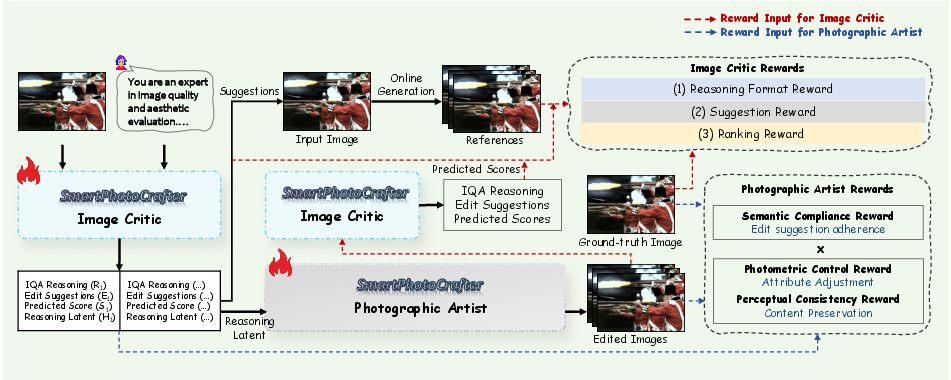
Figure 3: Reasoning-to-generation reinforcement learning jointly optimizes Image Critic and Photographic Artist for semantic and photometric enhancement.
Quantitative Evaluation
SmartPhotoCrafter demonstrates consistent superiority across diverse evaluation metrics. On automatic photographic enhancement, it achieves strong perceptual scores (MUSIQ: 69.52; NIMA: 5.66) and excels in semantic and distributional alignment (DINO: 0.98; CLIP: 0.96; FID: 27.96; LPIPS: 0.10), outperforming FLUX2.Dev, Qwen-Image-Edit, OmniGen2, and Step1X-Edit baselines. In multi-edit instruction-following scenarios, SmartPhotoCrafter attains leading PSNR of 21.05, SSIM of 0.82, and lowest LPIPS (0.09), validating its compositional and fine-grained control over restoration and retouching tasks.
Figure 4: Visual comparison of automatic enhancement reveals SmartPhotoCrafter's balance of content preservation and aesthetic improvement.
Ablation studies confirm the integral role of the photometric control reward. Exclusion of rphoto results in degraded FID and less robust optimization, while full multi-level reward design yields substantial gains in perceptual and semantic metrics.
Qualitative Analysis
SmartPhotoCrafter consistently delivers aesthetically improved outputs with robust preservation of content and structure. Automatic enhancement results exhibit enriched tonal balance, more appealing color renderings, and credible photorealism without introducing artifacts or unnatural shifts. Instruction-driven multi-attribute editing validates precise, continuous, compositional control of exposure, saturation, contrast, and bokeh, maintaining stylistic consistency and structural stability across diverse scenes.
Figure 5: Cross-attribute editing examples substantiate SmartPhotoCrafter's instruction-following and generalization capabilities.






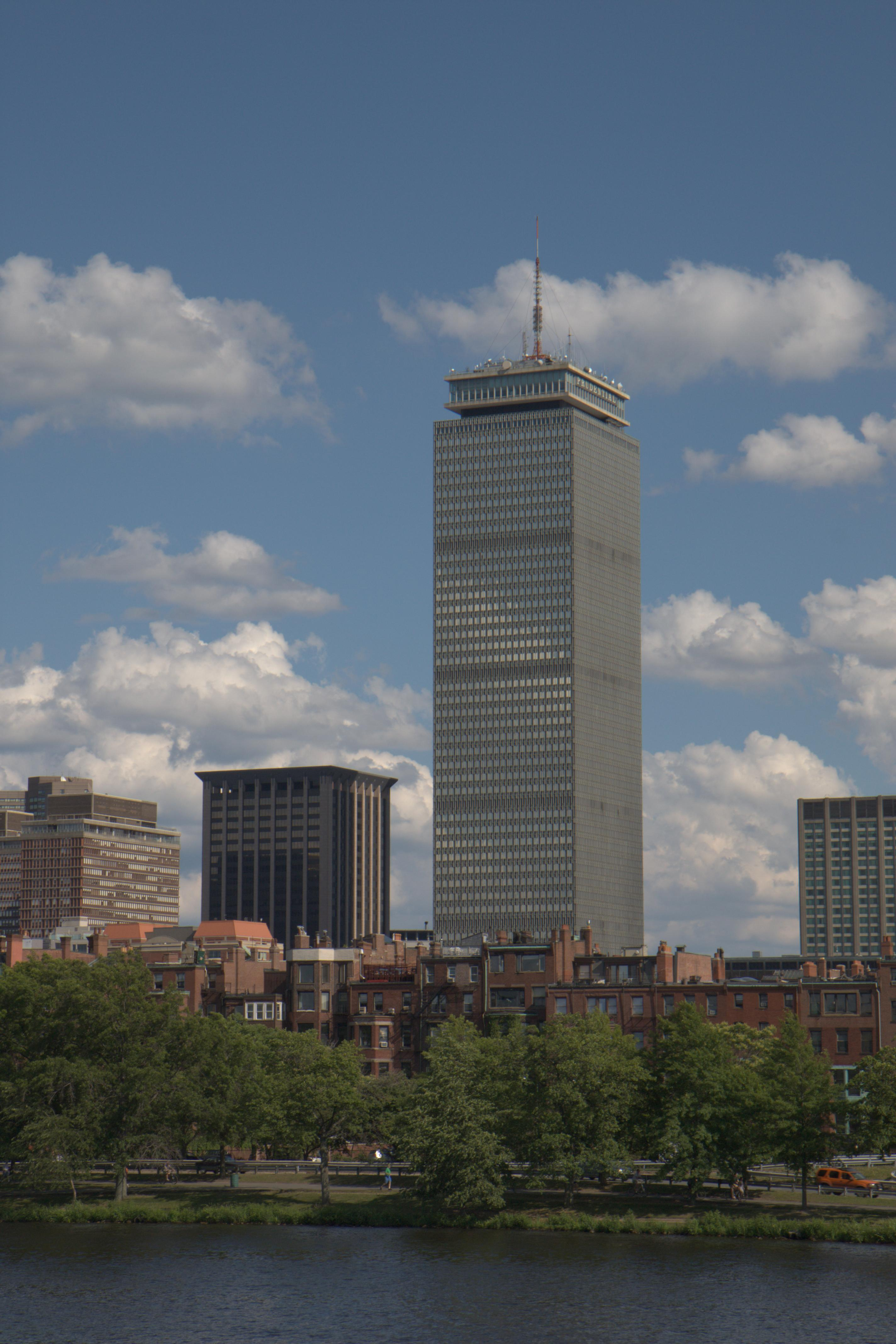
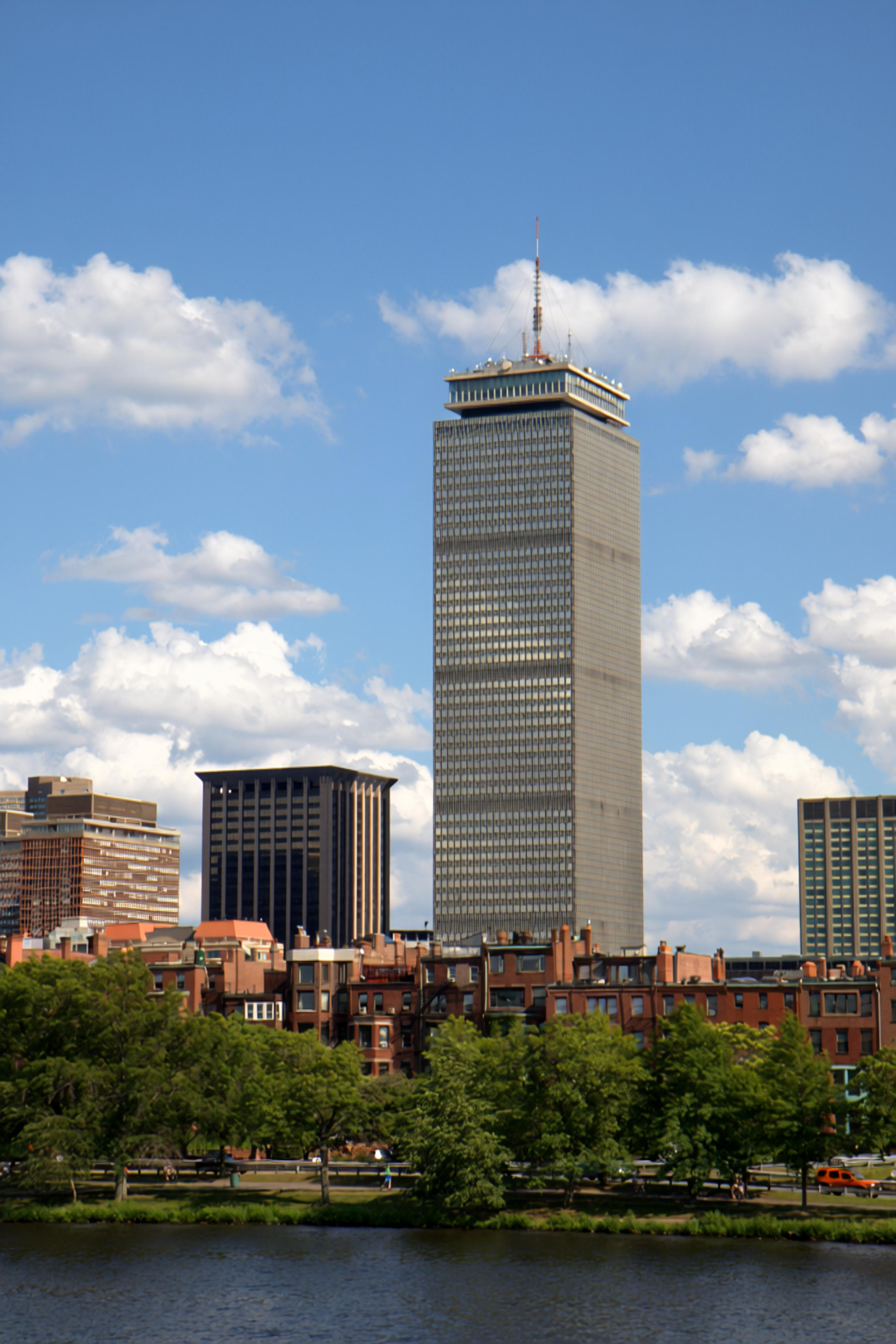
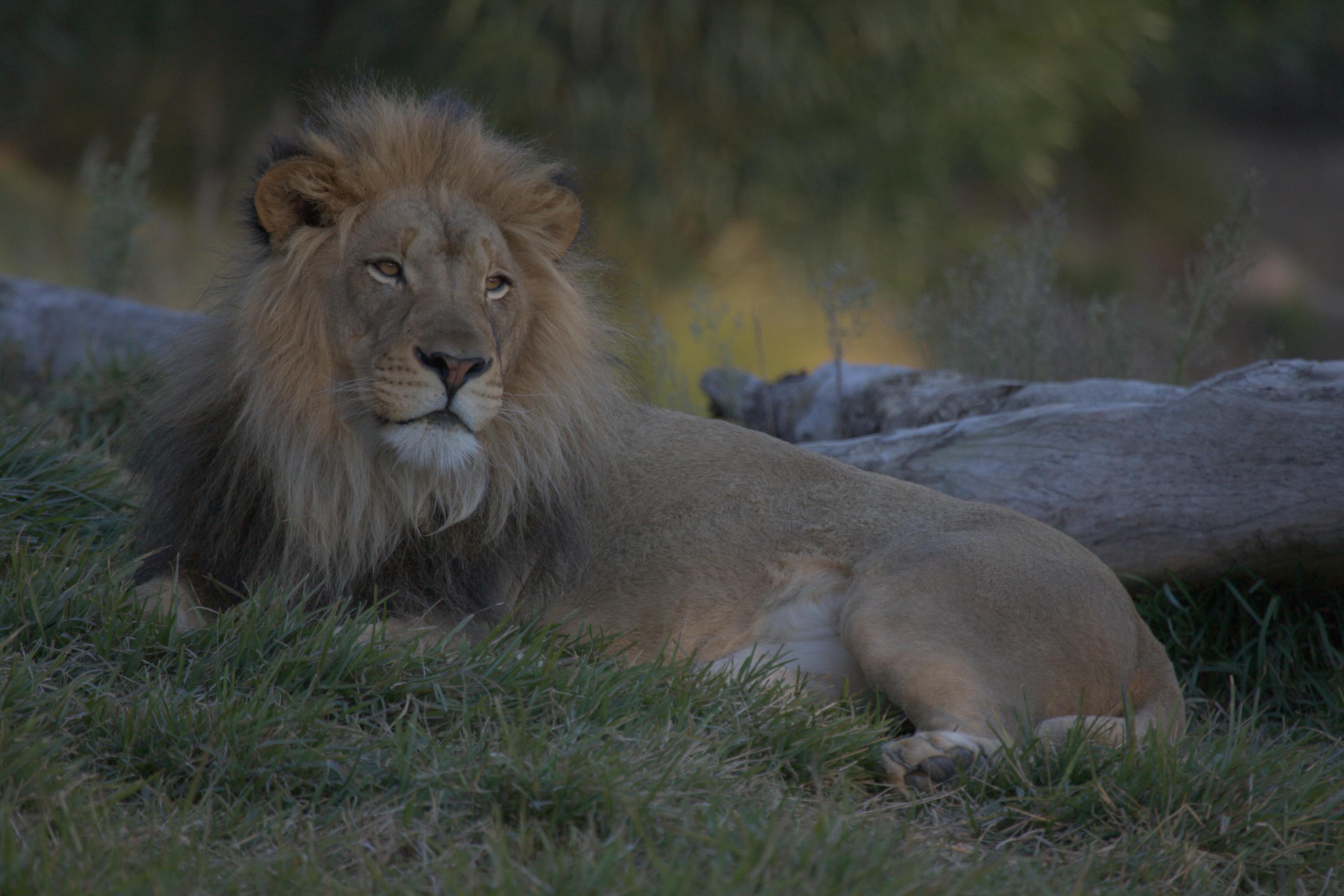
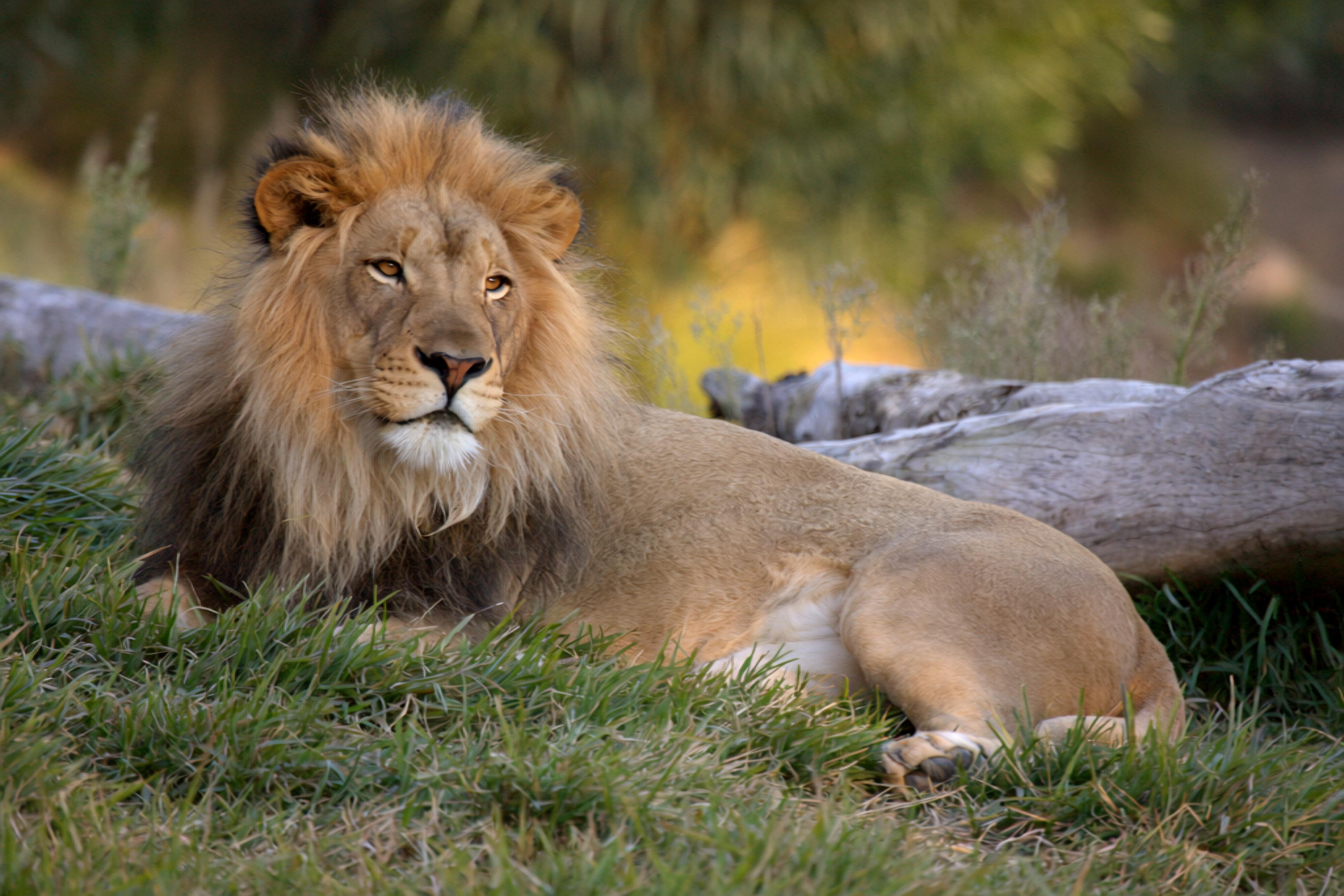


Figure 6: Additional qualitative results highlight tonal improvement and style-consistent enhancements across various photographic scenarios.
On deblurring and dehazing tasks, SmartPhotoCrafter achieves lowest LPIPS, DISTS, and FID (deblur: LPIPS 0.07, FID 21.85; dehaze: LPIPS 0.05, FID 17.23) versus both generative and task-specific methods, while maintaining competitive PSNR and SSIM. This efficacious restoration behavior is attributed to reasoning-guided generative editing, which integrates degradation correction into broader enhancement.
Theoretical and Practical Implications
SmartPhotoCrafter's approach enables automated, interpretable photographic enhancement—relevant for both expert and non-expert user scenarios in computational photography. By bridging semantic reasoning and generative modeling, it facilitates unified handling of restoration and compositional retouching, addressing the trade-off between semantic transformation and photometric fidelity observed in prior work. The multi-level reward framework provides a template for attribute-sensitive RL optimization in generative editing.
Practically, SmartPhotoCrafter may catalyze development of autonomous photo enhancement agents, democratizing high-quality photographic editing for consumer devices. Theoretically, its reinforcement-guided reasoning-to-generation paradigm paves avenues for deeper integration of visual language understanding and image synthesis, enabling future explorations in composition-aware enhancement and higher-order semantic editing.
Conclusion
SmartPhotoCrafter establishes a unified, reasoning-to-generation framework for automatic photographic image editing, leveraging multimodal LLMs and generative diffusion architectures with staged optimization and multi-level rewards. Empirical results demonstrate its efficacy in both automatic enhancement and compositional edit adherence, with robust performance in restoration scenarios. Future directions include concerted reasoning-generation optimization and advancement into composition-aware editing, further expanding the scope of intelligent photographic enhancement systems (2604.19587).

