Vibe Coding Kills Open Source
An overview of how AI-mediated coding ('vibe coding') creates a conflict between short-term productivity gains and the long-term sustainability of open-source incentives.Script
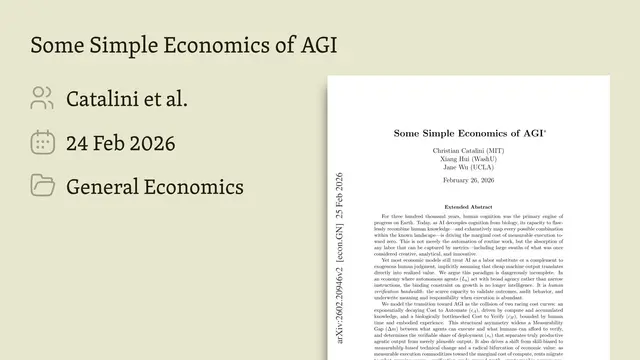
Could the very AI tools that help us build software faster actually destroy the open-source ecosystem they rely on? This paper investigates how 'vibe coding' changes the long-run economic equilibrium of software development.
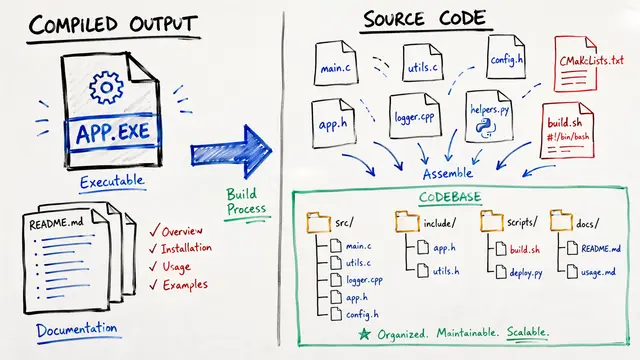
The authors define 'vibe coding' as AI agents assembling software without the user ever visiting a documentation site or a repository. This creates a core tension: productivity soars because it is cheaper to build, but the traditional rewards for maintainers—like reputation, community Q&A, and attention—begin to disappear.
To understand the risk, the researchers model two distinct types of usage. In the traditional model, usage drives engagement, which directly fuels maintainer incentives. In the vibe-coded model, the AI acts as a middleman that extracts utility without passing back the social rewards that keep open source sustainable.
So, what happens to the market equilibrium? In the short run, removing friction is great; developers enter the market and quality goes up. But in the long run, if maintainers rely on engagement for monetization, the loss of visibility causes the ecosystem to shrink and, paradoxically, social welfare actually falls.
The paper argues that to avoid this collapse, we must rethink how open source is funded. The authors suggest solutions like platform-level revenue sharing—essentially a 'Spotify for code'—or shifting to models that do not depend on direct human eyeballs to generate revenue.
Ultimately, this research highlights a critical dominance battle between improved productivity and collapsed incentives. To explore the full economic models and policy limits, head over to EmergentMind.com to learn more.