- The paper introduces Self-DACE++, leveraging pixel-wise adaptive adjustment curves (AACs) for robust and artifact-free low-light image enhancement.
- It employs a randomized module order and physics-informed unsupervised loss formulation based on Retinex theory to enhance color fidelity and suppress noise.
- Experimental results show superior PSNR, SSIM, and enhanced face detection performance on benchmark datasets, validating its efficiency and generalizability.
Self-DACE++: Robust Unsupervised Low-Light Image Enhancement via Efficient Adaptive Curve Estimation
Introduction
The paper presents Self-DACE++, a unified and unsupervised architecture for low-light image enhancement (LLIE) focused on harmonizing computational efficiency, enhancement fidelity, and robust cross-domain generalizability. By iteratively evolving the Self-DACE paradigm, Self-DACE++ leverages enhanced Adaptive Adjustment Curves (AACs), a hybrid model compression scheme, and physics-inspired unsupervised objectives to robustly enhance visibility, control noise, and preserve color structure, targeting both high-performance and edge-compute LLIE settings.
Methodological Advances
Self-DACE++ advances previous curve-based enhancement frameworks by introducing AACs, which are pixel-wise, differentiable functions governing dynamic range adaptation without artifacts or overexposure. These are parameterized by two maps, α and β, learned per pixel and color channel, with boundaries manually constrained, and applied through a sigmoid-steered response guaranteeing monotonicity and stability in both enhancement and suppression regimes. The AAC approach, in distinction from earlier quadratic or Bezier curve parameterizations, provides higher adaptation flexibility to non-uniform and complex illumination patterns while maintaining smooth spatial transitions.
The framework is structured into an Illuminance Adjustment (IA) block with decomposed low-light area enhancement (LLAE) and high-light area suppression (HLAS) modules, and an explicit Denoising (DN) block. The learning and inference regimen integrates a randomized module order strategy: multiple DMs (Disordered Modules) with independent random order convergence are trained, and subsequently fused through parameter averaging into a recurrent structure, mimicking deep feature learning with a compact RNN-like shallow architecture. This regularizes the learning process, suppresses overfitting, and achieves substantial parameter reduction with negligible performance degradation, as outlined in (Figure 1).
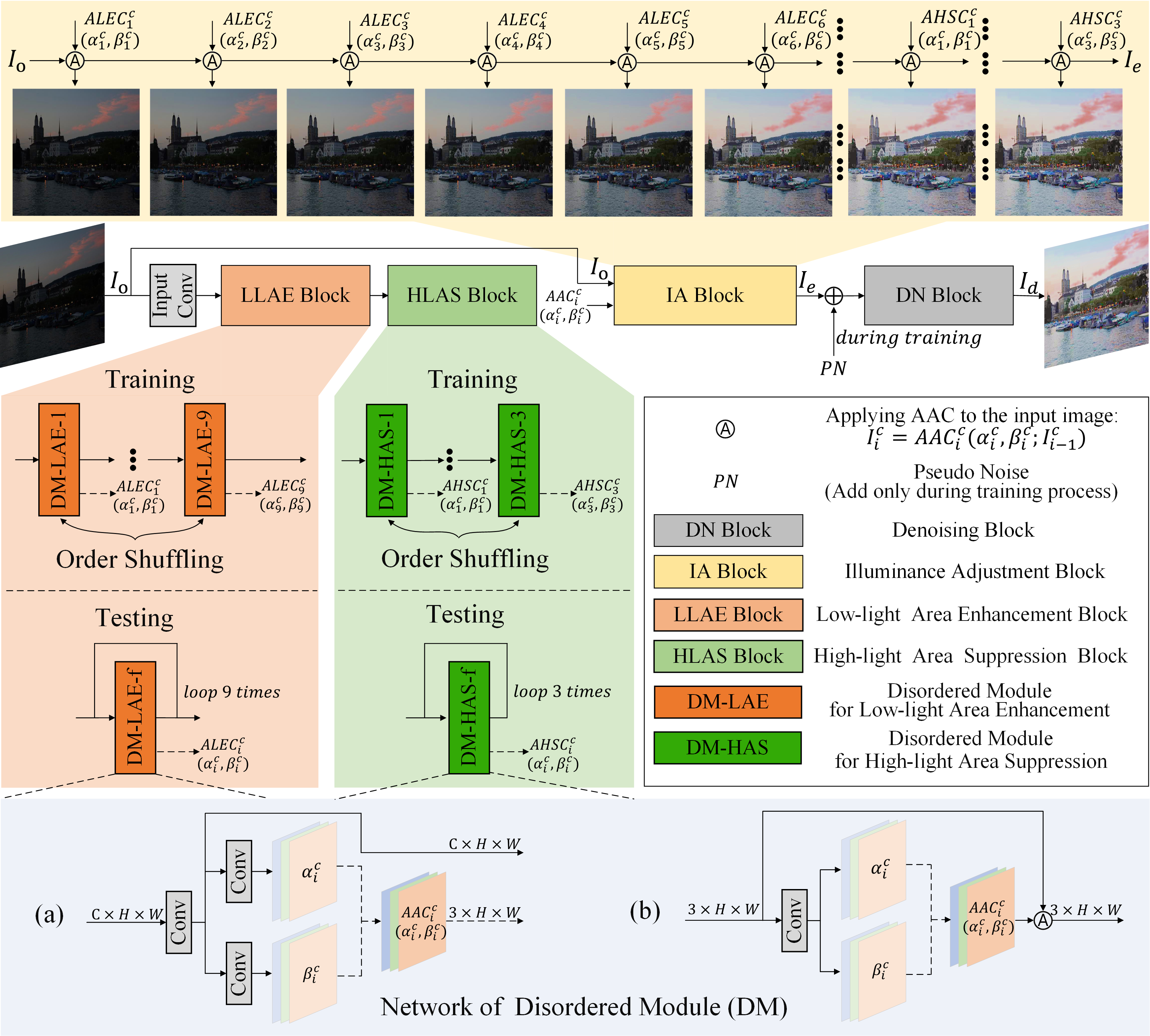
Figure 1: The Self-DACE++ framework employs a modular, iterative scheme utilizing enhanced AACs for illuminance correction and a dedicated module for noise suppression; an ultra-lightweight fast DM variant supports the Tiny deployment.
The DN module, absent in the Small and Tiny configurations, is critical for suppressing noise amplification commonly observed in LLIE pipelines—particularly under extreme illumination deficiency—by simulating pseudo noise in dark regions during training and utilizing a customized hybrid loss.
Central to the unsupervised training paradigm is a composite objective grounded in Retinex theory (reflectance-invariance to illumination) and augmented with regularization for white balance, illumination regulation, and spatial smoothness constraints. The total loss comprises:
- Reflectance Consistency (LRC): Enforces the reflectance component (color distribution) of the enhanced image to match that of the input, crucial for color fidelity.
- White Balance (LWB): Maintains average intensity proportionality across RGB channels to prevent over-saturation.
- Illuminance Loss (LIL): Penalizes deviation of the enhanced image's illuminance from a target global level, derived by projecting reflectance vectors toward a white reference.
- Curve Smoothness (LCS): Minimizes spatial variance in AAC parameters to suppress local artifacts and ensure global structure continuity.
- Denoising Loss (LDN): Aligns denoised outputs with non-noisy enhancements while penalizing both global (SSIM-driven) and local (gradient-driven) structural mismatches.
This multi-term formulation enhances robustness against both spatial and chromatic distortions and strongly regularizes unsupervised learning, as demonstrated in the ablation studies.
Experimental Analysis
Self-DACE++ is evaluated on standard benchmarks (LOL-test, SCIE-part2, DarkFace), reporting PSNR, SSIM, LPIPS, CIEDE2000, and downstream face detection AP. The model variants—full, small, and tiny—exhibit excellent tradeoffs in accuracy versus latency.
On LOL-test, Self-DACE++ achieves superior PSNR (19.69 dB, unsupervised) and structural metrics compared to both large-scale generative transformers and SOTA curve-based methods. Unlike supervised approaches, which show marked performance degradation on unseen SCIE data, Self-DACE++ sustains high fidelity (21.02 dB PSNR), highlighting effective generalization.
Qualitative analysis illustrates that Self-DACE++ produces outputs with better global brightness consistency, lower amplification of noise, and strong preservation of local details compared to both heavy generative models (often exhibiting color shifts or artifacts) and other lightweight unsupervised baselines which tend to over-amplify noise or generate structure collapse (Figure 2).
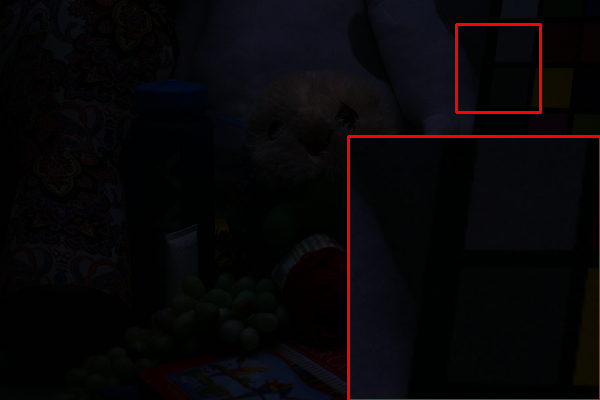
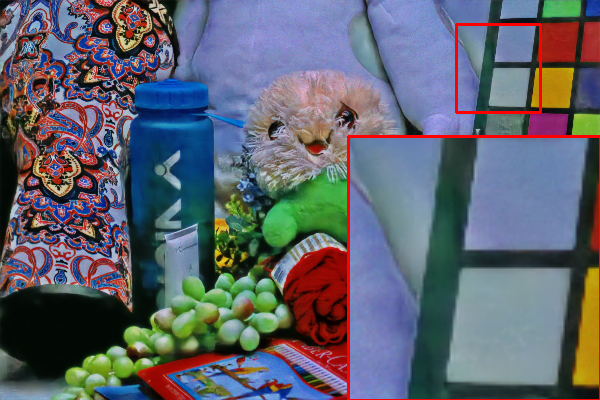
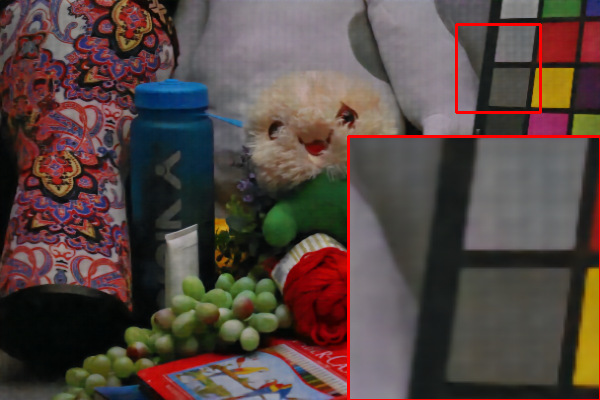
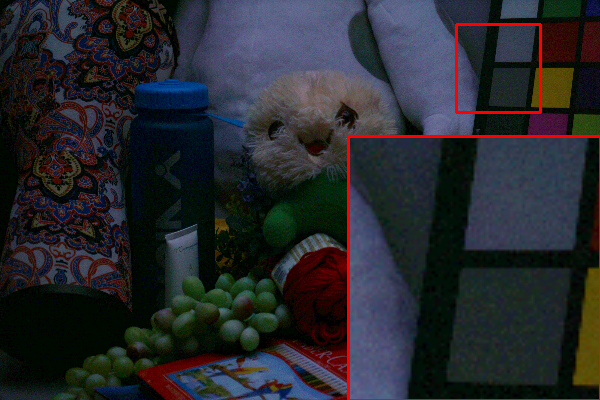
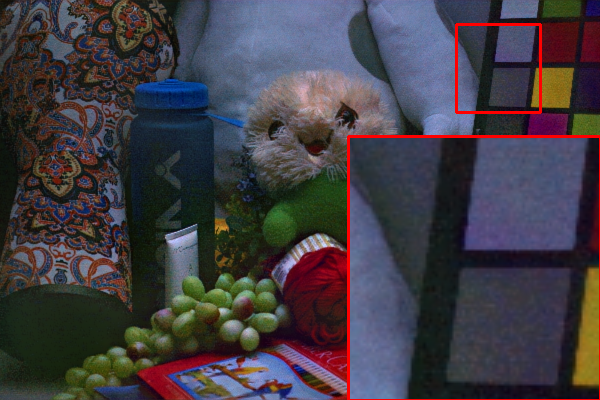
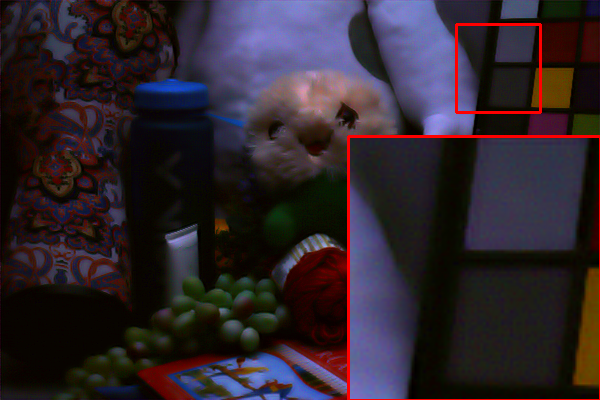
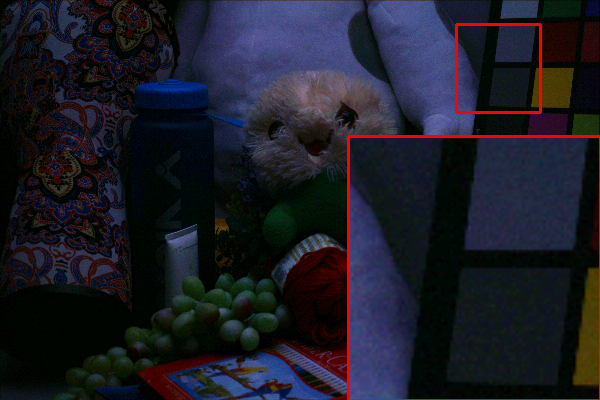
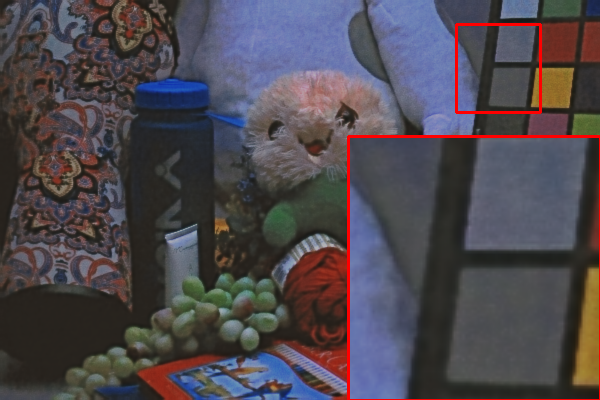
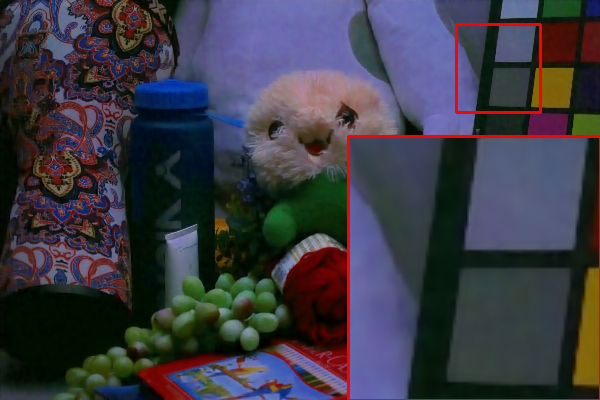
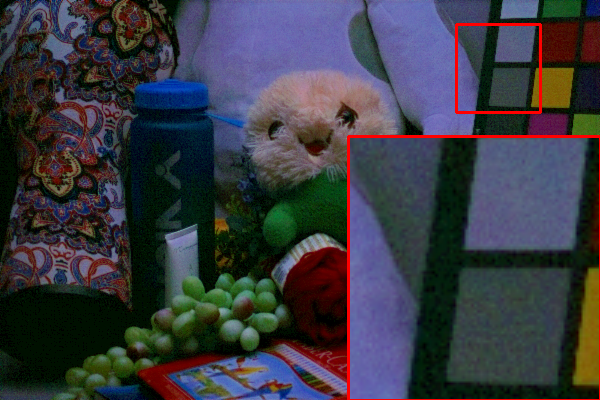
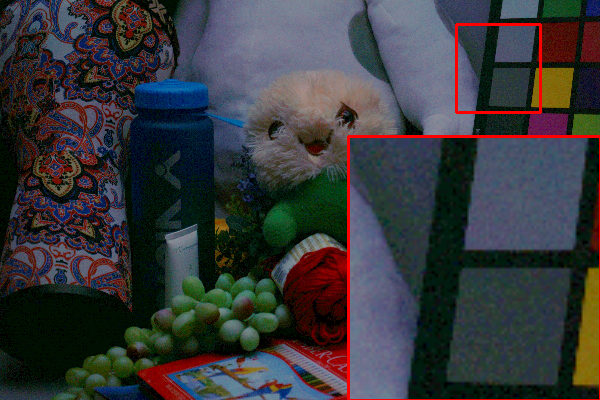
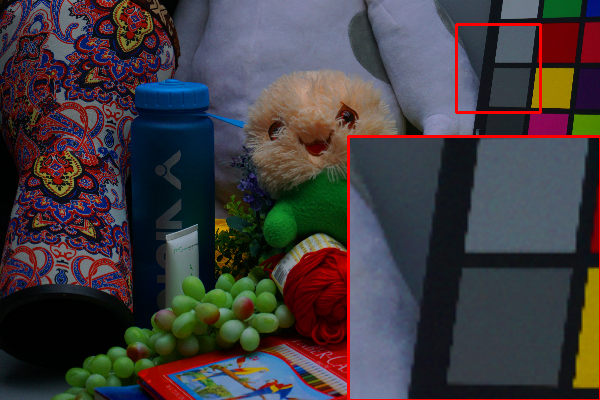
Figure 2: Visual comparison on LOL dataset; Self-DACE++ delivers balanced brightness enhancement without color distortion or structure collapse.
For real-world applicability, the model's outputs dramatically improve face detection confidence in low-light settings, where SOTA methods either fail to detect or yield low-confidence boxes on the DarkFace dataset. Self-DACE++ Small and Tiny preserve texture features vital for detection, highlighting the value of not over-suppressing high-frequency information during denoising, as shown in (Figure 3).
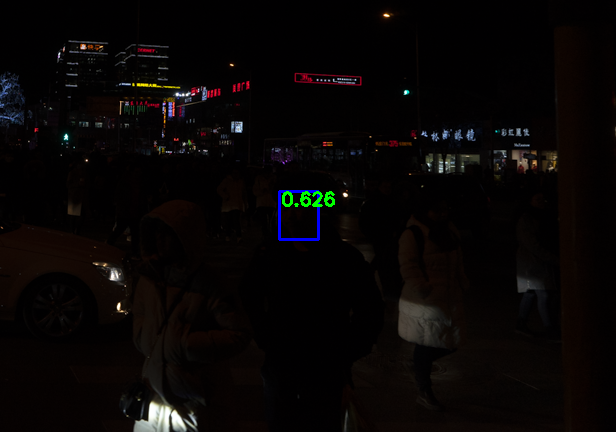
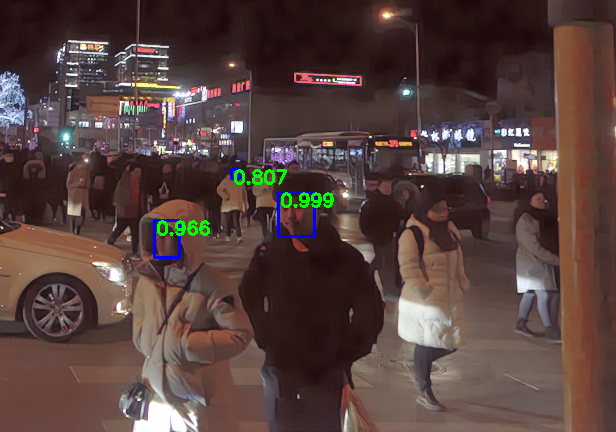
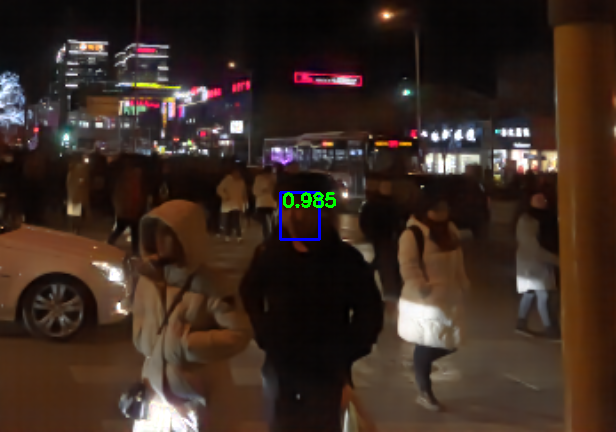
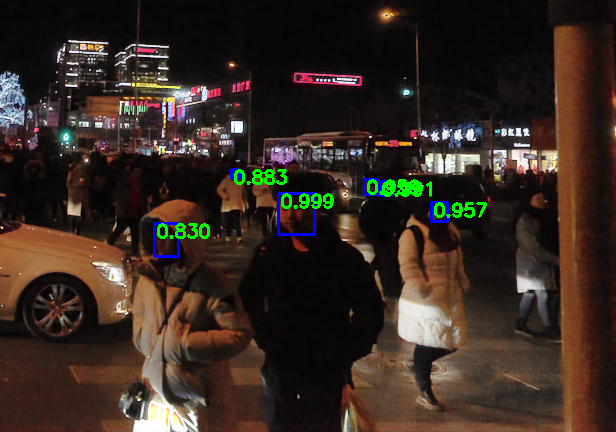
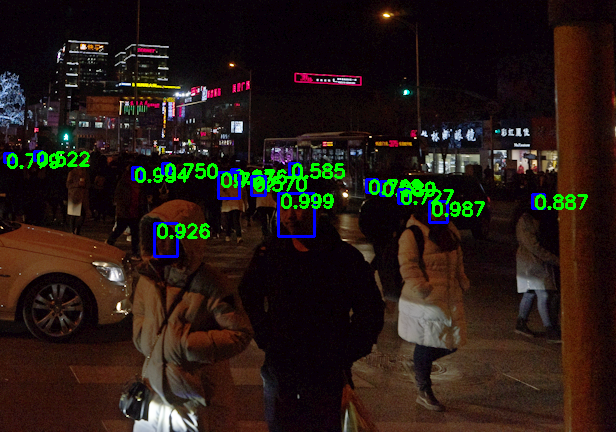
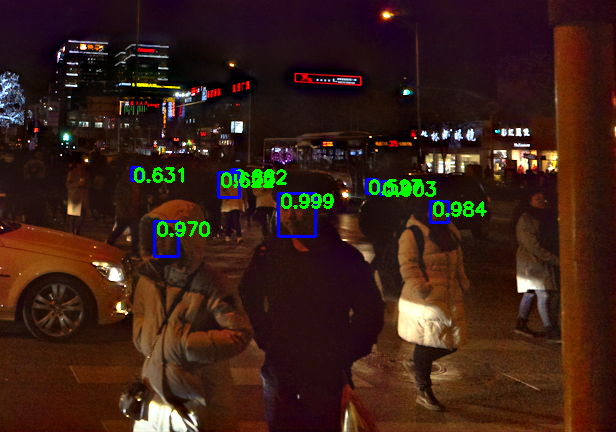
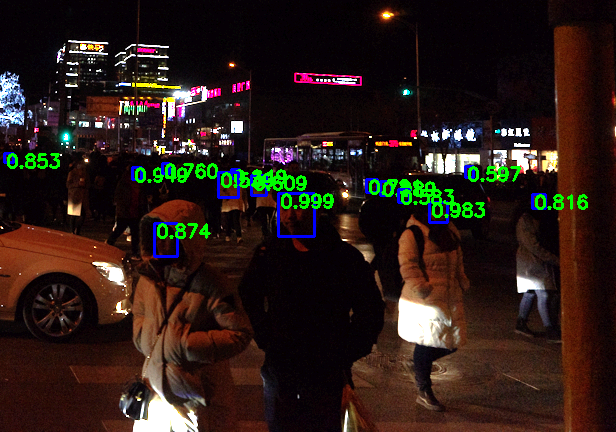
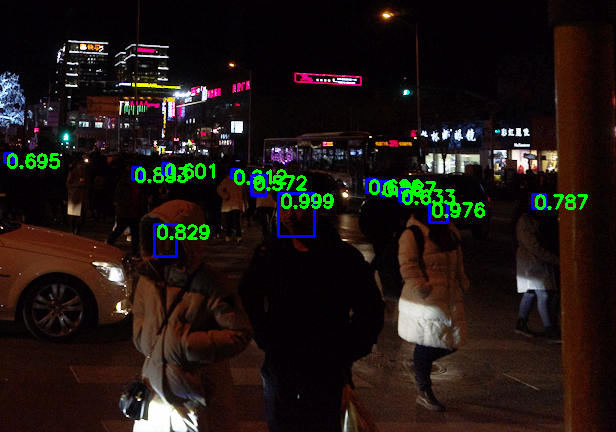
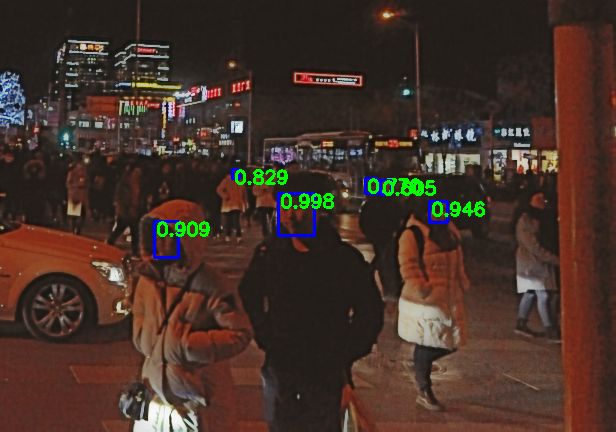
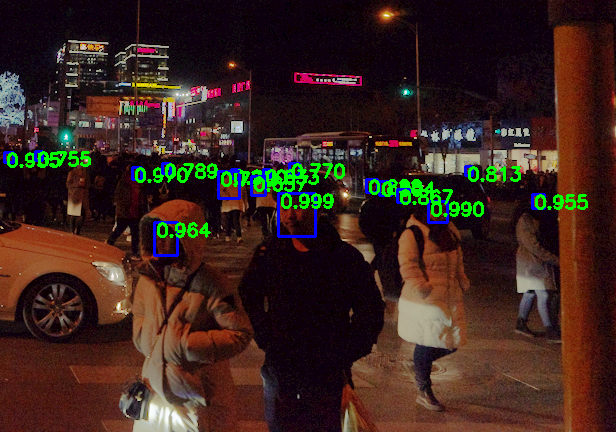
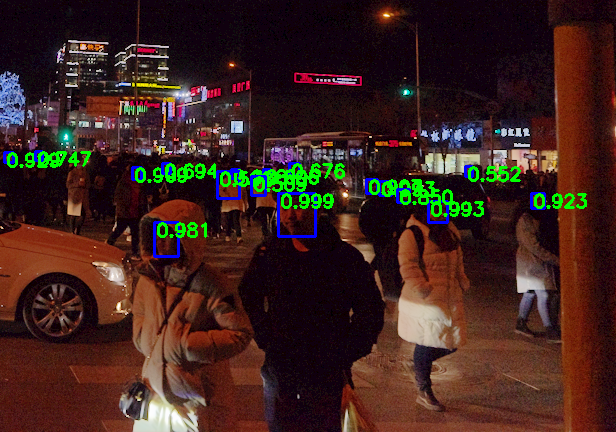
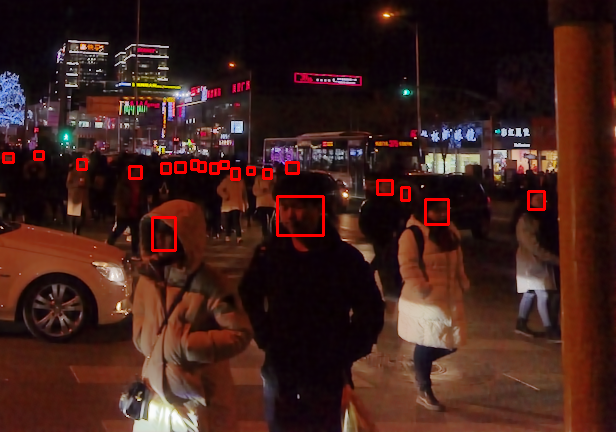
Figure 3: Face detection on DarkFace; Self-DACE++ enhances visibility for robust detection without over-denoising critical edge features.
Ablation studies confirm the necessity of each architectural component and loss term. Removal of HLAS leads to PSNR drops, and eliminating LIL or LCS drastically degrades quantitative metrics and introduces artifacts, empirically validating the physics-informed objective.
Theoretical and Practical Implications
Self-DACE++ provides compelling evidence for the efficacy of lightweight, unsupervised, curve-based frameworks in bridging the efficiency-quality divide in LLIE. The randomized disordered module training and parameter fusion establish a viable alternative to deep or transformer-heavy architectures, allowing real-time deployment on edge hardware without significant accuracy compromise. The sophisticated unsupervised loss design, grounded in physical image formation, ensures broad generalization—critical for robustness in unconstrained imaging environments.
These findings suggest new directions in efficient LLIE:
- Fine-grained, parameterized curve adaptation can serve as a foundation for hybrid enhancement-denoising models, especially as RL and vision transformers push toward lower memory regimes.
- Physically informed unsupervised learning will remain essential for generalization, especially as the field further decouples from synthetic paired data requirements.
- The interplay of denoising and structure preservation requires future investigation, particularly for integration with downstream perceptual and recognition systems.
Conclusion
Self-DACE++ introduces an efficient, unsupervised LLIE architecture that achieves state-of-the-art quantitative and qualitative metrics while offering scalable deployment for resource-constrained environments. Enhanced adaptive curve estimation, physics-inspired objectives, and iterative network compression collectively provide a robust, generalizable enhancement pipeline. This framework not only advances the state-of-the-art in lightweight LLIE but also delivers direct practical value to vision-based detection systems in low-light operational contexts.

