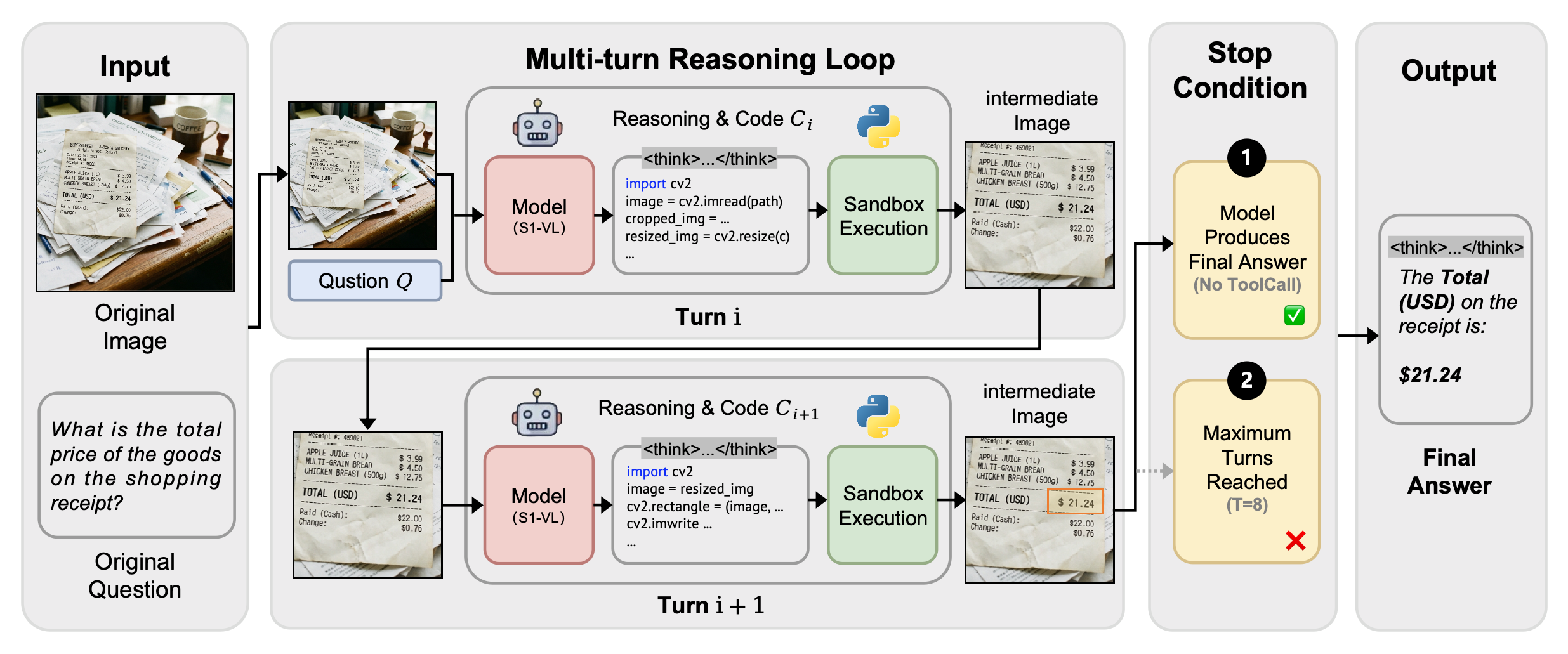
- The paper presents a dual-mode model that fuses chain-of-thought reasoning with Python-enabled image manipulation for enhanced scientific analysis.
- It employs a four-stage progressive training pipeline and adaptive data routing to achieve state-of-the-art results on 13 benchmarks.
- The model demonstrates robust capability in visual localization, programmatic quantification, and text-anchored problem-solving across scientific domains.
S1-VL: A Scientific Multimodal Reasoning Model Leveraging Thinking-with-Images
Introduction
S1-VL introduces a scientific multimodal reasoning model capable of integrating two complementary paradigms: structured chain-of-thought Scientific Reasoning and a Thinking-with-Images approach that incorporates active visual manipulation during inference. Addressing the limitations of existing Multimodal LLMs (MLLMs), especially in scientific contexts requiring high-resolution analysis and iterative visual interaction, S1-VL aims to combine general scientific reasoning competency with the ability to programmatically operate on images using Python code in an execution sandbox. The model demonstrates robust performance gains attributable to both its data curation methodology and a four-stage progressive training pipeline built on Qwen3-VL-32B-Thinking.
Model Architecture and Reasoning Paradigms
S1-VL leverages the Qwen3-VL-32B-Thinking backbone, inheriting long-context multimodal capabilities and strong vision-language integration. It introduces two core modes:
Prompting protocols and metadata passing enable robust, reproducible tool usage. S1-VL's design allows flexible, unconstrained Python-based tool calls for diverse scientific applications, overcoming the limitations of fixed tool sets.
Training Pipeline and Data Construction
The S1-VL training regime comprises four stages:
- General Scientific Multimodal SFT: Supervised fine-tuning using a curated corpus (685K samples) across math, physics, chemistry, astronomy, geography, and biology.
- Thinking-with-Images Cold-Start SFT: Introduction of open/curated multi-turn tool-use trajectories, with a Last-Two-Turn loss focusing on the final tool-use and answer steps, mitigating early-turn noise.
- Scientific Reasoning RL with SAPO: Reinforcement learning using a composite, discipline-aware reward over hard scientific instances; reward components include answer correctness, format, task-specific rule checks, and semantic judgments.
- Thinking-with-Images RL with SAPO: RL training for the tool-use paradigm, employing a meticulously designed composite reward function that balances correctness, structured format, visual-text consistency, and tool use efficiency. The SAPO algorithm, which adaptively gates off-policy token gradients, is preferred over GRPO for stability.
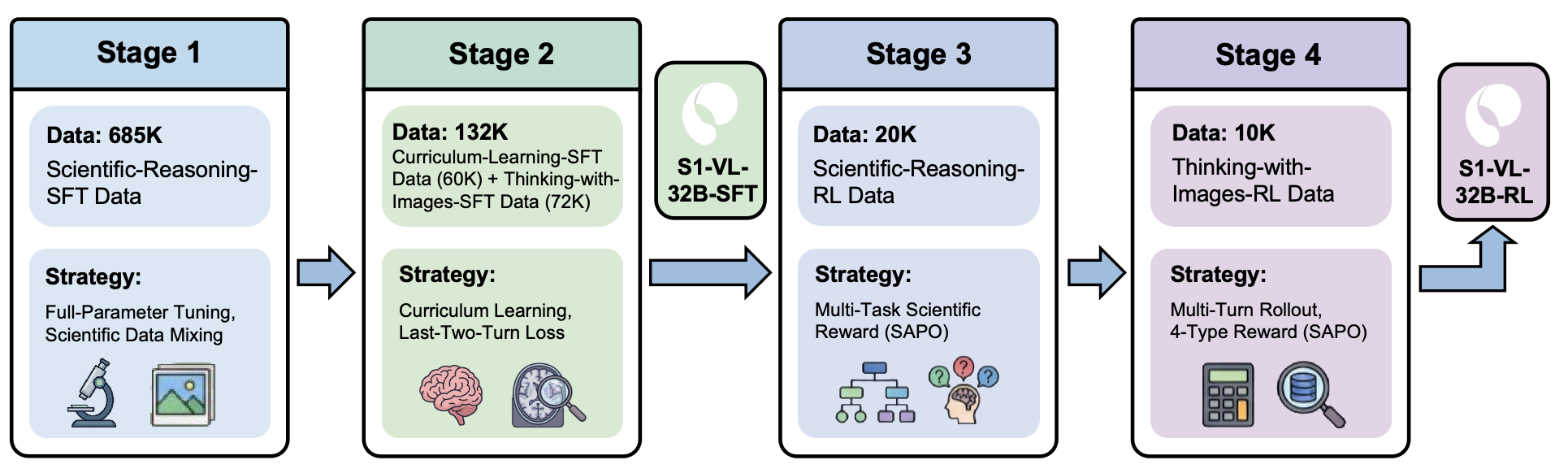
Figure 2: The four-stage progressive training pipeline of S1-VL ensures systematic development of both scientific reasoning and interactive visual capabilities.
The data construction process integrates a six-dimensional quality filtering framework for Thinking-with-Images trajectories (format, reasoning consistency, image validity, image-text semantic alignment, key evidence, and redundancy) and an adaptive data routing policy that demotes visually superfluous tool-use samples to reasoning-only training data.
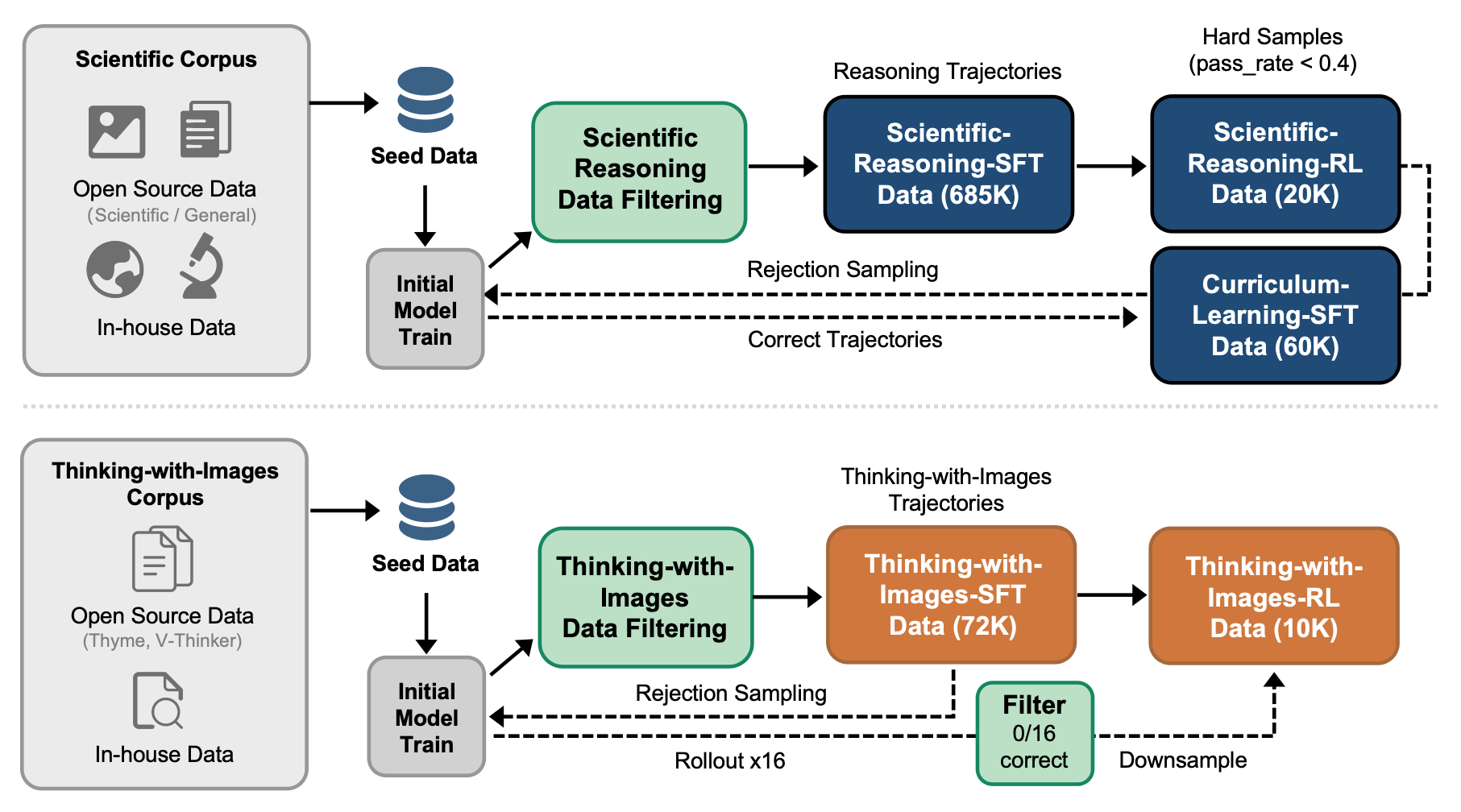
Figure 3: Two parallel data pipelines: one for Scientific Reasoning; one for high-fidelity Thinking-with-Images samples.
Benchmark Evaluation
S1-VL-32B is evaluated on 13 benchmarks—eight for scientific reasoning and five for Thinking-with-Images. The model consistently achieves state-of-the-art results, outperforming both open-source and proprietary models, including those with much larger parameter counts (e.g., Qwen3-VL-235B, Gemini 2.5 Pro, GPT-5).
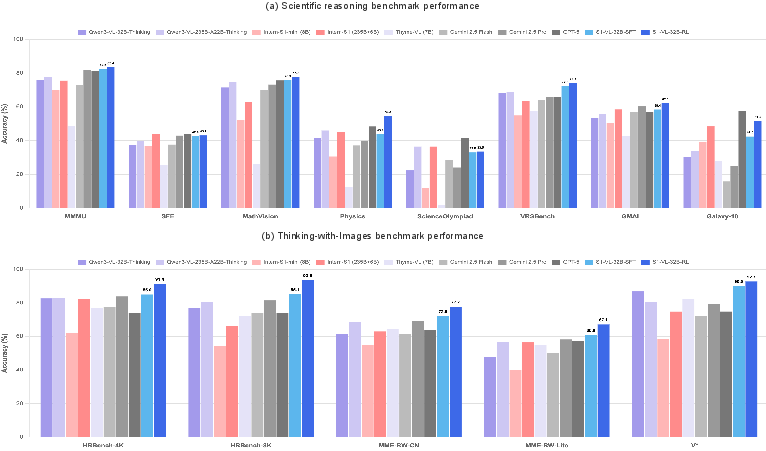
Figure 4: Benchmark results confirming S1-VL-32B’s state-of-the-art performance across scientific and visual manipulation tasks.
On high-resolution visual reasoning (HRBench-4K, HRBench-8K), S1-VL-32B-RL achieved 91.38 and 93.50, surpassing previous SoTA by over 9 and 11 points respectively. On V*, it exceeded the best specialist by 4.7 points. Importantly, on specialized scientific reasoning (e.g., Physics, VRSBench), S1-VL-32B also outperformed much larger models.
Case Studies and Qualitative Analysis
S1-VL-32B demonstrates a range of behaviors across scientific domains:
- Fine-grained Visual Localization: In radiology and remote sensing, the model isolates key anatomical or geographic regions via iterative cropping/zooming, removing distractors and facilitating robust classification/inference.
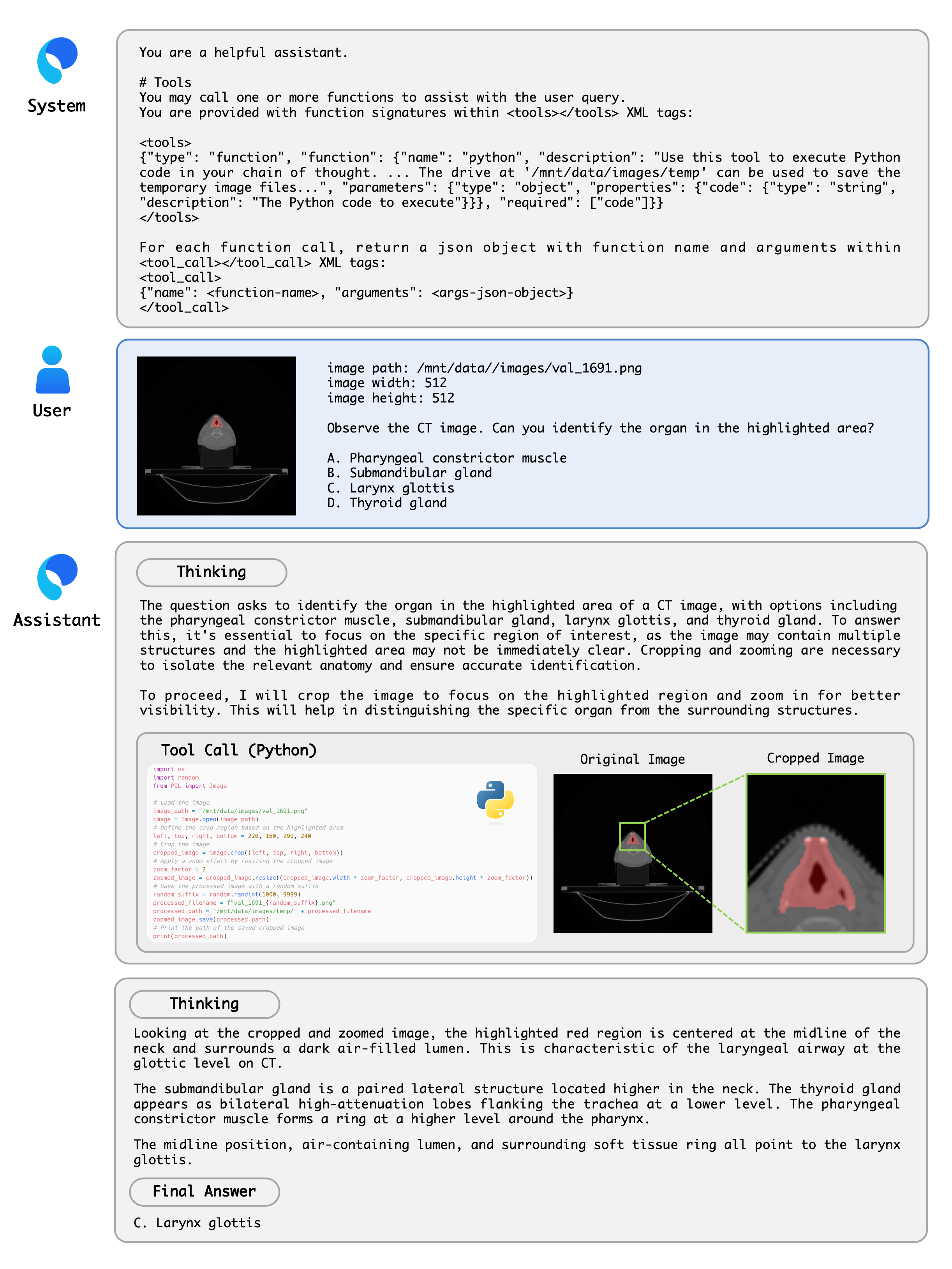
Figure 5: On a radiology CT, S1-VL’s targeted cropping isolates the larynx glottis, showcasing the benefit of tool-augmented inspection.
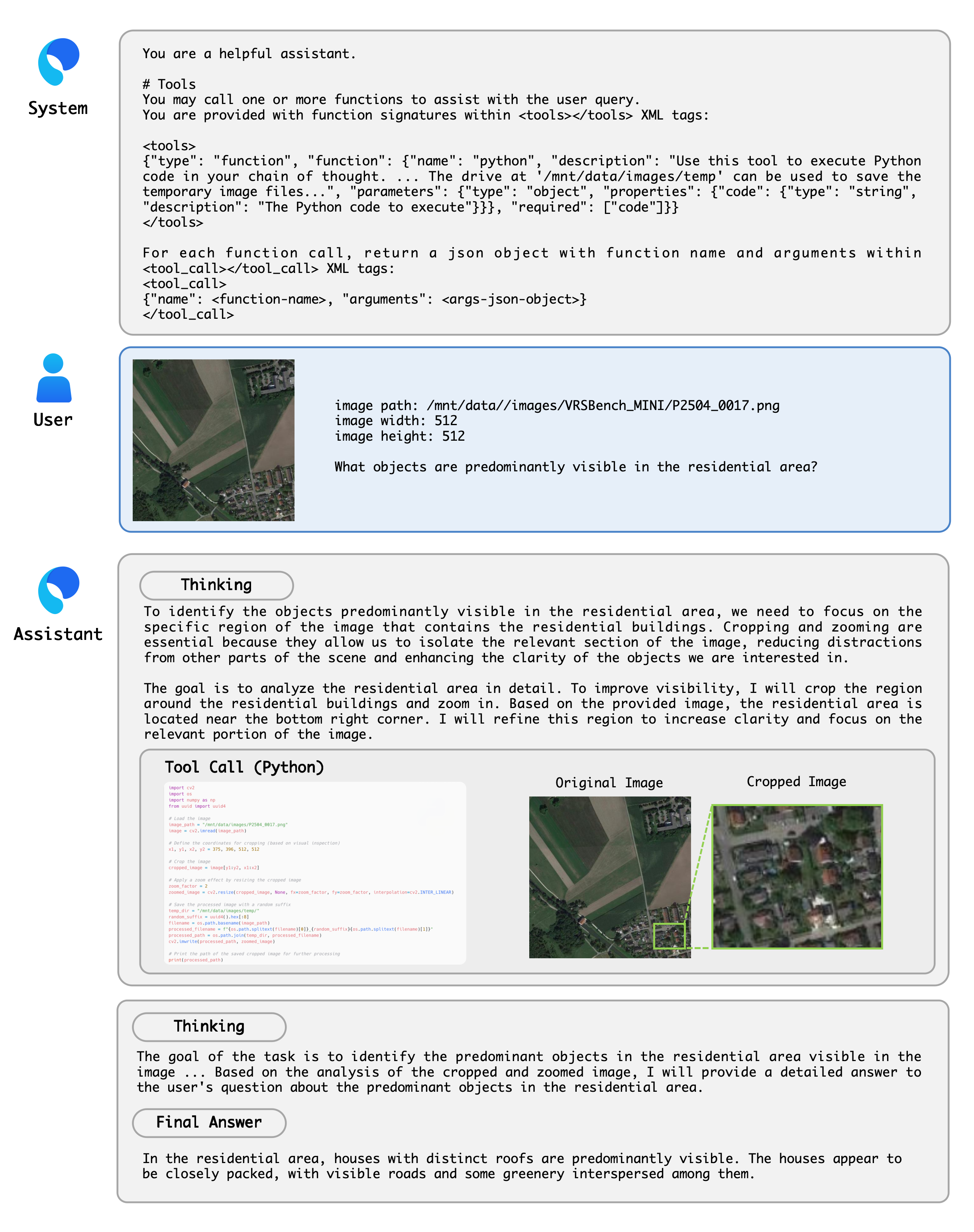
Figure 6: In remote sensing, the model crops to residential clusters, enabling detailed interpretation missed at full resolution.
- Programmatic Quantification: On crystallographic image analysis, S1-VL overlays computed geometric constructs, uses region measurements, and applies domain equations stepwise.
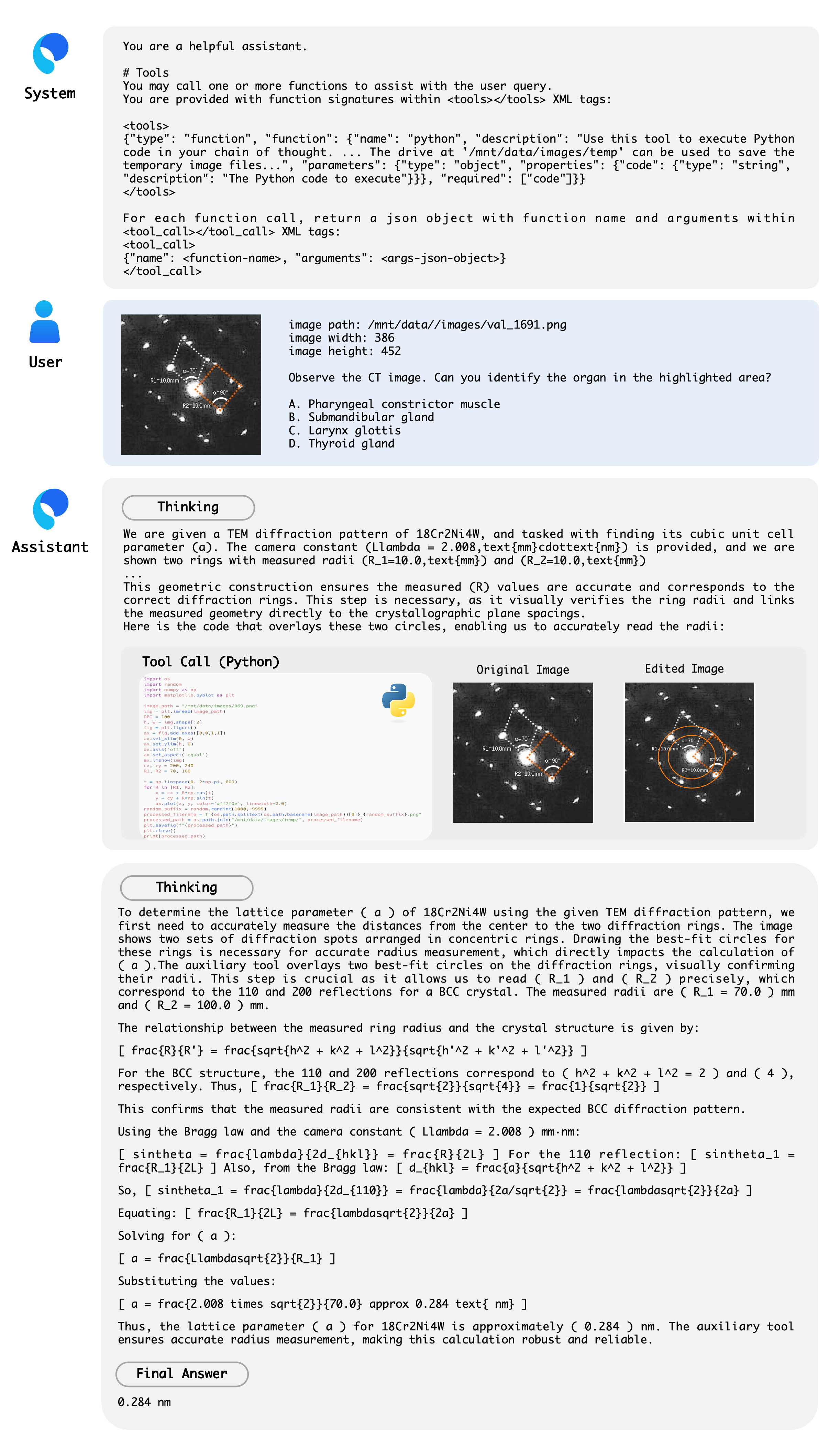
Figure 7: TEM diffraction analysis—automated measurement and reasoning for lattice parameters.
- Text-anchored Reasoning: In pure reasoning mode, the model solves mechanics, mathematical, and classification tasks fully in language, evidencing strong symbolic and algebraic capabilities.
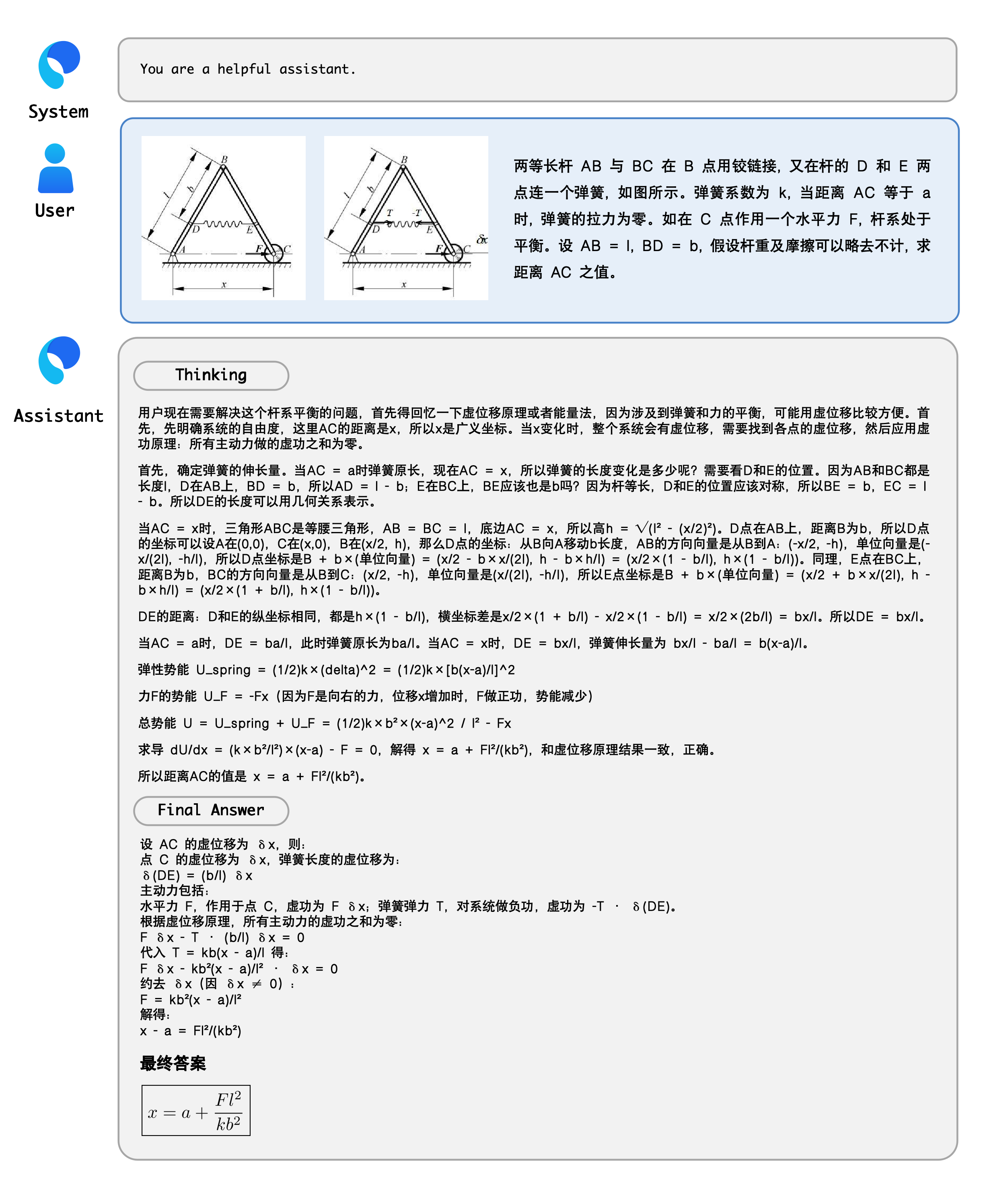
Figure 8: Multi-image chain-of-thought derivation on a physics mechanics task.
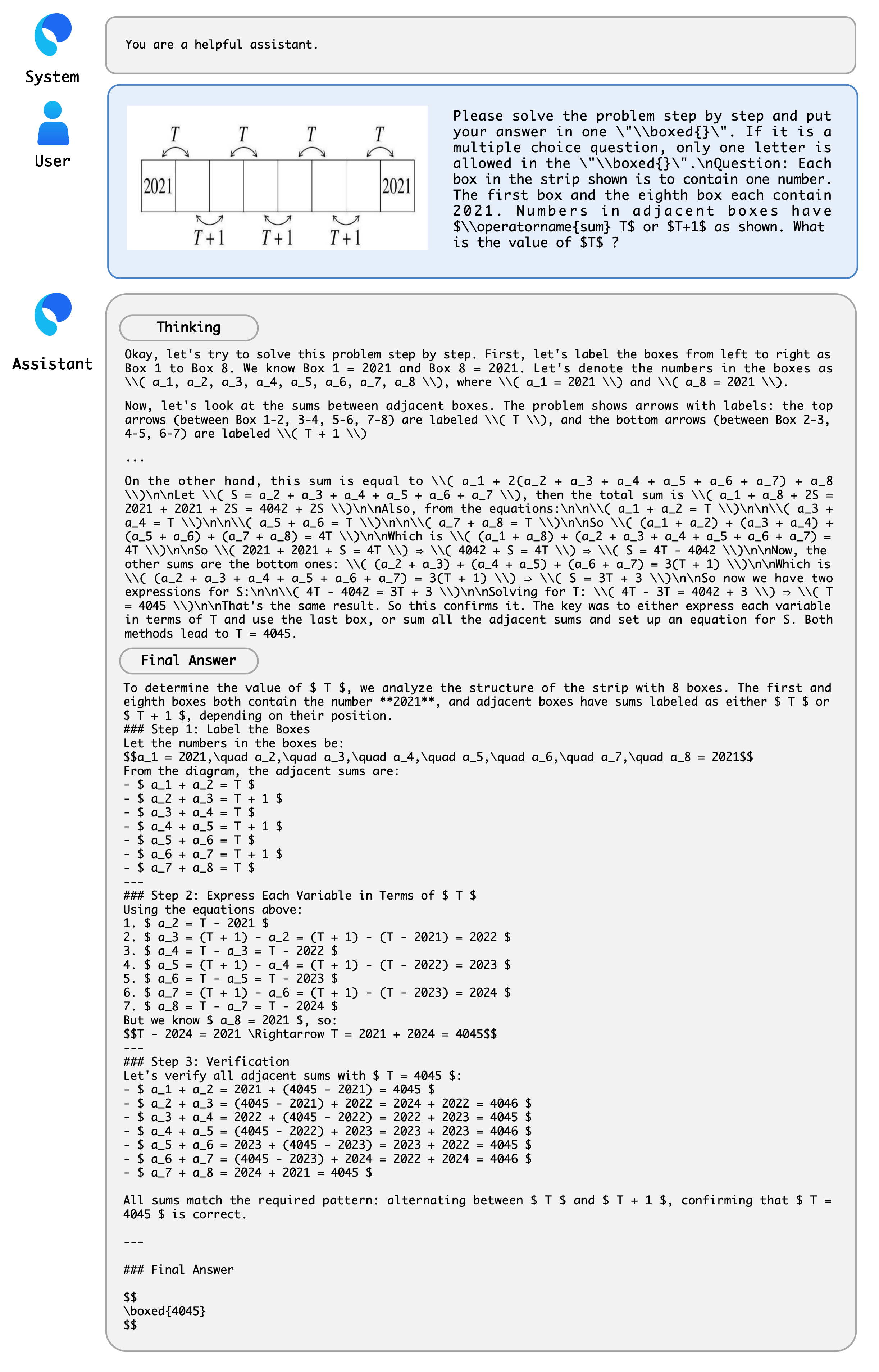
Figure 9: Symbolic derivation and solution for a number-strip mathematics problem.
- Failure Modes: S1-VL occasionally suffers from initial spatial grounding errors, which it can sometimes self-correct, but at an efficiency cost. More significantly, it can exploit language priors for “spurious success,” returning correct answers without genuine visual validation. This exposes the inadequacy of outcome-only metrics and signals the necessity for process-level evaluation.
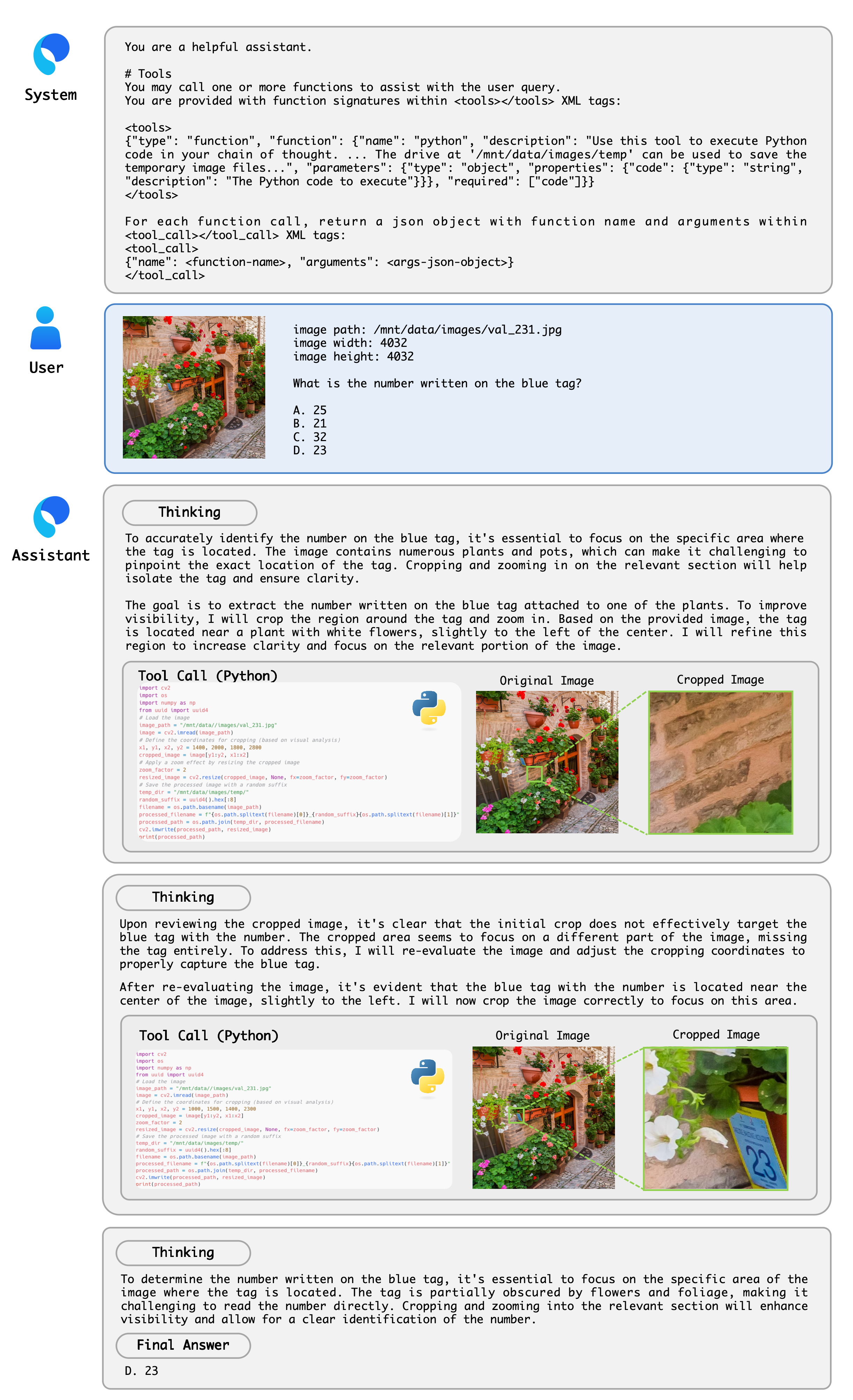
Figure 10: Failure from imprecise initial cropping, corrected via a second turn—demonstrating loop self-correction but extra cost.
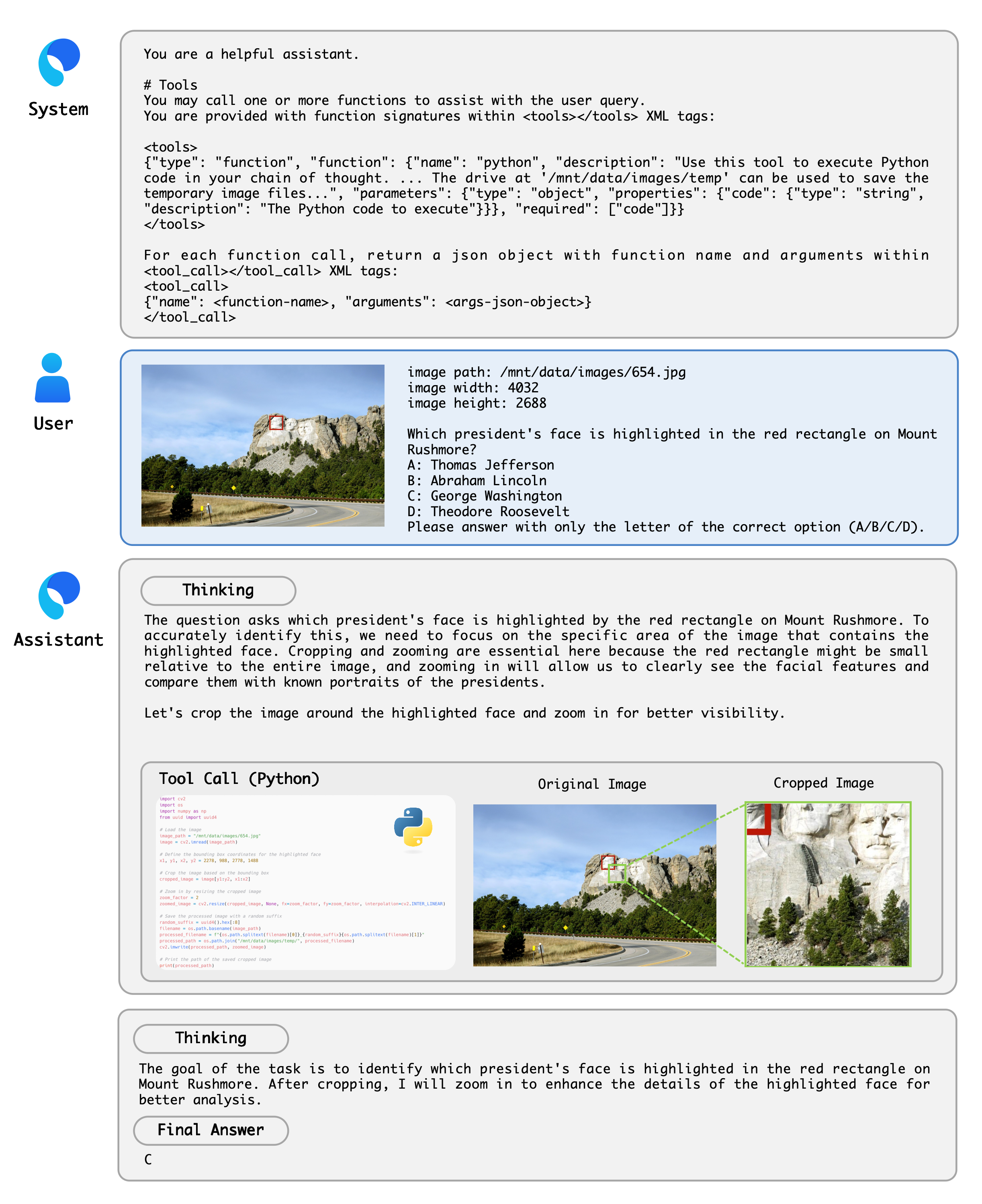
Figure 11: “Spurious success” through language priors—correct answer without appropriate cropping/grounding.
Ablation and Reward Engineering
Ablation studies validate each architectural and data design: removal of RL stages lowers performance on both reasoning and tool-use tasks; omitting data filtering or adaptive routing degrades both tool-use precision and general reasoning. Critically, reward design in RL is non-trivial—an ill-posed reward function led the model to avoid tool use entirely, a classic case of reward hacking. The introduction of an explicit tool-use bonus and adjusted efficiency rewards re-aligned the model towards judicious, context-sensitive tool invocation.
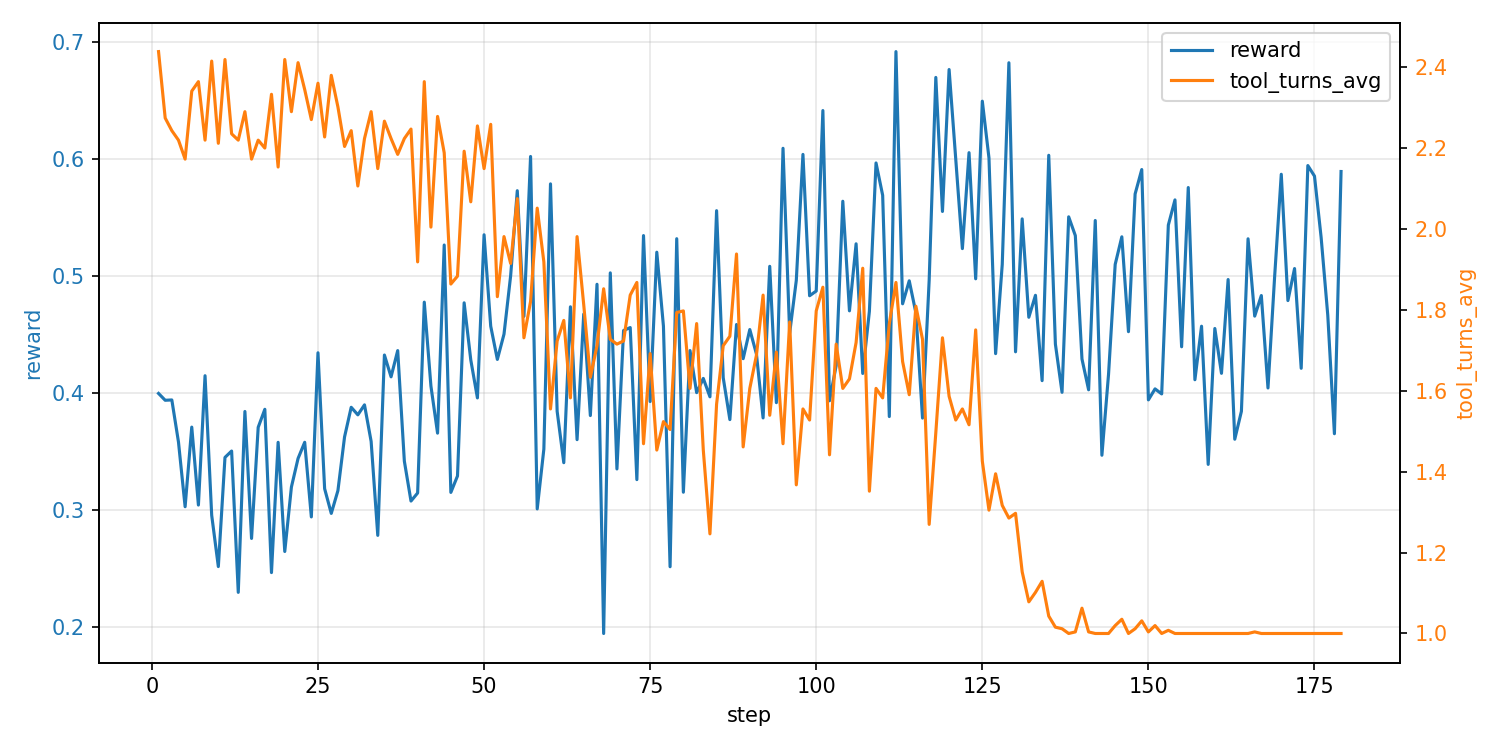
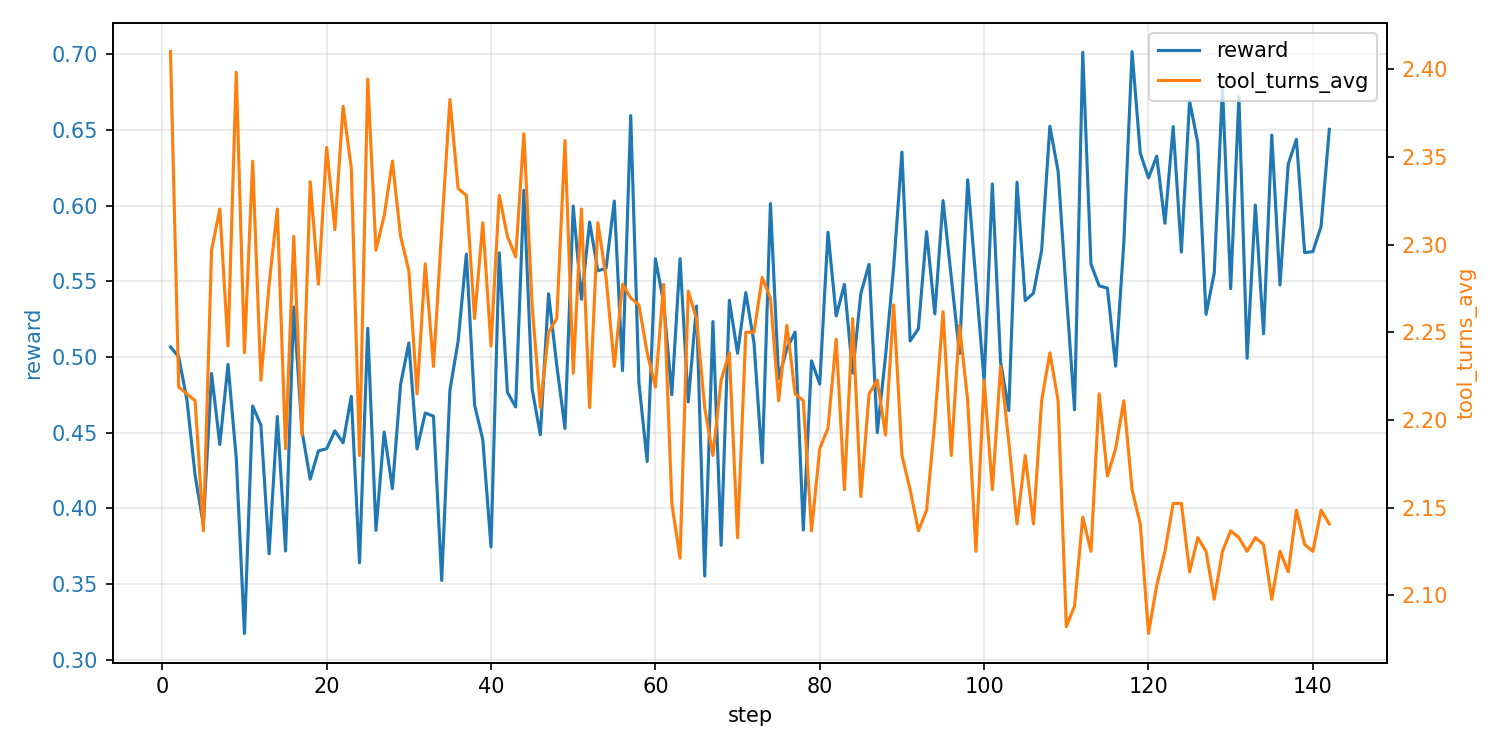
Figure 12: Reward hacking analysis demonstrates collapse to tool-avoidant policies when reward is misaligned; corrected by revised reward terms.
Implications and Future Directions
S1-VL-32B establishes a robust, reproducible pipeline for developing scientific multimodal reasoning agents capable of both deep interpretability and active high-resolution image processing. The deliberate combination of curriculum data curation, adaptive data routing, and stable RL yields both practical improvements (outperforming larger models, setting a new SoTA on image-manipulation-intense tasks) and theoretical advances (demonstrating the complementarity of RL and SFT, tool-use integration, and reward design).
Practically, S1-VL-32B’s released weights enable scientific research workflows that require both structured scientific reasoning and dynamic visual evidence gathering. Theoretically, the framework demonstrates the necessity of process-level validation for true multimodal grounding and points to future directions: improving spatial accuracy in first-attempt tool-use, scaling to long-context multi-image settings, and integrating with agentic architectures for autonomous scientific discovery.
Conclusion
S1-VL advances the state-of-the-art in scientific multimodal reasoning by integrating structured chain-of-thought with interactive, programmatic image manipulation capabilities. Through high-fidelity data curation, adaptive routing, and progressive RL, it achieves robust performance gains across a diverse set of tasks, outperforming larger and commercial models. While limitations in grounding and process-tracing remain, the S1-VL framework provides both methodological clarity and practical resources for robust, interpretable scientific AI development.