- The paper presents a hybrid quantum-classical framework employing QM/QM/MM embedding to achieve sub-kcal/mol accuracy in reaction barrier estimation for drug discovery.
- It leverages quantum-information-driven orbital optimization within DMET to reduce active space dimensionality and computational costs.
- The platform improves virtual screening for covalent inhibitors and offers an automatable, scalable solution for simulating complex biomolecular systems.
Introduction and Motivation
The paper introduces CovAngelo (2604.10487), a multiscale computational platform designed to address the intrinsic limitations of traditional computer-aided drug design (CADD) methods in accurately modeling protein-ligand (PL) interactions, particularly covalent binding governed by strong electron correlations. CovAngelo leverages a hierarchical quantum-in-quantum-in-classical (QM/QM/MM) embedding strategy, integrating molecular dynamics (MD), density matrix embedding theory (DMET) with quantum-information-driven orbital optimization, and advanced quantum algorithms, targeting sub-kcal/mol accuracy for reaction barrier estimation in pharmaceutically relevant systems.
The central challenge motivating this work is the computational intractability of high-level quantum chemical methods for the thousands of atoms prevalent in biological PL complexes. Existing CADD approaches frequently compromise on transferability and accuracy, relying on empirical scoring, low-cost DFT, or fitted force fields, which are insufficient for capturing subtle electronic effects crucial for biological activity and selectivity. CovAngelo seeks to reconcile chemical accuracy with scalability by dynamically embedding a correlated quantum region within a broader classical environment, and by exploiting both modern GPU architectures and quantum hardware backends for efficient high-fidelity calculations.
Multiscale Embedding Framework and Computational Pipeline
CovAngelo's physical modeling is realized via a QM/QM/MM approach Figure 1:
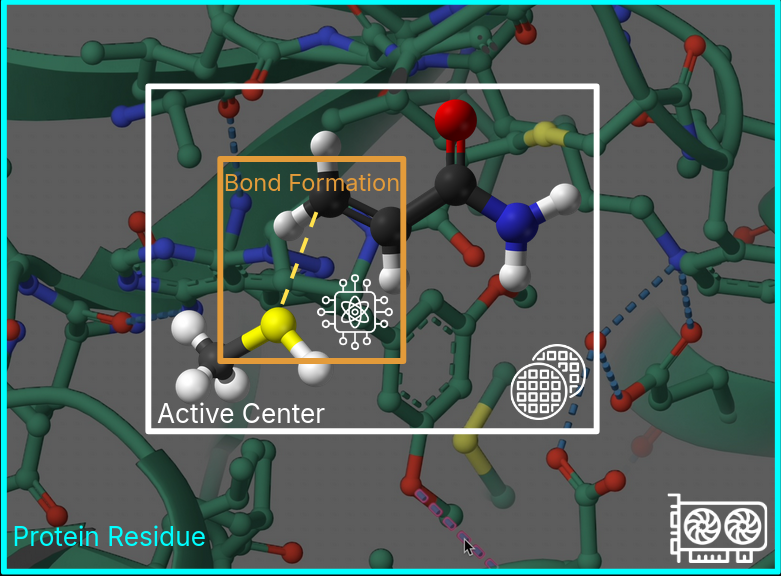
Figure 1: Hierarchical embedding of the molecular system, separating the classical protein environment, quantum-mechanical active center, and quantum-computed bond formation region.
- Classical Layer: The protein residues and bulk solvent are propagated using MD (GROMACS/AmberTools). Geometries are ensemble-sampled, capturing environmental conformational effects.
- Outer Quantum Subsystem (QM/MM): A preselected region (ligand and key residues) is treated at the quantum level with environmental coupling, including explicit solvation.
- Correlated Quantum Core (QM/QM): The bond-forming region, potentially displaying strong static and dynamic correlation, is described by wavefunction-based methods (e.g., CCSD, DMRG) with embedded DMET, optionally offloaded to GPUs or quantum devices.
The pipeline is orchestrated via Snakemake, enabling scalable, reproducible multi-node execution. Execution backends include classical CPU/GPU, quantum circuit simulators (CUDA-Q, Qiskit), and access to current quantum hardware (IBM Q, IQM, IonQ). A schematic overview of the platform is given in Figure 2:
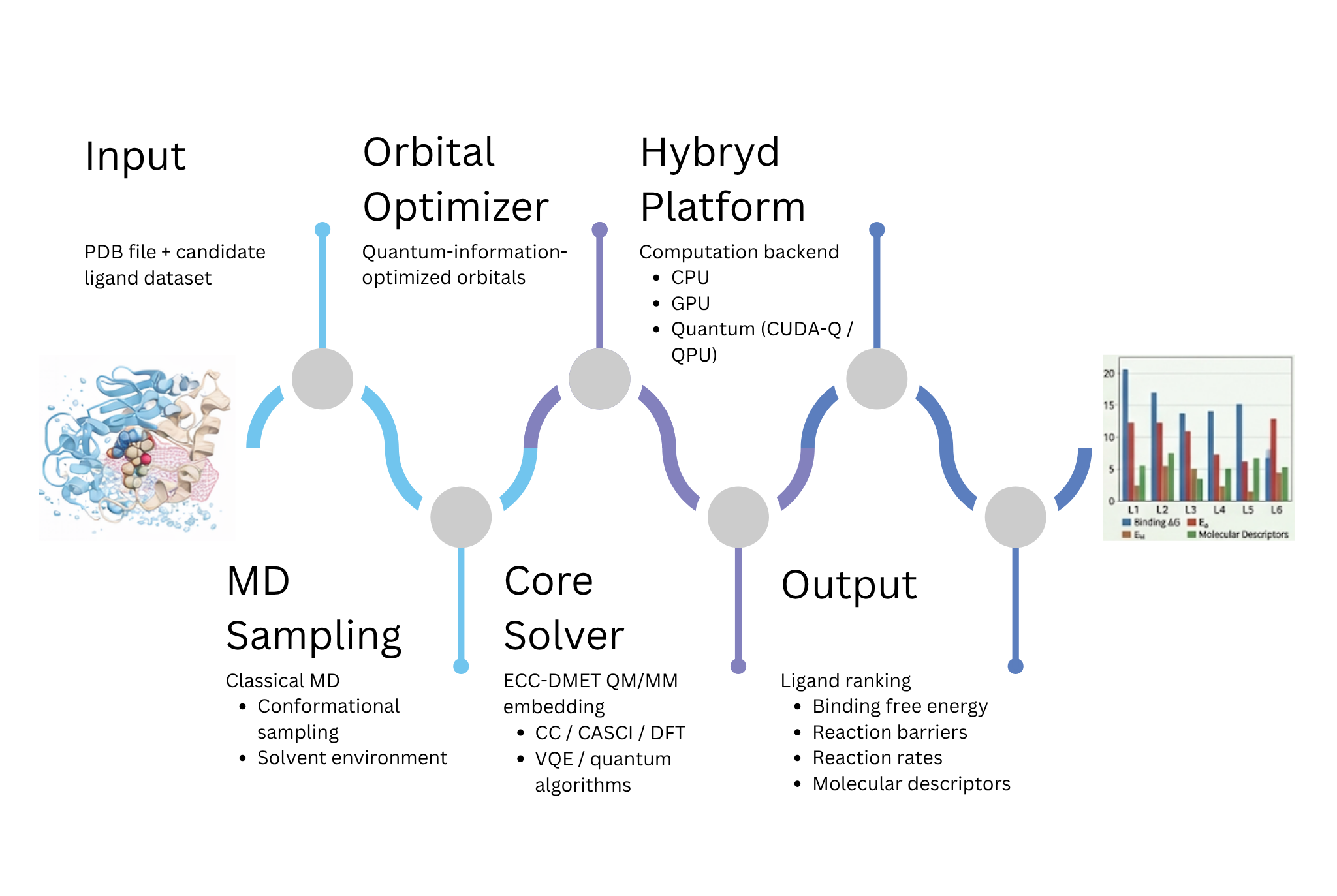
Figure 2: CovAngelo computational pipeline integrating MD, embedding, and quantum solvers.
Explicit solvent is required for accurate barrier estimation; for example, inclusion of local water molecules was shown to be essential for correct transition-state characterization in reference reactions.
CovAngelo introduces a significant methodological advance in embedding via a correlated DMET formalism, augmented with quantum-information-optimized (QIO) orbitals (ECC-DMET). Unlike standard DMET, which builds bath spaces from mean-field states, ECC-DMET employs correlated references (e.g., post-HF, DMRG) and uses quantum information metrics (single-orbital entropy, mutual information, higher-order cumulants) for fragment and bath orbital selection and iterative optimization.
This protocol yields entanglement-consistent orbital partitionings, achieving a minimal, yet physically complete embedded space for accurate many-body solution (Figures 5, 6, 7):
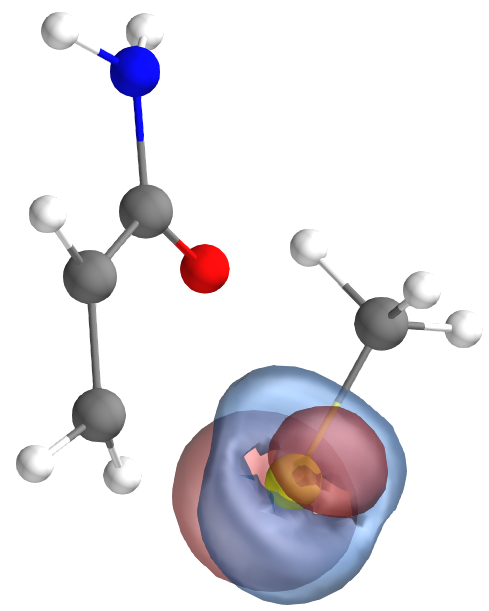
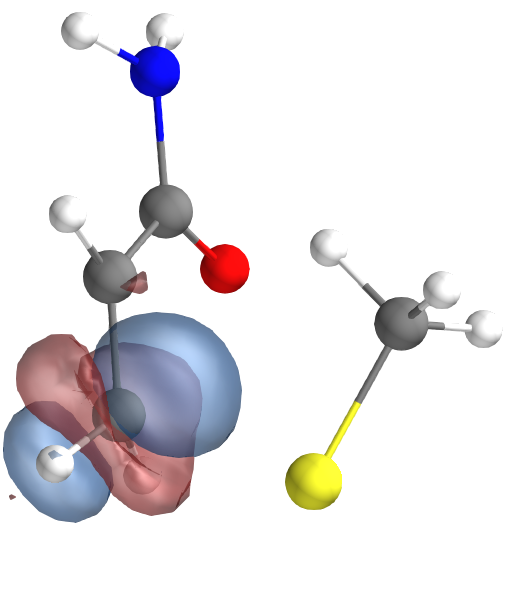
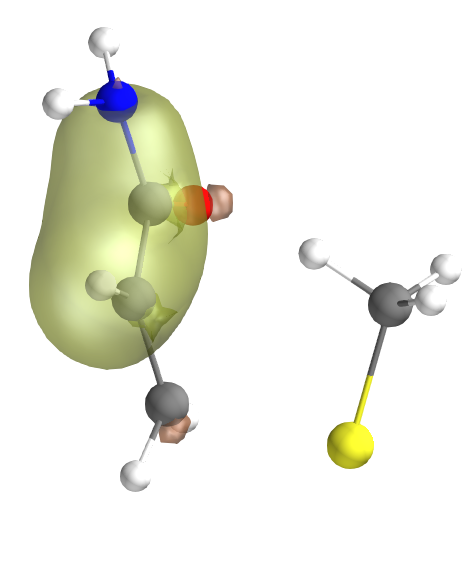
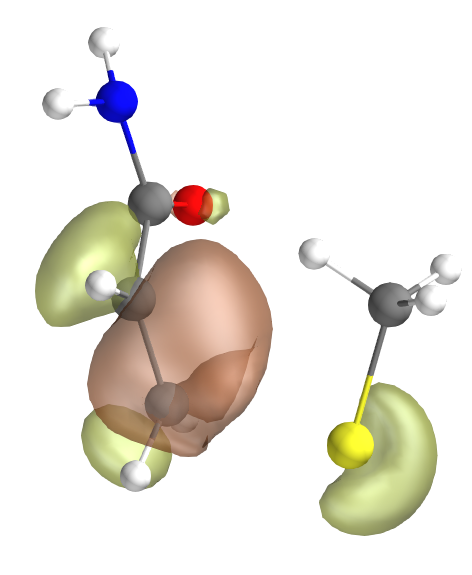
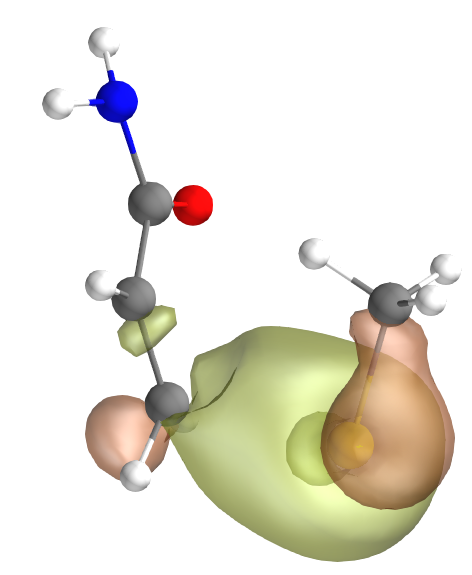
Figure 3: Example of fragment and bath orbitals for a model complex at the transition state.
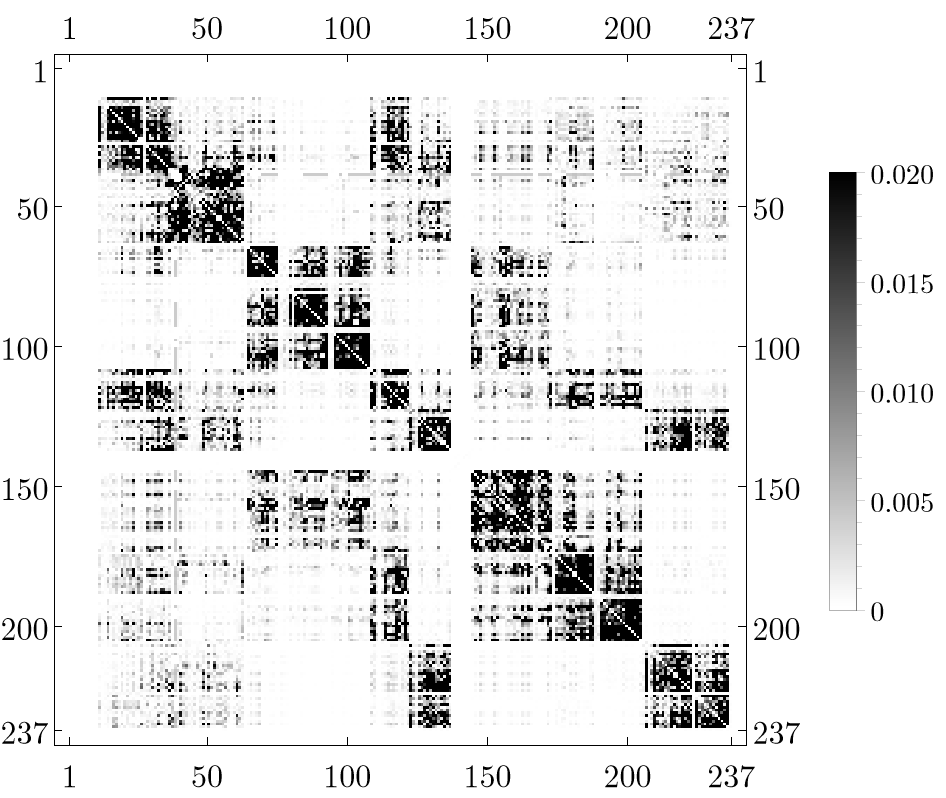
Figure 4: Mutual information matrix (Boys-localized orbitals) at transition state, highlighting electronic correlation structure.
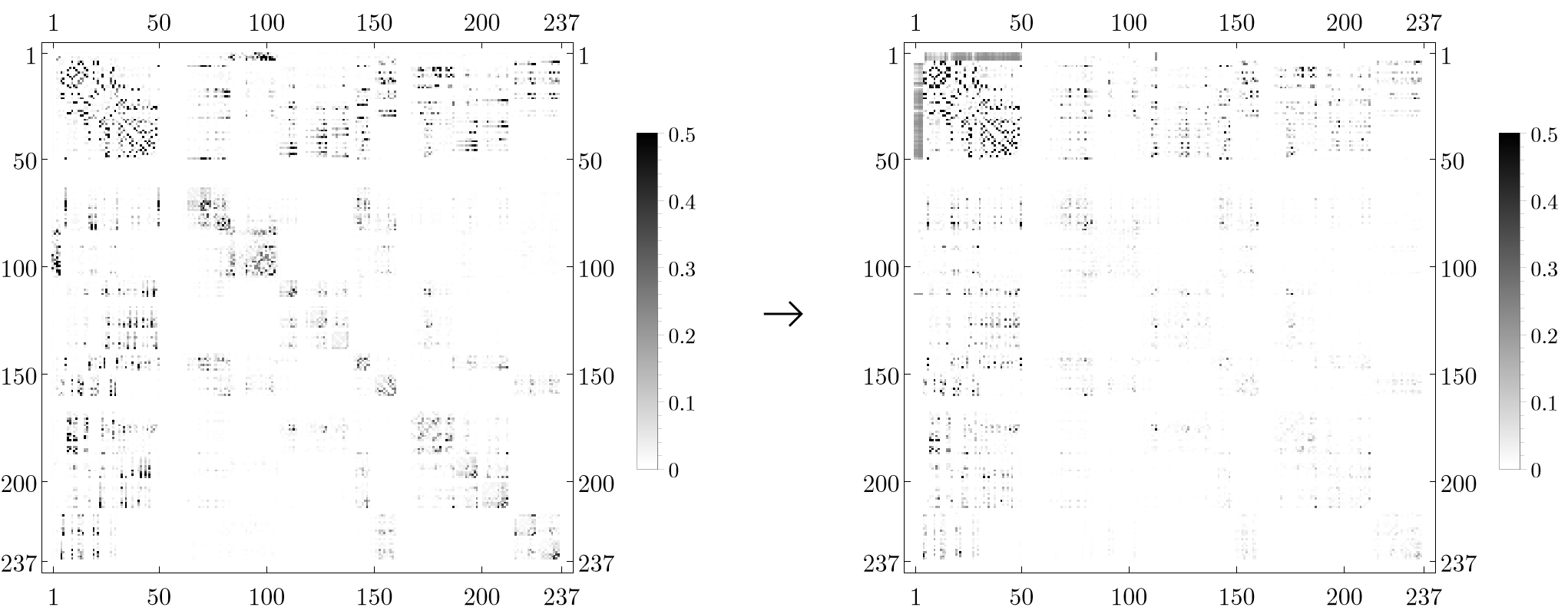
Figure 5: Mutual information before/after QIO optimization: environment-bath correlations decrease, fragment correlations increase, lowering total electronic energy.
With QIO orbitals, systematic reductions in embedded dimension (up to 5-fold) for a given energy accuracy were demonstrated Figure 6:
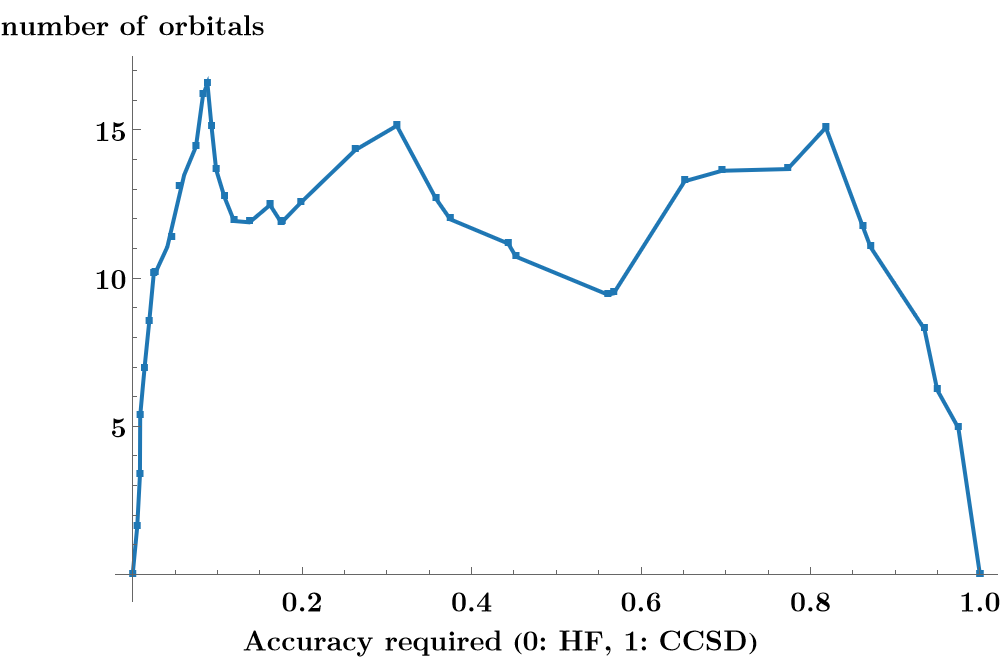
Figure 6: Quantum-information-driven selection requires significantly fewer orbitals for the same target accuracy.
This compactification is critical for leveraging high-level quantum solvers—both classical (e.g., CCSD) and quantum (VQE, QPE)—in large PL systems.
Quantum and Classical Solver Integration
Core embedded Hamiltonians may be solved by:
- Classical quantum chemistry: MP2, sc-BW2, CCSD, FCI, enabled via PySCF with low- and high-accuracy options.
- Quantum devices: VQE (unitary coupled cluster, UCCSD) with hardware-optimized circuits, ADAPT-VQE. Benchmarks on IQM's Garnet QPU (20 qubits) show improved results for QIO-selected orbitals.
- Quantum simulation: CUDA-Q supports state-vector and tensor-network simulation for >100 qubits; performance and scaling are demonstrated on NVIDIA A100–B200 GPUs (Figures 10, 11, 12).
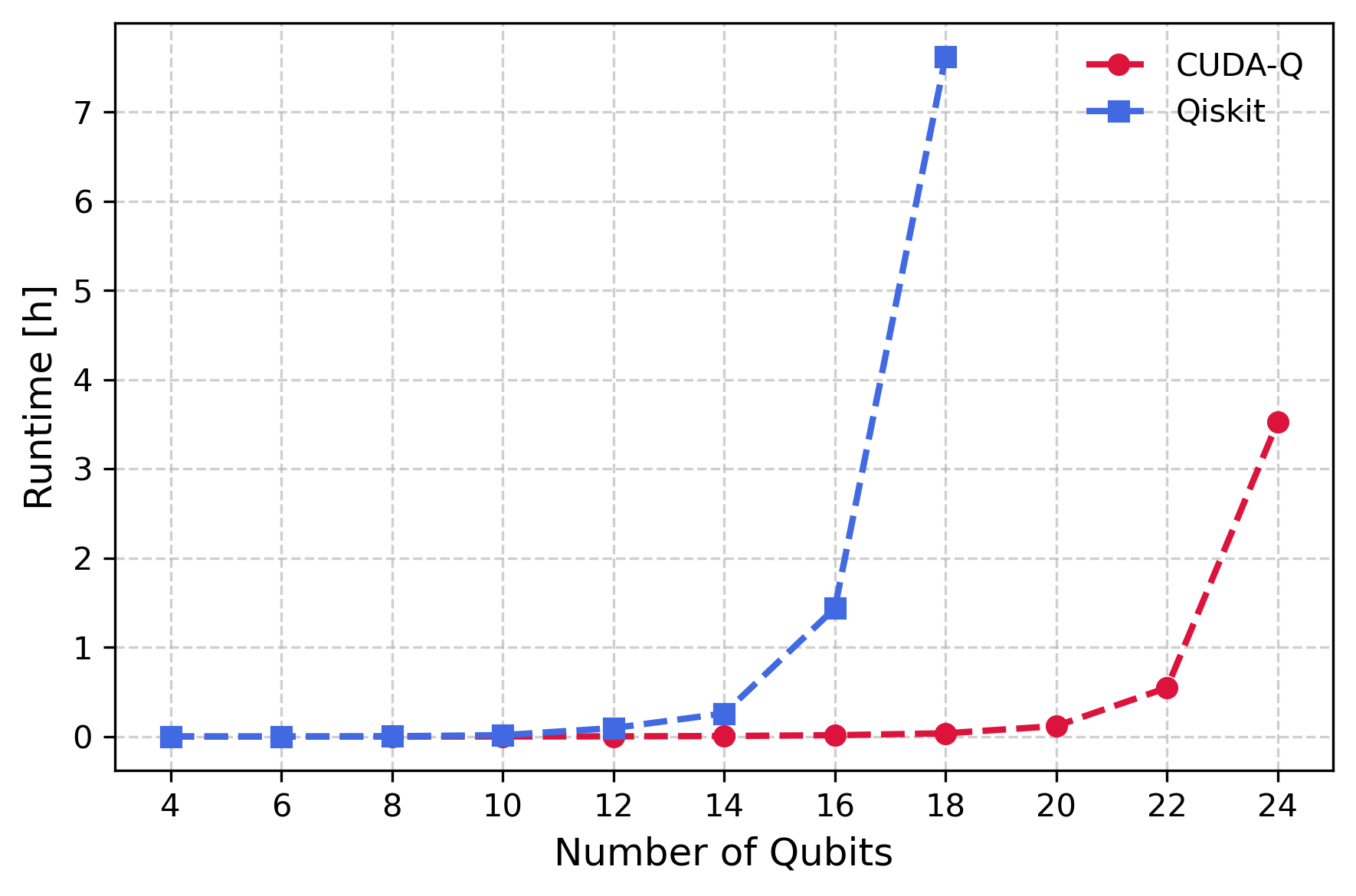
Figure 7: VQE-UCCSD runtimes as a function of active space size.
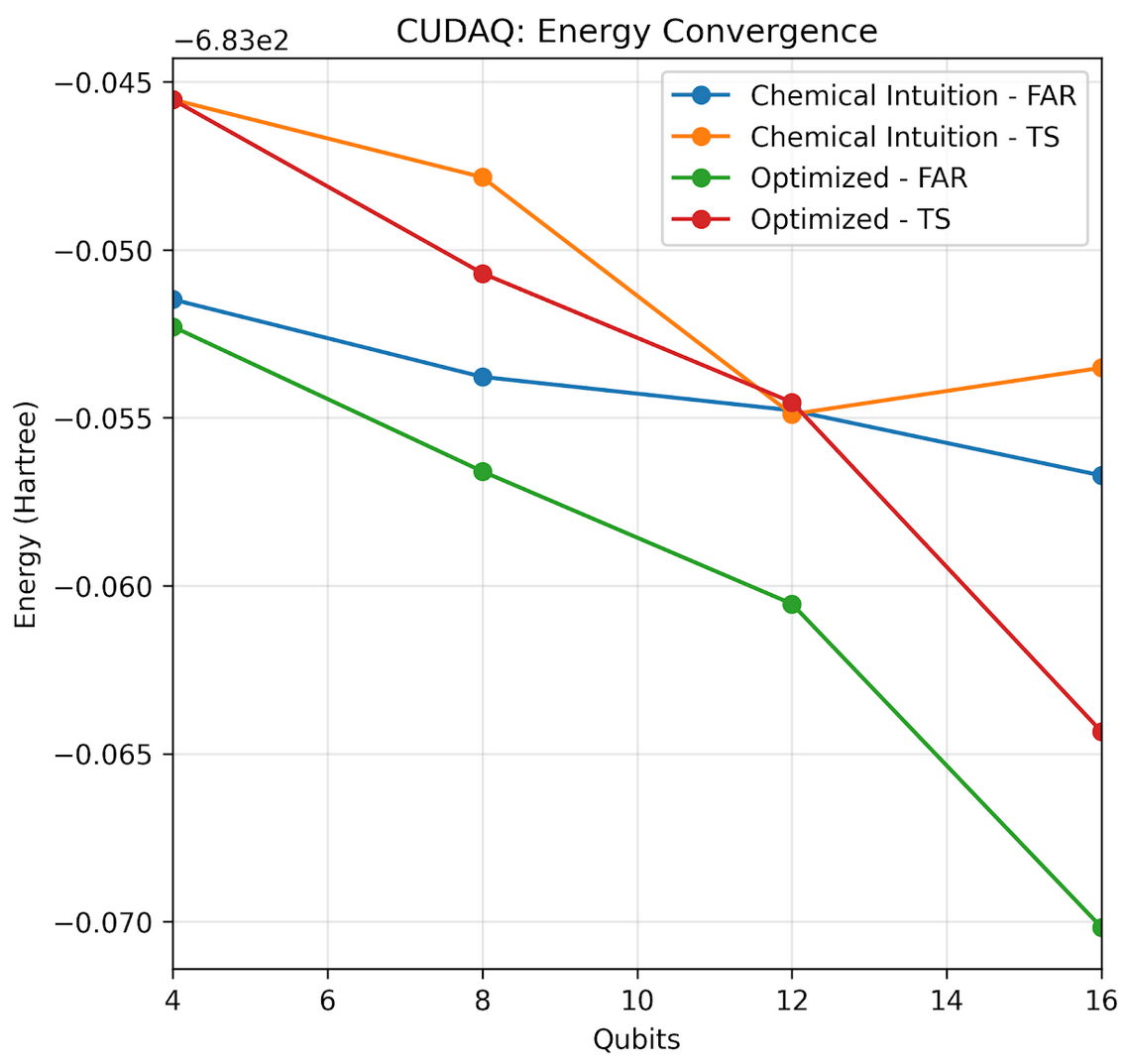
Figure 8: Ground state energy estimates using VQE-UCCSD for chemically motivated vs. ECC-optimized orbitals.
- Resource estimation for fault-tolerant QPE: Advanced double-factorized Hamiltonian preprocessing, including symmetry-optimized factorization, systematically lowers T-gate count by up to 5x for large active spaces Figure 9.
Application to Covalent Binding: Michael Addition and Reaction Barrier Estimation
A stringent test case is presented: Michael addition of zanubrutinib to Bruton’s tyrosine kinase (BTK) via covalent bond formation at Cys481, central to anticancer drug action Figure 10.
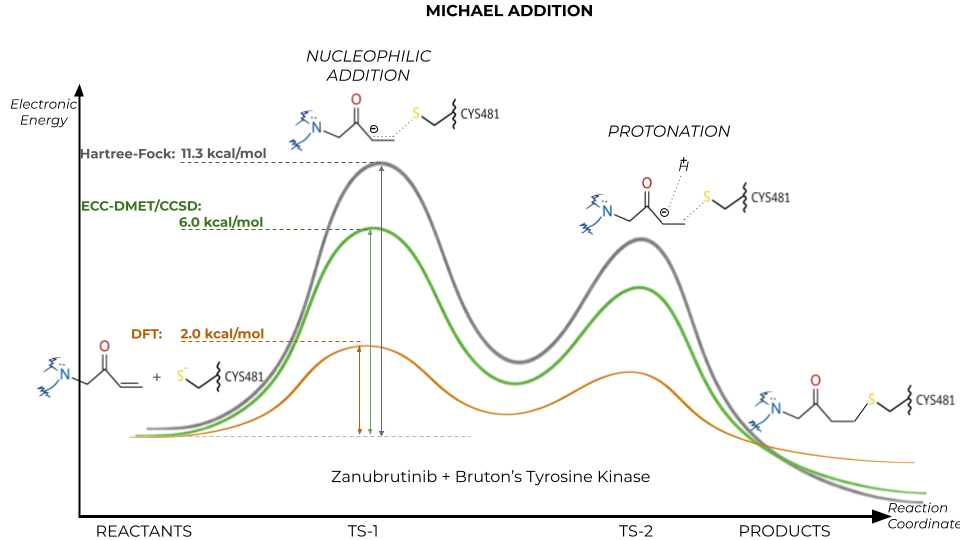
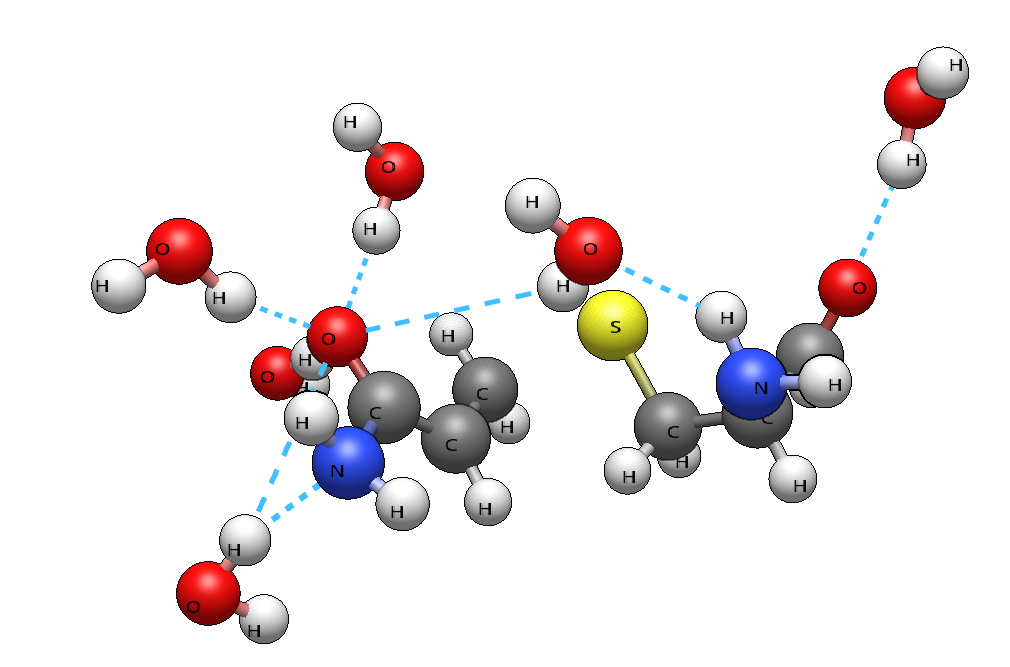
Figure 10: DFT-verified reaction energy profile for Michael addition, correlated with explicit water model and quantum embedding.
IRC calculations and explicit QM/MM modeling demonstrate the necessity of full quantum treatment of the local water network; isolated models miss critical transition-state stabilization Figure 11.
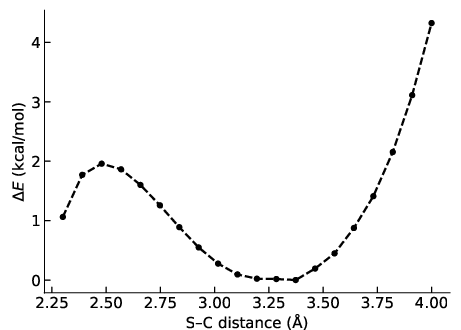
Figure 11: Reaction profile including explicit water molecules yields accurate transition-state identification and energetics.
Benchmark comparisons across methods/basis sets/environments show:
- DFT and CCSD predict positive barriers (1–3 kcal/mol) in water/protein, but negative ones in gas phase, highlighting the role of environment and proper correlation.
- HF systematically overestimates barriers, emphasizing the inadequacy of mean-field for covalent PL systems.
ECC-DMET achieves comparable accuracy to CCSD with lower cost, and QIO dramatically reduces resource needs Figure 9.
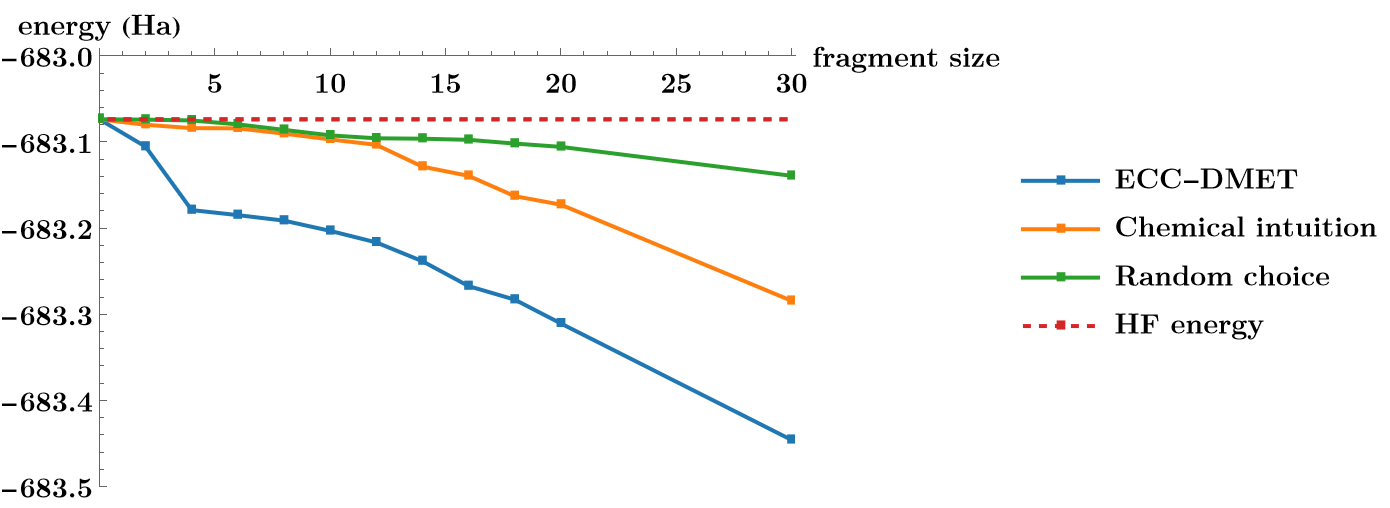
Figure 9: Energy comparison at transition state for QIO, chemically motivated, and random orbitals.
Fault-tolerant quantum resource analyses indicate 20x reductions in gate count for qubitized QPE with symmetry-adapted double factorization, accelerating the feasibility of future quantum algorithms for large embedded chemical systems Figure 12.
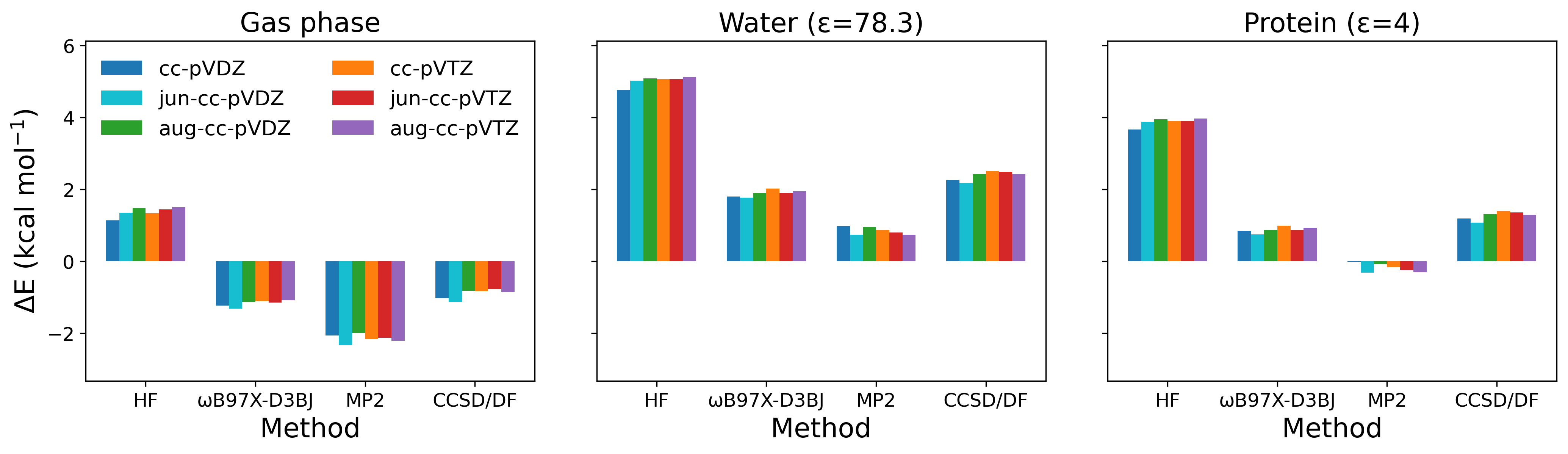
Figure 12: Reaction barrier computed across electronic structure methods and solvents, highlighting basis/environment dependencies.
Software and Automation
CovAngelo is accessible as a Python-based, workflow-driven CLI tool, deployable on GPU clusters or cloud. The MolZart interface provides reaction network modeling and large-scale virtual screening with first-principles virtualized screening, suitable for integration with generative ML workflows (Figures 16, 17, 18).
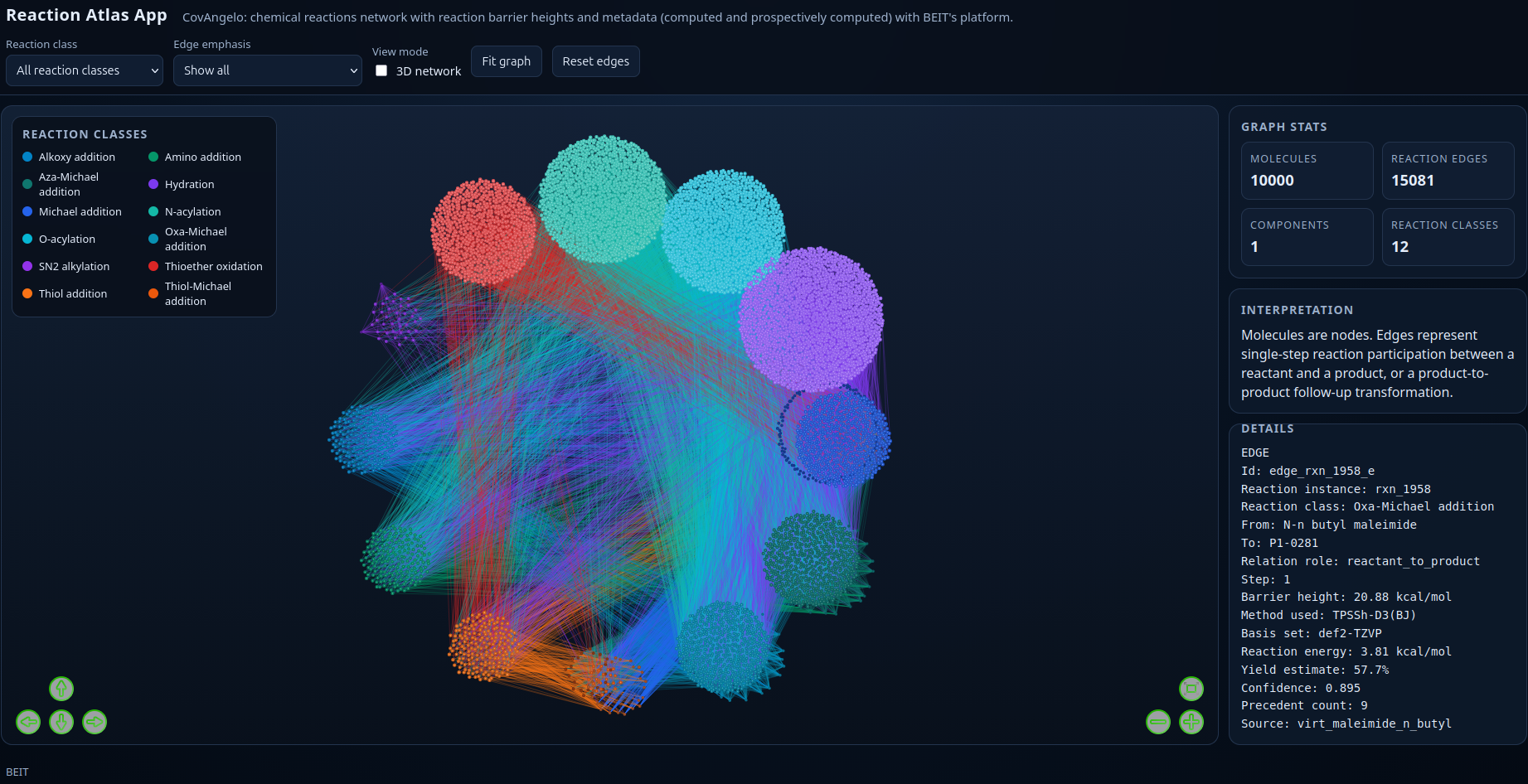
Figure 13: MolZart GUI for chemical reaction modeling based on CovAngelo backend.
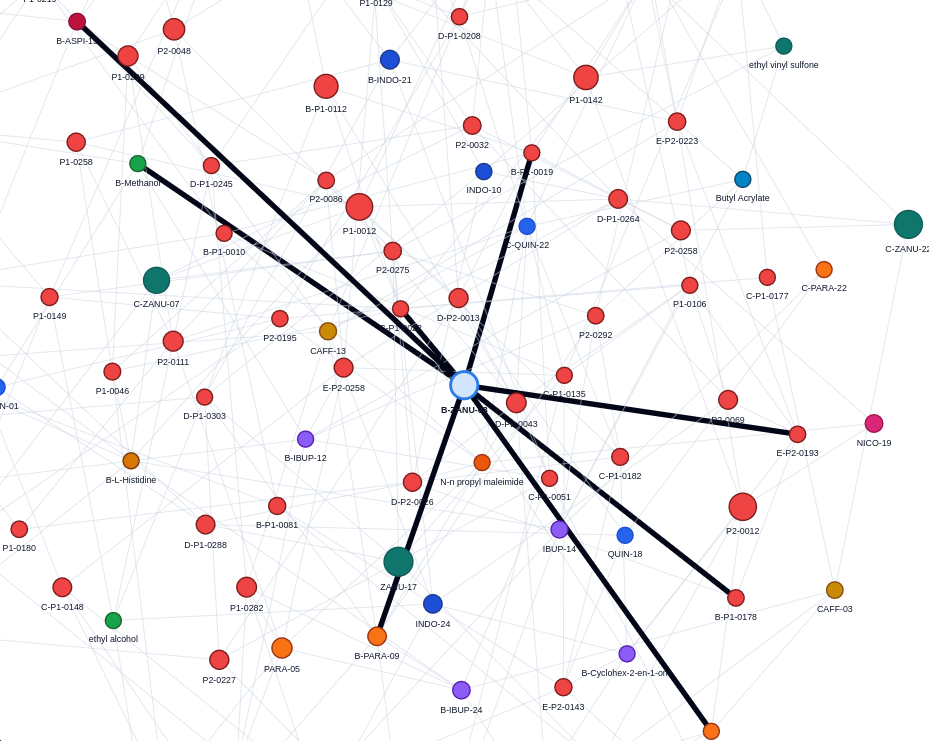
Figure 14: Reaction network visualization for ligand-nucleophile screening in MolZart.
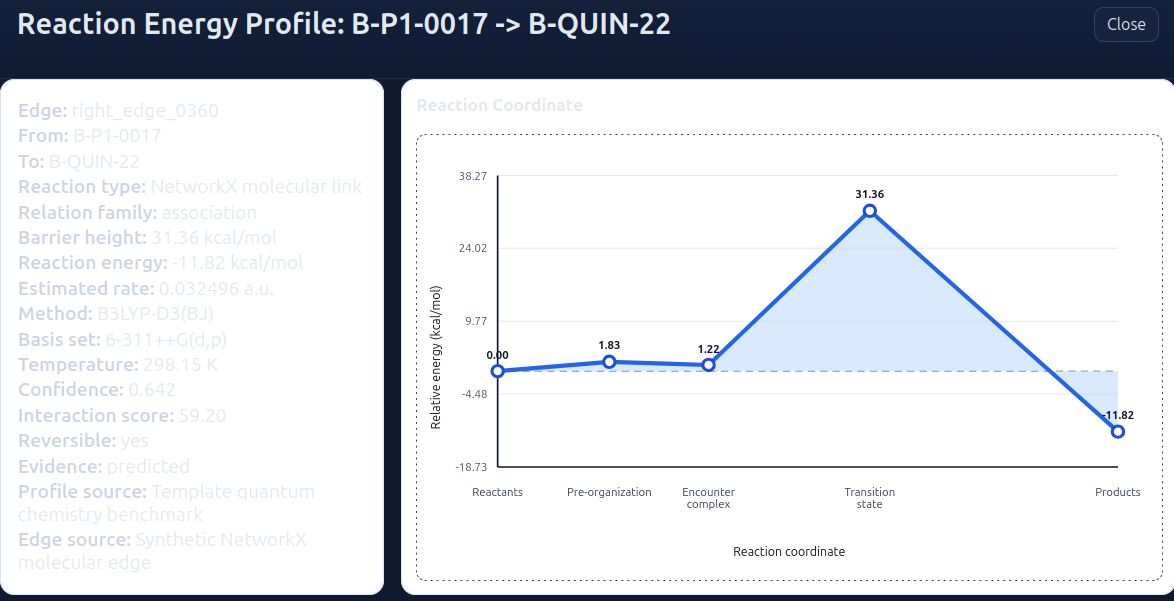
Figure 15: Automated reaction energy profile sampling across critical geometries.
Implications and Future Directions
CovAngelo demonstrates that physically motivated quantum-in-quantum-in-classical embedding, combined with quantum-information-driven orbital basis design and multi-backend solver integration, enables routine, high-fidelity reaction barrier and free-energy estimation in drug discovery contexts where strong correlation, environmental effects, and covalent reactivity are non-negligible.
Practical implications include:
- Substantial reduction in false positives/negatives in virtual screening for covalent inhibitors, directly impacting cost and decision points in drug development.
- Automatable and transferable data generation for ML and generative models, by systematically sampling quantum-accurate barrier landscapes for ligand libraries and binding pockets.
- Immediate pathway to quantum advantage: Reduced active space dimensionality and symmetry-adapted factorization sharply accelerate the relevance of quantum algorithms—even for near-term, fault-tolerant hardware.
Theoretically, CovAngelo’s approach opens exploration of large, strongly correlated biomolecular and catalytic systems, e.g., metalloenzymes, heterogeneous catalysis interfaces, photochemistry, and electrochemistry, for which current methods are intractable.
Key future developments include: robust fragment space definitions along reaction paths, multi-fragment embedding, tighter integration with generative AI/ML pipelines, and systematic cross-class benchmarking.
Conclusion
CovAngelo provides a coherent and modern solution to the intractability of quantum-accurate simulation in drug discovery contexts. By unifying correlated quantum embedding, quantum-information optimization, and cloud/HPC/quantum hardware, it achieves accuracy, efficiency, and automation, laying the foundation for high-throughput, reliable, and scalable quantum chemistry in biological and materials science. The platform will also serve as a critical source of first-principles datasets vital for next-generation AI-driven chemical discovery.