- The paper introduces a plug-and-play cross-view 3D geometric enabler (CVGE) that fuses rich 3D features into a vision-language model.
- The model achieves significant improvements in trajectory planning, motion prediction, and risk perception across autonomous driving benchmarks.
- It leverages a hierarchical adaptive injection mechanism to deeply integrate spatial information within the model’s layers, enhancing navigation tasks.
VGGDrive: Empowering Vision-LLMs with Cross-View Geometric Grounding for Autonomous Driving
Introduction
The paper introduces VGGDrive, a novel vision-language framework specifically designed for autonomous driving. The vision-LLM (VLM) is augmented with cross-view 3D geometric capabilities through the use of a plug-and-play Cross-View 3D Geometric Enabler (CVGE). This advancement addresses a fundamental limitation of existing VLMs, namely, their inability to comprehend 3D spatial information essential for navigation tasks like trajectory planning, motion prediction, and cross-view risk perception.
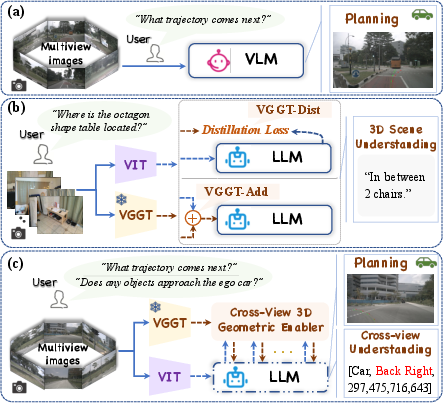
Figure 1: Existing relevant paradigms vs. our VGGDrive. (a) The VLA paradigm for trajectory planning. (b) Two existing paradigms for integrating 3D foundation models (VGGT) with VLMs. (c) Our VGGDrive leverages the VGGT model to empower the basic VLM with cross-view geometric grounding capabilities.
Core Contributions
Cross-View Geometric Grounding
The VGGDrive architecture integrates a frozen visual 3D foundation model (VGGT) into VLMs through the CVGE. This component decouples the base VLM architecture and implements a hierarchical adaptive injection mechanism, which injects 3D geometric features deep into the model's layers. This process enriches the VLM with spatial perception proficiency required for complex driving environments.
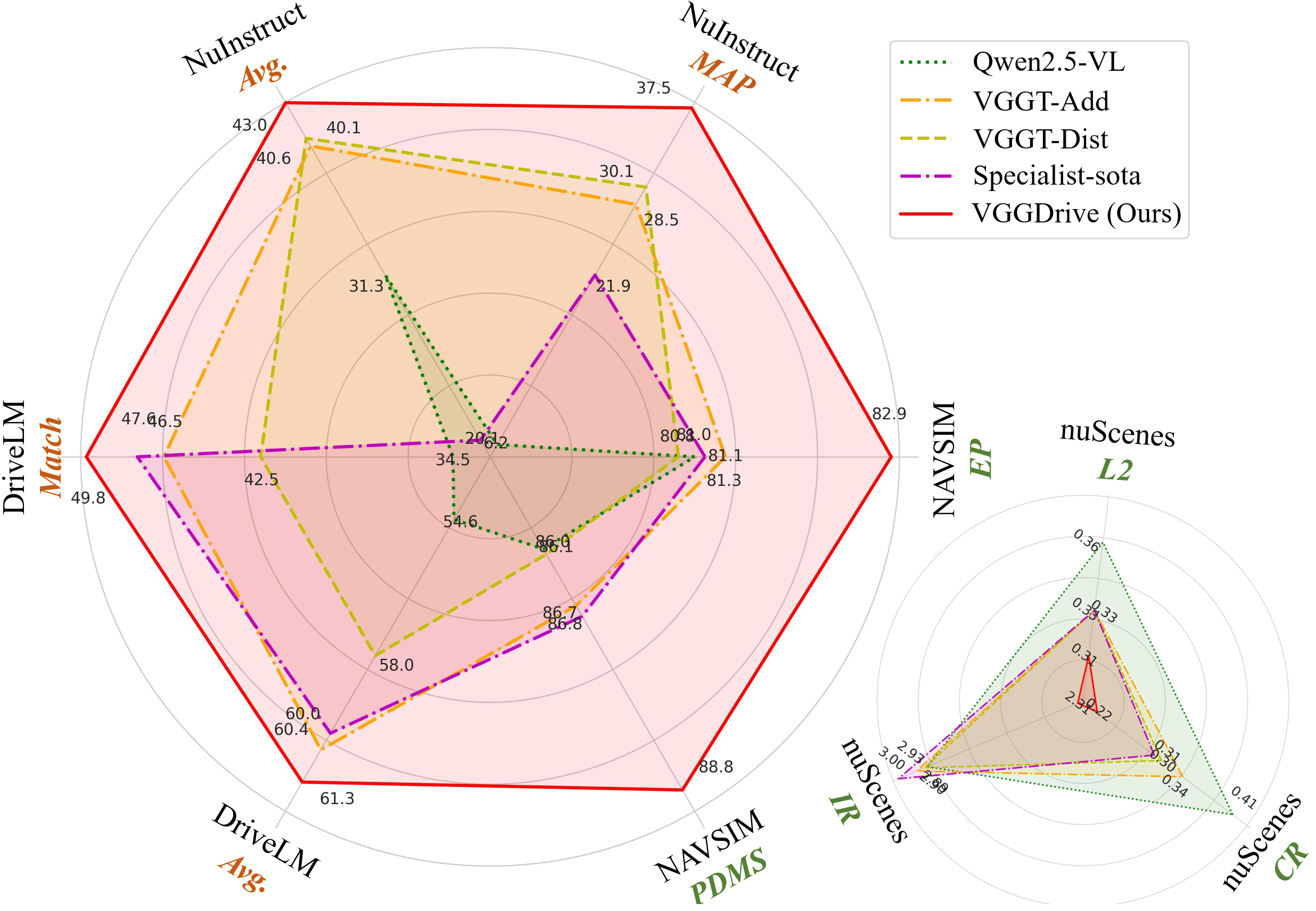
Figure 2: Quantitative comparison of VGGDrive with specific state-of-the-art methods across autonomous driving benchmarks.
Enhanced Autonomy in Driving
VGGDrive showcases significant improvements in autonomous driving capabilities. It consistently outperforms state-of-the-art methods across several benchmarks by equipping VLMs with essential 3D features. Tasks including cross-view risk perception, motion prediction, and trajectory planning benefit from this comprehensive geometric understanding, providing enhanced scene interpretation and situational awareness.
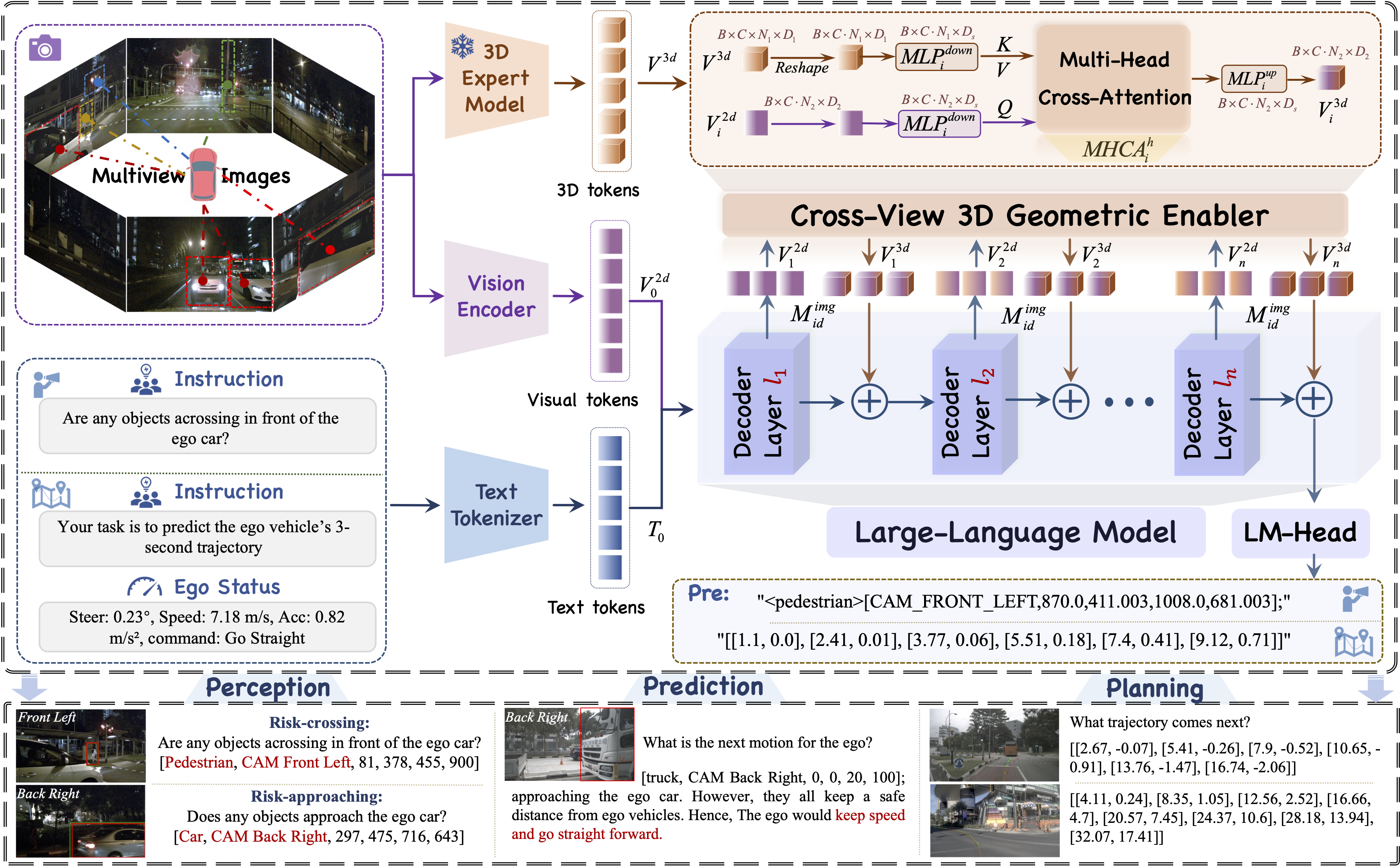
Figure 3: Overview of VGGDrive. The frozen visual 3D foundation model extracts geometrically consistent 3D features, while the CVGE facilitates integration with 2D visual representations in the VLM.
Methodology
Base VLM and Integration
VGGDrive utilizes the Qwen2.5-VL-7B model as its core, which processes visual and textual inputs through a unified transformer decoder. The CVGE then bridges 3D features with 2D visual embeddings via a hierarchical adaptive approach, ensuring robust incorporation of spatial data into the model.
Hierarchical Adaptive Injection
The CVGE's adaptive injection mechanism enables cross-layer enhancement of the VLM by exploiting the VGGT's 3D geometric insights. The mechanism extracts and enriches hidden states with 3D features, supporting deep model architecture engagement and geometric foundation establishment within VLMs.
Experimental Evaluation
The experimental results demonstrate VGGDrive’s superior performance across a range of autonomous driving benchmarks. Notably, VGGDrive significantly advances past limitations associated with spatial perception in VLMs, illustrating improvements in real-world driving task efficiency.
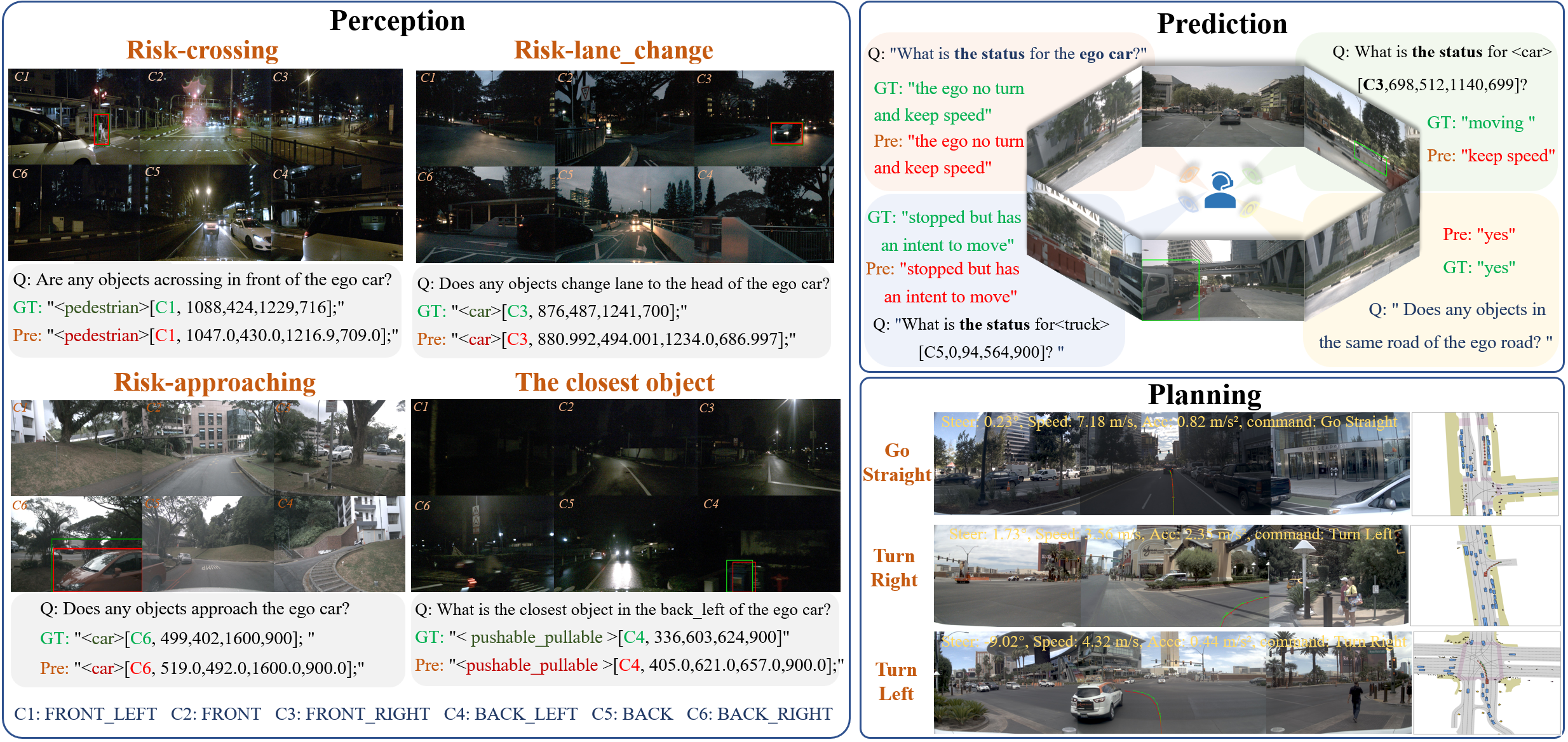
Figure 4: Visualization of VGGDrive's performance across various autonomous driving attribute evaluation tasks.
Future Directions
VGGDrive's integration of 3D foundation models with VLMs opens new vistas for research in autonomous systems, especially those requiring robust spatial understanding. Future work could explore scalable deployment in diverse environments, extending foundational capabilities to leverage real-time dynamic scene reconstruction while emphasizing efficiency and computational resource management.
Conclusion
The presented work, VGGDrive, represents a significant step in integrating 3D geometric capabilities within vision-LLMs for autonomous driving. By addressing inherent limitations of existing models, VGGDrive establishes a new technical pathway, enhancing both the theoretical and practical aspects of autonomous navigation tasks.
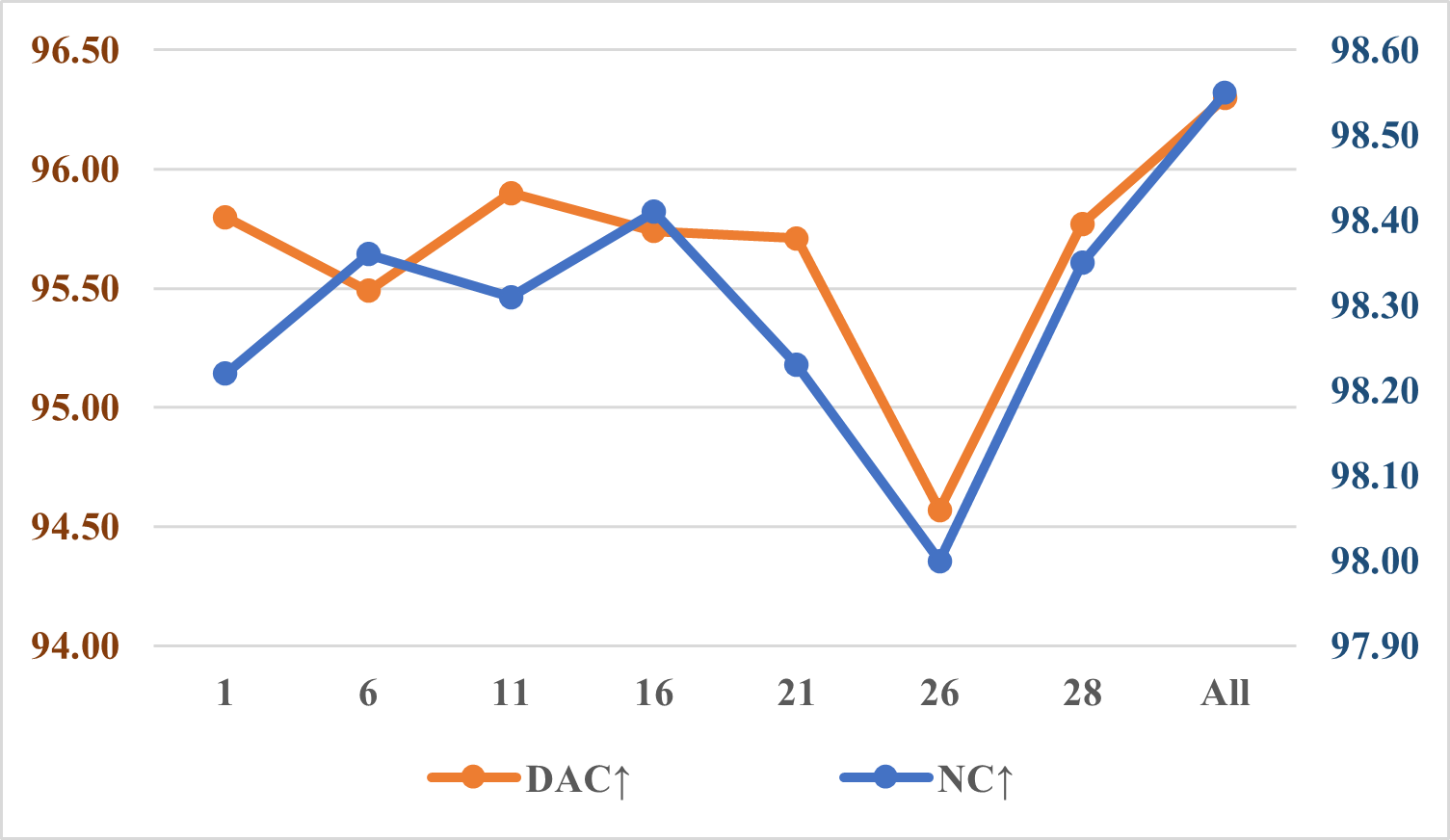
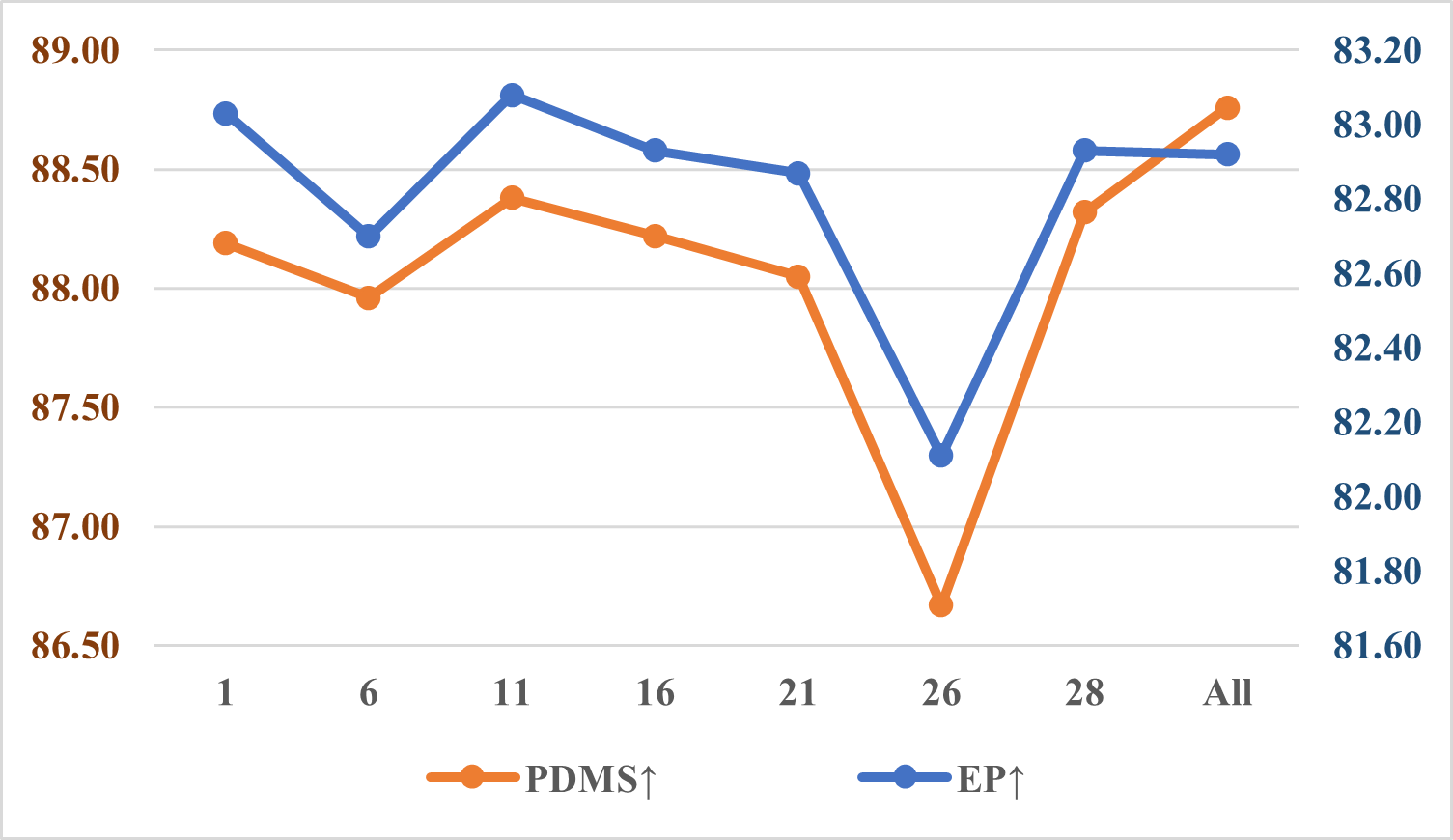
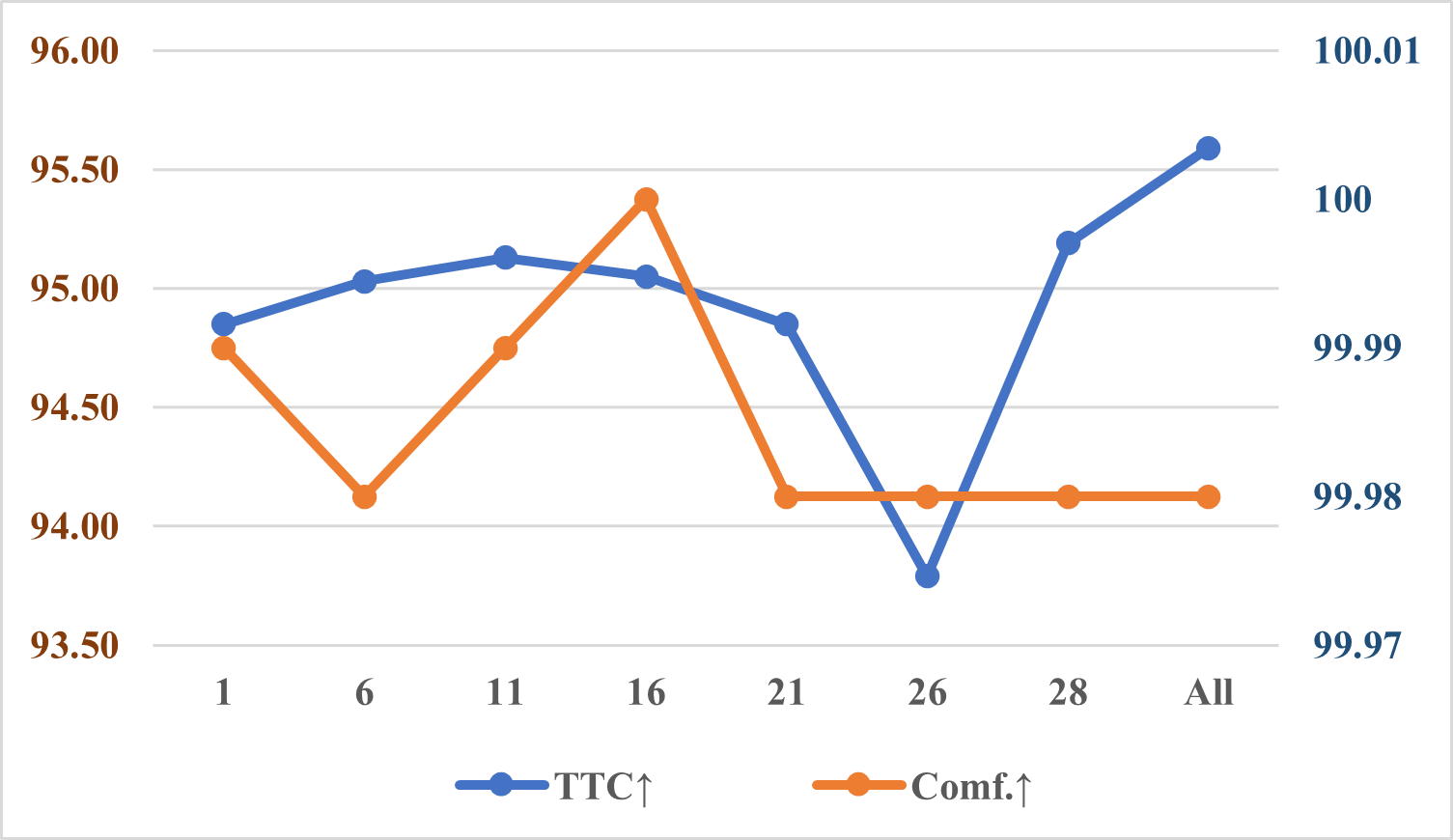
Figure 5: Qualitative results on the closed-loop trajectory planning task showing left-turn, right-turn, and straight-ahead scenarios highlighting VGGDrive's competence in complex driving conditions.

