- The paper finds that increased coding days, merged PRs, and higher degree centrality lead to shorter cycle times, while additional PR comments lengthen them.
- It employs Bayesian hierarchical linear modeling with a Weibull distribution to capture the time-to-event nature and variability of cycle time data.
- The study highlights significant heterogeneity, suggesting that holistic, system-wide interventions are needed over isolated tweaks to individual metrics.
Understanding Software Cycle Time: Insights from "No Silver Bullets"
Introduction
The paper "No Silver Bullets: Why Understanding Software Cycle Time is Messy, Not Magic" provides a rigorous evaluation of the factors influencing software cycle time, a crucial metric for gauging productivity in software engineering. Utilizing a dataset of over 55,000 observations from 216 organizations, the study employs Bayesian hierarchical modeling to assess how coding time, task scoping, and collaborative patterns impact cycle time. It highlights the inherent variability in cycle time, both at individual and organizational levels, and provides evidence that while certain factors have discernible effects, there is substantial unexplained variation.
Methodology
The study uses a Bayesian hierarchical linear model to disentangle the effects of various factors on cycle time. Data were aggregated at monthly and yearly levels to separate between-person and within-person effects on cycle time. The variables considered include coding days per week, total merged pull requests, degree centrality, and comments per PR. The use of Weibull distribution modeling allows the researchers to account for the time-to-event nature of cycle time data.
Main Findings
Population-Level Effects
The analyses demonstrate that increased coding days per week and higher degree centrality are generally associated with reduced cycle times (Figures 3 and 6). More merged PRs also contribute to lower cycle times (Figure 1), while more comments per PR correspond to longer cycle times (Figure 2). These associations suggest that strategic enhancement of collaborative efforts and efficient task division can lead to improved software delivery times.
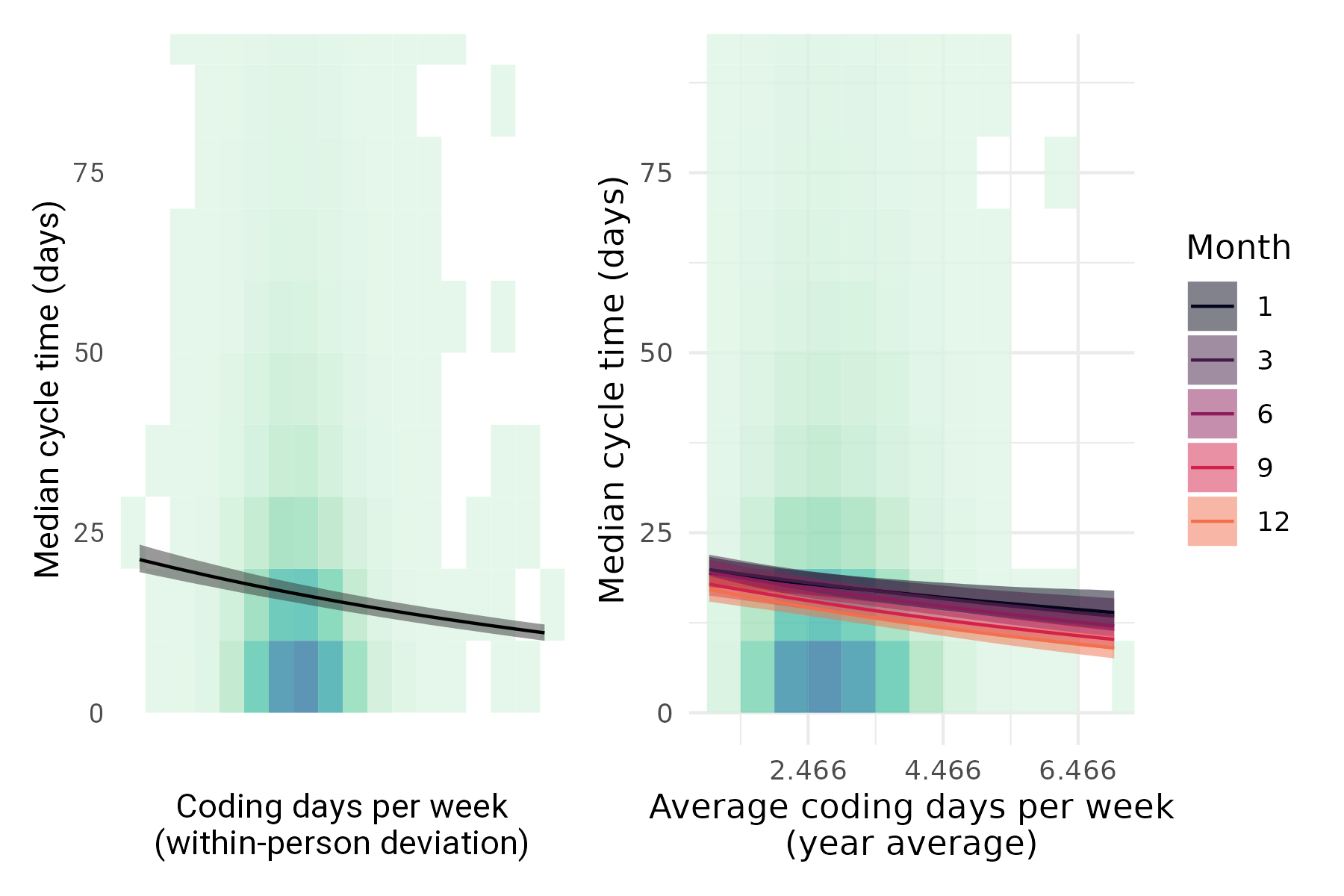
Figure 3: More coding days is associated with shorter cycle times.
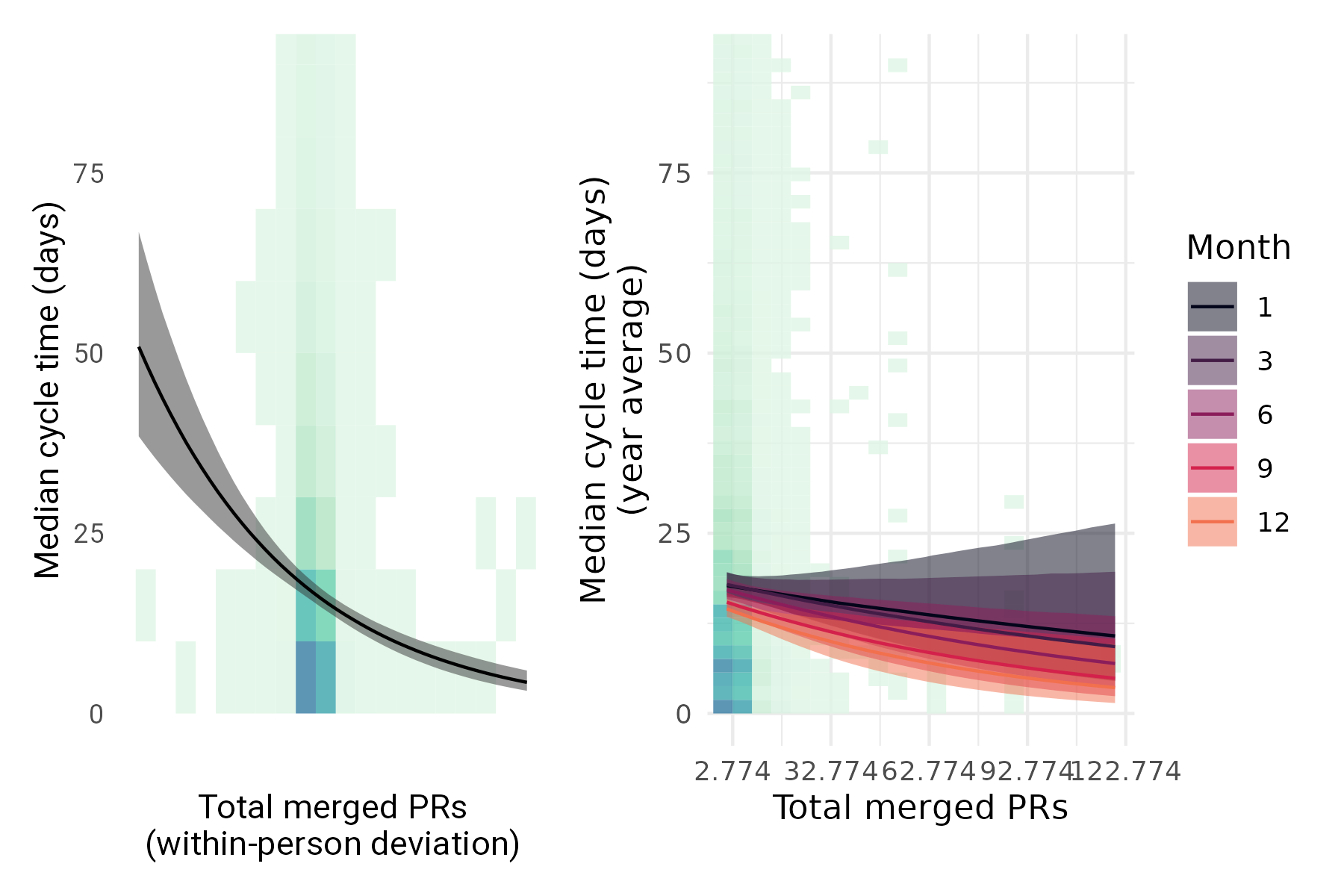
Figure 1: More merged PRs is associated with shorter cycle times.
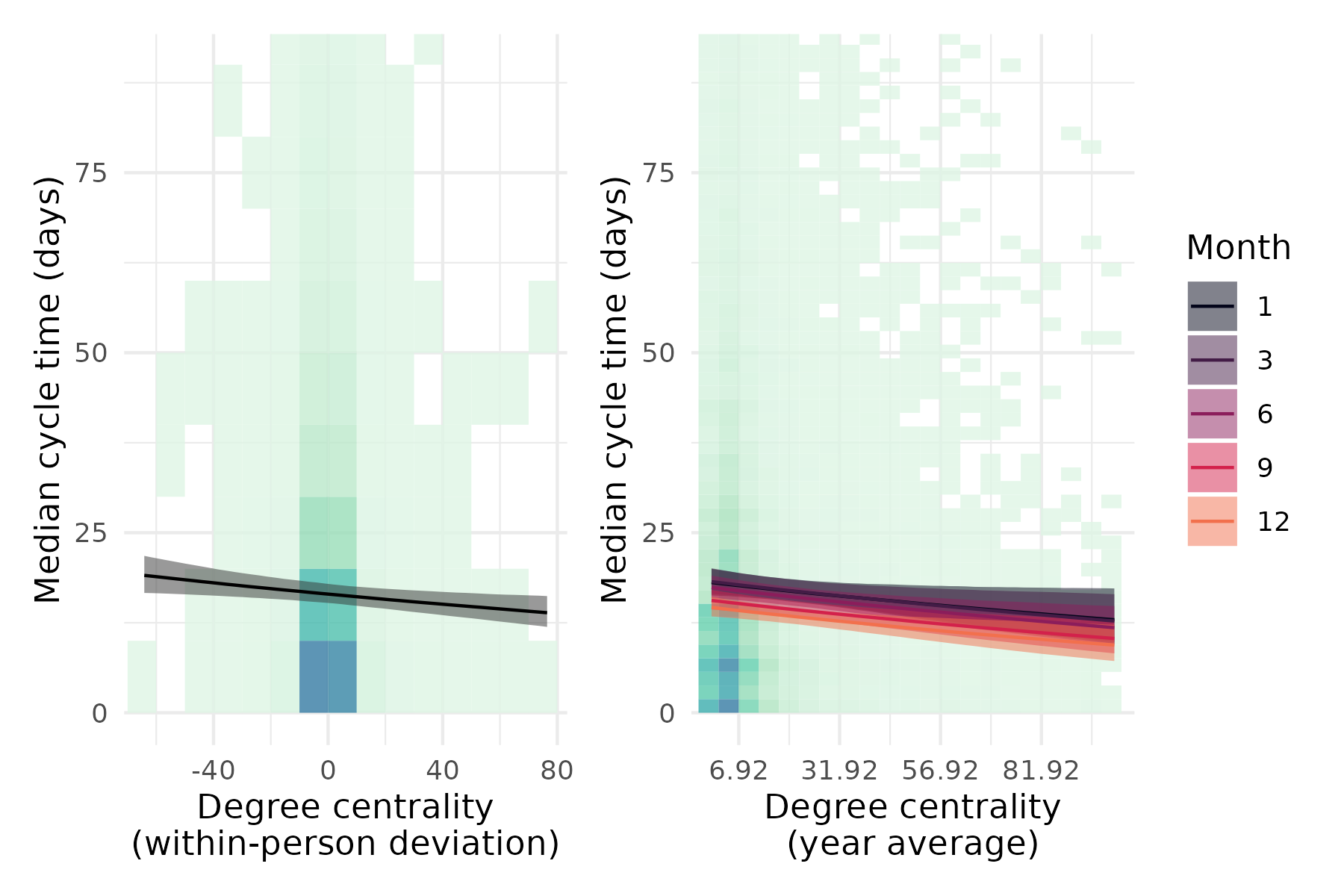
Figure 4: Higher degree centrality is associated with shorter cycle times.
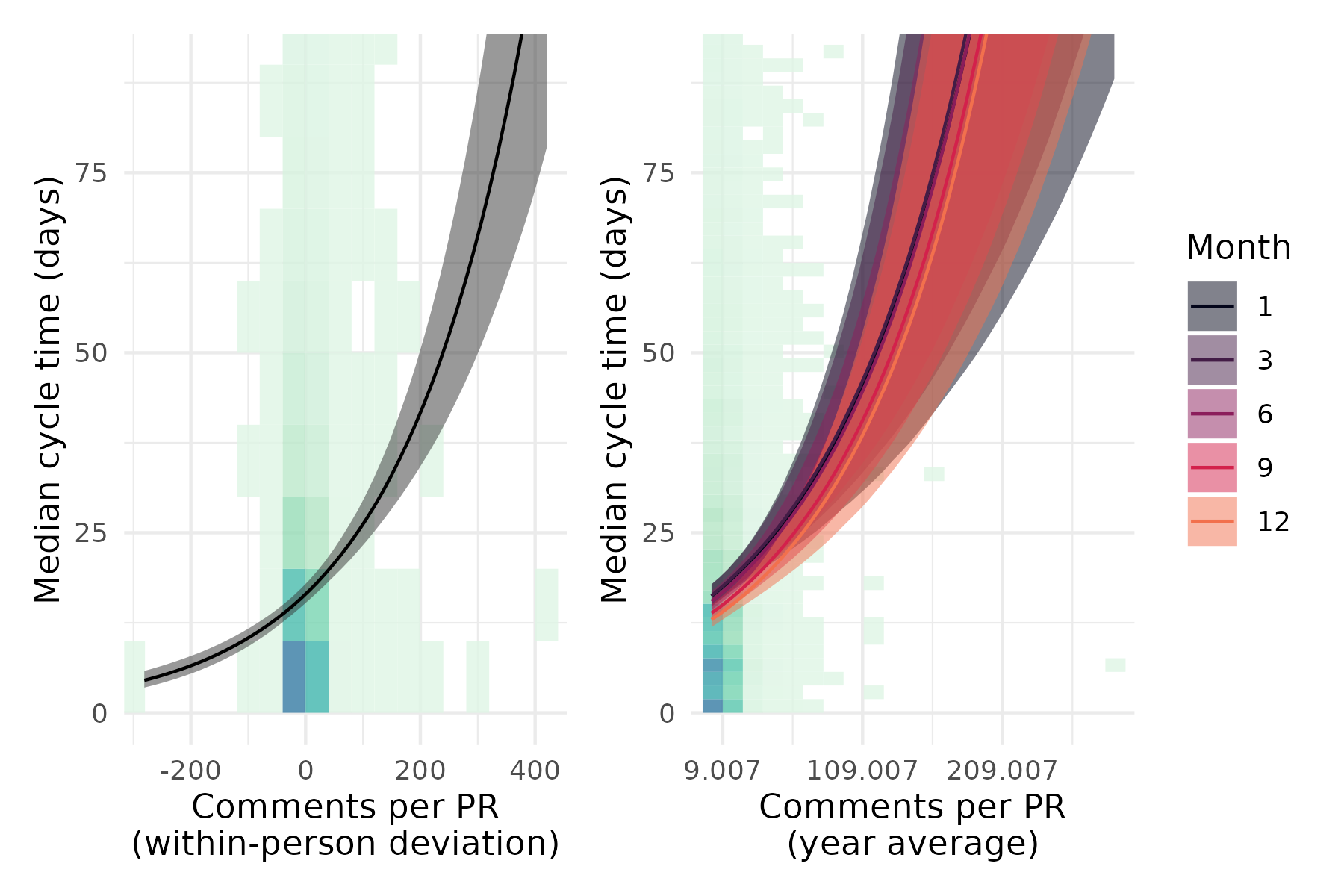
Figure 2: More comments per PR is associated with longer cycle times.
Variability and Complexity
The study emphasizes that the variability in cycle time is significant across organizations and individuals (Figure 5). The inclusion of both team and individual-level random effects reveals that intervention targeting at any single factor may lead to modest improvements due to substantial underlying heterogeneity (Figure 6).
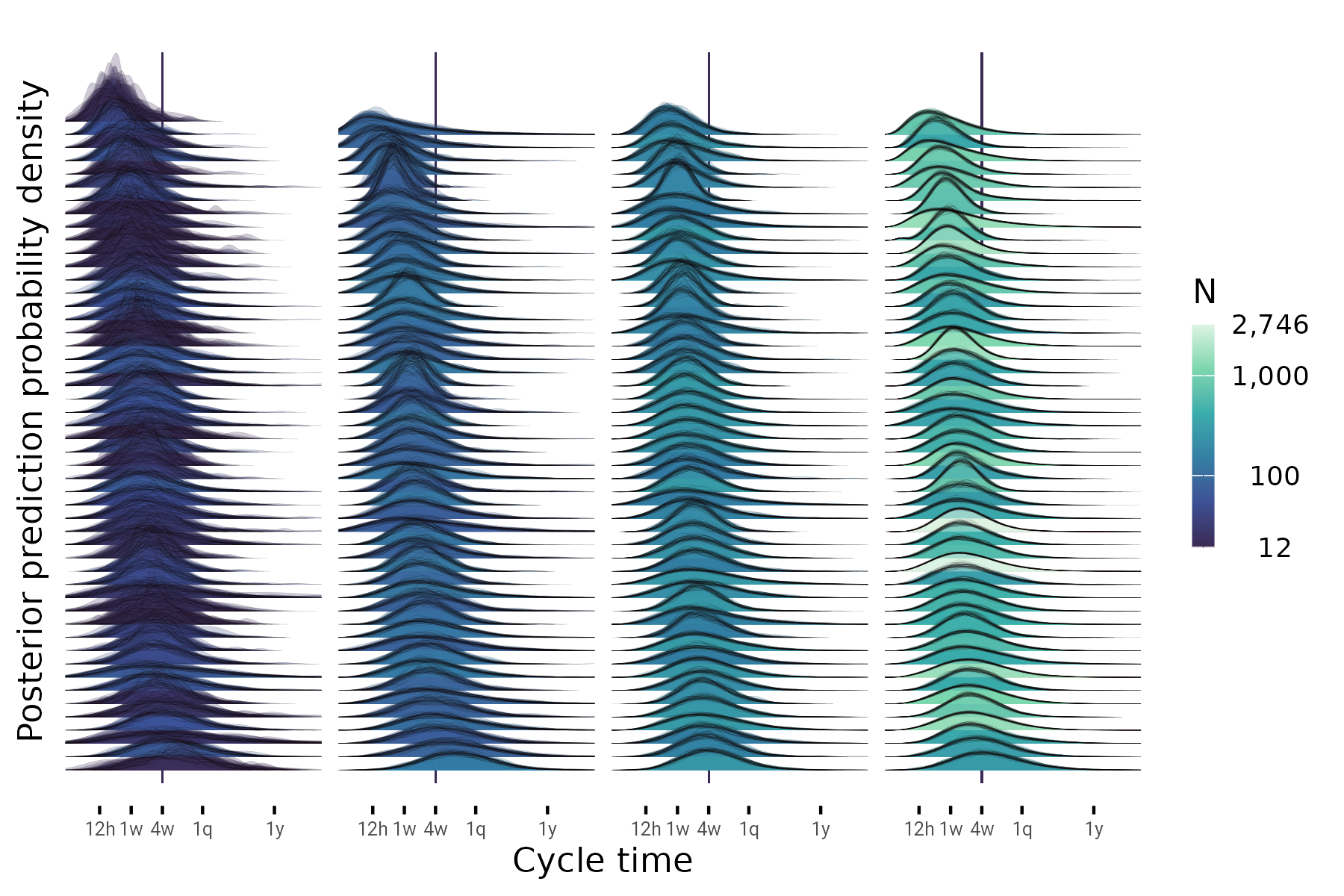
Figure 5: Distributions of cycle time vary widely across organizations both in their central tendency and spread.
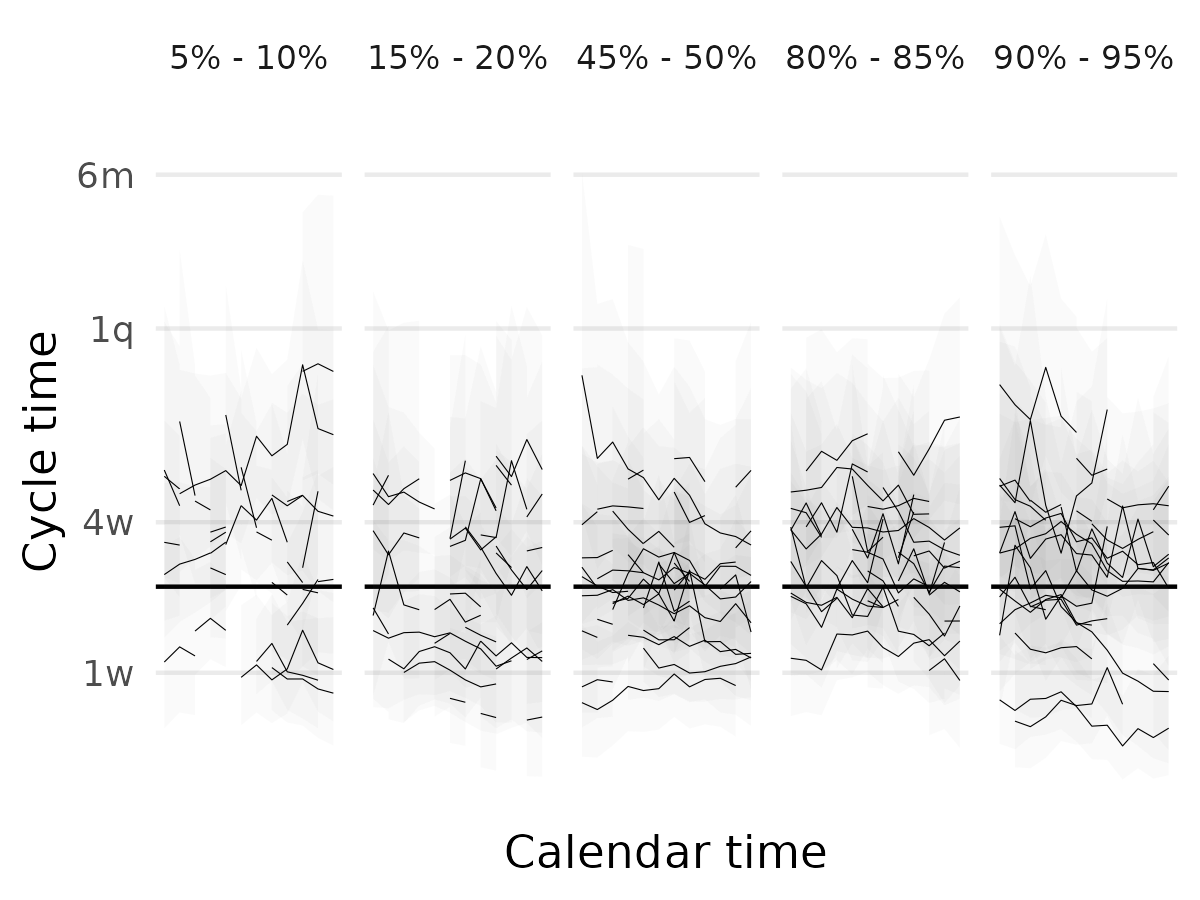
Figure 6: Individual observations of cycle time are highly variable across the year.
Implications and Future Directions
The findings underscore the necessity for systems-level interventions rather than a narrow focus on improving individual developer metrics. The paper cautions against over-reliance on cycle time as an isolated productivity metric due to its inherent variability, suggesting that organizations need to adopt a more holistic view of developer productivity.
Future research directions include exploring the lifecycle and process analysis of tickets and understanding the content of PR comments for deeper insights. There's potential for advancing intervention studies that consider the complex interplay of team structures and individual behaviors.
Conclusion
"No Silver Bullets" challenges the simplistic view of cycle time as a straightforward productivity measure, offering nuanced insights into its multifaceted nature. While certain workplace factors do influence cycle time, the study advocates for a broader, systemic approach to improving software development processes, shifting the focus from individual metrics to collective productivity and efficiency improvements. The paper serves as a pivotal guide for software engineering teams seeking to understand and optimize their development workflows.

