- The paper introduces a linear, kernel-based operator learning framework that enables additive, spatially decomposed interpretations for function mapping.
- It achieves spatial localization by partitioning input domains into zones, ensuring that model predictions are explained by distinct subregions.
- The approach offers built-in XAI benefits and stable, analytic explanations compared to post-hoc methods in fluid dynamics and airfoil applications.
Self-Explainable Operator Learning for Discovering Spatial Patterns in Functional Data
Introduction
The paper "Self-explainable Operator Learning for Discovering Spatial Patterns in Functional Data" (2607.02203) introduces a linear, kernel-based operator learning framework designed for interpretable mapping between functional data, specifically focusing on scientific domains such as fluid dynamics. Unlike existing neural operator architectures—e.g., FNO and DeepONet—which are universal approximators but impede mechanistic explainability due to their nonconvex and highly-parameterized structure, the proposed method formulates operator learning as a generalized functional linear model (gFLM). This framework enables exact, analytic decomposition of model predictions into additive contributions from spatial subregions of the input, thereby delivering localized, physically meaningful interpretability without recourse to external post-hoc tools.
Methodology
The core of the approach is the linear superposition of integral operators, each defined via a kernel drawn from a predefined library with associated bandwidth parameters and possible lifting functionals. Model training involves constructing a feature matrix composed of candidate integral terms, and solving for their coefficients via convex L2-regularized regression.
The process is illustrated in the model training and decomposition schematic:
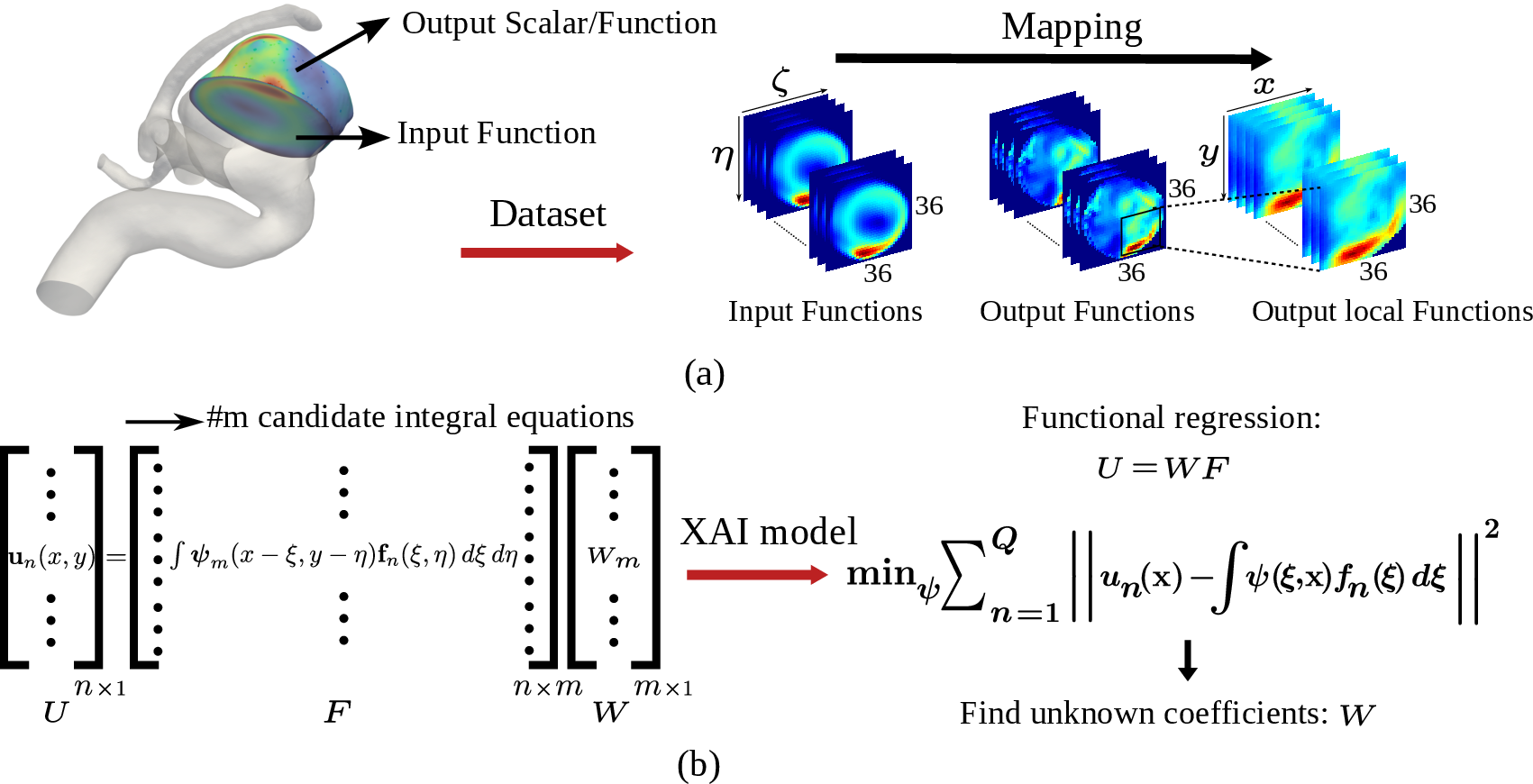
Figure 1: The XAI model leverages a candidate library of integral equations for mapping in functional space, trained via convex optimization on physical simulation data.
Upon training, the input domain is partitioned into k subregions (typically k=4 for spatial localization and interpretability). The integral operator is applied separately to each subdomain, enabling the attribution of output features and predictions to distinct spatial input regions. Mean-centering of these zonal outputs—analogous to techniques in PCA and Shapley value analysis—ensures that the sum of zonal contributions exactly reconstructs the model's mean-centered prediction.
The decomposability is depicted in:
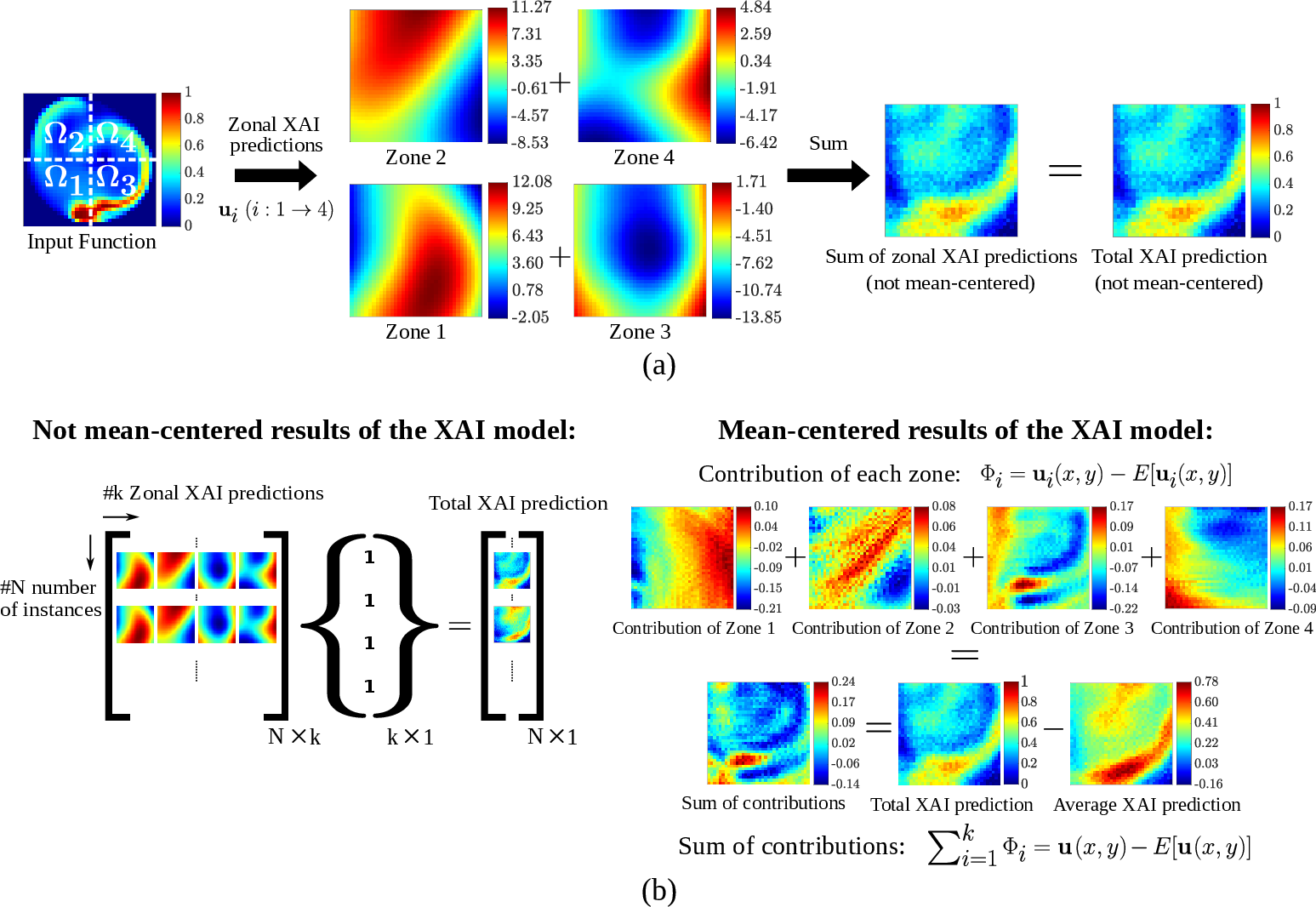
Figure 2: The post-training analysis enables spatial localization of output contributions by separately integrating over partitioned input regions.
Comparison to Neural and Post-hoc XAI Methods
Conventional operator learning approaches (DeepONet, FNO, kernel neural operators) achieve high predictive accuracy, but their sequential and nonlinear architectural composition obscures regional attribution in the input domain. Interpretability is typically reconstructed through post-hoc tools—Kernel SHAP, occlusion sensitivity, Grad-CAM, etc.—which are model-agnostic, computationally intensive, and sometimes provide inconsistent or unstable attributions, particularly in high-dimensional settings.
The present model contrasts starkly by offering analytic, by-design explainability: the closed-form additive structure ensures that both the input-to-output mapping and the associated feature importance are explicit, localizable, and stable with respect to both model perturbations and input samplings. This is confirmed through systematic benchmarking against U-Net baselines with contemporary XAI explainers, showing qualitative agreement in ranked importances but highlighting the superior stability and integrated transparency of the method.
Results
Blood Flow Application
In a patient-specific brain aneurysm blood flow simulation, the framework is validated on mapping 2D planar velocity magnitude fields to either scalar quantities (e.g., max WSS, mean WSS) or function-valued targets (spatially localized WSS fields). For function-to-scalar predictions, zonal decomposition identifies subregions with dominant velocity gradients as the main drivers of WSS maxima, consistent with fluid mechanical theory. The additive decomposability is preserved over time, enabling dynamic attribution throughout the pulsatile cycle.
Zonal rankings and predictive fidelity are visualized in:
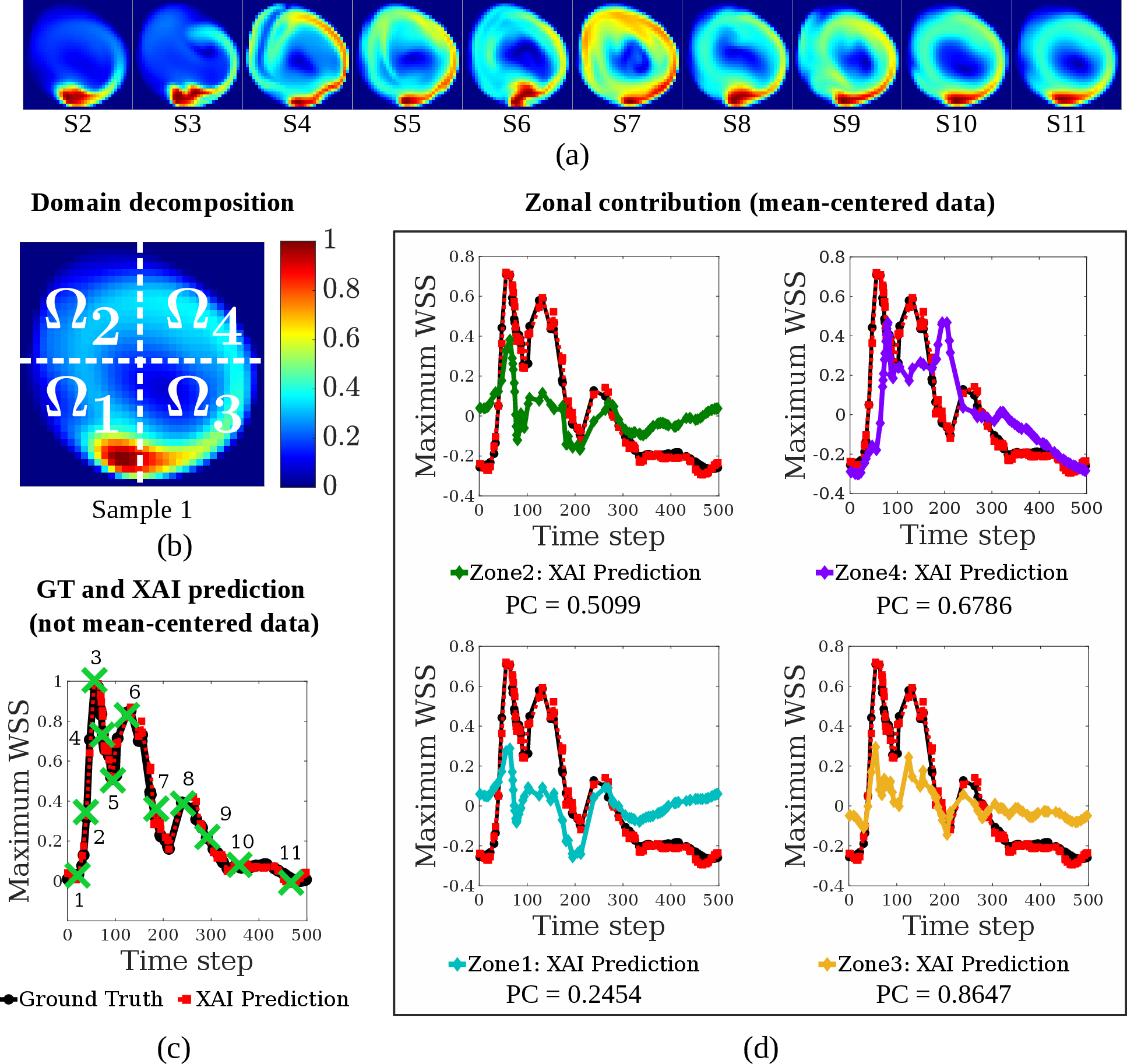
Figure 3: Temporal and zonal analysis for function-to-scalar mapping in the blood flow test case. Zone 3 robustly correlates with ground-truth WSS dynamics, confirming the model’s physically grounded explanations.
For summary across metrics, broader spatial structures dominate mean WSS or mean DNWSS outputs, revealing the model’s capacity to adaptively focus on physical phenomena pertinent to different output functionals:
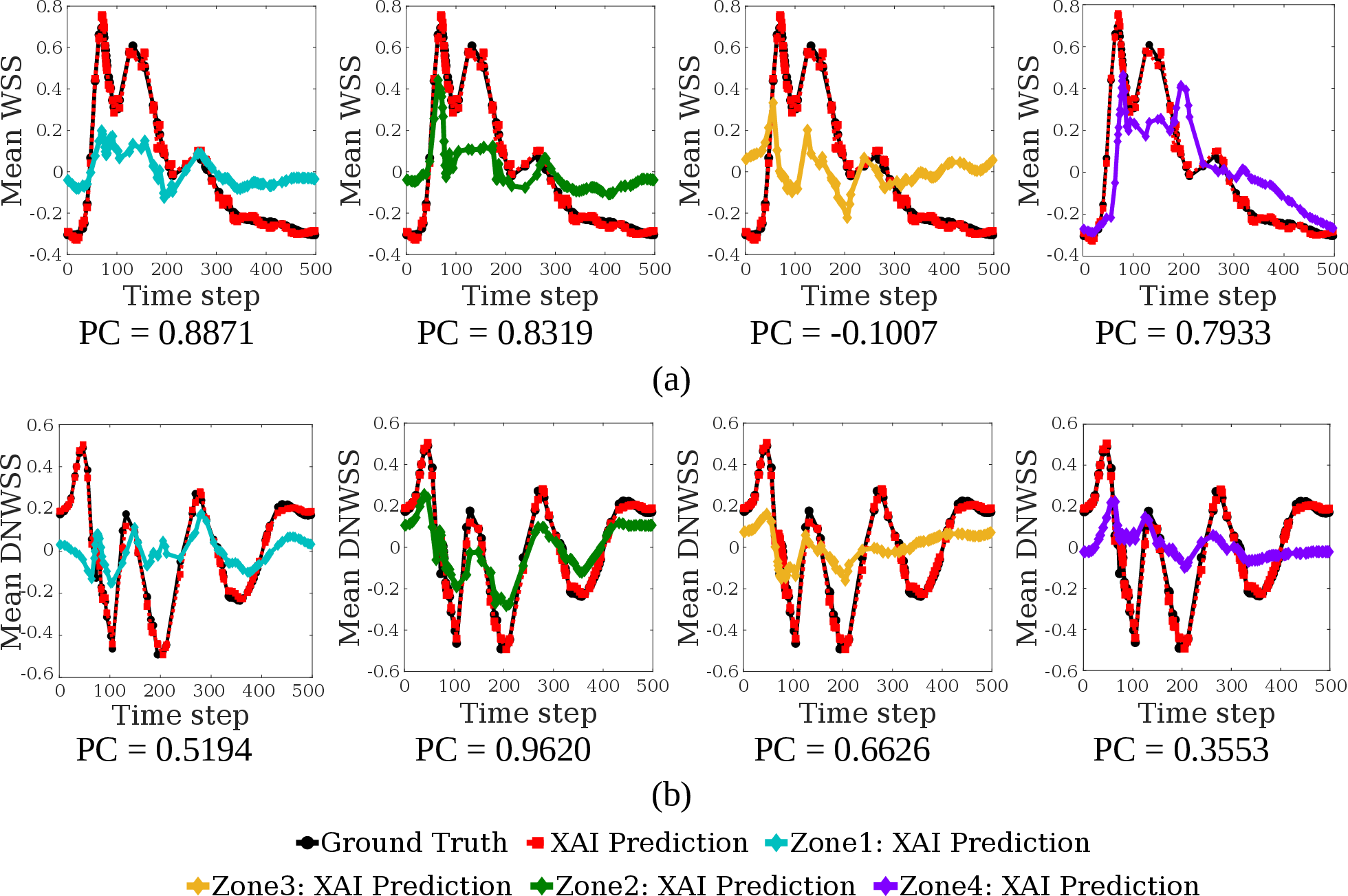
Figure 4: Zonal contribution dynamics across multiple blood flow output metrics, with Pearson correlations verifying domain-specific region importance.
In function-to-function tasks, the methodology effectively isolates the spatially localized structures in the input that control WSS output patterns, further supporting mechanistic understanding:
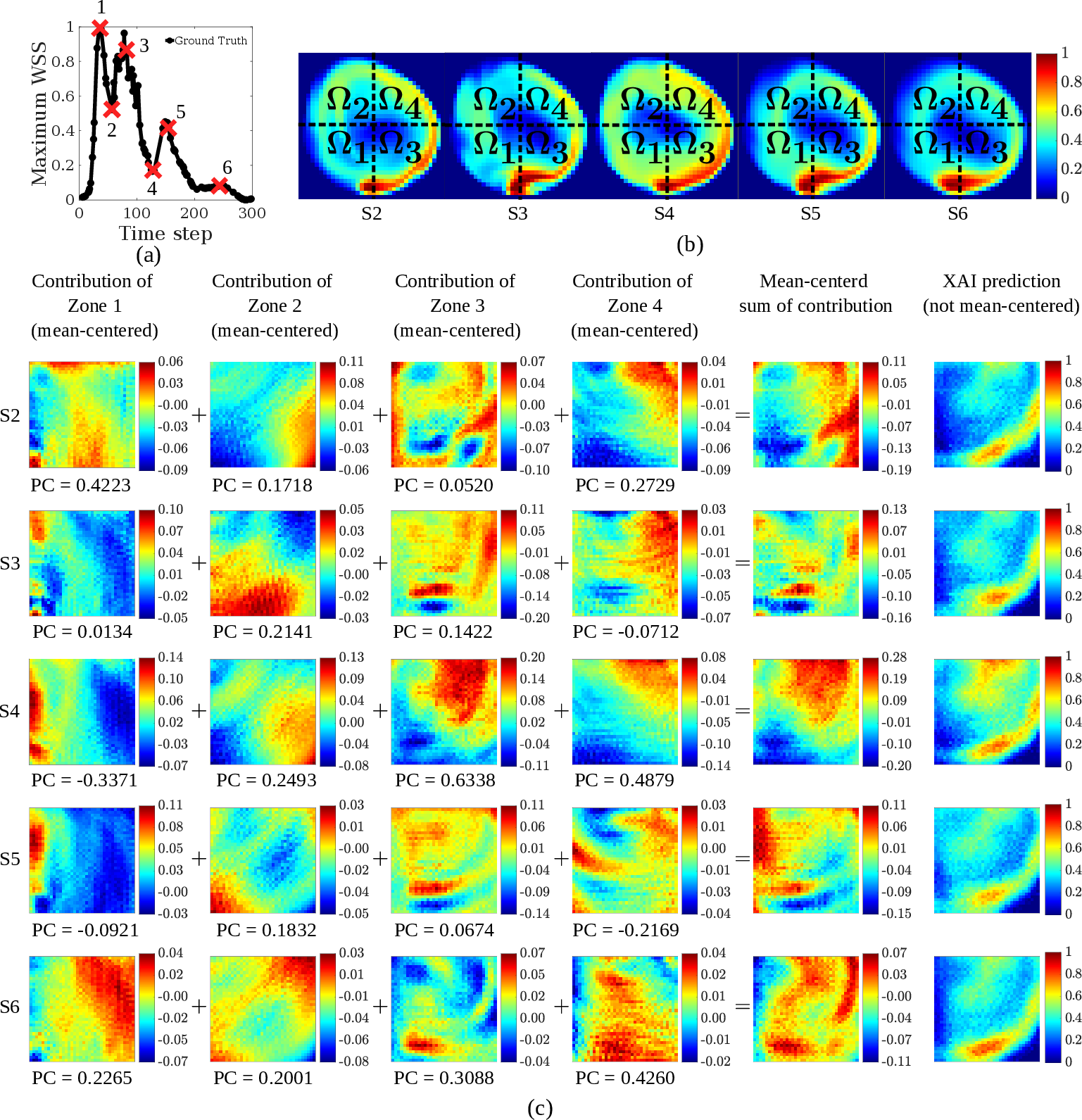
Figure 5: Spatiotemporal analysis of function-to-function mapping. The framework distinctly identifies the dominant driving region, with high correlation maintained over the trajectory.
Importantly, combinations of zonal contributions capture the essential predictive content with high fidelity, as demonstrated via additive analysis:
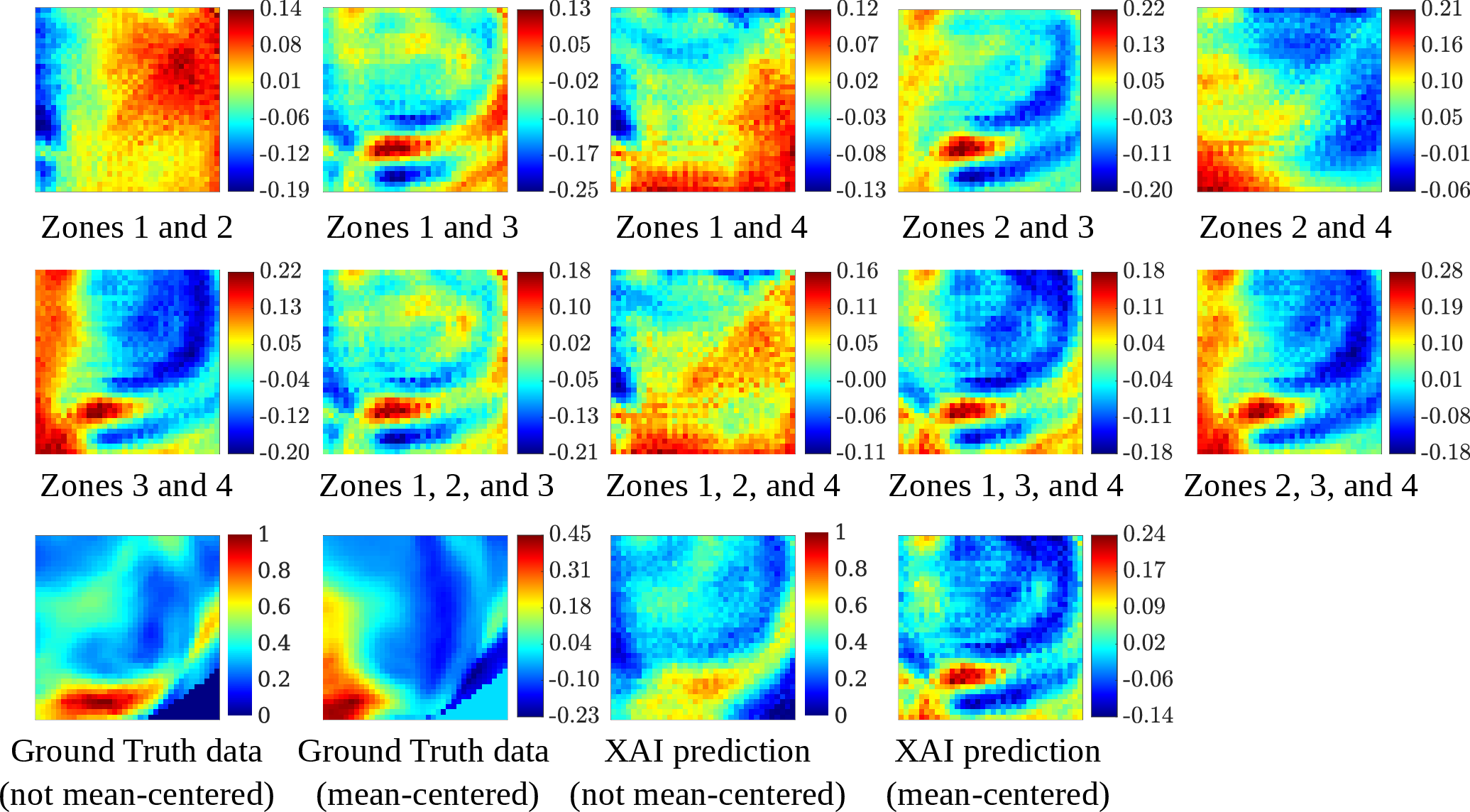
Figure 6: Demonstration of predictive power using summed zonal contributions; two- and three-zone combinations suffice to recover the high-correlation structure.
Benchmarking Against Post-hoc Methods
Direct comparison against Kernel SHAP and occlusion sensitivity—applied to a U-Net trained on the identical mapping—shows qualitative and quantitative agreement, verifying that the dominant region attributed by the analytic decomposition aligns with the most influential area by post-hoc perturbative explainers:
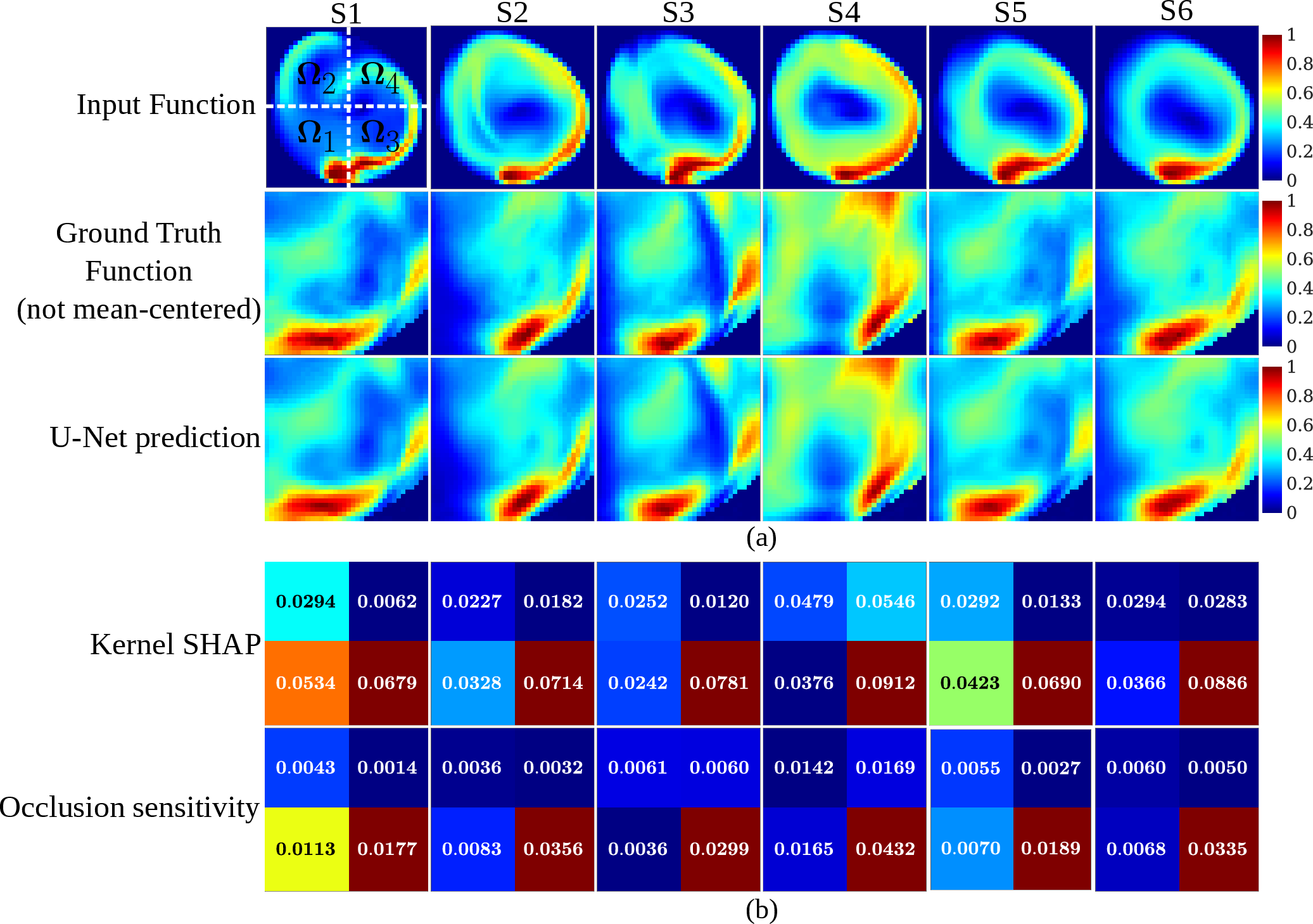
Figure 7: Consistency of dominant region identification between the integral operator decomposition and post-hoc explainers, substantiating reliability of the built-in XAI scheme.
Grad-CAM applied at various encoder stages of the U-Net further confirms the localization of saliency to the same data-driven domain identified by the explainable operator framework.
Airfoil Application
Extending the model to unsteady aerodynamic data, the XAI operator reveals a regime-dependent shift in spatial dominance for drag and lift prediction: at low pitching frequencies, near-wall flow and wake regions drive the response; at higher frequencies, contributions progressively shift toward dominant wake and vortex-shedding structures. This is quantifiable through both scalar time series and zonal correlation metrics:
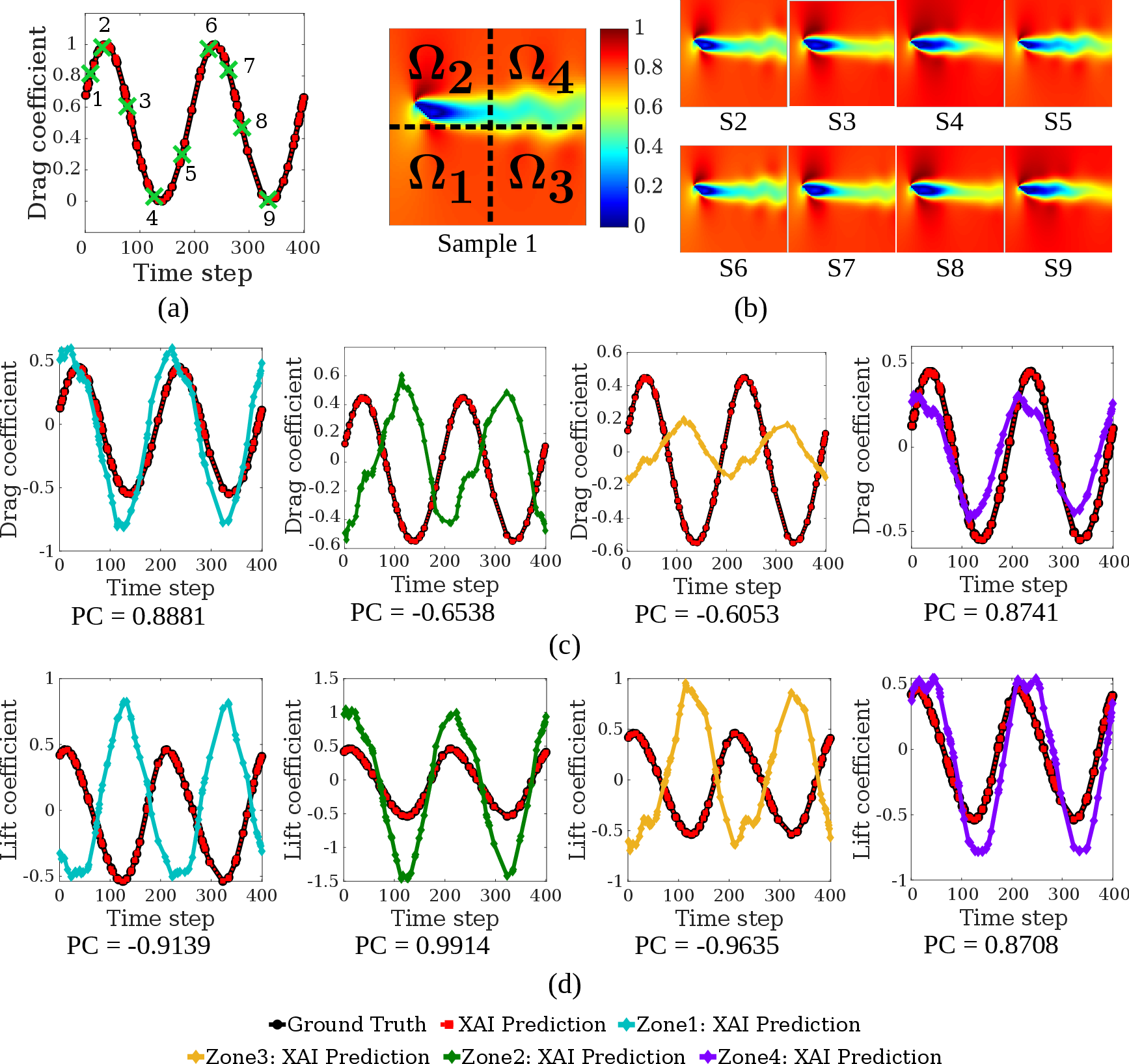
Figure 8: Airfoil drag and lift prediction at low pitching frequency, with interpretable time-variant attribution of zonal contributions.
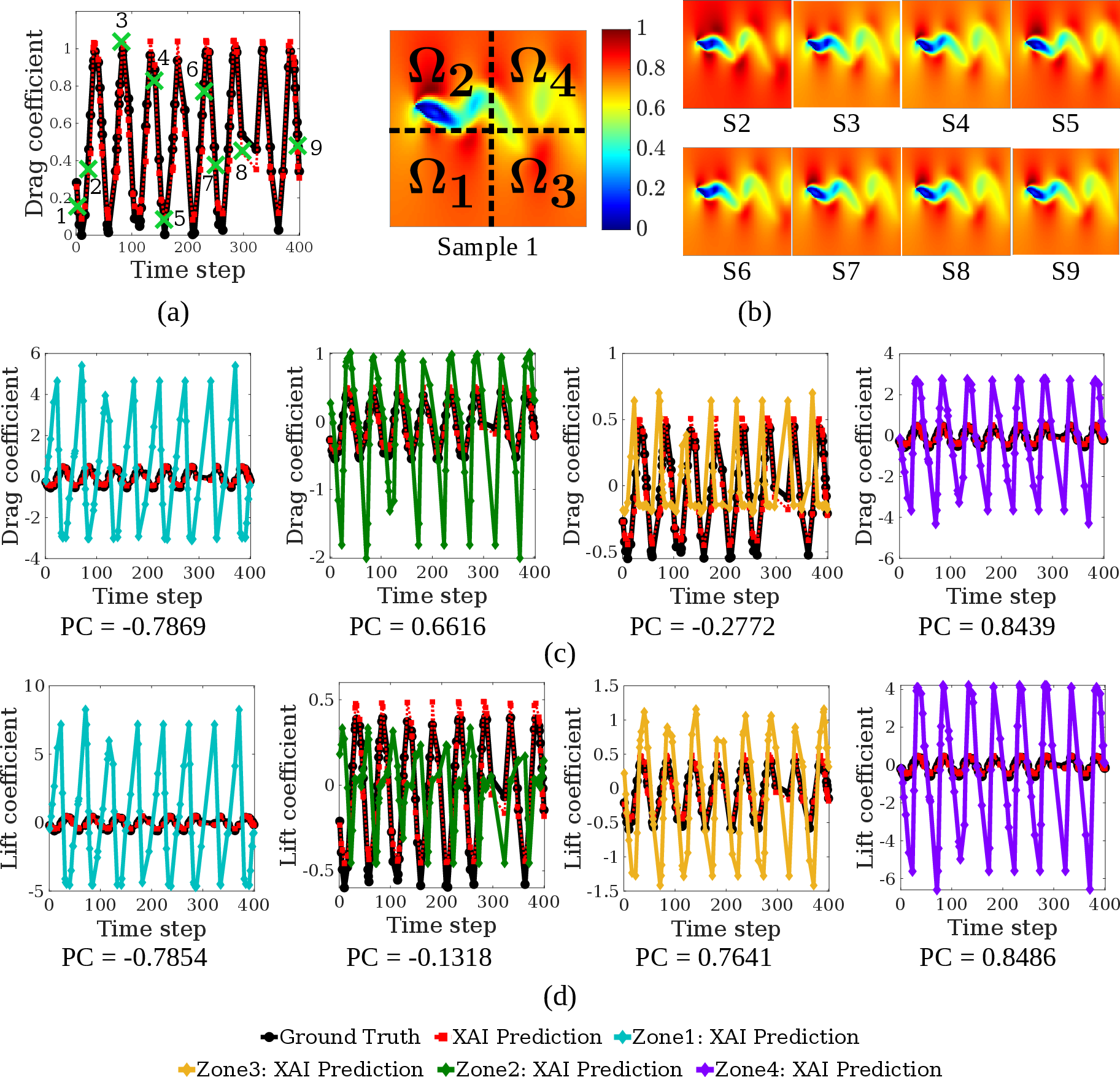
Figure 9: Airfoil drag and lift at higher pitching frequency; shift in dominant regions captures the increasing influence of vortex dynamics.
Sensitivity and Robustness
Comprehensive ablation and sensitivity analyses demonstrate the robustness of the decomposition to changes in the number of input subregions, kernel bandwidths, regularization strengths, and moderate input noise. The decomposition retains physical plausibility and interpretability under a variety of perturbations, with limitations only arising in cases of highly irregular, structureless input data (cf. the semi-linear elliptic PDE experiment, Appendix Fig. 16), for which regional attribution becomes less stable.
Additional evidence for stability and flexibility in decomposition granularity is shown in:
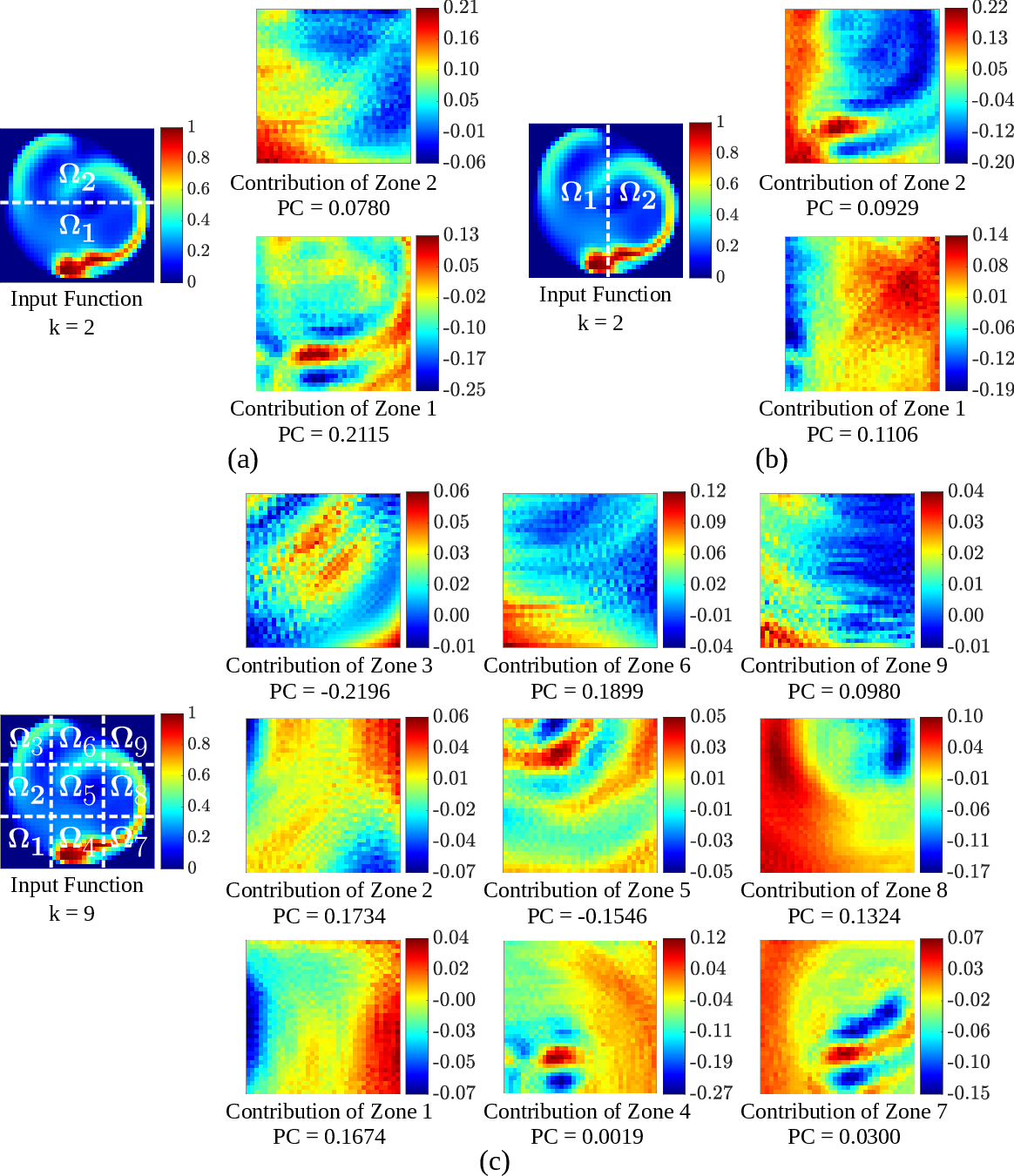
Figure 10: Decomposition sensitivity to the number of zones; robustness of dominant region detection is confirmed across resolutions.
Implications and Future Directions
The analytic, decomposable operator learning architecture provides several advancements:
- It enables physically interpretable diagnostics of spatial input-output coupling in operator learning, supporting model auditing, trust, and mechanistic discovery.
- The additive structure allows for direct development and evaluation of XAI metrics, facilitating new benchmarks for standardized explainability.
- The framework is architecture-agnostic: it can be applied as a direct data-driven model or as a post-hoc surrogate to probe existing neural networks.
A significant trade-off is the observed decrease in raw predictive accuracy compared to state-of-the-art black-box neural operators (e.g., FNO), especially in highly nonlinear or complex systems. However, for applications where transparency, domain insight, or trustworthy attribution outweigh minimal error margins, the method is preferable.
In scientific discovery and engineering, the ability to link quantitative output signals to interpretable, physically localized input regions is essential for hypothesis generation, experimental design, and sensor placement. The present framework provides an efficient path to such interpretations. Future directions include the incorporation of selective nonlinearity, adaptive kernel learning via physics-informed regularization, and extension to broader operator learning problems in other physical systems, such as coupled multi-physics and time-dependent PDEs.
Conclusion
This work presents an operator learning paradigm in which exact, analytic decomposability is preserved by construction, yielding trustworthy, spatially attributable explanations for both input and output functions. The combination of kernel-based functional linear models, convex regression, and spatial decomposition achieves a level of interpretability not available in standard operator neural networks, all while maintaining reasonable predictive power for structured physical problems. The approach offers a significant step toward harmonizing accuracy with mechanistic transparency in data-driven operator modeling.