- The paper introduces a multi-agent LLM-based framework that leverages parallel candidate generation and coordinated evaluation for effective discovery of differential-algebraic models in power systems.
- It demonstrates rapid convergence with low error metrics (e.g., 0.19% MAPE, 0.98 R²) and outperforms traditional single-agent and symbolic regression methods.
- The study highlights the method's robustness to noise and incomplete data, confirming model validity through system-level substitutions in both synchronous generator and inverter scenarios.
Multi-Agent LLM-Based Collaborative Discovery of Differential-Algebraic Power System Models
Introduction and Motivation
Modern power systems confront increasing dynamism and complexity due to high penetration of grid-forming inverters, power electronics, and sophisticated control strategies. These changes introduce pronounced nonlinearity, multi-timescale coupling, and black-box control logics, challenging conventional approaches that assume explicit mechanistic model structures or rely heavily on predefined function libraries. The discovery of complete differential-algebraic models directly from measurement data—without complete prior knowledge—has thus become an urgent problem for analysis, stability assessment, and digital-twin applications.
The paper presents an innovative multi-agent LLM collaborative framework for differential-algebraic dynamic model discovery (MA-LLM-DMD) in power systems (2606.31314). The core novelty is the integration of heterogeneous LLM-based agents operating in parallel, supported by individualized memory, a parameter optimization/evaluation pipeline, and global coordination. In contrast to prior single-trajectory LLM approaches (e.g., LLM-DMD or LLM-SR), this framework explicitly aims to maximize candidate diversity, robustly close missing algebraic relations, and accelerate discovery cycles under weak prior information.
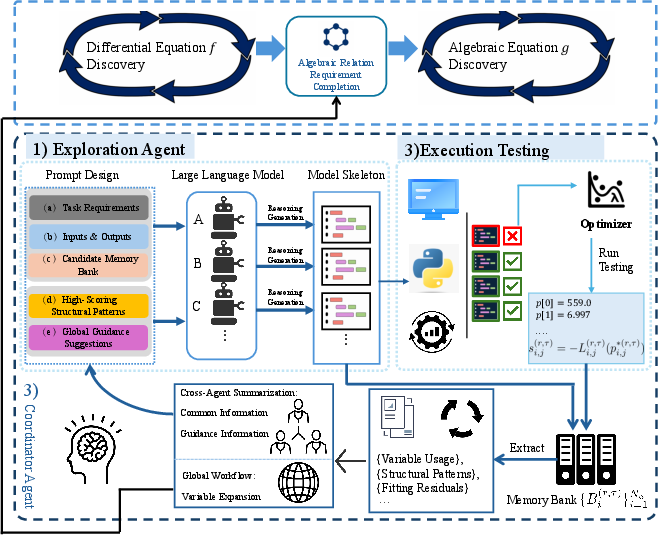
Figure 1: Overall flowchart of the multi-agent collaborative adaptive discovery framework.
Framework Architecture and Methodology
The core methodology decomposes dynamic model discovery into two sequential stages: (1) differential equation structure discovery and (2) algebraic closure/constraint discovery. Multiple LLM agents with heterogeneous prompting strategies generate candidate structural equations for each stage in parallel, constrained by the same measurement data and variable space. Each agent maintains a personalized memory of preferred candidates, which are numerically evaluated after parameter fitting through standard optimization (e.g., Adam). A coordinator agent synthesizes cross-agent information—structural motifs, missing variable detection, and guidance cues—into periodic summaries that regulate both variable extension and agent search direction.
A key process is prompt engineering and staged discovery: prompt templates enforce role/task delineations, inclusion of discovered variables, broadcast knowledge, and interface consistency, while still enabling each agent to propose structurally diverse candidates.
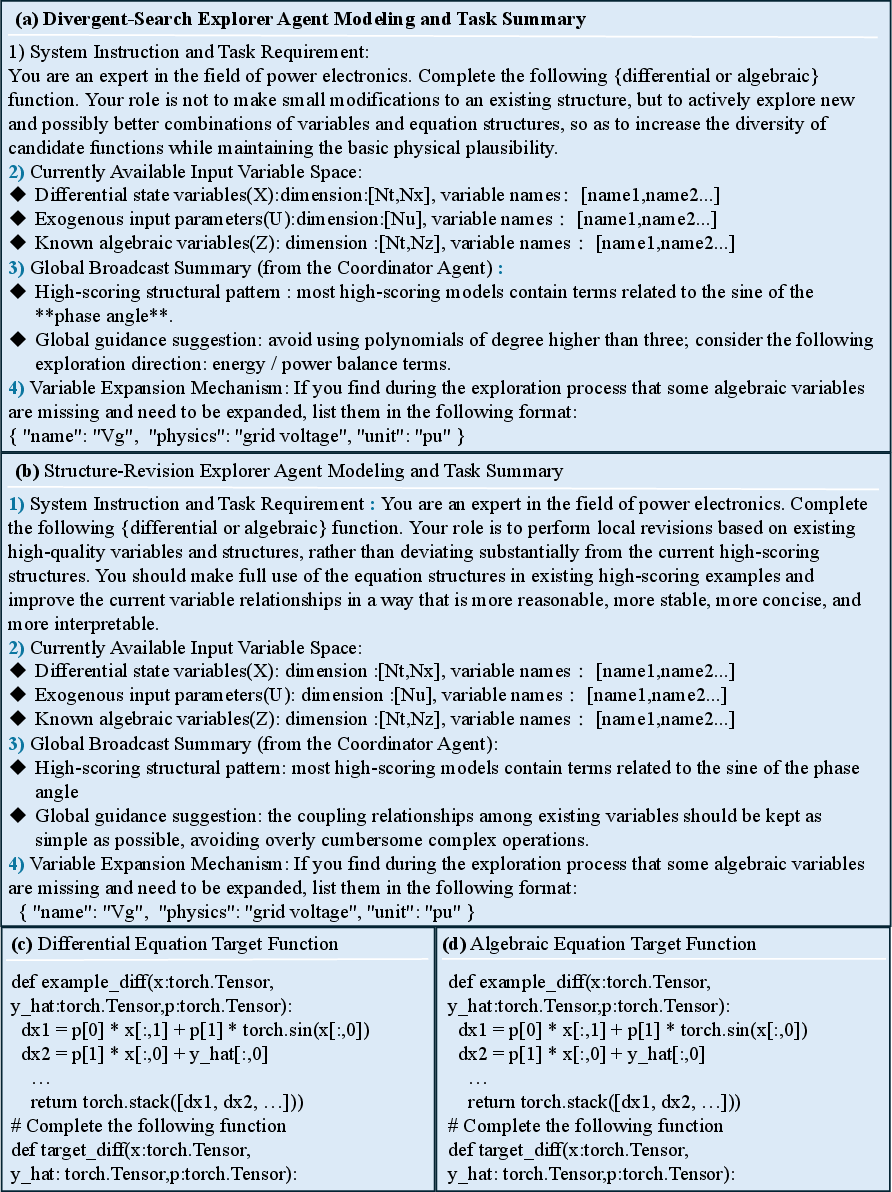
Figure 2: Example prompt template for exploratory agents, including divergent exploration and structural correction tasks.
Cross-agent consensus checks (on discovered variable requirements and stagnation detection) trigger extensions of the search variable space. This mechanism ensures that algebraic constraints and intermediate variables are exposed and incorporated only when substantiated by multiple independent agents and persistent structural frustration.
Experimental Validation: Synchronous Generator Model Discovery
The IEEE 39-bus, 10-machine system with a fifth-order synchronous generator forms the initial test case. MA-LLM-DMD is benchmarked against single-agent LLM-DMD, function-library-based SINDy (under several prior accuracy regimes), and LLM-SR-style symbolic regression.
The staged discovery process demonstrates rapid convergence and effective variable extension. Candidate MAPE (mean absolute percentage error) and R2 generalization metrics for both in-distribution (ID) and out-of-distribution (OOD) faults are summarized in the following table:
| Method |
OOD MAPE (%) |
OOD R2 |
| MA-LLM-DMD |
0.19 |
0.98 |
| LLM-DMD |
0.21 |
0.97 |
| LLM-SR-AP |
0.22 |
0.96 |
| SINDy variants |
up to 17.7 |
negative |
The robustness and efficiency advantages are pronounced: MA-LLM-DMD yields lower OOD error and converges in fewer iterations and lower run time compared to other LLM-based baselines.
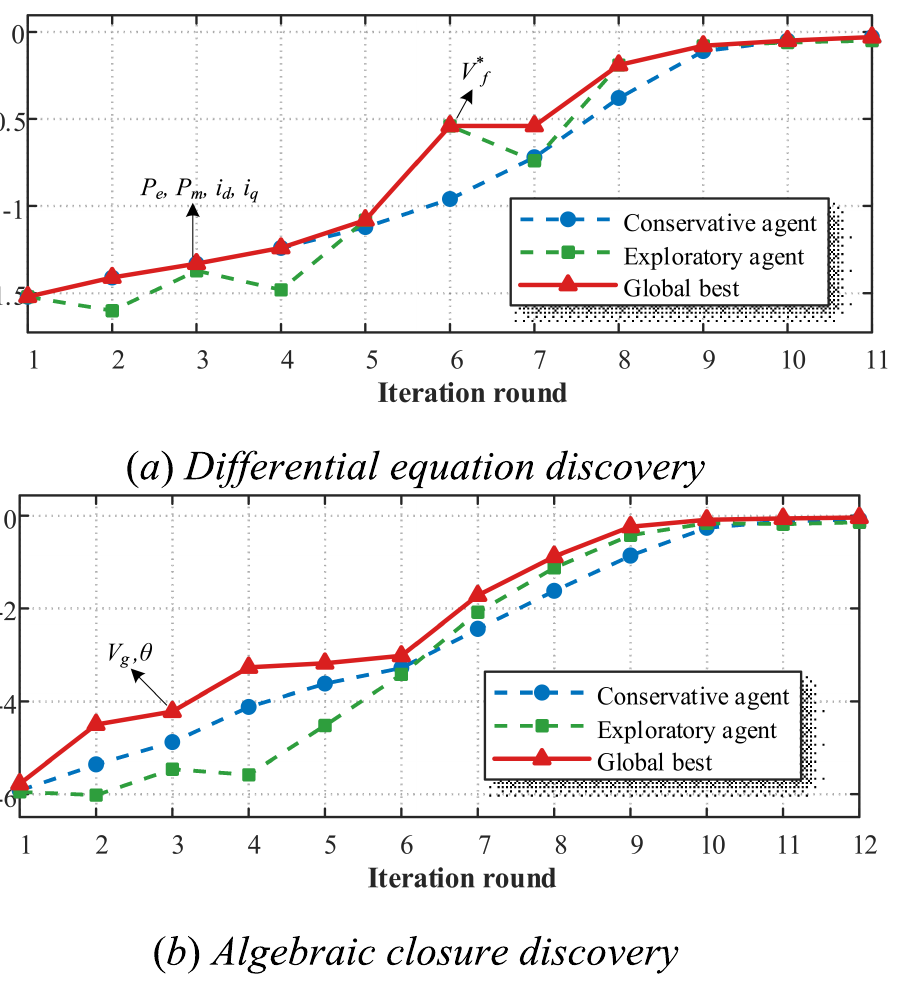
Figure 3: Discovery process and convergence characteristics of the synchronous generator dynamic model.
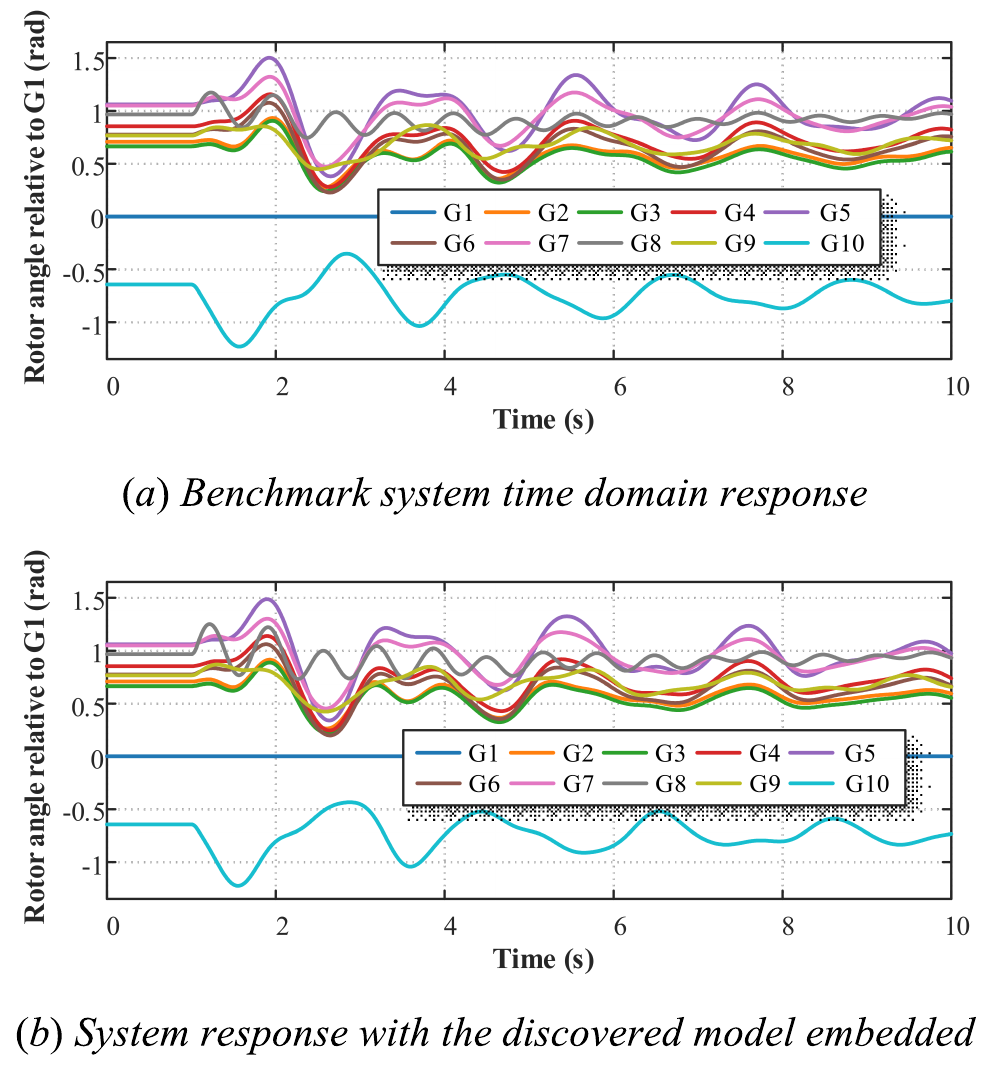
Figure 4: Dynamic response reconstruction results of typical states and outputs in the synchronous generator scenario.
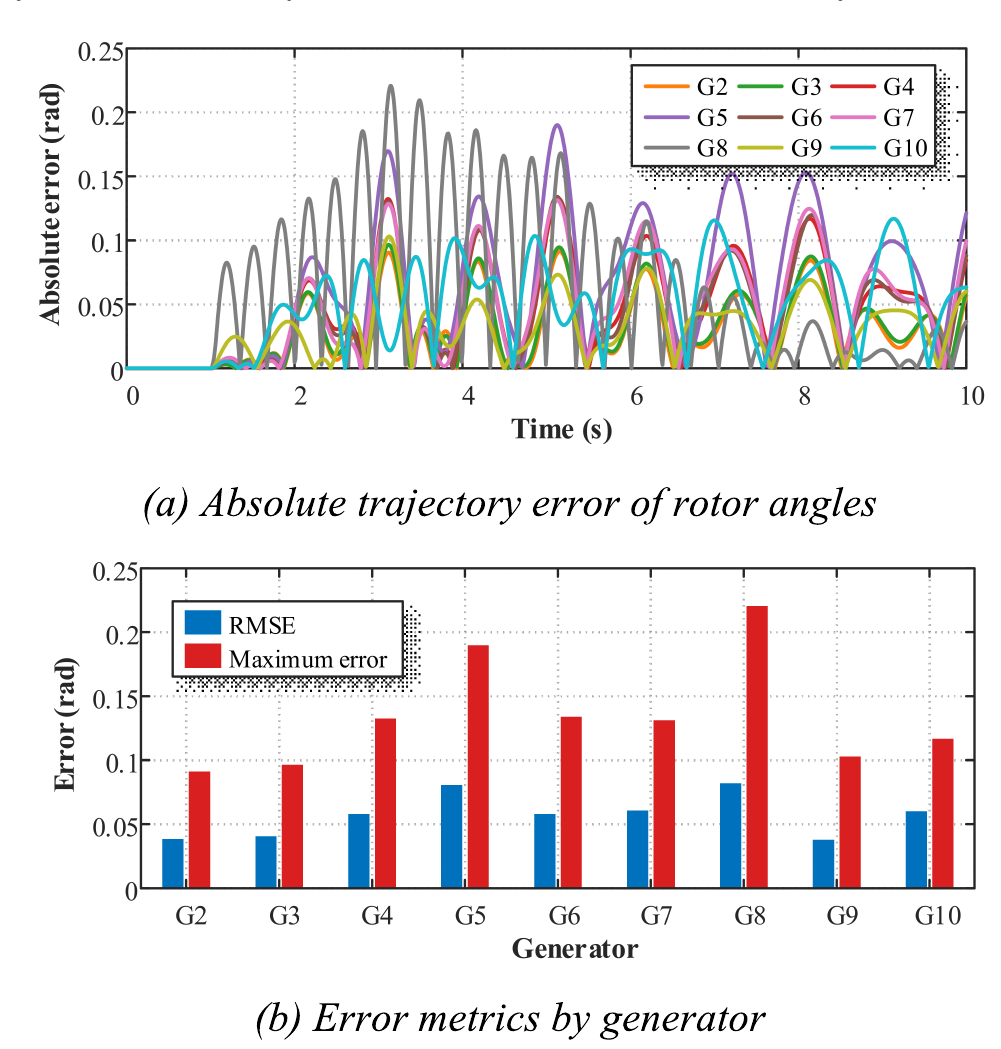
Figure 5: Error analysis of system-level substitution simulation in the synchronous generator scenario.
System-level substitution—embedding the discovered generator model into the PSAT simulation—confirms that the identified dynamics are not merely data-fitting artifacts, but are executable and preserve transient/steady-state trajectories under new disturbances. Error analysis shows that residuals are concentrated during fault intervals, with damping and recovery trends robustly replicated.
The multi-agent approach also proves more resilient to data challenges: degradation under Gaussian noise, outliers, or missing data is consistently smaller than for single-agent LLM-DMD. For example, under 5% Gaussian noise, OOD MAPE for MA-LLM-DMD is 0.33% versus 0.41% for LLM-DMD.
To further test utility in power-electronic-rich scenarios, the framework is applied to discovering a DAE model of a grid-forming inverter (VSG-controlled) with cascaded control loops. Ground truth is generated from a high-fidelity Simulink model, and only partial prior knowledge is provided to the agents.
The model discovery stage involves sequential recovery of physical states, control references, and closure equations. Both ID and OOD MAPEs for MA-LLM-DMD remain below 0.6%; R2 is $0.96$, with significantly lower variance than single-agent or regression competitors. The framework outperforms others in both speed (626s discovery time vs 842s for LLM-DMD) and reliability—generalization errors and run-to-run variance remain small.
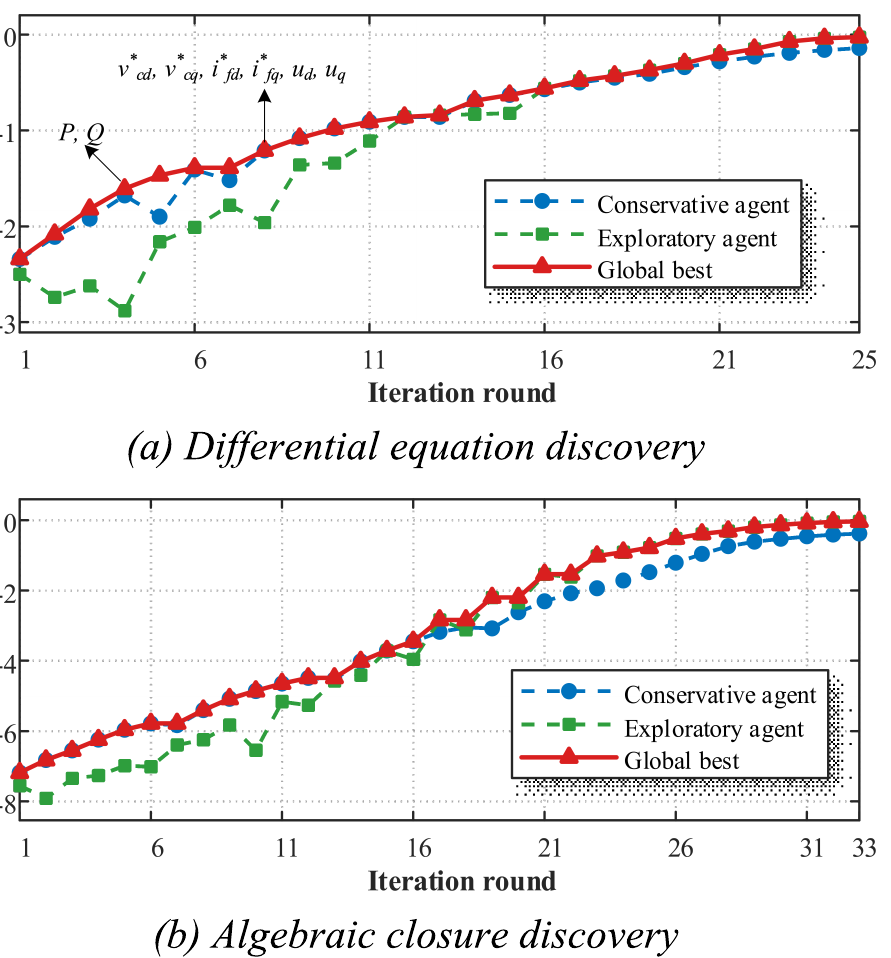
Figure 6: Discovery process and convergence characteristics of the grid-forming inverter dynamic model.
The process demonstrates superior convergence properties. The discovery log shows stepwise improvements corresponding to the correct identification of physical and control-layer variables, with agent memory and coordination expediting closure of key algebraic relations.
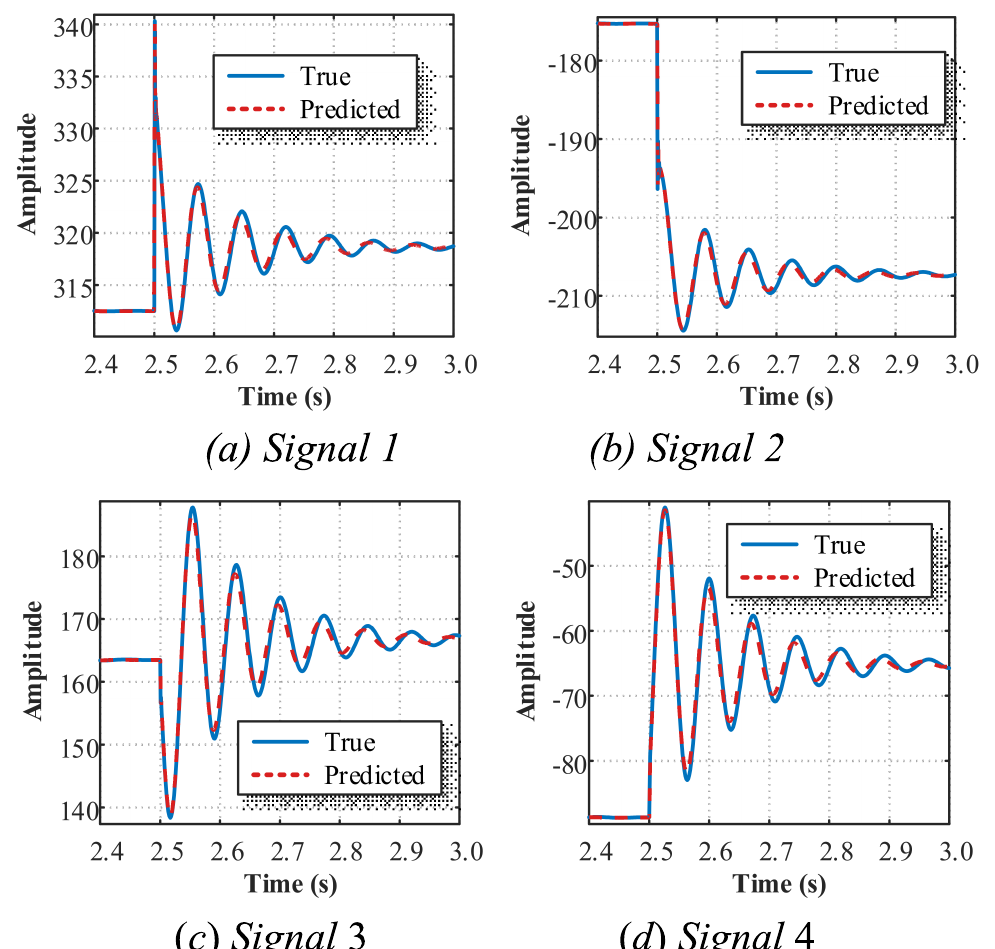
Figure 7: Dynamic response results of system-level substitution simulation in the grid-forming inverter scenario.
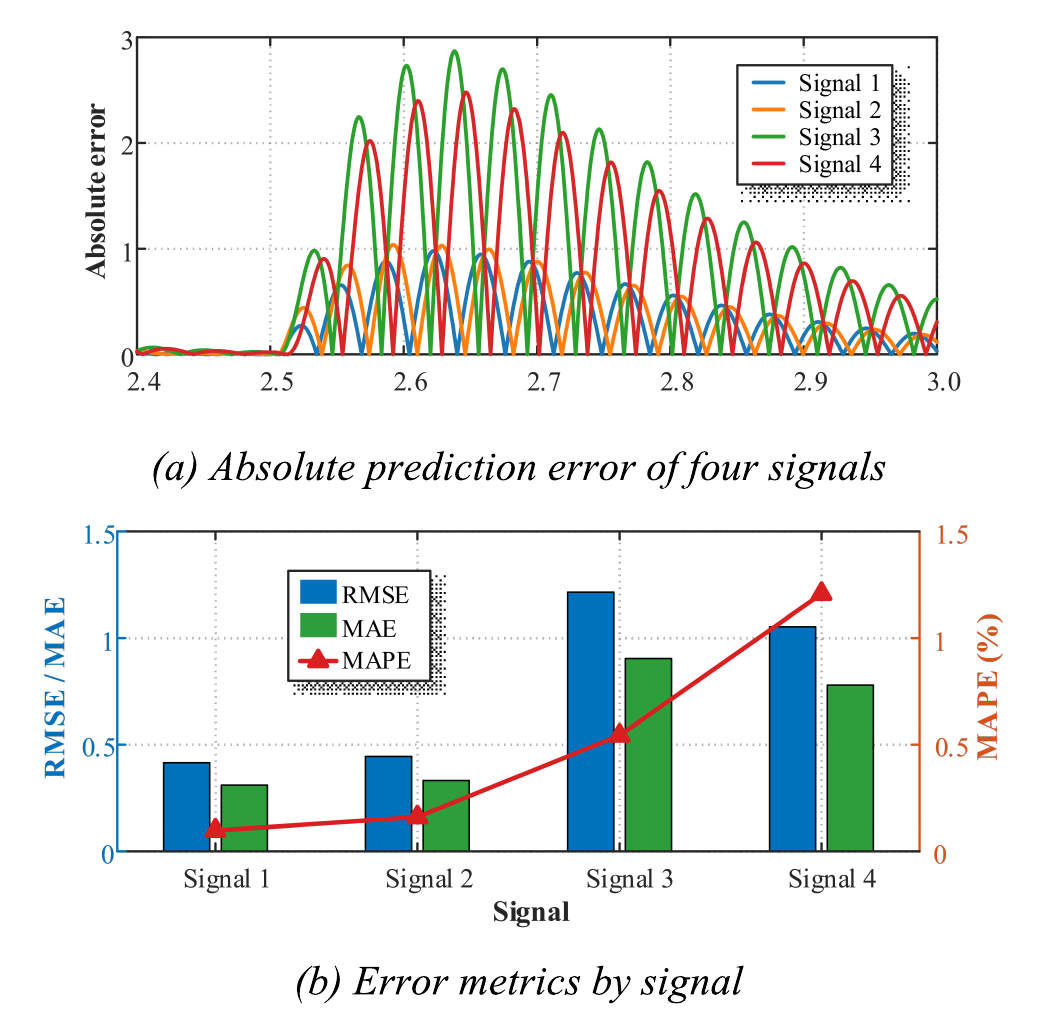
Figure 8: Error analysis of system-level substitution simulation in the grid-forming inverter scenario.
System-level embedding further confirms the physical validity of the model: transient and regulation processes in faulted/unseen scenarios are reproduced with low error, and error magnitudes decay quickly after disturbance clearance. When noise, outliers, or missing data are present (e.g., 5% sparse outliers), MA-LLM-DMD not only maintains lower MAPE (2.96\%) than LLM-DMD (4.58\%), but also keeps shorter or comparable discovery times.
Implications and Theoretical/Practical Significance
MA-LLM-DMD fundamentally advances dynamic model discovery in domains with incomplete prior information, especially in large-scale, data-rich, nonparametric settings. By combining parallel candidate generation, broadcast-based coordination, memory augmented contextualization, and rigorous numerical evaluation, the framework achieves:
- High-fidelity recovery of executable DAE models (including algebraic and hidden variables) solely from data, under noise and variable gaps;
- Consistently lower OOD error and smaller run-to-run variance compared to both LLM and symbolic regression methods;
- Data and noise robustness via redundancy across agents and consensus-based variable extension;
- Demonstrated feasibility for both classical machine dynamics and modern power-electronic converter structures.
The results suggest clear directions for extension: scaling to large networks with inter-device coupling, integrating physical constraints and prior knowledge, and enabling online/streaming operation. The multi-agent protocol could be generalized for scientific discovery in other domains where variable incompleteness and structural uncertainty are endemic.
Conclusion
A multi-agent, LLM-based collaborative adaptive framework demonstrably raises the ceiling for automated discovery of coupled differential-algebraic models in power systems. By leveraging parallelism, memory, and coordinated reasoning across agents, it robustly recovers both physical and control-layer dynamics—even under weak priors, limited data, and measurement contamination. The paradigm suggests a broadly applicable path for data-driven scientific model discovery, with immediate relevance to robust, interpretable digital twins and advanced power system simulation.

