- The paper introduces a dual-space flow guidance method combining explicit observational constraints and latent-space regularization to achieve instance-faithful 3D reconstructions.
- It leverages training-free generative inversion with flow matching and 3D Gaussian Splatting refinement to recover photorealistic details under severe occlusions.
- Quantitative and qualitative results across multiple datasets demonstrate superior performance in geometry completion and novel view synthesis versus existing baselines.
FlowObject: Dual-Space Flow Steering for High-Fidelity, Occlusion-Robust 3D Object Reconstruction
Introduction
Sparse-view 3D object reconstruction from RGB-D observations remains a critical challenge due to observational sparsity, sensor noise, and pervasive occlusions in real-world scenes. Optimization-based pipelines such as 3D Gaussian Splatting (3DGS) achieve high-fidelity reconstructions for the observed surface regions, but lack any inductive capacity for filling in unobserved or occluded geometry. Generative models based on recent diffusion or flow-matching methods synthesize full textured assets, but suffer from “synthetic bias”: learned priors override observational evidence, resulting in plausible structures that are not instance-faithful.
FlowObject introduces a dual-space, training-free inverse problem formulation for reconstructing complete, high-fidelity 3D object geometry and appearance, robust to severe occlusions and sparse views. The framework steers the flow-matching generative process at inference time by integrating explicit observation-space constraints and implicit latent-space alignment, driving the generative trajectory toward the intersection of global priors and the manifold defined by the actual observations. Following generative completion, a 3DGS refinement phase recovers high-frequency, view-consistent radiance and bridges the remaining domain gap between generative outputs and photorealism.
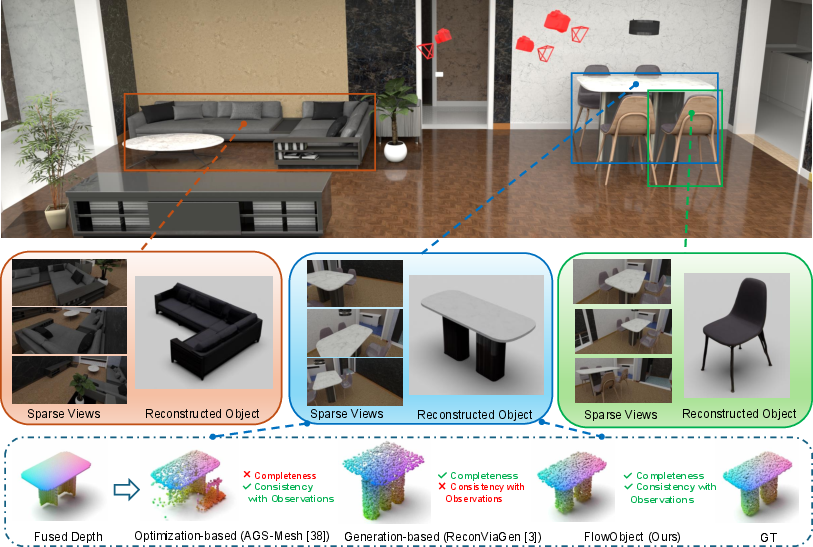
Figure 1: Overview of the FlowObject pipeline: visible geometry is reconstructed from RGB-D views, generative priors complete occluded regions, and 3DGS-based refinement enforces photorealism and view-consistency.
Methodology
Dual-Space Flow Guidance
FlowObject’s core technical innovation is the dual-space flow guidance strategy. Given sparse RGB-D captures, the framework iteratively steers the flow-matching ODE to jointly optimize for measurement-consistency (explicit constraints in observation space) and latent-space alignment (implicit regularization), at every sampling step of the generative process. The explicit term enforces dense voxel occupancy or photometric losses on visible regions, anchoring generation to observations, while a latent term regularizes the solution toward high-probability regions of the pretrained prior.
This dual guidance is applied to both the structure (geometry) and appearance synthesis sub-problems, leveraging a pretrained structured 3D latent generative model (e.g., TRELLIS [xiang2025structured]). The explicit constraint is typically a masked BCE or photometric loss, while the implicit constraint is an L1 distance between the evolving latent and the encoding of input observations; both terms use annealed schedules to first stabilize global structure, then precisely enforce instance fidelity.
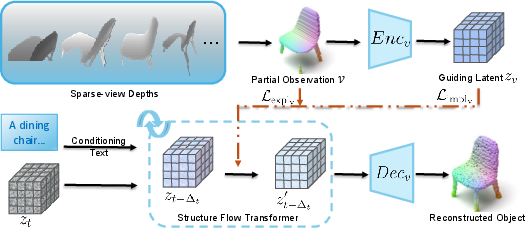
Figure 2: Guided voxel generation pipeline: sparse-view depth maps are fused into a partial occupancy grid, from which both explicit and implicit constraints are derived for flow-matching based full geometry synthesis.
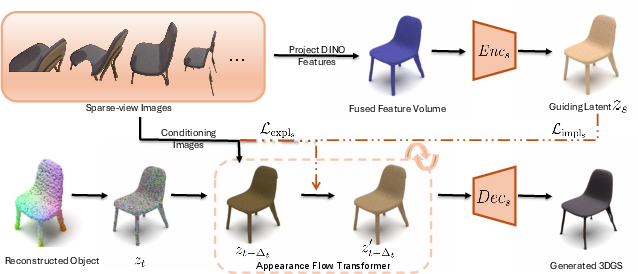
Figure 3: Guided 3D Gaussian generation: sparse-view RGB features are projected and aggregated into a feature volume for implicit guidance, while photometric loss enforces reconstruction of appearance on visible regions.
The inference is fully training-free: only the initial latent and the ODE integration trajectory parameters are optimized, with generative model weights kept fixed.
3DGS-Based Photorealistic Refinement
Following dual-guided generative completion, FlowObject transfers the generated geometry and appearance into the explicit 3DGS parameterization. This enables a scene-level radiance refinement, optimizing photometric, depth, and geometric regularity losses jointly over all Gaussian parameters. This final phase recovers high-frequency view-dependent effects and corrects any residual artifacts introduced by the generative prior, ensuring both holistic completion and strict observational consistency.
Object-Aware, Local-to-Global Reconstruction
The system’s hierarchical pipeline reconstructs objects instance-wise but can be assembled into a scene-level 3DGS for multi-object editing or relighting. The reliance on explicit geometric and photometric constraints ensures generalization to both synthetic and complex real-world settings—unlike feed-forward generative approaches that often fail in out-of-distribution or scale-misaligned cases.
Experimental Results
FlowObject is evaluated on 3D-FRONT, ScanNet++, and ShapeR datasets, capturing benchmarks with severe occlusion and sparse-view acquisition. Results on geometric metrics (Unidirectional Chamfer Distance, Completion Score, F-Score) conclusively demonstrate superiority over both optimization-based and generative baselines. For example, on 3D-FRONT, FlowObject achieves a CD of 2.68 (×10⁻²), outperforming 3DGS-D (5.49) and top generative models (SAM3D-GSD: 4.92).
Qualitative comparisons highlight that 3DGS and AGS-Mesh baselines reconstruct only visible surfaces, omitting occluded structure, while generative baselines may produce scale-misaligned or synthetically biased completions. FlowObject consistently reconstructs full geometry, even for heavily occluded components, while maintaining instance-faithful details on visible regions.
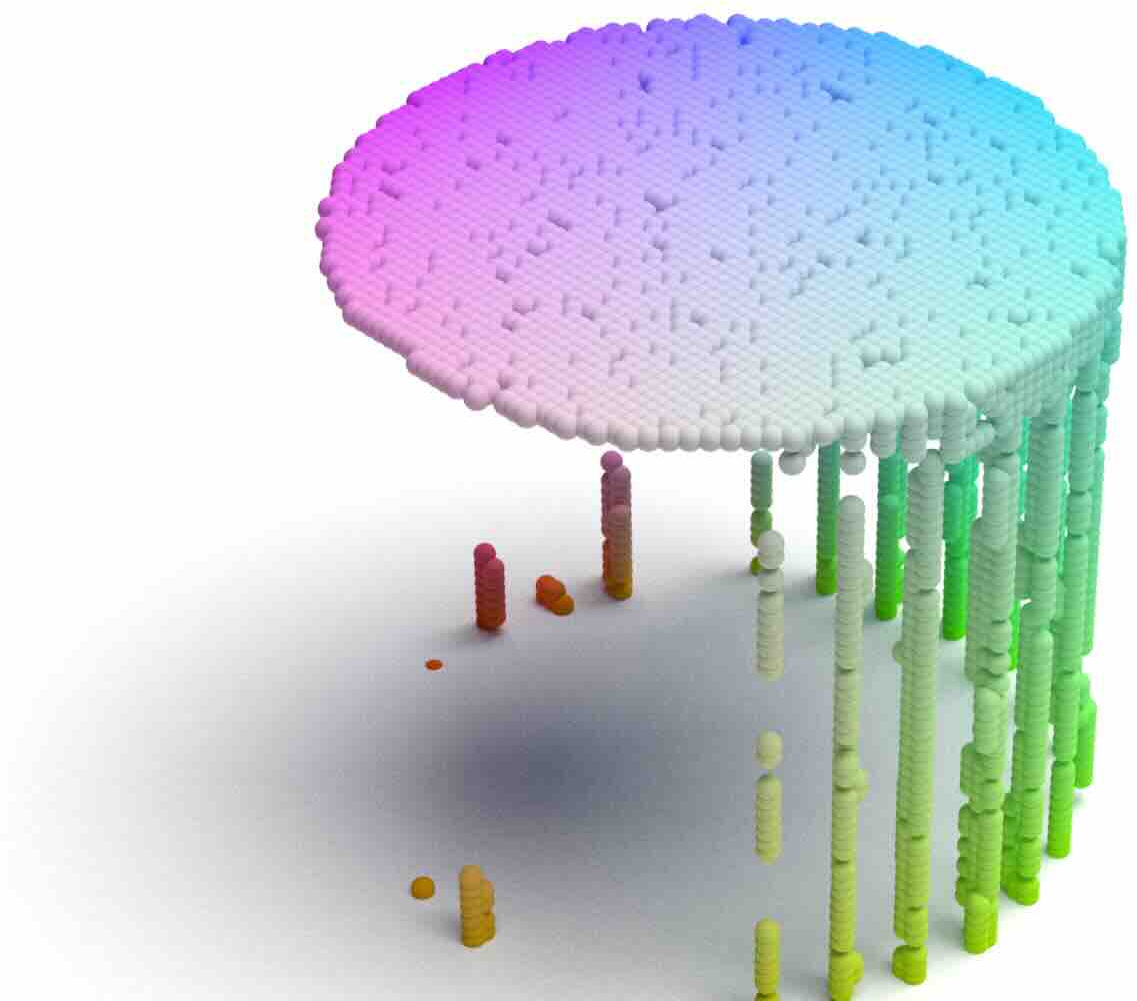


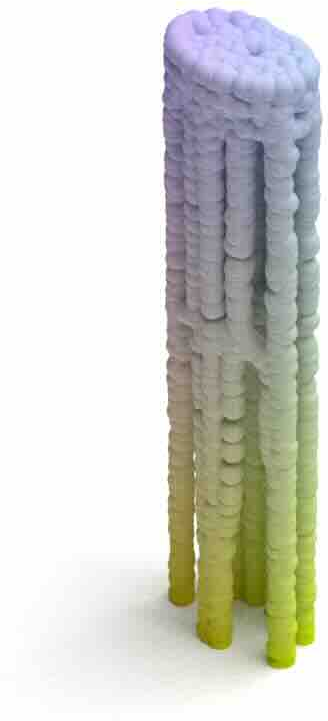
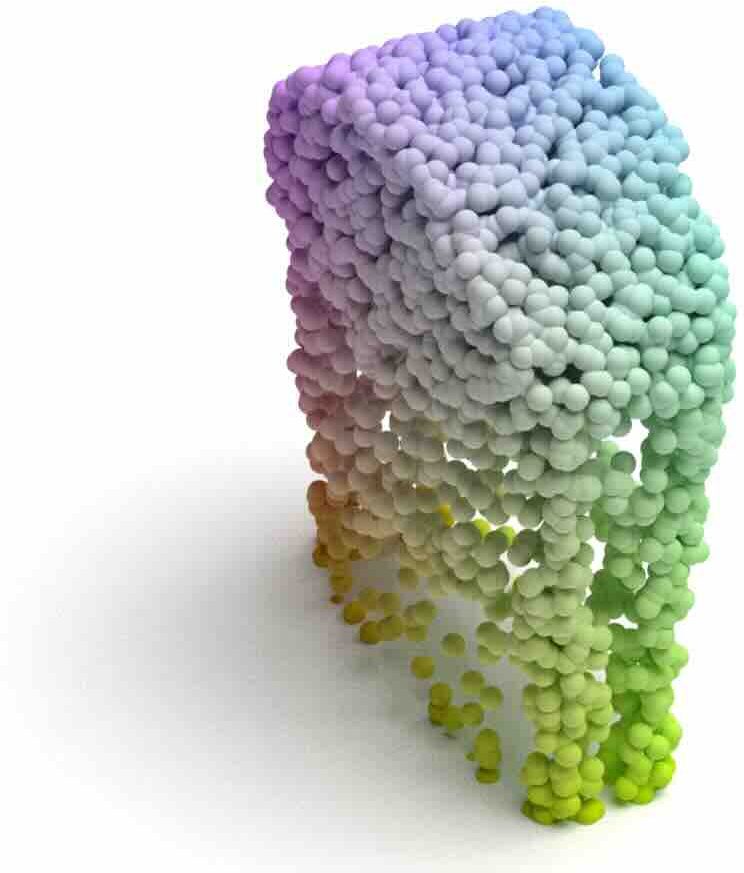
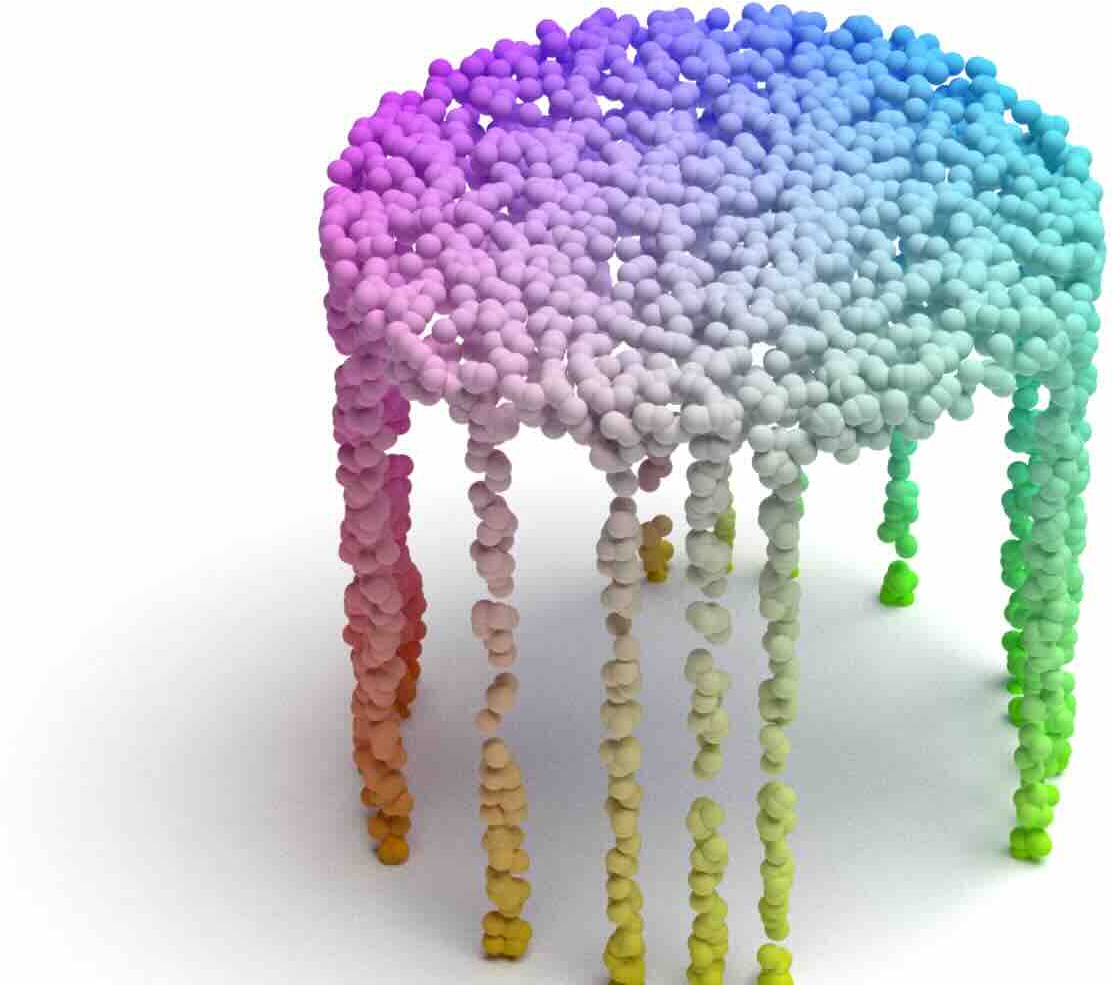
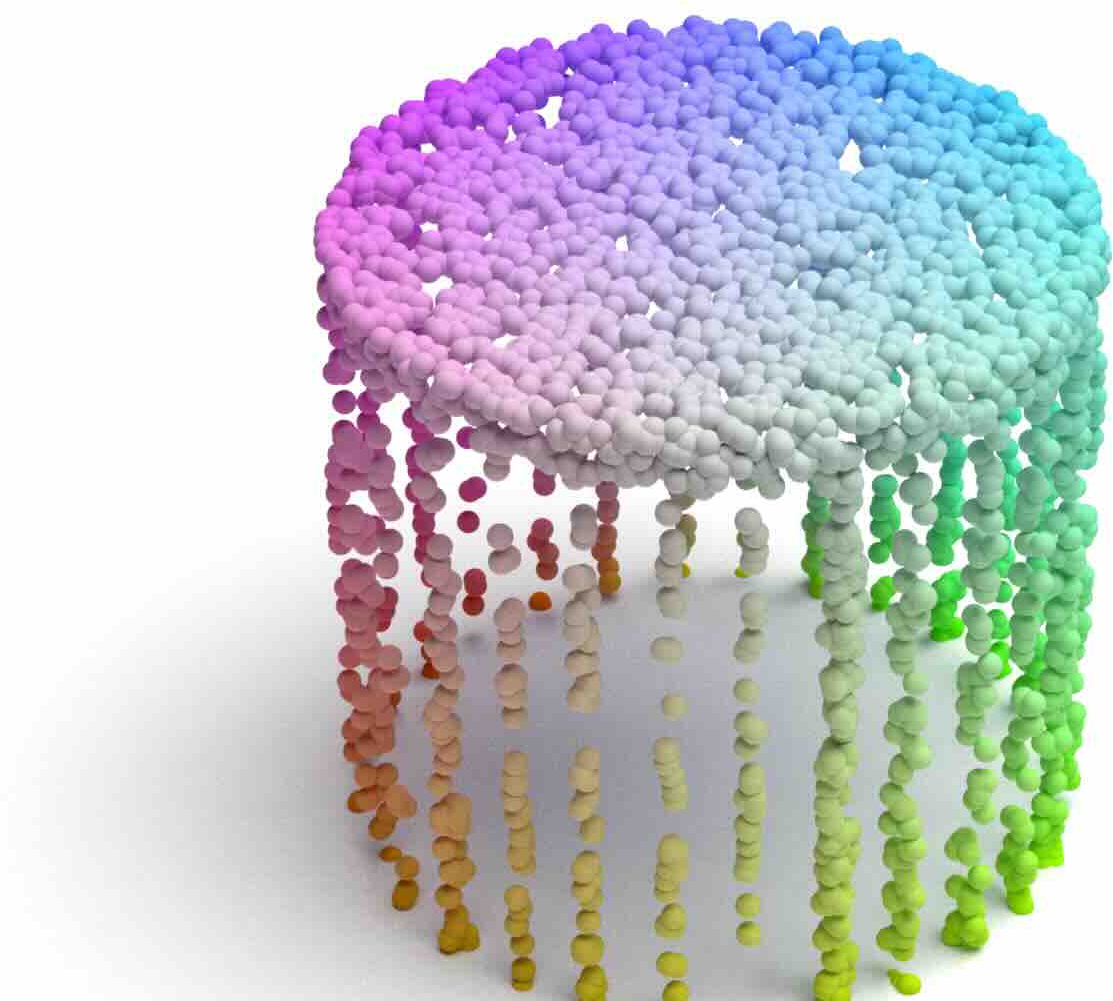
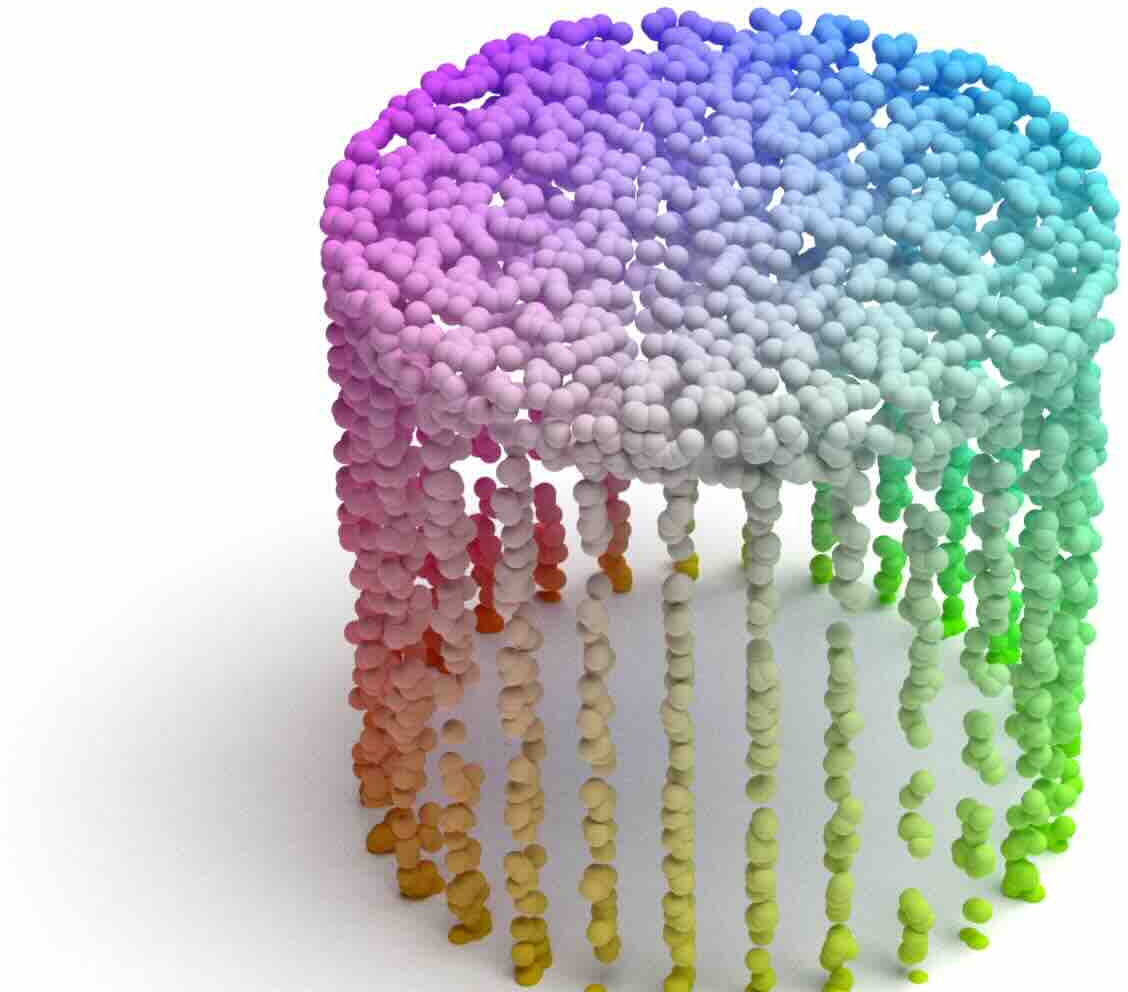
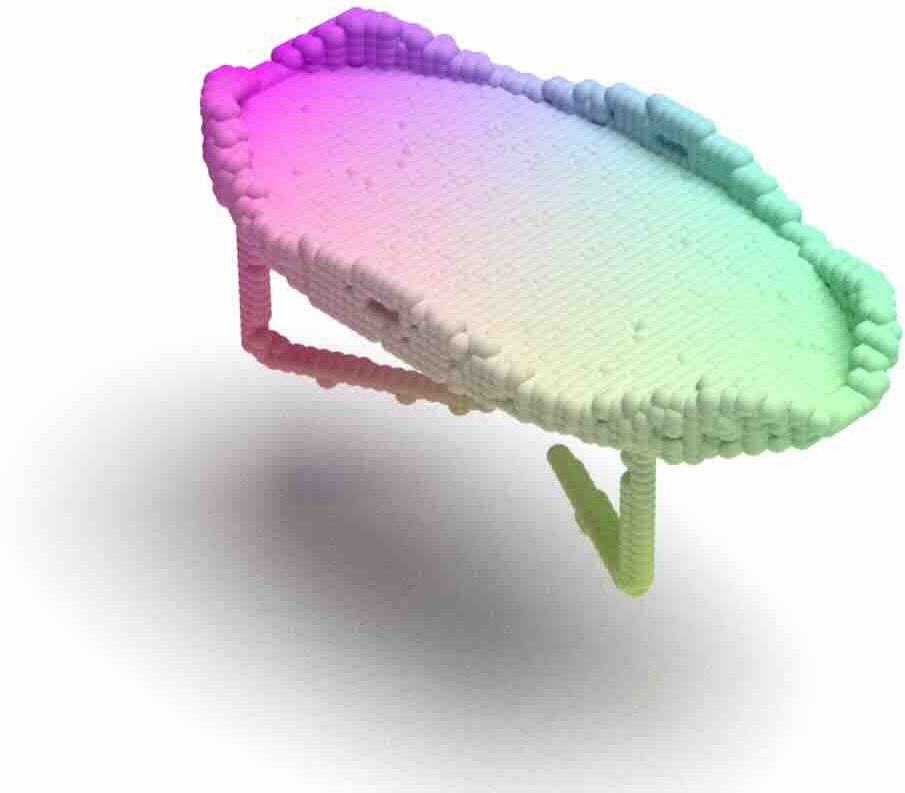
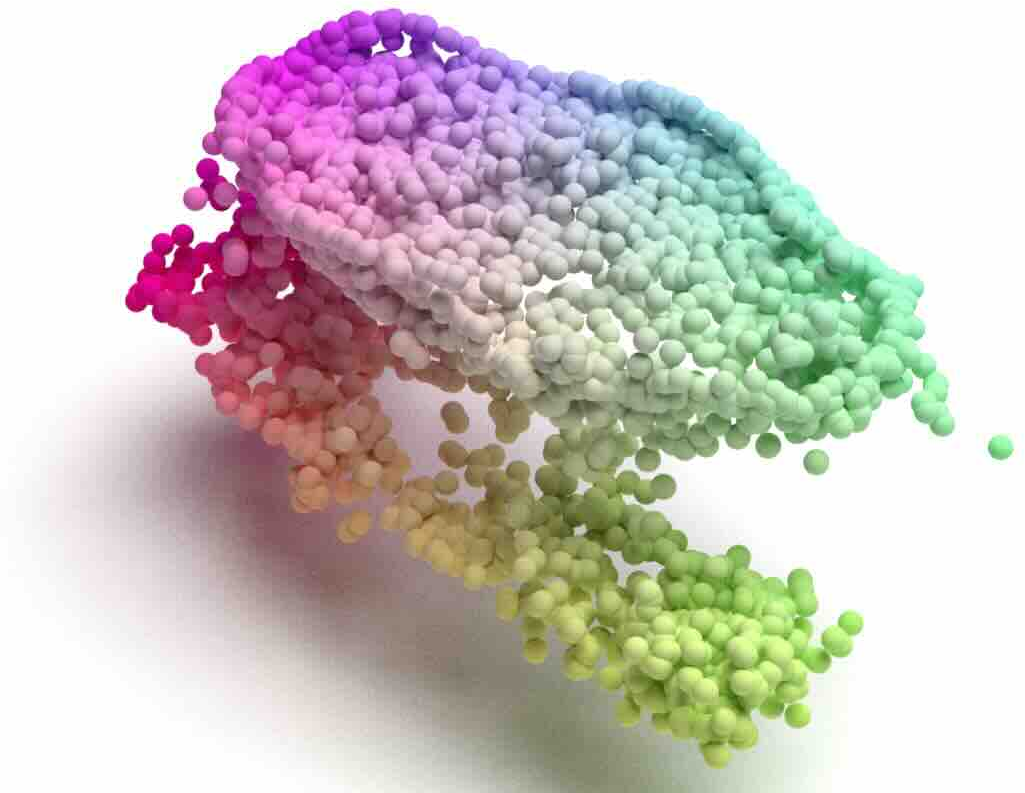
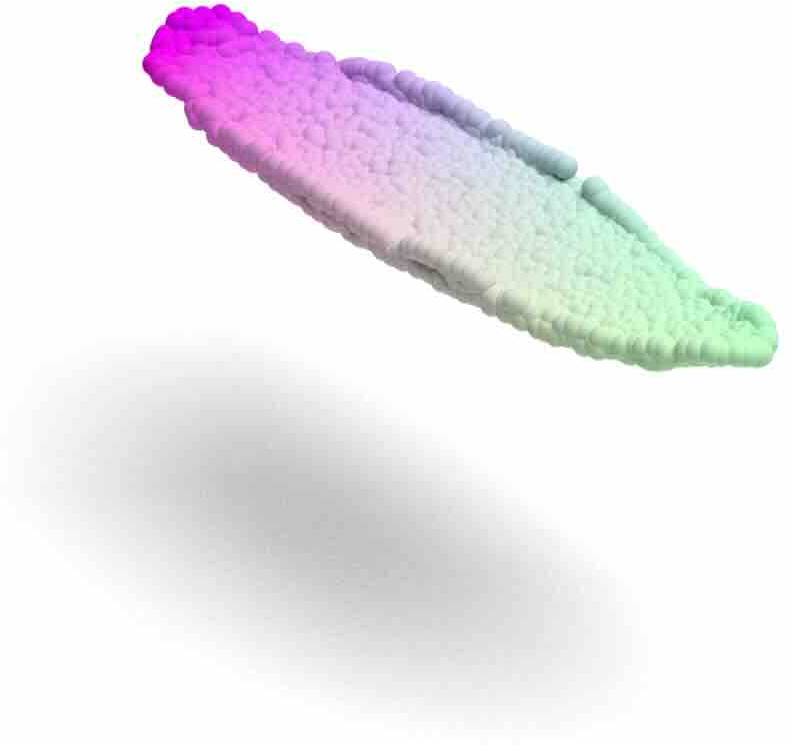
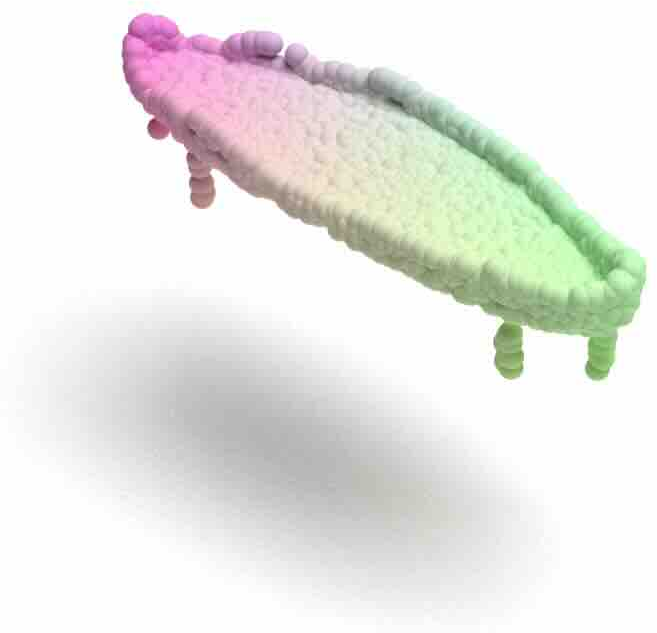
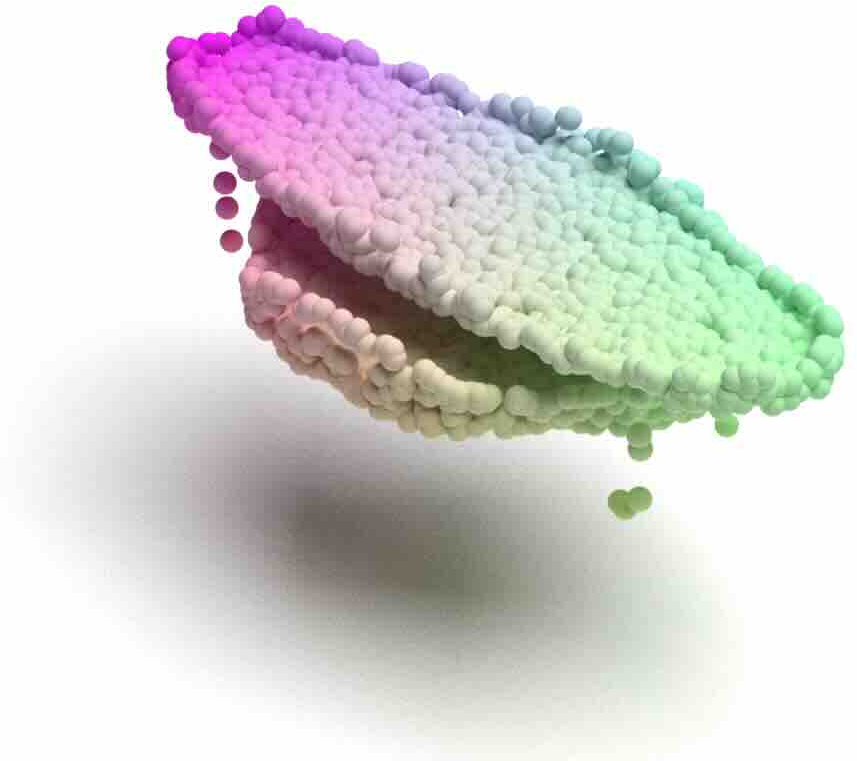
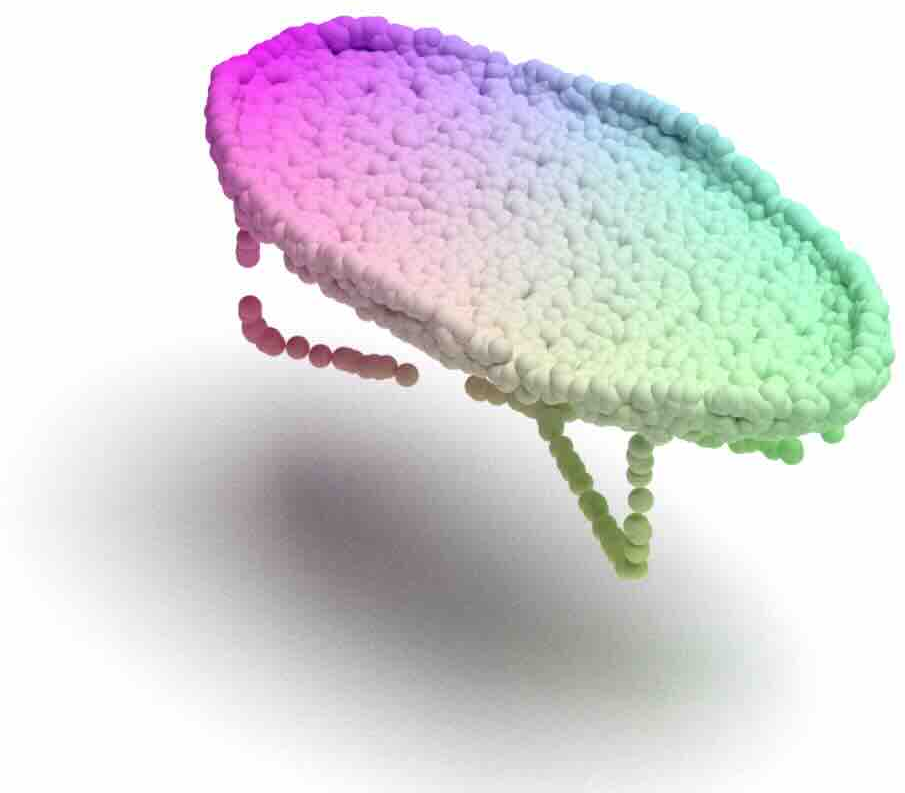
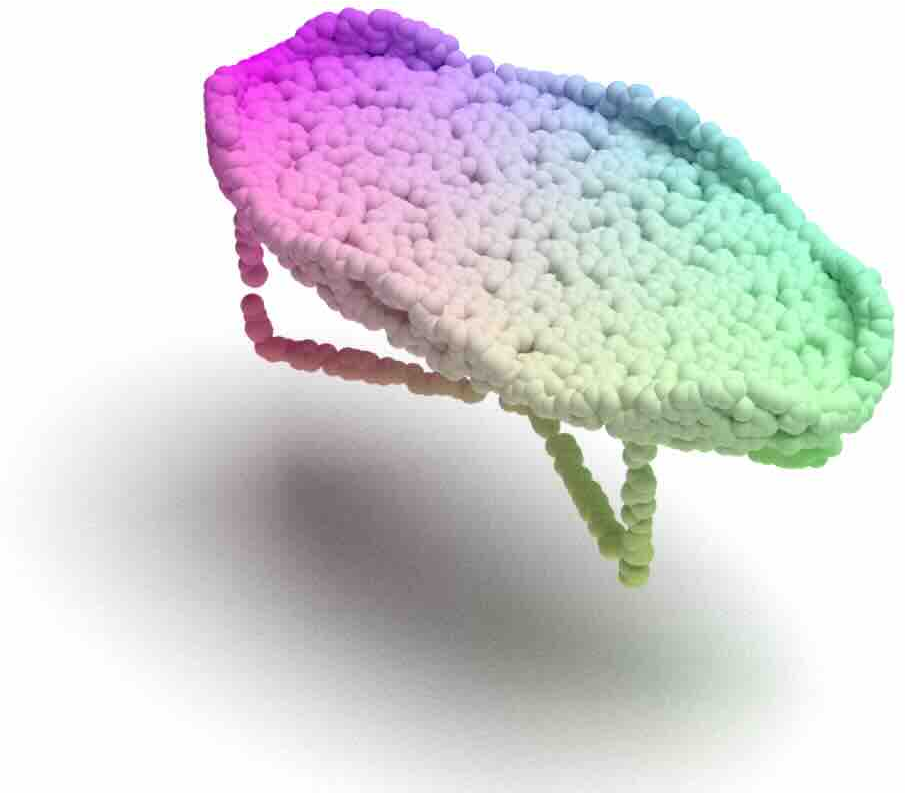
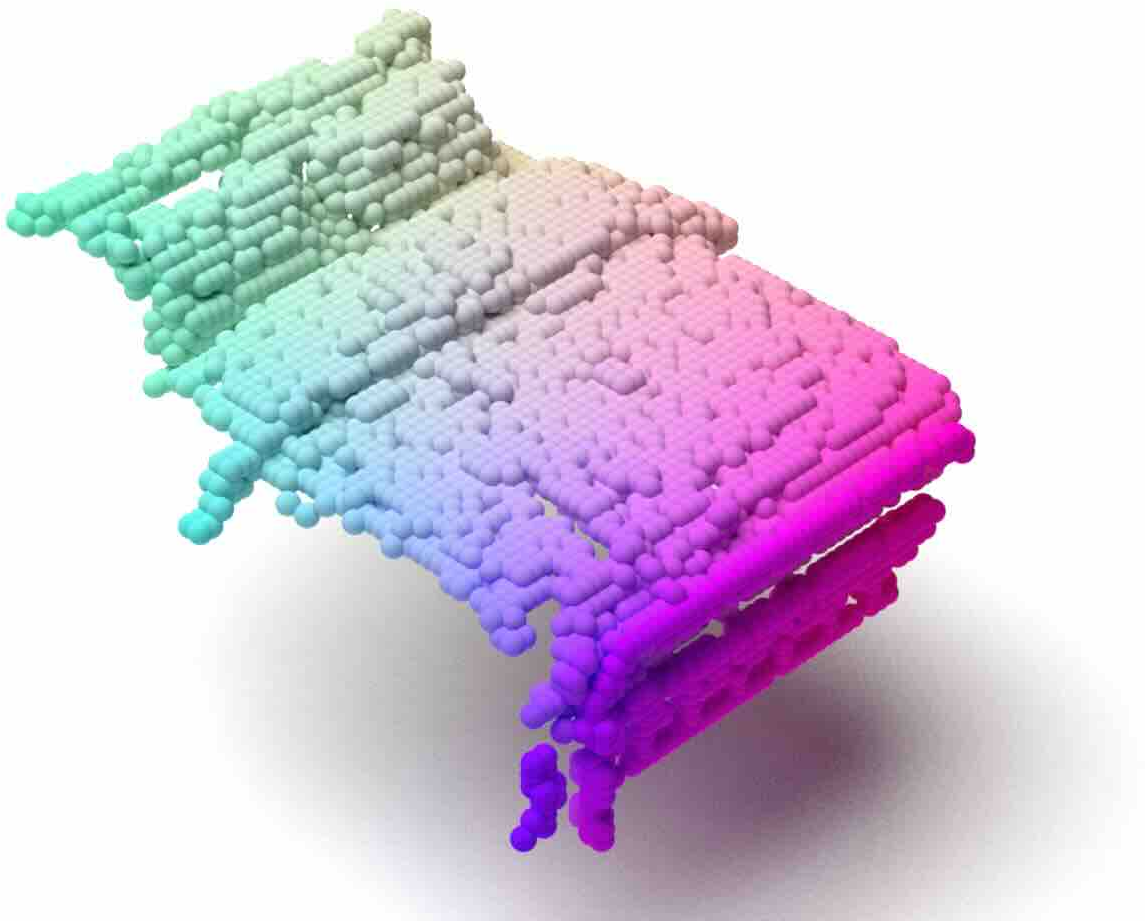
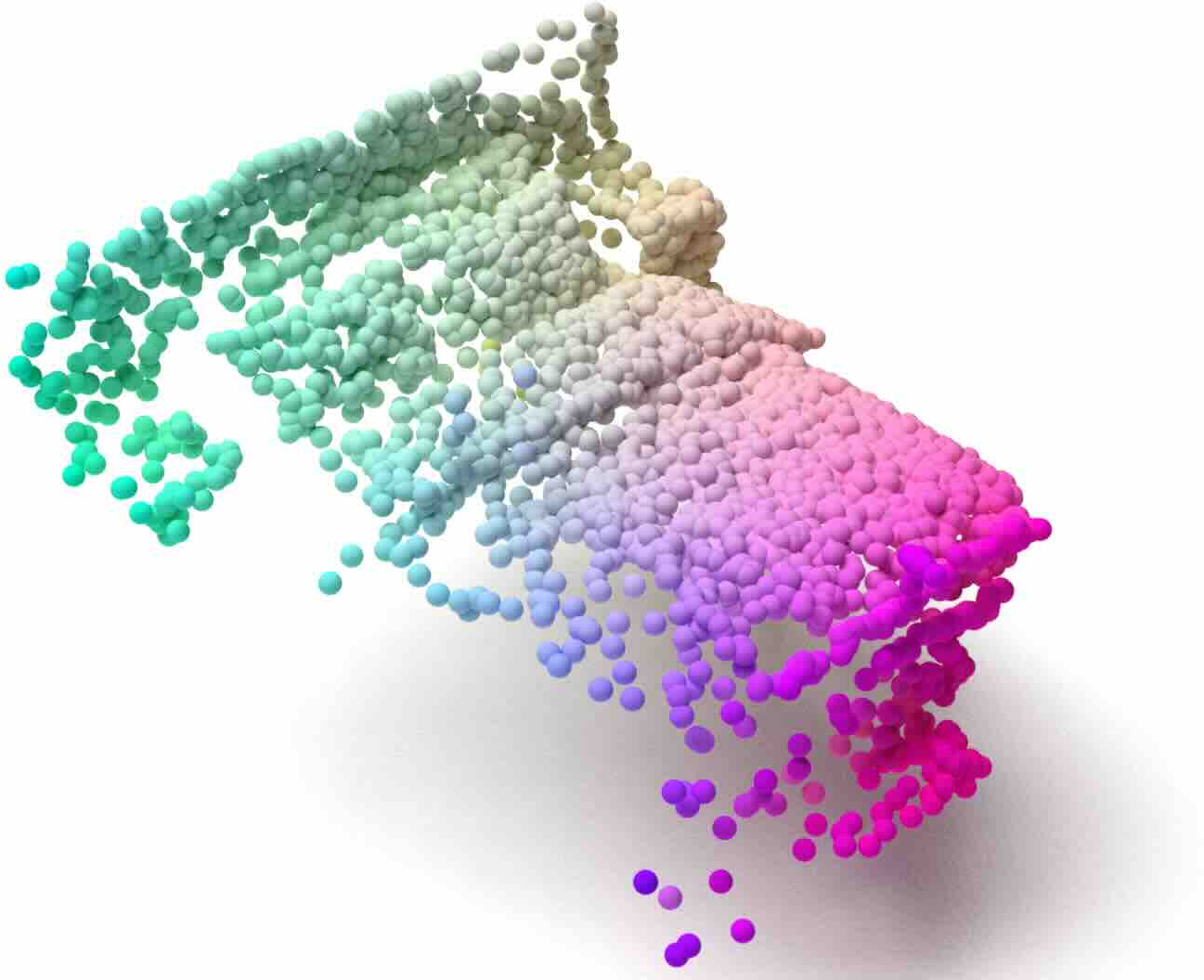
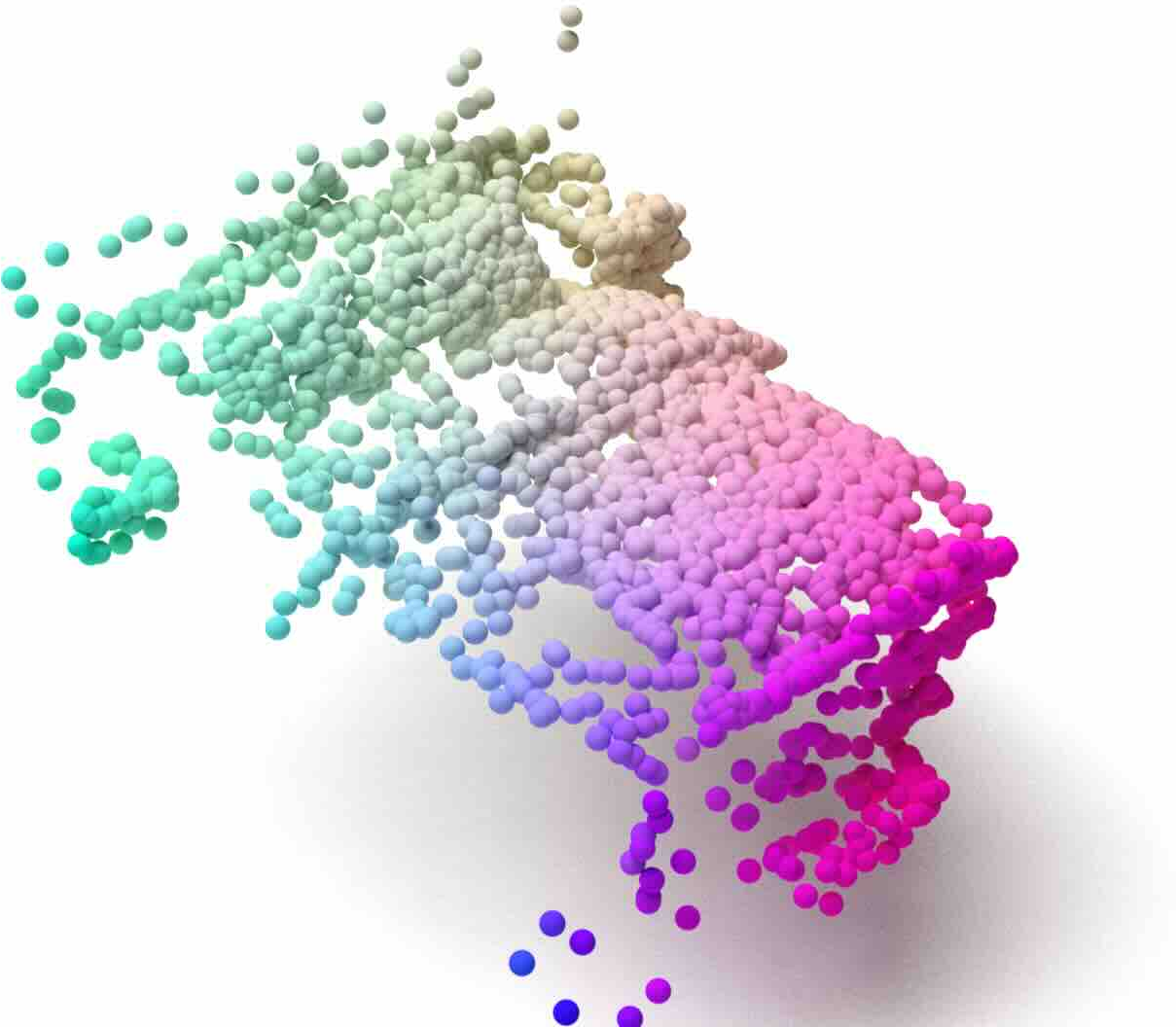
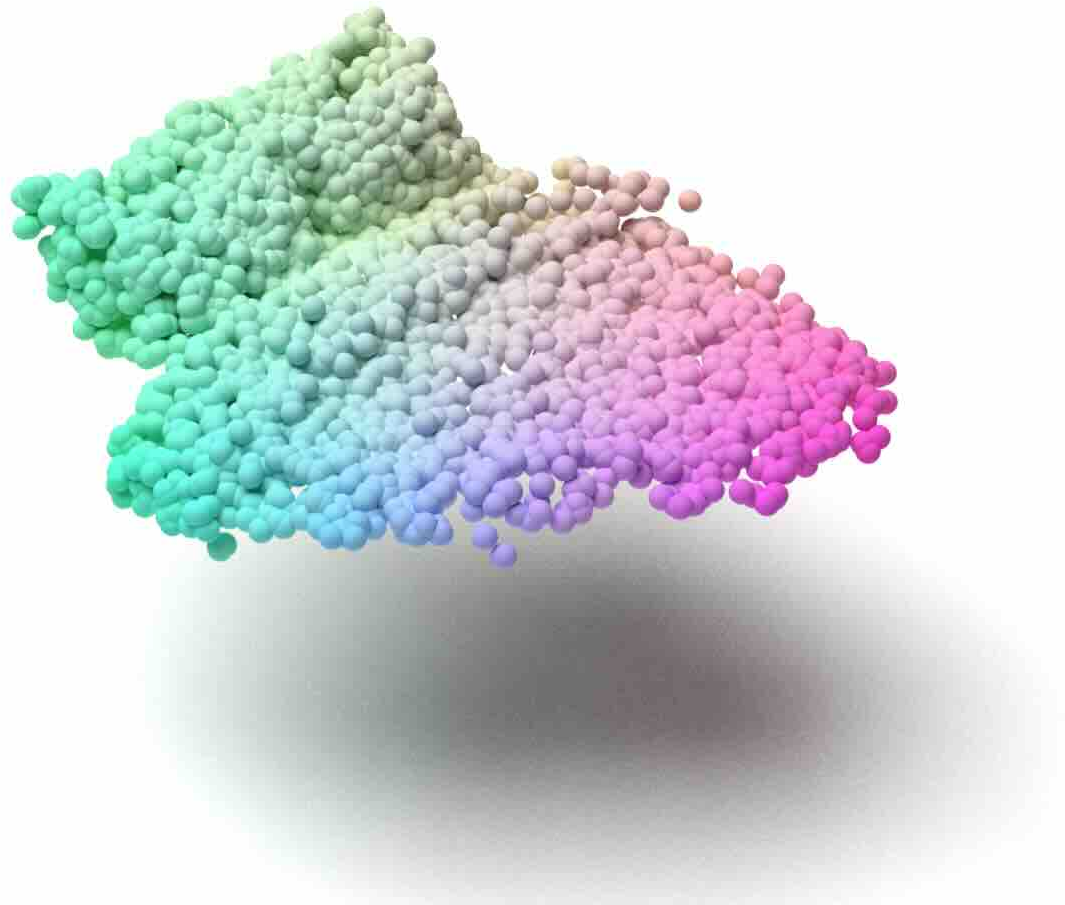
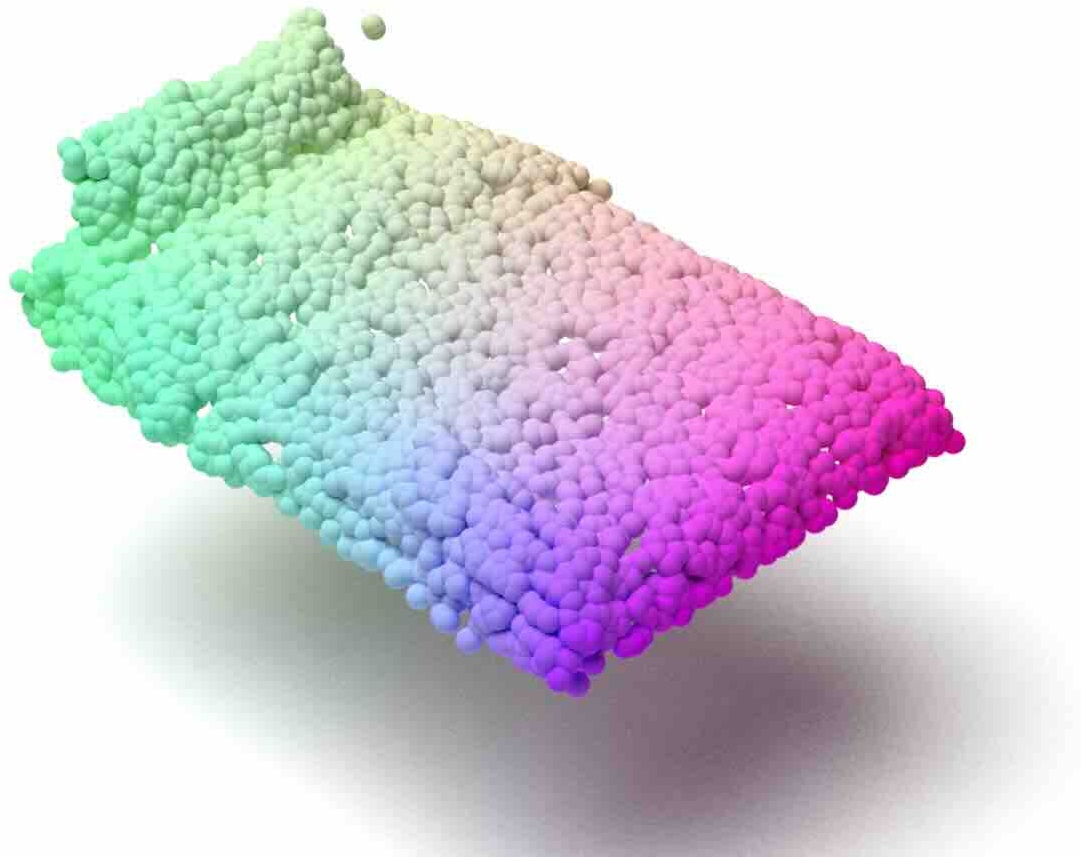
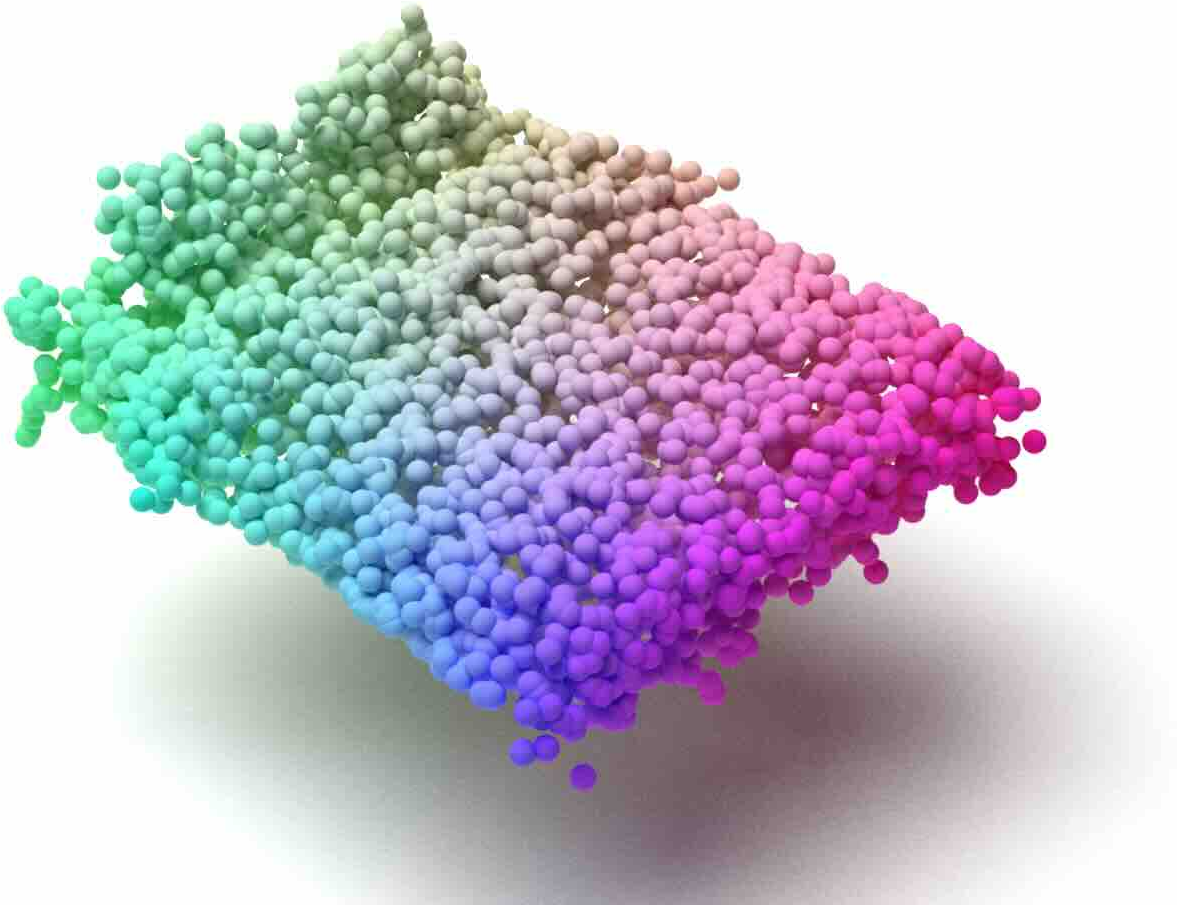
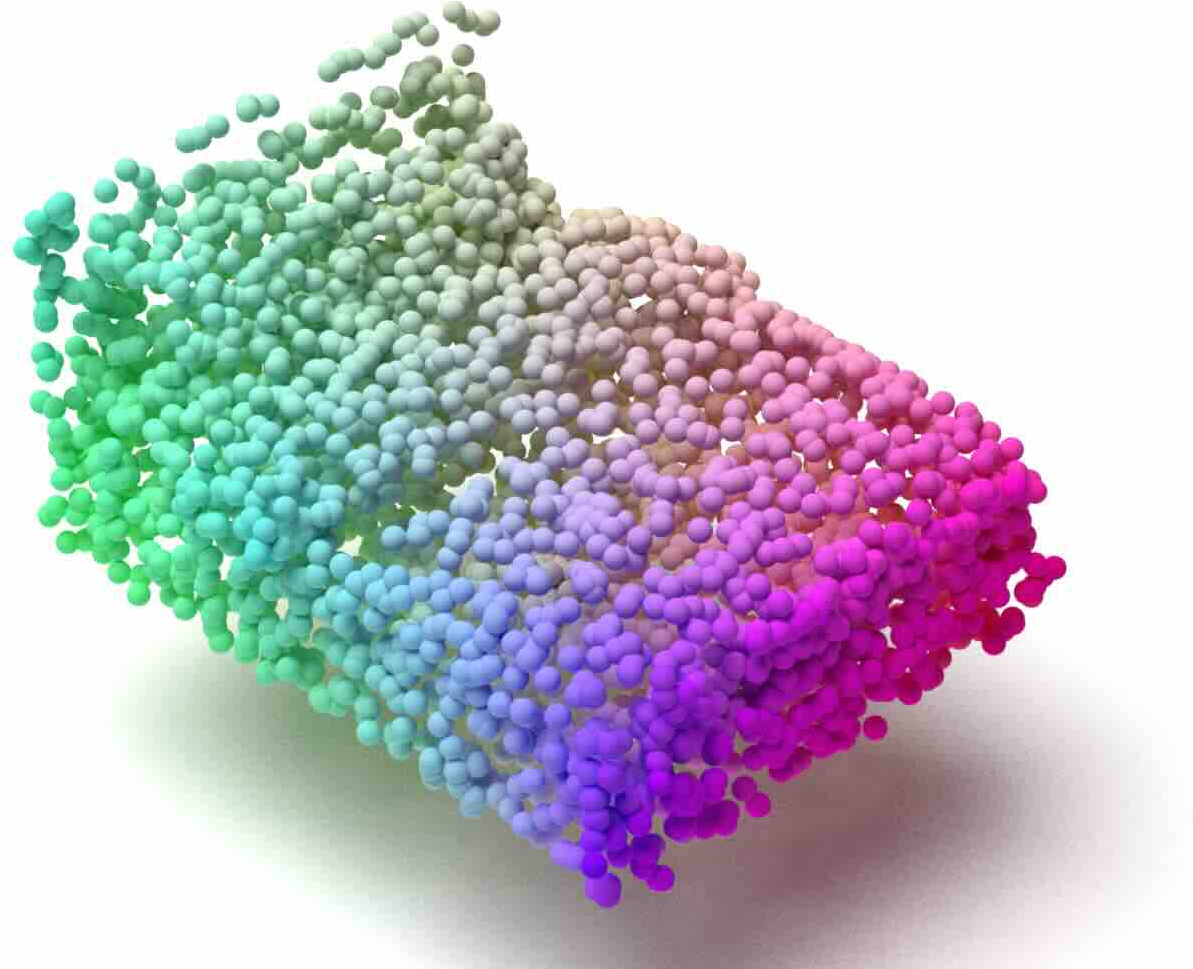
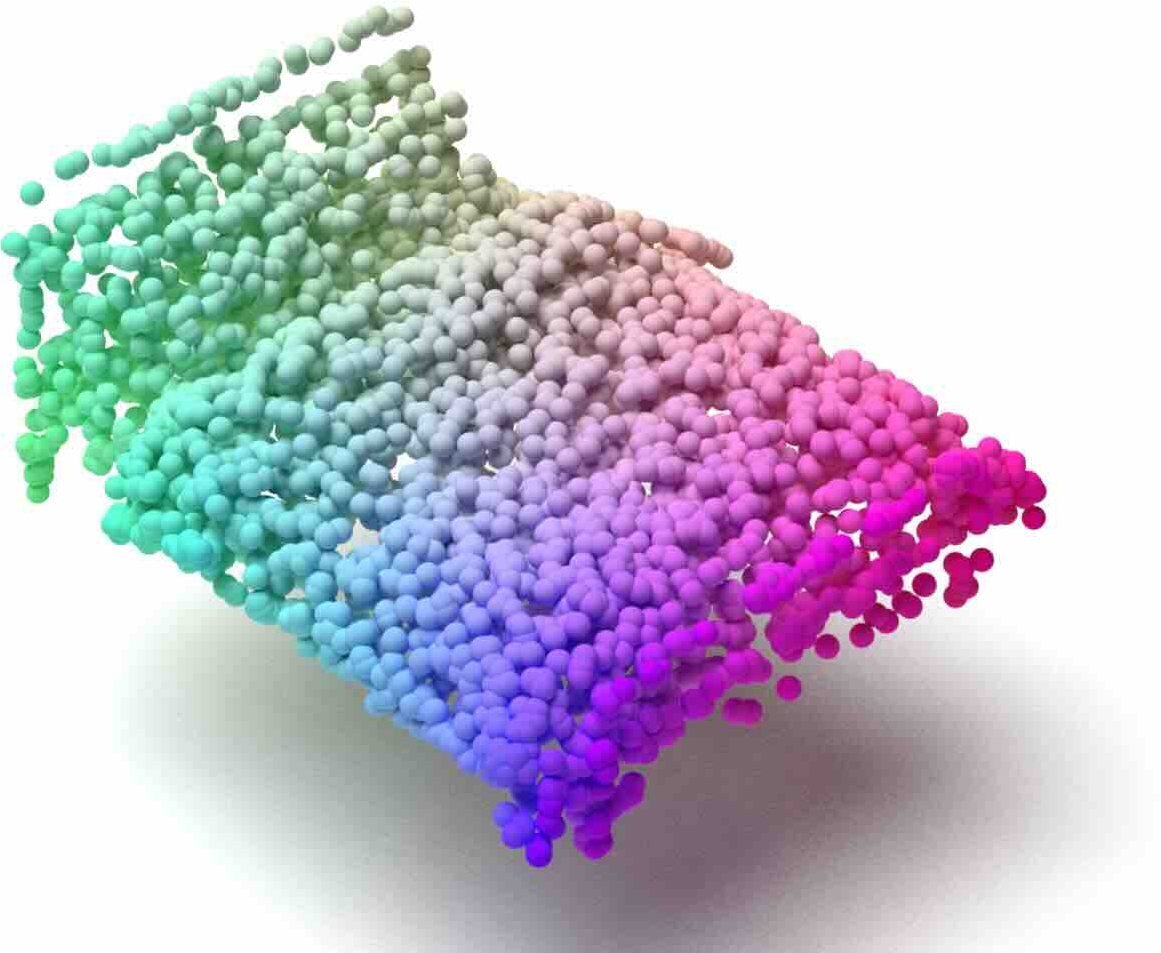
Figure 4: Qualitative comparison on 3D-FRONT. FlowObject simultaneously achieves holistic completion and strict structural fidelity, contrasting the occlusion failures of 3DGS and the topological incoherence of conventional generative methods.
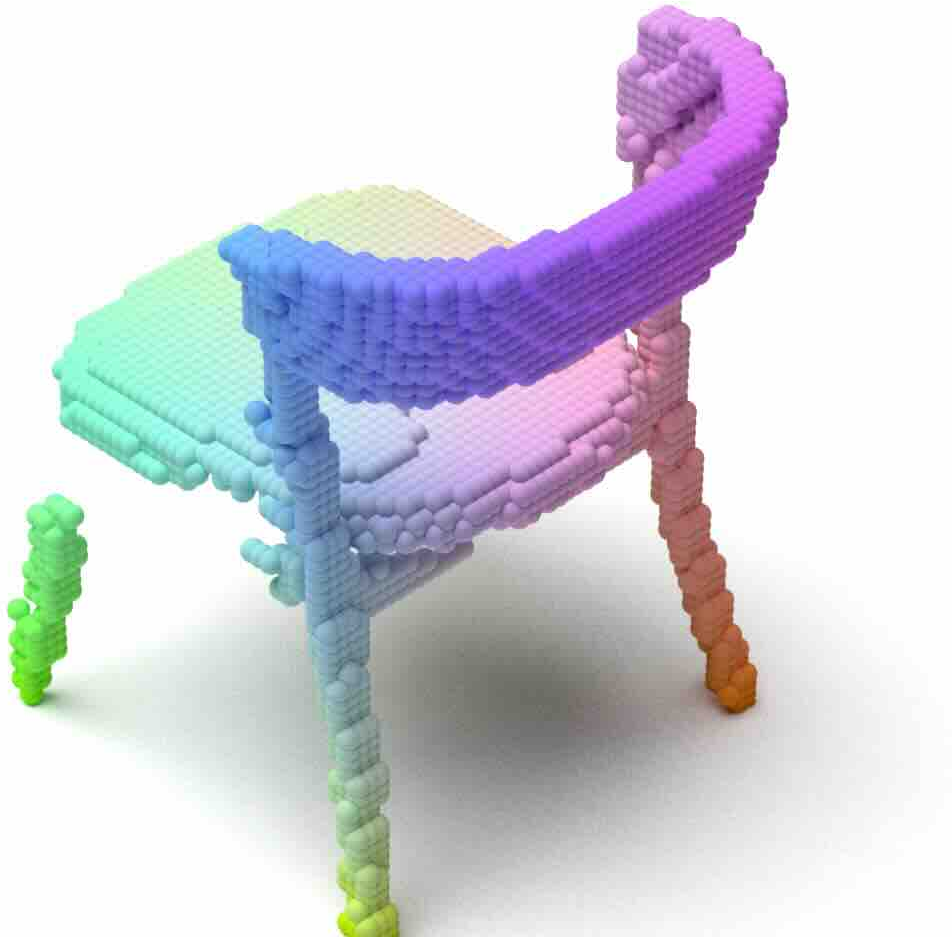
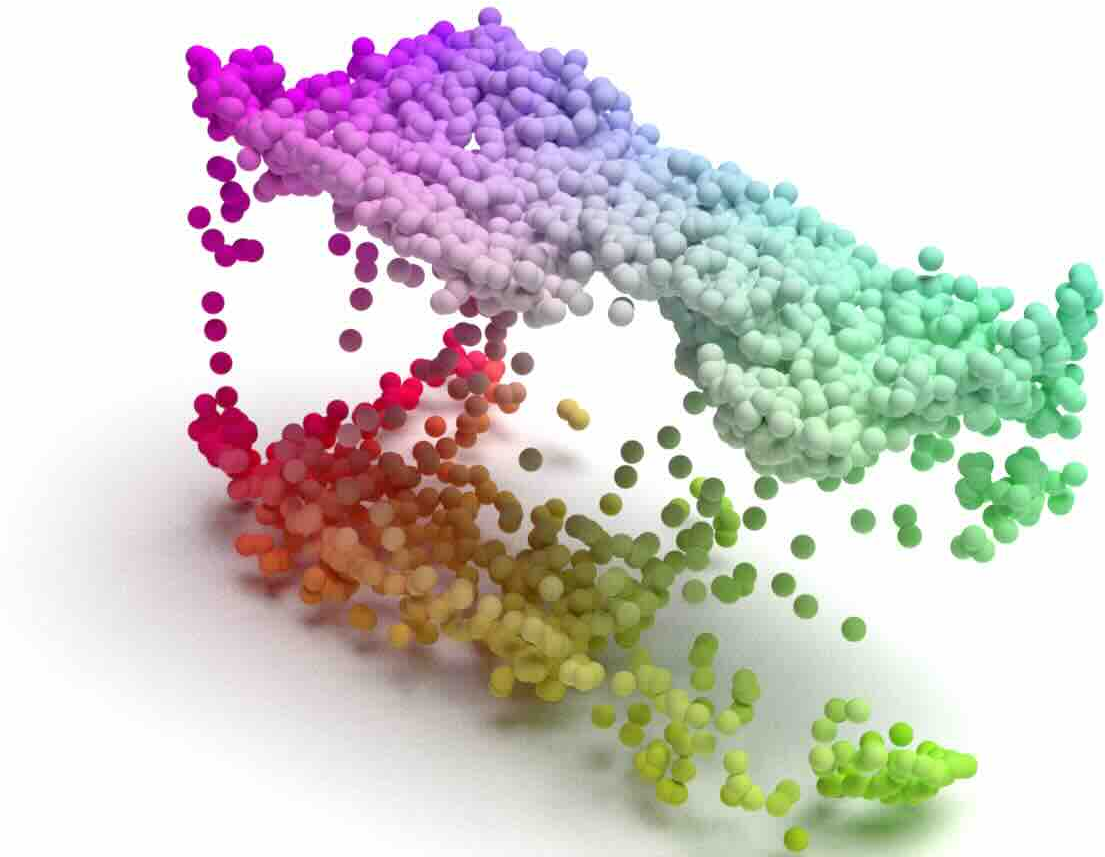
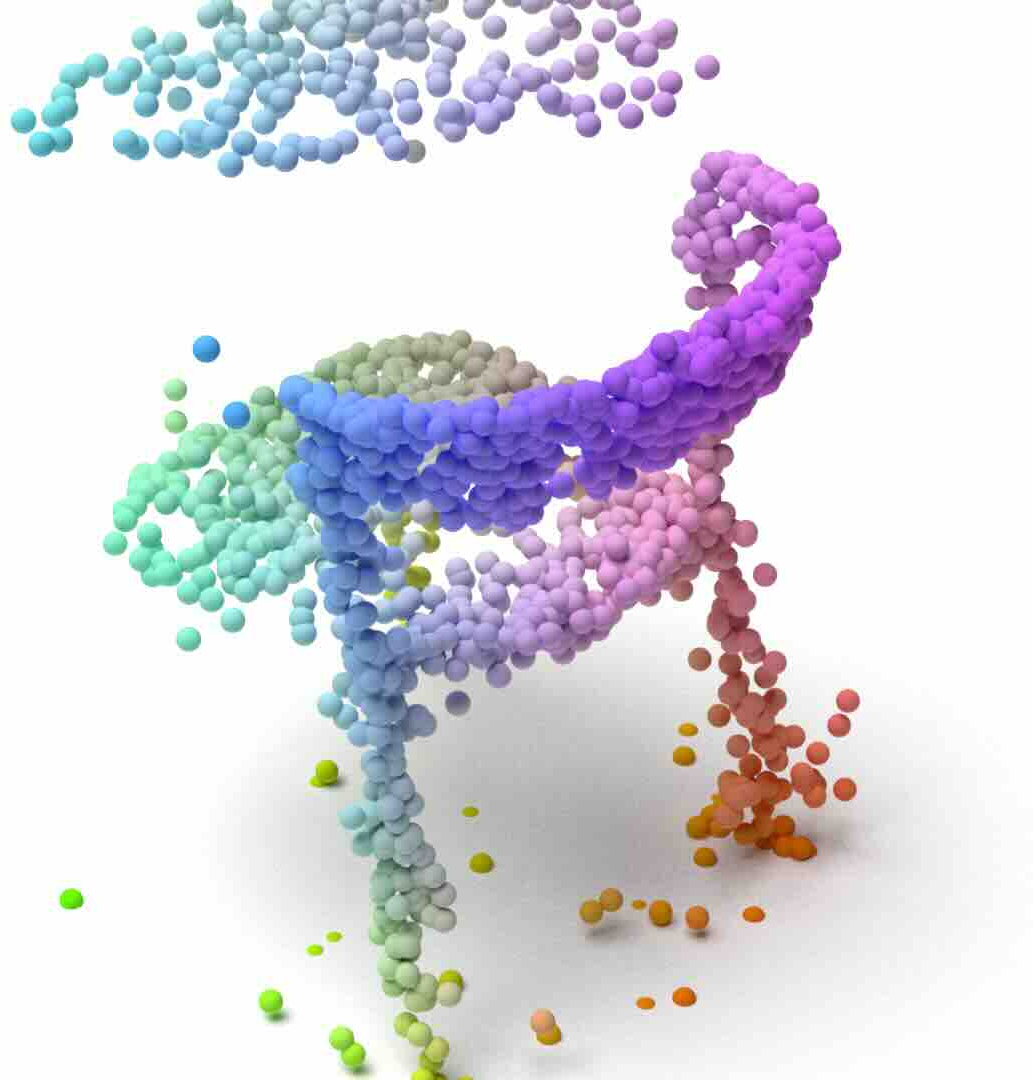
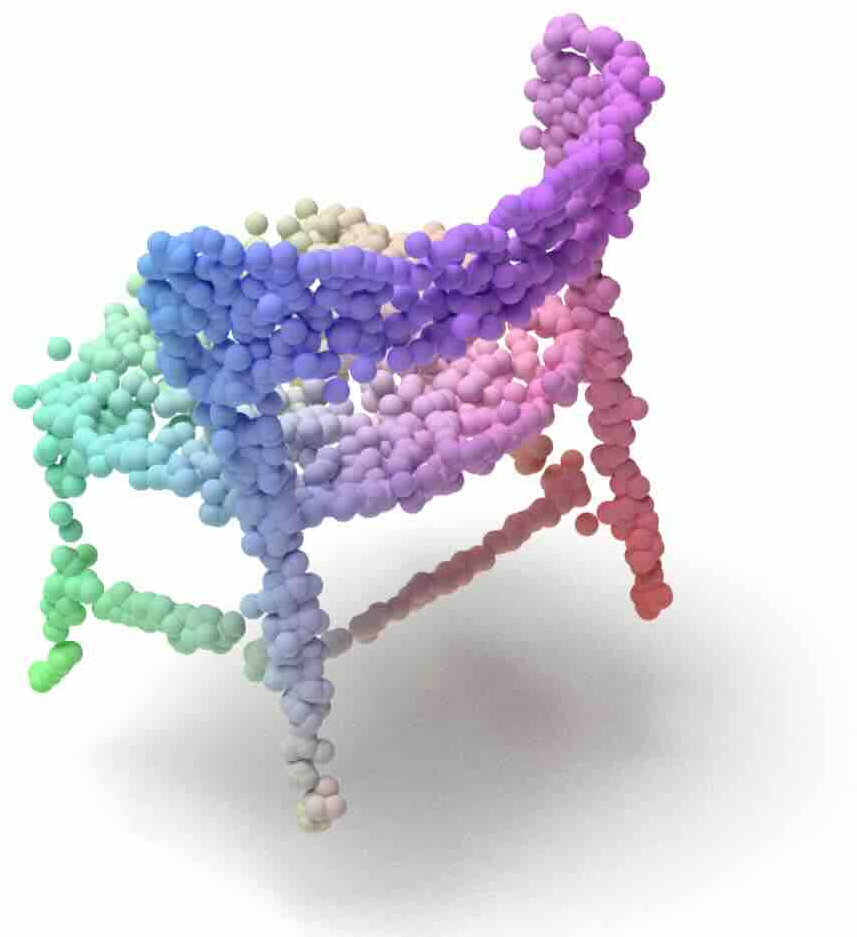
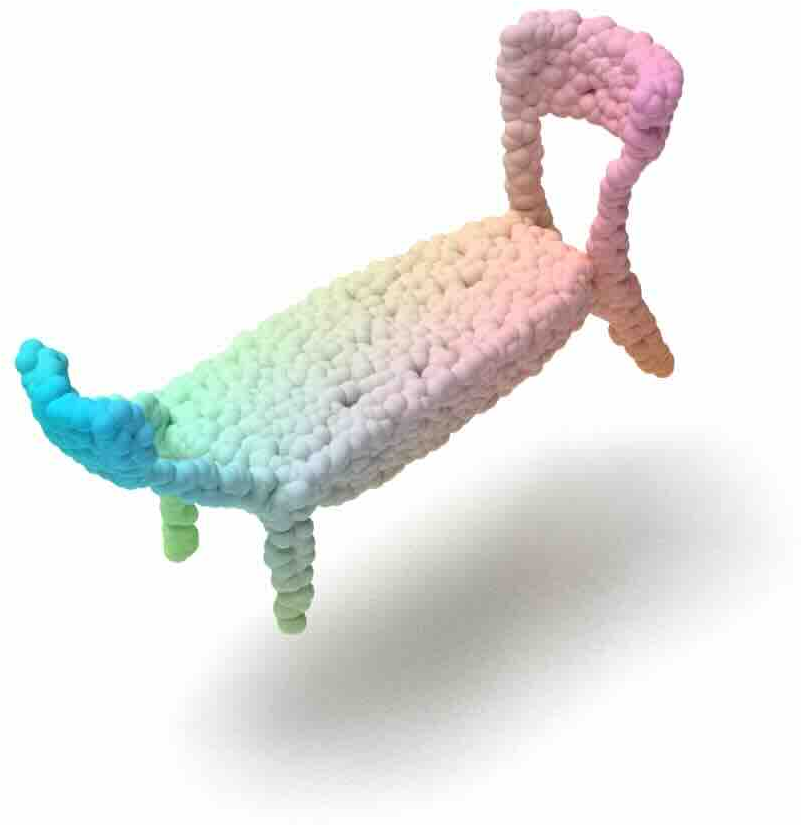
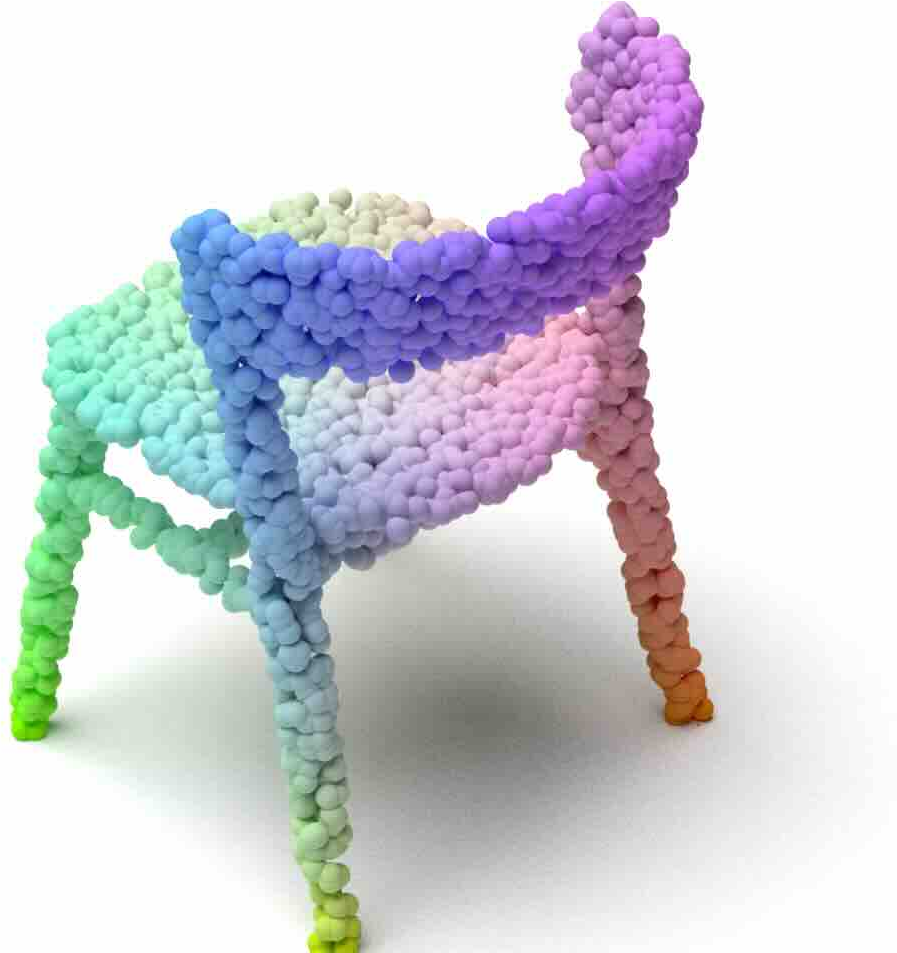
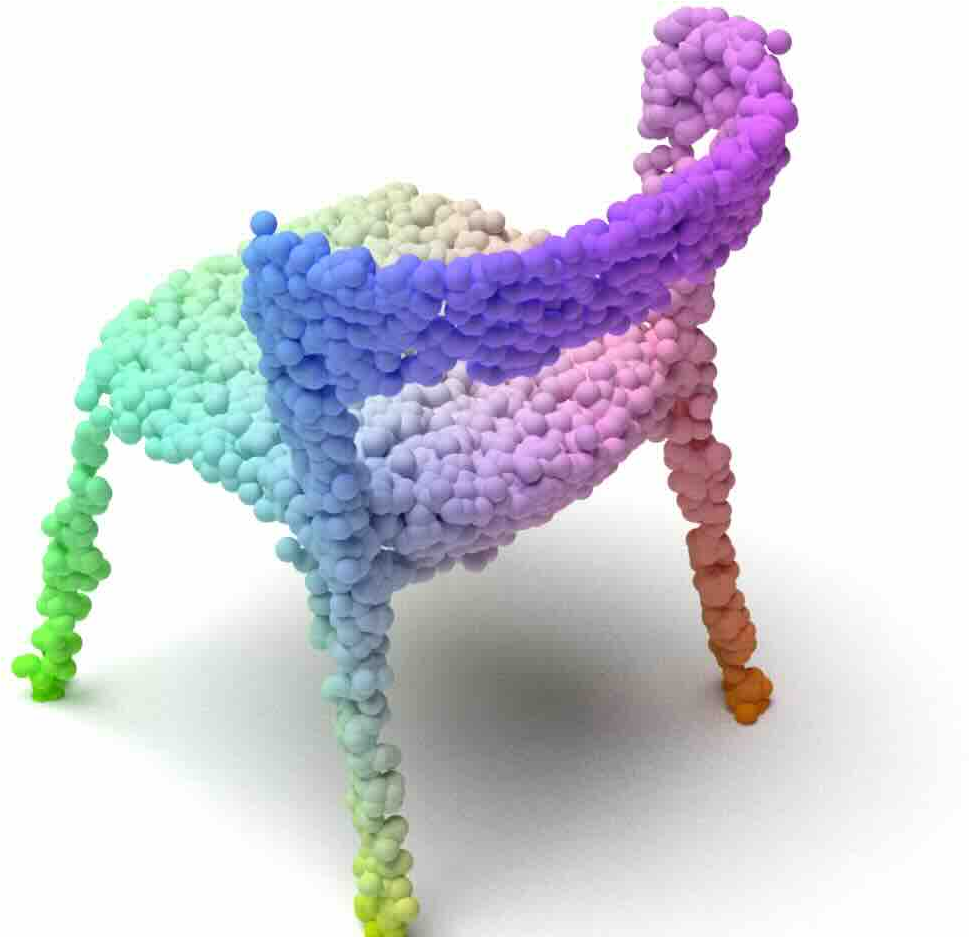
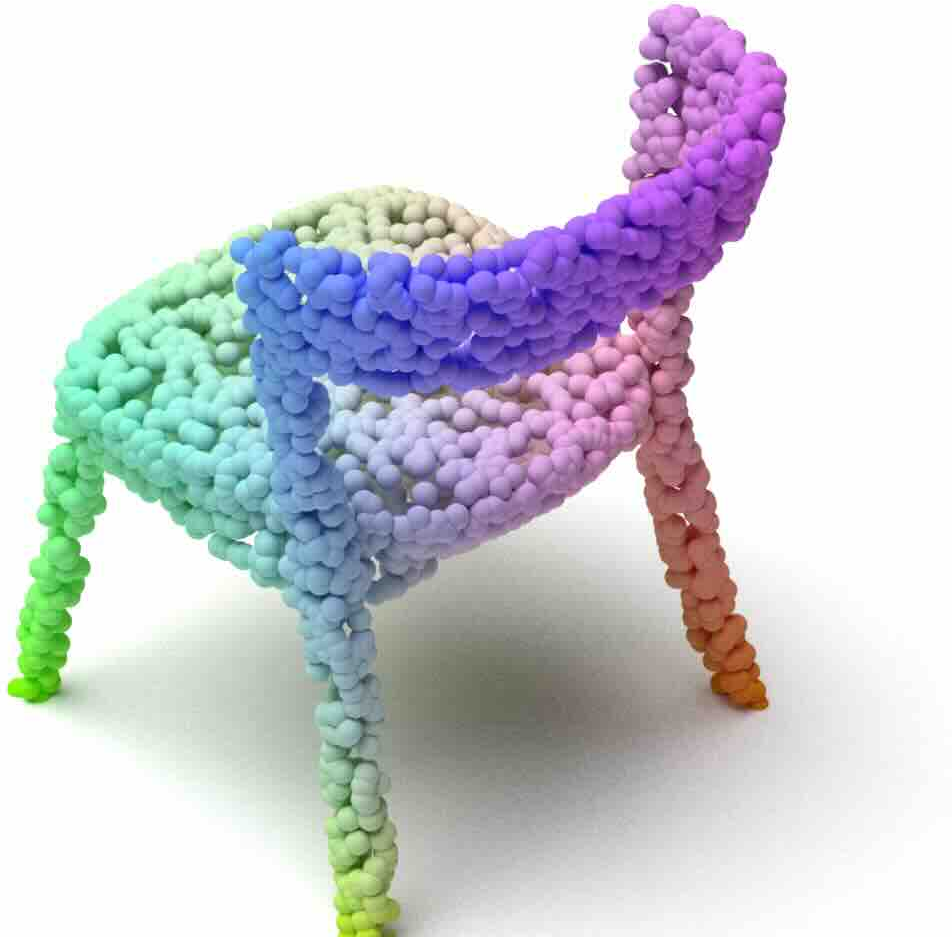
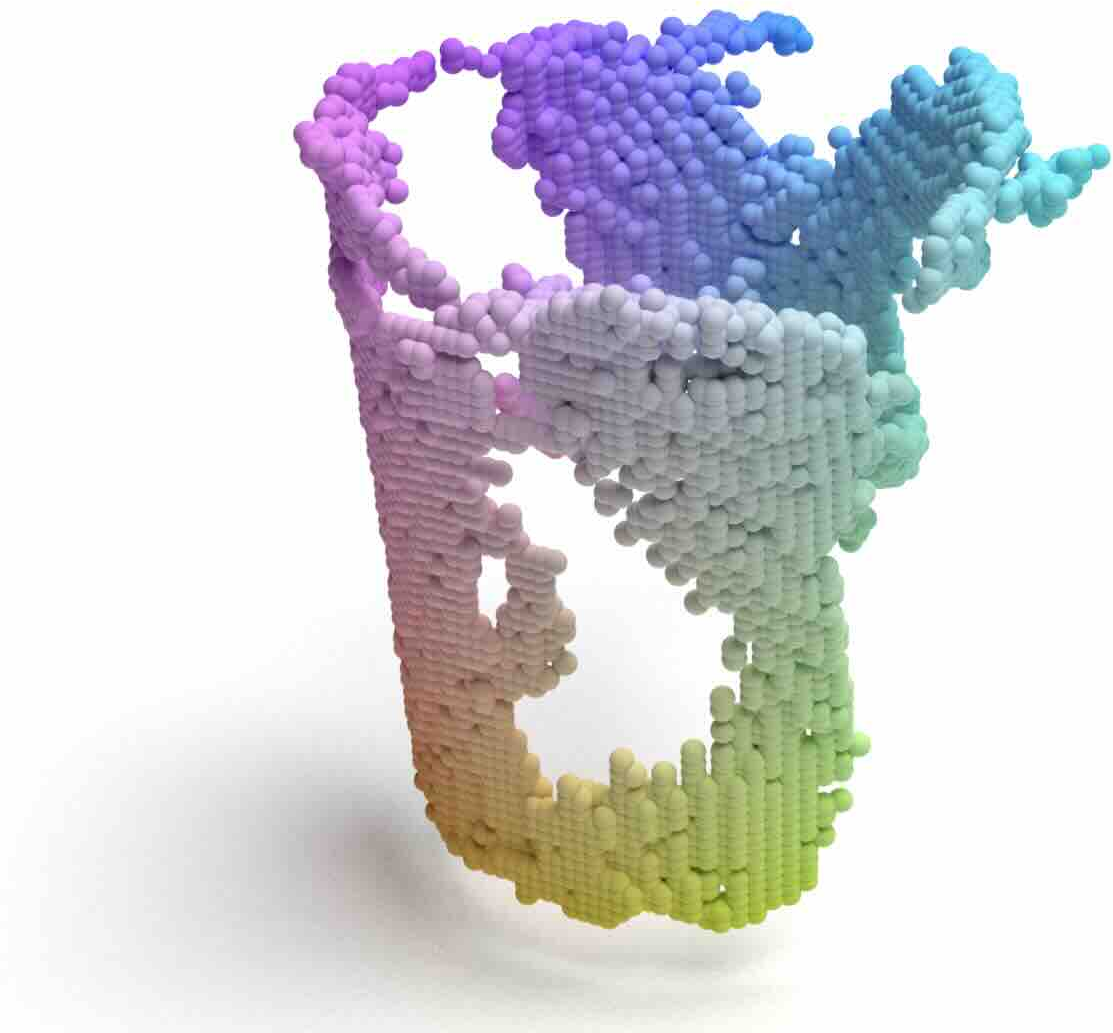
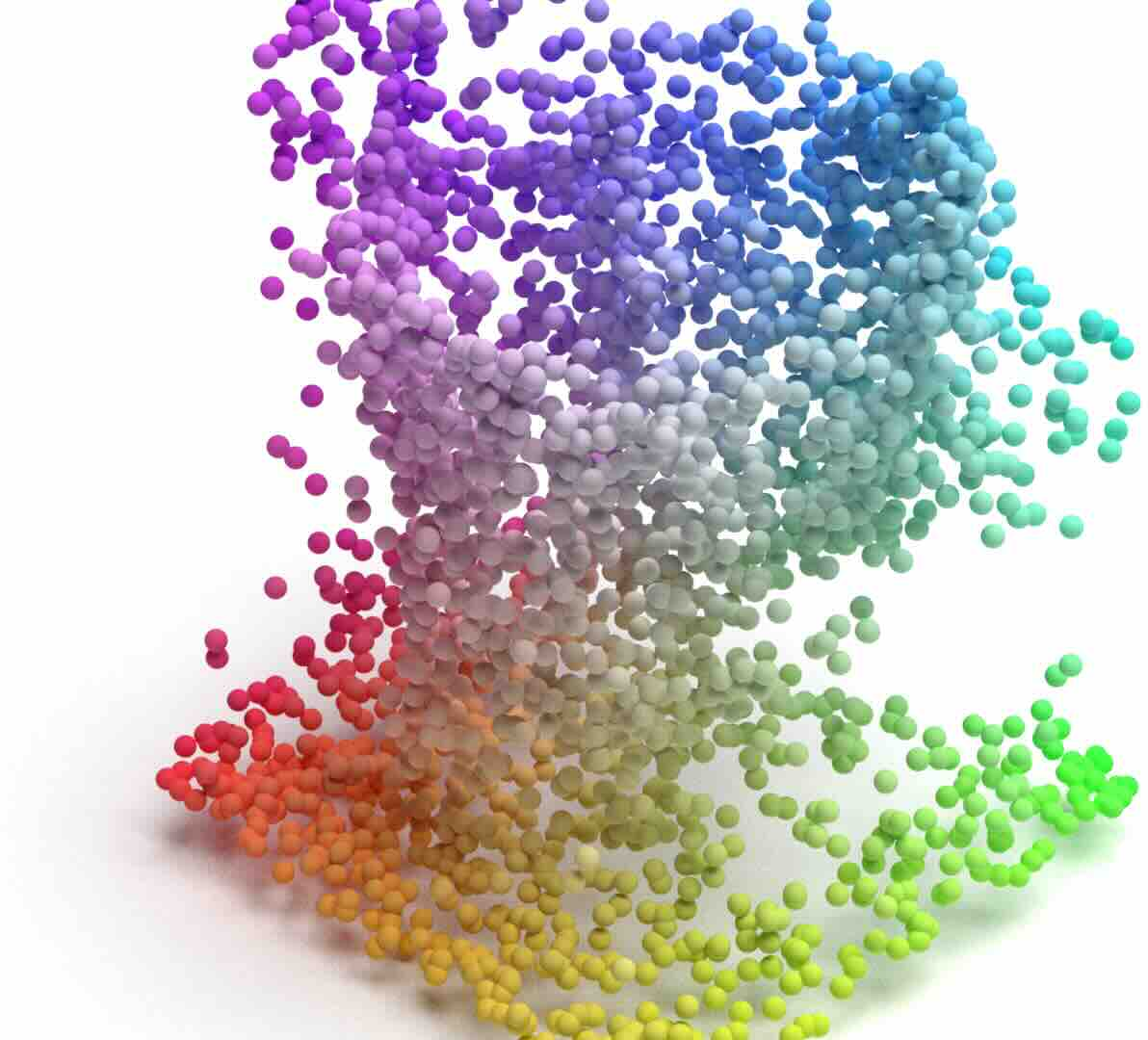
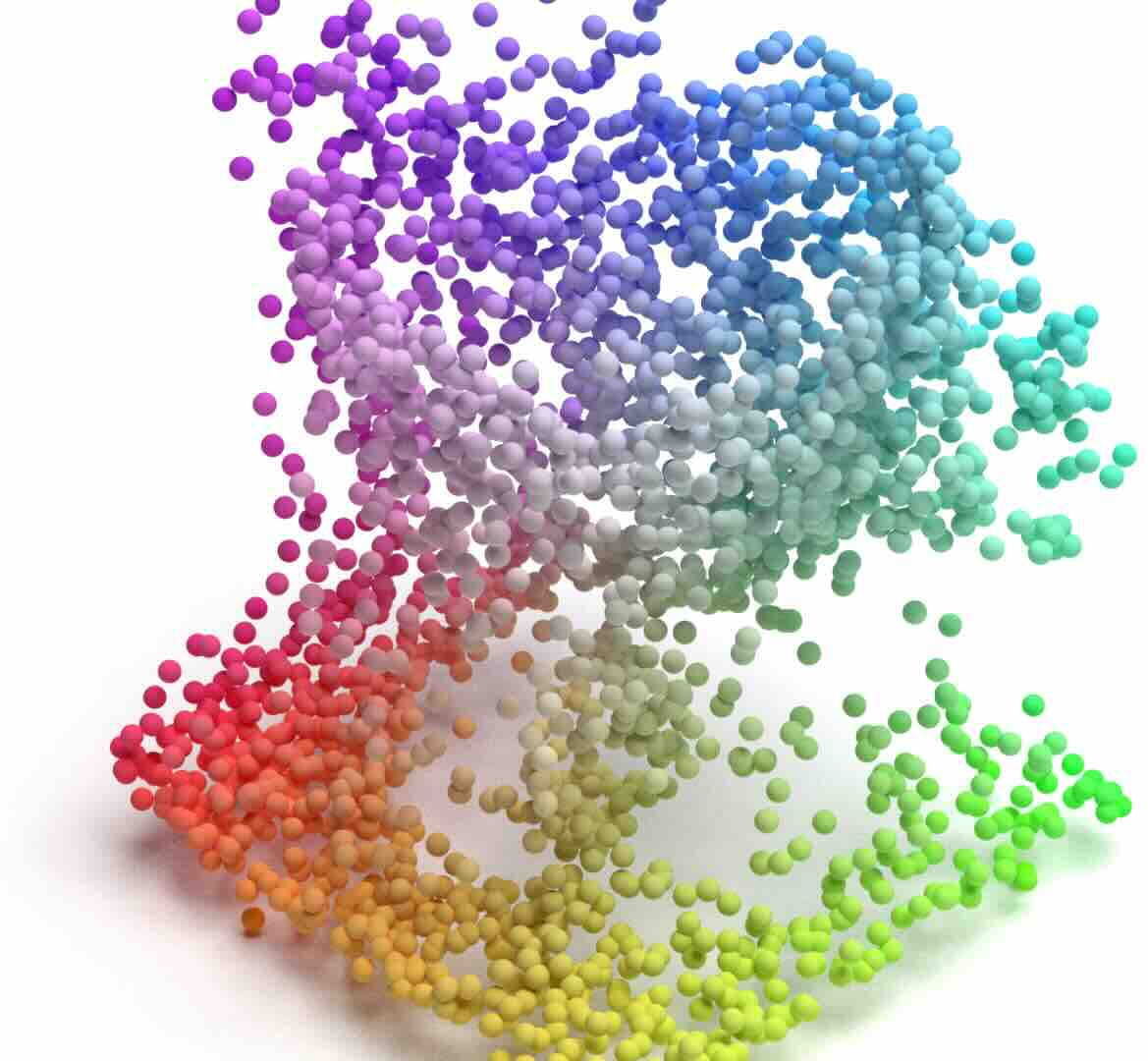
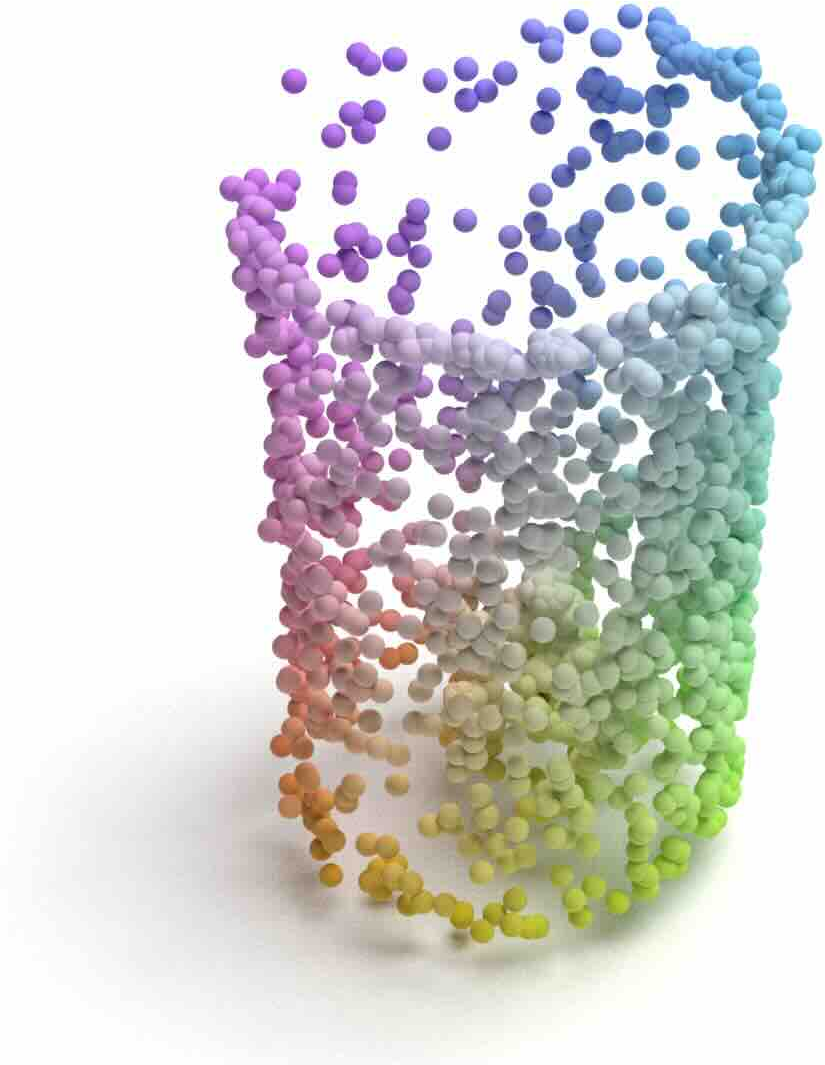

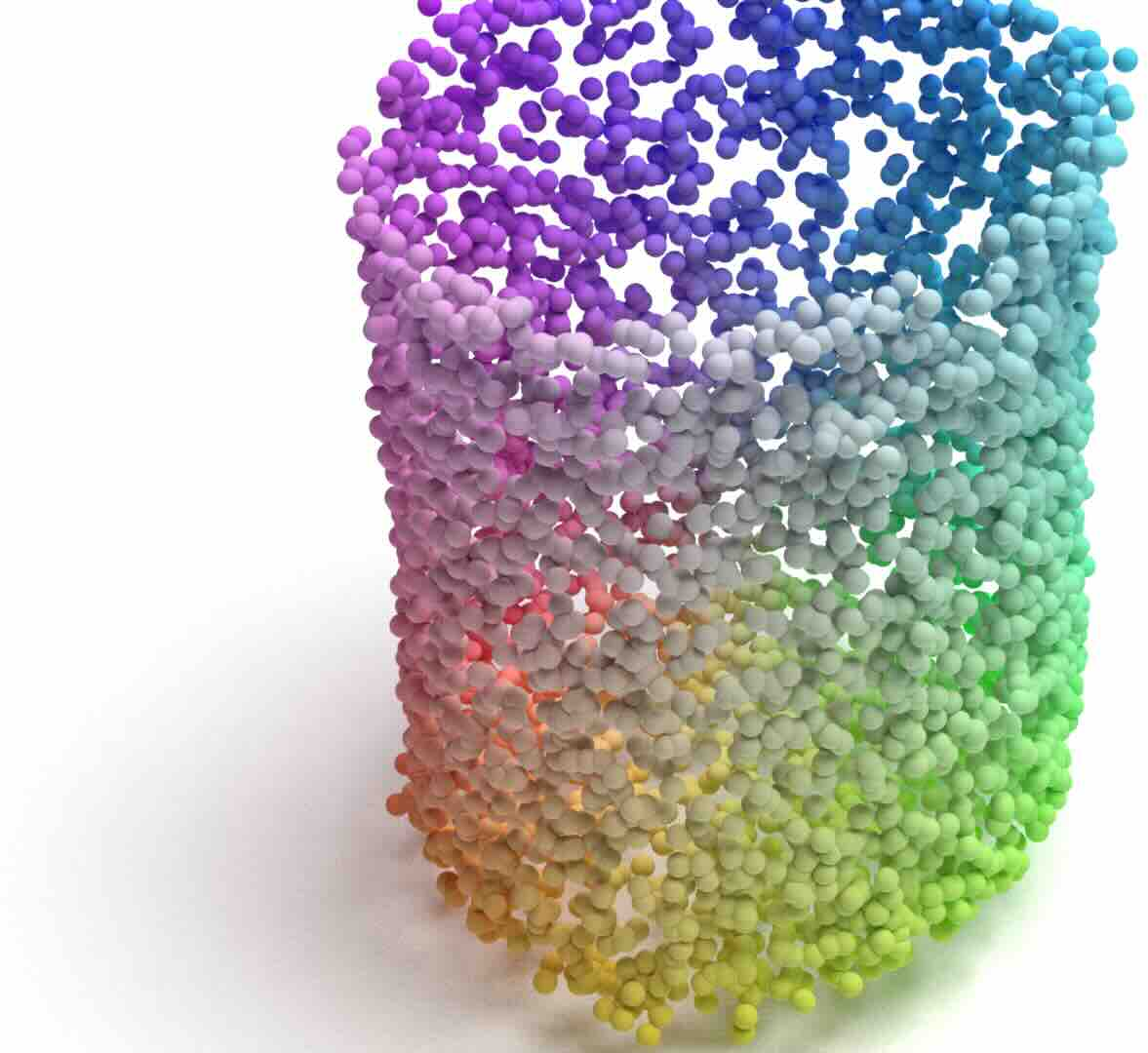
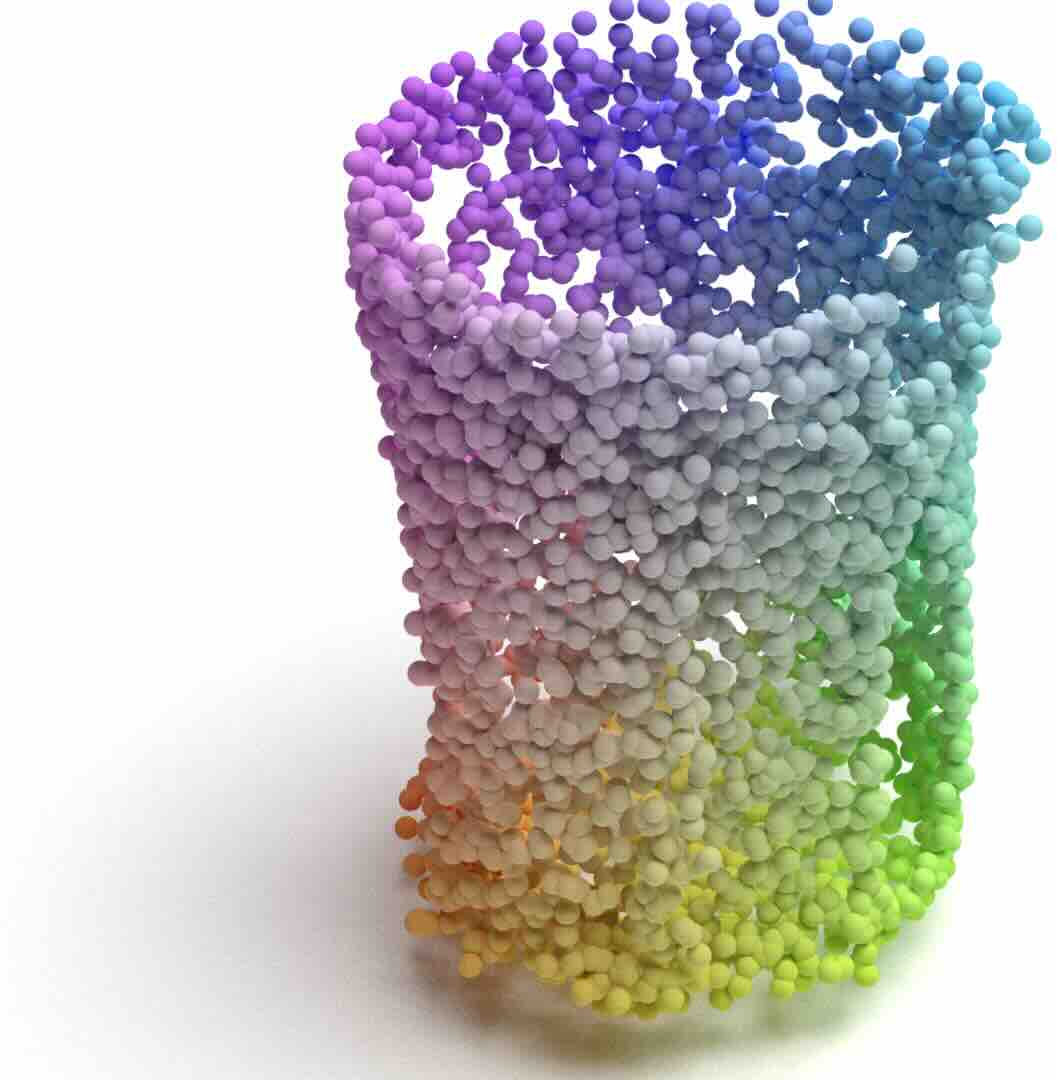
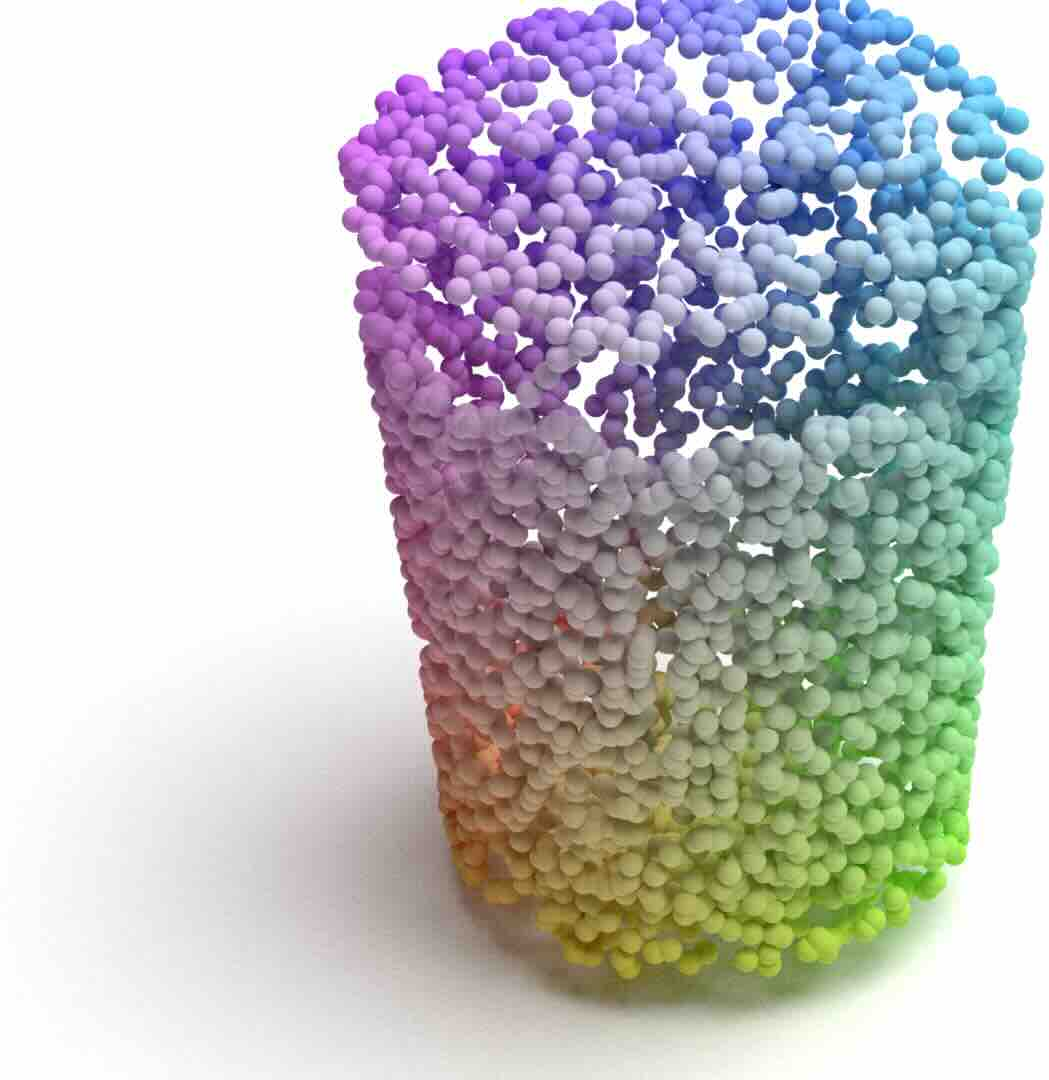
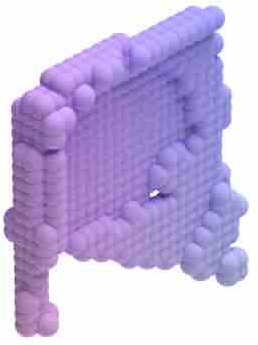
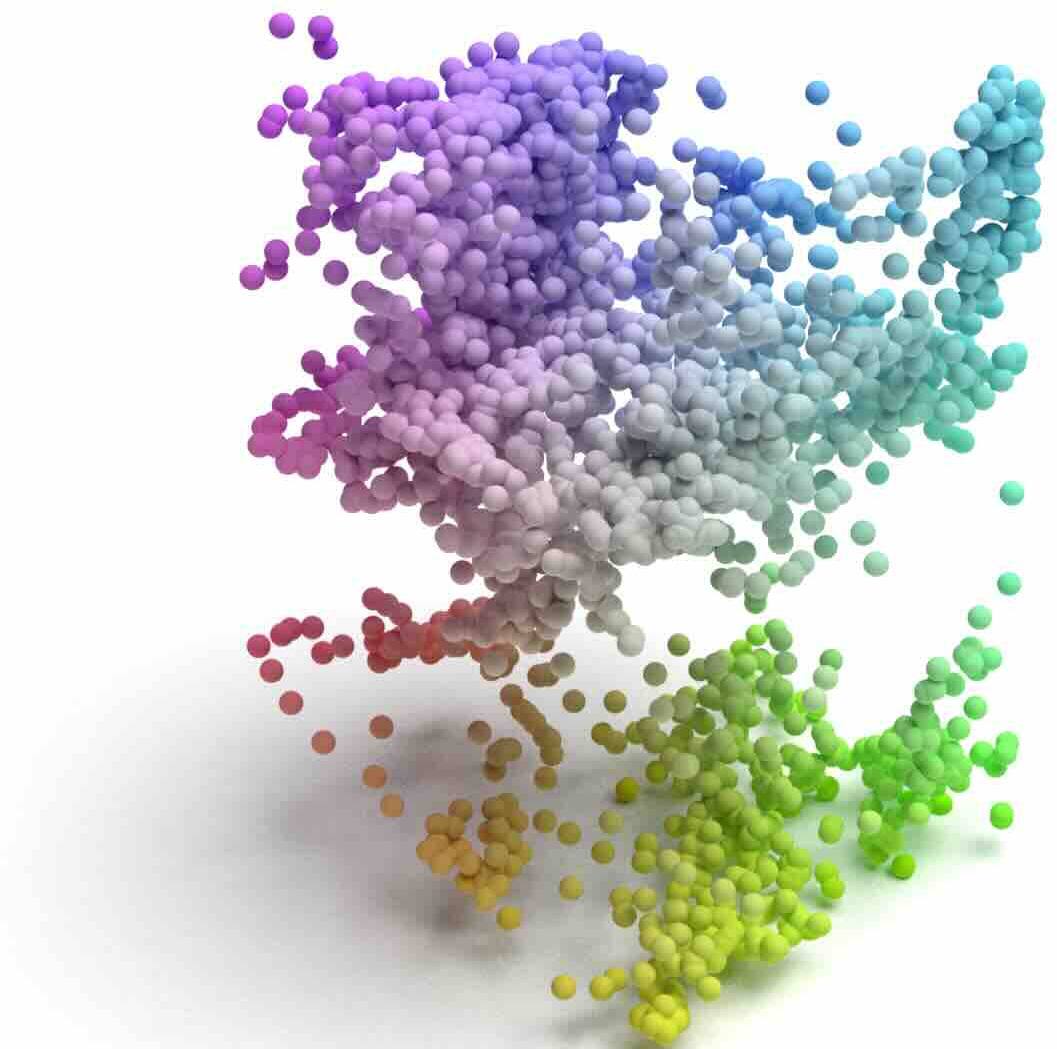
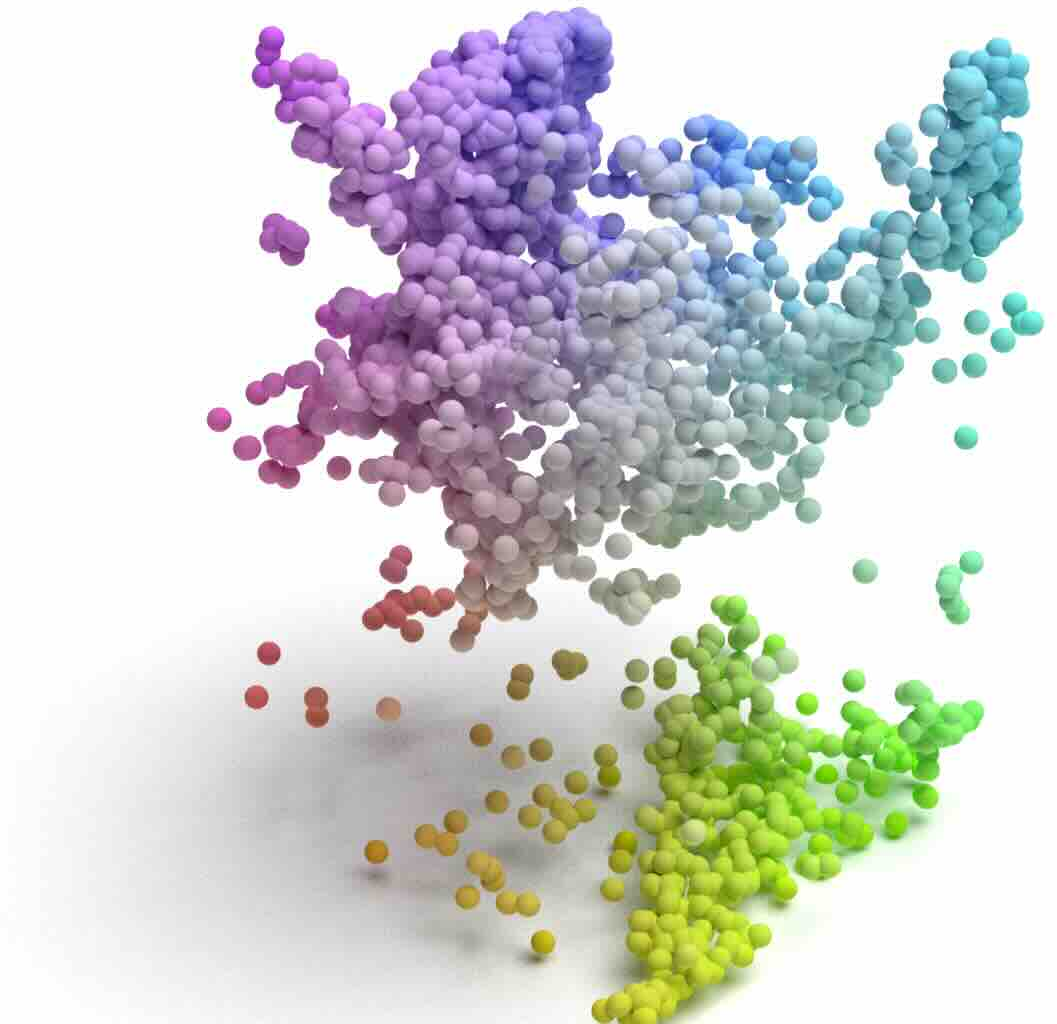
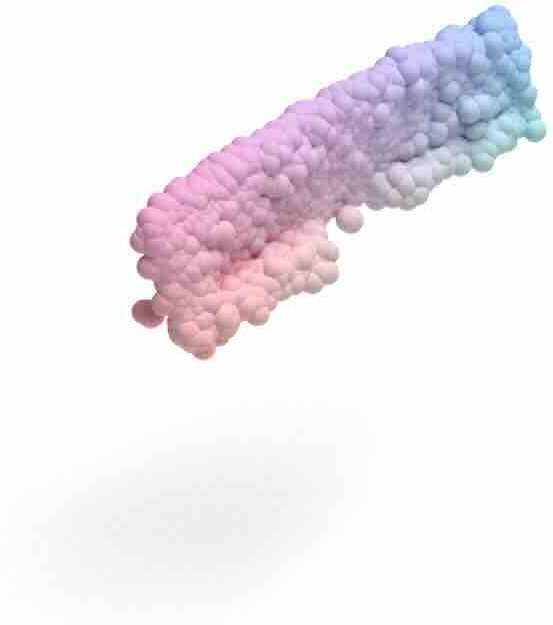
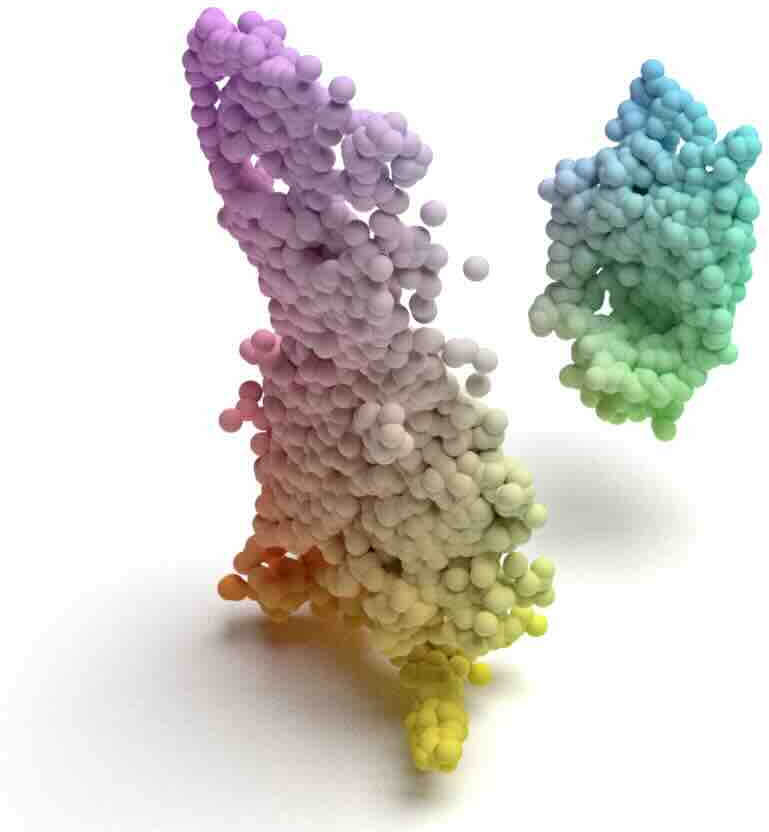
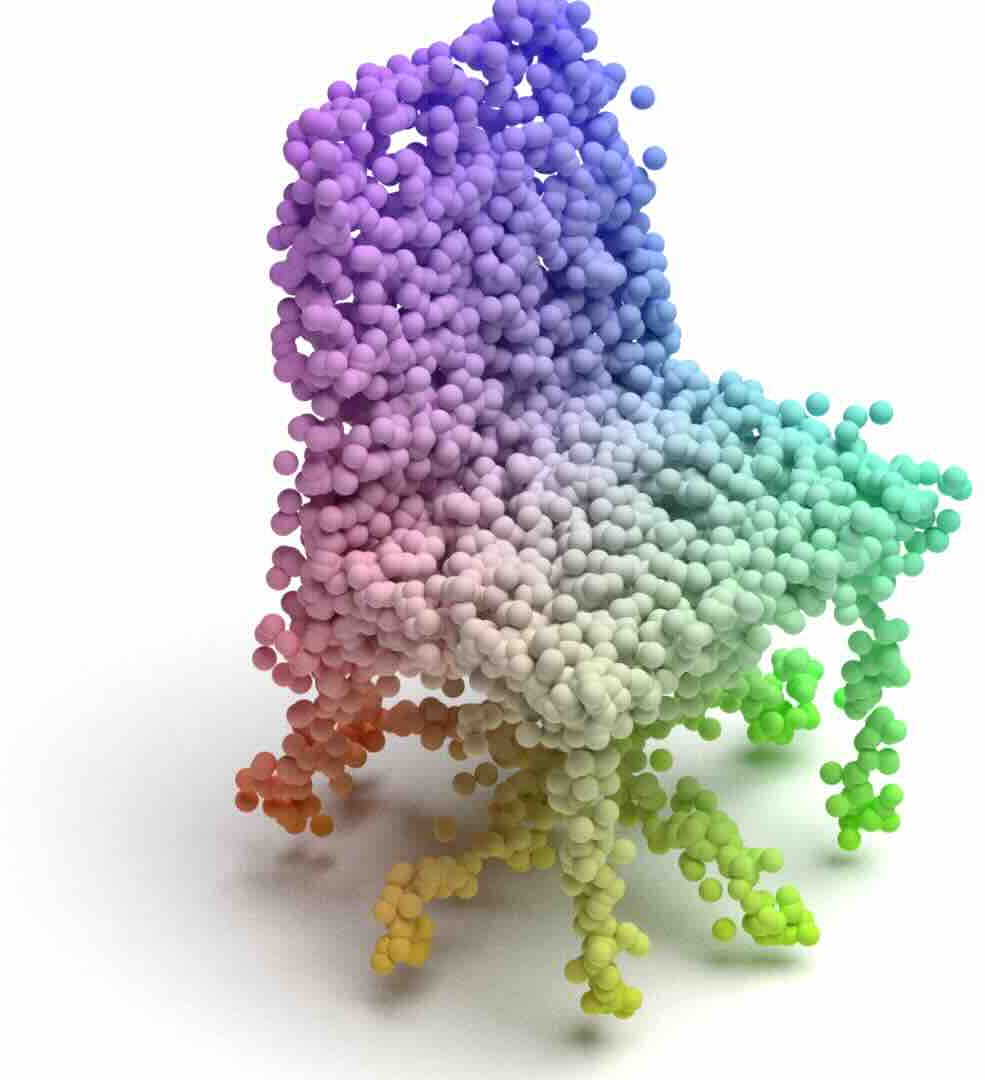
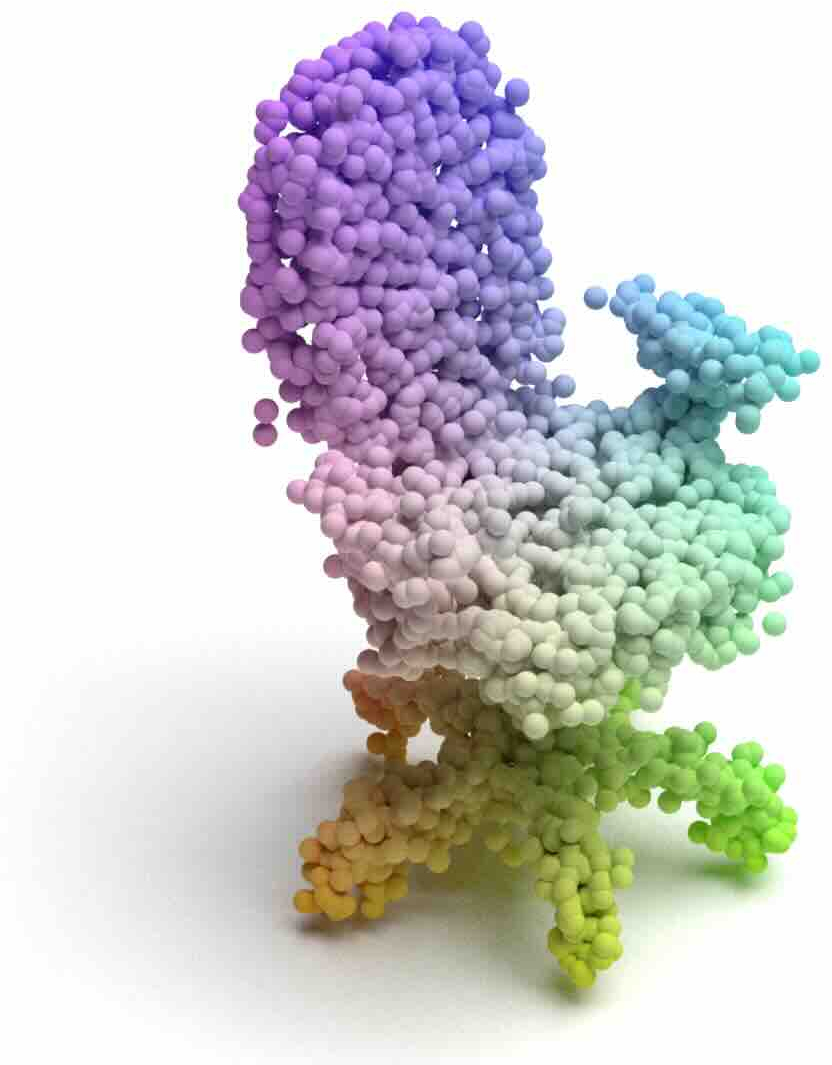
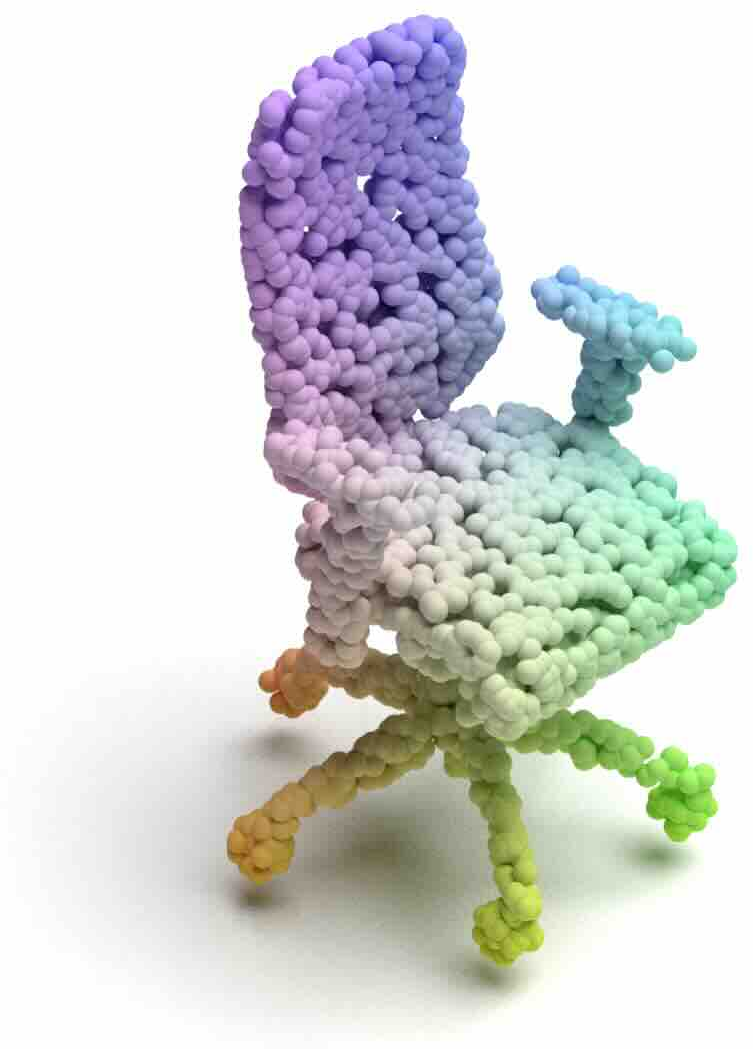
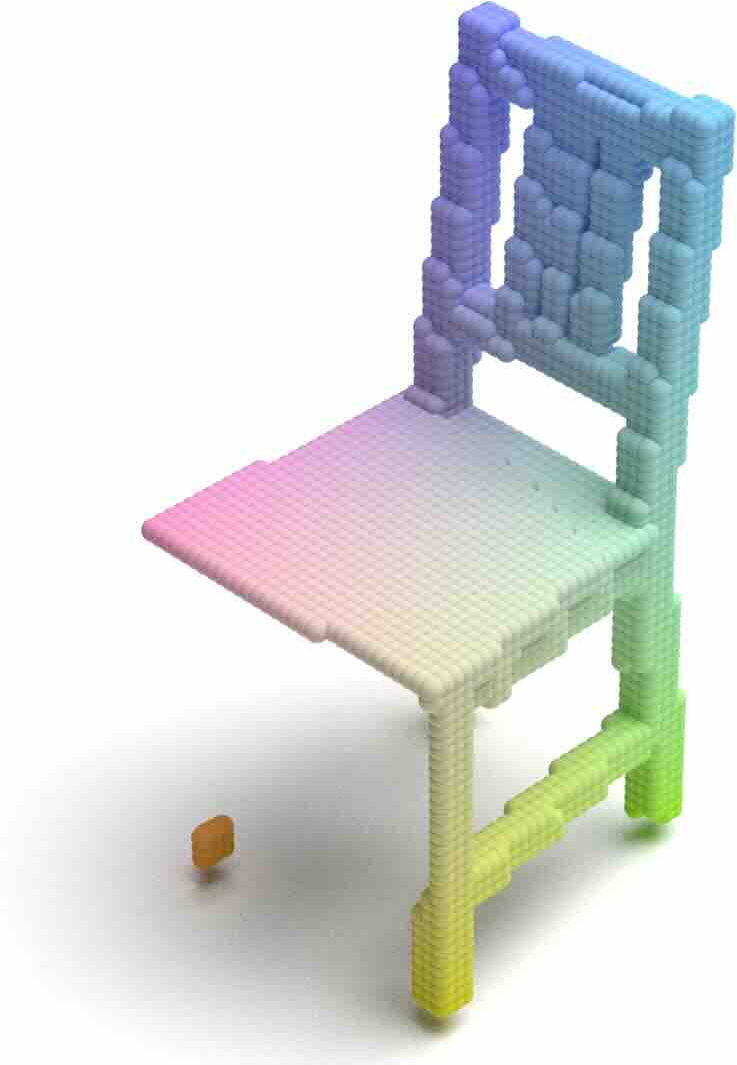
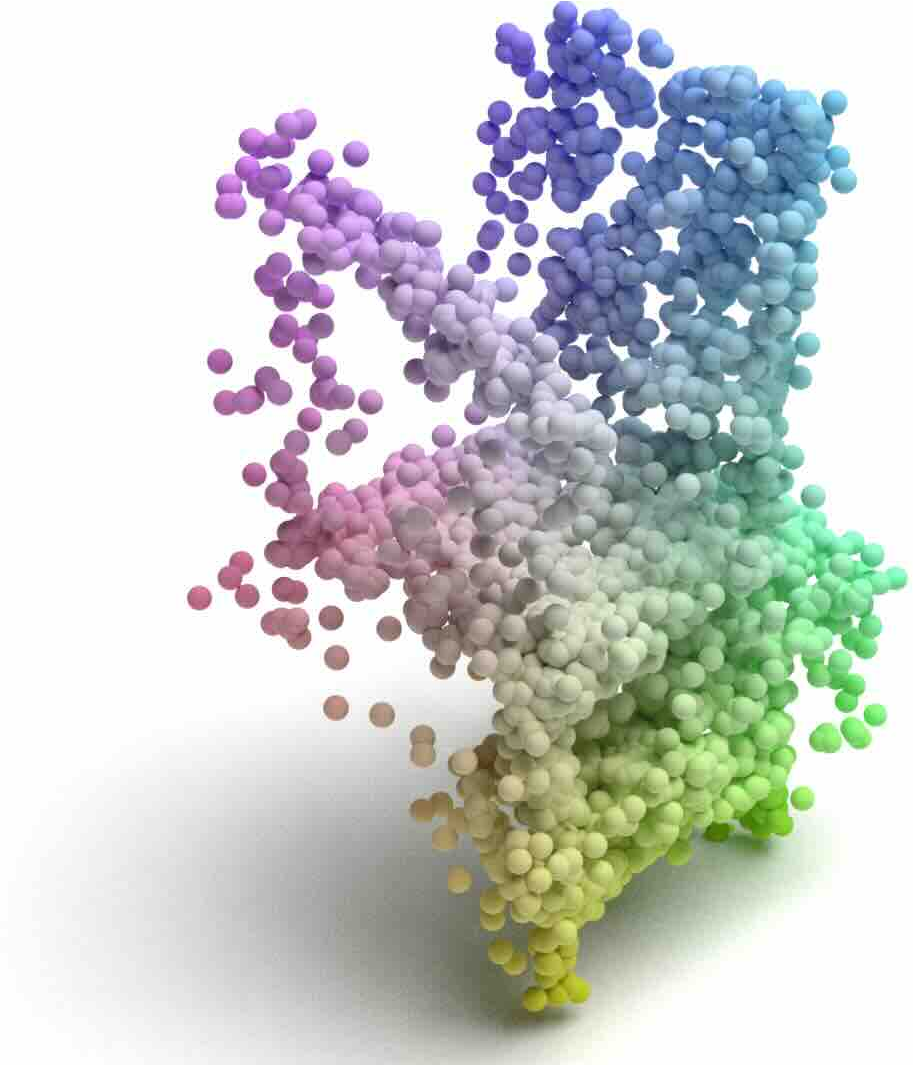
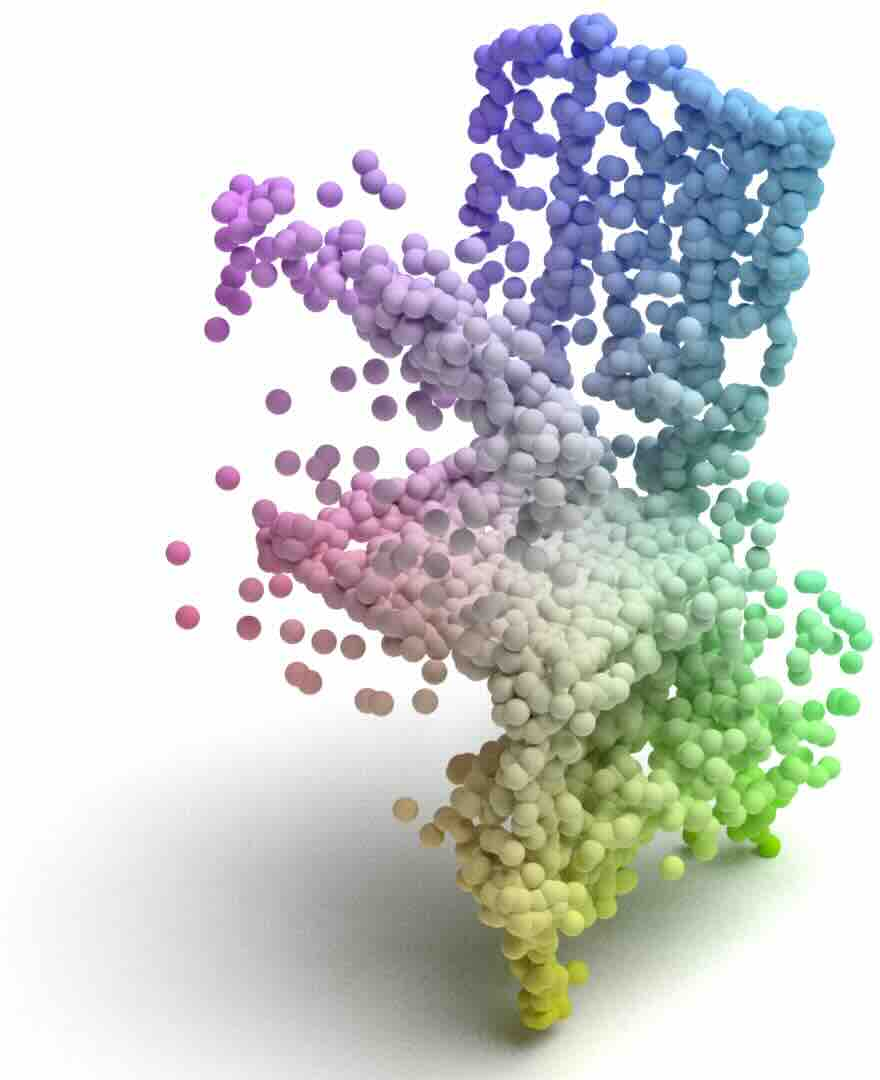
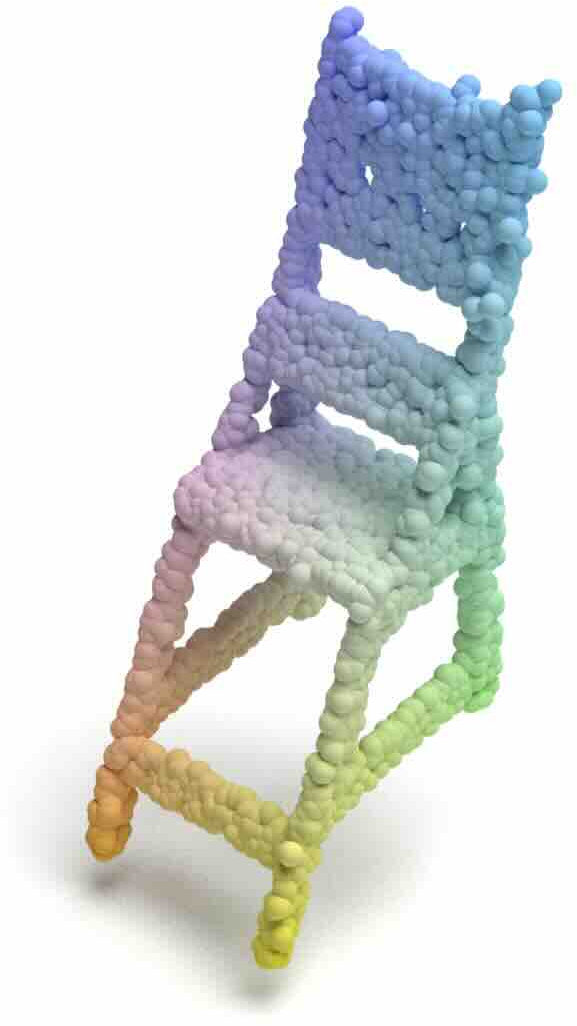
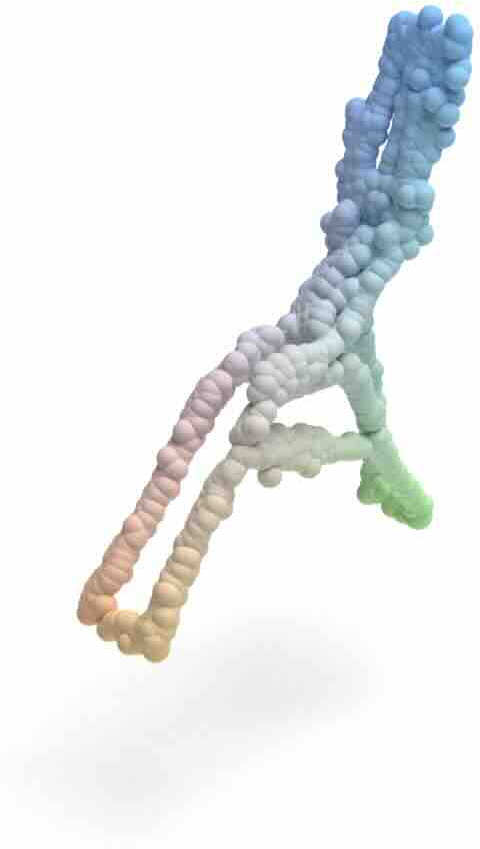
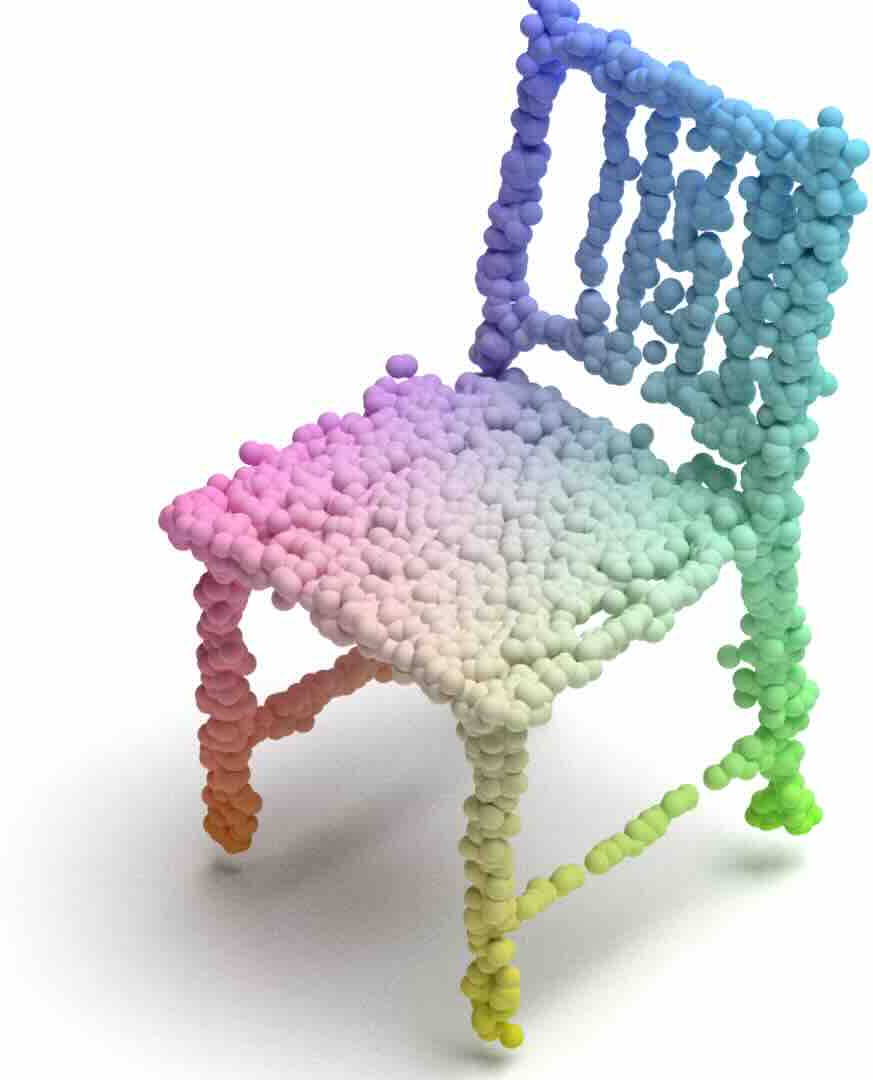
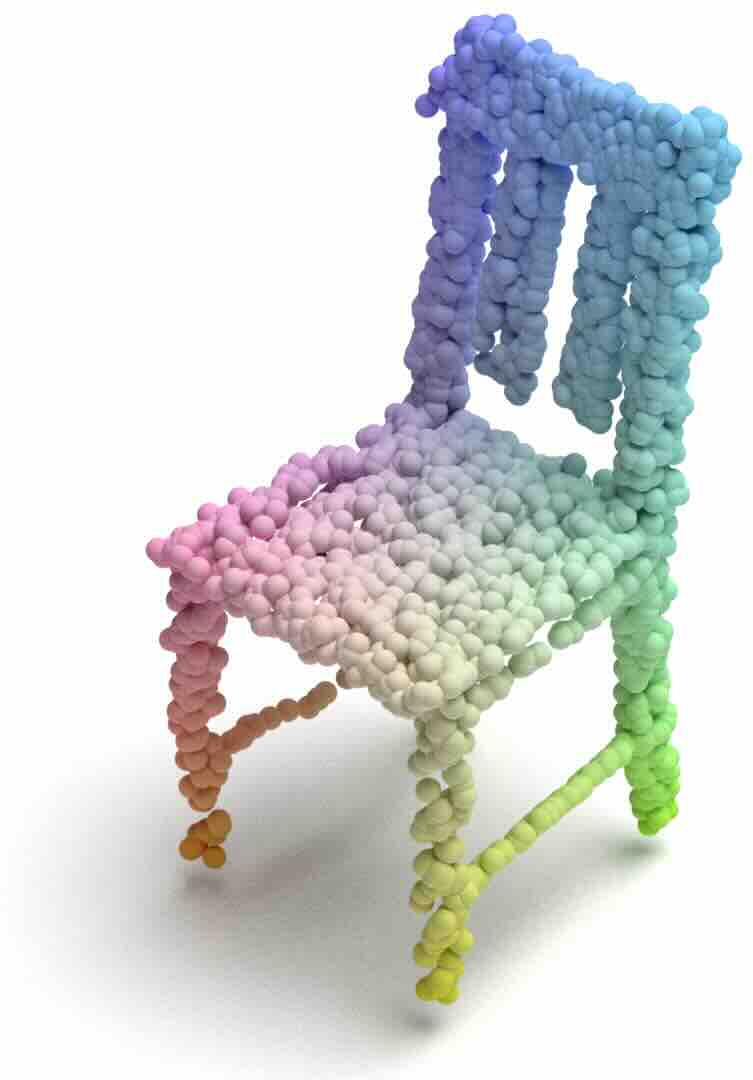
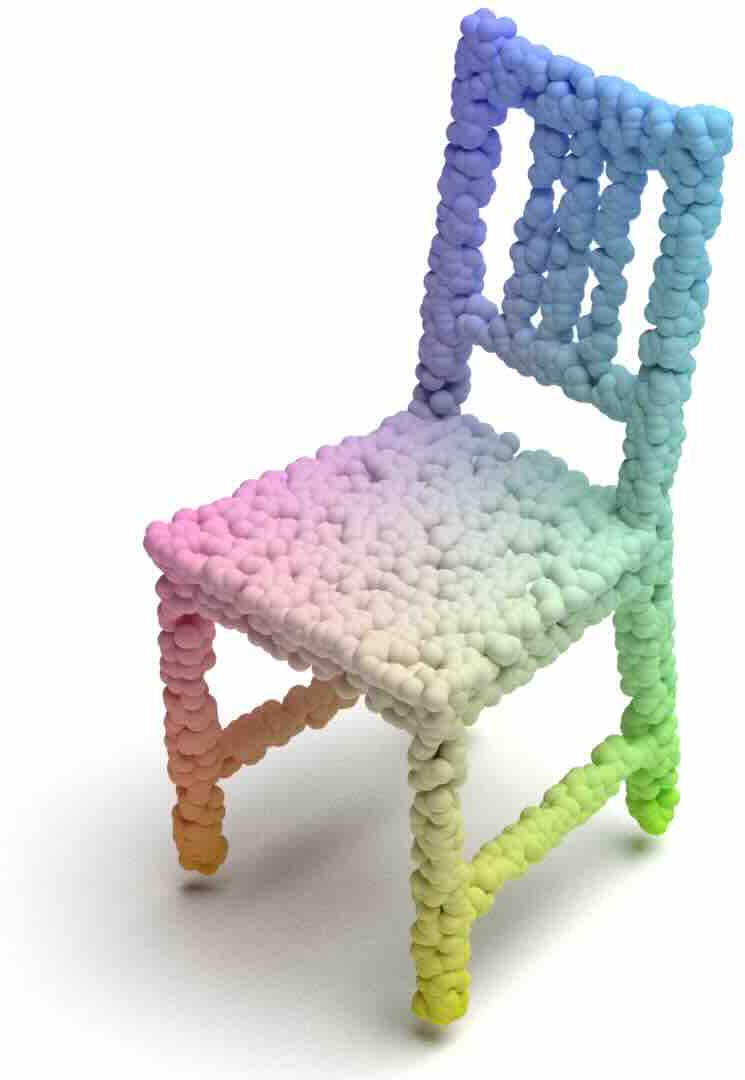
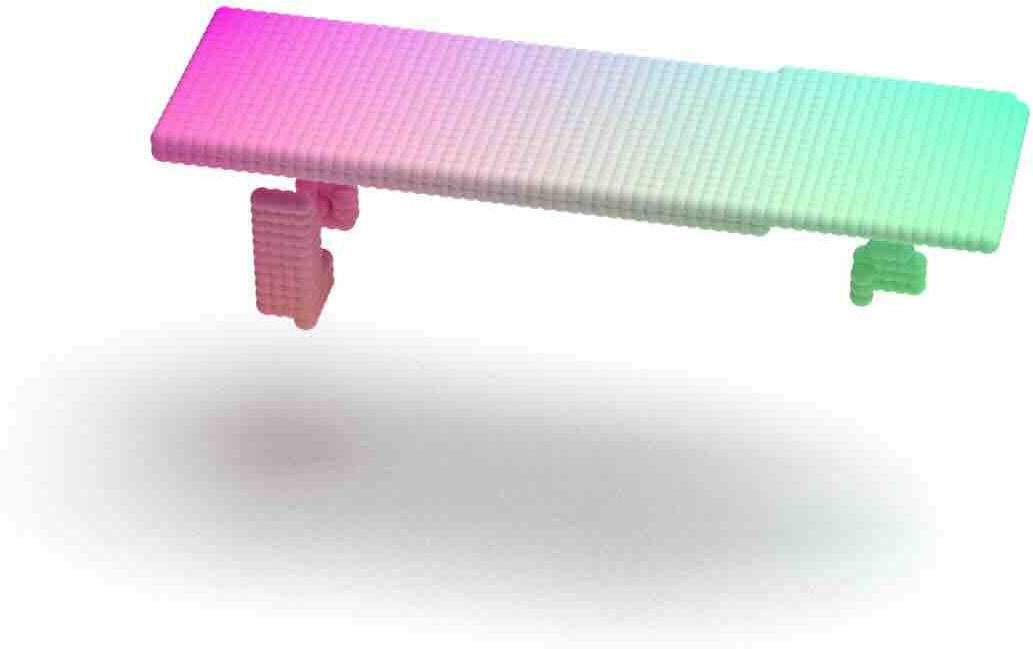
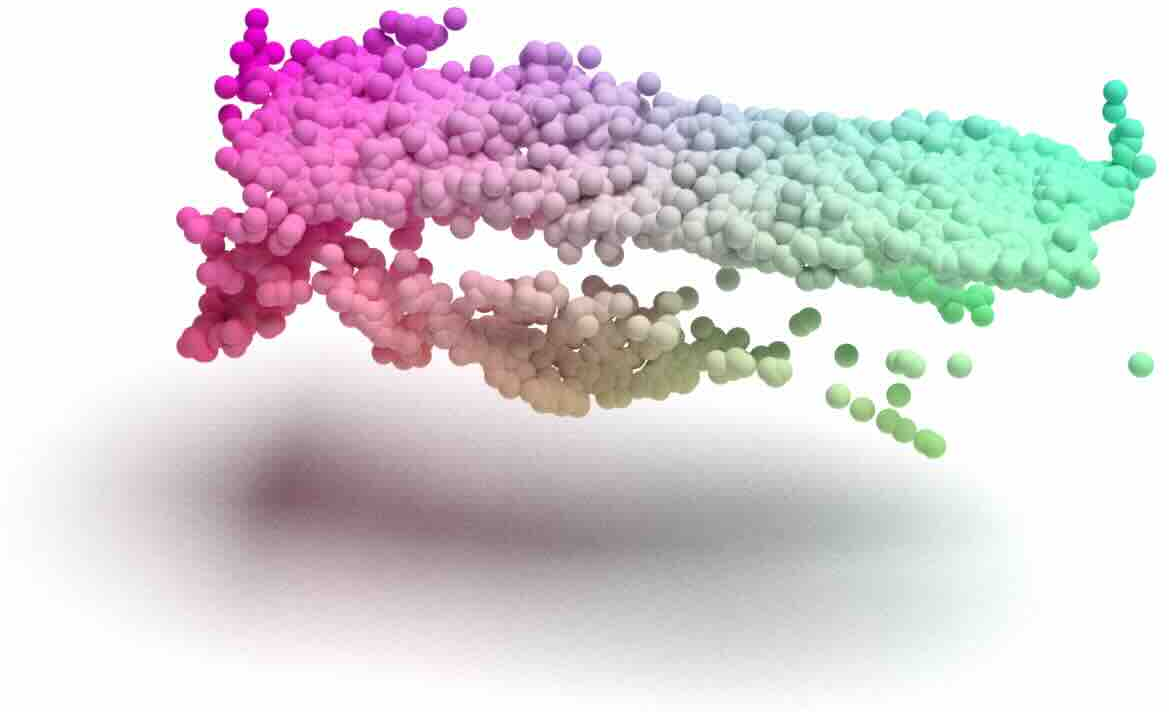
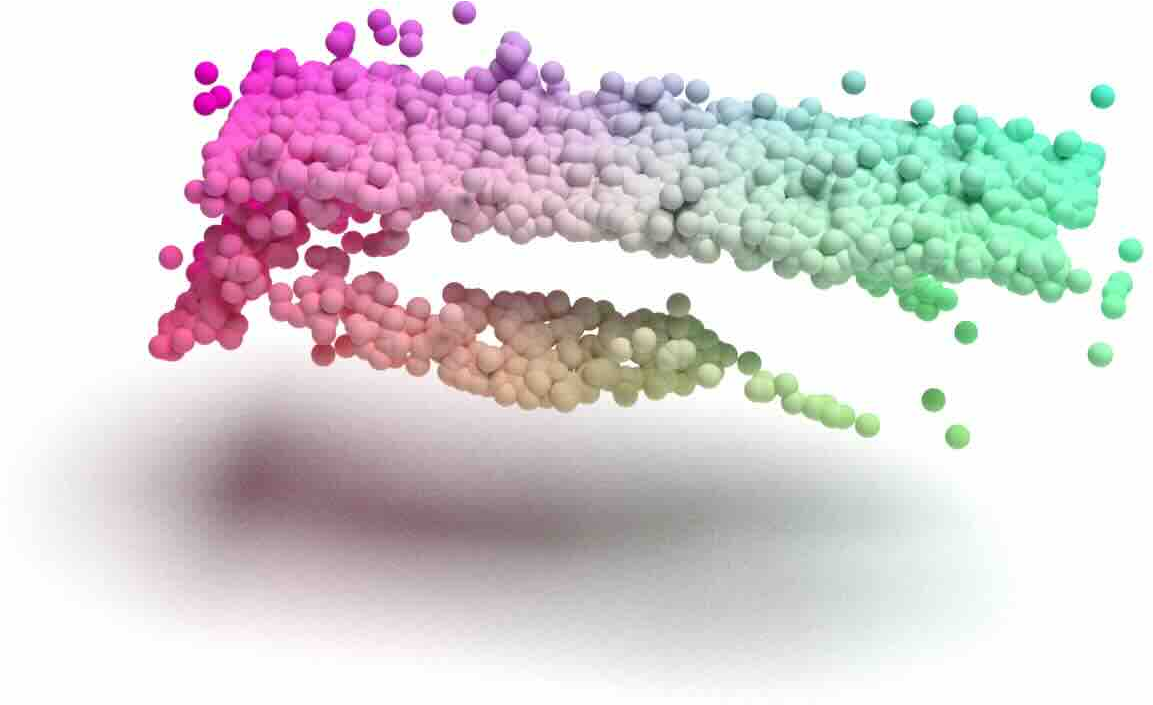
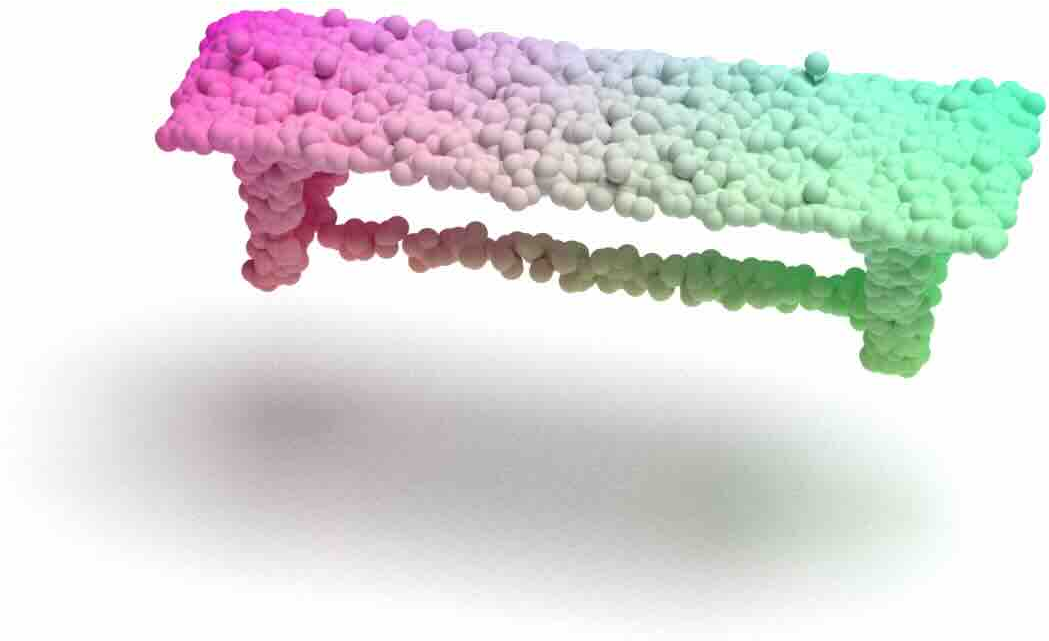
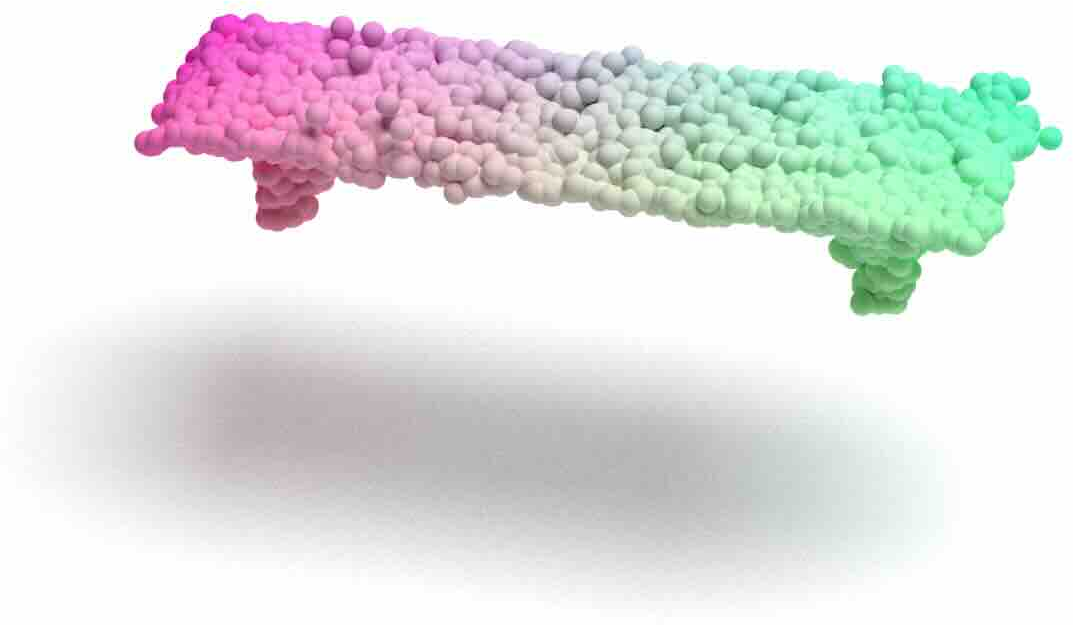
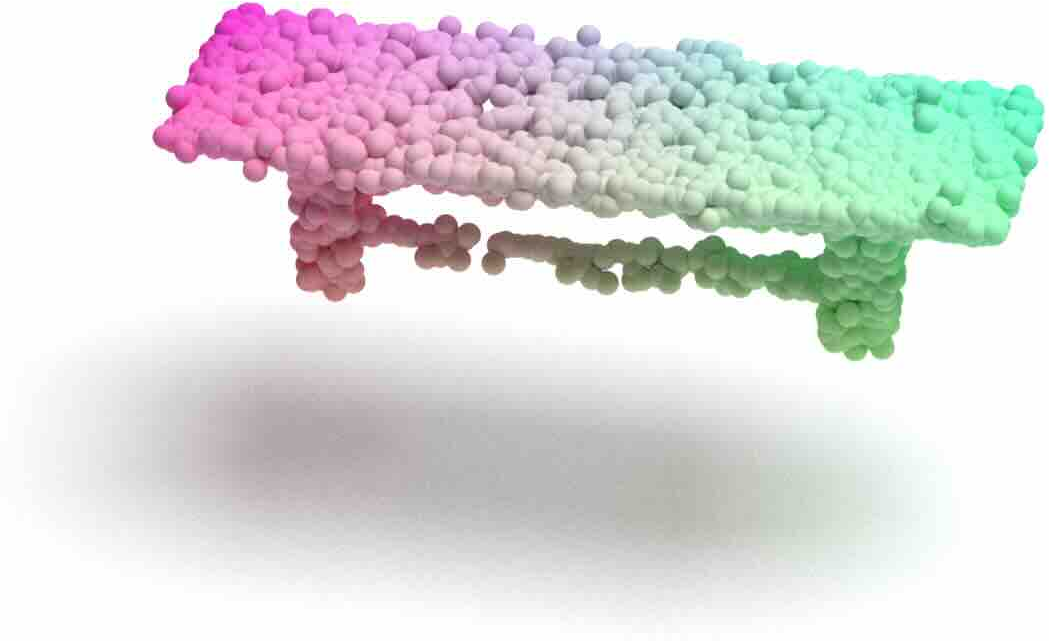
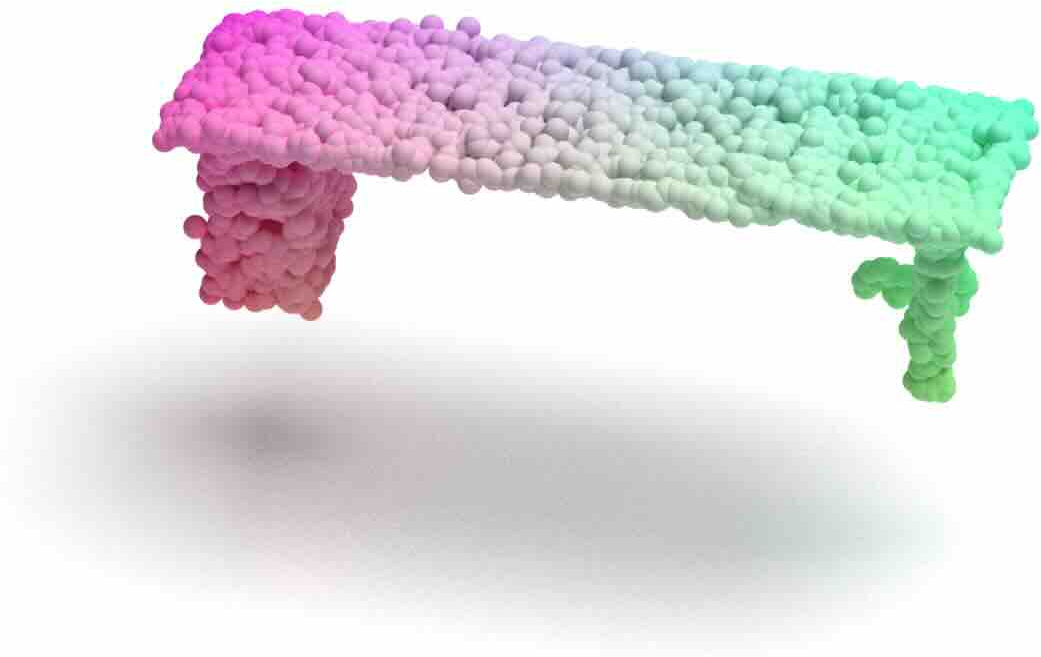
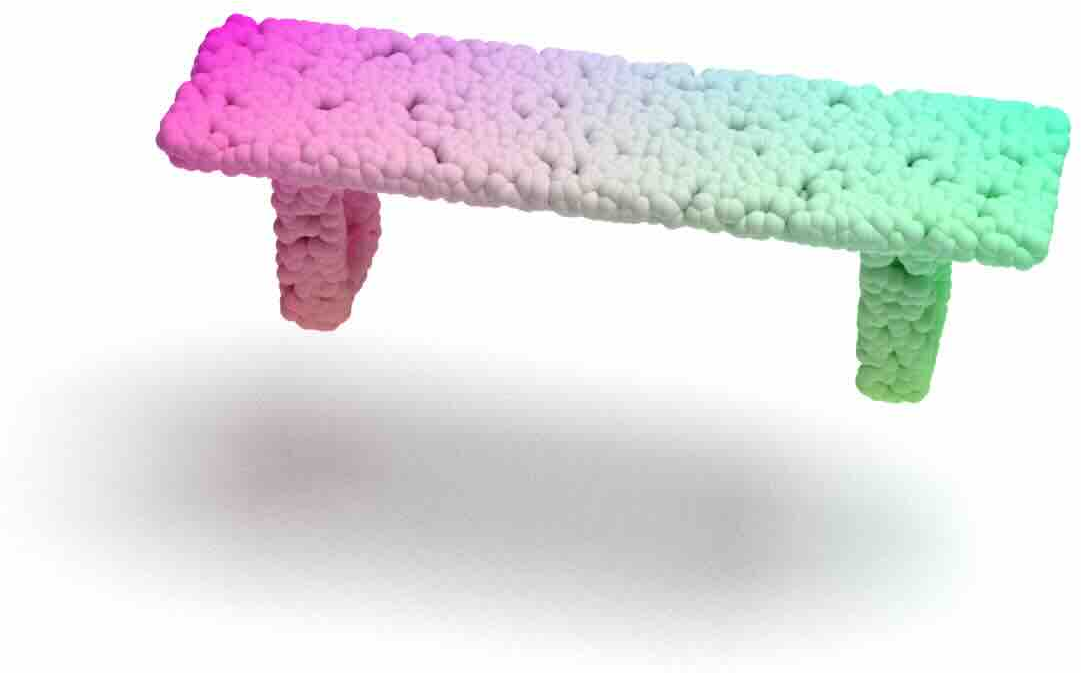
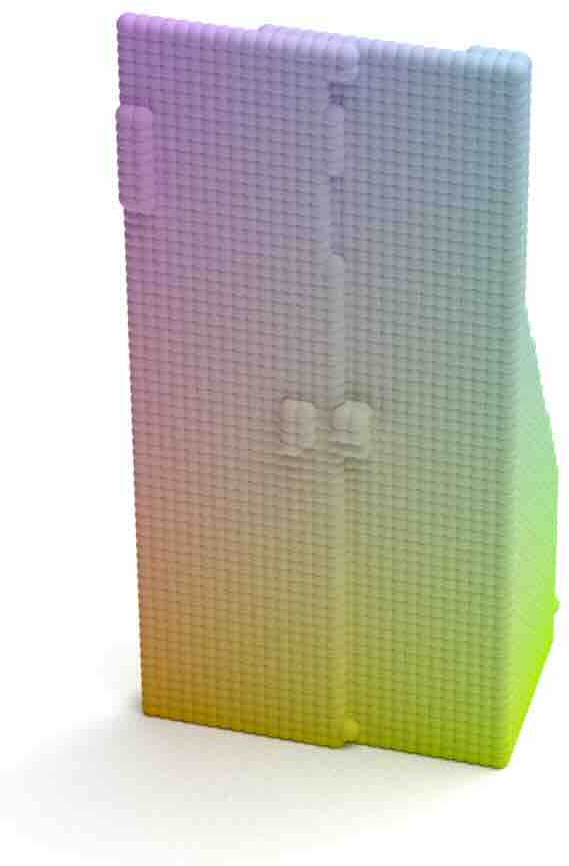
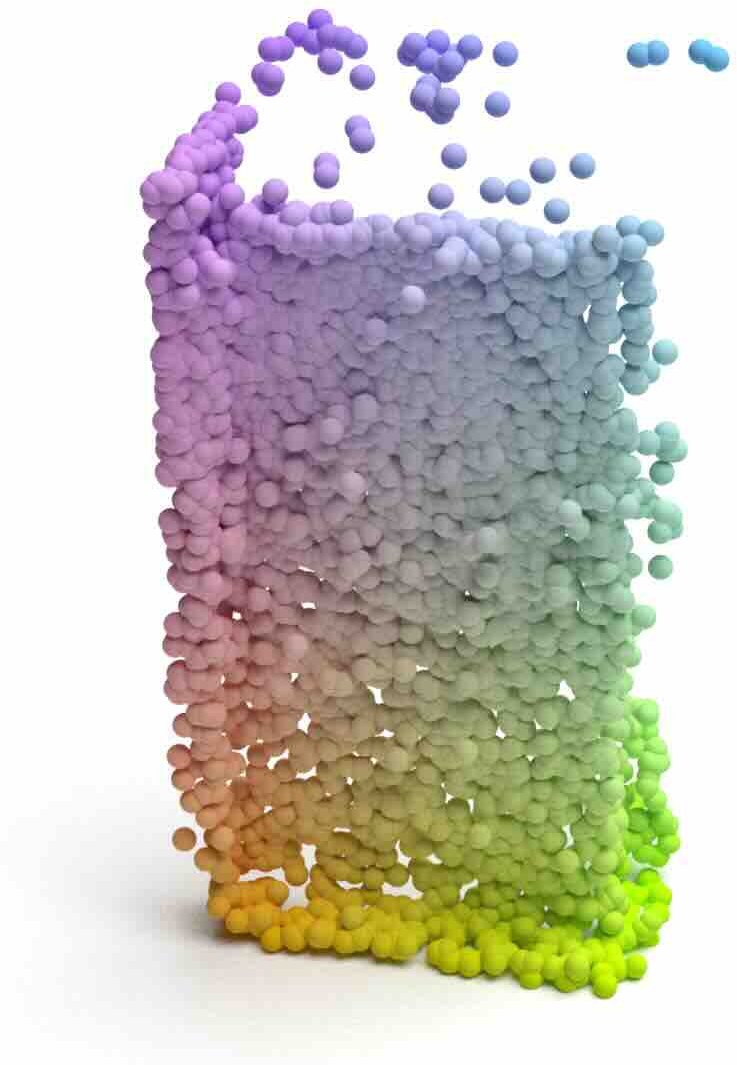
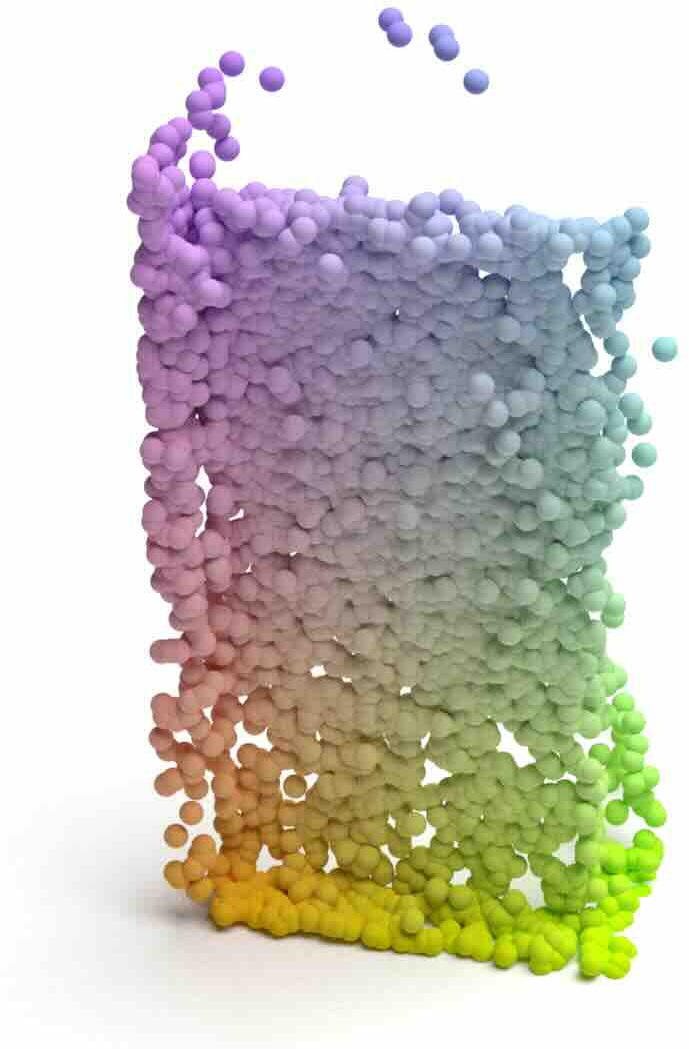
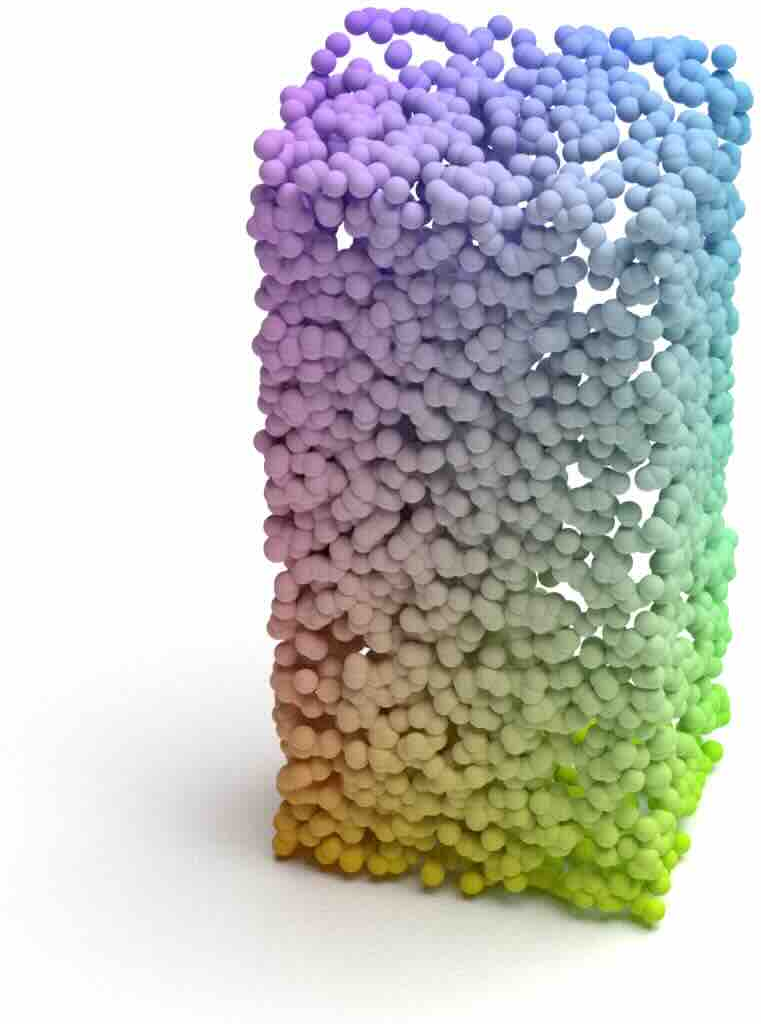
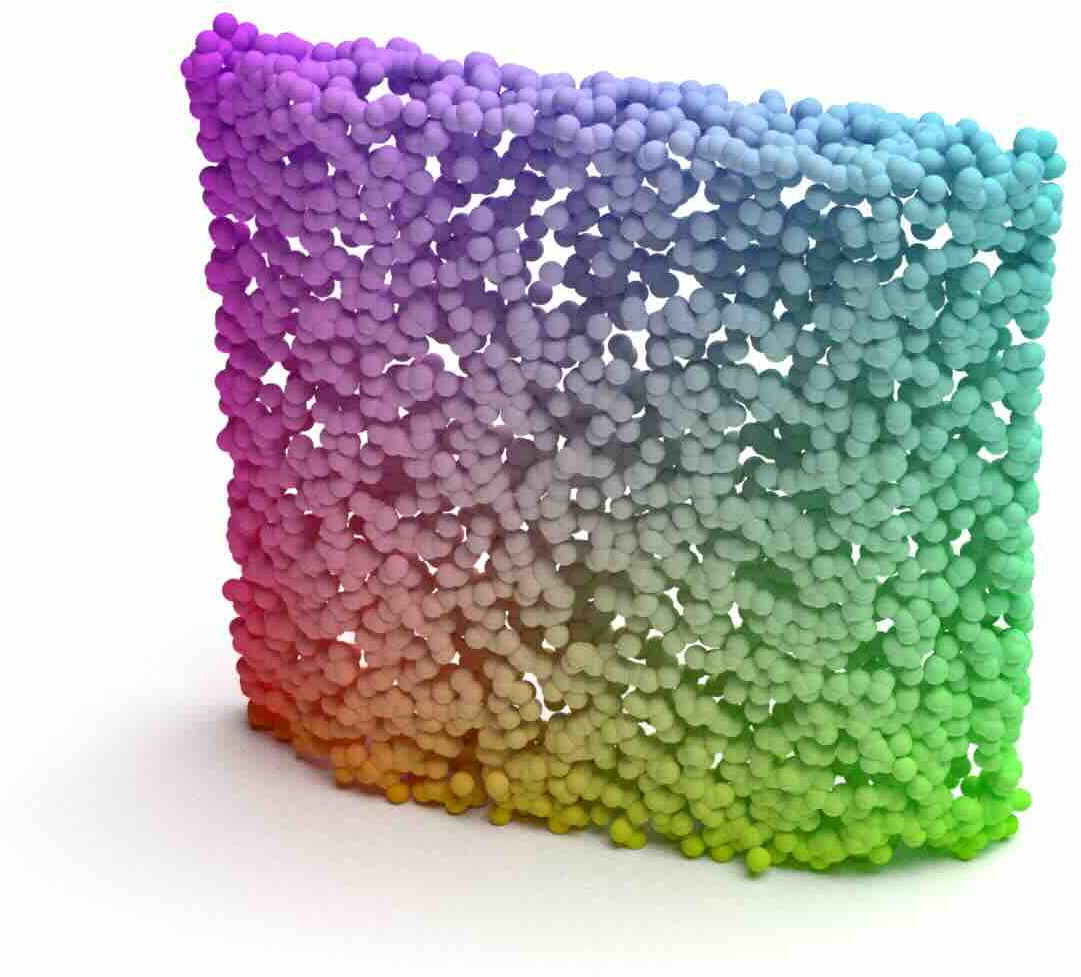
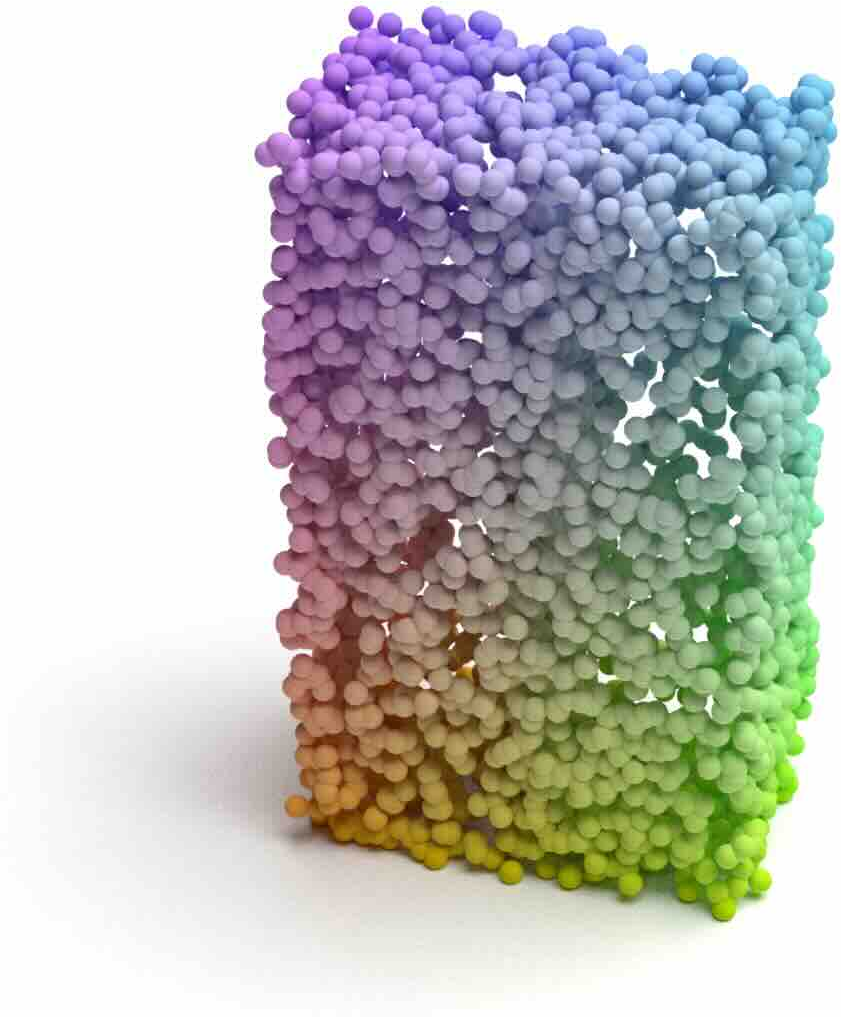
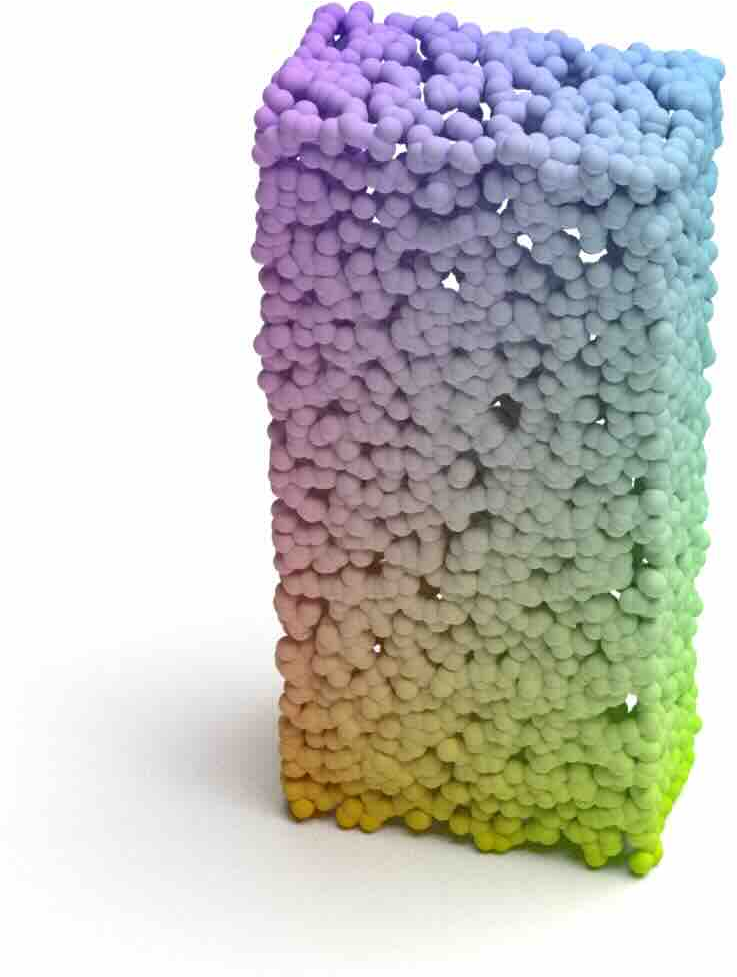
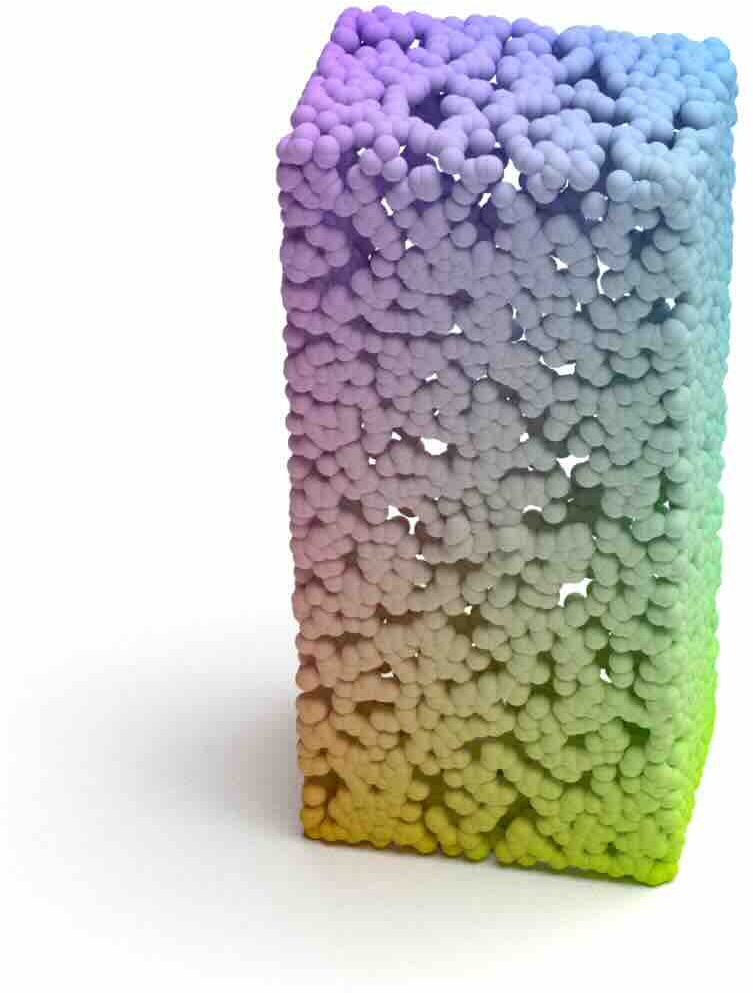
Figure 5: Qualitative comparison on real-world datasets (ScanNet++ and ShapeR). FlowObject reconstructs coherent global geometry, while all baselines suffer from incompleteness or perceptual inconsistencies on real objects.
Rendering results (PSNR, SSIM, LPIPS) further validate the method's robustness for novel-view synthesis, especially under extreme input sparsity. On ScanNet++, FlowObject achieves PSNR 28.73, outperforming all baselines.
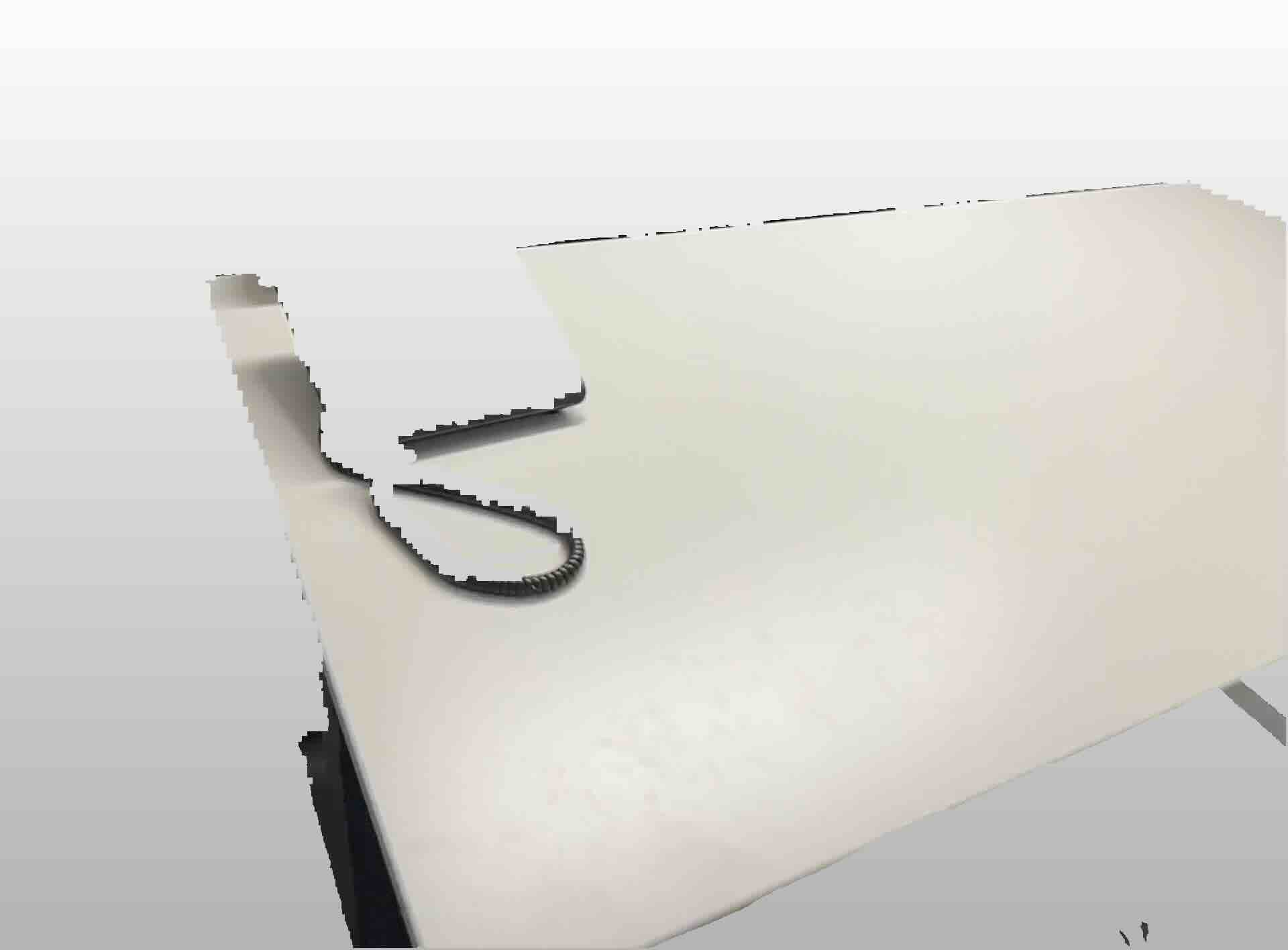
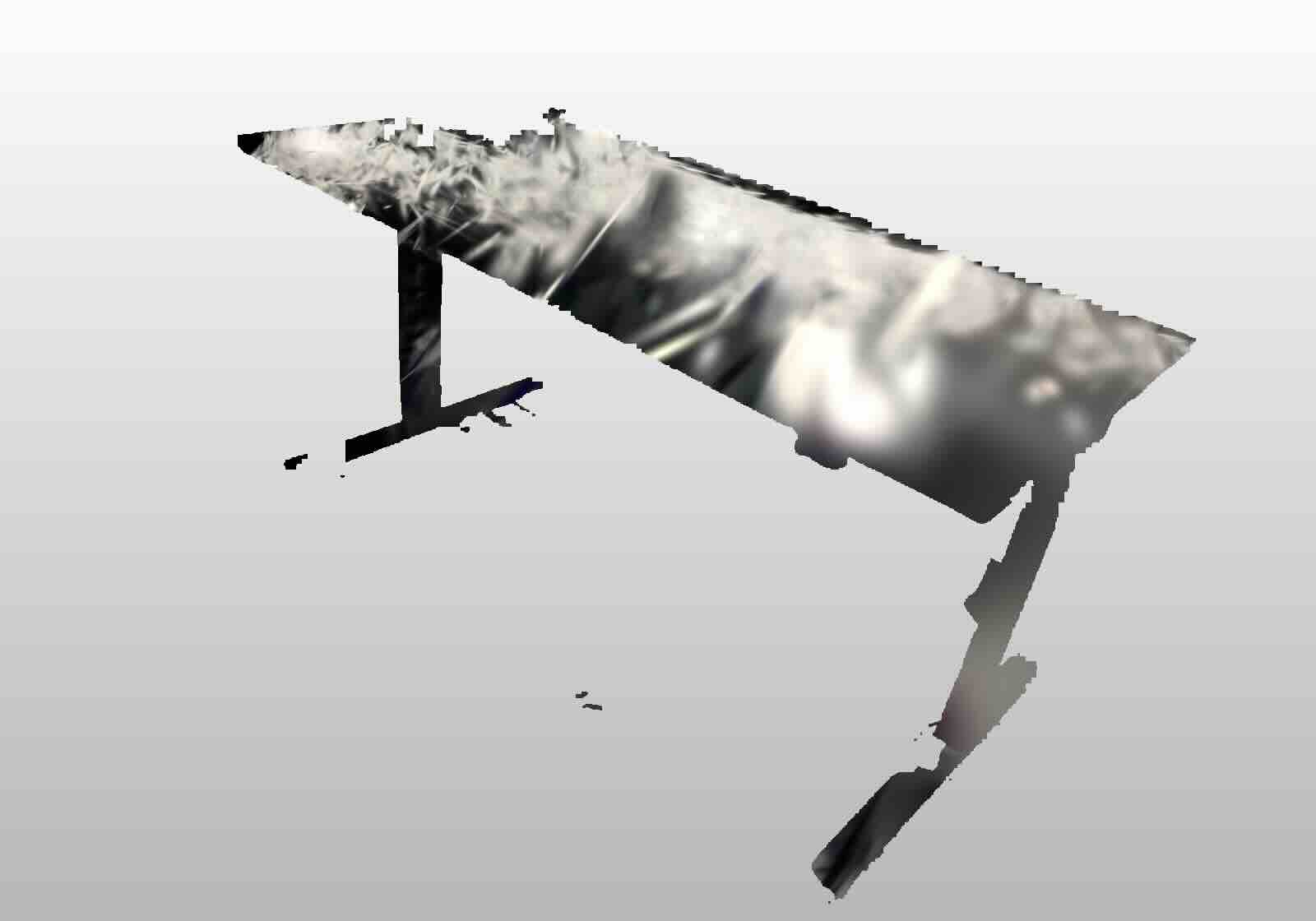
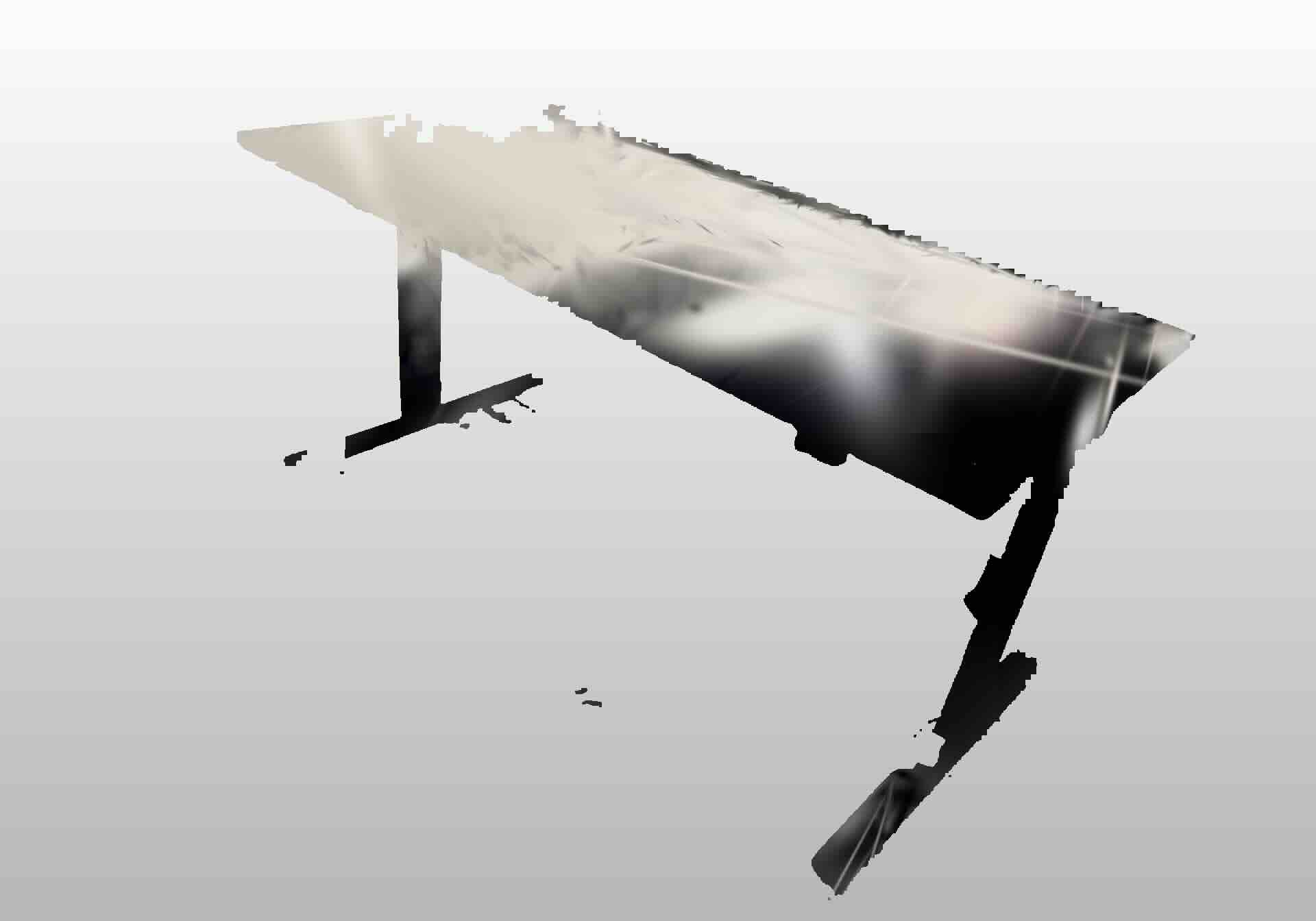
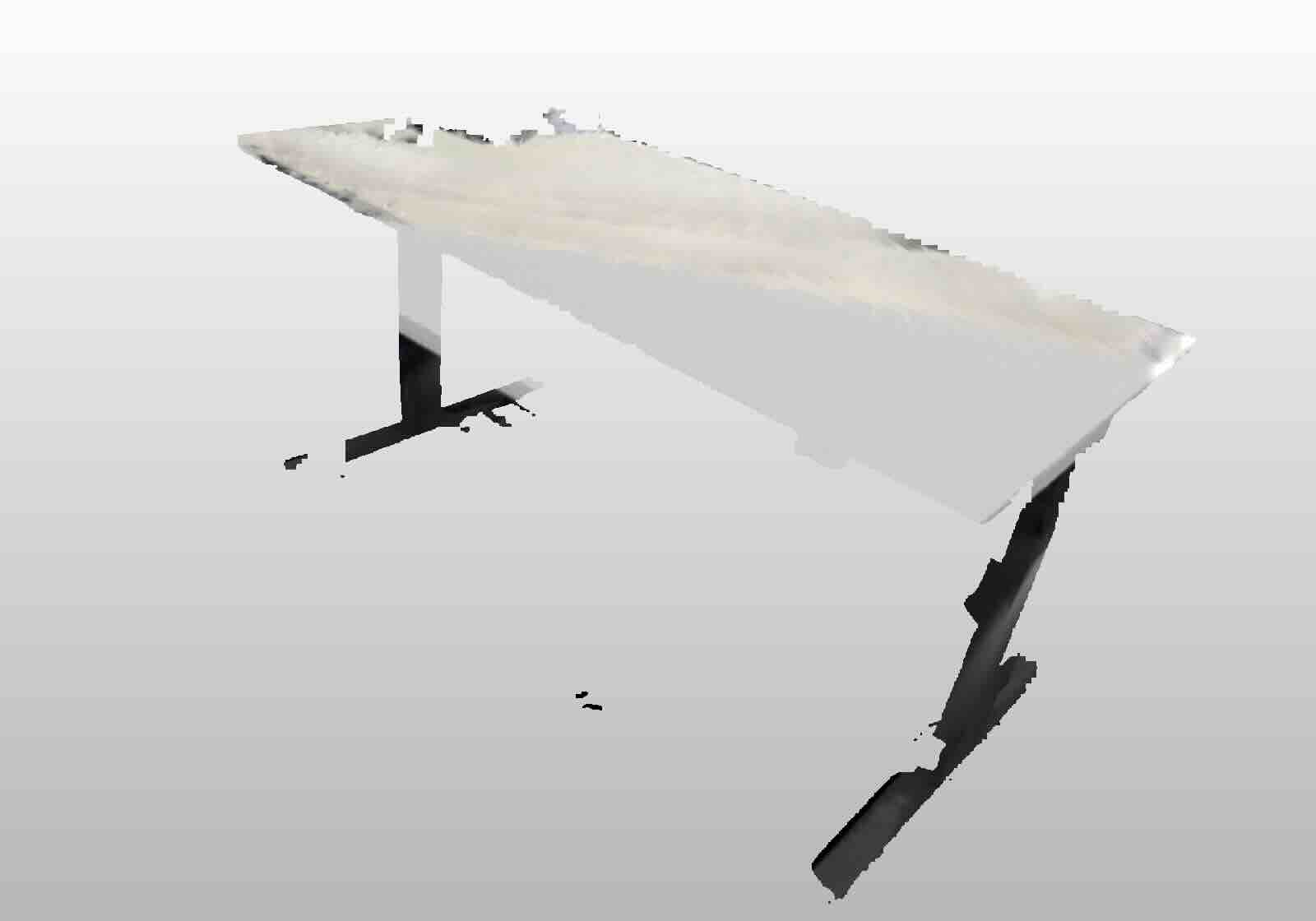
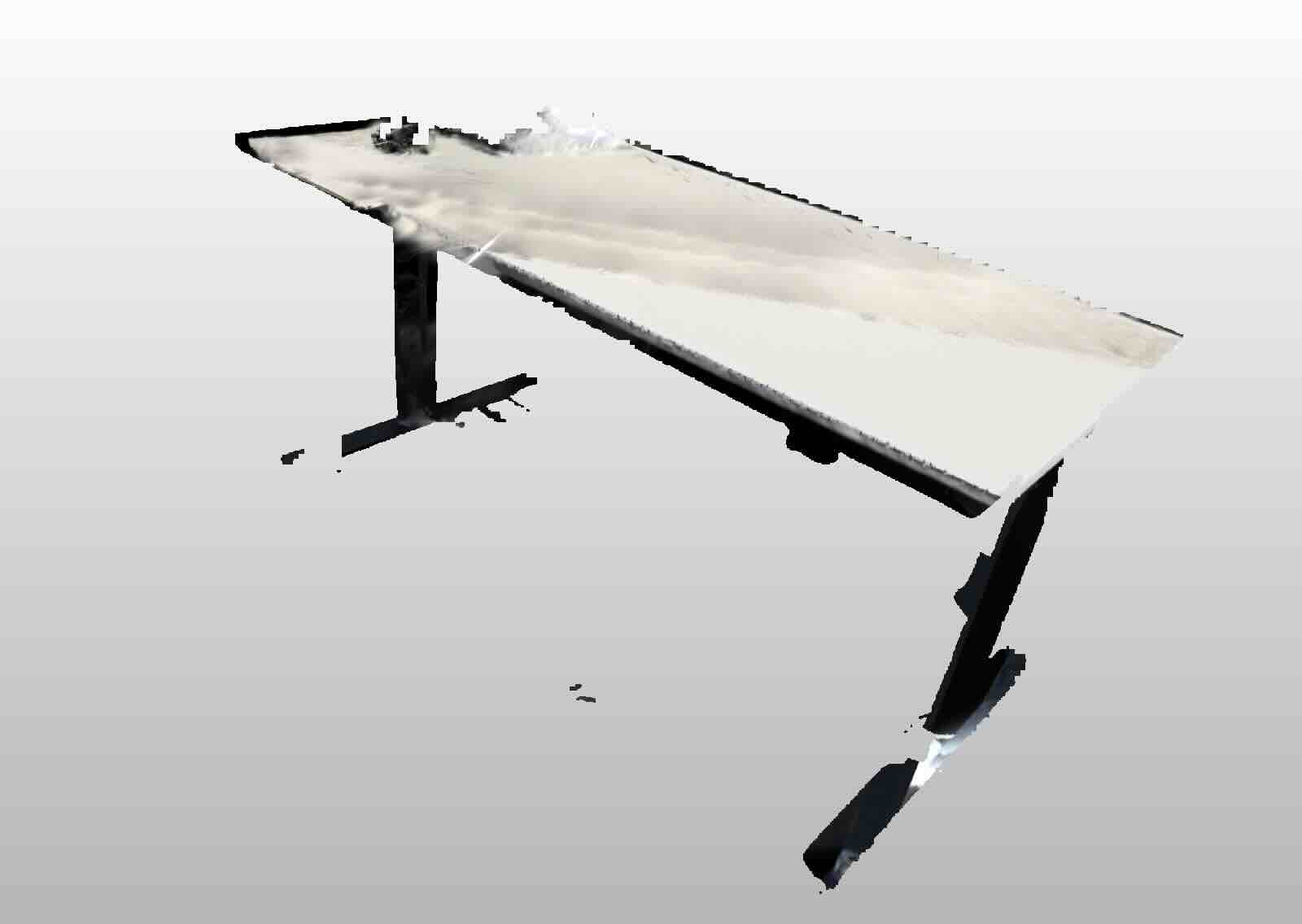
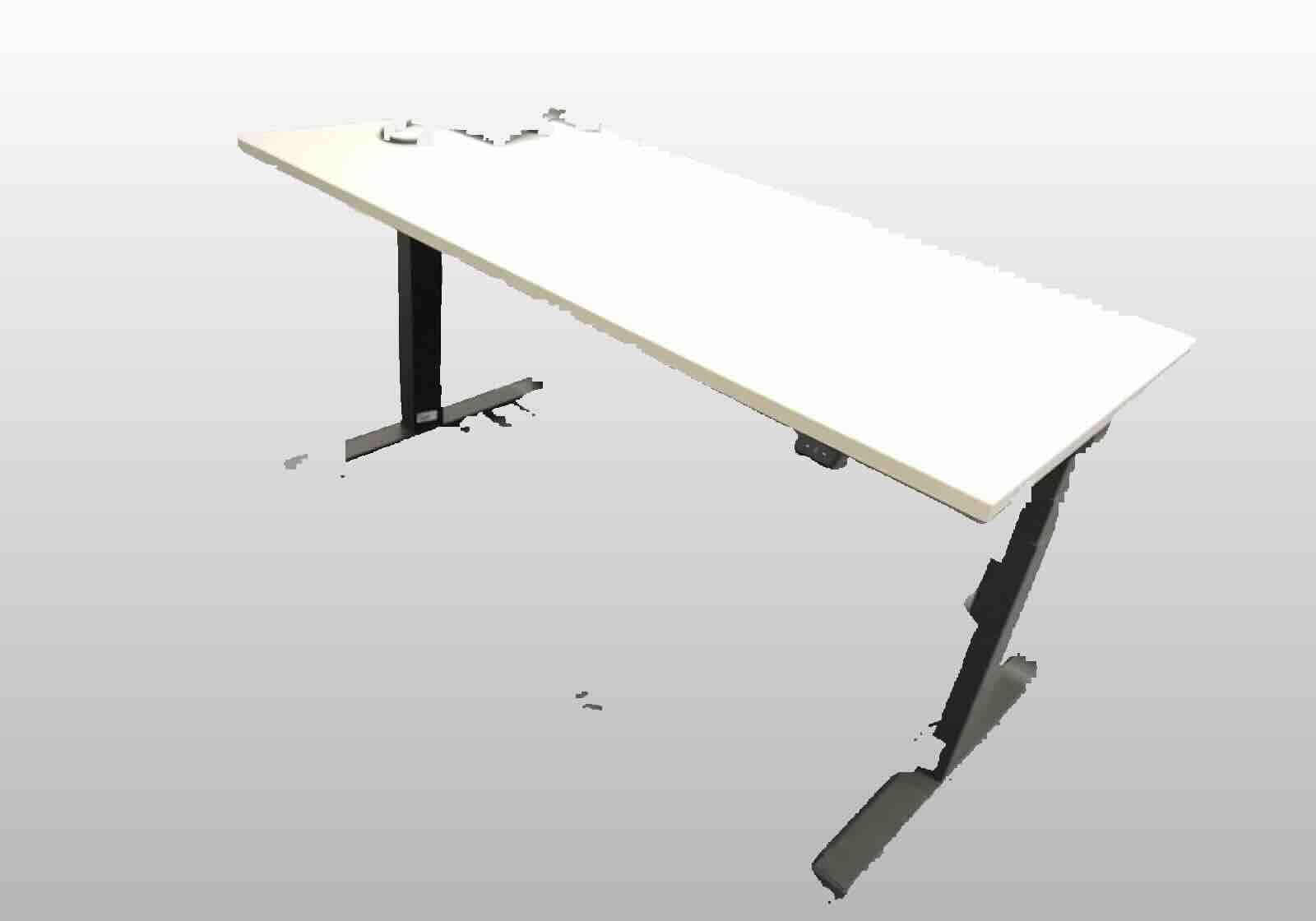
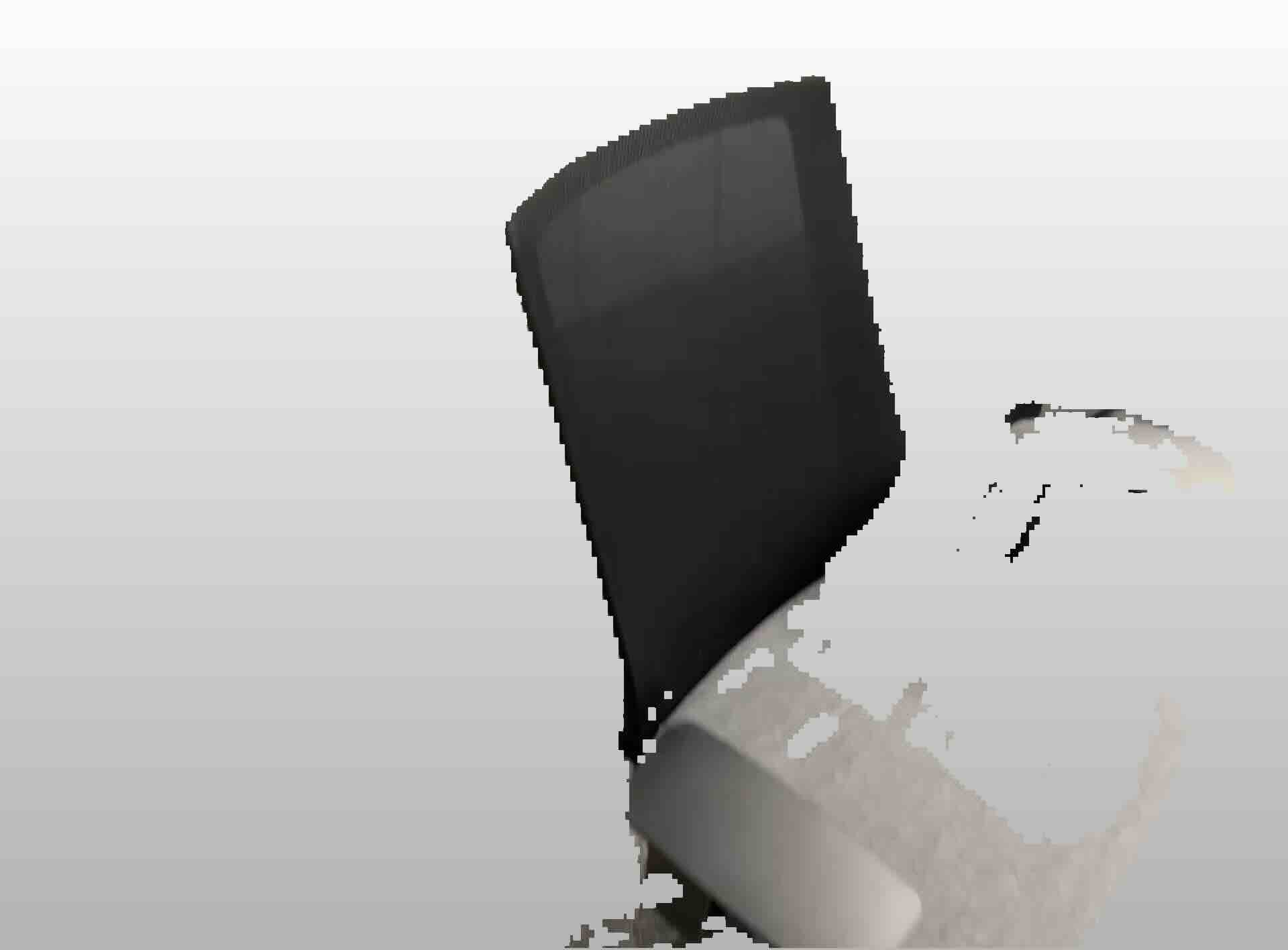
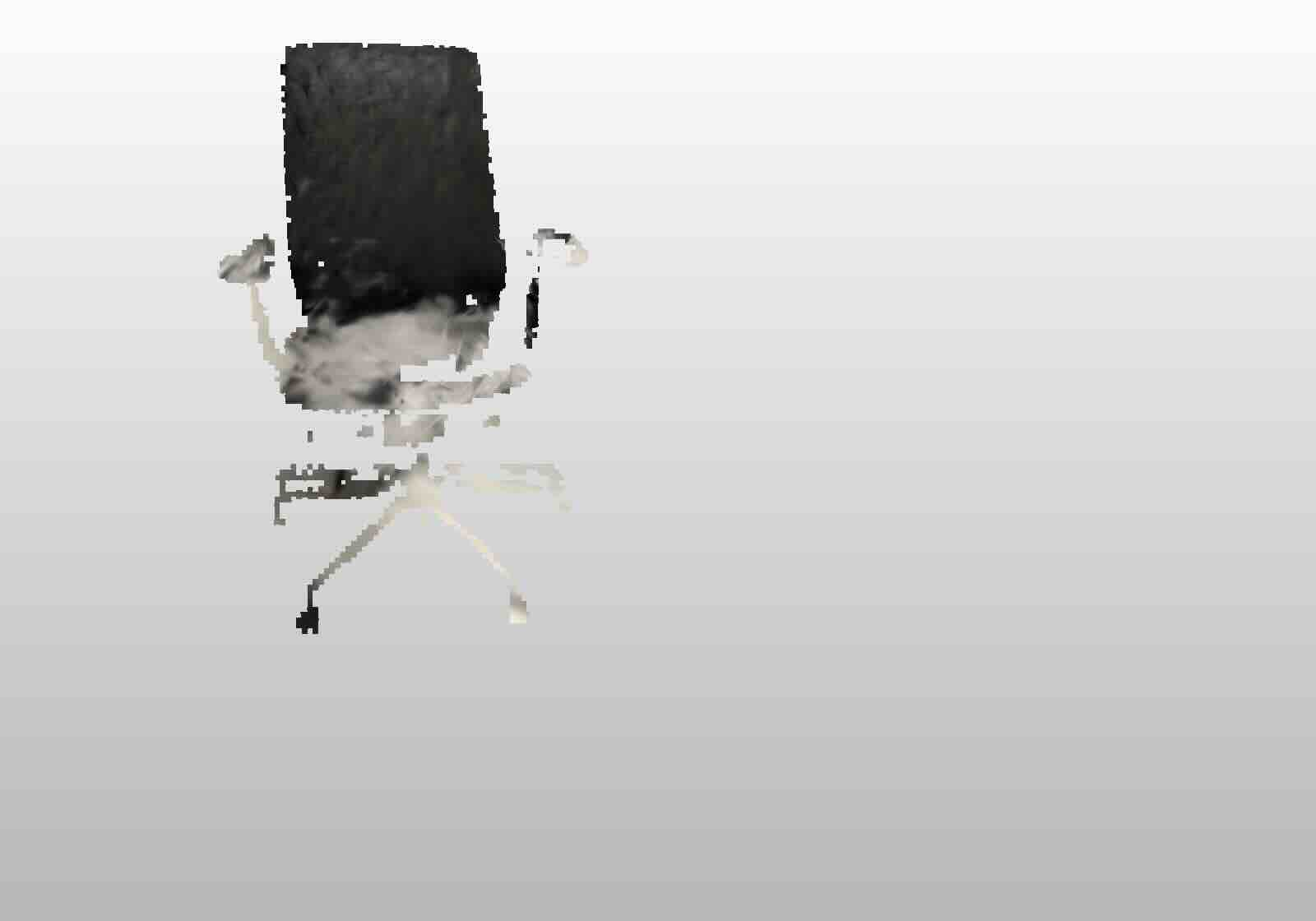
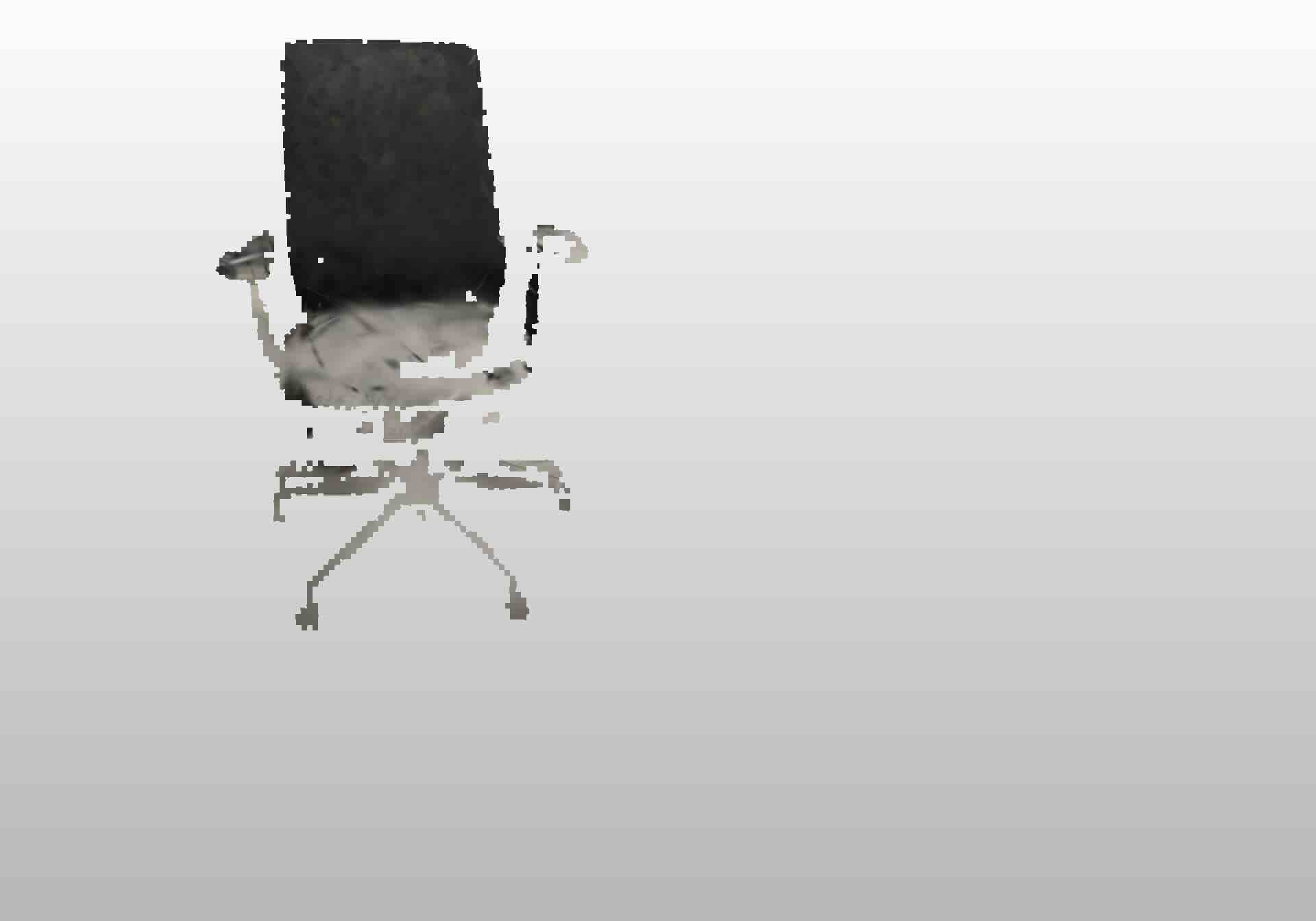
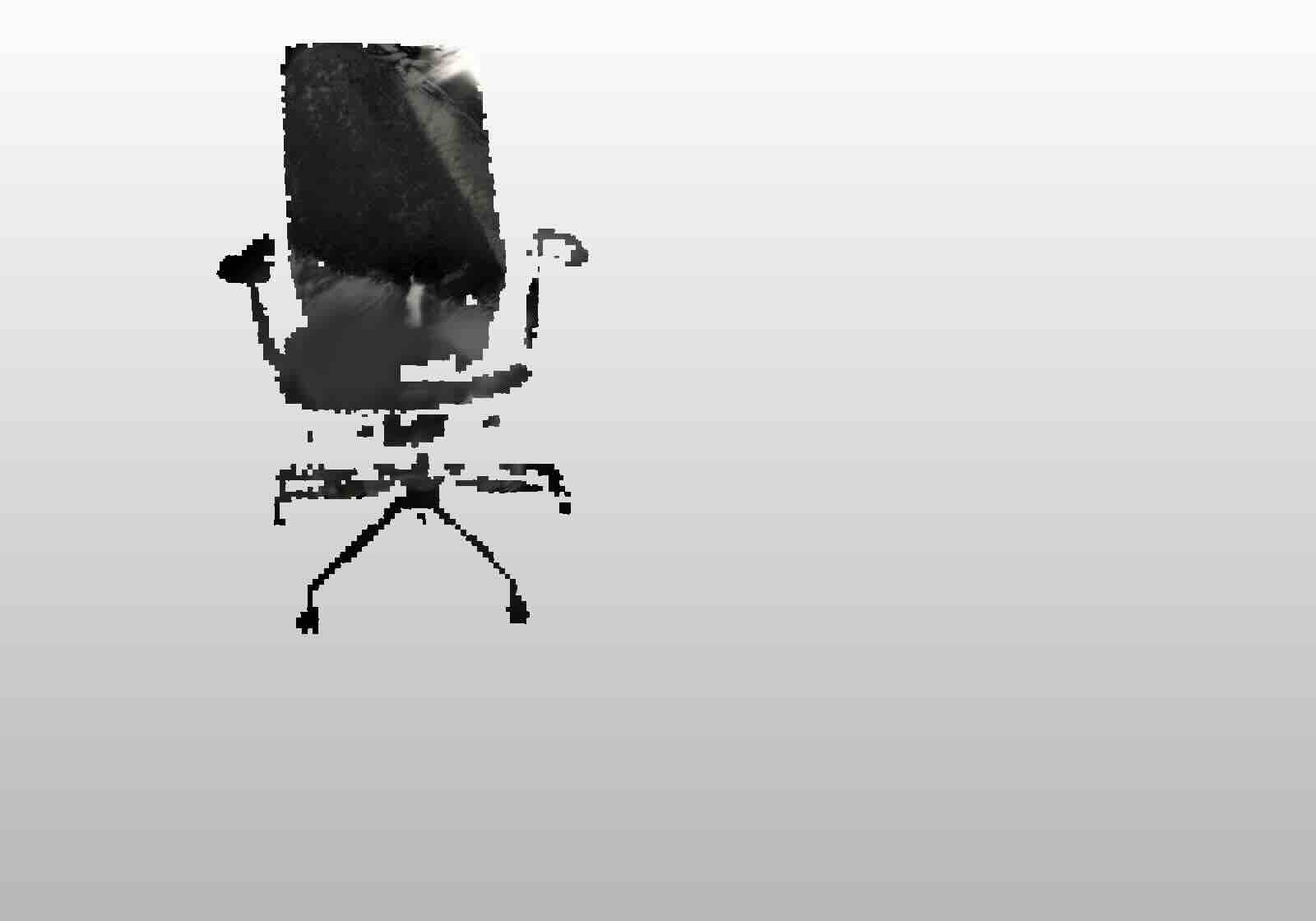
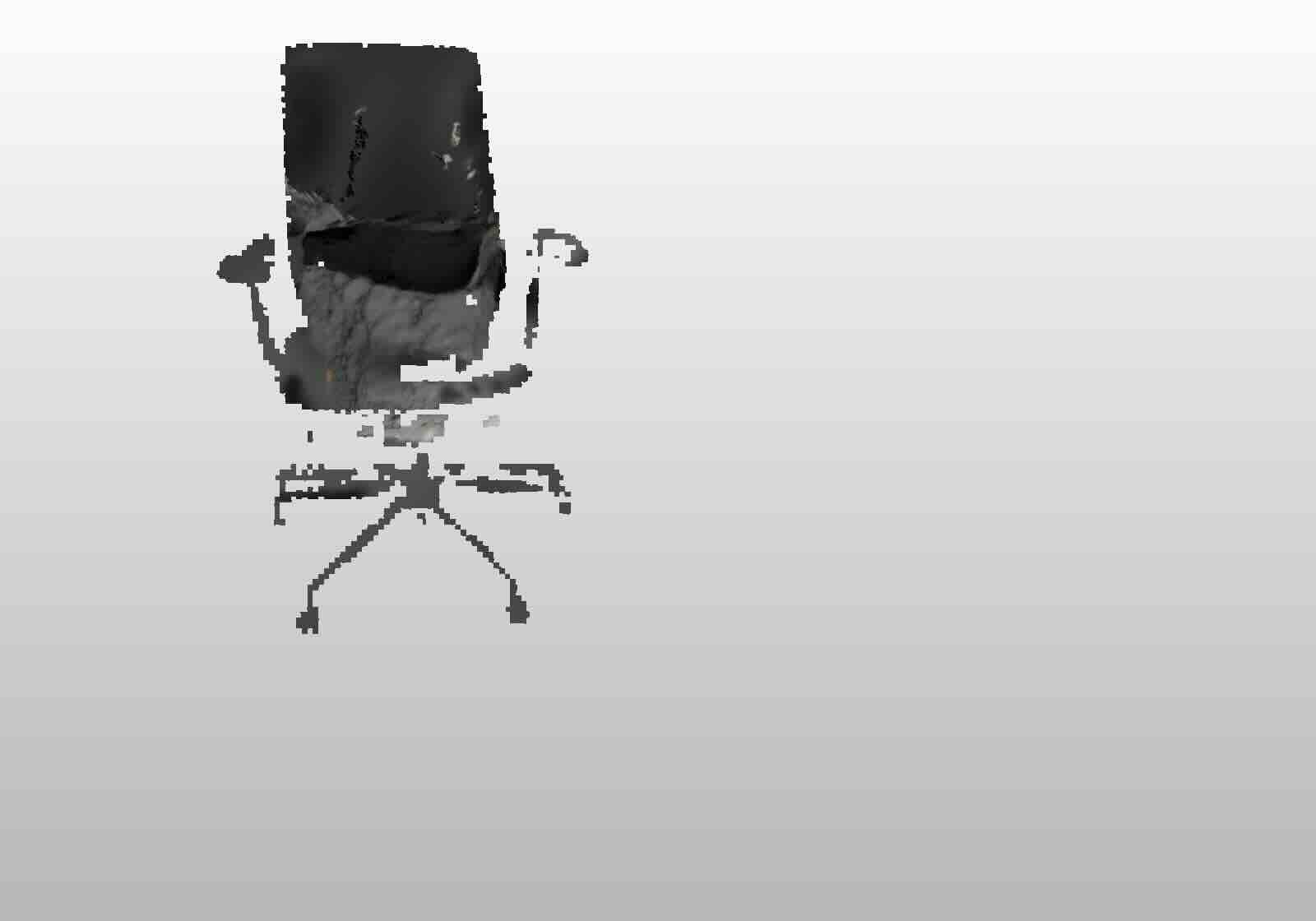
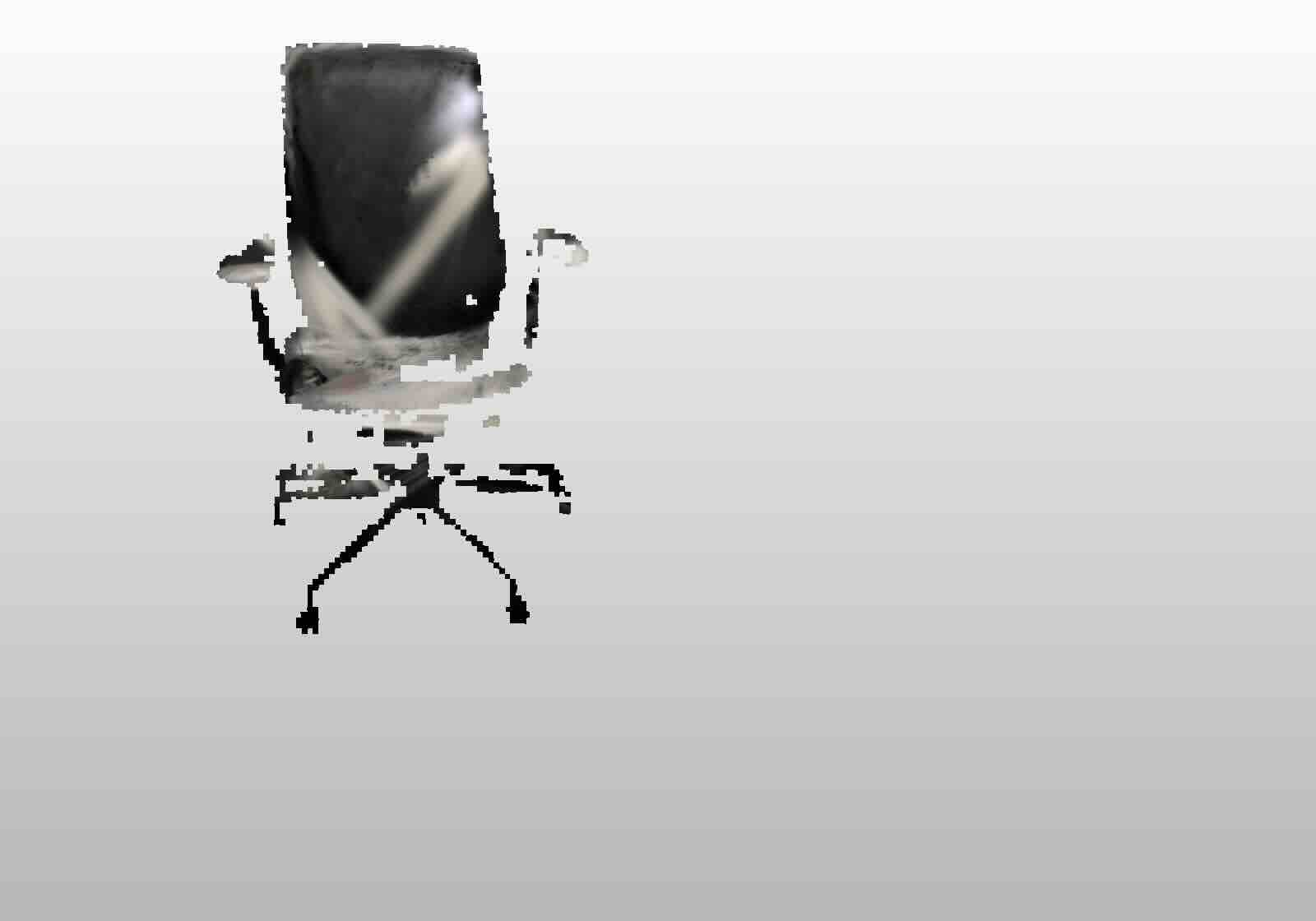
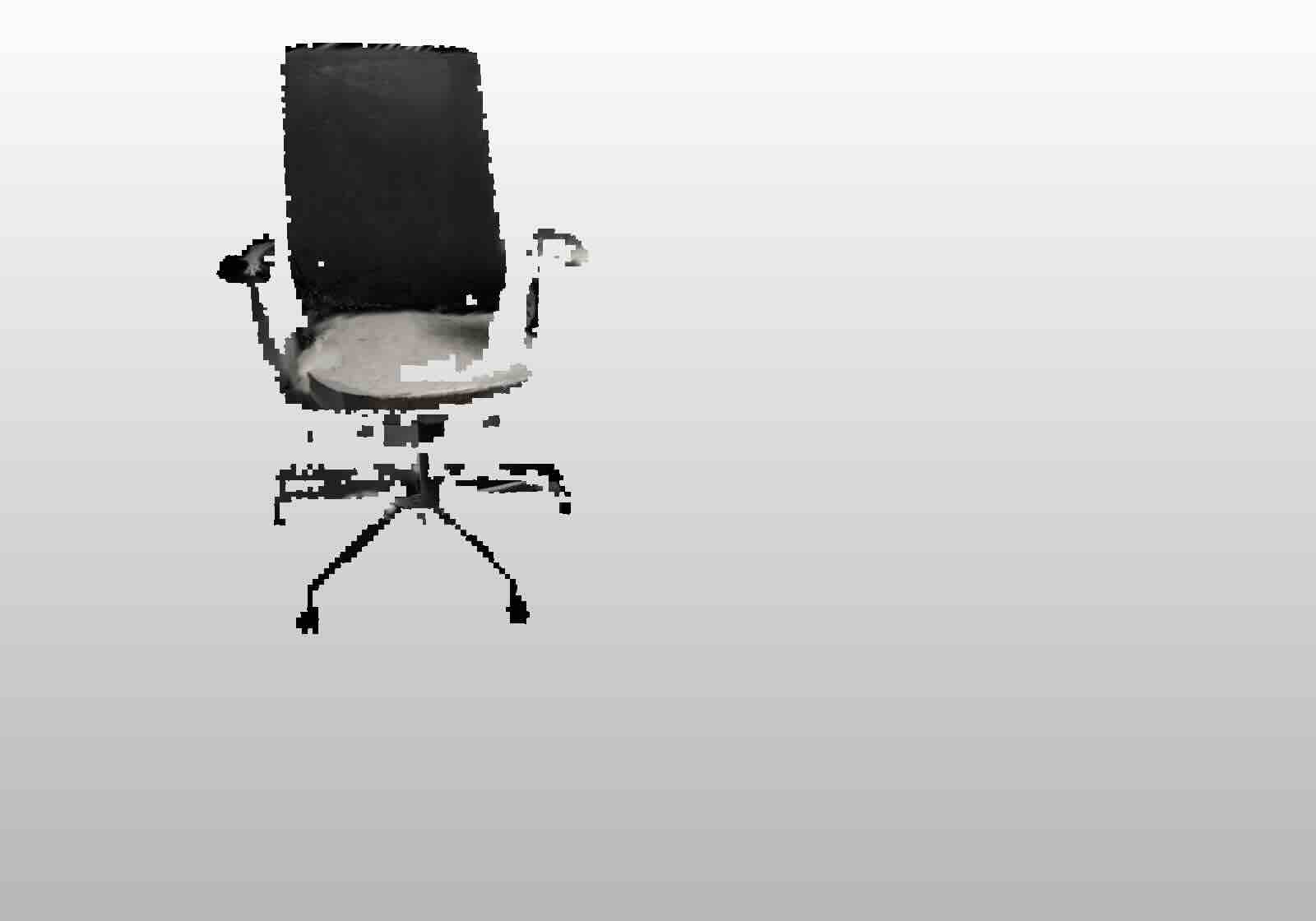
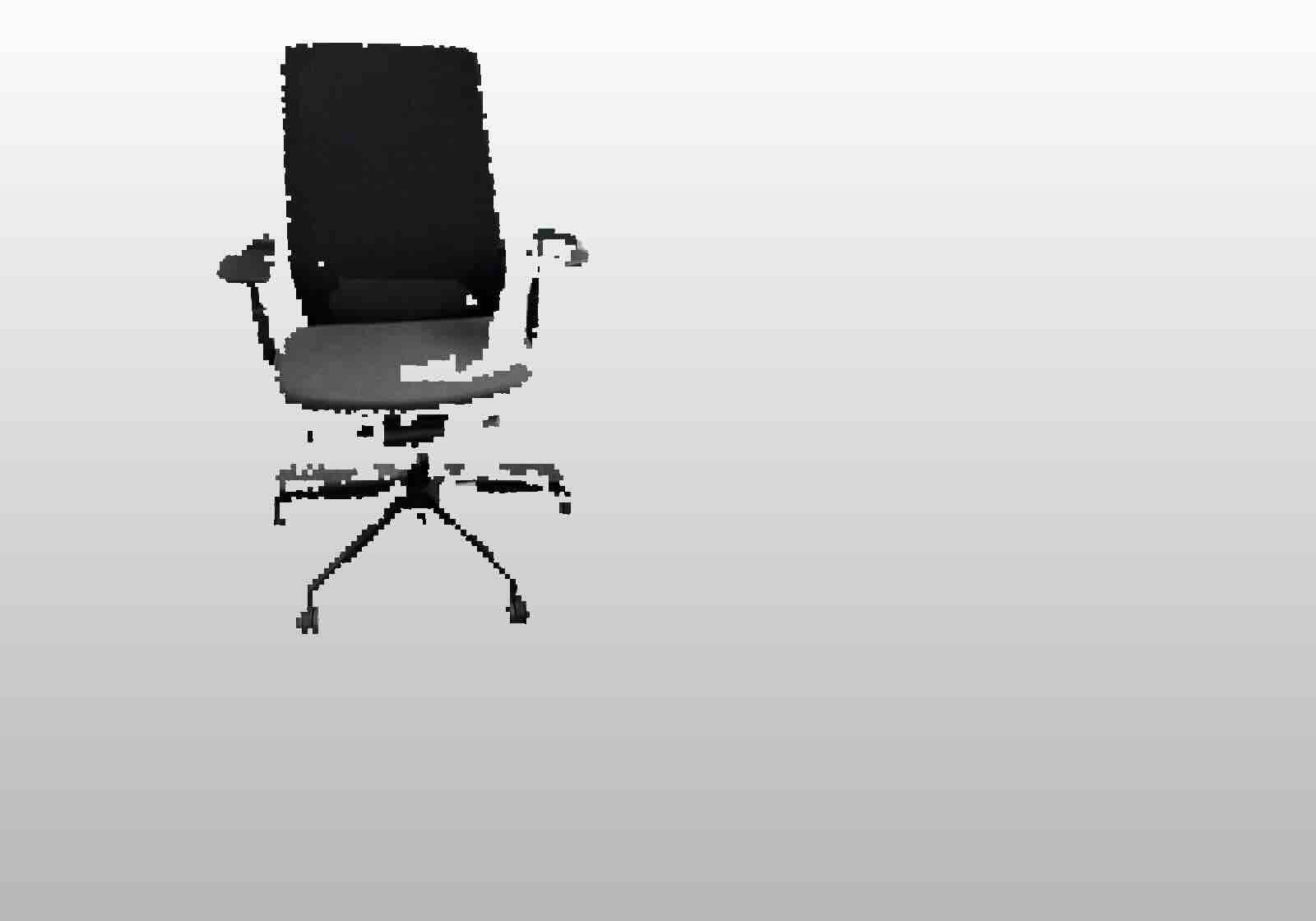
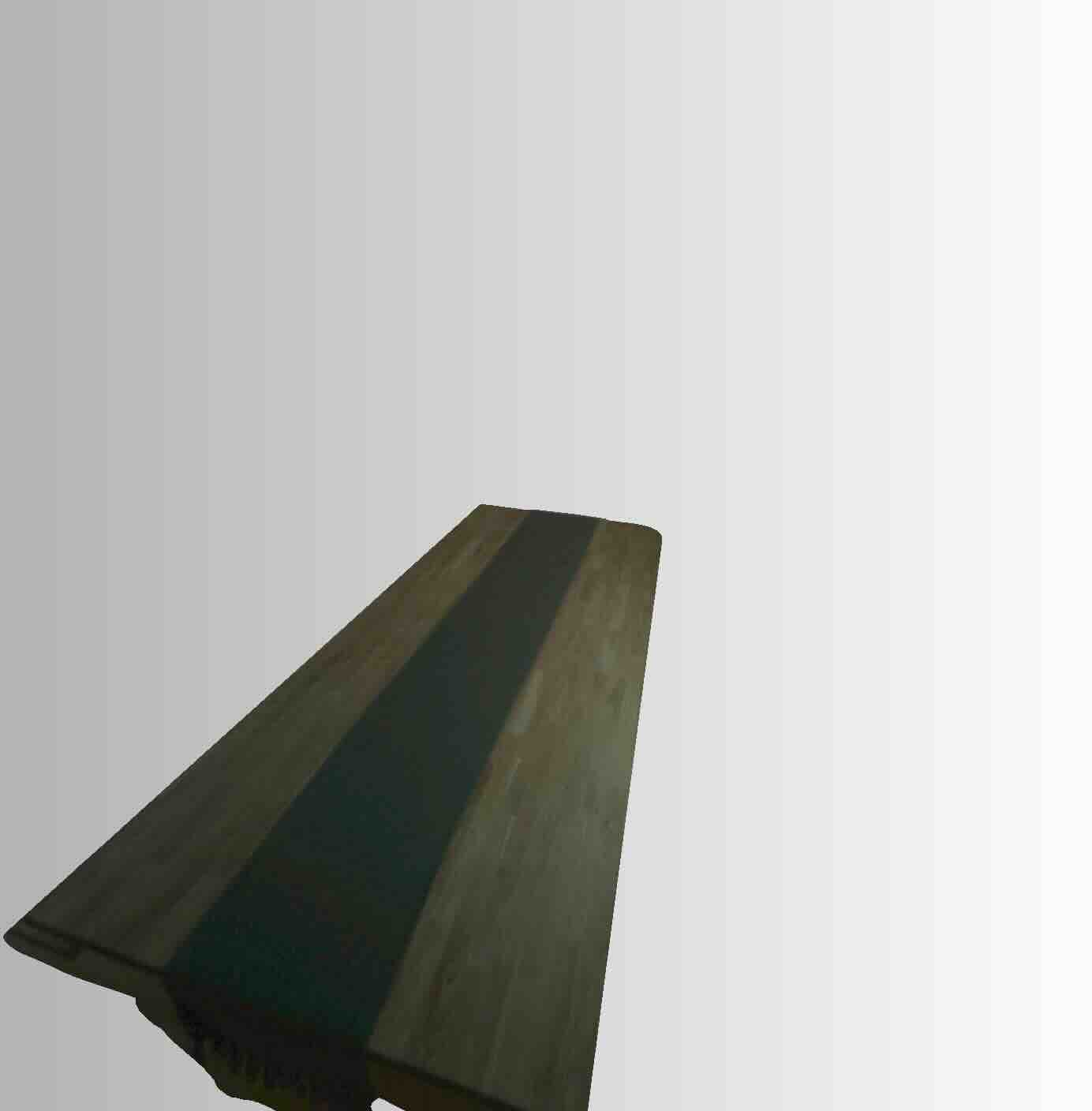
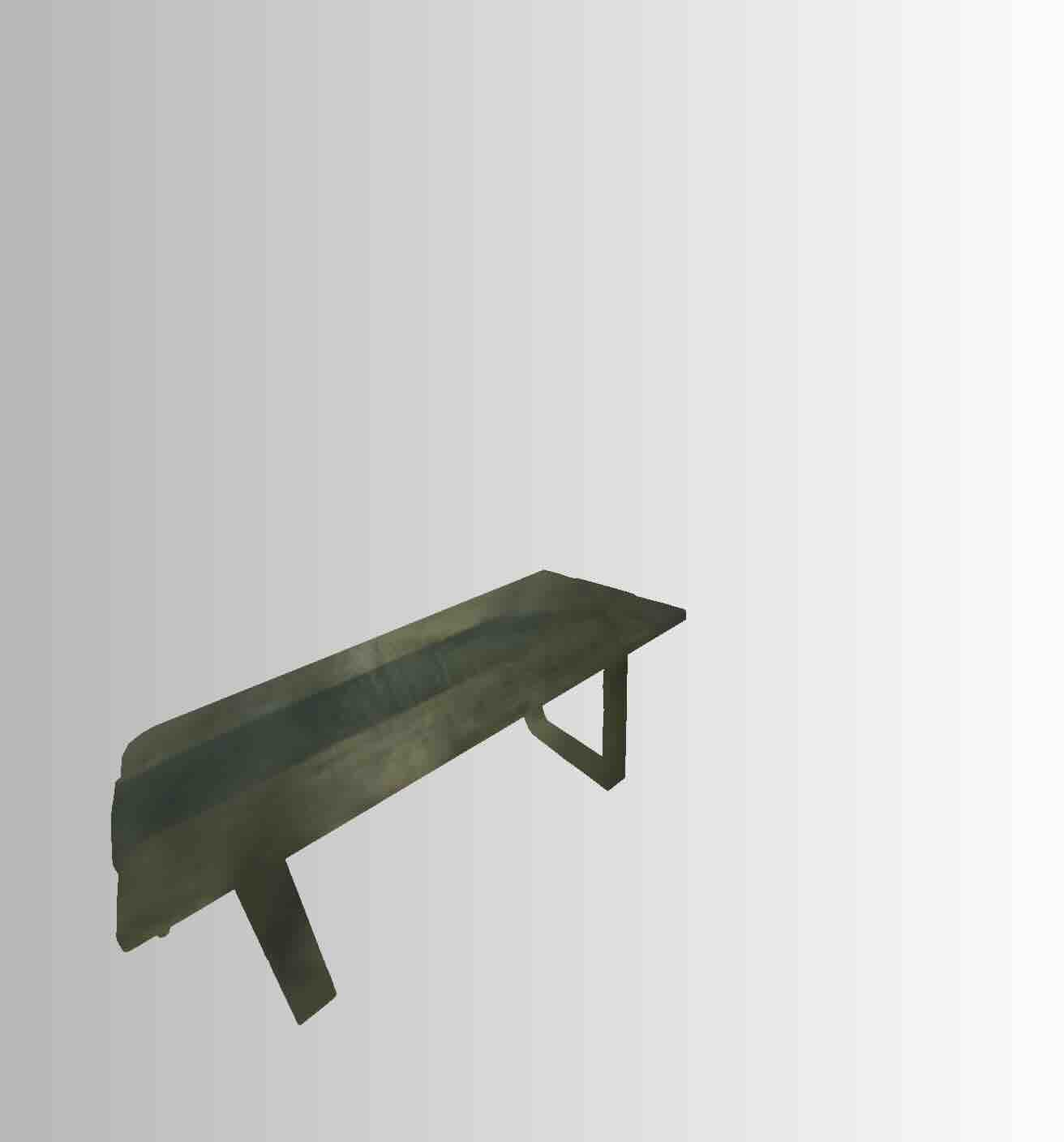
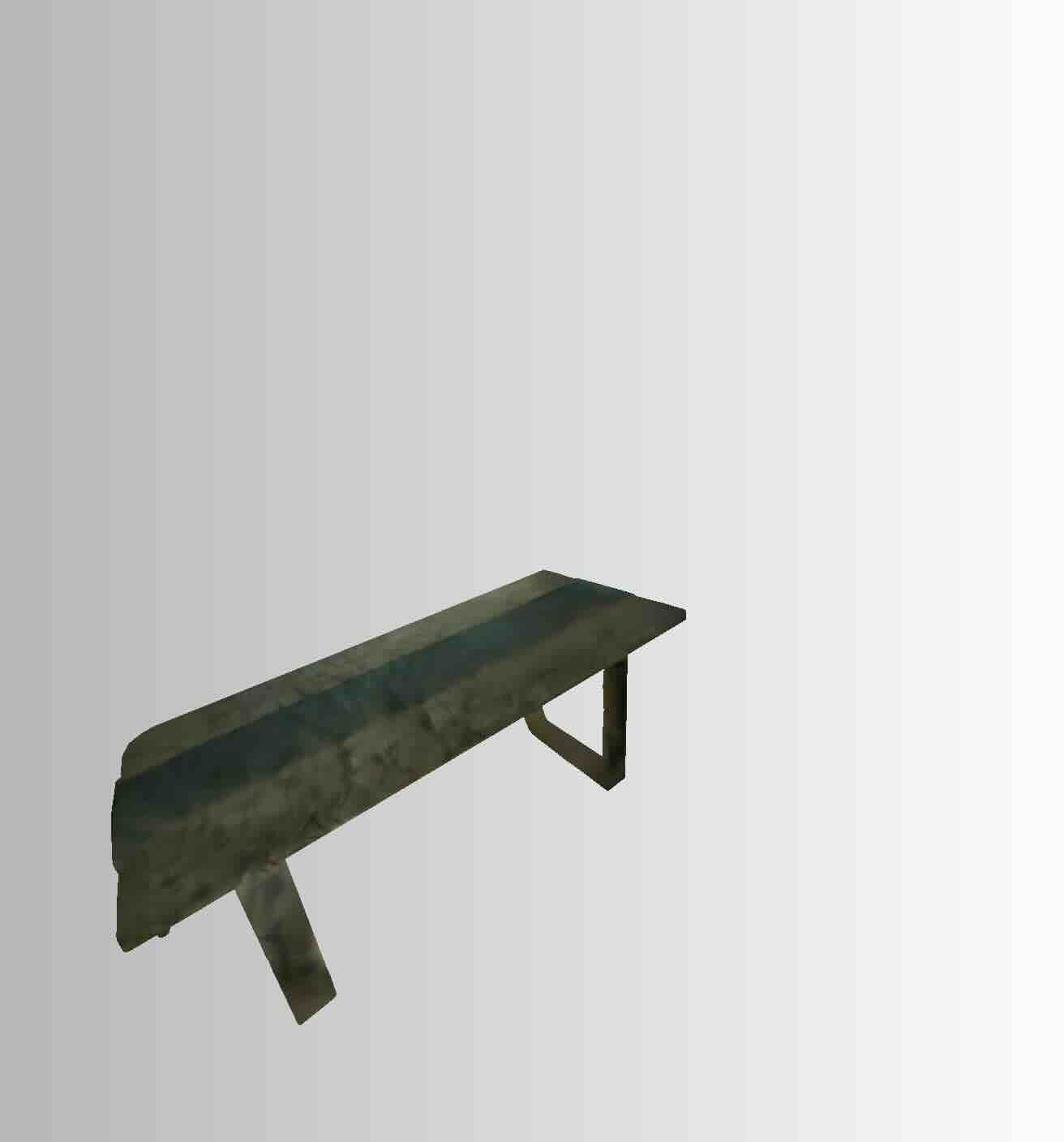
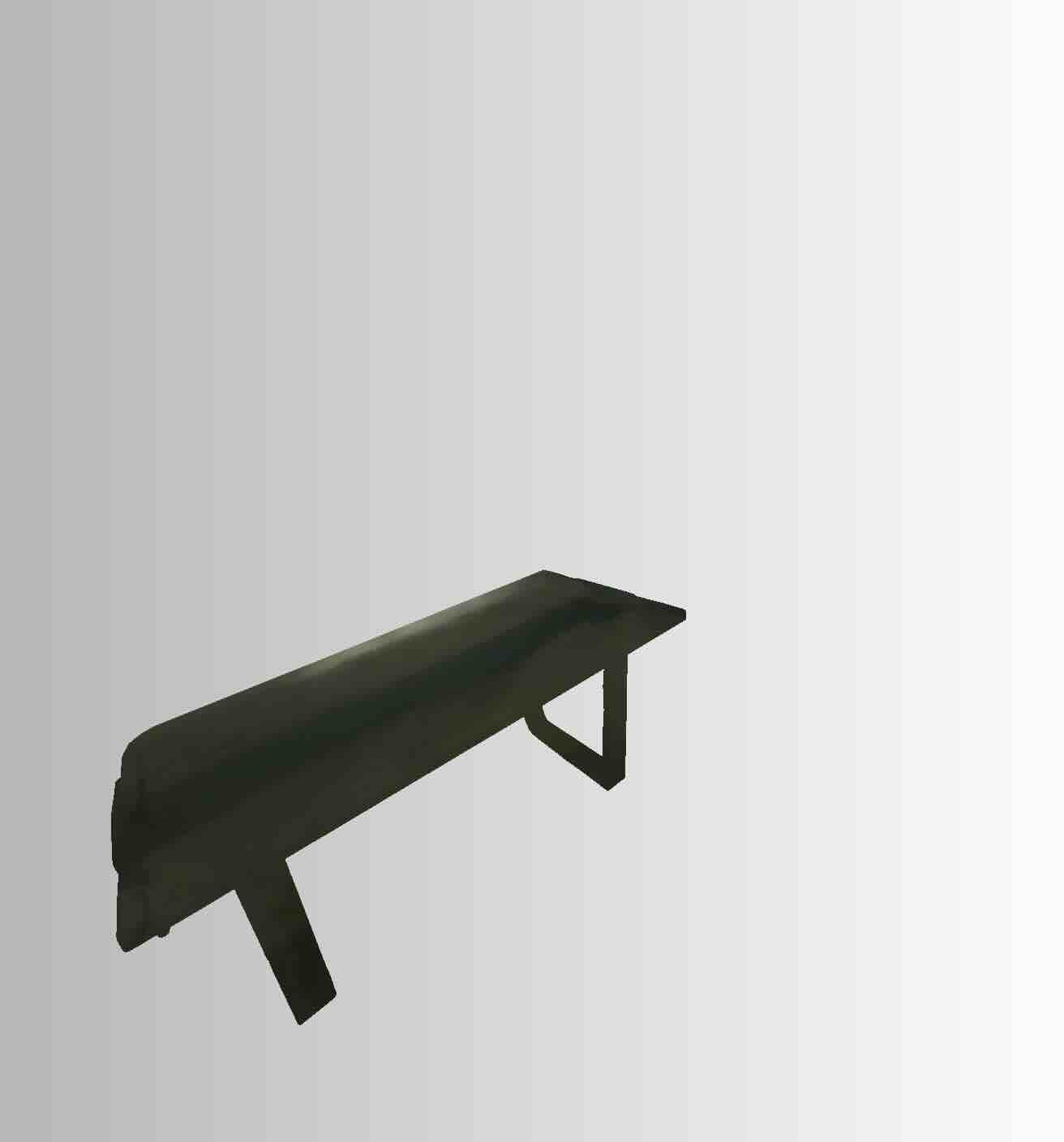
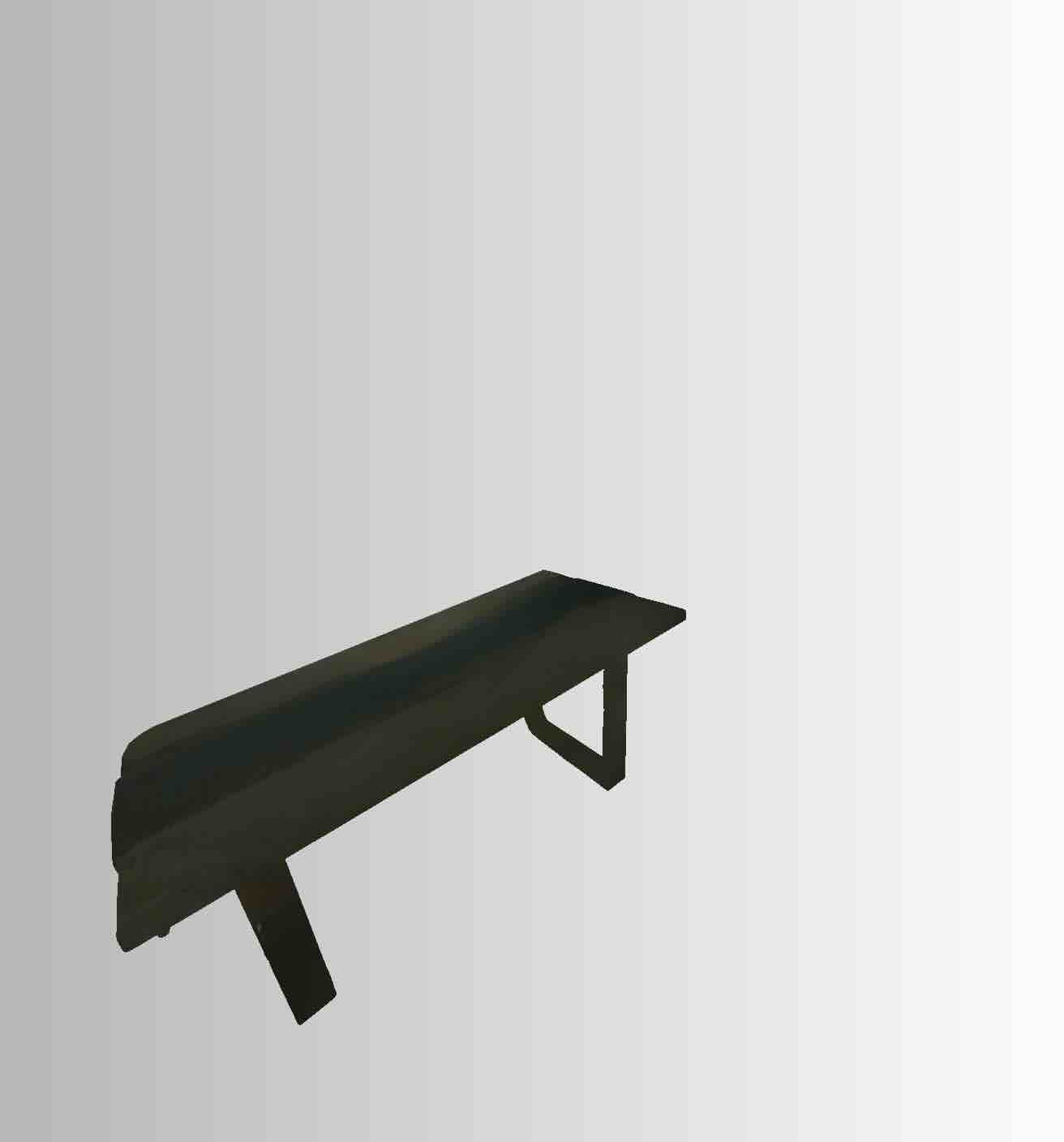
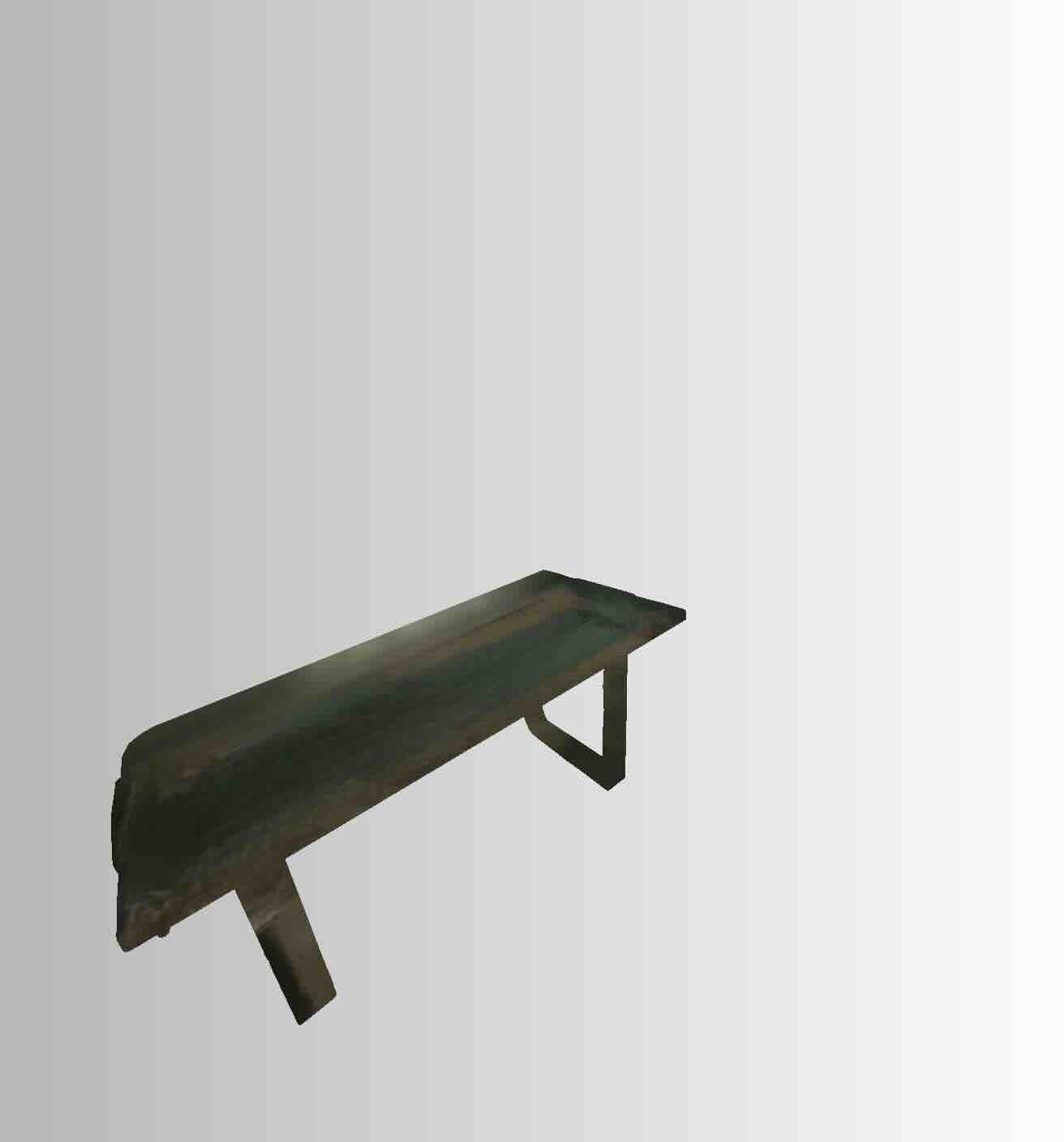
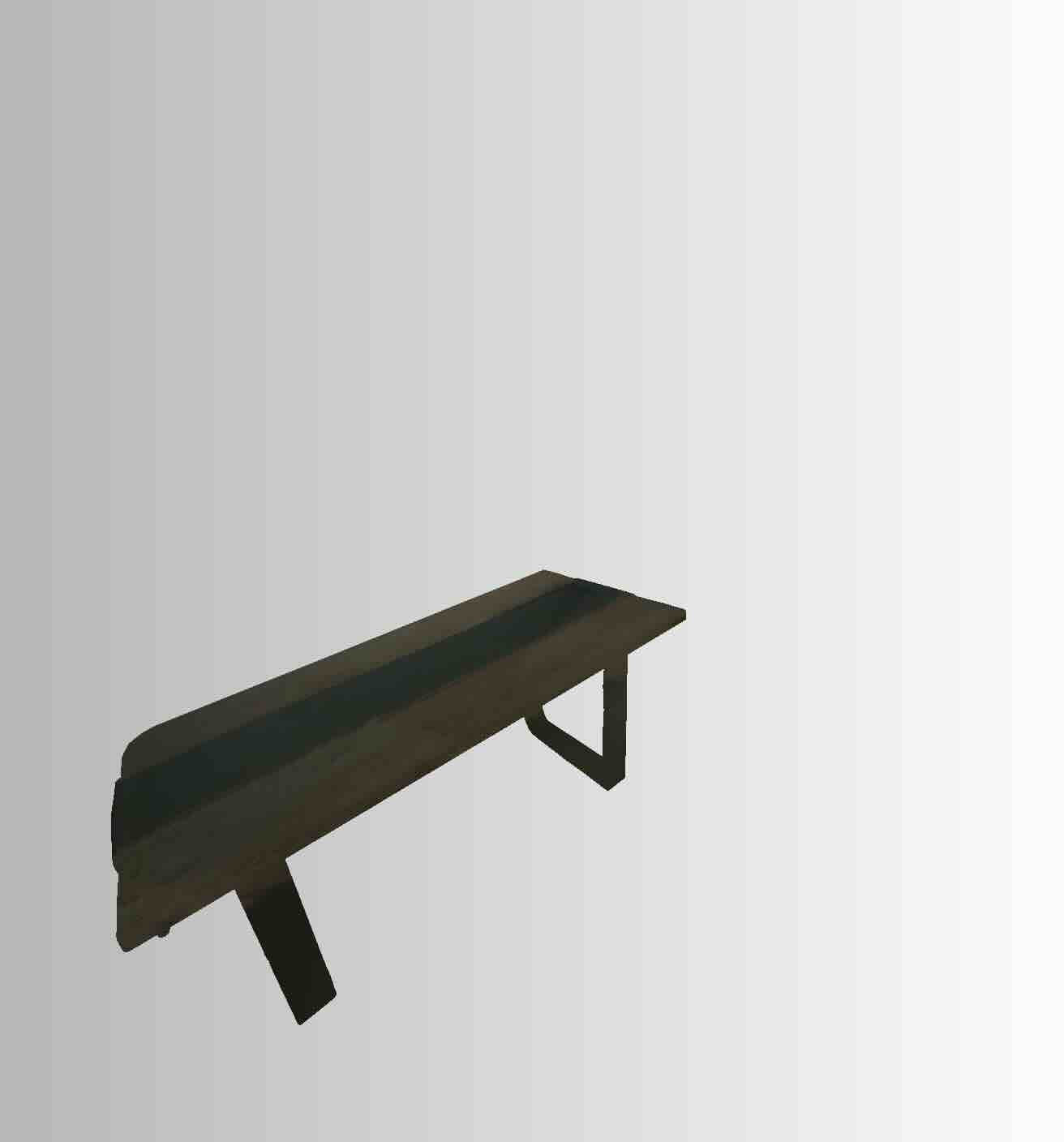
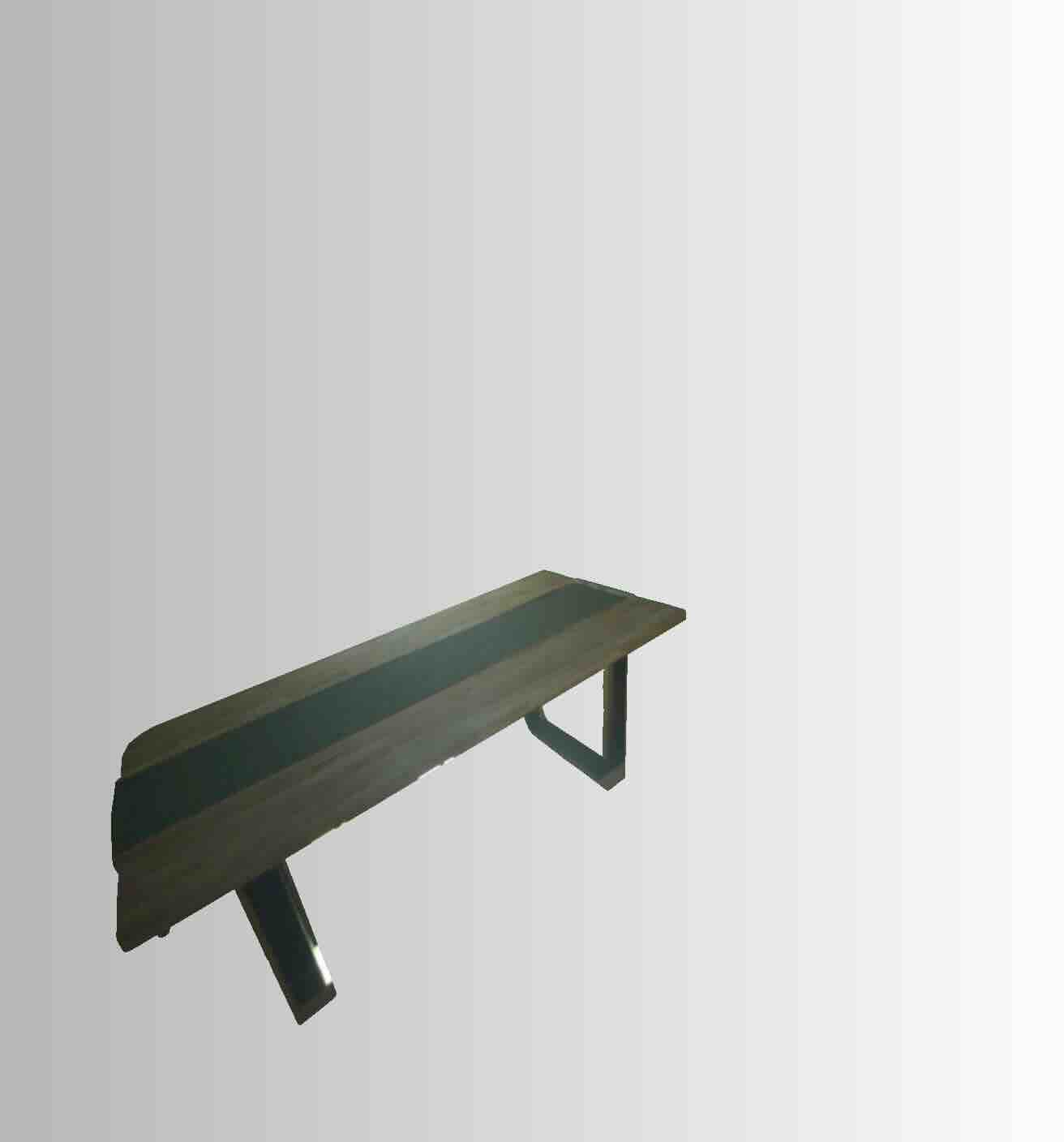
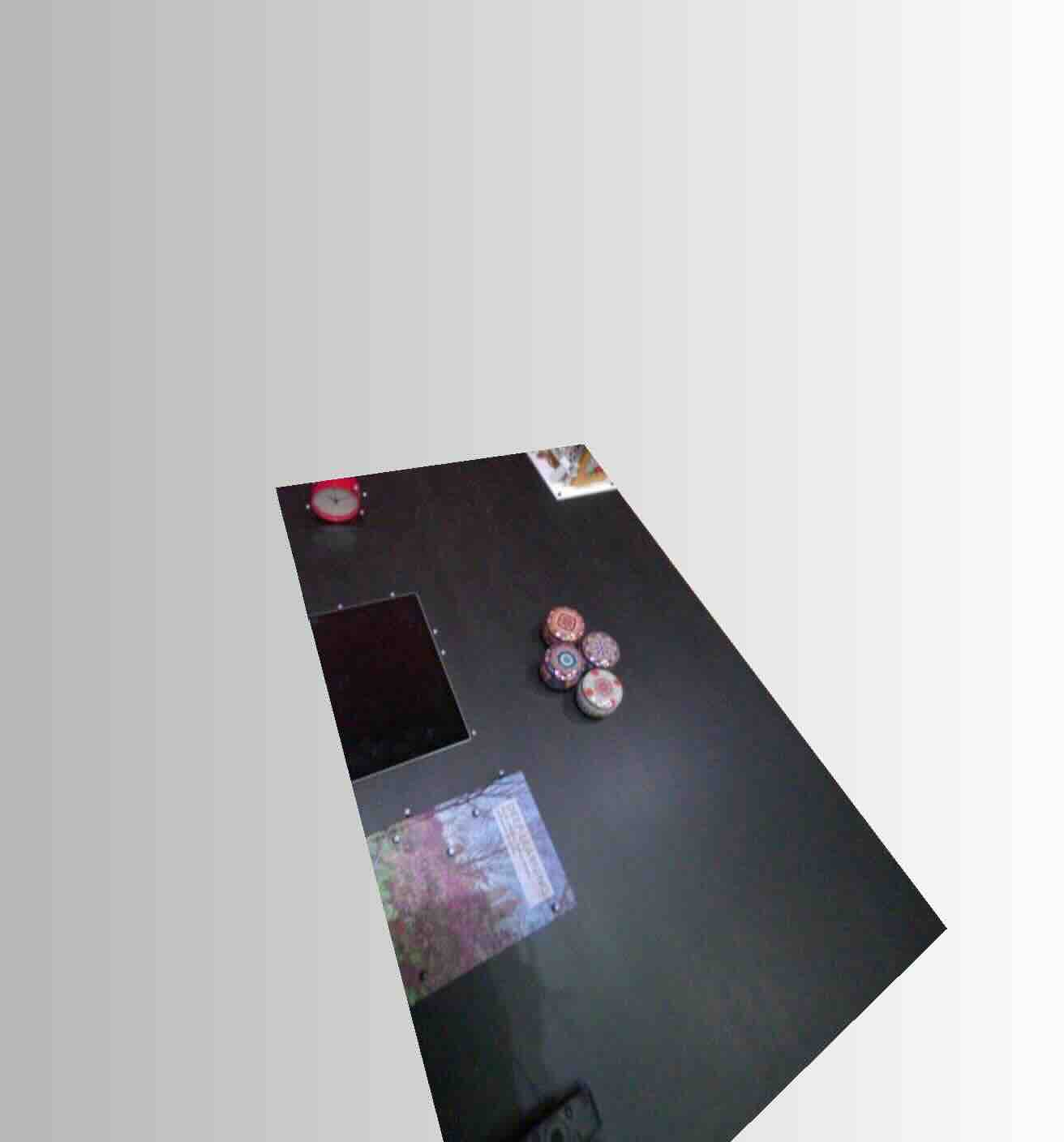
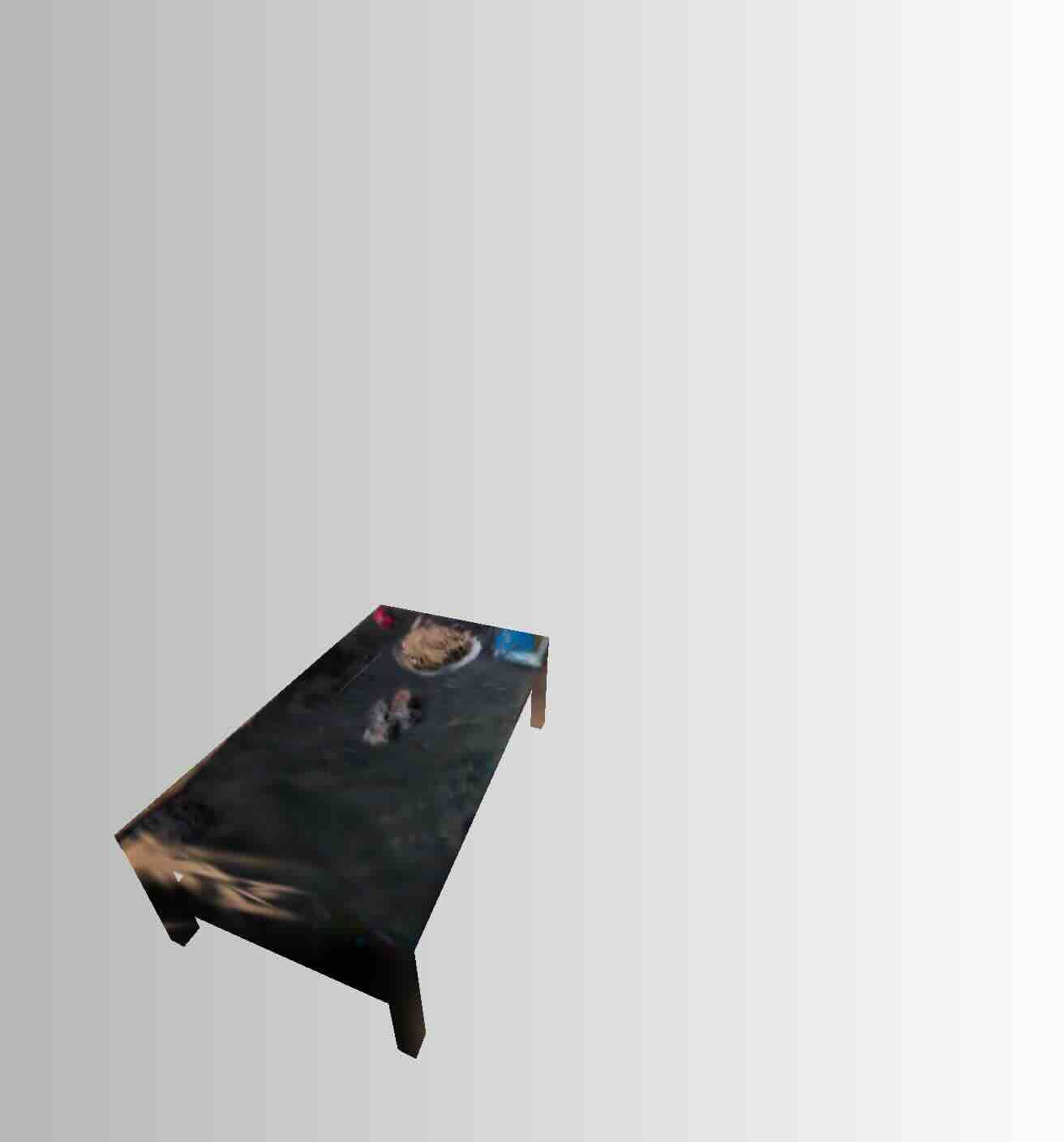
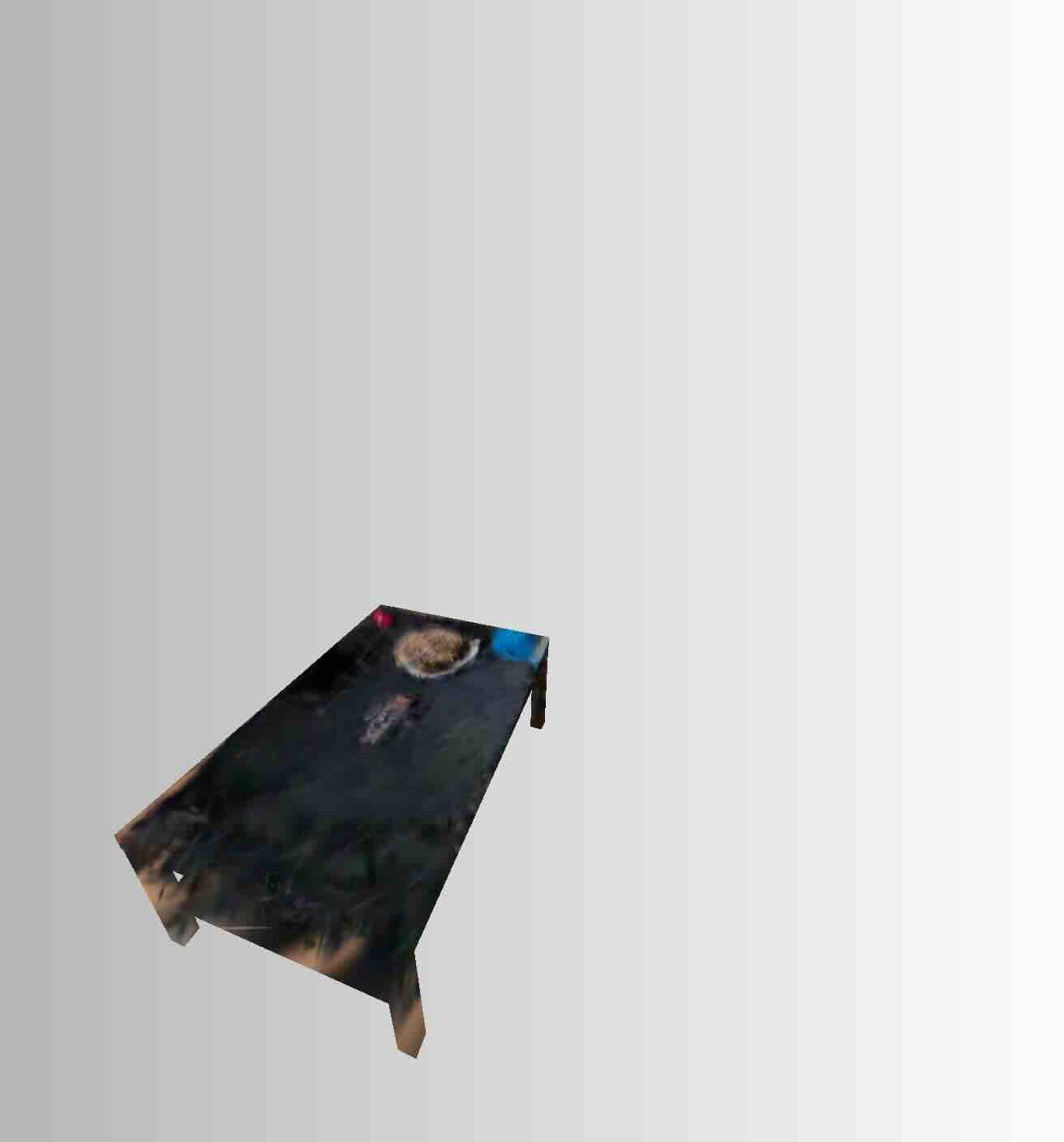
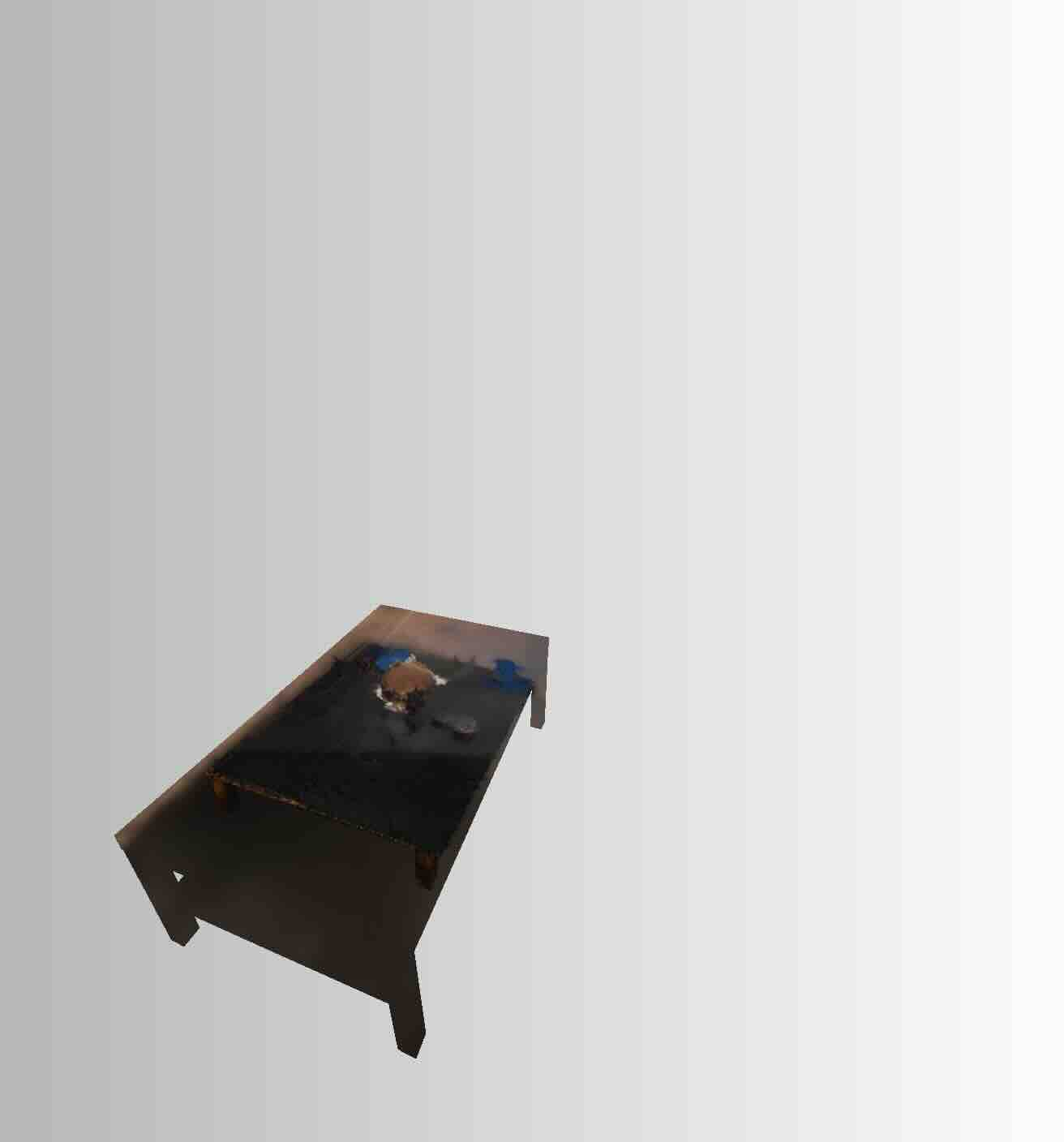
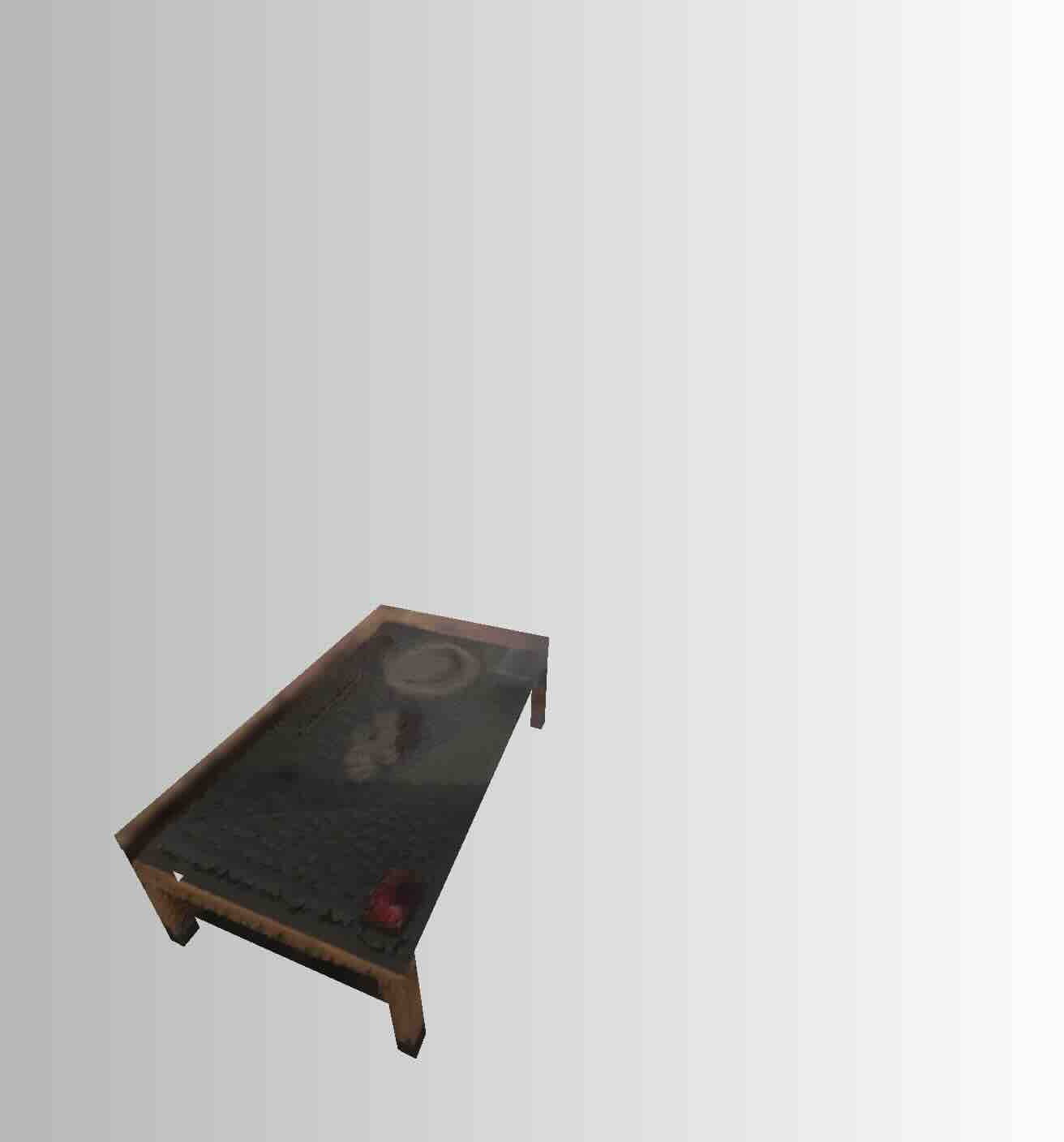
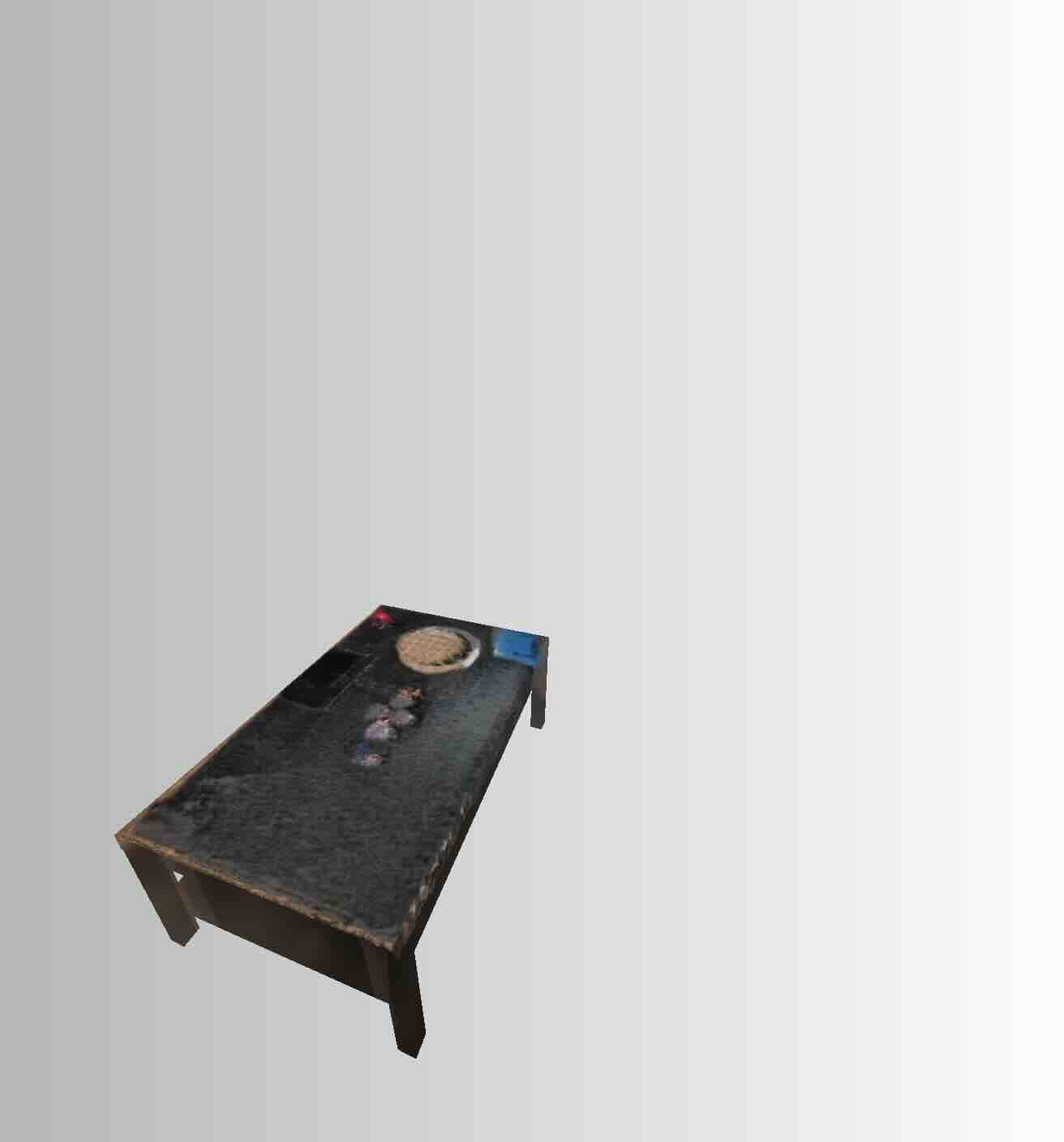
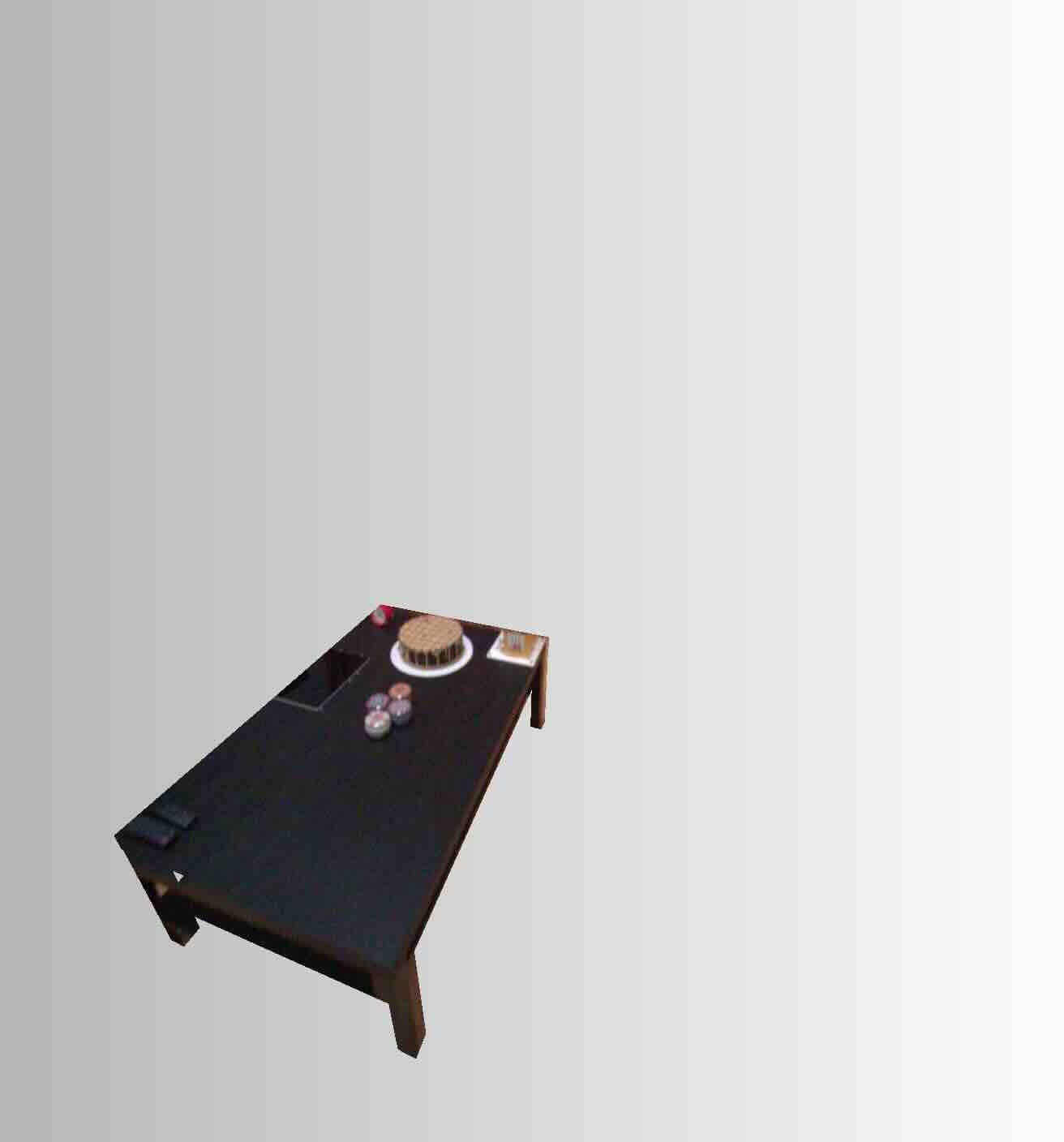
Figure 6: Novel view synthesis on real-world samples. FlowObject achieves sharp, view-consistent appearance in highly occluded scenarios, outperforming 3DGS and generative diffusion pipelines.
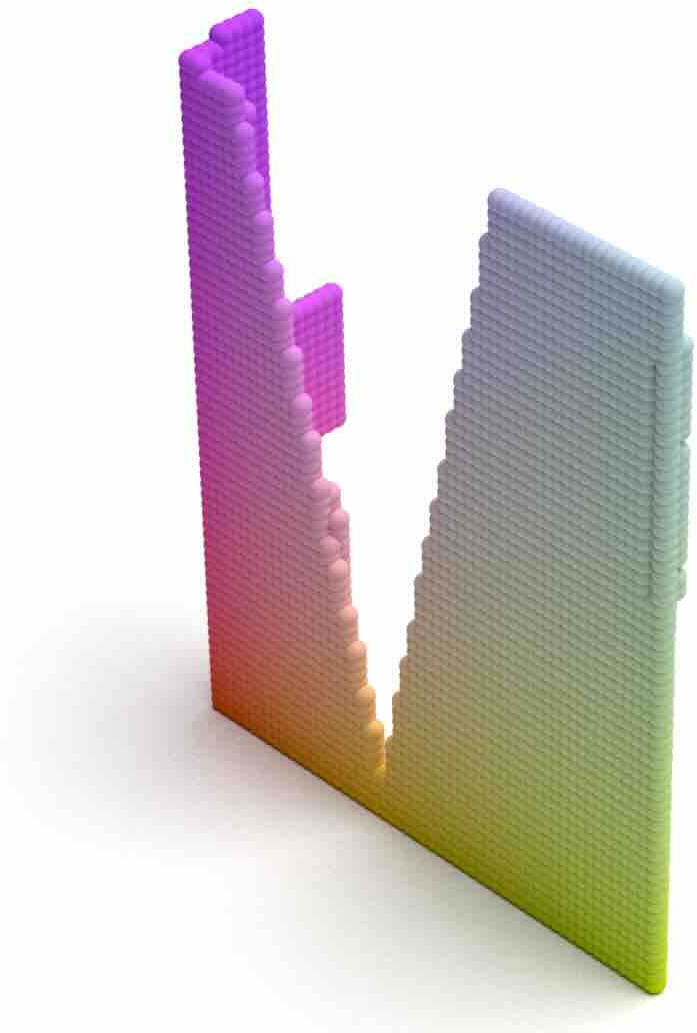
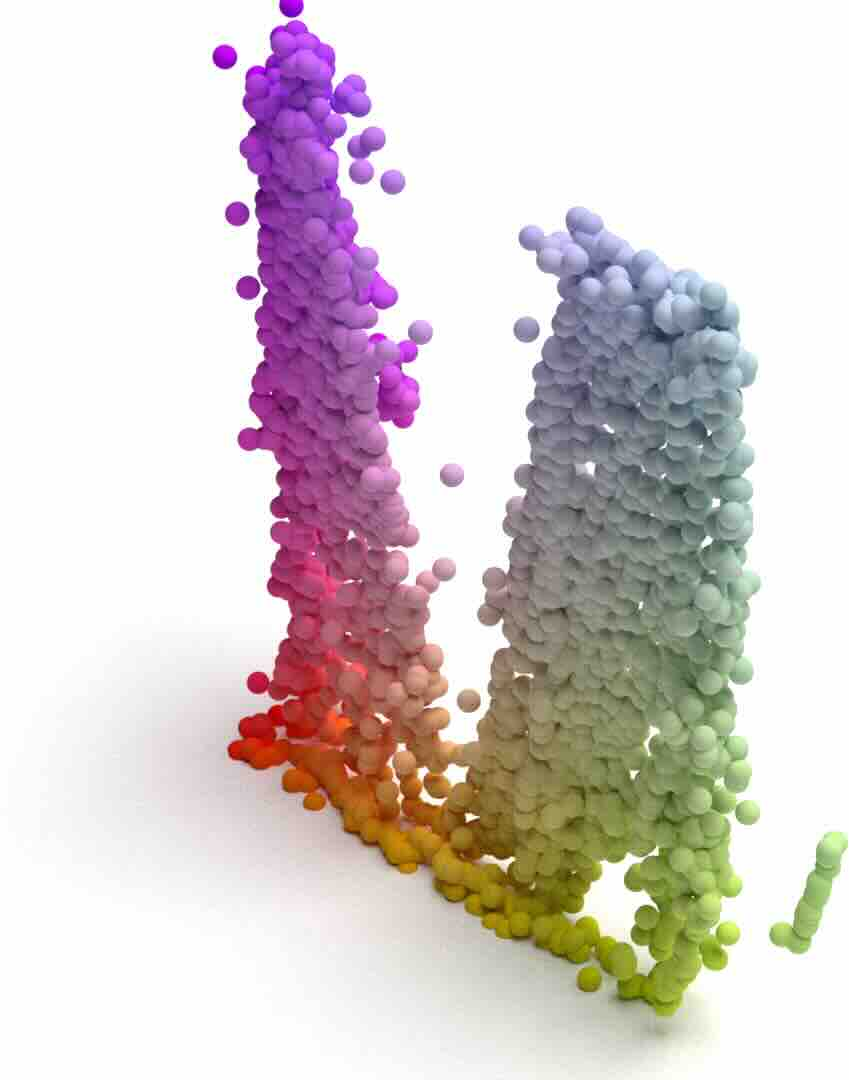
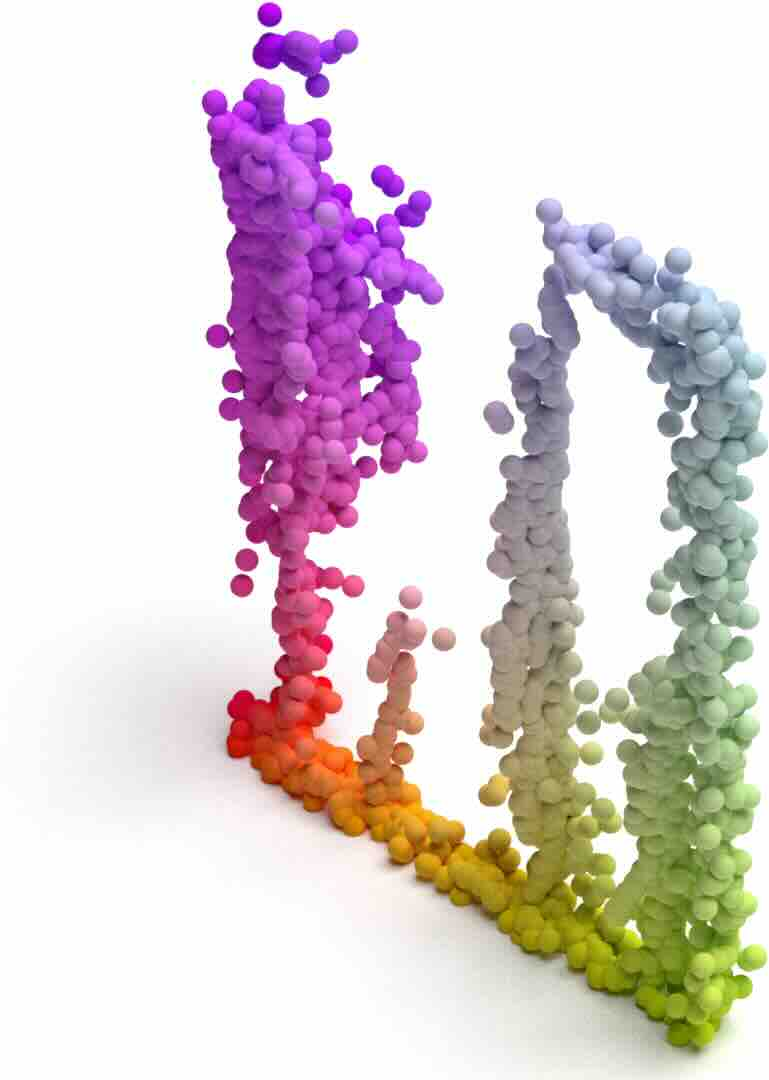
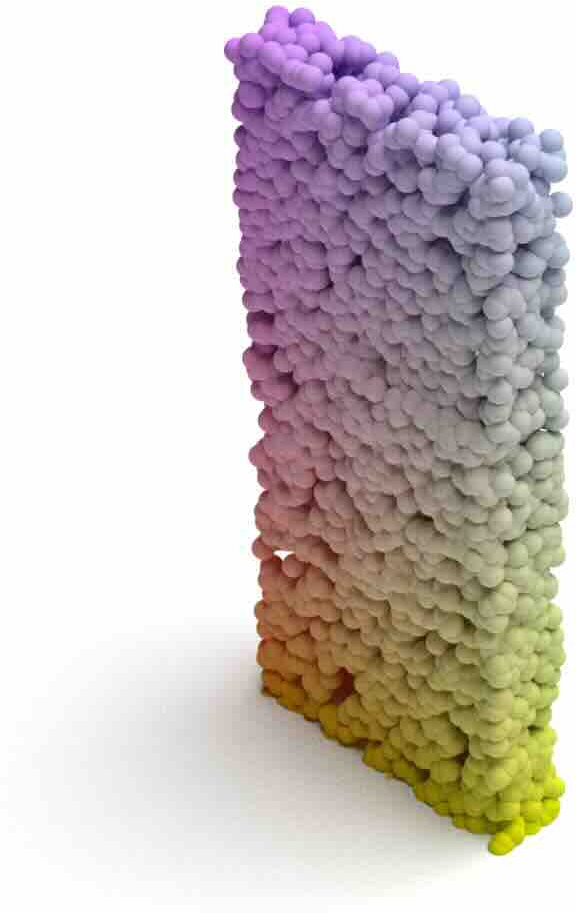
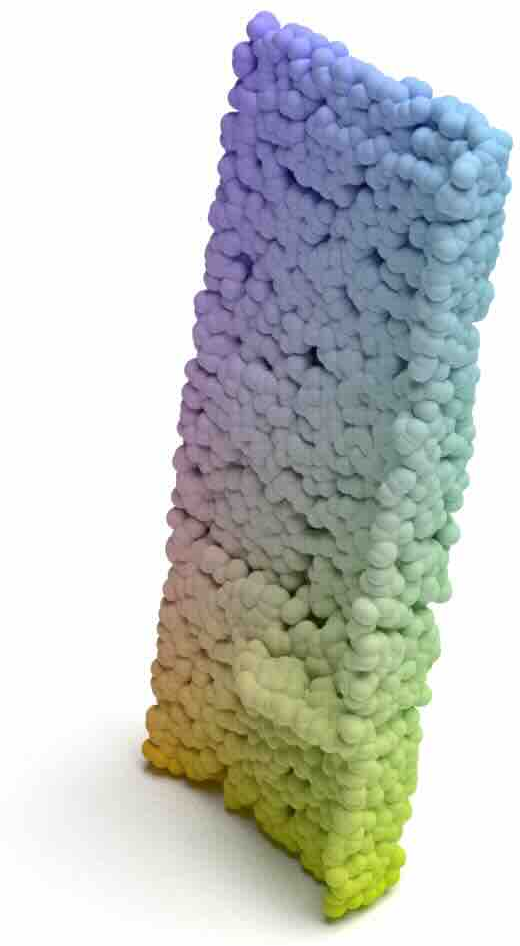
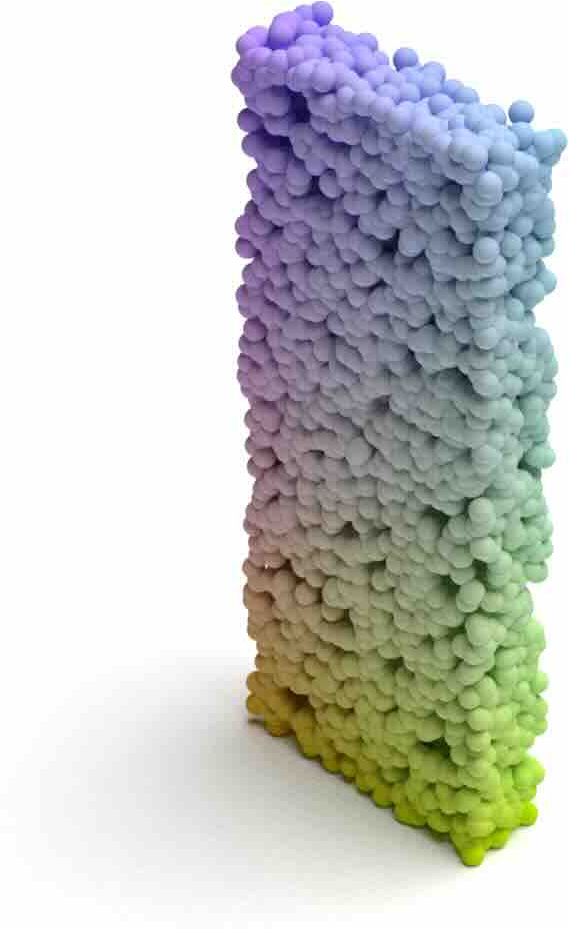
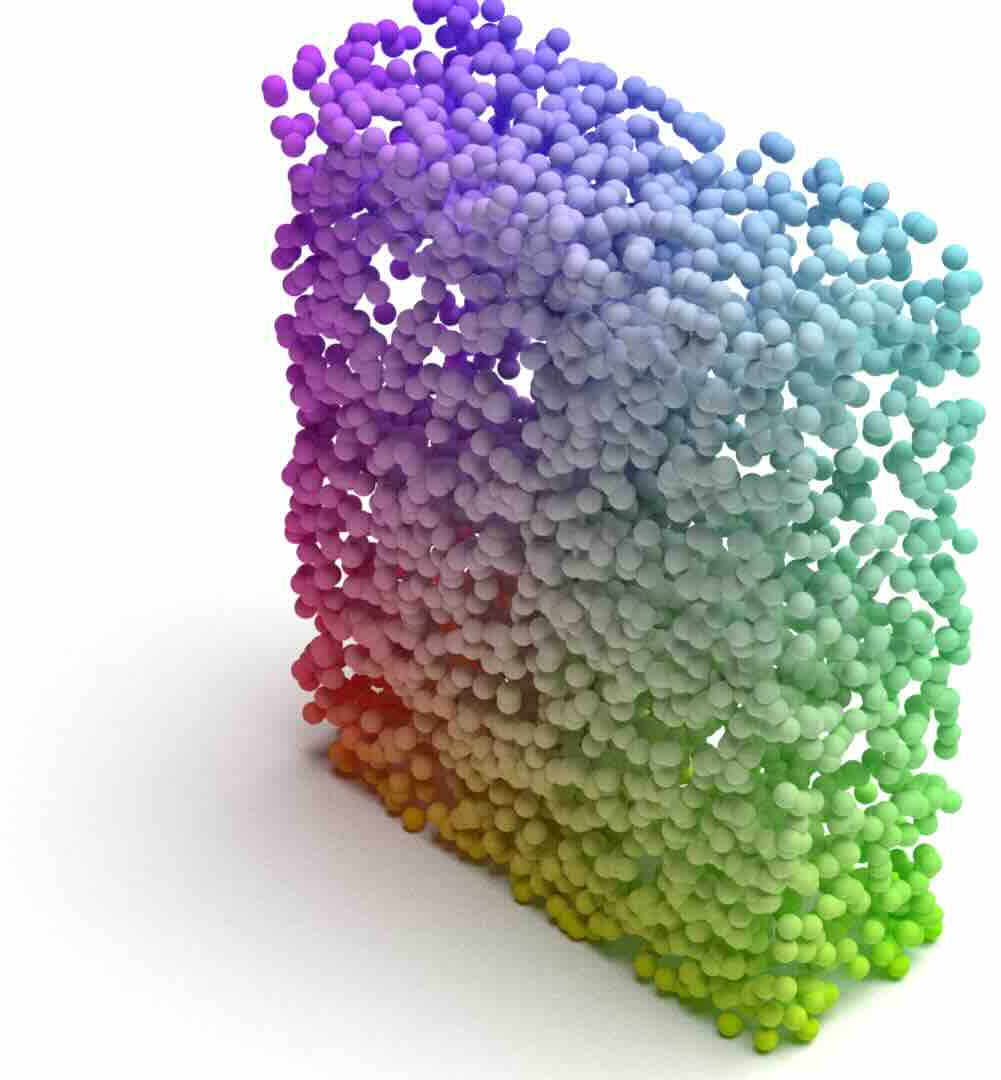
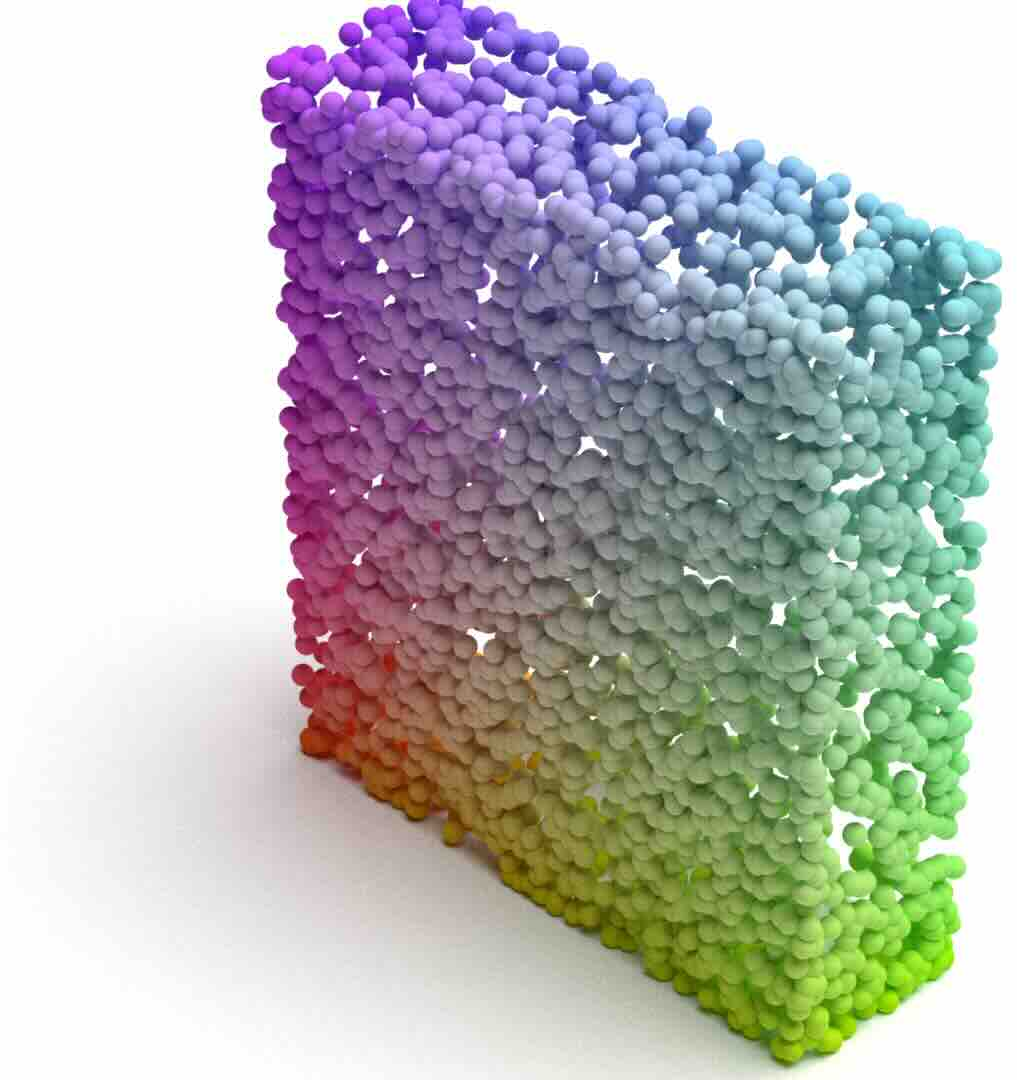
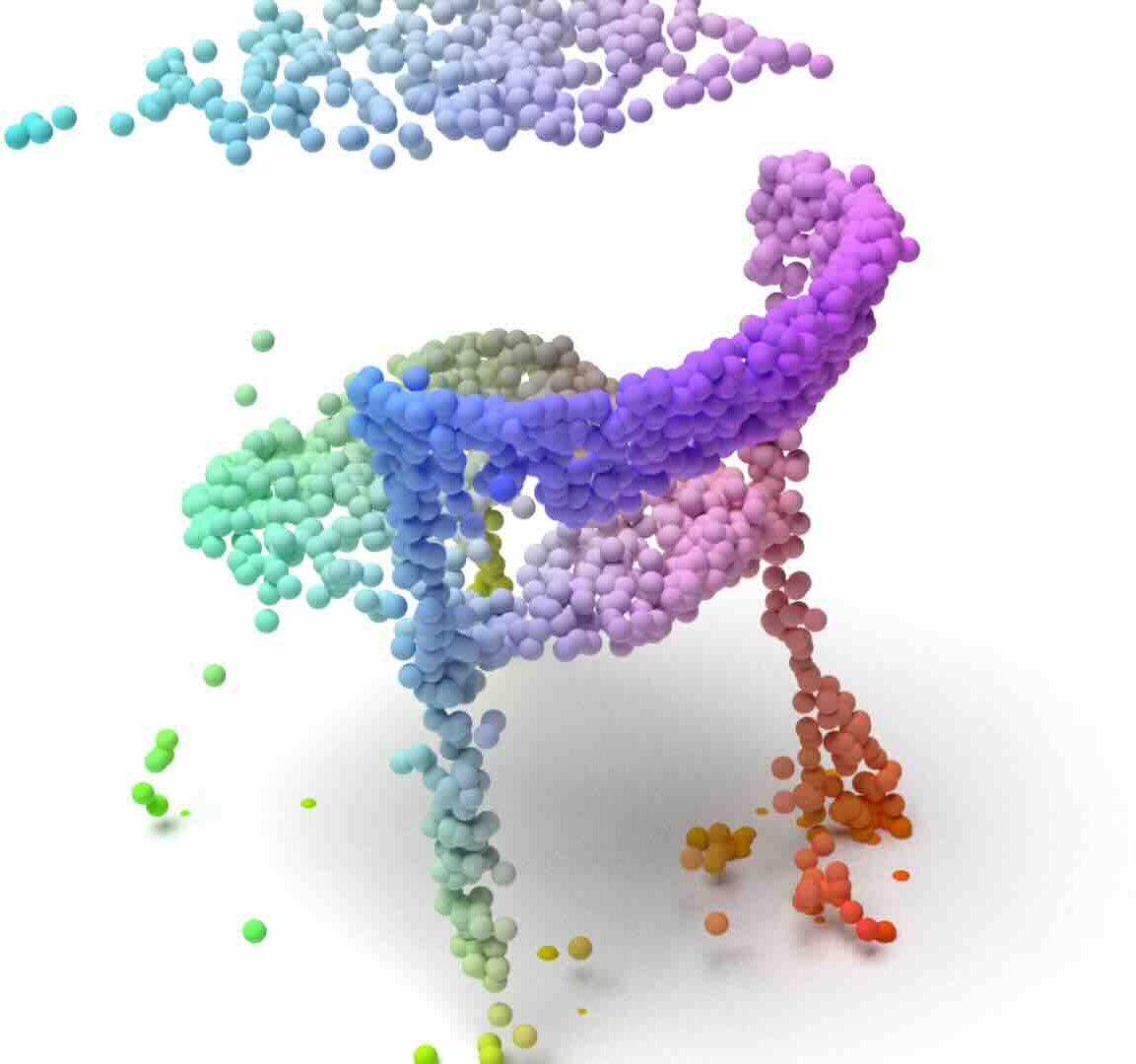
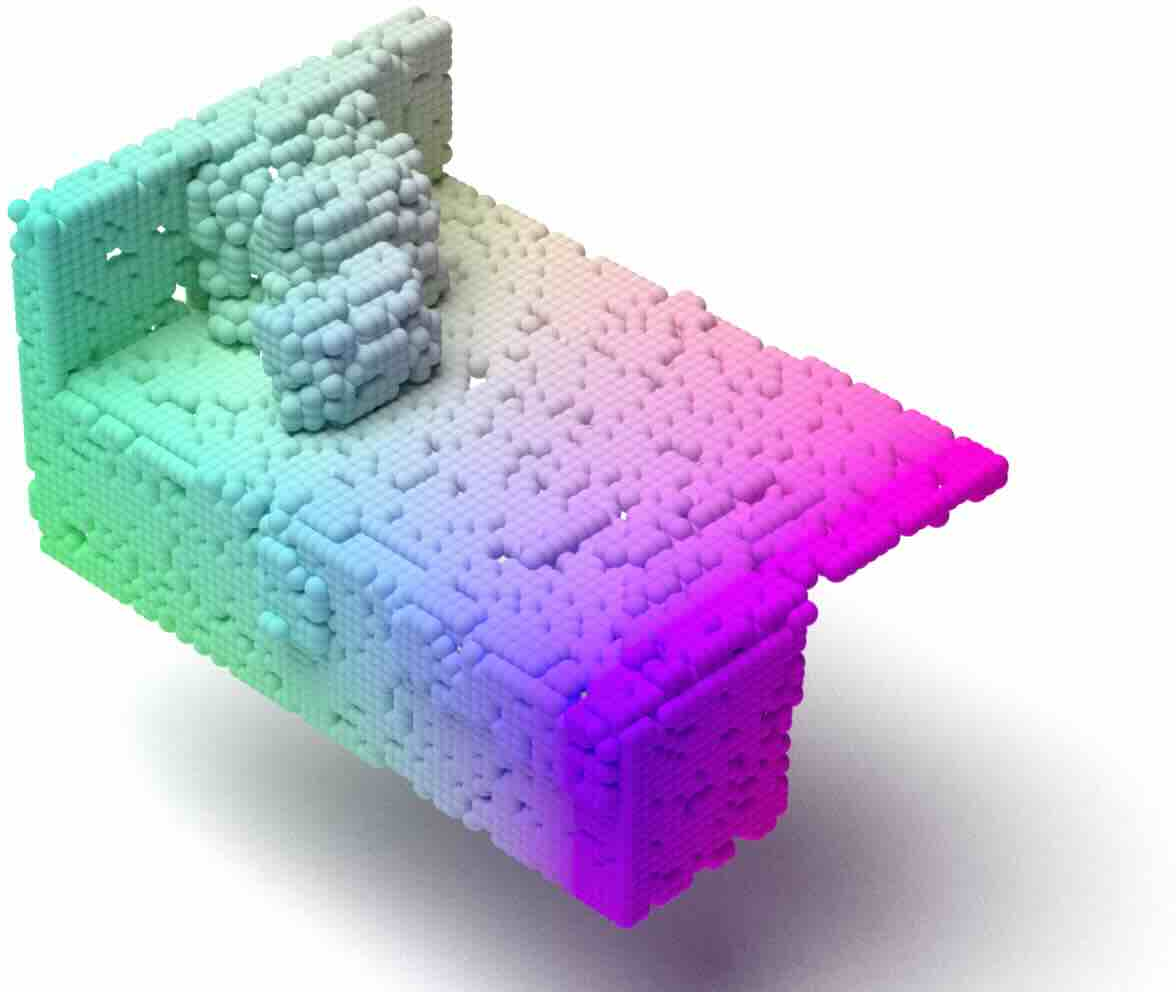
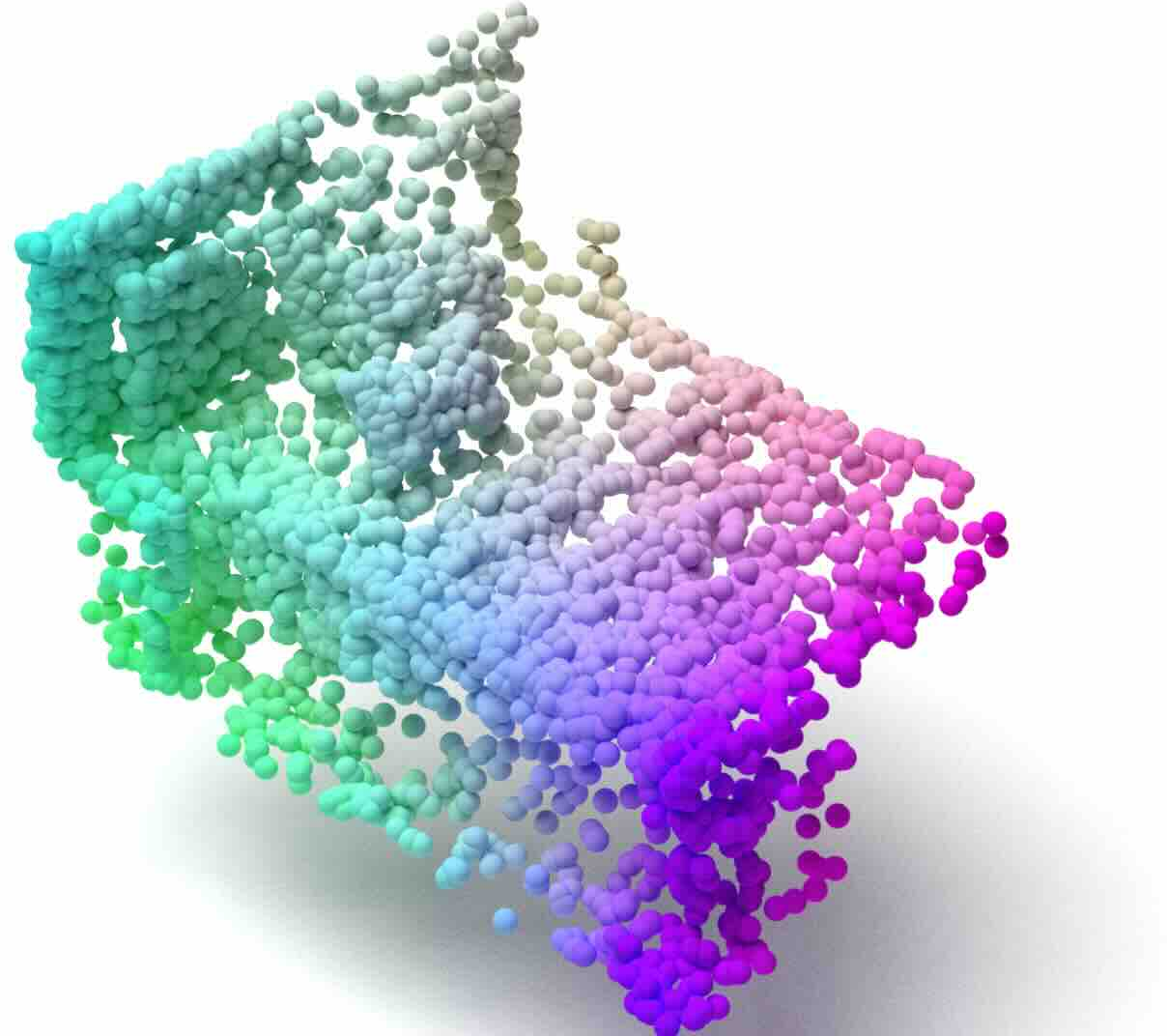
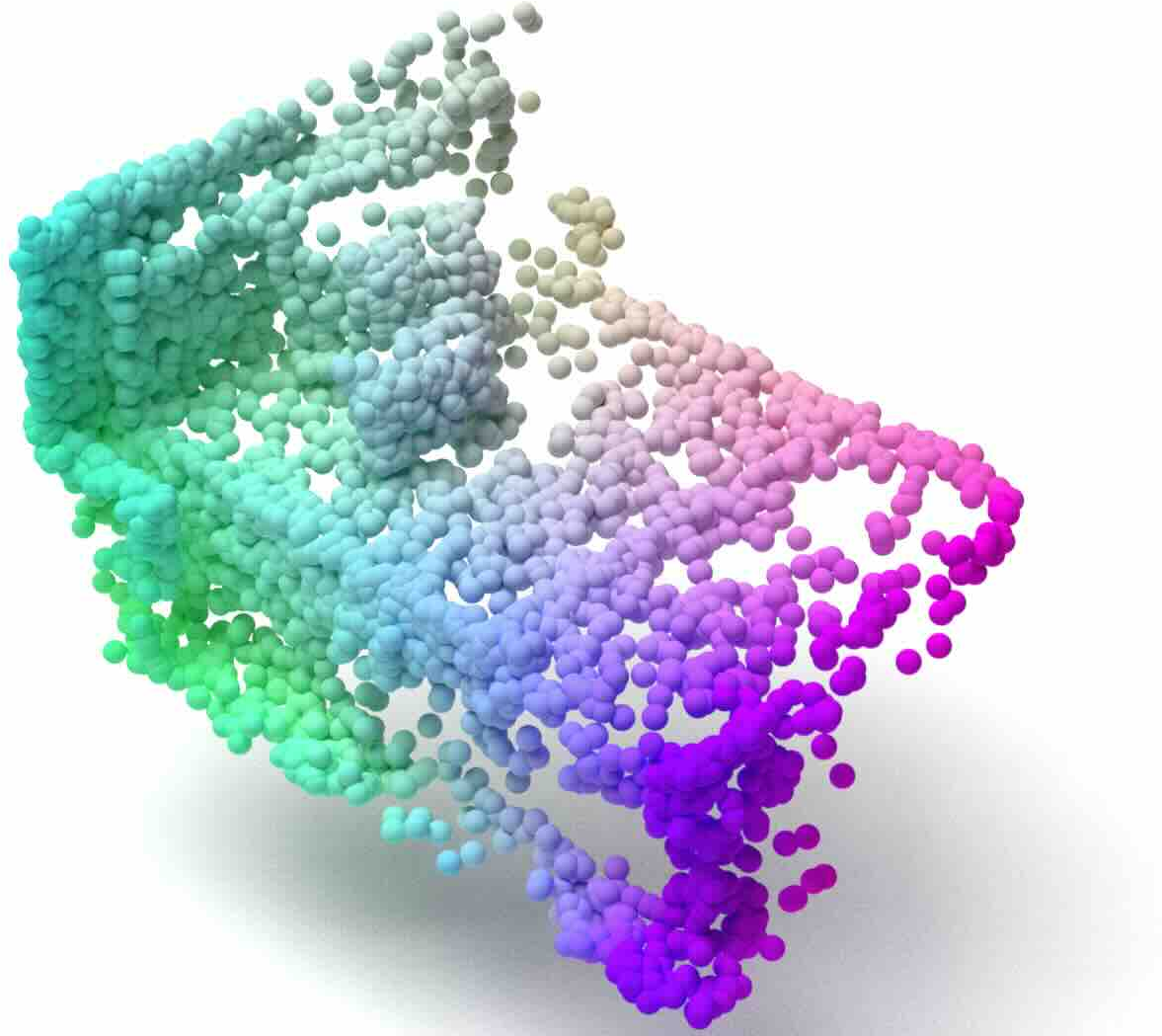
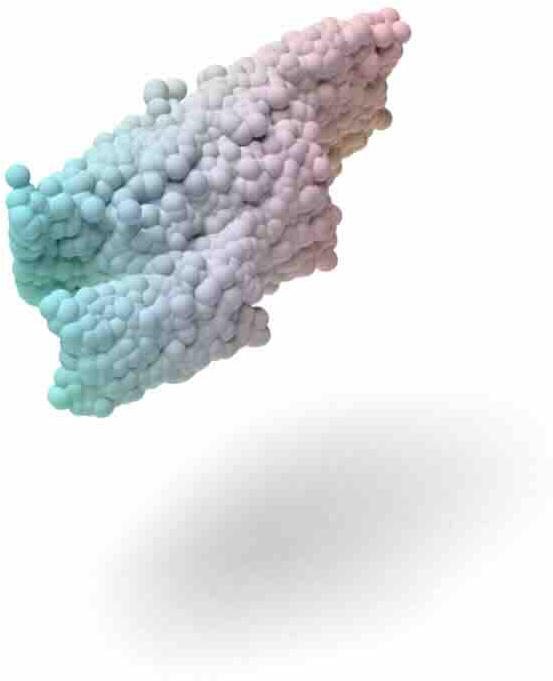
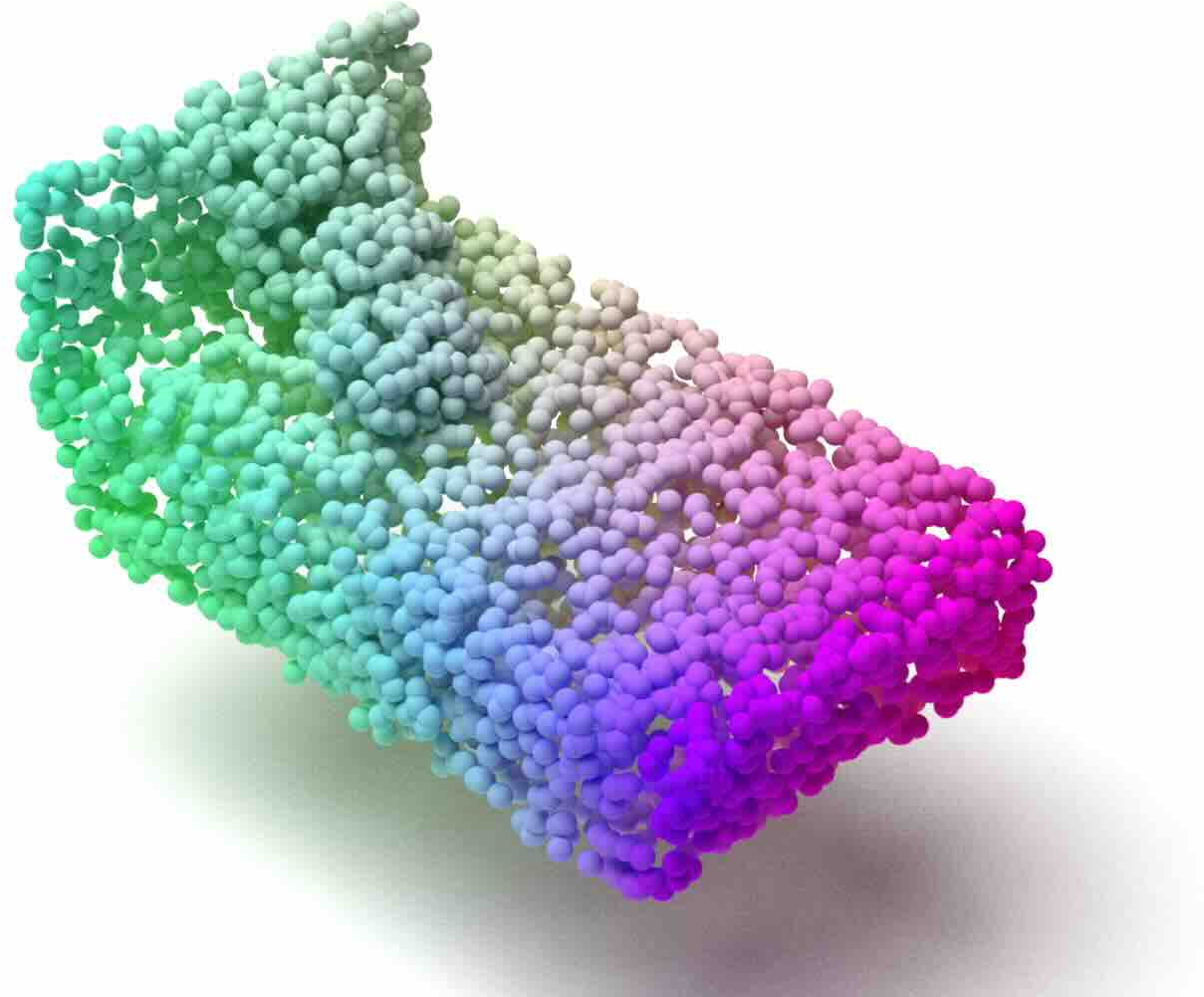
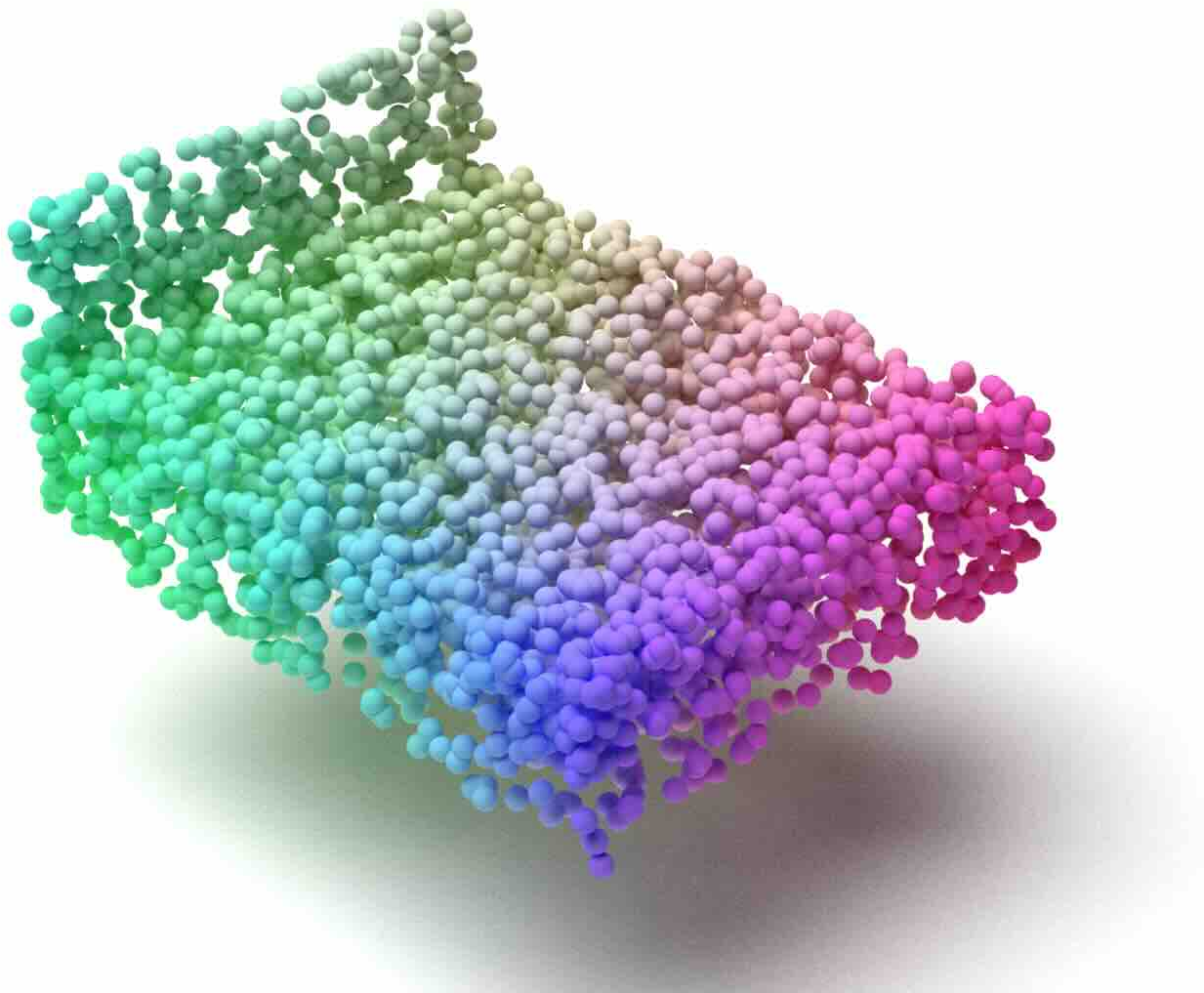
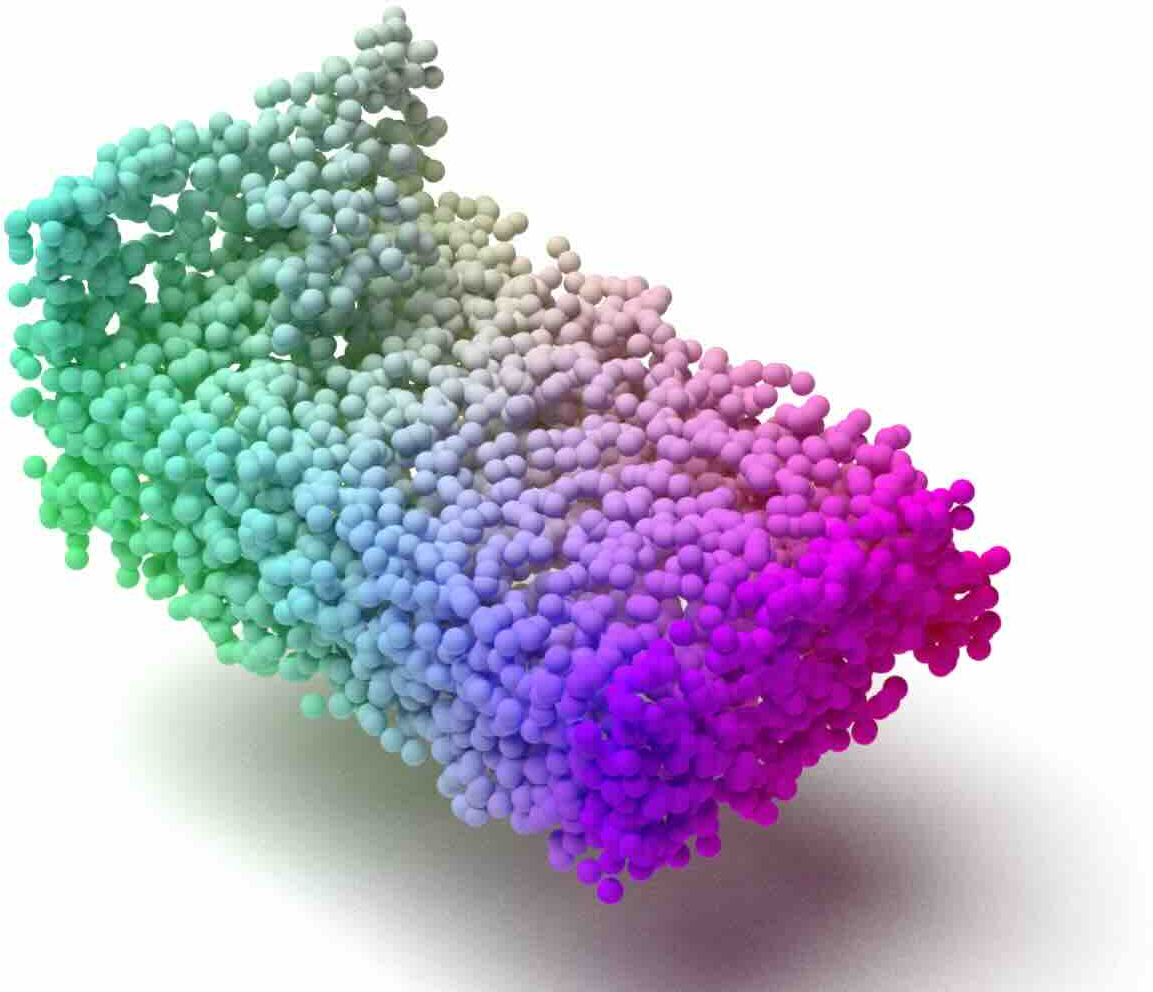
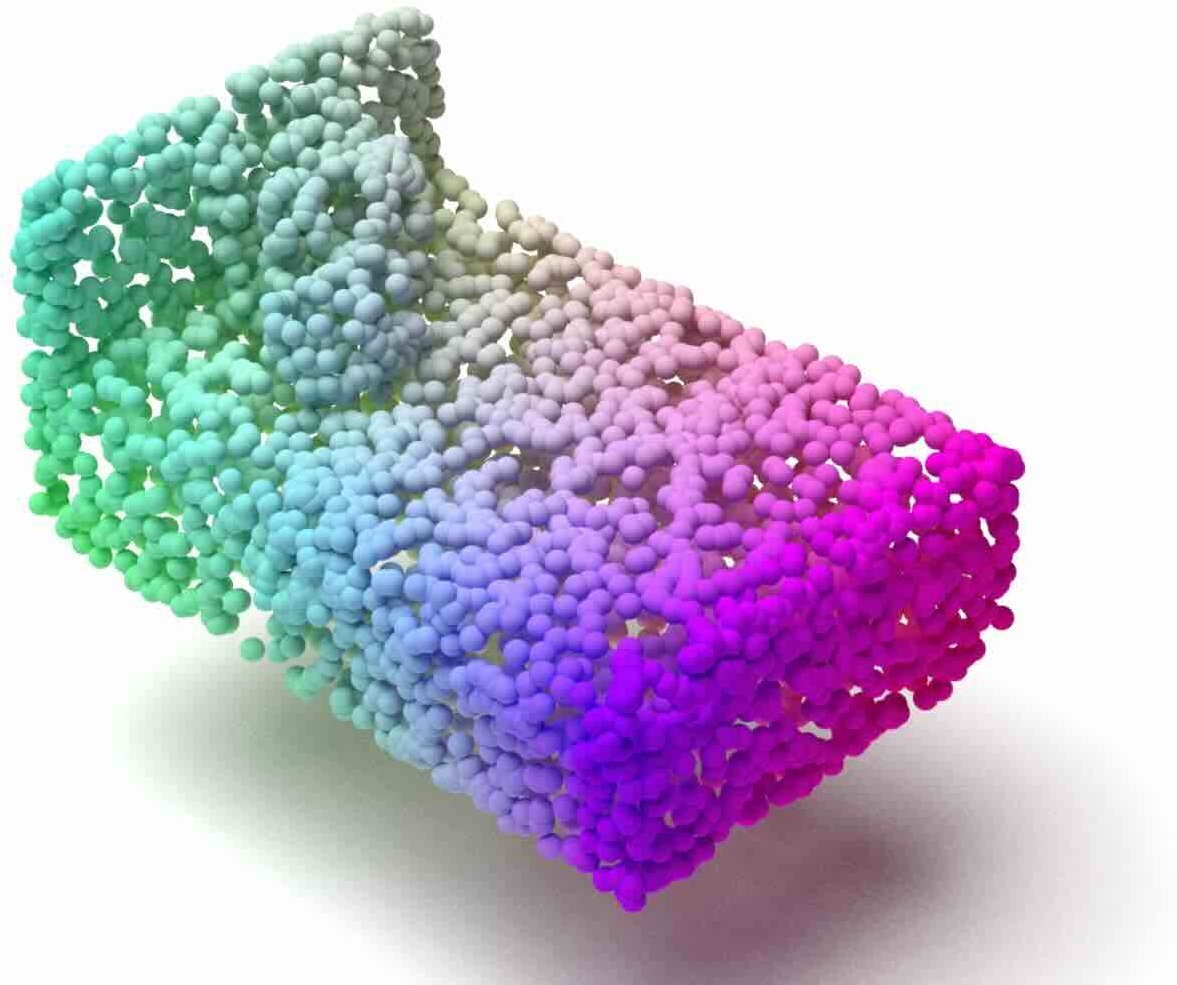




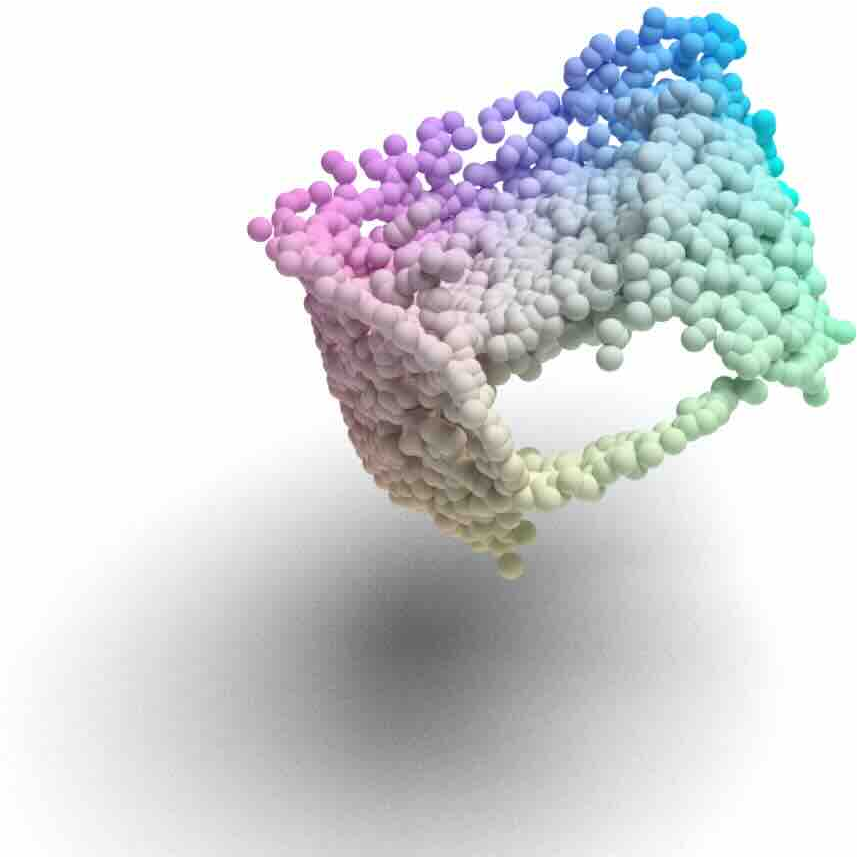


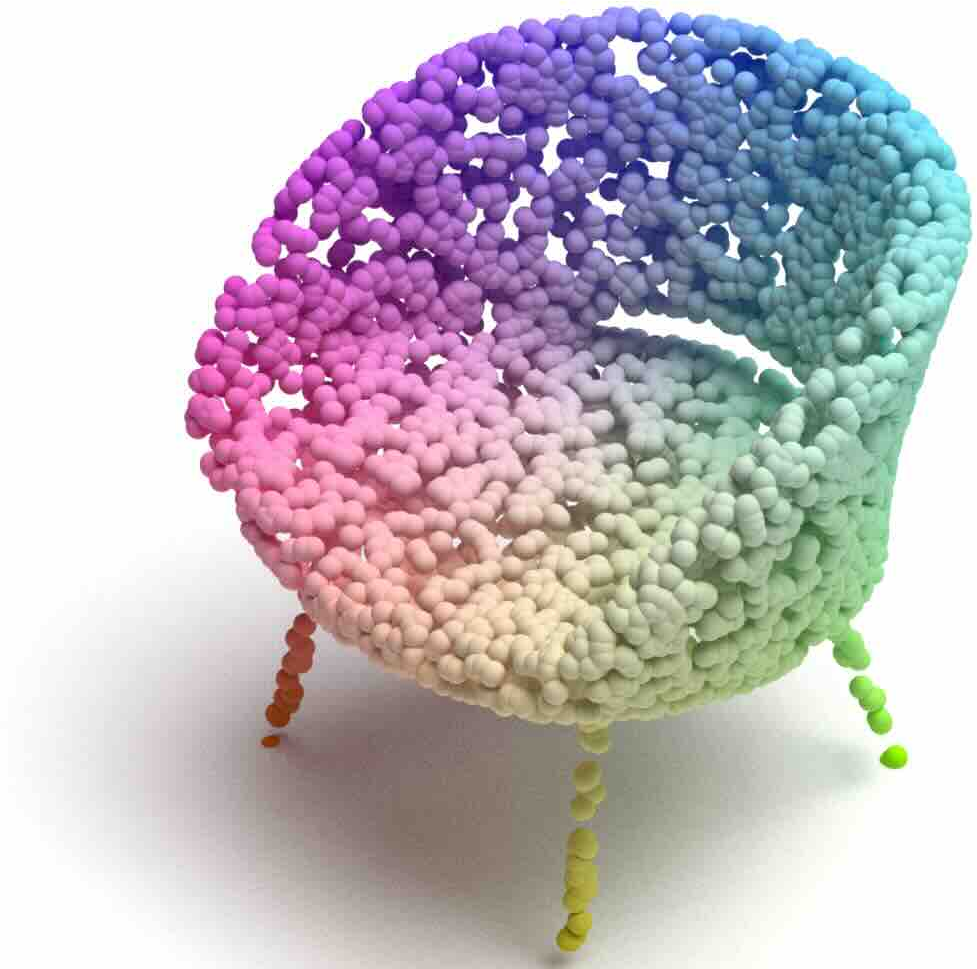
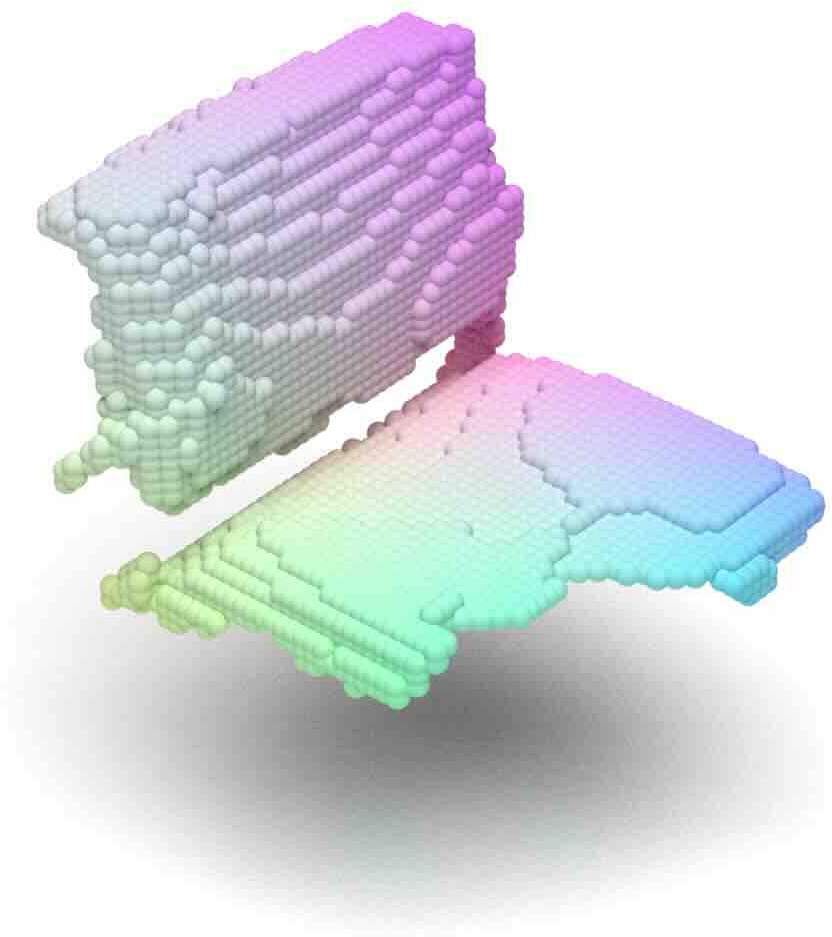
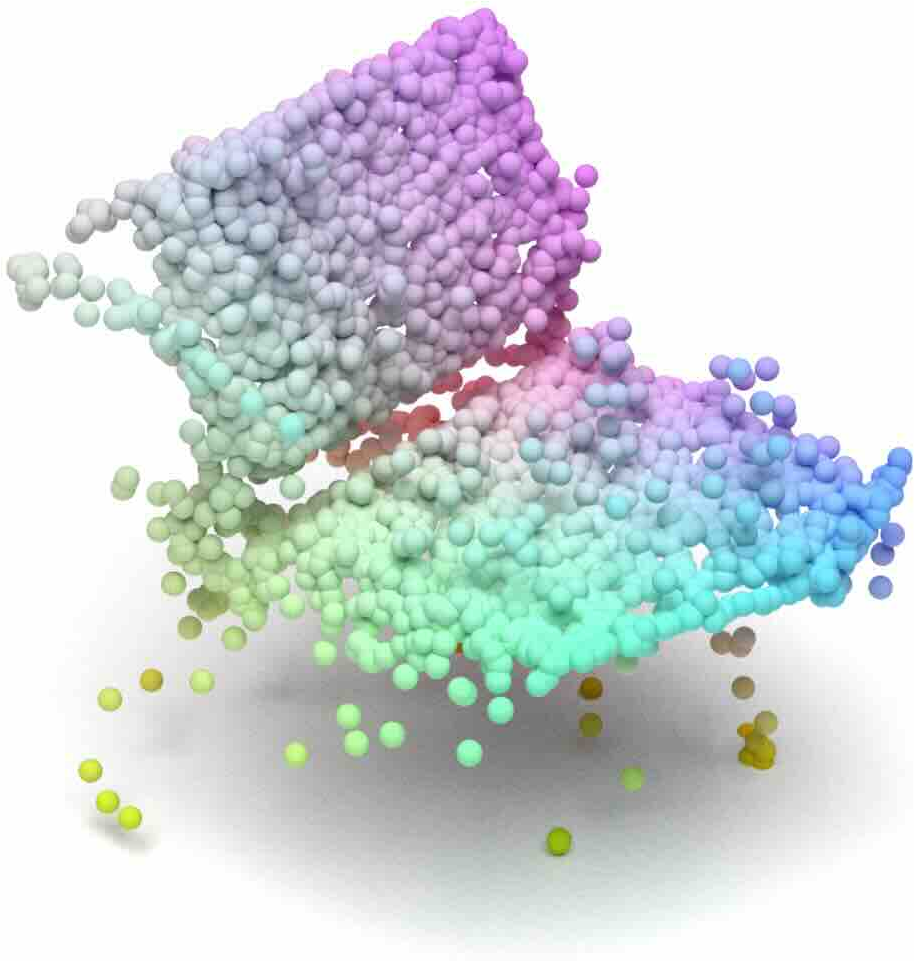
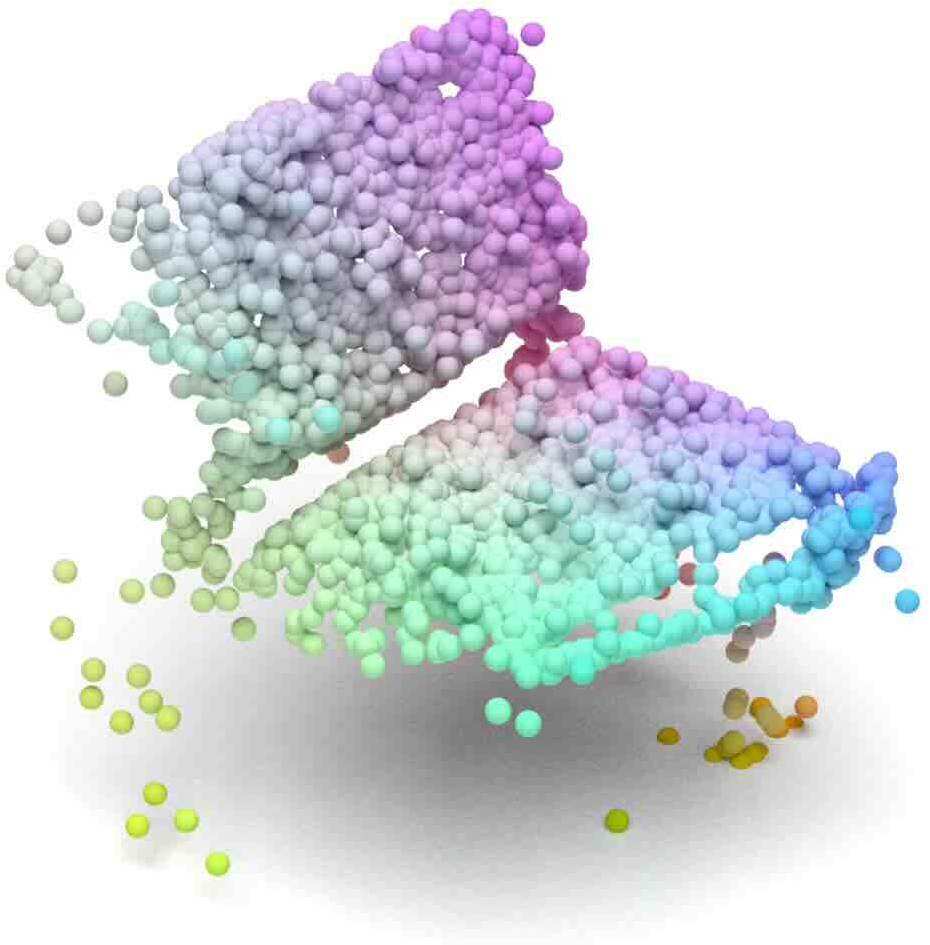
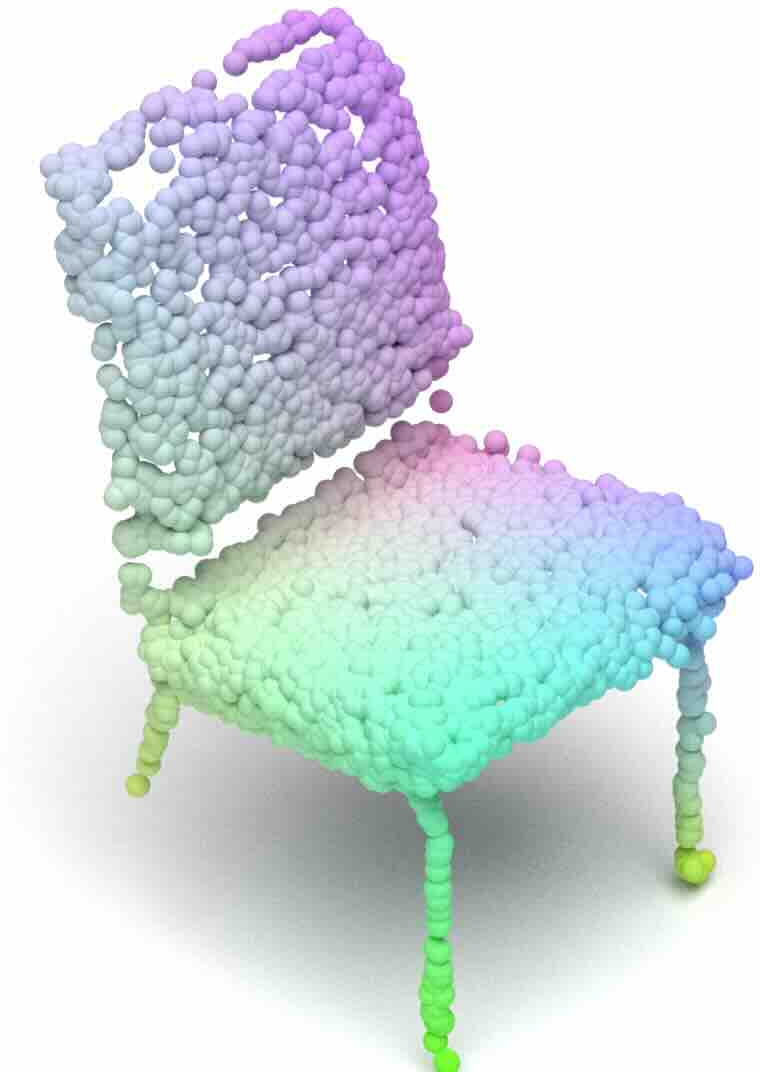
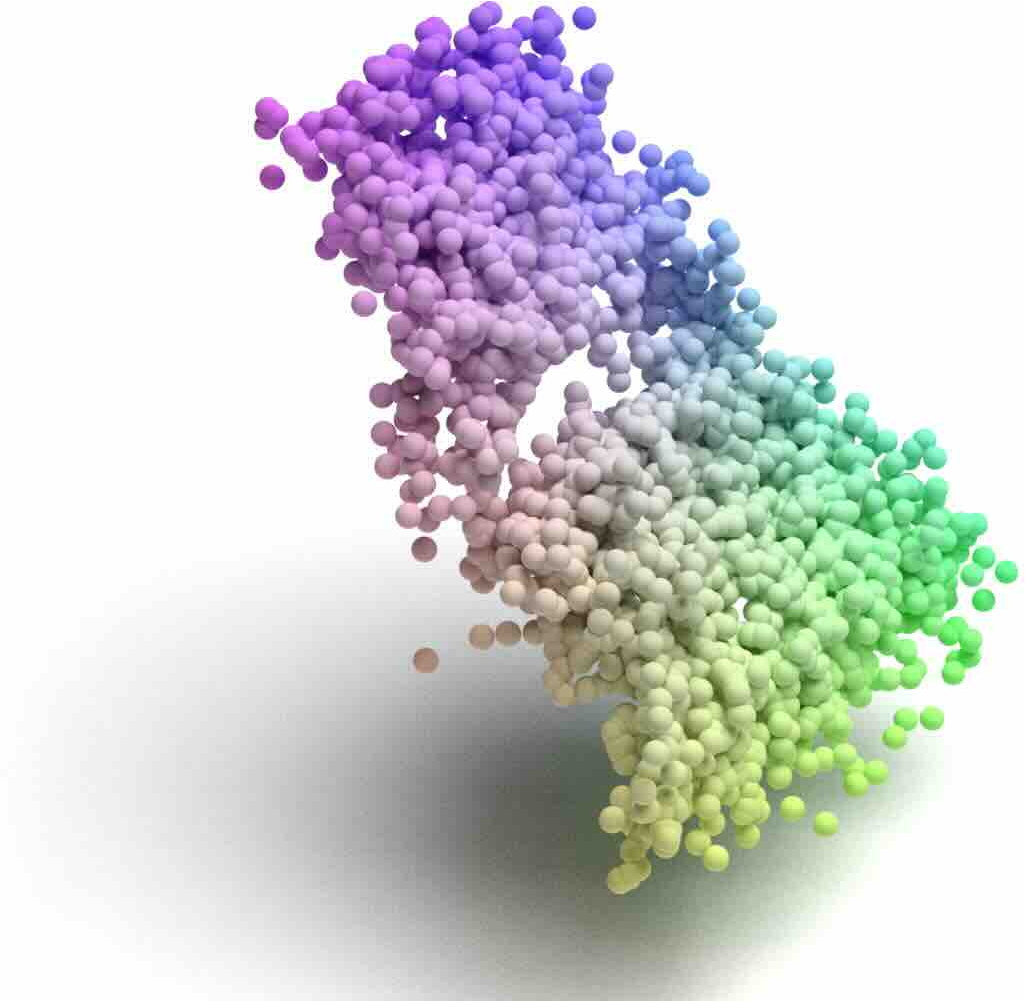
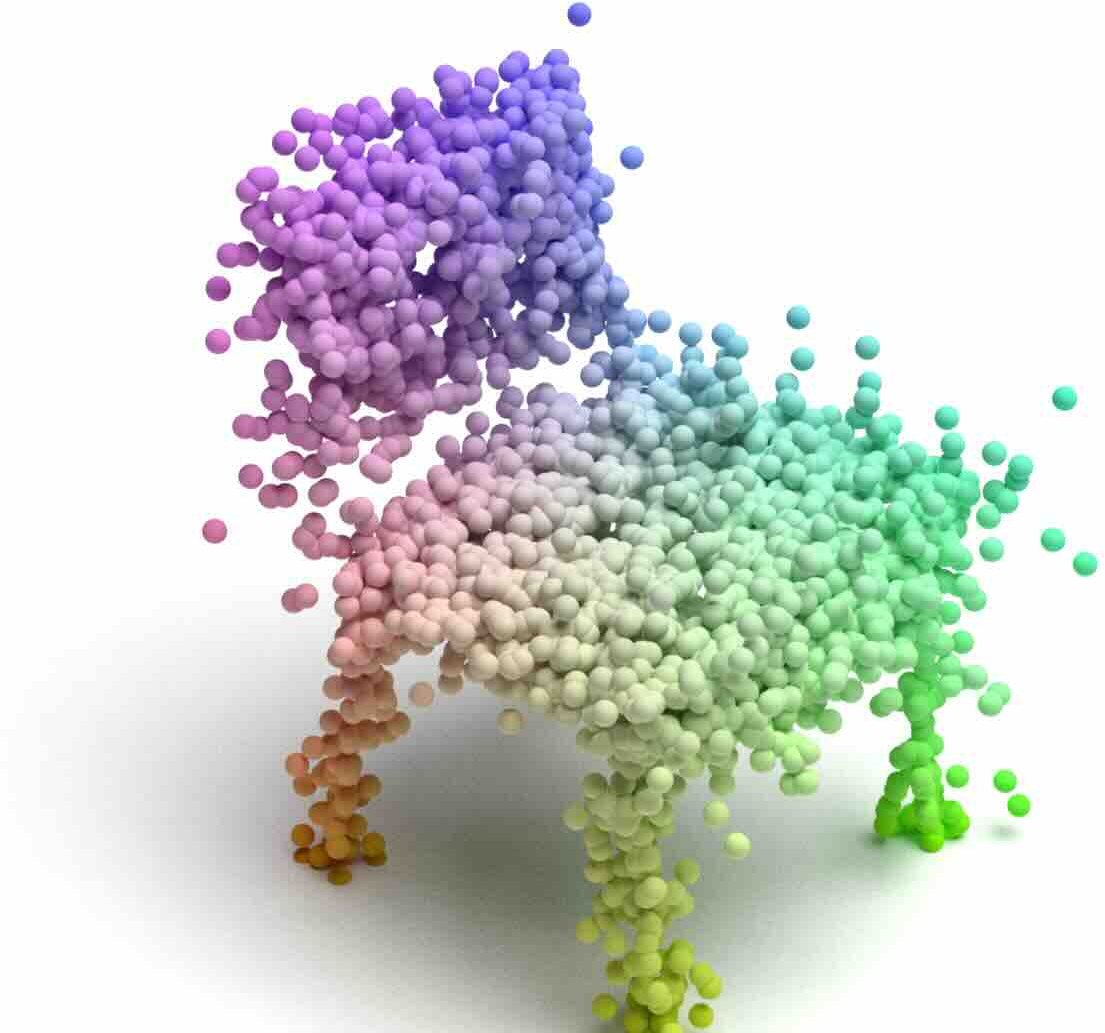
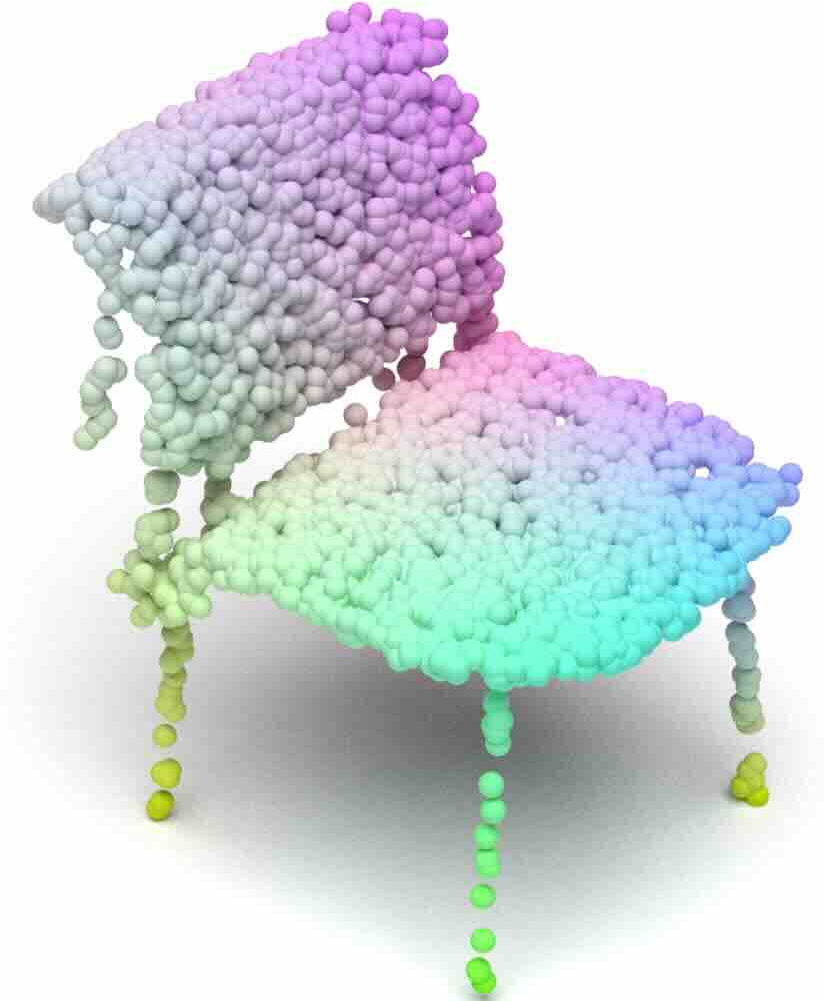
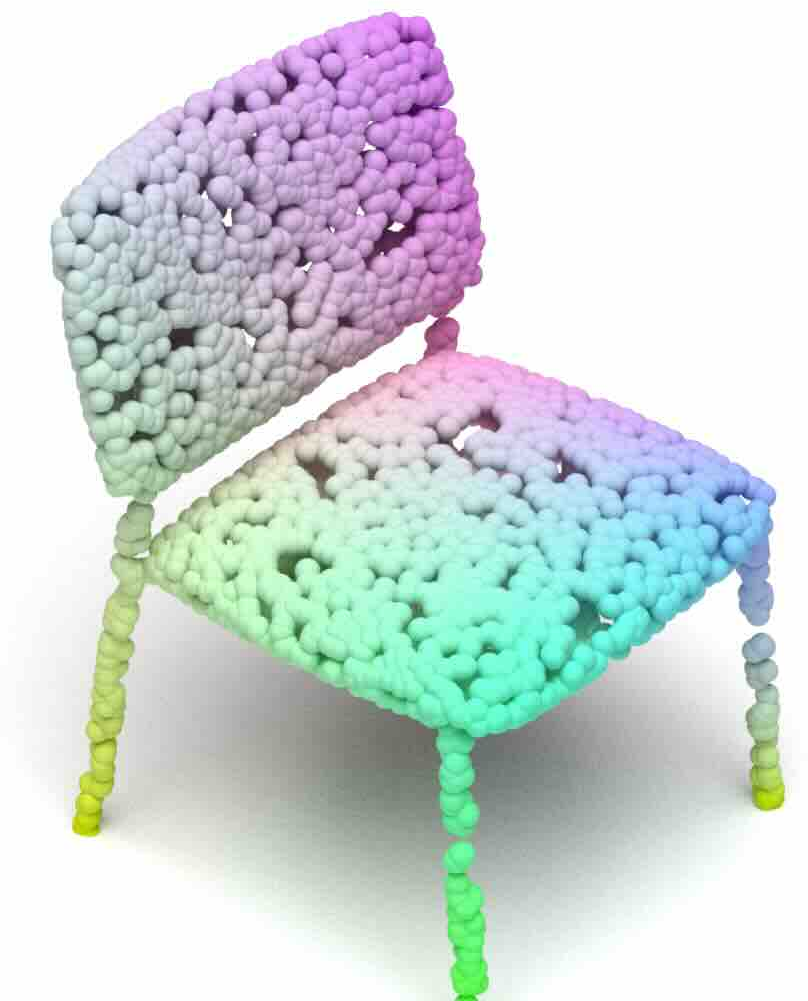
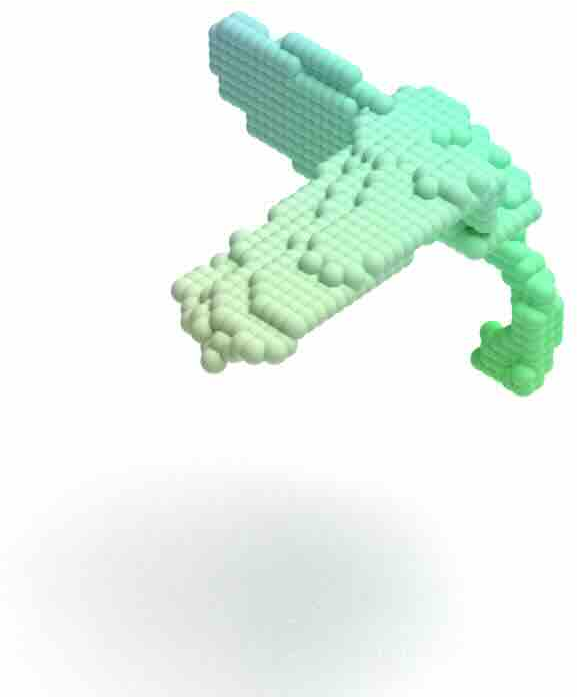
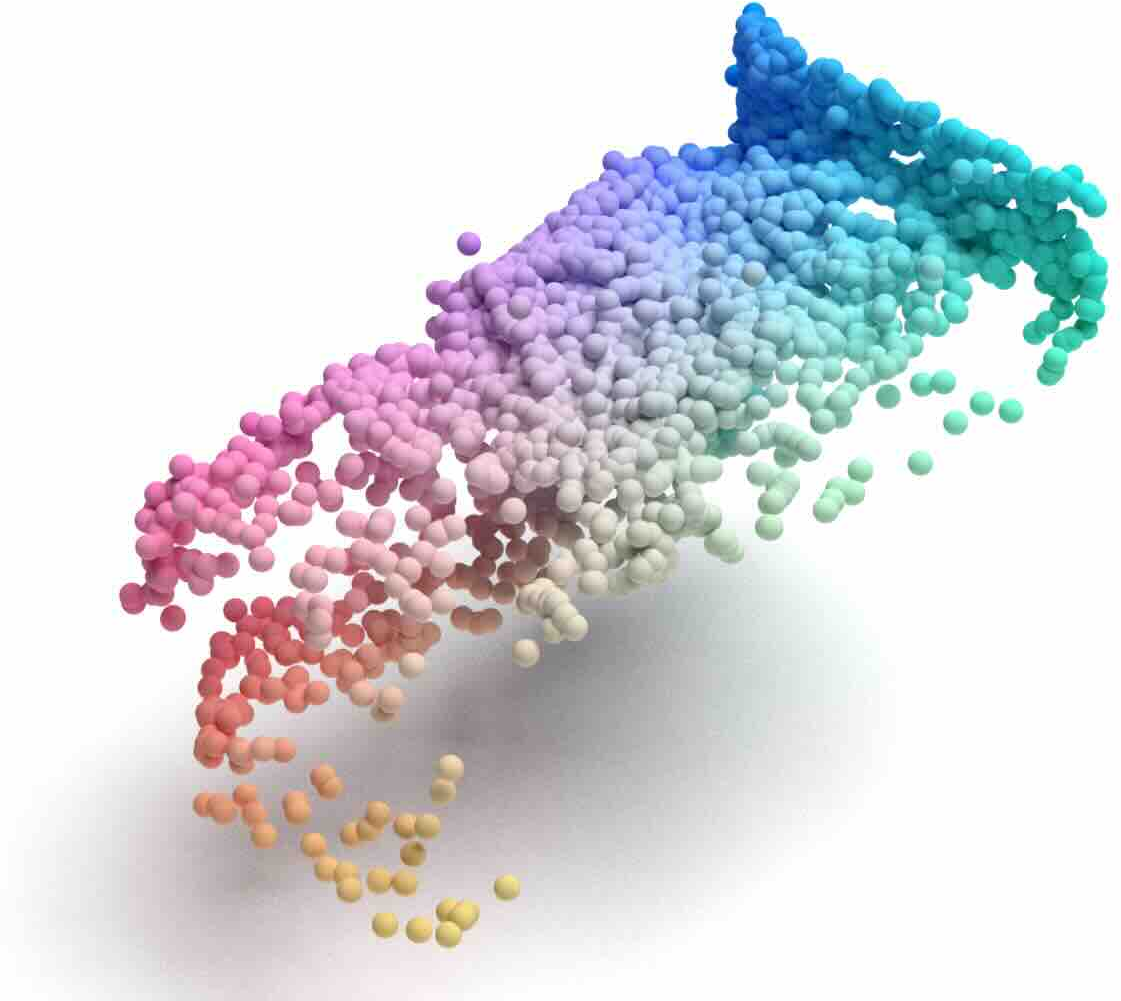
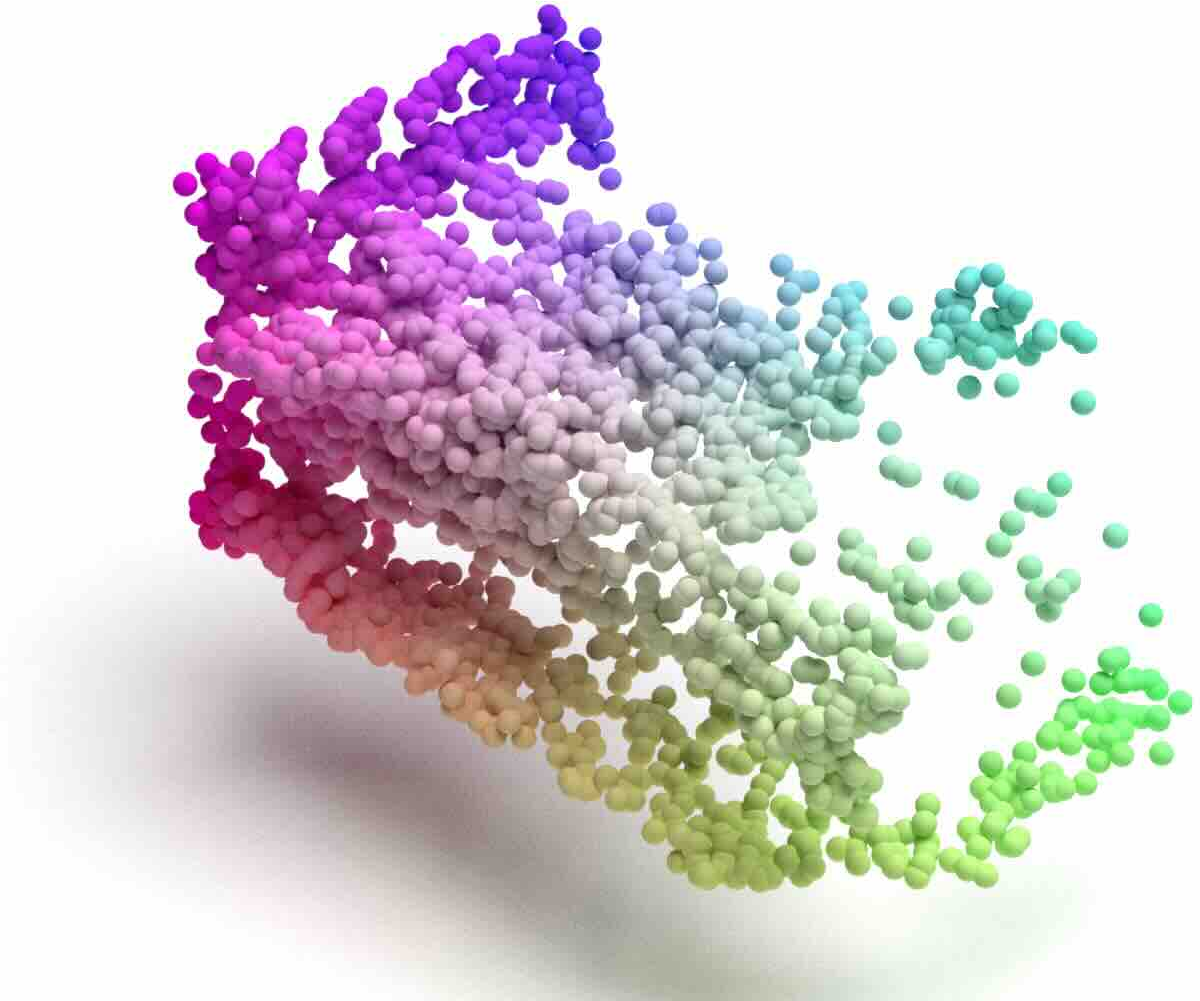
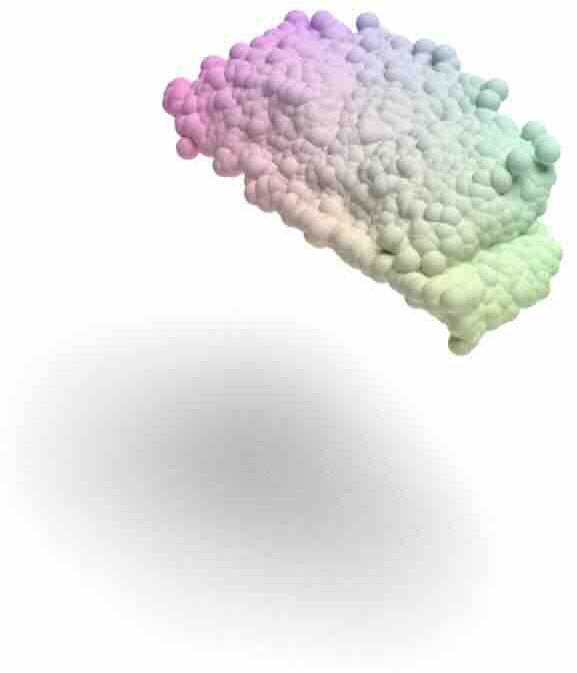
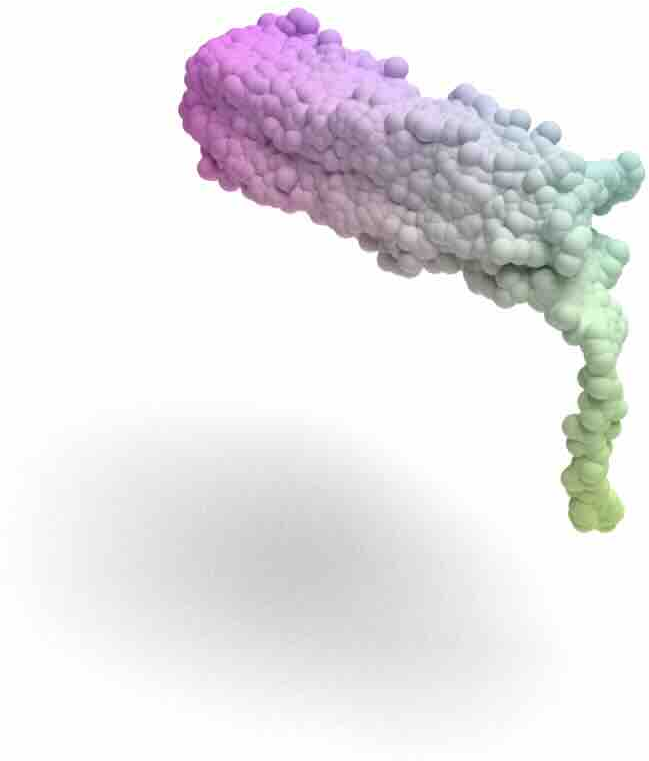
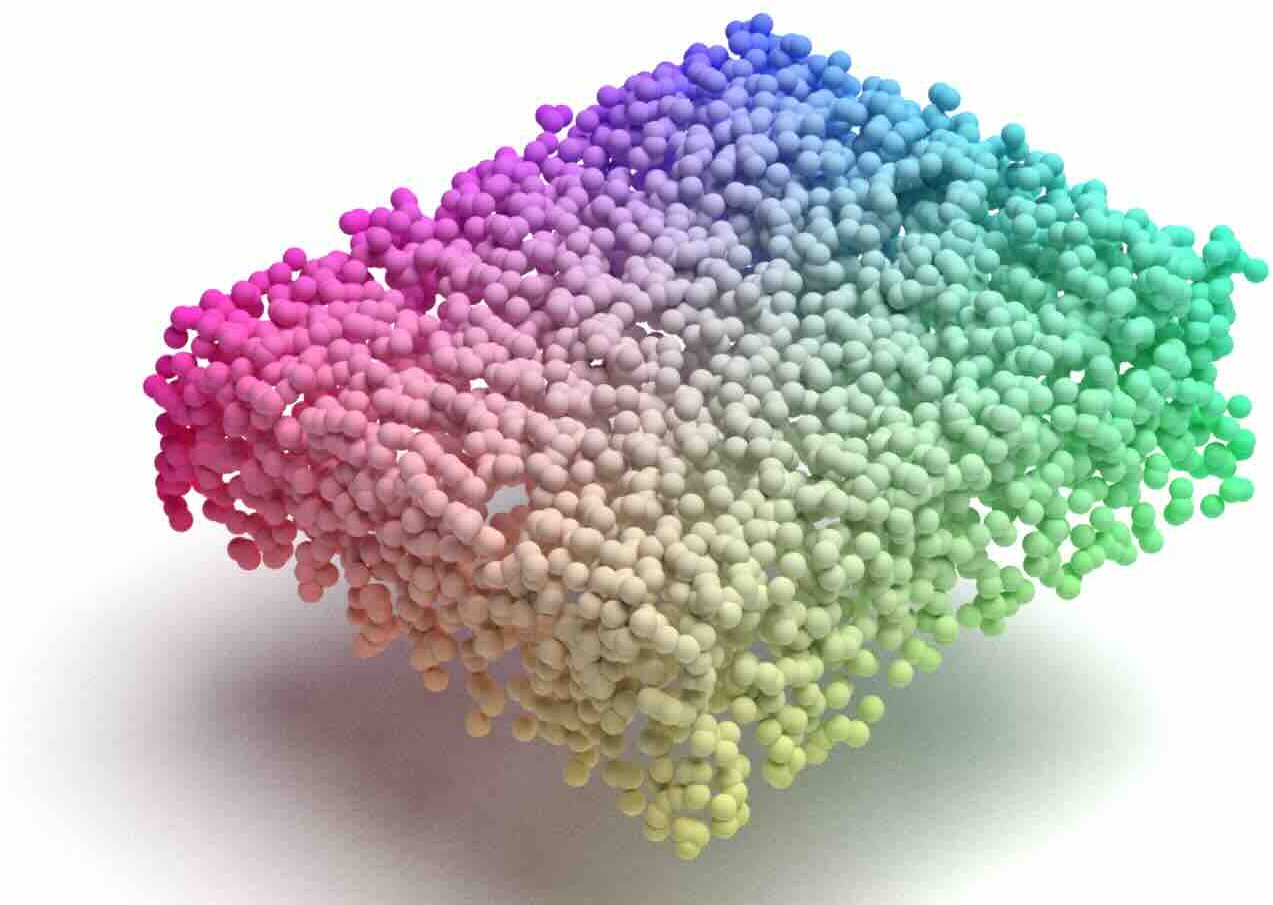
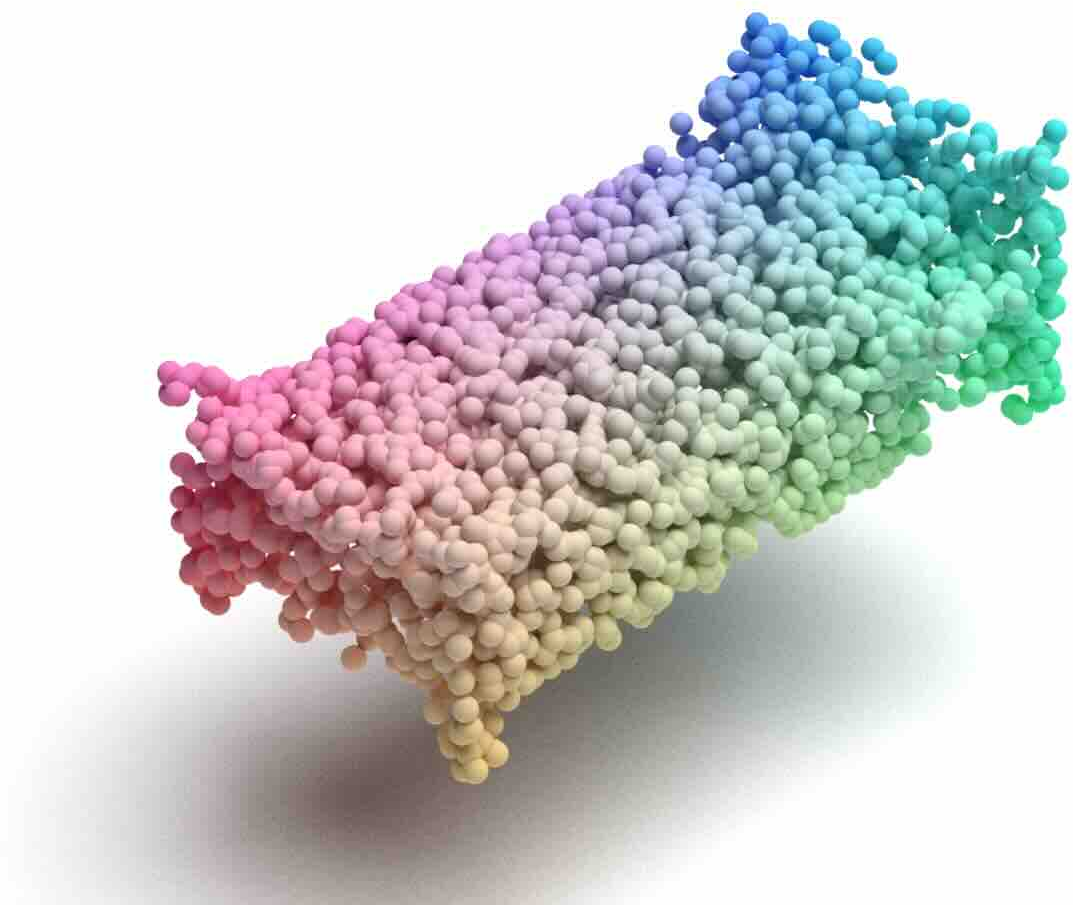
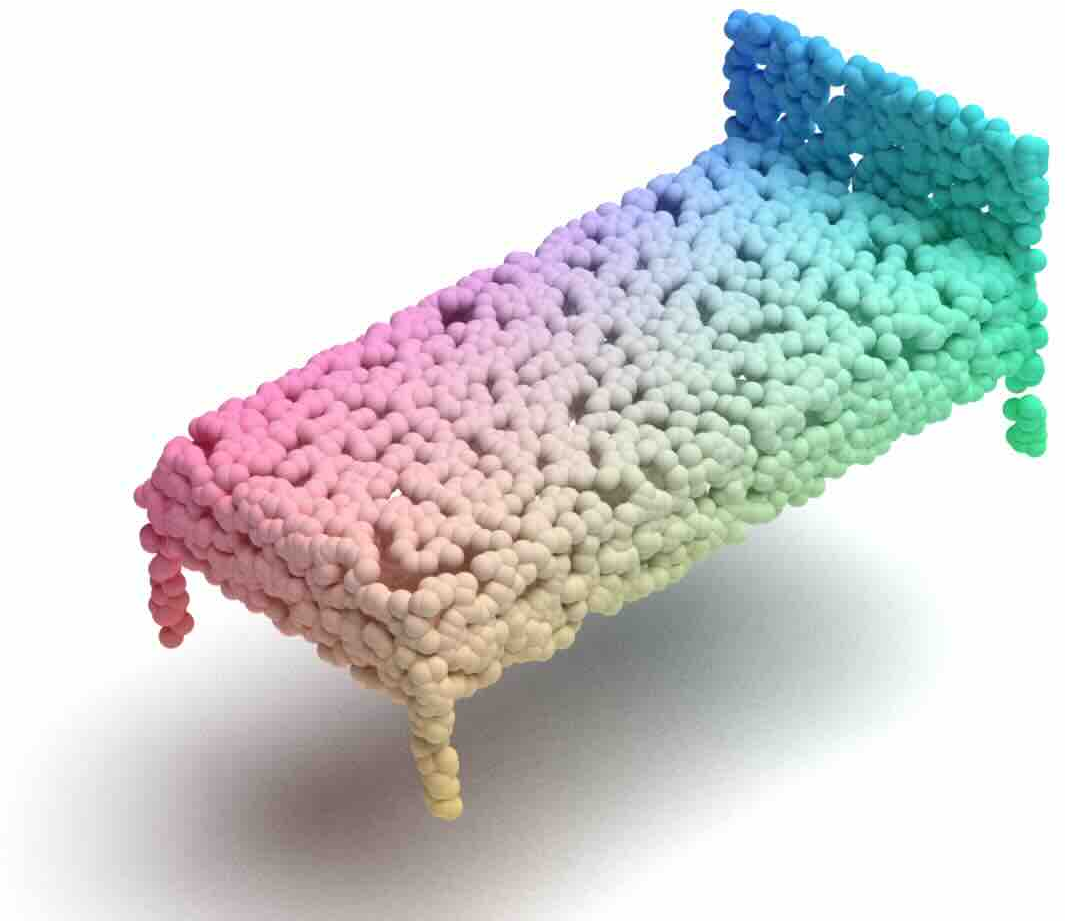
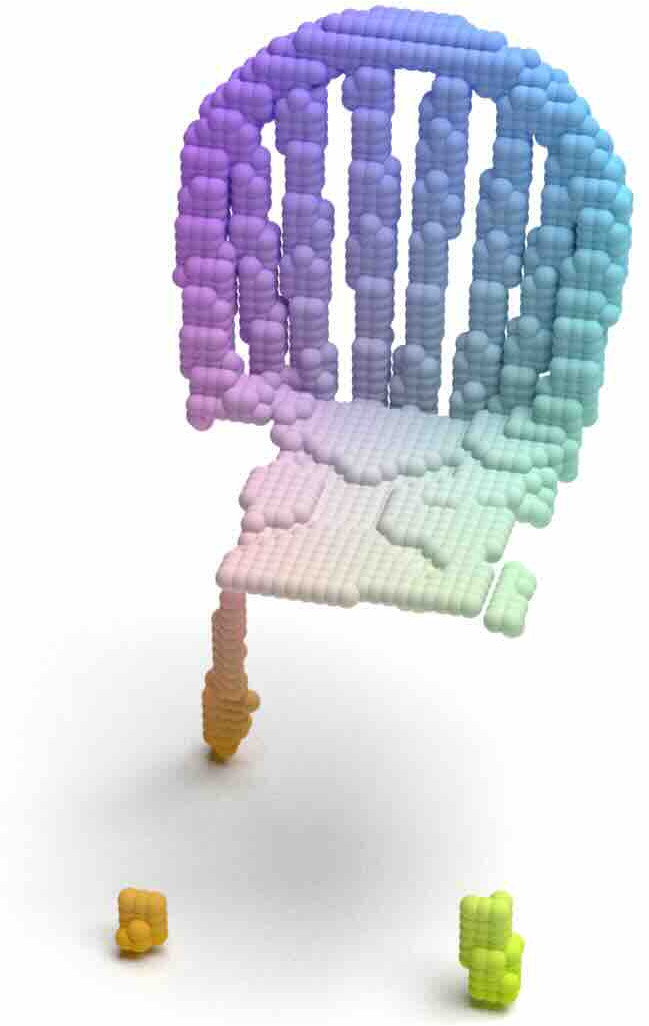


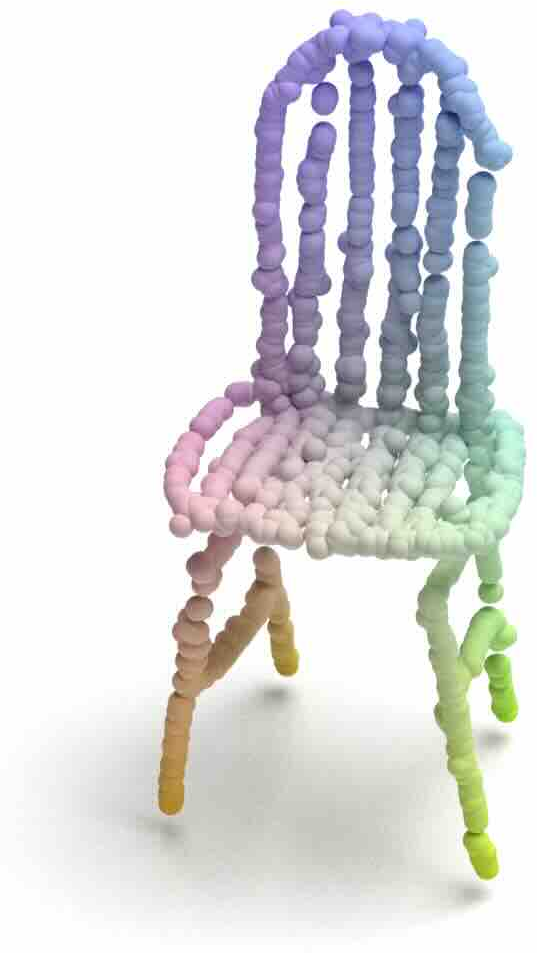
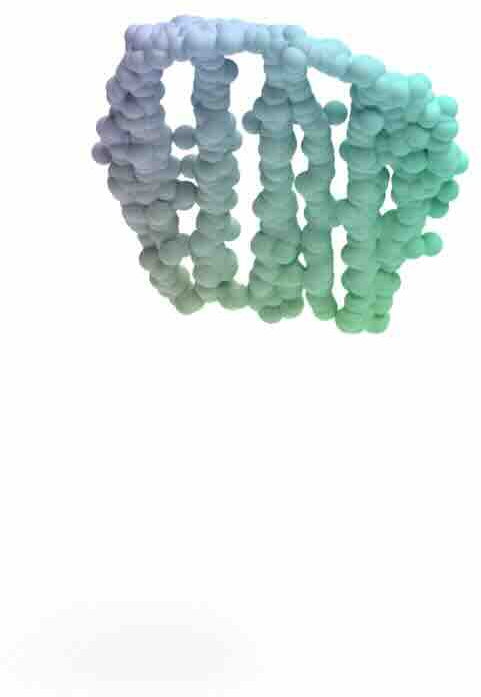
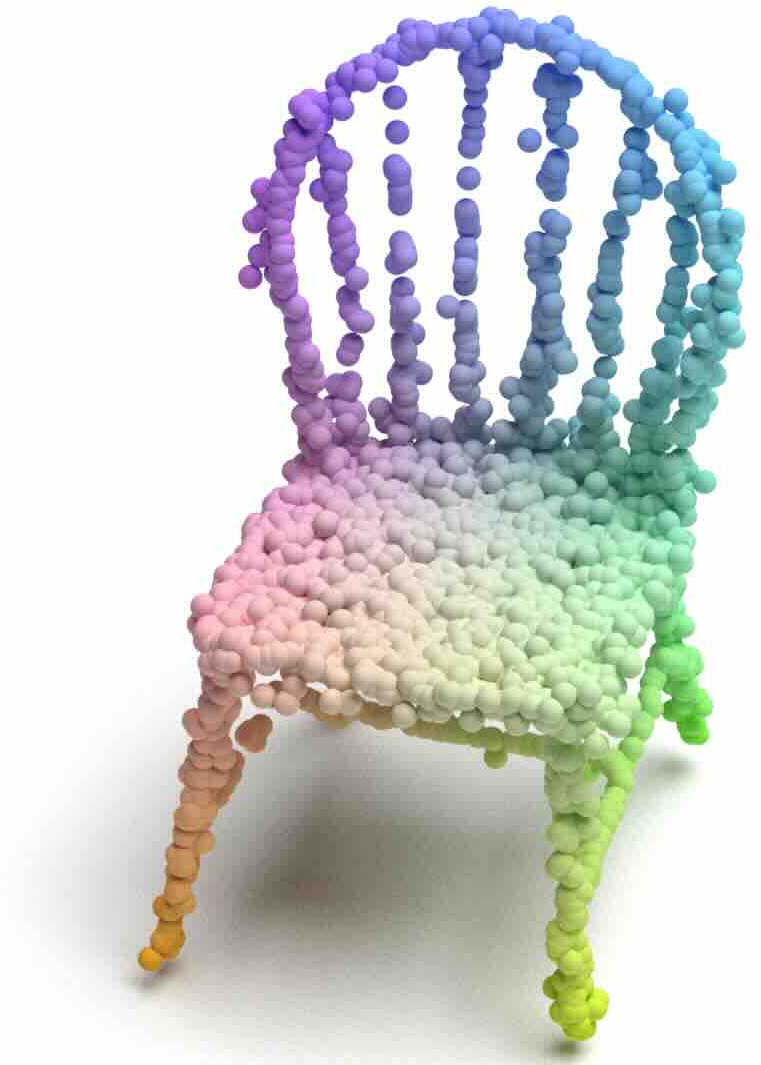
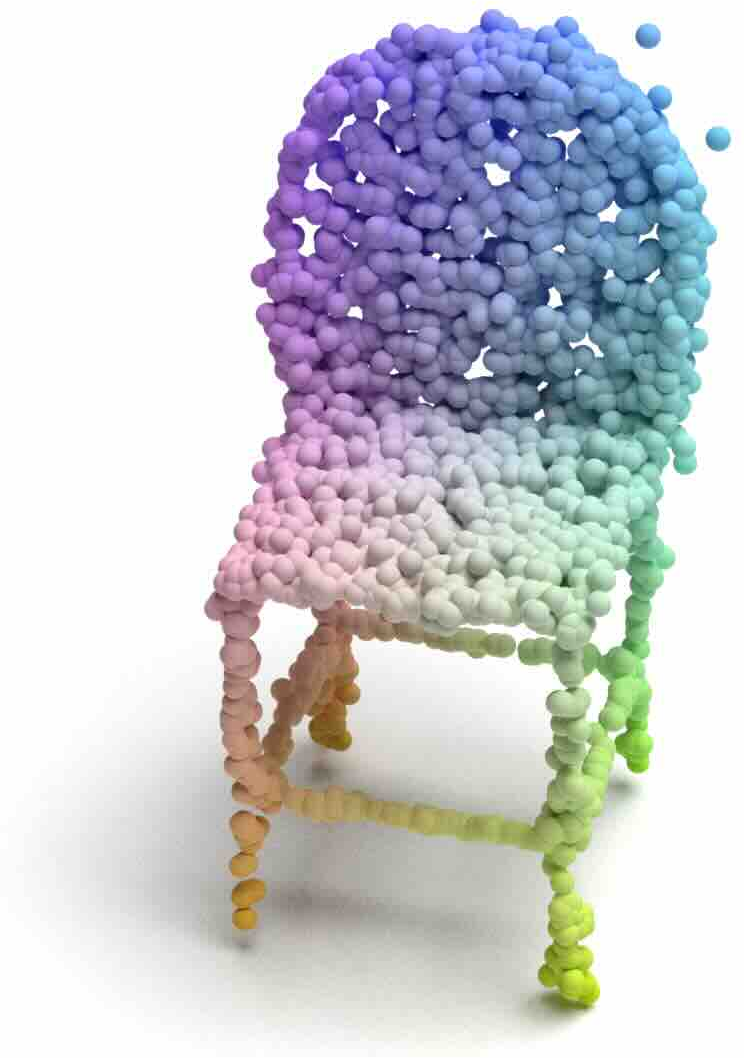
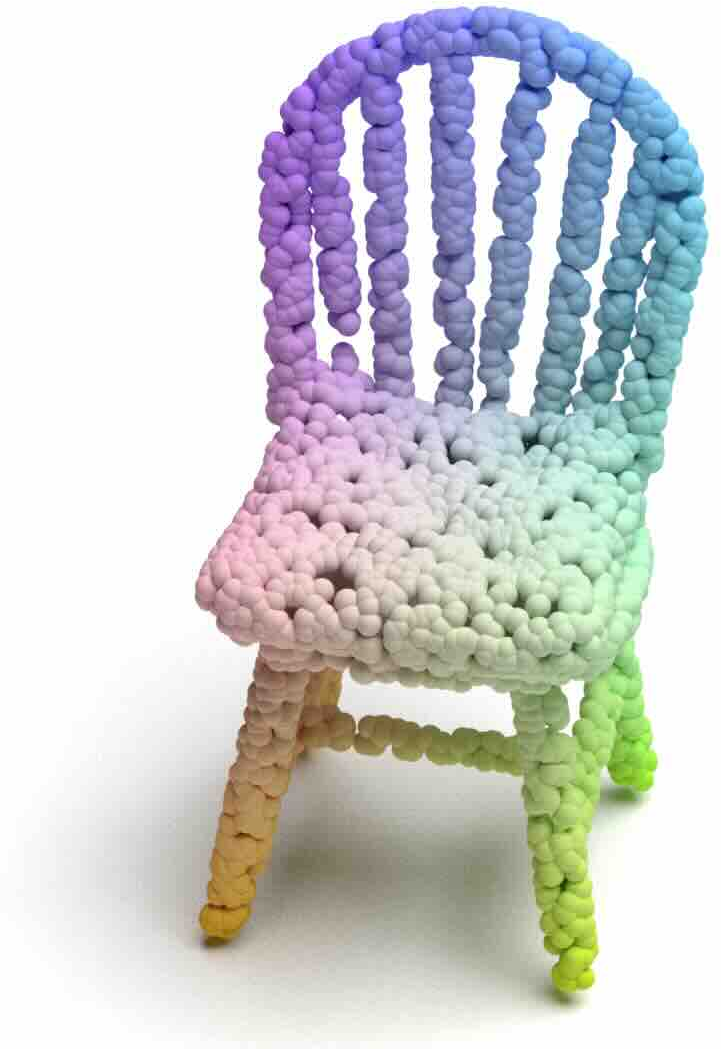
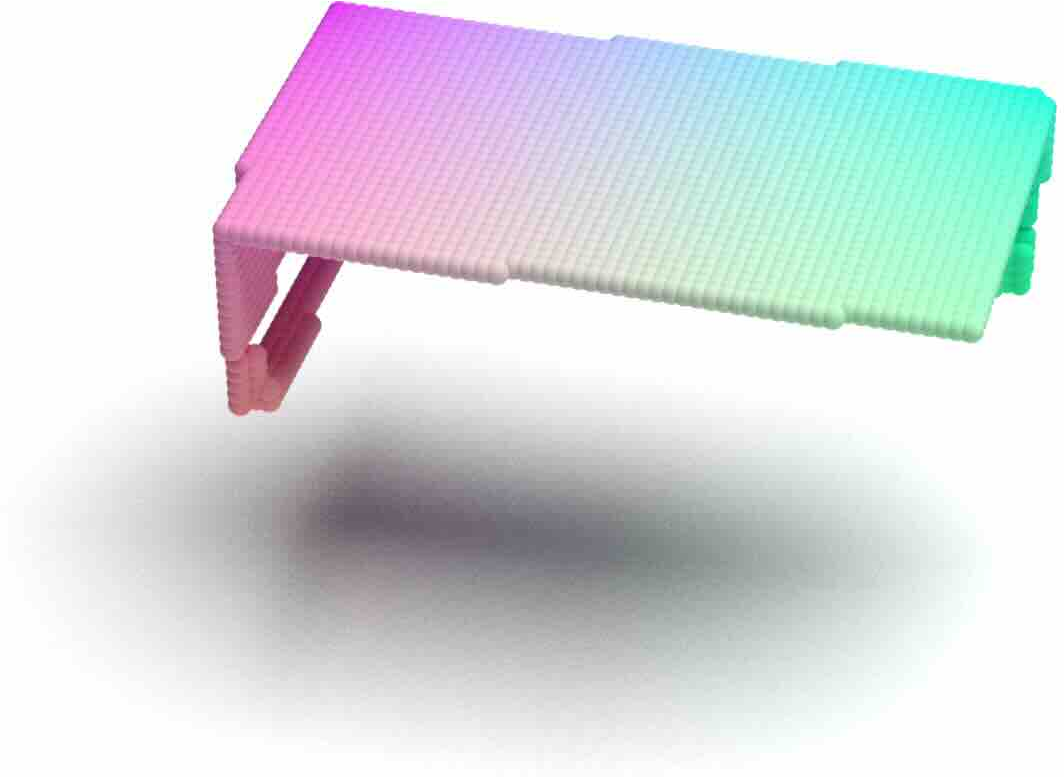
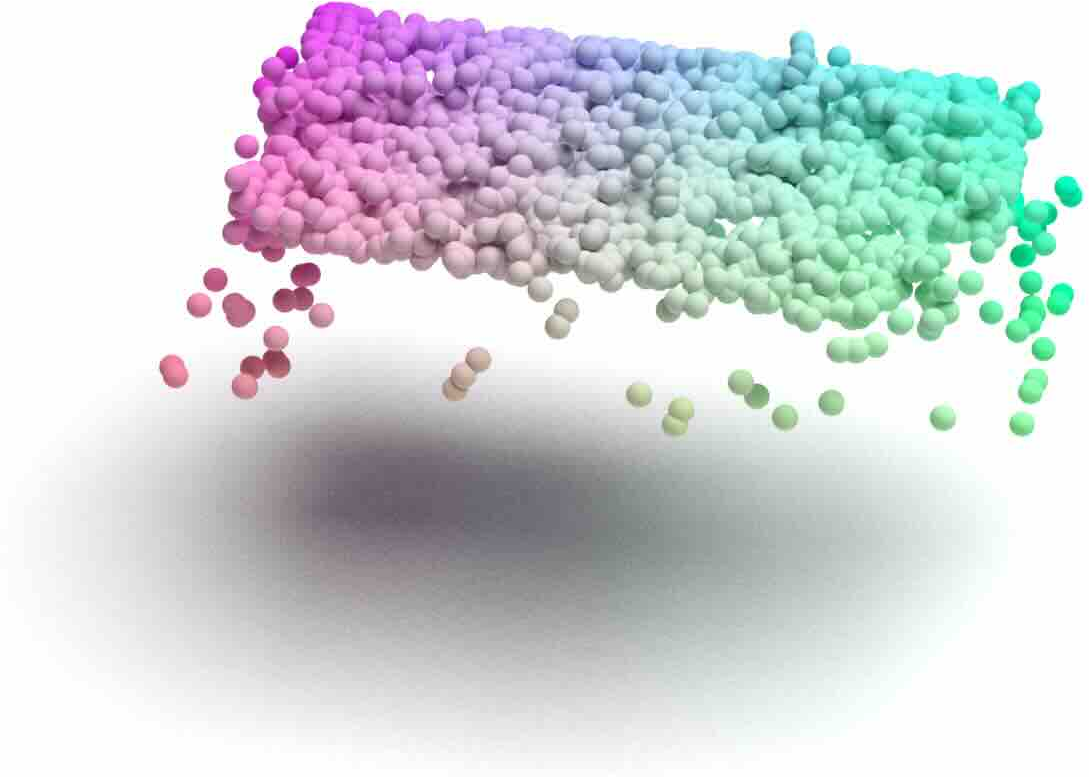
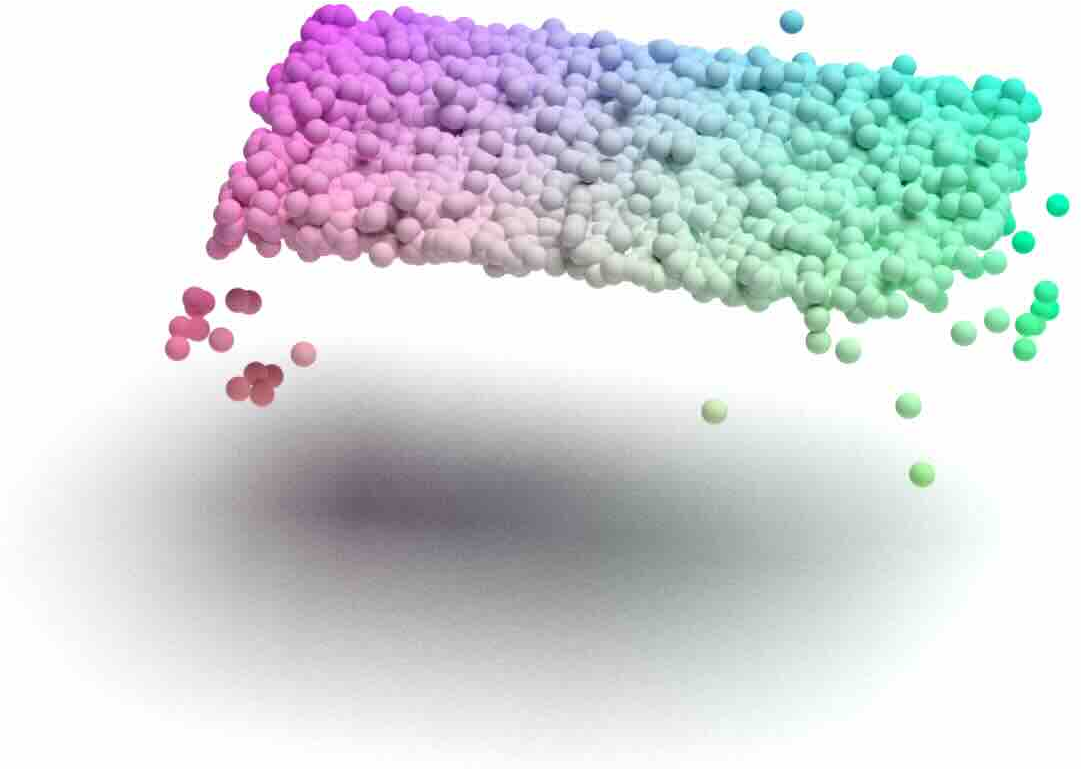
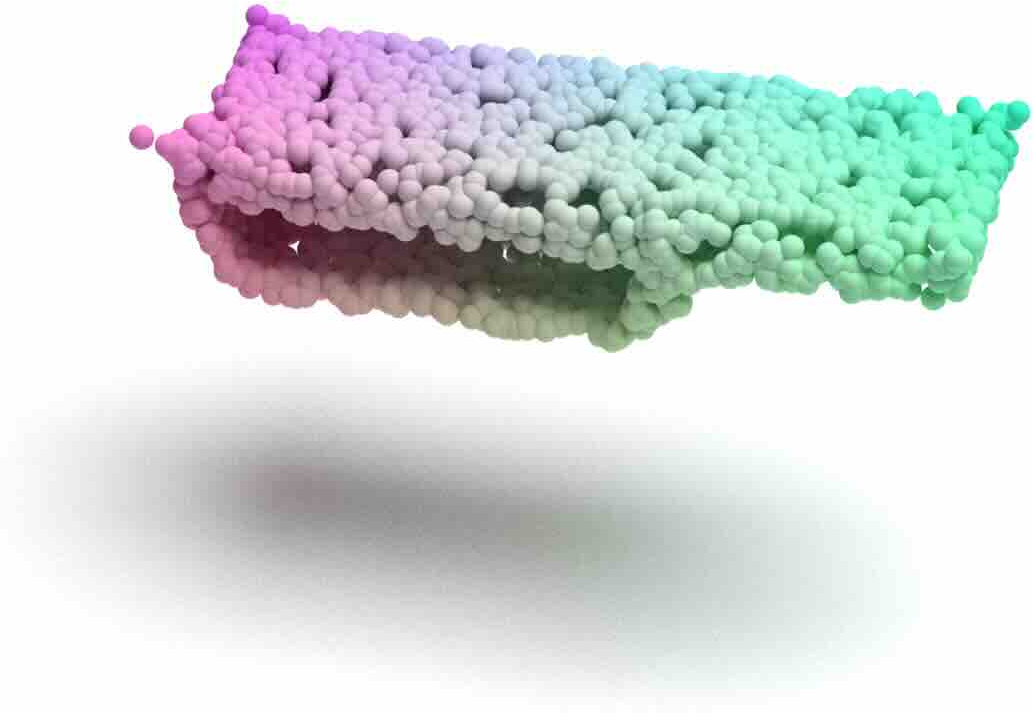
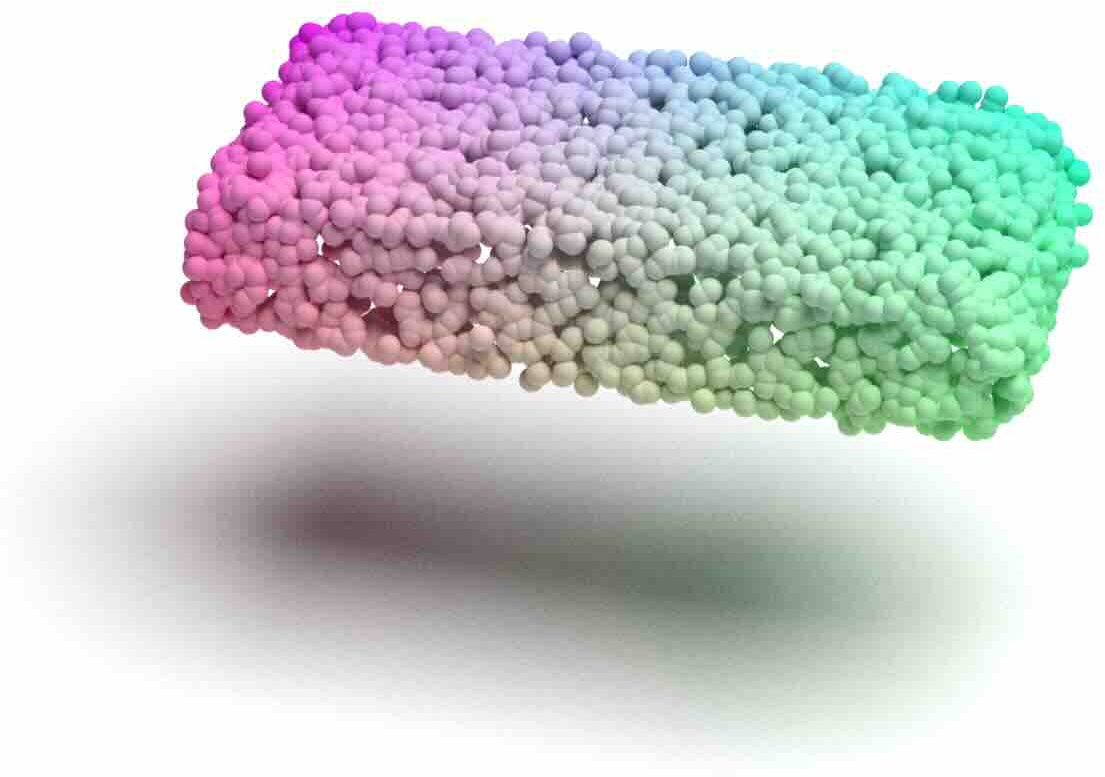

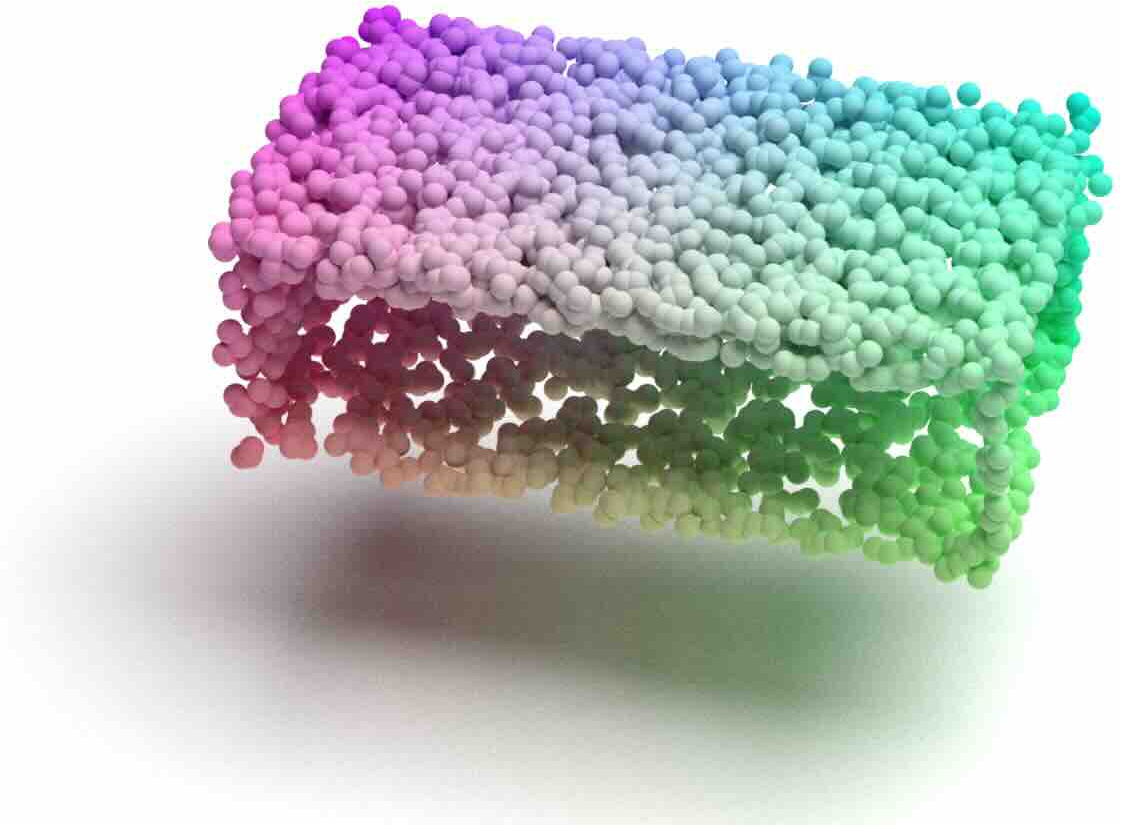
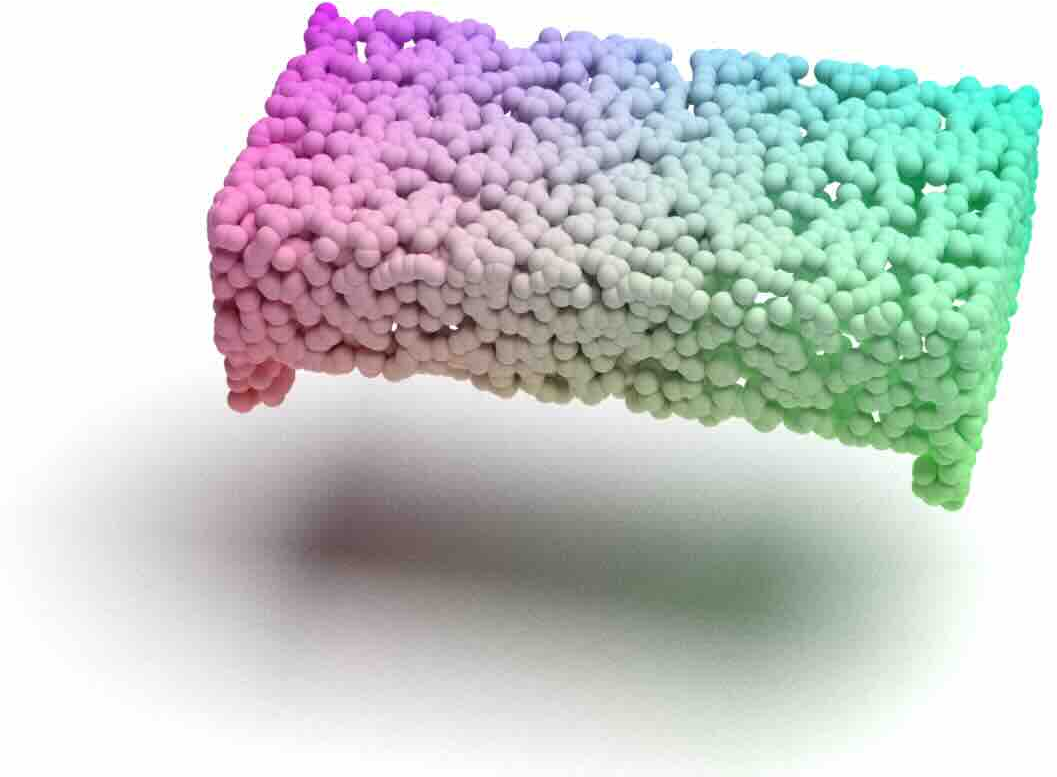
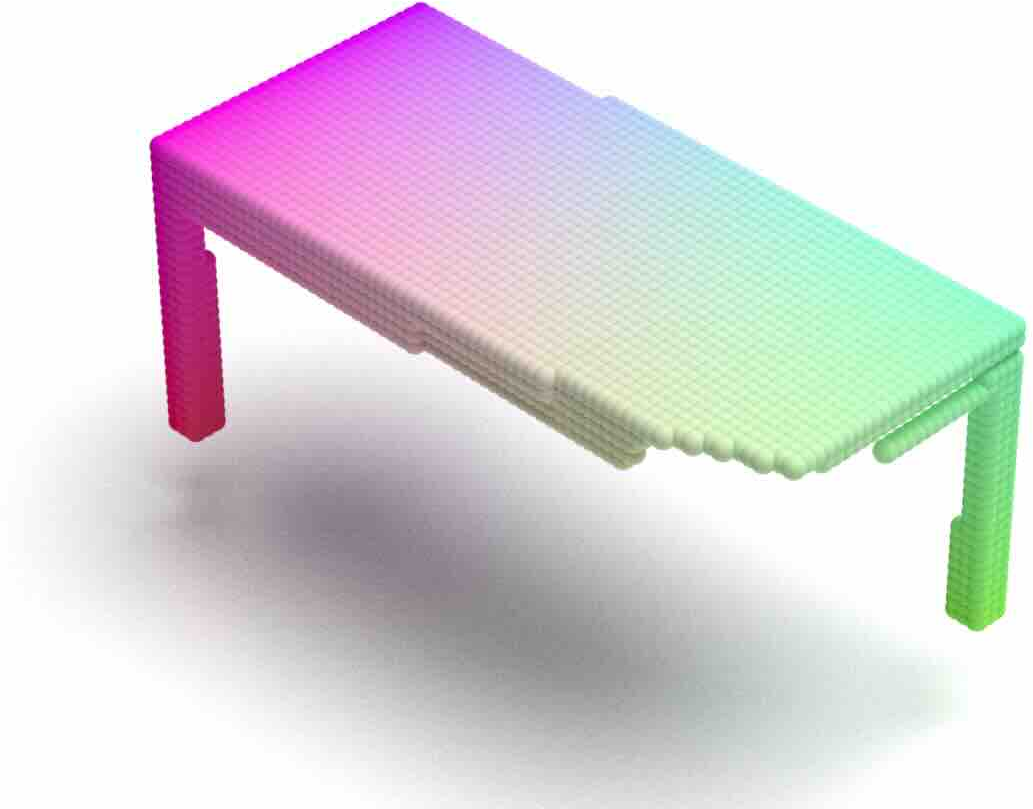
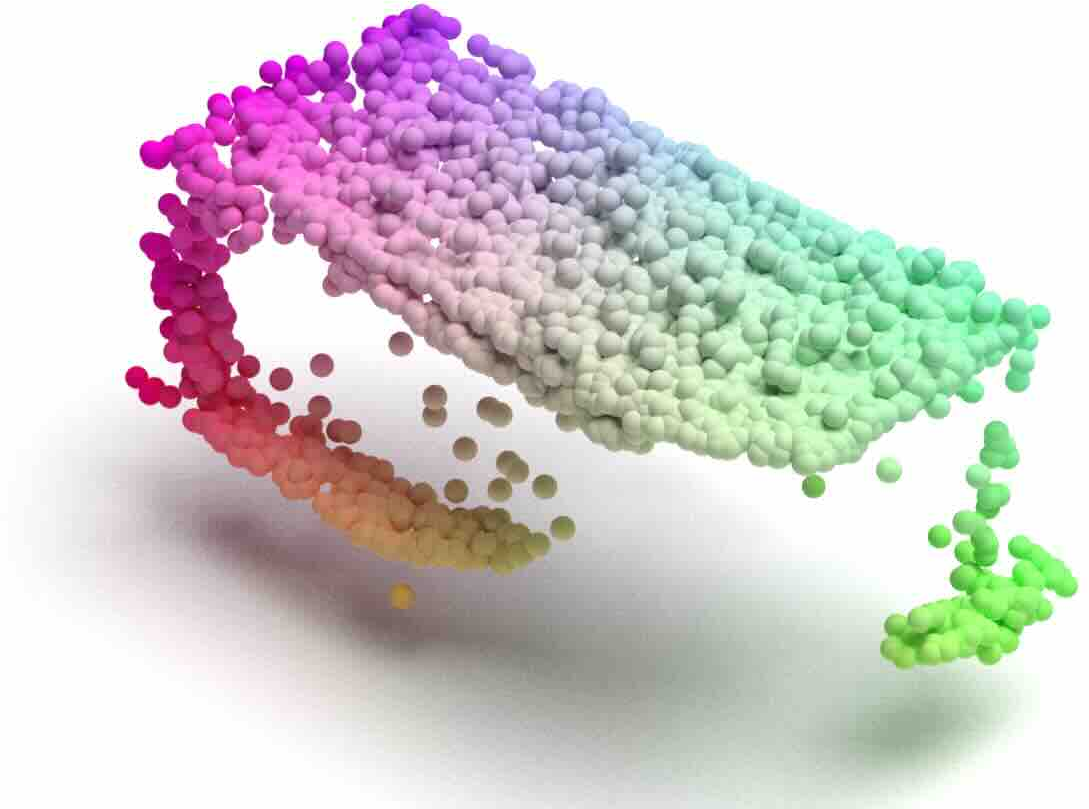
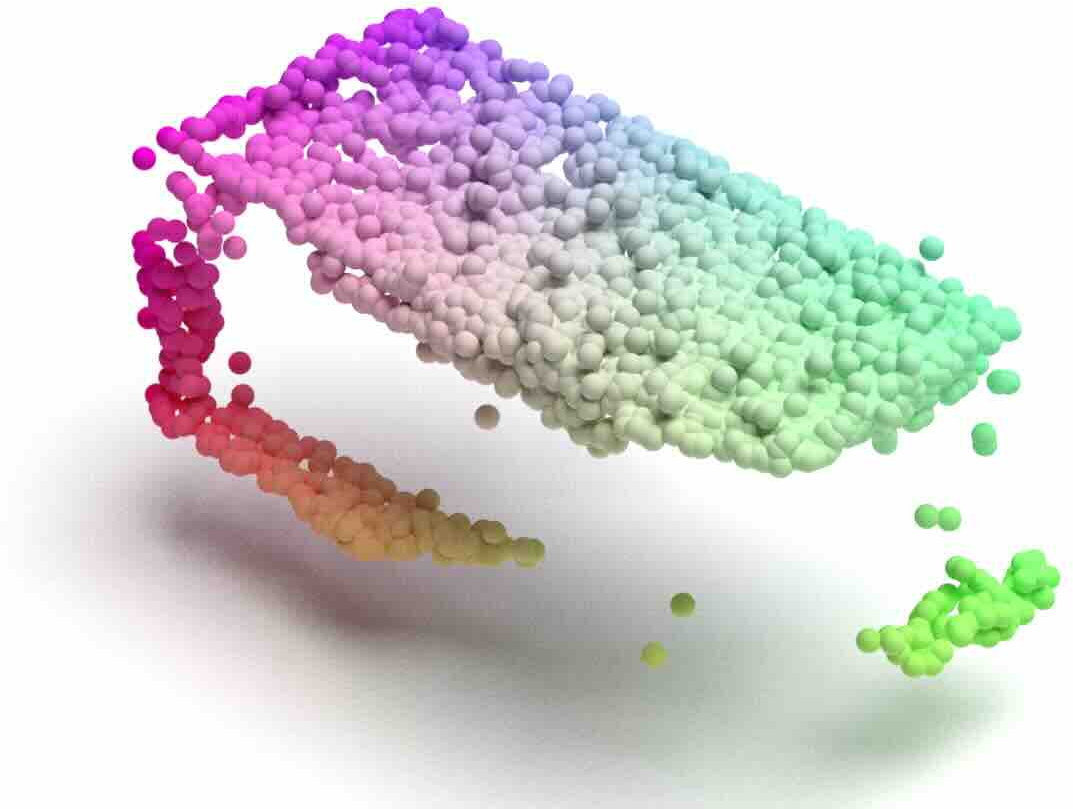
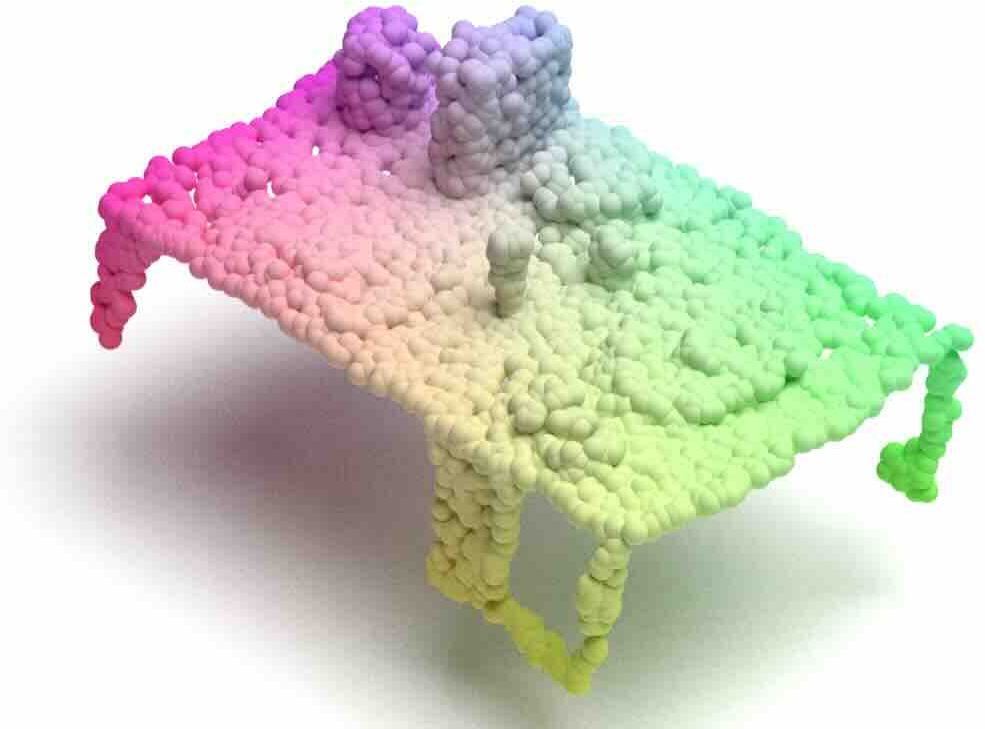
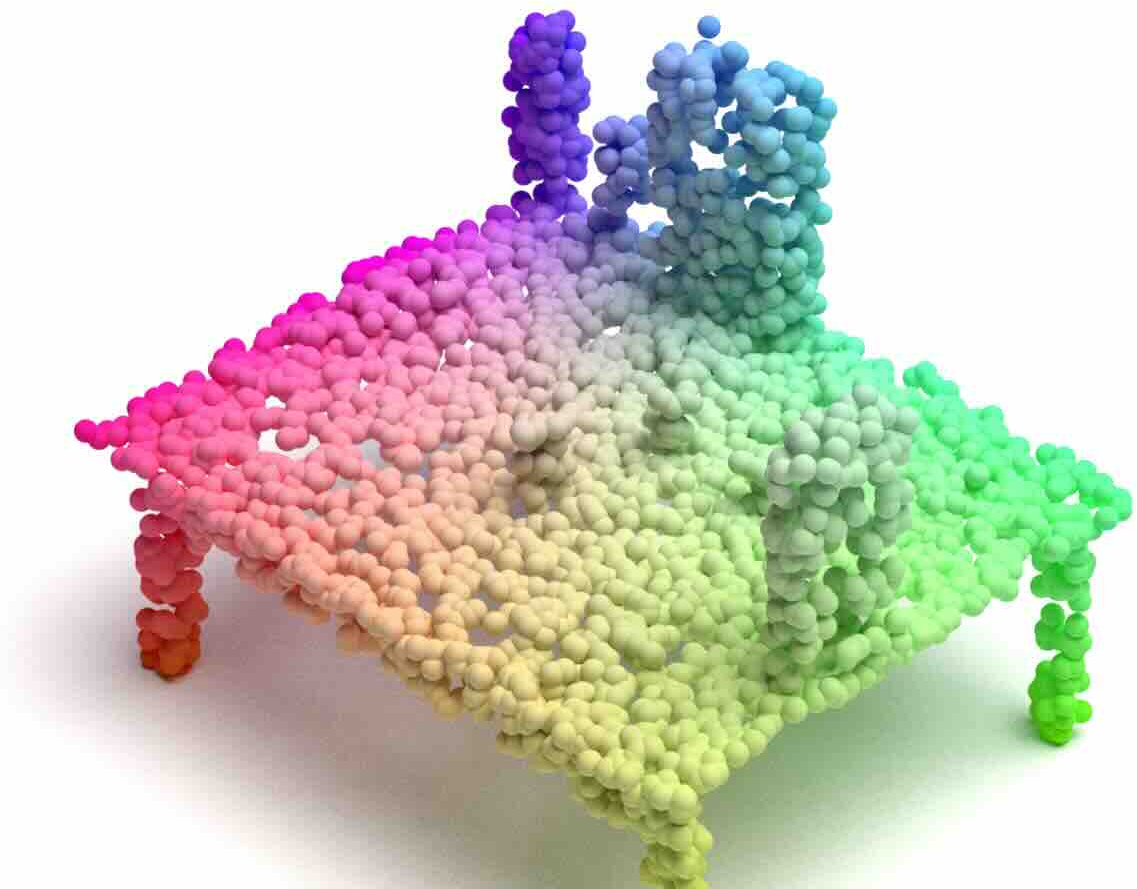
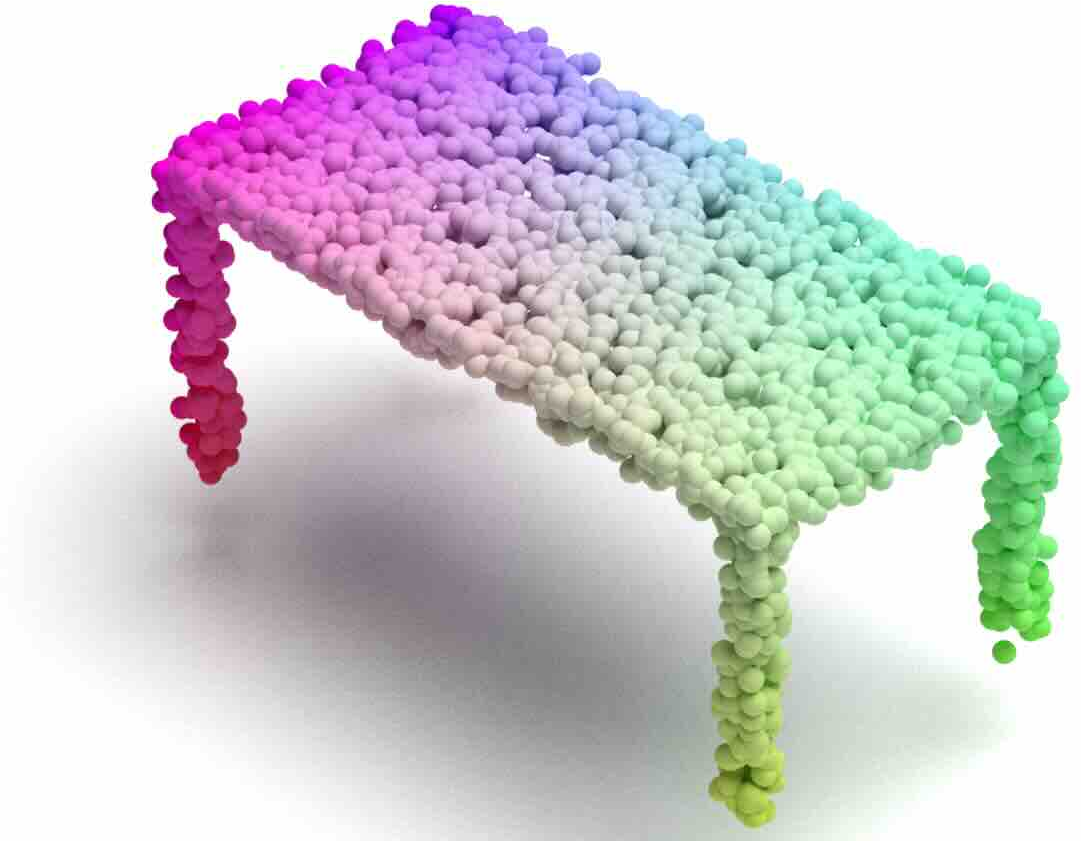
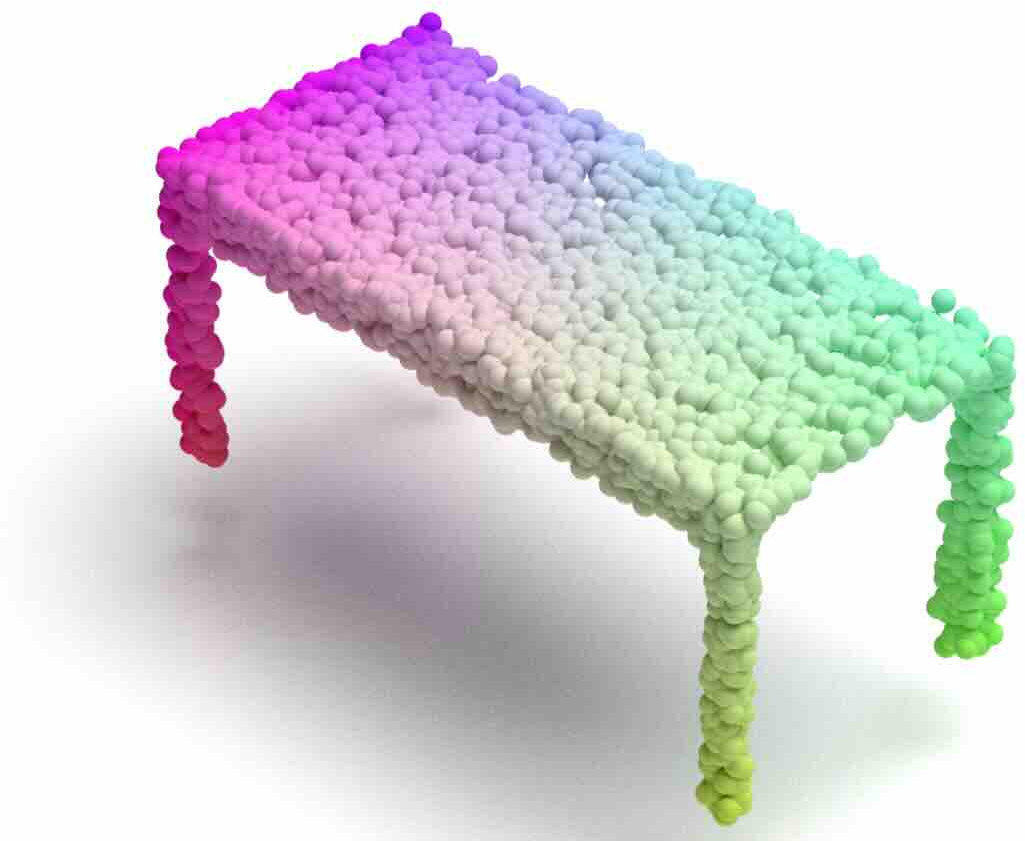
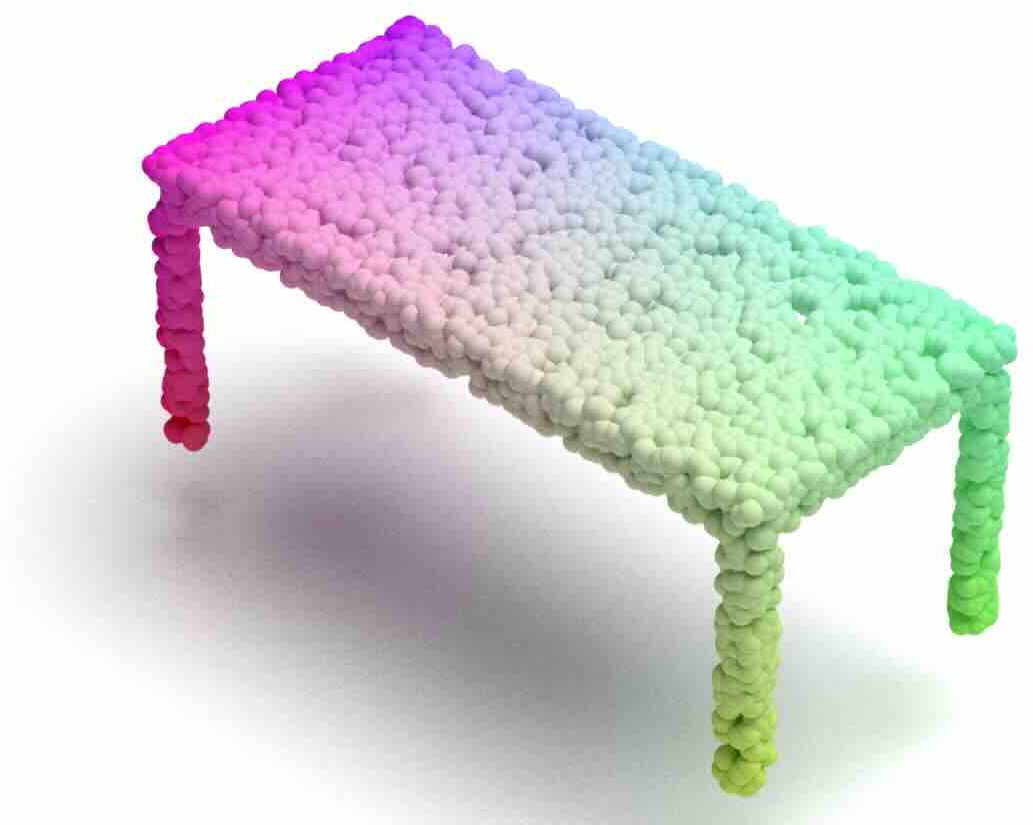
Figure 7: Additional qualitative geometric reconstructions across synthetic and real-world data, demonstrating FlowObject’s robust completion even in strong occlusion regimes.
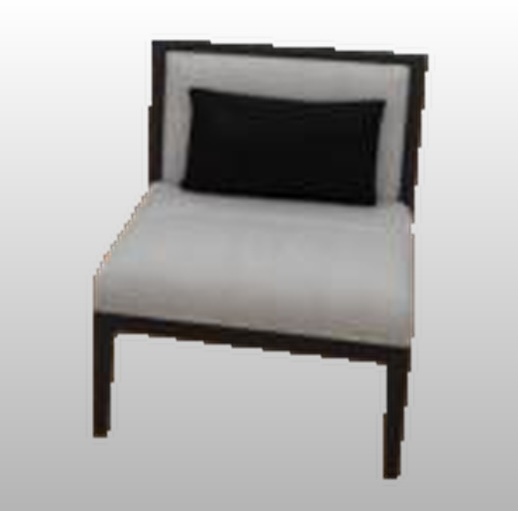
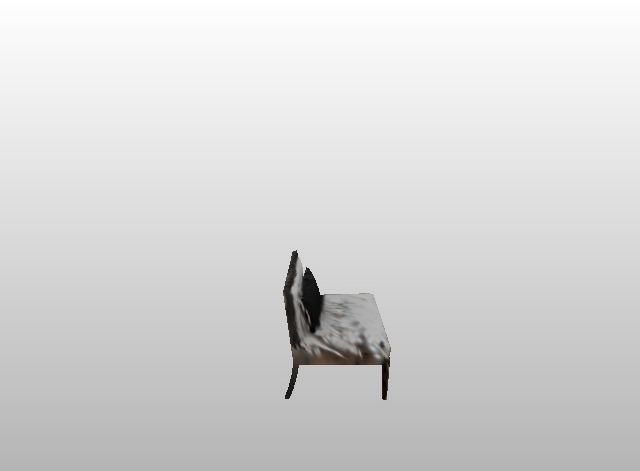
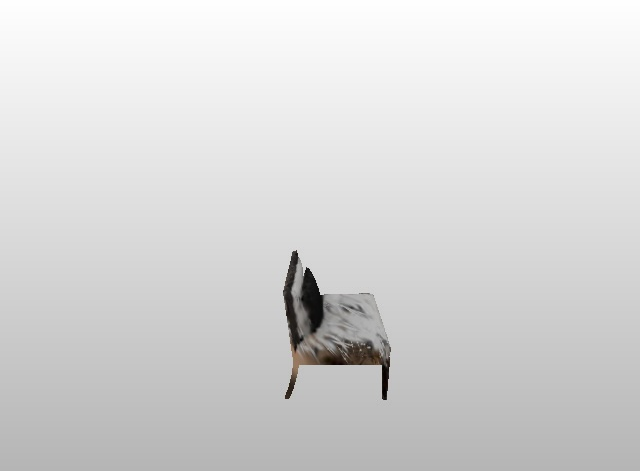
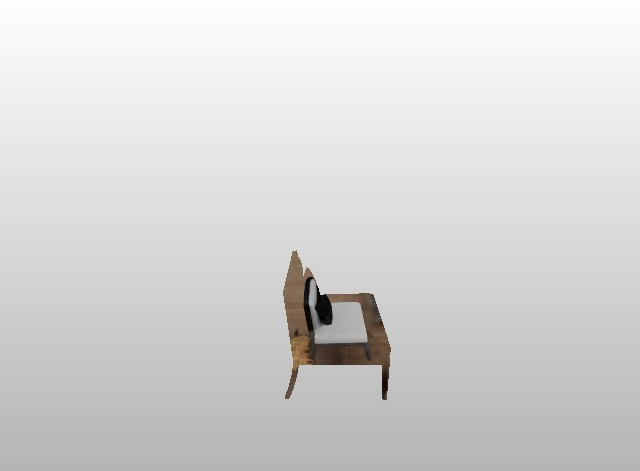


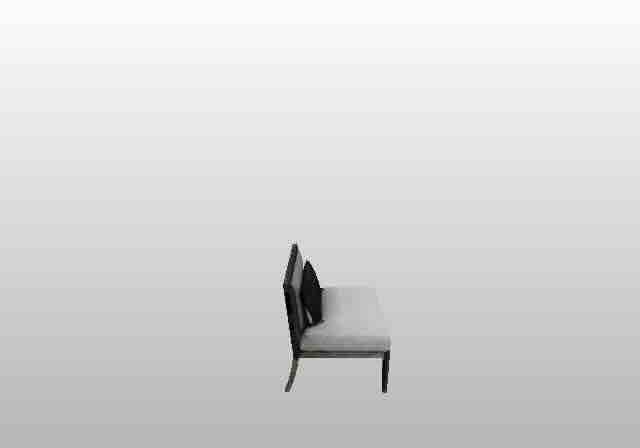
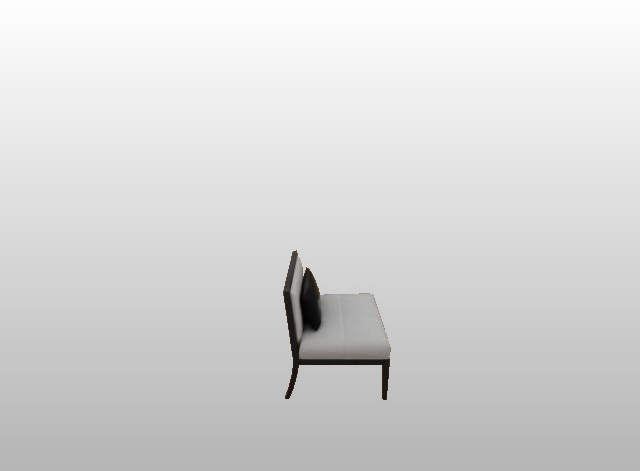
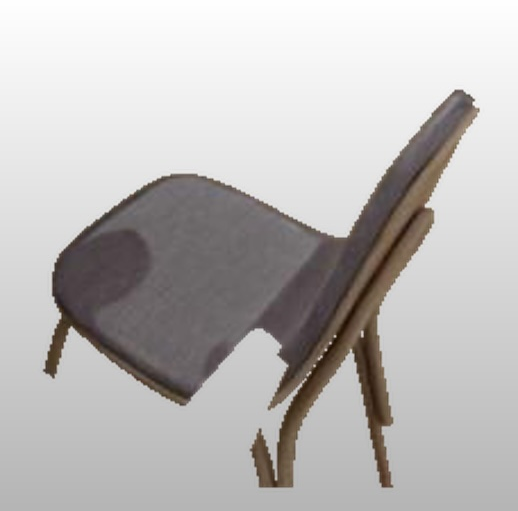
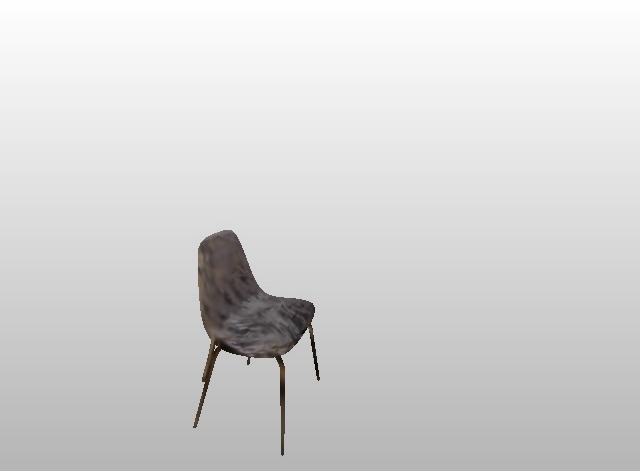
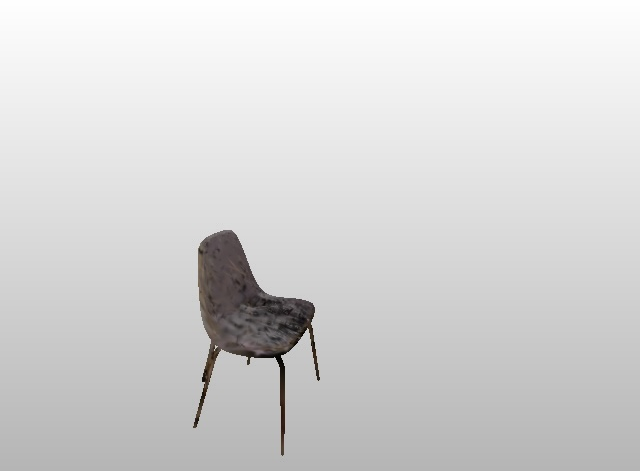
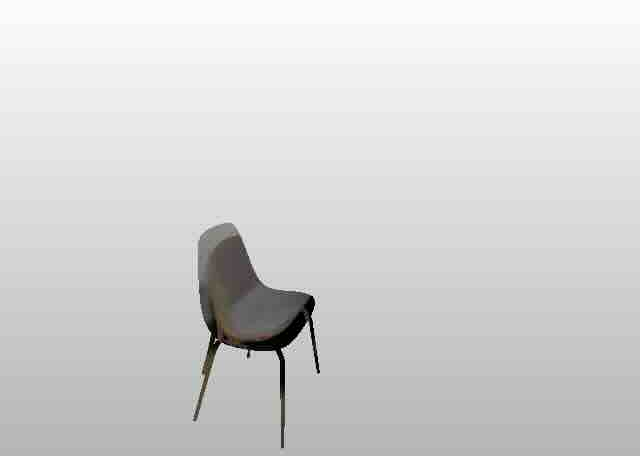
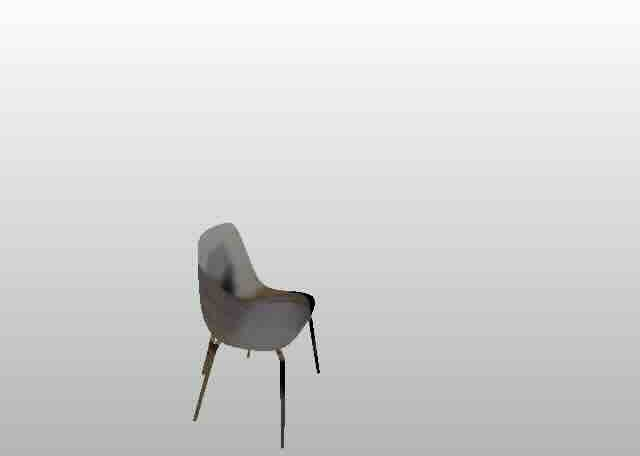

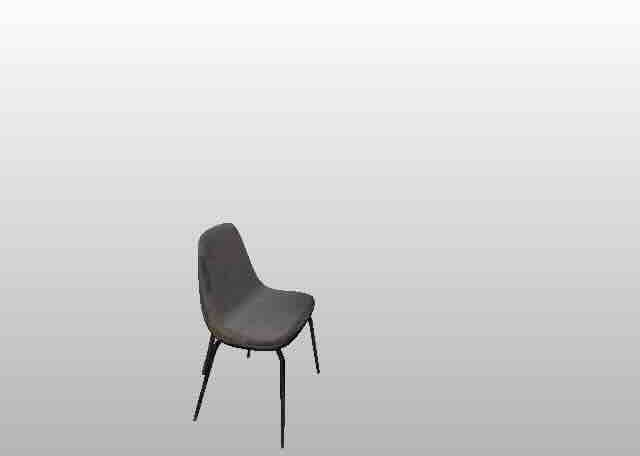
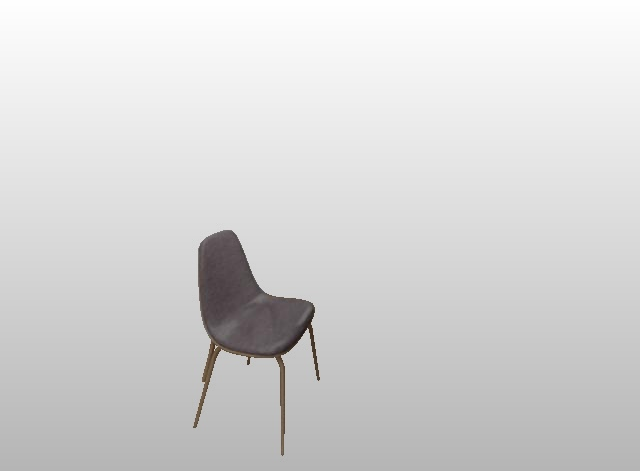
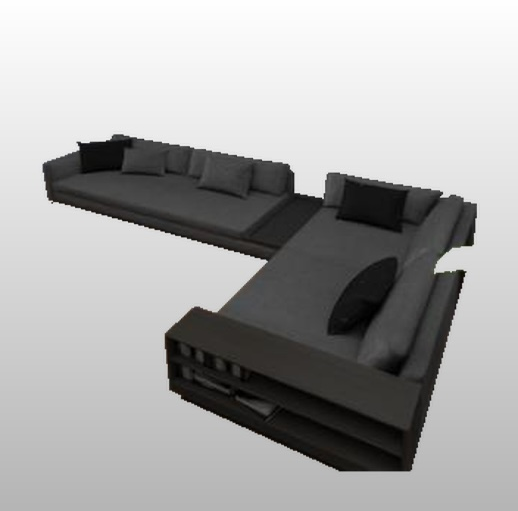
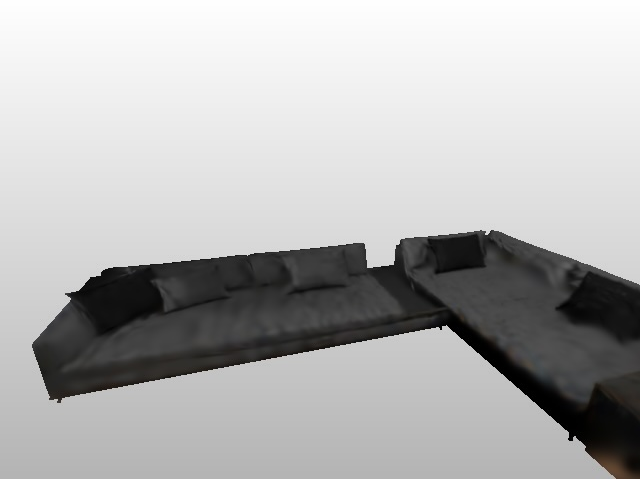
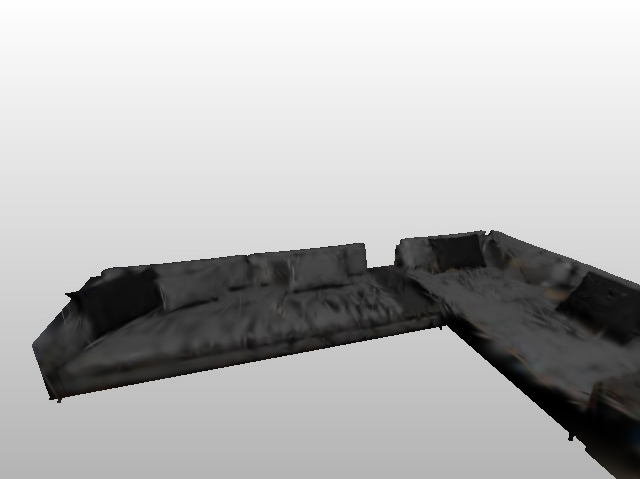
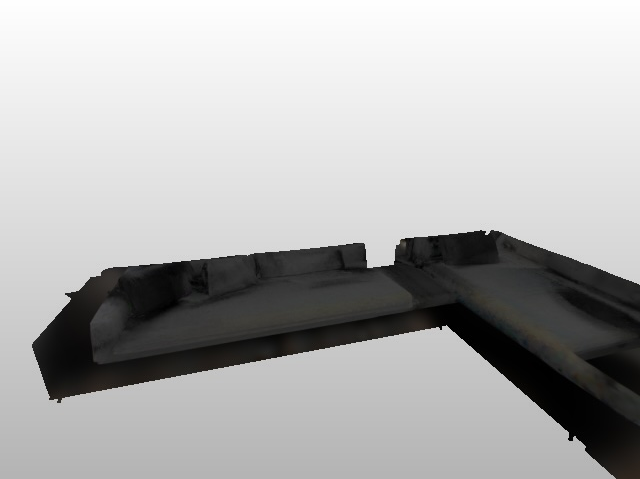
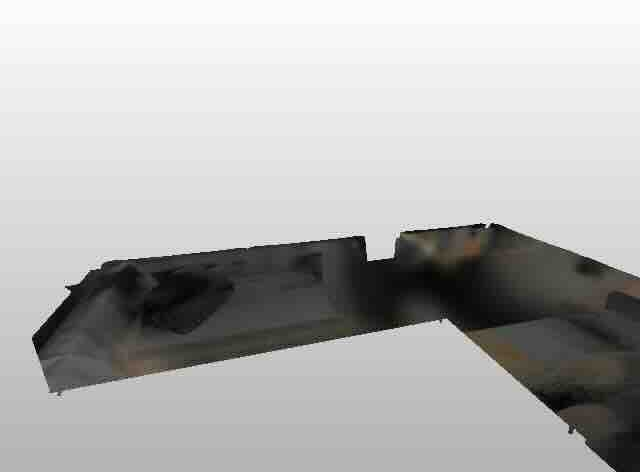
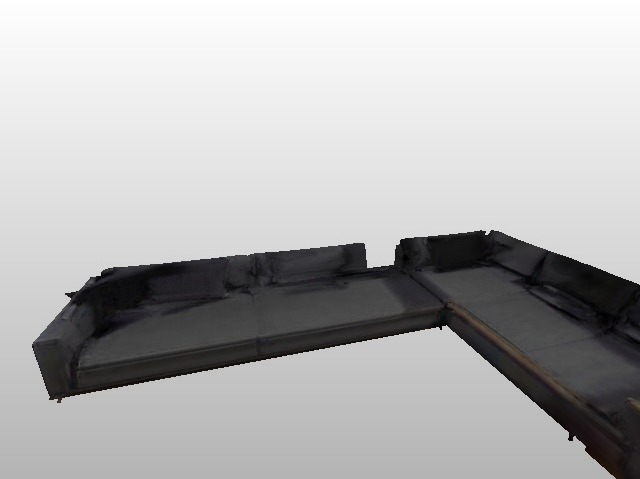
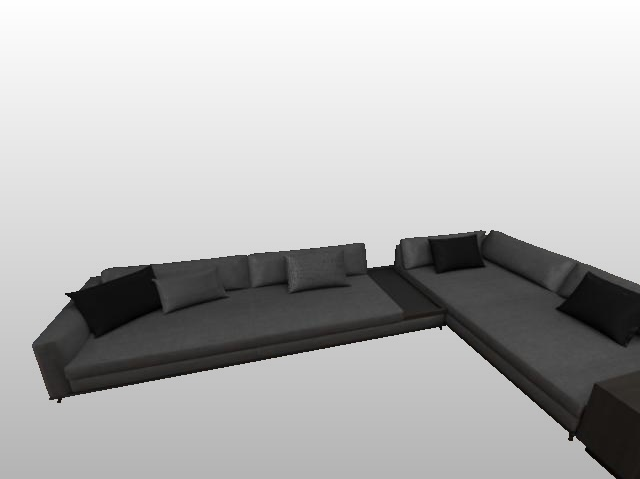
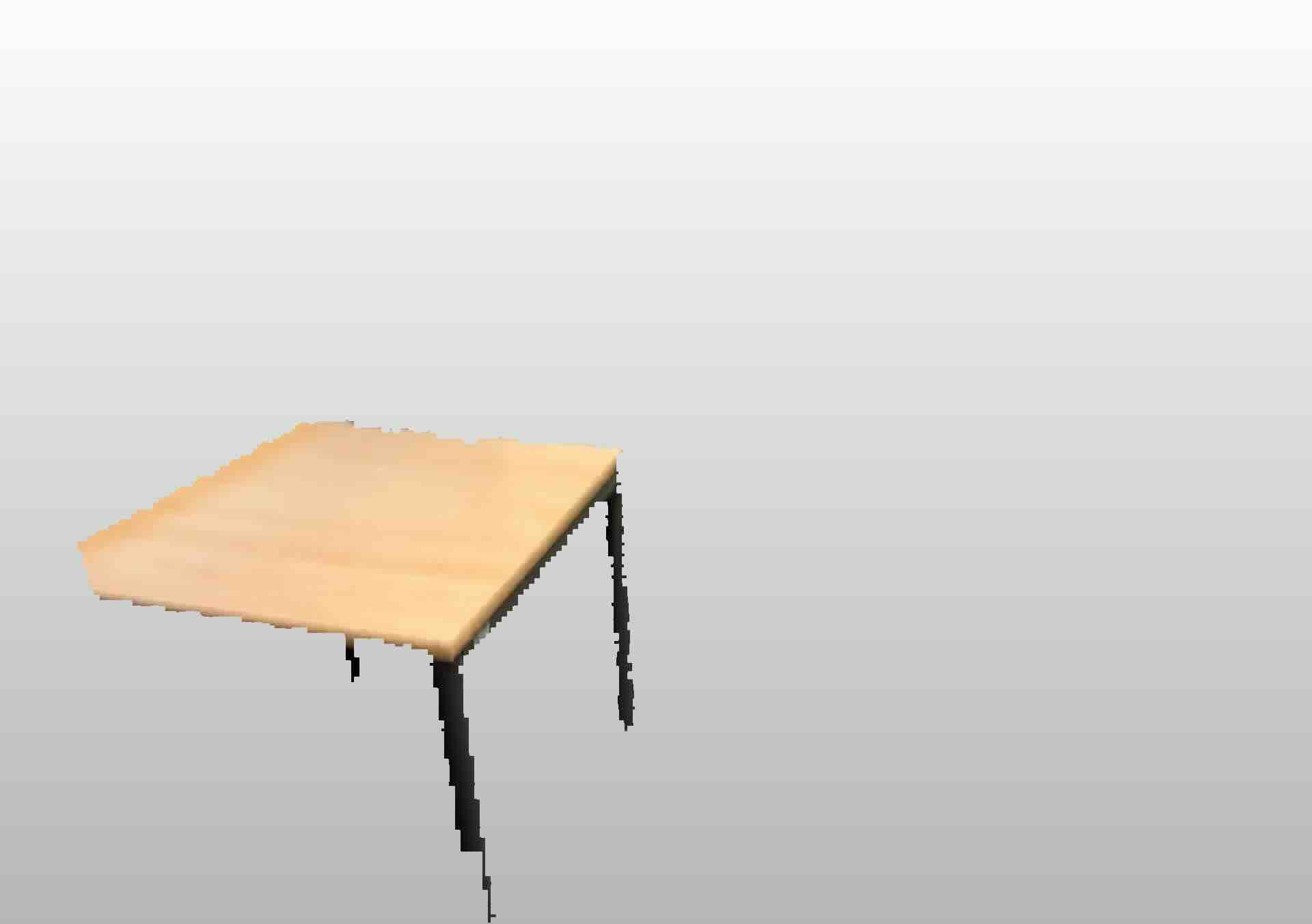
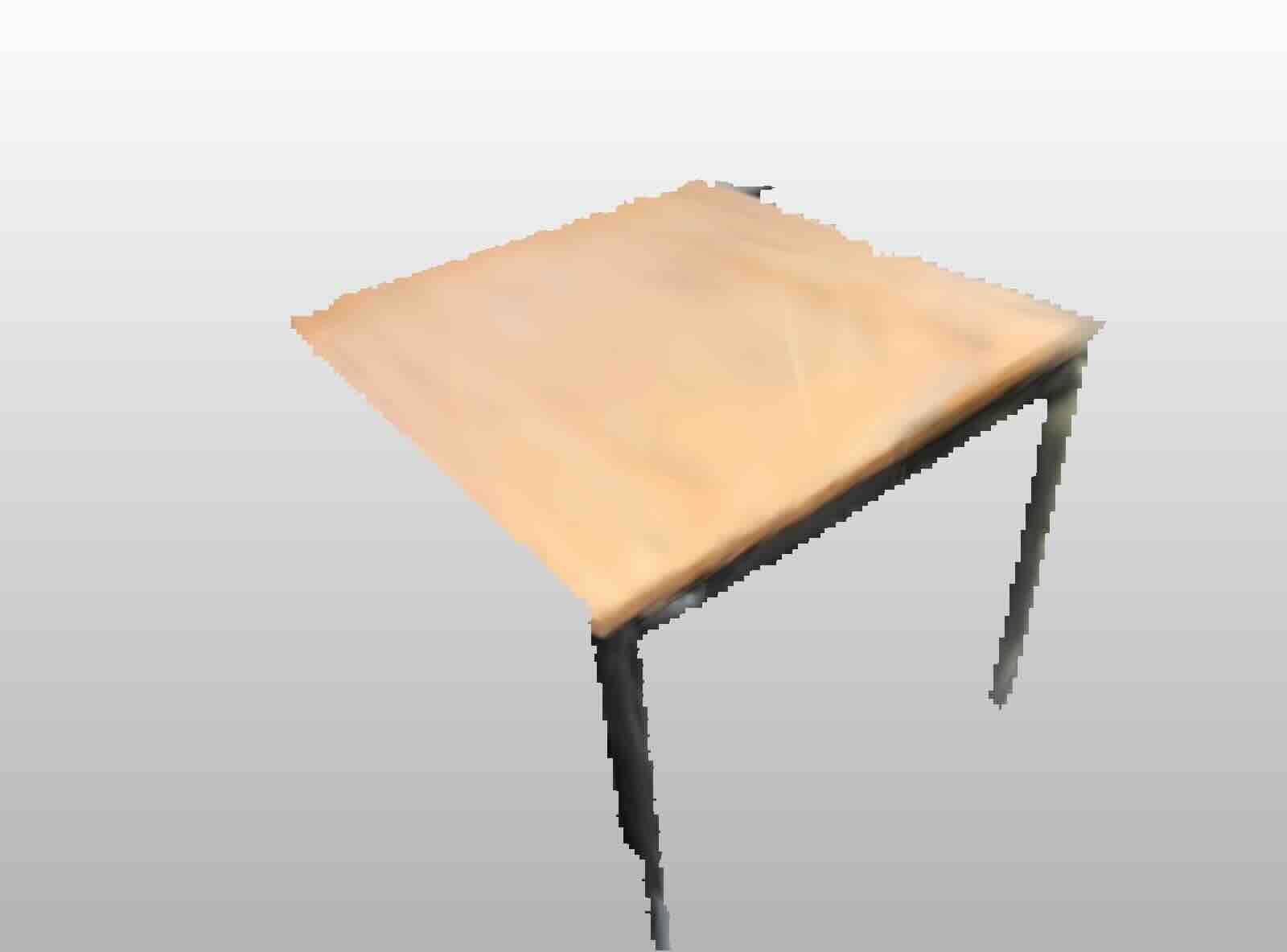
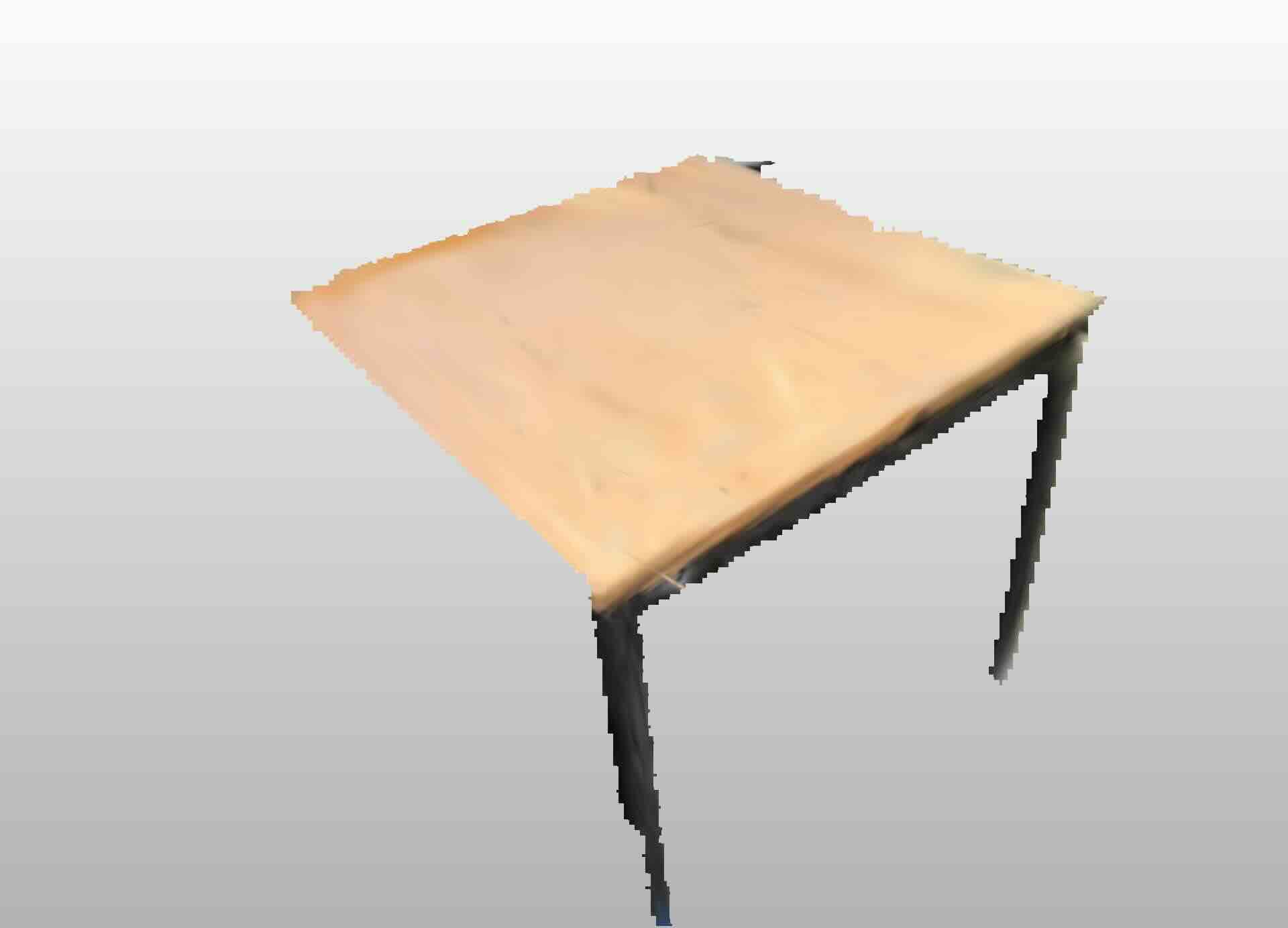
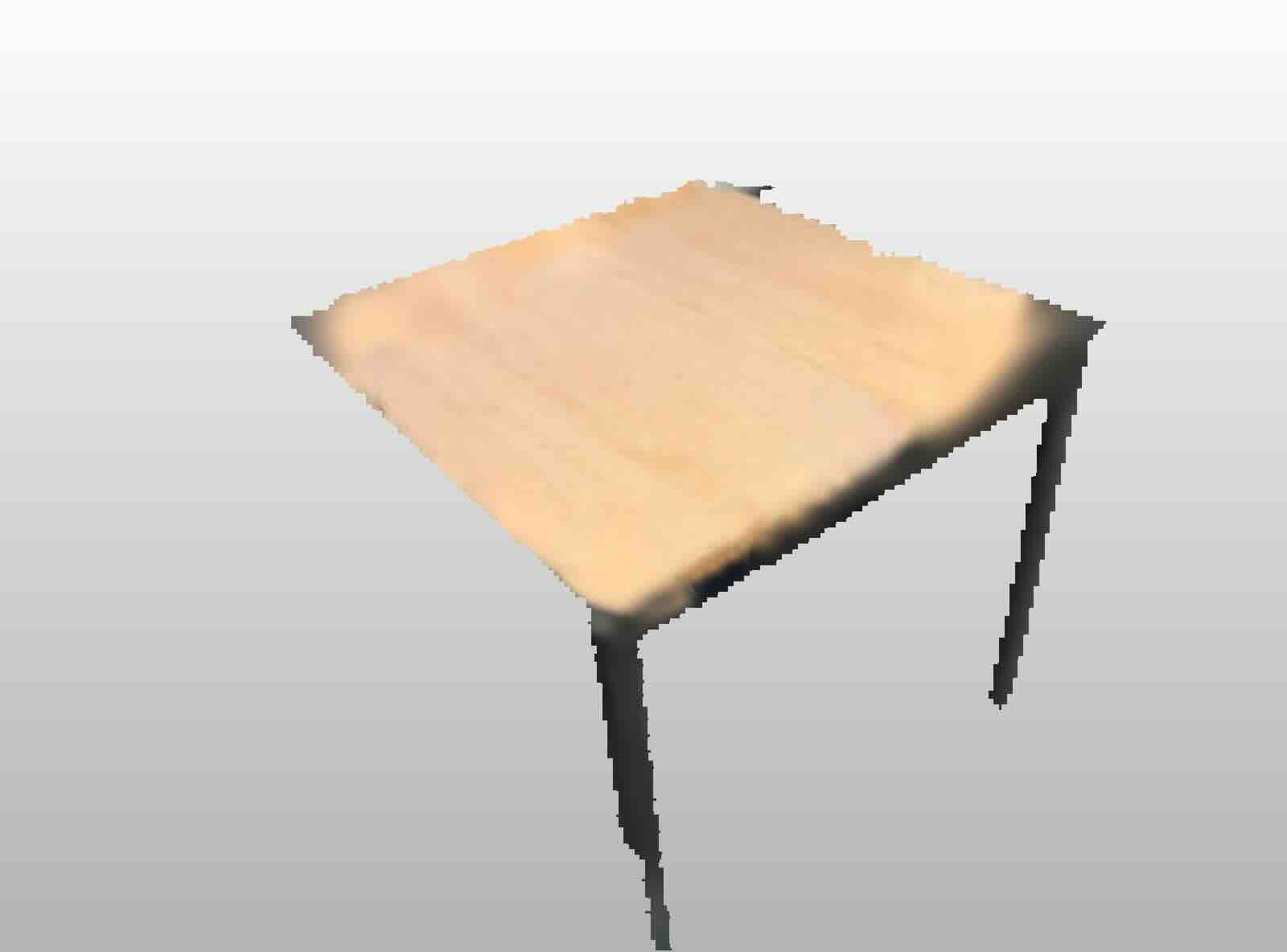
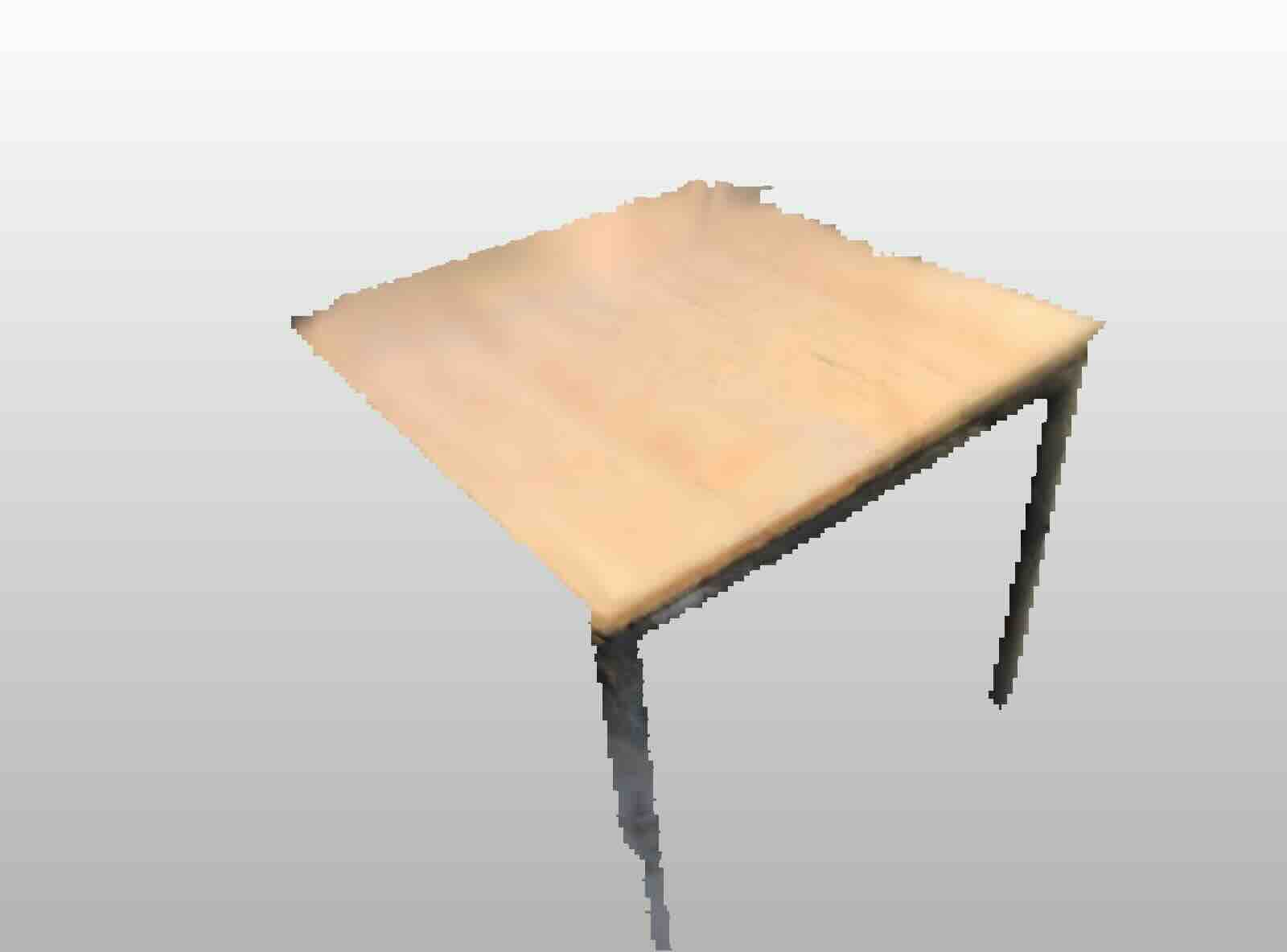
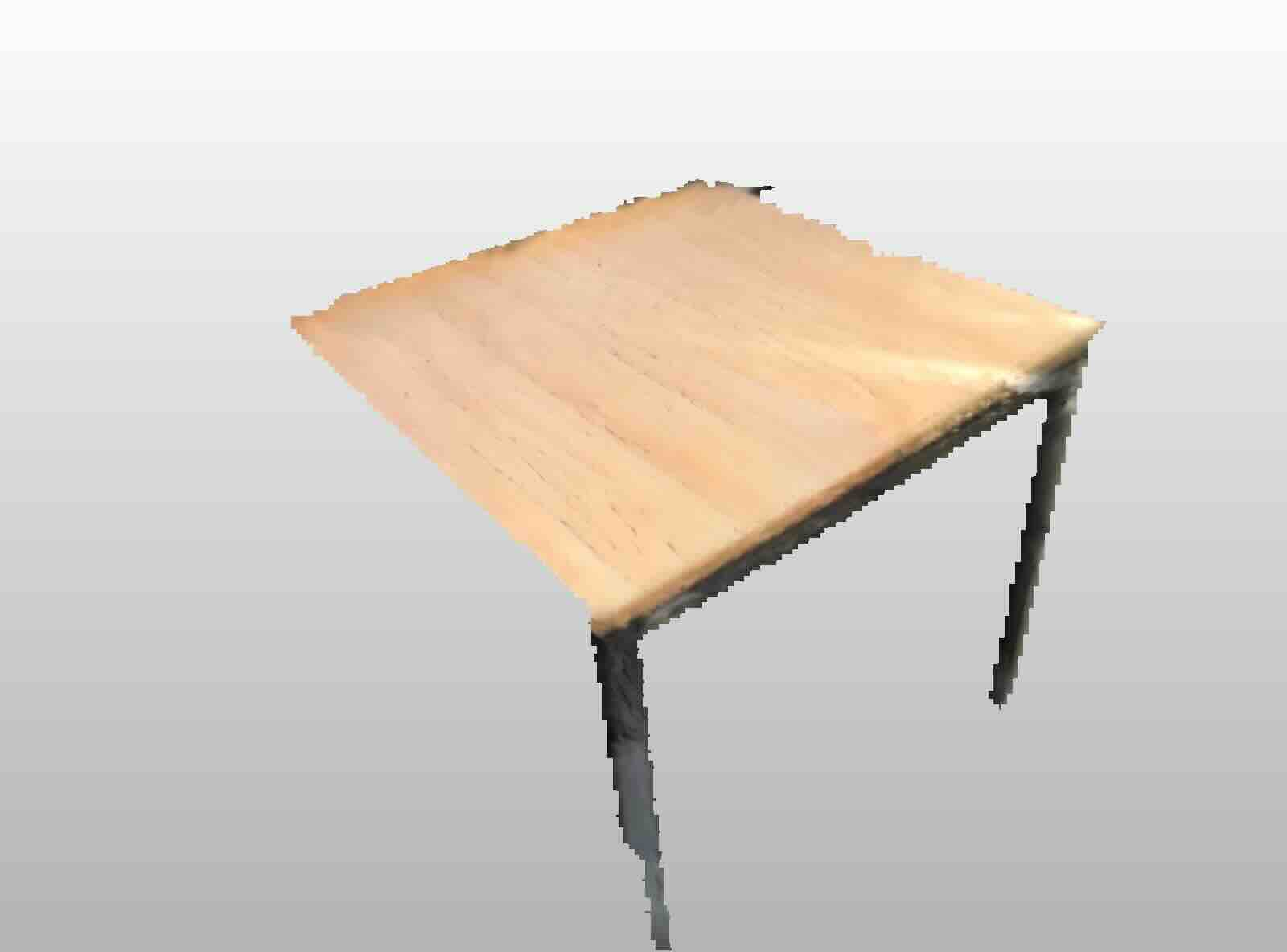
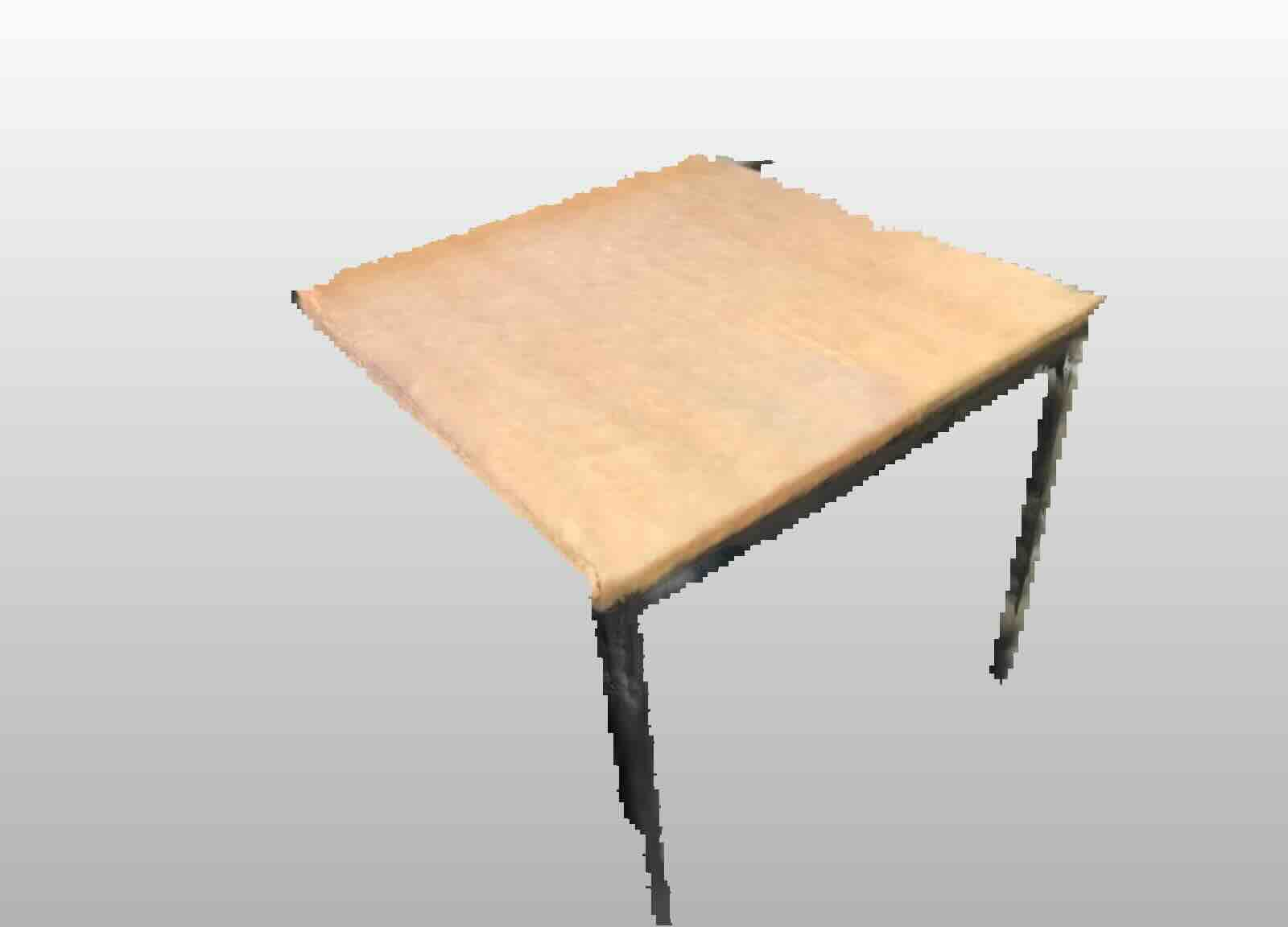
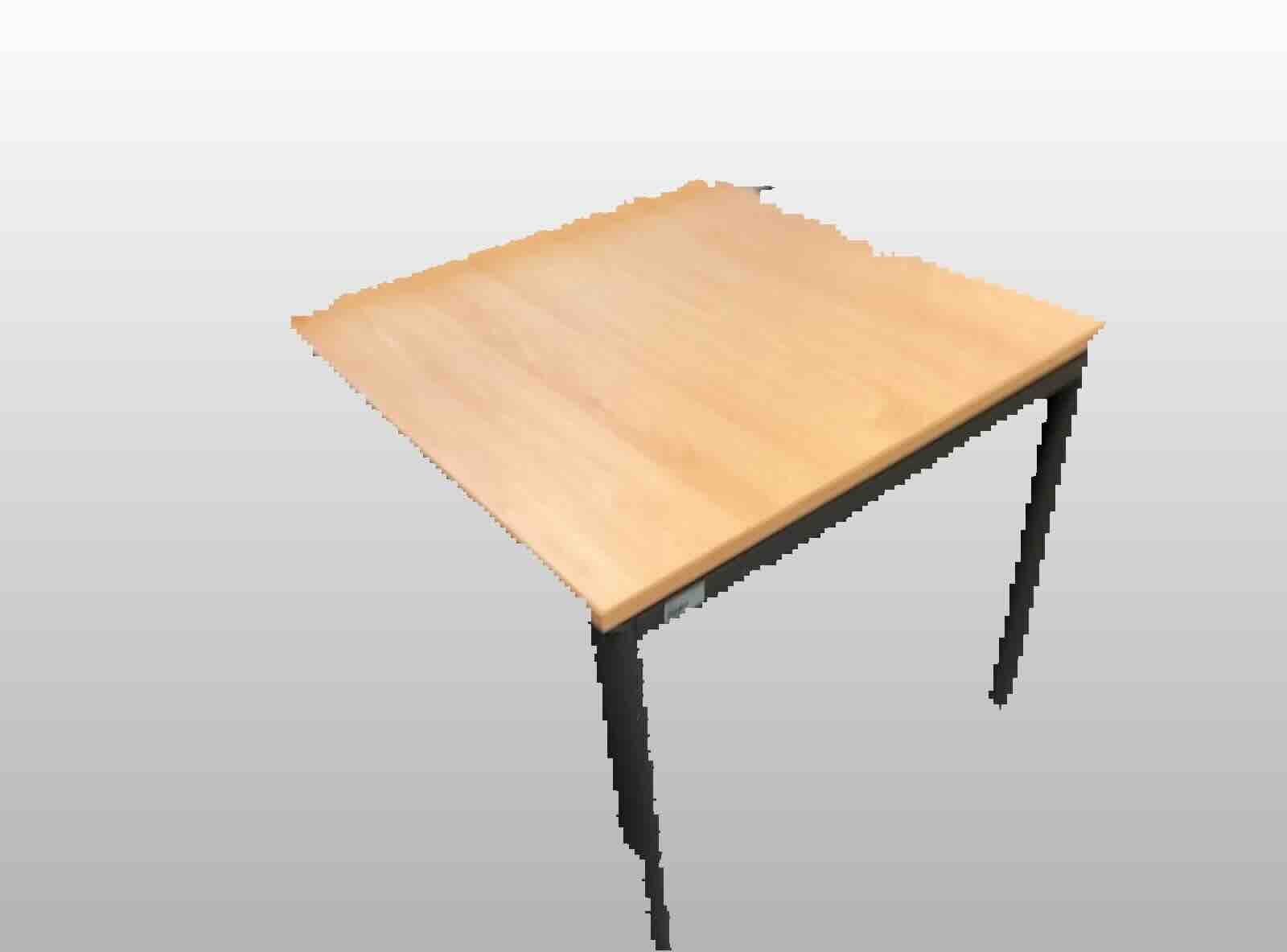
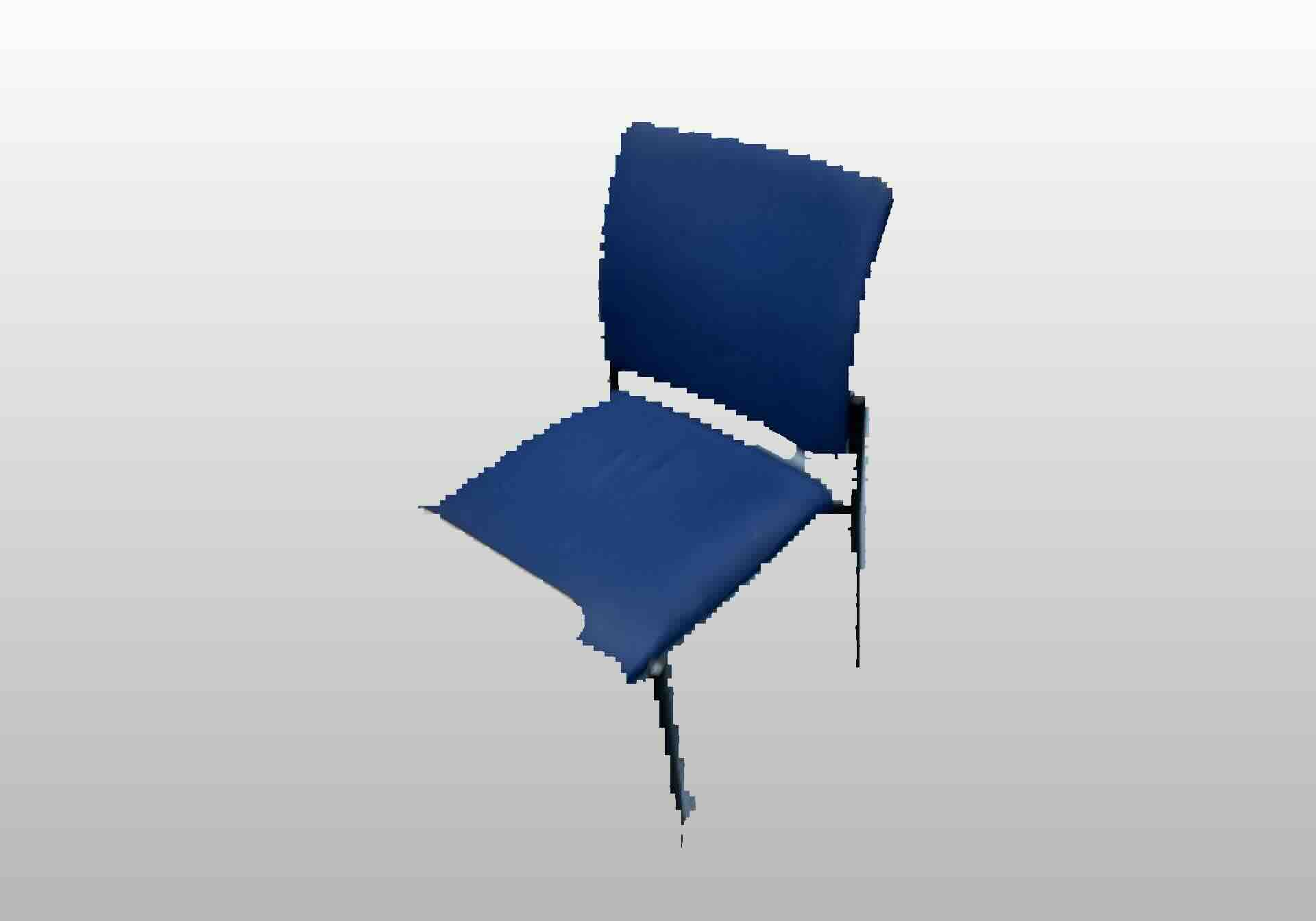
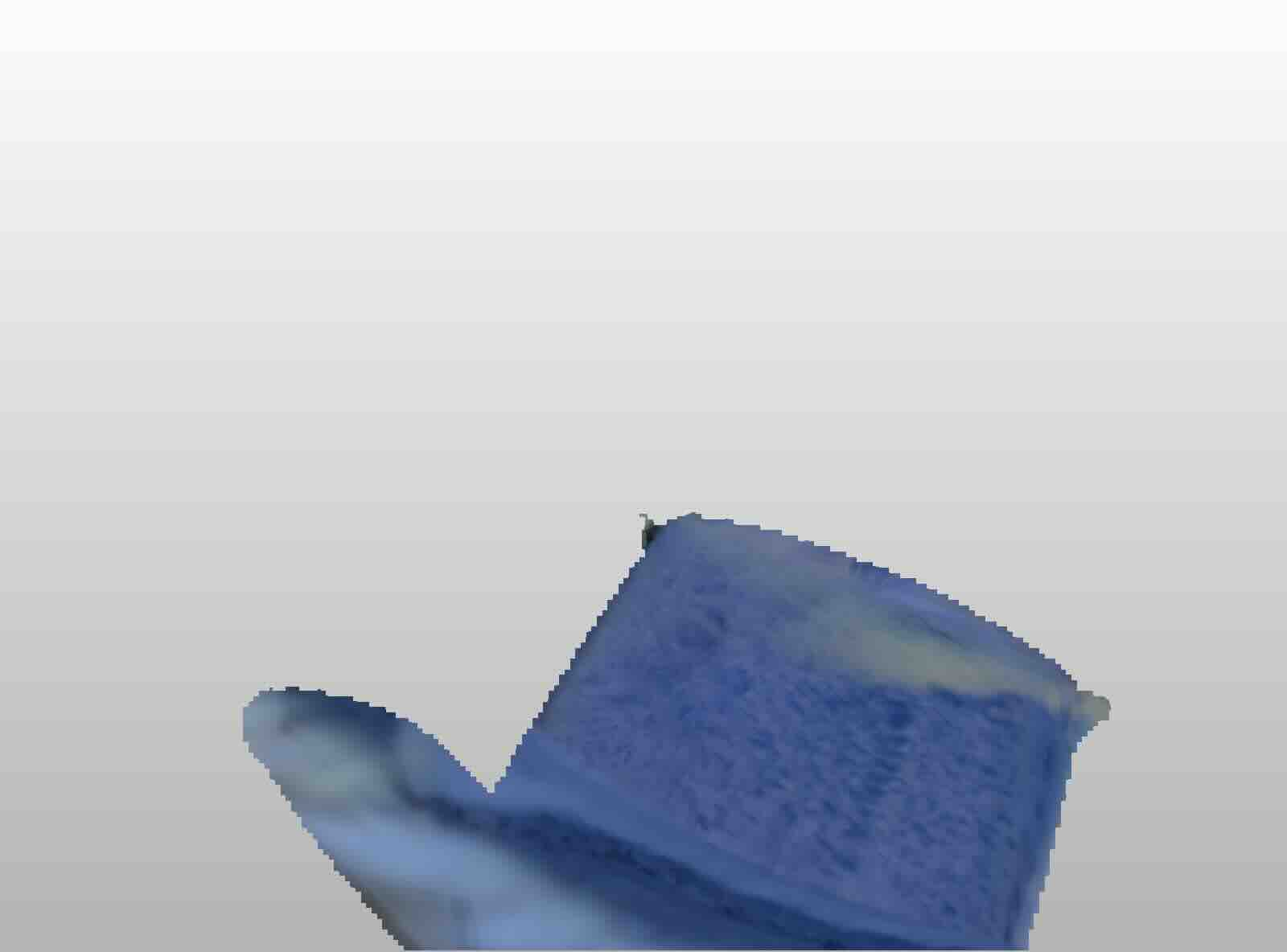
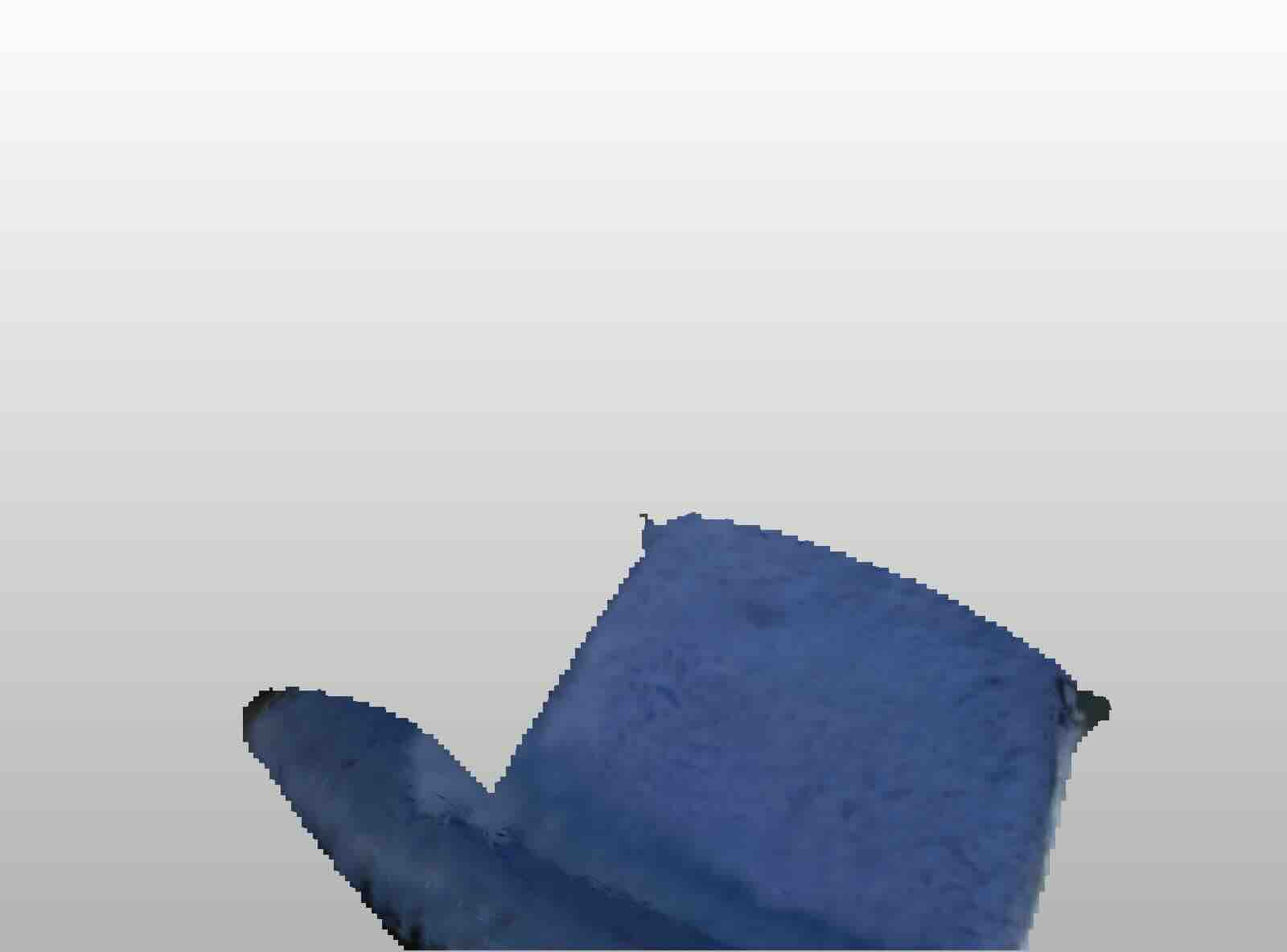
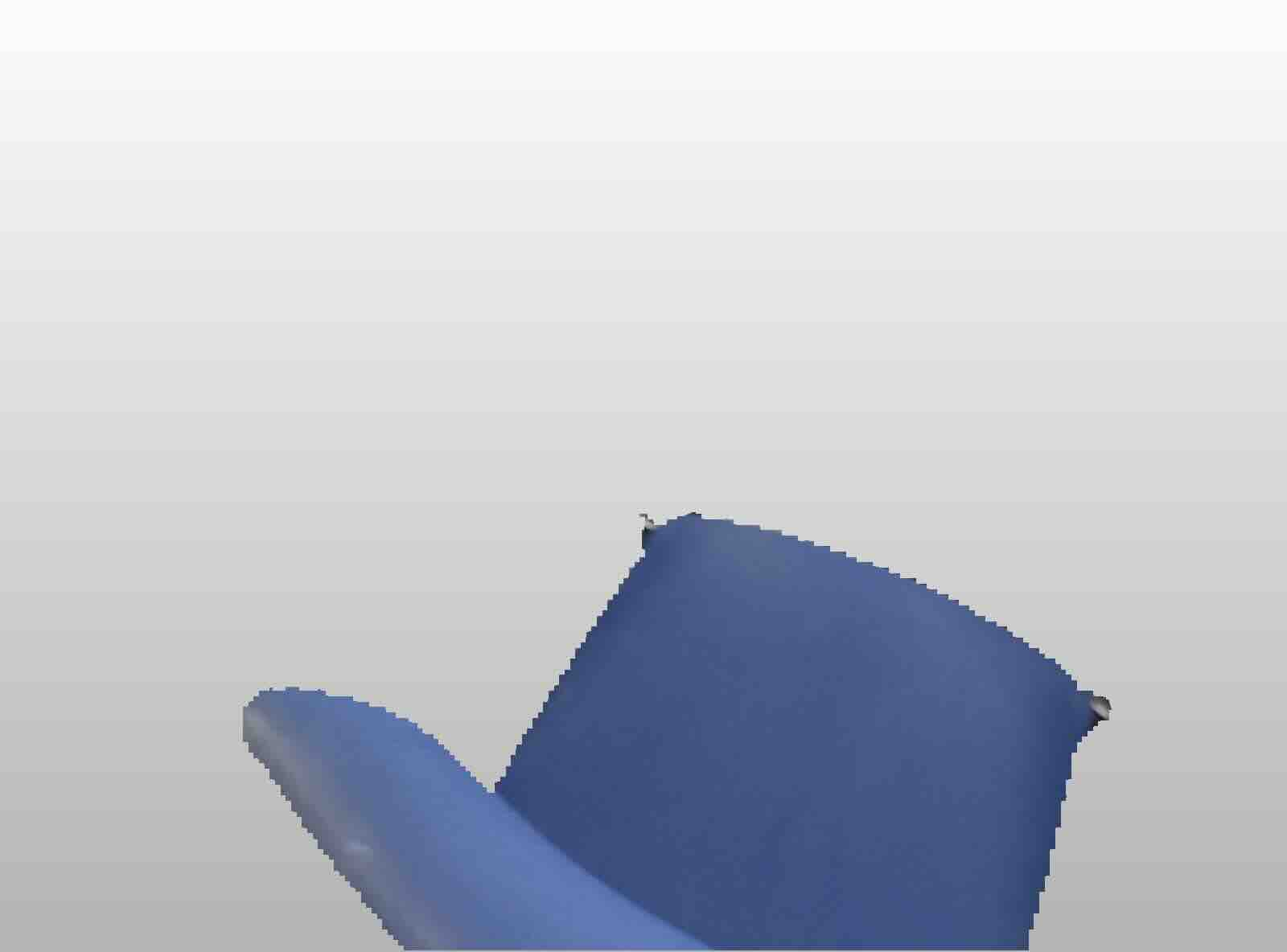
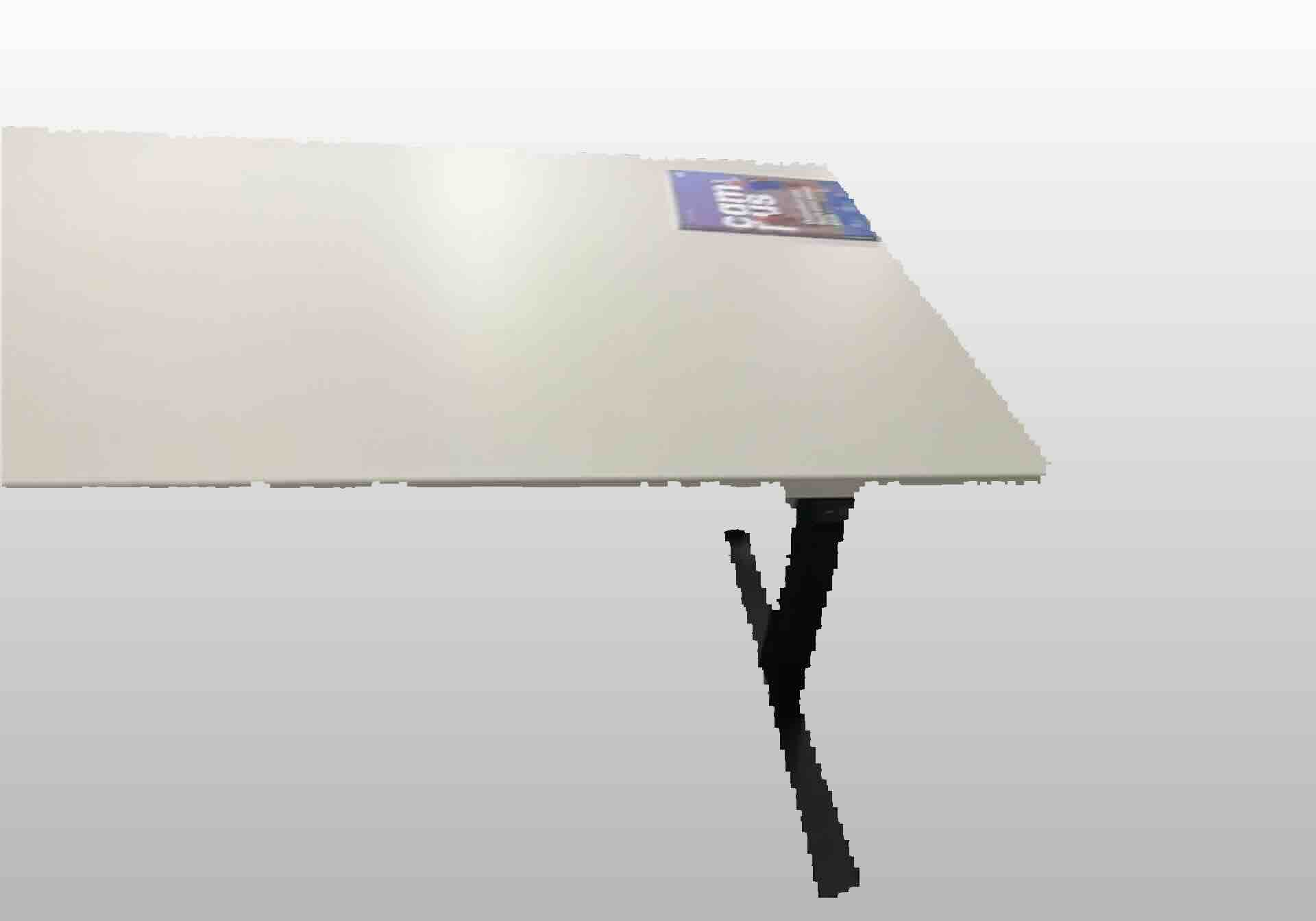
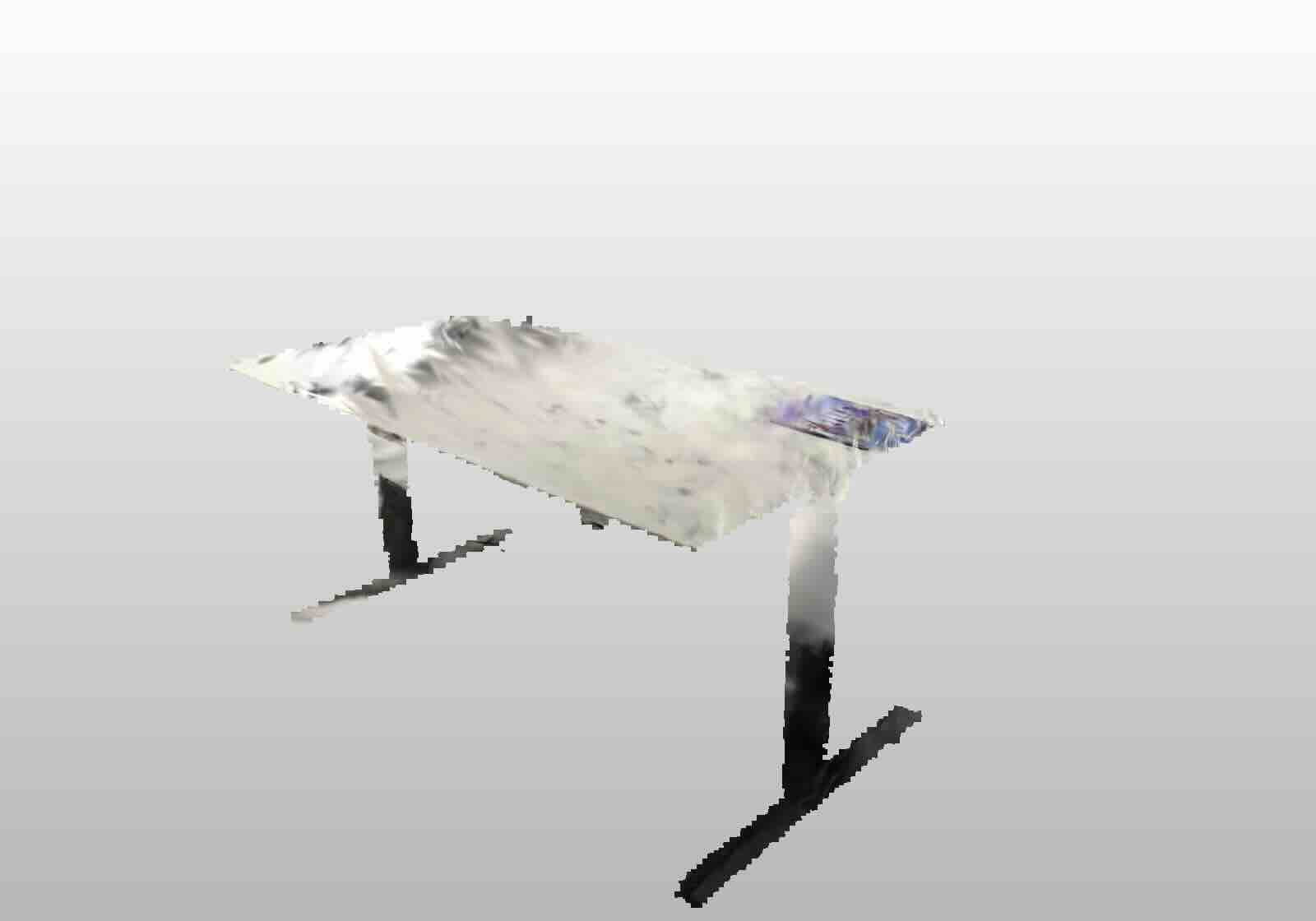
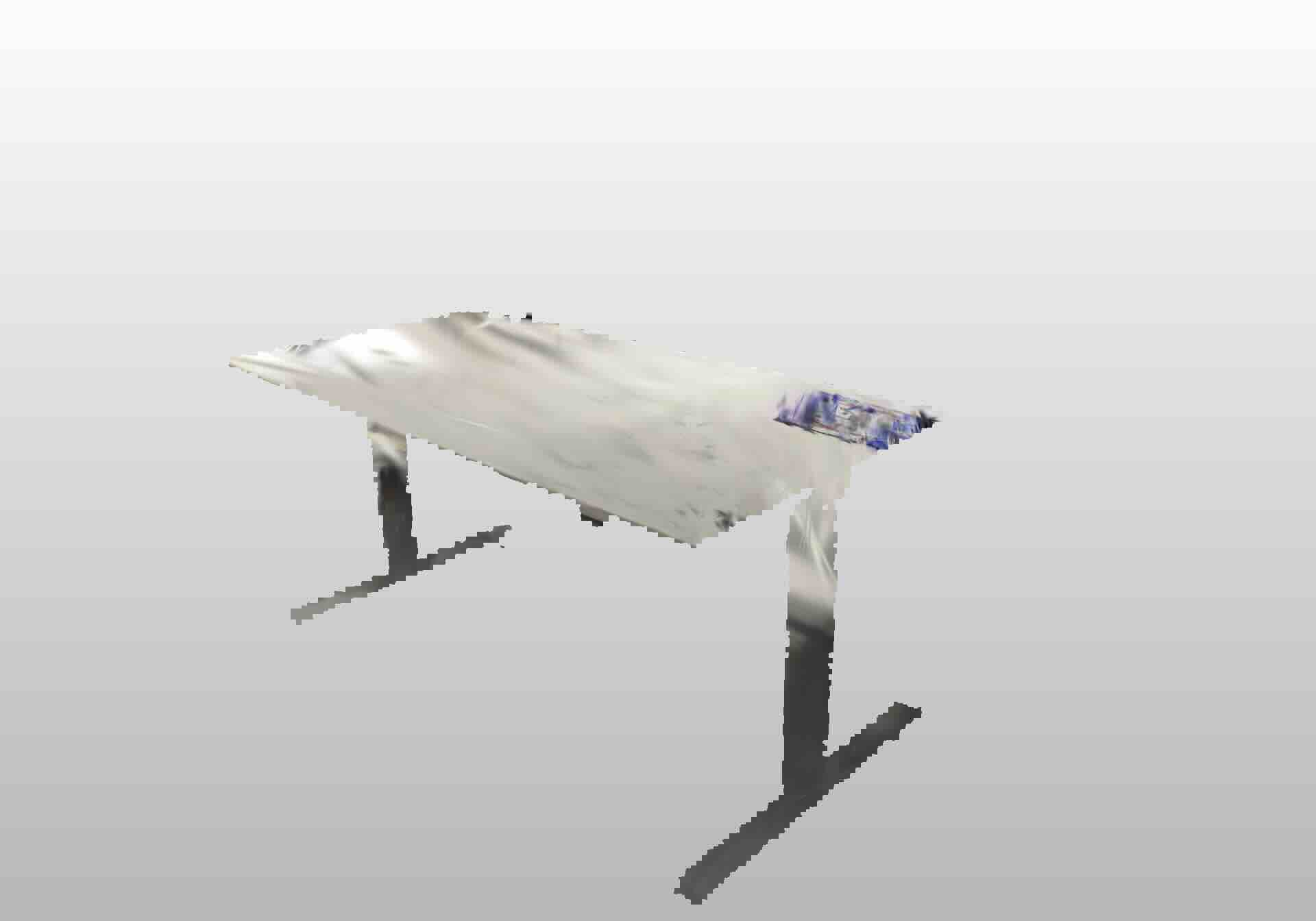
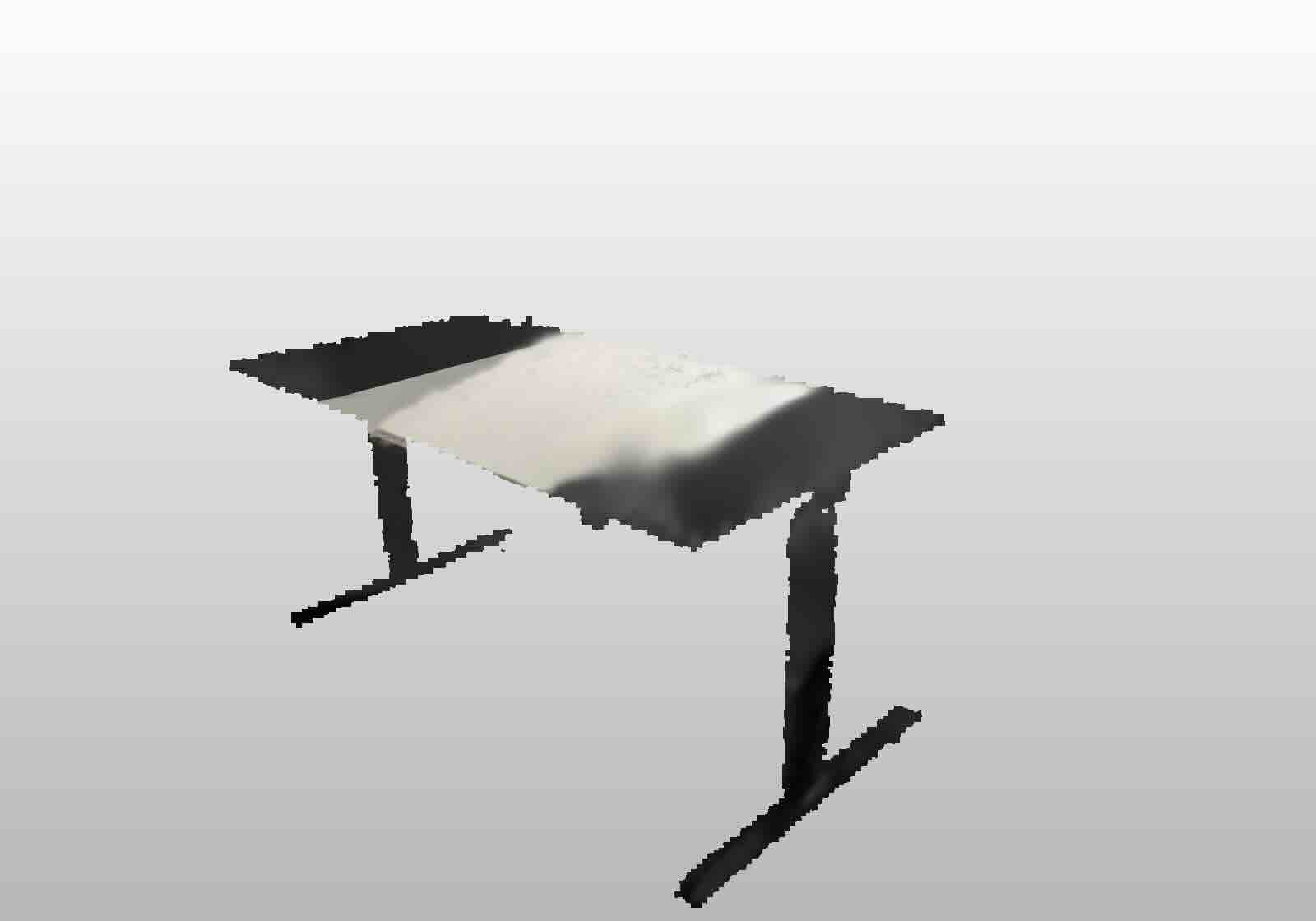
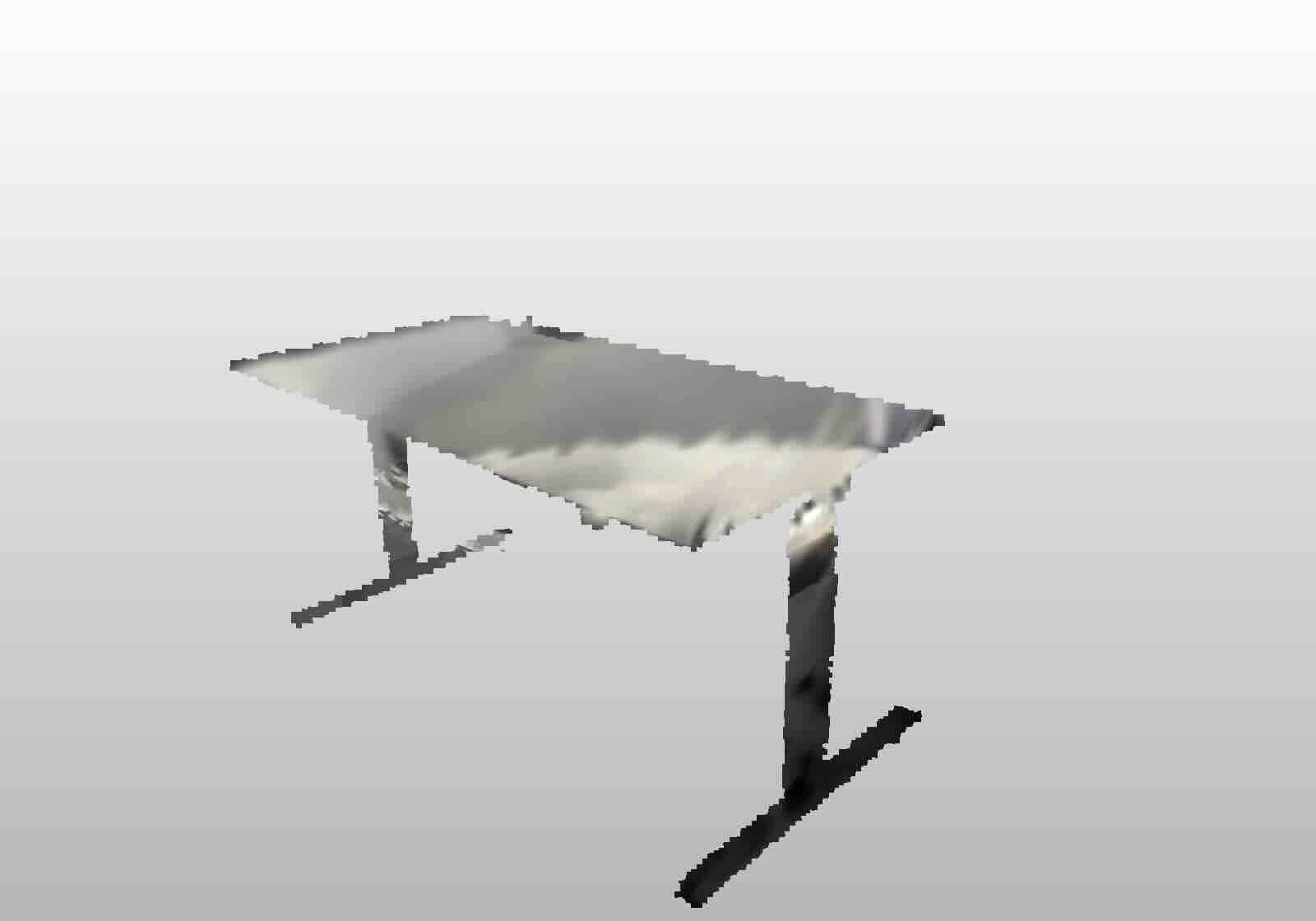
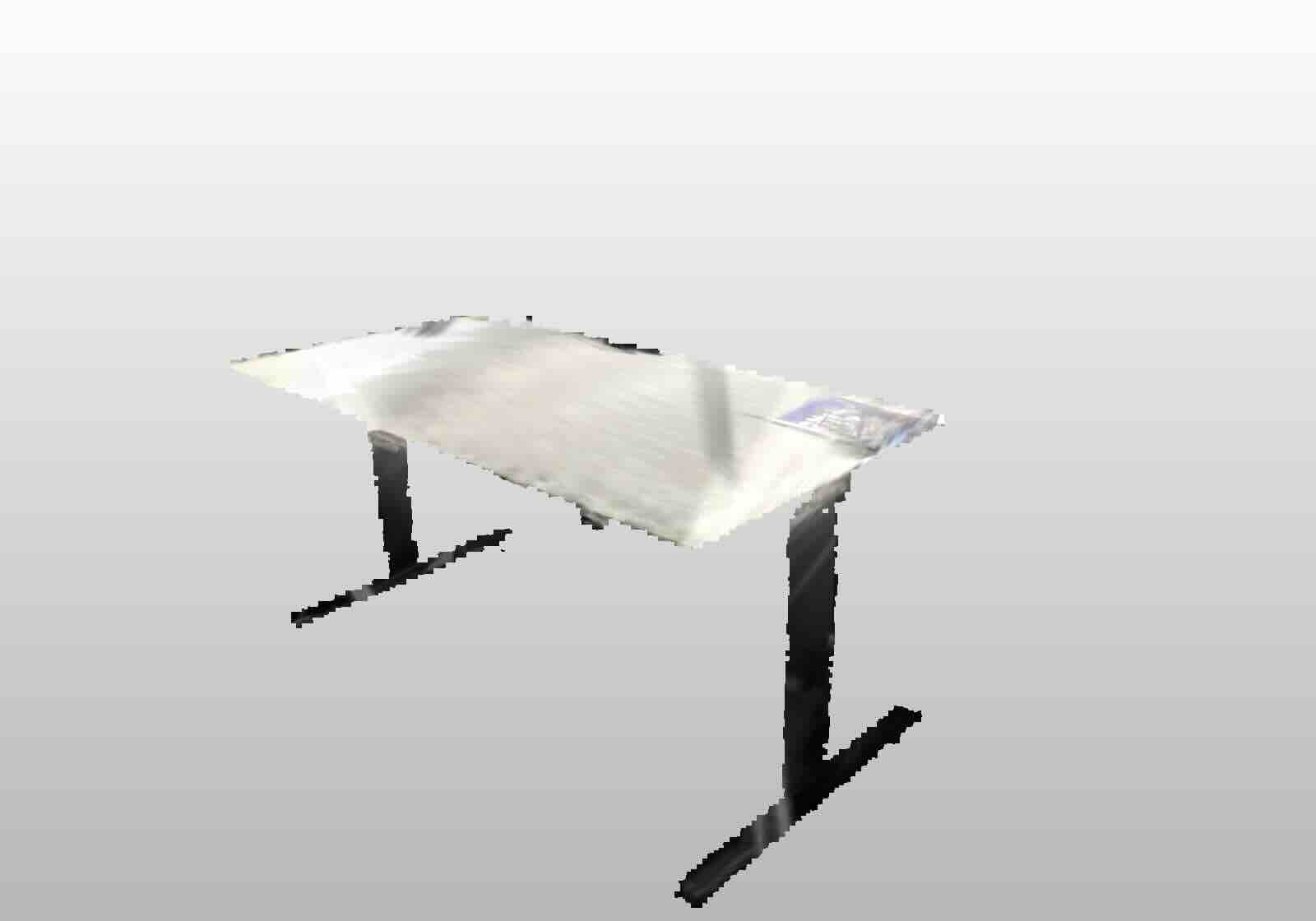
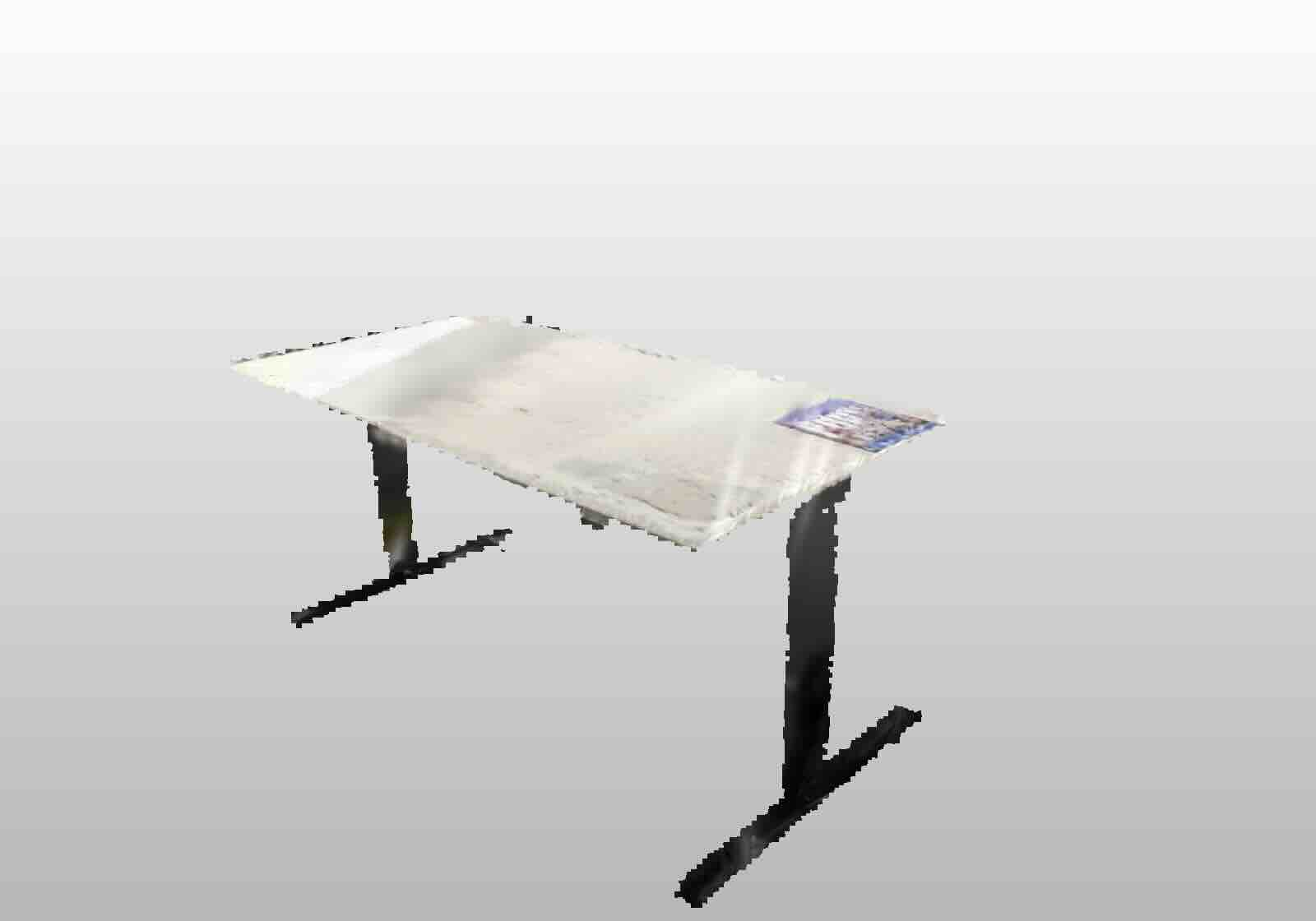
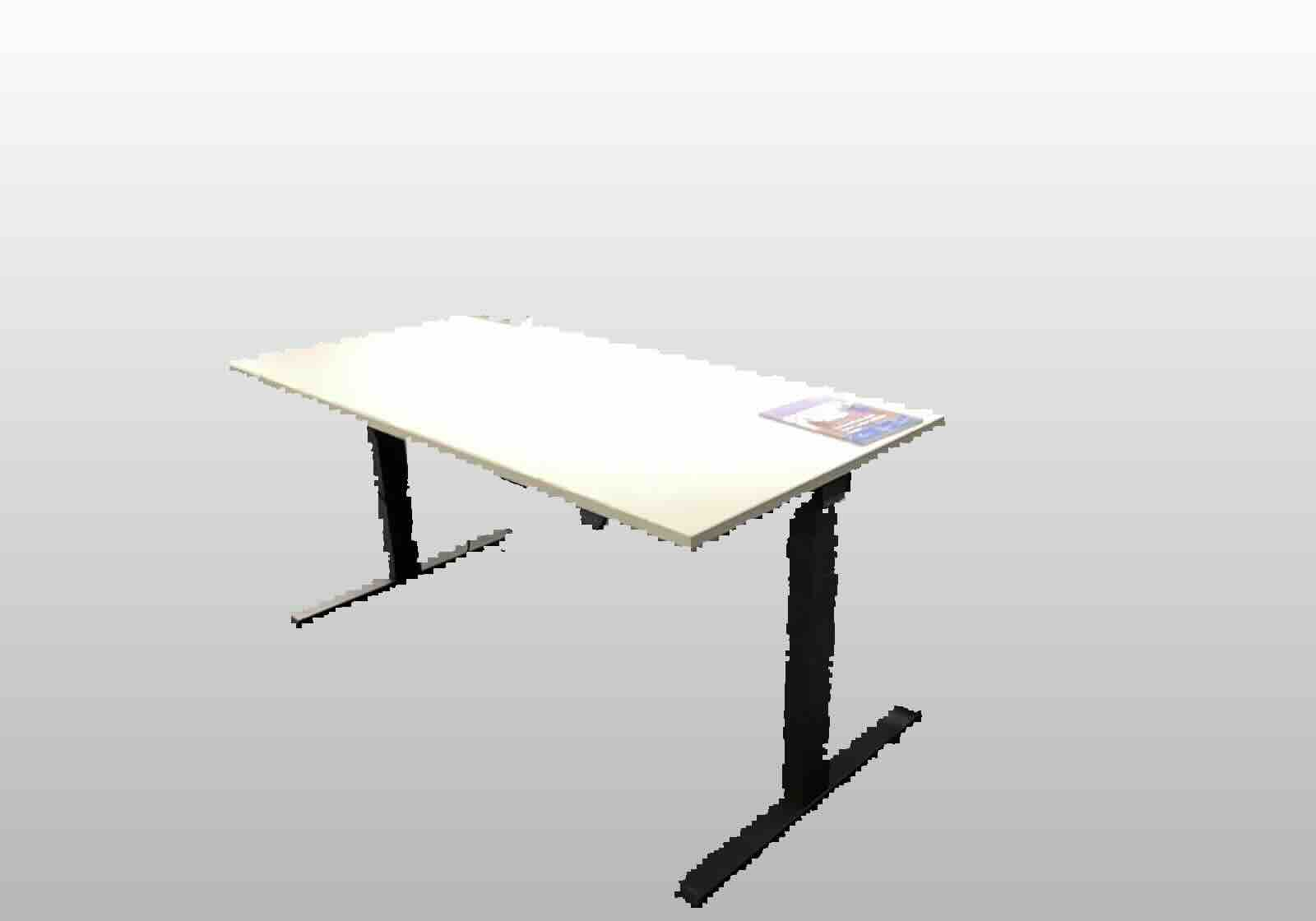
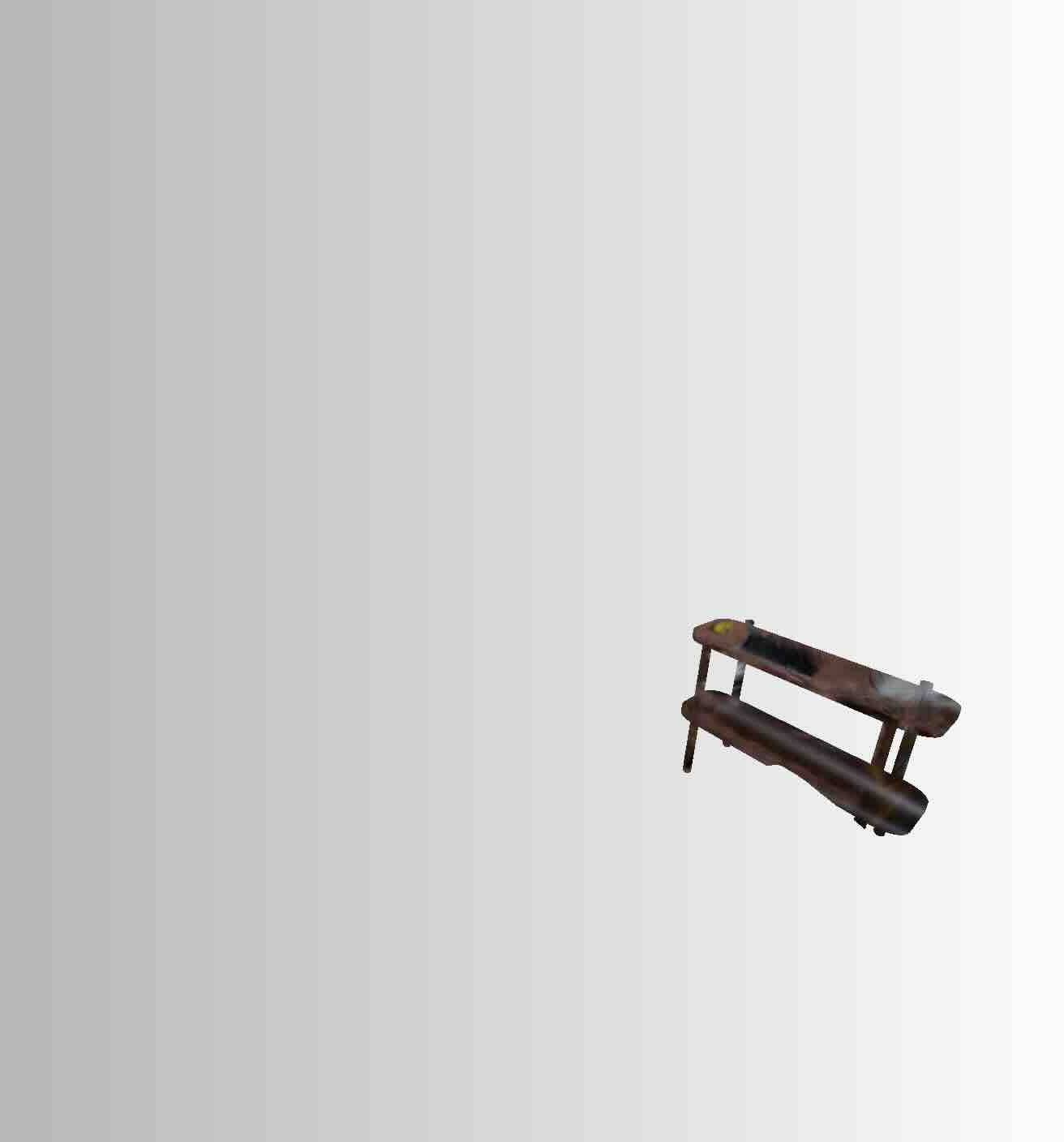
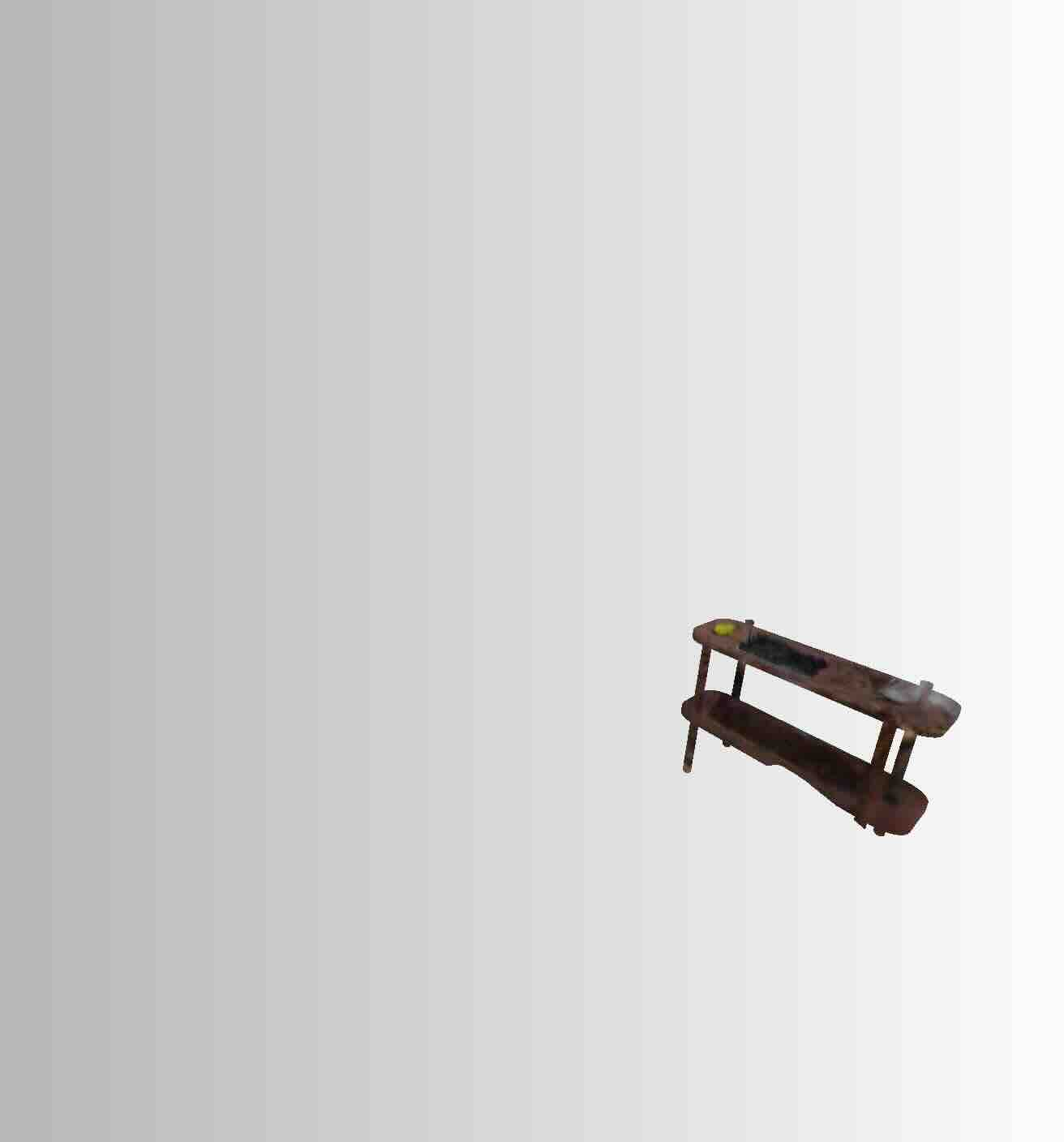
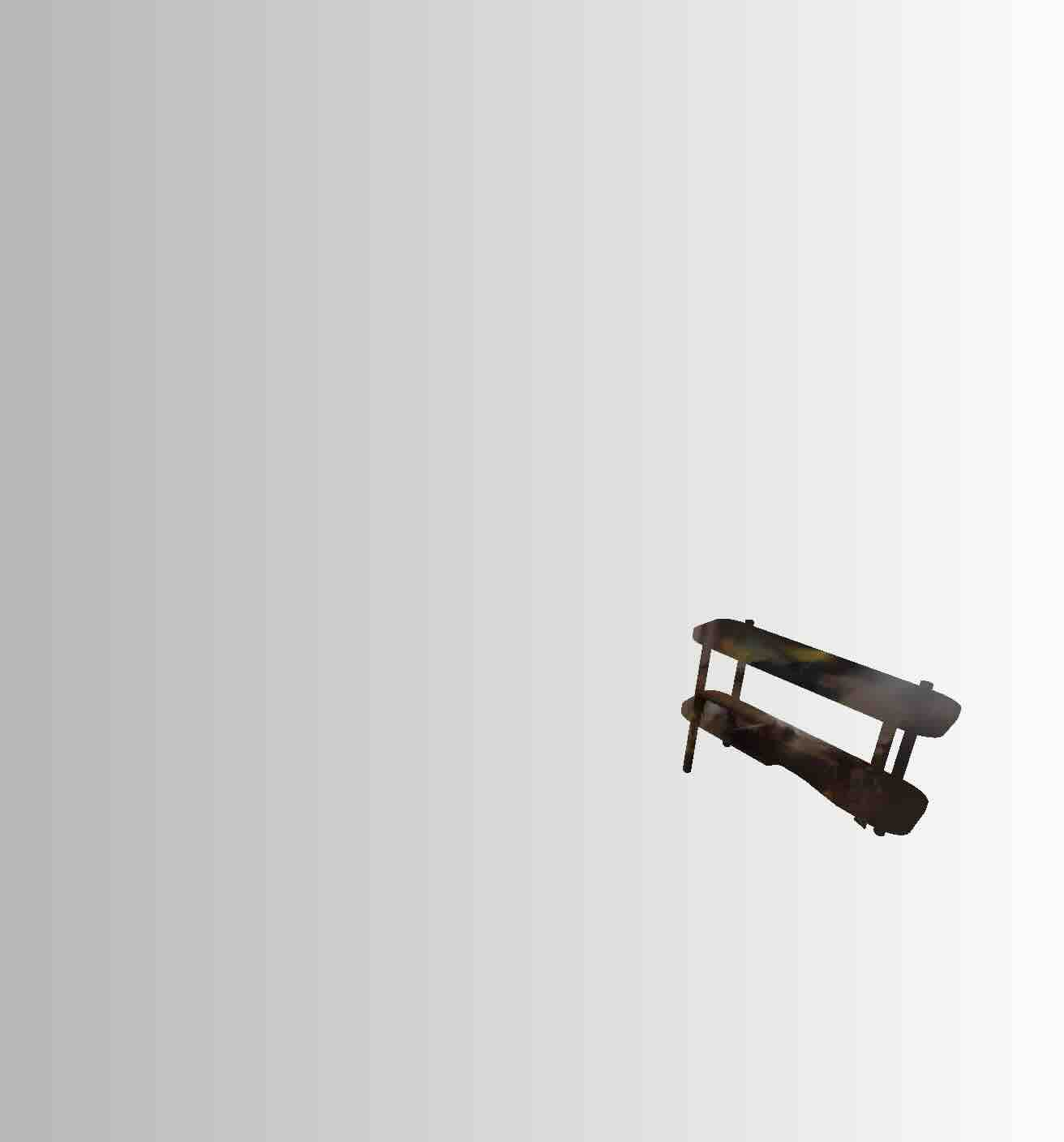
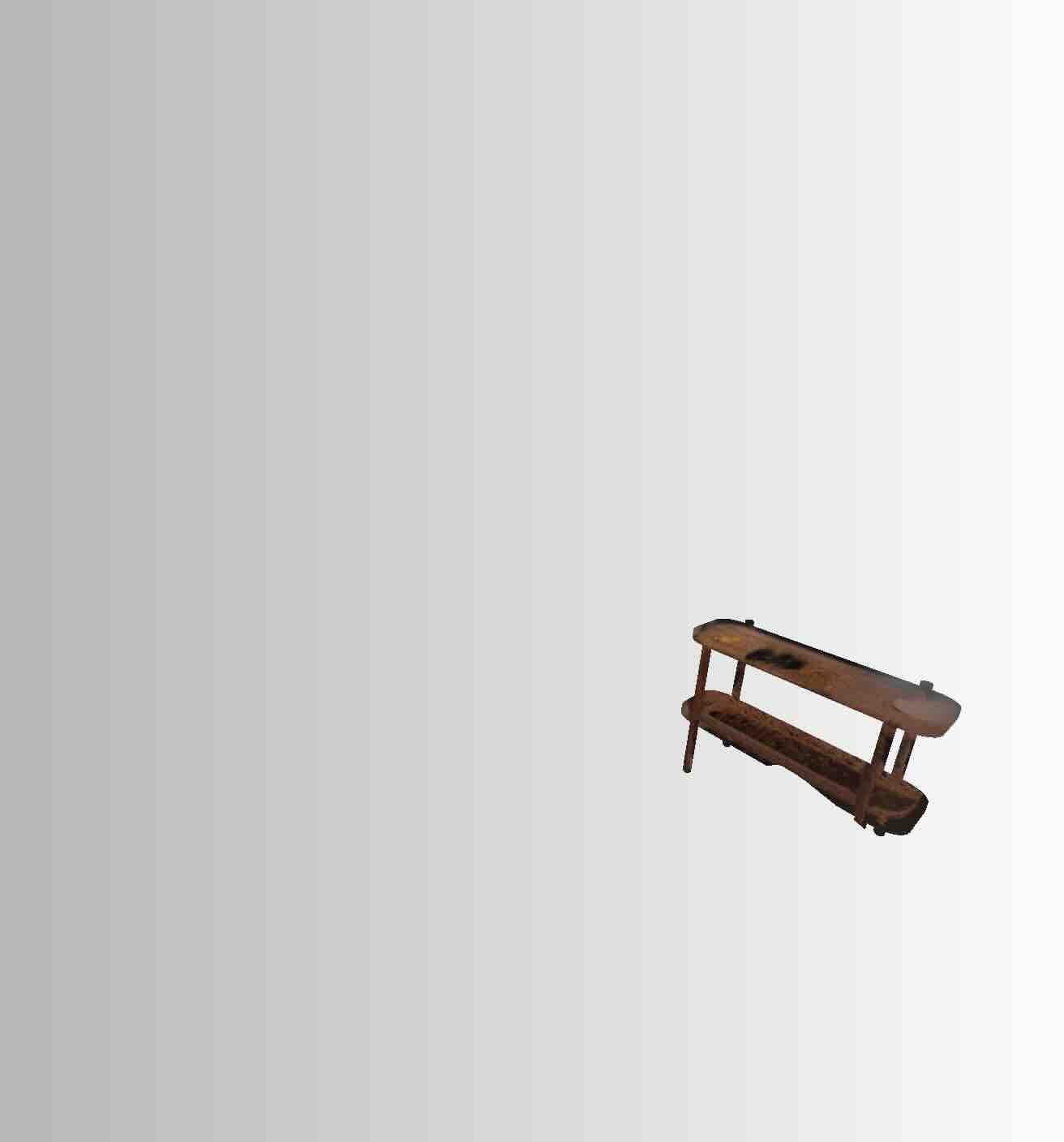
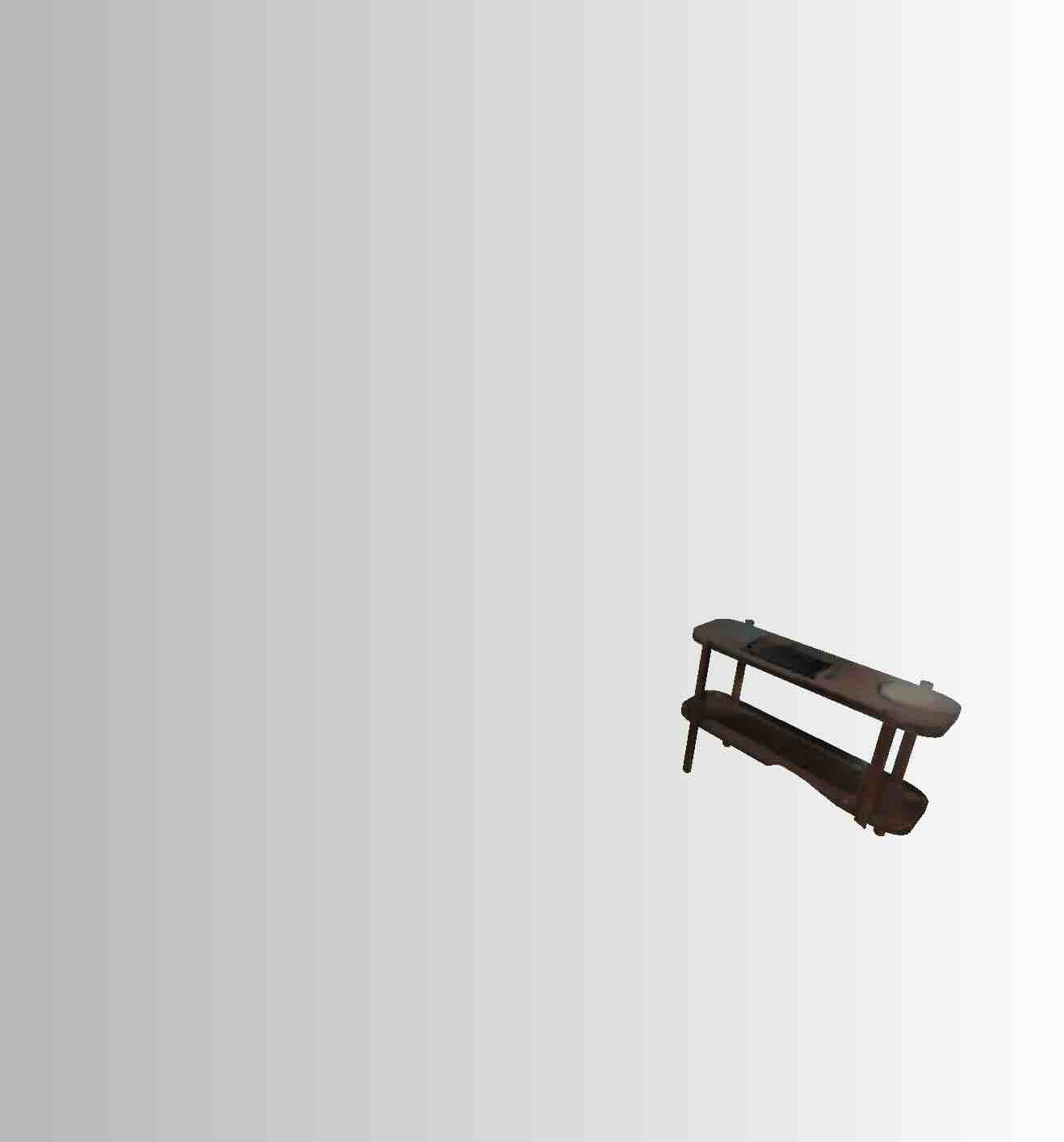

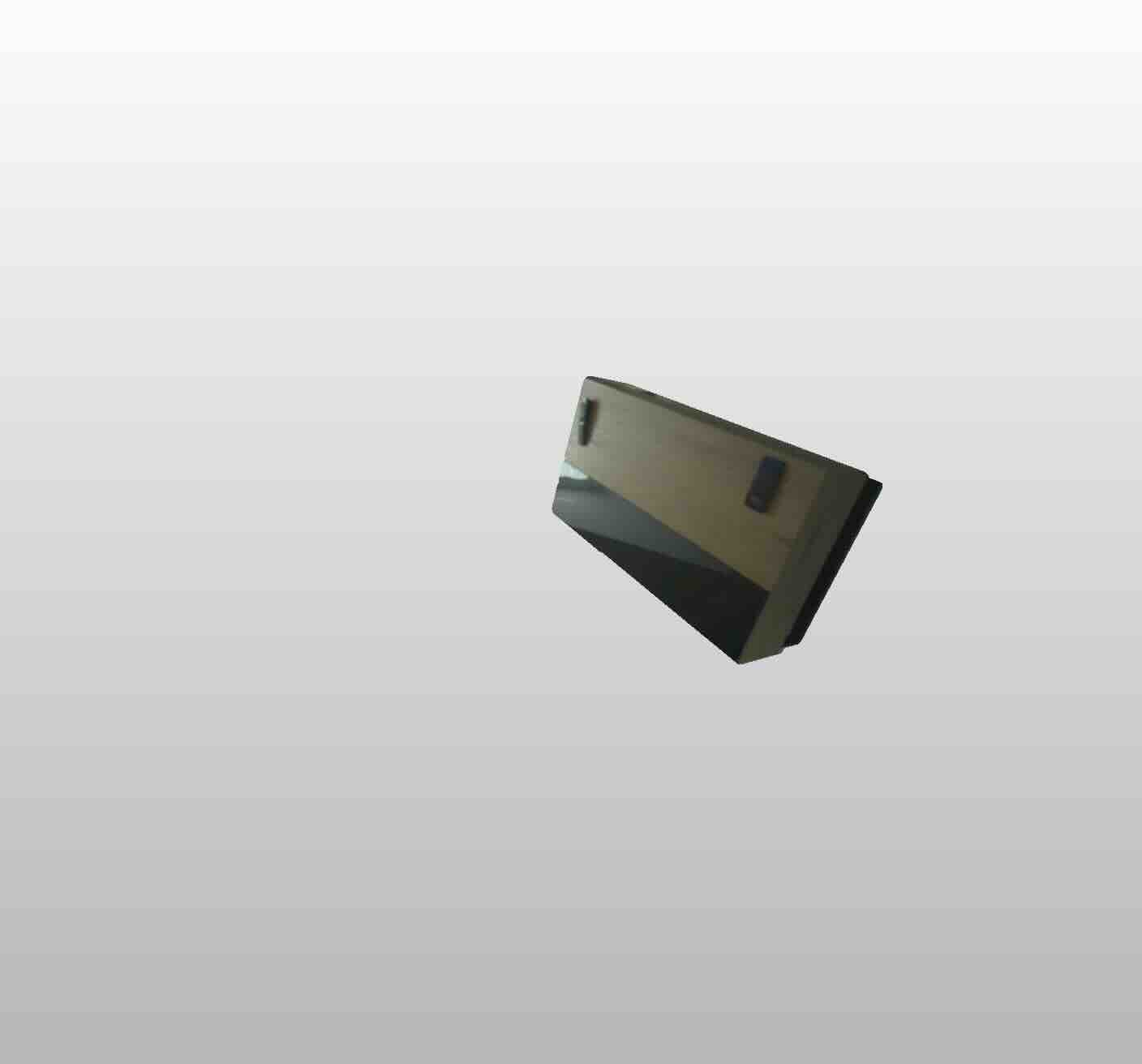
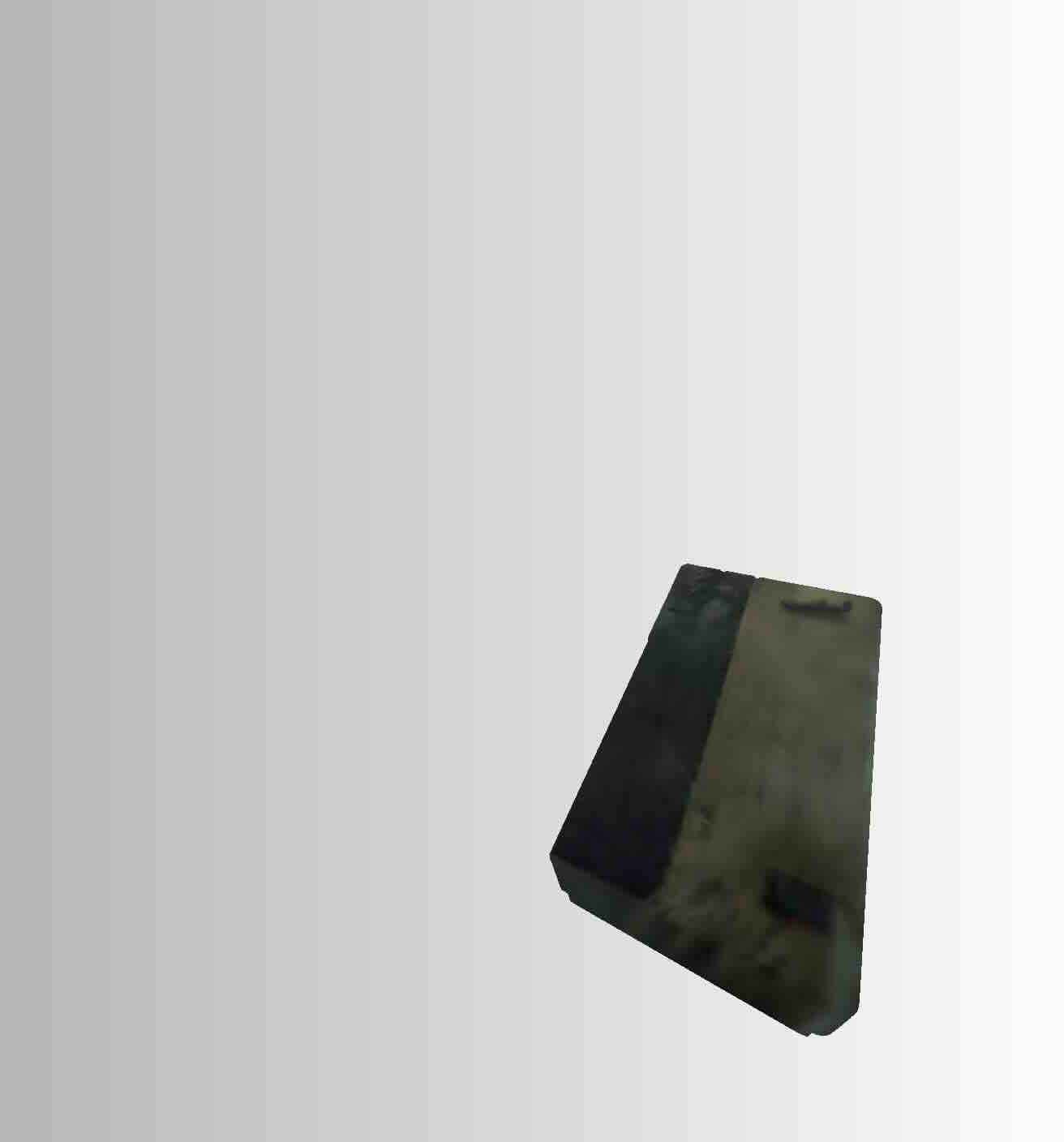
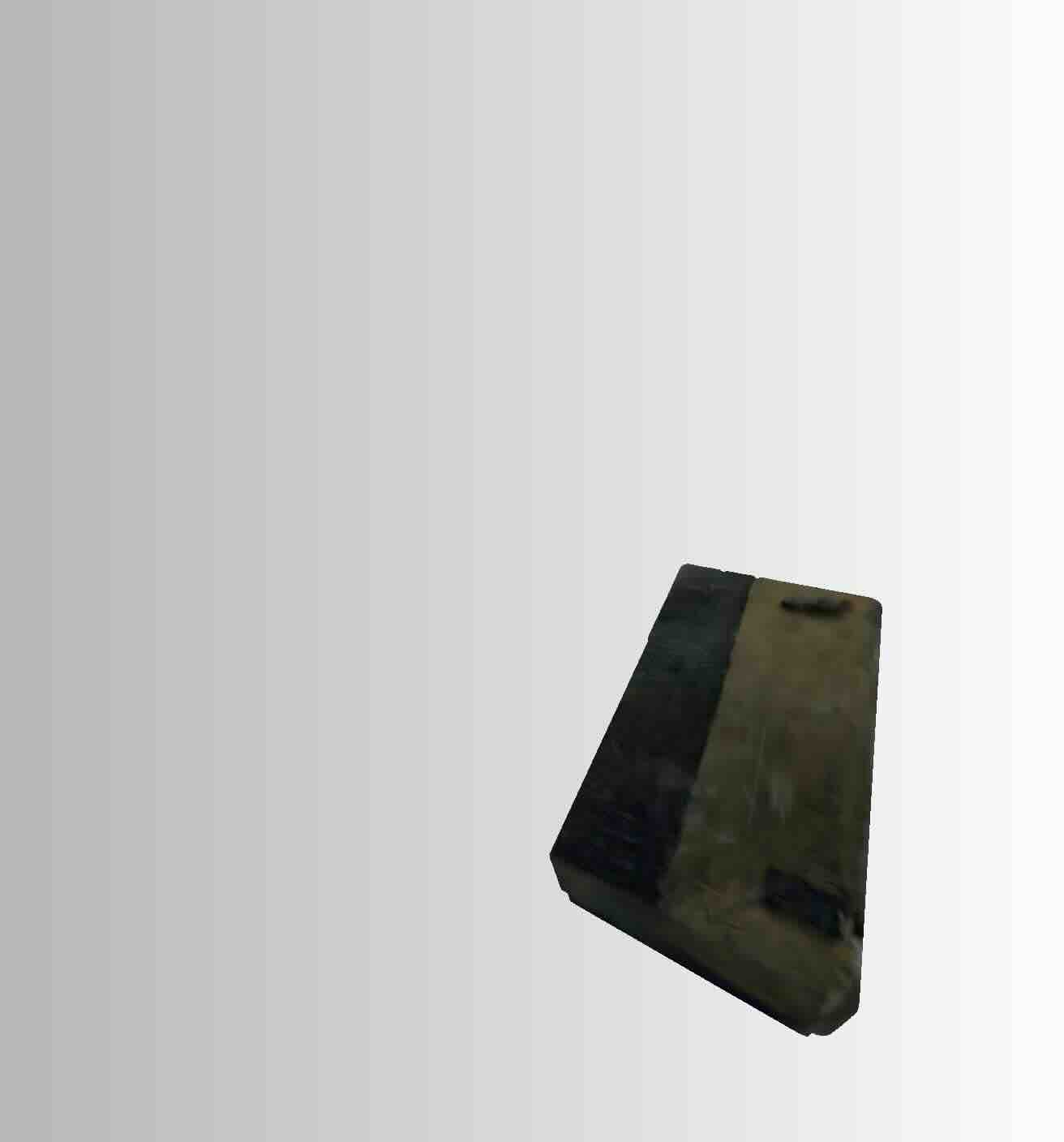

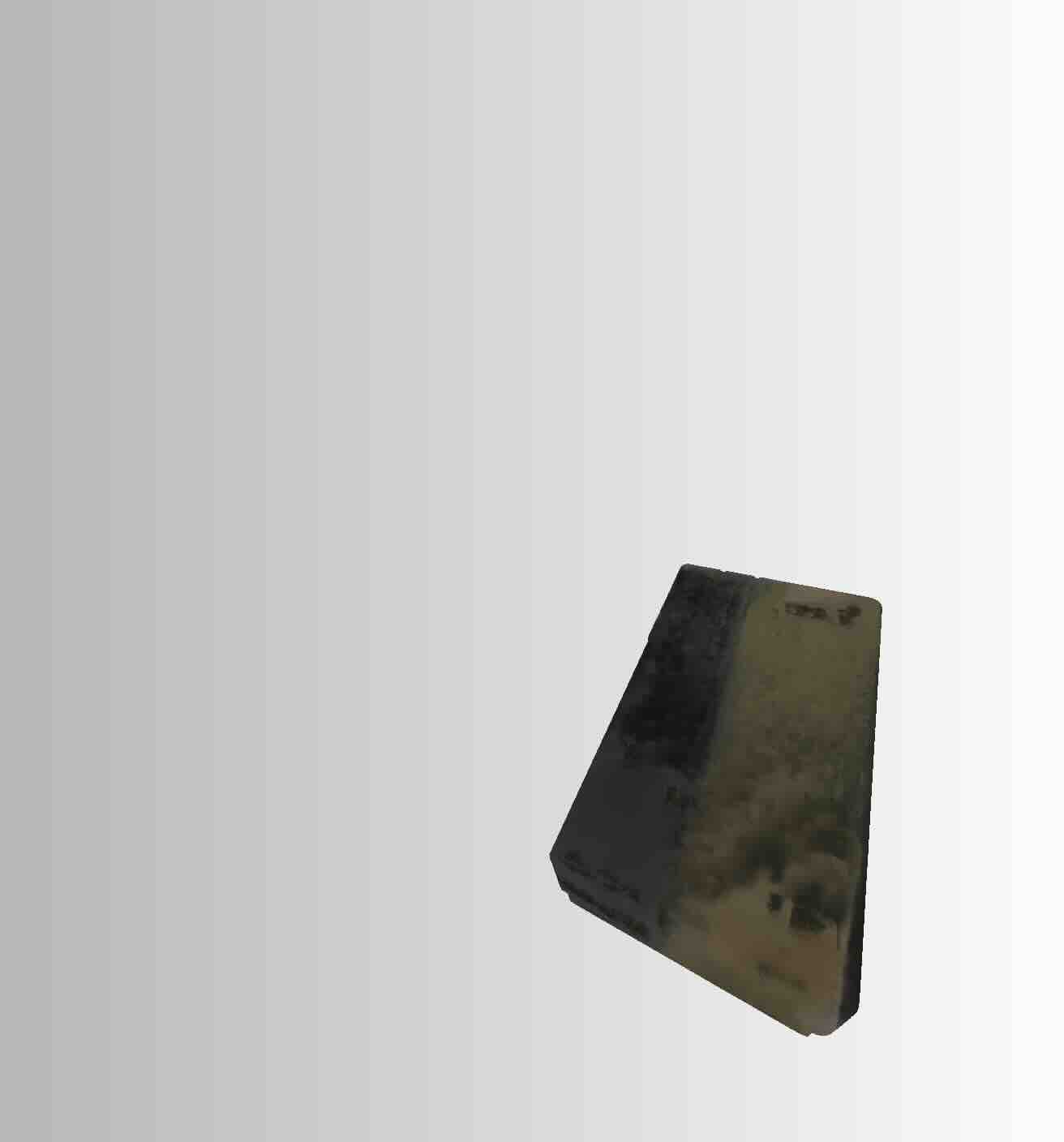
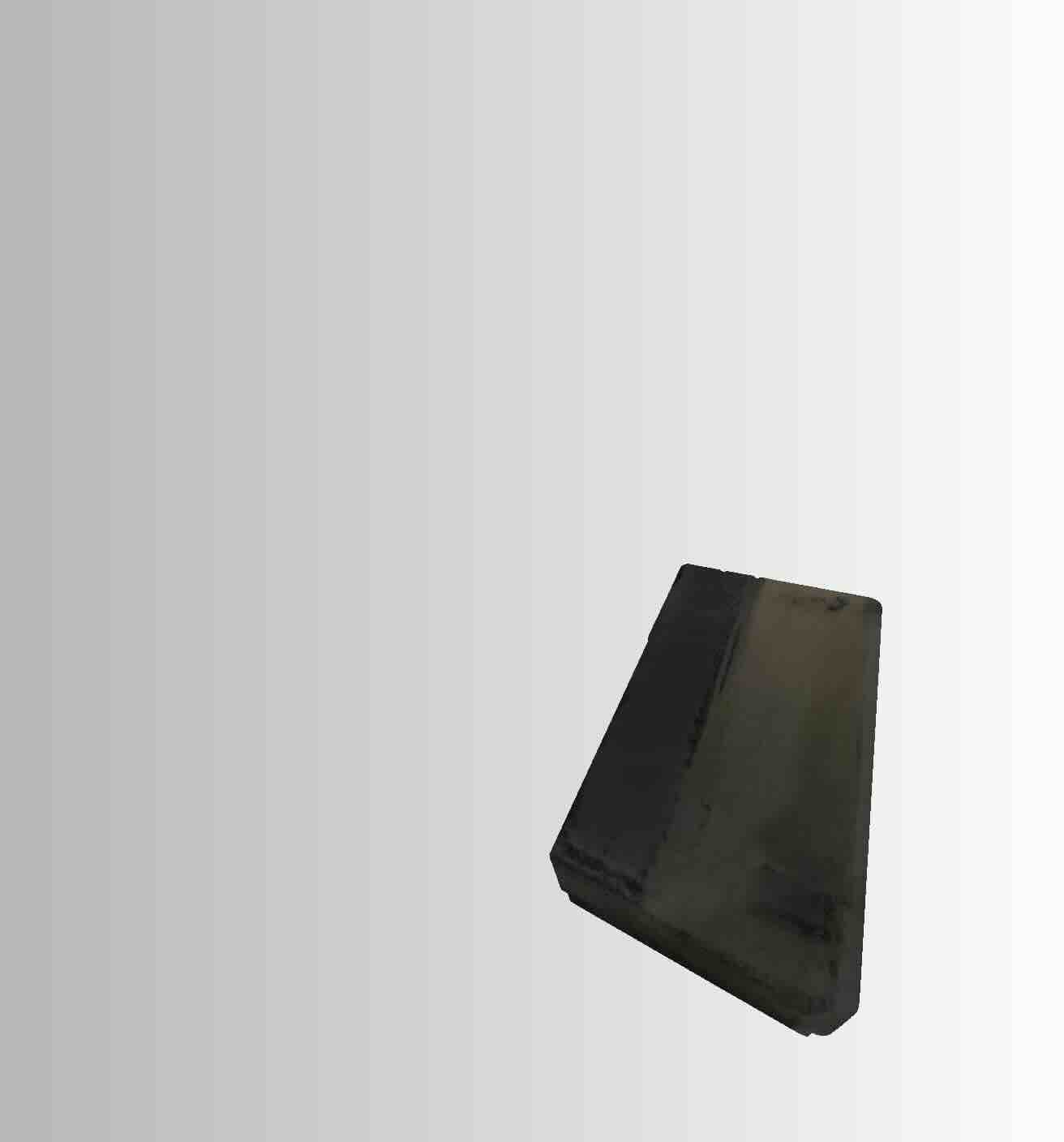
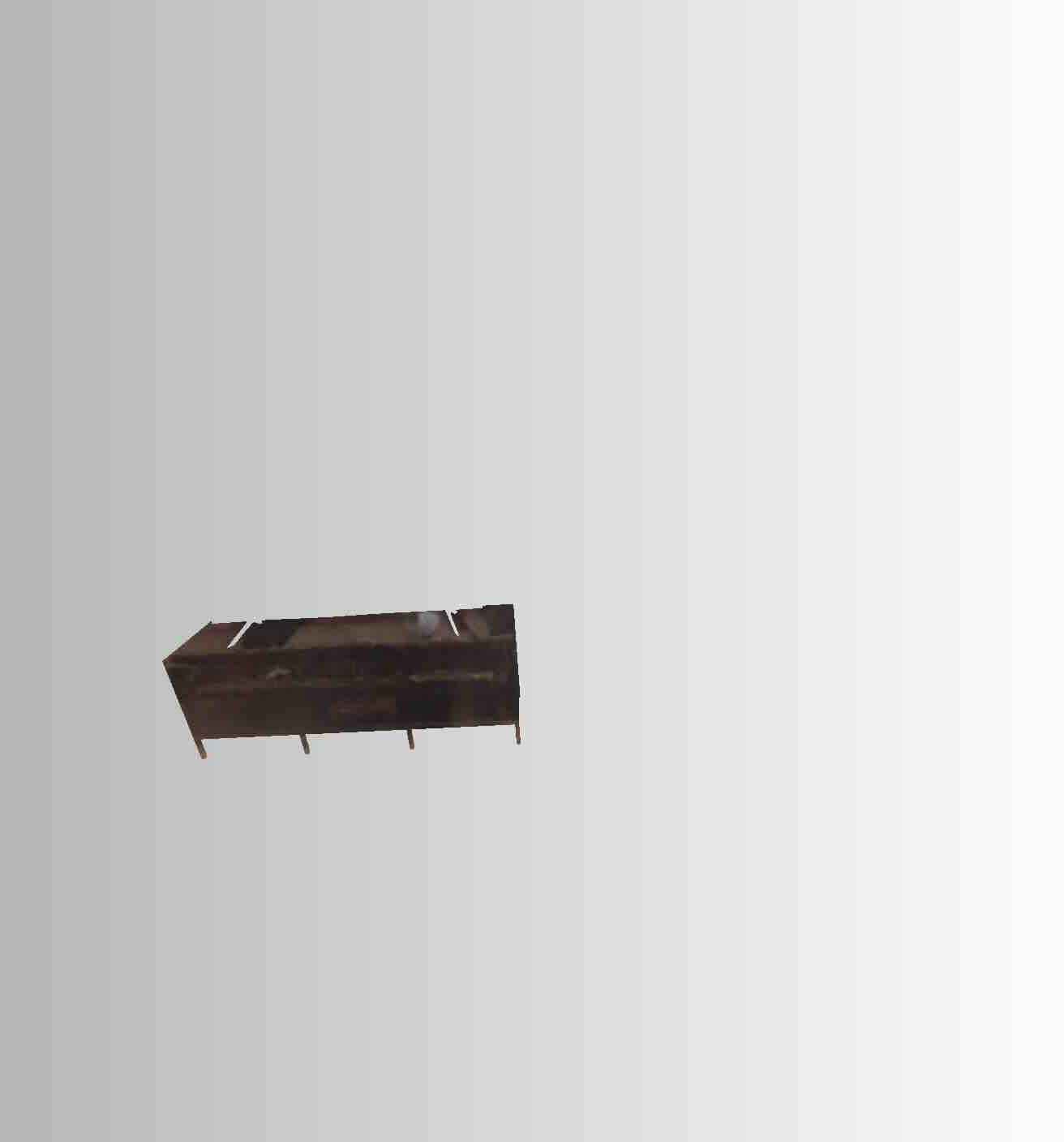
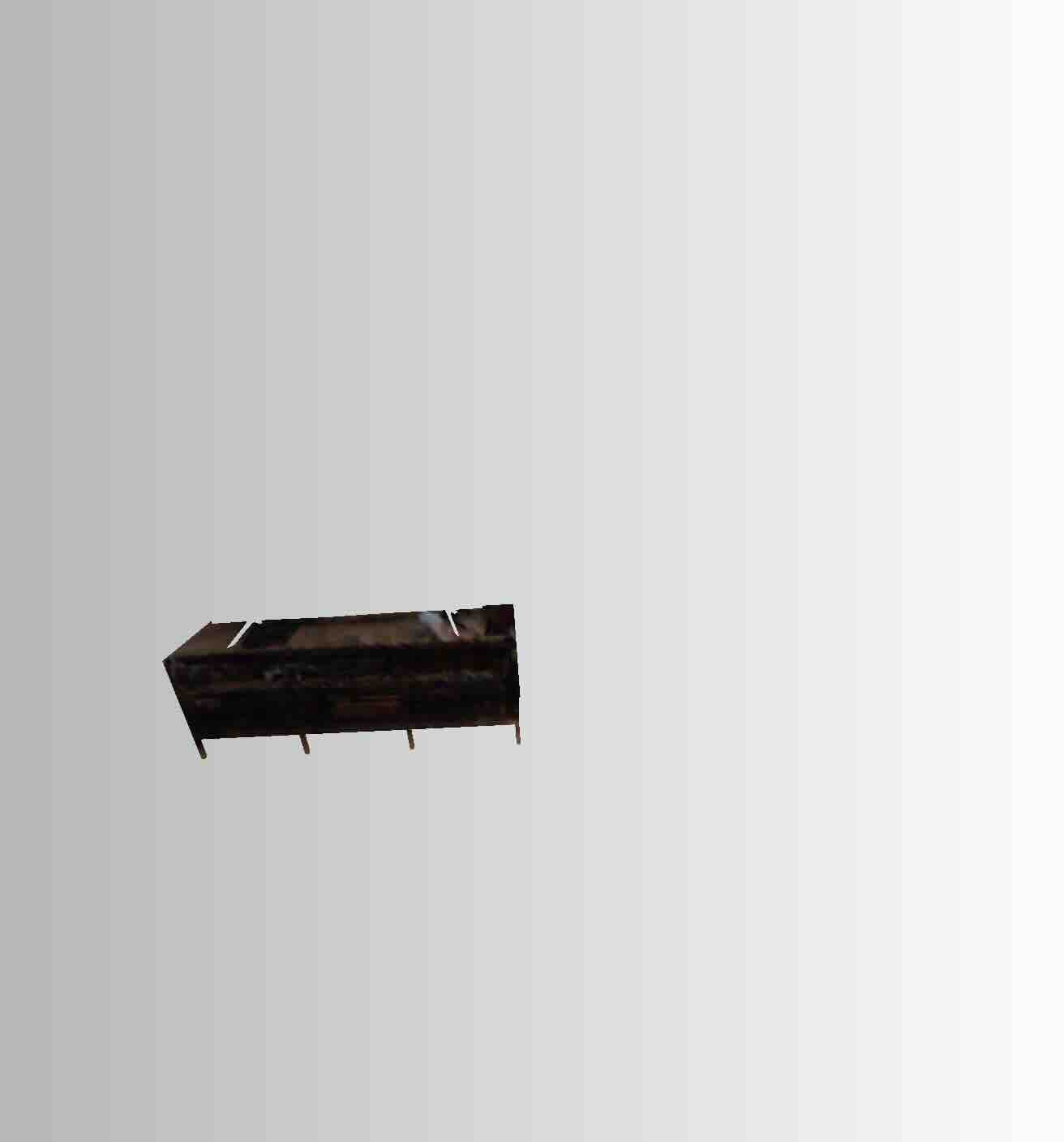
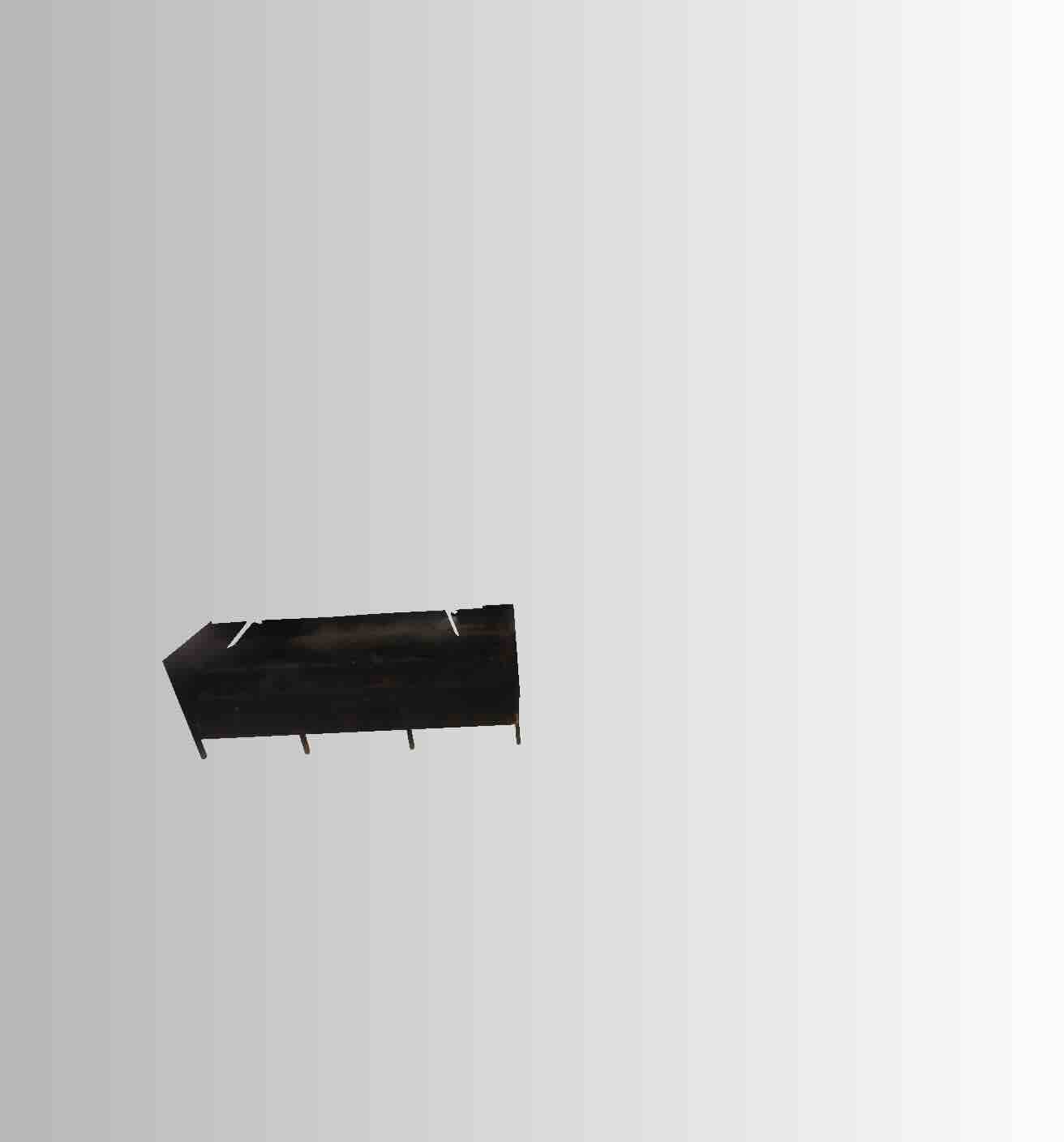
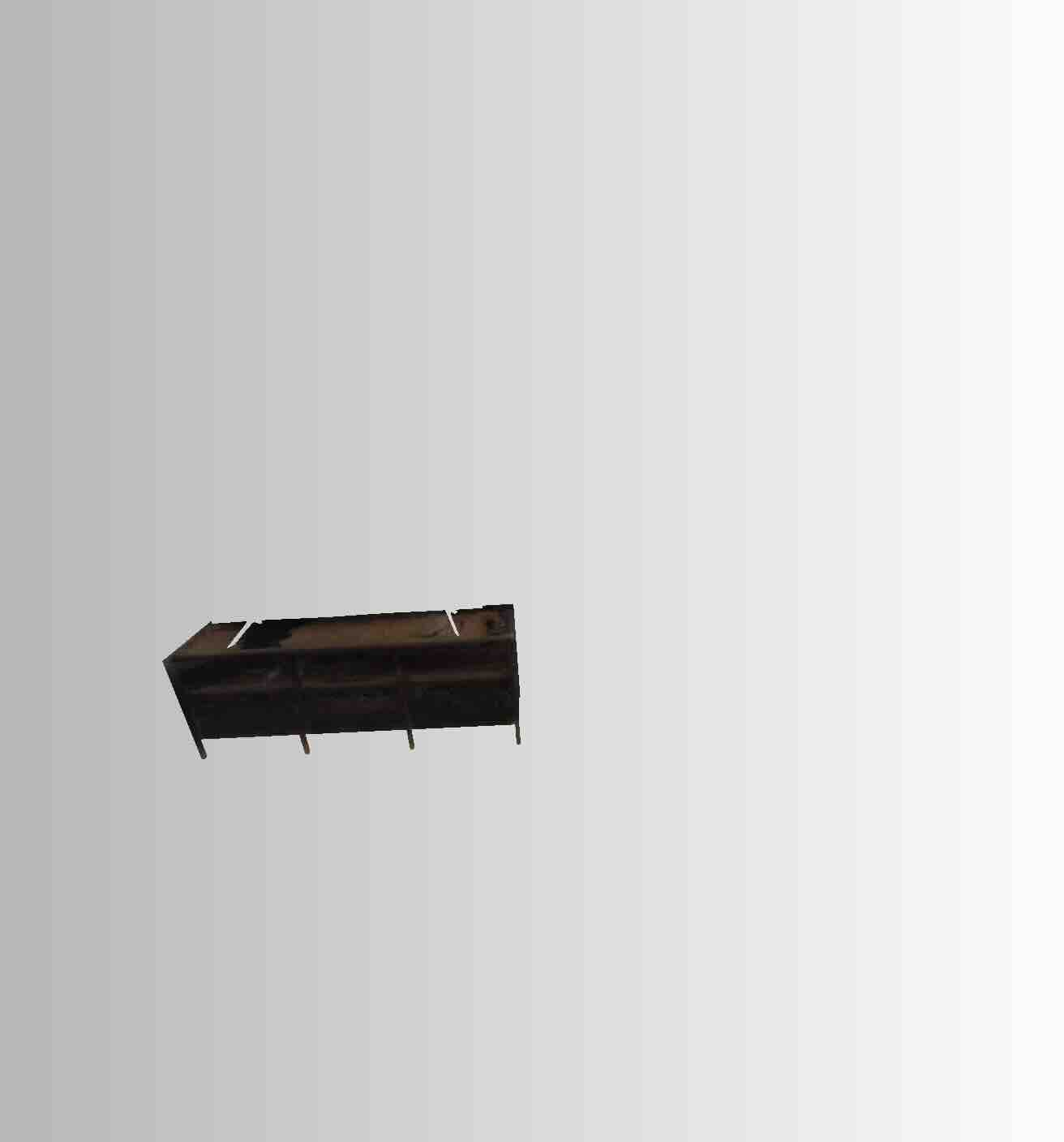
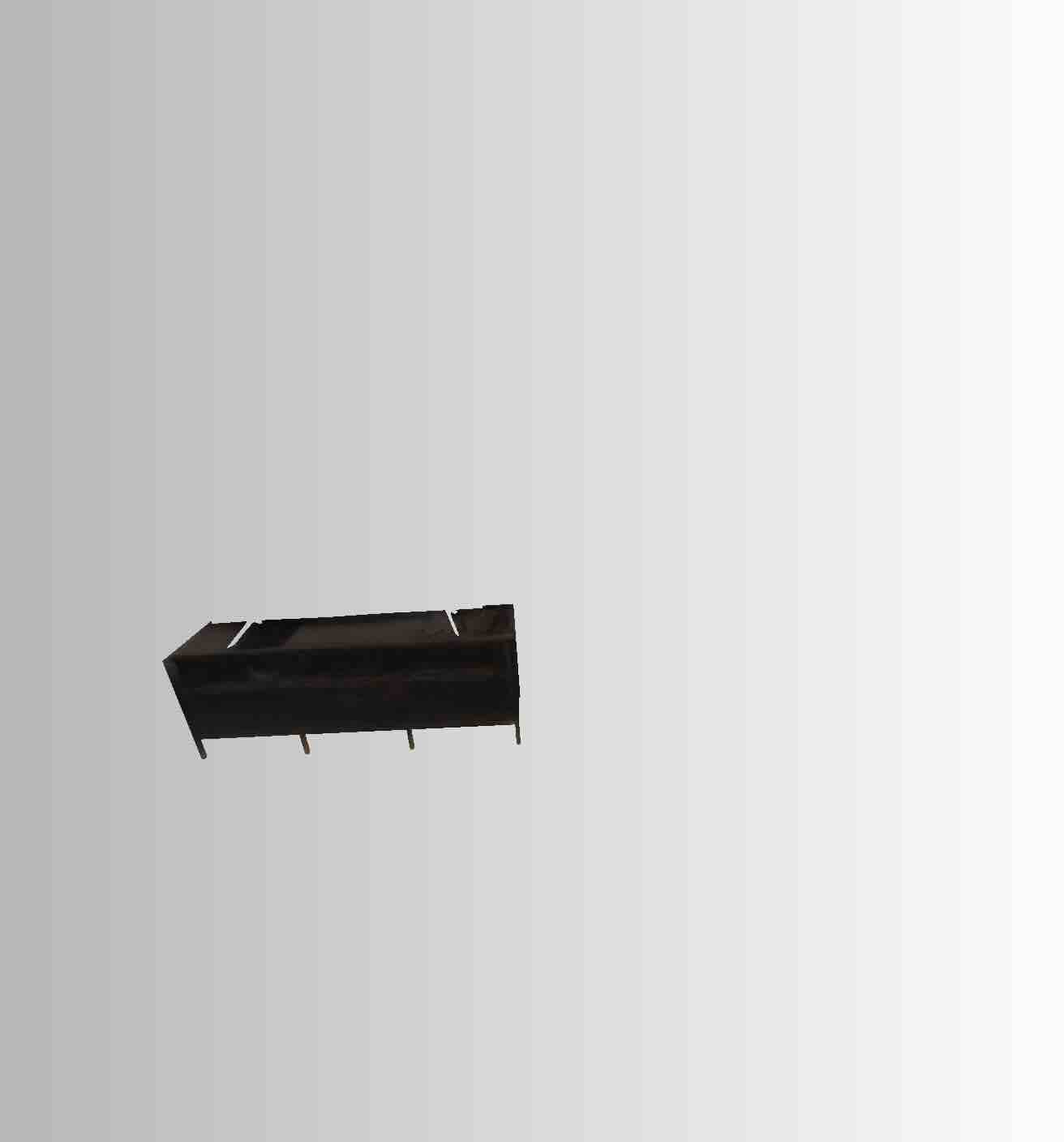
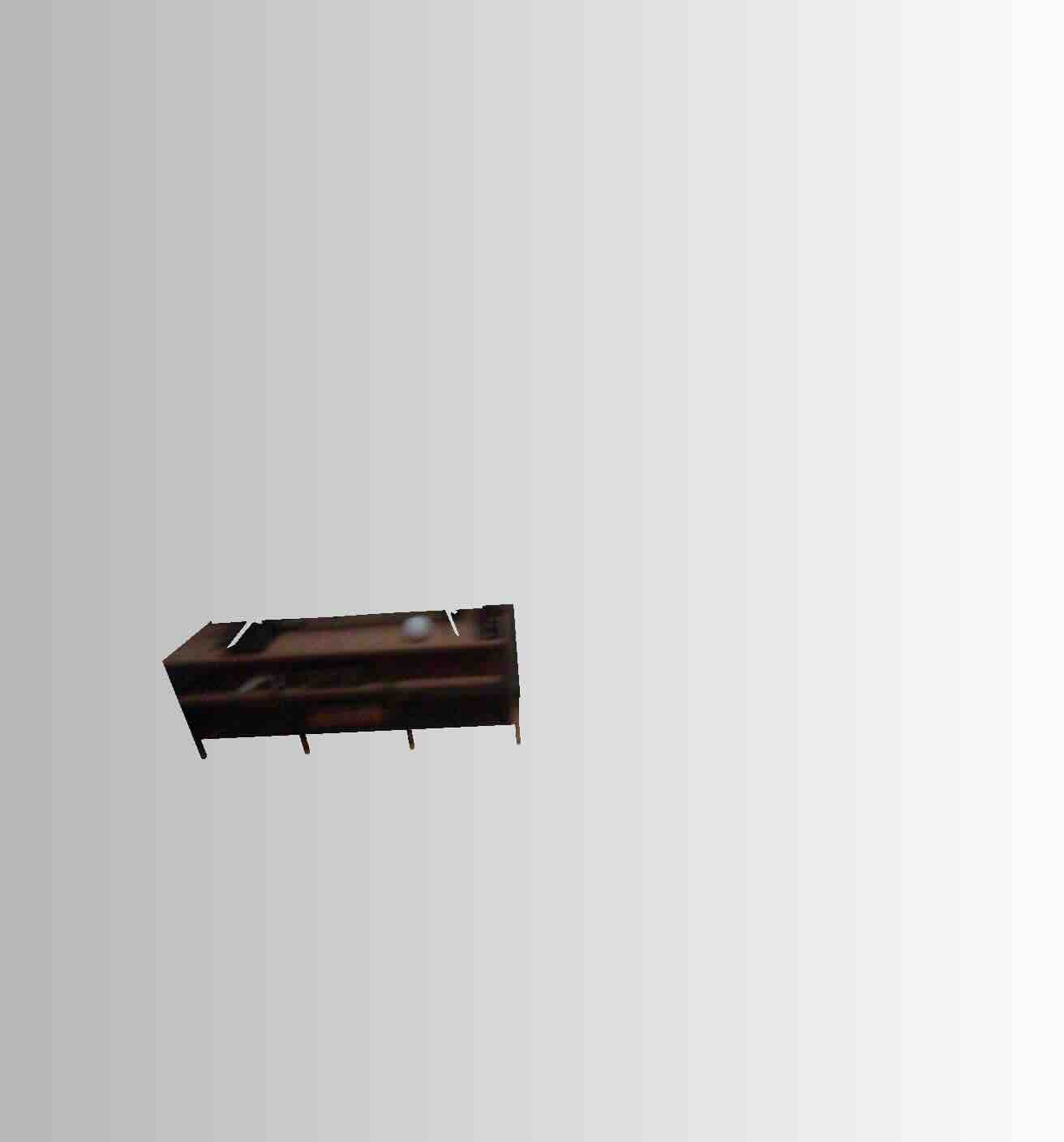
Figure 8: Multi-view rendering comparison. FlowObject’s texture consistency and color transitions remain coherent across all views, compared to baseline artifacts and surface inconsistency.
Ablation Studies
Detailed ablations dissect the contributions of implicit and explicit guidance. Latent regularization ensures global plausibility and prevents collapse to locally optimal but globally implausible shapes, while explicit supervision polishes reconstruction to match observations. Performance remains robust even with only three input views. Removing 3DGS refinement yields lower radiance fidelity and higher LPIPS, establishing its critical role in bridging the realism gap left by generative priors.
Discussion, Limitations, and Implications
FlowObject establishes a practical zero-shot paradigm for high-fidelity object reconstruction by leveraging fixed generative priors and instance-conditioned dual-space guidance. The training-free nature and strong generalization across synthetic and in-the-wild scenes indicate a robust solution for downstream tasks such as editing, relighting, and robotics.
Current limitations include dependency on the global expressivity of the pretrained latent prior and imperfect geometry-appearance decoupling in the final optimization. Aggregation of 2D features (DINO) can induce voxel-level blurring. Enhancements may include further 3D-consistent feature extraction and improved priors for out-of-distribution assets.
The broader implication is that guided generative inversion, steered by both observation-space and latent-space constraints, is a backbone-agnostic methodology, and future work may generalize this paradigm to other generative models (e.g., UniLat3D [wu2025unilat3d]).
Conclusion
FlowObject reframes 3D reconstruction as a dual-guided inverse problem over generative manifolds, delivering state-of-the-art geometric and radiance fidelity across challenging sparse, occluded conditions. By explicitly anchoring generation to physical observations while leveraging the holistic power of learned priors, FlowObject advances the frontier of scalable, training-free object-level reconstruction. These results advocate for a broader adoption of dual-space guidance in inference-time generative inversion in 3D visual computing.
Reference: "FlowObject: Flow Steering for Bridging Generative Priors and Reconstruction Fidelity" (2606.19019)