- The paper introduces U-turn chains that employ forward-backward diffusion steps to sample from high-dimensional data distributions.
- It demonstrates that increased U-turn magnitudes restore ergodicity through controlled perturbations, as shown using the Random Hierarchy Model.
- The method’s application to language and image domains highlights the prolonged retention of high-level features, promising improved control in data generation.
Sampling Data with Chains of Forward-Backward Diffusion Steps
Introduction
The research paper "Sampling Data with Chains of Forward-Backward Diffusion Steps" (2605.27006) presents an innovative method for sampling from learned high-dimensional data distributions using a mechanism termed as "U-turn chains." These chains leverage the computational power of diffusion models, widely recognized for their proficiency in generating and reconstructing data within learned manifolds. By iterating short forward and backward steps in a diffusion model, U-turns form Markov chains capable of sampling from modified distributions, effectively addressing complex challenges inherent in multimodal distributions of images and text.
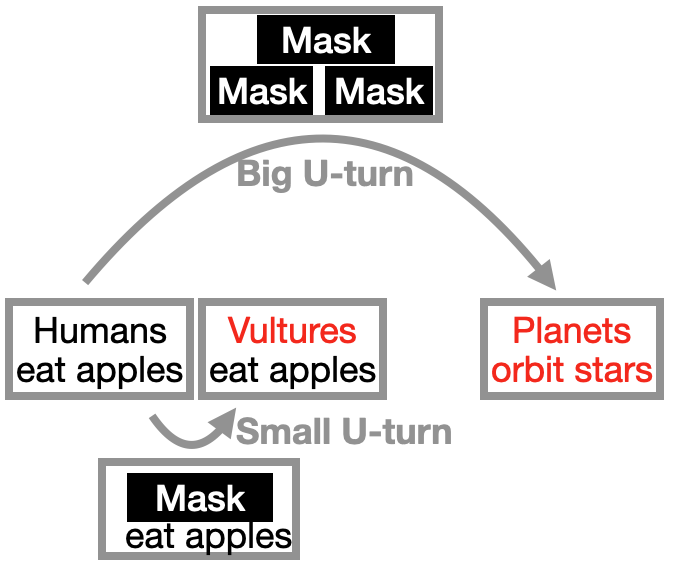
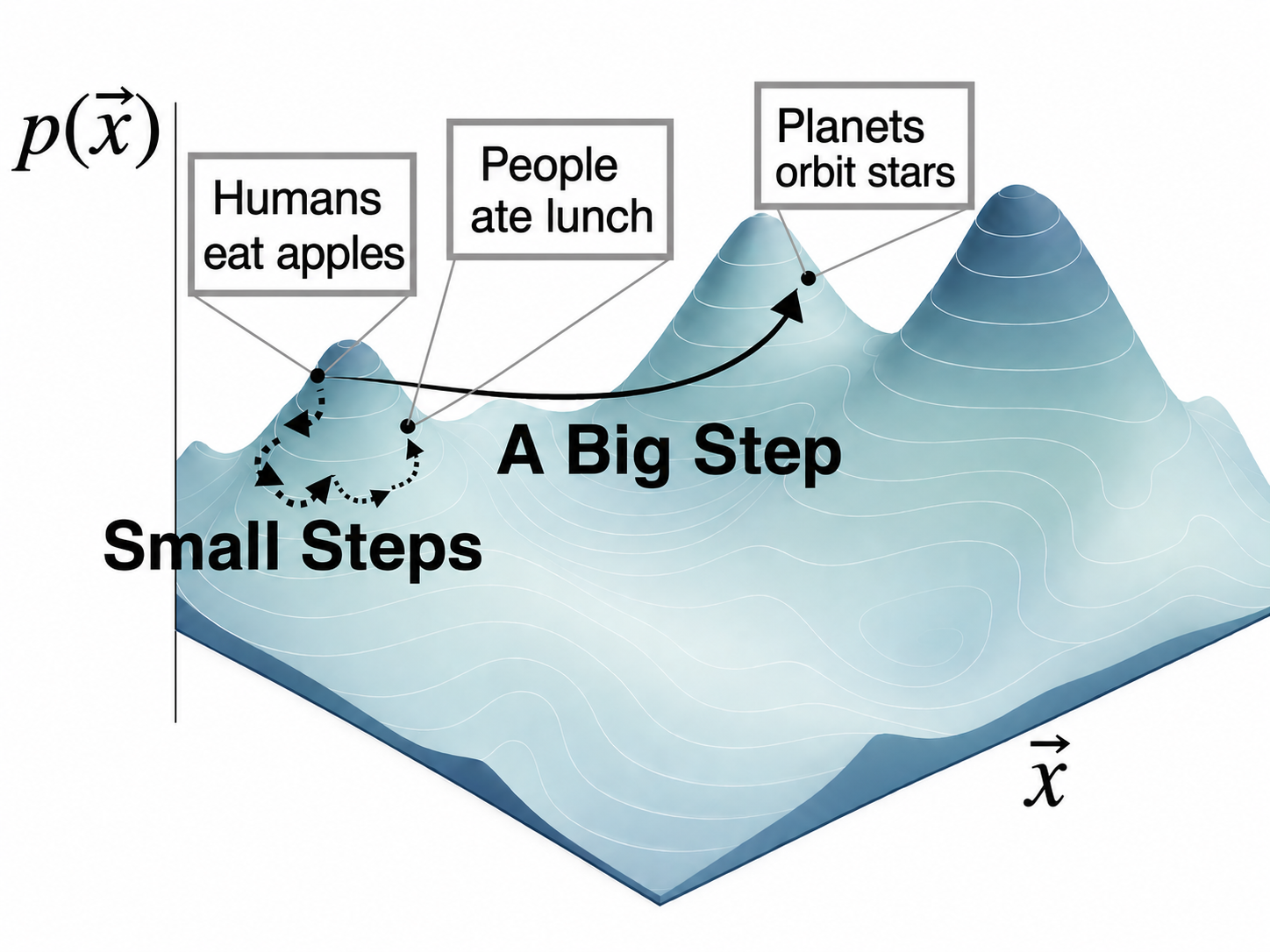
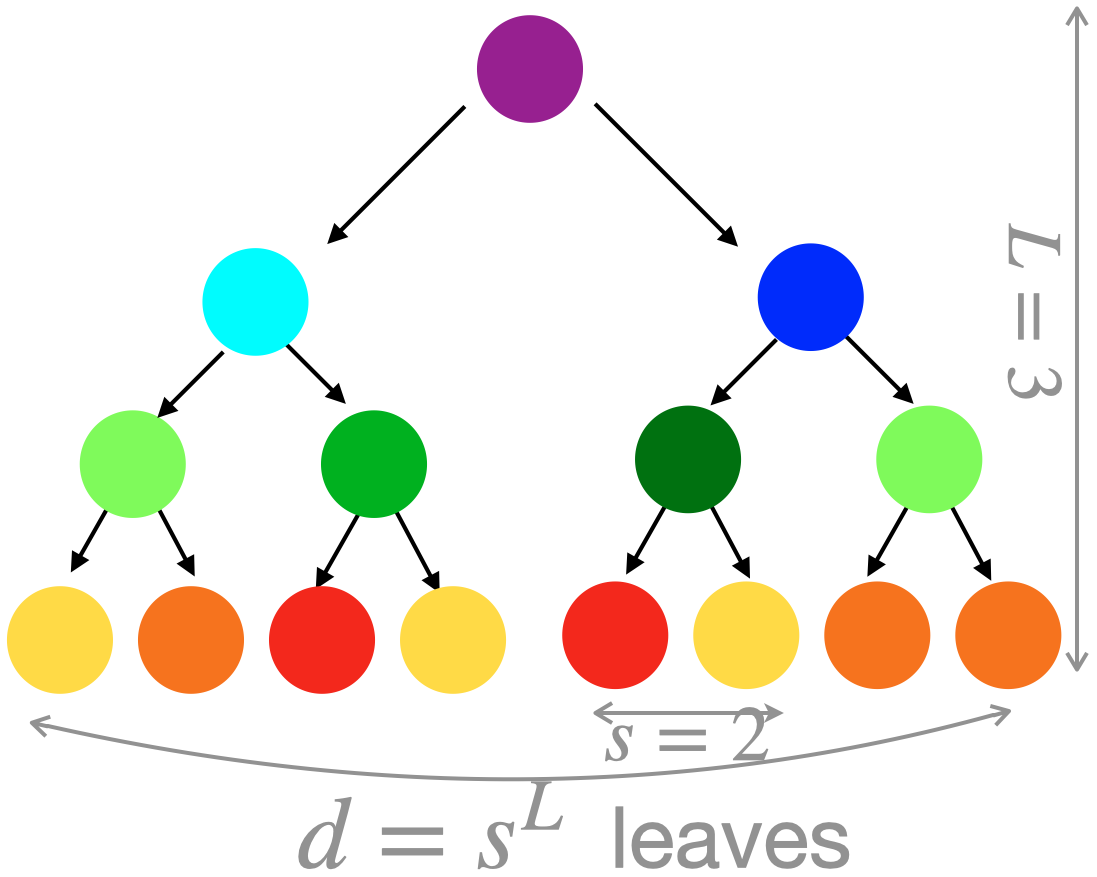
Figure 1: A single U-turn move first corrupts a sample by adding noise or masking part of the input, then reconstructs it using a trained diffusion model, controlling perturbation size.
Ergodicity and Mixing Dynamics of U-turn Chains
The study elucidates on ergodicity-breaking phase transitions due to fragmentation in data manifolds. This phase transition, central to the analysis, is primarily demonstrated using the Random Hierarchy Model (RHM). The RHM is a simplified synthetic model structured as a hierarchy of latent variables useful in understanding ergodicity and relaxation dynamics through U-turn chains.
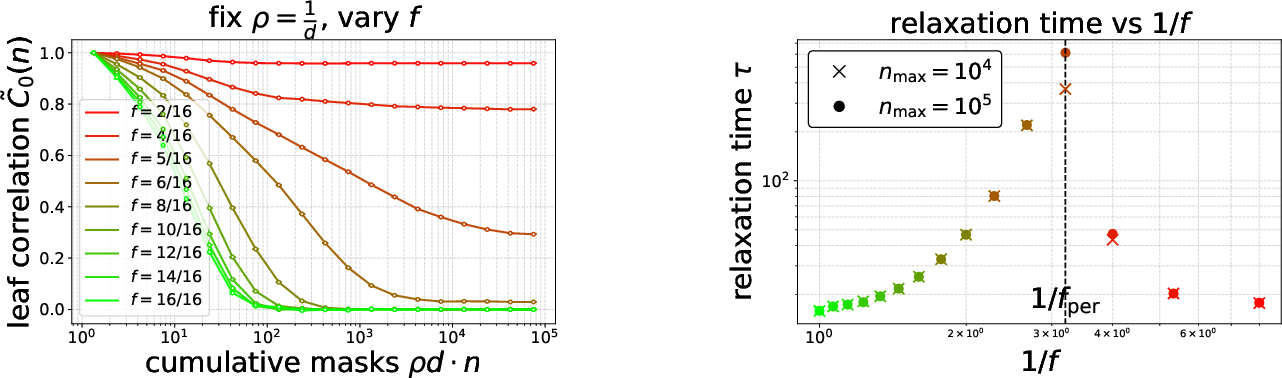
Figure 2: Dynamics of minimal UTMC for the RHM with L=4, s=2, showing leaf-layer relaxation and finite-time ergodic baselines.
Minimal U-turn dynamics in sparse settings highlight slower relaxation times for high-level data features, which contrasts with periods of fast relaxation when perturbations are strong enough to restore ergodicity. By studying how data relaxes through different hierarchical levels, the study provides insights into the transitions wherein higher-level abstractions initially retain memory of initial conditions longer than finer details.
Impact on Language and Image Domains
The extension of theoretical findings from the RHM to natural language and images reveals insightful consistencies. Minimal U-turn dynamics show prolonged retention of high-level linguistic and visual features. In LLMs, deeper layers of LLMs maintain memory longer under minimal perturbations, which only invert when masking levels are sufficiently increased. Similarly, in visual models, ConvNeXt feature layers demonstrate a similar pattern of persistence, emphasizing the hierarchical dependencies evident in large multimodal datasets.
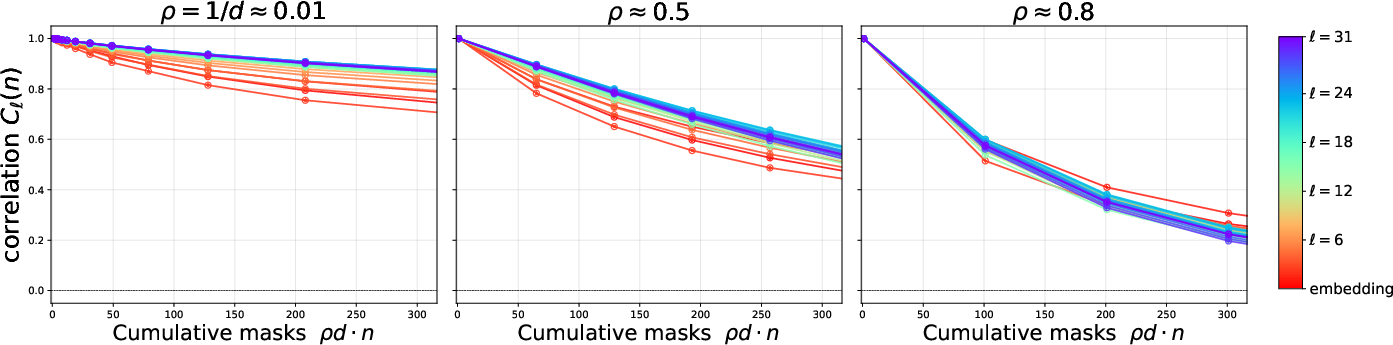
Figure 3: Layer-wise latent correlation and ordering inversion in text. Deeper layers retain memory longer with minimal perturbations, inversion occurring at larger noise levels.
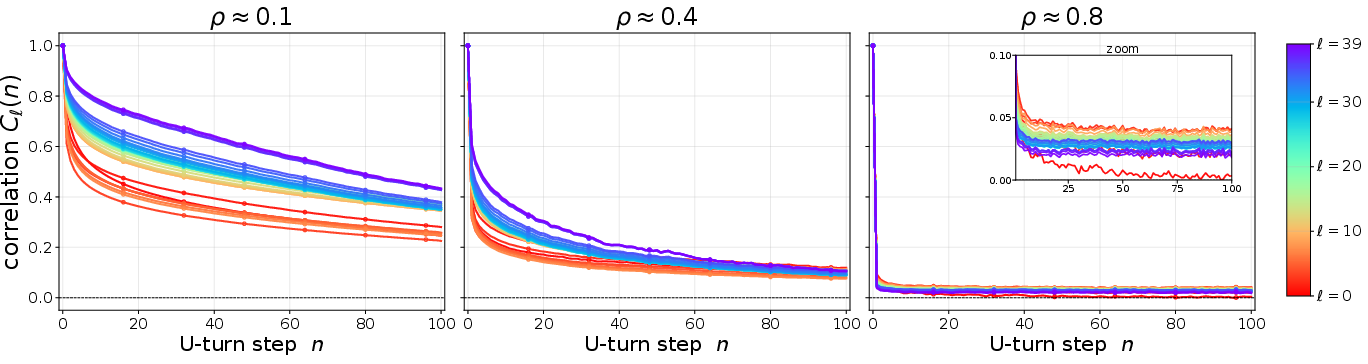
Figure 4: Layer-wise latent correlation and ordering inversion in images. Persistent memory in deeper layers until high noise levels induce inversion.
This behavior signifies potential implications for utilizing diffusion models in designing enhanced sampling algorithms, where understanding these dynamics aids in maintaining control over generated data quality and ensuring efficient model dynamics in both language and image processing.
Conclusion
The results of this investigation are multifaceted with substantial implications. Primarily, the demonstration of ergodicity restoration through increased U-turn magnitudes hints at practical strategies for expanding diffusion models beyond data synthesis into controlled generation and optimization tasks. Additionally, understanding the hierarchical relaxation facilitates significant advancements in improving the sampling efficiency of diffusion models in real-world applications. Future research must explore the trade-offs between step magnitude and data fidelity, which remain critical for operationalizing diffusion models within constrained manifolds for scientific computing or creative generation tasks.
Moreover, interpretability enhancements in LLMs and image processing networks through U-turn dynamics present promising avenues for tying abstracted generative probes with layer-by-layer evaluation methodologies in deep learning infrastructure, thereby bridging the gaps between theoretical underpinnings and applied machine learning practices.

