- The paper develops a rolling-horizon stochastic mixed-integer programming framework that integrates distributionally robust optimization with CVaR constraints.
- It leverages multi-level data integration and dynamic decision modules to handle roster, trade, and injury risk for sustained franchise success.
- Empirical results reveal that the model enhances profit and win rates while reducing bankruptcy risk from 22.1% to 2.56%.
Rolling-Horizon Stochastic Optimization for NBA Franchise Management: Distributionally Robust Risk-Constrained Decision Architecture
Problem Motivation and Framework Overview
Franchise management in the NBA transcends discrete tasks such as roster construction, financial stewardship, or media negotiation, and emerges as a unified dynamic control problem wherein competitive and commercial imperatives are entwined across multiple temporal and structural layers. The paper presents a comprehensive rolling-horizon stochastic mixed-integer programming (RH-SMIP) framework, tailored to the New York Knicks, which incorporates distributionally robust optimization (DRO) with explicit conditional value-at-risk (CVaR) constraints. This architecture enables long-run value maximization while maintaining rigorous downside risk control regarding injuries and exogenous shocks. The NYK-ADMS system integrates four coordinated modules: transaction execution, league expansion shock transmission, media regime transition, and injury-triggered re-optimization, all operating under coupled regulatory and financial constraints.
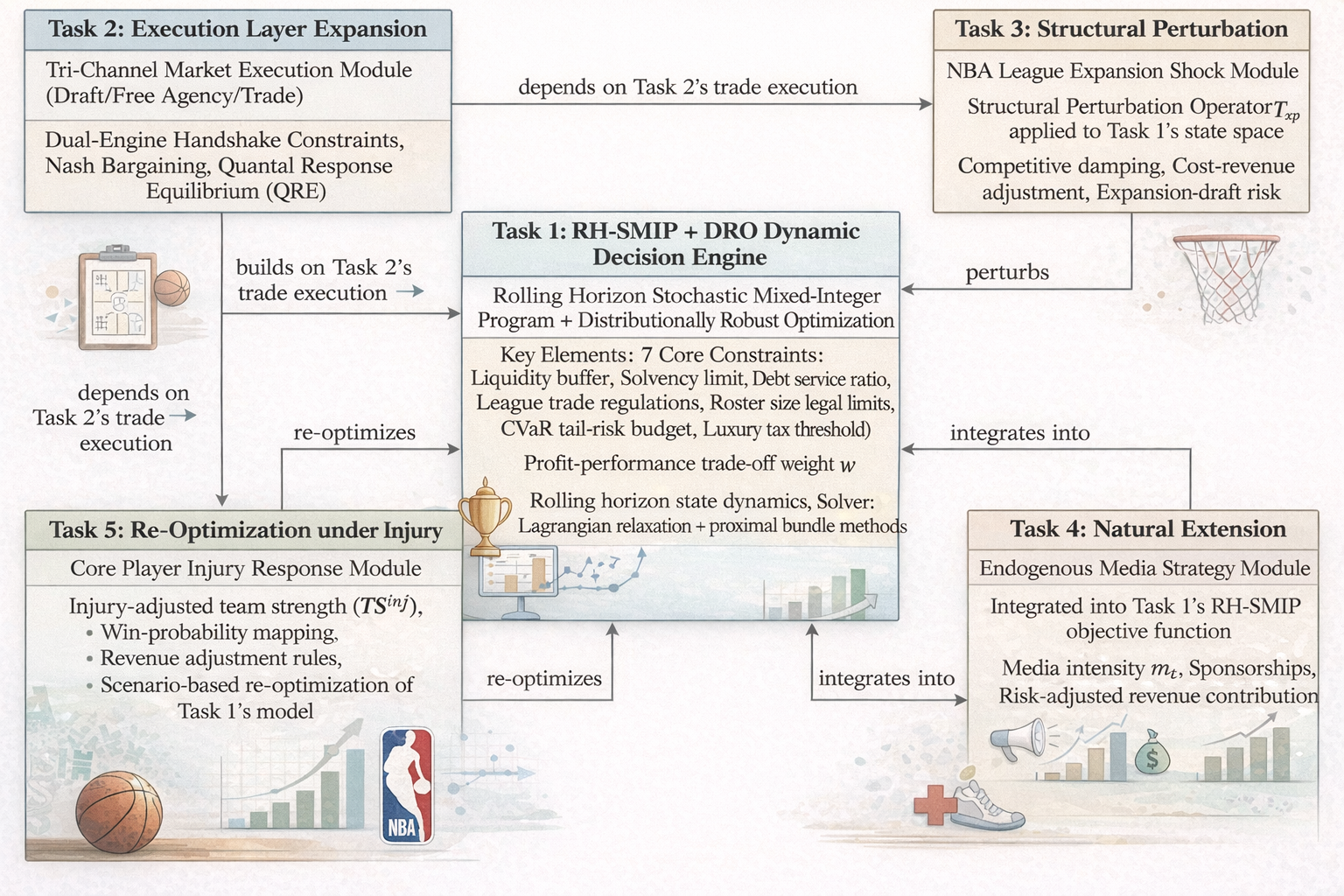
Figure 1: Overview of the NYK-ADMS framework and its coordinated analytical modules.
The NYK-ADMS leverages a synthetic dataset structured at four hierarchical levels—player, team, management, and macroeconomics—ensuring robust modeling and reproducibility through meticulous standardization, cross-source integration, and judicious treatment of missing values and outliers.
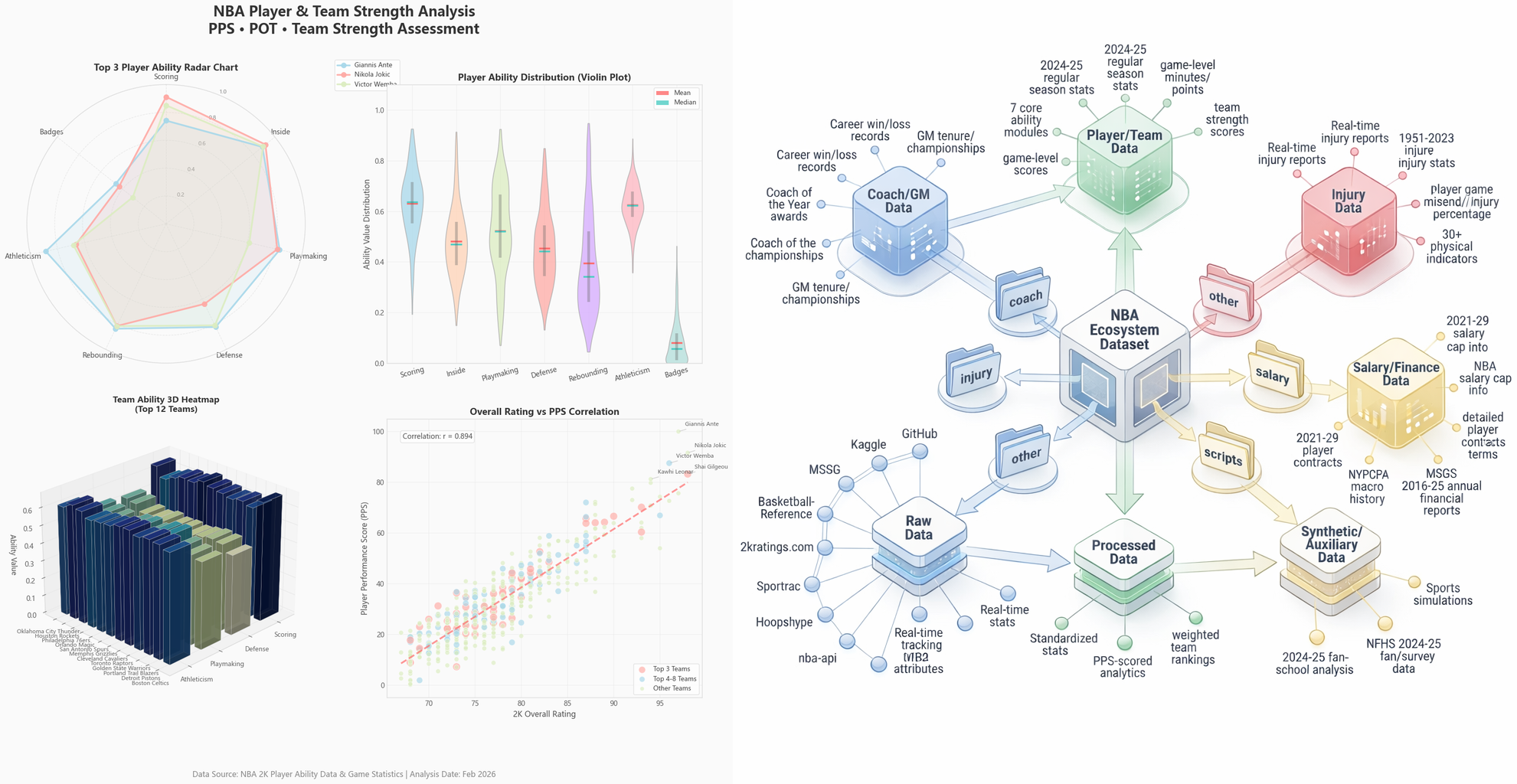
Figure 2: Overview of the dataset.
The RH-SMIP core is formulated over a 120-month horizon, with each monthly decision epoch ingesting a detailed state vector including granular player attributes (performance score, potential, durability), financial indicators (cash, debt obligations), and external factors (salary cap, macroeconomic multipliers). The decision vector encompasses ticketing, marketing, venue ops, acquisitions, trades, and contracts, calibrated to ensure both competitive and commercial feasibility. Team strength aggregates individual contributions, modulated by chemistry, injury robustness (via DRO), and coaching effects, while financial modeling links revenue to macro multipliers, ticketing saturation, media revenues, and star-driven brand premiums. Profit feeds into a discounted cash flow terminal value, explicitly capturing long-run franchise economics.
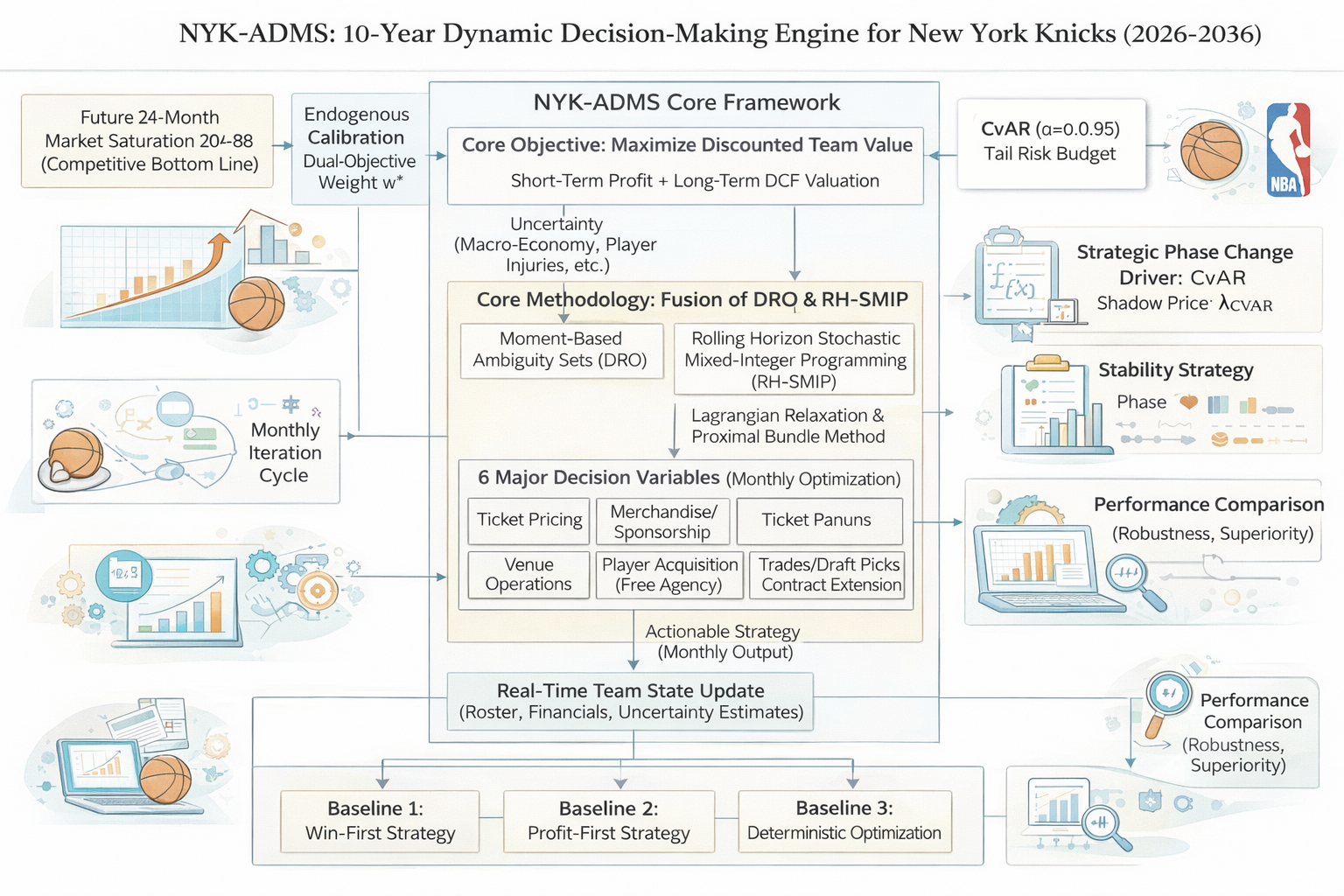
Figure 3: NYK-ADMS: 10-Year Dynamic Decision-Making Engine for New York Knicks.
Distributionally Robust Optimization and Tail-Risk Constraints
The core optimization objective maximizes worst-case expected franchise value across the ambiguity set P of moment-constrained distributions, balancing profit and performance under a calibrated trade-off parameter w∗ determined via grid search subject to a competitive floor constraint (minimum win rate over 24 months). Scenario-driven uncertainties (injury, macroeconomic drift) are explicitly modeled, and CVaR constraints tightly limit injury-related salary “dead money” to a fixed proportion of cap, immunizing against catastrophic shocks. Lagrangian relaxation with a proximal bundle method is employed for tractable solution of the large-scale non-smooth RH-SMIP.
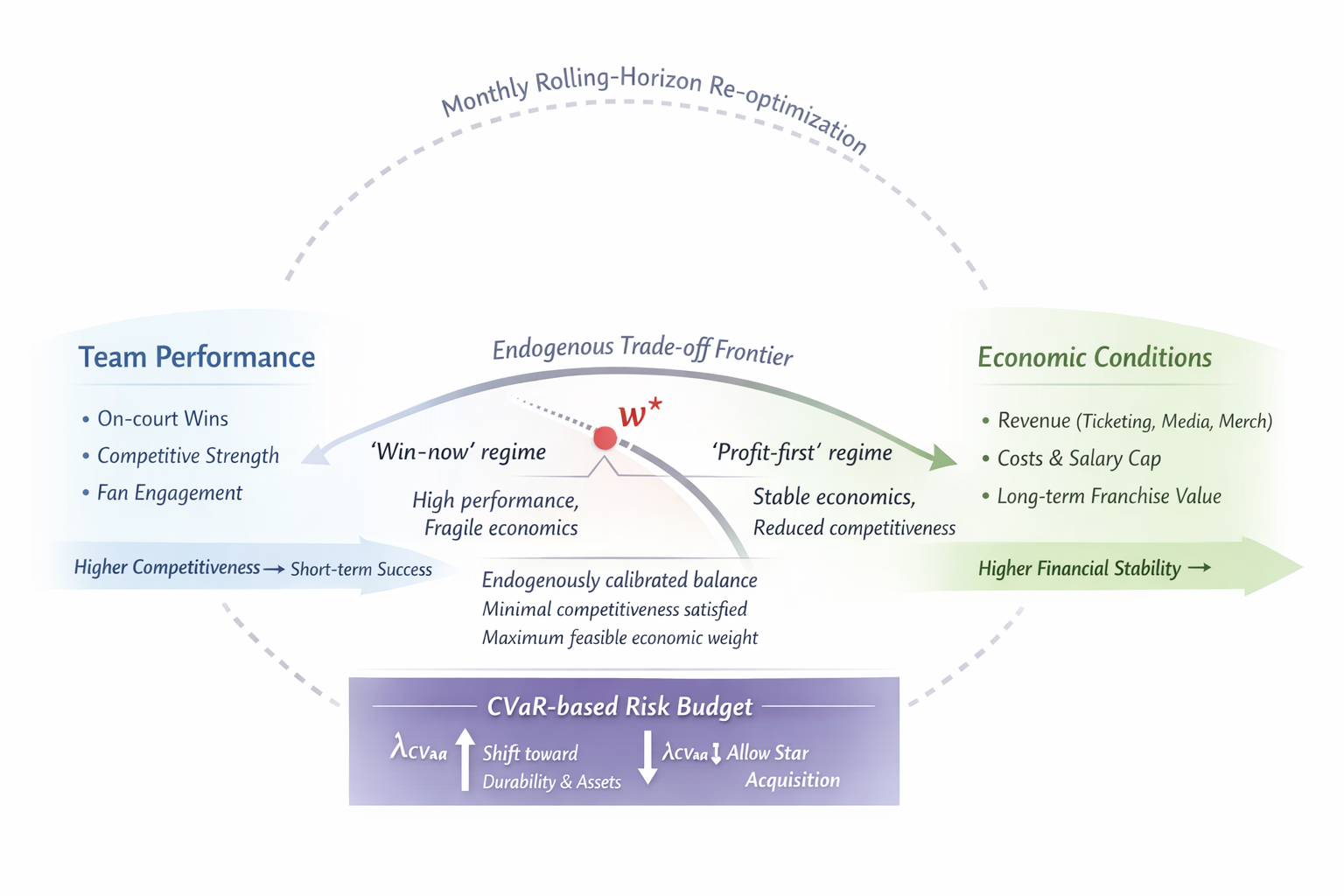
Figure 4: The relationship between team performance and economic conditions.
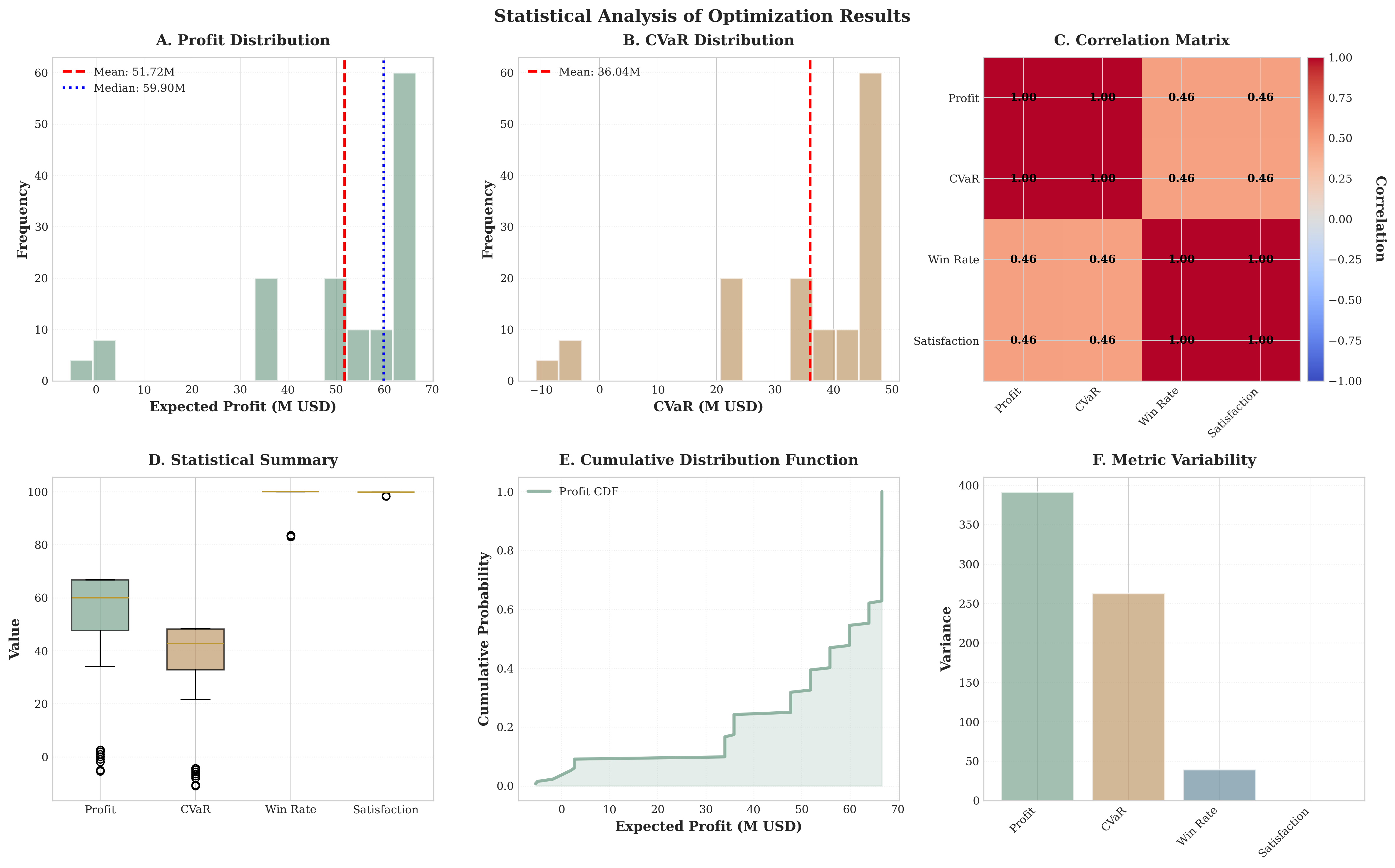
Figure 5: Statistical Analysis of Optimization Outcomes.
Empirical Results and Managerial Implications
Statistical analysis reveals that the profit distributions are multi-modal, with median profit exceeding mean and robust CVaR behavior. Notable finding: higher commercial weight (w) leads to simultaneous increases in both expected profit and win rate, refuting the notion that revenue maximization and competitive success are mutually exclusive under disciplined risk constraints. The RH-SMIP consistently selects commercial optimization (w∗=1) with positive profit and CVaR outcomes.
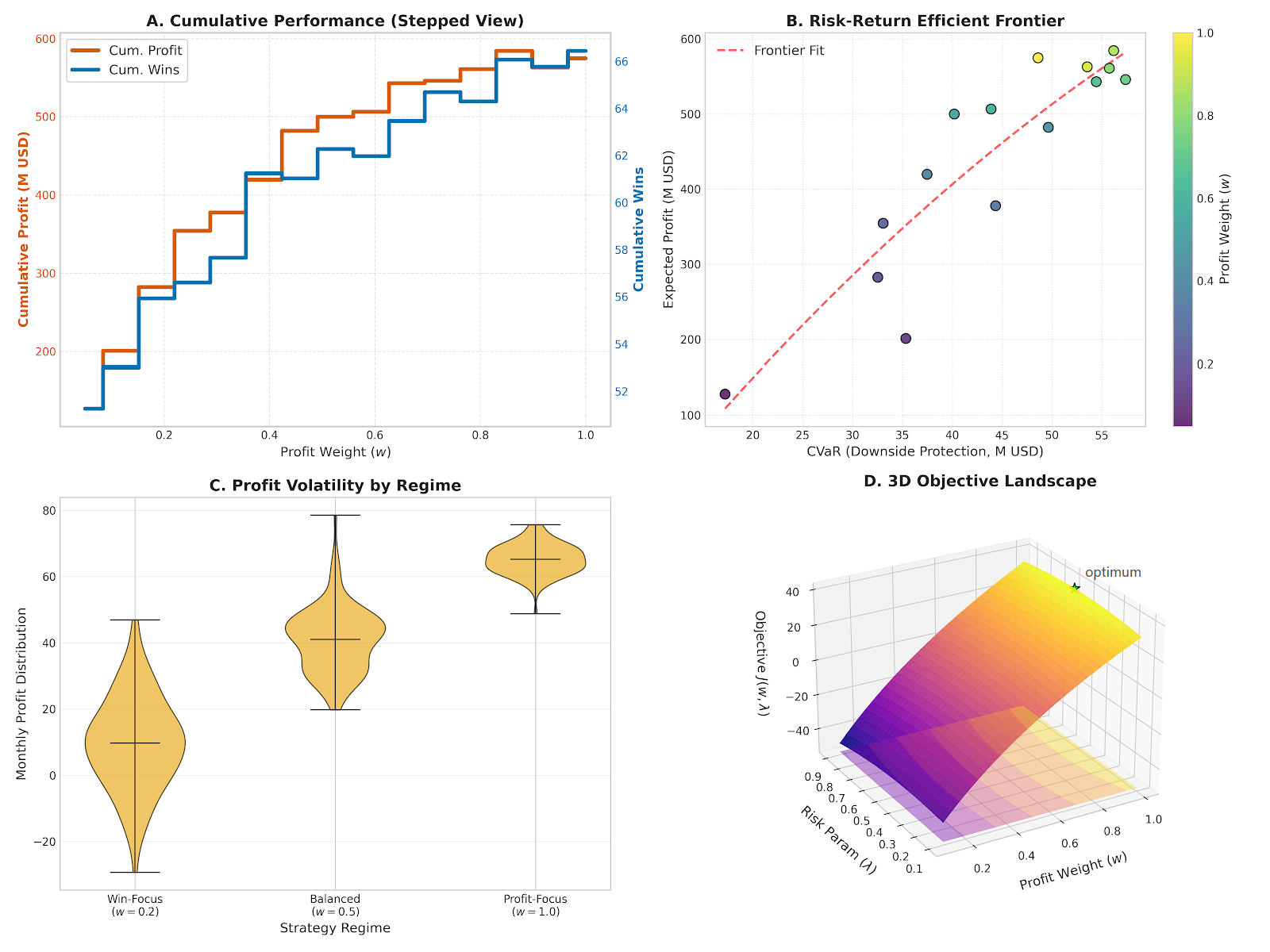
Figure 6: The performance of the model.
Dissection of ticketing, merchandising, venue, and roster policies demonstrates that optimal profit discipline does not crowd out competitive objectives; premium inventory is expanded alongside high-capacity attendance management, and aggressive media/sponsorship strategies are recommended. Trade/acquisition decisions are governed by a dual-engine handshake protocol, enforcing rational surplus and risk veto constraints, with Bayesian draft prospect valuation, quantal response equilibrium in free agency capturing market size premium, and asymmetric Nash bargaining in trades. Executed trades strictly adhere to risk-admissible boundaries, with surplus-accretive and risk-feasible outcomes.
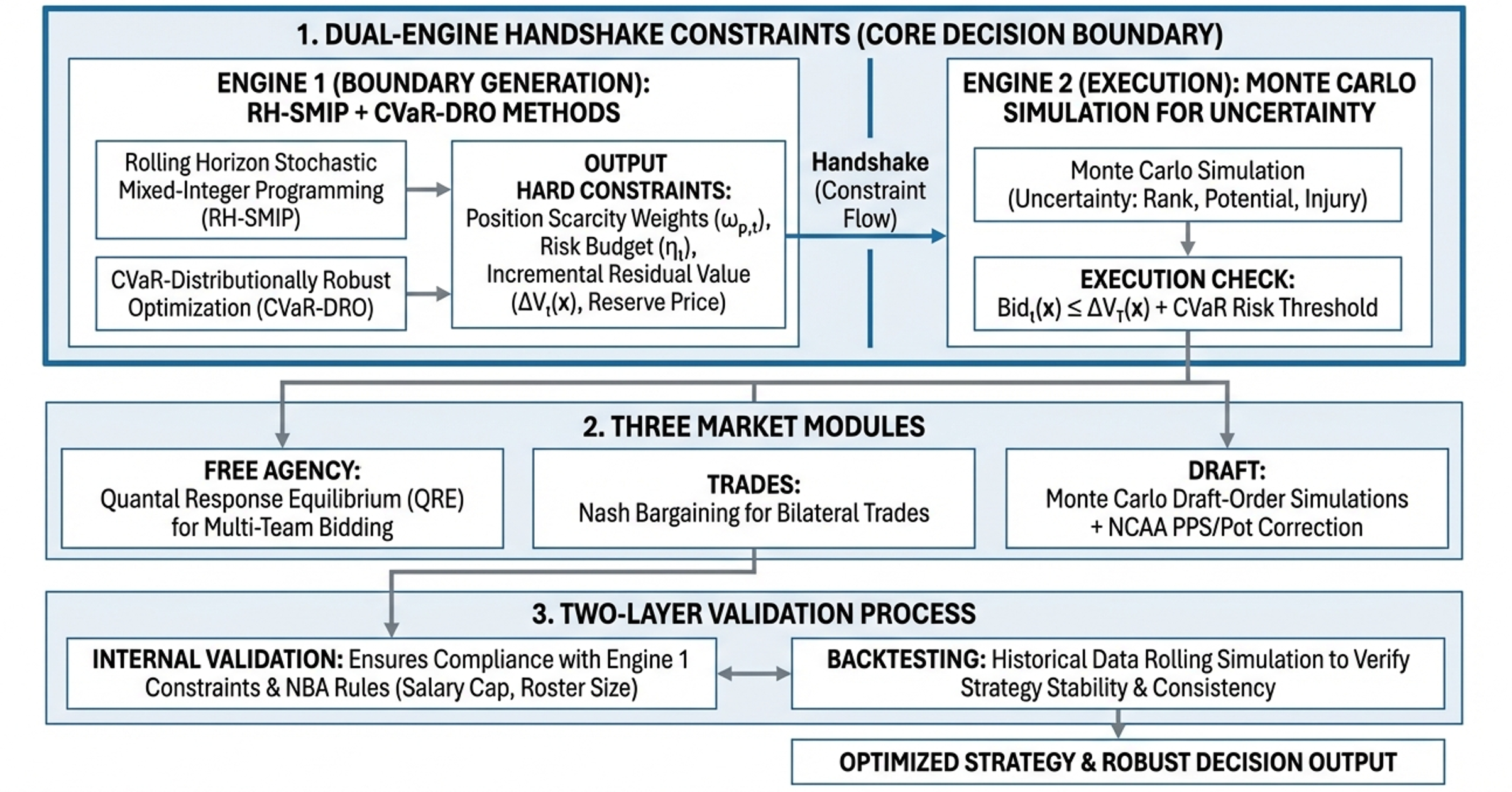
Figure 7: Dual-engine handshake constraint system: Generating rational boundaries for market execution.
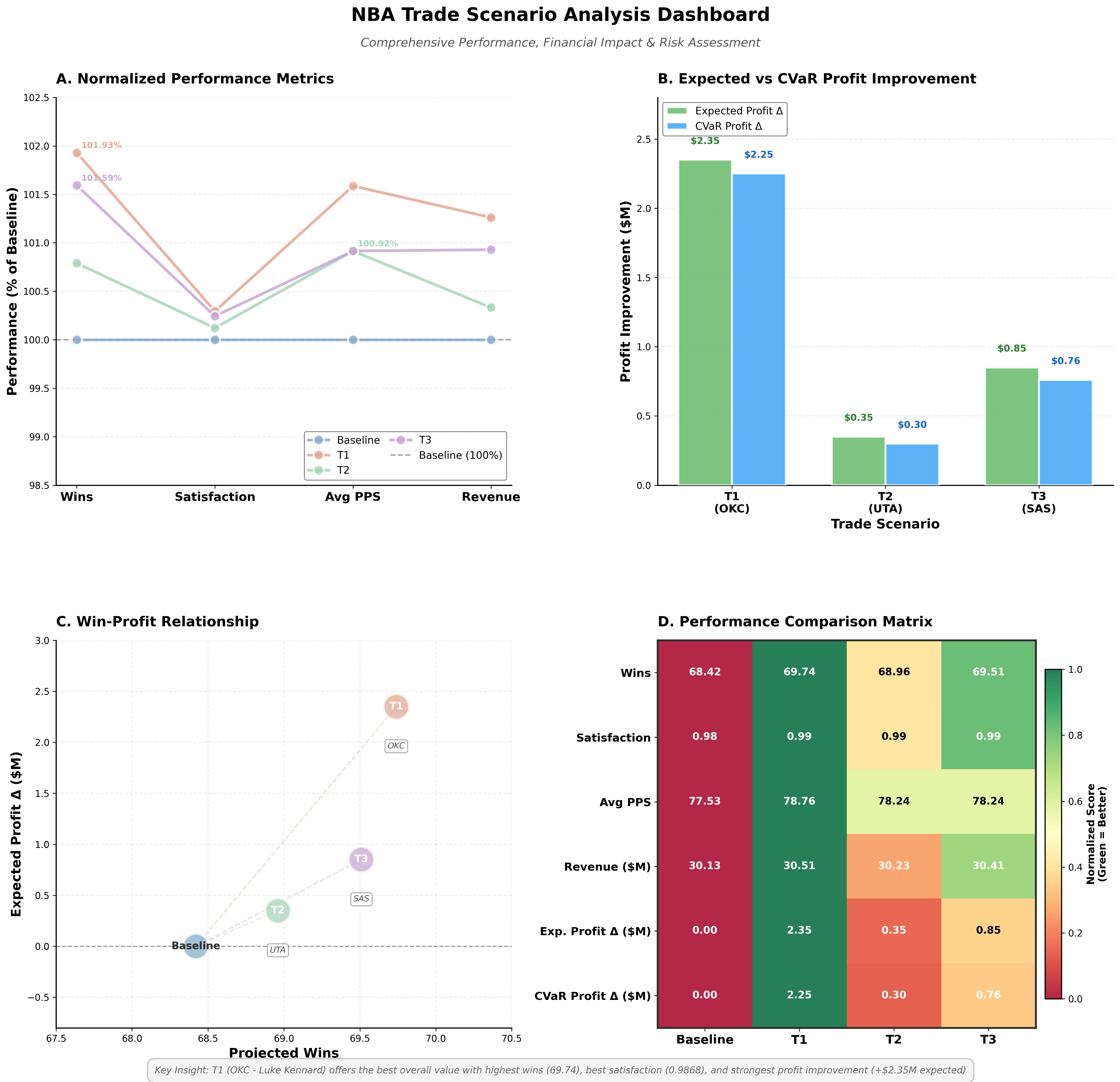
Figure 8: The benefits of the trades.
League expansion shocks are modeled as spatial-structural perturbations, with competitive damping, cost-revenue affine shifts, and risk-adjusted valuation. Expansion in large media markets (NYC) precipitates significant profit dilution (up to -52%), driven by revenue cannibalization rather than on-court competition, with the optimizer signaling strategic invariance—local management lacks effective levers to attenuate league-driven dilution.
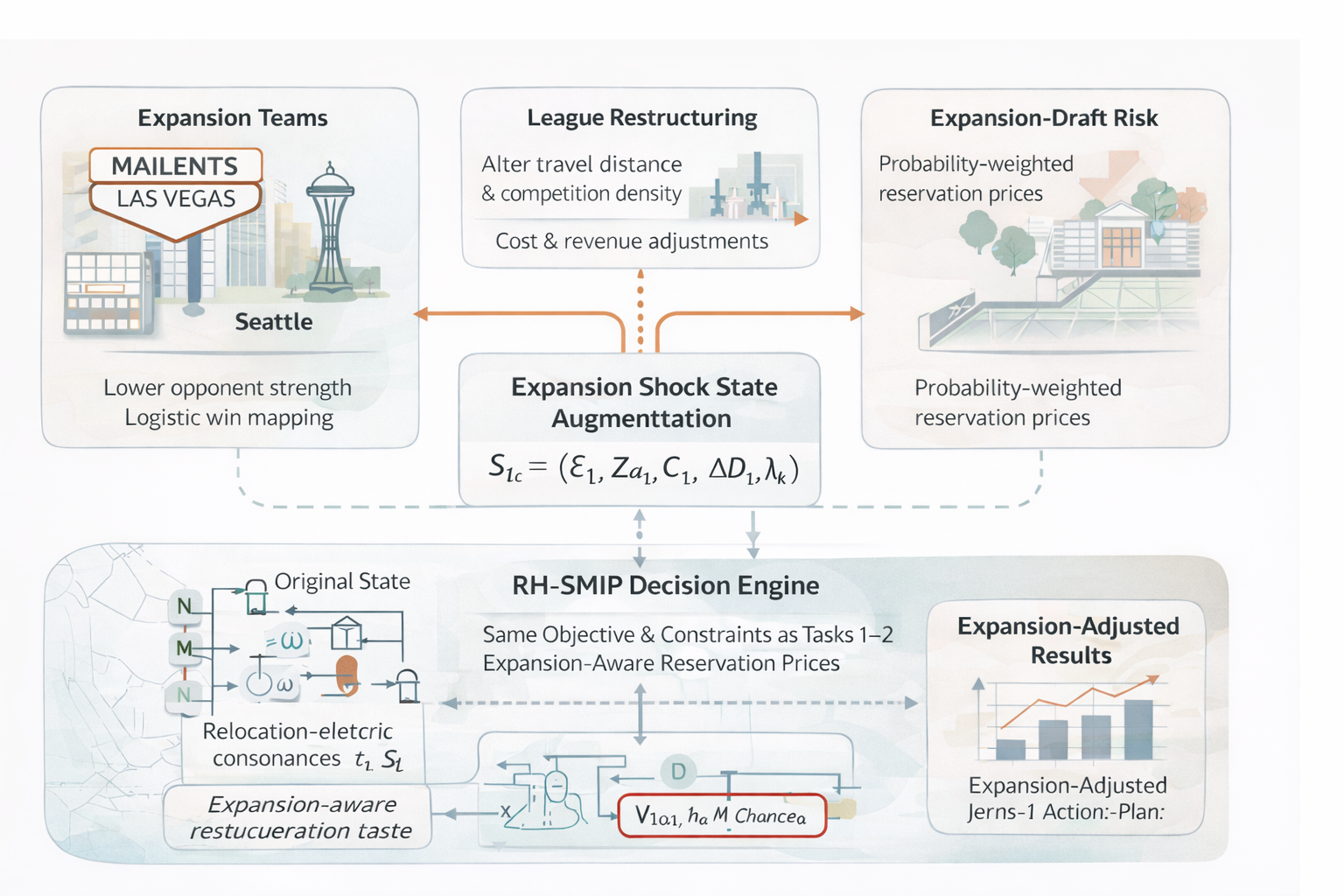
Figure 9: Shock-propagation structure for league expansion.
Media-rights regime transition is embedded as a risk-gated Hamiltonian control problem. Streaming intensity and sponsorship scale stabilize quickly in response to diminishing marginal gate returns, functioning as financial volatility dampers without necessitating structural overhaul.
Injury resilience is evaluated through scenario-based re-optimization; explicit elasticity amplification rules in ticketing and star-driven revenue are applied. Injury impacts degrade team strength, win probability, and profit, but the optimization engine prescribes strategic stability (minimal adjustment) across operational levers except marginal streaming increases under severe injury—proactive adjustment is only justified when risk budget is not breached.
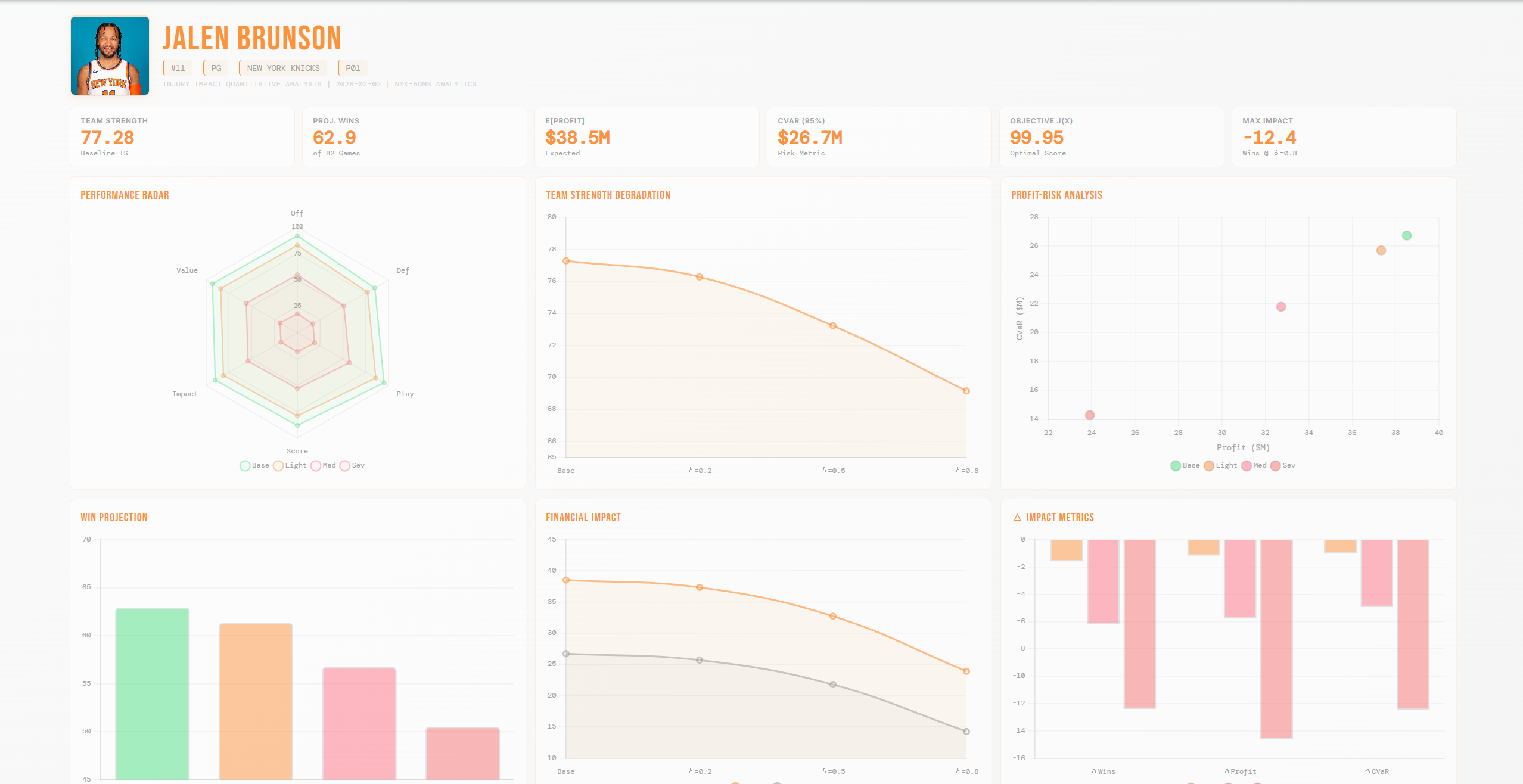
Figure 10: The impact of Brunson's injury.
Robustness, Sensitivity, and Algorithmic Immunity
Monte Carlo sensitivity analysis confirms endogenous bifurcation at macroeconomic threshold Mmacro∗=1.01, Pareto frontier with explicit “fiscal cliff” post-53 wins, optimal risk budget knee-point at η∗=0.258, and a DR framework that reduces bankruptcy risk from 22.1% to 2.56%, demonstrating strong algorithmic immunity and resilience against structural and stochastic shocks.
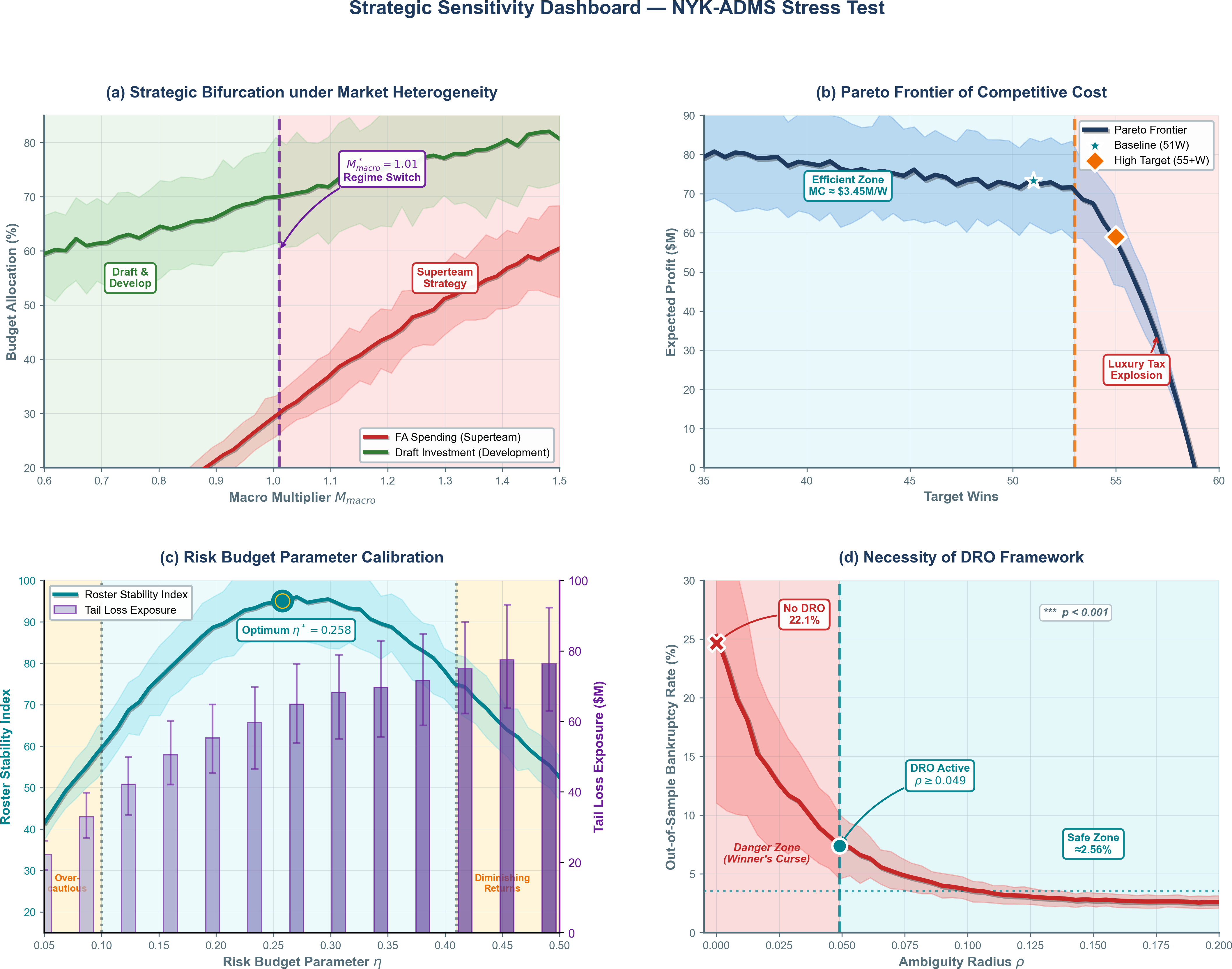
Figure 11: Strategic Sensitivity Dashboard. (a) Endogenous regime switch at Mmacro∗=1.01. (b) Pareto frontier revealing a "Fiscal Cliff" after 53 wins ($MC \approx \$3.45M/W).(c)Optimalriskbudgetcalibratedat\eta^
=0.258$. (d) DRO framework reduces insolvency risk from 22.1\% to 2.56\%.*
Broader Implications and Limitations
The architectural strengths lie in comprehensive data integration, factor-rich modeling, and generalizability to other teams/leagues. Key limitations include imperfect quantification of intangible cultural/leadership factors and vulnerability to structural breaks (e.g., sudden league rule shifts, media market disruptions).
Managerial policy is informed by: treating profit discipline as strategic enabler, adopting market-segmented responses to expansion shocks, using calibrated streaming as volatility hedges, and preserving liquidity/optionality in transaction policy.
Conclusion
The RH-SMIP DRO + CVaR architecture for NBA franchise management, as instantiated for the New York Knicks, provides a decisive, risk-aware methodology for balancing competitive and commercial objectives under uncertainty. The results challenge prevalent assumptions by demonstrating profit-dominant regimes are not antagonistic to competitive success when risk budgets and league constraints are rigorously observed. The architecture is extensible to other professional sports franchises with similar multi-objective decision environments, and future research directions include dynamic adaptation to structural breaks and incorporation of richer cultural/leadership modeling.
(2604.06548)