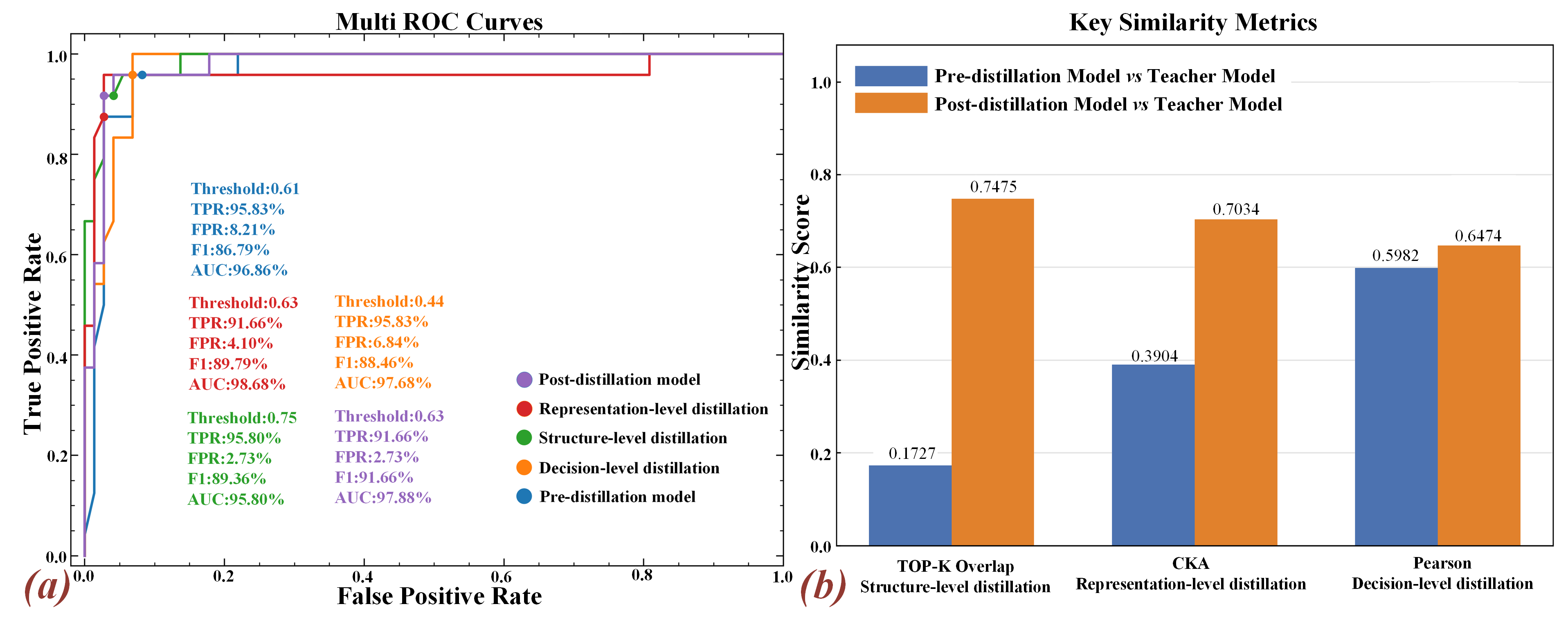
- The paper introduces a hierarchical distillation framework that transfers multimodal insights to a signal-only student, boosting disruption prediction in the EAST tokamak.
- The approach leverages spatial cues from images and temporal signals to achieve high TPR, low FPR, and significant efficiency gains for real-time applications.
- Experimental results show the distilled student attains 91.66% TPR and 97.88% AUC with a 2.16× speedup, validating the effectiveness of multi-level knowledge transfer.
Hierarchical Multi-to-Single-Modal Knowledge Distillation for Disruption Prediction in EAST
Introduction
This work introduces a hierarchical multi-to-single-modal knowledge distillation framework for predicting plasma disruptions in the EAST tokamak. Existing disruption prediction pipelines predominantly utilize time-series diagnostic signals, which, while effective, lack direct spatial information about plasma morphology and local events. Incorporating visible images supplies critical spatial cues but imposes a significant computational burden, hindering practical real-time usage. This paper addresses this bottleneck by leveraging a multimodal (image+signal) teacher architecture during training and transferring its knowledge to a unimodal (signal-only) student via multi-level knowledge distillation. The result is a time-series-only predictor that inherits the discriminative power of the multimodal model, enables real-time operation, and improves disruption forecasting.
Dataset and Multimodal Alignment
A synchronized multimodal dataset for EAST was constructed, containing 640 discharges with both visible imaging and 11 channels of time-series diagnostics (covering current, position, voltage, equilibrium quantities, MHD stability, and radiative signatures). Due to acquisition circuit discrepancies, a temporal delay exists between image and signal streams; this is compensated through cross-correlation to achieve <20 ms alignment.
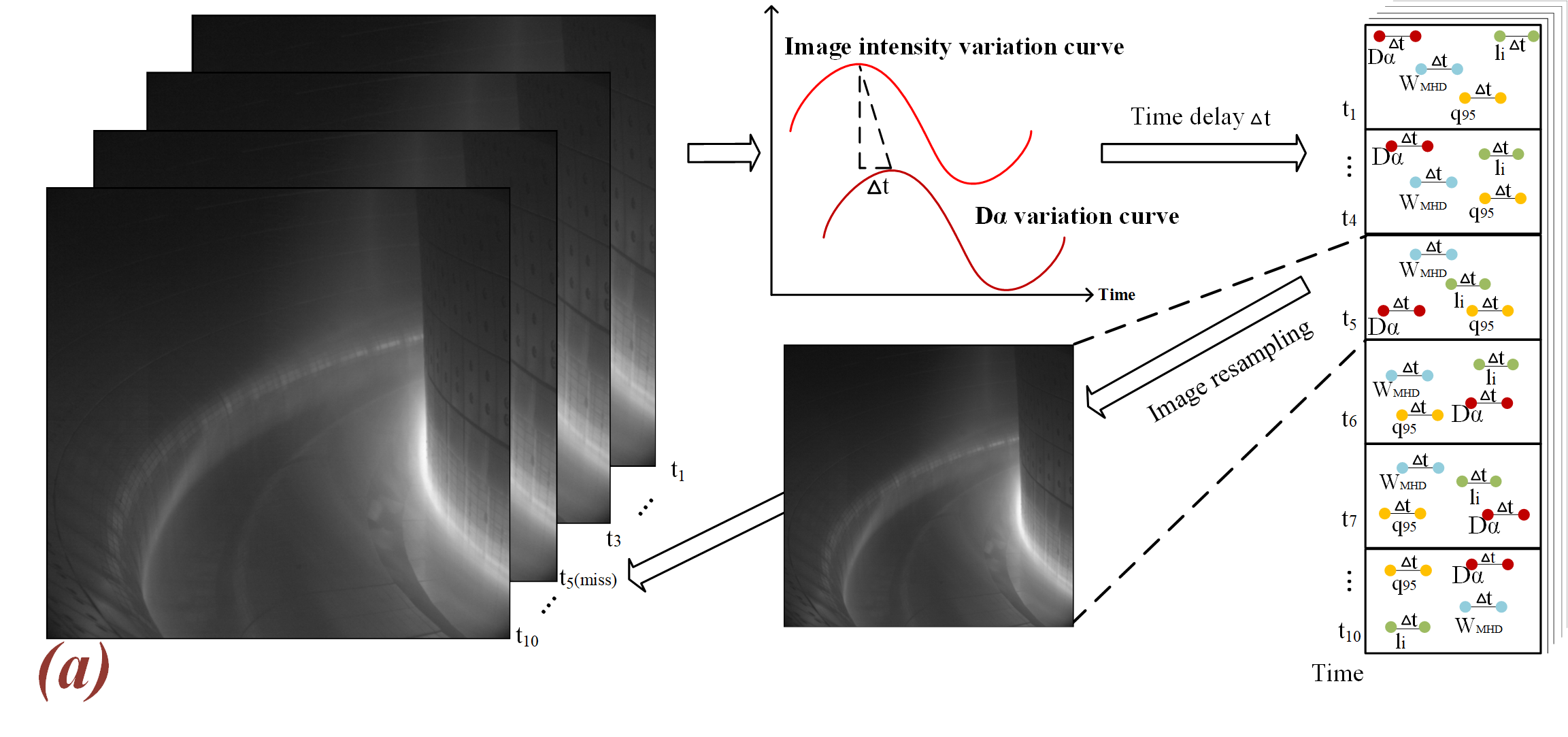
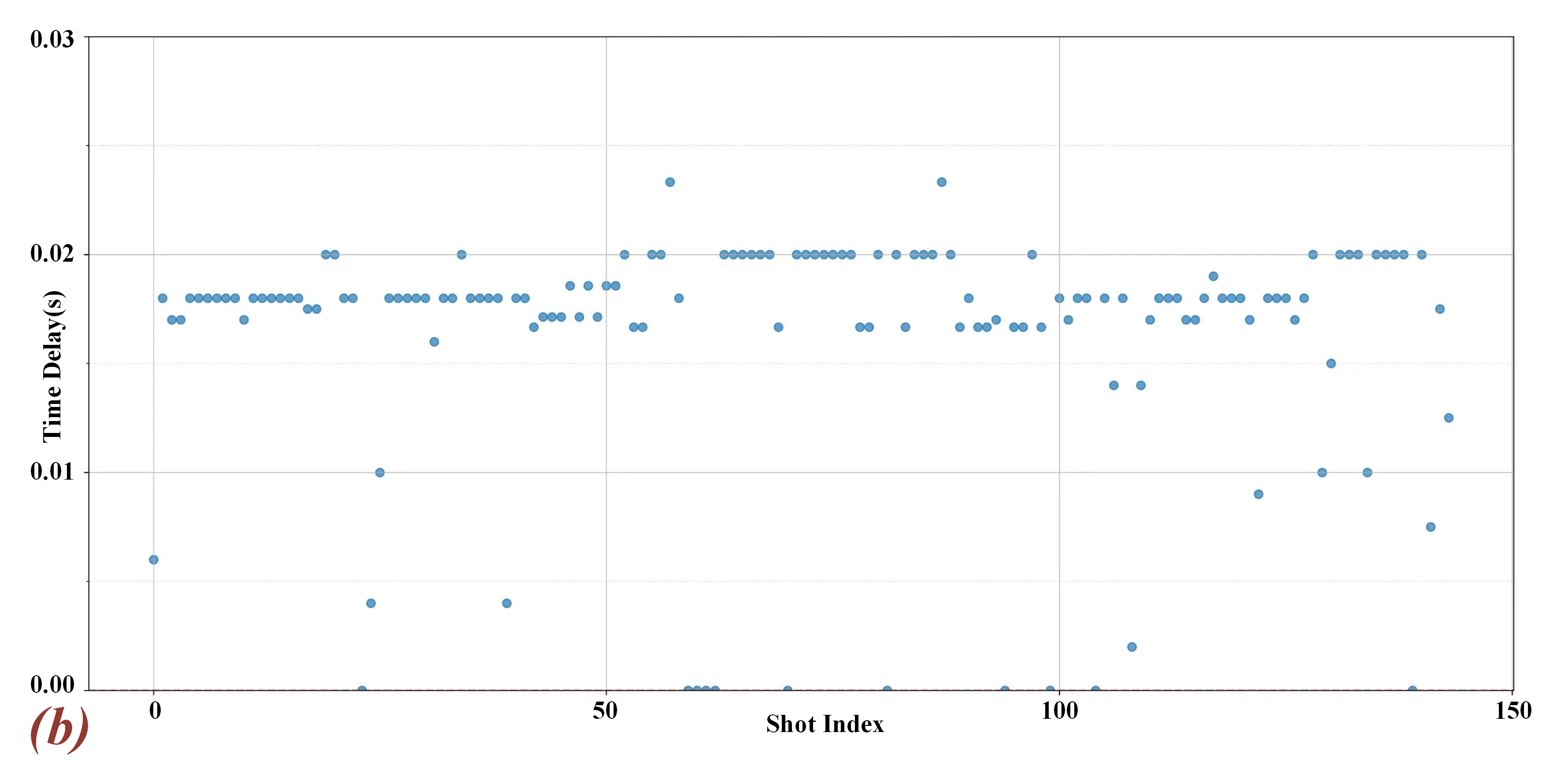
Figure 1: Temporal synchronization pipeline and measured delay distribution between camera and diagnostic signal acquisition on the EAST dataset.
Each sample comprises a 50 ms sliding window of images and signals, and is labeled with a soft label reflecting disruption proximity via logistic scaling. The data covers both disruptive and non-disruptive shots, with disruptive events carefully annotated and scans performed at high temporal resolution in the pre-disruption danger zone.
The dataset enables direct comparison of time-series, image, and fused modalities, and supports assessment of generalization on unseen discharges.
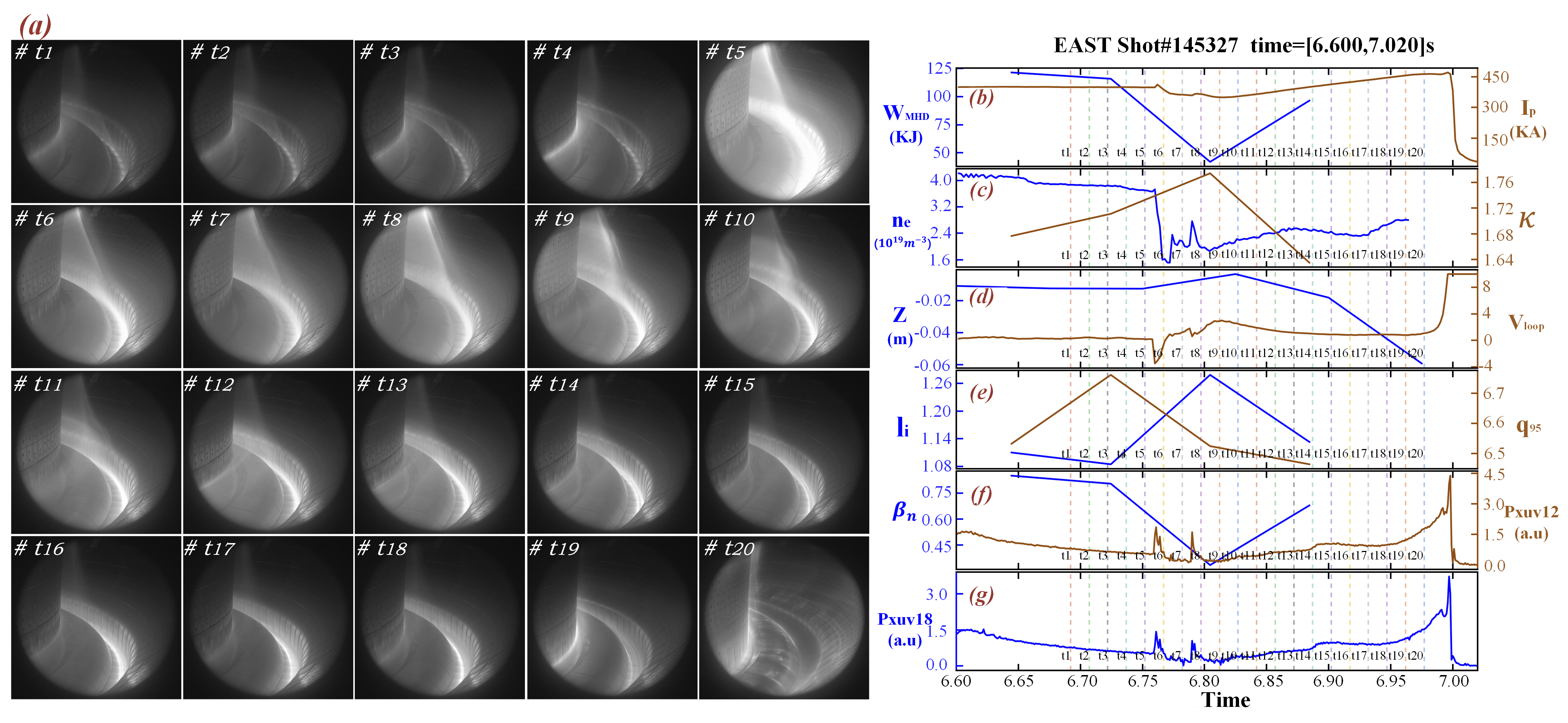
Figure 2: Example of simultaneous imaging and time-series measurements during disruption evolution in an EAST plasma.
Model Architecture
Multimodal Teacher Network
The multimodal teacher utilizes Transformer-based encoders for both modalities. Images (stacked frames) undergo 3D convolutional tokenization, while diagnostic signals use 1D convolutions. Transformers model long-range dependencies across both spatial and temporal axes.
Fusion is handled through a prototype-guided spatiotemporal hypergraph mechanism. Here, learnable prototypes act as anchors for higher-order groupings among tokens, allowing the network to explicitly model complex temporal and spatial interactions driving disruptions. Sparse node-to-hyperedge associations are learned through similarity and top-k selection, followed by message passing between nodes (tokens) and hyperedges (prototypes).
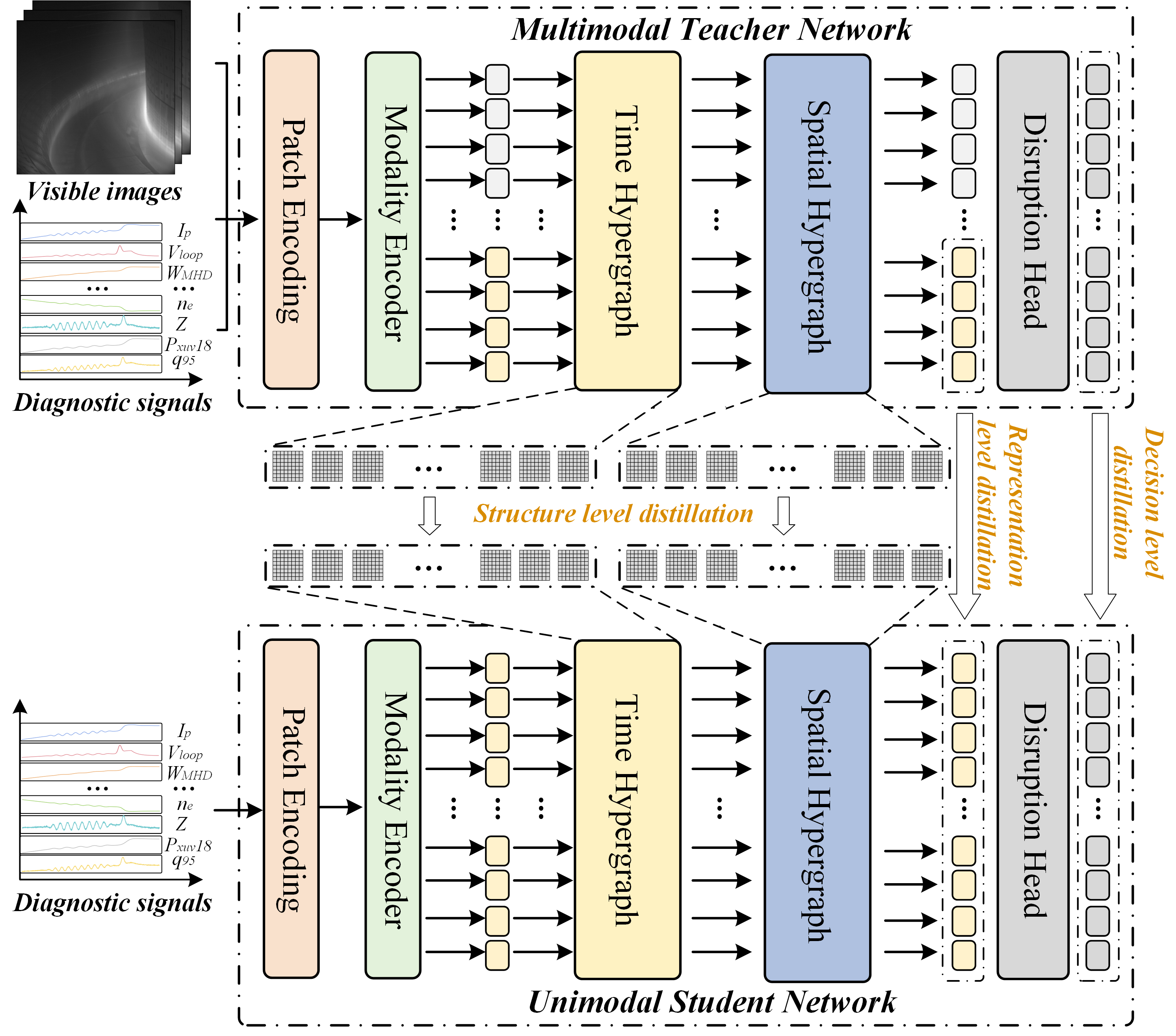
Figure 3: Schematic of the hierarchical multi-to-single-modal knowledge distillation: multimodal teacher with hypergraph fusion (top), unimodal student (bottom), connected by three levels of knowledge transfer.
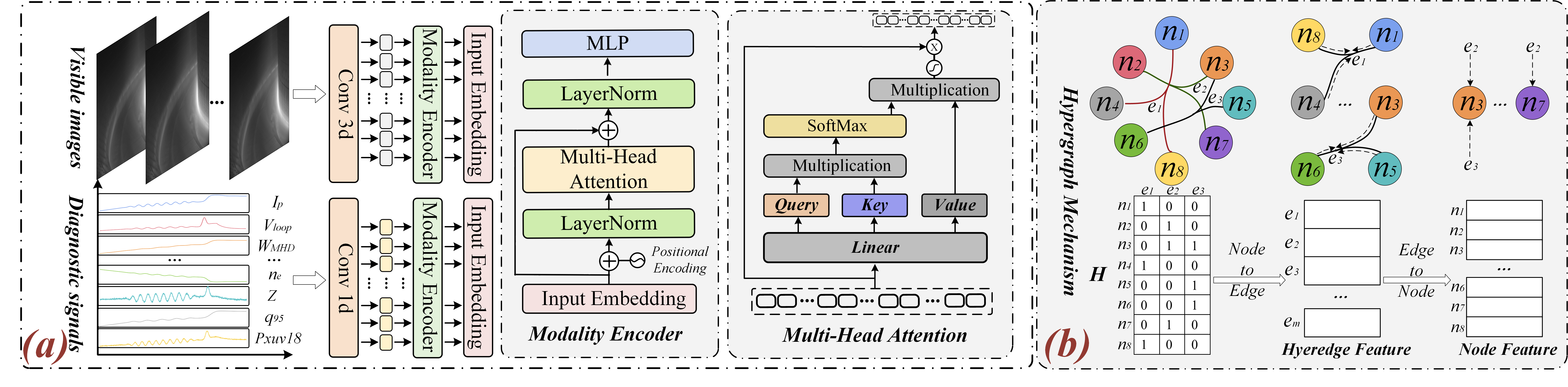
Figure 4: Transformer-based encoders for both modalities (a); prototype-guided hypergraph message passing (b), enabling efficient higher-order dependency learning.
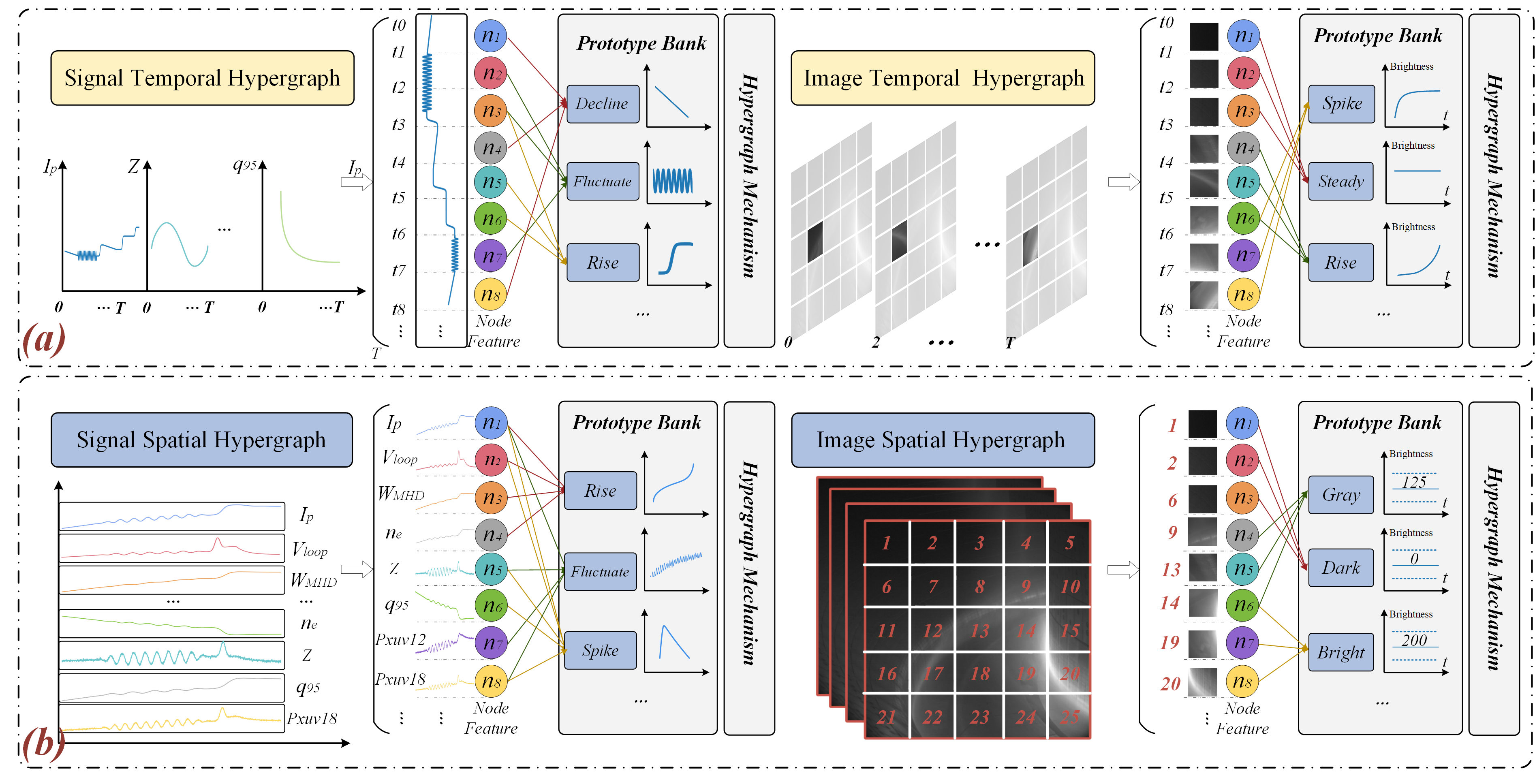
Figure 5: Construction of spatial and temporal hypergraphs for both diagnostic signal and image branches, capturing channel-wise, spatial, and temporal dependencies.
Hierarchical Knowledge Distillation Process
The novelty lies in transferring multimodal capacity to a time-series-only student. Distillation is hierarchical:
- Graph-structure-level: Student mimics the sparse association patterns of the teacher's hypergraphs, inheriting higher-order relational structures.
- Representation-level: Student aligns its intermediate feature space with the teacher's, enabling it to encode richer disruption-relevant signals.
- Decision-level: Student is guided to reproduce the teacher's soft probability distributions, including calibrated uncertainty near the decision boundary.
These mechanisms are additive, with loss terms specified for each.
Experimental Evaluation
Evaluation uses True Positive Rate (TPR), False Positive Rate (FPR), F1 score, ROC/AUC, and average advance warning time. Models are compared under a 10 ms minimum warning time constraint, and efficiency (inference time, FLOPs, and parameter count) is reported.
Main Results
- The multimodal teacher achieves TPR 100.0%, FPR 2.73%, F1 96.0%, and AUC 99.0%, outperforming both unimodal baselines.
- The distilled student, using time-series inputs only, attains TPR 91.66%, FPR 2.73%, F1 91.66%, and AUC 97.88%. Inference time is only 3.75 ms, with a 2.16× speedup and substantial reductions in both FLOPs (68.9%) and parameters (47.85%) relative to the teacher.
- Ablation studies show that both temporal and spatial hypergraph components are crucial for maximizing AUC.
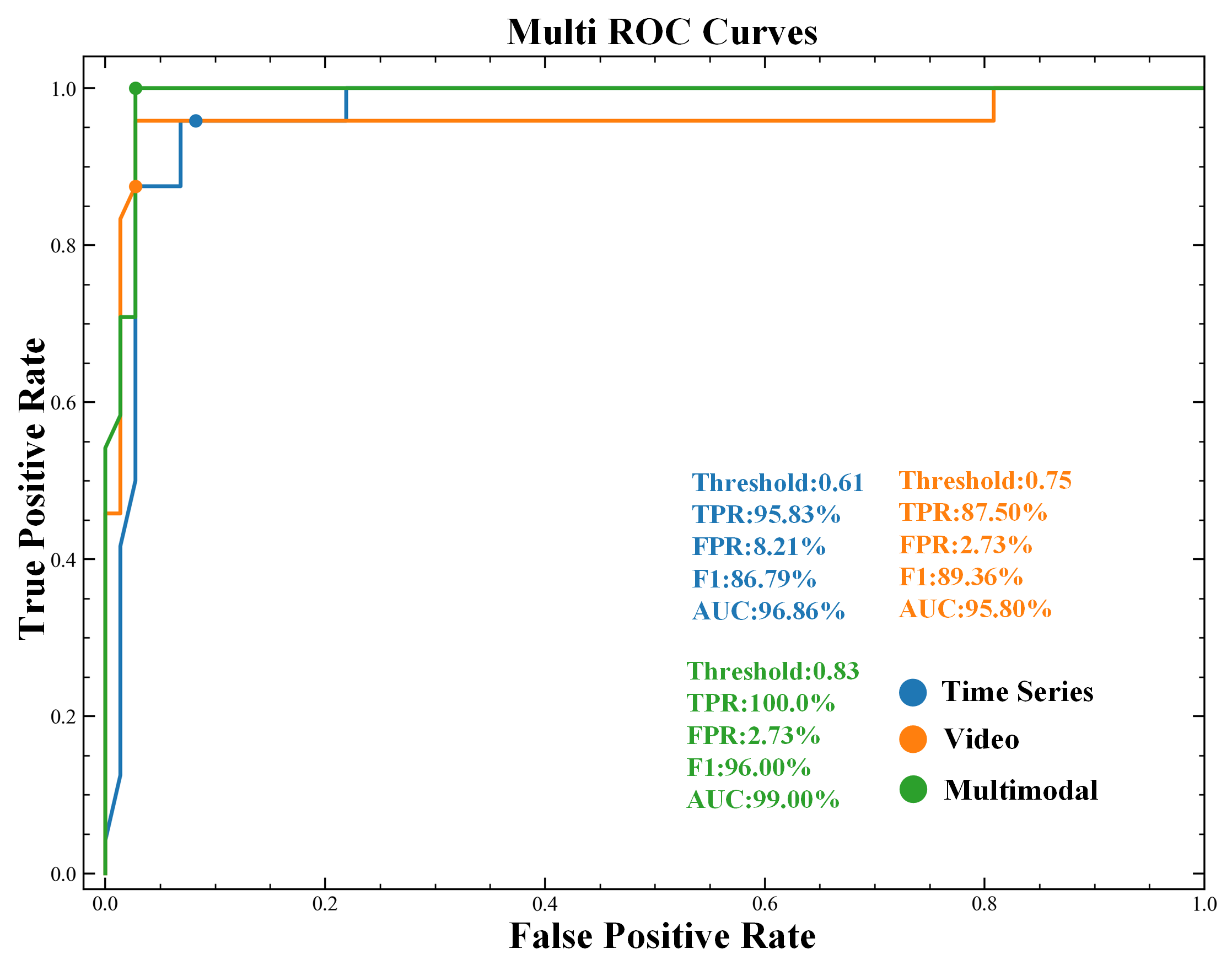
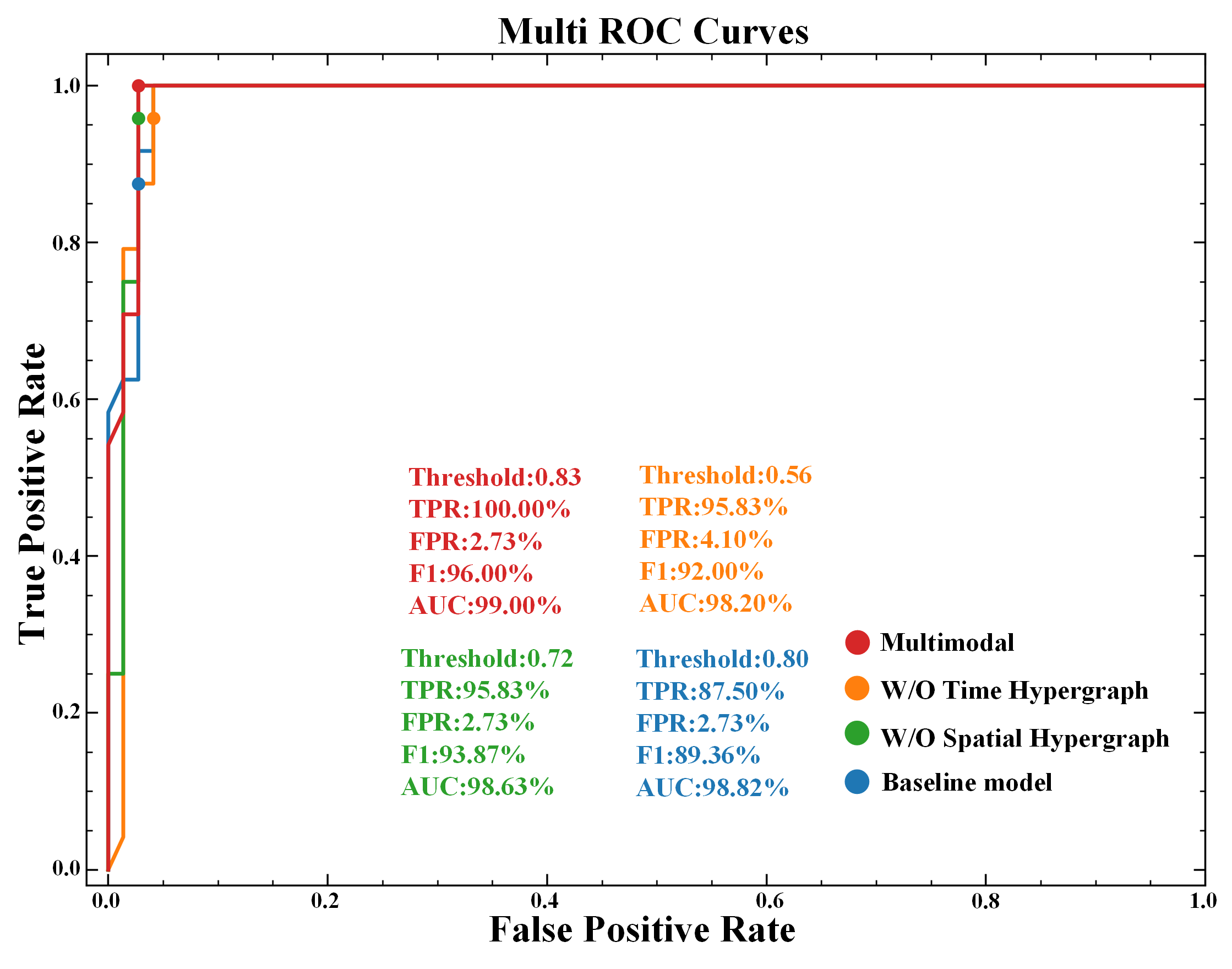
Figure 6: Comparative ROC curves on the test set demonstrate the superior discriminative ability of the multimodal model and highlight the contribution of spatial/temporal hypergraphs.
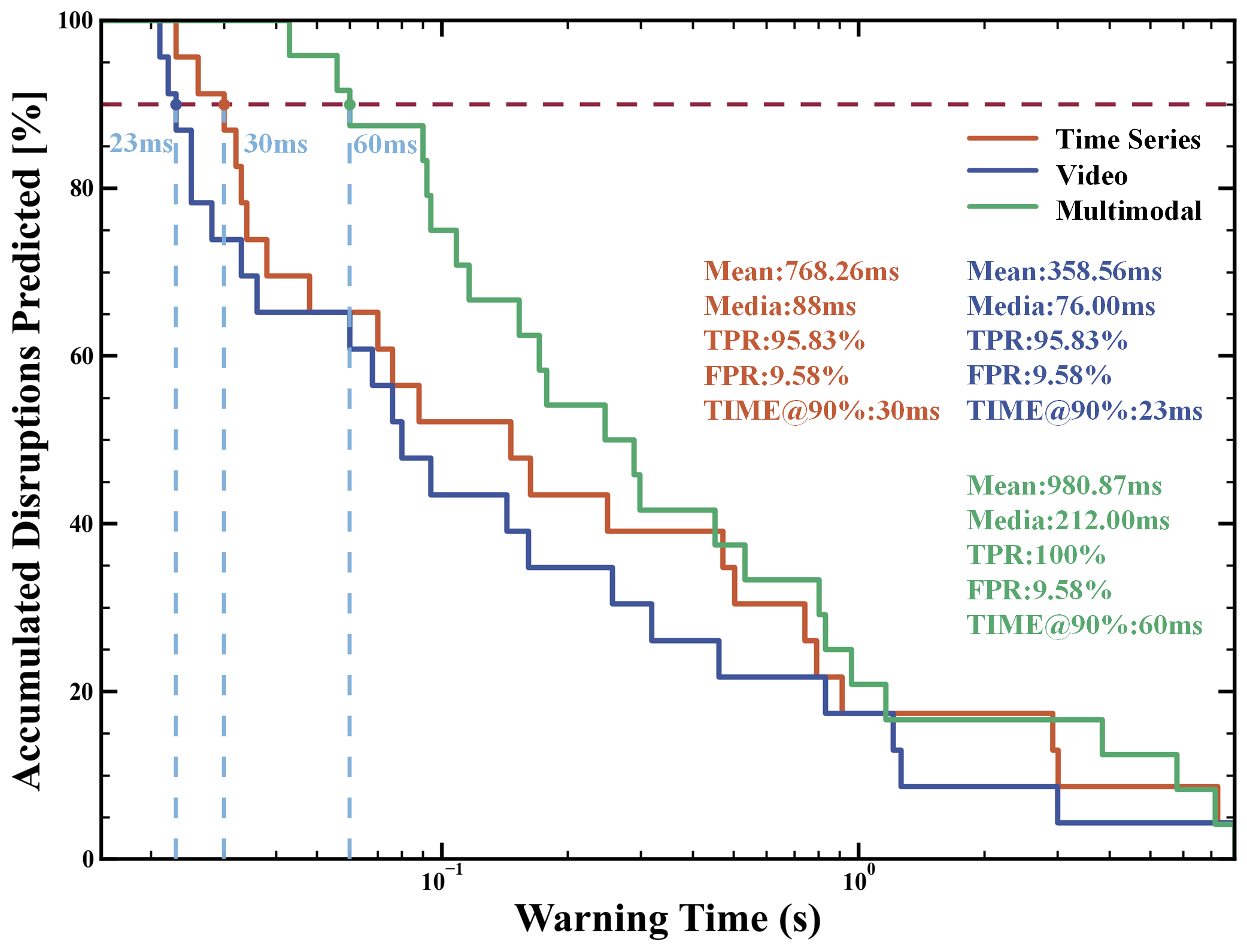
Figure 7: Warning time distributions indicate the multimodal model balances long warning times and low FPRs; time-series models offer earlier warnings at the expense of higher FPRs.
Distillation Analysis
The incremental contribution of each distillation level is assessed, with full (structure+representation+decision) distillation yielding the best trade-off in F1 and AUC. Similarity analyses between teacher and student are conducted at each level:
Generalization and Scalability
Generalization tests on 668 independent discharges and a combined 1308-discharge set underscore that both multimodal and distilled models maintain low FPR and high AUC/F1 scores under wider plasma conditions. The benefit of distillation grows with dataset heterogeneity, where visual and relational cues become increasingly valuable for robust time-series discrimination.
Model Interpretability
Model interpretability is investigated using attribution tools. Integrated Gradients reveal that impending disruptions (e.g., impurity-induced radiative events) are identified by both temporal and spatial activation on key variables (e.g., core radiation channels). Grad-CAM maps localize attention to high-radiation image regions pre-disruption, matching signal-based and visual precursors.
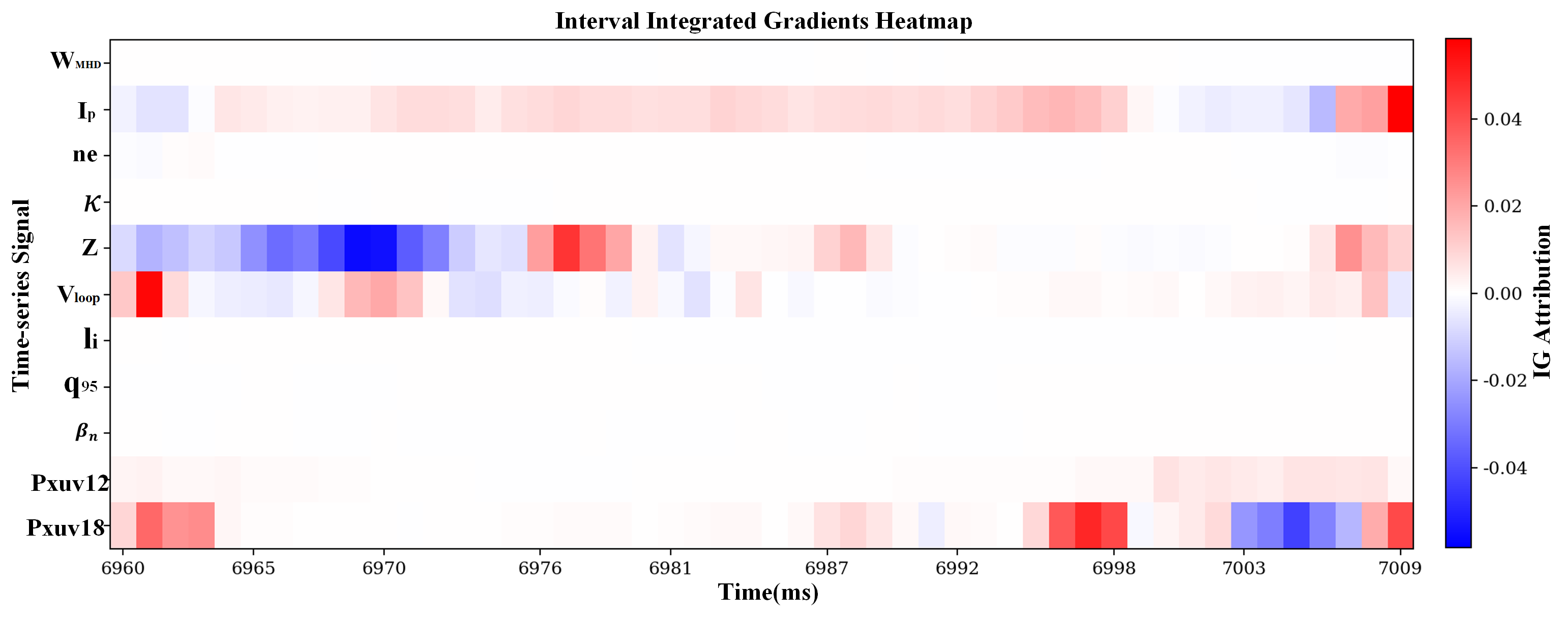
Figure 9: Integrated Gradient heatmap for diagnostic variables near disruption—plasma radiative signals dominate attribution as disruption nears.
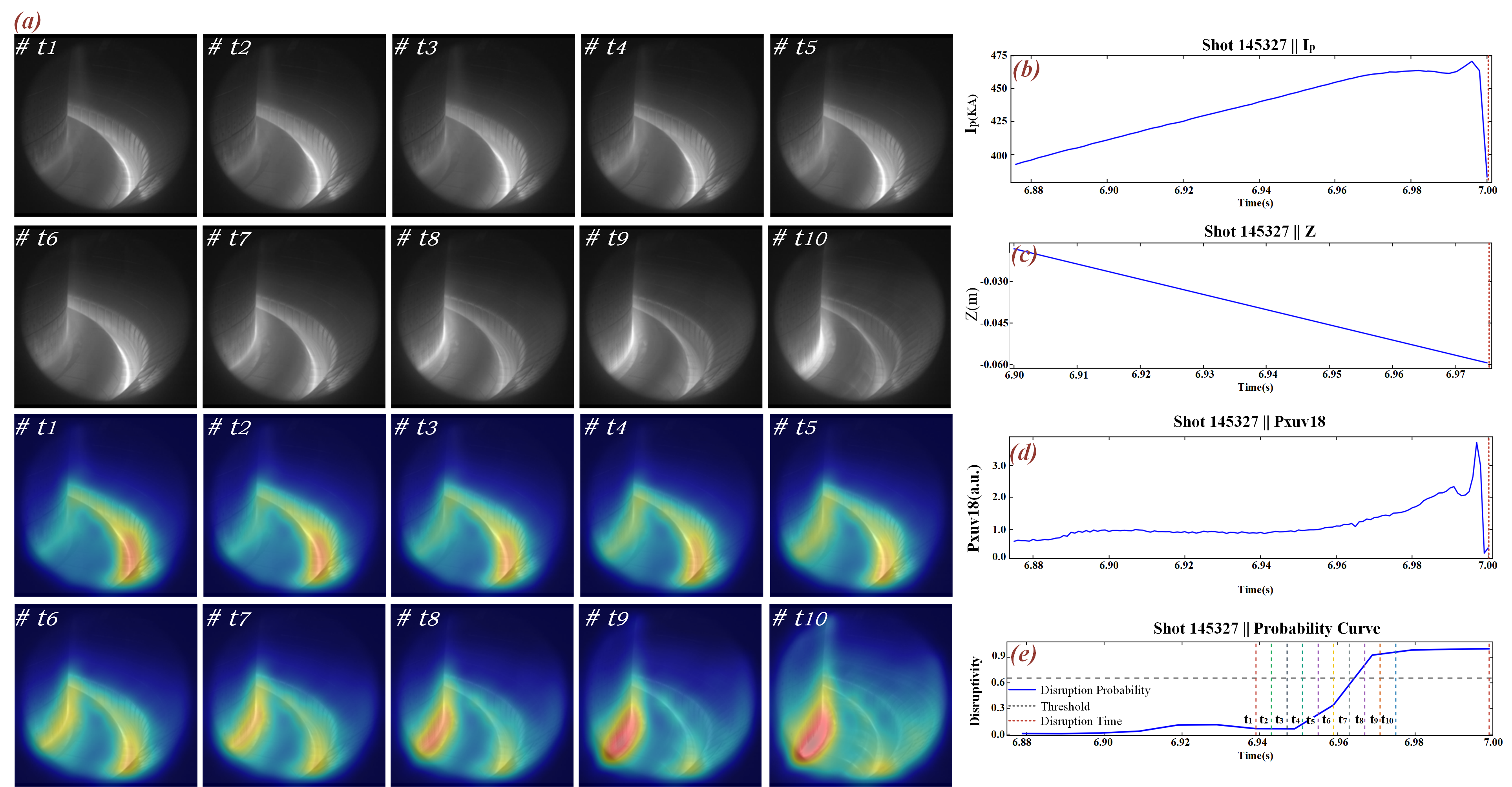
Figure 10: Visualization of model Grad-CAM activation on visible images, tracked against plasma current, displacement, and radiative trends, with rising predicted disruption probability.
t-SNE visualizations of the student feature space demonstrate that distillation produces more separable and class-discriminative latent representations.
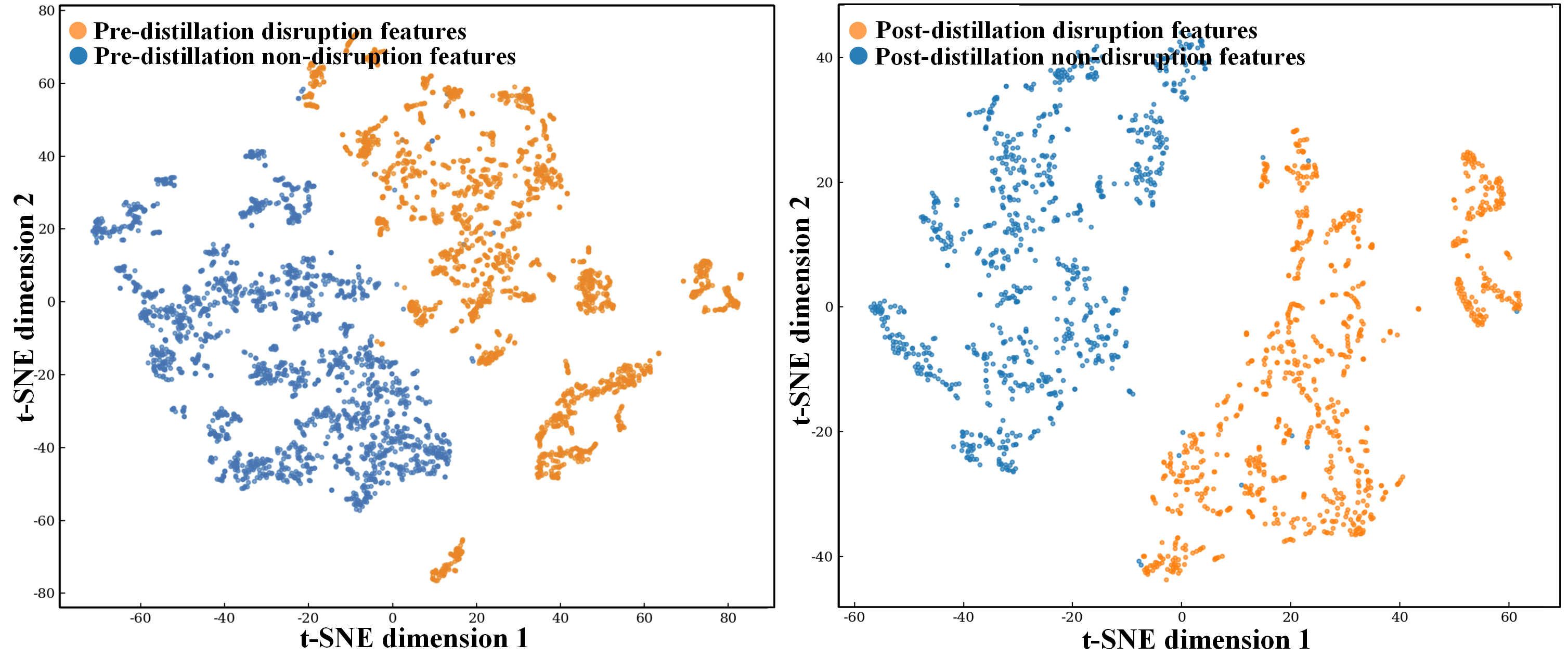
Figure 11: t-SNE projections before and after distillation: post-distillation, disruptions and non-disruptions are more clearly separated.
Implications and Future Directions
This framework demonstrates the feasibility of multi-to-single-modal knowledge distillation for time-critical tasks where inference cost is constrained. In the context of disruption prediction, it enables multimodal representational advantages without sacrificing operational speed or resource limits. The practical significance is substantial; deployment of such models could improve real-time plasma control and avoidance of catastrophic failures in large-scale tokamaks.
Theoretically, the approach suggests that transferable higher-order relational knowledge—across graph structure, representation, and decision—can be captured and reused in reduced modality settings. This opens promising avenues for efficient knowledge sharing from rich but costly sensors to operational pipelines restricted to fast, low-dimensional diagnostics. Future research can explore:
- Extension to additional modalities (e.g., spectrometry, magnetics),
- Cross-device distillation in multi-tokamak settings,
- Active adaptation and out-of-distribution robustness in shifting plasma regimes,
- Integration with interpretable AI frameworks for physically-informed control feedback.
Conclusion
The proposed hierarchical multi-to-single-modal knowledge distillation framework enables efficient, interpretable, and accurate disruption prediction in the EAST tokamak. Multimodal training followed by unimodal inference achieves strong empirical gains in predictive accuracy and false alarm suppression while drastically reducing computational requirements. Multi-level distillation strategies prove essential for transferring not only decision boundaries but latent and relational knowledge. These findings generalize to broader multimodal AI applications in real-time systems where sensor cost, inference speed, and interpretability are paramount.