- The paper demonstrates that multipartite entanglement measures (e.g., CMI, EWCS, multi-entropy, Markov gap) effectively signal topological phase transitions and anisotropy in holographic Weyl semimetals.
- It employs strip-shaped subregions with variable width and orientation to extract scaling laws and angular dependencies that distinguish nontrivial, critical, and trivial phases.
- The study highlights that directional quantum correlations serve as robust, nonlocal order parameters, offering new insights beyond traditional bipartite diagnostics in strongly coupled systems.
Introduction
This work offers a comprehensive investigation of multipartite entanglement structures in the zero-temperature holographic Weyl semimetal model and demonstrates the sensitivity of tripartite and four-partite entanglement measures to topological quantum phase transitions and spatial anisotropy. By utilizing the Ryu–Takayanagi prescription and recent geometric multipartite entanglement constructs, the paper reveals how various multipartite entanglement measures, including the conditional mutual information (CMI), entanglement wedge cross section (EWCS), multi-entropy-based κ, the Markov gap, and multipartite EWCS-based signals (Δ, g), respond to changes in the underlying phase, the strip geometry, and the directionality imposed by an axial source.
The analysis establishes multipartite holographic entanglement as a robust, nonlocal probe of both topological transitions and IR anisotropic properties in strongly coupled, gapless systems, going beyond the diagnostic capacity of bipartite entanglement and entropic c-functions.
The model under consideration is the holographic Weyl semimetal characterized by two control parameters: the mass deformation M and the axial source b (which selects the z-direction and thus introduces strong spatial anisotropy). The zero-temperature solutions possess three distinct phases as M/b is tuned: a topologically nontrivial phase (Weyl semimetal), a quantum critical regime, and a topologically trivial phase. Notably:
- The critical point at M/b=(M/b)c≃0.744 is characterized by an anisotropic Lifshitz-like IR geometry, producing distinct scaling exponents in the transverse (x) and axial (Δ0) directions.
- The entanglement diagnostics leverage strip-shaped subregions with tunable width Δ1 and orientation Δ2 as probes of real-space nonlocal quantum correlations and anisotropy.
The multipartite entanglement structures are quantified by:
- Conditional Mutual Information (CMI): Senses tripartite correlations beyond pairwise mutual information.
- EWCS: Probes correlations in mixed states, dual to the entanglement of purification and reflected entropy in holography.
- Multi-entropy network quantities (Δ3): Detects irreducible (GHZ-like) tripartite entanglement, insensitive to bipartite-reducible triangle-state mixtures.
- Markov gap: Characterizes the failure of the quantum Markov property and nonreducibility to triangle-based structures.
- Four-partite multipartite quantities (multi-EWCS, Δ4, Δ5): Utilize multipartite wedge cross-sections to extract higher-order entanglement patterns inaccessible to lower-partite diagnostics.
The geometric interpretations of these quantities enable analytic control of their large-Δ6 scaling in terms of the IR background metrics.
Large-Scale Scaling and Phase Characterization
Entanglement Quantities as Functions of Strip Width
For each phase, the scaling with strip width Δ7 of all entanglement measures is extracted, displaying the expected crossovers from trivial (UV) to nontrivial (IR) behavior as extremal surfaces probe the near-horizon geometry:
- In both the topologically nontrivial and trivial phases, the entanglement quantities exhibit universal power-law decay in Δ8 at large width, with exponents fixed by the AdS-like IR metric (e.g., Δ9, g0, EWCS g1).
- In the critical regime, the decay exponents become g2-dependent) non-integers set by the anisotropic IR scaling weights (g3 for g4-direction): for instance, in the g5 direction, EWCS g6.
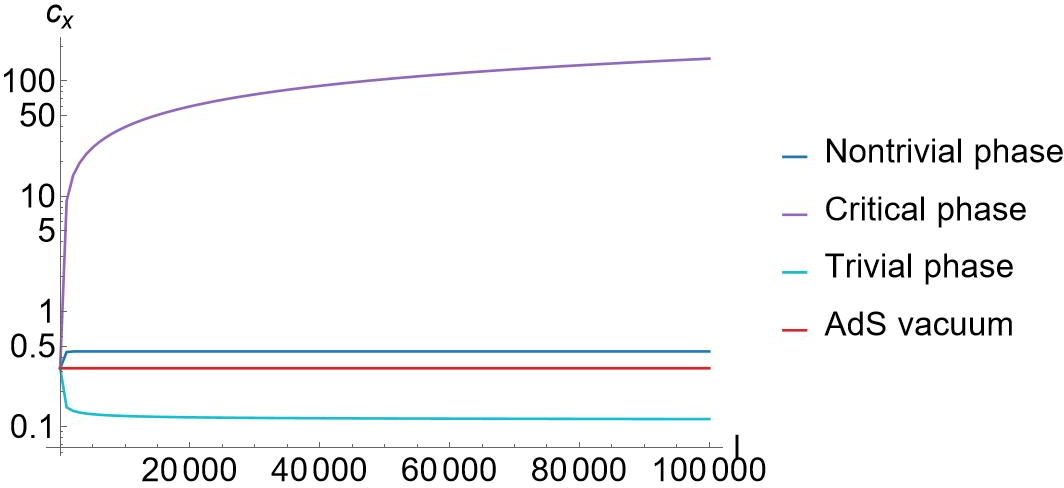
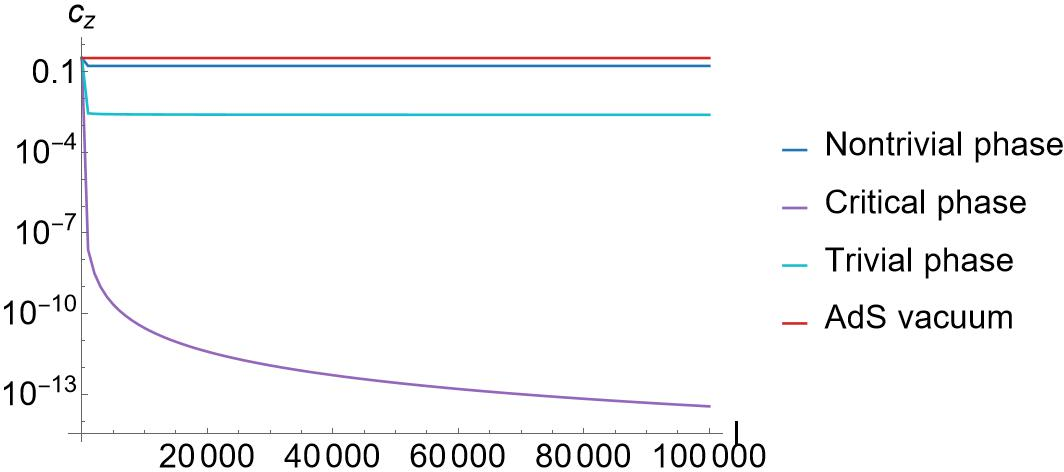
Figure 1: Holographic g7-function as a function of strip width in four representative backgrounds, demonstrating the transition from UV-dominated universal behavior to phase-sensitive IR plateaus and anisotropic scaling.
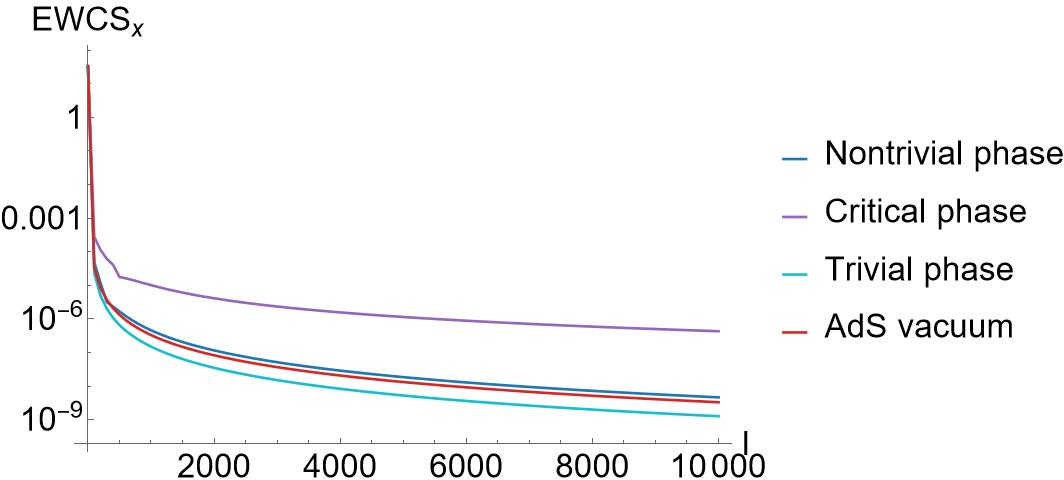
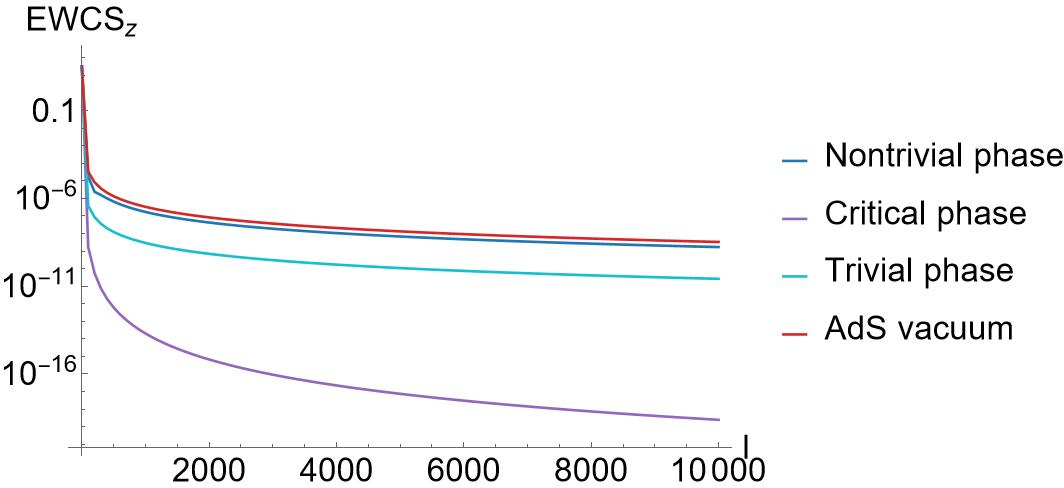
Figure 2: EWCS as a function of strip width in the four backgrounds; the departure from universal decay exponent in the critical phase signals sensitivity to IR geometry.
Phase Transition Detection
Fixing a sufficiently large strip width and scanning g8 across the critical value, all entanglement measures display pronounced signatures at the quantum phase transition. This is visible as a nonanalyticity or sharp crossover in their g9-dependence, with the critical regime separating distinct plateau-like values for nontrivial and trivial phases.
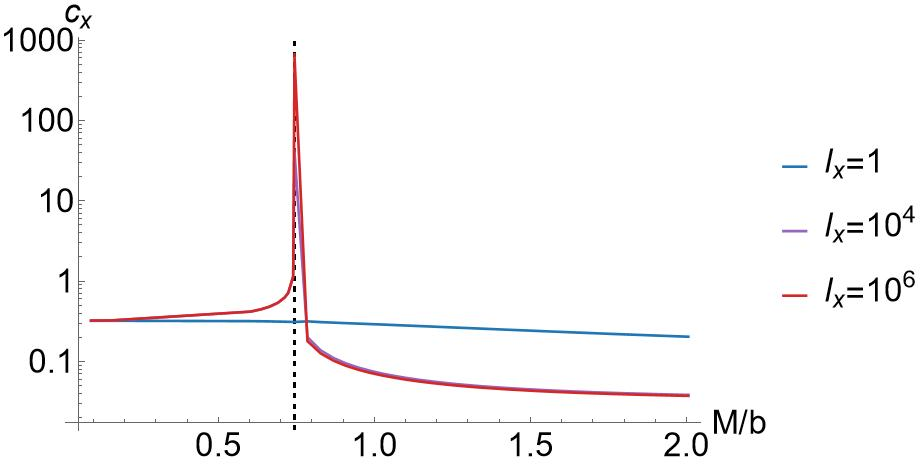
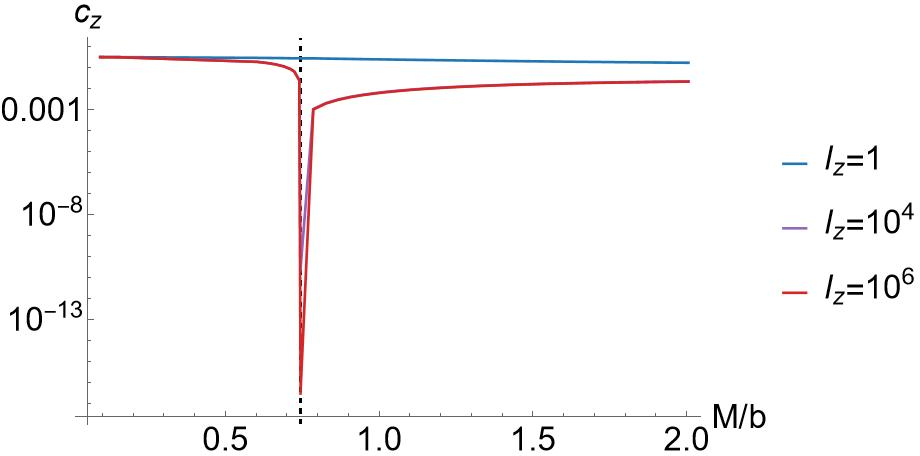
Figure 3: c0 and c1 as a function of c2 at various c3. The sharp features at c4 track the topological transition.
All tripartite and four-partite measures behave similarly, with their c5-dependence uniquely dependent on the orientation of the strip: critical enhancement in one direction coincides with critical suppression in the other, a direct result of the imposed spatial anisotropy and the underlying IR geometry.
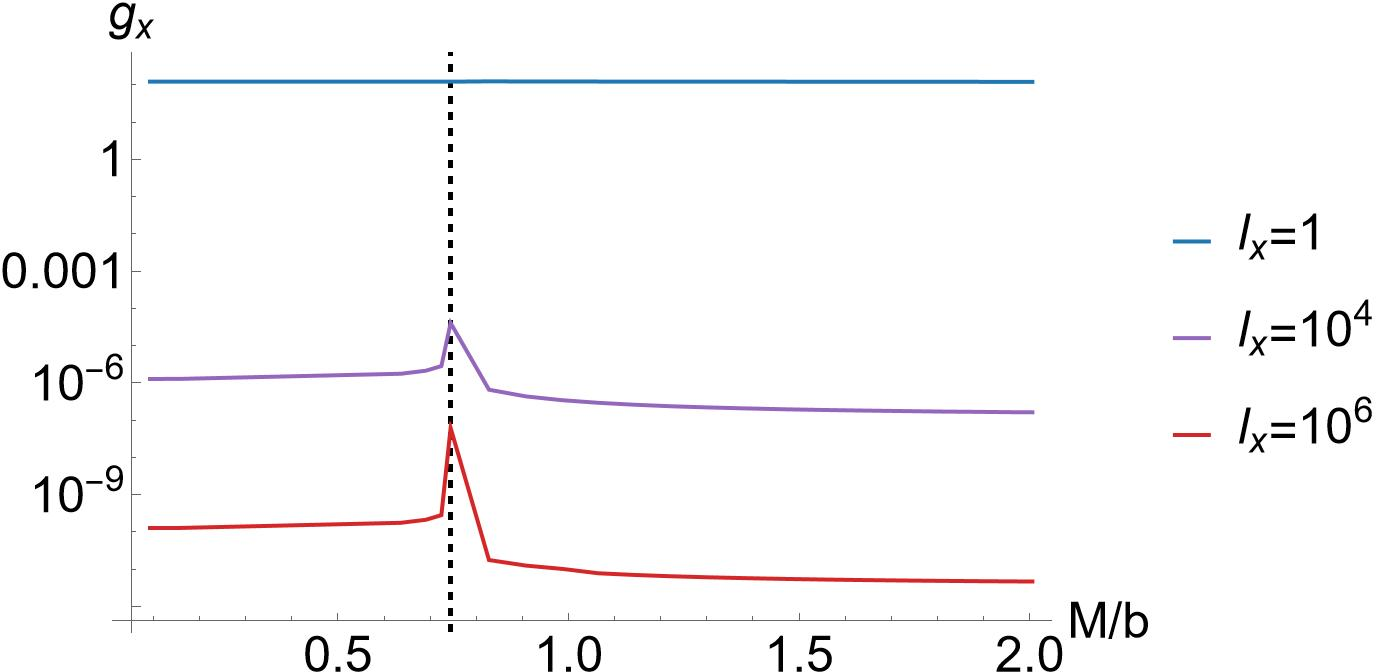
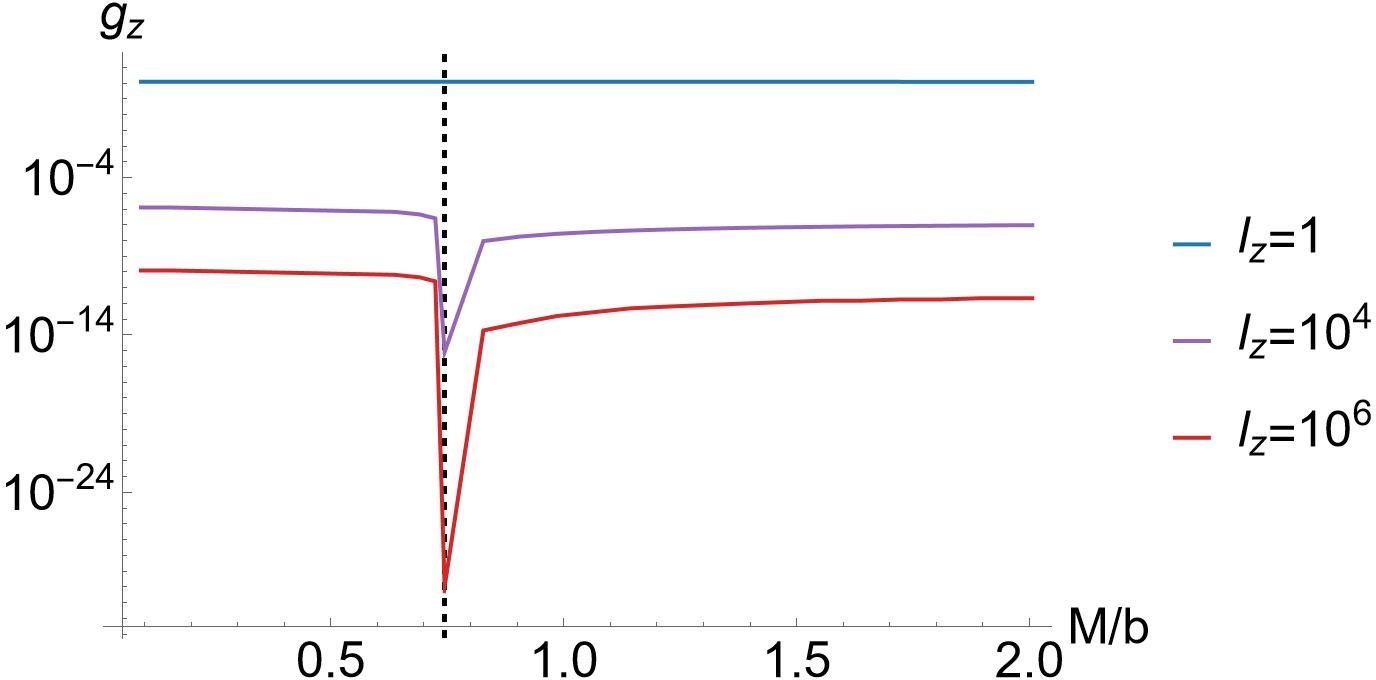
Figure 4: Four-partite signal c6 as a function of c7 for several c8, sharply distinguishing the critical regime from nontrivial and trivial zones.
Robustness to Proximity Effects
By studying curves at fixed c9 within each phase, the persistence of critical scaling over large M0 ranges (when close to the transition) is evident, with rapid crossovers to phase-specific plateaus emerging as the distance from criticality increases.
Anisotropy Probed by Rotated Strips: Angular Dependence
To resolve the anisotropic nature of the system, the study generalizes strip orientations to arbitrary angles M1 in the M2-M3 plane. All entanglement observables thus become M4:
- In the nontrivial and trivial phases, the angular response is encoded in the amplitude M5 of the fixed scaling power law, which follows a high-contrast, width-dependent profile between the M6 and M7 directions.
- In the critical phase, both amplitude and exponent M8 are continuous, nonlinear functions of M9, reflecting the inherently anisotropic scaling symmetry of the IR geometry.
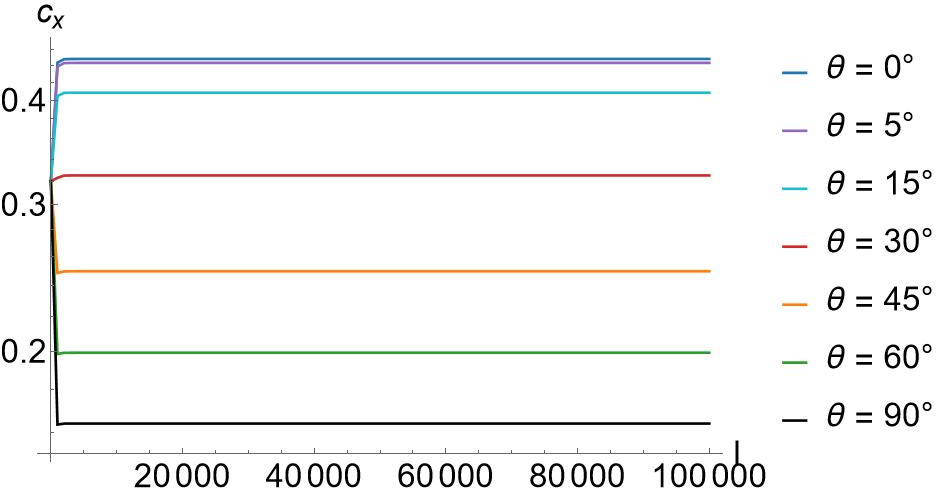
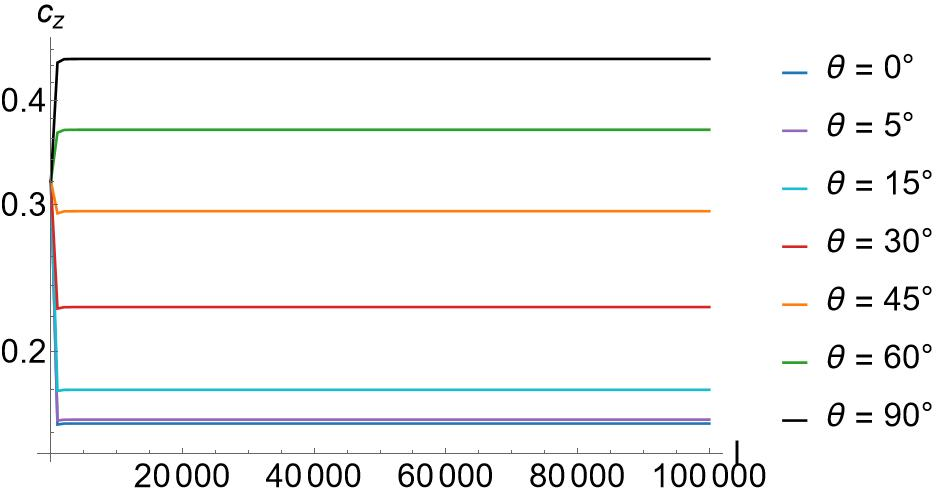
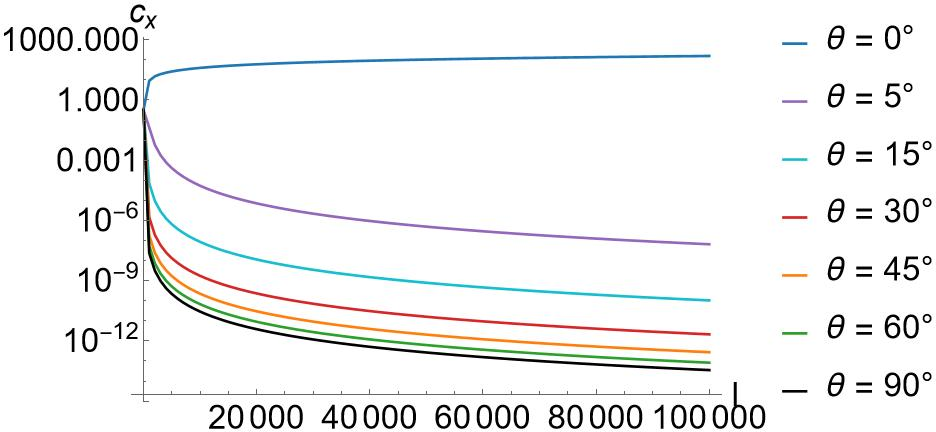
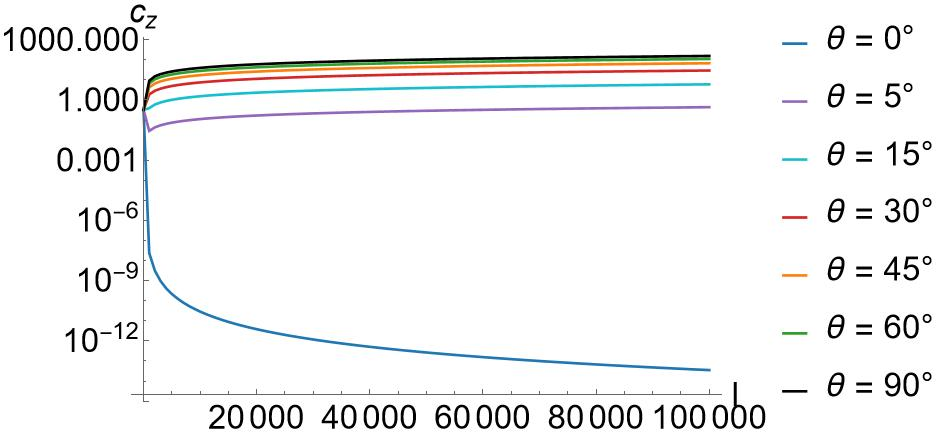
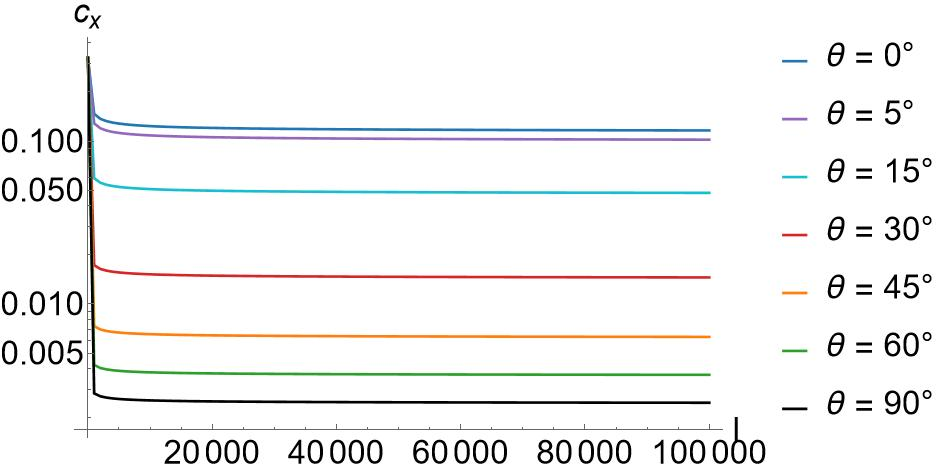
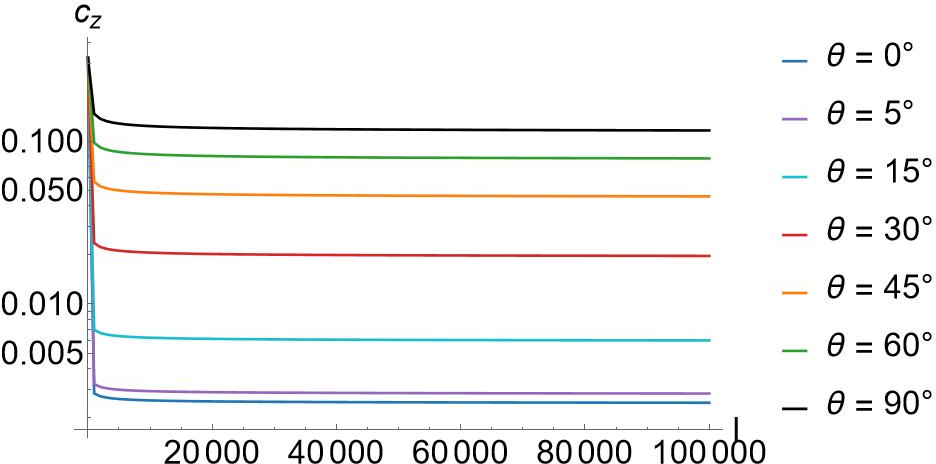
Figure 5: Angular dependence of the b0-function. The b1-plateau level and scaling exponents vary systematically with b2, confirming direction-dependent entanglement structure introduced by the axial field.
Quantitative fits for b3 across observables show:
- The nontrivial phase exhibits broad, sustained entanglement amplitudes over a wide angular region, indicative of persistent topological correlations and a finite Hall conductivity.
- The trivial phase, by contrast, suppresses multipartite entanglement sharply away from the b4 direction, a direct geometric signature of the IR flow towards a topologically trivial endpoint.
This diagnostic power extends to all measured quantities: CMI, EWCS, b5, Markov gap, and multi-EWCS.
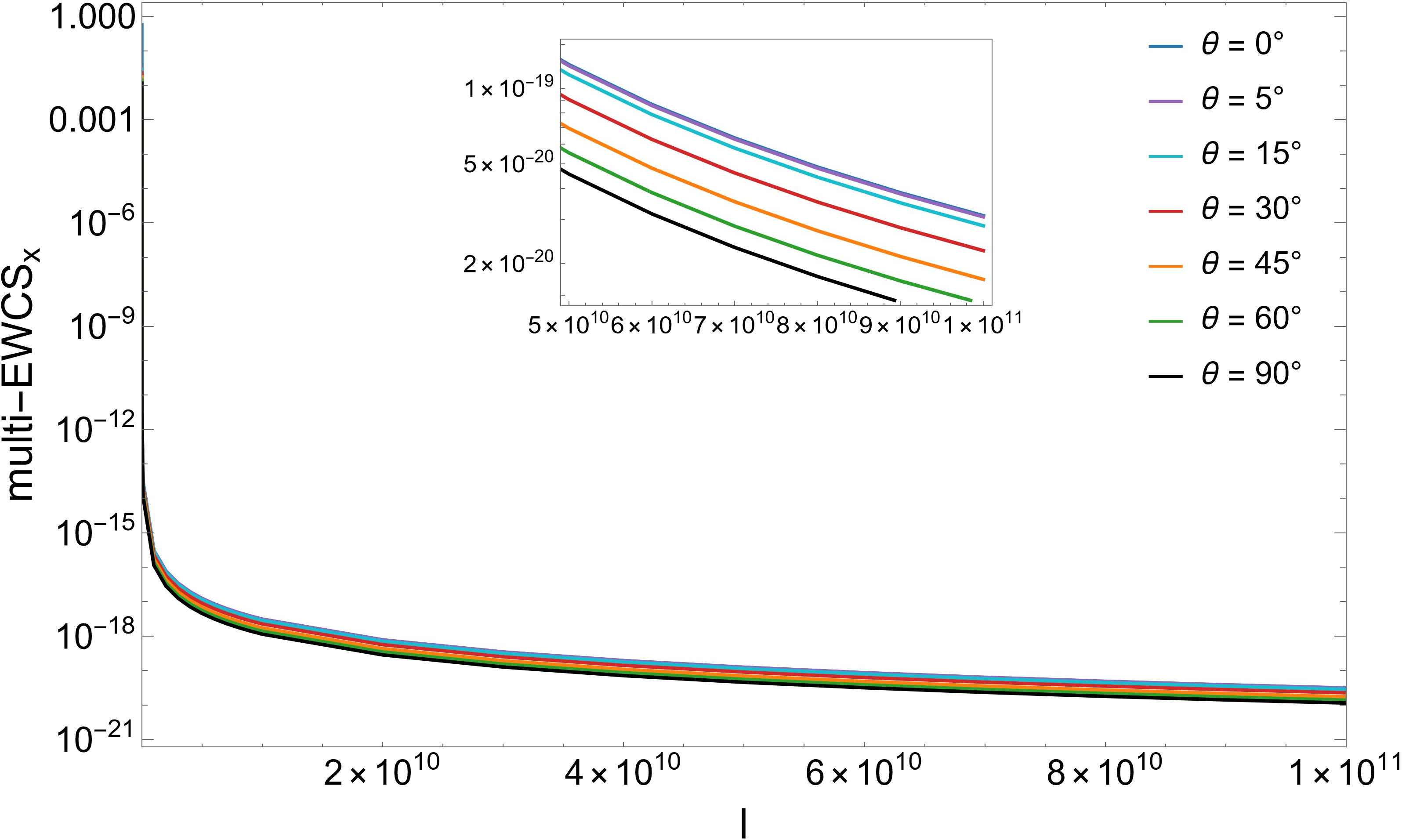
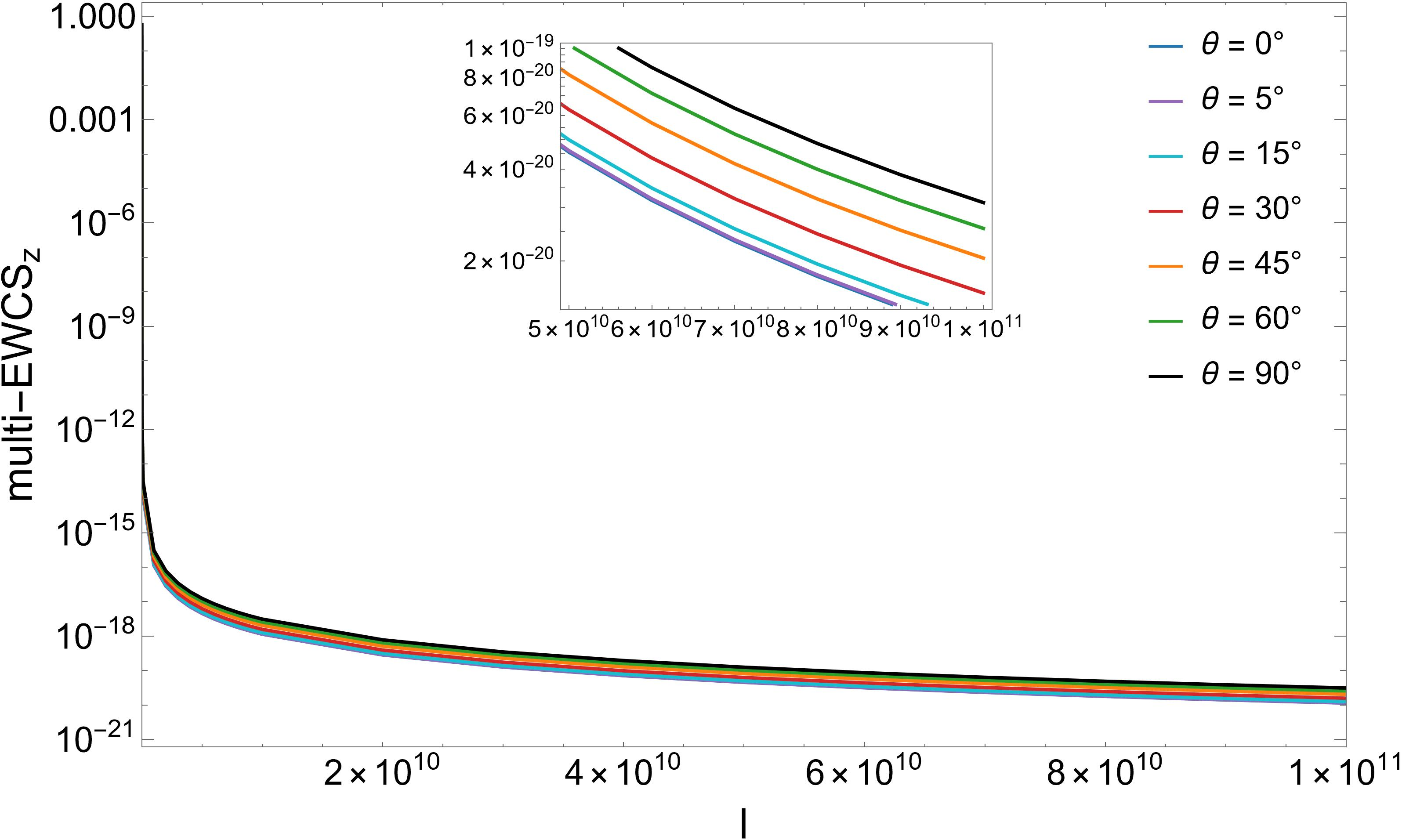
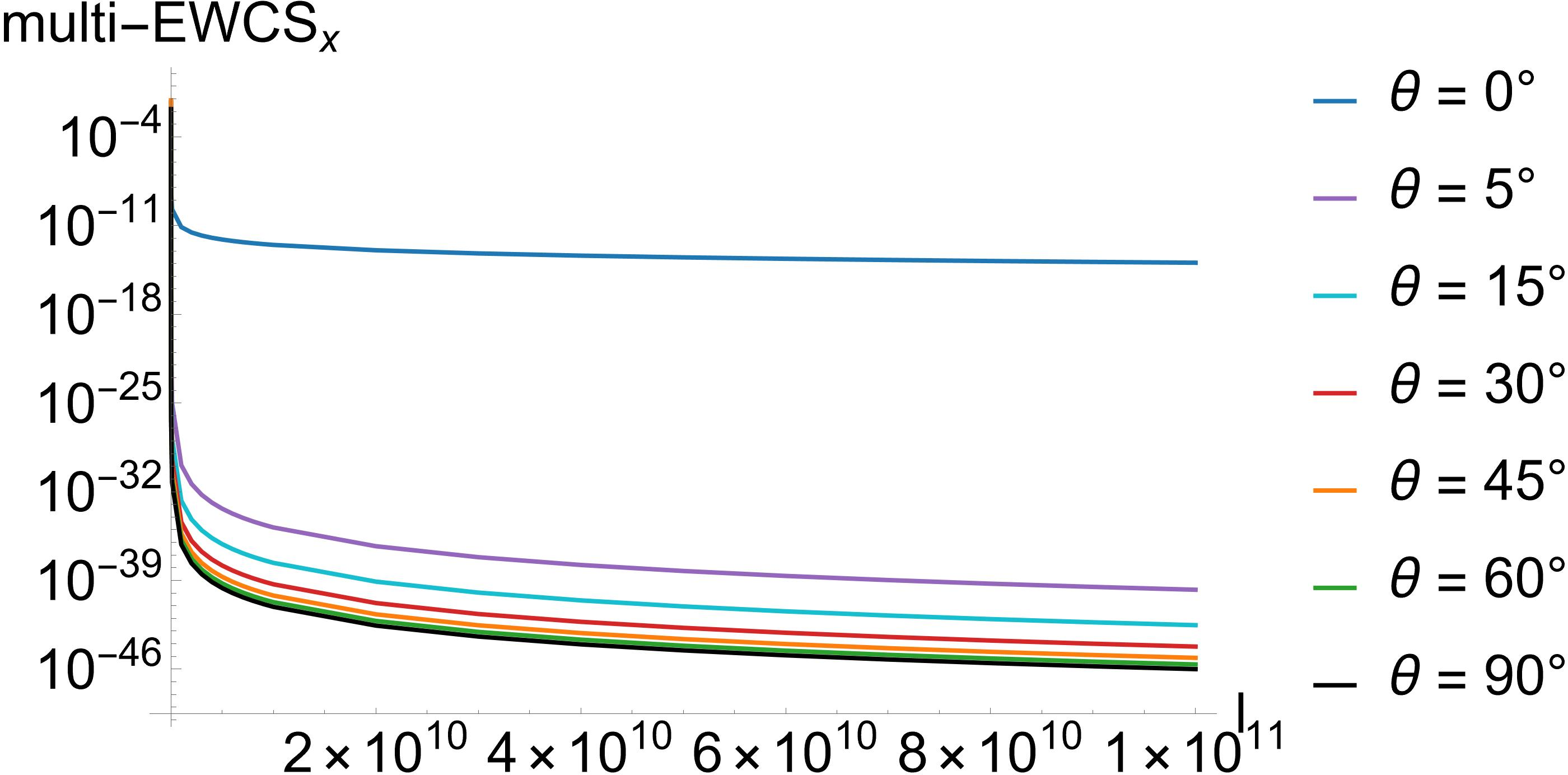
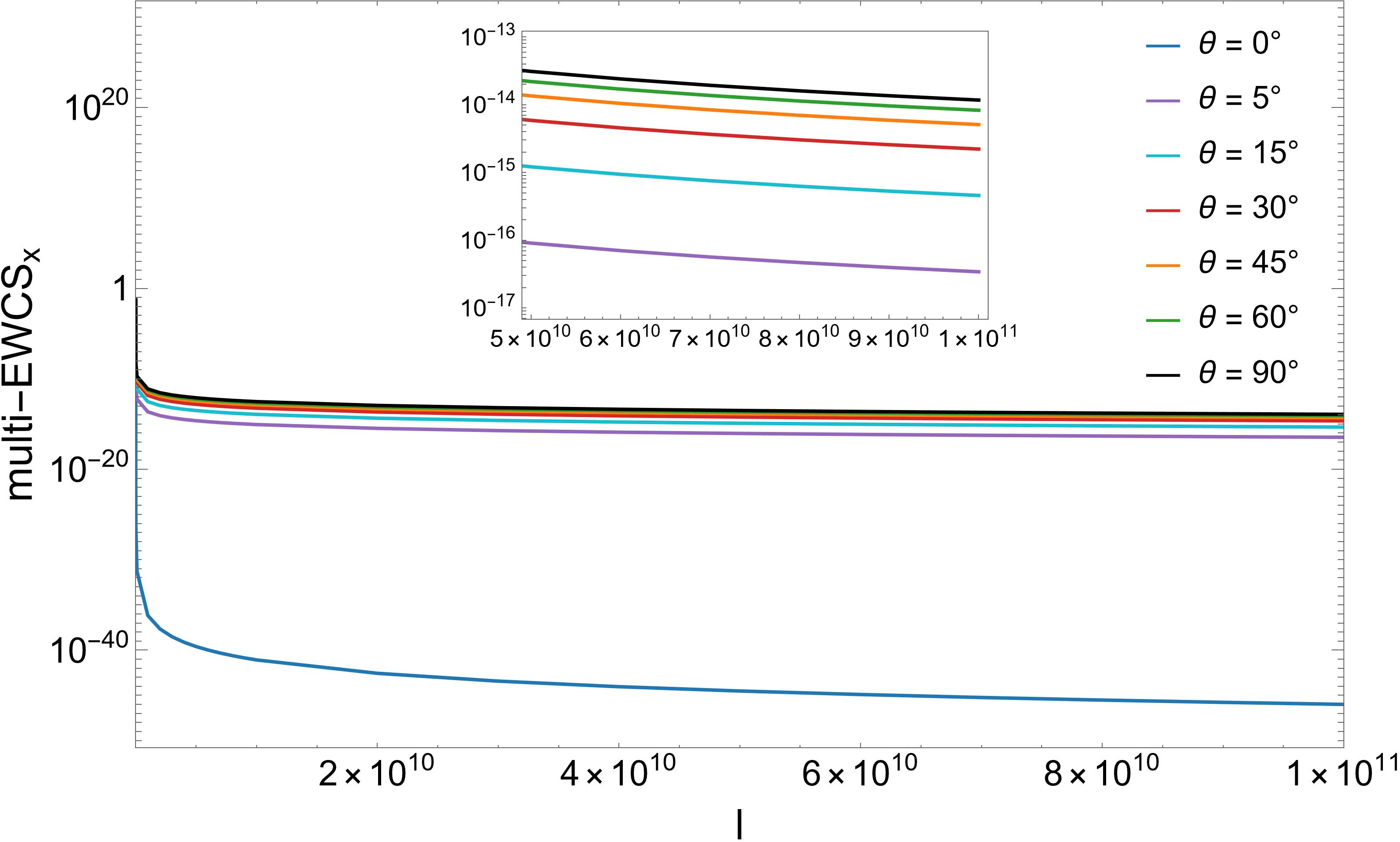
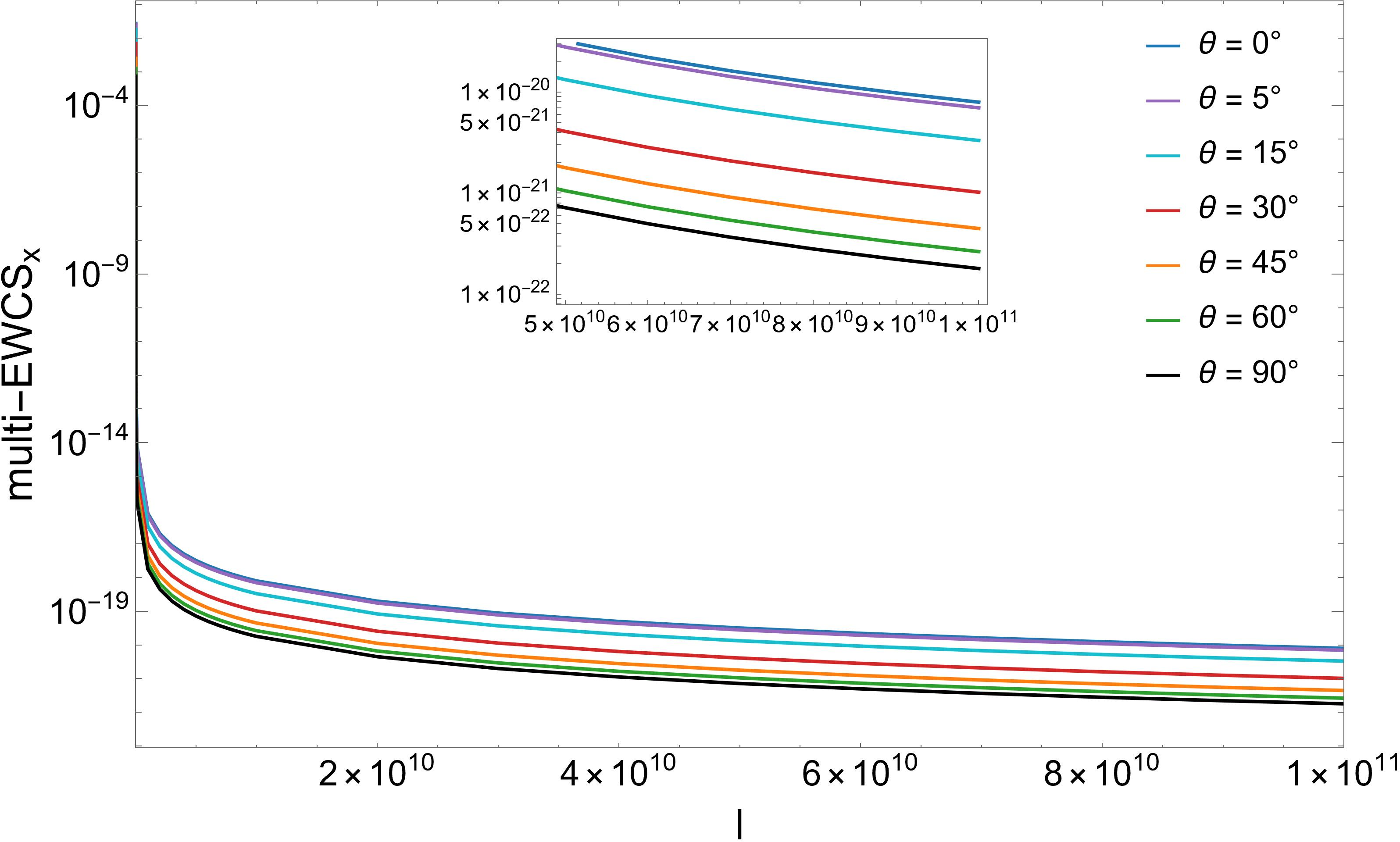
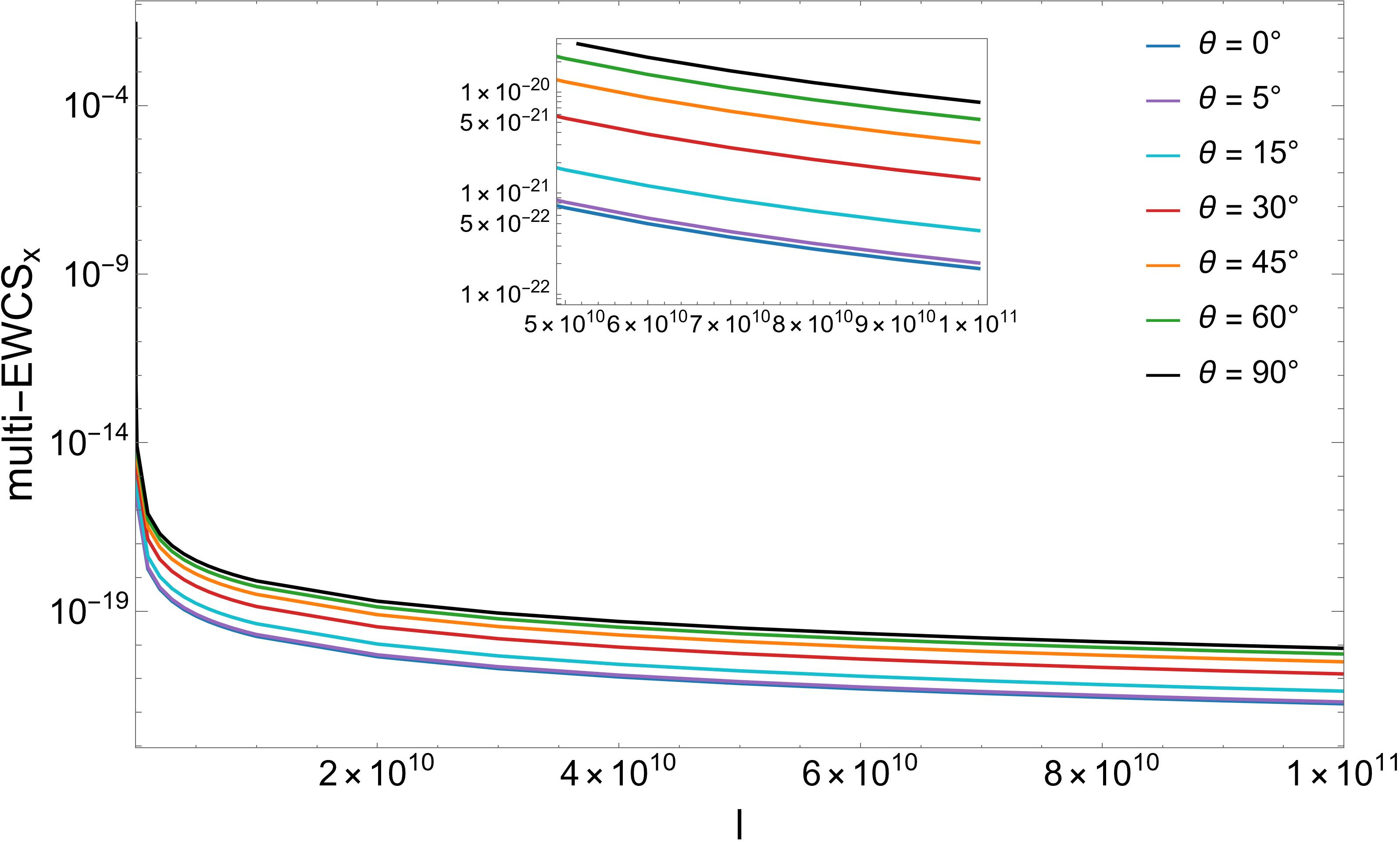
Figure 6: Angular dependence of the multi-EWCS. The broad plateau in the nontrivial phase and its rapid narrowing in the trivial phase manifest the loss of axial-topological structure.
Multipartite Entanglement as a Nonlocal Quantum Order Parameter
The collected evidence demonstrates that all multipartite holographic entanglement diagnostics:
- Are nonvanishing and power-law suppressed in the gapless phases, in stark contrast to fully gapped systems where exponential decay is expected.
- Distinguish the phase transition sharply, with order-of-magnitude changes at the critical point for both tripartite and four-partite measures, beyond what is accessible via bipartite EE or mutual information.
- Encode anisotropy in both the scaling exponents and amplitudes, with the directionality of quantum correlations faithfully reflecting the underlying IR geometric data.
Moreover, these signatures are robust to changes in parameter proximity and to the details of measurement geometry. The multipartite diagnostics are thus direction-sensitive, nonlocal order parameters for topological quantum phase transitions in strongly coupled, spatially anisotropic systems.
Theoretical Implications and Future Directions
The results underscore the value of multipartite entanglement networks in strongly correlated quantum matter, especially where no conventional Landau order parameter exists. The demonstrated capacity of holographic multipartite diagnostics to resolve both phase boundaries and IR anisotropic structure points to several directions for further work:
- Analytical derivation of finite-angle scaling laws from anisotropic critical IR geometries;
- Extension to finite temperature, finite density, or time-dependent (quenched) backgrounds to chart the real-time evolution and robustness of multipartite entanglement under dynamical conditions;
- Exploration of other holographic models in which the IR geometry leads to enhanced (or less suppressed) multipartite entanglement, potentially uncovering even more sensitive nonlocal probes of quantum order and dynamics.
Conclusion
This paper rigorously establishes multipartite holographic entanglement measures as powerful, nonlocal, and direction-sensitive probes of both topological quantum phase transitions and underlying anisotropy in holographic Weyl semimetals. The finite residual multipartite entanglement coefficients and their angular response provide practical tools for distinguishing and characterizing strongly coupled topological matter in the absence of local order parameters. The methodology and diagnostics developed here open pathways for exploration in more complex quantum materials, dynamical settings, and in the hunt for new forms of quantum order beyond symmetry breaking.