- The paper presents a novel operator learning framework that decomposes latent evolution into reflection, refraction, and scattering.
- It implements adaptive operations using Householder transforms and efficient scattering to balance local feature modulation and global spatial mixing.
- Empirical evaluations across benchmarks demonstrate state-of-the-art accuracy and scalability, validating its interpretability and computational efficiency.
Light-inspired Neural Operators: Integrating Reflection, Refraction, and Scattering for Operator Learning
Architectural Motivation and Decomposition
The Light-inspired Neural Operator (LiNO) introduces a novel inductive bias for operator learning by explicitly decomposing latent evolution into three analogues of optical phenomena: reflection, refraction, and scattering. This formulation is aimed at advancing neural surrogate models for parametric PDEs, offering explicit partitioning between local feature-space transformations (reflection and refraction) and nonlocal spatial mixing (scattering).
Reflection and refraction are implemented as adaptive pointwise, matrix-free operations in the latent space. Reflection leverages a Householder transformation to locally mirror the latent features with respect to an adaptive learned direction, allowing for selective feature inversion with negligible computation overhead. Refraction, on the other hand, resizes the normal component of the latent features using a learned scale parameter, effectively introducing an anisotropic, norm-controlled local modulation. Scattering constitutes the global information propagation mechanism, realized through either a full pairwise attention-like kernel with relative positional bias or an efficient linearized version that trades global quadratic complexity for linear scaling via positive-feature kernel surrogates and local depthwise convolution. This structure separates local orientation/adaptation from nonlocal aggregation, yielding both interpretability and scalability.
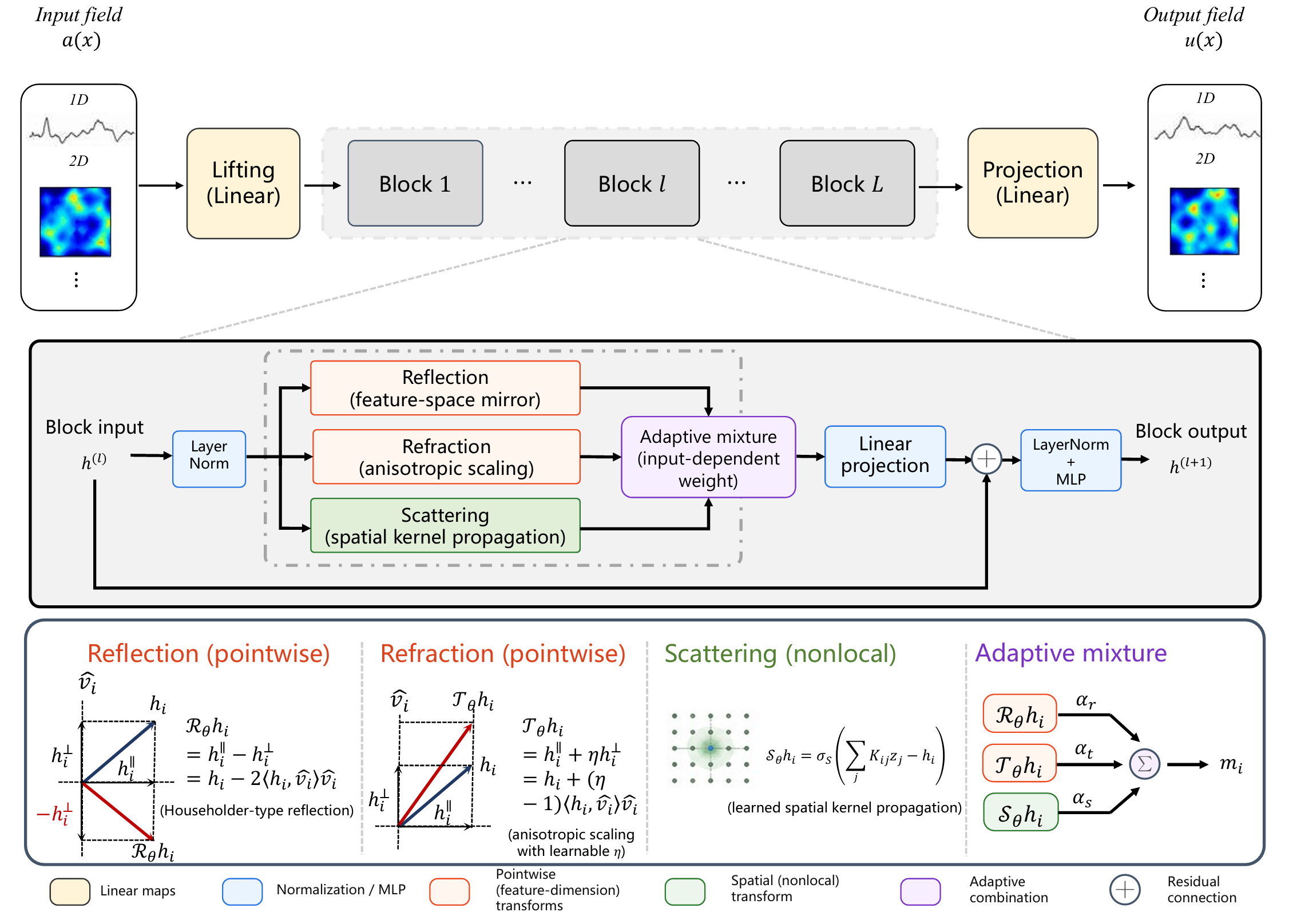
Figure 1: Architecture of the Light-inspired neural operator—depicting lifting, stacked light-evolution blocks (with parallel reflection, refraction, and scattering branches), adaptive mixing, and projection to output fields.
Scattering Mechanisms: Expressivity and Scalability Trade-off
LiNO's core novelty lies in its modular, light-inspired scattering implementation. The standard scattering is parameterized as a normalized, latent-dependent kernel mimicking attention with explicit relative positional bias. For N spatial points, this approach incurs O(N2) complexity due to dense kernel computation. To enable resolution scaling, LiNO introduces an efficient scattering variant leveraging deterministic component-wise positive feature maps (ELU + 1) to approximate the exponential dot-product attention kernel via linearized global propagation, while spatial locality is retained through an auxiliary depthwise convolution branch. The global and local branches are adaptively mixed, optimizing memory and computational efficiency without sacrificing nonlocality.
This hybrid design allows LiNO to scale to high-dimensional grids and complex geometries without the combinatorial cost of full attention mechanisms. Such separation between adaptive local modulation and efficient nonlocal aggregation provides a clear path for deployment on large-scale scientific computing problems, which is a persistent limitation of most existing operator frameworks.
Burgers' Equation
LiNO demonstrates state-of-the-art performance on the 1D viscous Burgers' benchmark (s=256), with the full (quadratic cost) scattering variant achieving a relative L2 error of 3.19×10⁻³, outperforming existing baselines such as FNO and DeepONet, while the efficient scattering variant maintains competitive accuracy at significantly reduced training time. This result supports the claim that the light-evolution block, even in a modularized form, is highly expressive for nonlinear operator learning.

Figure 2: Qualitative result for the one-dimensional viscous Burgers benchmark—displaying input, reference solution, LiNO prediction, and pointwise prediction error.
Darcy Flow: Scattering’s Critical Role
On the 2D Darcy elliptic benchmark, efficient scattering achieves a validation relative L2 error of 5.91×10⁻³ on 85×85 grids, improving over FNO across all reported resolutions up to s=421. Ablation studies robustly establish the criticality of the scattering component: omitting it yields over an order-of-magnitude accuracy degradation, confirming that nonlocal spatial propagation is indispensable for elliptic global coupling. Reflection provides measurable correction near coefficient interfaces, while refraction's effect is secondary in this setting.
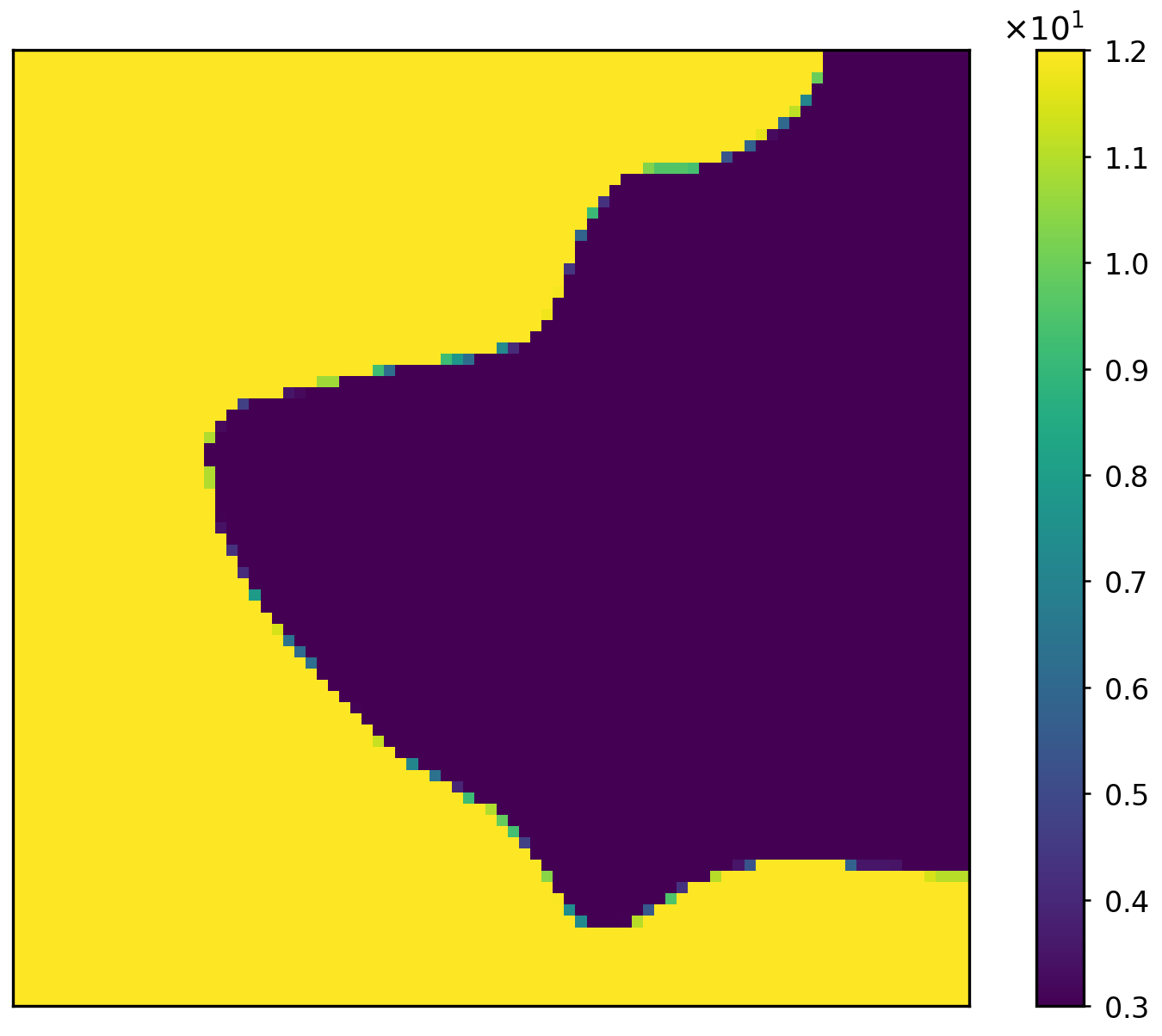


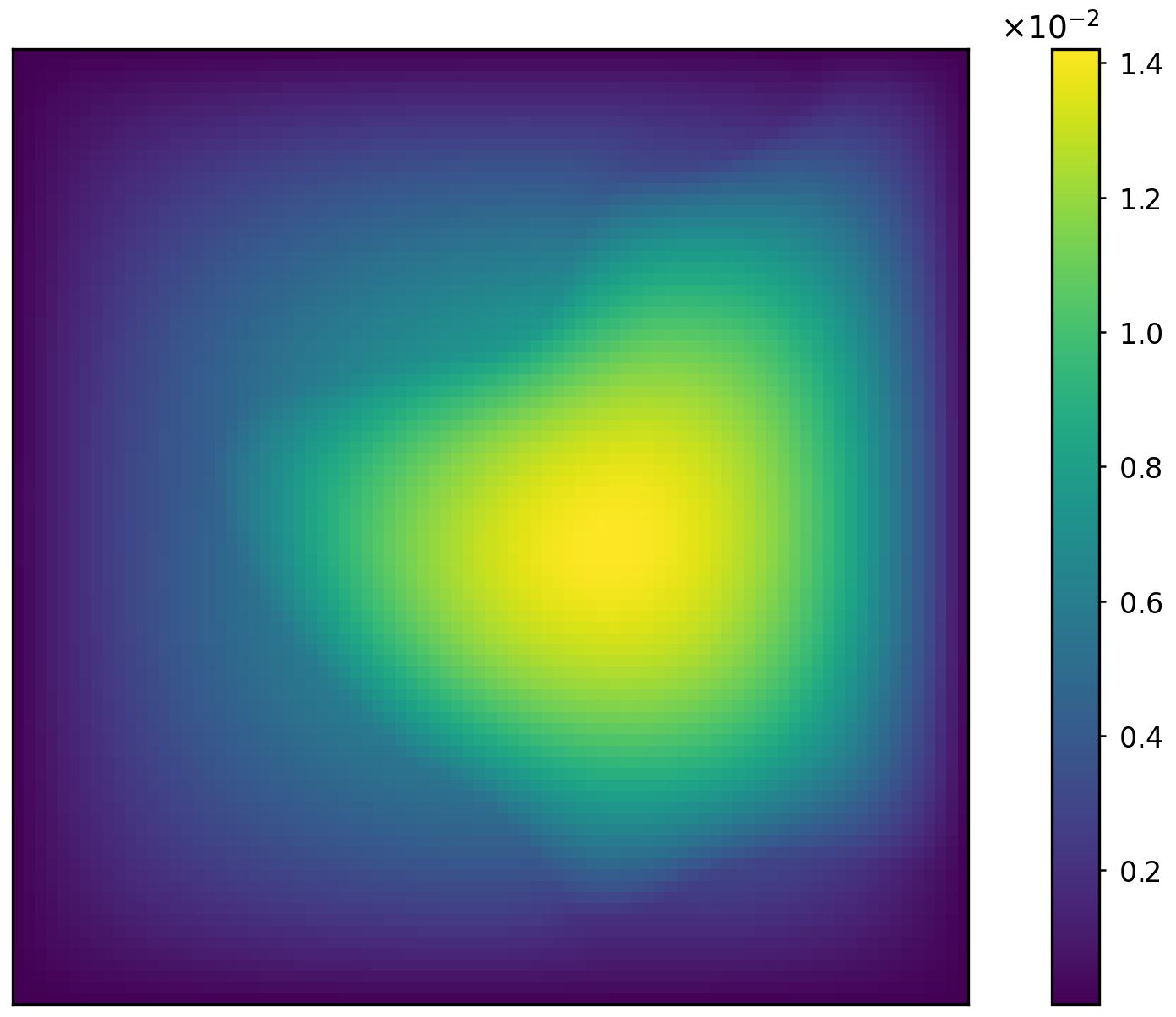


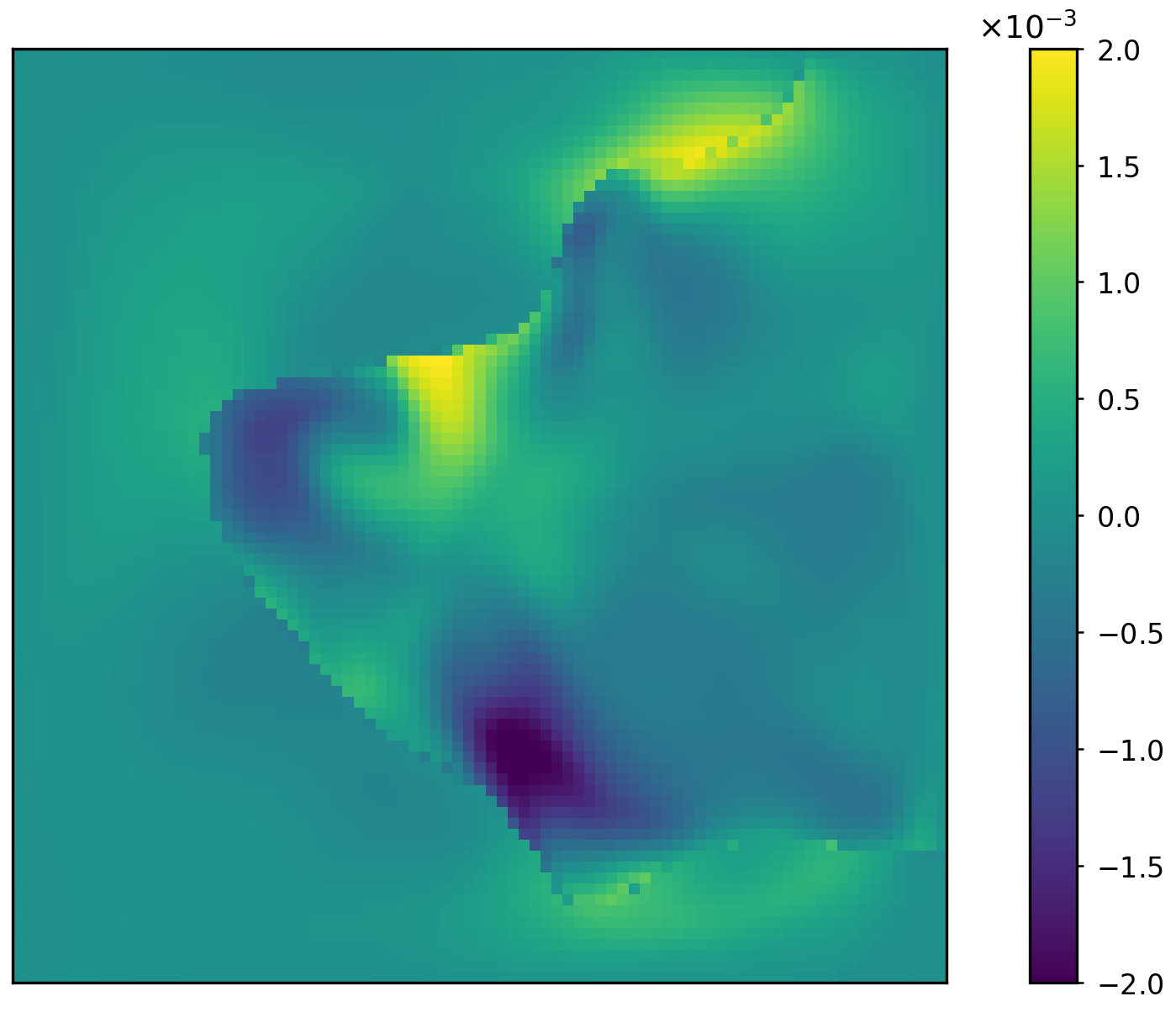
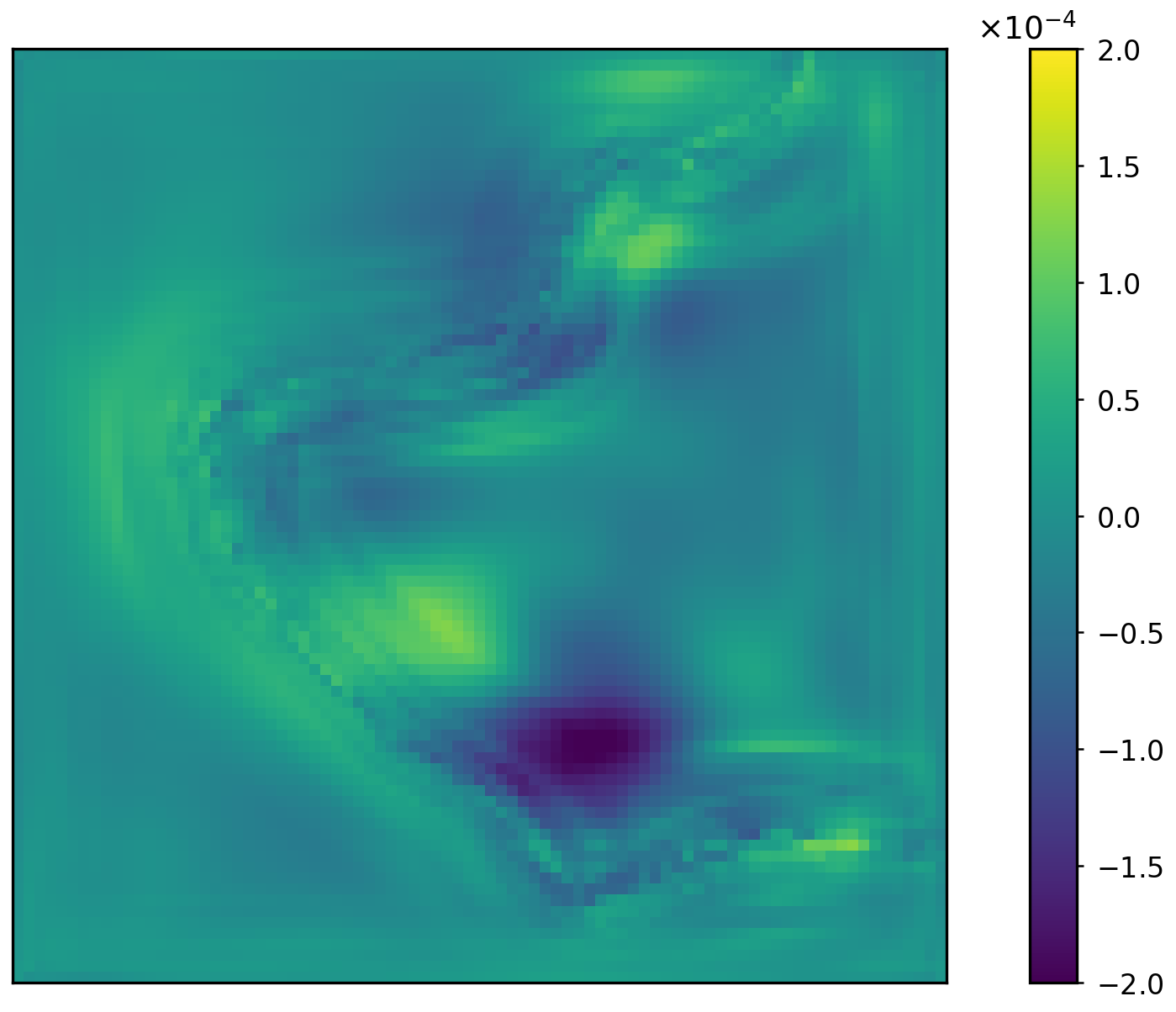
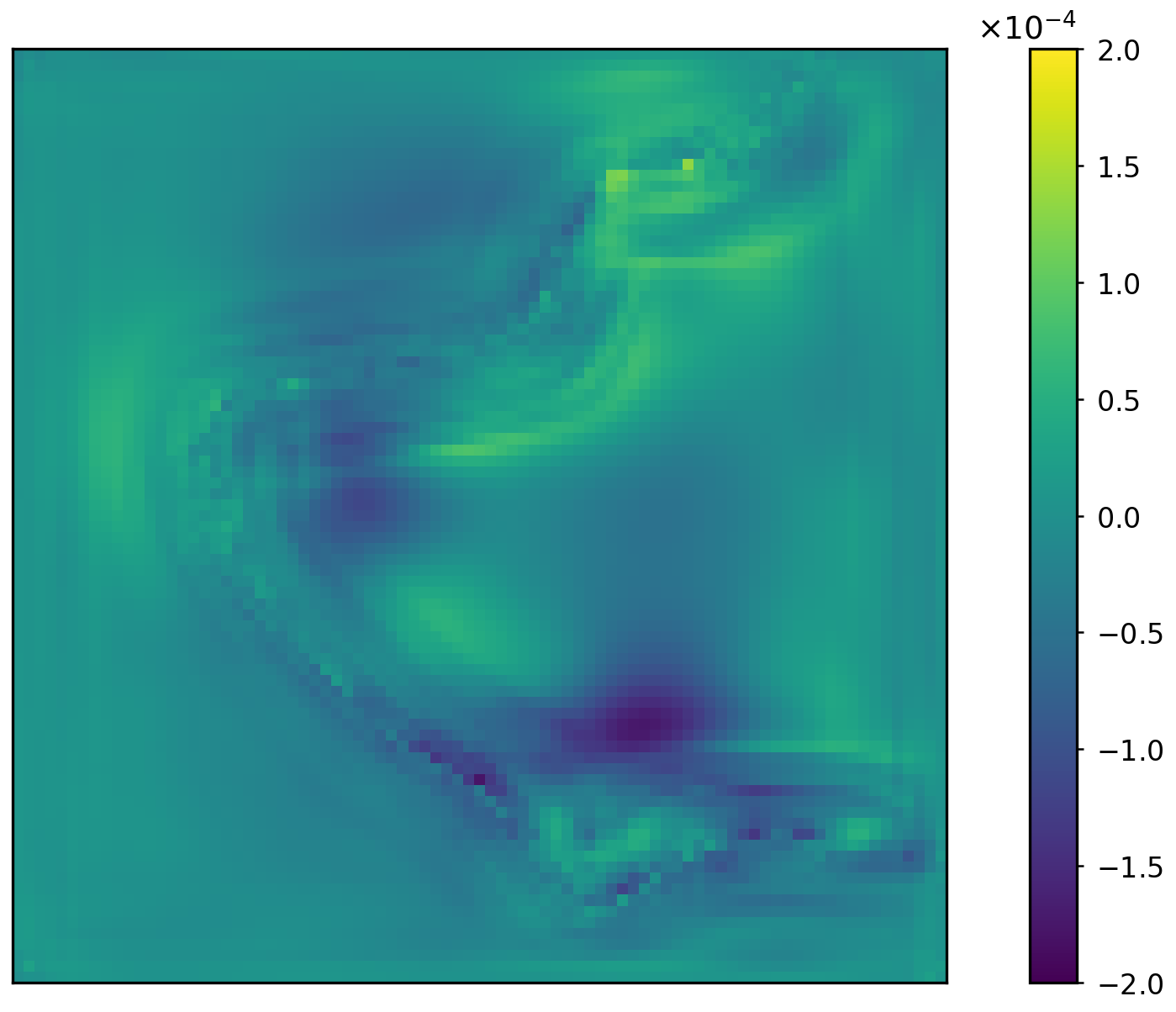
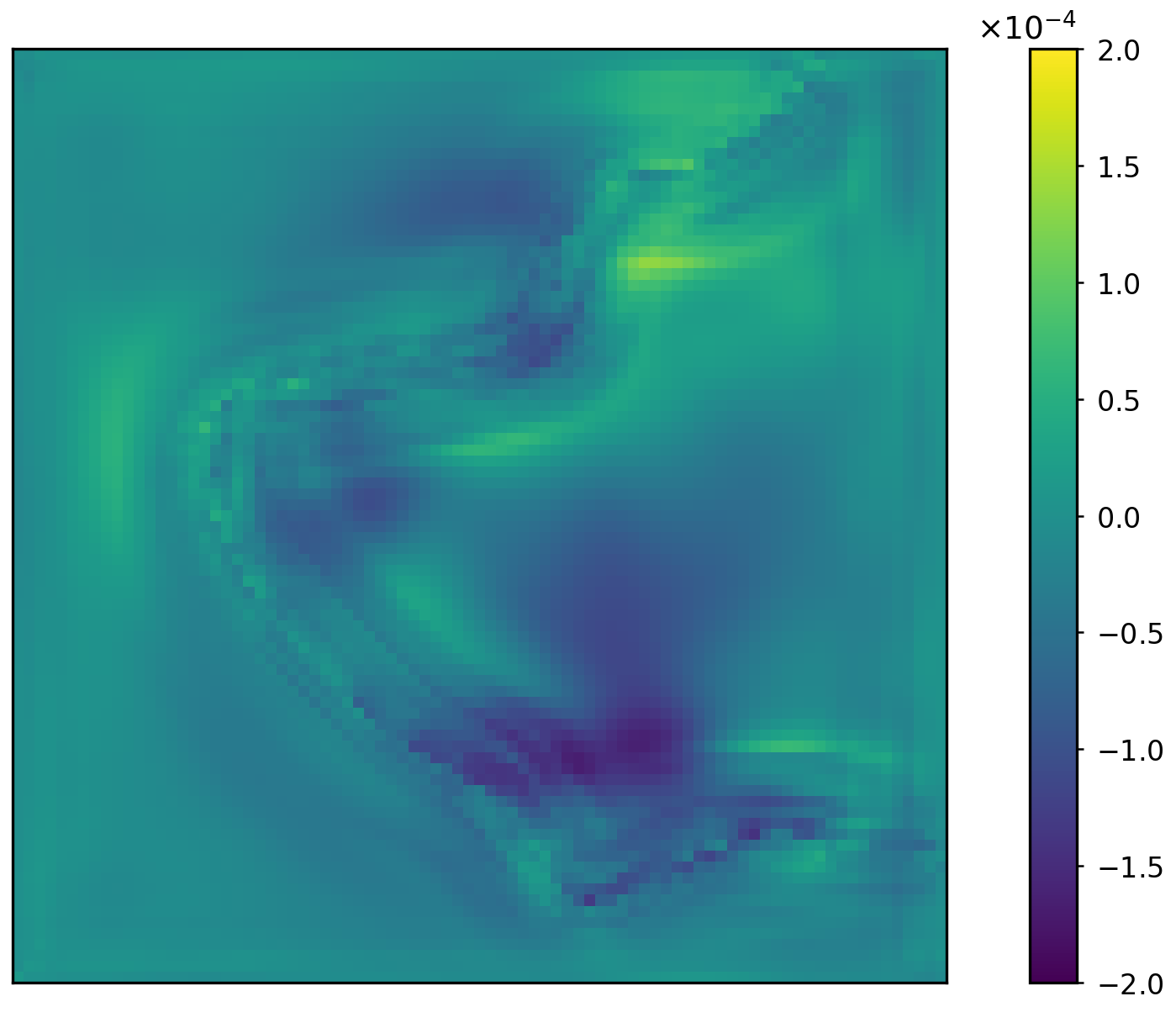
Figure 3: Qualitative ablation study on the Darcy benchmark—the top row shows the coefficient field and reference; the second row contrasts predictions with/without each component; the third row presents pointwise errors. Scattering removal yields the largest global degradation, while reflection affects interface reconstruction.
Airfoil Flow and Geometry-sensitive Prediction
LiNO generalizes to geometry-dependent tasks with a mesh-encoded transonic airfoil flow dataset. The same architecture efficiently captures both global and fine-scale Mach structures on a curvilinear, body-fitted mesh. As shown in qualitative examples, the largest discrepancies in prediction are localized to zones of strong flow variation, indicating that the model effectively leverages the geometric information.

Figure 4: Qualitative evaluation on the transonic airfoil benchmark—panel (a) shows mesh geometry, (b) shows pointwise prediction error, (c)-(d) compare reference and predicted Mach fields. Errors are largest near sharp geometric features.
Navier–Stokes Dynamics: Temporal Stability
In 2D Navier–Stokes autoregressive prediction (grid s=64), LiNO maintains stable rollouts with step-wise relative O(N2)0 errors consistently below O(N2)1 across the prediction horizon, highlighting both its global aggregation and dynamic stability.
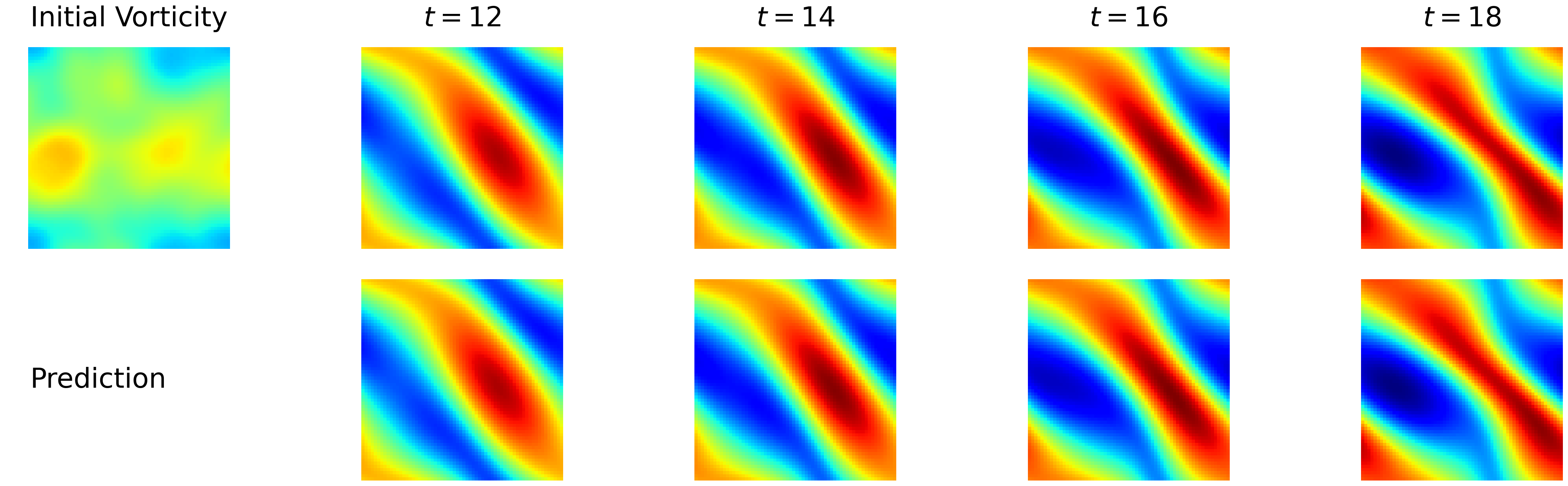
Figure 5: Autoregressive prediction on the Navier–Stokes benchmark—initial vorticity and comparison of reference LiNO-predicted vorticity fields at several rollout times.
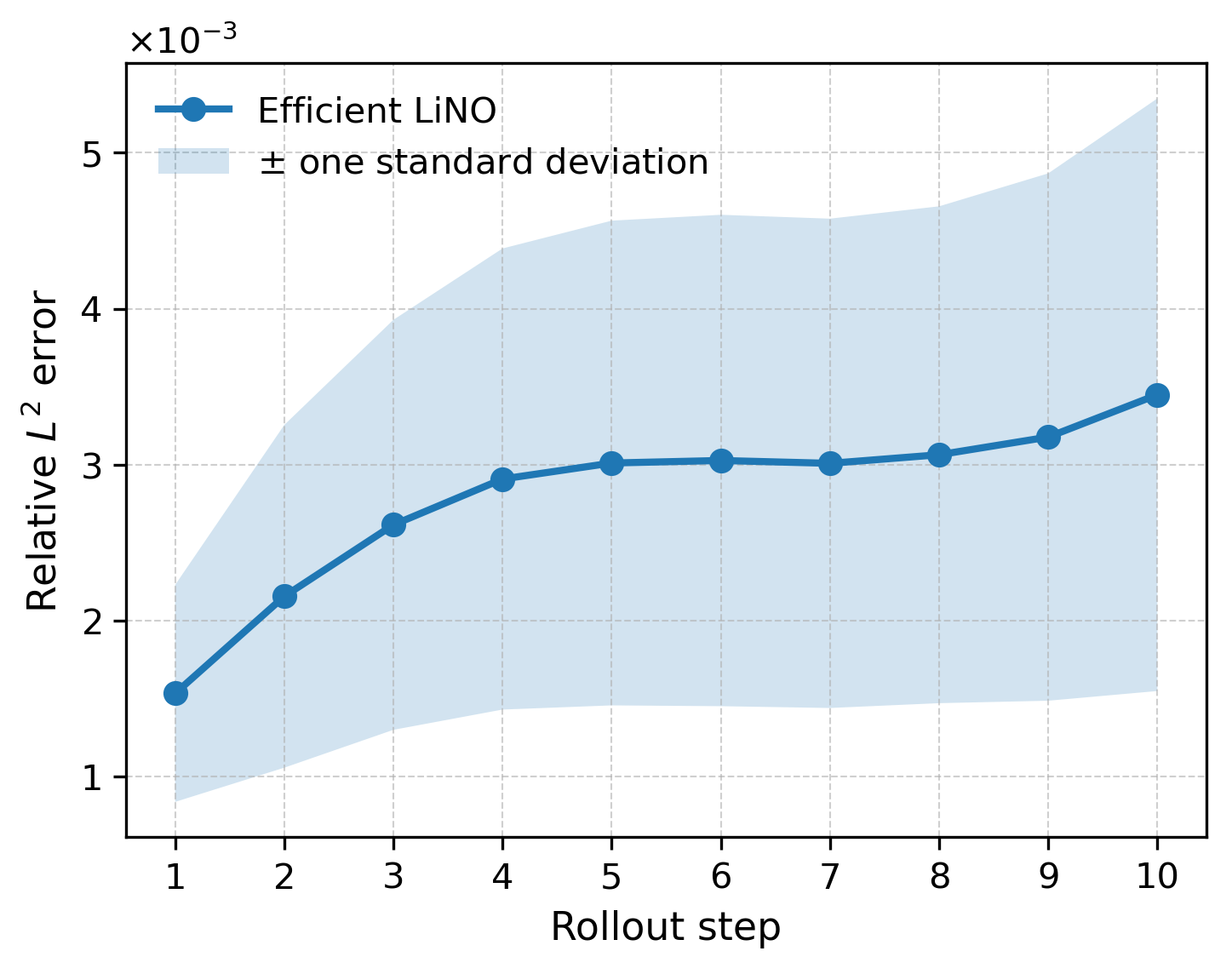
Figure 6: Temporal error profile—mean step-wise relative O(N2)2 error and variance over rollout horizon, demonstrating temporal robustness.
Theoretical and Practical Implications
LiNO's framework yields three major implications:
- Architecture Modularity and Inductive Bias: LiNO decouples local orientation (reflection/refraction) from nonlocal communication (scattering), allowing flexible and physically interpretable composition of operator learning blocks.
- Resolution Scalability: The efficient scattering formulation enables linear spatial complexity, making high-resolution PDE surrogate modeling feasible on practical hardware.
- Generalization to Arbitrary Geometries: The coordinate-augmented lifting and modular scattering allow extension to curvilinear meshes and, potentially, unstructured domains (with graph/point-cloud kernels).
This architecture also opens avenues for integrating further physical constraints, adaptive mesh handling, or equivariance directly within each branch. The attention-inspired but physically-motivated propagation dovetails with emerging trends in learned solvers for scientific computing, with LiNO providing a template for interpretable, scalable, and versatile operator models.
Future Directions
Immediate research extensions include: (1) generalizing scattering to fully unstructured domains (graphs, point clouds); (2) incorporating physical symmetries, conservation, and stability explicitly in the evolution blocks; (3) exploring resolution adaptation and hybrid multiscale/multiphysics surrogates; (4) rigorous theoretical analysis of approximation properties, stability, and generalization in the context of light-inspired architectures.
Conclusion
LiNO represents a substantial advancement toward interpretable and scalable operator learning by introducing a modular decomposition of latent updates into reflection, refraction, and scattering. Empirical results across canonical PDE benchmarks consistently show strong or improved accuracy versus established baselines, efficient scaling to large grids, effective generalization to geometric and temporal settings, and architectural interpretability anchored in physical analogy. The light-inspired perspective and its separation of local/global operations provide significant flexibility for future neural operator research in scientific computing and beyond.

