- The paper presents analytic black hole solutions that generalize the Reissner–Nordström metric by incorporating ModMax screening, Lorentz violation, and PF dark matter corrections.
- It employs numerical geodesic and thermodynamic analyses to reveal how charge screening, modified horizons, and stability criteria evolve with changing parameters.
- The study delivers testable predictions on Hawking radiation sparsity and scalar absorption, paving the way for observational probes of modified gravity effects.
ModMax Black Holes with Dark Matter in Lorentz-Violating Kalb-Ramond Gravity
Theoretical Framework and Black Hole Solution
The article analyzes static, spherically symmetric black holes in a framework encompassing three non-standard sectors: (i) nonlinear conformal ModMax electrodynamics, (ii) spontaneous Lorentz violation induced by a background Kalb-Ramond antisymmetric tensor, and (iii) environmental corrections from a perfect-fluid dark matter (PFDM) halo. The gravitational action includes a nonminimal coupling term between the KR field and the Ricci tensor, yielding a Lorentz-violating parameter α, while the electromagnetic sector is generalized from Maxwell to ModMax with a nonlinear parameter λMM. The PFDM sector introduces a logarithmic correction parameterized by β. The resultant solution generalizes the Reissner-Nordström metric, incorporating modifications from all three ingredients.
The metric function obtained is
A(r)=1−α1−r2M+(1−α)2r2Q2e−λMM+(1−α)rβlog(∣β∣r),
with M the ADM mass, Q the electric charge, α controlling the KR/LV sector, λMM the ModMax screening strength, and β the PFDM normalization. This analytic structure reveals the respective roles: λMM exponentially screens the charge, λMM0 governs the metric normalization and geometric deformation, while λMM1 drives the environmental logarithmic decay.
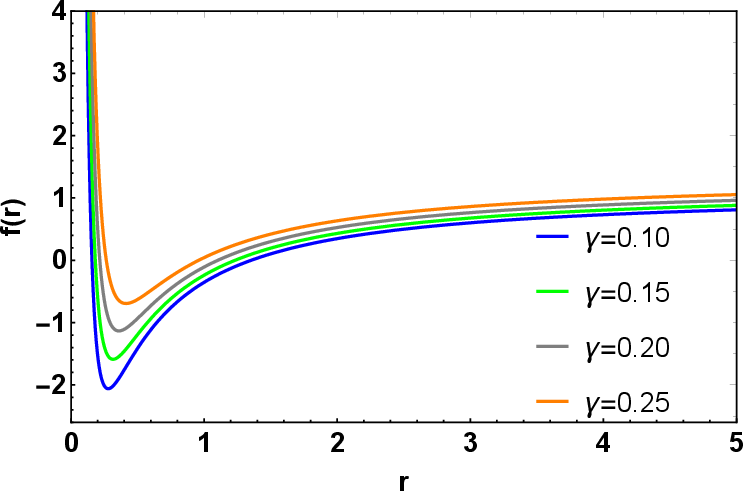
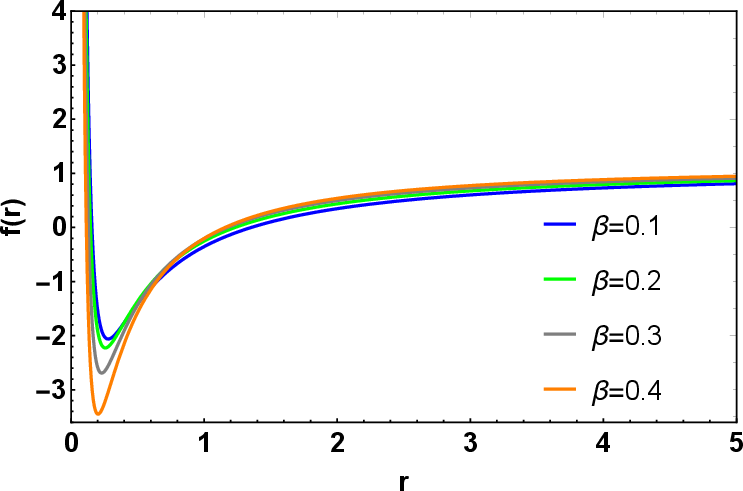
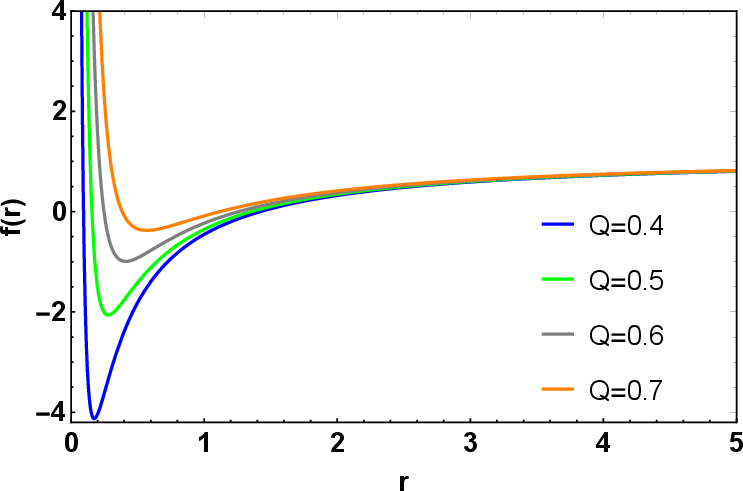
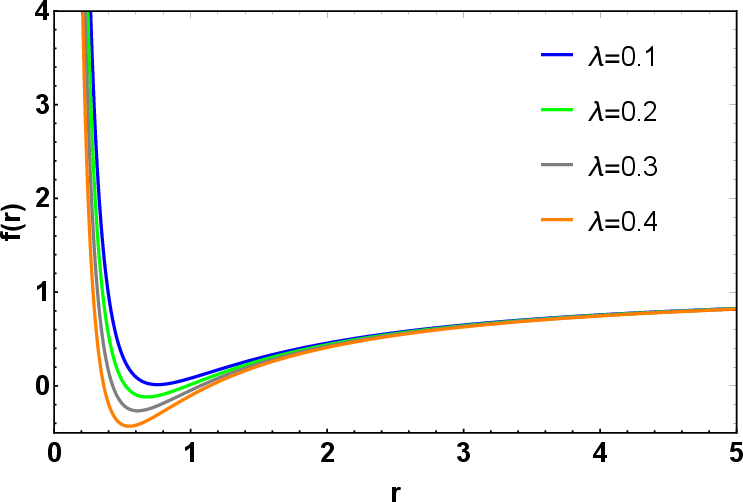
Figure 1: Metric function λMM2 for varying λMM3 (a), λMM4 (b), λMM5 (c), and λMM6 (d), illustrating horizon and asymptotic shifts under parameter modifications.
Horizon Structure, Geodesics, and Optical Properties
The event horizon and photon sphere radii remain implicit due to the PFDM-induced logarithmic term, necessitating numerical resolution. The geodesic analysis demonstrates the effect of all parameters on the effective potential for both timelike and null curves, directly impacting the possibility of stable orbits and the shadow geometry. The null geodesic structure, critical for observable features such as the shadow and deflection angle, confirms that the effective charge is exponentially suppressed for nonzero λMM7, and that environmental and Lorentz-violating corrections compete non-trivially.
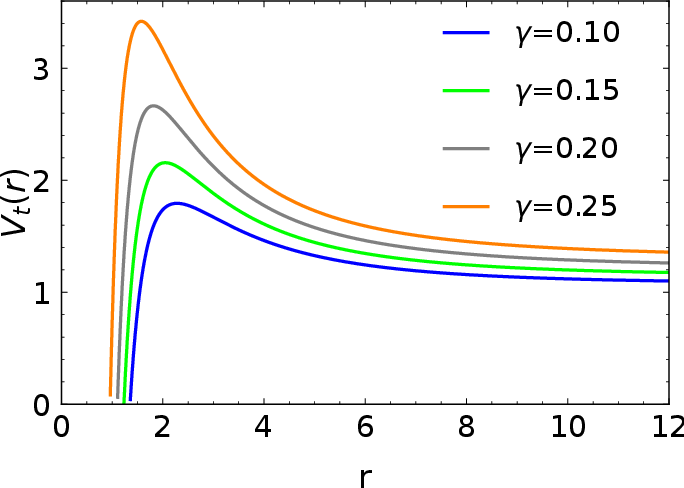
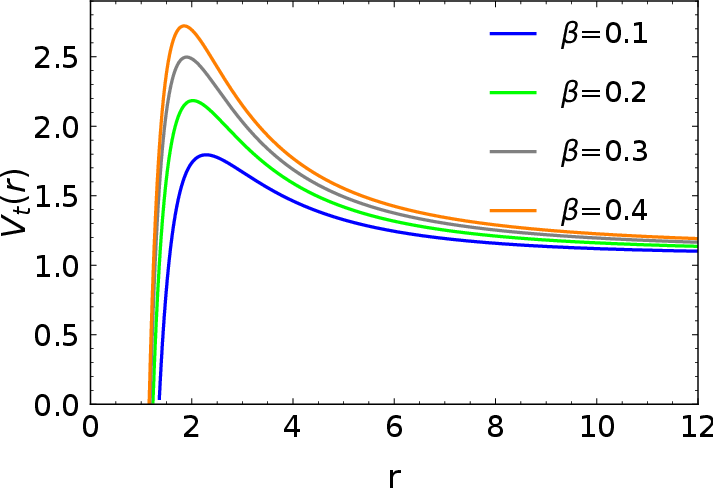
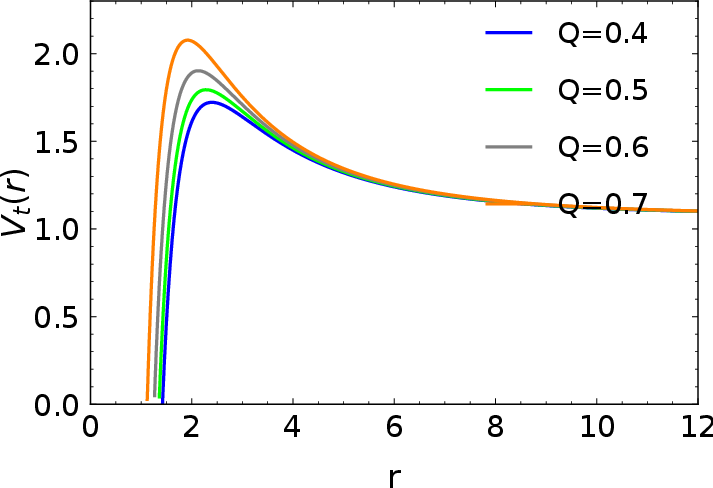
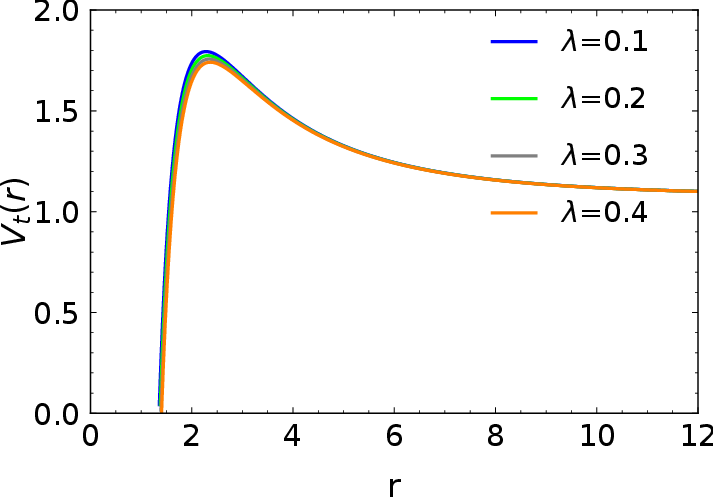
Figure 2: Timelike effective potential λMM8 under parameter variations, showing modifications to stable and unstable orbit structure.
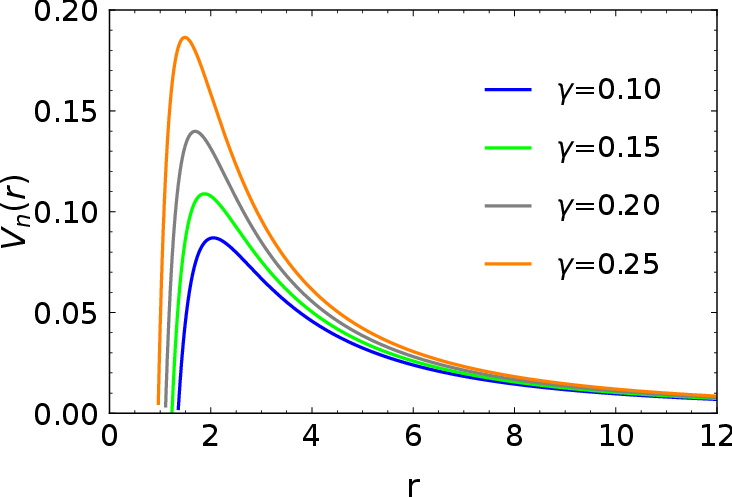
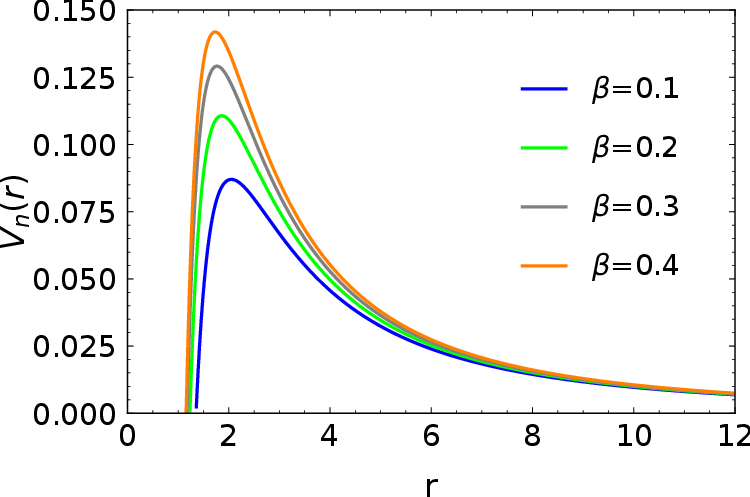
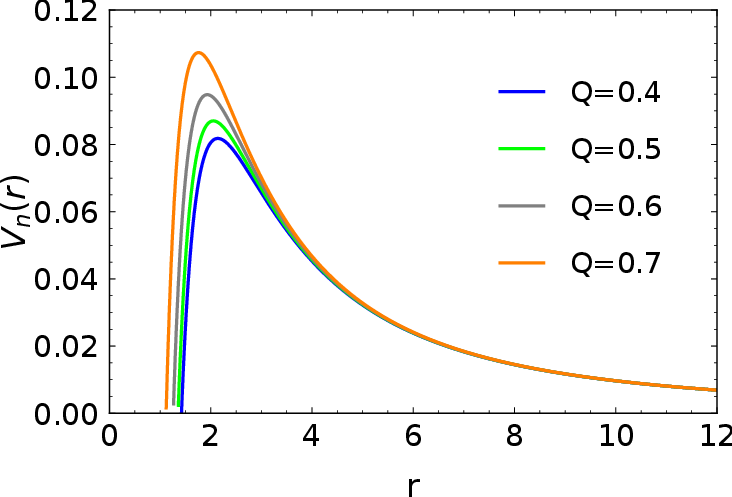
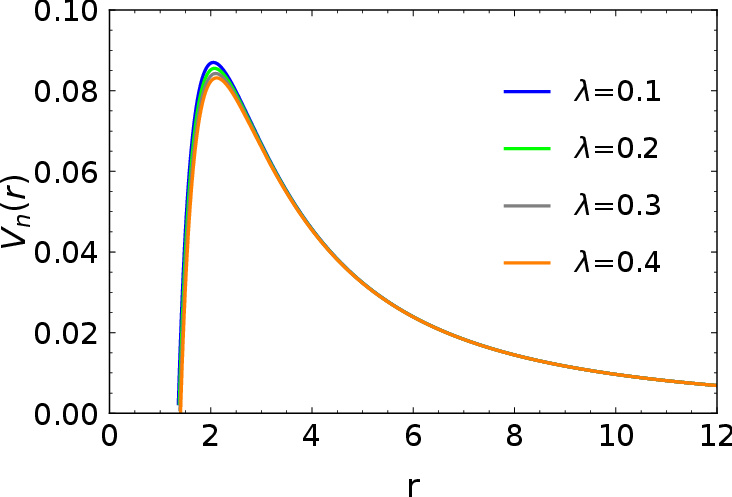
Figure 3: Null effective potential λMM9 displays barrier changes influencing photon capture and escape.
The shadow radius is
β0
where β1 solves a highly coupled nonlinear equation involving all three physical parameters. This leads to non-trivial modifications in the observable black hole shadow and suggests rich phenomenological consequences for black hole imaging.
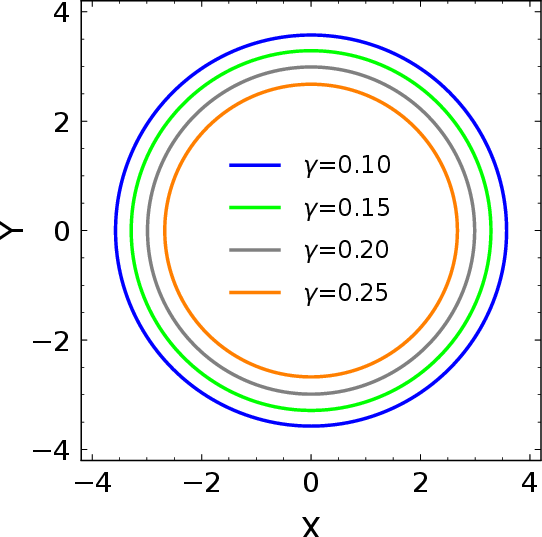
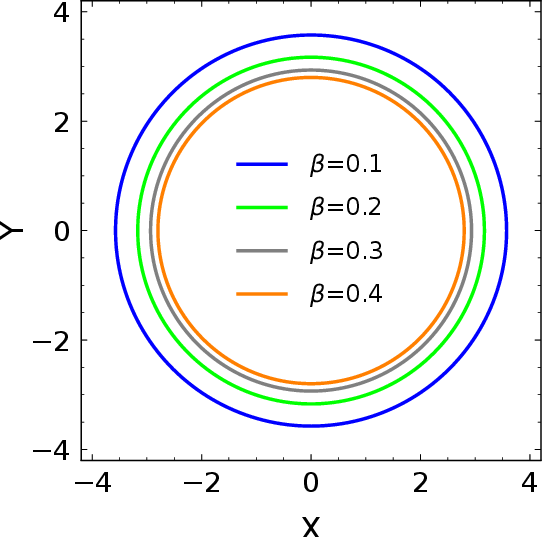
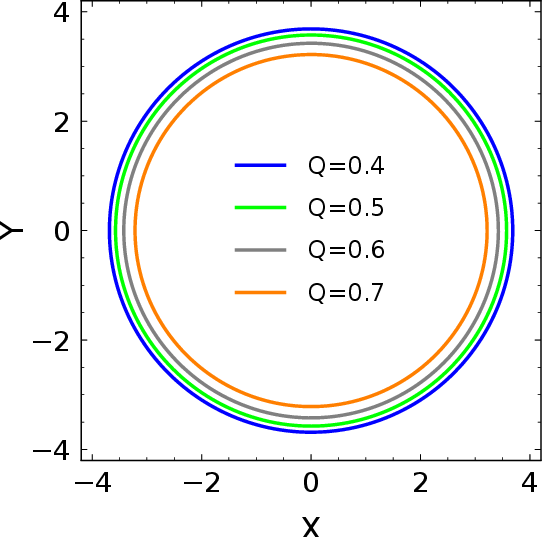
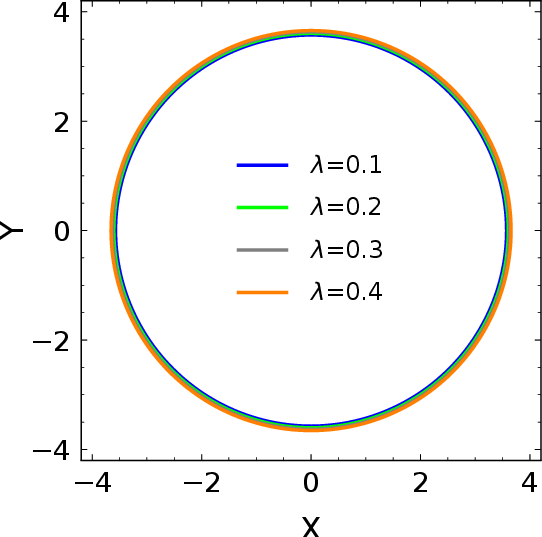
Figure 4: Apparent shadow profiles for the black hole, exhibiting the systematic impact of each fundamental parameter.
Black Hole Thermodynamics and Phase Structure
The thermodynamics of the configuration is fundamentally altered by the extended matter content and Lorentz violation. The mass, temperature, heat capacity, entropy, and Helmholtz free energy are derived and analyzed as functions of the horizon radius β2.
- Mass: The horizon mass incorporates ModMax screening with β3 and a PFDM logarithmic deformation, leading to extremal points and parametric shifts in minimal mass configurations.
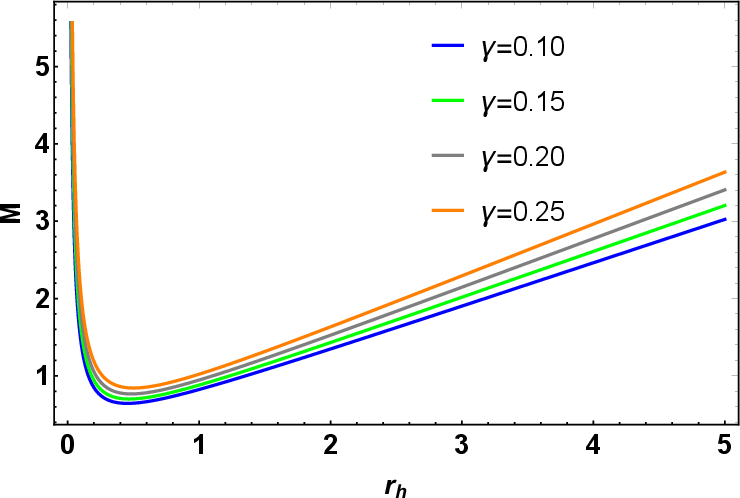
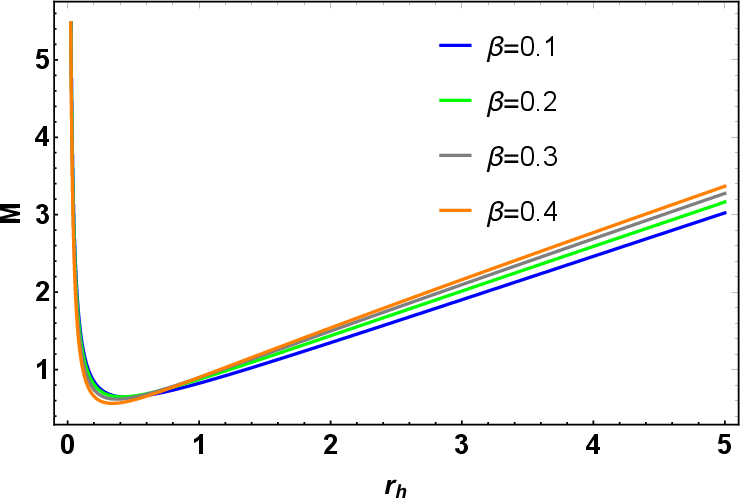
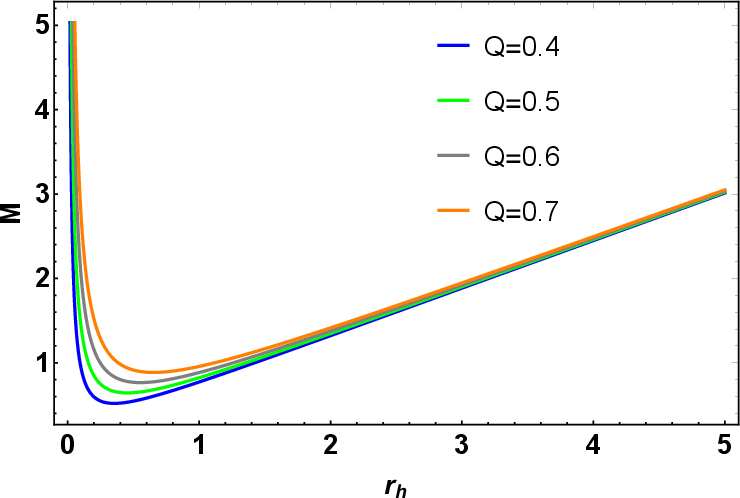
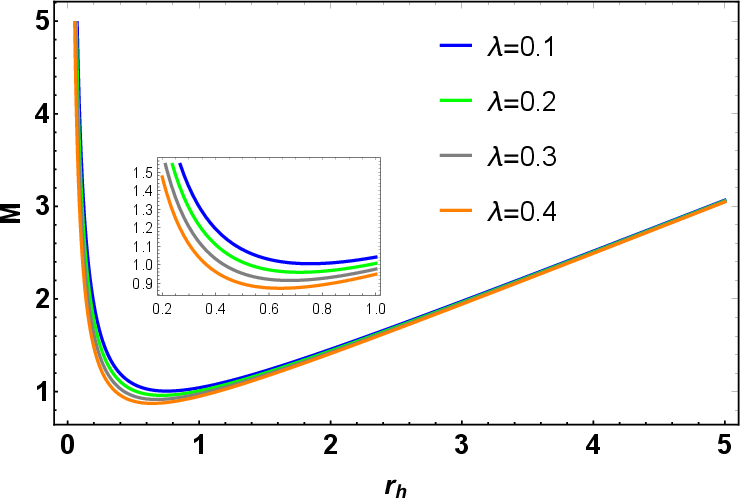
Figure 5: β4 for varying parameters, indicating the position of extremal and minimal-mass configurations.
- Temperature: The Hawking temperature exhibits non-monotonicity, vanishing in the extremal limit, and is strongly suppressed by charge and enhanced by ModMax screening.
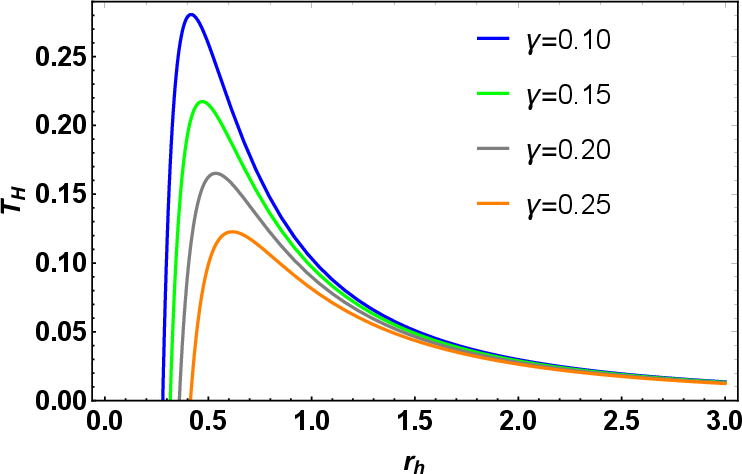
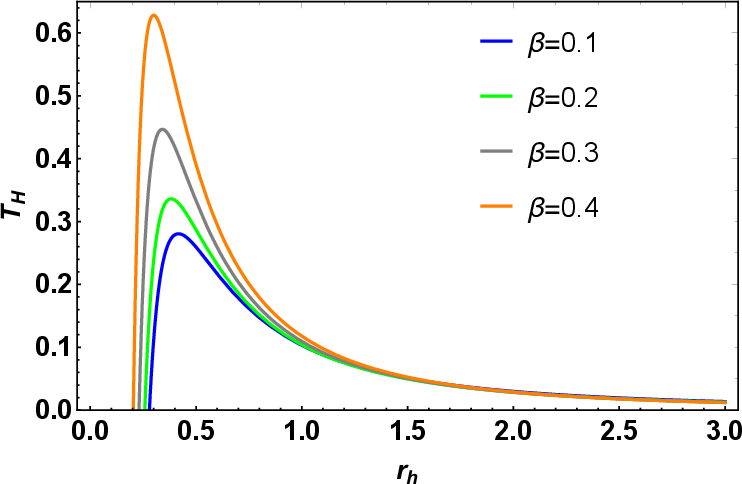
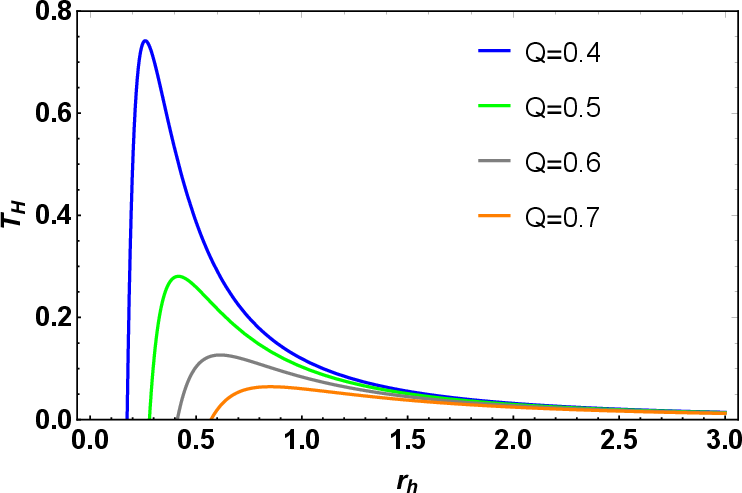
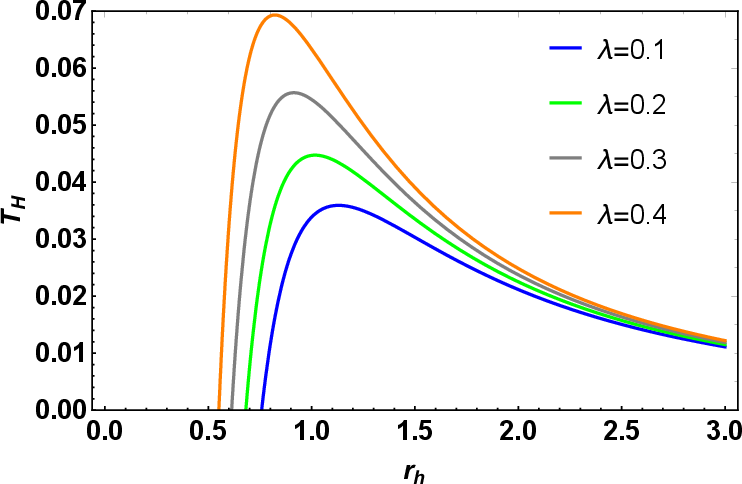
Figure 6: β5 displays the competition among electric, LV, and PFDM sectors, showing maxima and extremal zeroes.
- Heat Capacity: The sign structure of β6 defines stability branches, with divergences marking (would-be) phase transitions. Increasing electric charge shifts instability onset, while ModMax screening can restore positive β7 in regions where charge would otherwise destabilize.
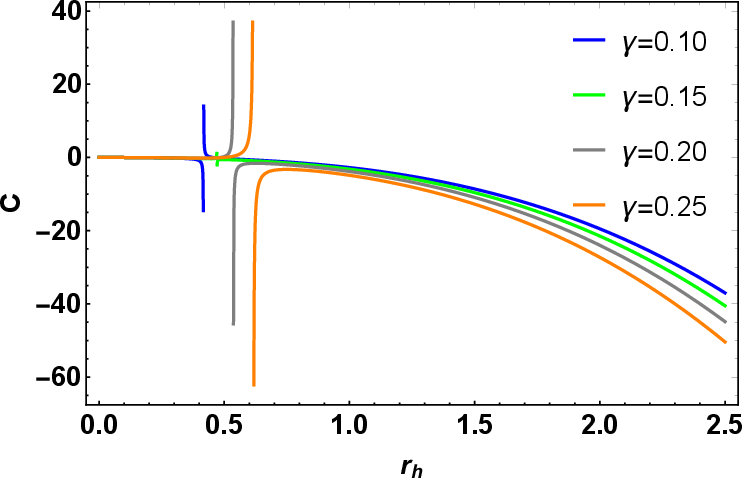
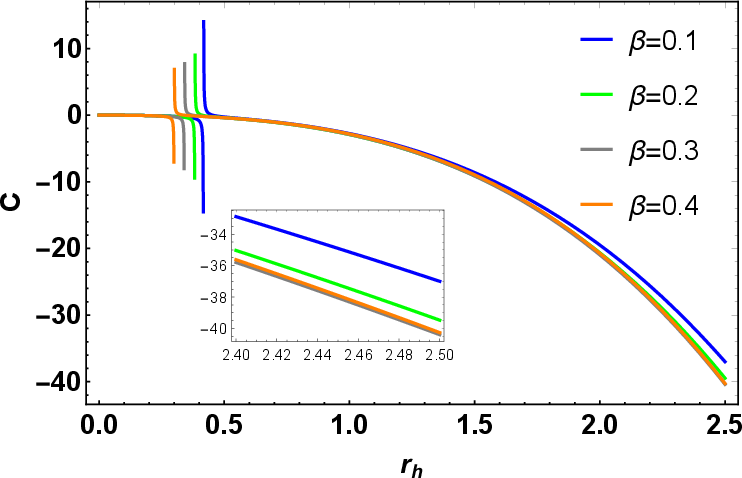
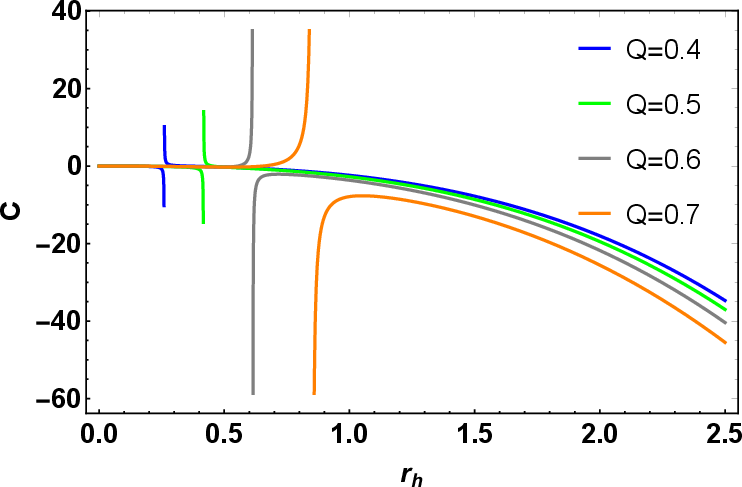
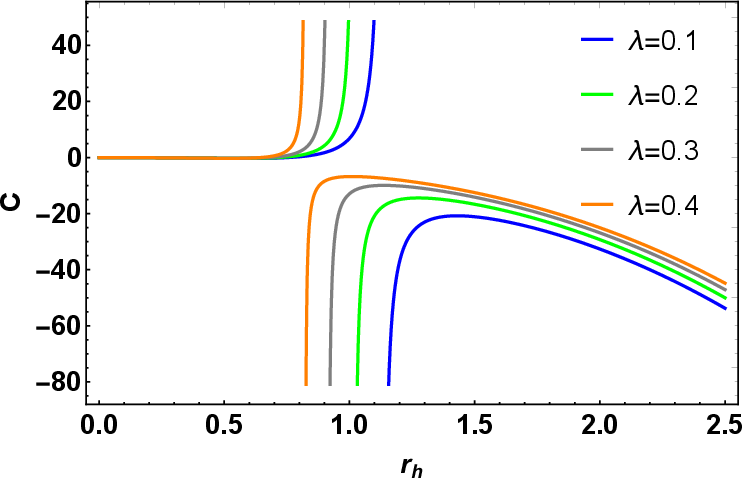
Figure 7: Heat capacity β8 under parameter scans, revealing shifting transitions between thermodynamically stable/unstable regimes.
- Free Energy: Global thermodynamic preference is captured by the Helmholtz free energy, with minima denoting favored configurations.
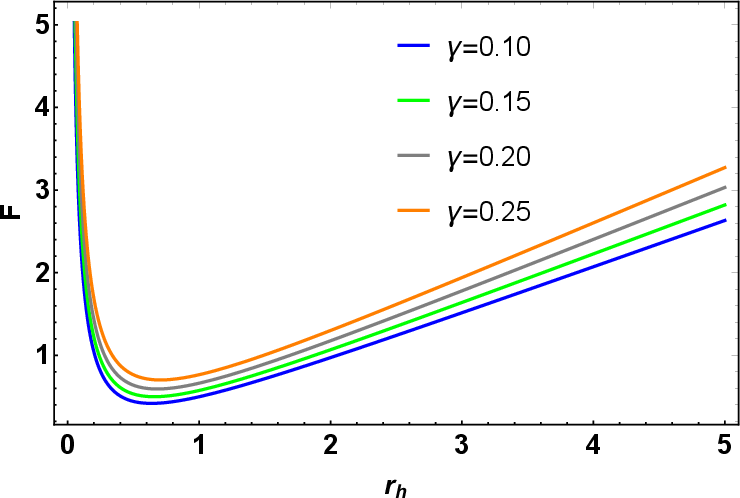
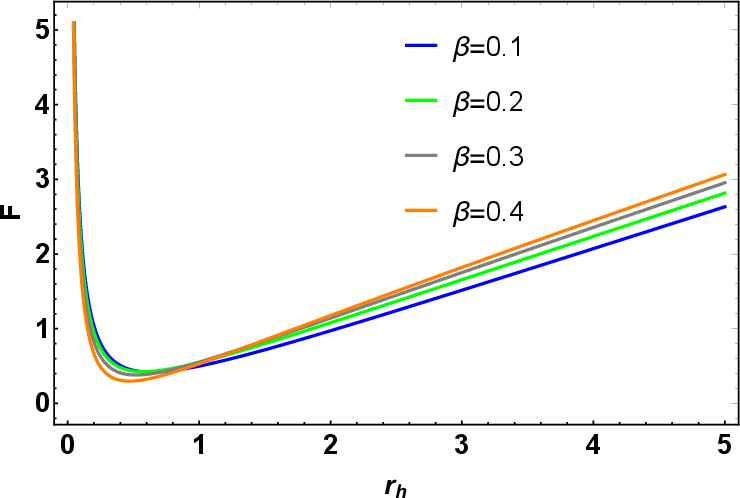
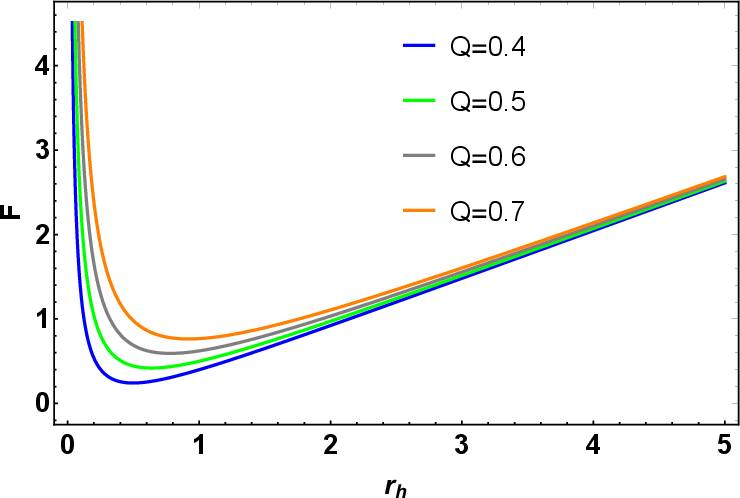
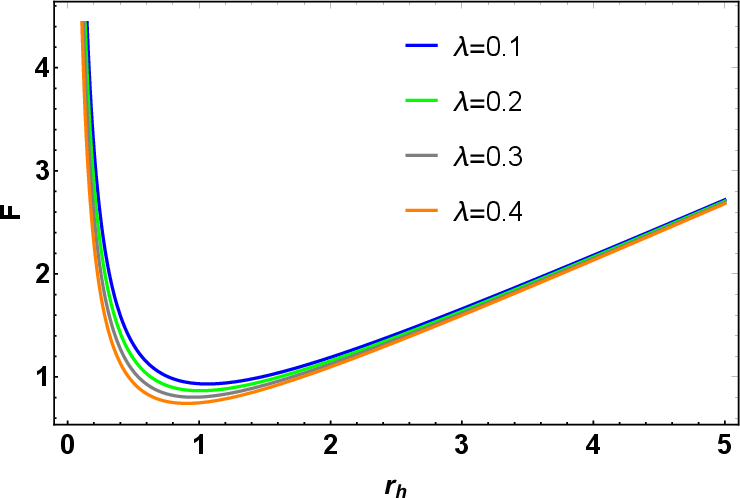
Figure 8: Helmholtz free energy β9 as a function of A(r)=1−α1−r2M+(1−α)2r2Q2e−λMM+(1−α)rβlog(∣β∣r),0; parameter dependence modifies optimal black hole sizes.
The entropy generalizes the Bekenstein-Hawking area law with an explicit normalization from the LV sector: A(r)=1−α1−r2M+(1−α)2r2Q2e−λMM+(1−α)rβlog(∣β∣r),1. The combined analysis identifies a phase diagram distinguished by regions of positive and negative heat capacity, with the possibility of multiple thermodynamically distinct branches and critical behavior governed by the interplay of all three deformations.
Hawking Radiation Sparsity
The study calculates the sparsity parameter A(r)=1−α1−r2M+(1−α)2r2Q2e−λMM+(1−α)rβlog(∣β∣r),2 quantifying Hawking emission intermittency, incorporating geometric-optics estimates and accounting for greybody effects. The analytic result shows that A(r)=1−α1−r2M+(1−α)2r2Q2e−λMM+(1−α)rβlog(∣β∣r),3, implying that larger shadow radii or cooler black holes yield increasingly sparse emission. Near extremality, sparsity diverges—ensuring the physical regime is always highly intermittent except for specific parameter tunings. Detailed expressions are provided for the various limiting cases (Schwarzschild, extremal, etc).
Scalar Perturbations, Greybody Factors, and Absorption
Wave dynamics of massless scalars are addressed via the radial Schrödinger equation with the effective potential determined by the full metric form. The effective potential barrier is heightened by A(r)=1−α1−r2M+(1−α)2r2Q2e−λMM+(1−α)rβlog(∣β∣r),4, A(r)=1−α1−r2M+(1−α)2r2Q2e−λMM+(1−α)rβlog(∣β∣r),5, and A(r)=1−α1−r2M+(1−α)2r2Q2e−λMM+(1−α)rβlog(∣β∣r),6, but reduced by positive A(r)=1−α1−r2M+(1−α)2r2Q2e−λMM+(1−α)rβlog(∣β∣r),7, again reflecting ModMax screening of electromagnetic effects.
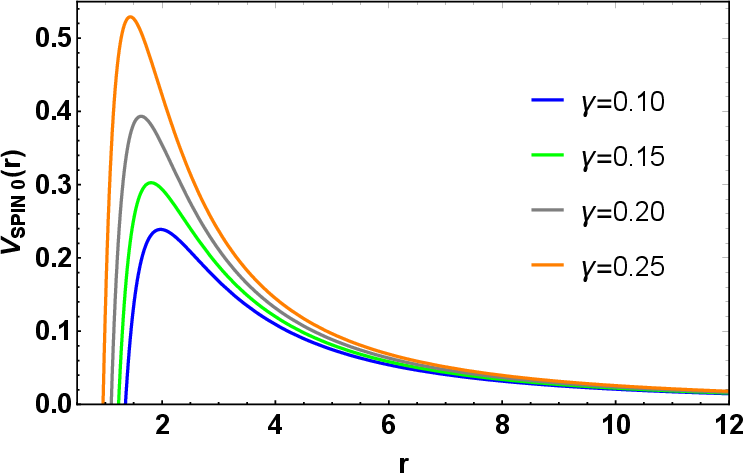
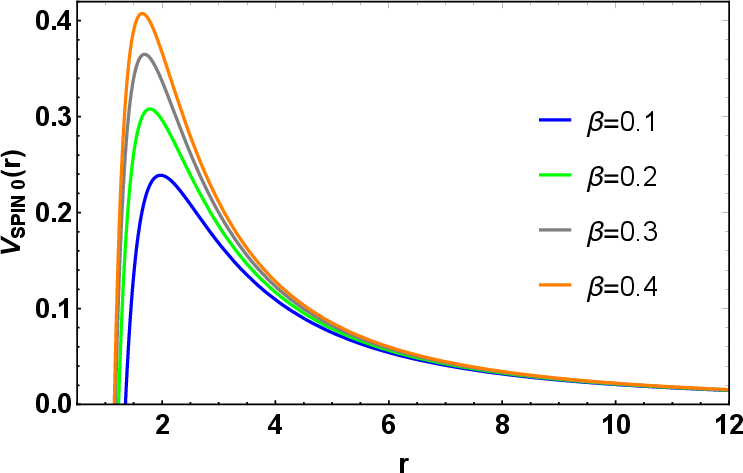
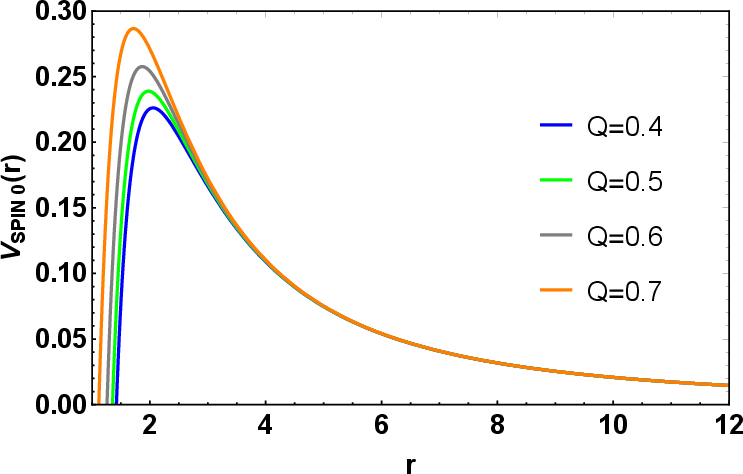
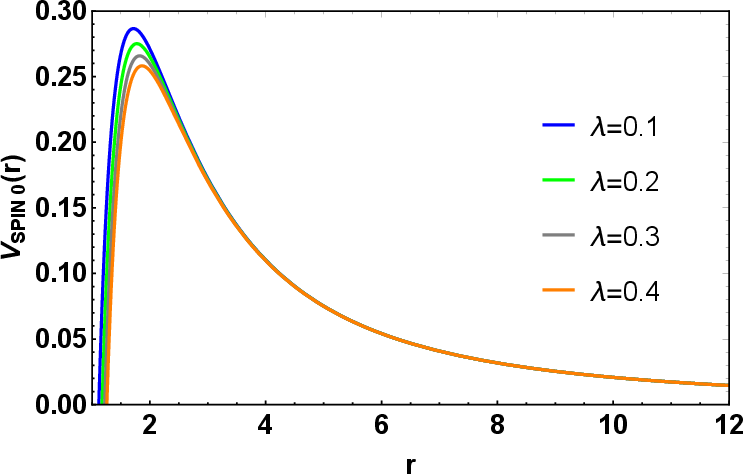
Figure 9: Effective scalar potential A(r)=1−α1−r2M+(1−α)2r2Q2e−λMM+(1−α)rβlog(∣β∣r),8, showing parameter-induced barrier enhancements (KR, PFDM, A(r)=1−α1−r2M+(1−α)2r2Q2e−λMM+(1−α)rβlog(∣β∣r),9) and reductions (M0).
Analytic lower bounds on the greybody factor M1 for partial waves are derived, with transmission suppressed by increasing M2, M3, M4 and enhanced by positive M5.
Figure 10: Scalar transmission (greybody) factor as a function of frequency and model parameters, quantifying horizon-to-infinity scalar transparency.
The partial absorption cross section M6 peaks at intermediate frequencies and is again most sensitive to barrier-modifying parameters, providing a direct probe of model-dependent near-horizon and environmental deviations.
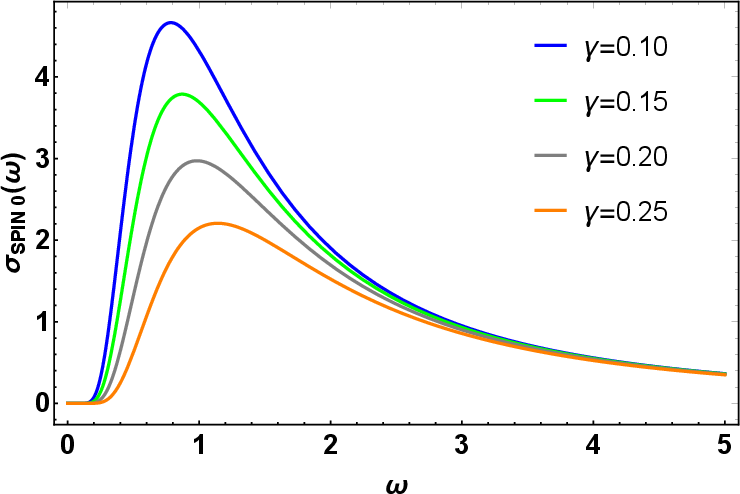
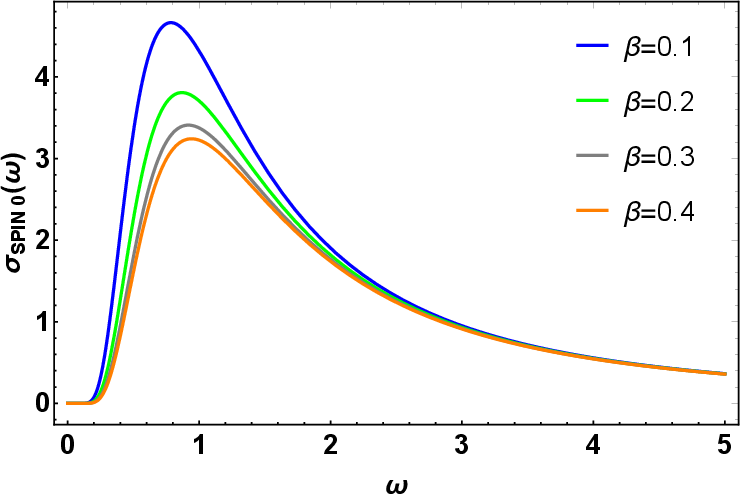
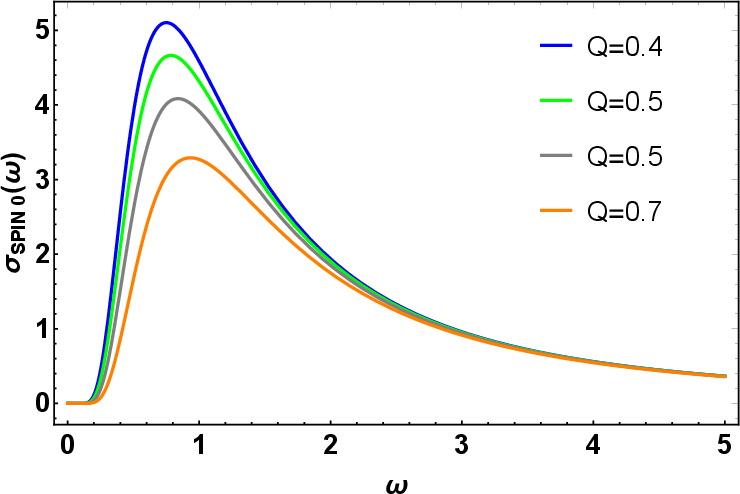
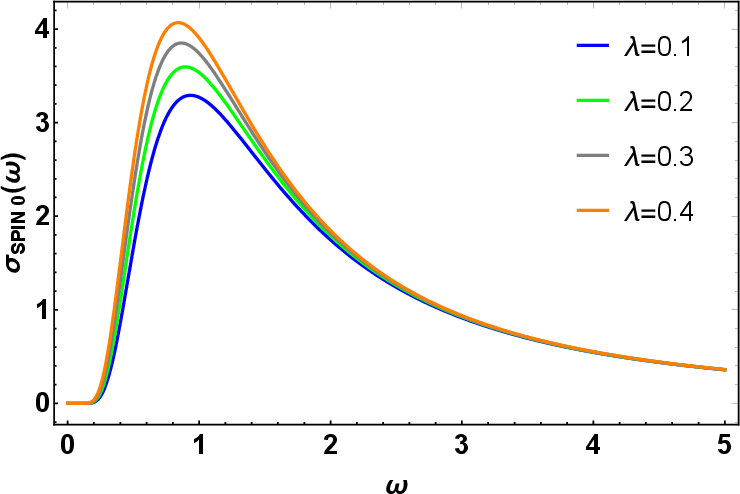
Figure 11: Partial scalar absorption cross section M7 for varying parameters, illustrating screening and darkening effects across the parameter space.
Physical Implications and Prospects
The configuration provides a testbed for probing simultaneous effects of nonlinear electrodynamics, environmental dark matter, and Lorentz-violating backgrounds. The exponential charge screening effect of ModMax electrodynamics can potentially mask or reveal signatures otherwise attributed to charge, providing a discriminant for distinguishing electromagnetic sector nonlinearity versus environmental or fundamental symmetry breaking.
The non-monotonic and nontrivial modifications to shadows, Hawking emission sparsity, stability, and wave absorption yield observational implications for near-future extremely high angular resolution and multi-wavelength probes. The formalism also provides a framework for systematic exploration of strong-field deviations from GR, with the potential to constrain or detect Lorentz violation, nonlinear electromagnetism, or environmental dark matter signatures in the regime of horizon-scale physics.
Conclusion
This work systematically investigates ModMax-Kalb-Ramond-PFDM black holes, elucidating the detailed impact of nonlinear electrodynamics, spontaneous Lorentz violation, and environmental dark matter on horizon structure, geodesic dynamics, thermodynamics, Hawking radiation, and scalar absorption. The analysis highlights the role of ModMax screening as a counterbalance to charge-induced cooling and thermodynamic instability, with Lorentz violation further amplifying nontrivial geometry and thermodynamics, while PFDM introduces a persistent logarithmic correction. The results underscore the necessity of multi-parametric modeling for interpreting strong gravity signatures and motivate further investigation into dynamical, rotating, and astrophysically realistic scenarios.

