- The paper introduces the GMAE framework that disentangles view-specific and common latent representations to improve clustering boundaries.
- It employs dual autoencoders and adversarial discriminators to maximize intra-view mutual information while reducing cross-view interference.
- Empirical evaluations demonstrate GMAE's superior performance and robustness across diverse benchmarks, even with incomplete data.
Disentangled Multi-View Representation Learning for Generalized Clustering
Motivation and Background
The integration of heterogeneous data sources in clustering, formally known as Multi-View Clustering (MVC), is central in domains with intrinsically multi-modal data, such as bioinformatics, medical informatics, and multimedia analysis. MVC aims to jointly leverage the complementary, yet correlated, information scattered across diverse views to recover more robust and representative latent structures than uni-view clustering. However, extant deep MVC models typically fuse representations from different views in a manner that entangles view distributions, often obscuring cluster boundaries due to unresolved inter-view biases and noise.
The paper "Learning Disentangled Representations for Generalized Multi-view Clustering" (2605.15640) introduces the Generalized Multi-view Auto-Encoder (GMAE) framework to address the inherent view distribution entanglement challenge in MVC. GMAE is designed to learn disentangled latent representations—explicitly partitioning view-common and view-specific information—to yield cleaner and more discriminative clustering in both complete and incomplete multi-view settings.
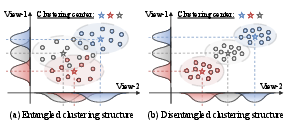
Figure 1: Disentangling view distributions leads to more compact and clear cluster structures compared to conventional entanglement fusion approaches.
GMAE Architecture and Theoretical Justification
GMAE operationalizes a dual-path architecture comprising view-specific and view-common autoencoders. Each view is encoded by a dedicated path to capture its idiosyncratic features while a cross-view shared encoder extracts the underlying commonality. These are mapped to latent spaces via Multi-Layer Perceptrons yielding Zv (view-specific) and Cv (view-common). The decoder reconstructs each view from the concatenated latent embeddings.
The unsupervised training objective is to maximize intra-view mutual information while minimizing mutual information between view-common and view-specific features, promoting disentanglement. Additionally, cross-view adversarial discriminators—a set of view-specific GAN-style critics—further enforce alignments and feature independence by distinguishing view identity in the latent space, thus regularizing both intra-view invariance and inter-view consistency.
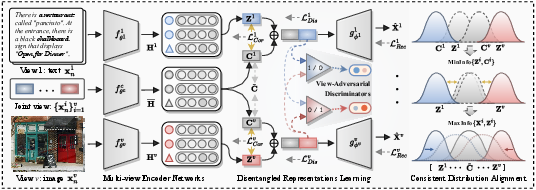
Figure 2: The GMAE pipeline with generation, reconstruction, adversarial discrimination, and alignment modules operating on multi-view data.
The theoretical analysis demonstrates, via information-theoretic inequalities, that the GMAE-encoded representations preserve greater cluster-relevant information and suppress cluster-irrelevant content compared to contrastive learning (CL)-based baselines. The authors rigorously prove that, under their mutual information and alignment constraints, the common representation C∗ contains all discriminative information that is maximally invariant and invertible with respect to the true clustering structure.
Empirical Evaluation
Visualization of Clustering Structures
The paper provides compelling evidence of representational improvements via t-SNE visualizations on standard benchmarks such as STL-10, where competing SOTA models yield loosely organized latent clusters, whereas GMAE learns distinctly separated and tight clusters. These qualitative gains directly support the claim that disentanglement and adversarial alignment significantly purify latent cluster geometry.
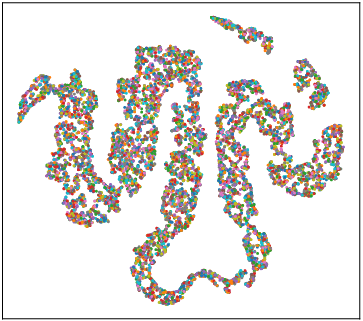
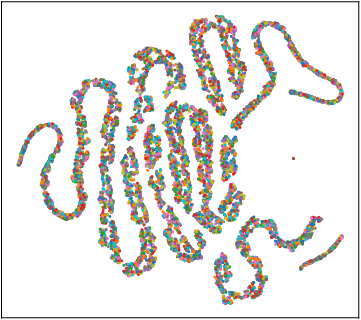
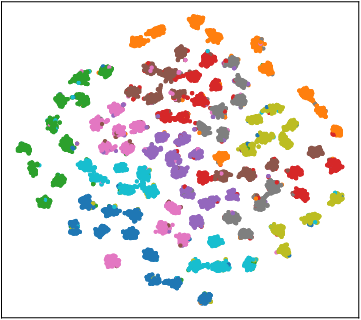
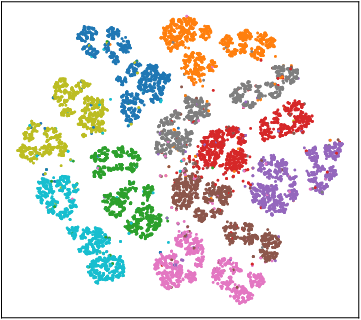
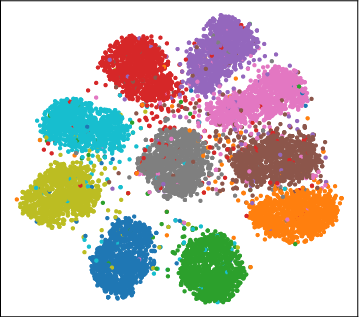
Figure 3: t-SNE visualizations highlight the progression in cluster compactness and separation obtained with GMAE.
Further, linear-layer feature trace plots on complex datasets such as STL-10 empirically show progressive disentanglement and compaction from raw view-specific encoding to cross-view fused embeddings.
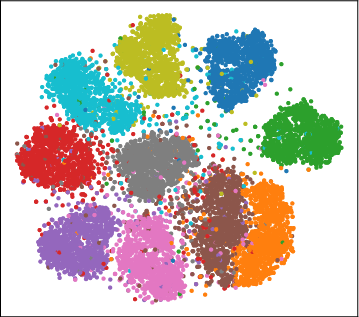
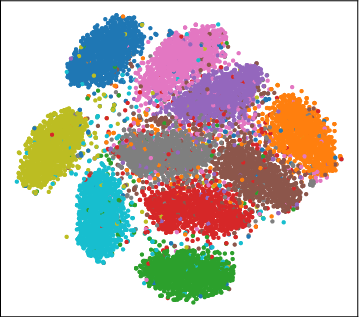
Figure 4: Evolution of feature separability through the stages of the GMAE architecture after convergence.
Quantitative Results
Across 13 benchmark datasets (spanning image, text, omics, and synthetic domains), GMAE achieves 15 top-1, 3 top-2, and 2 top-3 rankings among 20 experimental setups for ACC, NMI, and PUR metrics, consistently outperforming strong baselines including COMPLETER, DCP, DSMVC, and recent contrastive and adversarial MVC methods. Notably, in the context of incomplete and noisy views, GMAE demonstrates pronounced robustness, with degradation slopes markedly lower than its peers as view ablation rates increase.
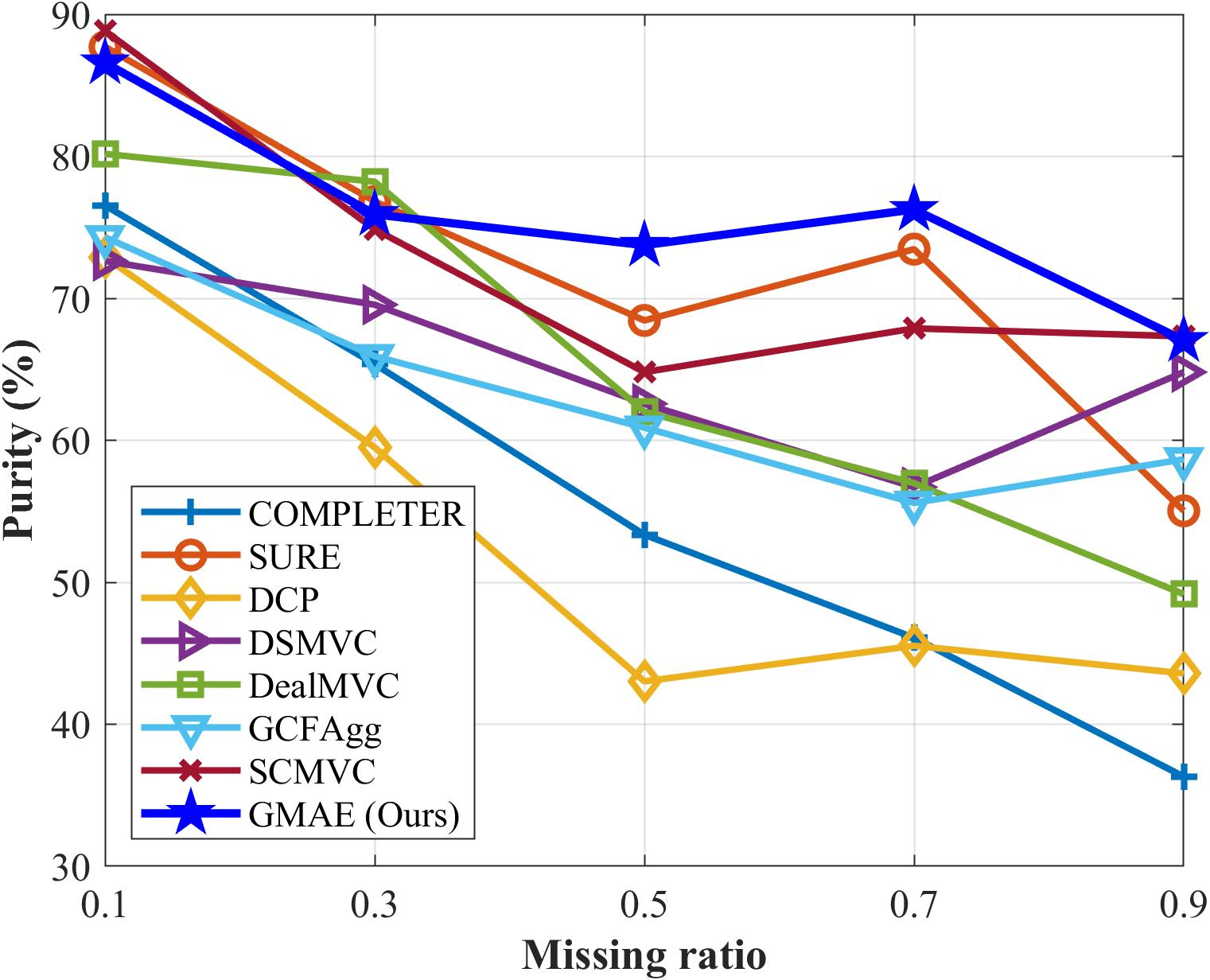
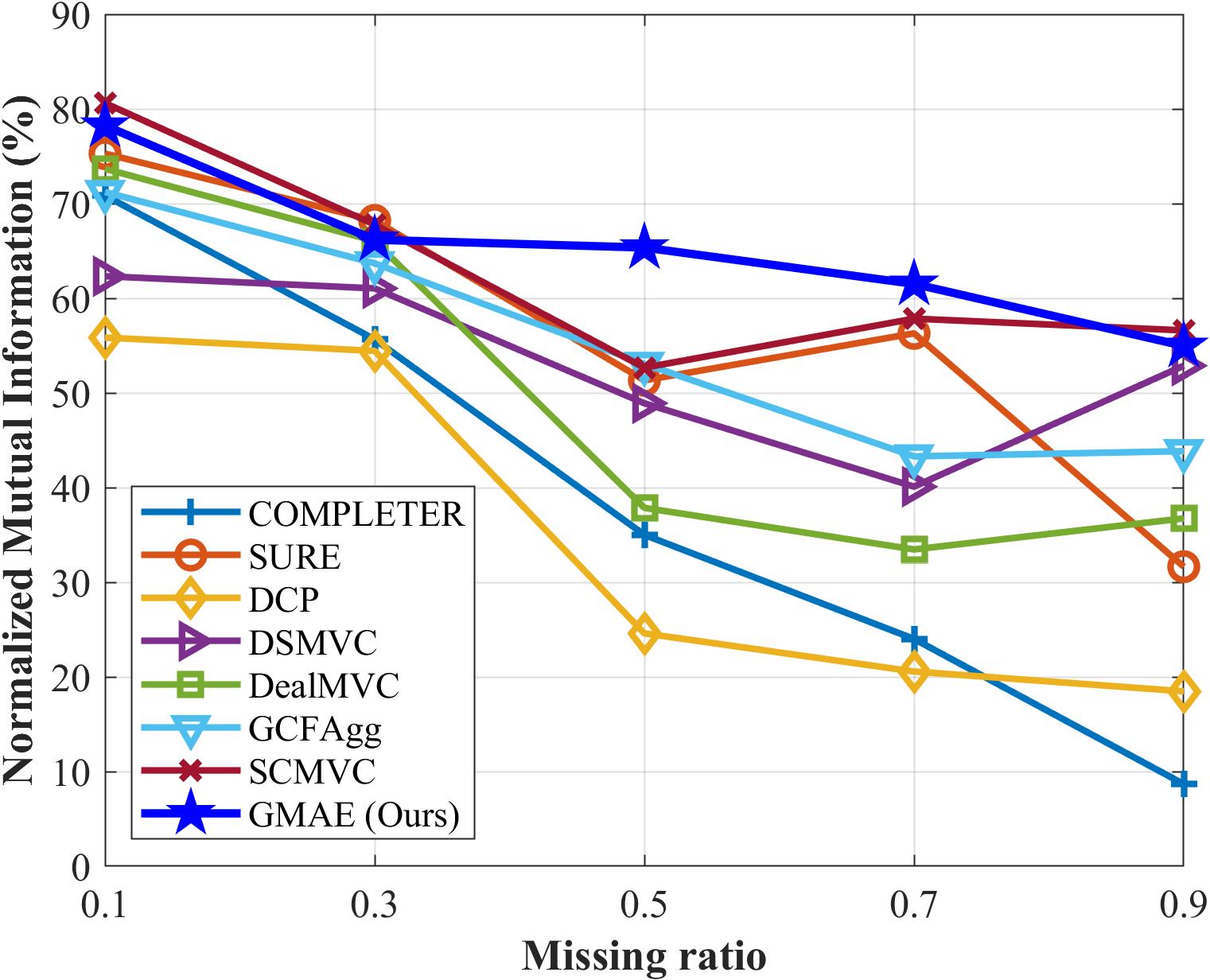
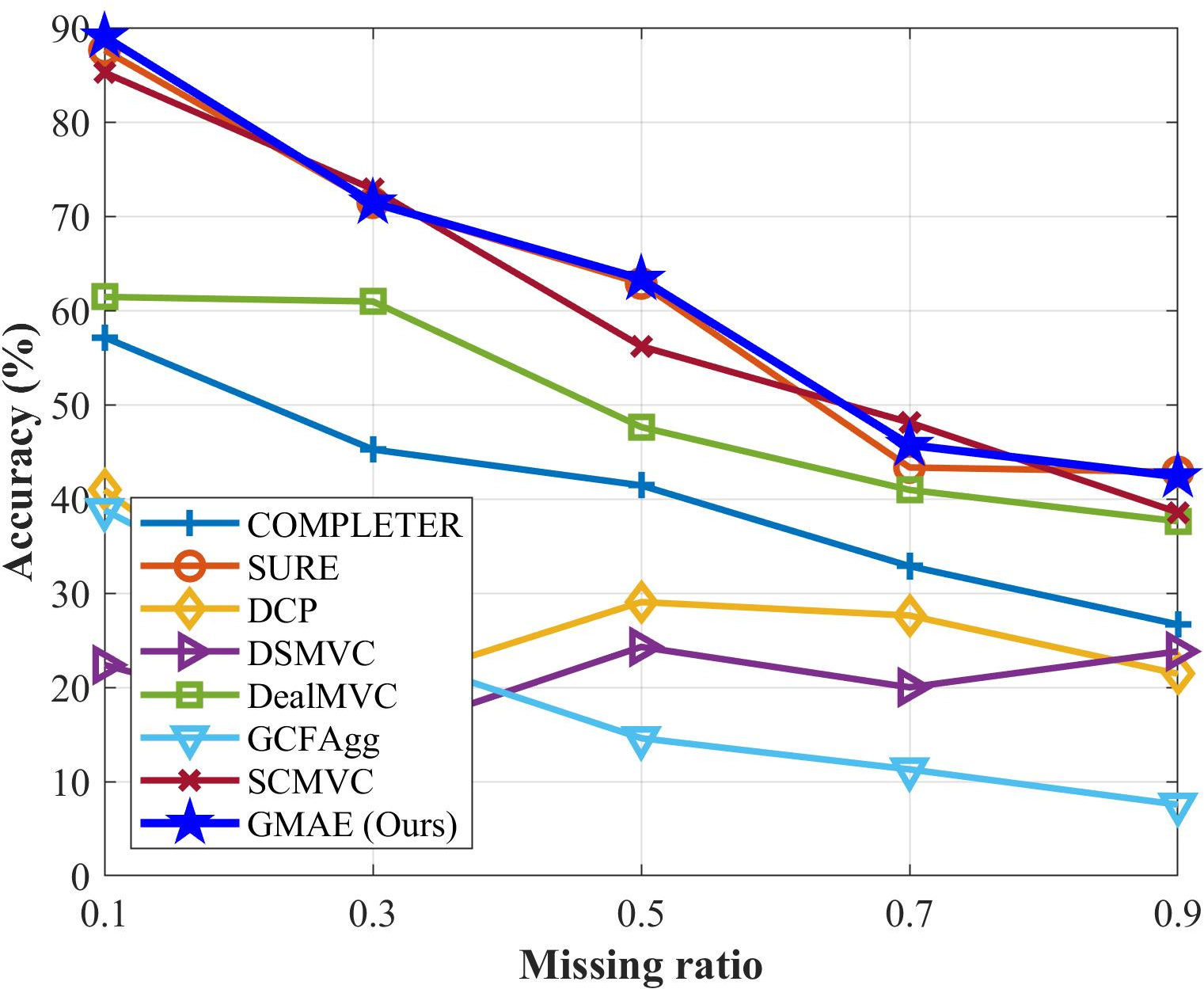
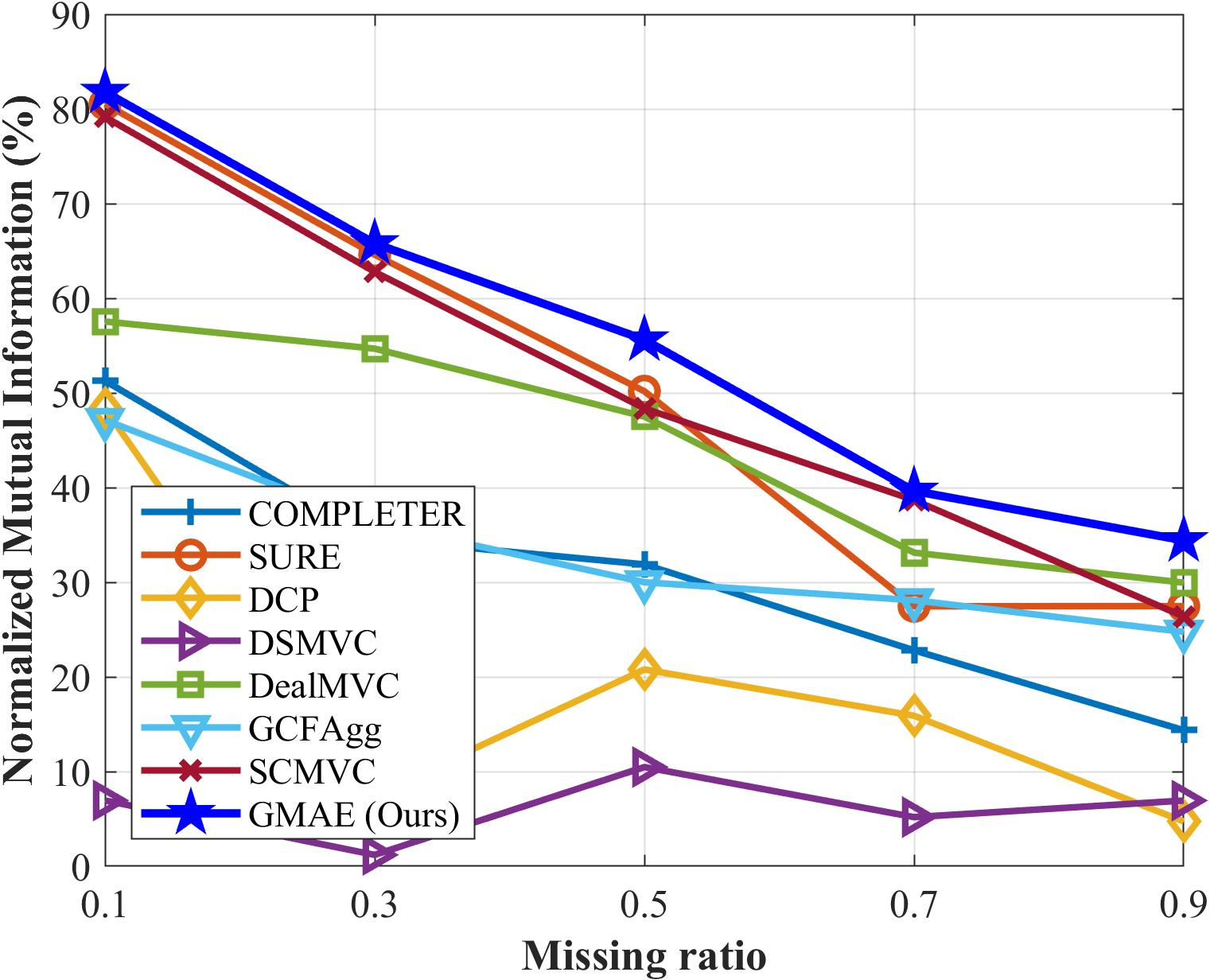
Figure 5: GMAE maintains superior ACC and NMI as missing-view rate increases, indicating high robustness relative to other MVC methods.
Ablation studies further confirm that the joint optimization of correlation, discrimination, and entropy (mutual information) losses is synergistically critical; removing any of these components significantly degrades clustering quality, with simultaneous inclusion yielding the strongest gains.
Convergence and Scalability
The training dynamics of GMAE are stable, with rapid convergence to optimal clustering configurations in both small- and large-scale multi-view datasets, and linear runtime complexity in the number of samples. Hyperparameter sensitivity analyses indicate that moderate values for the trade-off coefficients in the objective function yield stable results across broad ranges of data and view types.
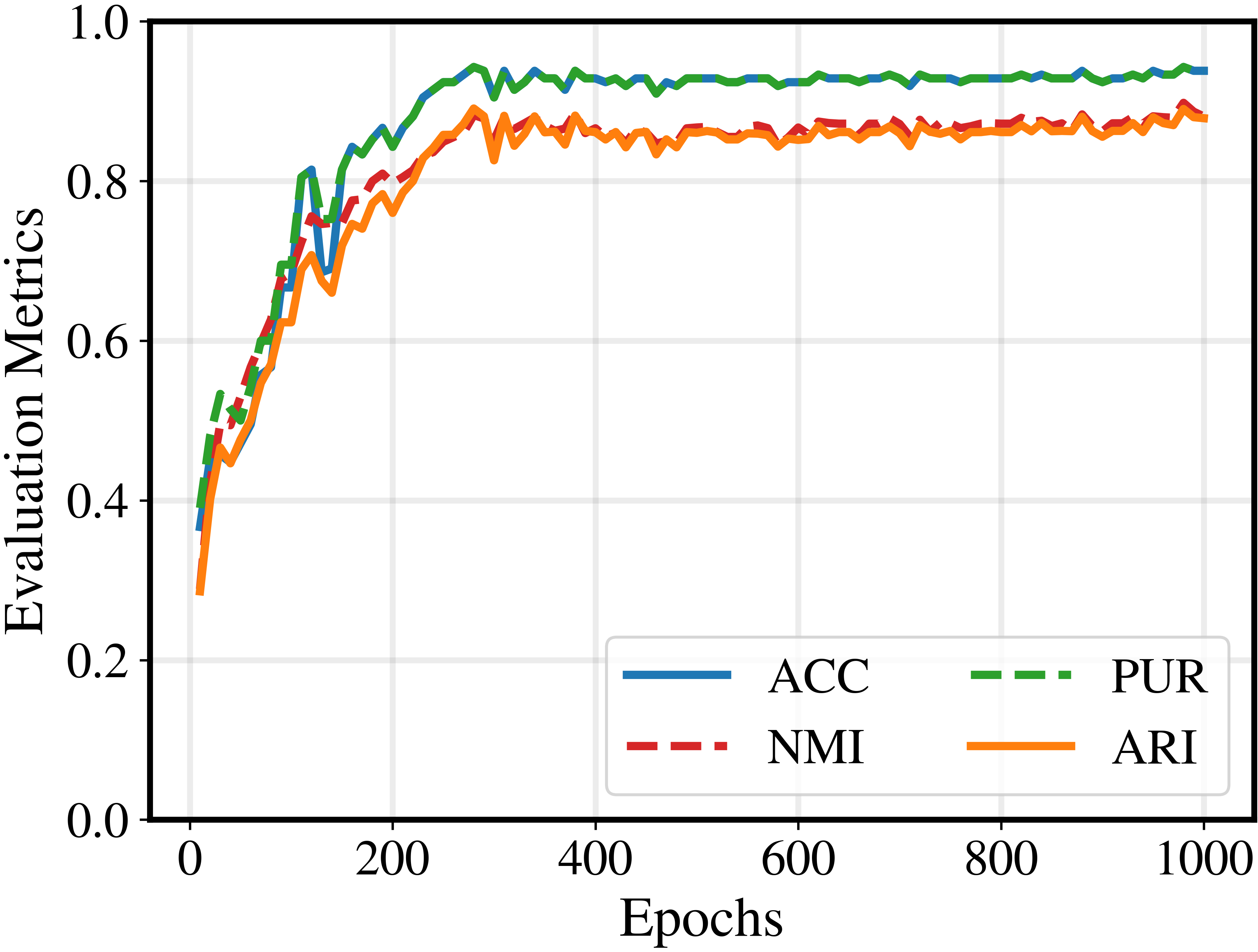
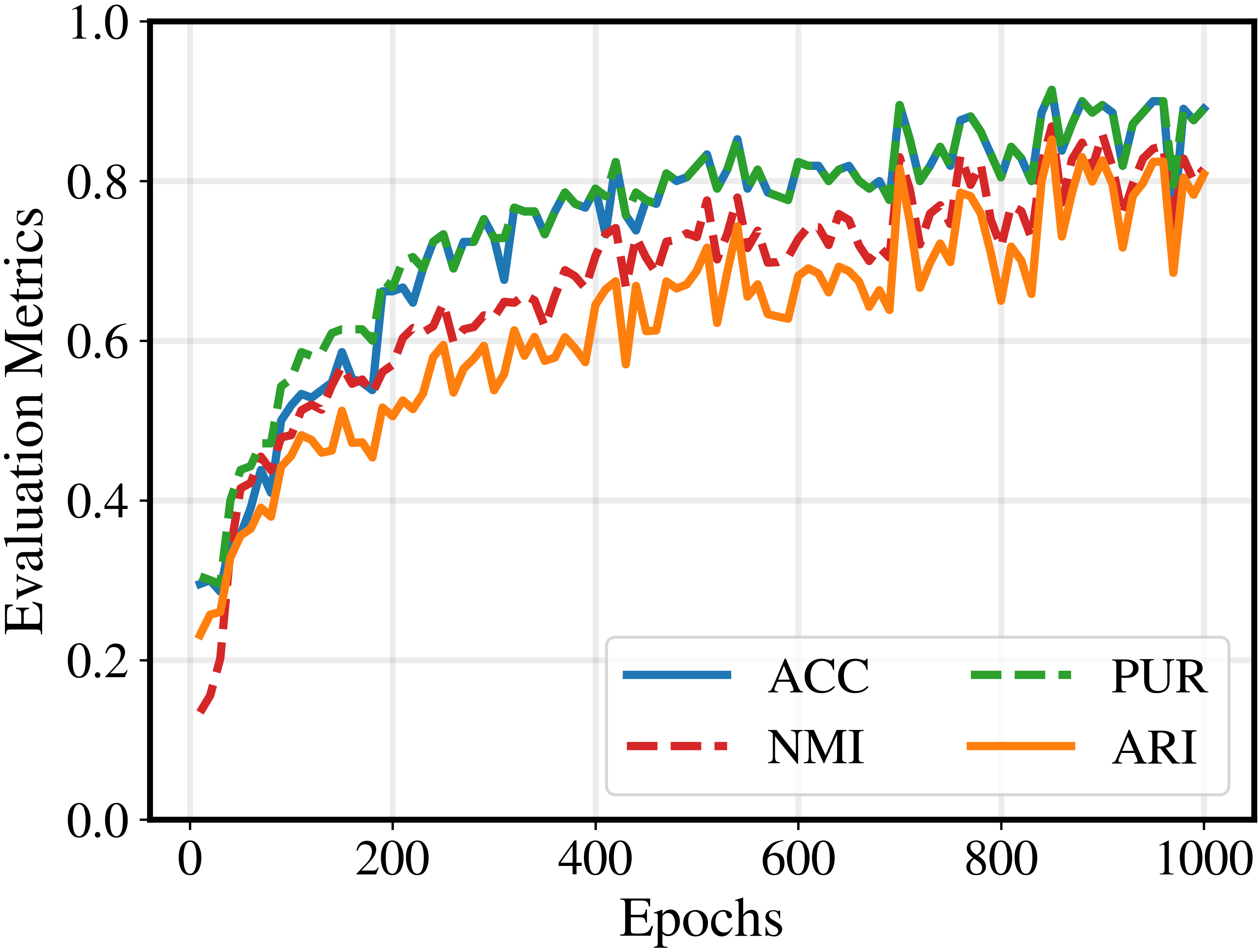
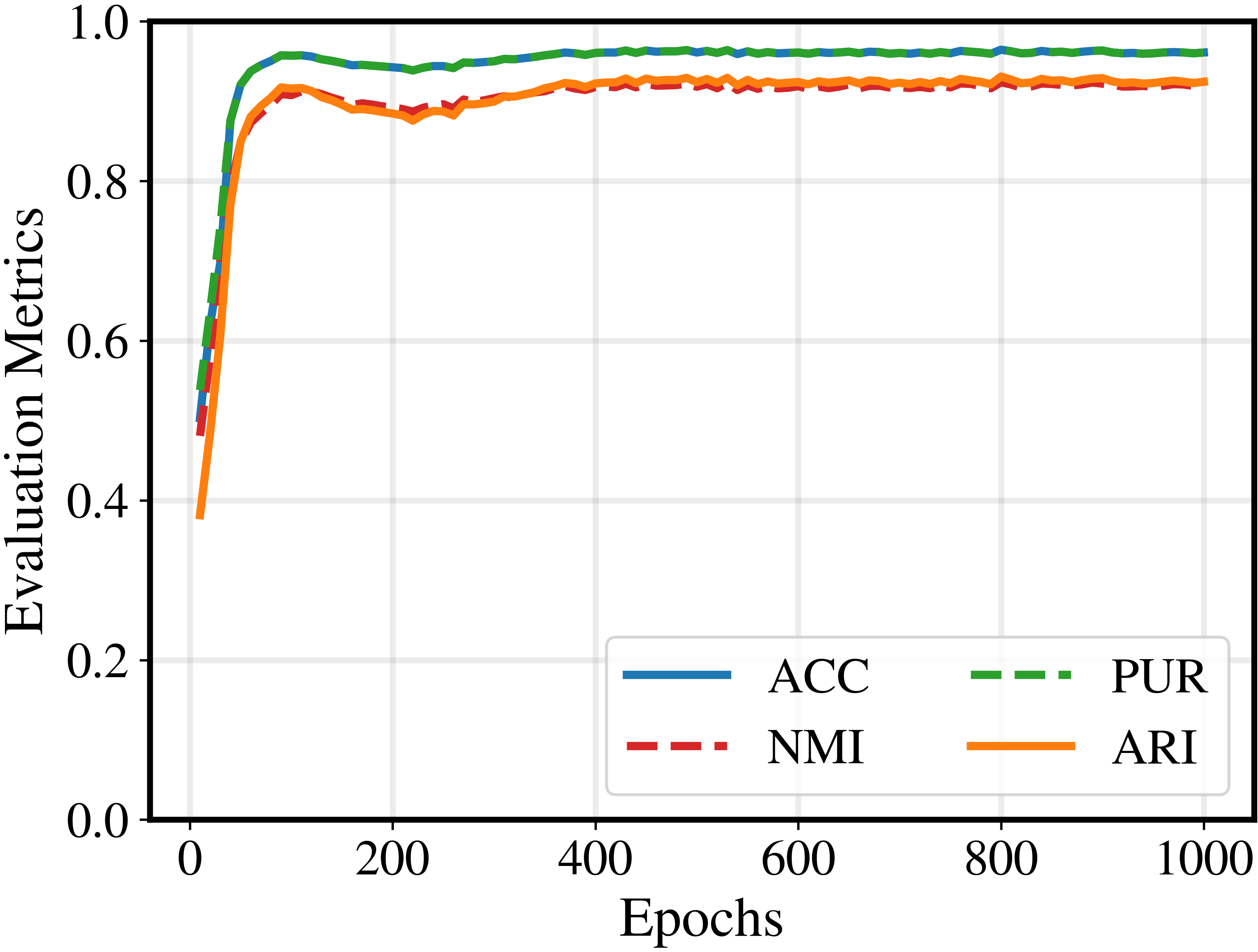
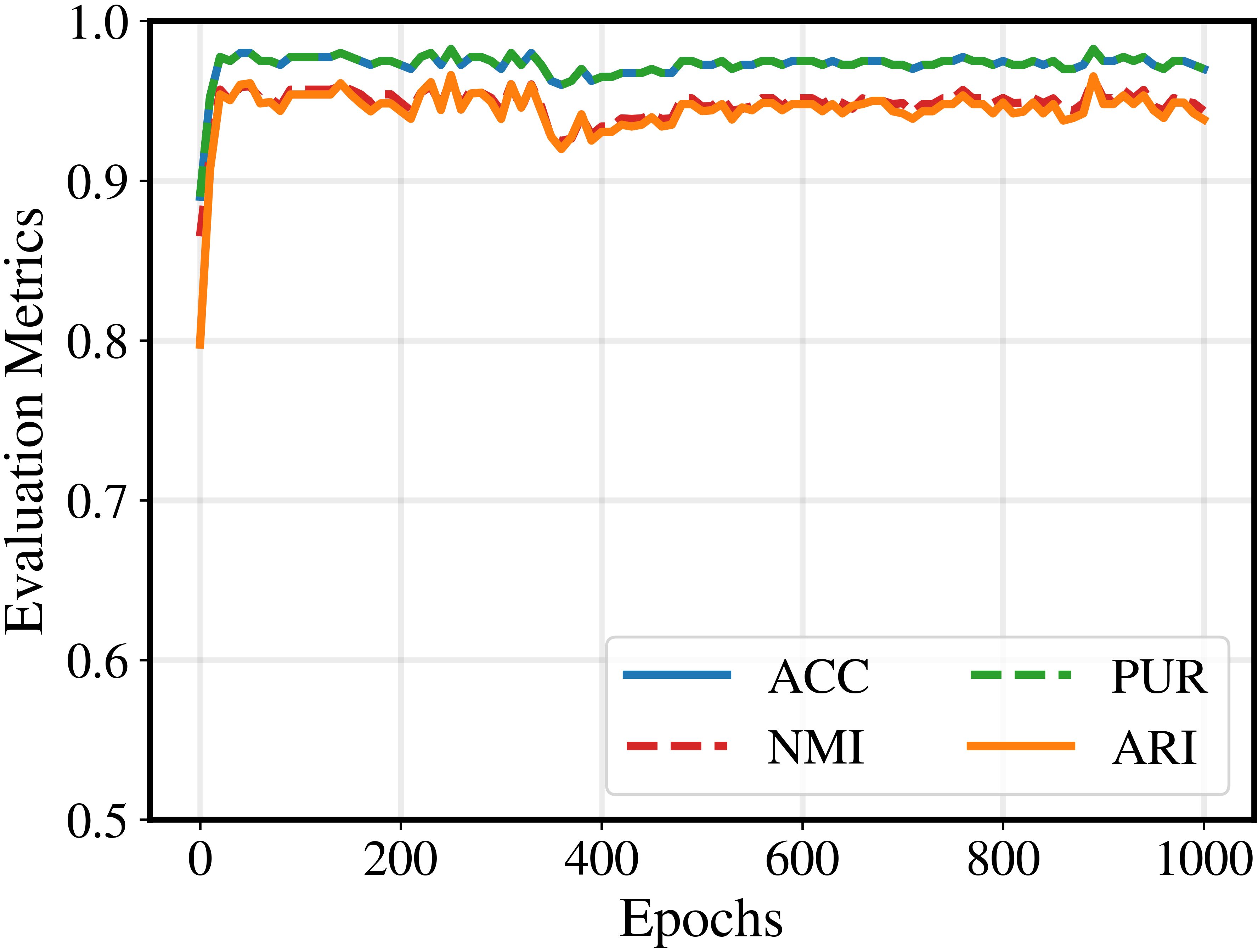
Figure 6: Training dynamics demonstrate robust, stable convergence across complete and incomplete multi-view datasets.
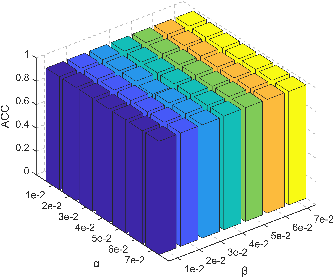
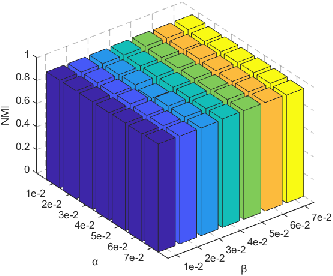
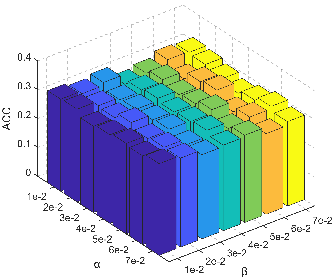
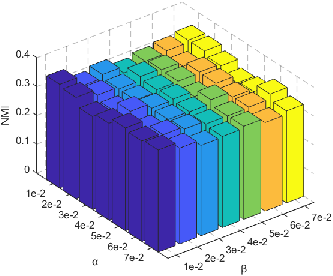
Figure 7: Clustering performance remains stable across a range of trade-off parameter settings, underscoring GMAE's robustness.
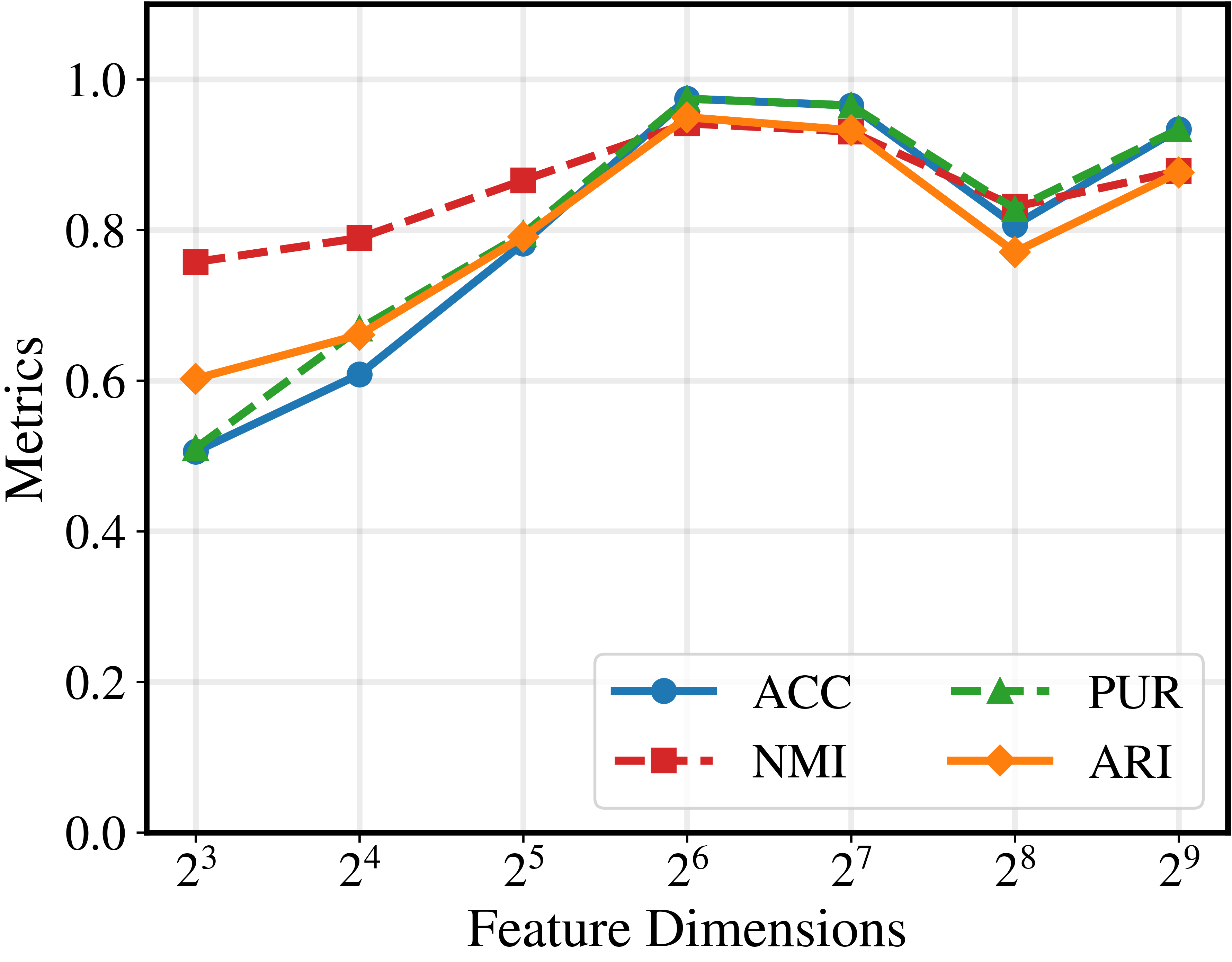
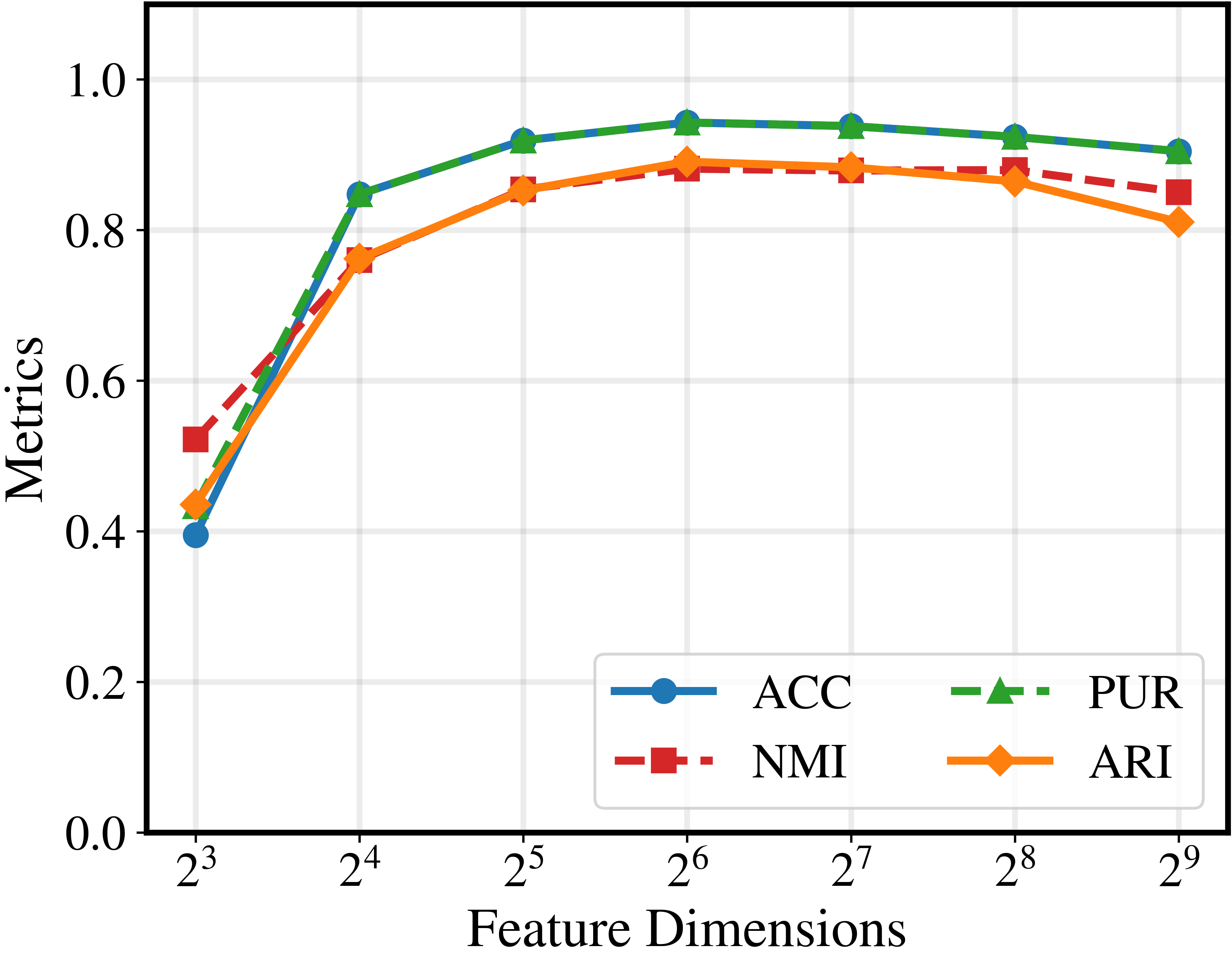
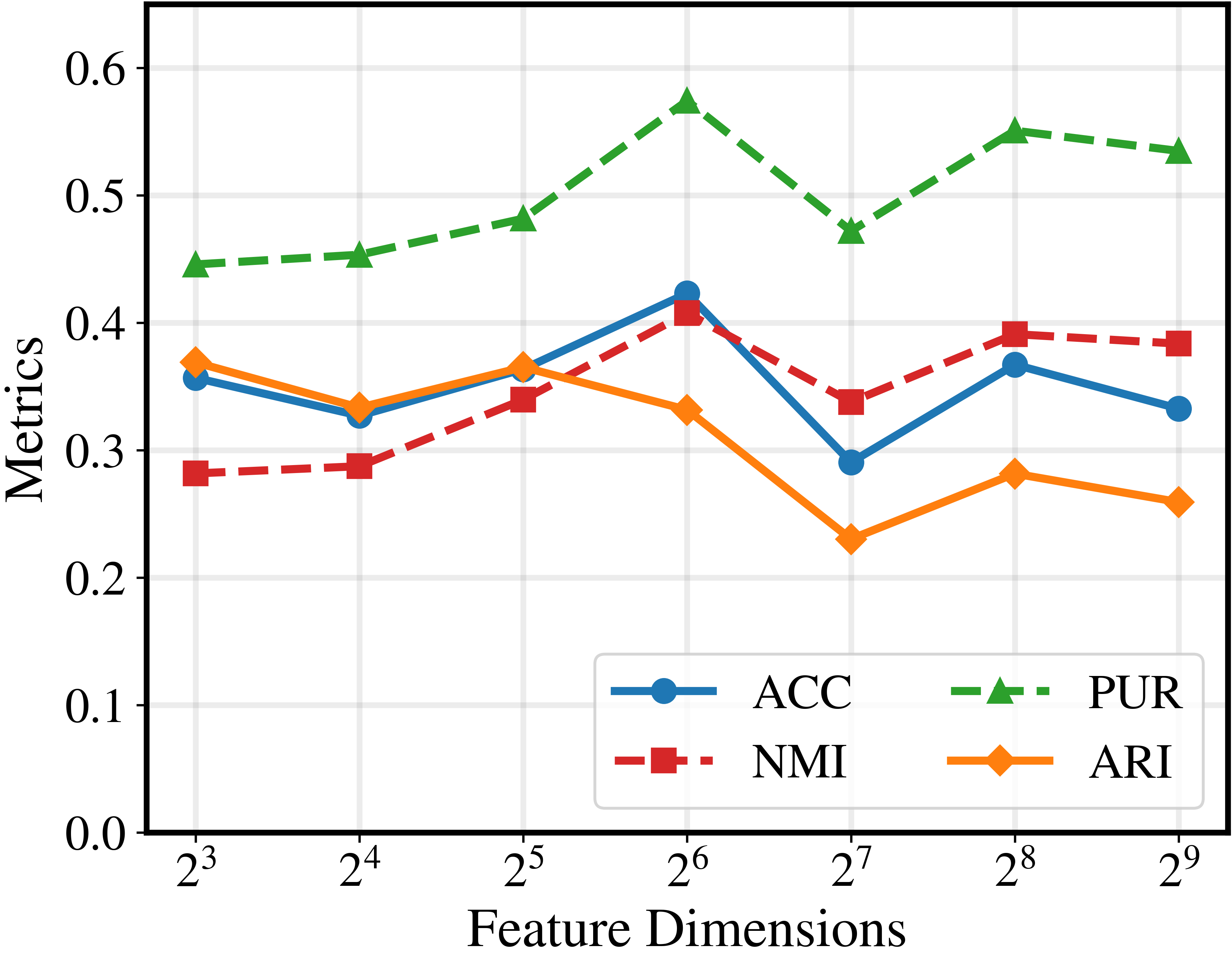
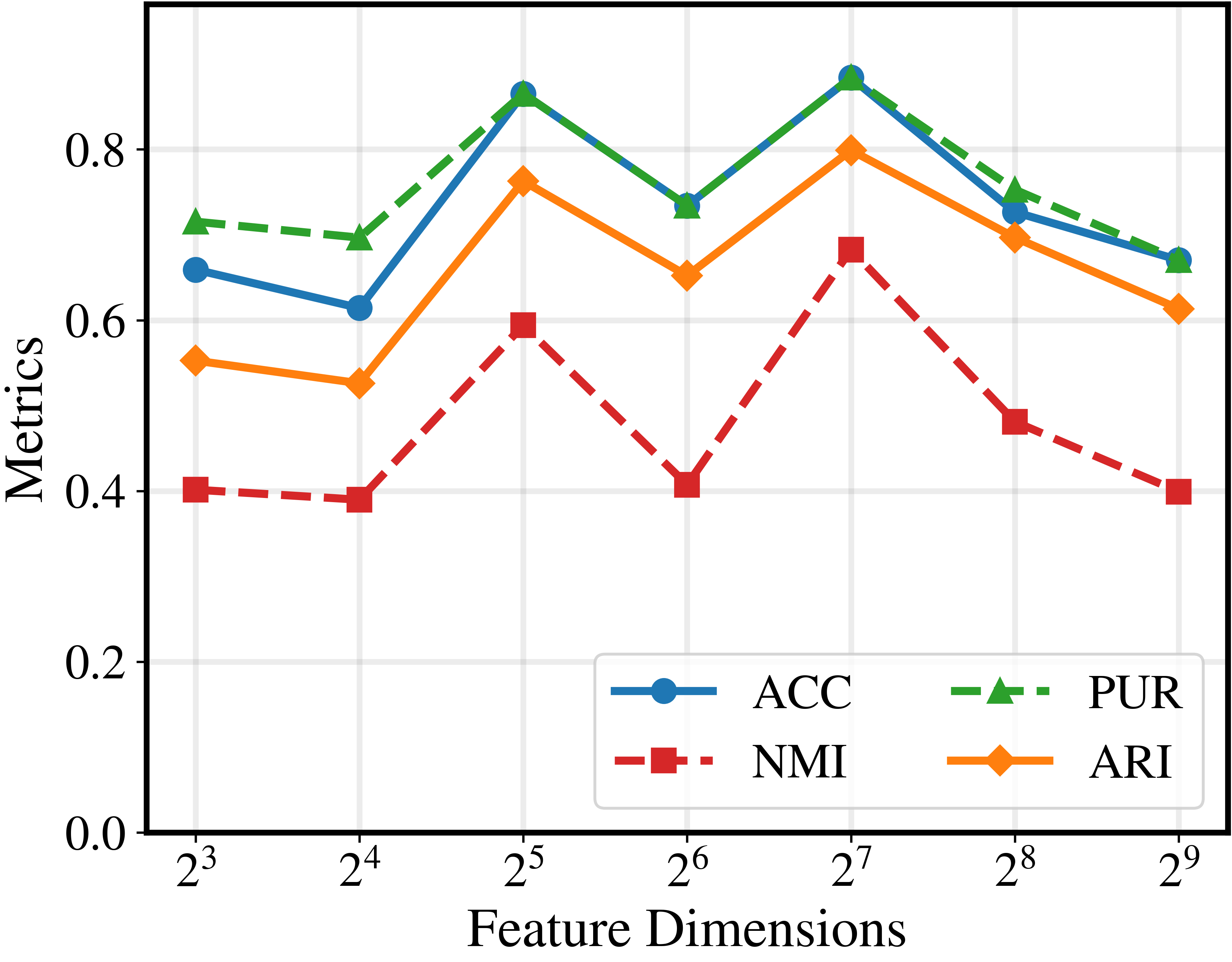
Figure 8: Embedding dimension influences clustering quality; moderate dimensionalities optimize the trade-off between information retention and noise.
Implications and Future Directions
Practically, GMAE addresses a critical need for scalable, noise-resistant MVC in heterogeneous environments, particularly where view incompleteness and domain shift are prevalent—such as in multi-omics health data integration, medical informatics, and multimodal semi-supervised learning pipelines. The linear complexity and self-supervised training nature make it suitable for large, high-dimensional problems typical of current scientific and industrial data landscapes.
Theoretically, this work motivates further research into information-theoretic disentanglement and GAN-based alignment strategies for general representation learning, especially under weak supervision or missingness. The explicit separation of view-common and view-specific knowledge aligns with causal representation advances and opens avenues for more interpretable, domain-adaptive clustering and retrieval models.
Potential extensions include integrating explicit causal inference into disentanglement, exploring non-linear or geometric alignment methods, and adapting the adversarial alignment mechanism for online or federated MVC with privacy constraints. Further, bridging GMAE to downstream supervised multi-label and prediction tasks may amplify its utility in broader AI applications.
Conclusion
This paper systematically addresses the entanglement of view distributions in deep multi-view clustering via an information-theoretic, self-supervised disentanglement strategy embodied in the GMAE framework. GMAE demonstrably yields more robust, discriminative, and transferable latent representations, with superior empirical results across a diverse range of datasets and missing view scenarios. Its architecture, grounded in theoretically justified mutual information modulation and adversarial alignment, sets a high-water mark for generalized MVC. As multi-modal and incomplete data become increasingly ubiquitous, frameworks like GMAE are likely to become foundational in unsupervised and self-supervised representation learning for next-generation AI systems.

