- The paper introduces MixerCA—a multi-scale, depthwise convolution and attention-based architecture that achieves high accuracy for pixel-level hyperspectral image classification.
- It employs PCA for dimensionality reduction and varied convolution kernels to capture spatial dependencies while preserving spectral details.
- Empirical results on four benchmark datasets demonstrate MixerCA's superior overall accuracy, spatial coherence, and efficiency compared to traditional models.
Model Architecture and Design Principles
MixerCA introduces a structurally compact yet expressive architecture for hyperspectral image (HSI) classification, distinguished by its integration of depthwise convolutions, token/channel mixing, and coordinate attention. The network employs repeated multi-scale depthwise 2D convolutional blocks for spatial feature extraction while maintaining channel-wise processing to address HSI's spectral complexity. The model leverages point-wise convolutions to facilitate channel interactions and employs coordinate attention for spatial localization and enhanced channel discrimination without excessive computational overhead. Notably, the architecture retains spatial resolution throughout the network, allowing direct processing of HSI patches and facilitating precise pixel-level classification.
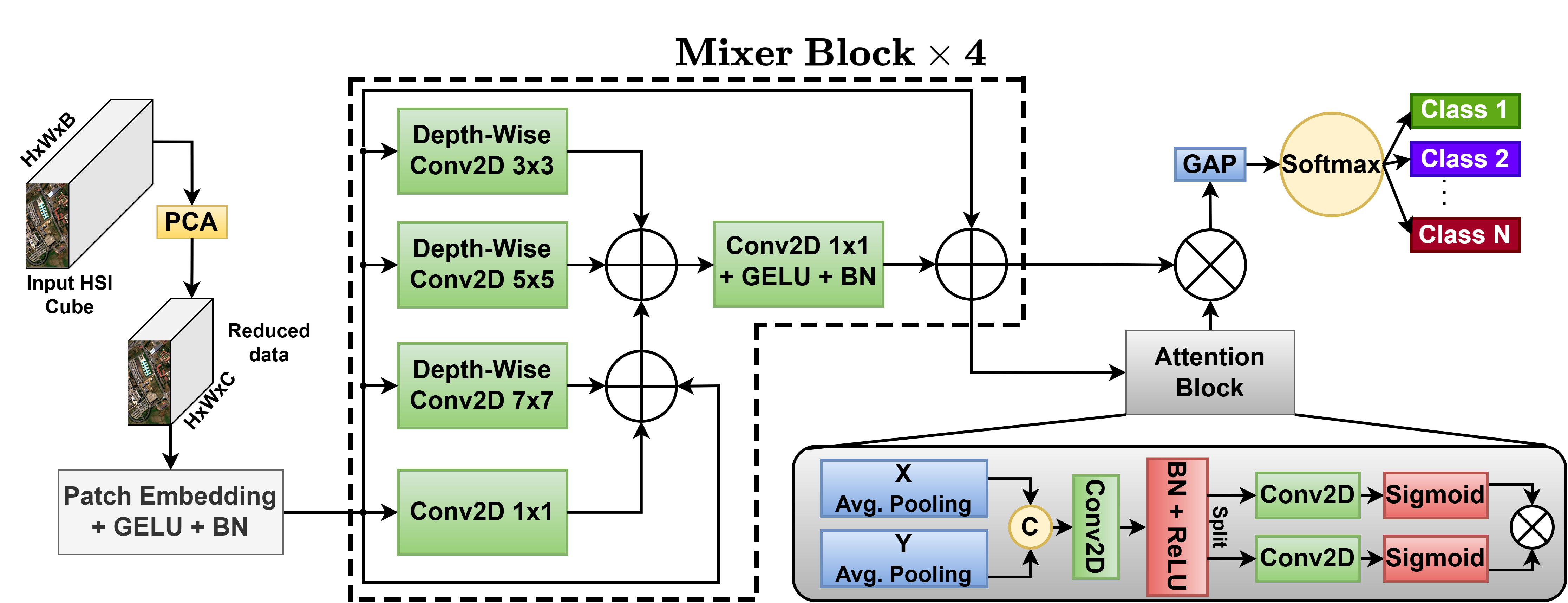
Figure 1: The overall architecture of the developed MixerCA deep learning model.
Methodology and Feature Engineering
Dimensionality reduction is accomplished via PCA, mitigating spectral redundancy inherent in HSI bands and providing a reduced, information-rich representation for subsequent processing. The network begins with an initial 1×1 convolution to increase channel depth without altering spatial resolution. Mixer modules follow, sequentially applying depthwise convolutions with kernels of 3×3, 5×5, and 7×7 to articulate spatial structure at multiple scales and augment the receptive field. Residual connections aggregate outputs and enhance gradient flow, further refined by point-wise convolutions for channel integration.
Token mixing utilizes MLP operations across spatial patches, capturing long-range spatial dependencies. Channel mixing is realized through point-wise convolution, maintaining spatial dimensions and promoting inter-channel feature learning. The model concludes with a coordinate attention block, global average pooling, and a fully connected layer employing softmax for probabilistic classification. The cross-entropy objective function is adopted for its superior stability and robustness across imbalanced multiclass scenarios.
Empirical Analysis and Parameter Robustness
MixerCA is comprehensively evaluated on four benchmark datasets: Pavia University, Salinas, Gulfport of Mississippi, and Xuzhou. Parameter sensitivity analysis demonstrates that the optimal patch size and PCA count are dataset-dependent, with fine-tuning necessary to maximize classification accuracy. The radar plots below elucidate the effects of varying patch sizes and PCA dimensions, with MixerCA consistently achieving peak accuracy in each dataset-specific configuration.
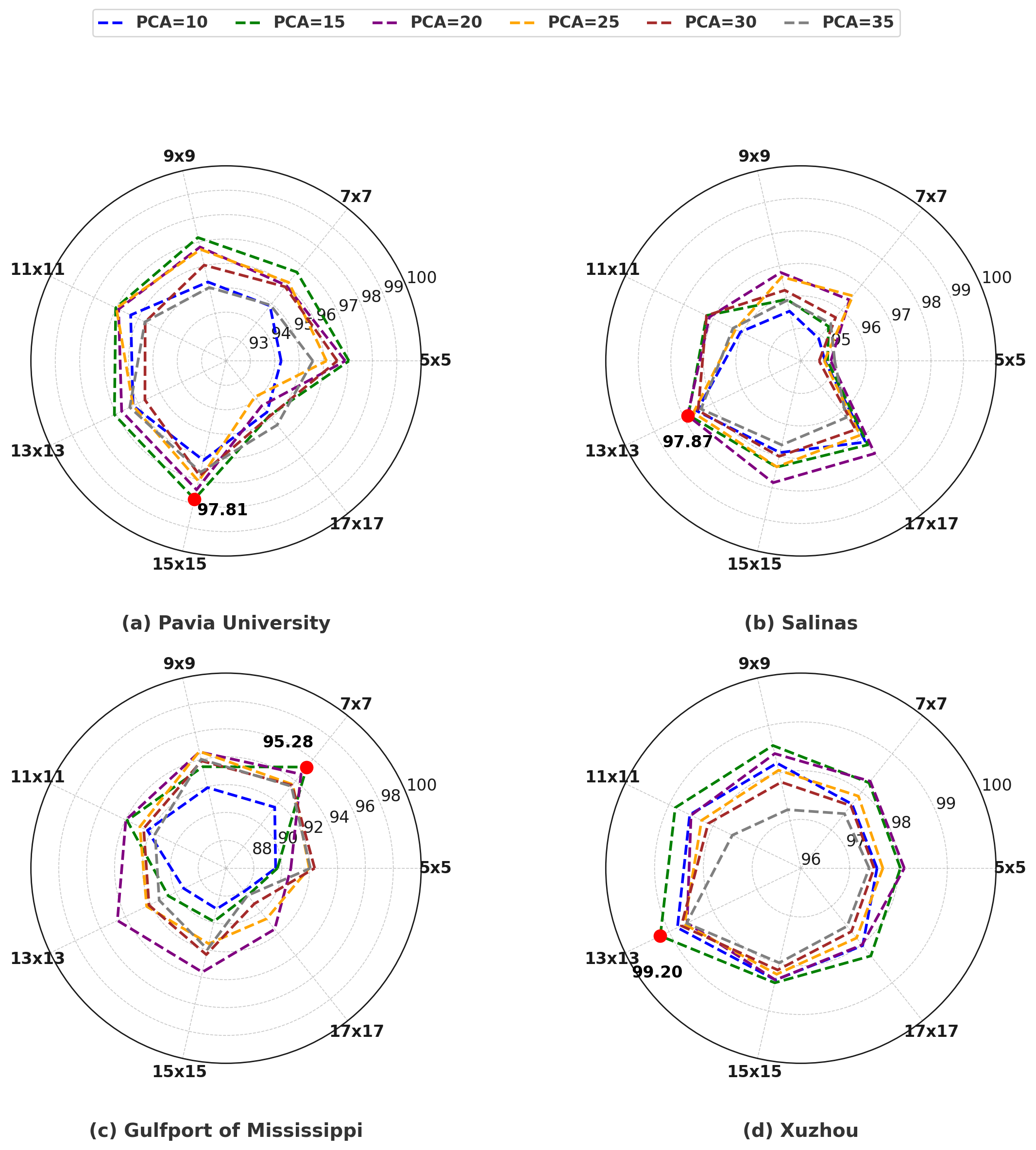
Figure 2: Parameter Radar (Spider) plots of Overall Accuracy across four datasets, highlighting optimal tunings for patch size and PCA count.
Attention Mechanism Comparison
The efficacy of several attention modules—CBAM, SE, ECA, and CA—is empirically evaluated within the MixerNet backbone. Results unequivocally demonstrate that coordinate attention yields the highest improvements in overall accuracy, average accuracy, and Kappa coefficients, outperforming all other attention variants across distinct datasets. This underscores the value of spatially-aware, channel-refined attention for HSI classification.
MixerCA exhibits marked superiority over traditional machine learning classifiers (SVM, MLP), CNN-based architectures (2D-CNN, 3D-CNN, Tri-CNN, PMI-CNN, HybridSN), and transformer-based models (ViT, Swin Transformer). Strong results are consistently observed across datasets, with MixerCA often outperforming the next best model by 1–2% OA and substantially higher average class accuracy, particularly in under-represented or rare classes. MixerCA achieves an OA of 97.81% (PU), 97.87% (SA), 95.28% (GP), and 99.20% (XZ), with minimal misclassification and improved spatial coherence.
Visual inspection of classification maps for each dataset corroborates these quantitative findings, highlighting MixerCA's ability to preserve structural details and minimize misclassifications, especially in challenging or spatially ambiguous classes.
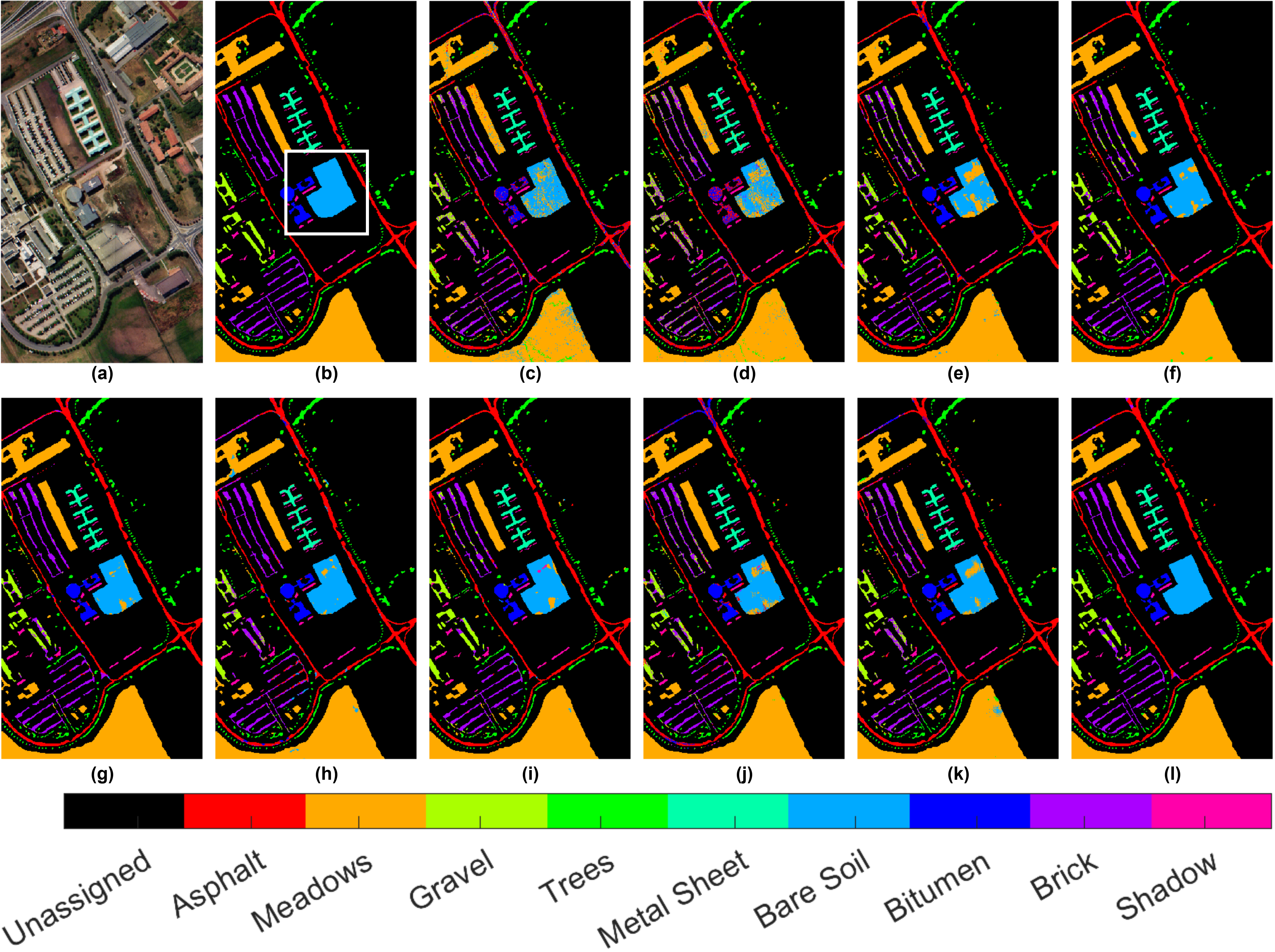
Figure 3: Classification results for the Pavia University dataset, showcasing MixerCA’s improved spatial consistency and reduced misclassification.
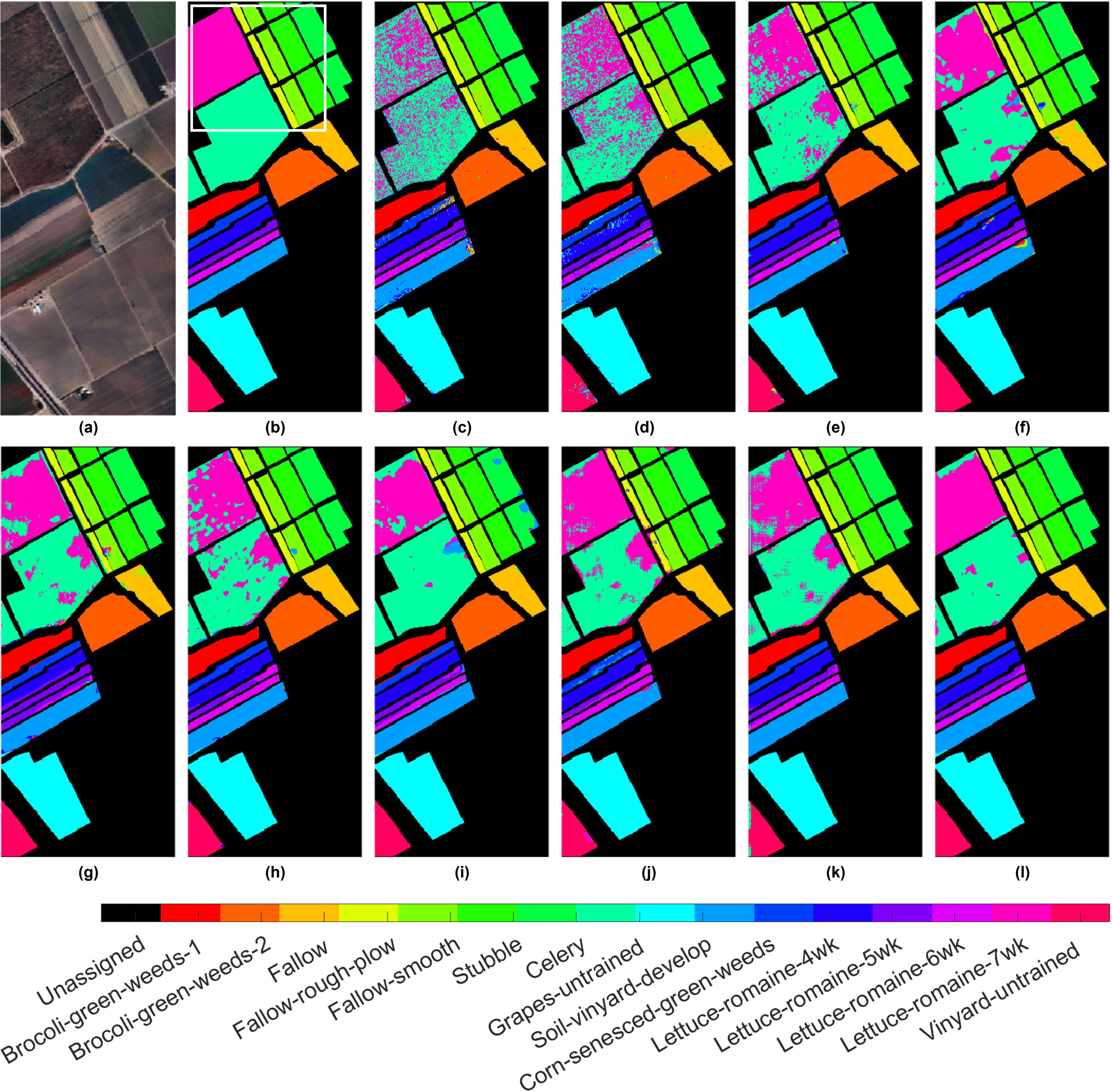
Figure 4: Classification results for Salinas, with MixerCA preserving class boundaries and spatial coherence.
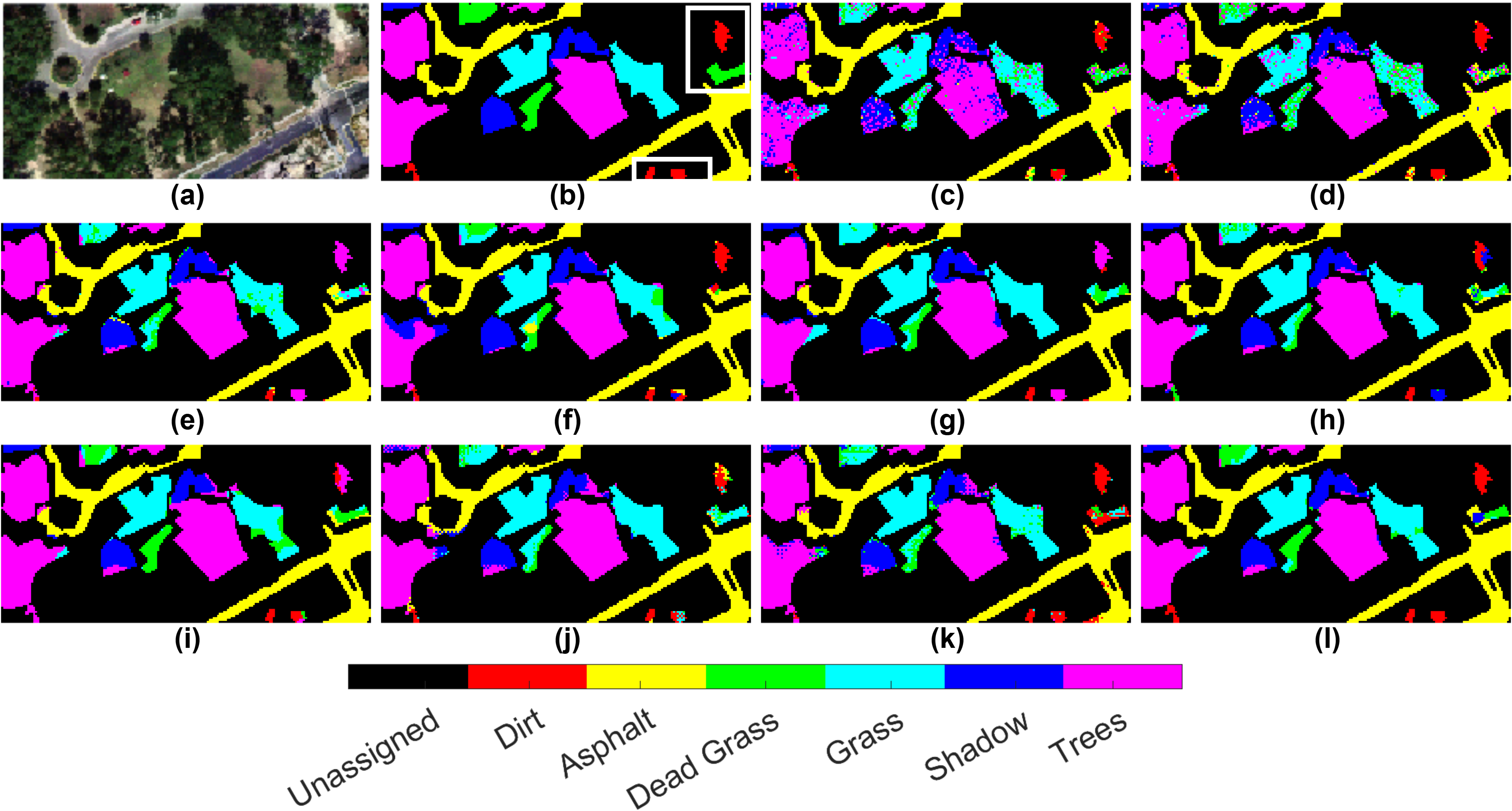
Figure 5: Classification results for Gulfport of Mississippi, demonstrating MixerCA’s generalization in rare classes.
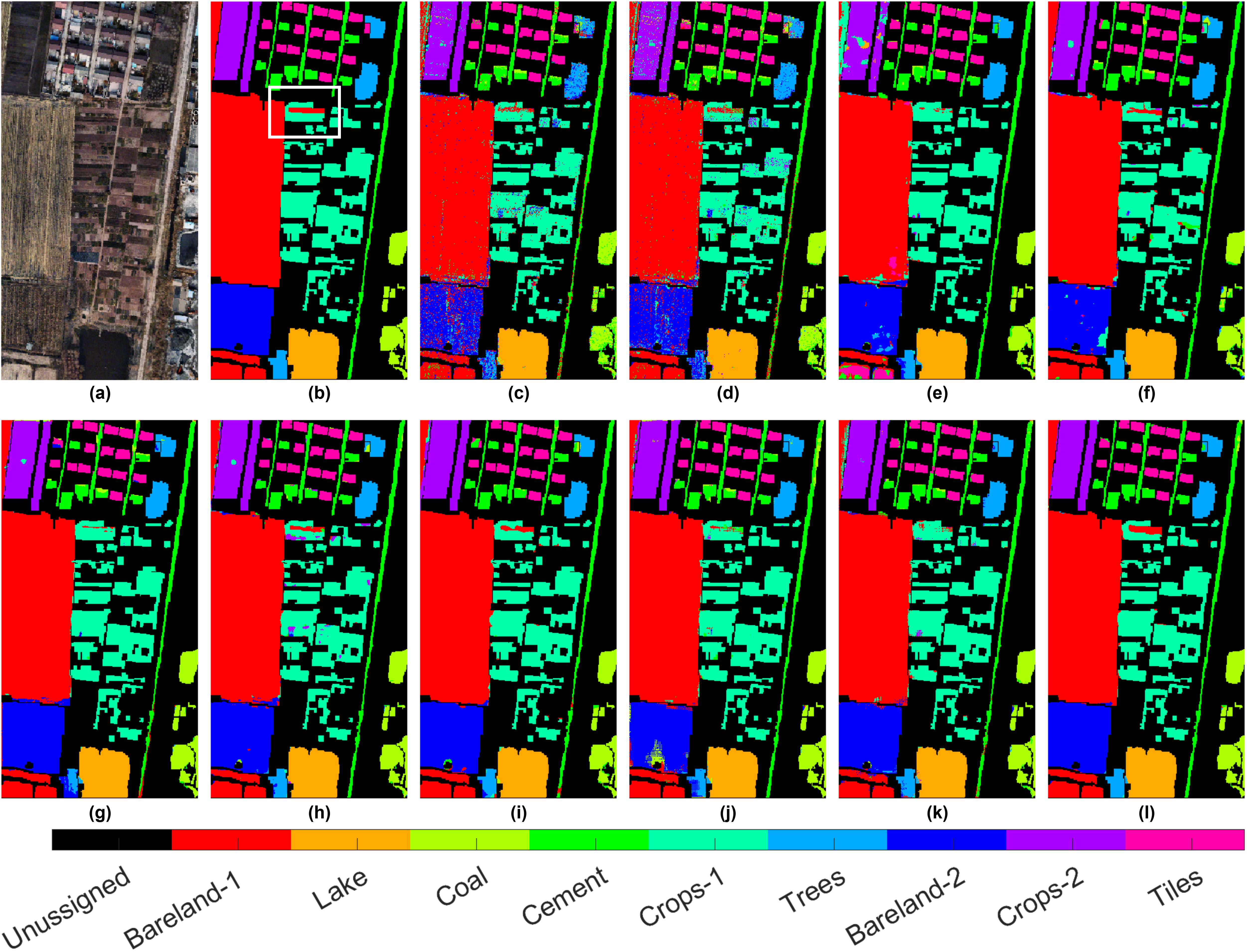
Figure 6: Classification results for Xuzhou, with MixerCA achieving high spatial coherence and accuracy.
MixerCA provides a compelling trade-off between computational efficiency and predictive performance—maintaining a low parameter count (59,889), reduced FLOPs (19M), and MACs (9.3M)—while outperforming parameter-heavy models including Tri-CNN and HybridSN.
Scalability, Generalization, and Robustness
MixerCA retains its performance advantage across several additional HSI datasets from diverse sensors, demonstrating scalable generalization with minimal training data. The model’s accuracy remains robust as the percentage of training samples increases, outperforming all comparisons even at the lowest supervision ratios. The classification accuracy with respect to training sample percentages is consistent, revealing a monotonic improvement with more data, yet MixerCA maintains superiority even under extreme data scarcity.
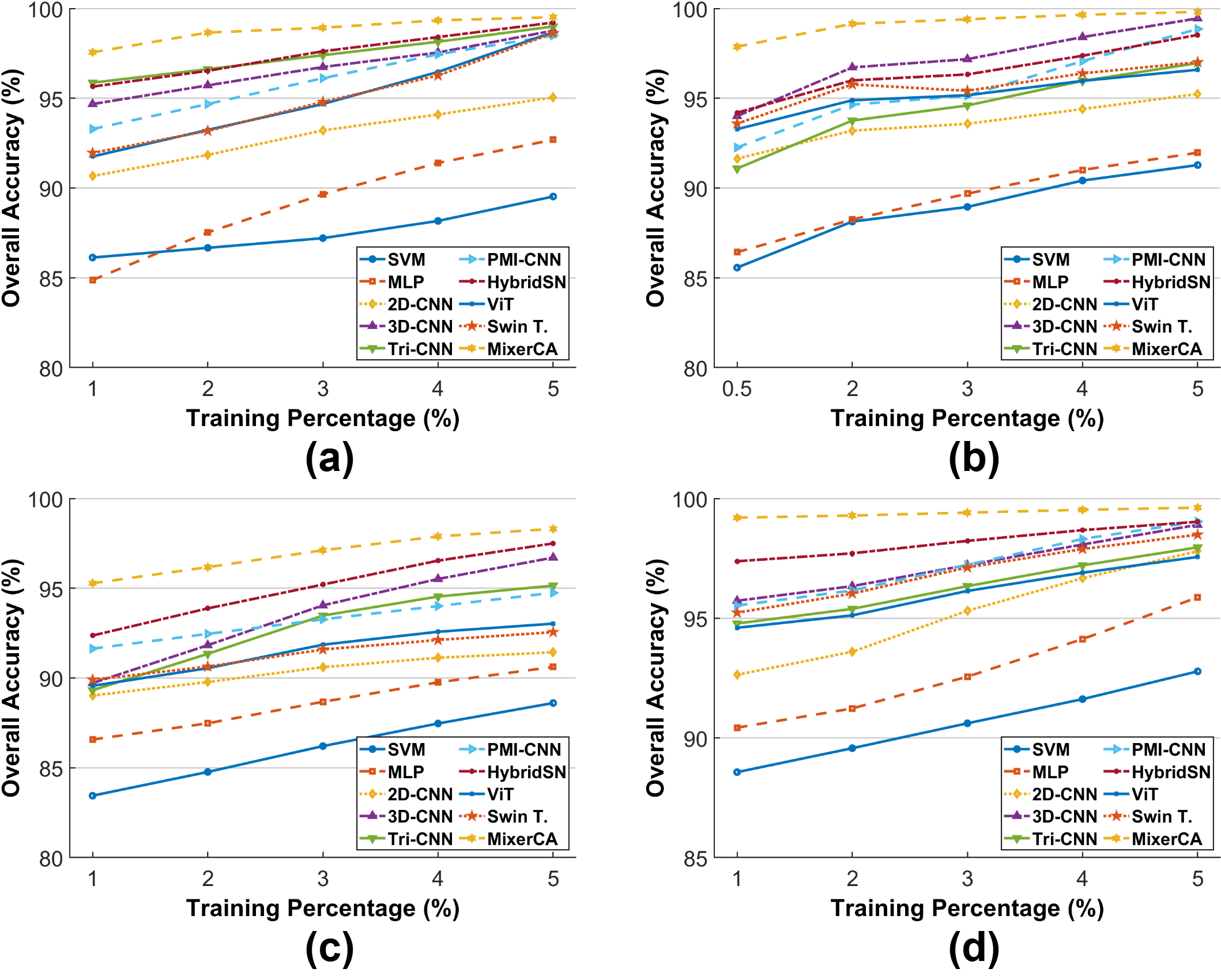
Figure 7: Overall Accuracy as a function of training percentage, illustrating MixerCA’s superior generalization with minimal annotated data.
Implications, Limitations, and Speculative Directions
Practically, MixerCA’s performance and efficiency position it as a viable solution for real-time, large-scale remote sensing delivery, including land cover mapping, precision agriculture, and environmental monitoring. The model's ability to generalize from minimal supervision is valuable for operational scenarios with limited labeled data. Theoretically, the integration of multi-scale depthwise convolution, token/channel mixing, and spatially-aware attention advances the state-of-the-art in spectral-spatial modeling for high-dimensional input domains.
Limitations are observed with respect to label dependency—performance is tied to dataset quality and annotation abundance. Future research should leverage self-supervised, semi-supervised, and domain-generalization paradigms to further reduce annotation reliance. Additionally, exploration of pruning, knowledge distillation, and multimodal fusion (LiDAR, SAR, RGB) promises greater discriminative power and computational efficiency. Advancing interpretability, uncertainty quantification, and hierarchical scene modeling are recommended for practical integration and trustworthy deployment in mission-critical applications.
Conclusion
MixerCA establishes a new benchmark for efficient and accurate HSI classification by adapting convolutional, mixer, and attention paradigms to the spectral-spatial domain. The model’s architecture provides a computationally tractable yet expressive feature extractor, validated across multiple datasets and scenarios. Its strong numerical results, generalization under low supervision, and effective attention mechanism highlight practical and theoretical advances. Future work should address scalability, label scarcity, multimodal integration, and interpretability, deepening the model's utility for real-world remote sensing and AI-driven environmental analytics.