- The paper introduces the Cognitive Companion, a parallel monitoring system that detects and intervenes in LLM reasoning degradation.
- It employs both LLM-based and probe-based companions to assess semantic states, achieving up to 52% reduction in repetition with minimal compute overhead.
- Results suggest selective deployment for loop/drift tasks, offering a scalable, zero-overhead solution for robust LLM performance.
The Cognitive Companion: Parallel Monitoring for Detecting and Recovering from Reasoning Degradation in LLM Agents
Introduction
"The Cognitive Companion: A Lightweight Parallel Monitoring Architecture for Detecting and Recovering from Reasoning Degradation in LLM Agents" (2604.13759) addresses a critical unmet need in the deployment of LLM agents for extended reasoning tasks: robust, low-overhead monitoring and repair of cognitive state degradation. LLM agents commonly exhibit semantic-level failures manifested as looping, drift, or stuck states, particularly during multi-step reasoning, with significant recurrence in current architectures. The authors introduce the Cognitive Companion—a three-component framework with both a classical LLM-based monitor and a novel hidden-state probe companion that performs zero-overhead semantic monitoring and selective intervention. The work is motivated by both practical limitations of current production heuristics and theoretical considerations of the semantic capacity encoded within intermediate model states.
Cognitive Companion Architecture
The Cognitive Companion consists of three decoupled but interconnected modules: the Primary Agent, Companion Observer, and Intervention Handler. The Observer continuously samples both the agent's external outputs and internal activations, enabling parallel assessment of the agent’s cognitive state without breaking the forward pass.
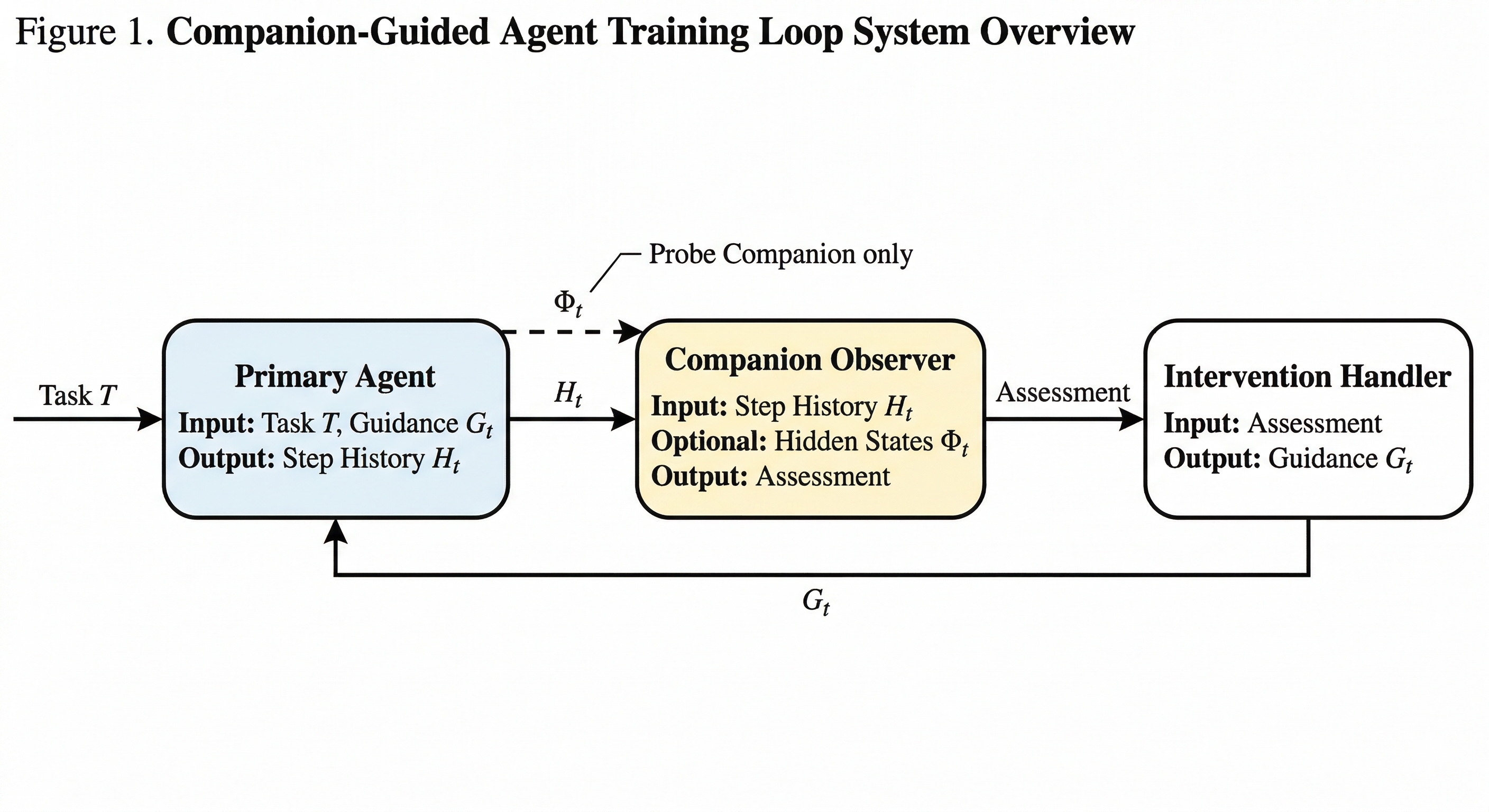
Figure 1: High-level system overview: The Primary Agent conducts reasoning, the Observer monitors for degradation, and the Intervention Handler injects guidance on-demand.
Two implementations are presented:
- LLM-based Companion: Periodically prompts the LLM with recent step history to self-assess for looping, drift, or being stuck.
- Probe-based Companion: Logistic regression probes over selected hidden state layer activations (Gemma 4 E4B, layer 28 yields highest cross-validated AUROC) assess cognitive state in parallel, with zero extra inference overhead.
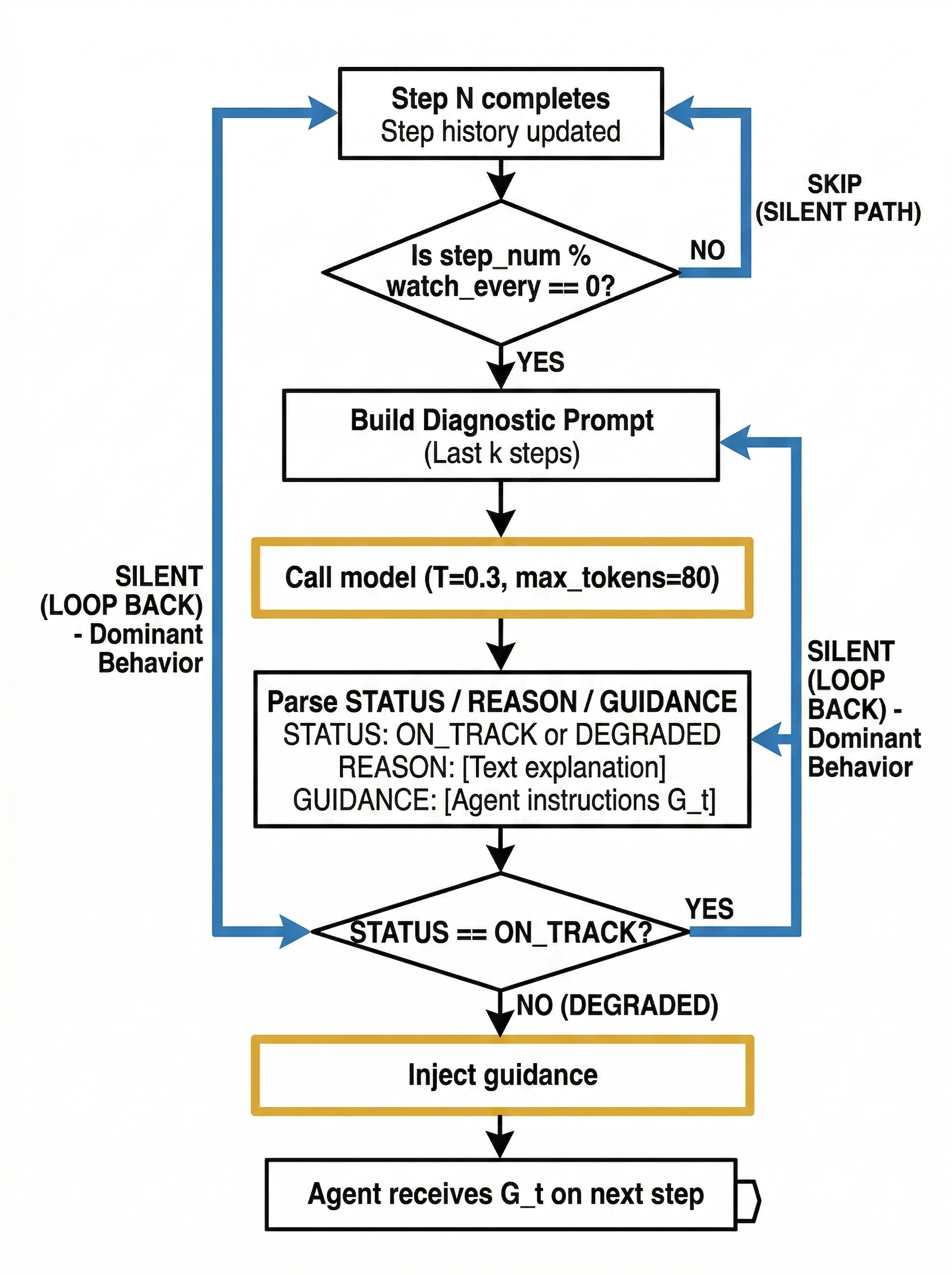
Figure 2: The LLM-based Companion’s decision cycle, using structured prompting for periodic assessment and intervention.
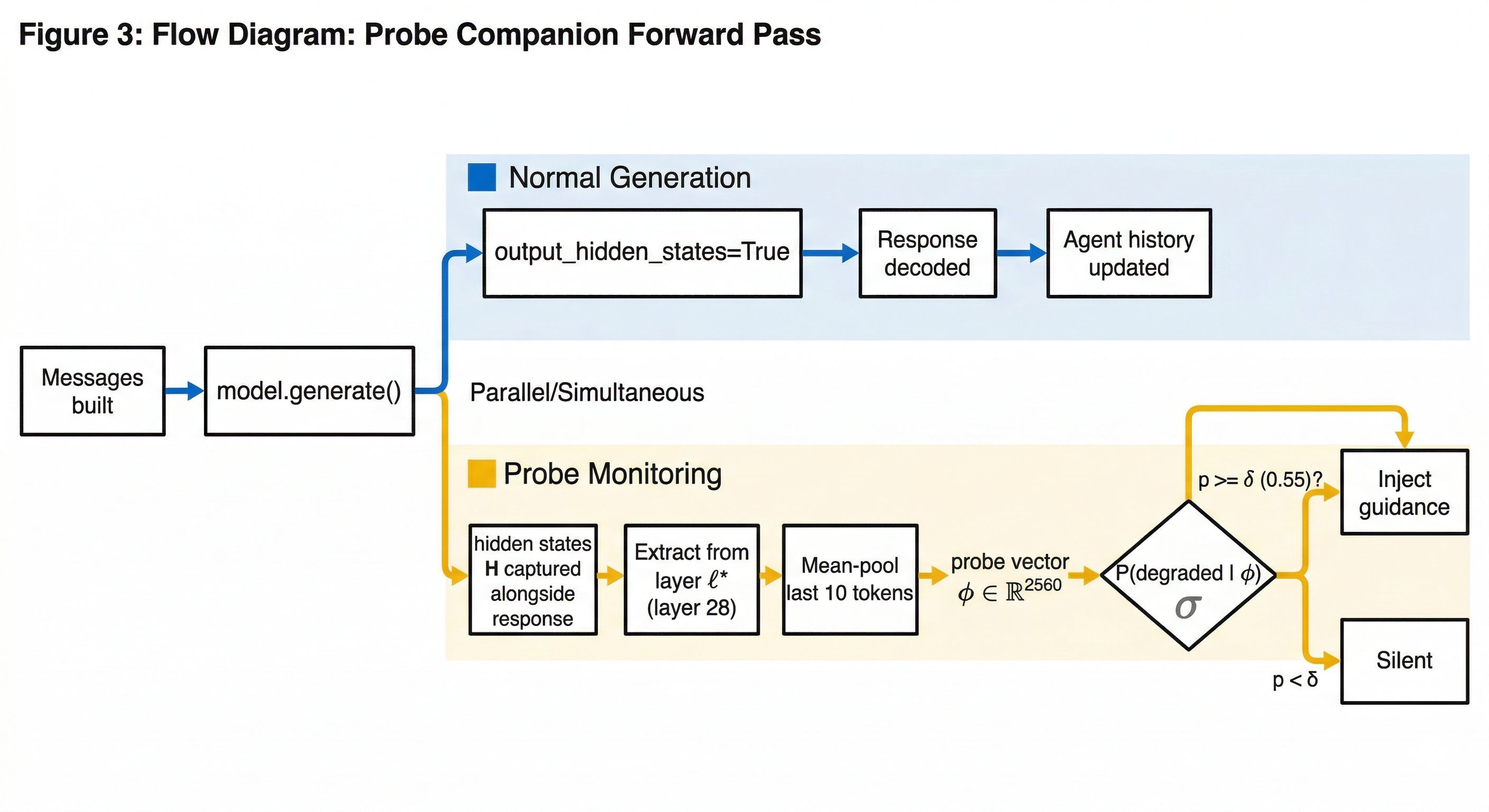
Figure 3: The Probe Companion’s forward pass pipeline, extracting hidden states during ongoing generation without additional compute.
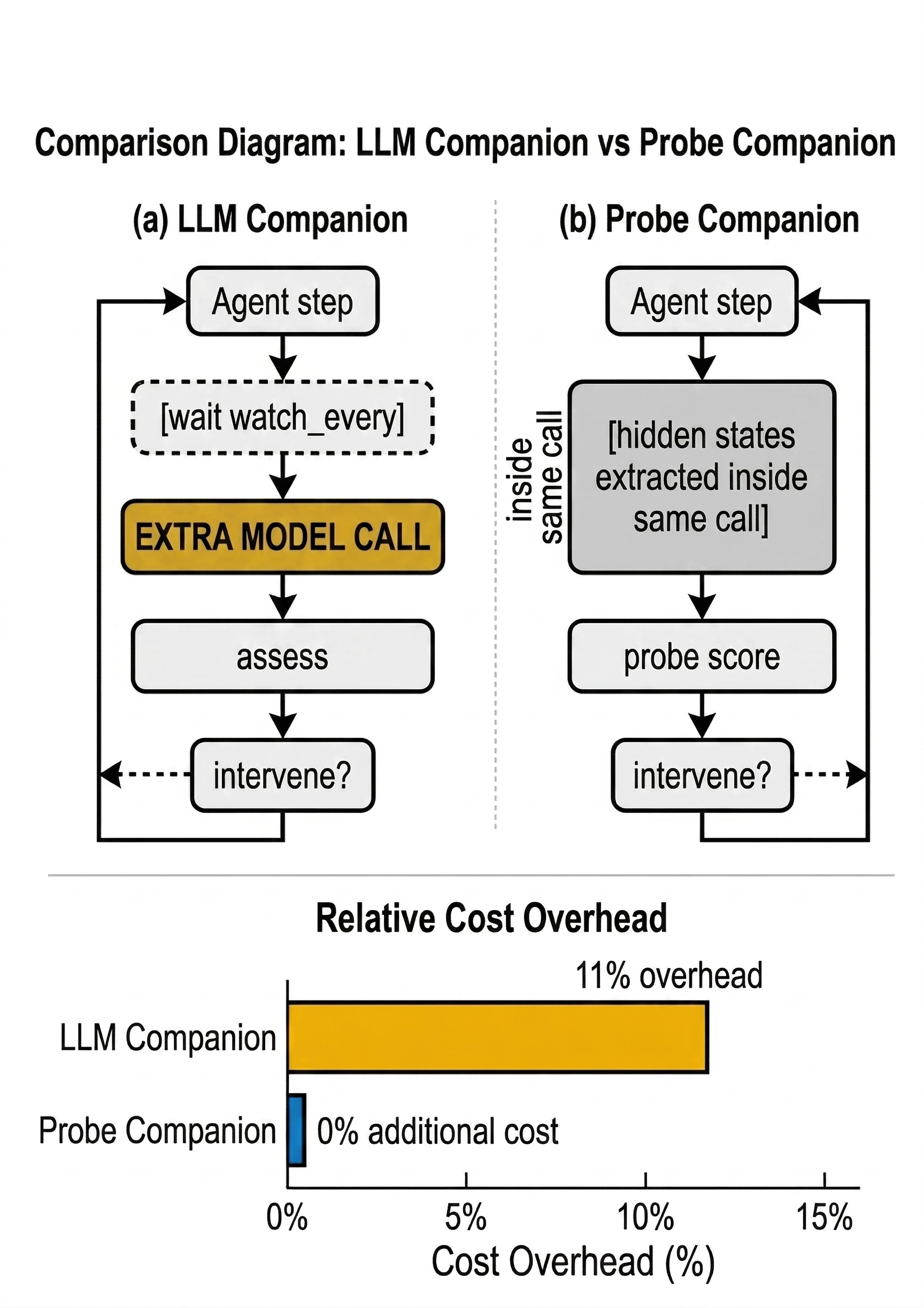
Figure 4: Architectural trade-off: LLM-based monitoring incurs extra inference, while Probe-based monitoring seamlessly piggybacks on the existing pass.
The architecture supports three intervention modes: silent "whisper" injection, surface-level alerting for operator review, and full autonomy. In all experiments, silent guidance is injected into the agent context upon detection of cognitive degradation.
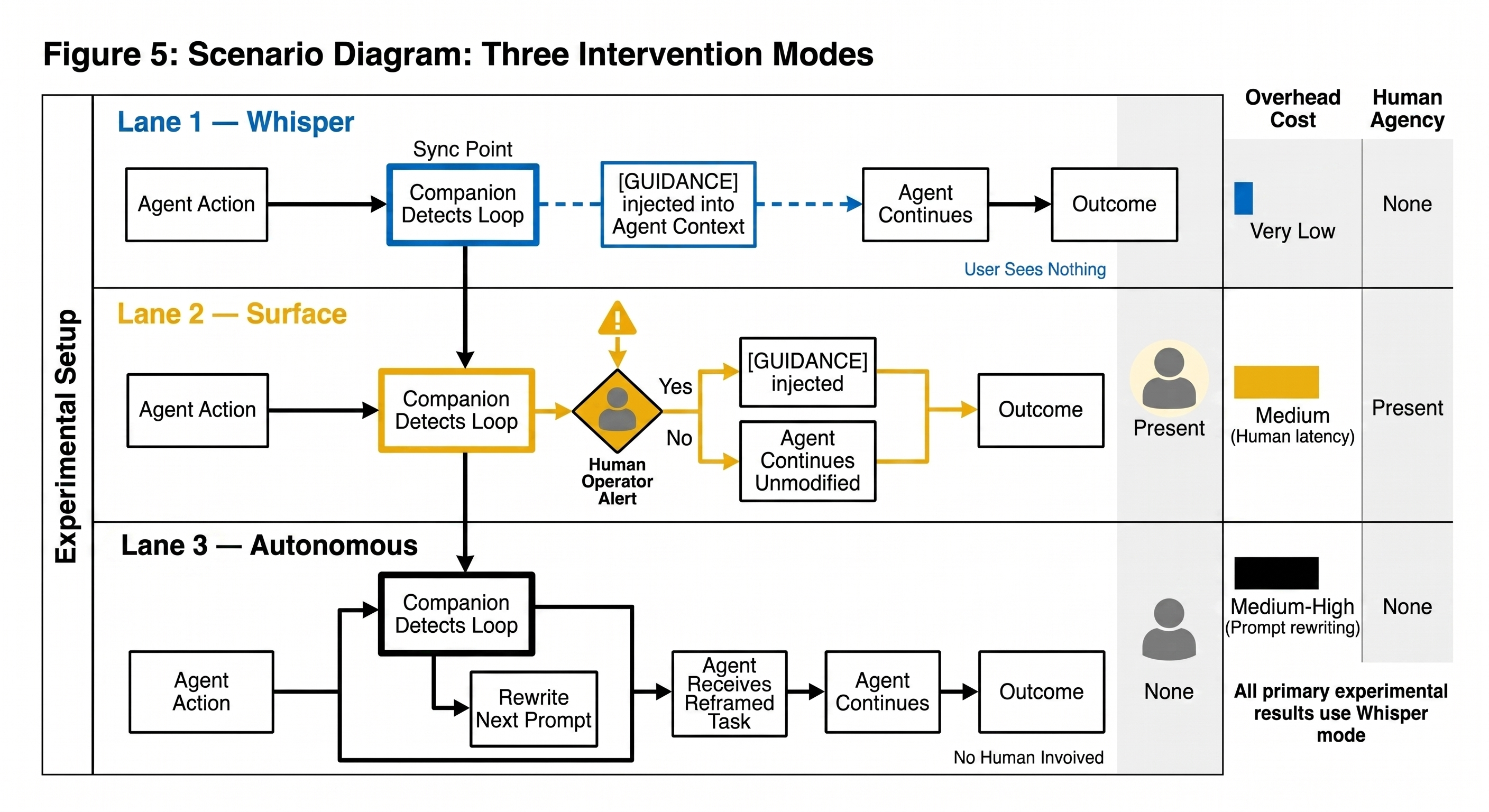
Figure 5: Three distinct intervention modalities matching deployment demands, from human-in-the-loop to fully autonomous.
The authors formalize agent operation as a sequence of reasoning steps with explicit history tracking. They introduce a four-way taxonomy (ON_TRACK, LOOPING, DRIFTING, STUCK), reduced to a binary degraded/non-degraded class for probe training. The companion’s objective is to minimize a composite loss comprising missed degradation, unnecessary interventions, and compute overhead, with the explicit trade-off reflecting deployment constraints.
The probe extracts mean-pooled final-token hidden states from candidate transformer layers, with classifier training relying on a small proxy-labeled dataset (primary limitation). Layer 28 is identified as optimal given available evidence.
Experimental Design
Three experiments (E1–E3) are conducted:
- E1 (LLM Companion, Gemma 4 E4B): Initial feasibility on the loop-prone Liar Paradox.
- E2 (LLM vs Probe Companion, Gemma 4 E4B): Multi-condition, multi-task evaluation covering loop-prone, drift-prone, and structured tasks.
- E3 (Qwen 1.5B, Llama 1B): Exploratory evaluation probing scale limitations.
Jaccard similarity is the principal repetition metric, complemented by model/self-evaluated step-wise proxy quality. Cohen’s d quantifies effect sizes. All probe classifiers are trained on in-domain proxy labels generated by the LLM Companion, with class imbalance noted.
Empirical Results
LLM-Based Monitoring
Experiment 1 demonstrates the LLM Companion can reduce repetition on the Liar Paradox by 52% (mean reduction), with modest improvement in proxy quality and 10–11% compute overhead; efficacy is associated with timely intervention points.
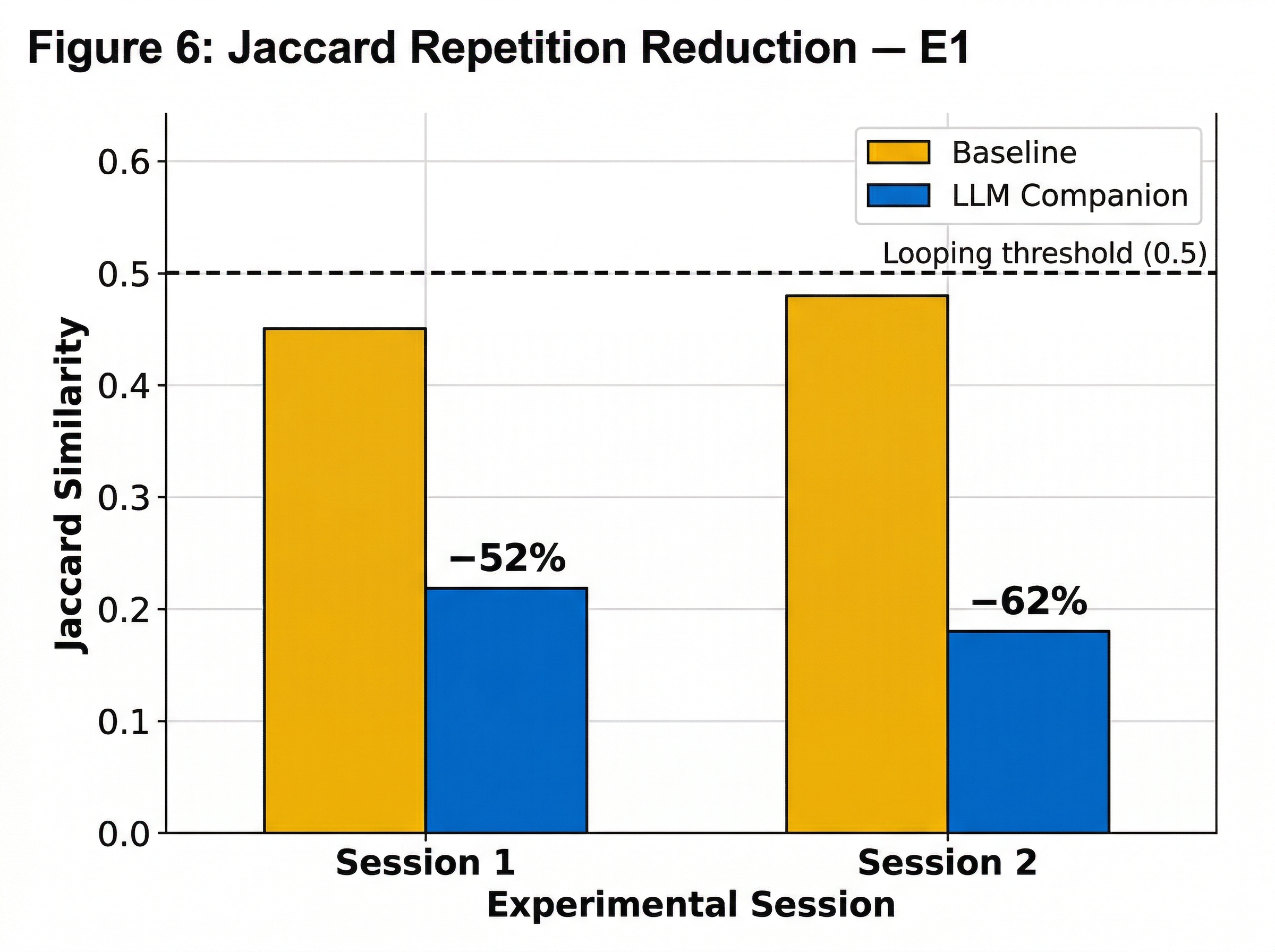
Figure 6: Jaccard repetition reduction in initial sessions—companion intervention substantially decreases redundant output.
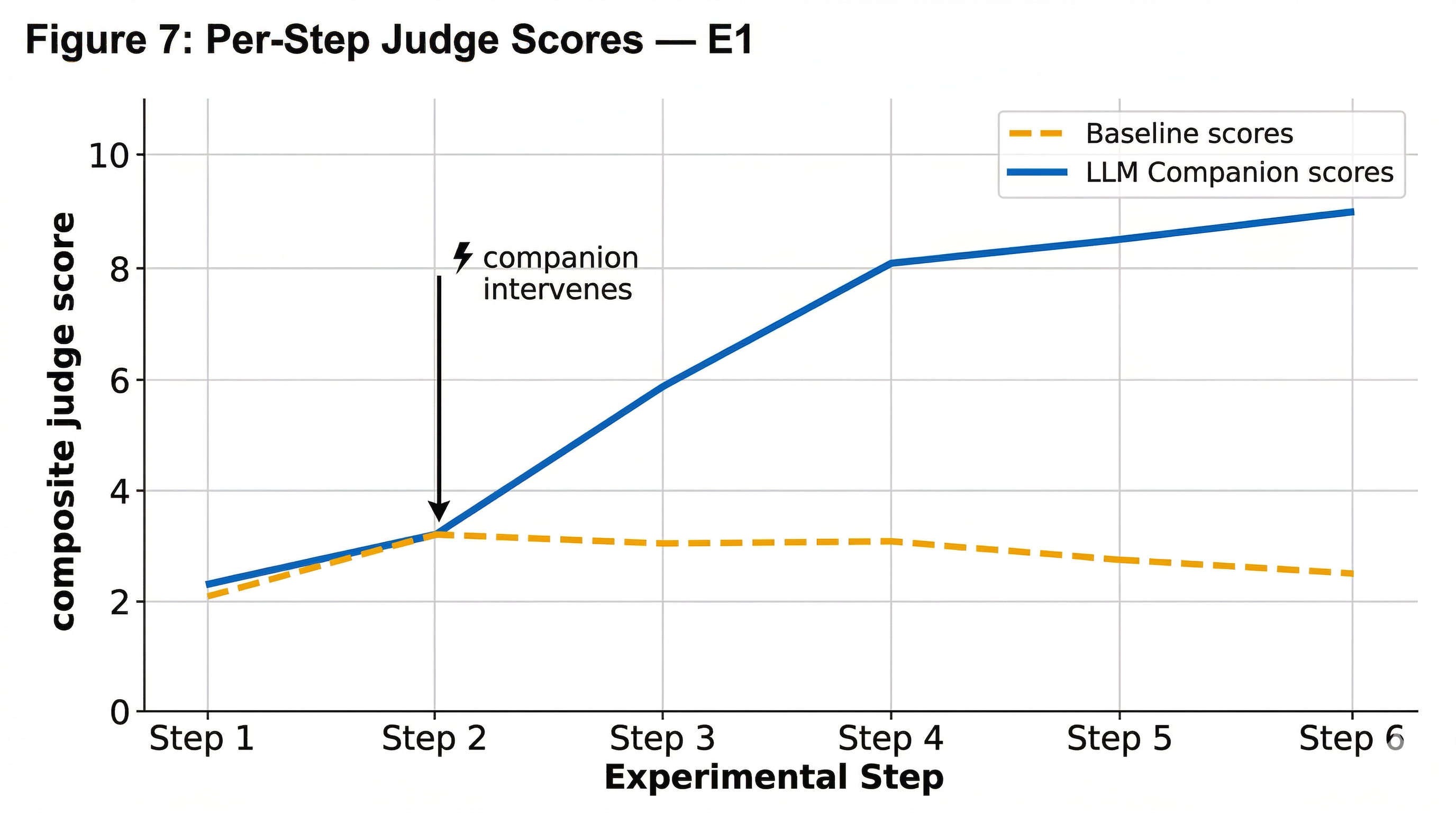
Figure 7: Proxy quality progression, visually linking intervention timing with improved agent performance.
Probe-Based Monitoring
In Experiment 2, the Probe Companion consistently achieves higher mean effect size (+0.471, Cohen’s d; strongest AUROC 0.840) at zero measured inference cost, outperforming LLM-based monitoring in most loop-prone and drift-prone settings.
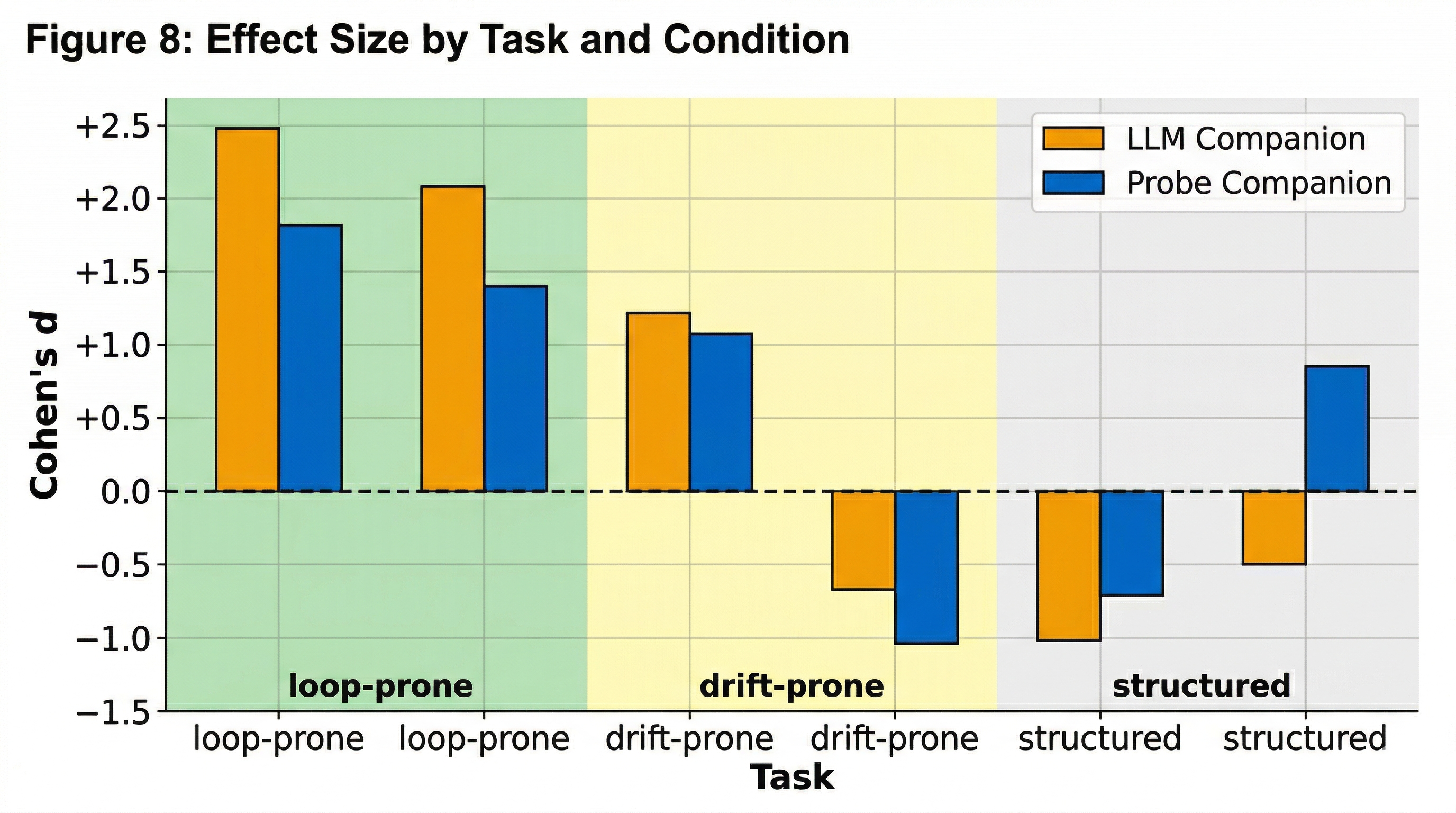
Figure 8: Effect size analysis by task type, highlighting the beneficial impact of the companion on loop- and drift-prone categories.
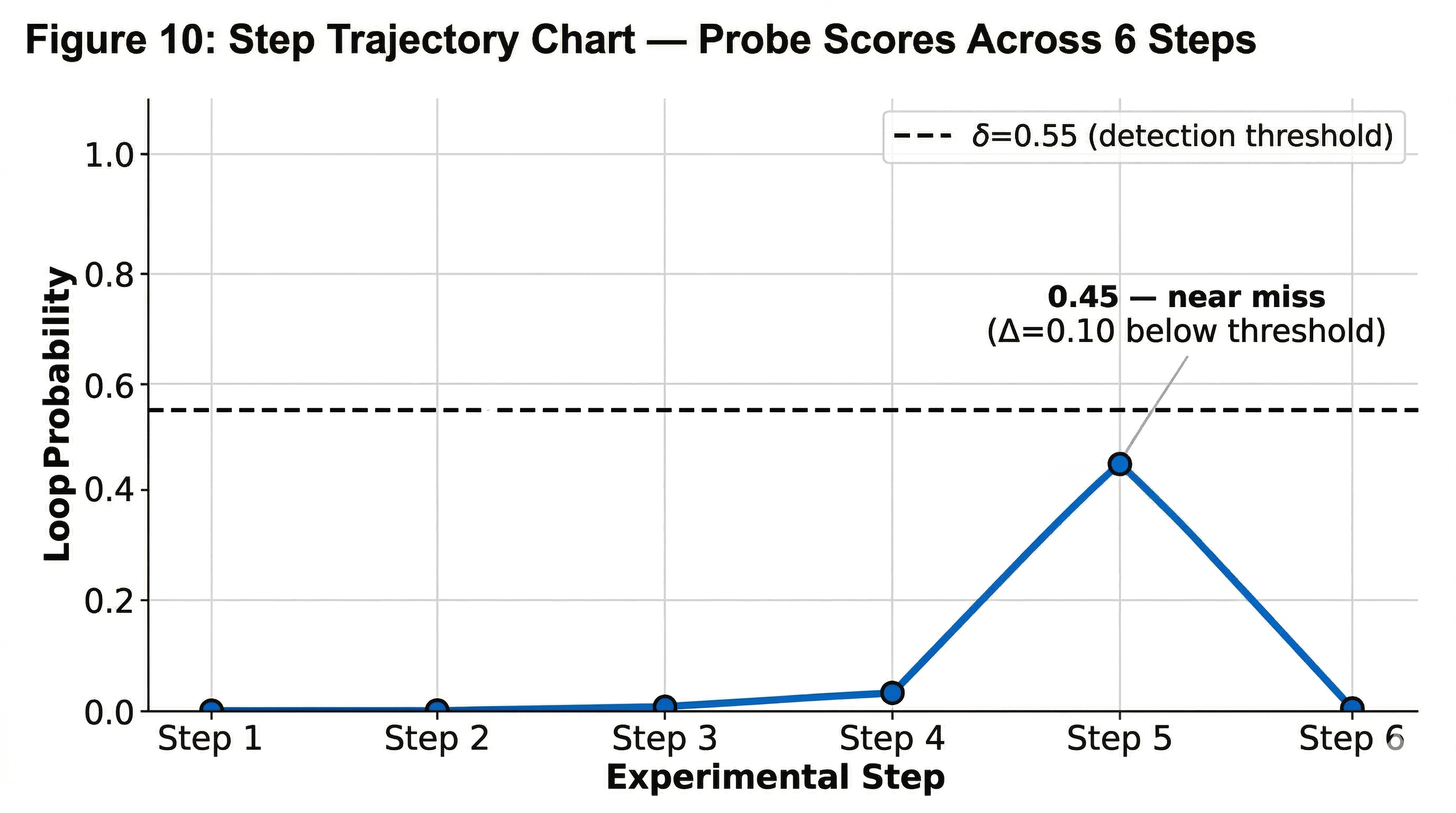
Figure 9: Probe score trajectories reveal high signal detection sensitivity as a function of reasoning step progression and threshold choices.
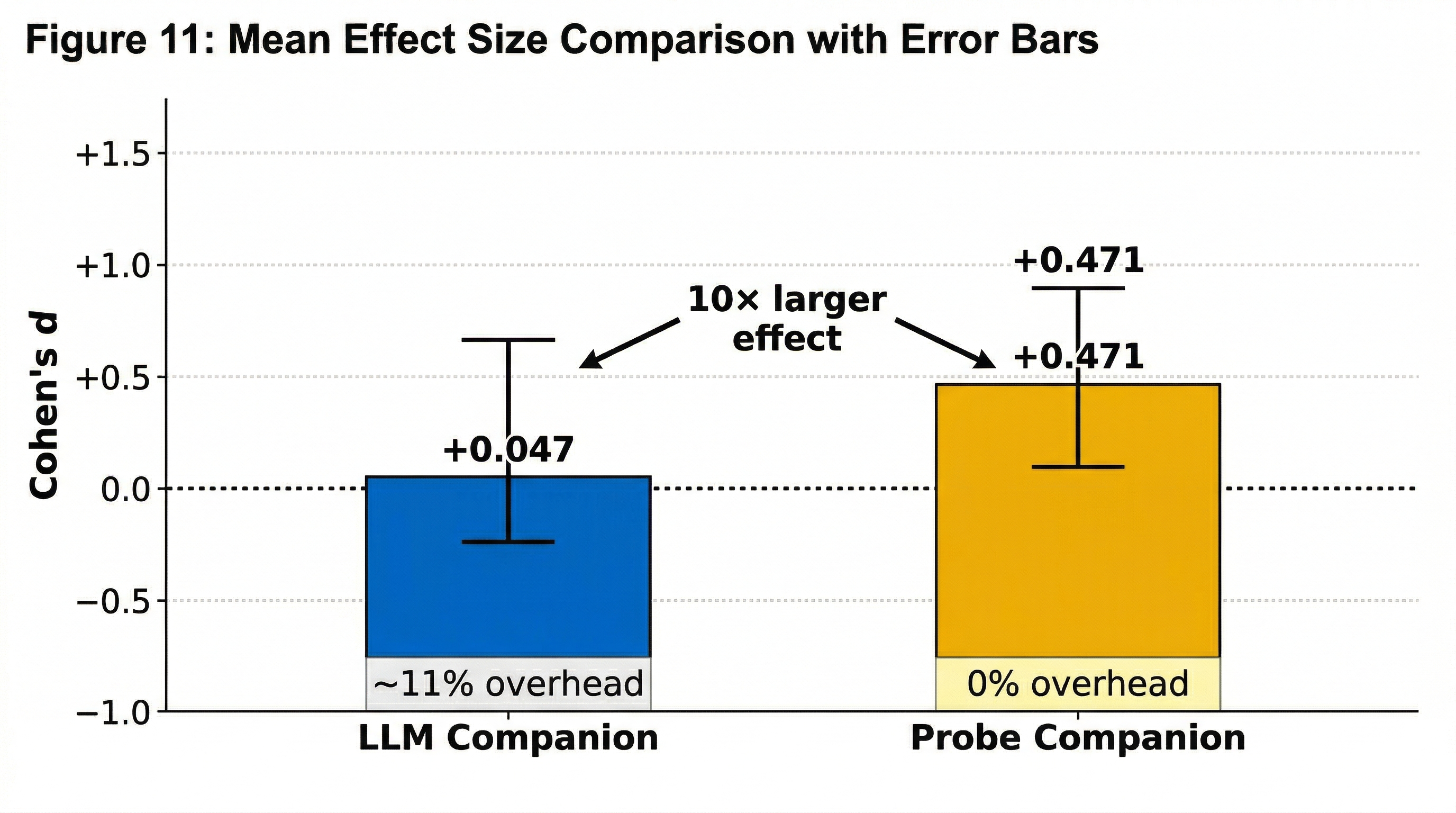
Figure 10: Probe Companion’s mean effect size advantage over LLM-based monitoring at no additional computational expense.
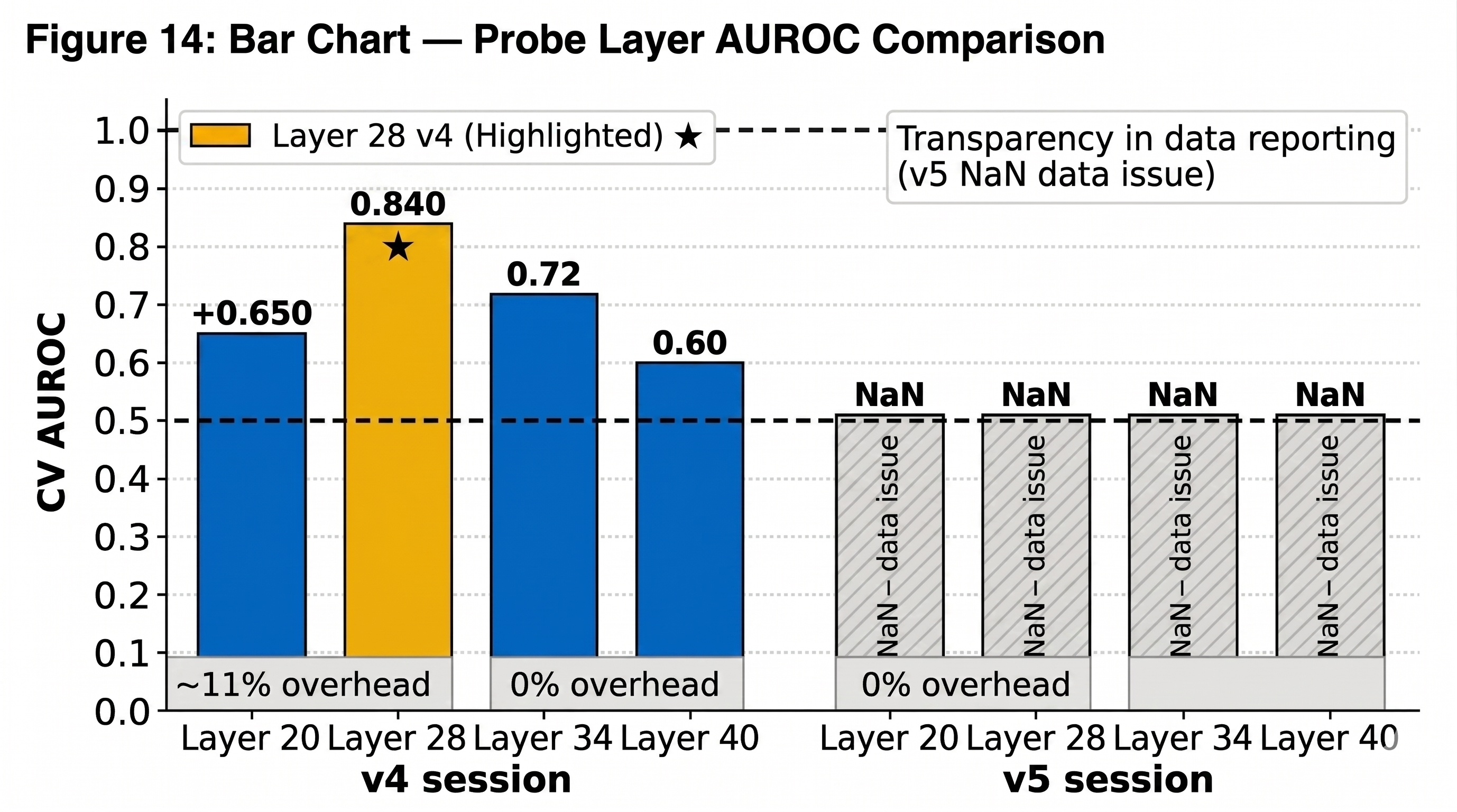
Figure 11: Layer selection for probe classifier—layer 28 yields the highest cross-validated AUROC despite small dataset variance.
Task-Type Sensitivity
Companion benefits are highly task-type dependent. Loop-prone and drift-prone tasks exhibit clear improvements, while structured tasks (DB decision, algorithm design) show neutral or negative effects—sometimes favoring baseline agent behavior without monitoring.
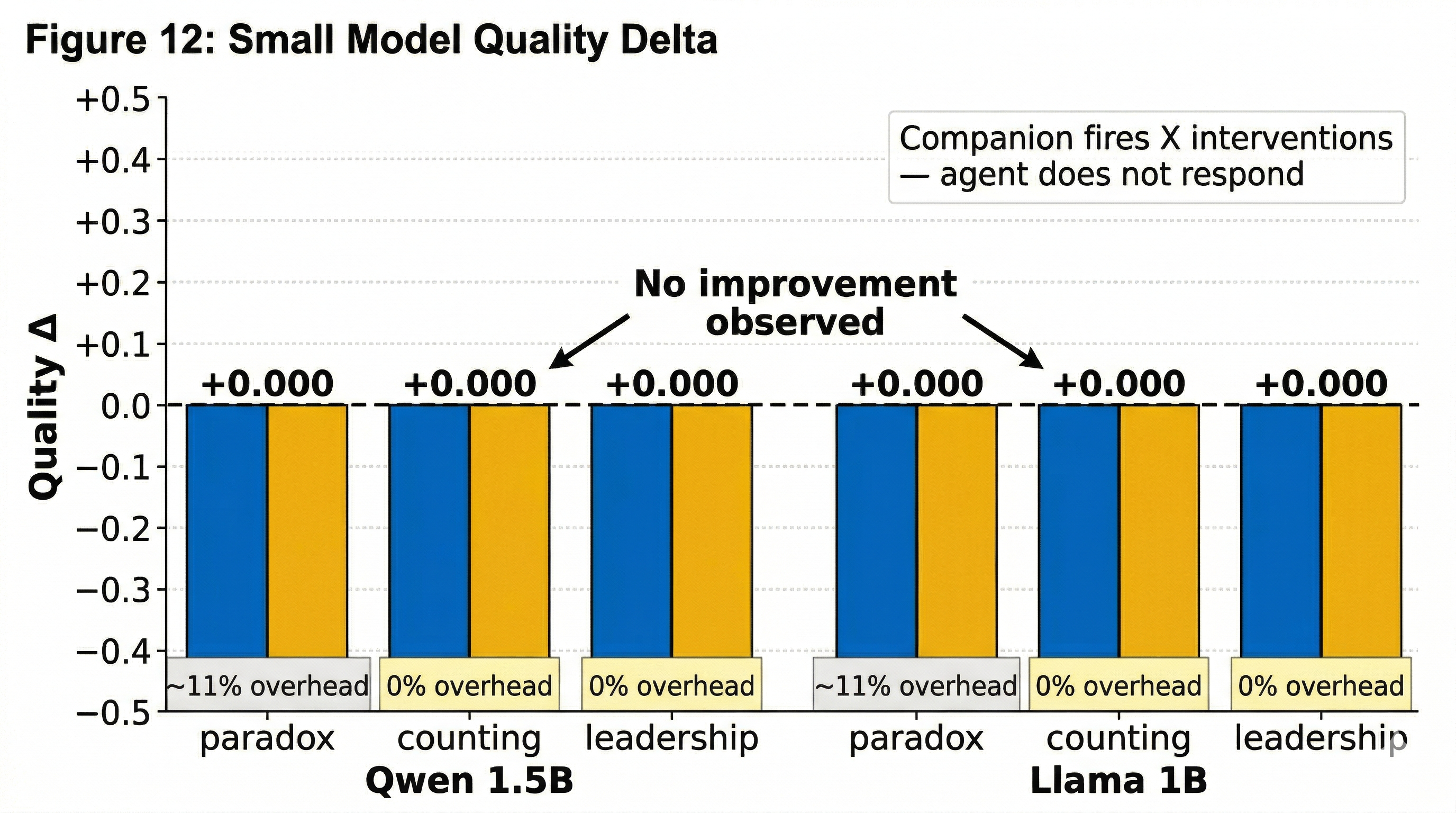
Figure 12: Small models (≤1.5B parameters) fail to show improvement, indicating a lower boundary for effective cognitive intervention.
Task-Specific Deployment Implications
Empirical results support a selective deployment heuristic: activate the Companion for loop/drift-prone tasks, bypass for structured tasks.
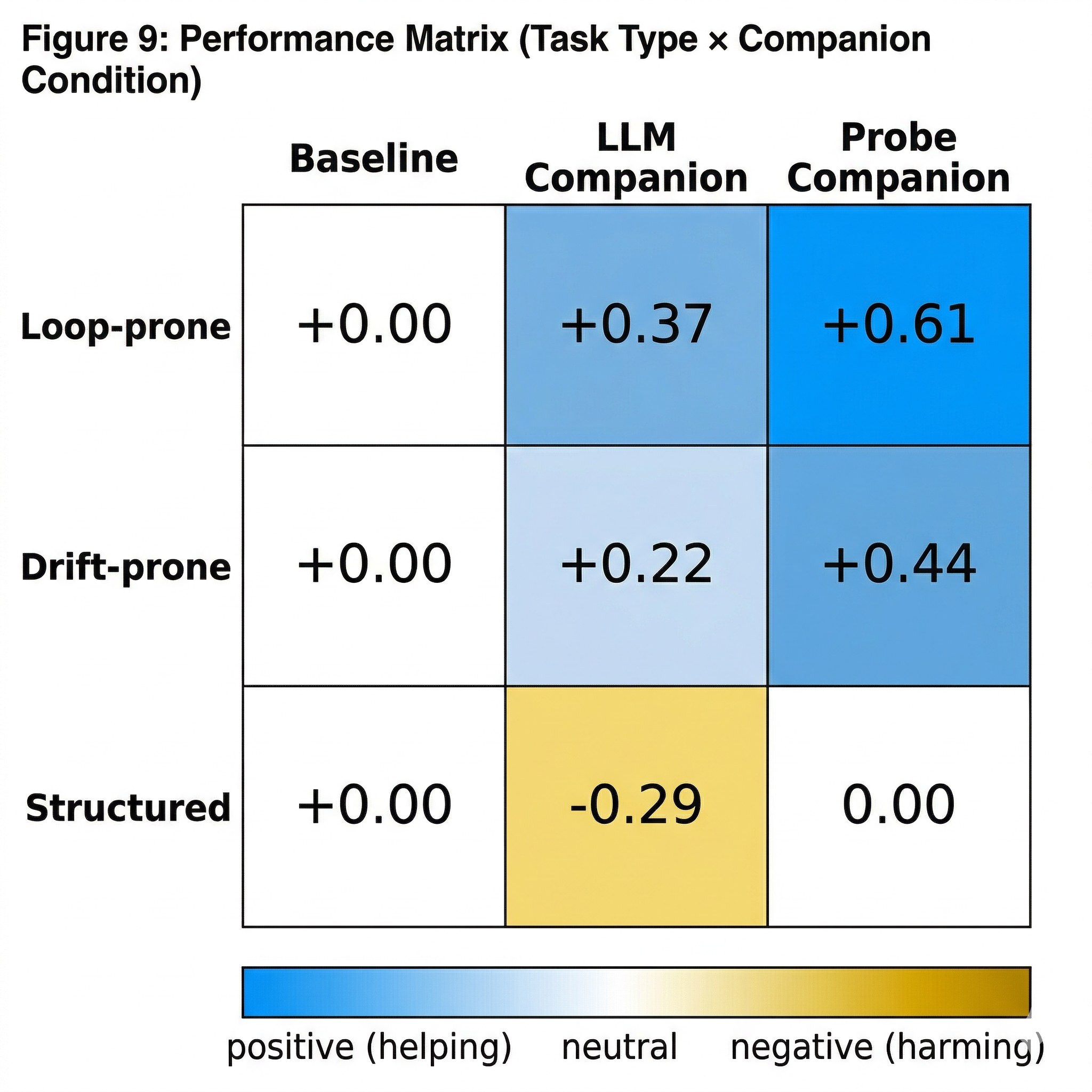
Figure 13: Heatmap visualization of companion effectiveness across task categories, clarifying activation zones for deployment.
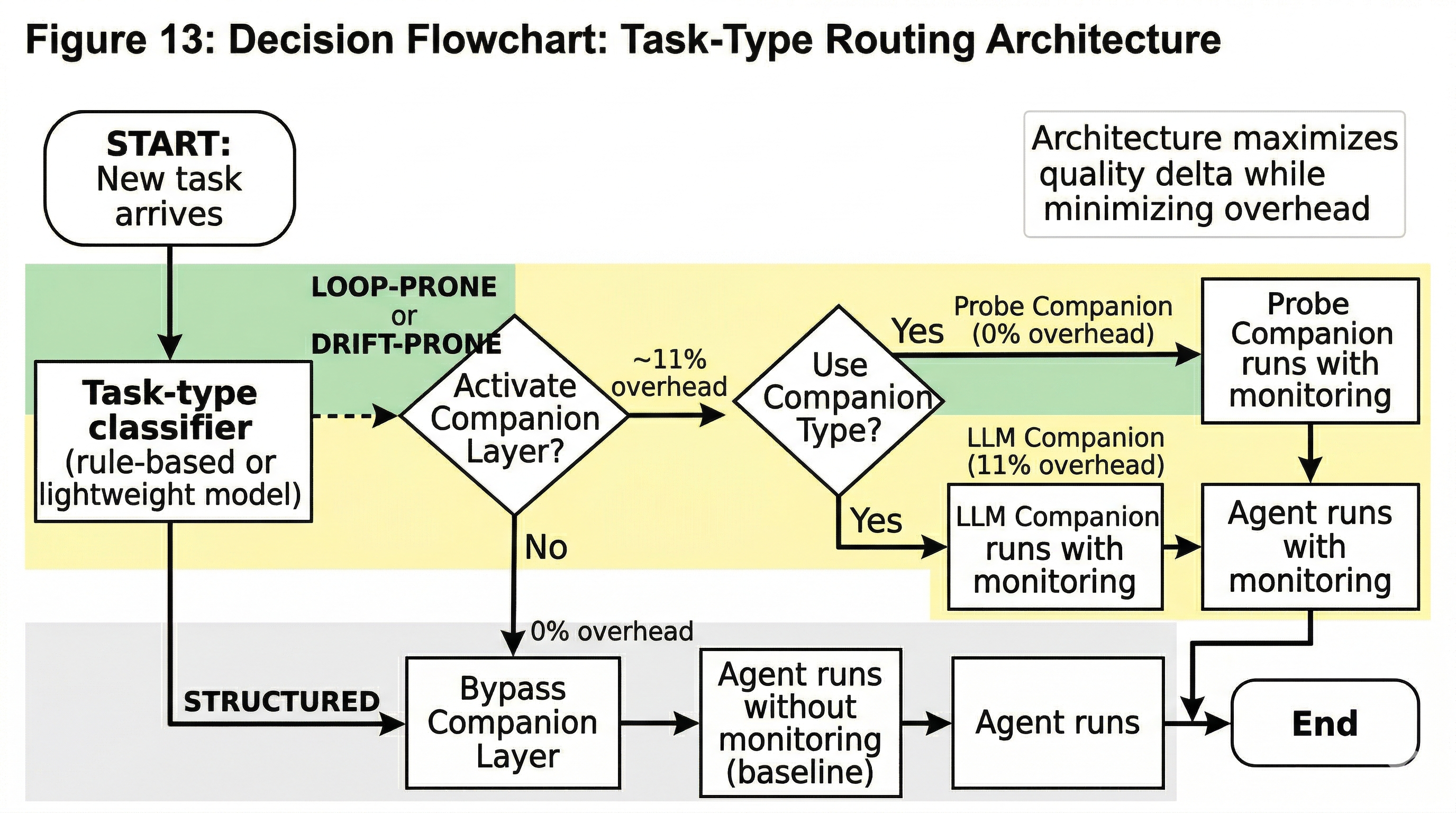
Figure 14: Illustration of a selective routing architecture translating empirical findings into deployment strategy.
Limitations
The principal limitations are methodological. The probe classifier is trained on only ~35 in-domain proxy-labeled examples, with significant class imbalance in some splits (as few as 3 degraded examples in v5). Quality assessment is self-referential in main experiments, introducing observer bias. The scope is limited to a single main model (Gemma 4 E4B); small model experiments show no improvement, supporting a hypothesized effectiveness threshold above 3B parameters.
Theoretical and Practical Implications
This work reframes agent monitoring as a semantic cognition problem rather than a purely syntactic one, leveraging the internal representational geometry of large autoregressive models. The Semantic Capacity Asymmetry Hypothesis is validated empirically within the observed domain, supporting ongoing work on representation-based reliability metrics. Practically, the zero-overhead probe pathway makes continuous monitoring tractable for production inference, provided scale and task-type requirements are respected.
Integration with production agent frameworks (e.g., LangGraph, AutoGen, OpenHands) is straightforward given the modular architecture and task-type routing recommendations.
Future Directions
The authors outline a multi-phase future work agenda:
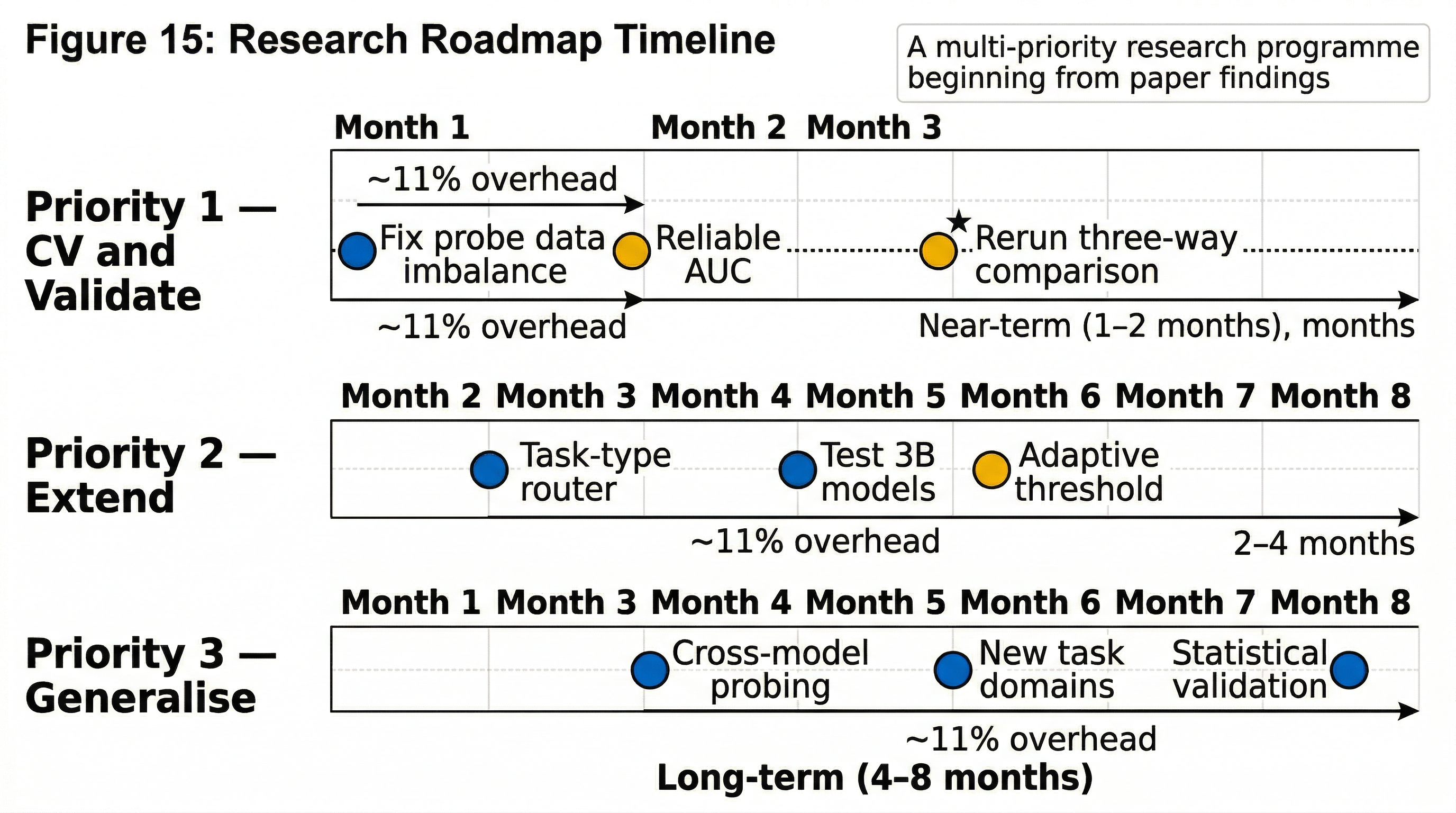
Figure 15: Three-priority roadmap for systematic development: addressing current limitations, extending to broader core findings, and scaling for production.
Priorities include: scaling probe training datasets, introducing external quality assessors for evaluation, formalizing statistical significance frameworks, automated task-type routing, and cross-model/held-out generalization studies. Production-scale validation remains open and essential.
Conclusion
This study substantiates the feasibility of parallel, zero-overhead cognitive monitoring via hidden state probing in LLM agents. The Probe Companion achieves strong in-domain effect sizes with no inference penalty, conditional on model scale and task class. However, all claims are appropriately bounded by small-sample, in-domain evaluation, proxy labels, and lack of robust statistical generalization. The task-type sensitivity finding motivates selective deployment and compositional architectures, rather than universal, always-active supervisors.
These contributions establish a rigorous architectural and empirical baseline for subsequent research on scalable, semantic-sensitive agent supervision in advanced LLM systems.