- The paper introduces a novel web platform integrating benchmark-based GPU performance scaling, DVFS power modeling, and multi-year TCO evaluation for HPC clusters.
- It employs a modular pipeline from user input to visualization, enabling systematic trade-off analysis of performance, energy, and cost factors.
- Case studies demonstrate that energy-efficient, lower-cost GPUs can outperform high-end devices under realistic budget and operational constraints.
Introduction
The proliferation of GPU-accelerated high-performance computing (HPC) clusters has amplified the necessity for multidimensional optimization, balancing computational throughput, energy demand, and economic constraints over multi-year deployments. “Wattlytics: A Web Platform for Co-Optimizing Performance, Energy, and TCO in HPC Clusters” (2604.08182) introduces the first open, interactive web platform purpose-built for system-level decision support. Wattlytics integrates benchmark-driven GPU performance scaling, dynamic voltage and frequency scaling (DVFS)-aware power modeling, and detailed multi-year total cost of ownership (TCO) analysis. The platform’s focus is on enabling cluster designers and operators to navigate complex trade-offs, optimizing system architectures under realistic operational, financial, and sustainability constraints.
Architecture and Modeling
Wattlytics employs a modular pipeline: user input, analytical modeling, scenario analysis, visualization, and collaborative reporting. The user interface allows the configuration of hardware (across contemporary NVIDIA GPUs including GH200, H100, L40S, L40, A40, A100, and L4), workload profiles (e.g., GROMACS, AMBER), and cost structures, with support for real-time market price integration. Benchmark-driven models inform performance scaling and DVFS-aware power estimation, capturing device-specific frequency and power cap effects. The TCO model distinguishes between capital (hardware, infrastructure, software) and operational expenditures (electricity, cooling, maintenance, utilization inefficiency), calibrated for both fixed and variable cost shares.
Sensitivity and uncertainty analyses are integrated, providing elasticity, Sobol indices, and Monte Carlo metrics to identify dominant risk factors and cost drivers in procurement and operational decision-making. Visualization modules deliver comparative heatmaps, bar and pie charts, scenario reports, and shareable links, supporting reproducibility and collaborative evaluation. Wattlytics’ collaborative layer enables persistent and instant sharing via client-side compression and serverless links, and generates automated Markdown summaries for rapid dissemination.
(Figure 1)
Figure 1: Wattlytics architectural flow, emphasizing user-driven input, model-driven analysis, scenario visualization, and reproducible collaboration.
Benchmark-Driven Decision Metrics
Empirical evaluations focus on molecular dynamics (MD) workloads (GROMACS, AMBER), which are highly representative in computational science, but the platform is extensible to any frequency-sensitive application (memory-bound or compute-bound). Through frequency sweeps and power capping experiments, Wattlytics captures the nonlinearity of performance and power scaling across device architectures.
Key multidimensional decision metrics include:
- Work-per-TCO: Quantifies scientific throughput per unit cost, optimizing aggregate work delivered under budget constraints.
- Power-per-TCO: Measures total power draw per unit cost, favoring energy-efficient deployments.
- Work-per-watt-per-TCO: Integrates performance, power, and cost, modeling operational efficiency akin to energy-delay product metrics.
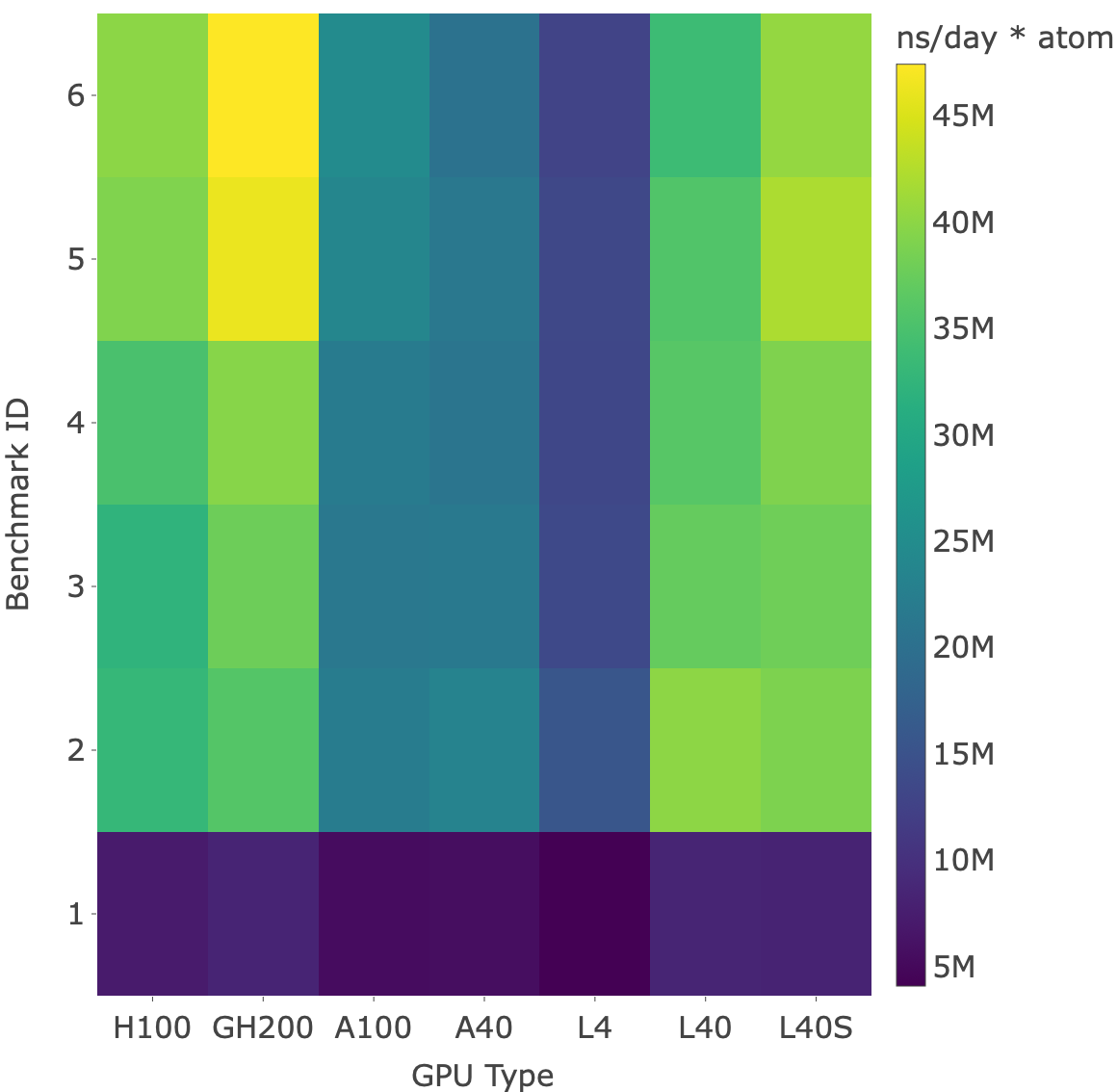
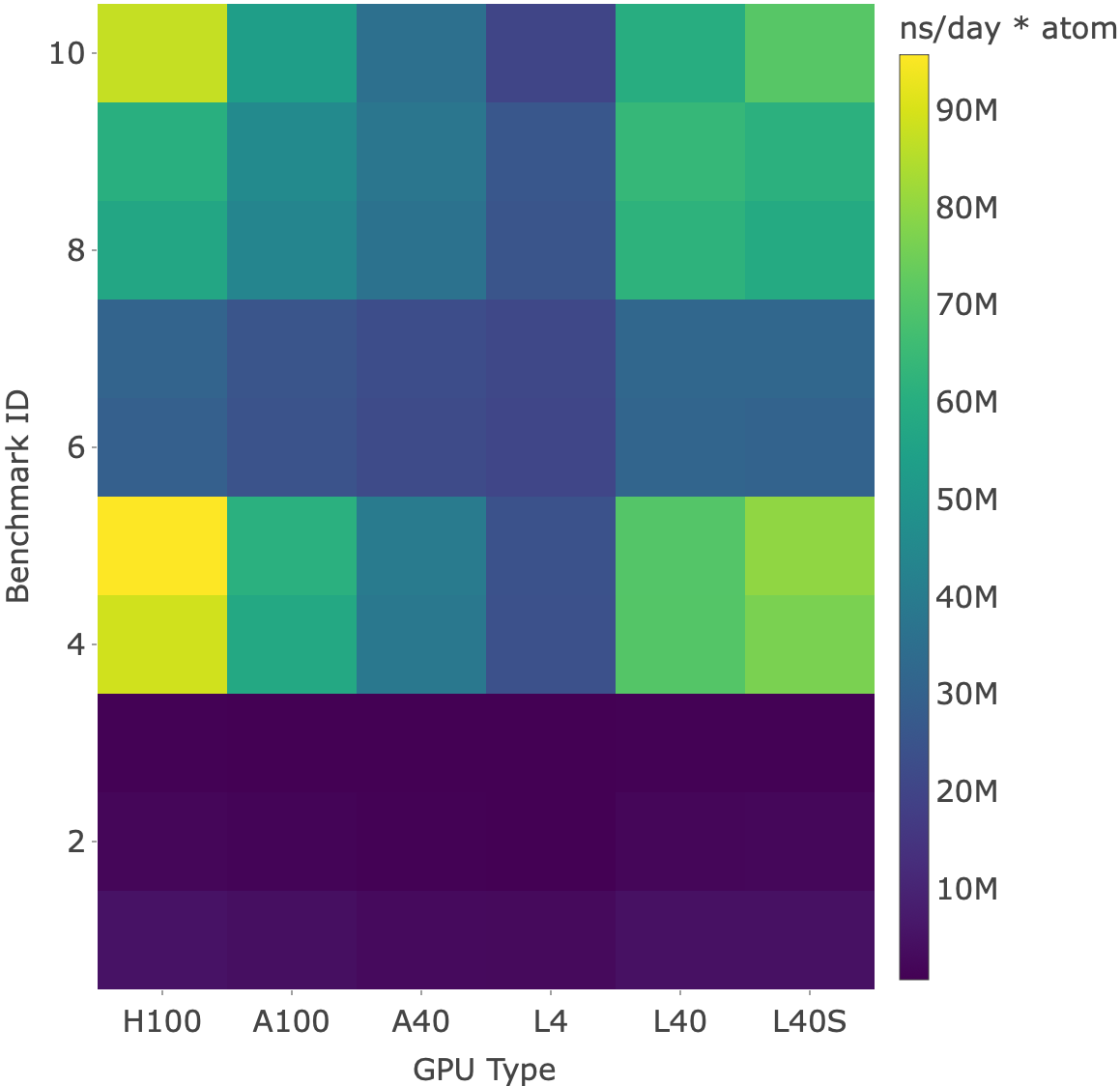
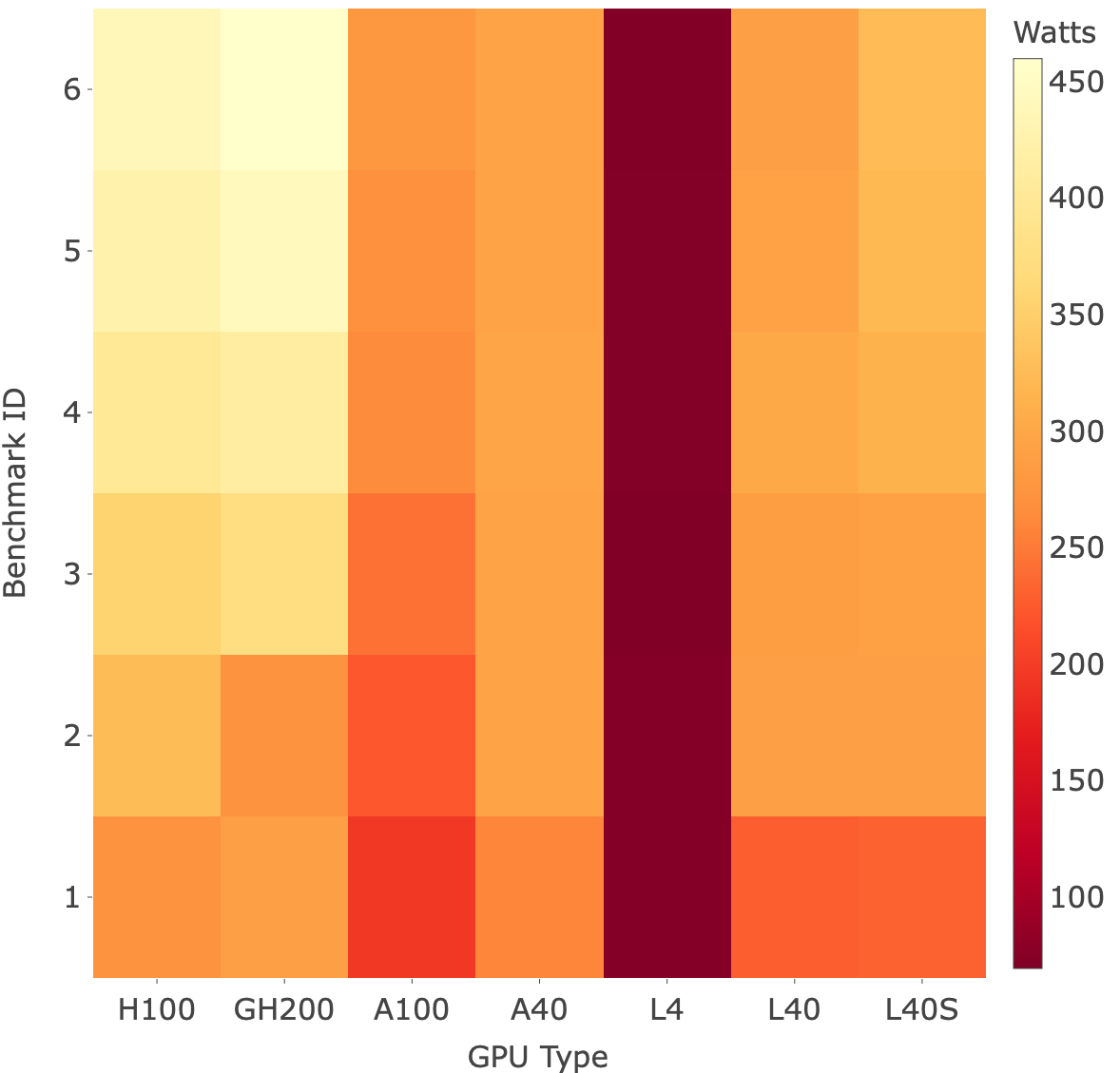
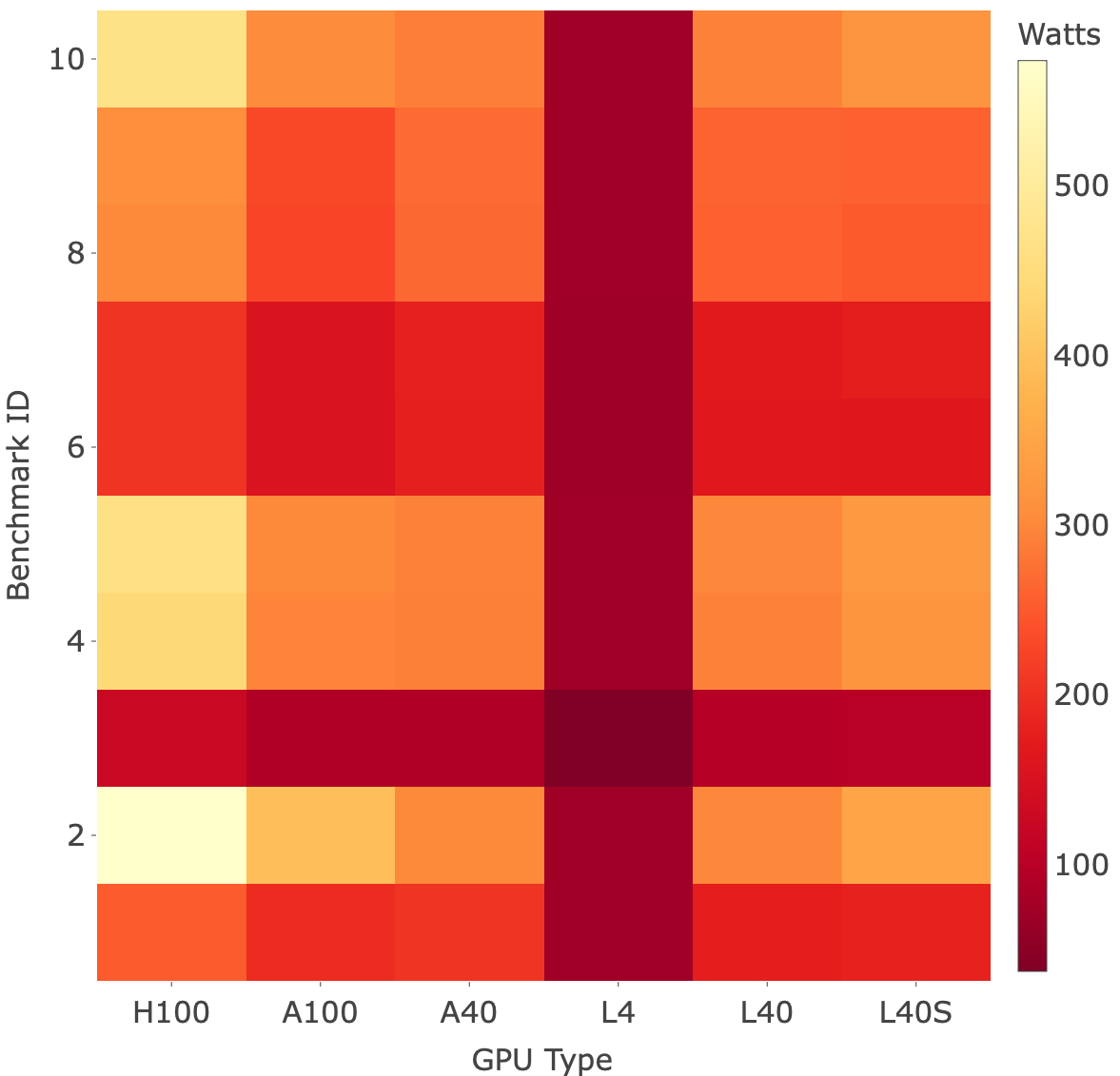
Figure 2: Average performance and power profiles for GROMACS and AMBER workloads, demonstrating workload-specific scaling across GPU architectures.
Case Studies: Deployment Strategies and Trade-Offs
Wattlytics’ evaluation comprises scenario-driven case studies, addressing common and non-trivial questions faced by HPC system operators:
Fixed Budget Optimization
Under a constrained budget (e.g., 10M over five years), scaling out lower-cost, energy-efficient GPUs (L4, L40S) can provide significantly higher aggregate work-per-TCO than deploying fewer high-performance devices (GH200, H100), despite lower per-device throughput. The resulting scientific output maximization stems from both device multiplicity and favorable operational cost ratios.
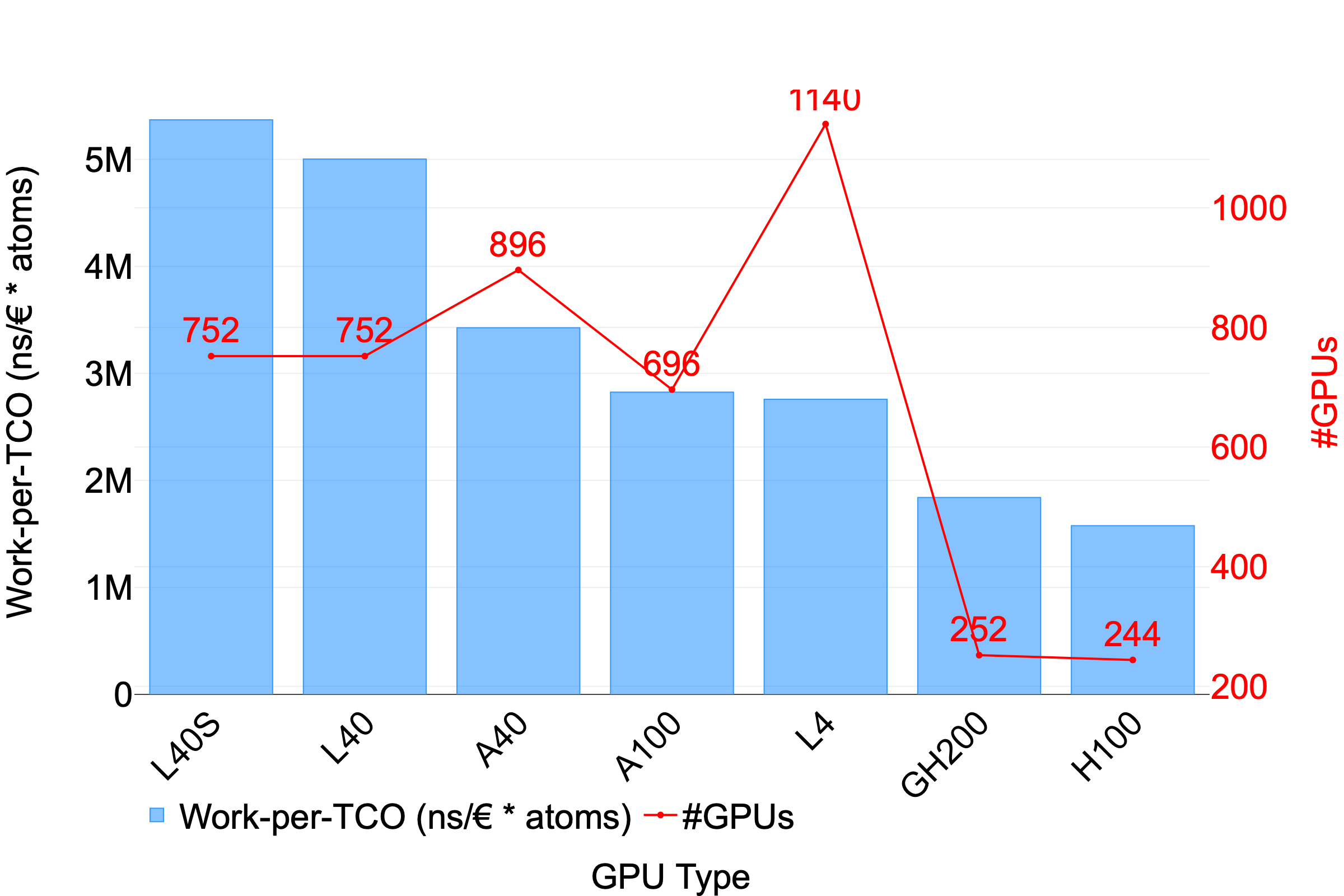
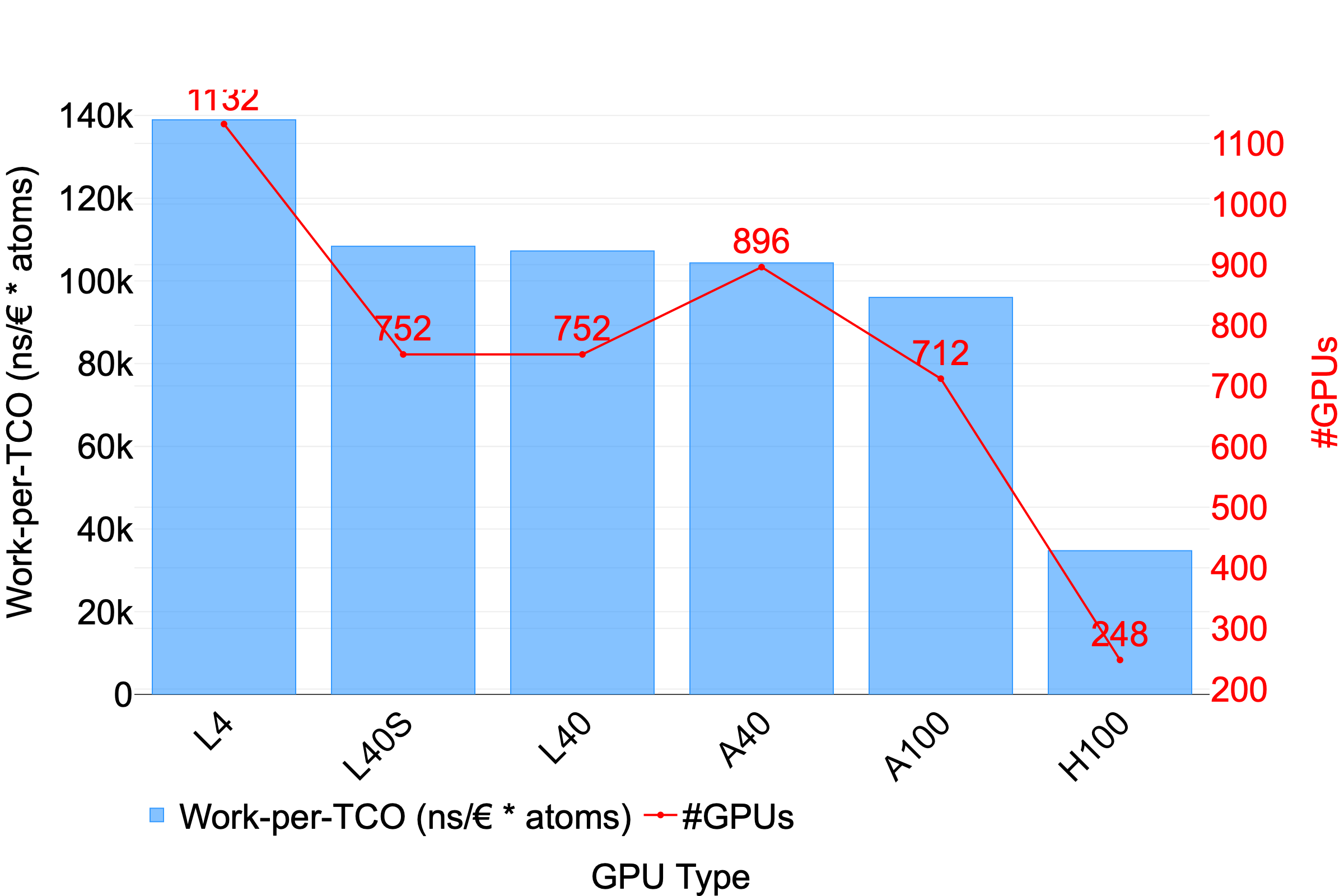
Figure 3: Work-per-TCO comparisons for GROMACS and AMBER workloads, demonstrating the superiority of energy-efficient scale-out strategies under budget constraints.
Operational Constraints and Multi-GPU Efficiency
Constraints on power, performance, or GPU count materially influence optimal GPU selection. Wattlytics models multi-GPU efficiency losses, revealing that small decreases (ηmulti-GPU<1) can reverse cost-effectiveness rankings, favoring high-end GPUs over scale-out low-power options. System-level design choices (e.g., GPU density per node) further modulate rankings, highlighting the coupled influence of hardware, infrastructure, and operational overheads.
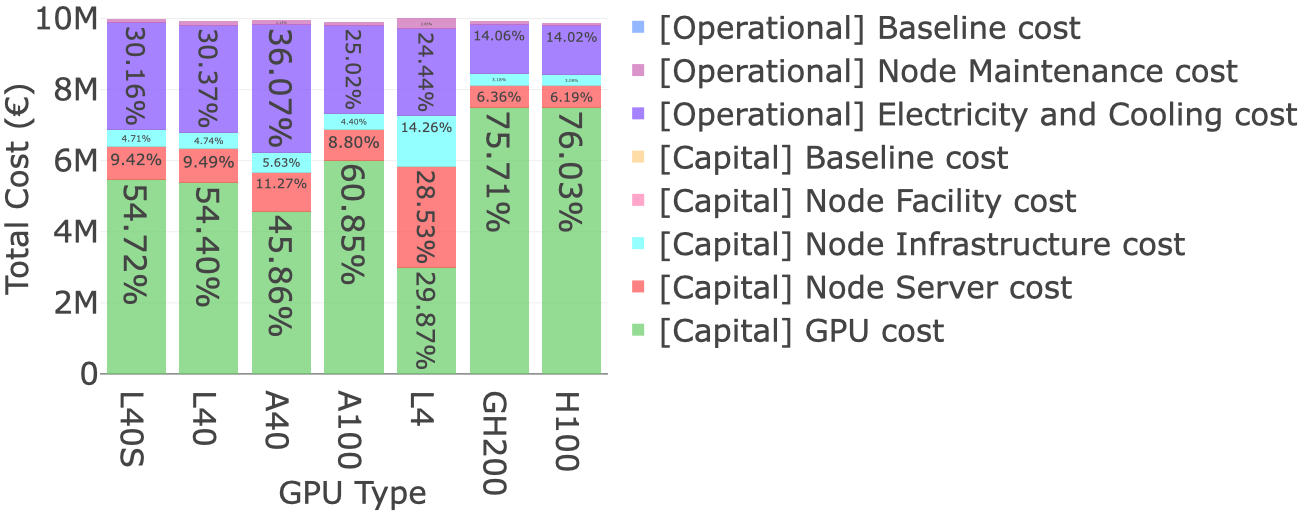
Figure 4: TCO breakdown for GROMACS, detailing the relative contribution of capital and operational costs under fixed budget deployment.
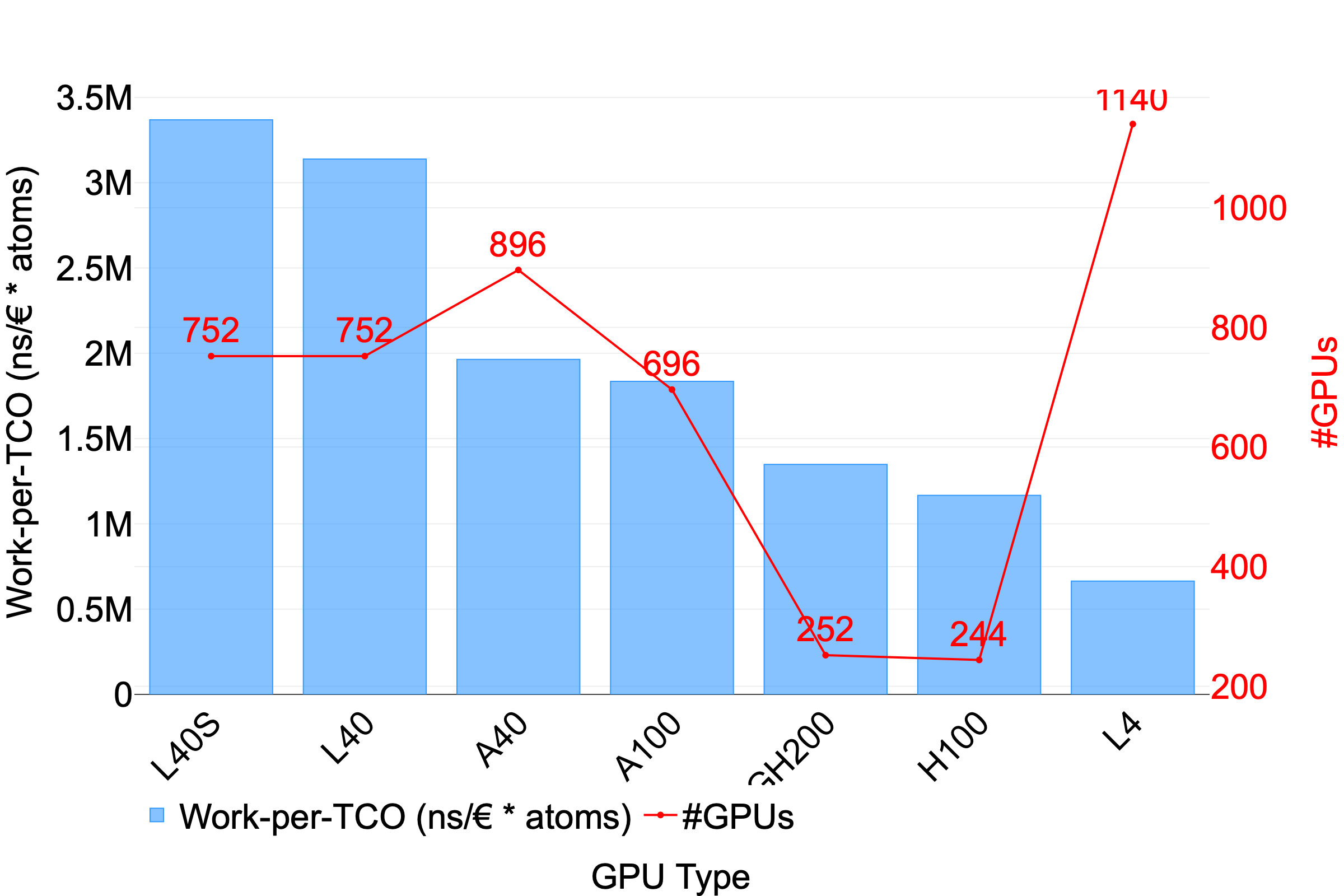
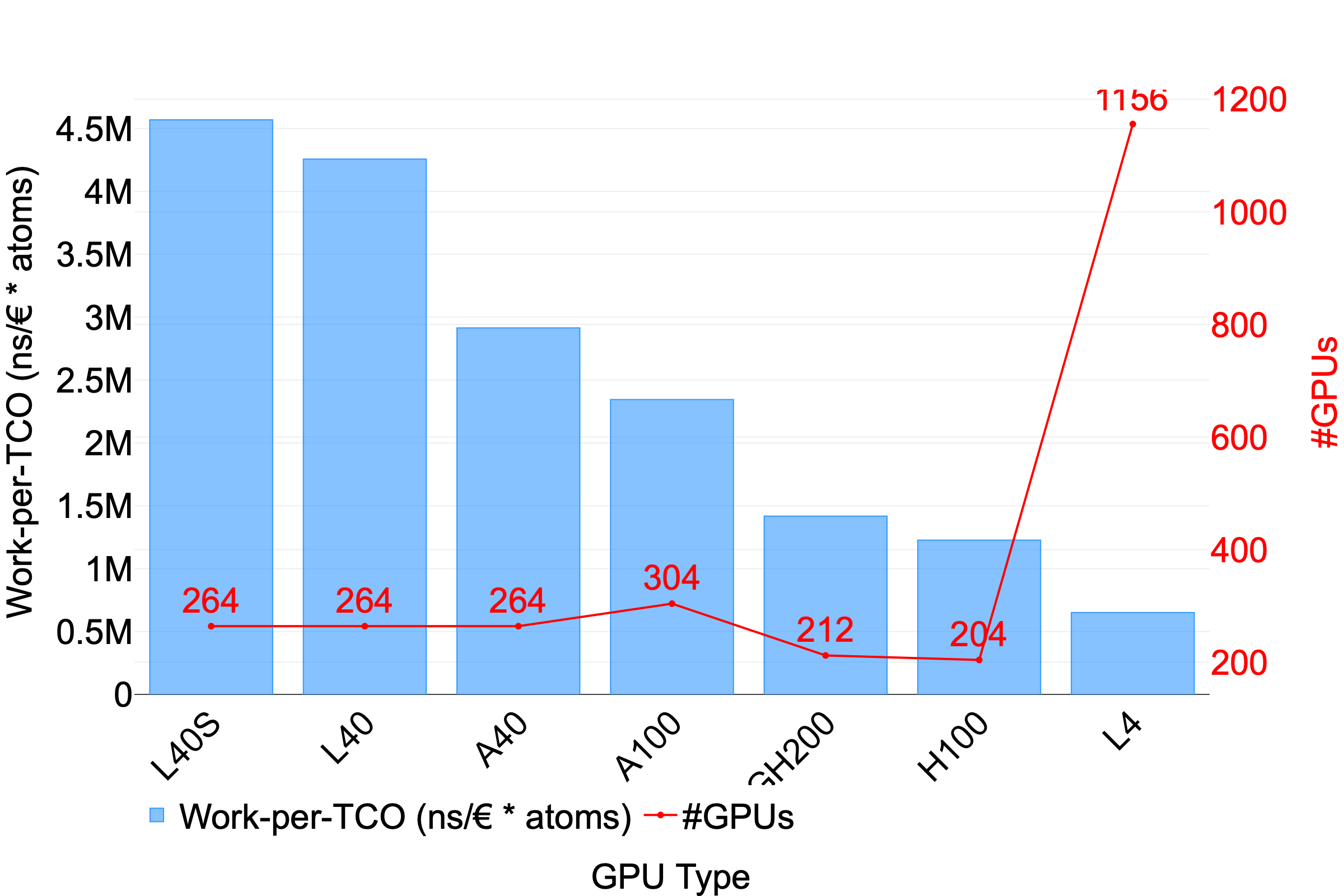
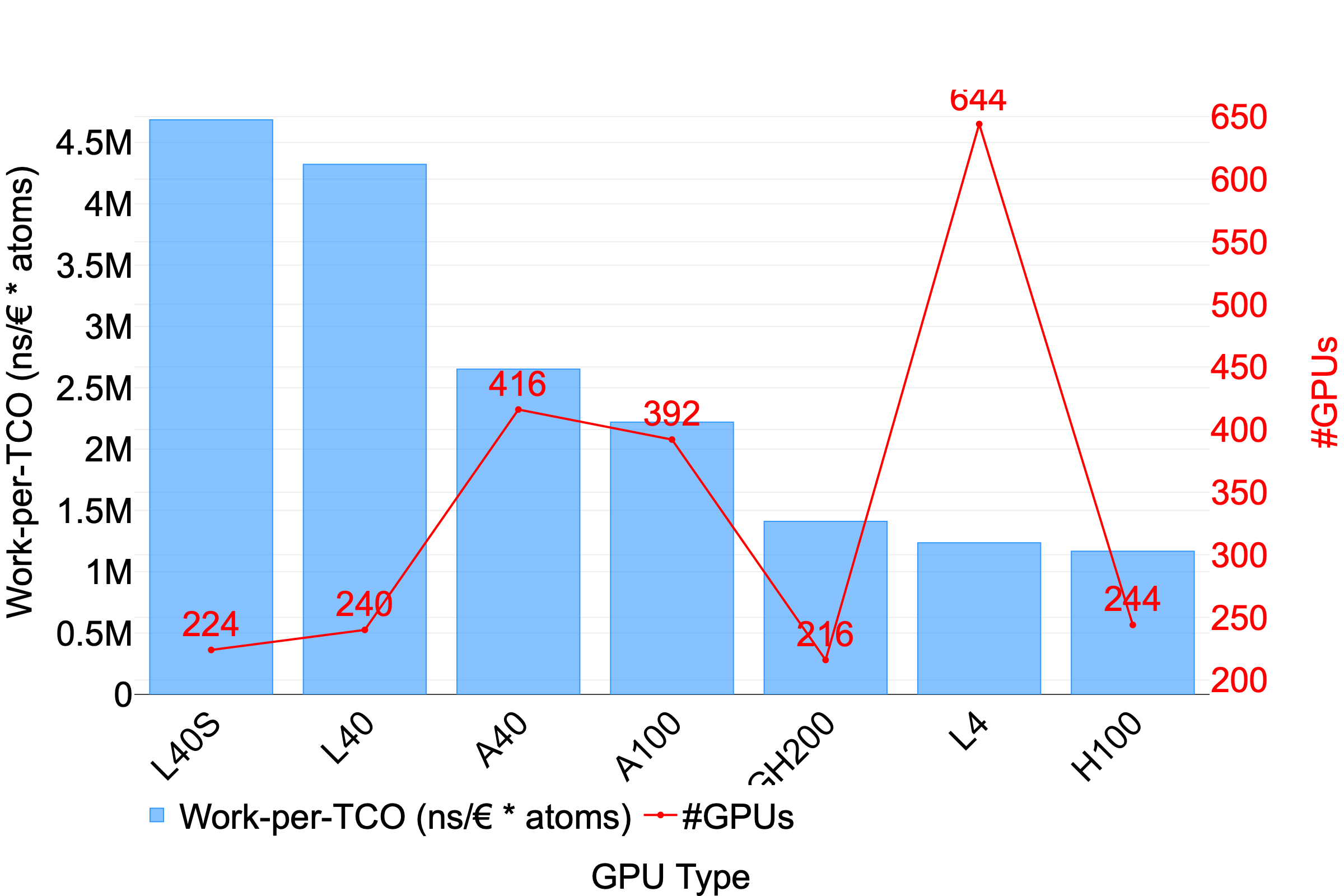
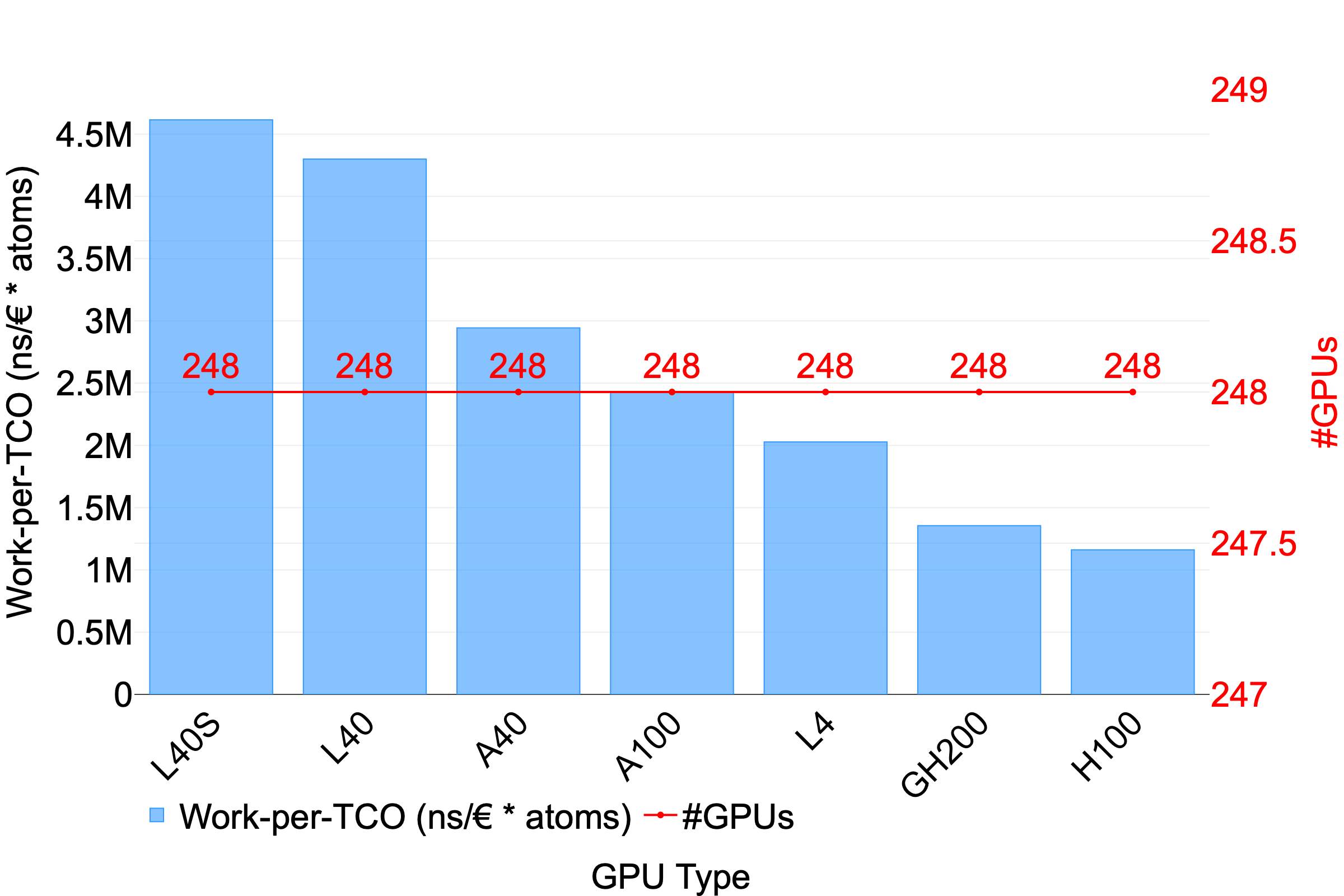
Figure 5: Comparative deployment strategies under fixed-budget, fixed-power, fixed-performance, and fixed-GPU count constraints for GROMACS workloads.
Sensitivity and Robustness Analysis
The platform’s integrated sensitivity and uncertainty modules identify dominant drivers of cost and risk. GPU hardware cost consistently demonstrates the highest elasticity and variance contribution for high-capital devices, whereas node maintenance and infrastructure costs drive uncertainty in low-power, scale-out scenarios. Operational cost volatility (notably electricity price) is explicitly tested, showing scenario-dependent resilience and ranking shifts in extreme cases.
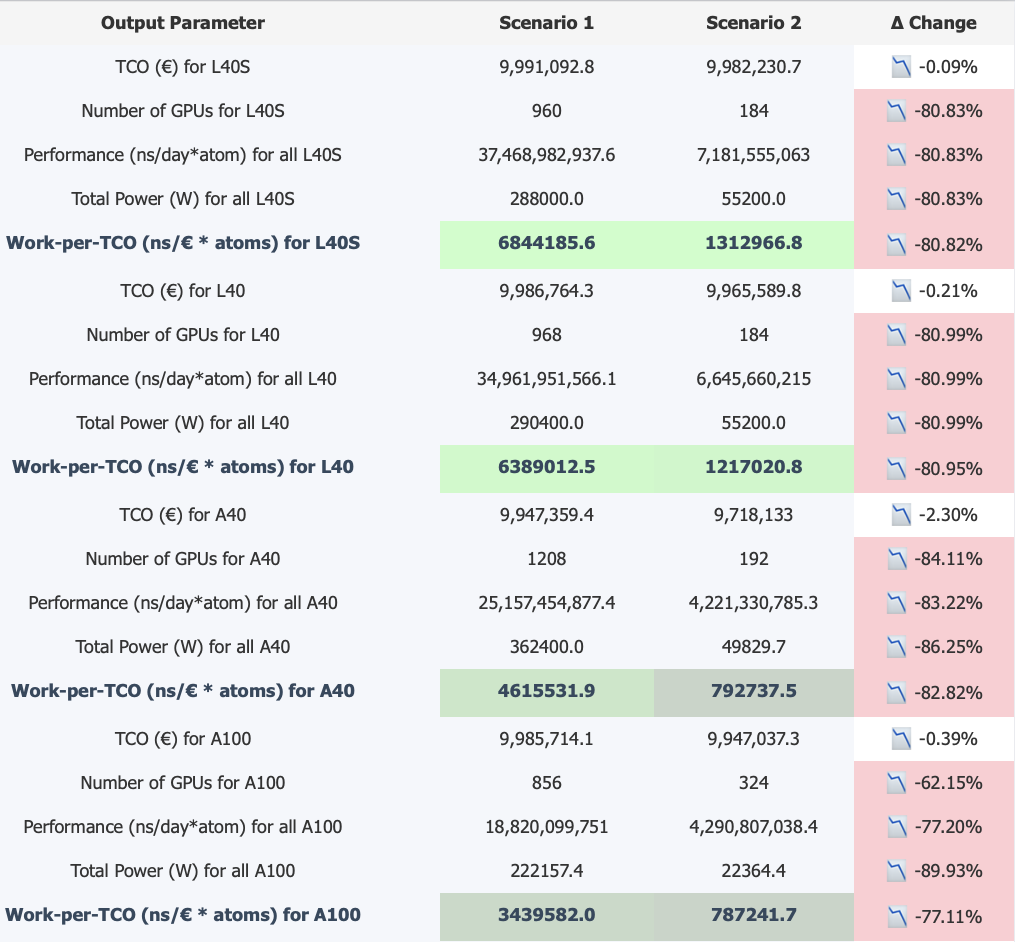
Figure 6: (a) Impact of electricity price volatility on cost-effectiveness; (b) Sensitivity heatmaps for key parameters, contrasting elasticity, Sobol, and Monte Carlo indices.
Implications and Future Directions
Wattlytics’ unified performance, energy, and TCO modeling framework provides a transparent, accessible, and analytically rigorous platform for HPC system design. The platform exposes non-intuitive optimization regimes where energy-efficient, lower-performance GPUs outperform high-end alternatives in cost-effectiveness under realistic constraints. It enables systematic scenario analysis, operational tuning (e.g., frequency scaling), and robust risk assessment, moving beyond peak performance or vendor-quoted metrics.
Practically, Wattlytics supports sustainable computing initiatives, procurement planning, operational resilience to market volatility, and risk mitigation driven by infrastructure and utilization uncertainties. Theoretically, its extensible modeling enables future integration of embodied carbon metrics, workloads with heterogeneous scalability, and dynamic cluster-plus-cloud hybrids.
Anticipated developments include broader hardware support (AMD, Intel, emerging architectures), mixed-node workloads (AI/ML, climate simulation), advanced REST APIs for scheduler coupling, and aggregate workload modeling across multi-phase codes.
Conclusion
Wattlytics introduces a holistic and reproducible platform for co-optimizing performance, energy, and total cost in GPU-centric HPC clusters. By integrating device-level benchmarks, DVFS-aware power models, and detailed TCO accounting, Wattlytics empowers system designers and operators to make quantitatively informed decisions. Its robust scenario and sensitivity analyses highlight the dynamic interplay between hardware efficiency, operational constraints, and cost-risk factors, underscoring the necessity of multidimensional optimization beyond isolated performance or cost metrics. The platform positions itself as a research-grade analytical tool, supporting sustainable, scalable, and robust HPC infrastructure design.

