- The paper presents IADAN, a model leveraging inception-attention modules, adversarial training, and supervised contrastive loss for superior cross-subject muscle fatigue classification.
- It employs multi-scale feature learning and t-SNE visualization to demonstrate robust, subject-invariant feature extraction with over 93% accuracy.
- Ablation studies show that removing key components significantly drops performance, underscoring the model’s potential for real-world rehabilitation monitoring.
Cross-subject Muscle Fatigue Detection via Adversarial and Supervised Contrastive Learning with Inception-Attention Network
Problem Definition and Motivation
Muscle fatigue detection using surface electromyography (sEMG) is critical for rehabilitation monitoring and assistance systems. Conventional approaches leveraging time-domain and frequency-domain features are susceptible to instability driven by dynamic contractions and inter-subject variability. This lack of robustness in generalizing muscle fatigue states across subjects motivates the investigation of discriminative, subject-invariant feature learning strategies. Deep learning (DL) models have shown promise in extracting complex features from sEMG signals; however, prior DL models often fail to generalize to unseen subjects due to sensitivity to individual physiological differences and experimental constraints.
Model Architecture: Inception-Attention-Domain-Adversarial-Net (IADAN)
The IADAN model is architected to advance cross-subject muscle fatigue detection. The feature extractor incorporates dilated convolutions to expand the receptive field, enhancing global context extraction from sEMG signals. Attention modules—comprised of channel and spatial attention blocks—integrate global aggregation and inter-spatial relationship modeling, allowing for prioritization of relevant input regions. Residual connections and the stacking of inception-attention modules facilitate robust multi-scale feature learning.
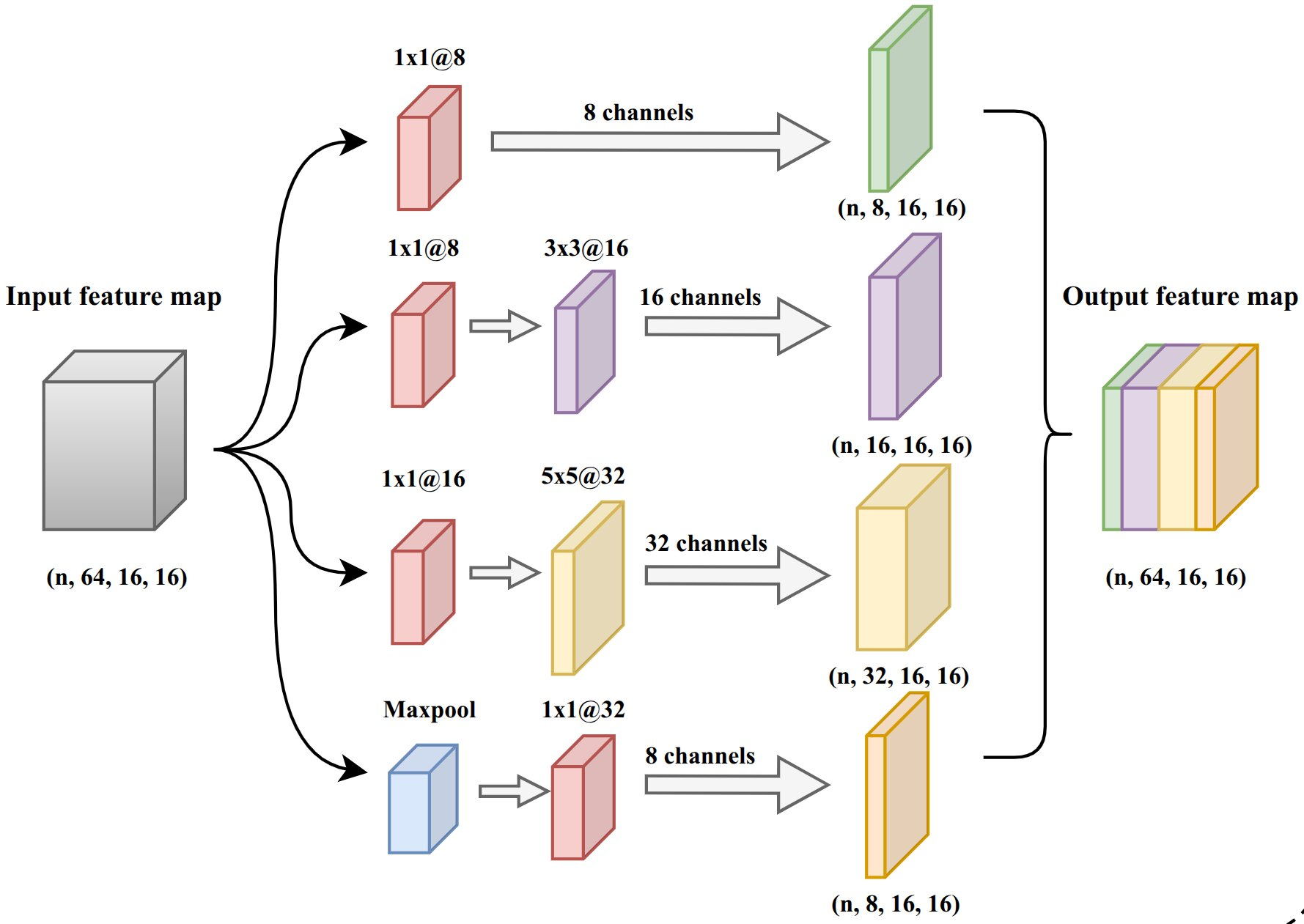
Figure 1: The structure of the Inception module.
The inception module operates via parallel multi-scale convolutional branches, each applying 1×1 convolution for channel reduction and subsequent convolutions with varying kernel sizes. This design enriches representations by capturing features at multiple spatial resolutions.
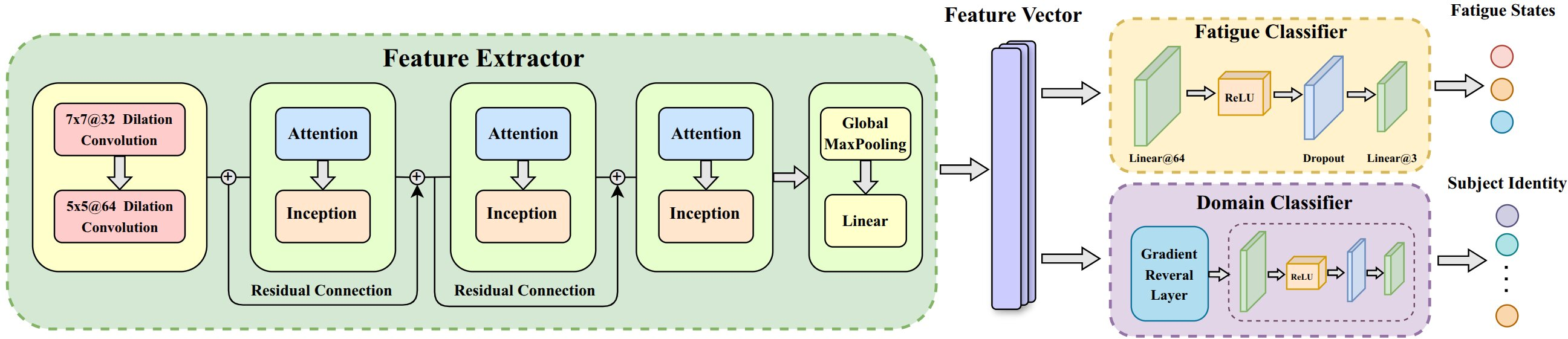
Figure 2: The overall structure of the proposed IADAN.
The network outputs a 128-dimensional feature vector via global max pooling and a fully connected layer. This vector is utilized concurrently by the fatigue classifier and domain classifier, enabling three-class fatigue state classification and subject-wise generalization, respectively.
Adversarial and Supervised Contrastive Learning
IADAN integrates domain adversarial training through a gradient reversal layer (GRL) and supervised contrastive (SupCon) loss. The GRL encourages domain-invariant feature extraction by reversing gradients during backpropagation, suppressing features tied to subject identity. Dynamic adjustment of the adversarial strength parameter λ stabilizes training, optimizing the balance between task discrimination and domain confusion.
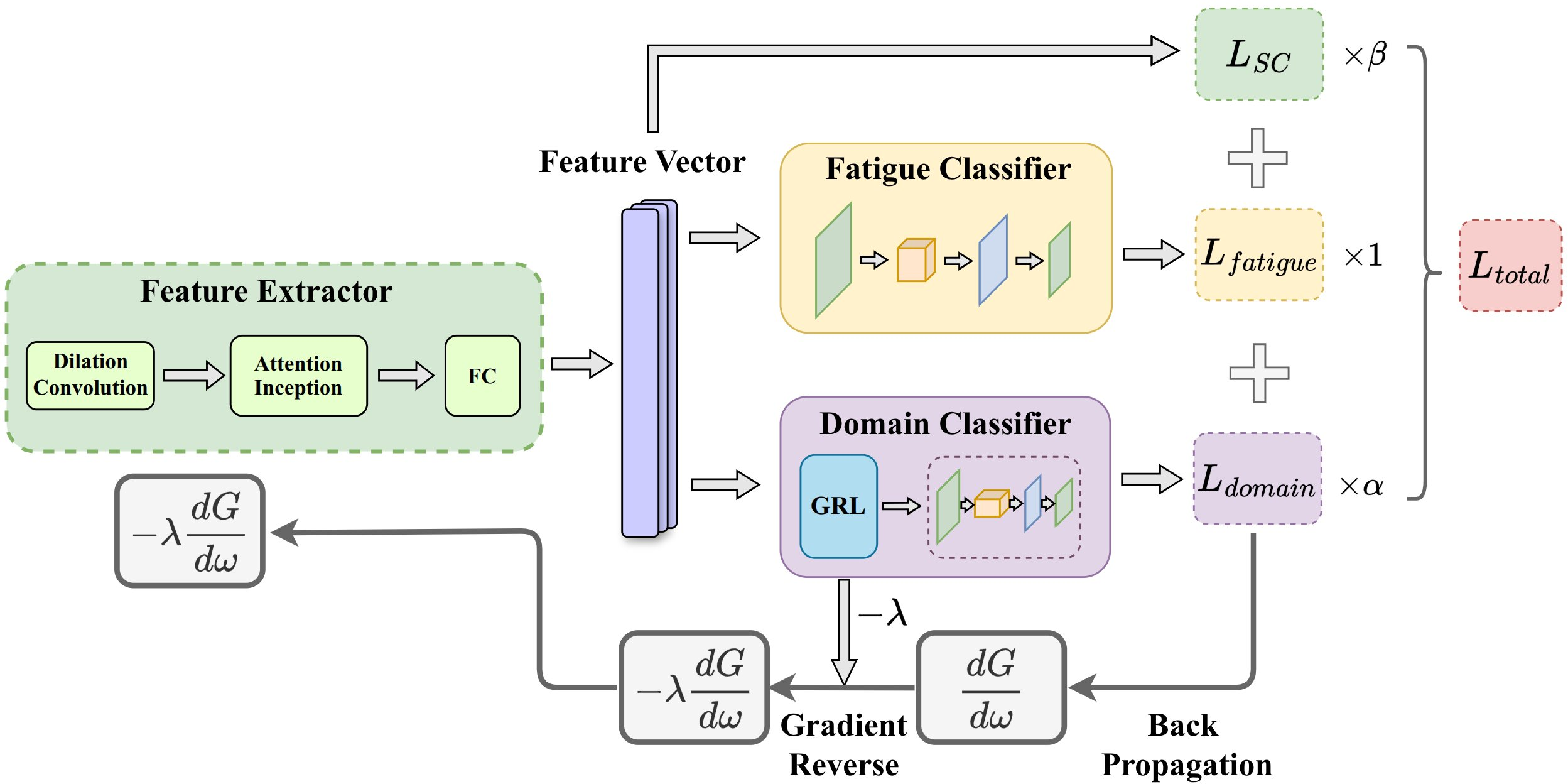
Figure 3: The adversarial and contrastive learning process.
SupCon loss leverages label information to encourage proximity among feature embeddings sharing the same fatigue class label, while maximizing the separation between different classes. This synergistically augments inter-class discriminability and intra-class compactness, yielding features that generalize across subjects.
The joint loss function Ltotal combines cross-entropy fatigue classification loss, domain classification loss, and SupCon loss with empirically tuned weights (α=0.5, β=0.8).
Data Acquisition and Preprocessing
The experimental protocol consisted of single-leg bodyweight calf raises by 12 healthy subjects. sEMG and IMU signals were collected from six key muscles and the distal femur, respectively, using Delsys Trigno and LPMS-B2 sensors. Signals were filtered and temporally aligned, with IMU data segmented into motion phases and sEMG normalized via RMS and MVC estimates.
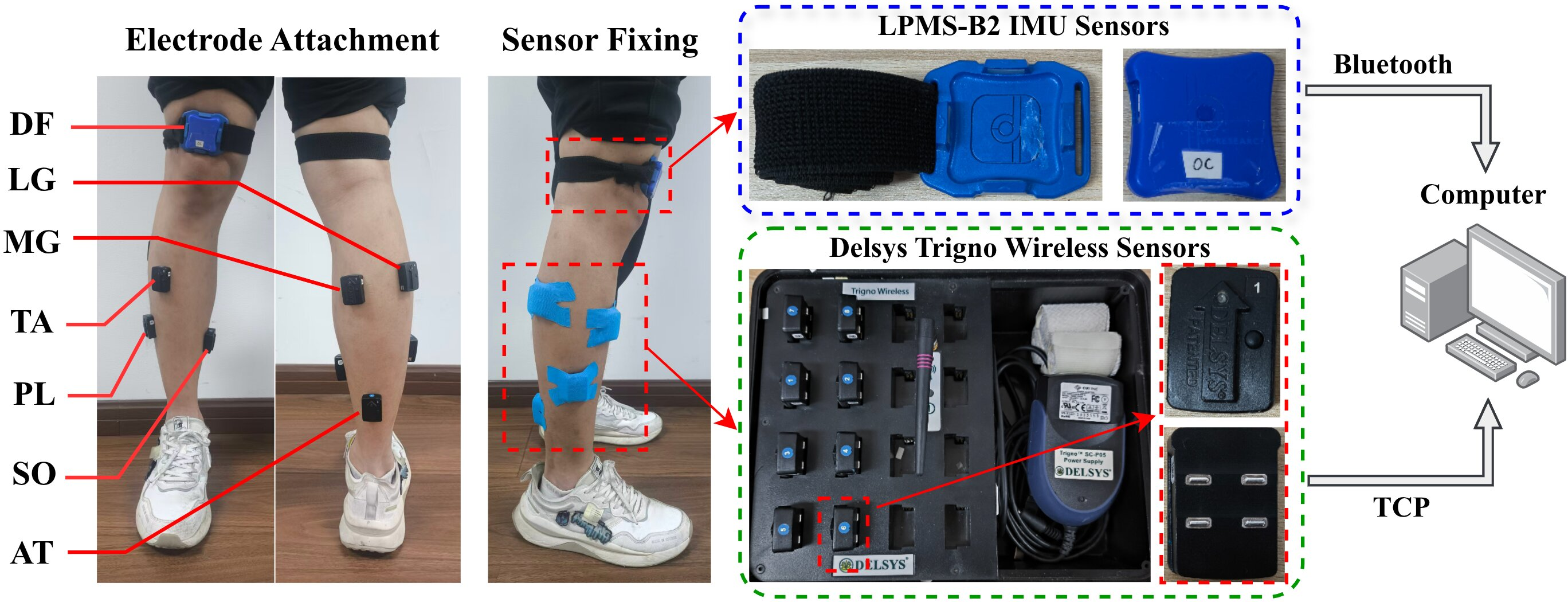
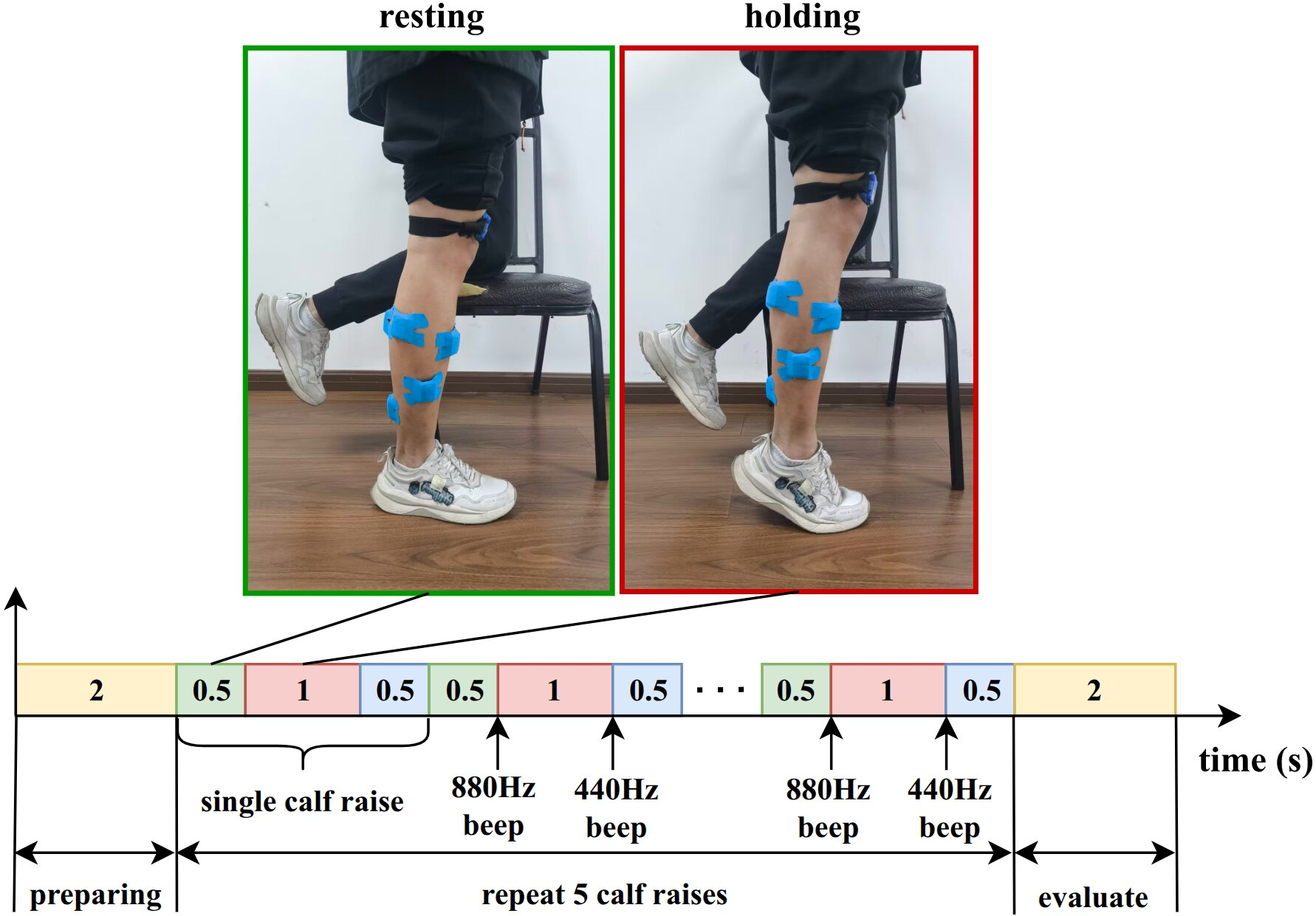
Figure 4: The overall experimental setup. (a) Sensors attachment and data acquisition system. (b) Experiment protocol.
Processed sEMG signals were subjected to continuous wavelet transform (CWT) using Complex Morlet wavelets, yielding time-frequency images optimized for biological signal analysis.
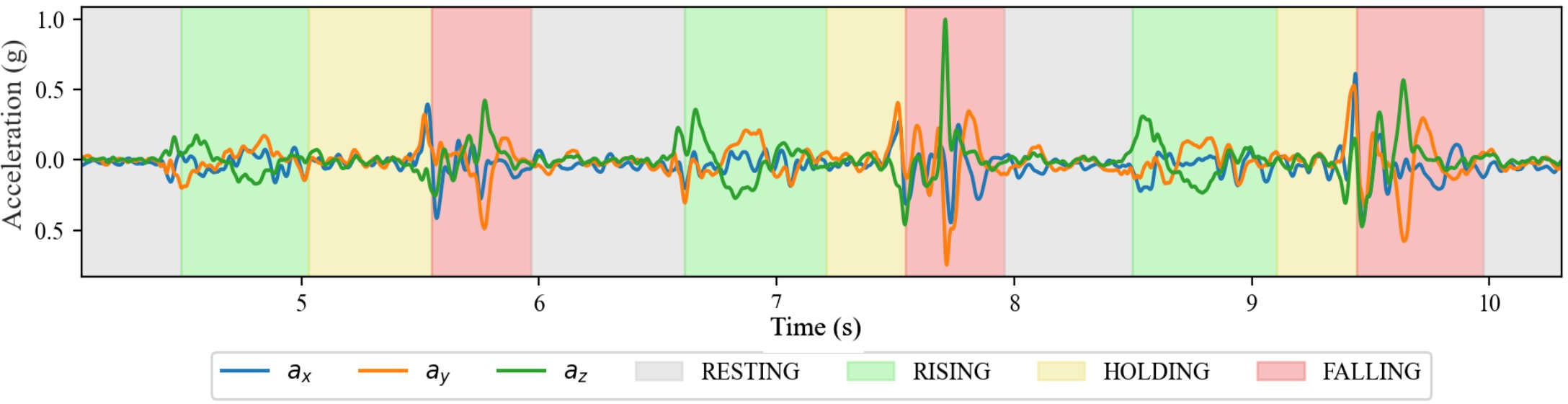
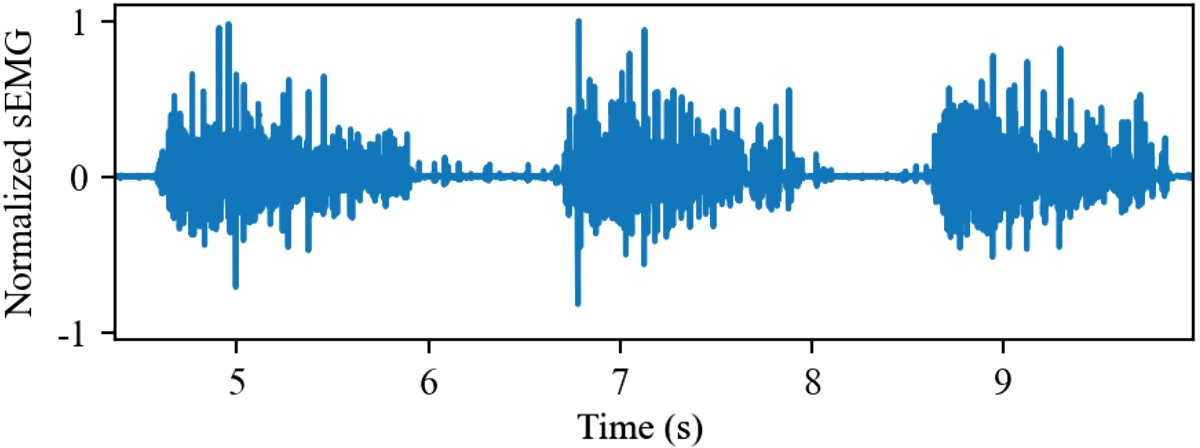
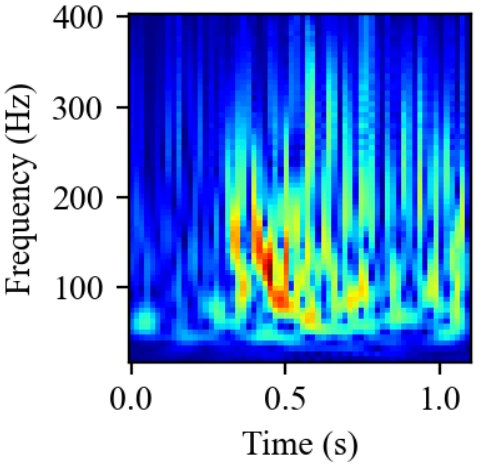
Figure 5: The signal preprocessing protocol. (a) The segmented IMU data. (b) The normalized sEMG data (c) The time-frequency image.
Fatigue state labels were determined using the Borg CR-10 scale and partitioned into three distinct categories: non-fatigue (NF), medium-fatigue (MF), and severe-fatigue (SF). Domain labels assigned each subject as a unique domain for adversarial learning. Data augmentation was applied to further improve model robustness.
Experimental Evaluation
Four-fold cross-validation was utilized, with each fold trained on nine subjects and validated on three. The model demonstrated convergent loss and rising accuracy, achieving an average accuracy of 93.54%, recall of 92.69%, and F1-score of 92.69%.
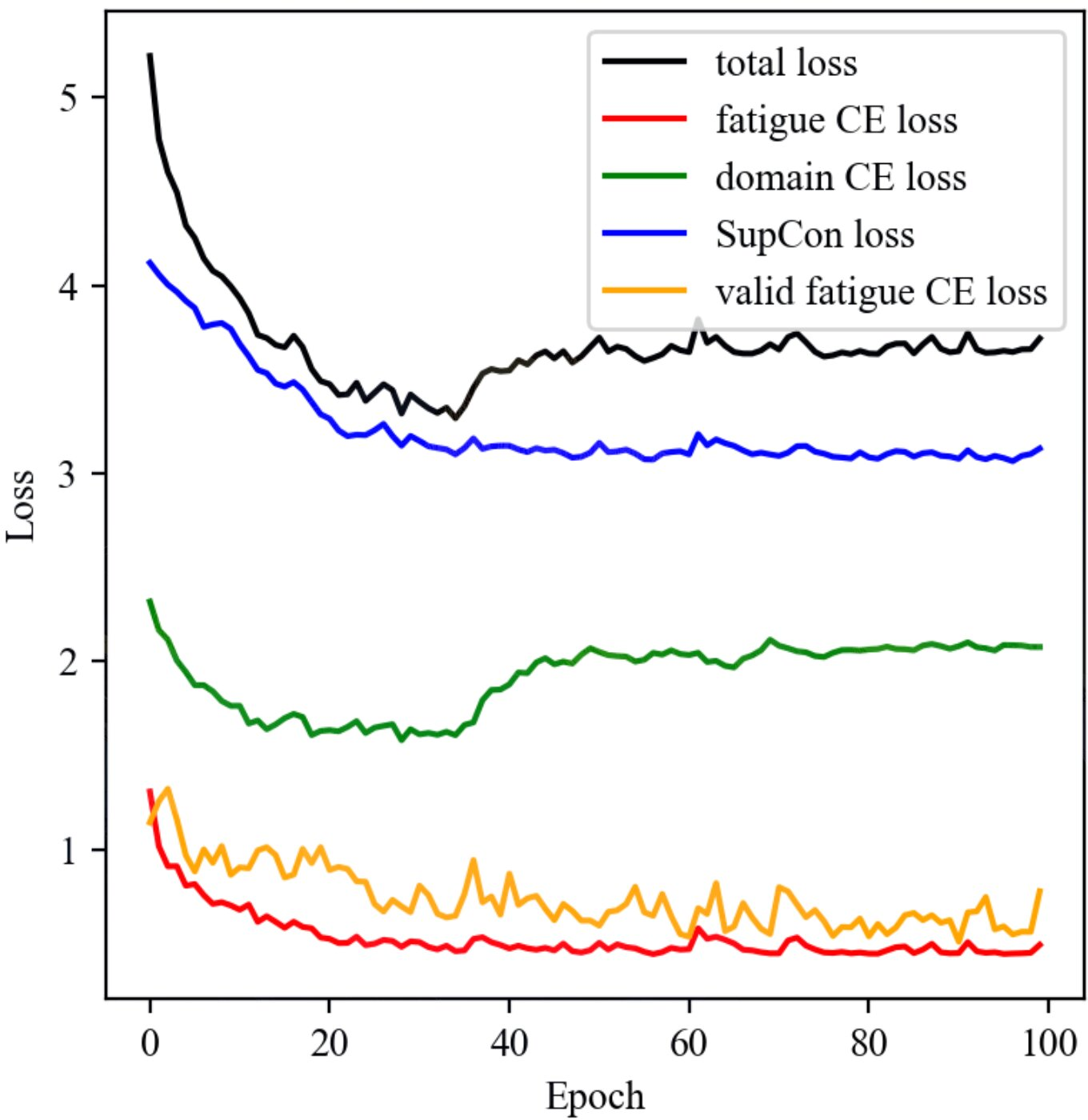
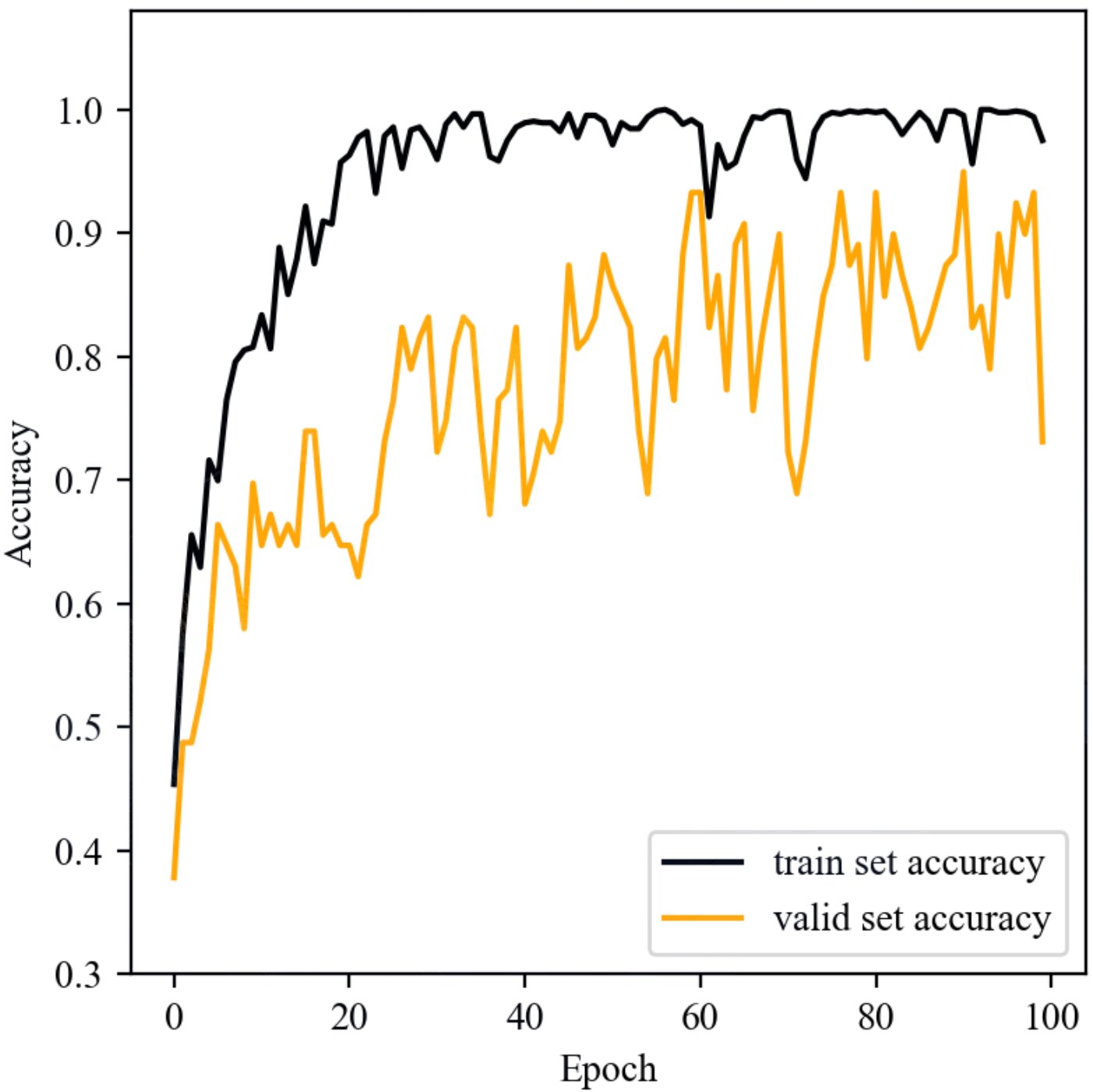
Figure 6: The Model performance analysis result. (a) The loss curve. (b) The accuracy curve.
t-SNE visualization revealed well-separated clusters representing fatigue states, while subject IDs were intermixed within clusters, evidencing effective subject-invariant feature extraction.
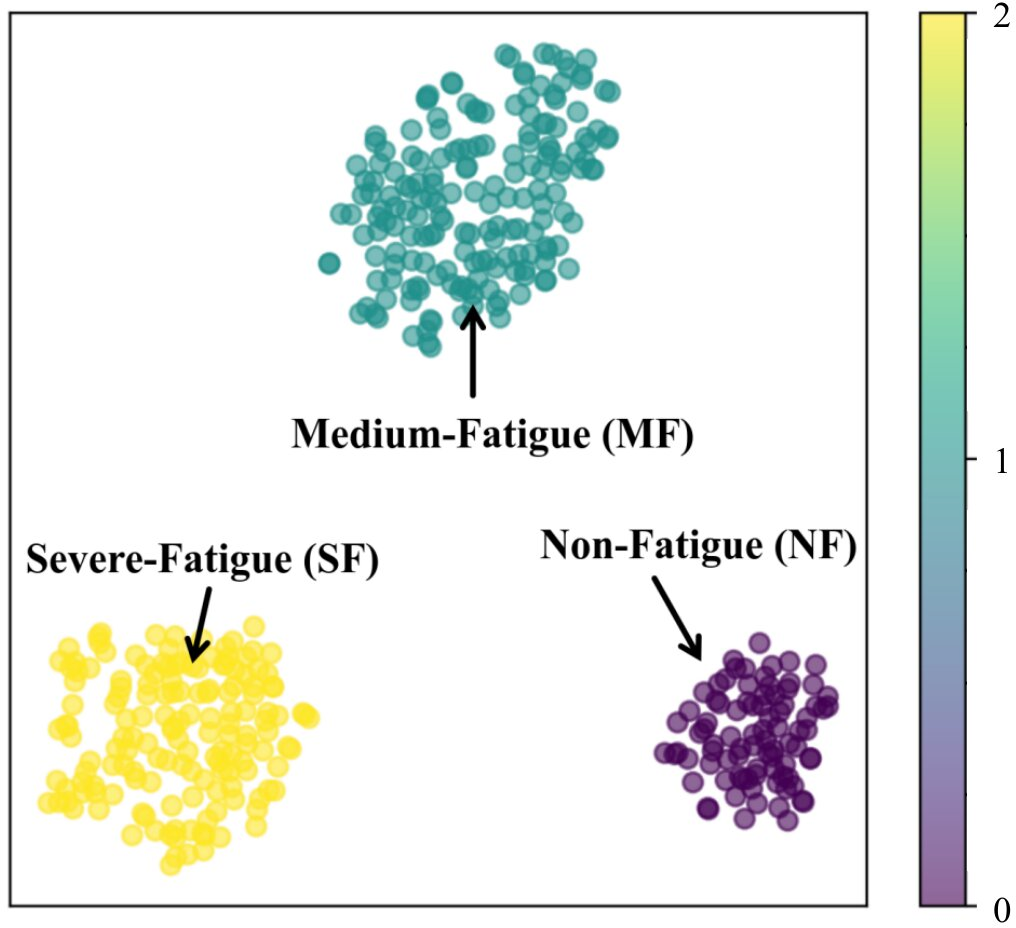
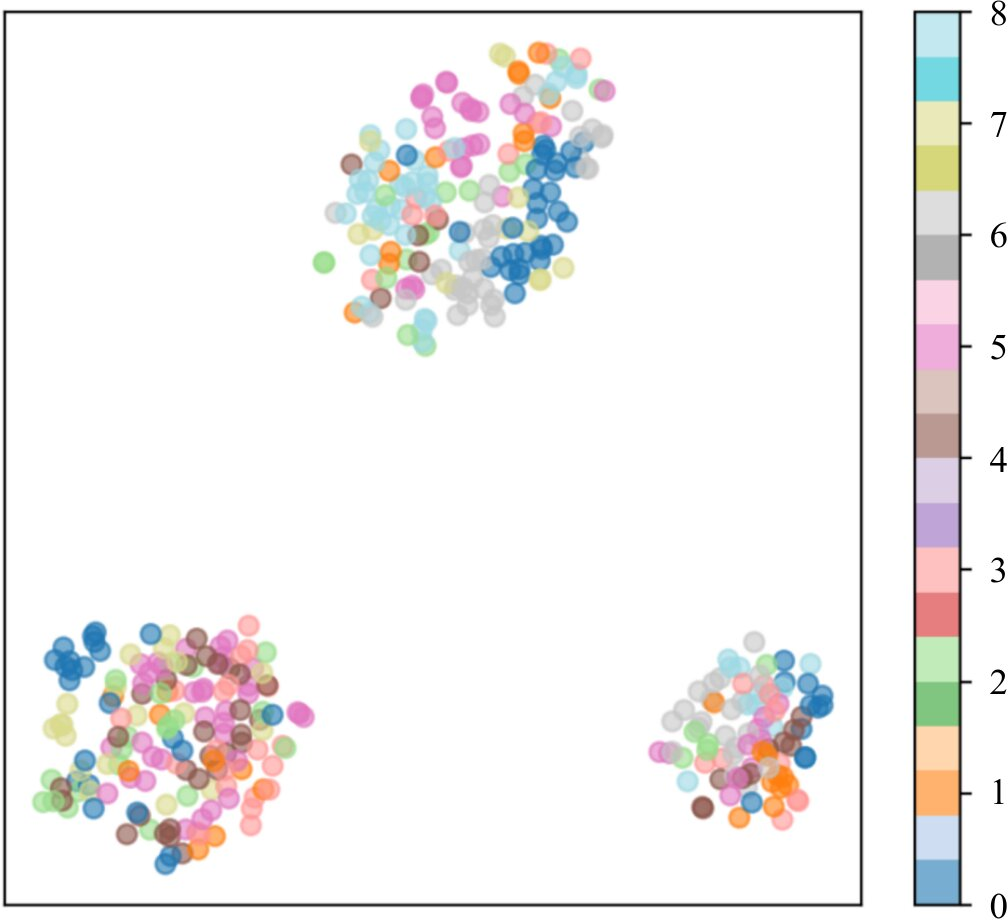
Figure 7: The t-SNE visualization result. (a) Feature vectors colored according to fatigue states. (b) Feature vectors colored according to subject ID.
Ablation and Comparative Analysis
Structural ablation studies confirmed the necessity of inception-attention and domain adversarial components for optimal generalization. Removal of attention, GRL, or inception modules led to substantial reductions in accuracy (drops of up to 15.34%), underscoring their contribution to invariant feature learning.
Loss function ablation showed that excluding SupCon or domain classification losses impaired performance, while the joint FCE+DCE+SC loss achieved the highest metrics.
Comparative experiments established that IADAN outperformed ResNet with adversarial classifier (by 8.96% accuracy), CLT-Net, and MFFNet, with particularly strong gains over models lacking multi-scale and adversarial learning mechanisms.
Implications and Future Directions
IADAN demonstrates a robust pipeline for cross-subject muscle fatigue detection by synergistically combining multi-scale feature extraction and adversarial plus contrastive learning objectives. The subject-invariant representations enable generalization across varying physiological profiles, supporting scalable deployment in rehabilitation monitoring systems.
Practical limitations include loss oscillations induced by rapid increases in adversarial strength and restricted generalizability to diverse exertion patterns (e.g., walking, jumping). Future developments should focus on dataset expansion, stabilization of adversarial training, and extending detection across heterogeneous motion types and sensor setups.
Conclusion
IADAN’s combination of inception-attention modules, domain adversarial training, and supervised contrastive learning establishes a high-performing, subject-invariant model for muscle fatigue classification using sEMG. The approach achieves superior cross-subject accuracy, validated via extensive ablation and comparative studies. This research provides a blueprint for future AI-driven rehabilitation systems, emphasizing the importance of robust, generalizable feature learning in physiological signal analysis.

