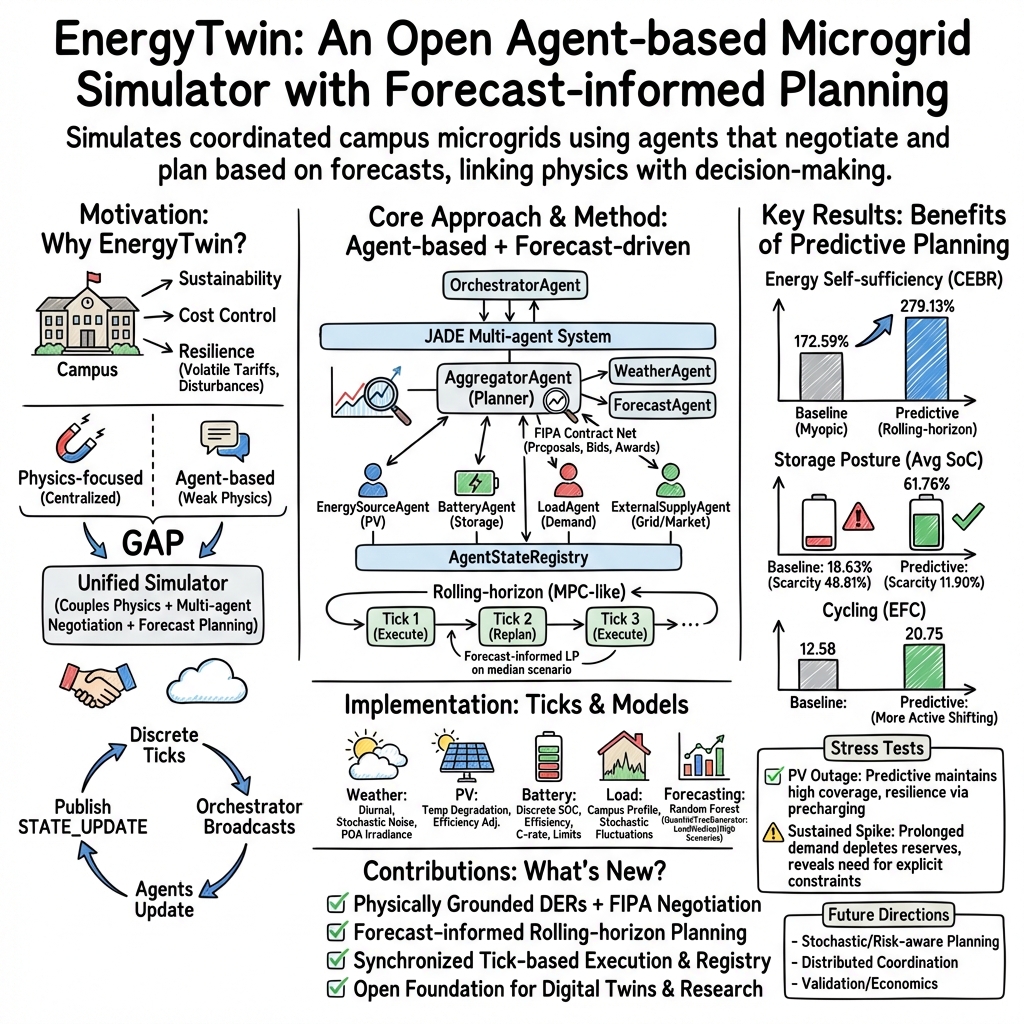
- The paper introduces EnergyTwin, which integrates physical modeling and forecast-informed planning to optimize distributed energy resource coordination in microgrid simulations.
- The paper employs a Random Forest forecasting engine combined with rolling-horizon linear programming to enhance battery state of charge and energy balance ratios.
- The paper's experimental evaluation shows that predictive planning significantly boosts microgrid self-sufficiency and reduces dependency on external energy sources.
"EnergyTwin: A Multi-Agent System for Simulating and Coordinating Energy Microgrids"
Introduction
The paper introduces "EnergyTwin," a sophisticated multi-agent system designed to simulate and coordinate energy microgrids. The system addresses the need for decentralized control while integrating physically grounded models with forecast-informed decision-making and negotiation processes. EnergyTwin's architecture is centered around a campus microgrid scenario, where the strategic planning of distributed energy resources (DERs), storage systems, and demands is necessary to enhance energy self-sufficiency and resilience against external disruptions.
System Architecture
EnergyTwin leverages a hierarchical multi-agent architecture facilitated by the JADE platform. This architecture encompasses various agent types that encapsulate distinct energy generation, storage, and consumption roles, thereby ensuring autonomous yet synchronized operation.
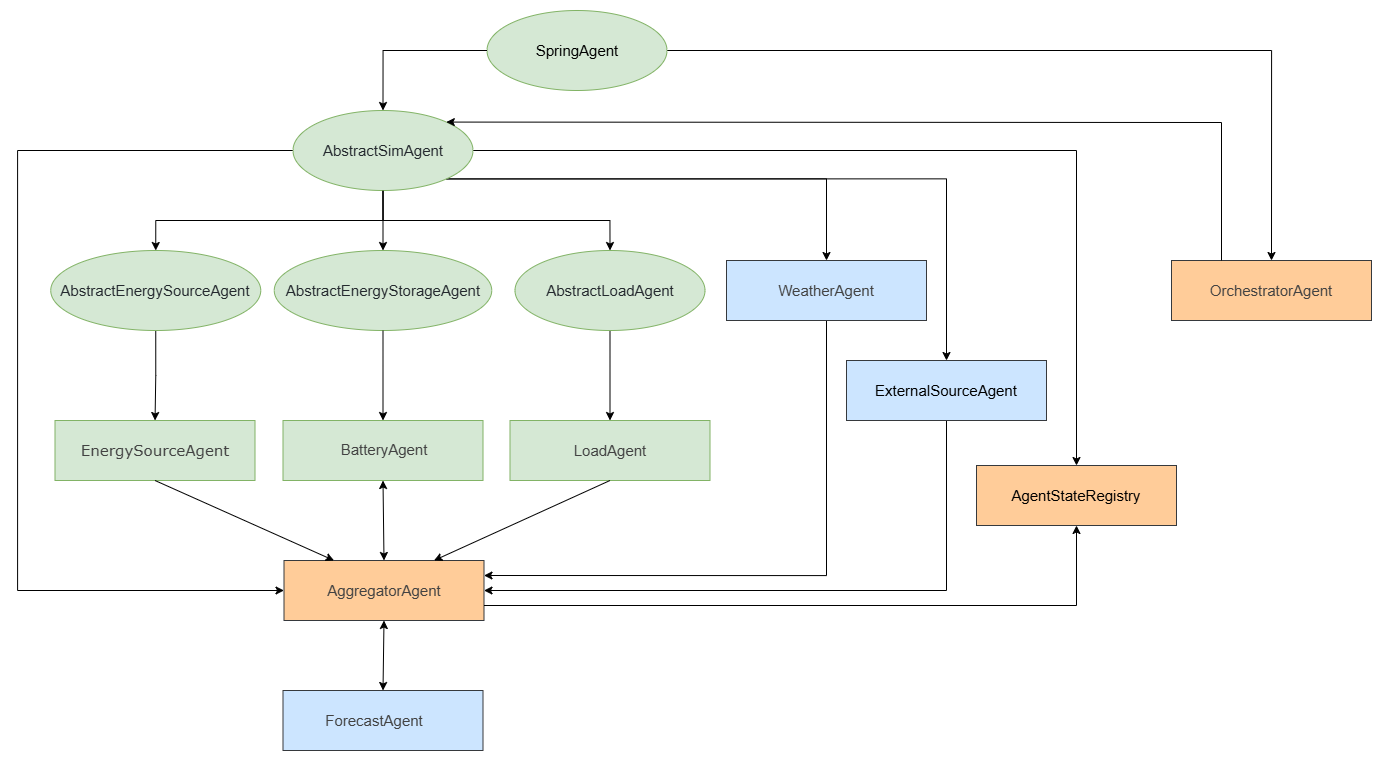
Figure 1: Architecture of EnergyTwin, showing agent types and primary interactions.
Key components include the OrchestratorAgent, responsible for time synchronization and global coordination, and the AgentStateRegistry, serving as a repository for consistent state management. Different types of agents, such as EnergySourceAgent, BatteryAgent, LoadAgent, etc., are instantiated based on their respective roles. These agents collectively simulate the dynamic interplay among DERs, storage systems, and external energy sources.
Physical Modeling and Simulation
The EnergyTwin system incorporates realistic physical models based on established standards for simulating the behavior of DERs. It includes models for environmental factors, photovoltaic generation, energy storage, and demand simulation, each contributing to a holistic understanding of microgrid operations.
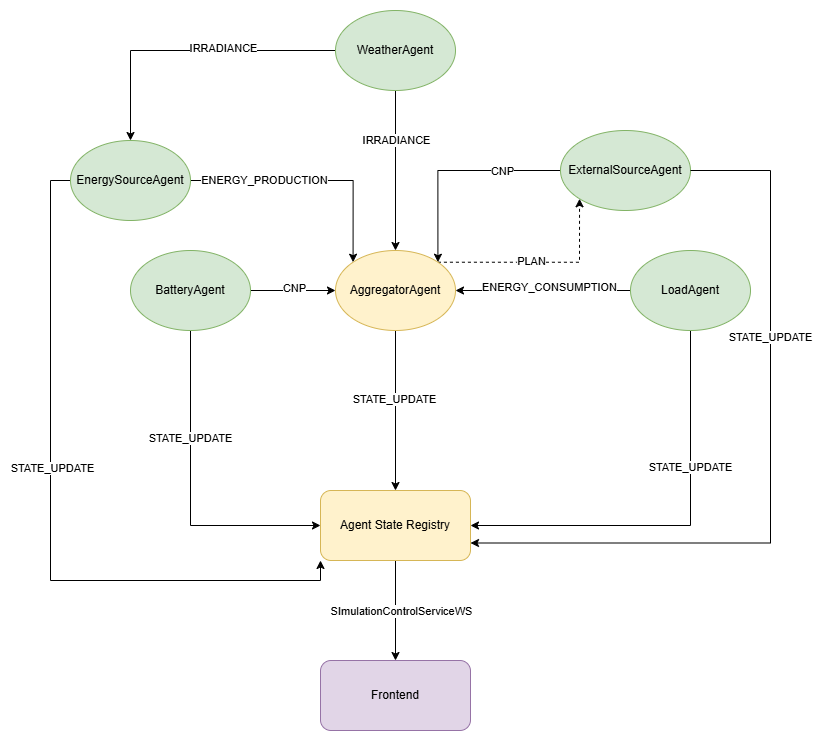
Figure 2: JADE class hierarchy and communication flows in EnergyTwin.
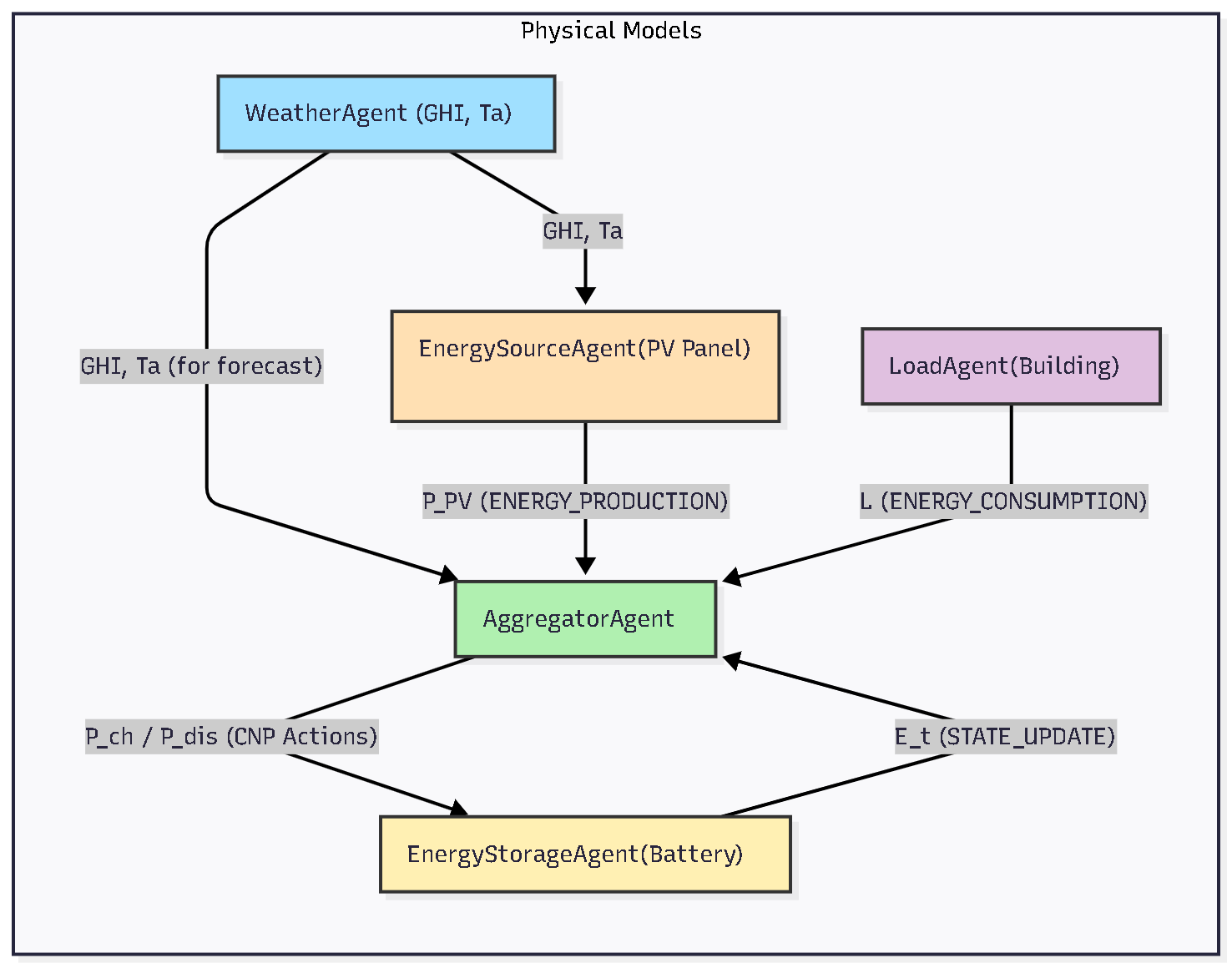
Figure 3: Physical modelling data flow in EnergyTwin system.
The WeatherAgent provides environmental data, driving PV generation and demand. Meanwhile, the EnergyStorageAgent manages battery dynamics using efficiencies and self-discharge rates, which are critical for effective energy management.
Forecasting and Predictive Planning
A Random Forest-based forecasting engine supports EnergyTwin's predictive capabilities by accurately predicting short-term load and PV generation requirements.
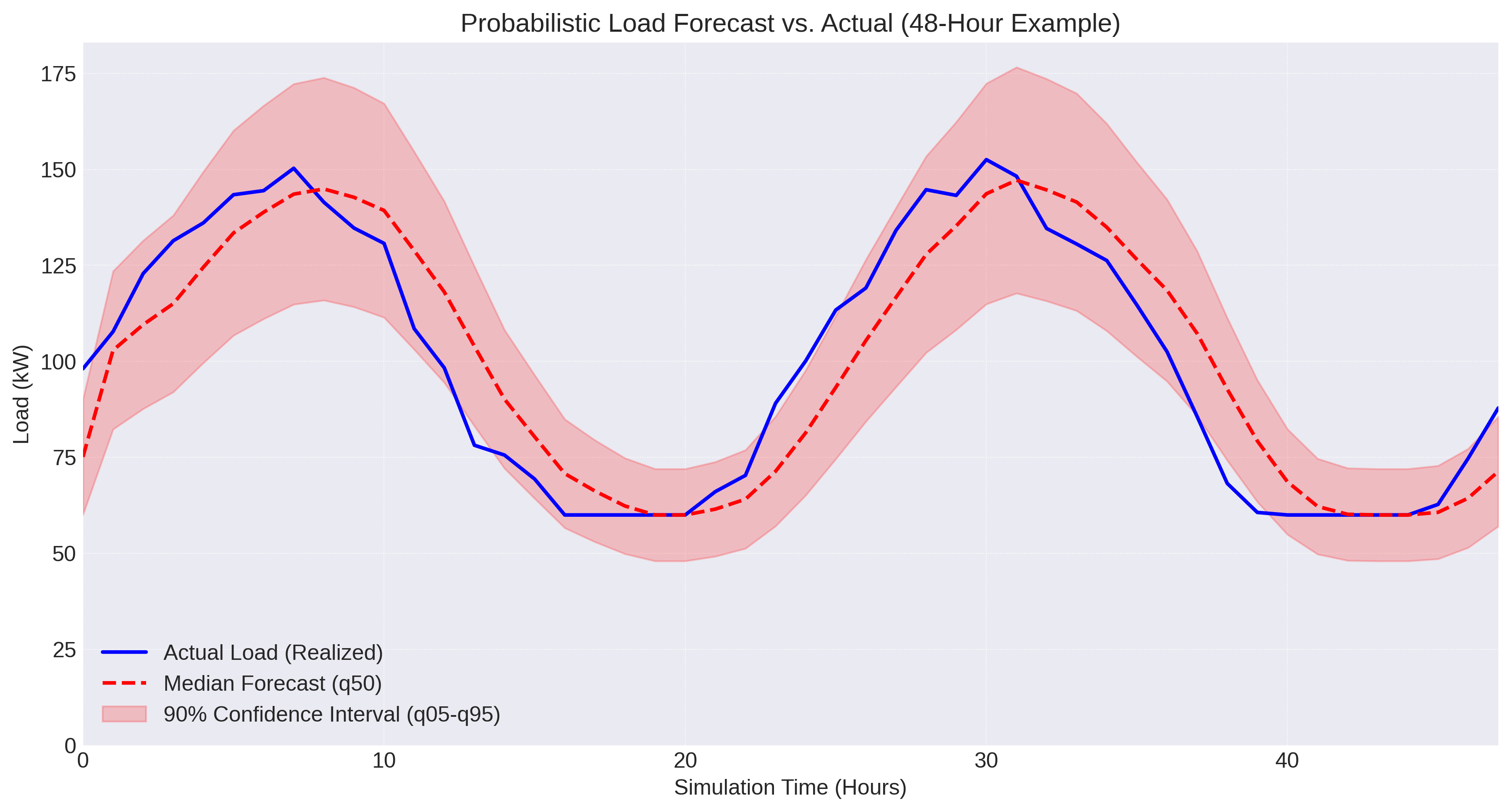
Figure 4: Example forecasting via RandomForest model in a 48-hour time horizon, with 7-day history sample for training.
These forecasts allow the AggregatorAgent to execute a rolling-horizon linear programming optimization, ensuring decisions are informed by anticipated conditions. This approach enhances microgrid autonomy by enabling proactive energy management.
Experimental Evaluation
The efficacy of EnergyTwin is experimentally demonstrated through comparison of baseline and predictive planning modes in a simulated microgrid scenario. Results indicate significant improvements in energy self-sufficiency and resilience, with predictive planning offering marked advantages in terms of storage management and balance of energy production and consumption.
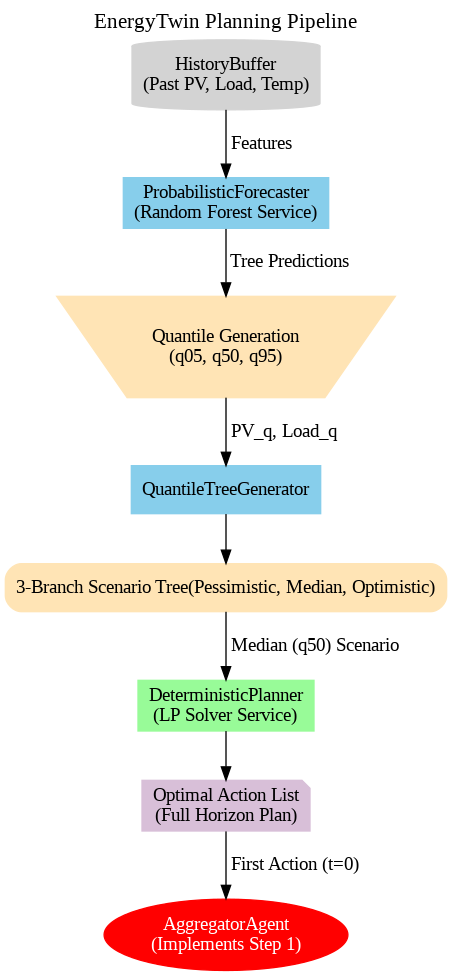
Figure 5: EnergyTwin pipeline used to plan the behaviour of microgrid in future timesteps.
Key performance metrics such as Cumulative Energy Balance Ratio (CEBR), Incremental Energy Balance Ratio (IEBR), and battery State of Charge (SoC) are measured to assess system performance.
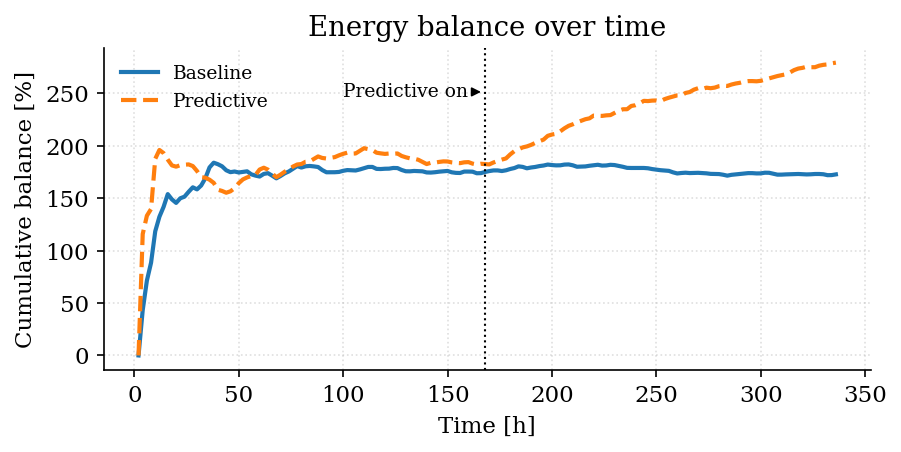
Figure 6: A timeseries of Cumulative Energy Balance Ratio (CEBR) across simulation.
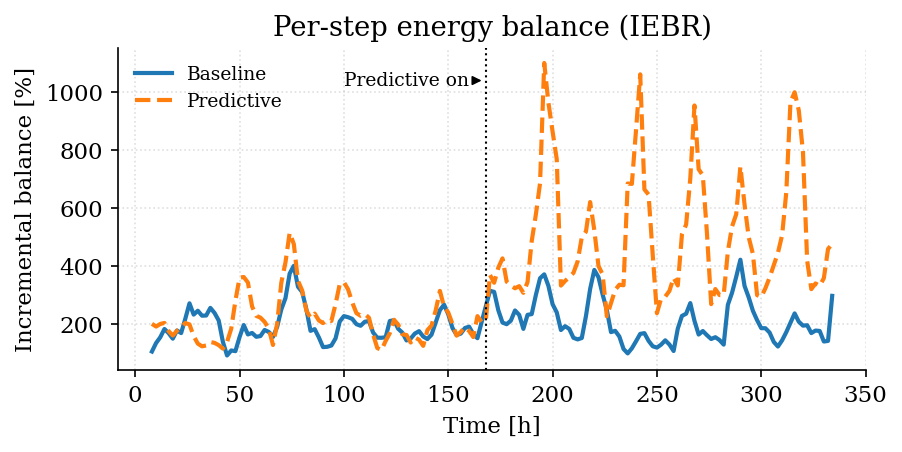
Figure 7: Incremental Energy Balance Ratio (IEBR) over simulation time.
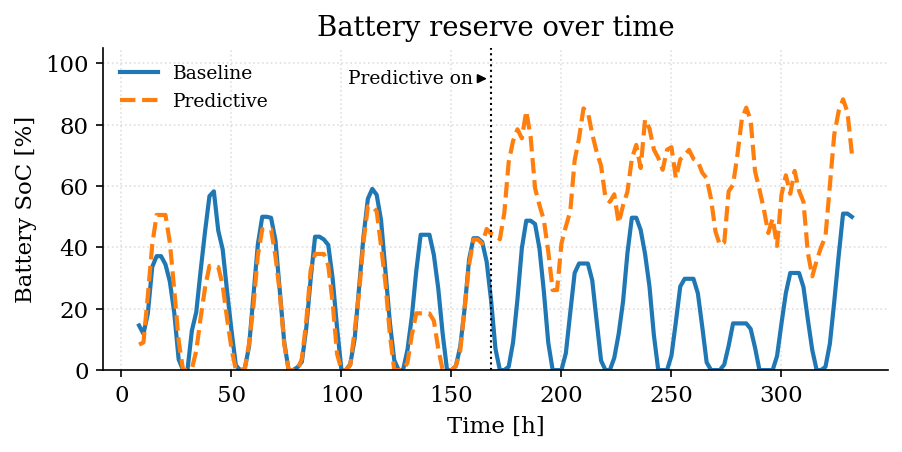
Figure 8: Battery state of charge (SoC) over simulation time.
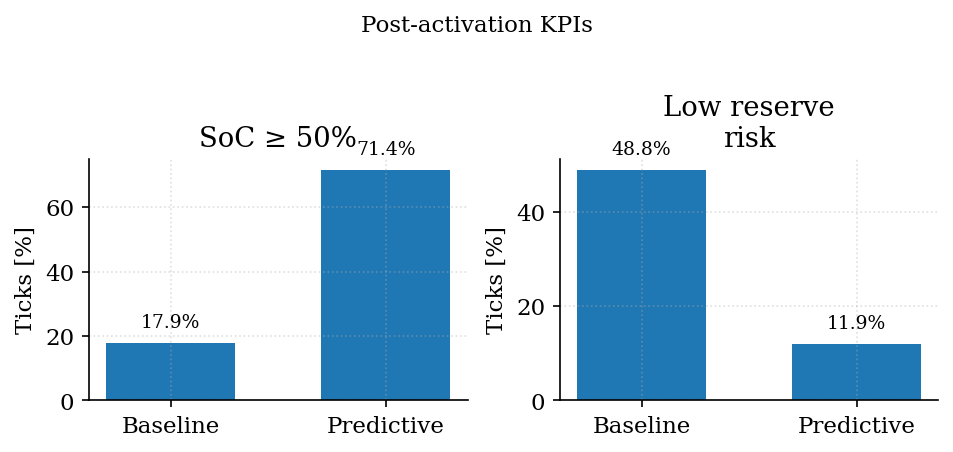
Figure 9: Post-activation key performance indicators derived from the battery trajectory illustrated by percentage of post-activation ticks during which (1, left) SoC is at least 50% (BRI), (2, right) SoC below 5% while PV generation is zero.
Predictive planning shows improved capability in maintaining higher battery reserves and reduced reliance on external energy sources, proving the system's potential for enhanced resilience.
Implications and Future Directions
The integration of forecast-driven planning in a multi-agent setup within EnergyTwin has noteworthy implications for the design and operation of next-generation microgrids. The results advocate for the adoption of distributed, forecast-informed planning in microgrid systems to maximize local energy self-reliance and operational resilience.
The paper suggests several avenues for future work, including integrating more detailed dynamic models, enhancing the economic realism of energy exchanges by embodying real-world tariffs and regulations, and incorporating advanced stochastic optimization to manage uncertainties more effectively.
Conclusion
"EnergyTwin" exemplifies a forward-thinking approach to microgrid simulation by coupling advanced multi-agent coordination with robust physical modeling and forecast-driven planning. The system provides a comprehensive platform for evaluating and implementing decentralized energy management strategies in microgrid contexts, paving the way for further research and real-world application in sustainable energy systems.