- The paper shows that using LoRA at rank 32 achieves performance comparable to full fine-tuning while reducing trainable parameters to 15%.
- It presents a systematic analysis of adapter allocation and emphasizes the necessity of full vision encoder adaptation for effective industrial manipulation.
- Resource efficiency is achieved, reducing VRAM needs from 36.2 GiB to 10.8 GiB, making on-premises training viable for privacy-sensitive tasks.
Efficient LoRA Fine-Tuning for Vision-Language-Action Models in Industrial Robotic Manipulation
Introduction
This paper addresses the practical deployment of large-scale Vision-Language-Action (VLA) models on industrial robotic hardware, focusing explicitly on the parameter-efficient fine-tuning paradigm using Low-Rank Adaptation (LoRA). The central experimental vehicle is the π0 flow-matching VLA model, evaluated on four challenging industrial assembly tasks via a UR5e arm. The study systematically investigates the interplay between LoRA rank, adapter allocation, vision encoder treatment, and the underlying intrinsic dimensionality of embodiment adaptation, thus providing actionable guidance for resource-constrained robot learning.
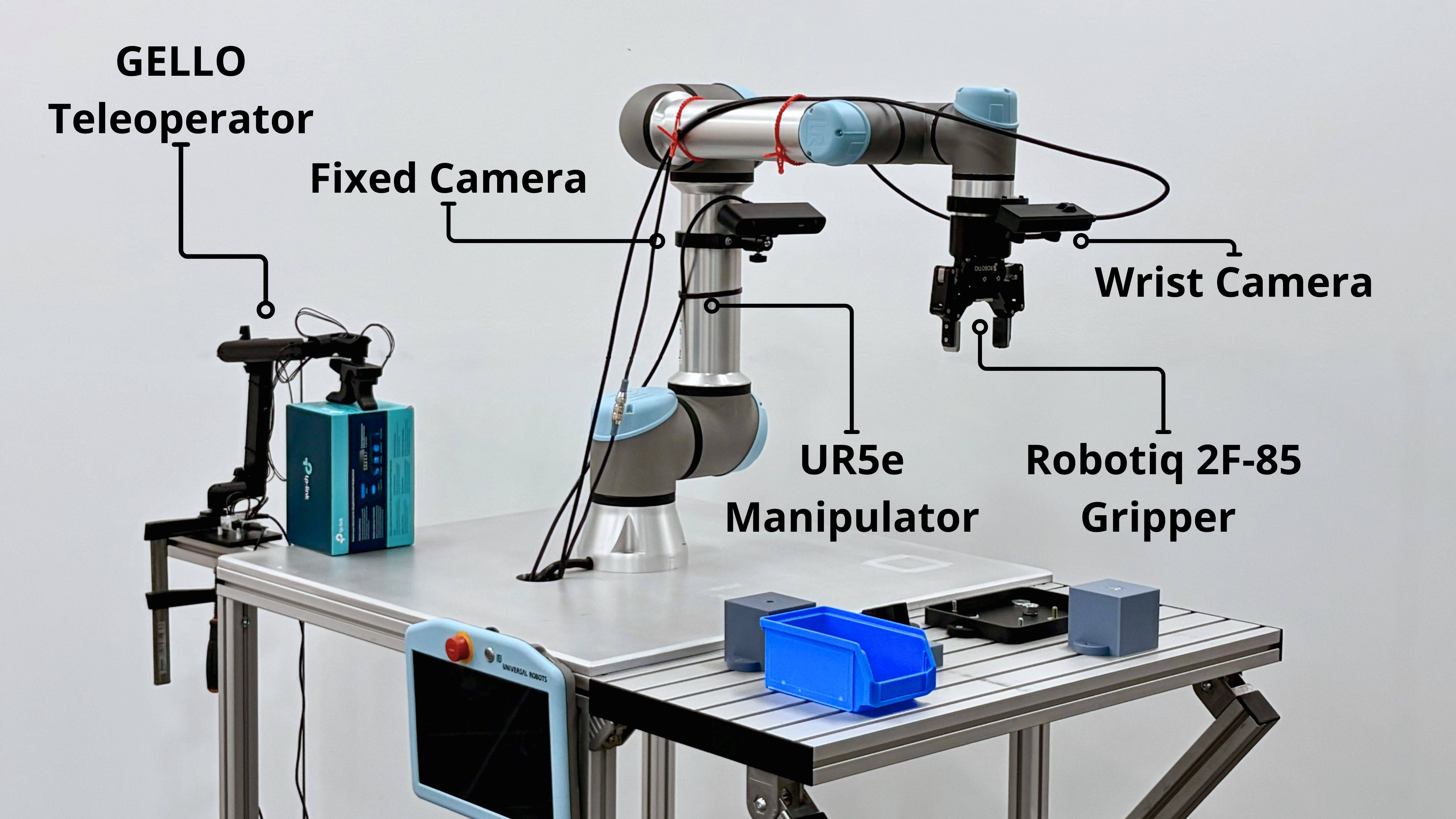
Figure 1: Experimental platform composed of a UR5e robot, GELLO teleoperator for demonstration, and a stereo camera vision system.
Experimental Configuration
The evaluation leverages a real-world UR5e robotic arm equipped with stereo vision (ZED 2i global view and ZED Mini egocentric wrist view) and a GELLO teleoperation interface for demonstration data collection, enabling direct and low-latency mapping from human operators to the robot's high-frequency 7-DoF control space. The task suite covers fine assembly challenges requiring visual, semantic, and dynamic reasoning: two bolt insertion variants (requiring positional and orientational accuracy), a pick-and-place with distractors, and a contact-rich bearing press-fit task.
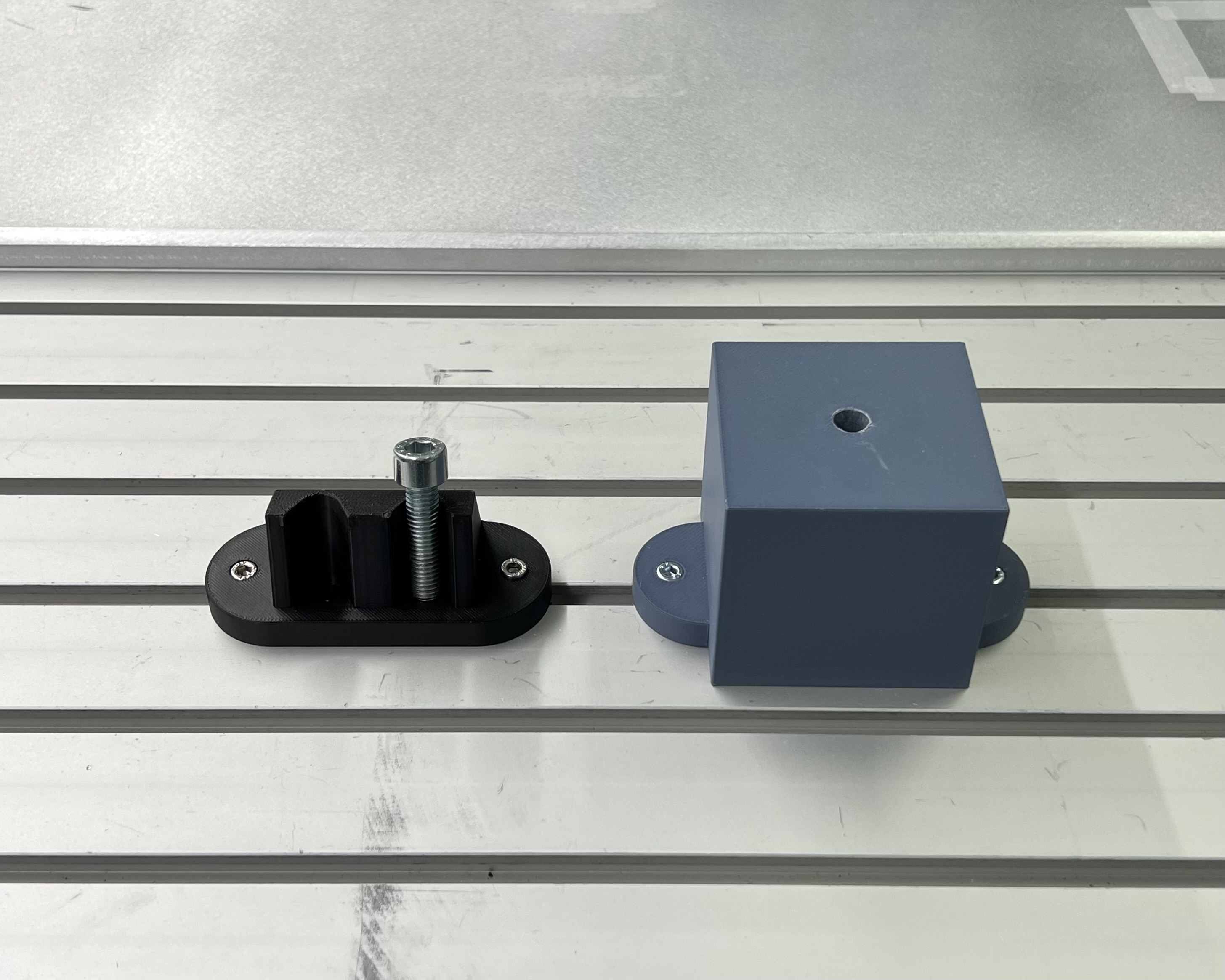
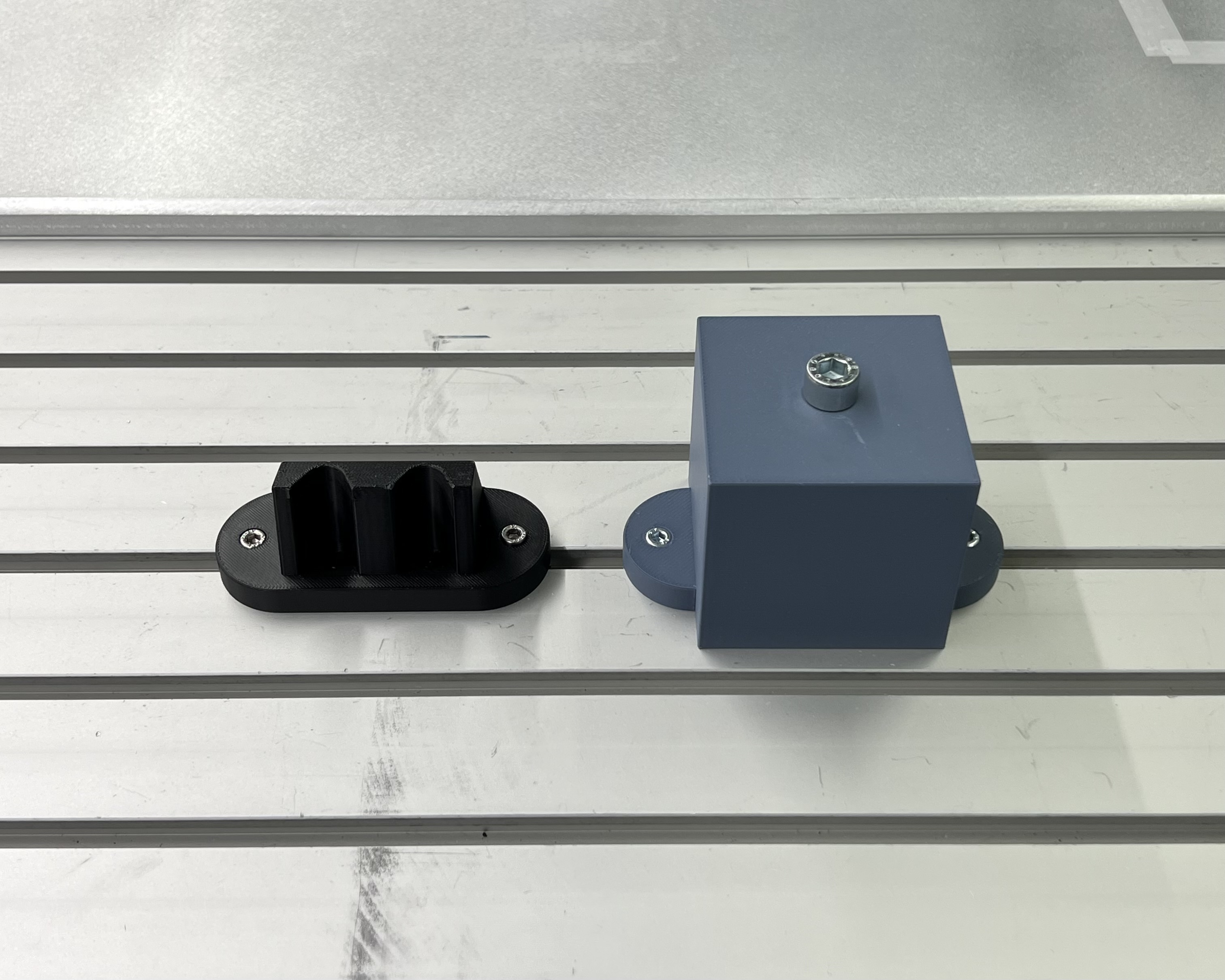
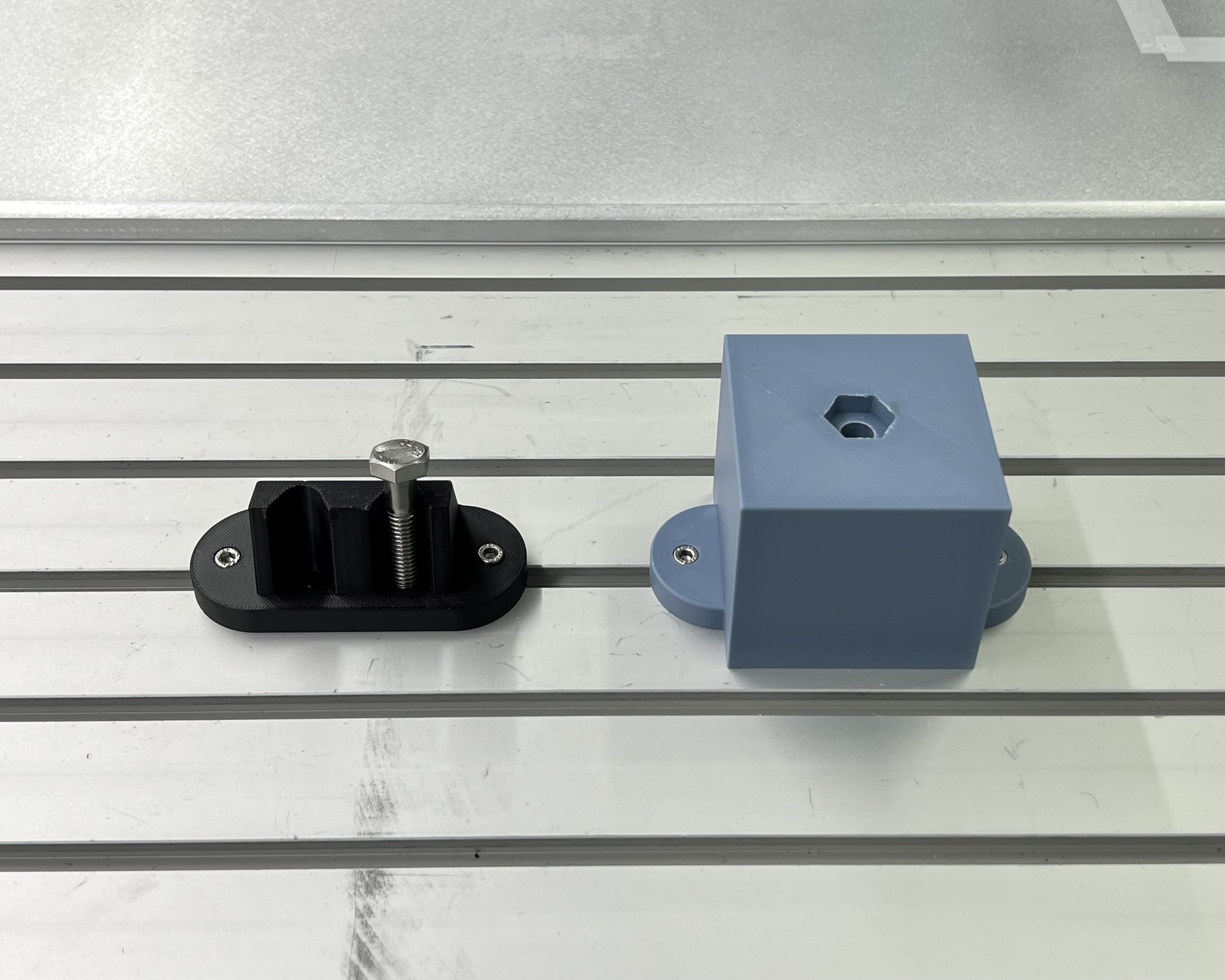
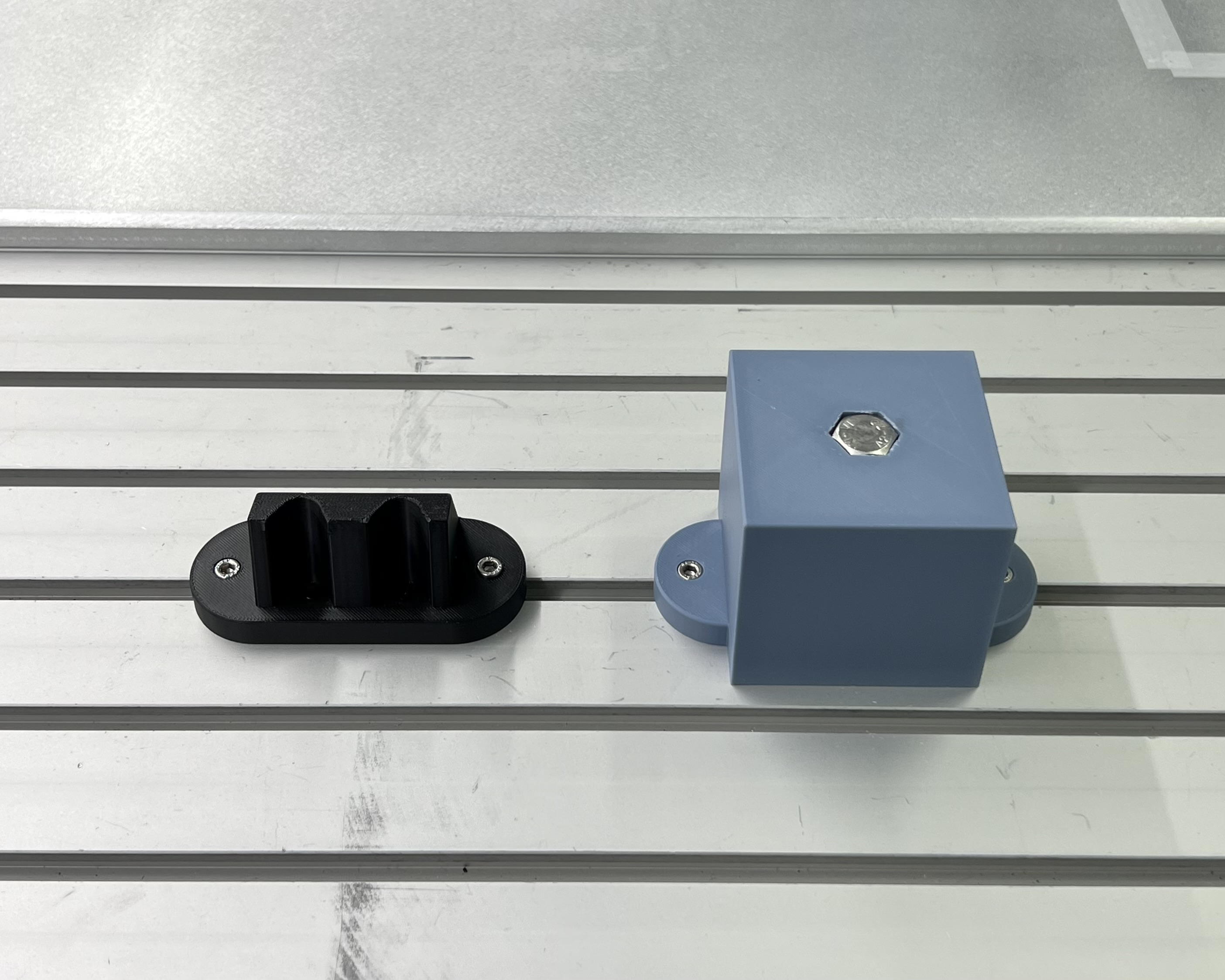
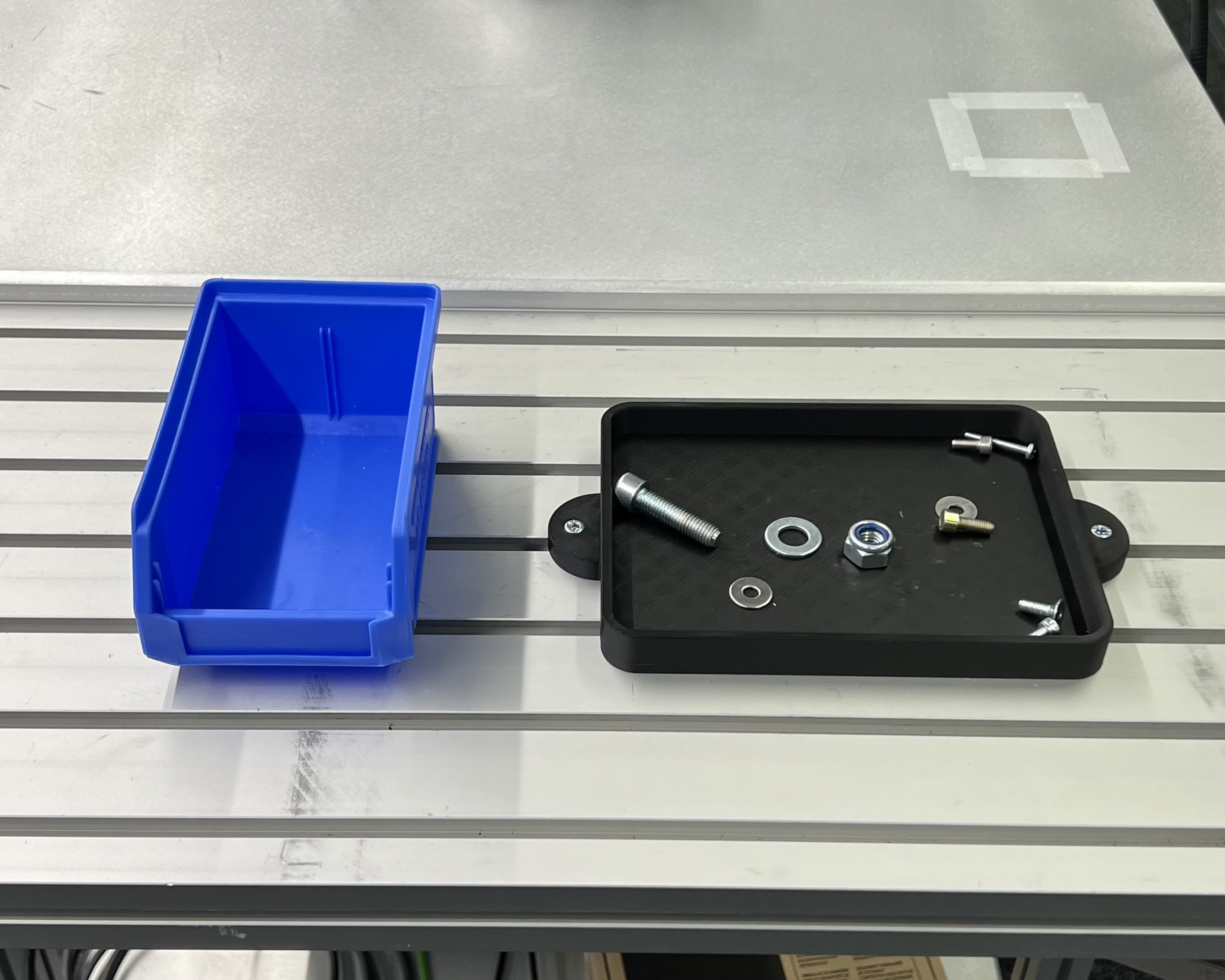
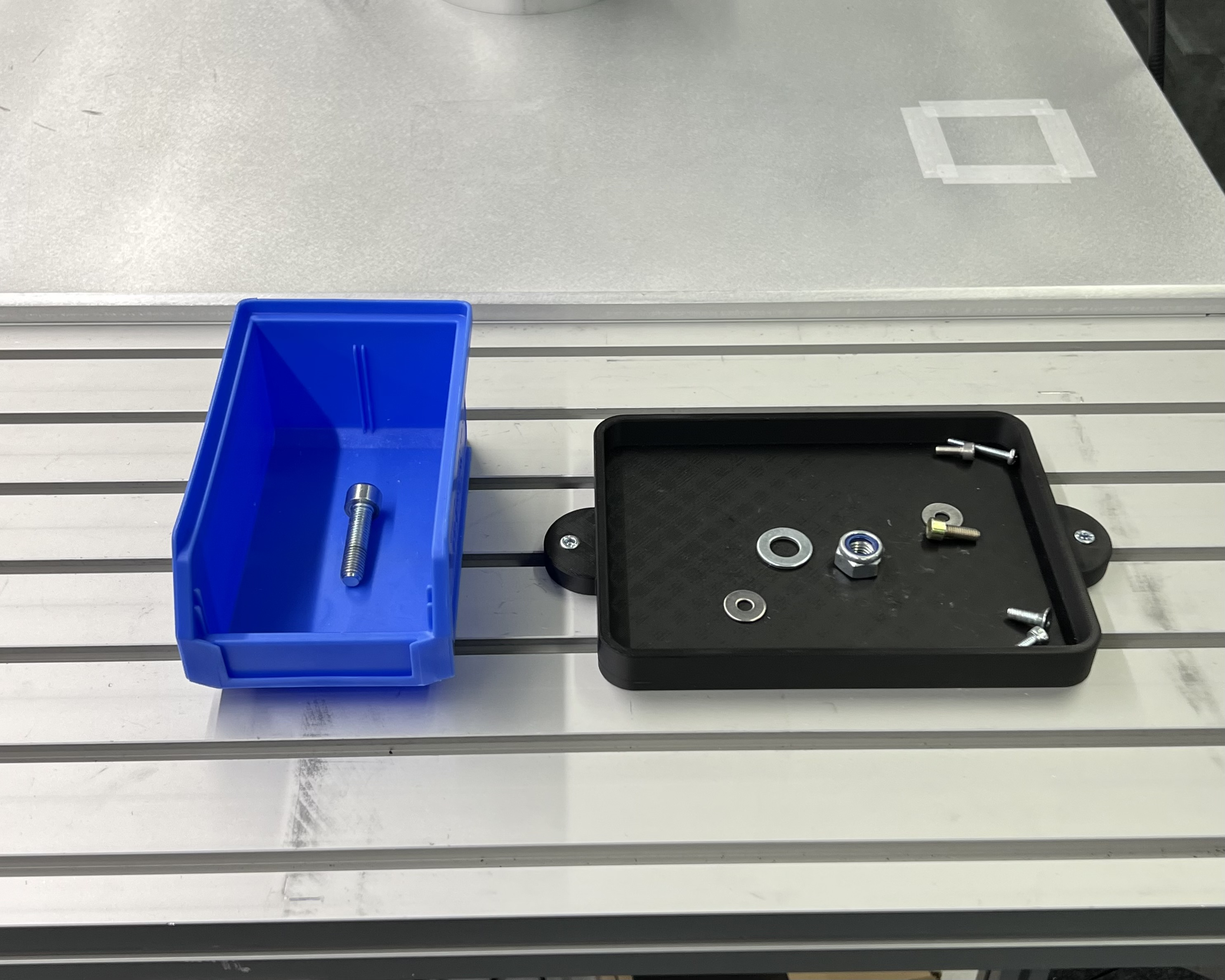
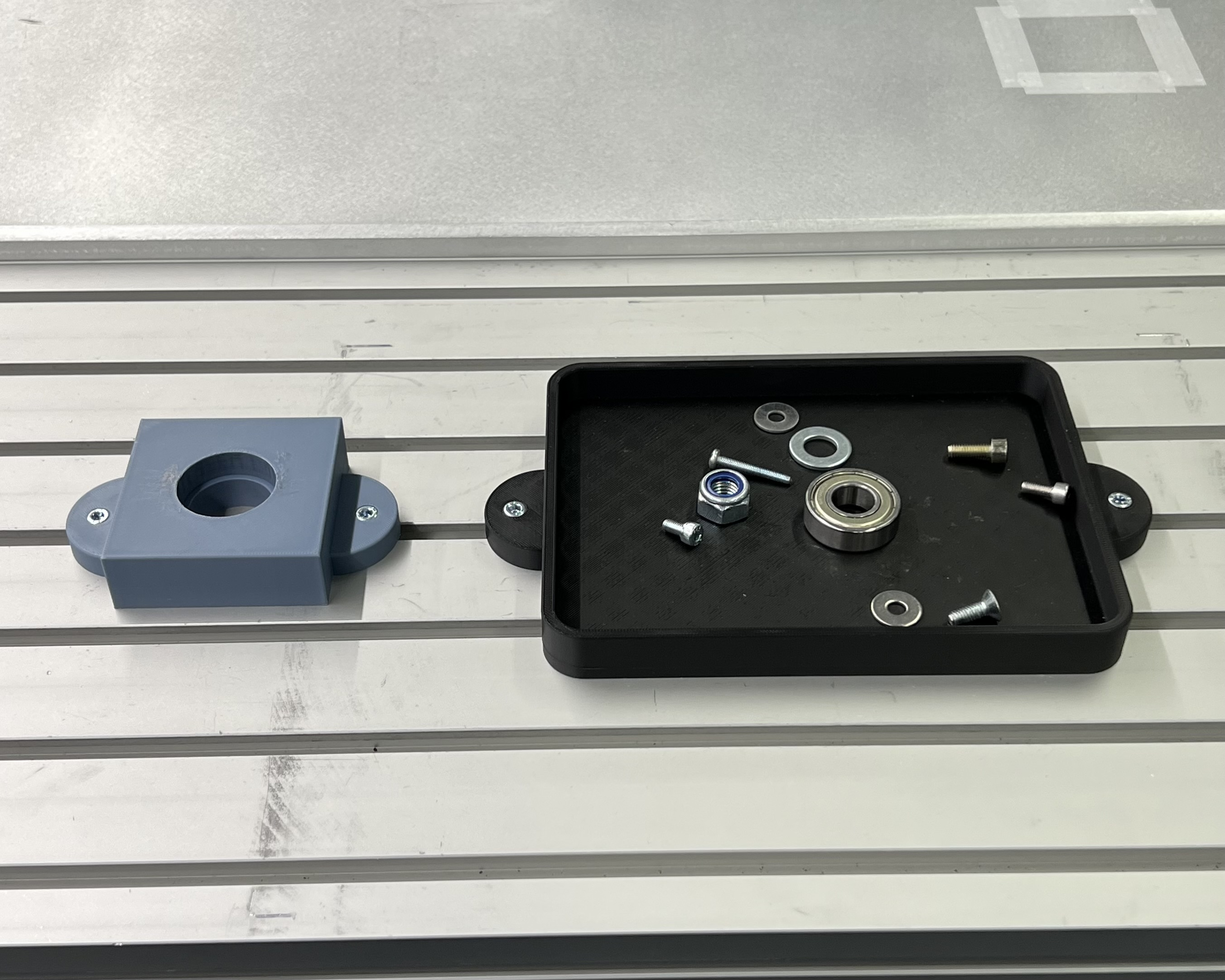
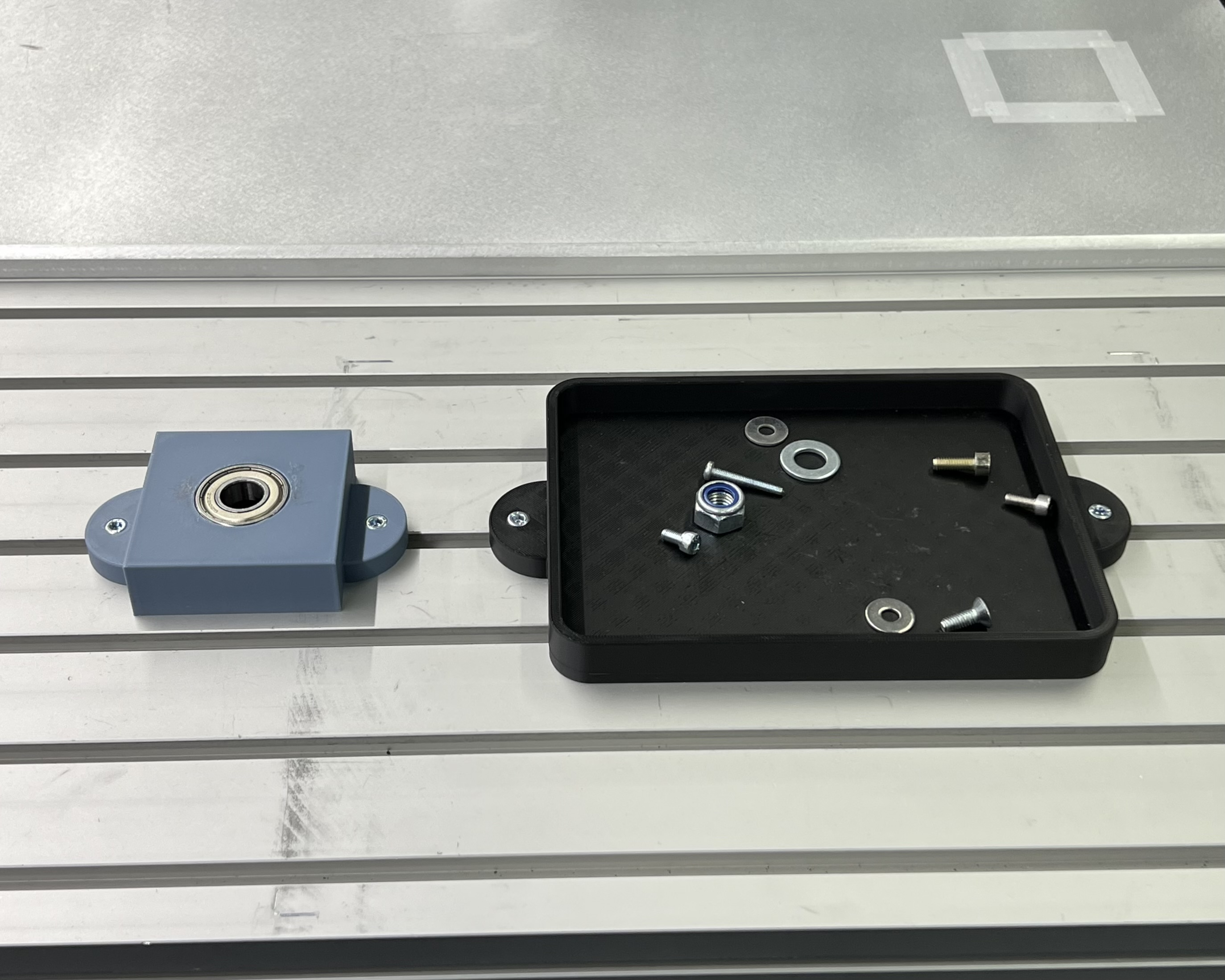
Figure 2: Task suite—illustrating initial and goal states for Bolt Insertion (Easy, Hard), Pick-and-Place, and Bearing Press-Fit tasks.
Training uses 800 expert episodes (200 per task), with naturalistic visual input and continuous action control. The π0 model architecture consists of a PaliGemma-based VLM backbone, a SigLIP vision encoder, and a flow-matching action expert. Fine-tuning strategies include full parameter updates (FFT), LoRA with various ranks and allocations, selective component freezing, and vision encoder LoRA ablations.
A key contribution is the rank sweep across LoRA adapters (r∈{8,...,256}), documenting the precise capacity-performance tradeoffs. Unlike typical studies which test only a few configurations, the analysis here reveals that Average Task Progress (ATP) saturates at r=32; higher ranks yield no statistical improvement.
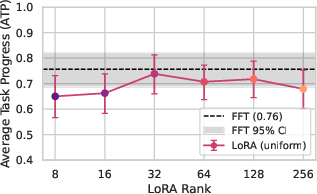
Figure 3: ATP vs. LoRA rank, highlighting rapid performance saturation with increasing rank; FFT reference for comparison.
No statistically significant gap is observed between FFT and LoRA (r=32–$256$) for policy adaptation, as validated via Mann-Whitney U tests and bootstrap confidence intervals. Both asymmetric adapter allocation schemes ("VLM-heavy" and "AE-heavy") fail to improve performance beyond uniform allocation at much higher parameter cost. This indicates that both semantic (VLM) and motor (AE) components benefit equally from adaptation and that overprovisioning one at the expense of the other is deprecated for these tasks.
Vision Encoder and VLM Plasticity: Essentiality of Full Adaptation
Freezing the VLM backbone or vision encoder produces a marked performance drop (ATP <0.15), revealing that successful embodiment transfer is not a pure motor control adaptation problem. Applying LoRA to the SigLIP vision encoder—rather than fully fine-tuning—partially recovers performance but still lags the reference pipeline, underscoring that high-rank adaptation is mandatory for vision in this domain.
Intrinsic Rank Analysis
The SVD-based evaluation elucidates the intrinsic dimensionality of FFT weight deltas for all MLP layers in the VLM, AE, and SigLIP vision encoder. While capturing 95% cumulative spectral energy requires a substantially higher rank than typical LoRA settings (∼441 for AE MLPs, ∼597 for SigLIP, π00 for VLM), performance saturates with much lower-rank LoRA (π01).
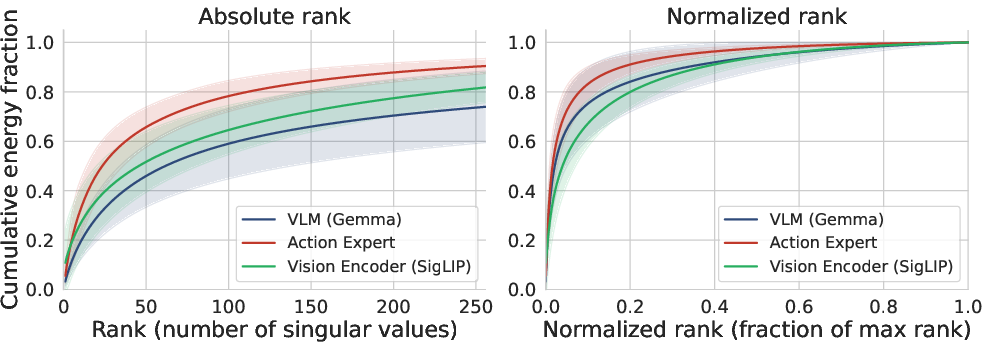
Figure 4: Cumulative spectral energy in FFT MLP weight deltas as a function of SVD rank; LoRA ranks capture a subdominant spectral fraction.
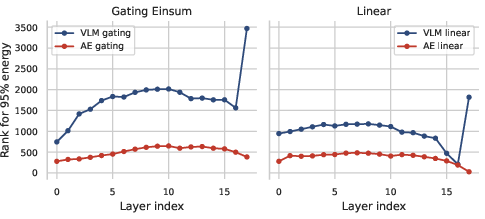
Figure 5: Per-layer rank required for 95% spectral energy capture: pronounced heterogeneity in the VLM and vision encoder, homogeneous in AE.
This divergence signals that only a limited subspace of the adaptation is operationally relevant for policy performance. The last MLP layer of the VLM displays a spike in intrinsic rank, reflecting specialized re-alignment for robotic embodiment, while the AE's last layer exhibits reduced rank requirements, consistent with its initialization from scratch and dedicated action conditioning.
Resource Efficiency
A practical outcome of LoRA adoption emerges: for π02, the number of trainable parameters drops to 15% of FFT and static parameter/optimizer VRAM requirements fall from 36.2 GiB to 10.8 GiB—enabling training on consumer-level hardware and obviating the need for off-premises cloud infrastructure. Pure LoRA is feasible for the VLM and AE, but the vision encoder should be fully adapted for optimal results.
Theoretical Implications and Future Directions
The findings substantiate that parameter-efficient adaptation (LoRA) suffices to close the embodiment gap for flow-matching VLAs in industrial manipulation, provided vision and language adaptation are unconstrained. The observation of high intrinsic rank but low effective rank adaptation is coherent with prior work on intrinsic dimensionality in transfer learning and fine-tuning (Aghajanyan et al., 2020), and indicates that most adaptation energy is not functionally salient.
For generalization, further experiments on diverse robots, more severe visual domain shifts, and alternative architectures (e.g., autoregressive token-based VLAs) are necessary. Replacing the standard LoRA scaling with techniques such as rsLoRA (Kalajdzievski, 2023) may unlock higher LoRA utility at large ranks.
Conclusion
This work delivers robust, reproducible insights into the capacity-efficiency frontier for LoRA-adapted VLA models in high-precision, real-world robotics. Uniform LoRA allocation at rank 32 to the VLM and action expert, with full SigLIP fine-tuning, achieves statistically equivalent physical task performance to full fine-tuning at a fraction of the compute/memory cost. These results provide compelling evidence and guidelines for cost-effective, on-premises embodiment adaptation of large models in privacy-sensitive industrial settings.

