- The paper introduces eight puppetry-based design principles that inform expressive and socially resonant robot behavior.
- It employs a year-long textual analysis, expert interviews, and focus groups to map theatrical techniques to robotics contexts.
- The work highlights key concepts like breath, gaze, and movement economy to improve the legibility and authenticity of robot interactions.
Puppetry-Derived Principles for Robot Behavior: Bridging Gaps in Embodied Interaction Design
Introduction
This paper, "Invisible Strings: Deriving Puppetry Principles and their Hidden Connections to Robot Behavior Design" (2607.03289), systematically derives eight central principles from puppetry practice and theory, and contextualizes their relevance for robot behavior design. While HRI has often borrowed from animation, theater, and dance, the authors argue these traditions leave unaddressed gaps in designing embodied, interactive robots—especially considering constraints on morphology, physics, and social context. Through analysis of core puppetry texts and practitioner focus groups, the work offers a suite of actionable, mid-level design knowledge that supports the generation of expressive, legible, and socially effective robot behaviors.
Methodology
The authors conducted an iterative, year-long textual analysis of canonical puppetry manuals supplemented by expert interviews and a professional puppeteer focus group. Thirteen initial principles were distilled, then consolidated to eight core guidelines based on expert feedback to ensure completeness and non-redundancy. Illustrative figures were created to operationalize each principle, and mappings to robotics contexts were elaborated with discussion of related literature and gaps for each.
Puppetry Principles for Robot Behavior Design
1. Breath as Animacy
Puppetry foregrounds continuous, context-sensitive breathing as the principal indicator of life in both idle and action states. Breath not only underscores animacy but carries emotional and communicative functions (e.g., pre-action breath, emotional pacing, Henson-Punch leading to speech).
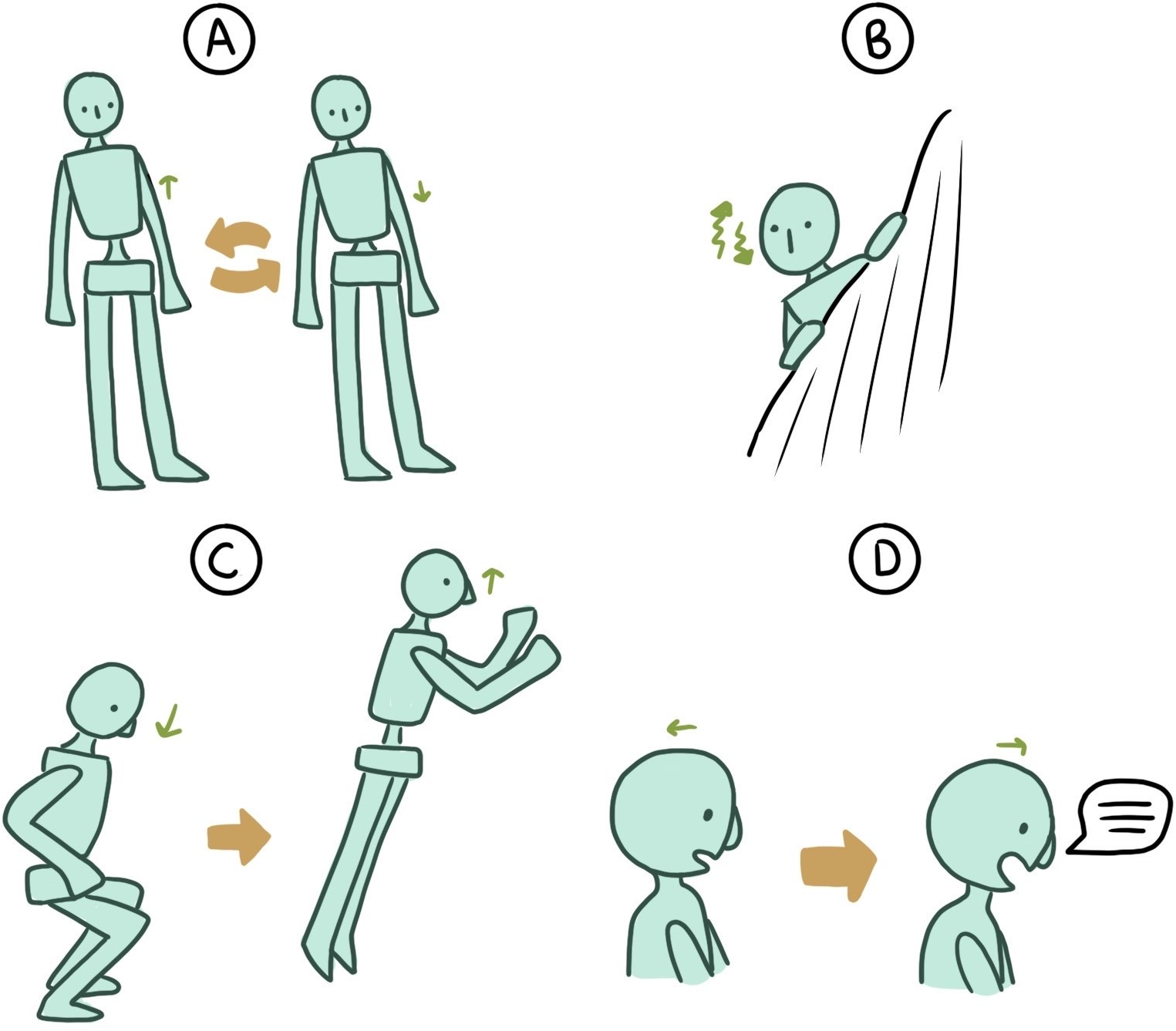
Figure 1: Idle and expressive breathing modes foundational to signaling animacy, emotion, and anticipation in puppets and robots (§ Principle 1).
Although breath has been sporadically explored for affect signaling in HRI [klausen2022], its systematic incorporation as an omnipresent, multimodal indicator—particularly for signaling internal state transitions or coordinated action—remains underutilized in robot design. The authors propose extended exploration of breath as both idle and functional cue.
2. Audience Assumption and Imagination
The audience inherently ascribes intent, emotion, and completeness to a puppet or robot, regardless of morphology or actual expressivity. Small movements or stillness carry emotional implications, while the mind fills in structural and behavioral gaps using contextual cues.
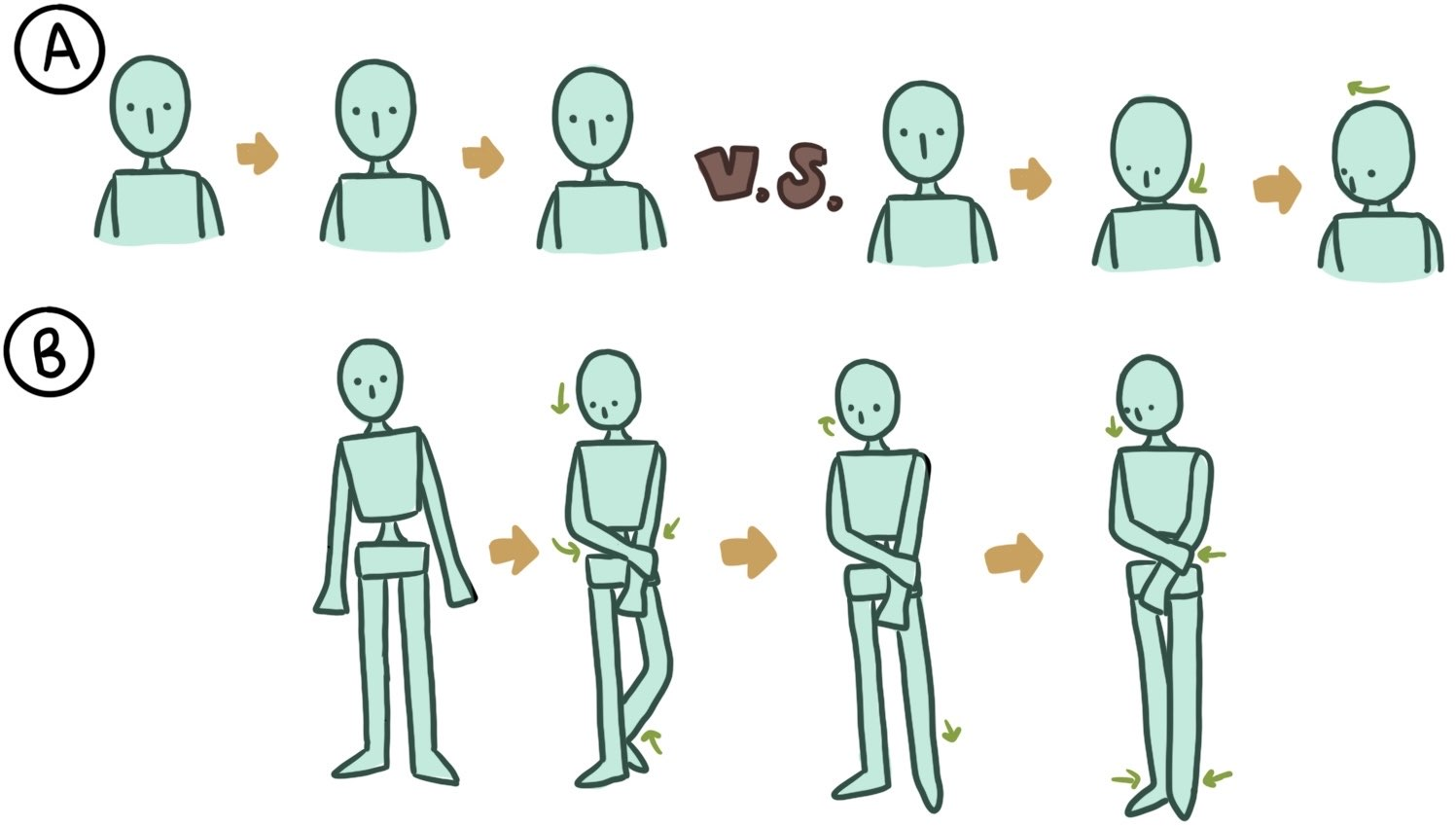
Figure 2: Demonstrations of how even subtle motion (or lack thereof) is interpreted as emotion, and how intentional staging can guide perception.
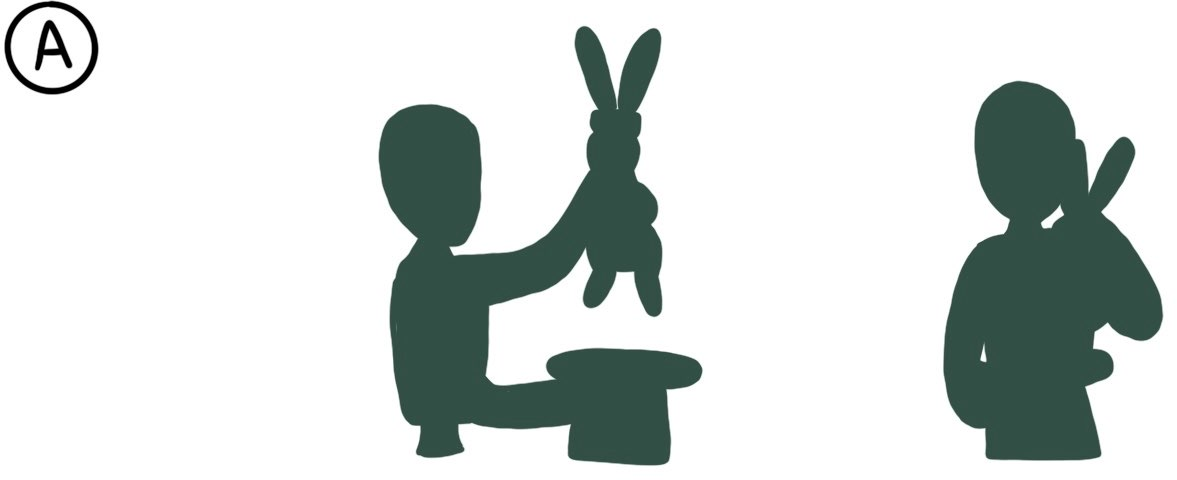
Figure 3: Ensuring legible silhouettes and clear focus to optimize audience interpretability.
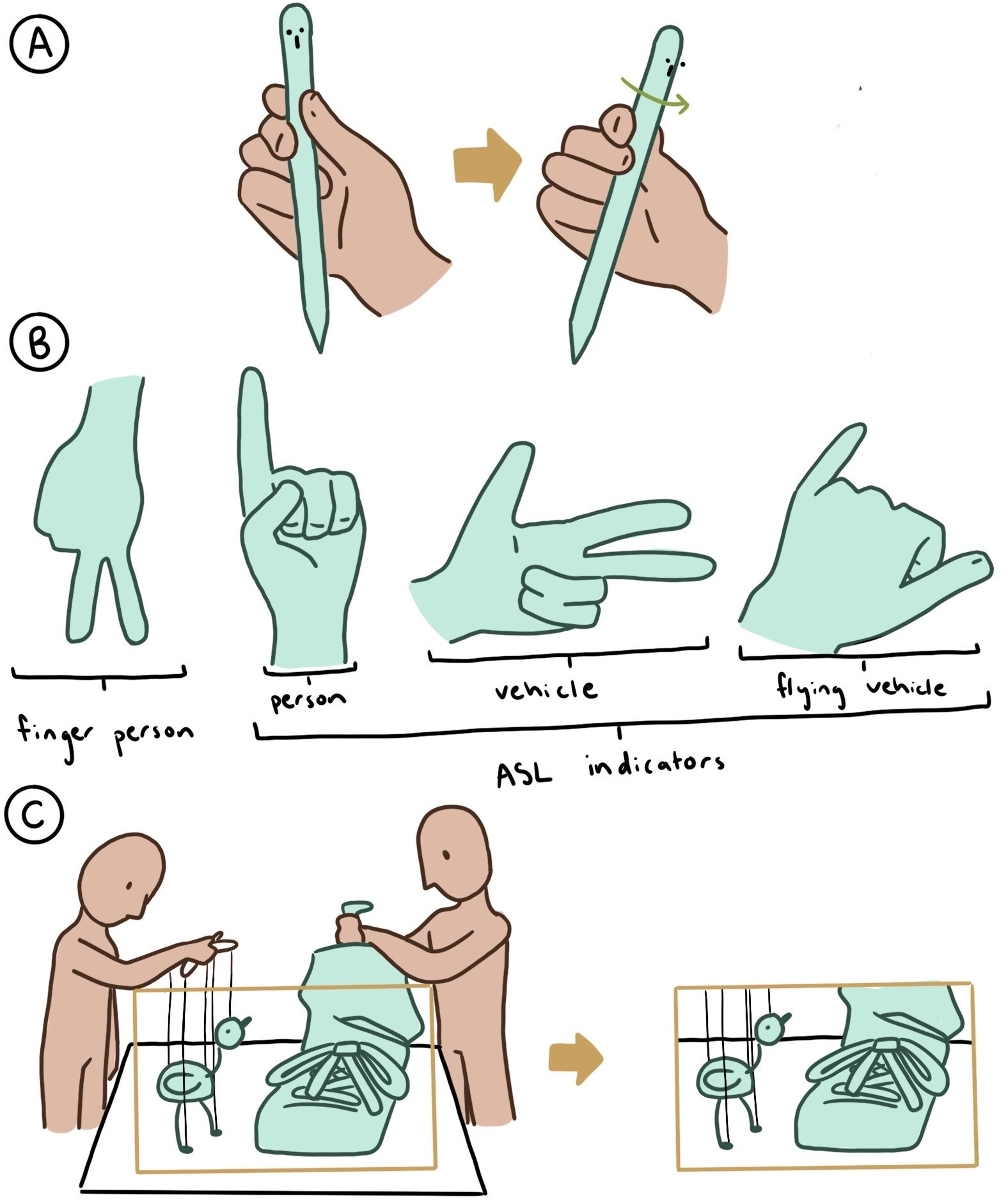
Figure 4: Manipulation and abstraction, leveraging imagination to suggest unmodeled features or entities.
This principle underscores the criticality of managing not only positive cues but also ambiguity; robot designers can use selective embodiment and movement restraint to encourage desired interpretations without over-articulation. The notion of "intentional clarity"—ensuring every motion is visible, comprehensible, and foregrounds the robot's communicative intent—impacts physical configuration, interaction protocols, and even collaborative multi-agent settings.
3. Movement/Stillness Economy
Beyond breath, ubiquitous low-level motion (fidgeting, shifting weight) sustains perceptions of life; selective use of pronounced stillness becomes a high-gain channel for attention capture or signaling moments of focus/decision.
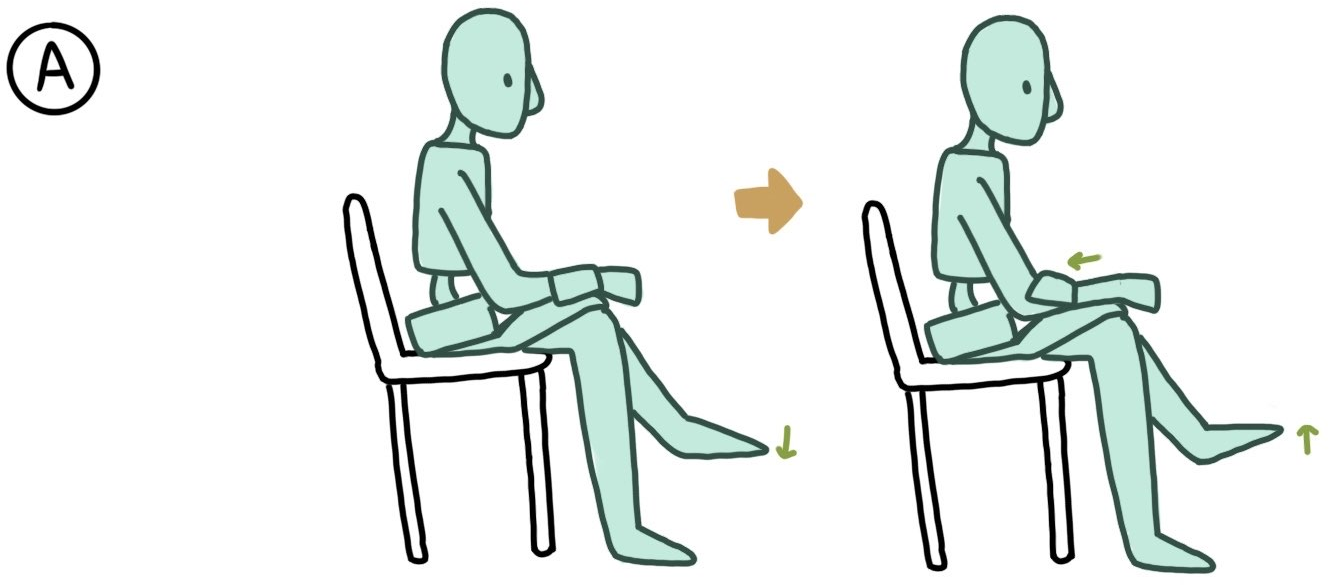
Figure 5: Subconscious and low-amplitude movements maintain animacy; punctuated stillness signals focus, suspense, or emotional salience.
Robotics applications typically focus on movement expressivity but do not fully exploit the contrastive power of stillness. The authors highlight the practical need to synchronize subtler, distributed robot motions with moments of deliberate immobility for enhancing communicative clarity and engagement.
4. Focus and Intent through Gaze
Explicit, continuous focus—implemented via gaze or body orientation—signals engagement, intention, and audience inclusion/exclusion. This holds even for morphologies without eyes, with focus operationalized as a spatial "cone of attention."
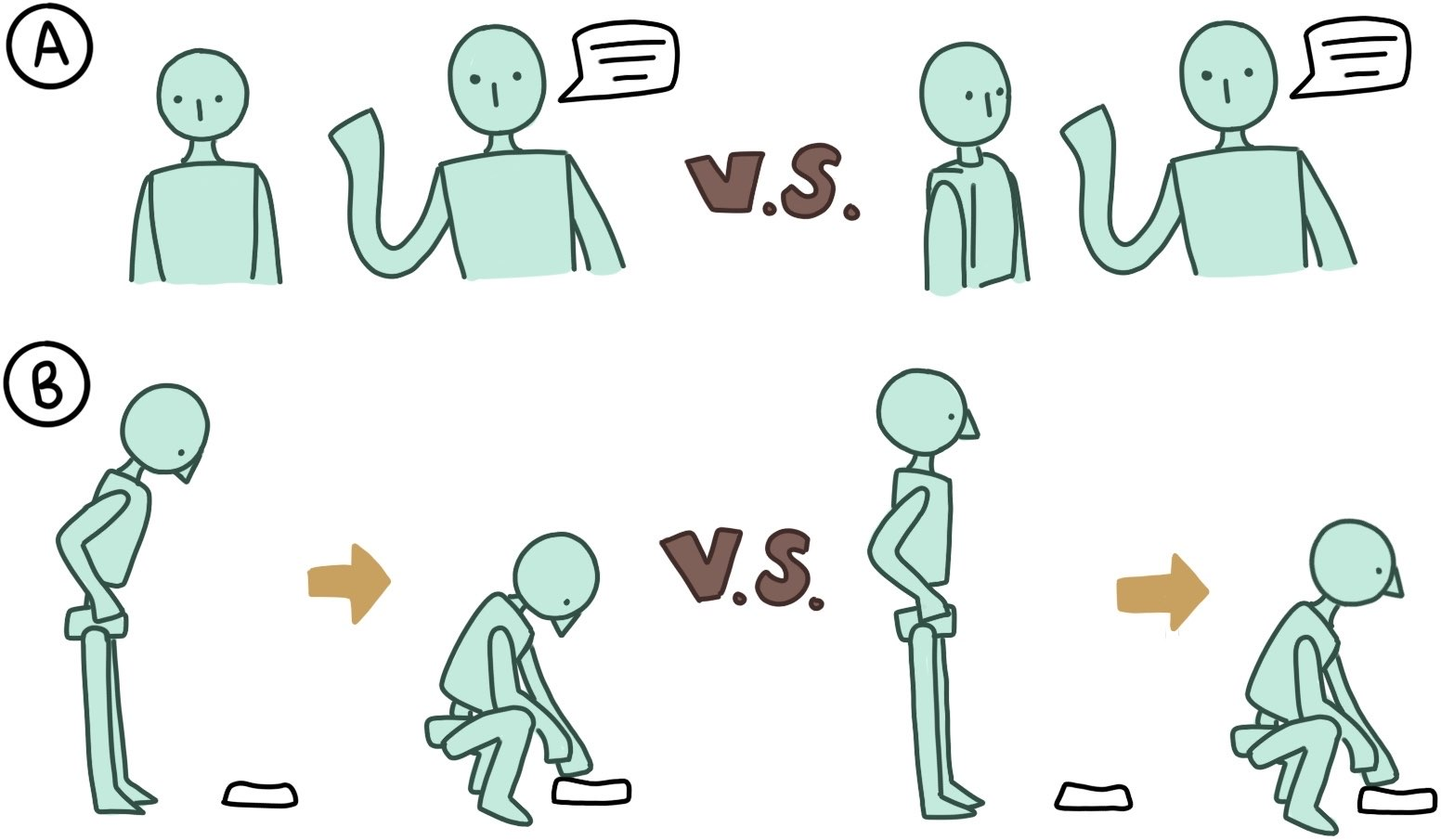
Figure 6: Focus dynamics; a puppet or robot’s locus of attention determines conversational inclusion and signals impending actions.
This aligns with but is more general than existing gaze literature in HRI [admoni2017gaze], suggesting that explicit modeling of focus is essential irrespective of form factor, and should account for both audience and task structure.
5. Morphology-Dependent Speech Coordination
When speaking, puppet movements must coordinate with speech but remain morphologically plausible—non-humanoid forms adopt tailored, co-speech indicators (head bobs, light cues, gestures). Maintaining focus during speech is prioritized over mechanical lip synchronization if the latter breaks the illusion of directed attention.
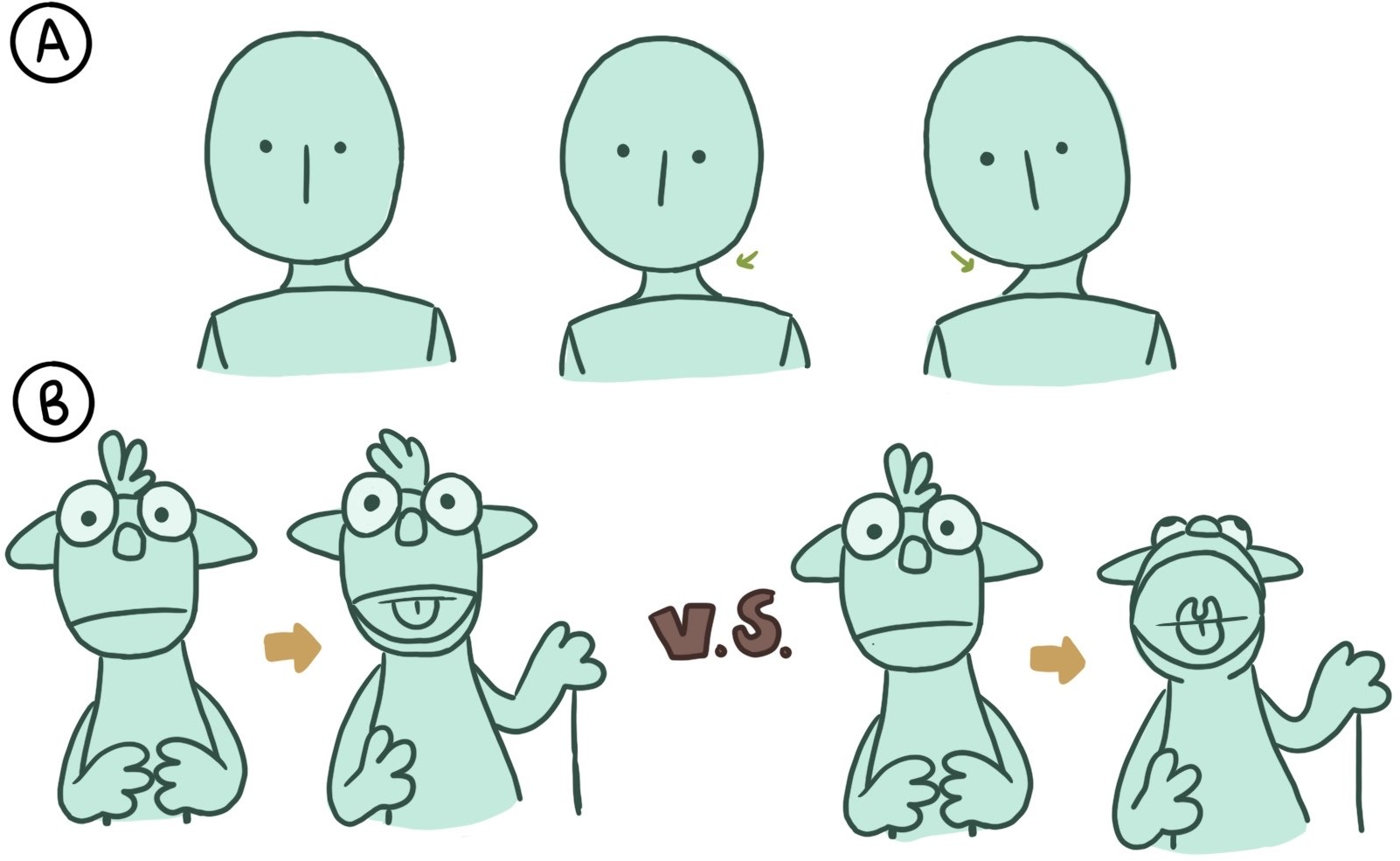
Figure 7: Morphology-driven co-speech movement (e.g., head, hands, light cues) ensuring focus and conversational clarity during utterances.
For robots, the principle advocates designing co-speech movement systems that are form- and context-sensitive, ensuring they enhance rather than undermine the robot's perceived engagement.
6. Responsive Authenticity ("Given Circumstances")
A puppet must exhibit real-time, context-appropriate, and internally consistent reactions to environmental and social cues. The visible progression of thought before action (see-feel-react) underpins believability.
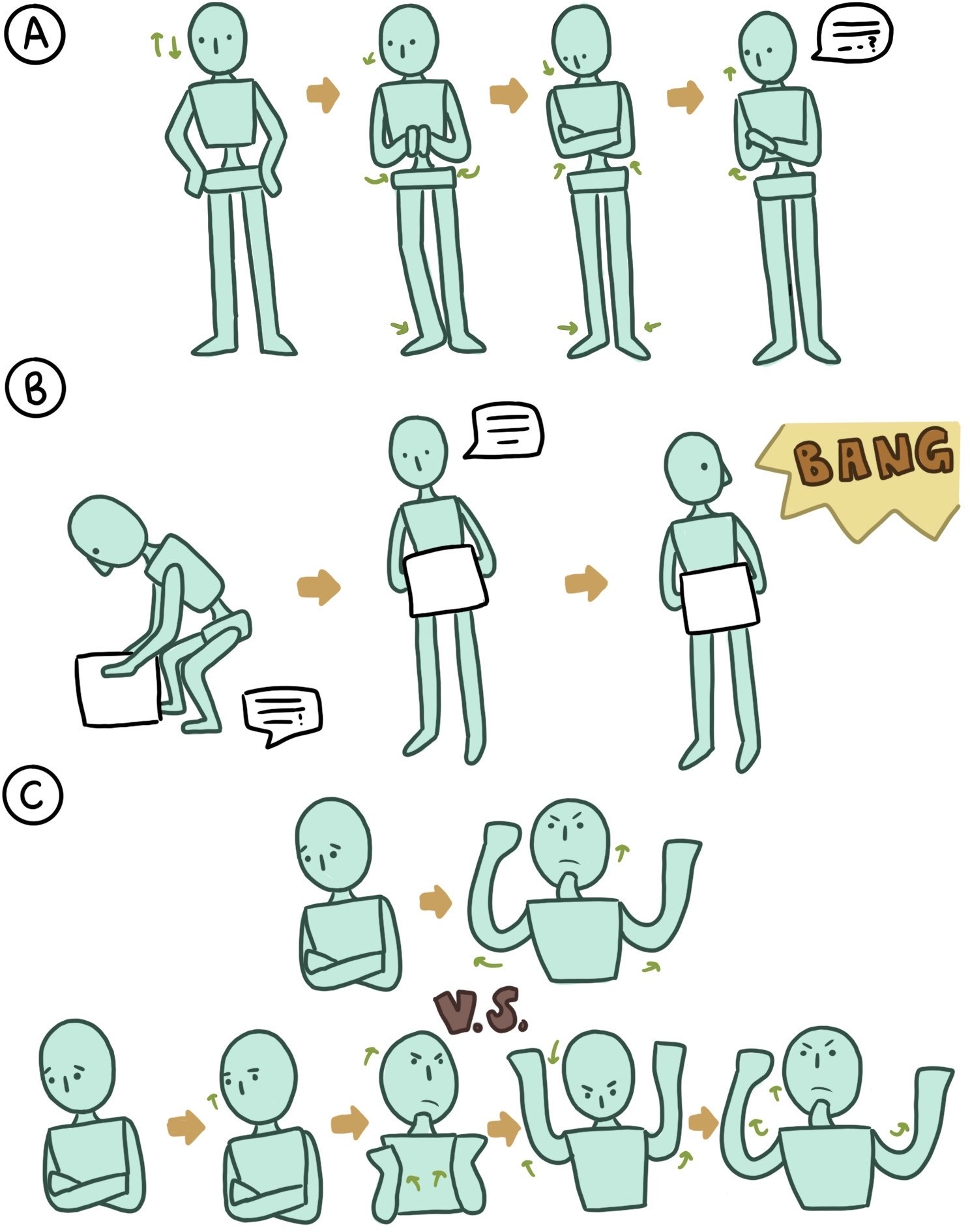
Figure 8: Progressive internal state transitions and environment-aware reactions to external events distinctly signal authenticity and internal modeling.
This has direct implications for multimodal perception-action loops, policy reactivity, and narrative consistency in robot interaction design. Robots perceived as nonresponsive to salient events are deemed unintelligent or untrustworthy.
7. Control of Weight and Posture
Posture, apparent balance, and weight manipulation convey ongoing emotion and personality. Physical expressivity in posture (slumping, tension, leading body part) communicates much beyond the momentary gestures or explicit face cues.
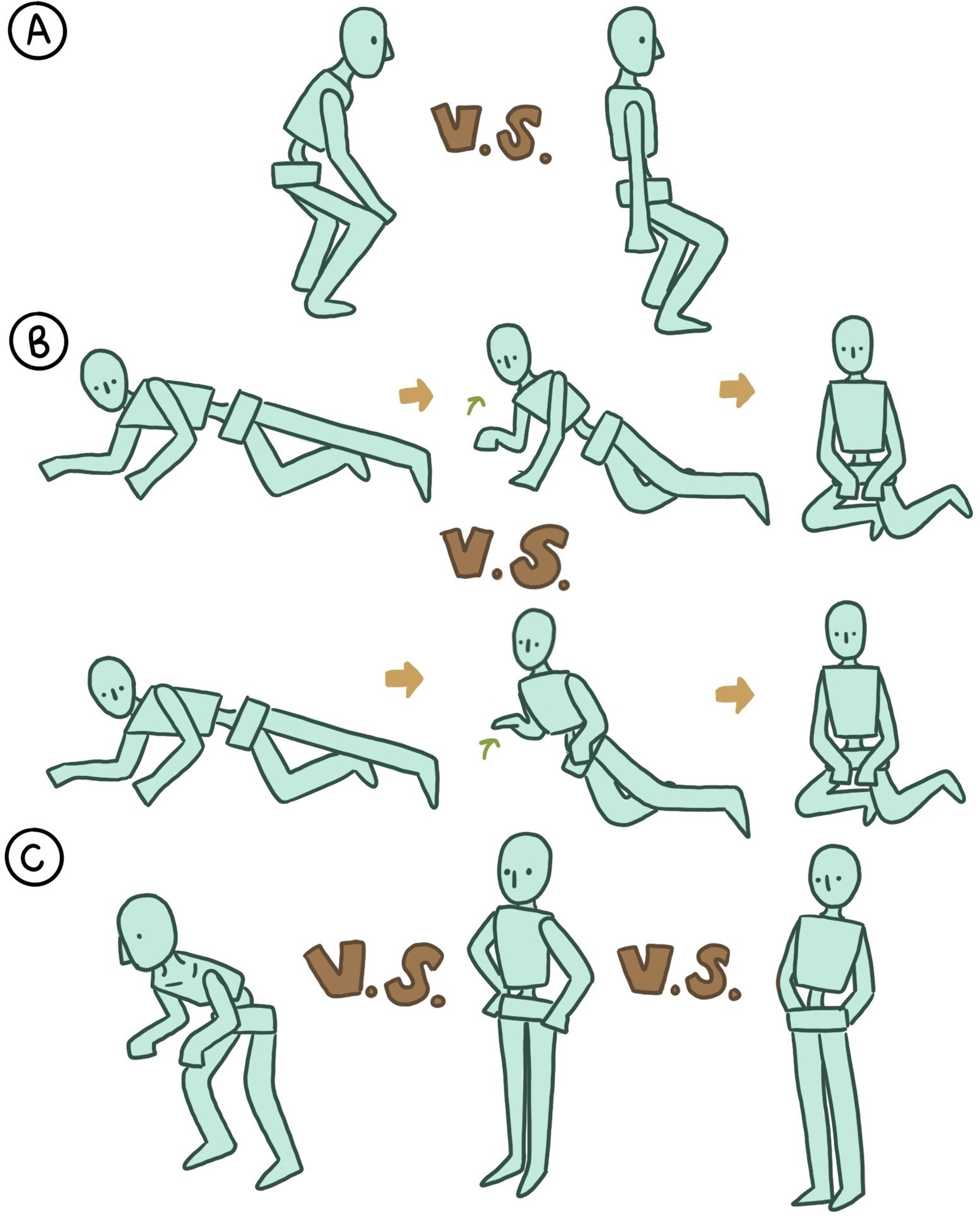
Figure 9: Manipulation of posture, balance, and kinetic grounding to establish character weight, effort, and enduring personality traits.
The principle recommends embedding controllers for pose inertia, kinetic chaining, and posture modulation to robot systems, to support interpretation of both transient states and stable individual differences.
8. Economy of Movement
Puppeteering avoids over-articulation; motion should be as minimal and targeted as the communicative goal allows. Over-precise or excessively dynamic movements can flatten affective dynamics or misconstrue intent.
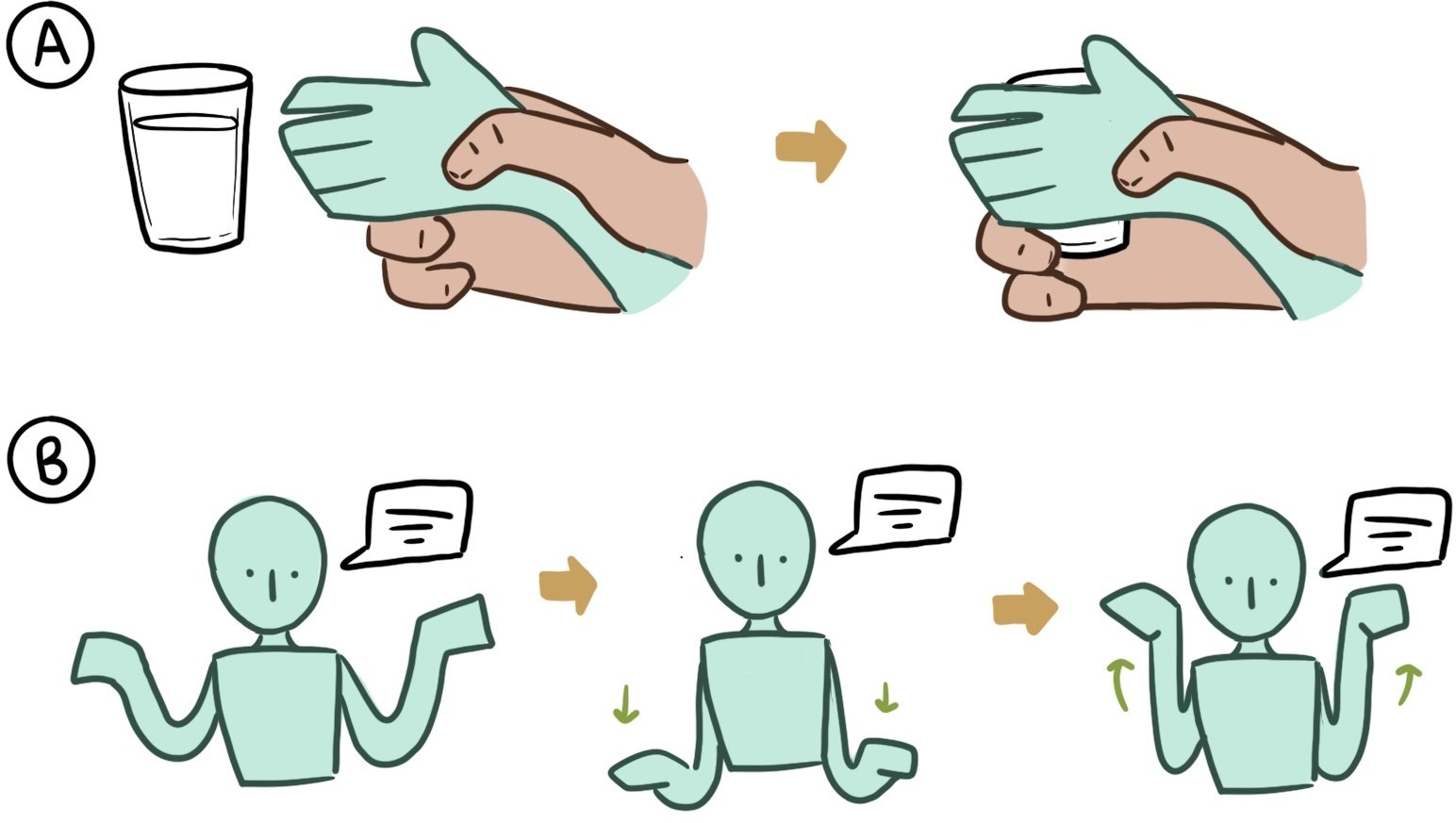
Figure 10: Avoiding overemphasis; implying complex functions when feasible, and calibrating the amplitude of affect displays to scene context.
Relevant for robots with high-DoF or anthropomorphized embodiments, this principle cautions against the distraction or artificiality arising from over-elaborate idle or functional gestures, emphasizing intentional constraint and minimalism.
Implications and Forward Directions
Across principles, several key implications emerge:
- Bridging Levels of Abstraction: The puppetry-derived principles offer intermediate-level guidelines—more operational than theatrical script-driven design, less low-level than animation heuristics—directly actionable for robot behavioralists and control system architects.
- Audience Model Integration: The explicit focus on audience/focus and imagination aligns robot design with real-time Theory of Mind modeling and the management of user attributions, a frequently underexplored area in system implementation.
- Form-Function Co-Optimization: Adapting expressive principles across arbitrary morphologies moves beyond anthropomorphism, supporting design for zoomorphic, mechanomorphic, or abstract robots.
- Underutilized Channels: Breath, posture, and selective stillness remain powerful but under-exploited in present HRI systems, representing fertile areas for new controllers, sensory integration, and interaction strategies.
While the authors identify meaningful connections with a range of HRI literature, they also highlight substantial unexplored opportunities for mechanism development and empirical validation. For example:
- Breath or idle motion as a coordination cue, rather than pure affect
- Strategic stillness as a communicative highlighter
- Selective embodiment leveraging imagination to bridge hardware limitations
- Context-aware economy of movement in complex tasks and multi-robot settings
Conclusion
This work extends the epistemic toolkit of HRI and robot behavior design by rigorously distilling mid-level design principles from puppetry. These principles facilitate the creation of robots that are expressive, interpretable, and socially resonant without defaulting to over-articulation or anthropomorphism. The paper encourages future technical research into embodiment-sensitive controllers, audience-aware behavior planning, and rigorous experimental validation of puppetry-informed guidelines—advancing the expressive and functional sophistication of embodied agents.

