- The paper presents a physics-informed, vibration-based ML framework that classifies rotor ITSC severity with 90.56% overall accuracy.
- It fuses multi-domain features—including spectral, temporal complexity, and statistical measures—using XGBoost for robust, four-class fault discrimination.
- The methodology employs minimal sensor installation and provides actionable insights for early fault detection and maintenance planning.
Multi-Class Severity Classification of Rotor Inter-Turn Short Circuits Using Eddy-Current Vibration Signals
Introduction
Rotor inter-turn short circuit (ITSC) faults are pervasive and insidious failure modes in synchronous generators, inducing localized electromagnetic asymmetry that evolves into torque ripple, unbalanced magnetic pull (UMP), and ultimately, mechanical and electrical degradation. Detection and, especially, the grading of fault severity remains an unsolved problem, with the majority of diagnostic research and industrial practice limited to binary (healthy/faulty) discrimination. This paper advances the state-of-the-art by introducing a physics-informed, vibration-based machine learning framework capable of explicit ITSC severity classification, leveraging multi-domain feature extraction from eddy-current displacement sensor signals.
Motivation and Background
Early-stage ITSC faults produce subtle electromechanical modulations that are not reliably captured by conventional amplitude or narrow-band spectral metrics due to mechanical damping and noise floor saturation. Electrical detection techniques (e.g., detection coils, virtual power estimation, or shaft voltage analysis) offer high sensitivity but require invasive sensor deployment and customized infrastructure, hampering practical utility. Recent works have considered the utility of vibration signals, but almost exclusively focus on binary decision making or utilize accelerometer-derived RMS or peak-based features with low sensitivity to incipient faults.
The core approach in this work is to utilize non-contact eddy-current displacement probes in order to capture low-frequency electromechanical responses, and to fuse optimized spectral analysis, temporal complexity, and statistical measures into a hybrid feature space suitable for robust classification. The integration of operating point information (current and frequency) ensures adaptation to real-world variability.
The diagnostic framework comprises signal conditioning, systematic spectral analysis, temporal/statistical complexity feature extraction, and classification using XGBoost. The Savitzky–Golay filter efficiently attenuates measurement noise while preserving transient features critical for diagnosing ITSC-induced modulation.
Order analysis reveals that 3×fr harmonics, while dominant due to core electromagnetic forces, are insufficiently sensitive to ITSC evolution. The paper identifies the 4×fr harmonic as the principal diagnostic carrier, corroborated by order-versus-amplitude analysis across multiple fault severities.
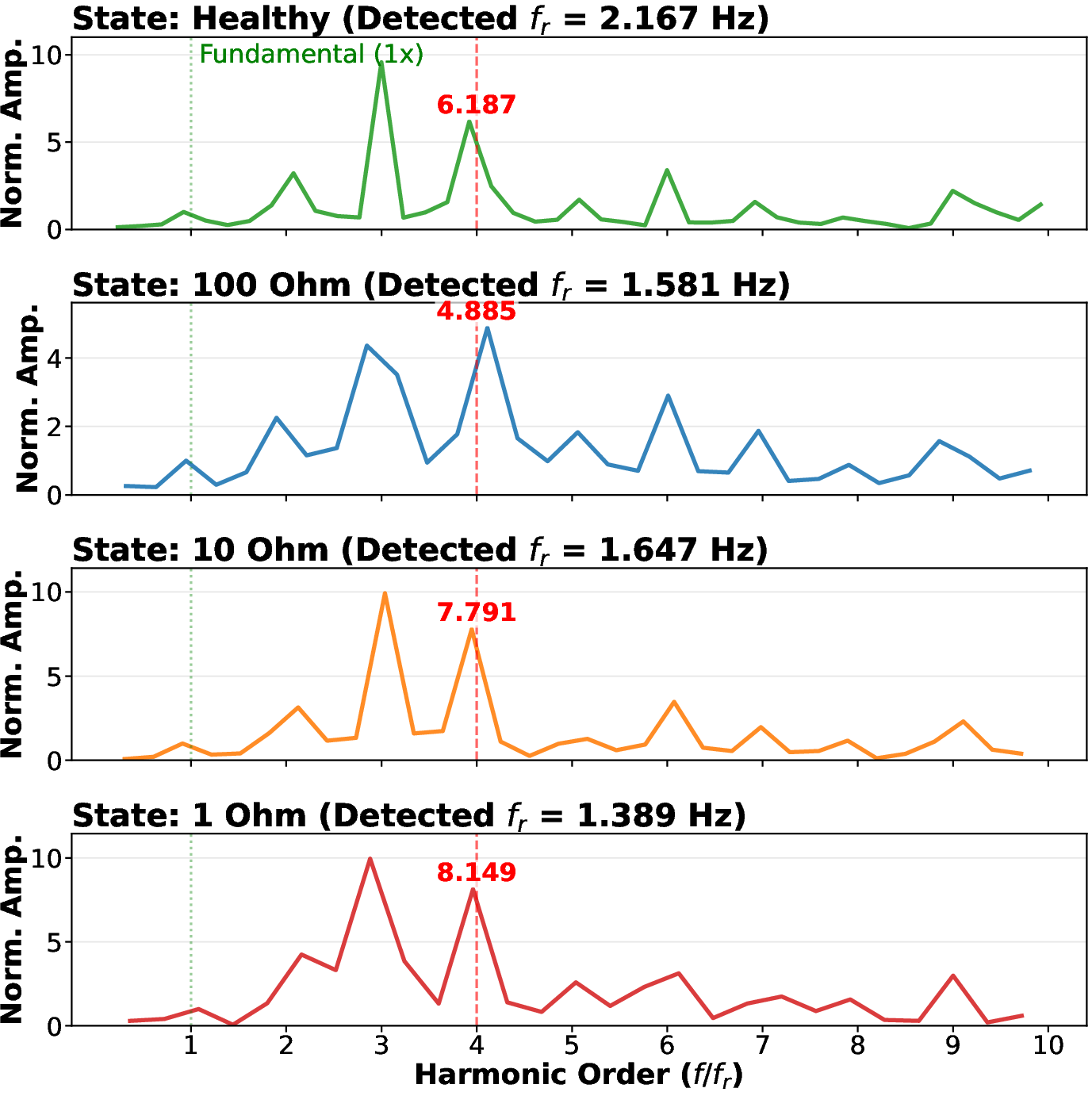
Figure 1: Normalized amplitude of mechanical harmonics; the 3×fr component dominates, but 4×fr is used for primary fault detection due to higher sensitivity to ITSC.
Ensemble-averaged spectral densities further validate that fault progression manifests as systematic changes in higher harmonics and their sidebands, motivating the structured feature extraction windows.
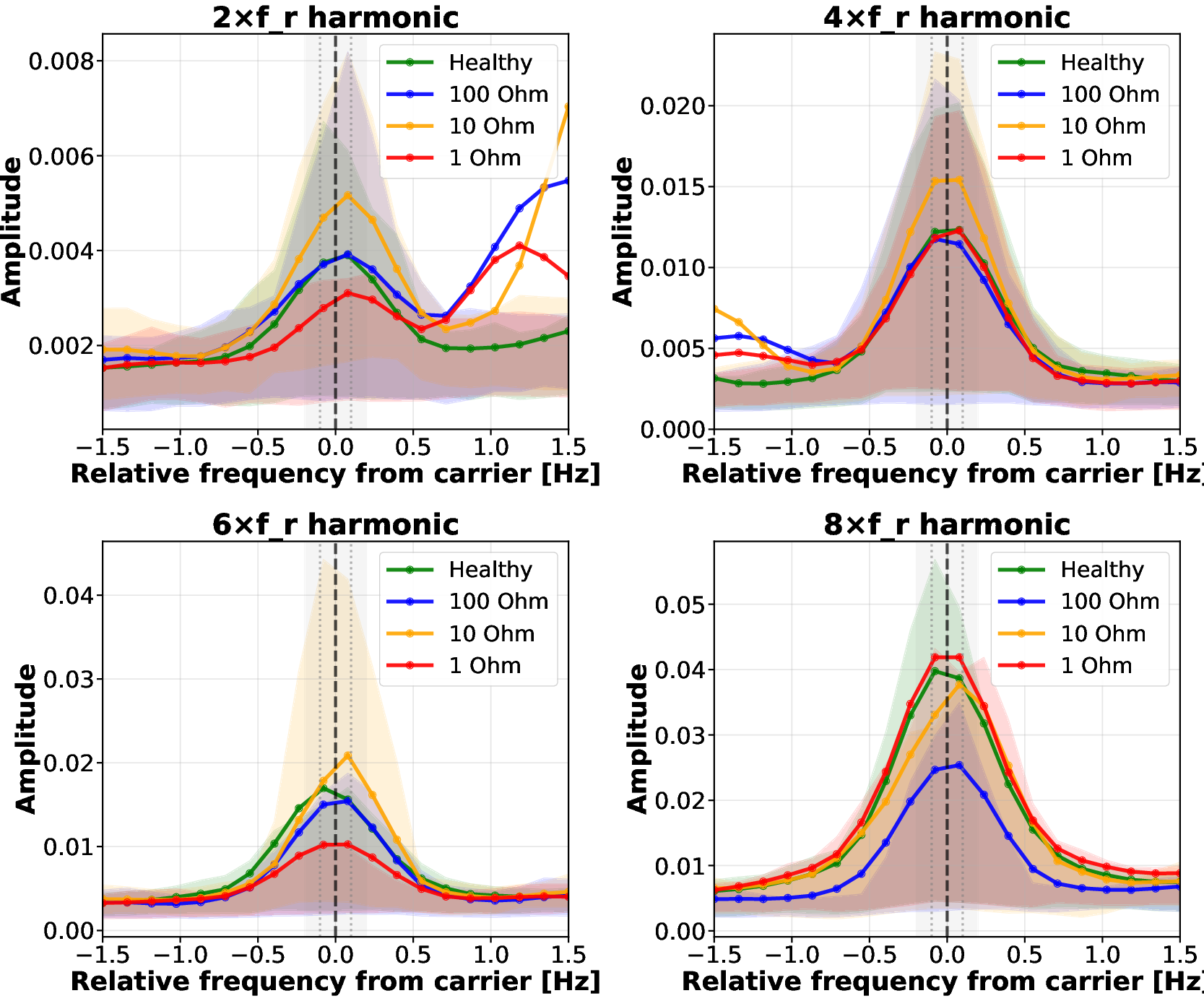
Figure 2: Averaged spectral evolution versus ITSC severity at each harmonic order reveals systematic sideband development, supporting their diagnostic utility.
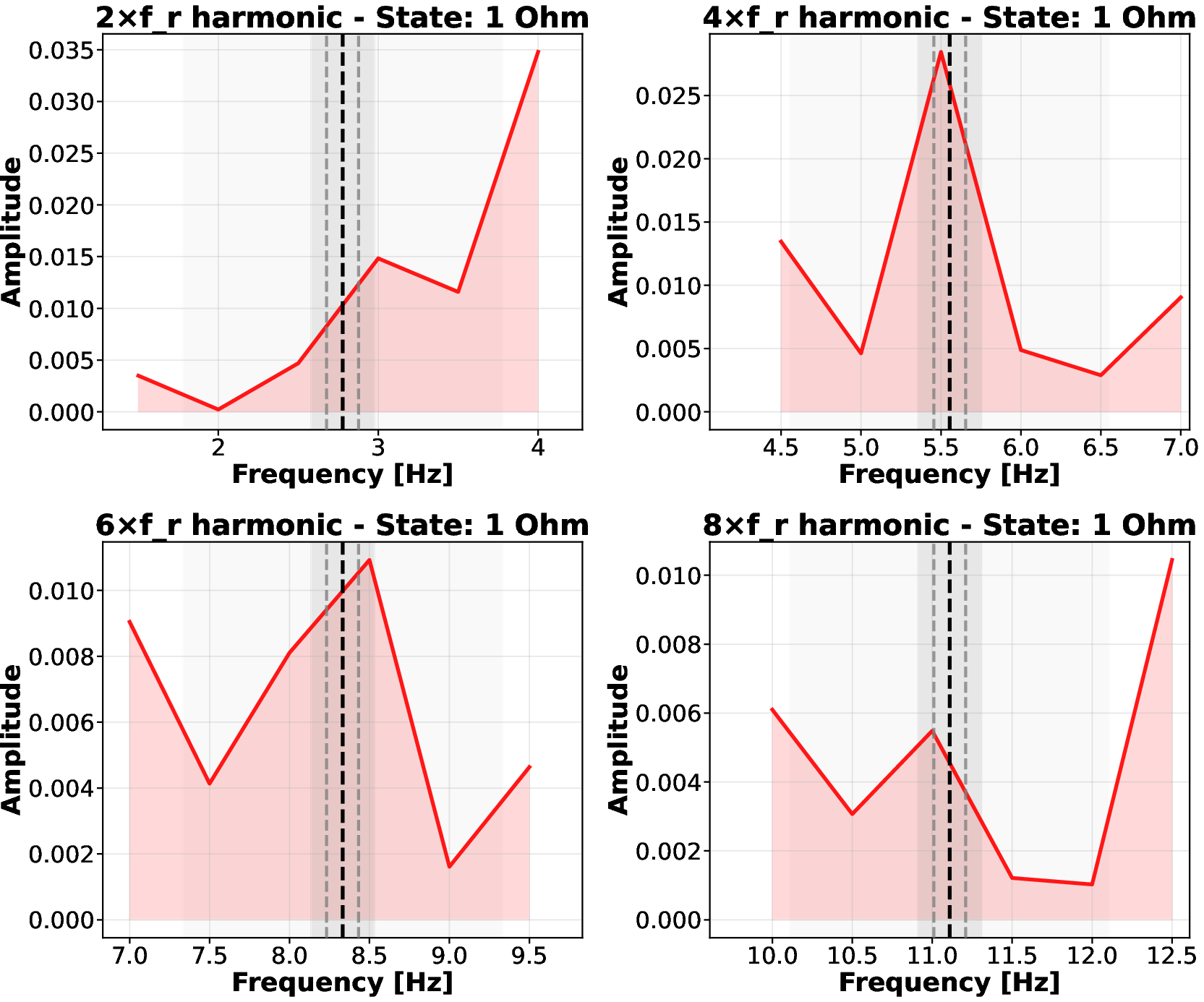
Figure 3: RMS (±1 Hz) and sideband (±0.1 Hz) integration windows around chosen carrier harmonics for robust spectral feature computation.
Eight spectral features are derived per sample: four RMS energies centered at harmonics (2, 4, 6, 8)×fr and their respective normalized sideband ratios. The choice of RMS window width is explicitly validated, balancing frequency estimation errors against noise rejection.
Temporal nonlinear features—Hjorth Complexity and Permutation Entropy—quantify signal regularity and deviation from stationary, low-complexity oscillations. These quantities are sensitive to the transition from multi-modal healthy vibration (high complexity/entropy) to modulation-dominated faulty states (complexity reduction, entropy increase).
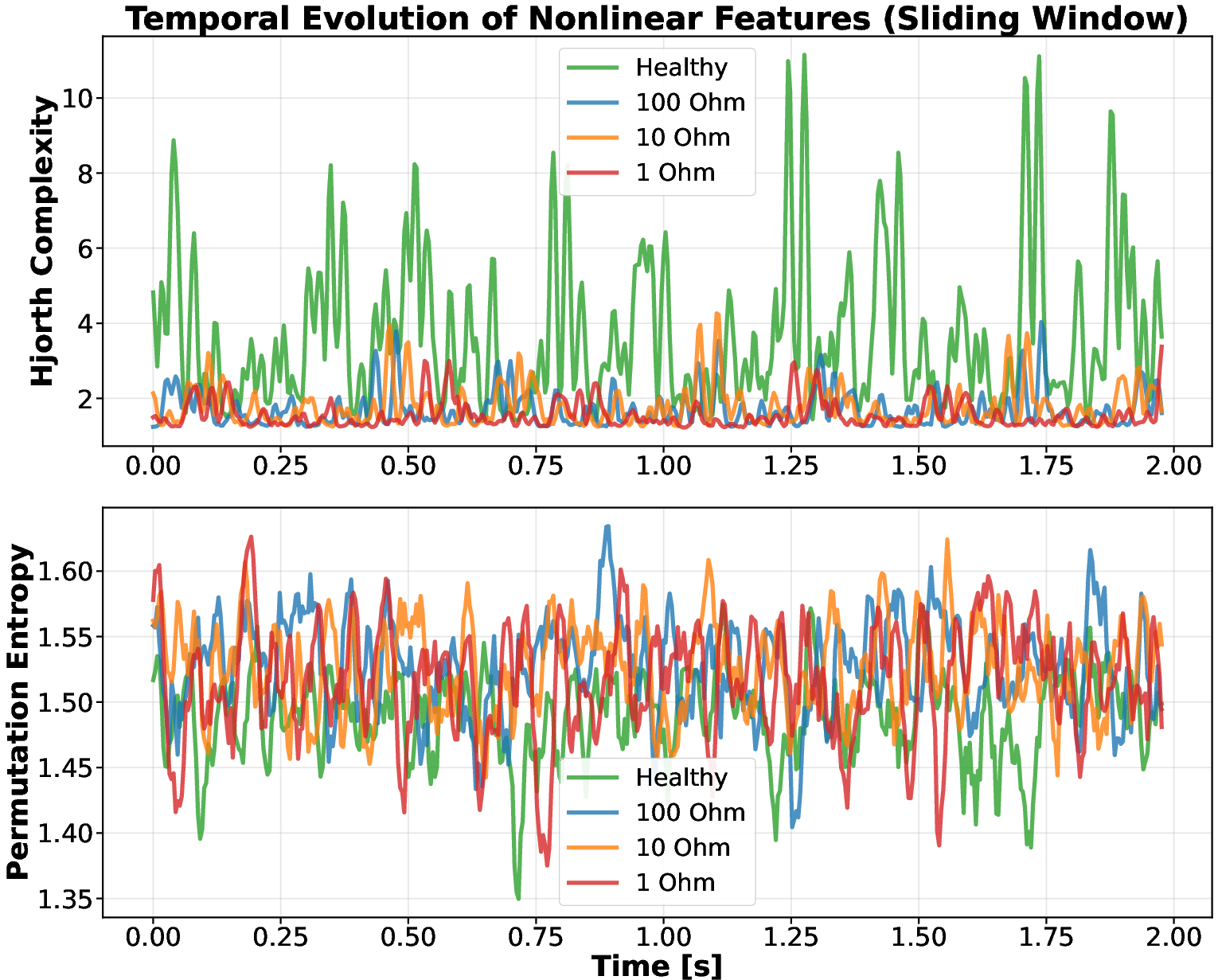
Figure 4: Sliding window analysis of Hjorth Complexity and Permutation Entropy demonstrates monotonic trends with ITSC severity, capturing nonlinear dynamic changes.
Complementing these, five classical statistical features (RMS, crest, peak-to-peak, skewness, kurtosis) address gross morphology and impulsivity. The hybrid vector is augmented by mean and standard deviation of the field current (capturing load and excitation regime changes), plus the rotation frequency itself.
A laboratory-scale synchronous generator, reconfigured with accessible field winding taps and external resistive fault injection (1, 10, 100 Ω), serves as the experimental platform. Fault levels correspond to severe, moderate, and mild ITSC; a baseline healthy condition completes the four-class labeling.
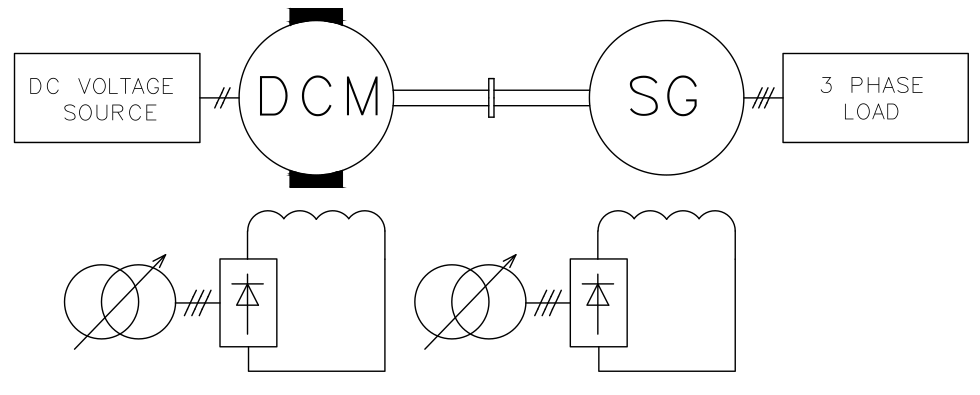
Figure 5: Laboratory test rig schematic with excitation, generator, load, and instrumentation layout.
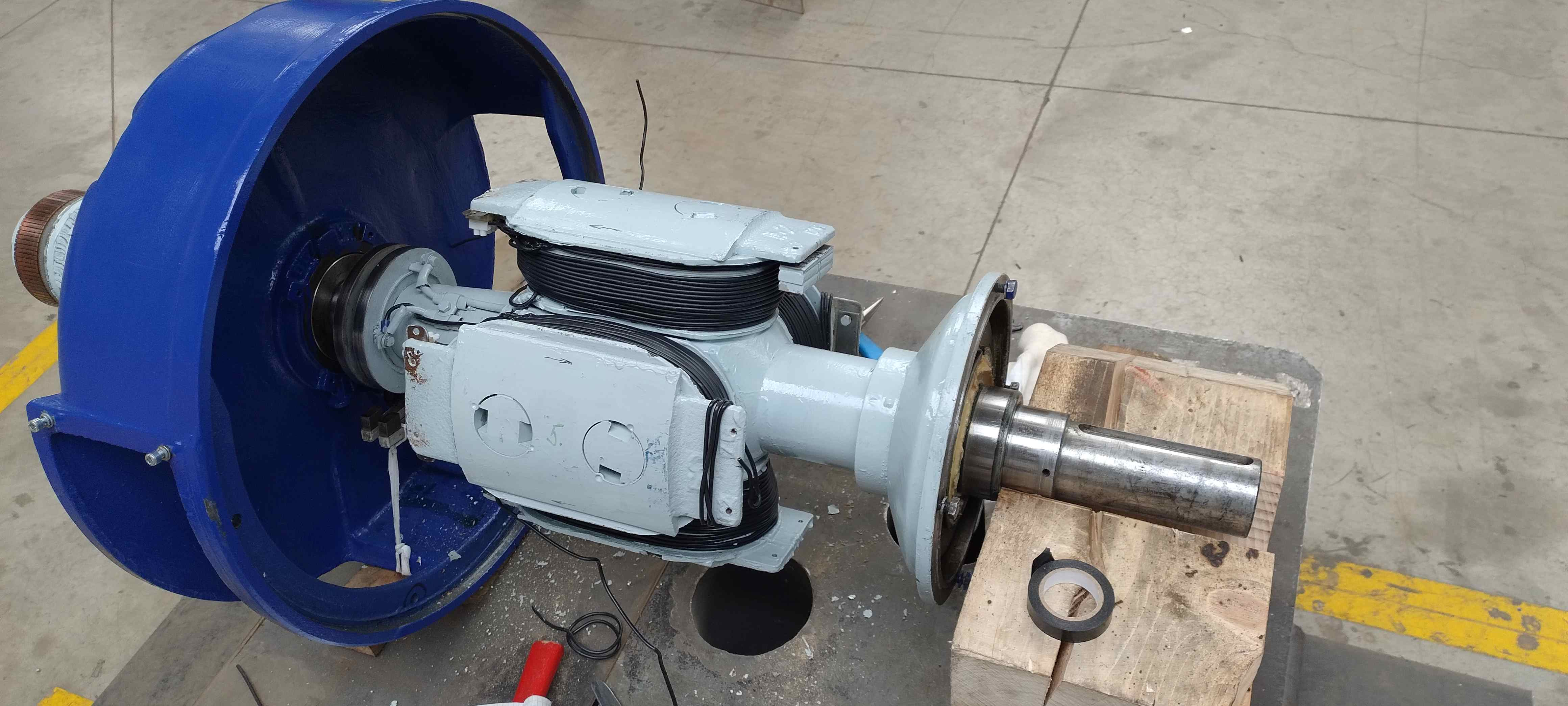
Figure 6: Field winding modification allowing controlled segmentation for repeatable ITSC emulation.
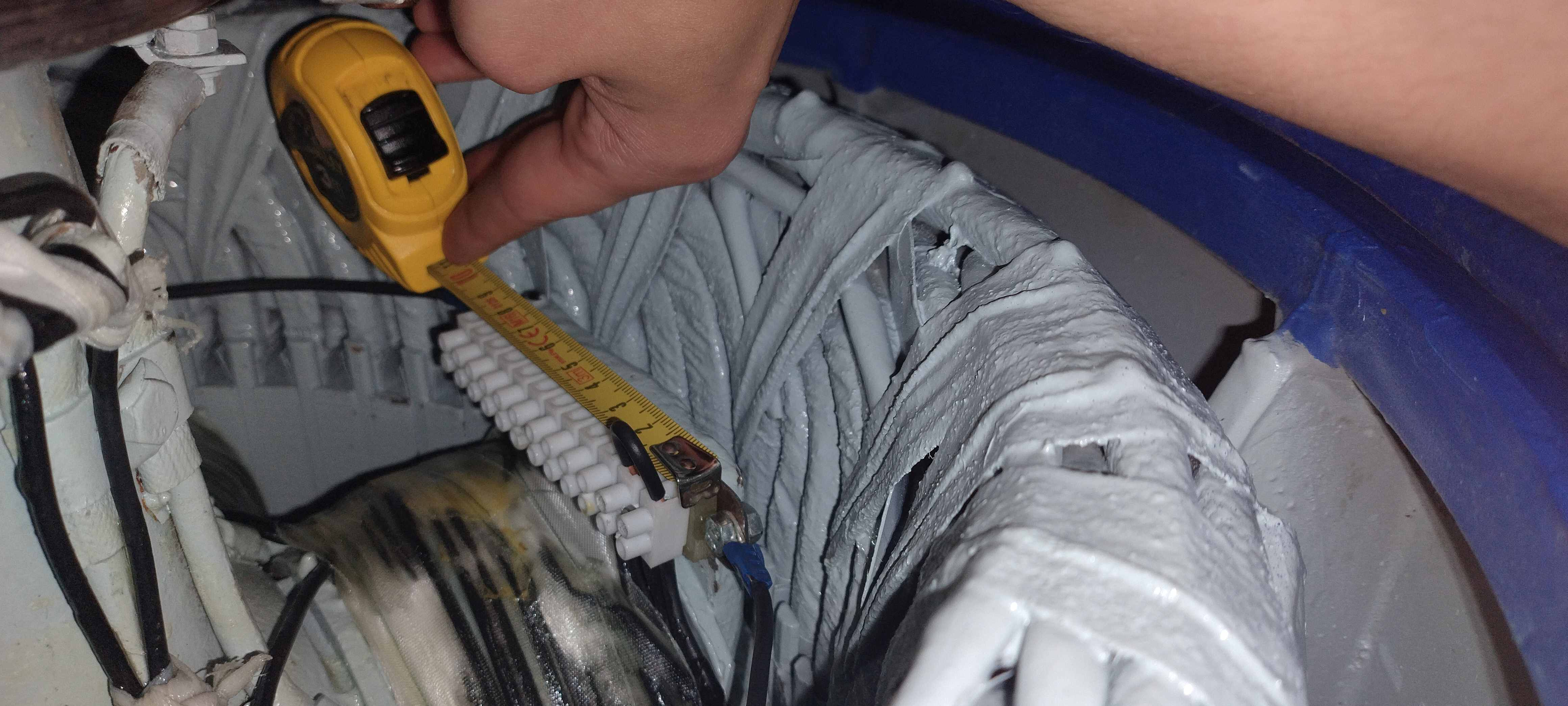
Figure 7: Auxiliary external terminal block and resistor network for precision fault severity definition.
All vibration data are gathered with a single eddy-current sensor positioned radially adjacent to the shaft. The dataset comprises 360 independently acquired steady-state measurements across all classes, varying speed and excitation current to simulate realistic industrial variability.
Time-domain signal comparison validates that amplitude metrics alone are insufficient for severity discrimination, given overlapping peak-to-peak values for distinct severity levels.
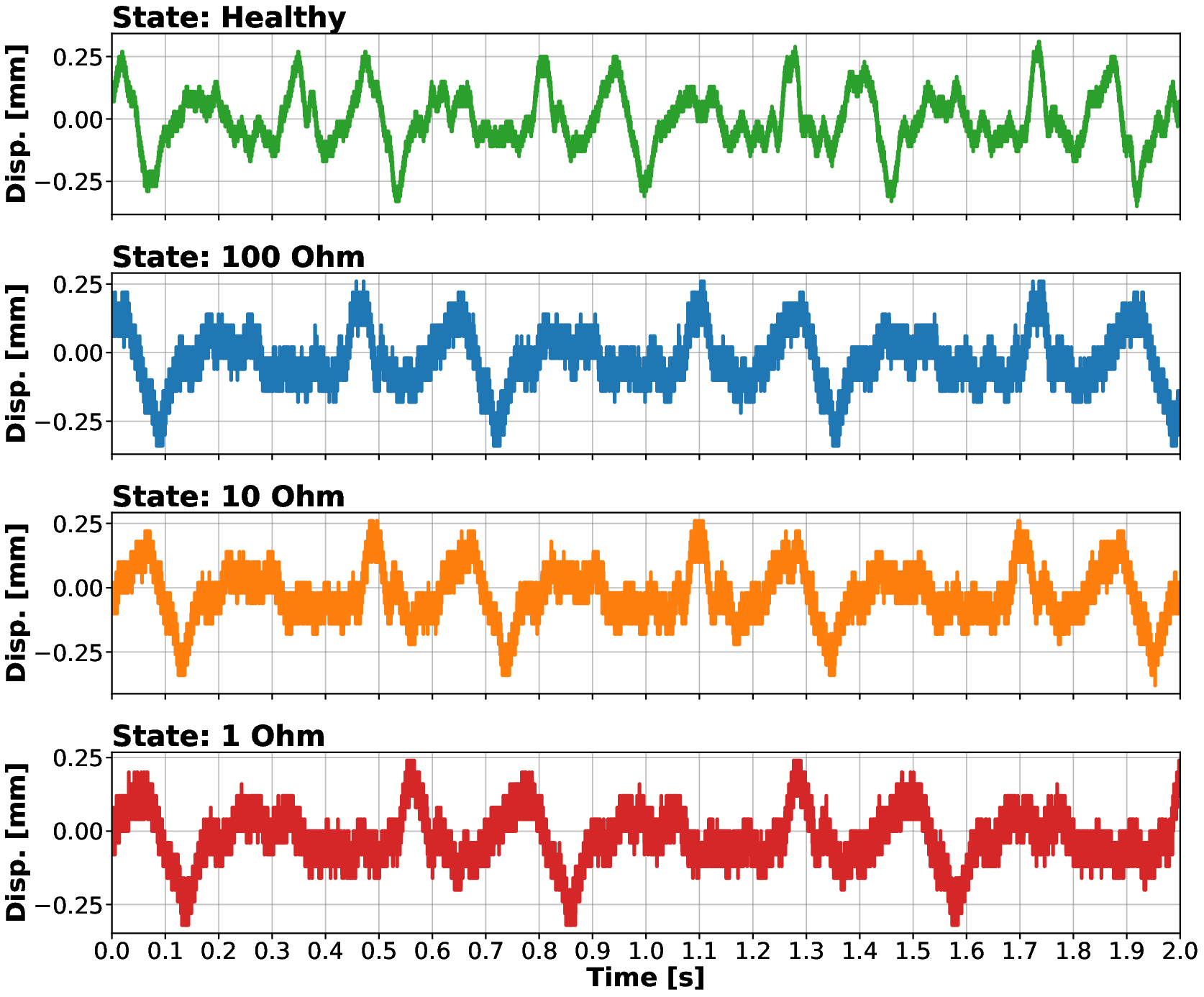
Figure 8: Time-domain vibration signals for each ITSC condition indicate significant overlap in overall amplitude, underlying the need for higher-order analysis.
The final classifier is XGBoost, trained and evaluated with leave-one-out cross-validation. The framework achieves 90.56% overall accuracy, with 99% recall for healthy operation and 87% recall for mild faults.
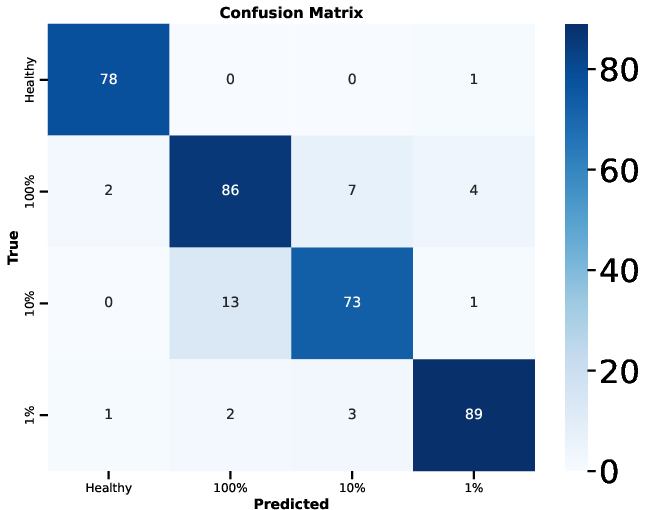
Figure 9: The confusion matrix demonstrates high accuracy and balanced performance across severity levels, with the majority of errors occurring at adjacent class boundaries.
Feature importance analysis reveals balanced contributions: current statistics (notably, standard deviation and mean), temporal complexity (especially Hjorth Complexity), rotation frequency, and multiple harmonic spectral features. No single domain dominates; discriminative performance emerges from the fusion of physical insights and multi-domain metrics.
The ±1.0 Hz RMS window for carrier harmonics and ±0.1 Hz for sidebands are empirically validated and shown to robustly capture ITSC progression. The hybrid approach, integrating physically interpretable features across measurement domains, supports practical transparency required in industrial deployment.
Comparison to Prior Art and Implications
Unlike prior binary-class approaches [e.g., "Fault diagnosis of inter-turn short circuit in turbogenerator rotor windings based on vibration-current signal fusion" [FangEnergyReports2023]], which reach higher headline accuracy but lack actionable severity assessment, this work delivers multi-class discrimination essential for prognostic maintenance planning. Early-stage recall (mild fault, 87%) demonstrates the advantage of spectral/temporal complexity fusion over simple RMS- or peak-tracking baselines.
Practical implications are clear: with minimal sensor installation (one displacement probe and a current sensor), operators are empowered to distinguish between incipient, moderate, and severe ITSC, informing outage scheduling, fleet-level risk prioritization, and regulatory compliance. Theoretically, the results underscore the necessity of leveraging distributed harmonic features and nonlinear signal descriptors rather than relying on monotonic changes in primary vibration amplitude.
Future Directions
While the study achieves strong discriminatory power in controlled lab conditions, external validation across machine designs, power ratings, and real-world disturbances (misalignment, process-induced vibrations, environmental noise) is required. Transfer learning or domain adaptation techniques may enhance generalization. The modular architecture is compatible with prospective integration of additional modalities (e.g., flux sensors or insulation monitoring), potentially increasing fidelity in operational settings.
Conclusion
This research demonstrates that the hybrid integration of optimized spectral, temporal complexity, statistical, and contextual features from eddy-current displacement vibrations supports robust, four-class ITSC severity classification with 90.56% cross-validated accuracy and 99% healthy recall. The inclusion of physically motivated multi-domain features not only ensures discriminatory performance but also enhances interpretability and operator trust. The methodology permits scalable, non-intrusive deployment in synchronous generator fleets and sets the stage for comprehensive, physics-informed condition-based maintenance frameworks.