- The paper demonstrates that magnetic switchbacks evolve through expansion-driven amplification and decay via turbulence, reconnection, and kinetic processes.
- It employs multi-spacecraft observations and MHD simulations to validate scaling laws and capture detailed boundary discontinuities in the solar wind.
- The study highlights the influence of switchbacks on heliospheric turbulence, plasma heating, and energetic particle scattering, underscoring their role in space weather.
Evolution and Impact of Magnetic Switchbacks in the Heliosphere
Introduction
The detection of large-amplitude, impulsive rotations of the heliospheric magnetic field—termed "switchbacks"—by Parker Solar Probe (PSP) near the Sun has invigorated theoretical, numerical, and observational efforts to elucidate their origin, evolution, and influence within the solar wind. This paper provides a comprehensive review of the dynamical evolution of switchbacks as they propagate outward from the solar corona, exploring both expansion-driven amplification and decay mechanisms such as turbulence, reconnection, dispersion, and parametric decay. It further analyzes their multifaceted impact on heliospheric processes from turbulence and plasma heating to their ramifications for open solar flux and energetic particle transport (2607.02709).
Radial Evolution of Switchback Properties
Expansion-Driven Growth and Nonlinear Steepening
Wave action conservation in a radially expanding inhomogeneous flow leads to characteristic scaling laws for Alfvénic fluctuations. For Alfvén waves, the conservation law implies u2UVa(U+Va)2=const, leading to u2∝R−1 (with U≫Va) and thus magnetic fluctuations δB2∝R−3. This scaling is corroborated by multi-spacecraft data analyses, which find the low-frequency Alfvénic spectrum and radial component of magnetic fluctuations follow the WKB prediction well, while the highest amplitude, rare switchbacks decay faster with ⟨δBr2⟩sb∝R−4, an effect attributed to spherical polarization constraints Figure 1.
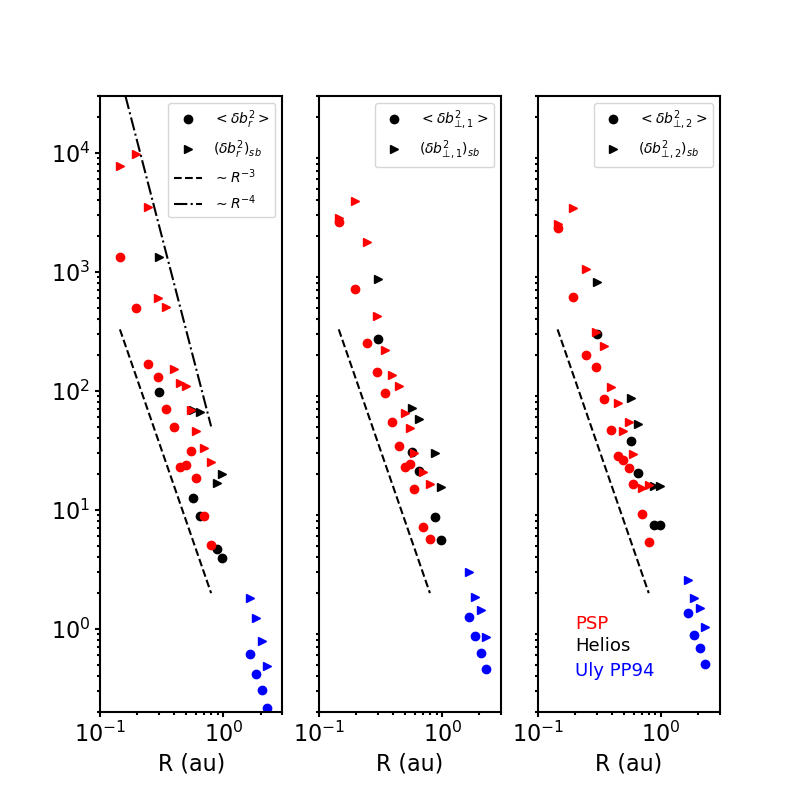
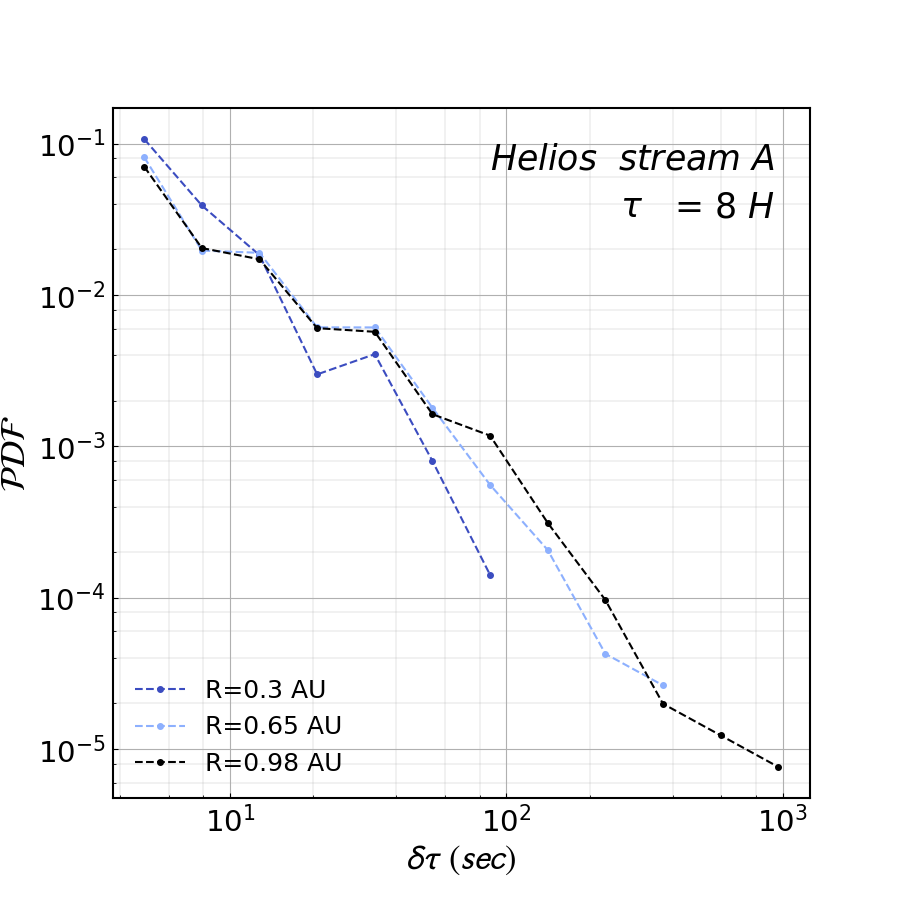
Figure 1: Radial evolution of rms fluctuation energy in three spatial directions. Switchbacks (triangles) decay more rapidly than the full fluctuation ensemble, matching theoretical predictions and suggesting a key role for expansion-driven evolution.
Switchbacks' occurrence, amplitude, and morphological development are also impacted by the large-scale Parker spiral geometry of the interplanetary magnetic field. As the solar wind travels outward and the field spirals, the angle between fluctuation gradients and the field evolves non-monotonically, modulating the conditions for strong parallel field reversals. Analytical and numerical studies reveal that the presence of a Parker spiral enhances the in situ growth of switchbacks and introduces significant structural asymmetries (Figure 2, Figure 3).
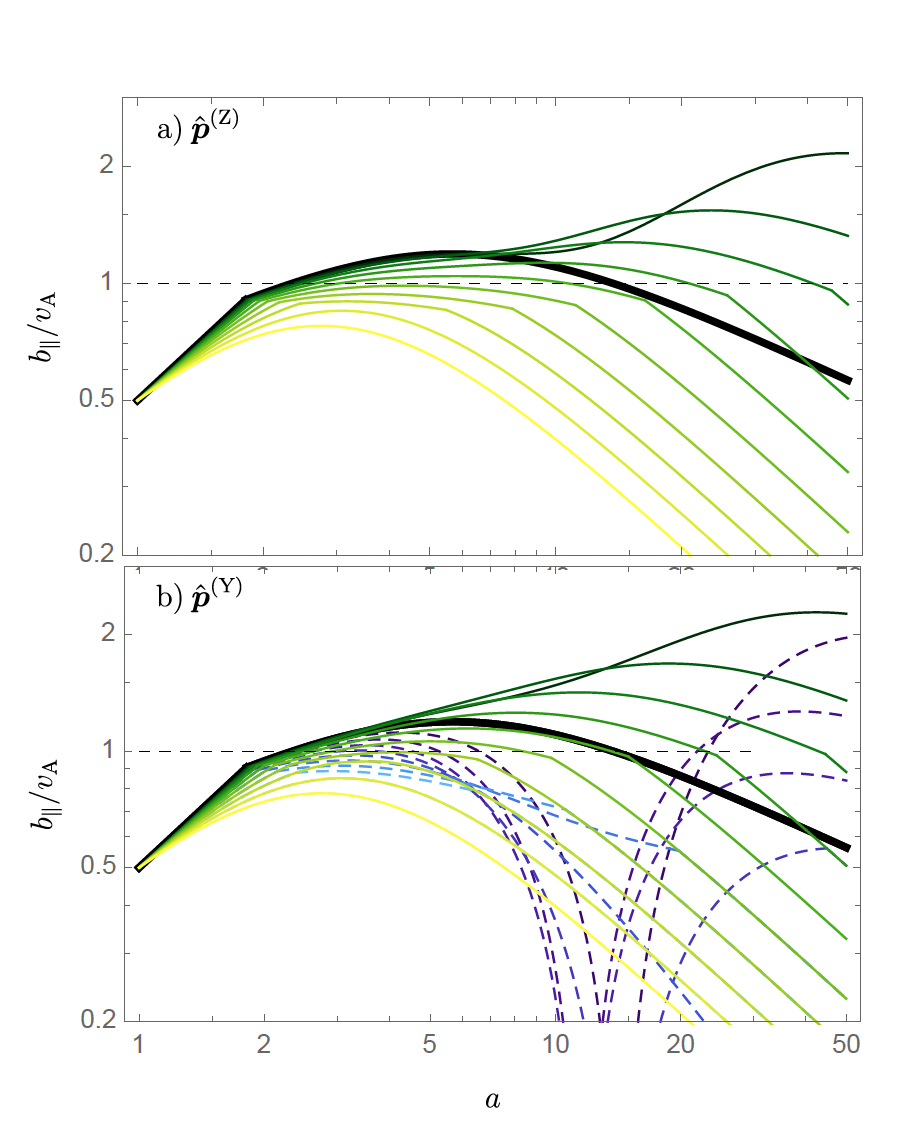
Figure 2: Computed evolution of the parallel magnetic-field fluctuation—proxy for switchback occurrence—demonstrating amplification with the introduction of a Parker spiral geometry.
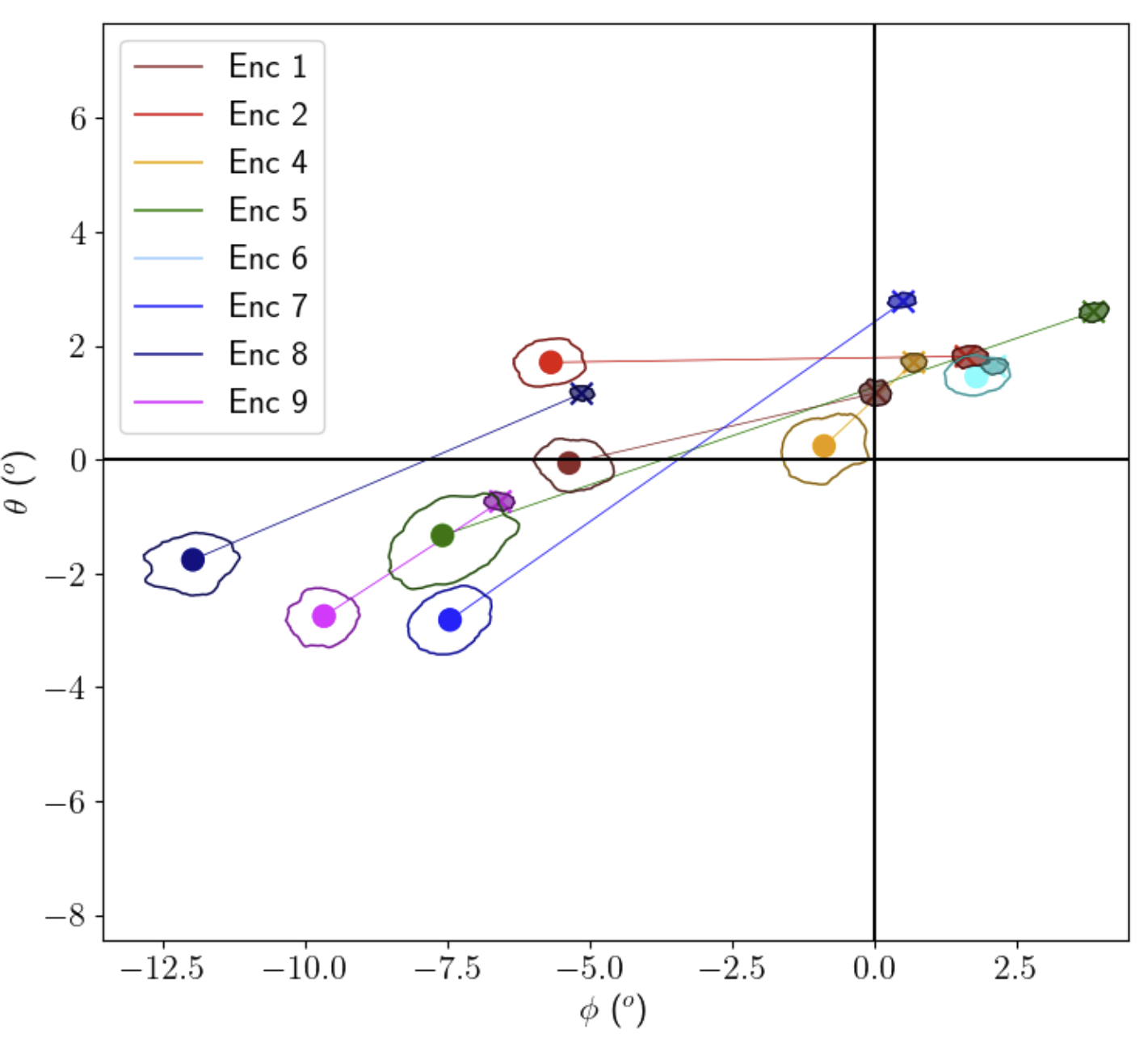
Figure 3: Deflections of the magnetic field relative to the Parker spiral for switchback populations and ambient wind, indicating systematic preferential tangential deflections.
With radial expansion, once normalized amplitudes approach unity, nonlinear magnetic pressure effects lead to steepening and the spontaneous formation of sharp, discontinuous switchback boundaries. Three-dimensional MHD simulations confirm that such discontinuities can arise even in random-phase initial conditions, while maintaining nearly constant ∣B∣ throughout the structure Figure 4.
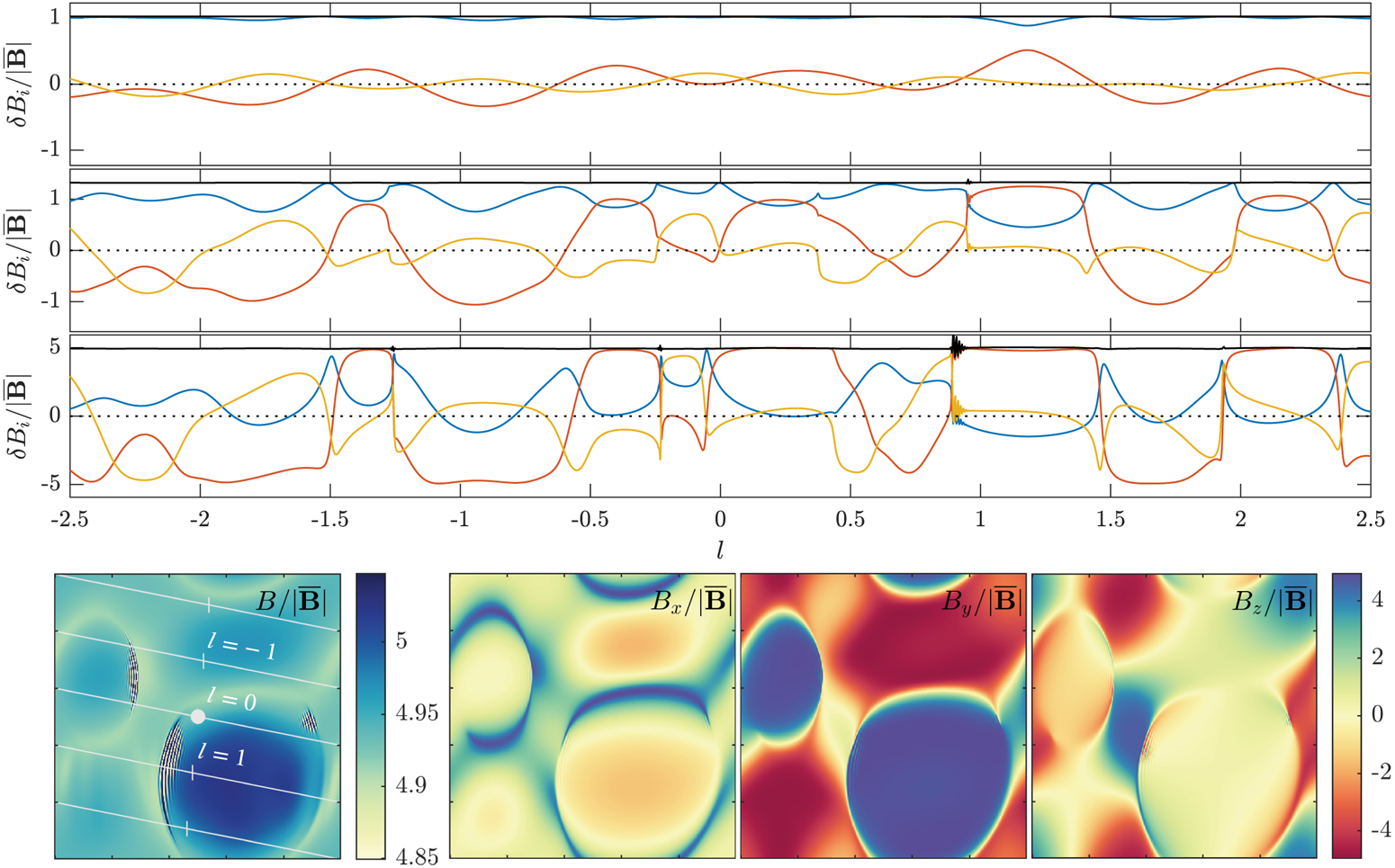
Figure 4: Representative spherically-polarized MHD solution showing evolution to discontinuities, with near constancy of total field magnitude and emergence of switchback-like boundaries.
Decay, Erosion, and Boundary Processes
Dispersive and Kinetic Effects
When switchback boundary gradients reach kinetic scales, MHD models break down and dispersive or kinetic processes dominate. Hybrid and Hall-MHD simulations demonstrate that coherent wavepackets disperse on timescales τ∗∼(ℓ/vA)(ℓ/di), with the emission of magnetosonic and kinetic-scale waves from leading/trailing edges Figure 5. This mechanism contributes to boundary erosion and plasma heating.
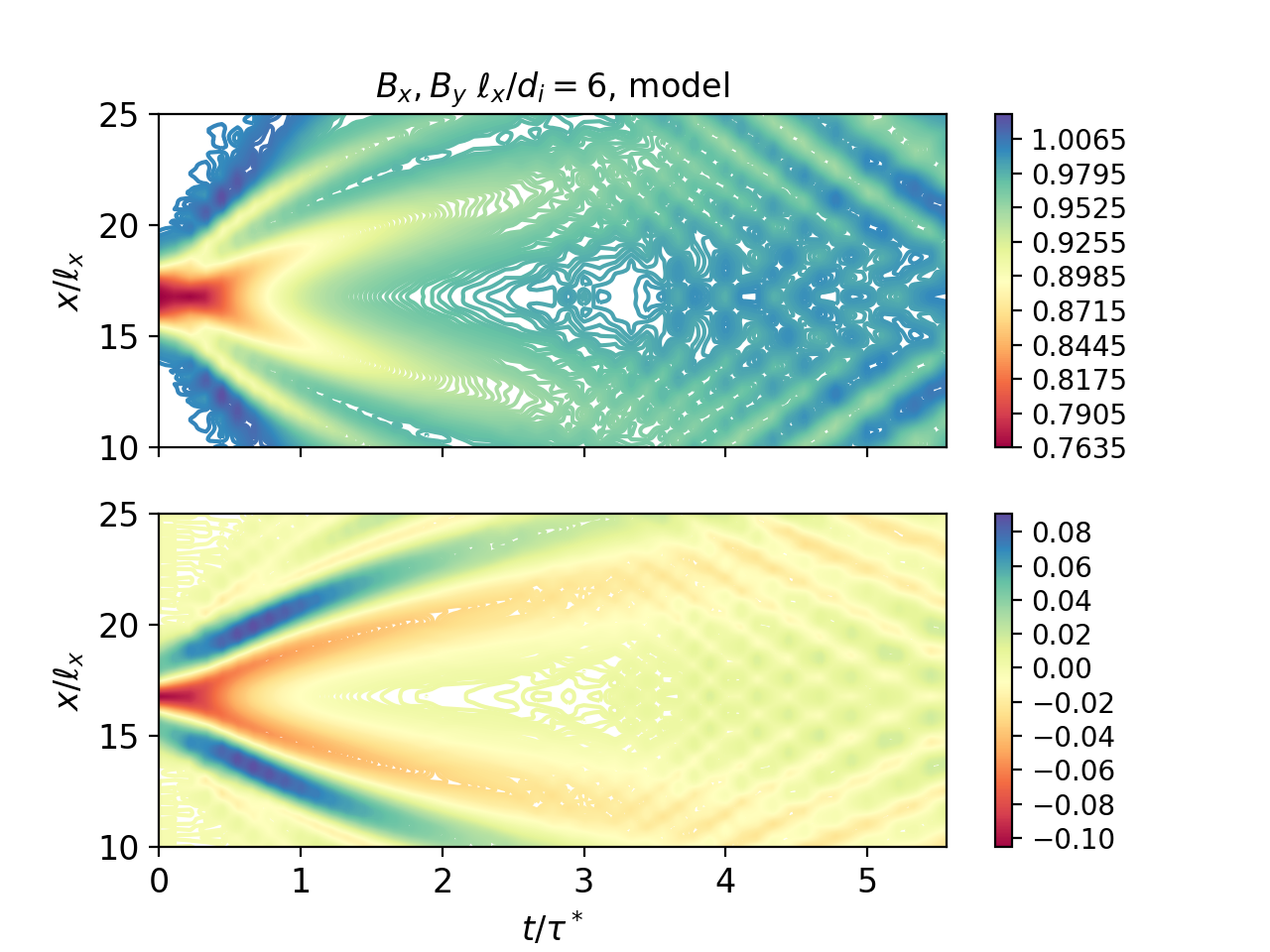
Figure 5: Contour plots showing the dispersive evolution of an Alfvénic wavepacket. Dispersion from boundaries results in wave generation and coherence loss.
Observationally, strong evidence exists for whistler, kinetic Alfvén, and other small-scale waves at switchback boundaries, often collocated with surface current structures and electron/ion-scale features Figure 6.
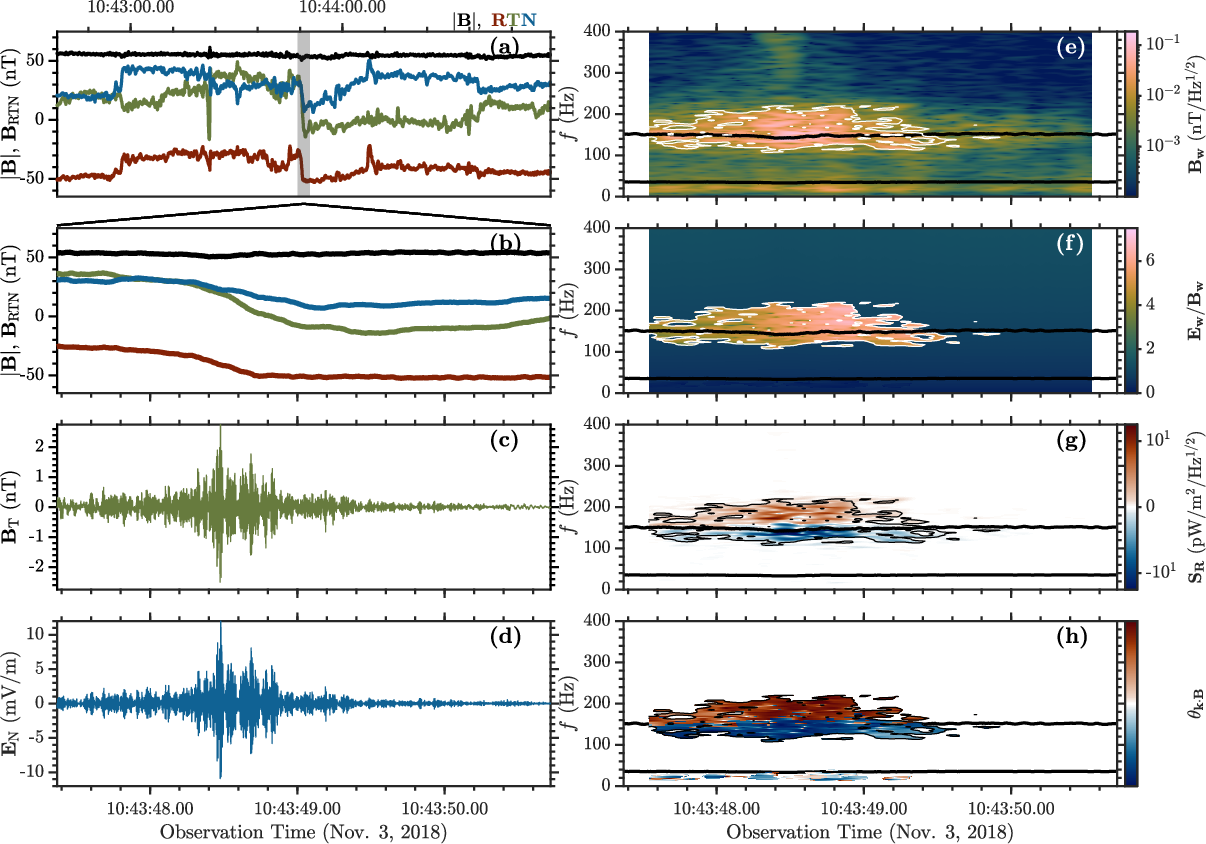
Figure 6: Whistler burst observed at a switchback boundary, illustrating rich kinetic activity at discontinuities.
Magnetic Reconnection as an Erosion Channel
Magnetic reconnection at switchback boundaries—a well-known route for topological reconfiguration and plasma heating—is observed but rare in PSP and Solar Orbiter (SO) datasets. When present, reconnection is highly efficient, removing flux and eroding switchbacks on timescales (40–2000 min) much shorter than solar wind expansion, resulting in erosion over fractions of an astronomical unit (Figures 10, 11).
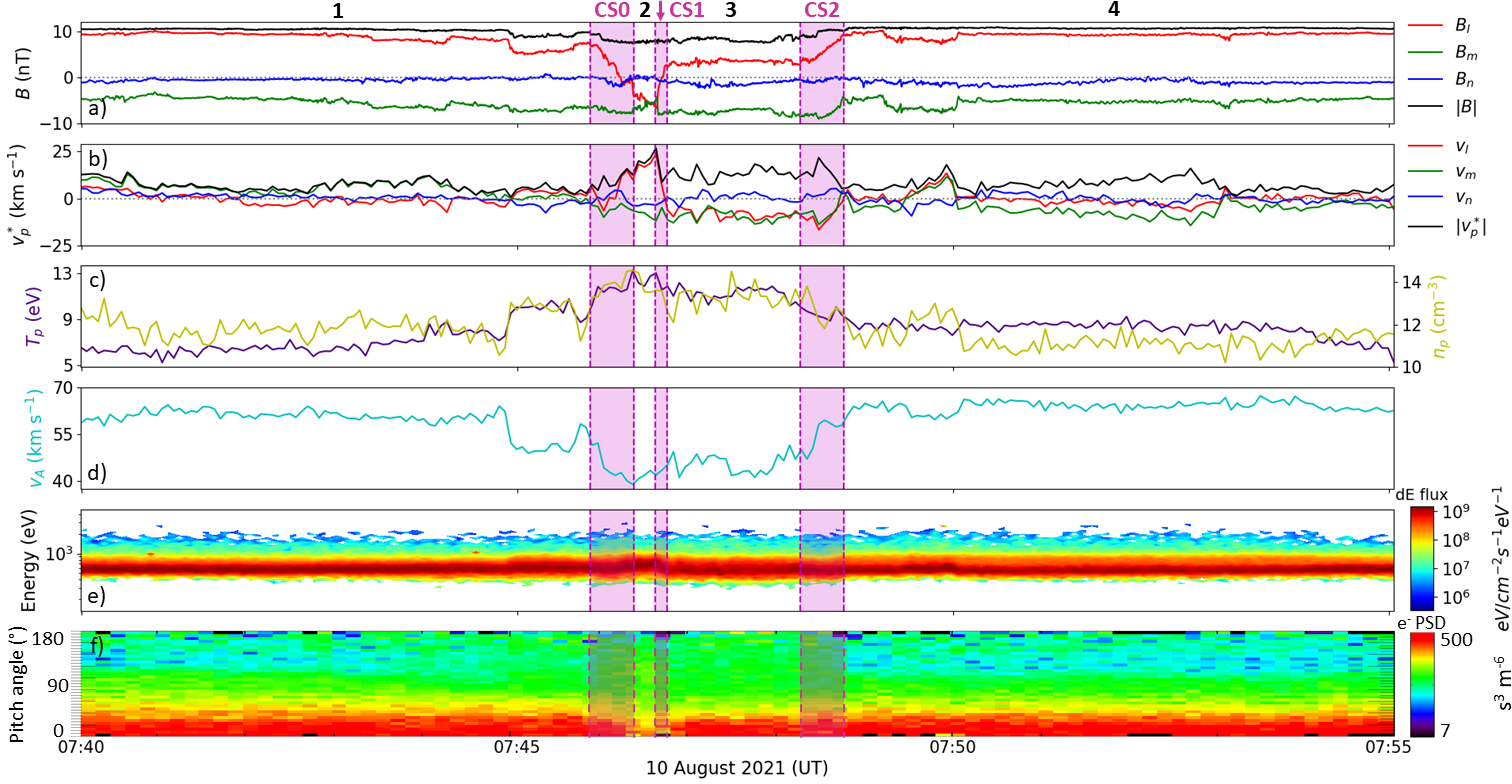
Figure 7: SO observation of a reconnecting switchback: magnetic and plasma signatures across the reconnection region.
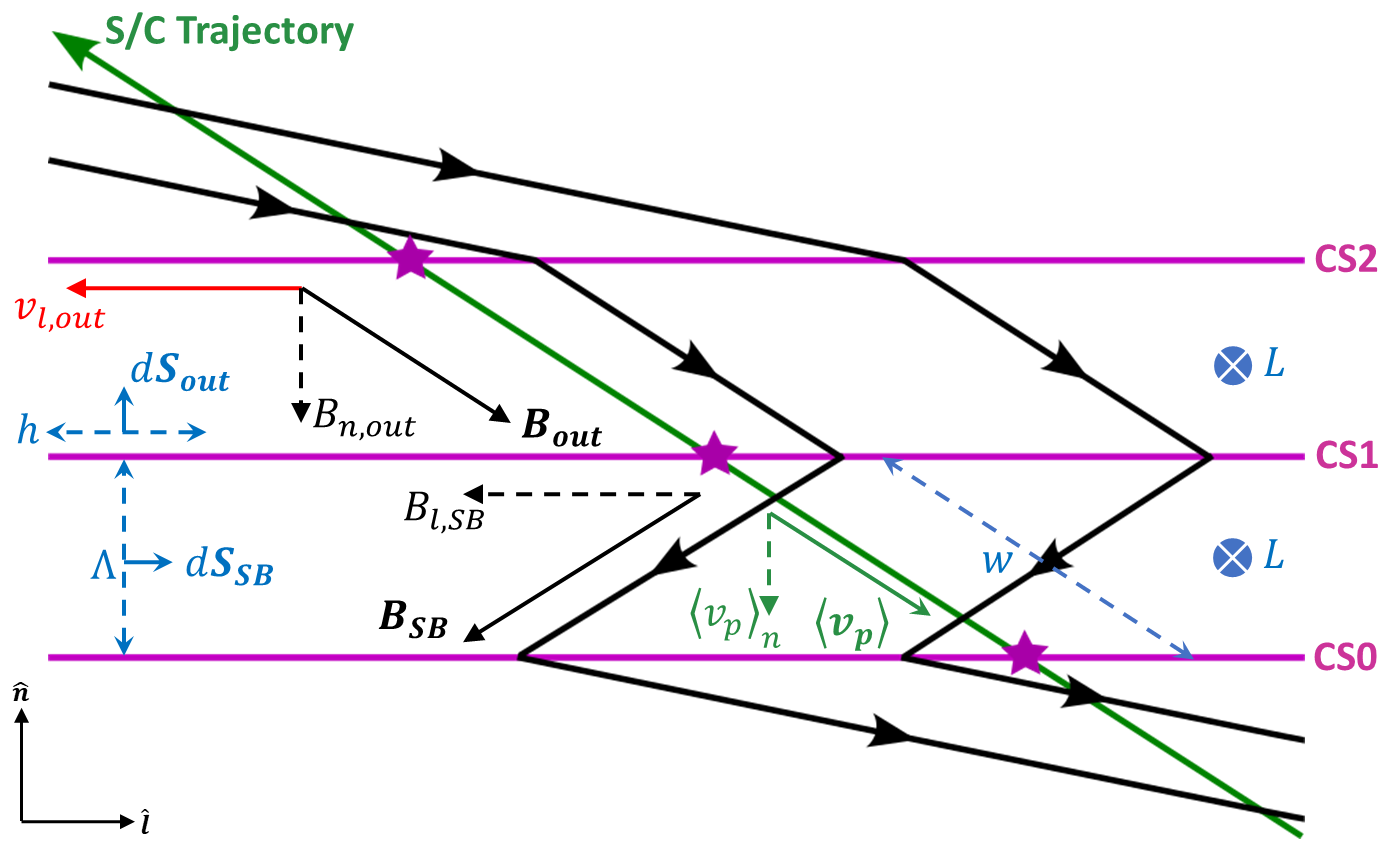
Figure 8: Schematic of switchback geometry, current sheets, and reconnection outflow region.
Despite their efficiency, the scarcity of such events—partly attributable to reconnection suppression mechanisms (strong flow shear, diamagnetic drifts)—implies reconnection is not the dominant decay route for switchbacks.
Turbulent and Merging Evolution
An alternative paradigm posits that switchbacks form as flux ropes in the low corona via interchange reconnection and are subsequently injected into the solar wind. During propagation, flux ropes undergo mergers, with reconnection at their boundaries reducing the wrapping field, elongating the ropes, and increasing their Alfvénicity (Figures 12, 13).
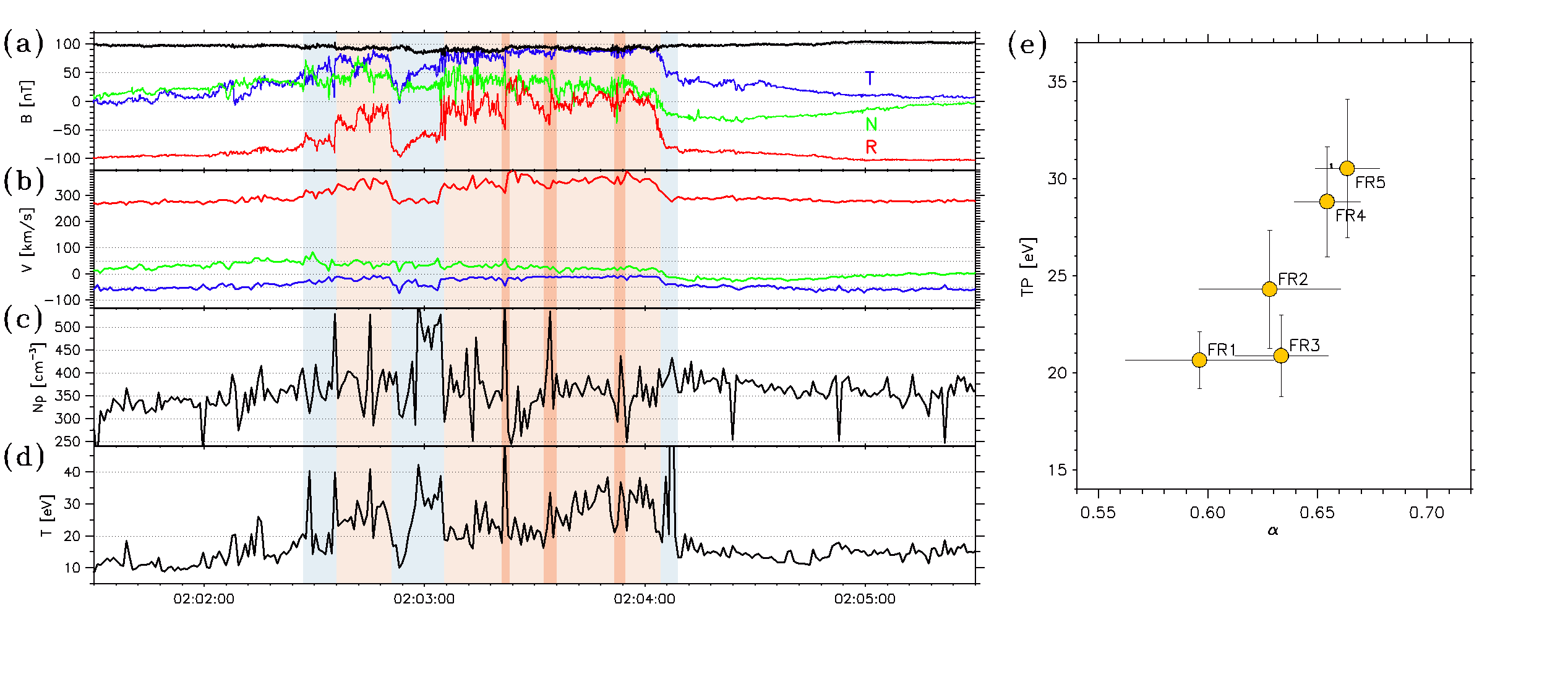
Figure 9: PSP observation of two approaching switchbacks driving local enhancements in density and temperature, consistent with flux rope interaction and merging.
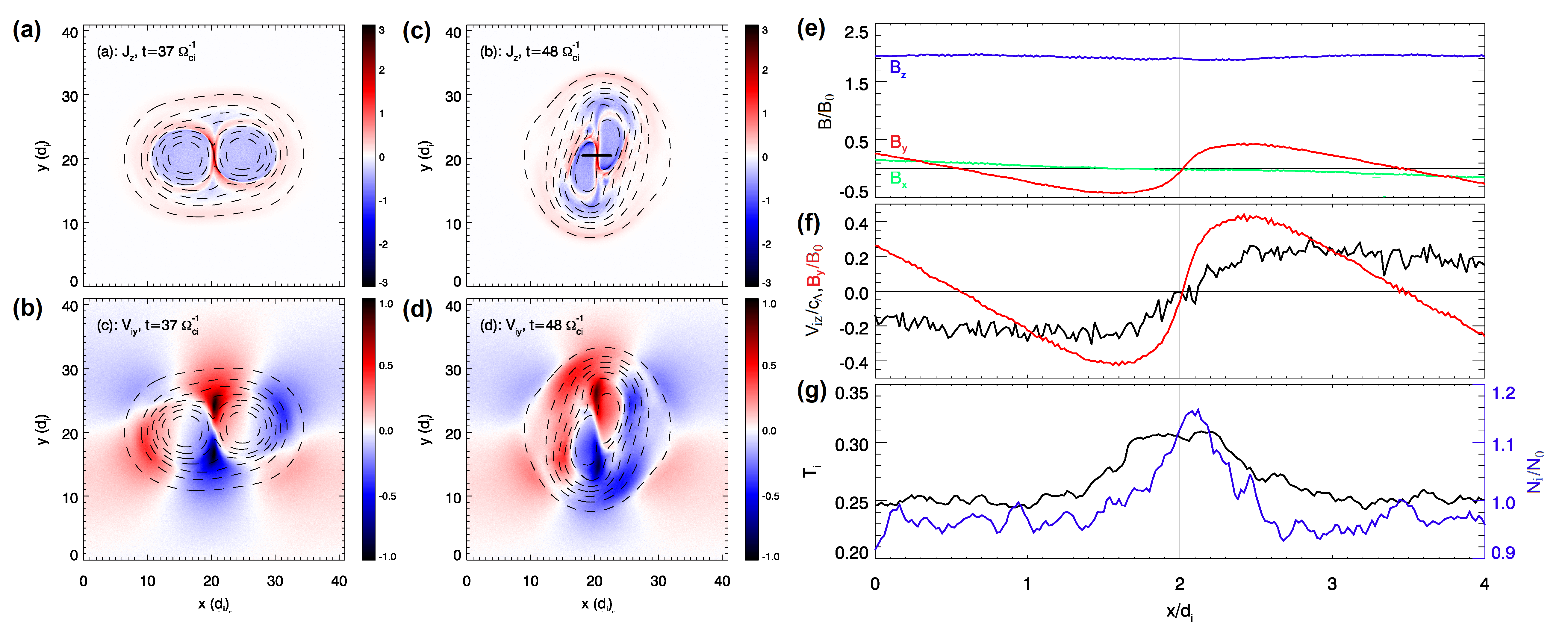
Figure 10: MHD simulation of flux rope coalescence: post-merger field lines and plasma flows show enhanced axial velocities and sharp gradients reminiscent of switchback observations.
This framework reconciles several observed properties, including spatial orientation, boundary sharpness, and internal plasma signatures. However, it must account for the overall decrease of Alfvénicity and switchback prevalence with radial distance.
Parametric Decay Instability
Parametric decay of large-amplitude Alfvénic fluctuations, generating backward-propagating waves and slow modes, provides another decay pathway. However, the localized nature of switchbacks and their embedding within evolving turbulence likely modulates the efficacy and outcome of PDI in situ.
Switchbacks and the Turbulent Heliosphere
Alfvénicity and Turbulent Evolution
The statistical character of the solar wind evolves with heliocentric distance: cross helicity (σc) and residual energy (σr) diagnostics reveal that the near-Sun wind exhibits strong Alfvénic correlations Figure 11, which decline with distance due to wave reflection, turbulence, and dissipative processes.
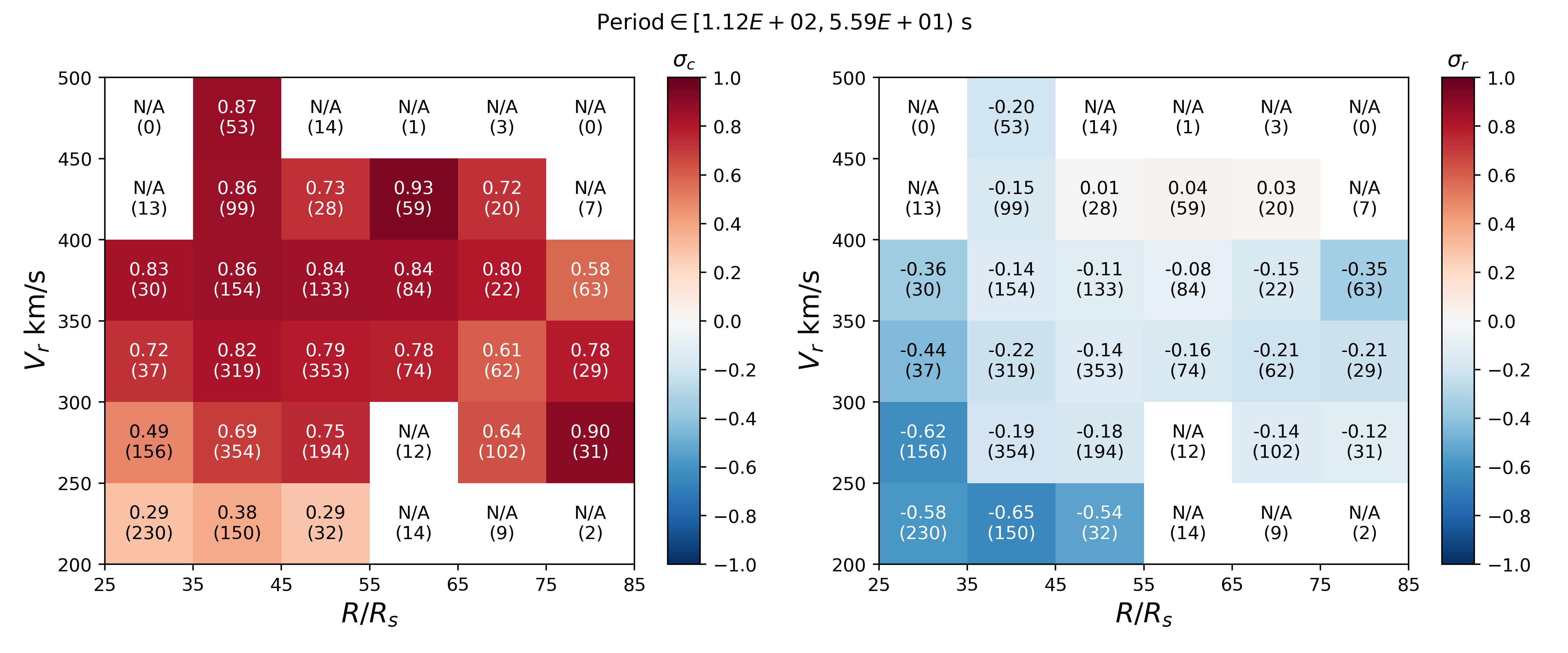
Figure 11: Cross helicity and residual energy versus radial distance and wind speed, showing declining Alfvénicity with increasing distance from the Sun.
Switchbacks—comprising a major fraction of the fluctuation power in the inner heliosphere—are implicated in the turbulent cascade, providing both spatial intermittency and sources for kinetic energy transfer and dissipation.
Particle Scattering and Energetic Particle Transport
Switchbacks, through their large magnetic rotations and sharp boundaries, act as potent scatterers of charged particles. Their statistical distribution and spatial intermittency must be incorporated into any comprehensive model of energetic particle propagation and solar energetic particle event evolution in the heliosphere.
Implications, Open Questions, and Outlook
This review solidifies the central role of switchbacks as an intrinsic feature of the near-Sun solar wind, dynamically evolving under the combined influence of expansion, instabilities, reconnection, dispersion, and turbulent interactions. Key findings and implications include:
- Expansion-generated switchbacks: Radial solar wind expansion and WKB-like evolution alone can create and amplify switchbacks, even absent a distinct coronal origin.
- Boundary steepening and kinetic erosion: Both nonlinear pressure-driven steepening and kinetic-scale phenomena are essential for understanding switchback lifetime and evolution.
- Reconnection as a rare but efficient decay process: When it occurs, reconnection rapidly erodes individual switchbacks, yet its statistical prevalence is limited.
- Merging flux rope scenario: Successive mergers and reconnection of small flux ropes provide a plausible path to observed switchback geometries and profiles, especially when considering the evolving Alfvénicity of the turbulent wind.
Future research must refine the quantitative contributions of these mechanisms, the spatial and temporal statistics of switchback production and destruction, and their global impact on heliospheric plasma, turbulence, and particle transport. New data from upcoming PSP encounters and multi-point measurements with SO will be crucial for resolving outstanding questions on generation sites (coronal vs. in situ), the physics of boundary layers, and the role of small-scale processes in shaping heliospheric structure.
Conclusion
Magnetic switchbacks constitute a fundamental component of the inner heliospheric plasma, with their evolution intricately linked to expansion, turbulence, reconnection, kinetic effects, and large-scale field geometry. Profoundly influencing turbulence, plasma heating, and space weather phenomena, they represent a laboratory for complex nonlinear plasma dynamics. The ongoing synthesis of high-cadence in situ measurements, numerical modeling, and theory will be essential for unraveling the full lifecycle and consequences of switchbacks in the heliosphere (2607.02709).