- The paper introduces AutoMIA, an automated pipeline that jointly optimizes 3D shape and color to synthesize mirror illusion art objects.
- It employs four novel modules (PAC, PWA, IVP, SCD) to suppress artifacts like surface noise, background noise, internal fractures, and color imbalance.
- AutoMIA outperforms prior methods by generating printable, smooth, and artifact-free 3D models efficiently on commodity hardware.
AutoMIA: Automated Design of Mirror Illusion Art Objects
Introduction
Mirror Illusion Art challenges the canonical assumptions of human visual perception by exploiting reflection-conditioned duality: a single 3D object exhibits two distinct appearances depending on whether it is viewed directly or through a mirror. This paradigm extends classical 3D illusion art by enforcing non-orthogonal, view-specific constraints not only on geometry but also on color, greatly increasing the complexity of the inverse design problem. Previous approaches, including topology-driven and shadow-based methods, are limited to shape optimization, require extensive manual intervention, and are unable to co-optimize both geometry and texture, resulting in artifacts and reduced physical realizability.
This paper introduces AutoMIA, an automated pipeline for Mirror Illusion Art design that jointly optimizes both 3D shape and color given a pair of 2D target images. The method directly tackles the optimization artifacts—surface noise, background noise, internal fractures, and color-shape imbalance—by deploying four auxiliary mechanisms, thus enabling the synthesis of smooth, artifact-free, fully fabricable 3D objects. AutoMIA demonstrates efficiency, generating printable models in under 80 seconds on commodity hardware, and substantially outperforms previous approaches both quantitatively and qualitatively.
Pipeline and Core Algorithmic Modules
The AutoMIA pipeline performs inverse 3D design from two target views to a printable volumetric model. The system jointly optimizes voxel positions, densities, and color assignments to minimize both shape and color discrepancies with respect to the desired front and mirror projections. Integration with a differentiable renderer allows for effective supervision via shape (BCE/Hamming distance over masks) and color (L1 loss across projected colors) on per-pixel projected images.
The optimization, however, induces a set of coupled artifacts. The proposed solution introduces four key modules:
- Projection Alignment-Based Component Selection (PAC) reduces surface noise by evaluating the alignment of connected voxel components with both front and mirror view masks, iteratively pruning misaligned regions.
- Position-Weighted Adaptive Suppression (PWA) penalizes projection discrepancies more severely when they occur at larger geodesic distances from the target, suppressing remote background noise.
- Internal Voxel Preservation (IVP) enforces connectedness and prevents hollowing by identifying interior voxels via 3D convolutions and imposing minimum density constraints.
- Shape-Color Decoupled Optimization (SCD) schedules the optimization process in stages, focusing first on geometry, then jointly on shape and color, and finally on color only; this balances the dual optimization objectives, avoiding color leakage and inconsistent boundary formation.
The architecture of the pipeline and its modular strategy are summarized schematically.
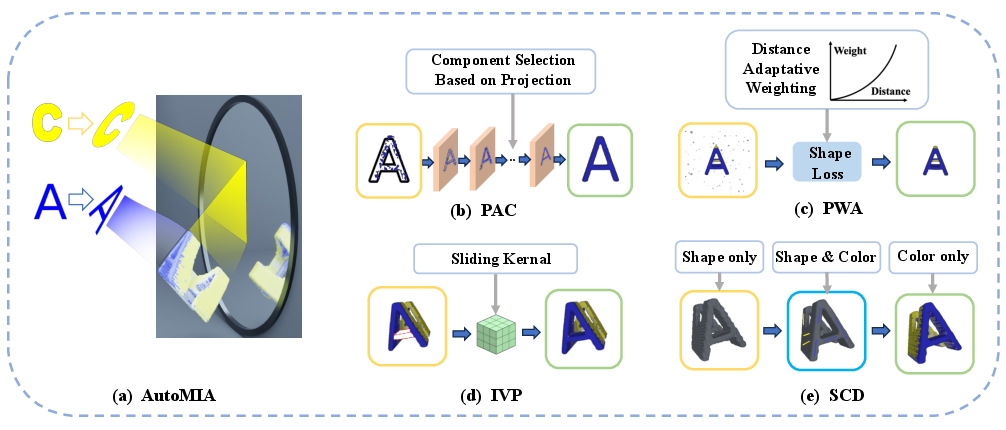
Figure 1: Overview of AutoMIA pipeline with submodules for surface noise, background noise, internal fracture, and shape-color decoupling.
Analysis of Artifacts and Targeted Mitigation
Surface Noise
Joint supervision from non-orthogonal views readily induces conflicting gradients on the object’s skin, leading to surface irregularities ("surface noise"). The PAC mechanism computes component-level alignment with target projections, and components falling below alignment thresholds are pruned.
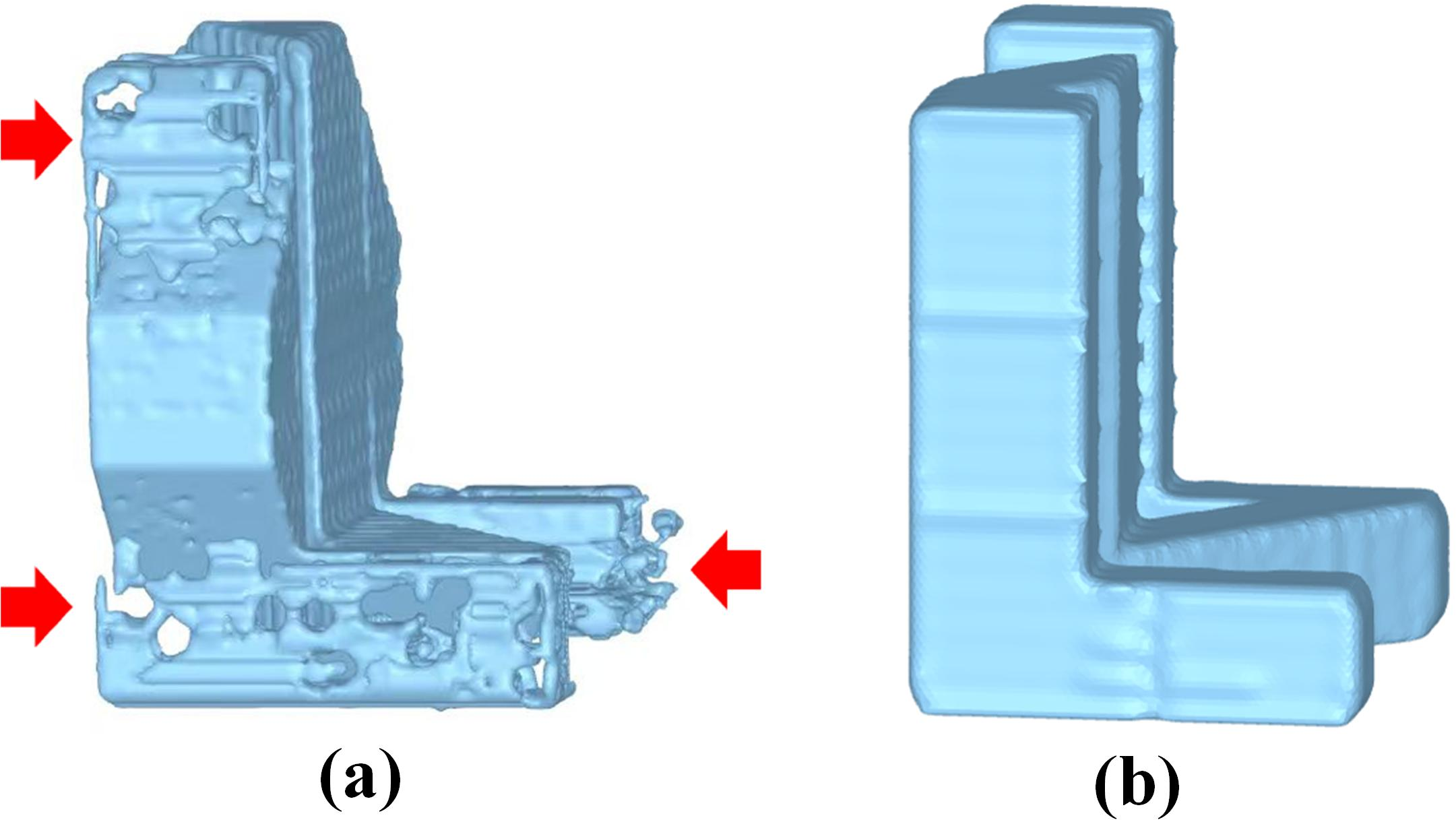
Figure 2: Suppression of “surface noise” by PAC.
Background Noise
Because loss computation is localized at the surfaces corresponding to projections, hollow artifacts or distant voxels can be inadequately penalized by the vanilla optimization. PWA attenuates contributions from pixels remote from target masks, promoting sparsity and concentrating object definition close to supervision cues.
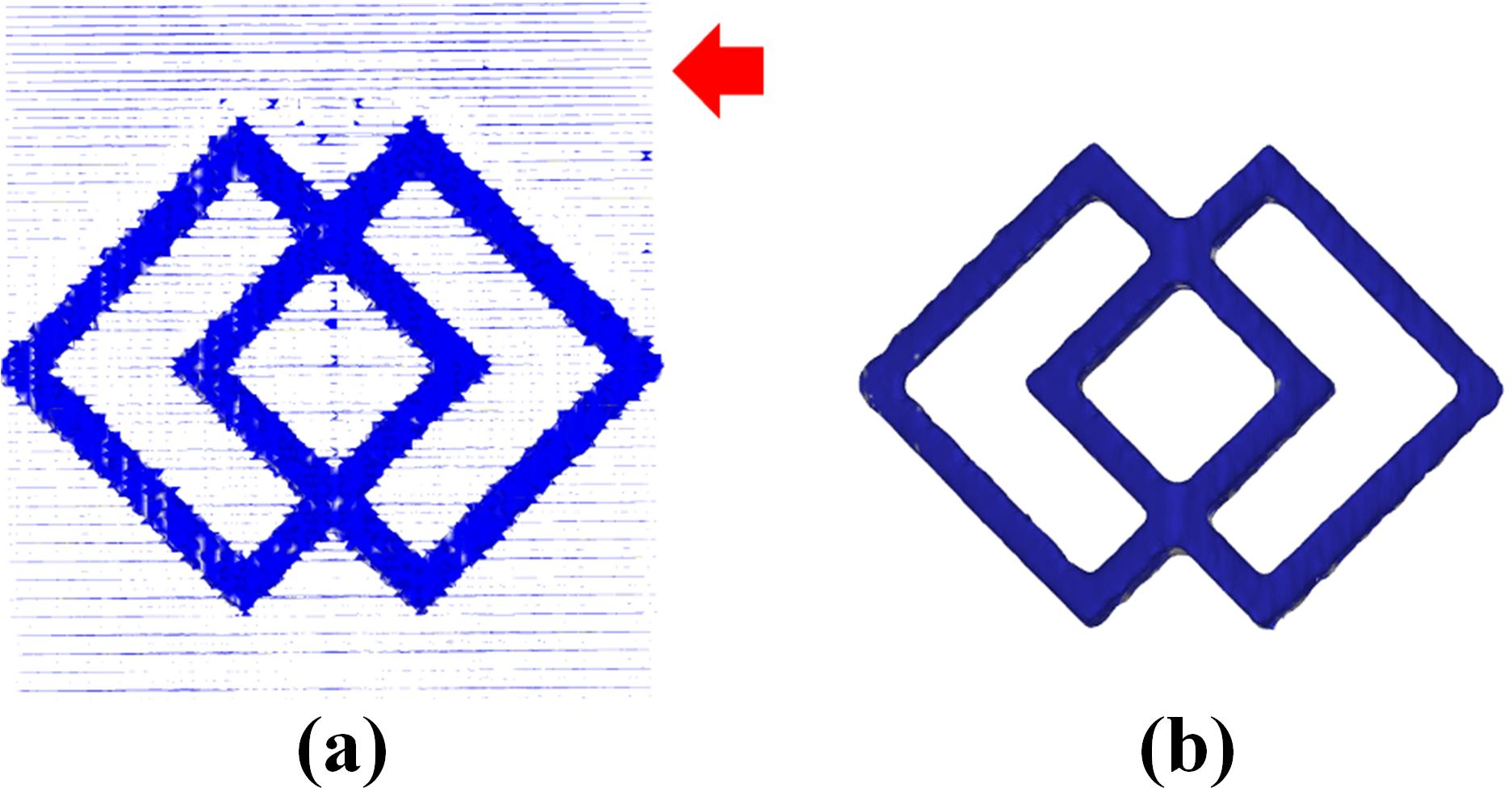
Figure 3: Background noise removal via PWA.
Internal Fracture
Absent explicit regularization, interior voxels may vanish, disrupting object connectedness and impeding fabrication. IVP addresses this by labeling internal regions using morphological dilation and enforcing nonzero density within.
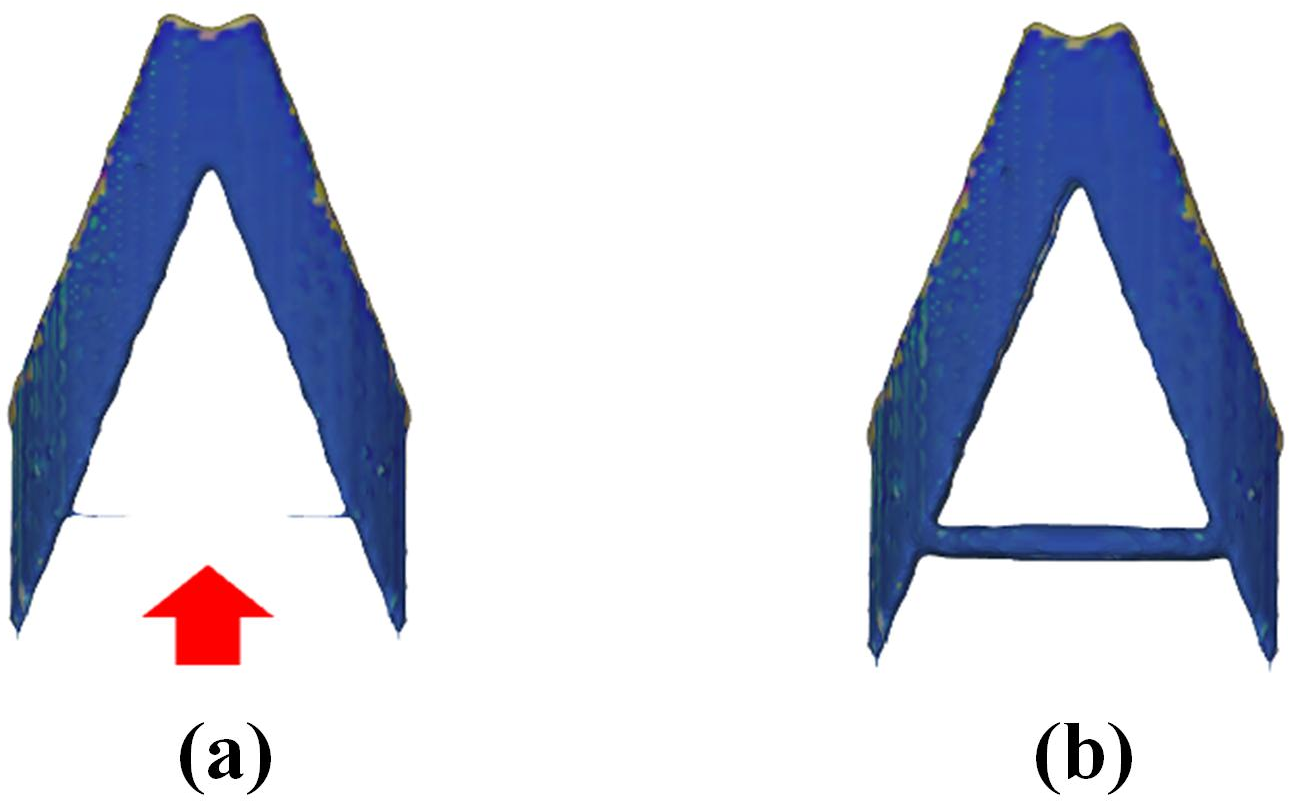
Figure 4: IVP ensures internal connectivity by preserving internal voxels.
Color-Shape Imbalance
Naïve joint optimization of shape and color can induce a trade-off where one is well optimized at the expense of the other (e.g., color bleeding or residual aliasing). SCD modularizes the schedule, allowing for stabilized convergence to globally consistent solutions.
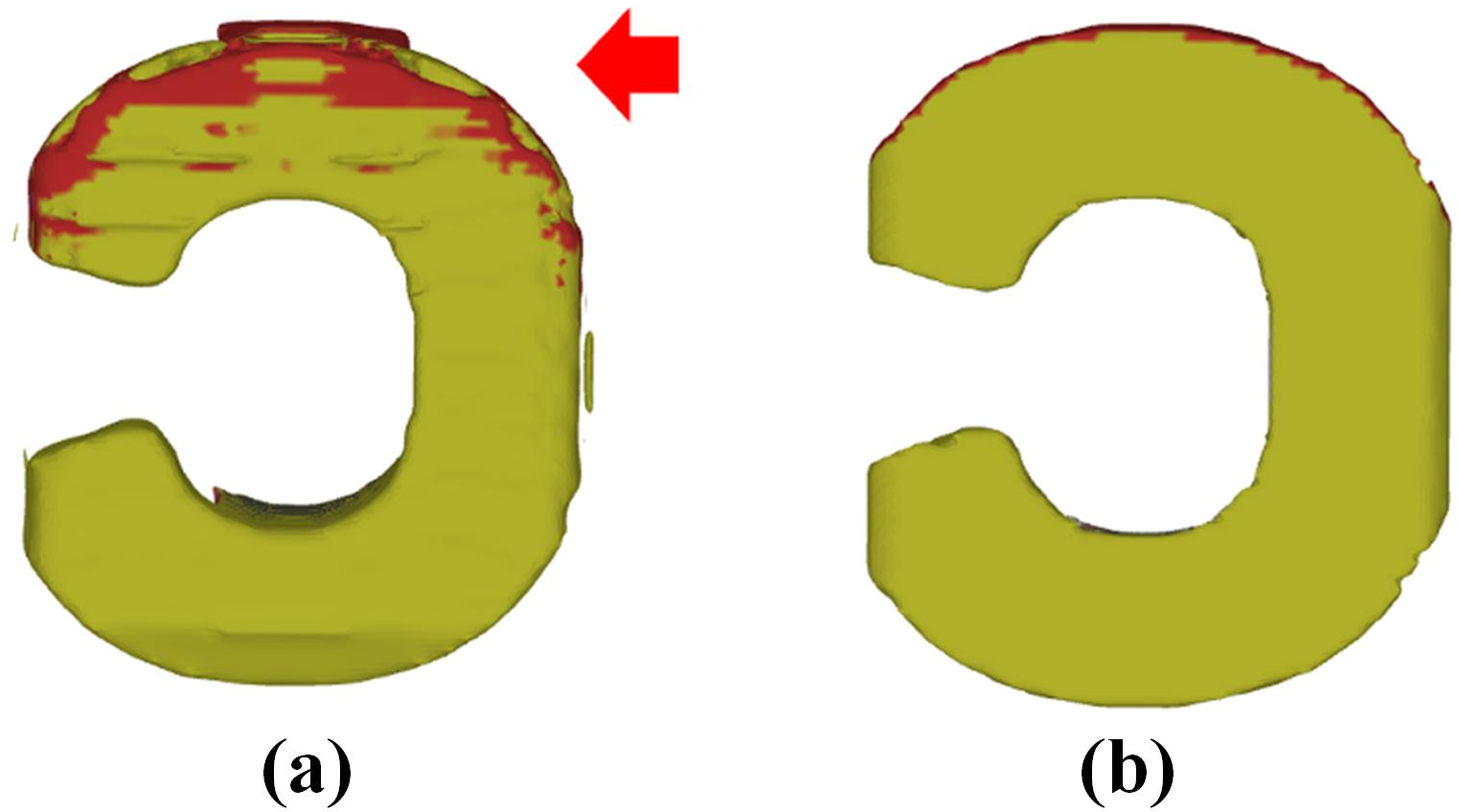
Figure 5: SCD balances color and shape, preventing color leakage.
Experimental Evaluation
Dataset and Metrics
Experiments utilize a diverse in-house dataset (Mirror-2D) including letters, numerals, ideograms, cartoons, logos, and icons. Evaluation metrics reflect shape similarity (Shape Score), color reconstruction (Color Score), surface noise (Noise Level), and smoothness (Smooth Level).
Quantitative Comparison
AutoMIA is benchmarked against Shadow Art (SA) and Shadow Art Revisited (SAR), both only supporting shape reconstruction. AutoMIA achieves a Shape Score of 0.931, Surface Smoothness 0.989, and Noise Level 0.049, outperforming both baselines. Notably, AutoMIA uniquely reconstructs color, whereas SA/SAR cannot.
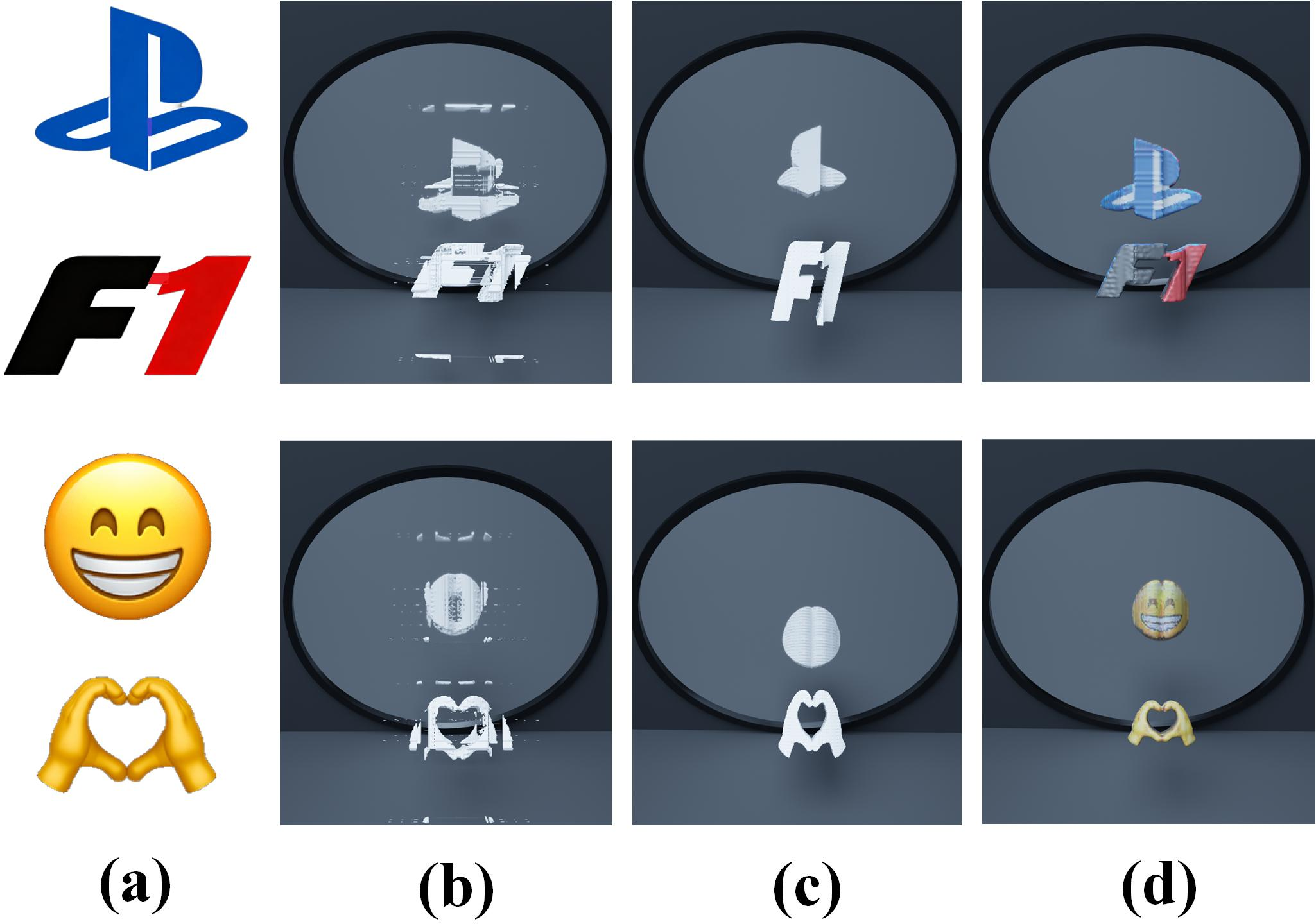
Figure 6: Qualitative comparison between input, SA, SAR, and AutoMIA outputs; note smoother surfaces and accurate shape/color matching in AutoMIA.
Ablations
Removal of any key module (PAC, PWA, IVP, SCD) systematically degrades target-specific metrics, confirming their orthogonality and necessity. PAC is most critical for denoising, PWA for surface smoothness, IVP for structural integrity, SCD for joint shape-color quality.
Visualization and Physical Realizability
The pipeline is capable of synthesizing a diversity of Mirror Illusion Art across motifs and styles. Digital simulations using PyTorch3D and Blender confirm visual fidelity, while physical realizations on high-resolution full-color 3D printers demonstrate that the designed constraints ensure structural stability and accurate color transfer.
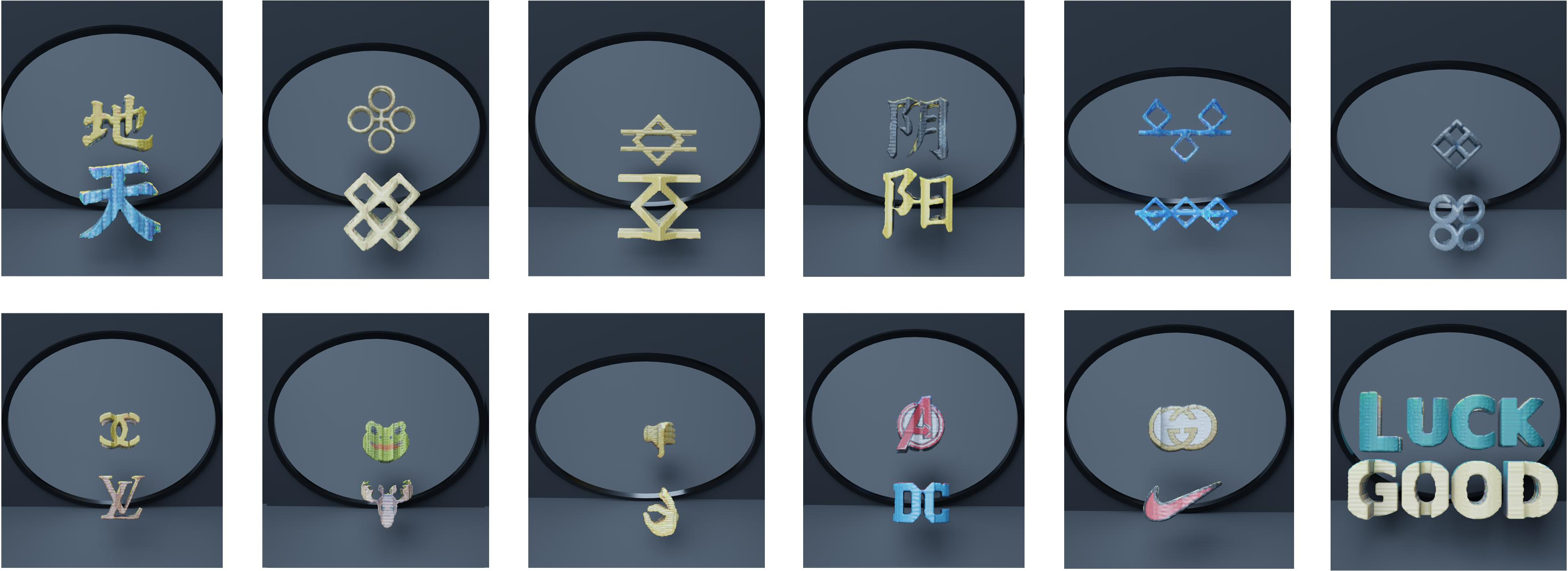
Figure 7: Digital renderings of Mirror Illusion Art objects synthesized by AutoMIA.
AutoMIA successfully supports multi-view (beyond two) constraint synthesis, as demonstrated in 3-fold, non-orthogonal settings—enabling new avenues in computational art and N-way view-conditioned structure generation.
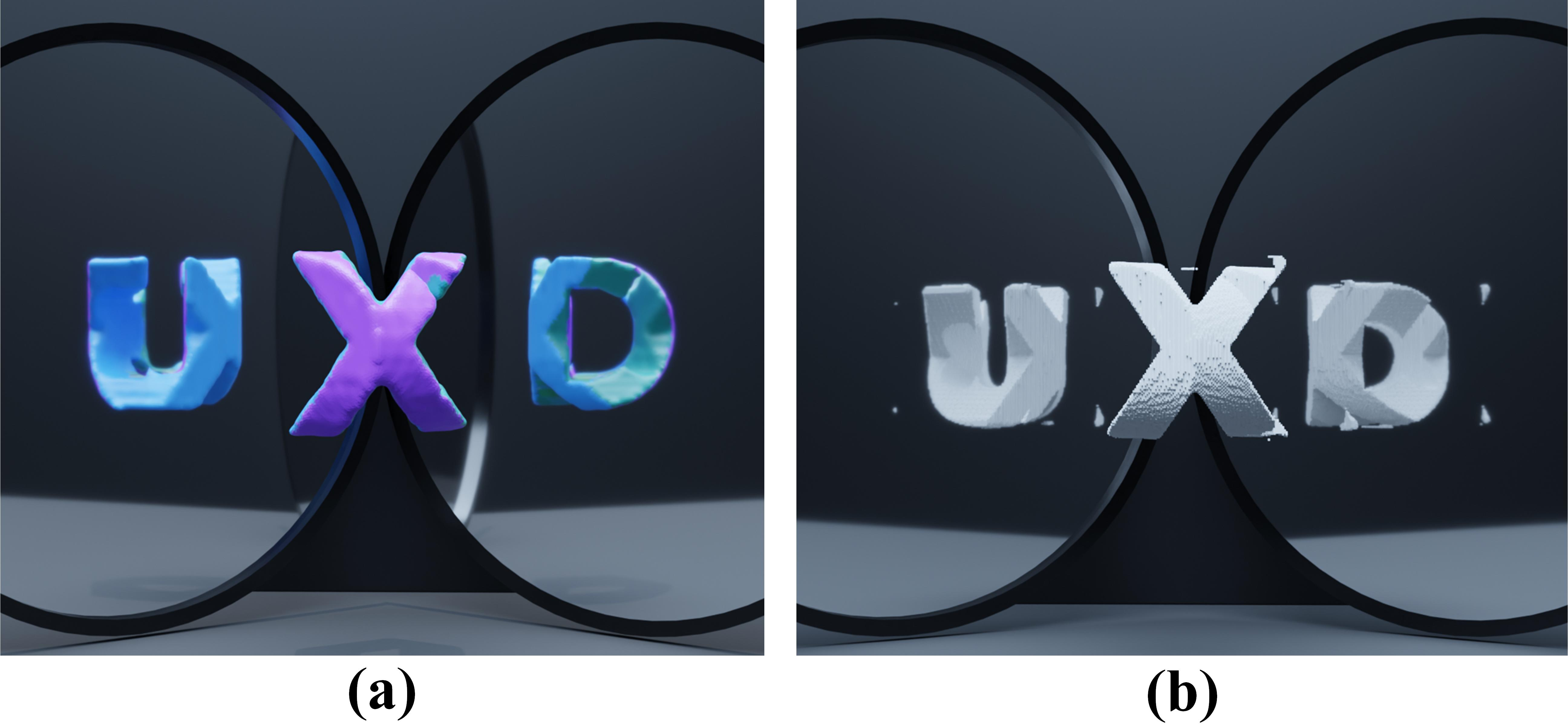
Figure 8: Three-fold mirror illusions; AutoMIA produces substantially less surface and background artifact compared to SA.
Mathematical Model and Limitations
The Mirror Illusion Art phenomena are constrained by the geometric relationships among the object, the mirror, and the observer's position. The perceptibility bounds can be derived analytically; the illusion is only valid for observer angles between θ1 and θ2, determined by object geometry and placement.
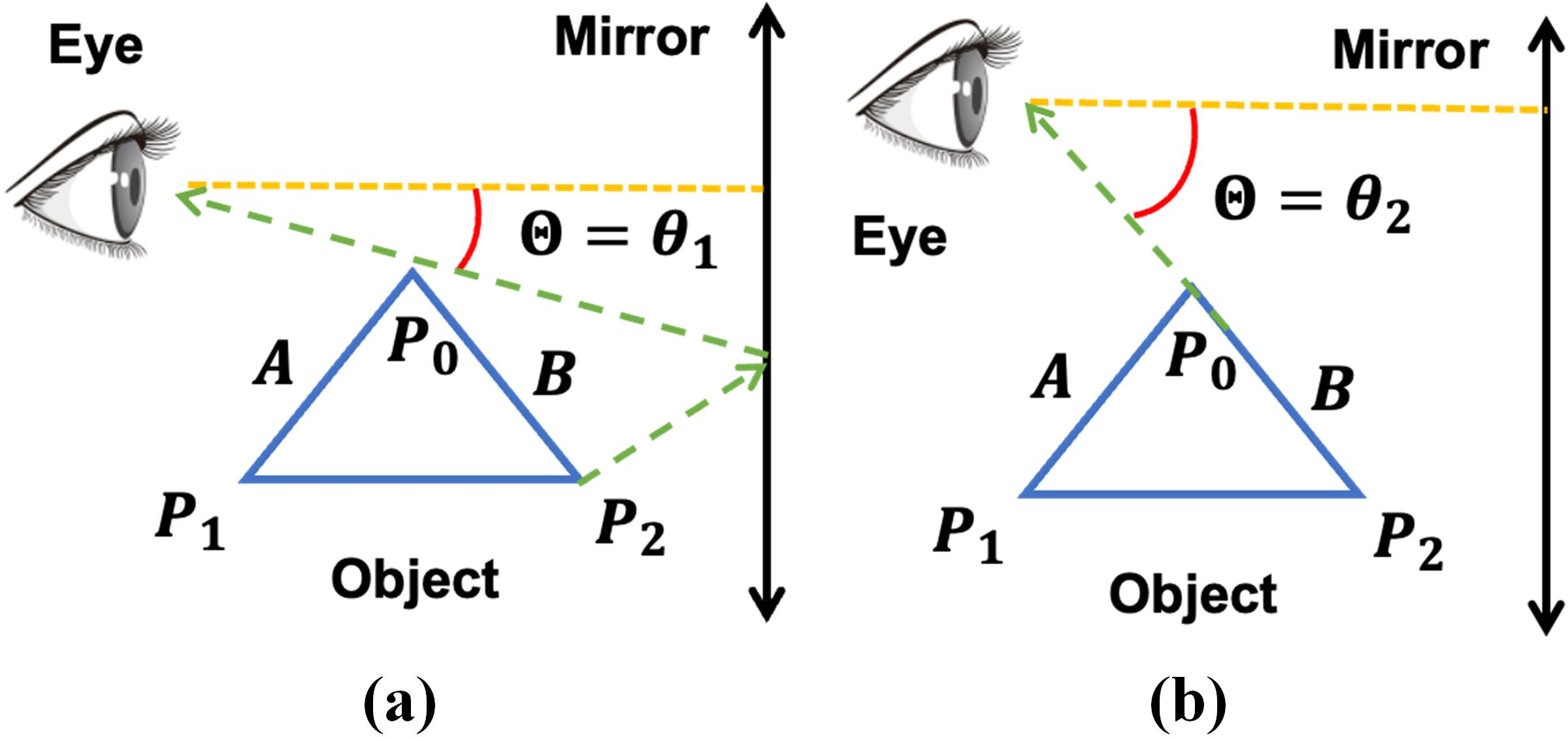
Figure 9: Boundary-case geometric model for viewable mirror-illusion constraint analysis.
The method is subject to practical limits: incompatible supervision image aspect ratios result in mismatched overlaps; high-frequency patterns exceeding optimization or voxel resolution cause aliasing artifacts. These are mitigated by preprocessing and model scaling.
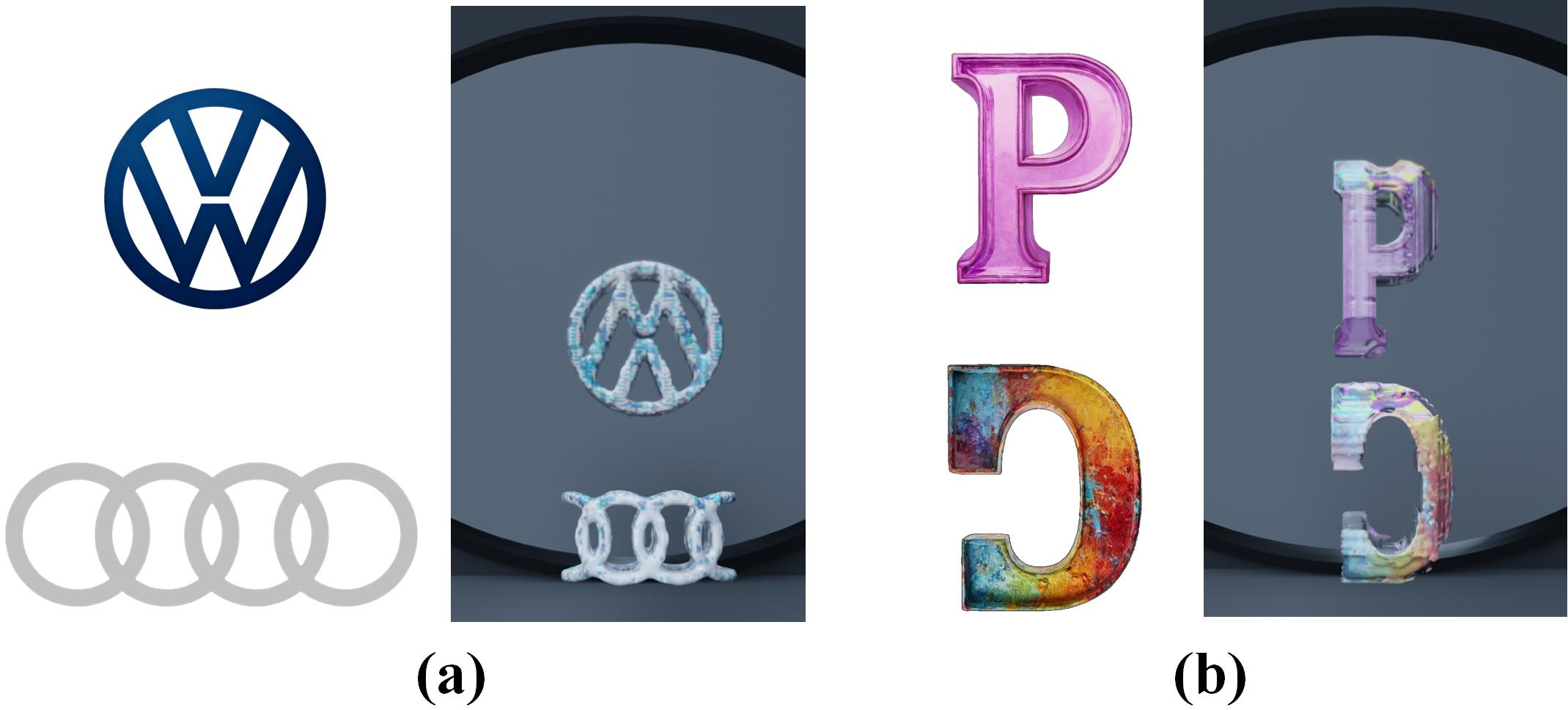
Figure 10: Failure cases with irreconcilable supervision views or excessive target image detail.
Implications and Future Directions
AutoMIA provides a rigorous, modular framework for automated, physically plausible mirror-based illusion object synthesis, bridging computational design and artistic innovation. The joint optimization paradigm, robust artifact suppression, and practical evaluation render the method suitable not only for art but also for scientific exploration of human visual priors and perceptual constraints.
Possible future directions include integration of larger-scale diffusion or generative priors for expanded search spaces, adaptation to dynamic (non-static) physical environments, and extension to other multi-view illusion modalities. Further theoretical analysis may yield formal guarantees regarding realizability and perceptual distinguishability given arbitrary supervision.
Conclusion
AutoMIA enables automated, joint color-geometry synthesis of physically fabricable Mirror Illusion Art objects, successfully addressing the distinct challenges of dual-view supervision. Through targeted artifact suppression and a disciplined optimization curriculum, the method demonstrably outperforms previous approaches on quality, efficiency, and flexibility. AutoMIA delineates a clear path towards generalized view-conditioned 3D design, with significant implications for AI-driven art, computational design, and perceptual science.

