- The paper introduces an invex relaxation-based semiparametric framework that ensures global convergence for nonconvex parameter estimation under heterogeneity.
- It leverages trace-similarity regularization to aggregate distributed data, achieving minimax optimal statistical error bounds and model-free prediction guarantees.
- The proposed InvexDR algorithm reduces communication rounds with multi-step local updates, outperforming baseline methods in both synthetic simulations and real-world ICU data applications.
Distributed Prediction under Heterogeneity with Unidentifiable Parameter
This work addresses distributed statistical prediction where structural parameters are fundamentally unidentifiable—a scenario arising from dimension reduction models pervasive in high-dimensional statistics and machine learning, such as single index and transformation models. The non-identifiability manifests as severe nonconvexity in parameter estimation, impeding the use of conventional aggregation and optimization techniques. In distributed and federated settings, additional challenges arise due to data heterogeneity across networked nodes and the critical bottleneck of communication cost.
Unlike traditional distributed learning, where aggregation may be performed using Euclidean metrics or block regularization, this work highlights that these approaches are invalid for unidentifiable parameters. Instead, it proposes an adaptive homogeneity pursuit based on trace-similarity of projection matrices, properly capturing geometric equivalence between non-identifiable parameterizations.
Methodological Framework
The core methodological contribution is a semiparametric distributed estimation framework that aggregates information across client nodes via a trace-similarity regularization. The base model is
Y=f(β⊤X)+ε
where f is unknown and β is only identifiable up to orthogonal transformation. Each node possesses local data generated under potentially different parameters within a shared low-dimensional subspace.
A localized Newton–Raphson least squares approach is used to estimate each node's central subspace, with trace penalties incorporated to encourage alignment between projection matrices across nodes. The optimization target thus becomes highly nonconvex—chiefly due to the geometry of the projection operator.
Invex Relaxation to Overcome Nonconvexity
Crucially, the paper introduces an invex relaxation of the nonconvex global objective. Invexity generalizes convexity, and its practical significance is that every stationary point is a global optimum—enabling reliable convergence guarantees for first-order methods even in the absence of convexity.
Key mechanism: Parameter blocks for each node are augmented and relaxed so that the invexified objective shares its optimal points with the original objective. As a result, a multi-step local projected gradient or Newton–Raphson procedure converges globally regardless of initialization, ensuring both statistical and optimization efficiency.
Communication-Efficient Distributed Algorithm
The distributed algorithm, InvexDR, is structured as a bi-level loop:
- Outer loop: Each node updates its nonparametric link and associated derivatives based on local data.
- Inner loop: Parameter updates are performed using local gradient steps on the invexified loss, with periodic communication of projection matrices to a central server for aggregation and broadcast.
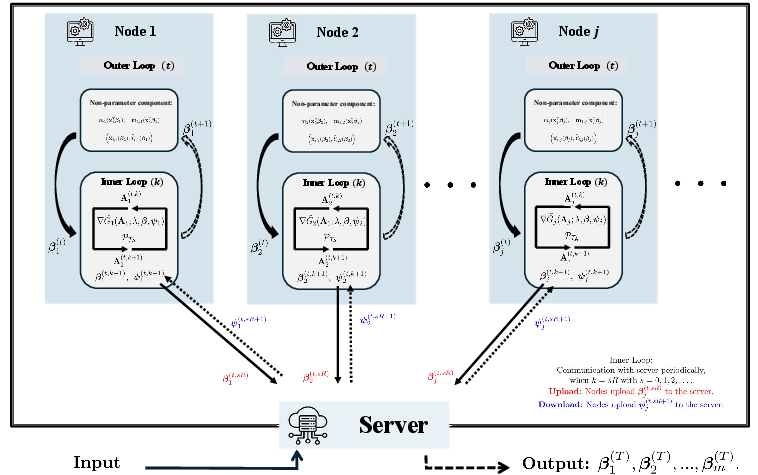
Figure 1: The workflow of the communication-efficient distributed algorithm with a bi-level loop and local multi-step updates.
The multi-step inner updates between communications reduce the overall communication complexity, making it feasible for federated or edge-computing scenarios where bandwidth is constrained.
Theoretical Guarantees
The theory establishes:
- Non-asymptotic parameter error bounds: The estimator achieves an error of Op(N−1/2+H∧n−1/2), where H quantifies inter-node parameter similarity, N is the global sample size, and n the minimum local sample size.
- Model-free prediction bounds: A matching Op(N−1+H2∧n−1) bound for the mean squared Frobenius prediction error, achieving minimax optimality even in the presence of heterogeneity and non-identifiability.
- Algorithmic convergence: The invex relaxation implies all stationary points are global, and the algorithm achieves linear convergence to the estimator with strictly bounded optimization drift proportional to the rate and frequency of communication rounds.
Empirical Evaluation
Simulation Studies
Simulations are performed across a spectrum of heterogeneity, sample sizes, and network scales. The InvexDR method demonstrates superior adaptation to latent cross-node homogeneity, outperforming both locally isolated and naively pooled estimators in Frobenius norm error and trace similarity. The two-phase error scaling is empirically confirmed: initially, increased nodes accelerate estimation, then accuracy saturates as network size surpasses the regime dictated by heterogeneity and local sample size.
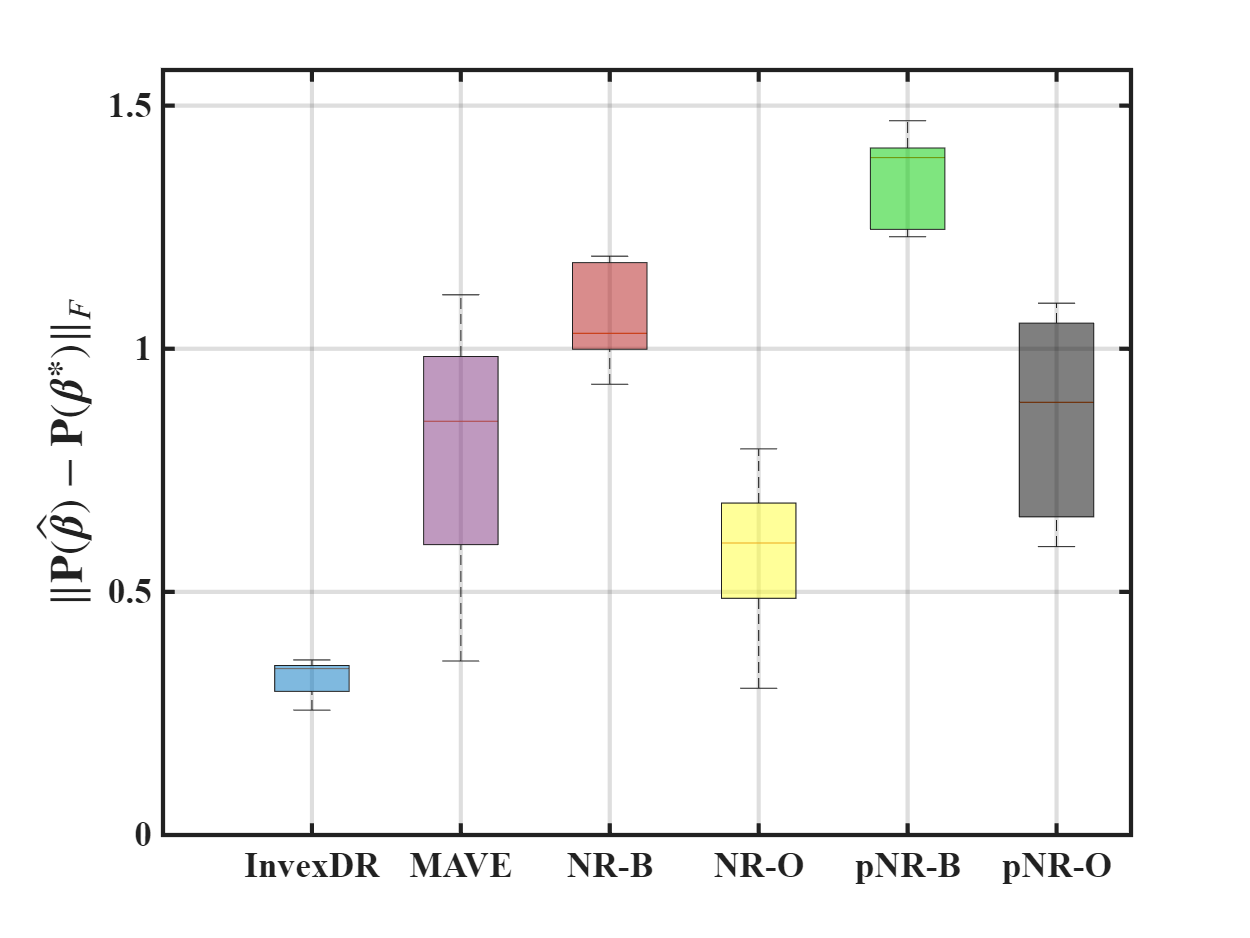
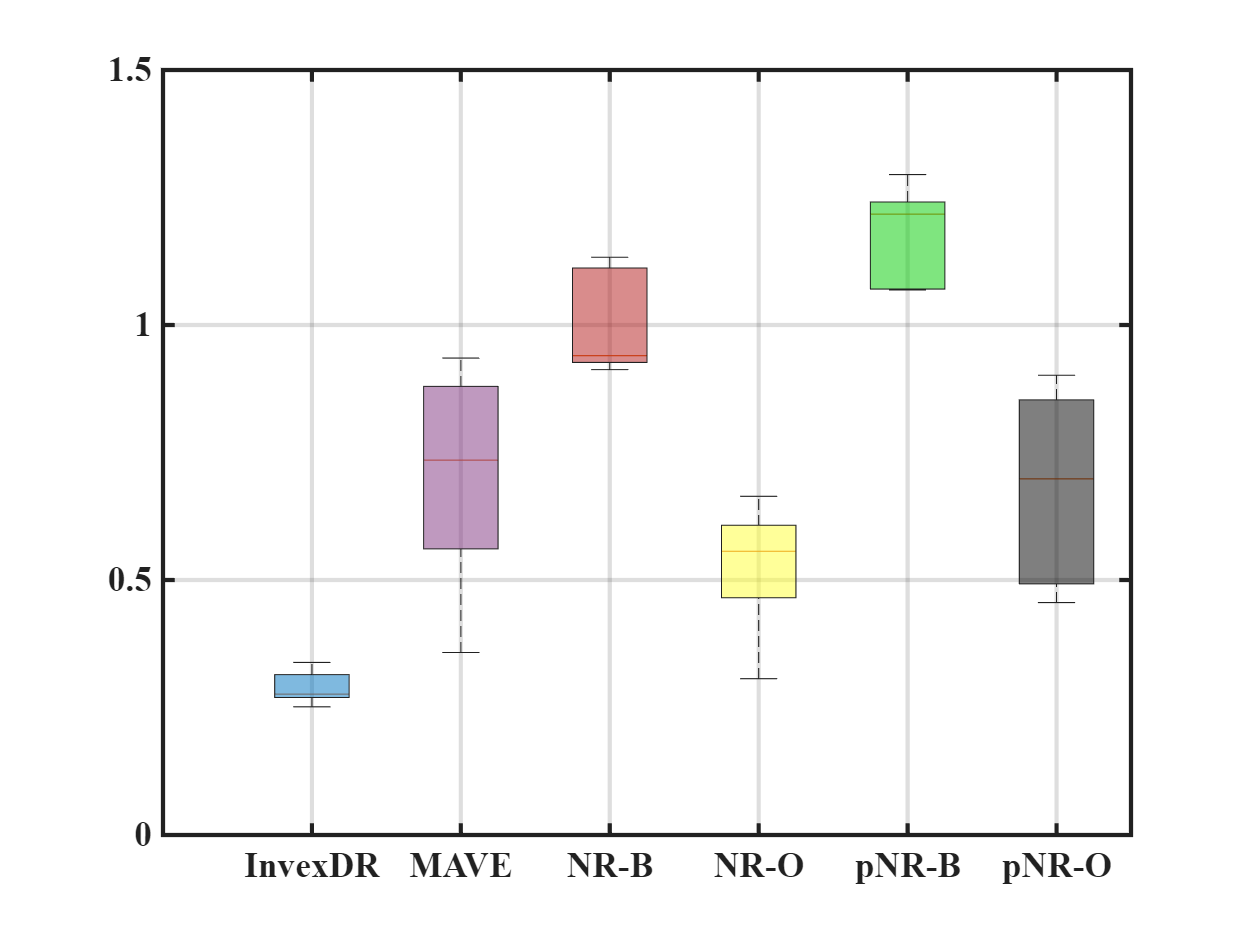
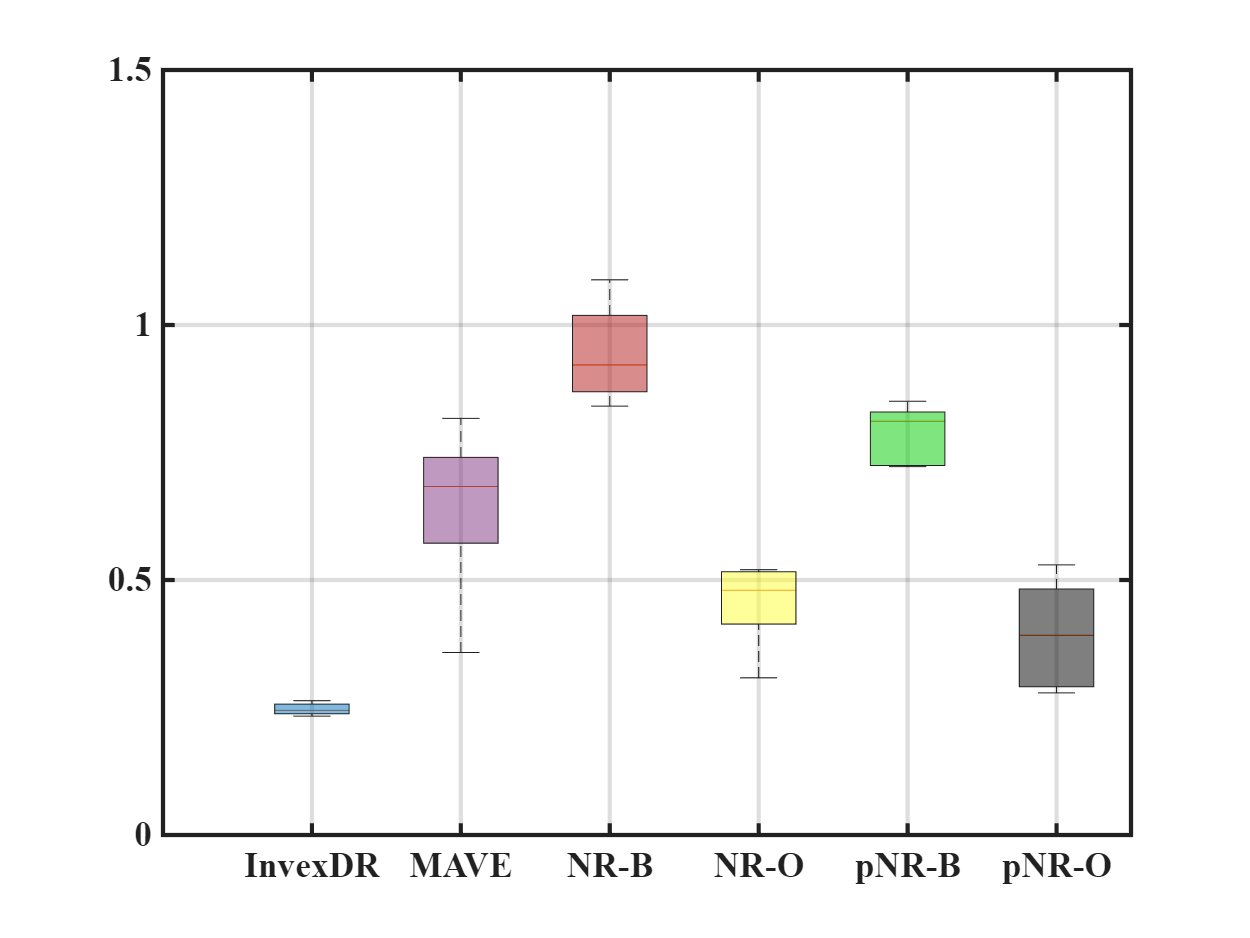
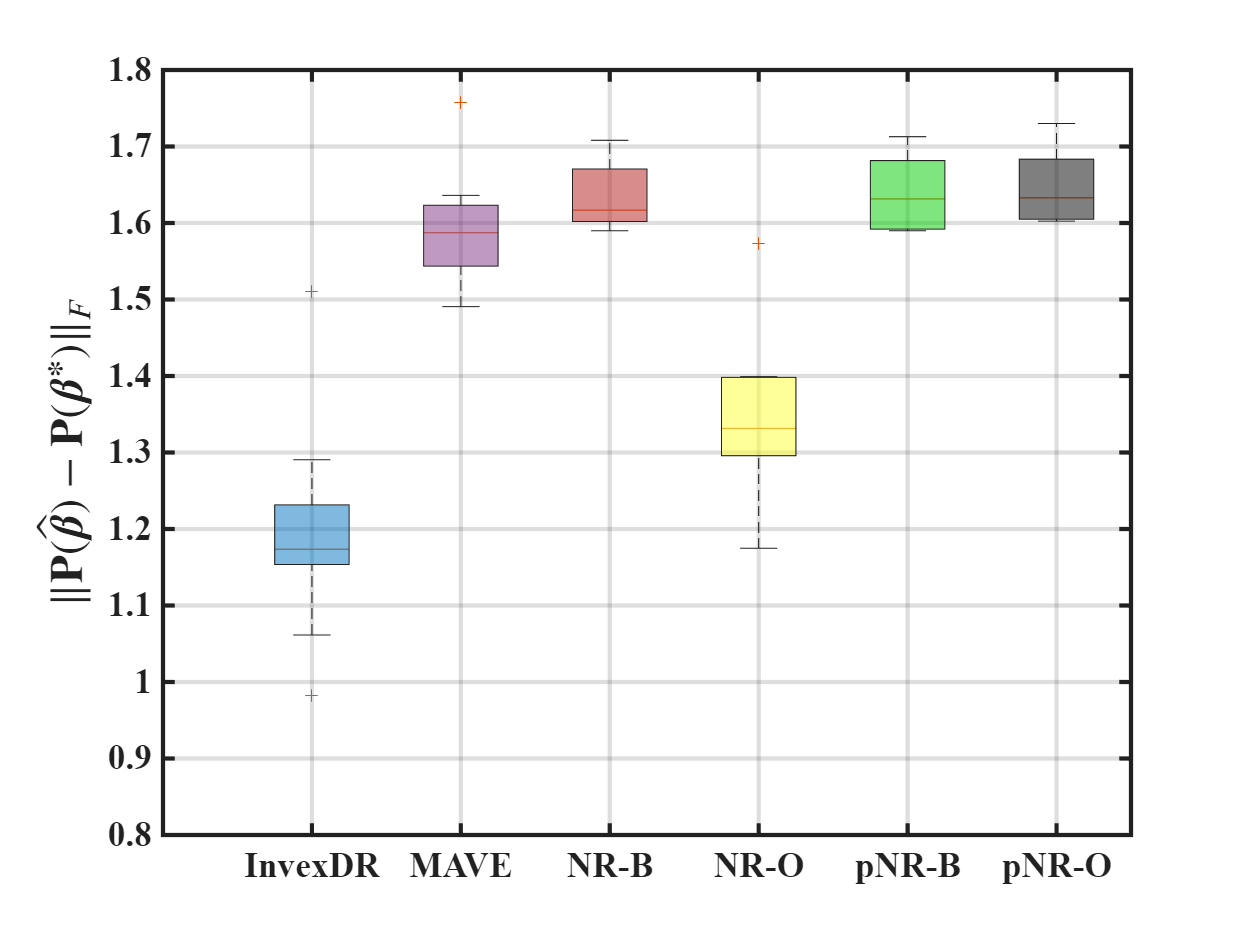
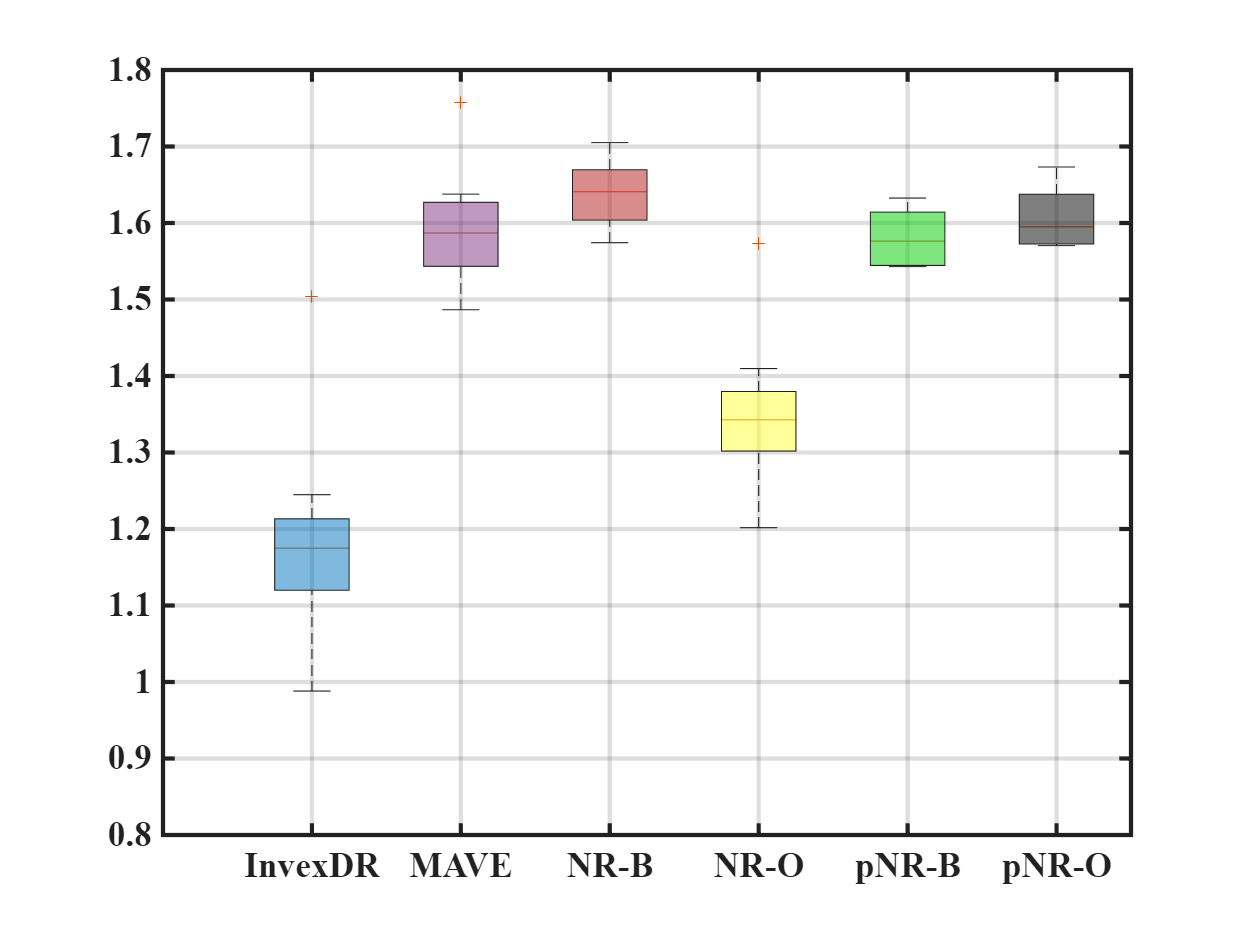
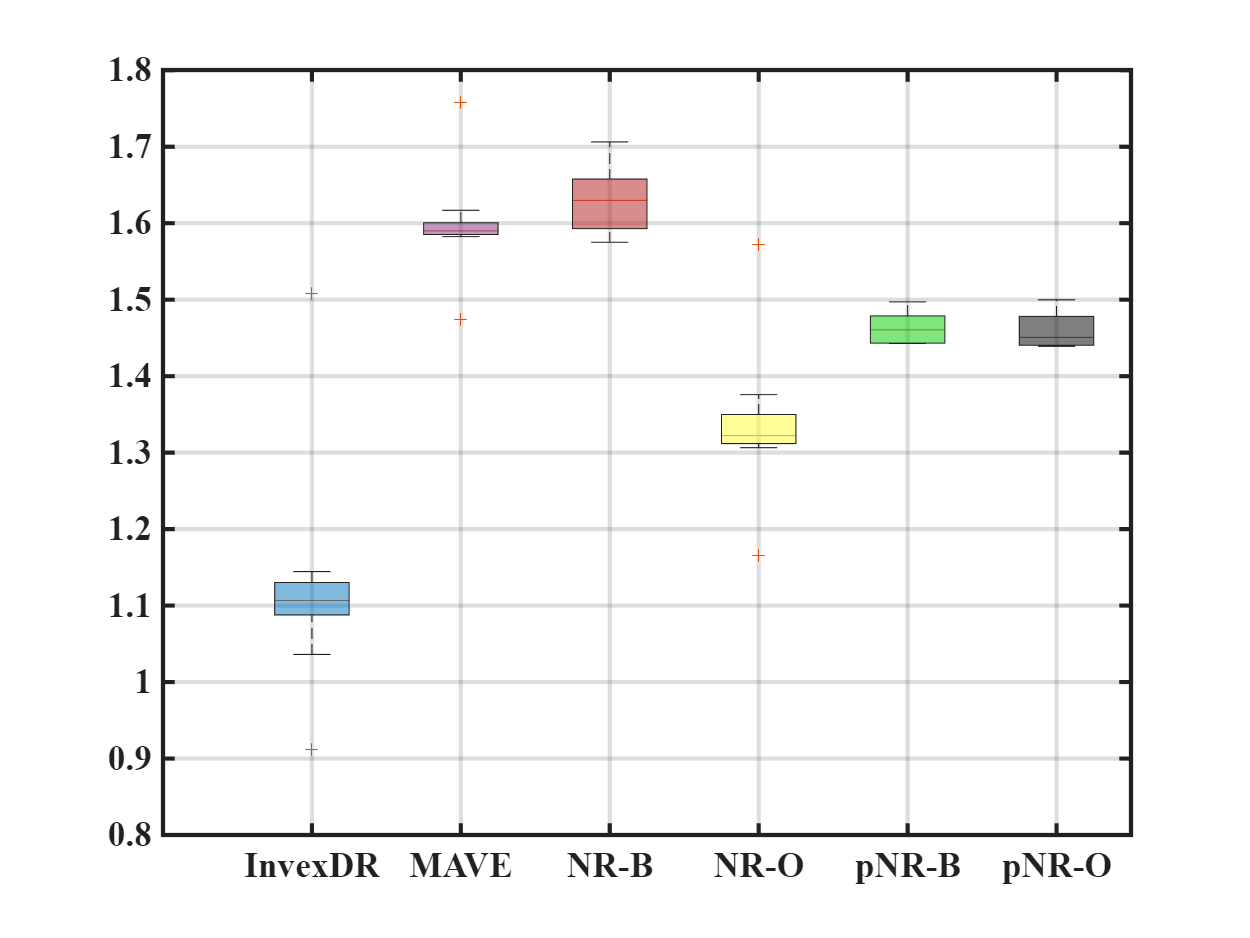
Figure 2: The F-norm error for each node in Example 1 (upper panel) and Example 2 (lower panel) under different similarity levels.
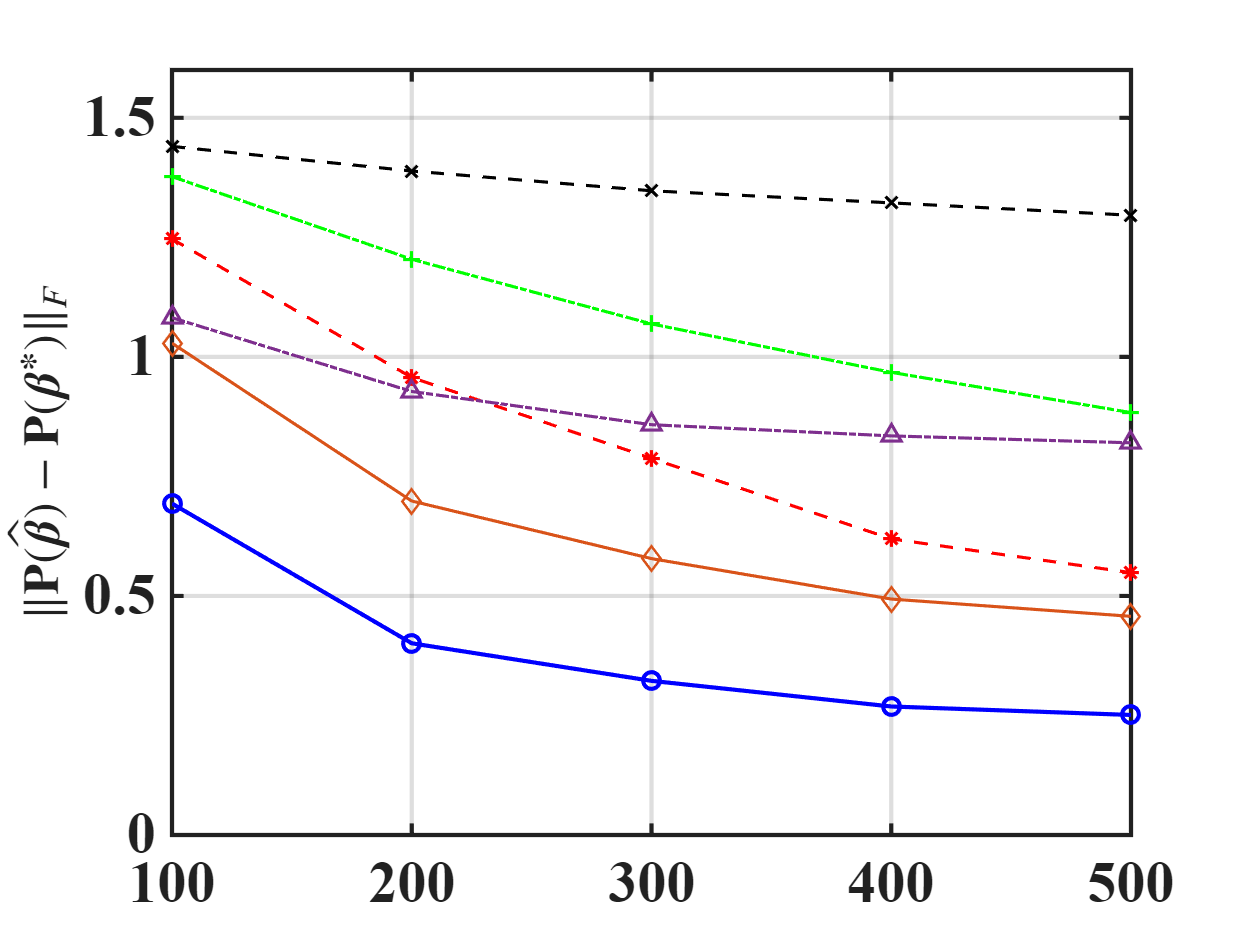
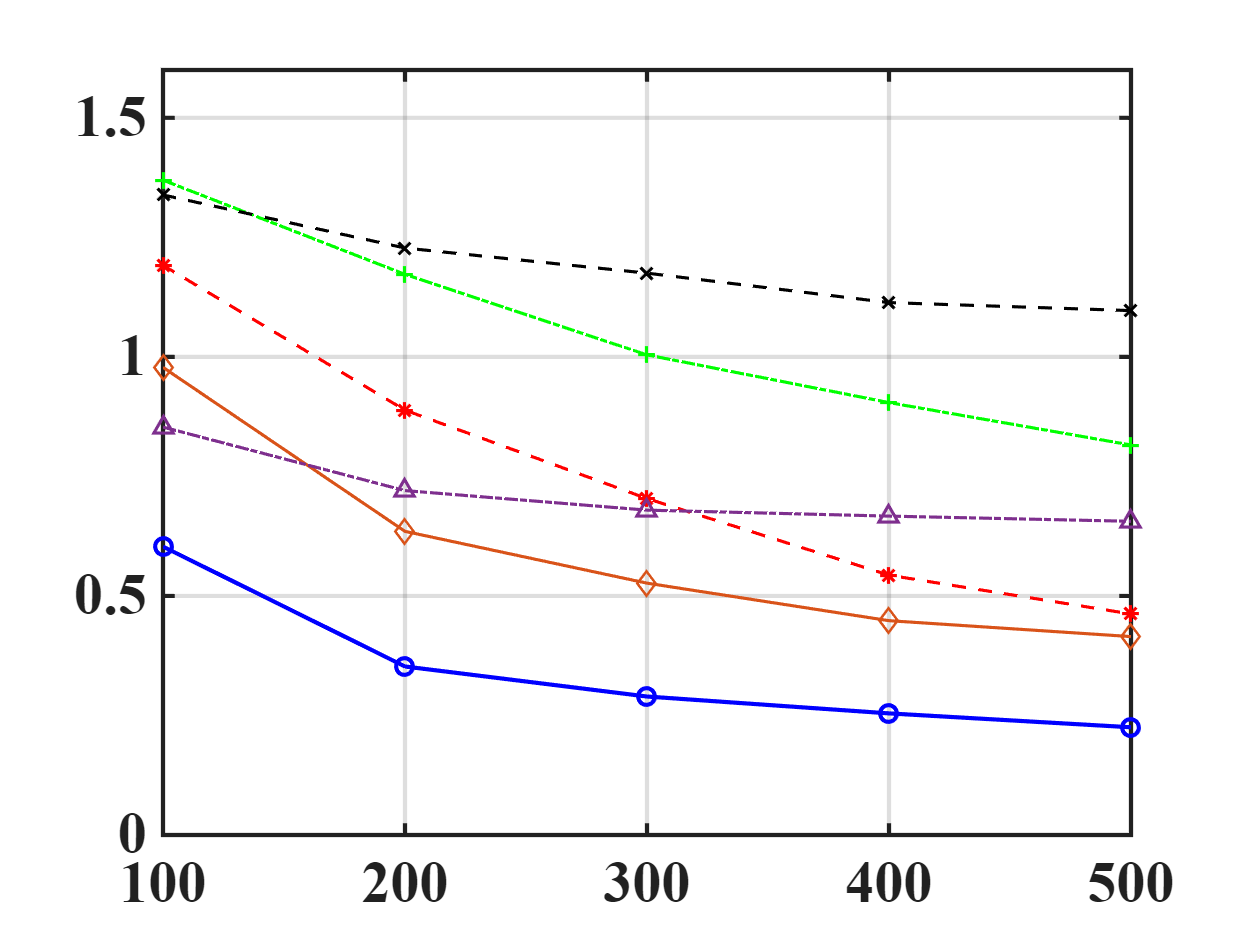
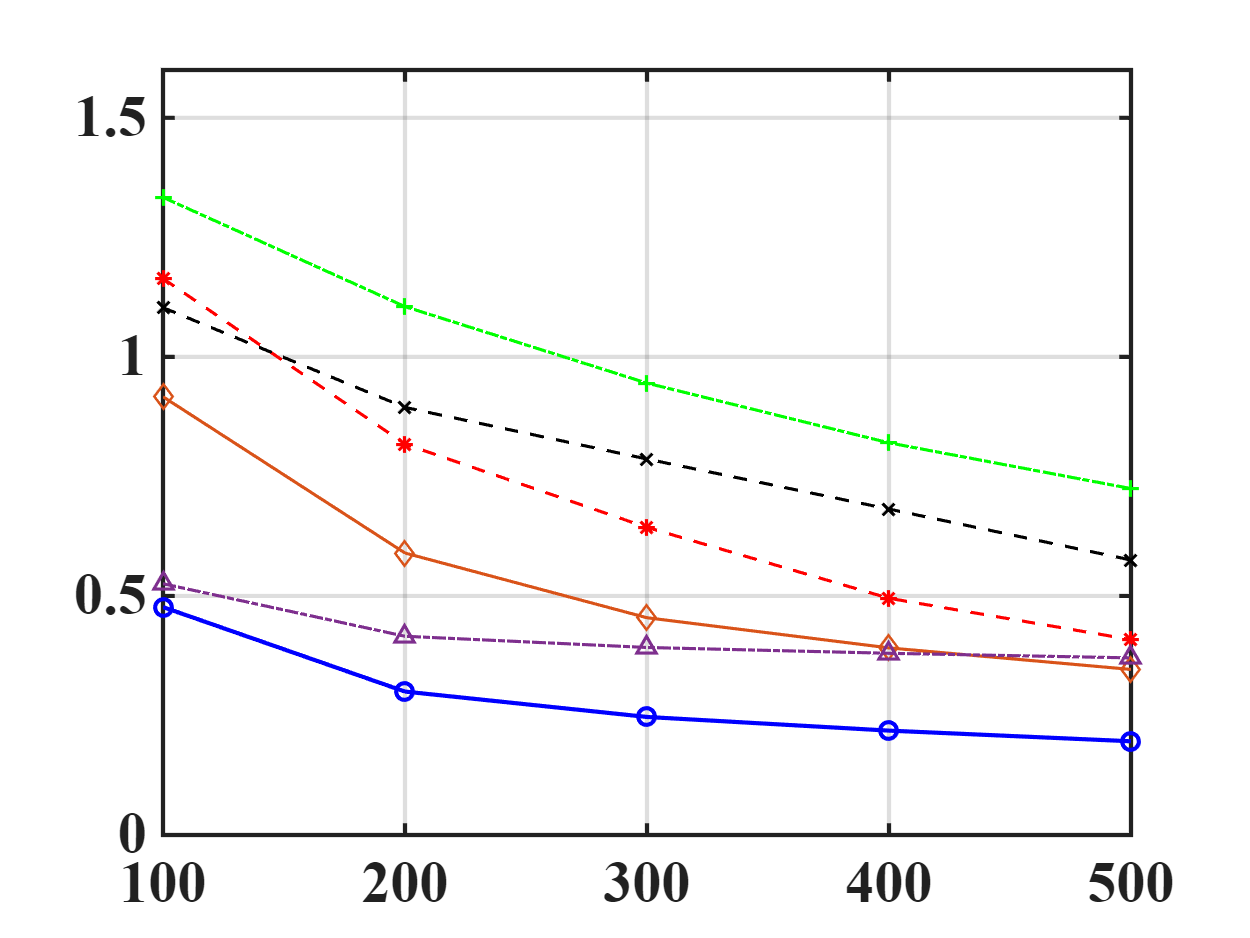
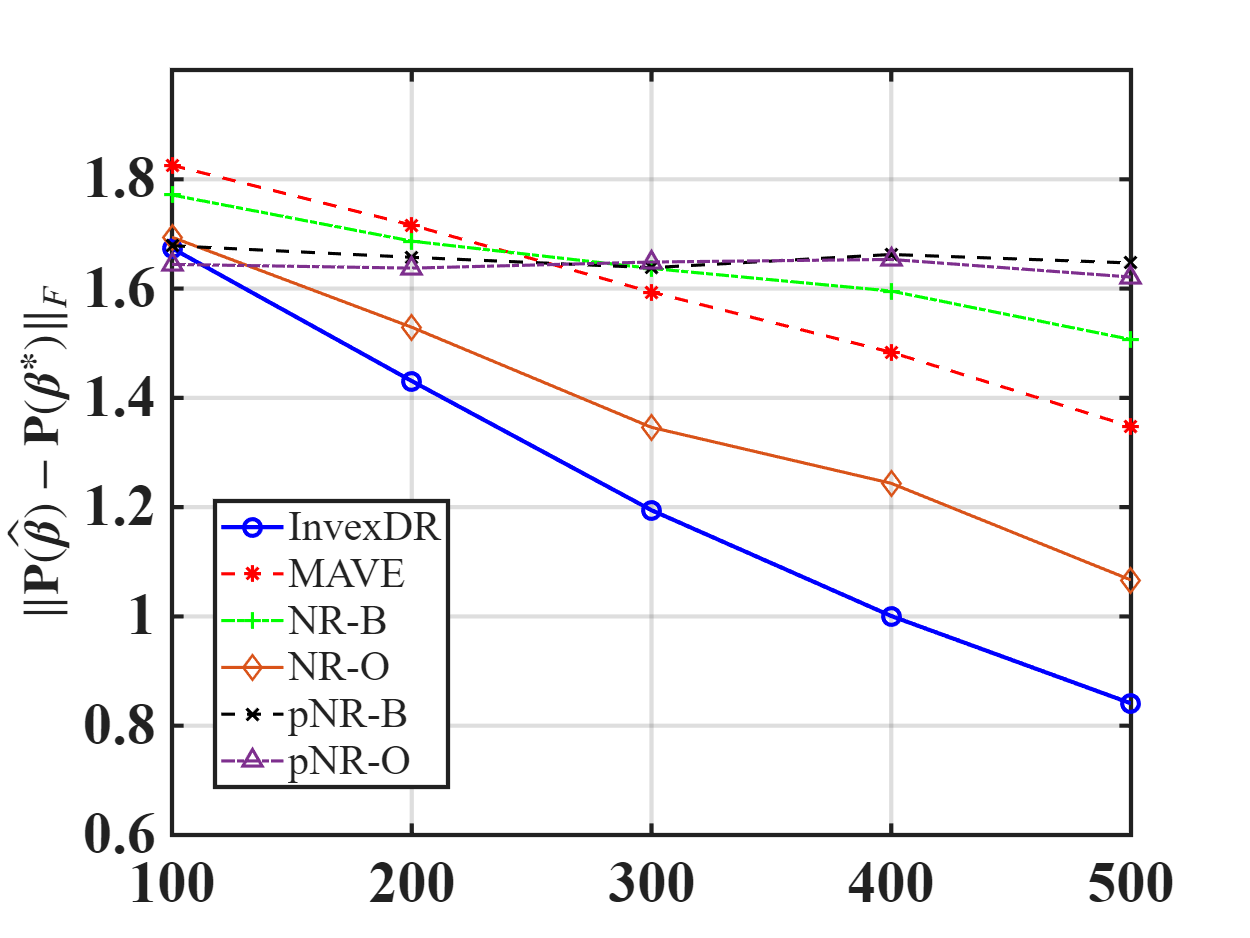
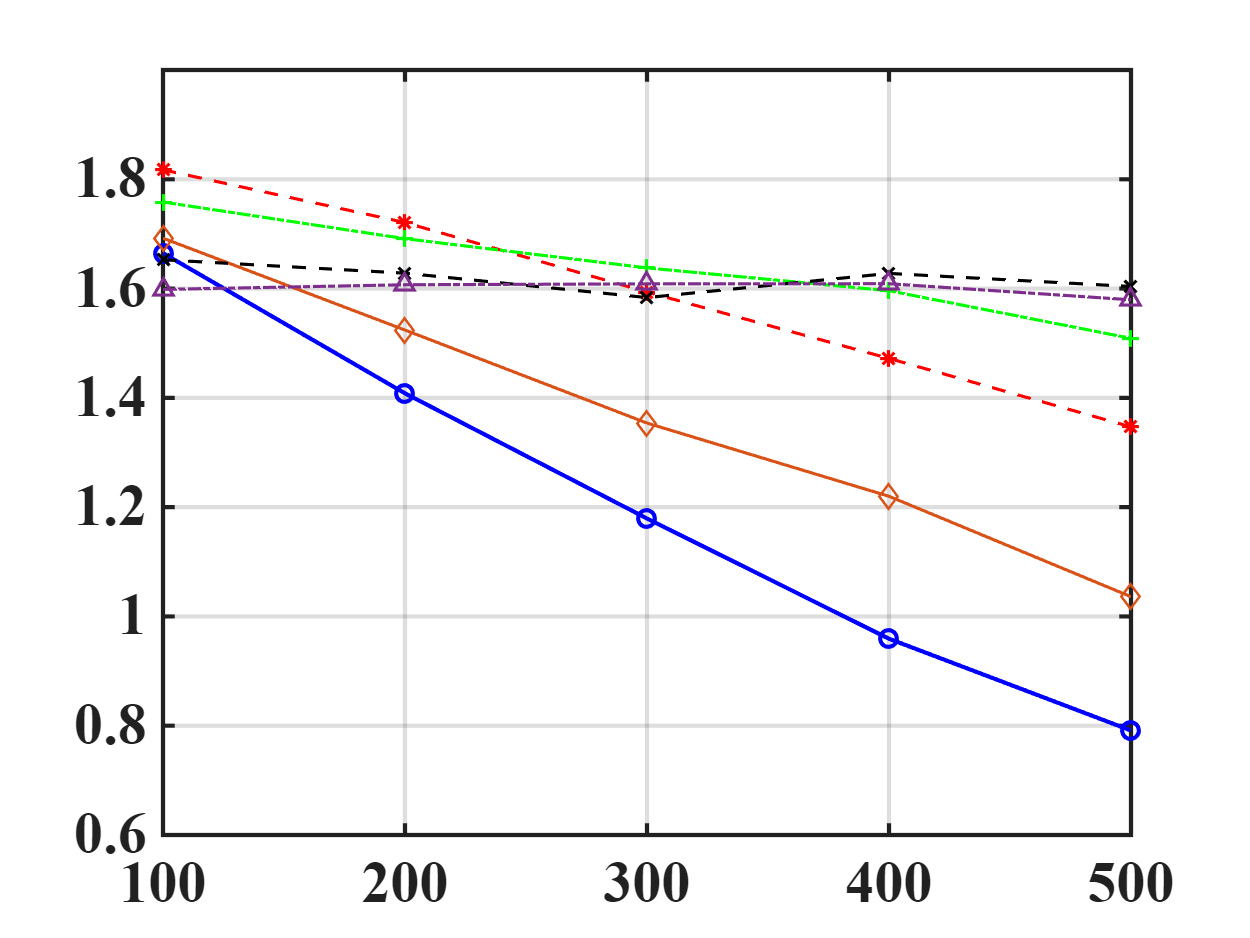
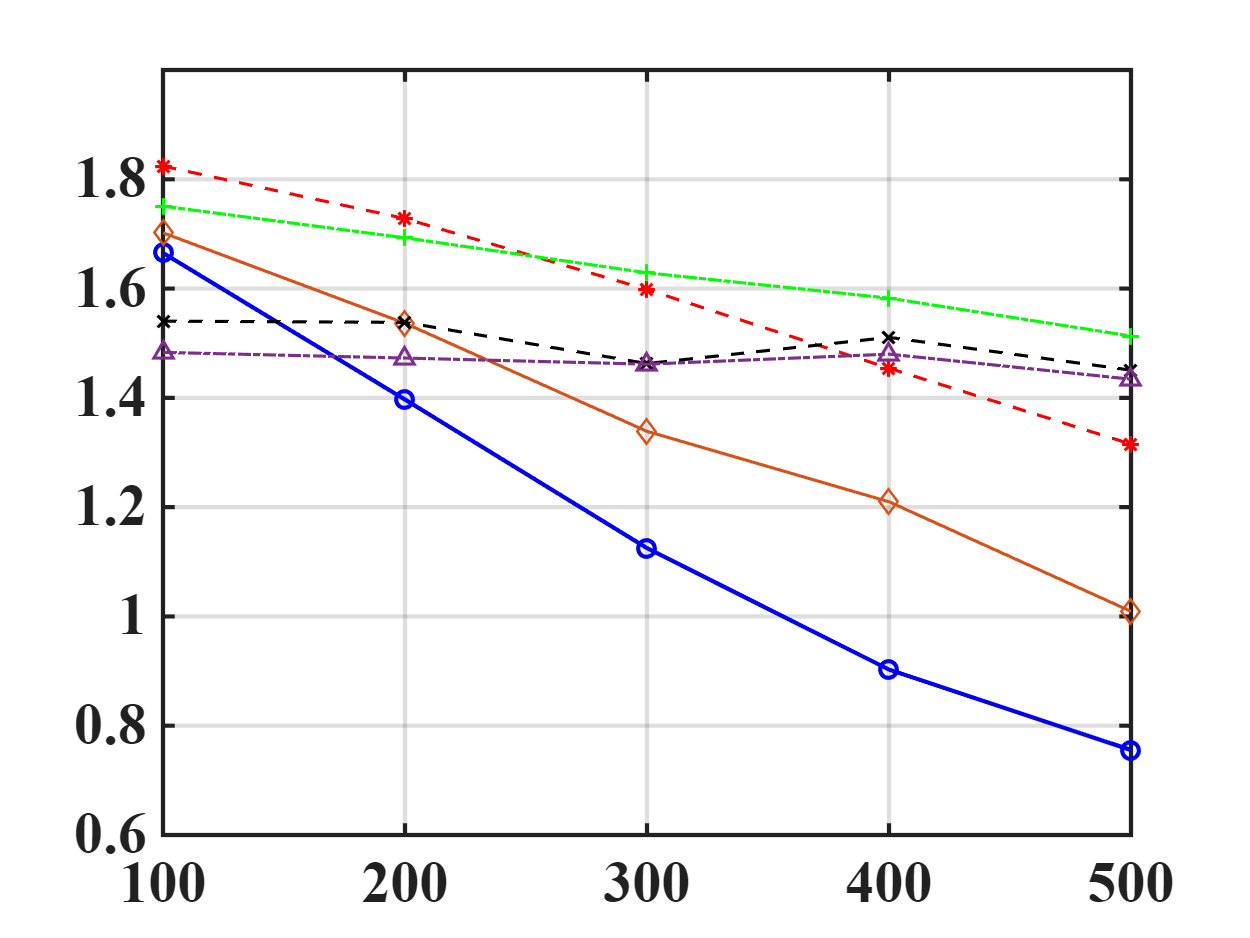
Figure 3: The average F-norm error across nodes in Example 1 (upper panel) and Example 2 (lower panel) as a function of local sample size under varying similarity.
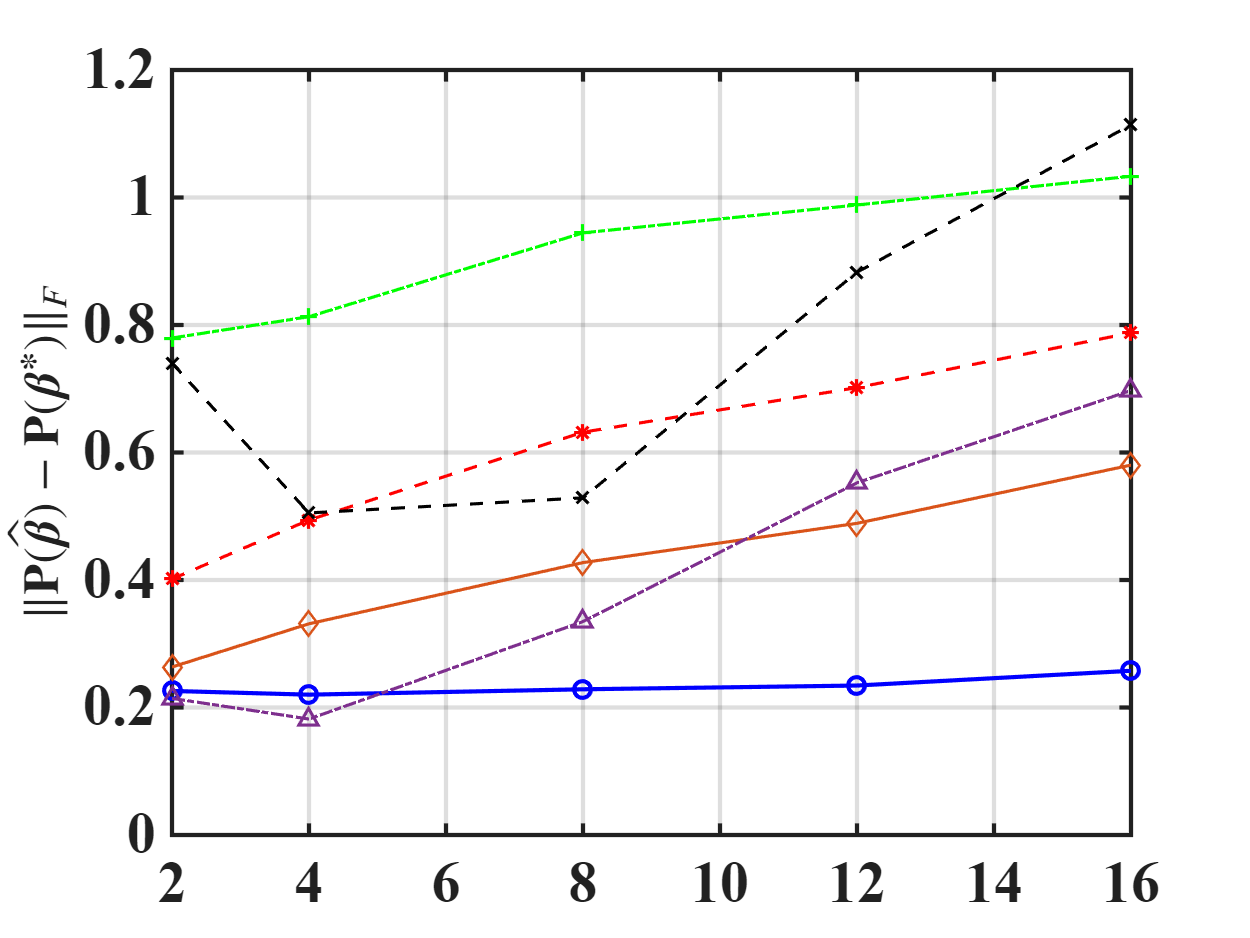
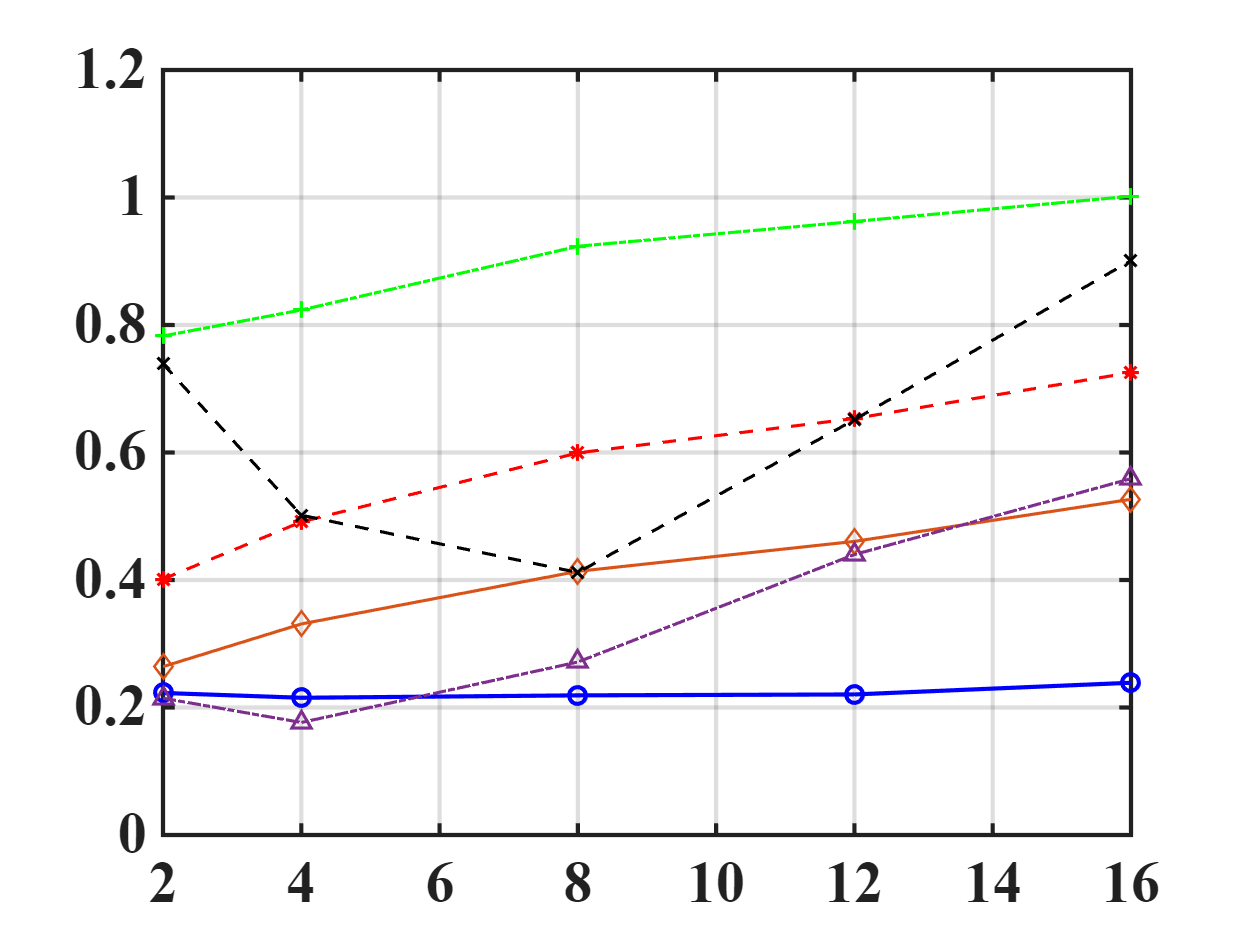
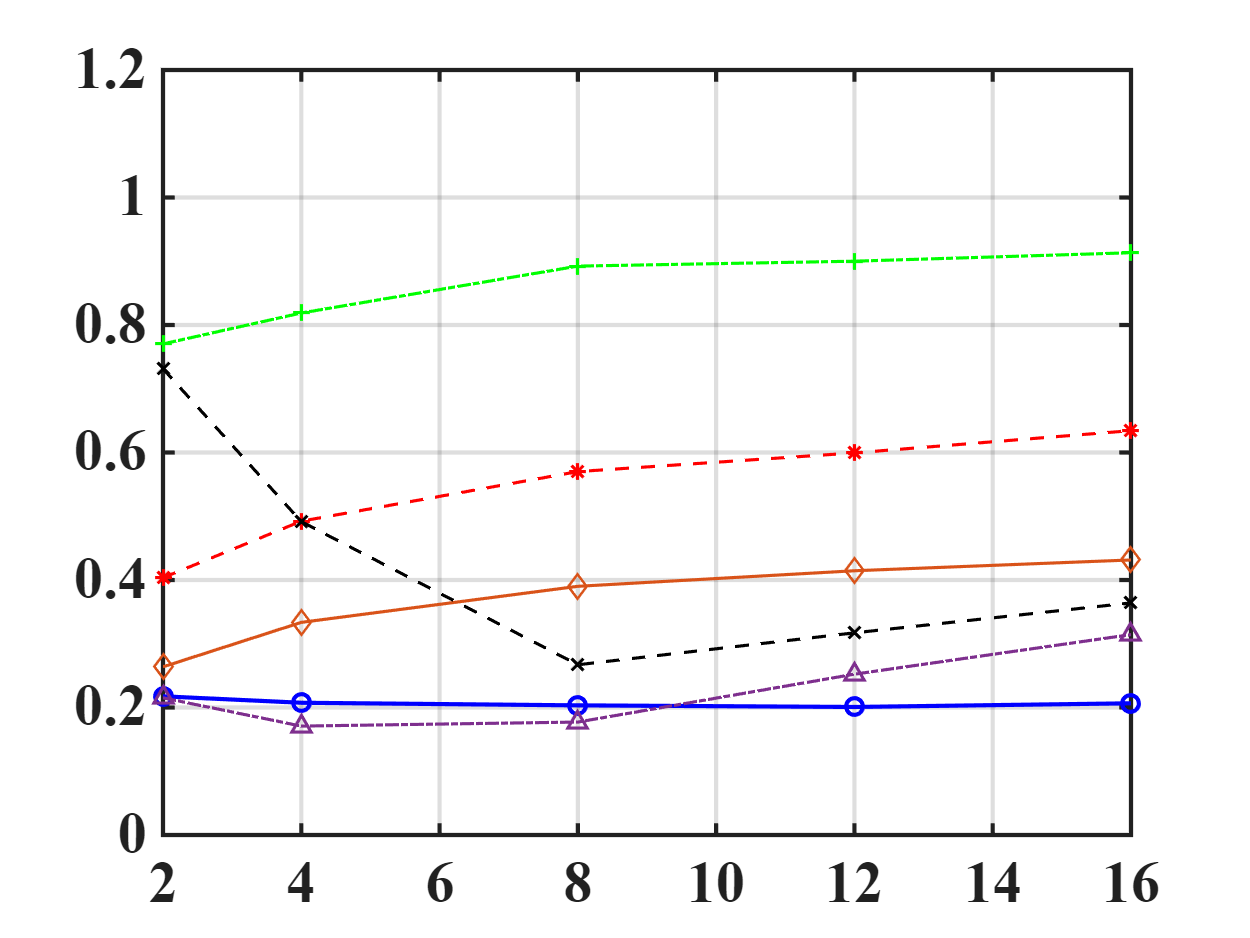
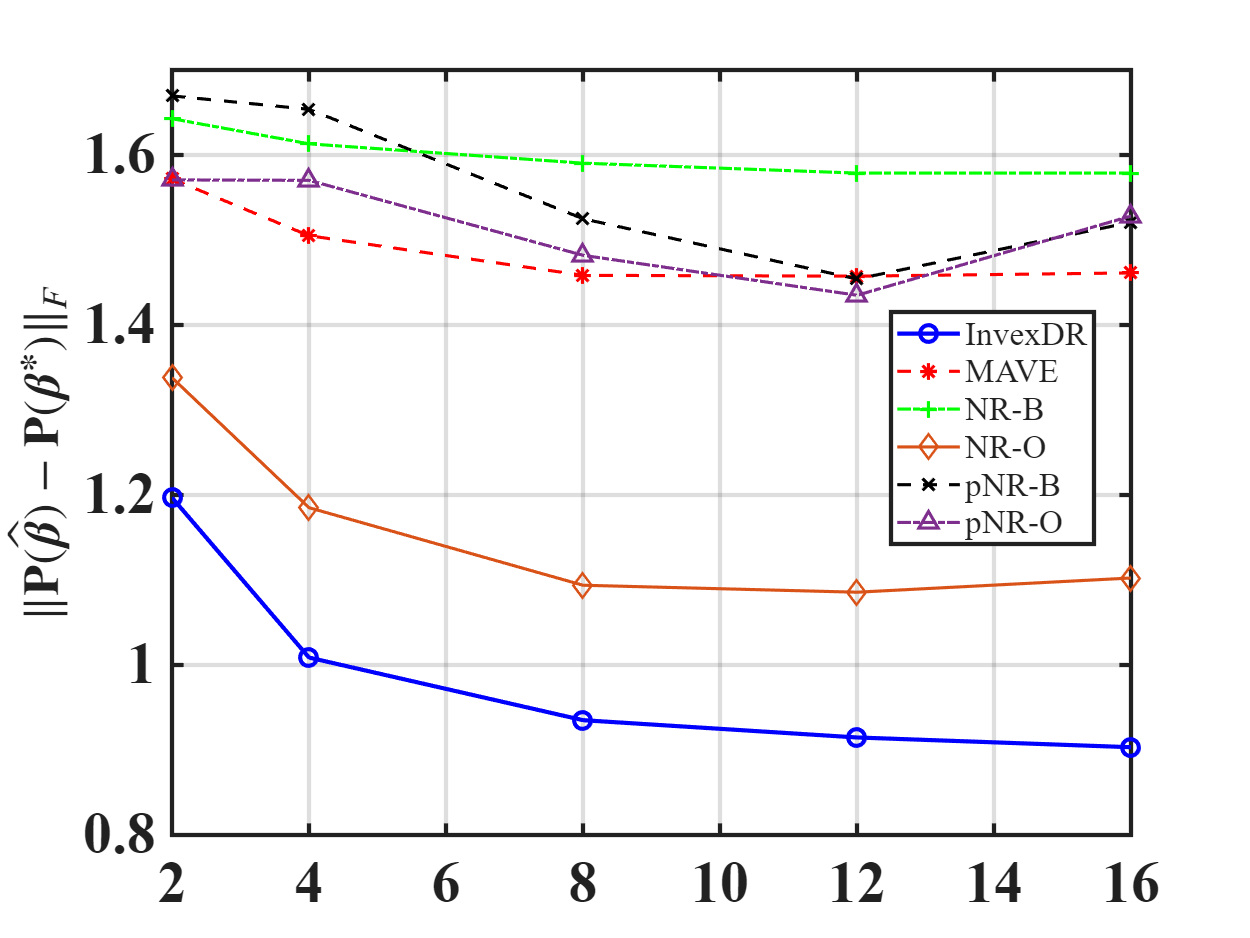
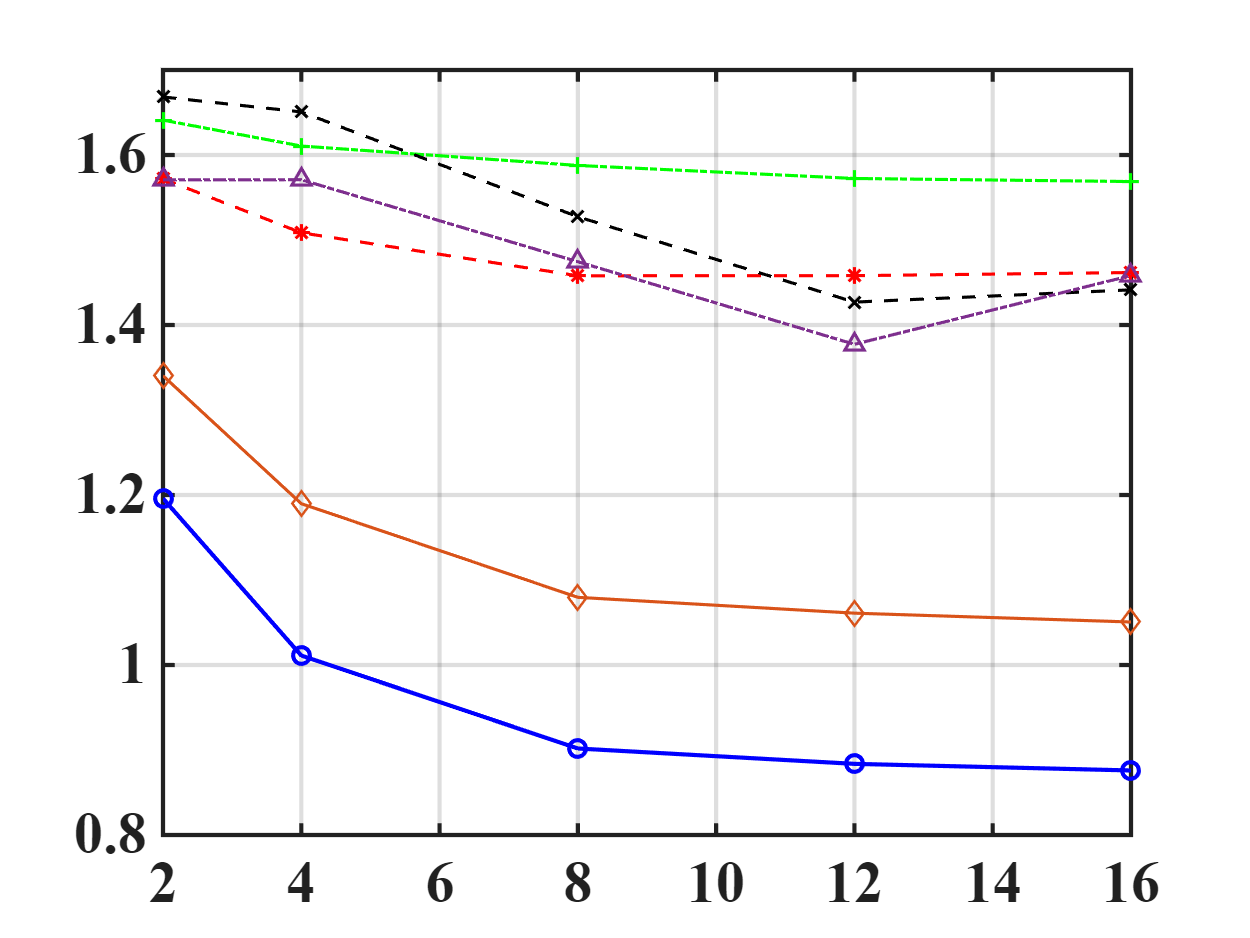
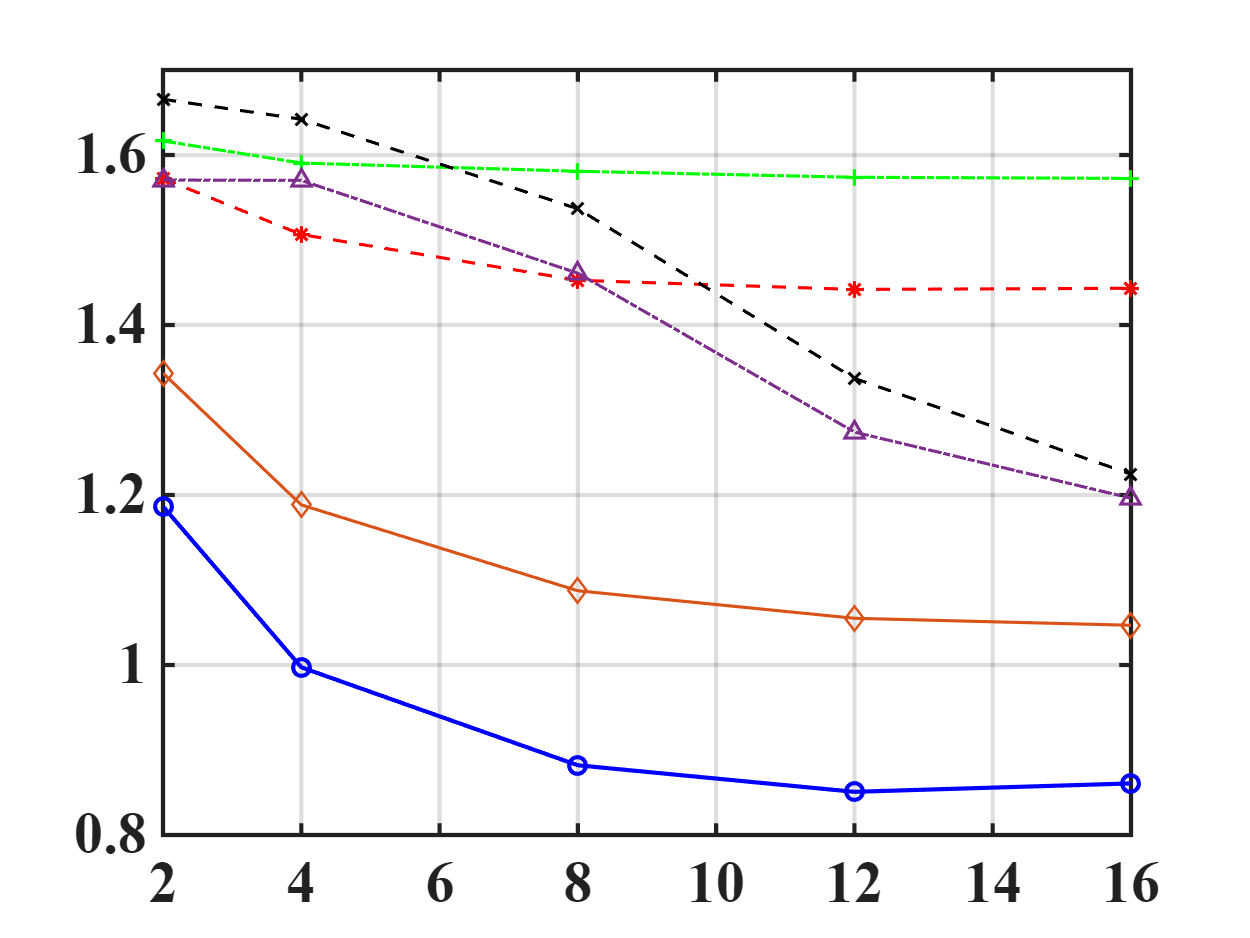
Figure 4: The average F-norm error across nodes in Example 1 (upper panel) and Example 2 (lower panel) as the number of nodes m increases for different similarity levels.
Notably, InvexDR robustly maintains accuracy even as network heterogeneity or scale increases, while constrained or pooled methods exhibit rapid degradation.
Real-World Application
The methodology is validated on the eICU Collaborative Research Database for predicting ICU stay length, where each hospital constitutes a distinct node with distinct data distribution. The unconstrained InvexDR yields the lowest prediction mean squared error and variance across nodes, outperforming both geometric-constrained and isolated estimation baselines. This demonstrates strong practical relevance for privacy-preserving, distributed medical analytics.
Implications and Future Directions
Practical implications:
- The framework enables distributed/federated learning in high-dimensional models characterized by severe parameter non-identifiability and heterogeneity, especially relevant for collaborative healthcare, multi-center studies, and complex signal recovery problems.
Theoretical implications:
- The invex relaxation shows that nonconvex geometry can be tamed to permit first-order global convergence, opening doors for principled optimization in more general non-identifiable and non-convex settings.
Potential future developments:
- Adaptive selection of structural dimension d without communication overhead
- Incorporation of differential privacy techniques for security-critical collaborations
- Extension to complex outcomes, such as censored or longitudinal data
- Scalability to non-Euclidean node topologies and heterogeneous privacy constraints
Conclusion
This study provides a comprehensive solution to distributed prediction under unidentifiable parameters facing heterogeneity and communication bottlenecks. By leveraging a trace penalty with invex relaxation, the method simultaneously achieves adaptive aggregation, minimax-optimal statistical rates, and provable algorithmic convergence. Extensive empirical validation, both synthetic and real-world, supports its robust utility in collaborative data science and distributed inference.