- The paper introduces a bio-inspired design leveraging retinal and cortical modules to achieve efficient, multimodal detection with up to 90% parameter reduction.
- It employs a three-stage fusion and decoding pipeline that outperforms state-of-the-art methods across seven tasks and 22 datasets.
- Empirical results validate its robust performance in complex scenarios while also highlighting limitations under extreme conditions.
Bio-Inspired Generalized Object Detection: An Analysis of HVPNet
Motivation and Context
Salient object detection (SOD) and camouflaged object detection (COD) are central tasks in computer vision, each requiring high discrimination between foreground and background across challenging scenarios, including multimodal settings (RGB, RGB-D, RGB-T, video modalities). Prevailing approaches emphasize complex, parameter-heavy fusion and decoding structures, frequently resulting in inefficient architectures with limited scalability. The HVPNet framework directly addresses this by abstracting principles from the human visual system to achieve efficient, multi-modal SOD and COD without excessive architectural overhead. The method aims for accurate detection across seven tasks and 22 datasets, all via a single, structurally concise pipeline.
Architectural Overview
HVPNet is composed of three functional stages: feature extraction, fusion by the Retinal Integration Module (RIM), and hierarchical decoding via the Cortical Decoder (CD). The network explicitly leverages the multi-layered information integration of the retina and the hierarchical abstraction pipeline of the cerebral cortex.
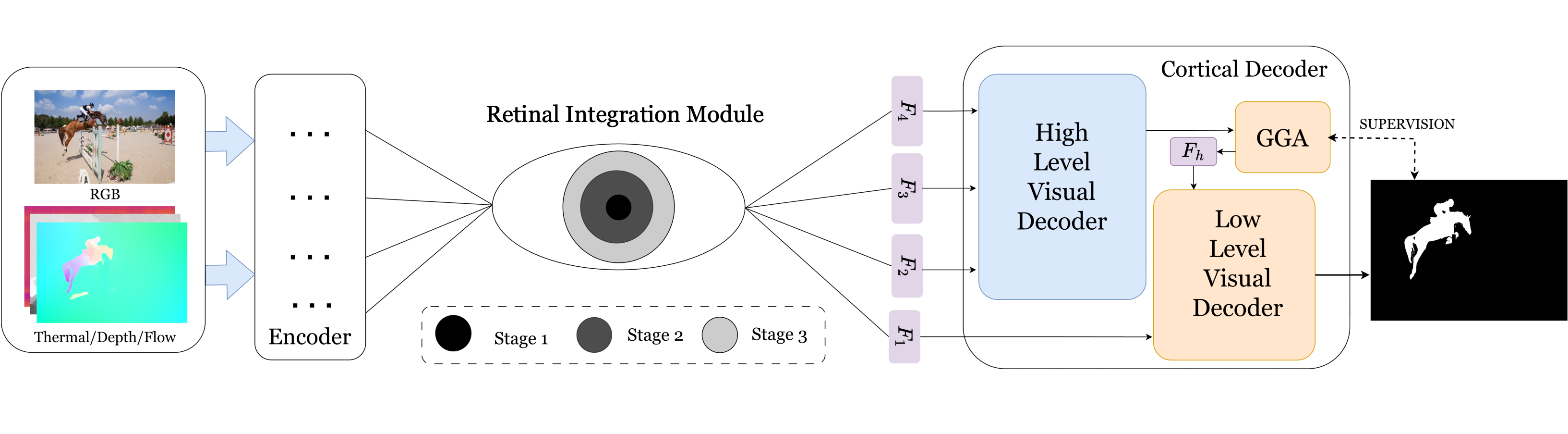
Figure 1: HVPNet's three-stage pipeline: feature extraction, retinal integration, cortical decoding, designed for general SOD and COD across multiple modalities.
Retinal Integration Module (RIM)
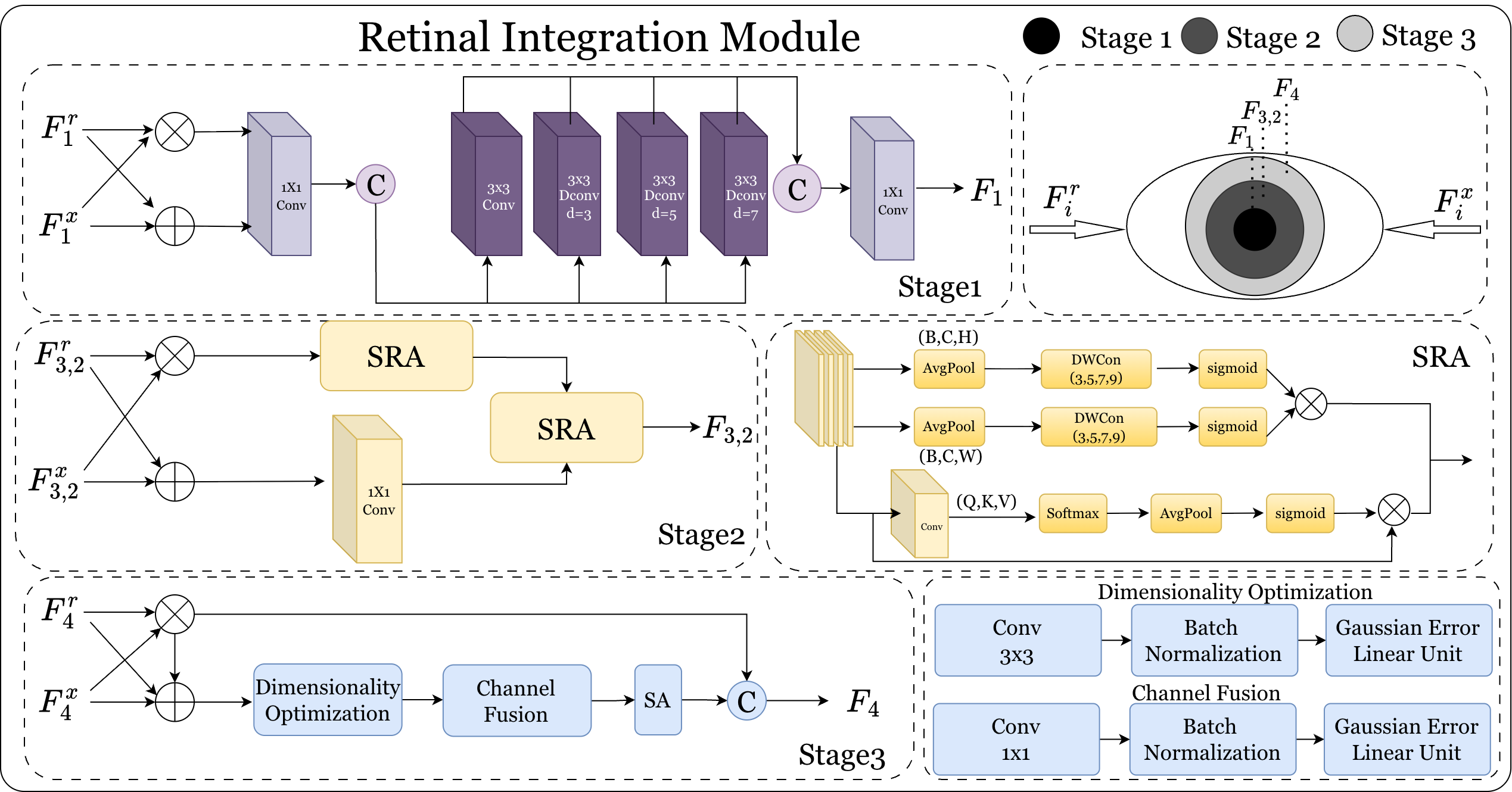
The RIM mimics the retina's layered processing. It operates via three level-specific fusion stages:
Cortical Decoder (CD)
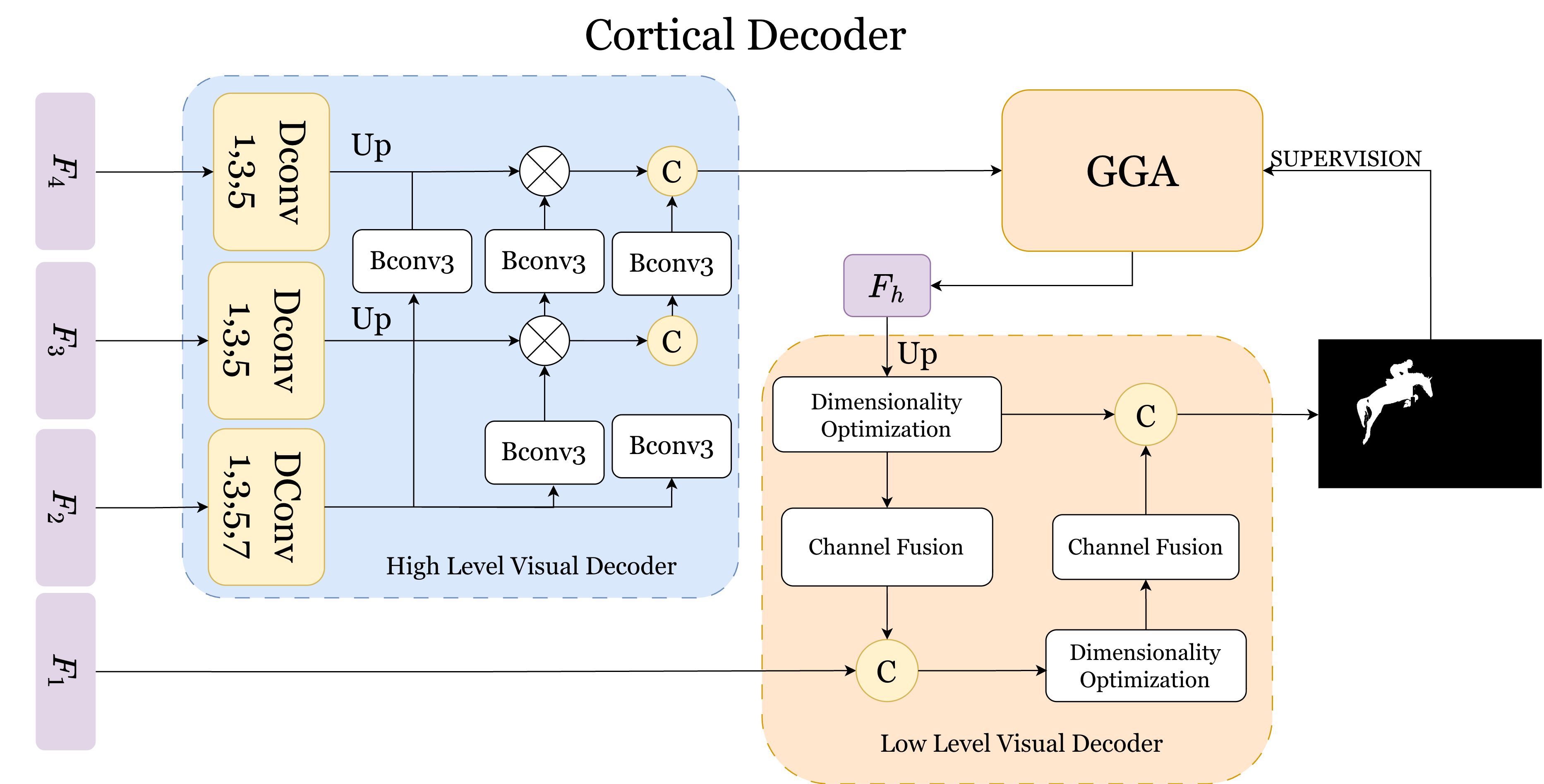
Inspired by the hierarchical processing of the visual cortex (V1, V4, IT), the CD decouples semantic abstraction and detail refinement:
Empirical Results
HVPNet achieves strong results across a wide spectrum of tasks:
- The framework consistently outperforms prior SOTA solutions, not only in accuracy metrics (Em, Sm, Fm, mean absolute error) but also in efficiency (90%+ reduction in params and FLOPs vs. complex Transformer-based models).
- It generalizes across seven tasks, including RGB SOD, RGB-D SOD/COD, RGB-T SOD, VSOD, and VCOD, demonstrating versatility and structural robustness.
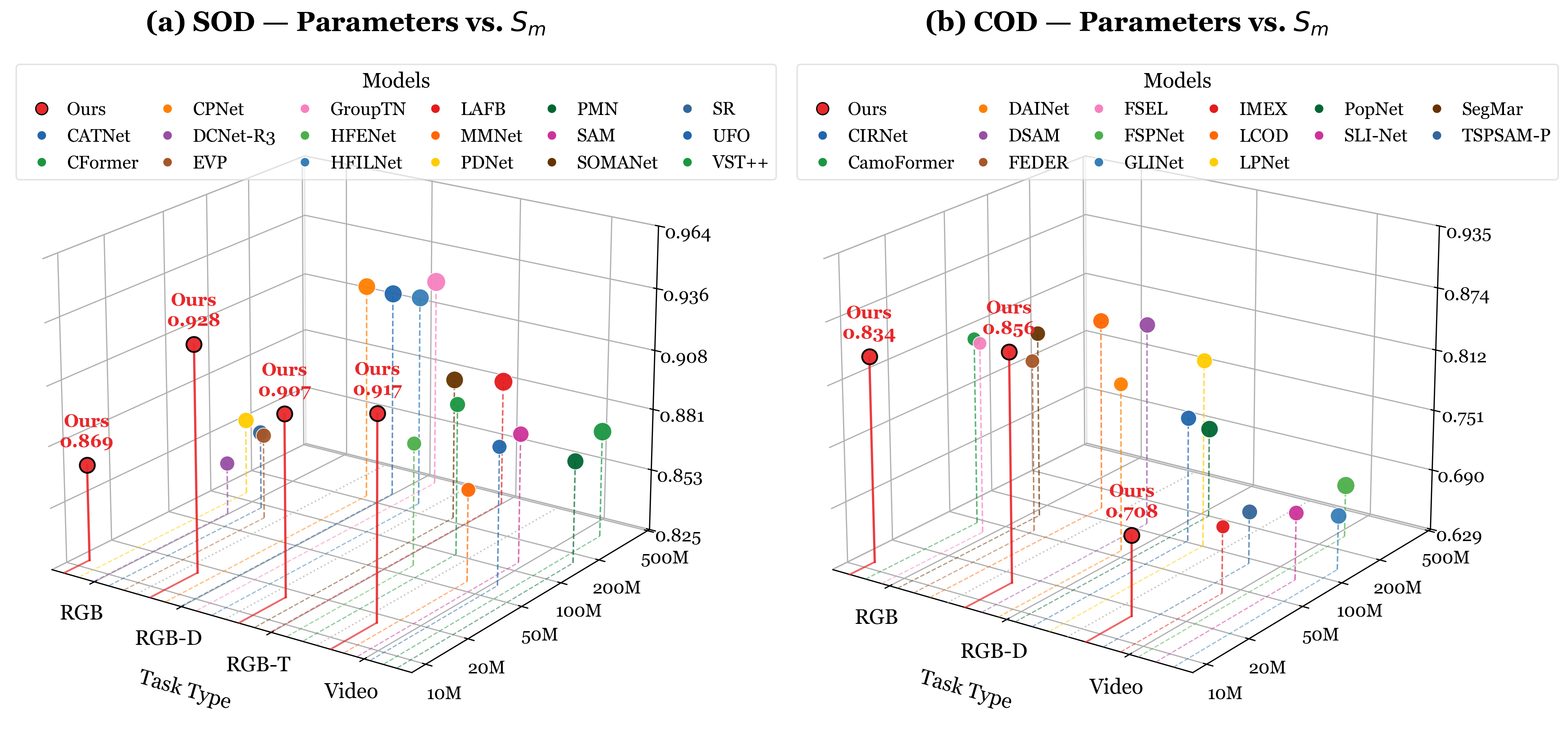
Figure 4: Parameter count vs. structural measure comparison on diverse datasets, showing HVPNet's superior efficiency-performance trade-off.
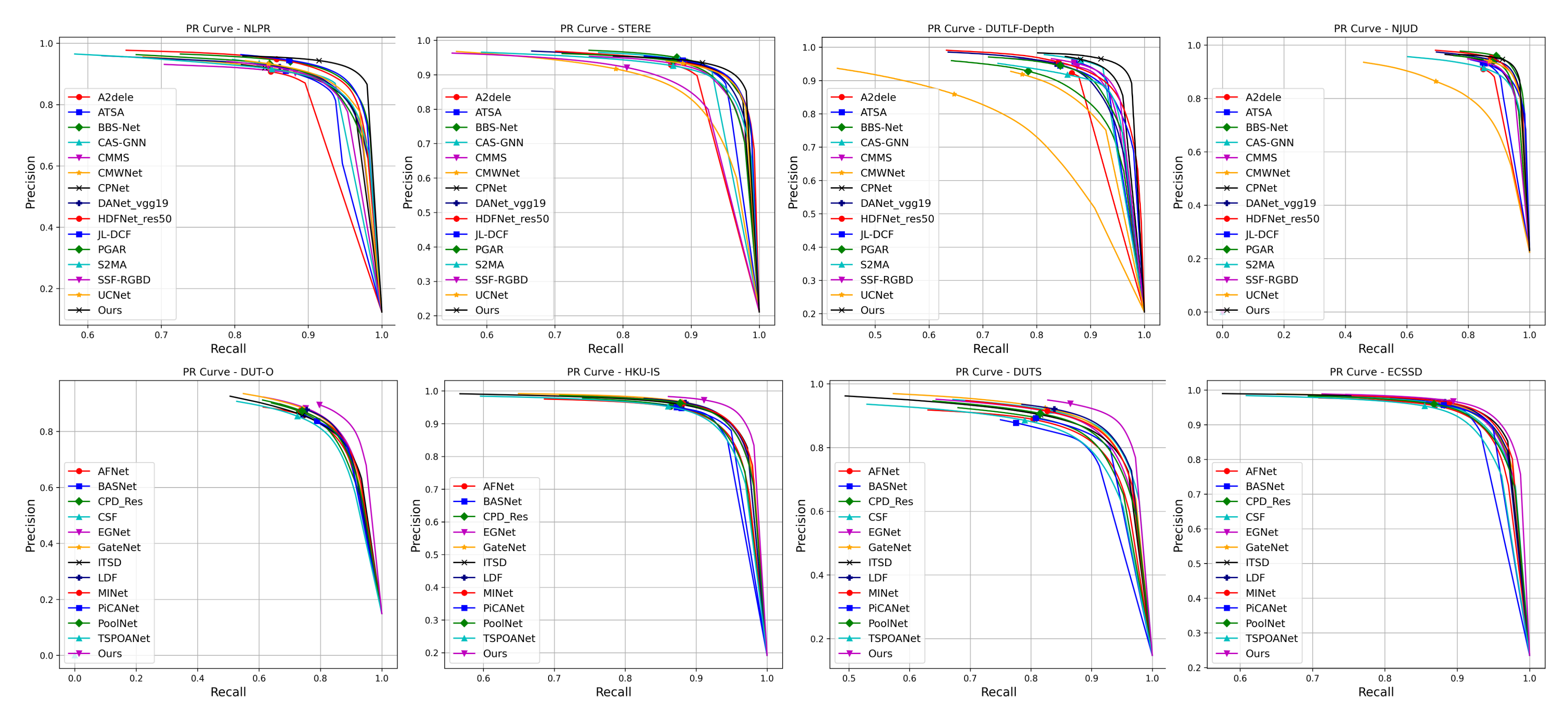
Figure 5: PR curve comparisons on eight SOD datasets, showing HVPNet matches or exceeds heavy models across modalities.
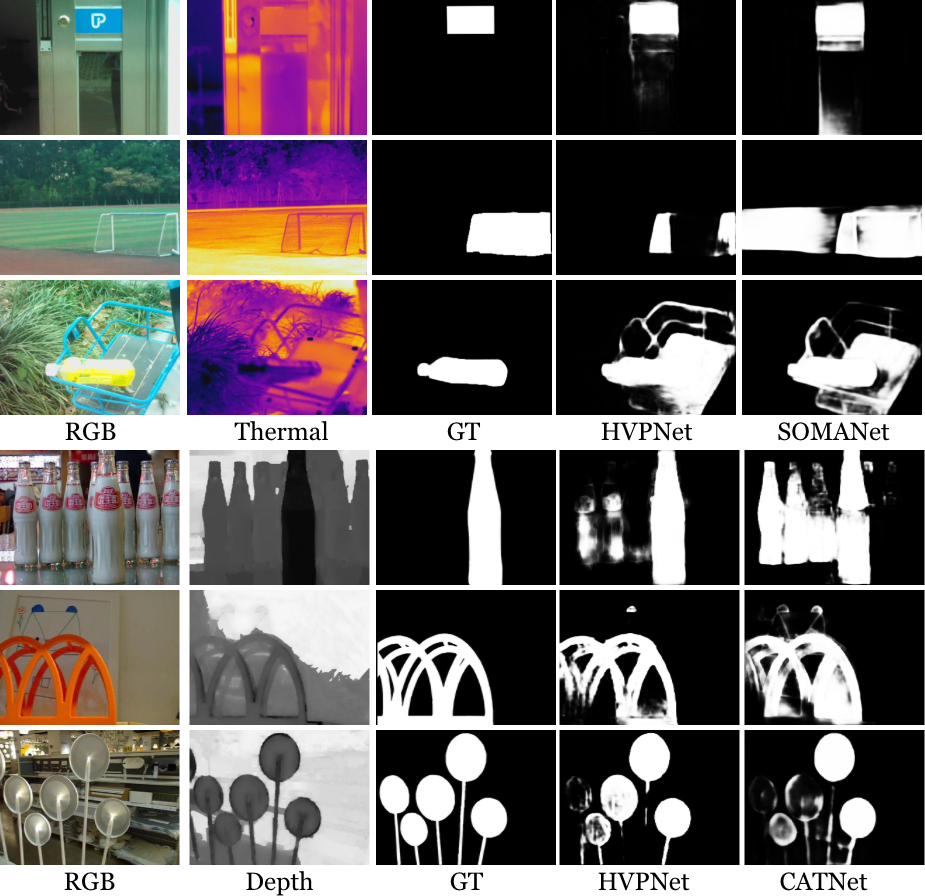
Qualitative analyses illustrate robust handling of small, occluded, and boundary-ambiguous objects; model excels even with orders-of-magnitude less compute.
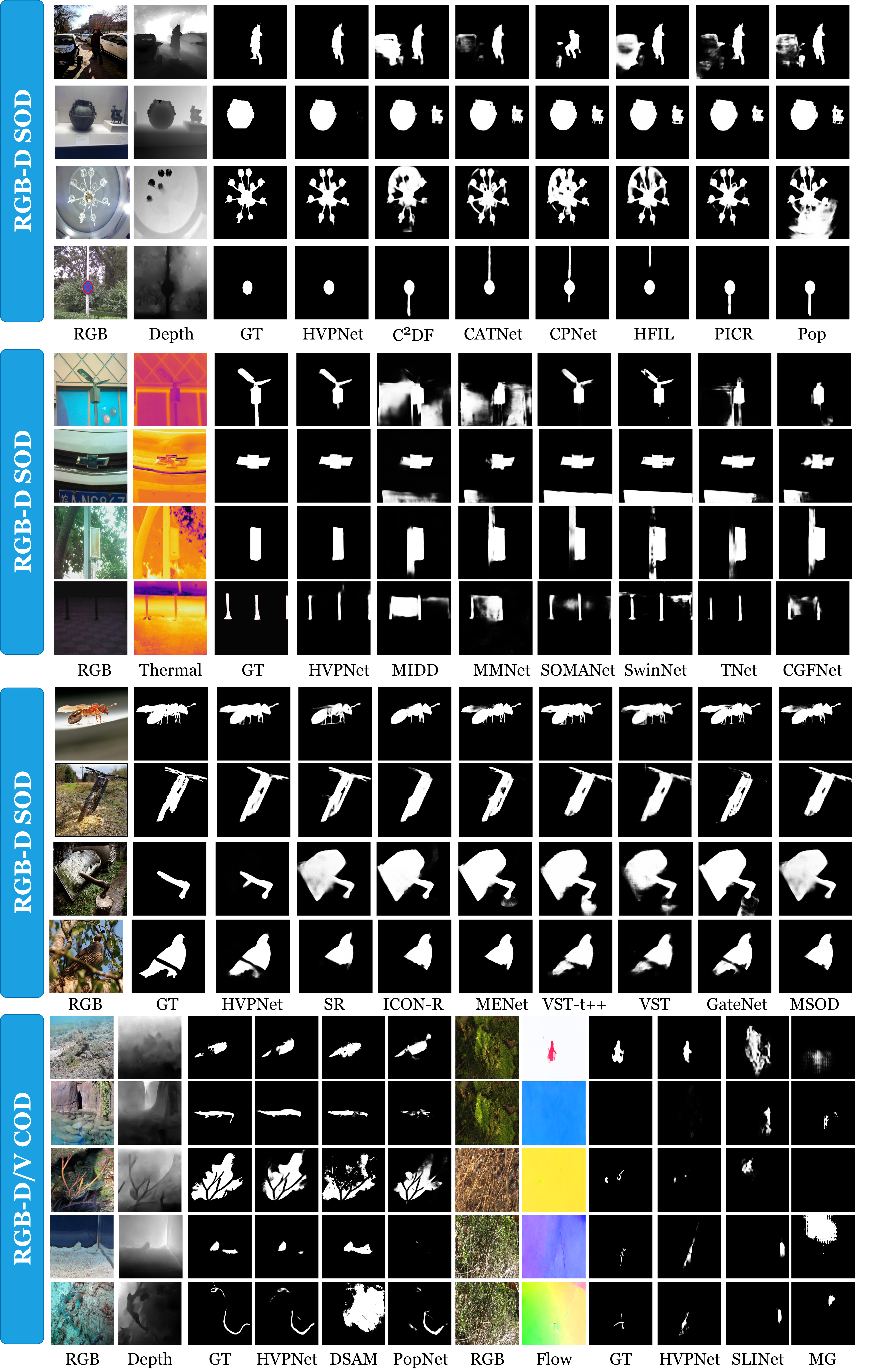
Figure 6: Extensive cross-task qualitative comparisons, highlighting boundary preservation and failure cases for various models.
Ablation studies confirm the necessity of staged RIM, the synergy of lightweight backbones, and the strict order and selection of fusion mechanisms. Heavy backbones degrade performance; staged fusion is strictly necessary for optimal results.
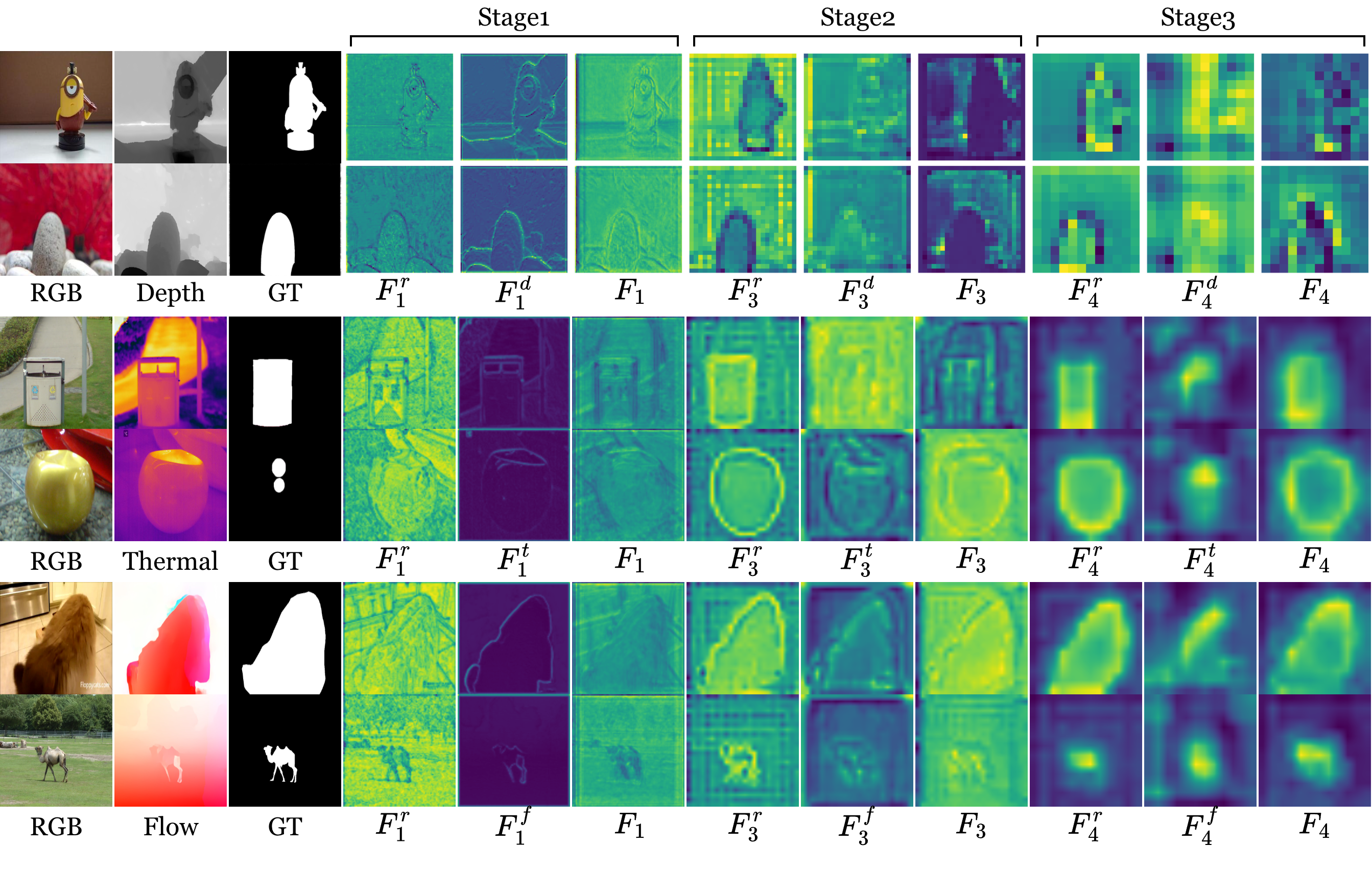
Figure 7: Visualized feature maps at each RIM stage, demonstrating preservation of structural details across modalities.
Limitations and Failure Modes
Despite superior overall performance, HVPNet underperforms in select extreme conditions:
Practical and Theoretical Implications
The HVPNet approach demonstrates that brain-inspired, level-specific operations can achieve high accuracy and efficiency in multimodal detection, challenging the paradigm of ever-increasing architectural complexity and parameter count. The synergy of lightweight encoders and staged fusion/decoding yields performance previously seen only in resource-intensive models. The strict necessity of layer ordering and fusion specificity supports deeper exploration of biologically plausible architectures.
Given the confirmed generalizability across object detection and segmentation tasks, this work provides a scalable baseline for practical deployment in resource-constrained environments (e.g., real-time video, edge devices). Its results also point toward future developments: more advanced biological simulation, adaptive modularity, and robust handling of ambiguous input modalities.
Conclusion
HVPNet introduces a conceptual bio-inspired pipeline for SOD and COD, achieving state-of-the-art performance with minimal architectural complexity. The model’s retinal and cortical analogues enforce structural compatibility and efficient multi-level cue coordination, validated by extensive quantitative and qualitative analysis. This work confirms the value of biologically motivated, efficient architectures and lays the foundation for future explorations in multimodal detection and efficient general AI vision systems.
(2606.31496)