- The paper introduces a dual-module framework that extracts precise retouching operations using a frozen MAE and a task-specific transformer.
- It integrates these operations with an adapted Diffusion Transformer enhanced by trainable LoRA modules to deliver photorealistic, identity-preserving edits.
- The approach employs a self-augmentation paradigm and the massive MirrorPPR47M dataset, achieving state-of-the-art PSNR, SSIM, and identity similarity metrics.
Exemplar-Based Portrait Photo Retouching with MirrorPPR
Introduction and Motivation
Exemplar-based structural portrait retouching remains a challenging problem due to the need for faithfully extracting and transferring delicate, highly localized geometric modifications. Prior paradigms—particularly text-driven editing—fail to capture these nuances, as linguistic instructions lack the expressive power for pixel-level, spatially specific adjustments. Existing exemplar-based image editing models also fall short due to their insensitivity to subtle structural variations, focusing instead on coarse or global transformations. Additionally, limited datasets and severe operation misalignment in cross-identity retouching exacerbate data scarcity and misguide supervision during training.
MirrorPPR Framework
MirrorPPR introduces a dual-module framework that combines a specialized Retouching Operation Extractor with an adapted Diffusion Transformer (DiT) for exemplar-based portrait photo retouching.
The Retouching Operation Extractor leverages a frozen Masked Autoencoder (MAE) to generate locality-preserving representations. A task-specific transformer (R-Former) processes these features, generating vectorial representations of retouching operations. During pre-training, an auxiliary reconstruction task ensures these representations are both extractive and semantically consistent, using an MLP and a lightweight ViT decoder. The resulting embeddings encapsulate per-operation, identity-agnostic transformations.
In the subsequent phase, the extractor is integrated into a pre-trained Qwen-based DiT architecture. The edit representation is mapped via a connector into the DiT’s instruction space. Operation-conditioned generation is enabled by augmenting DiT blocks with trainable LoRA modules, while all other weights remain frozen. Joint optimization is performed using a flow-matching loss in the latent space, ensuring the distilled operations enact precise geometric edits on the query image without degrading photorealism or identity preservation.
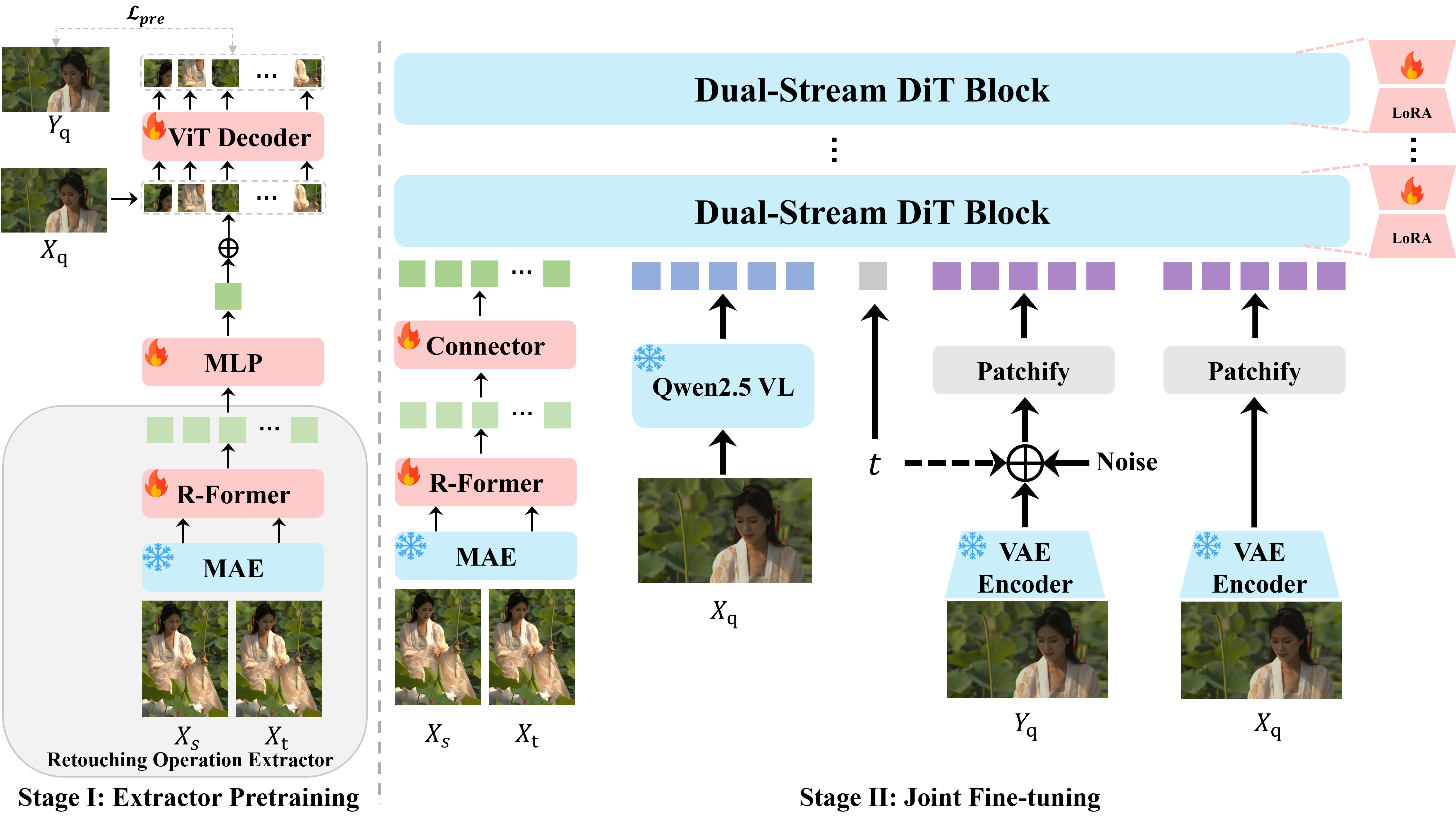
Figure 1: The MirrorPPR architecture combines a dedicated operation extractor with conditional DiT modules and progressive two-stage training.
Data Self-Augmentation and MirrorPPR47M
One chronic bottleneck in exemplar-based structural retouching is constructing appropriately aligned, diverse paired data. Cross-identity tuples inherently suffer from operation-identity misalignment due to pose, scale, or occlusion variability, while naive identity-conserved quadruplets promote catastrophic shortcut learning.
MirrorPPR resolves this through a data self-augmentation paradigm: identical randomized spatial augmentations are applied synchronously to both sides of a retouching pair, yielding strictly operation-aligned but spatially decoupled quadruplets. This strategy prevents the network from trivial pixel-wise copying, forces focus on underlying transformation semantics, and massively increases training set diversity.
To further mitigate data scarcity, the authors curate MirrorPPR47M, a massive-scale dataset containing over 47 million structurally retouched image pairs split into (a) a simulated subset with algorithmically generated pronounced deformations (via Landmark-Guided Local Warping), and (b) a professional subset generated via commercial-grade editing APIs. The curriculum learning protocol transitions the model from coarse synthetic retouchings to fine, authentic transformations, maximizing generalization.
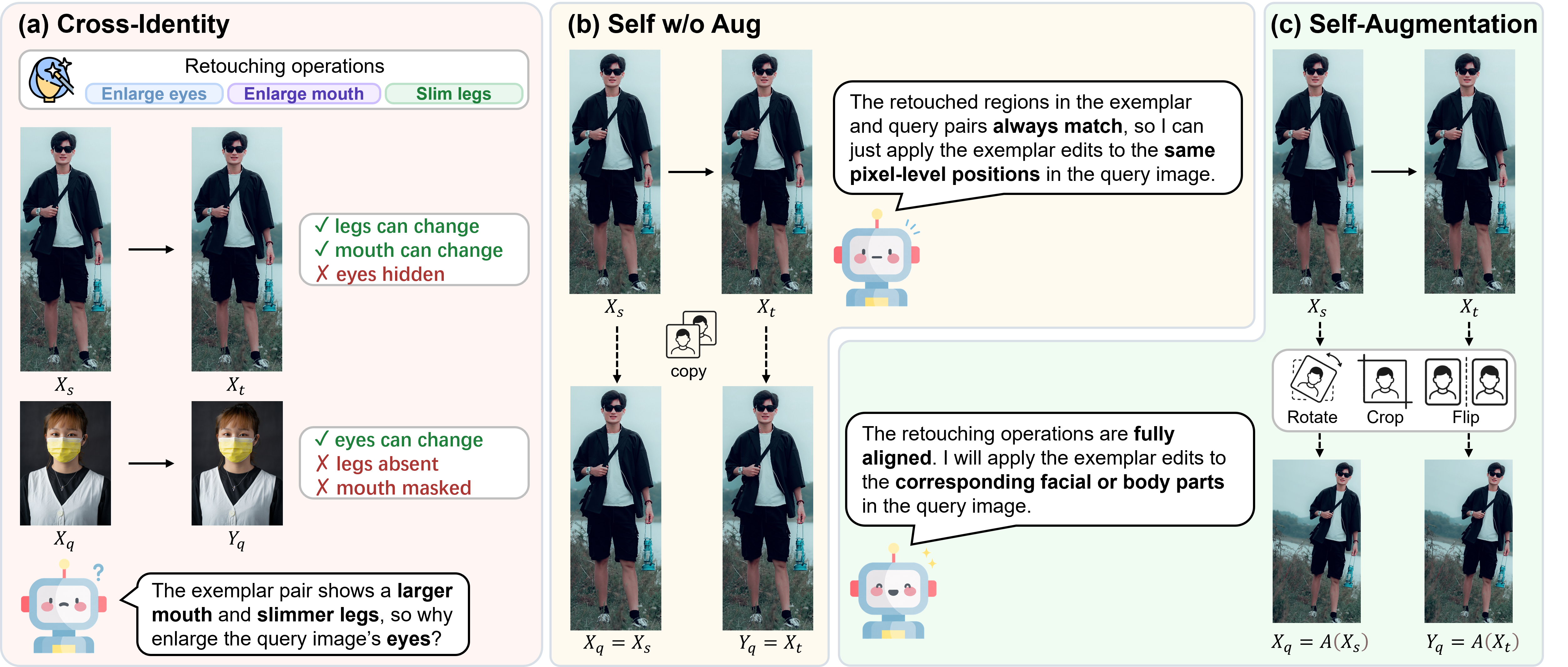
Figure 2: The self-augmentation pipeline ensures precise operation alignment while preventing shortcut learning by synchronously augmenting both source and target.
Quantitative and Qualitative Evaluation
MirrorPPR’s efficacy is evaluated using rigorous cross-identity benchmarks: SimFace-100 (synthetic edits) and ProPortrait-500 (professional edits). Standard metrics—PSNR, SSIM, LPIPS, and ArcFace-driven identity similarity—are reported, and the model variants (MirrorPPR-Face, MirrorPPR-Pro) consistently achieve state-of-the-art results, with PSNR/SSIM/Face Similarity far superior to all multi-reference and text-based baselines. For instance, on ProPortrait-500, MirrorPPR-Pro achieves PSNR 32.65, SSIM 0.927, LPIPS 0.200, and identity preservation at 0.960, significantly outpacing prior approaches.
Qualitative analyses reveal two main baseline failure modes: (1) multi-reference/exemplar methods misinterpret operation transfer as naive blending or face-swapping, and (2) text-driven tools generate anatomically incorrect or over-exaggerated edits, disrupting identity and realism. MirrorPPR, by contrast, preserves unedited content while enforcing anatomically coherent, photorealistic structural edits.
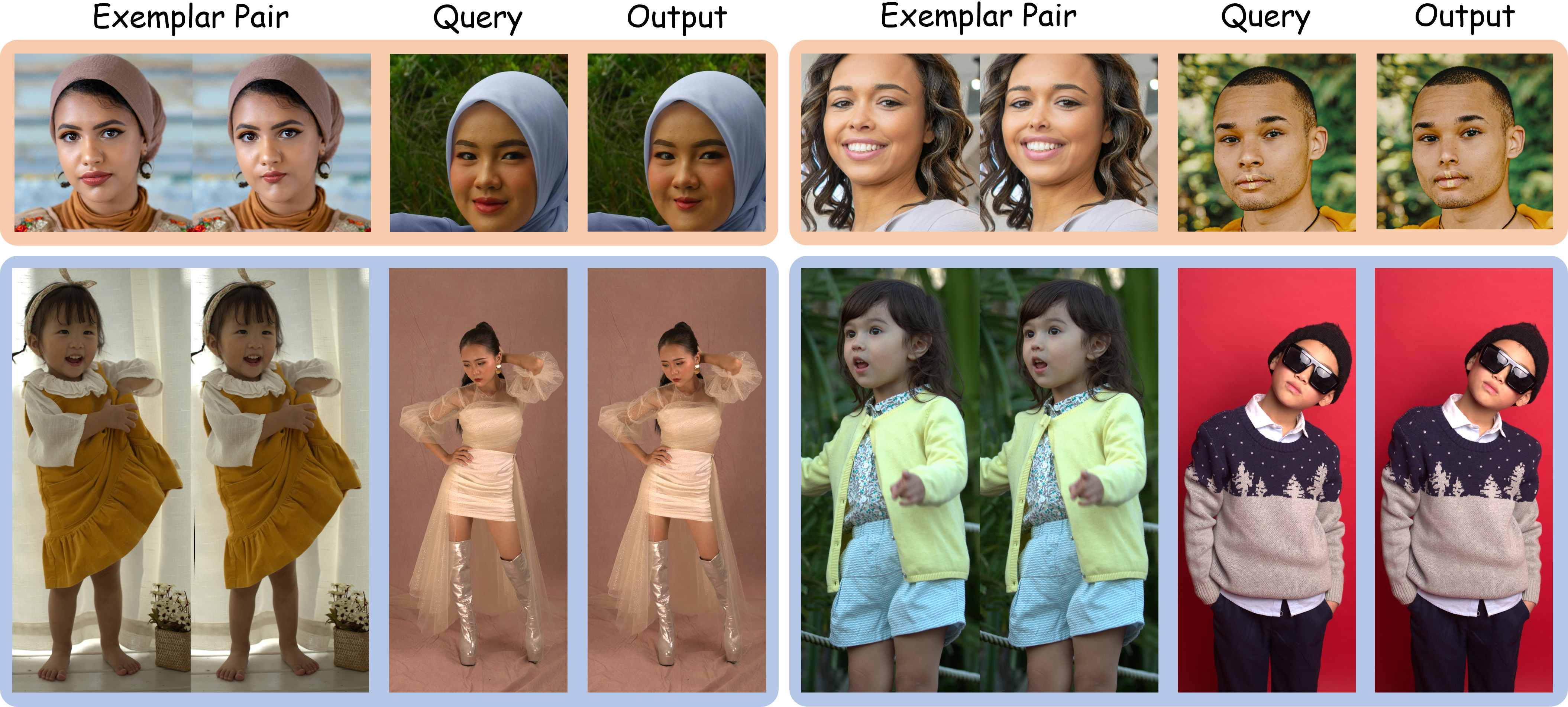
Figure 3: MirrorPPR accurately extracts exemplar retouching operations such as "shrink mouth", "enlarge eyes", or "slim legs" and applies them seamlessly to the query.
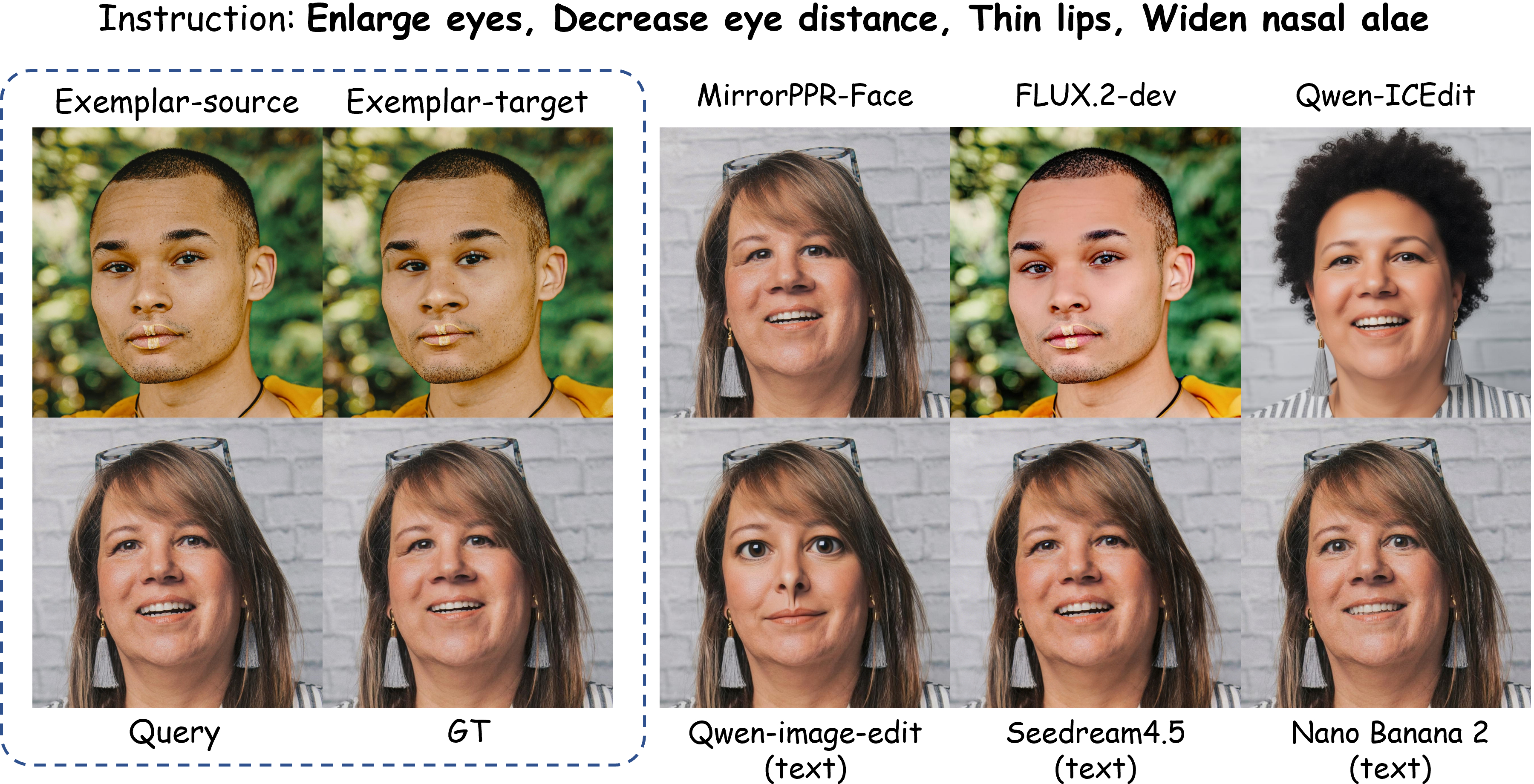
Figure 4: Qualitative results on SimFace-100, demonstrating MirrorPPR-Face’s fidelity and identity preservation compared to baselines.
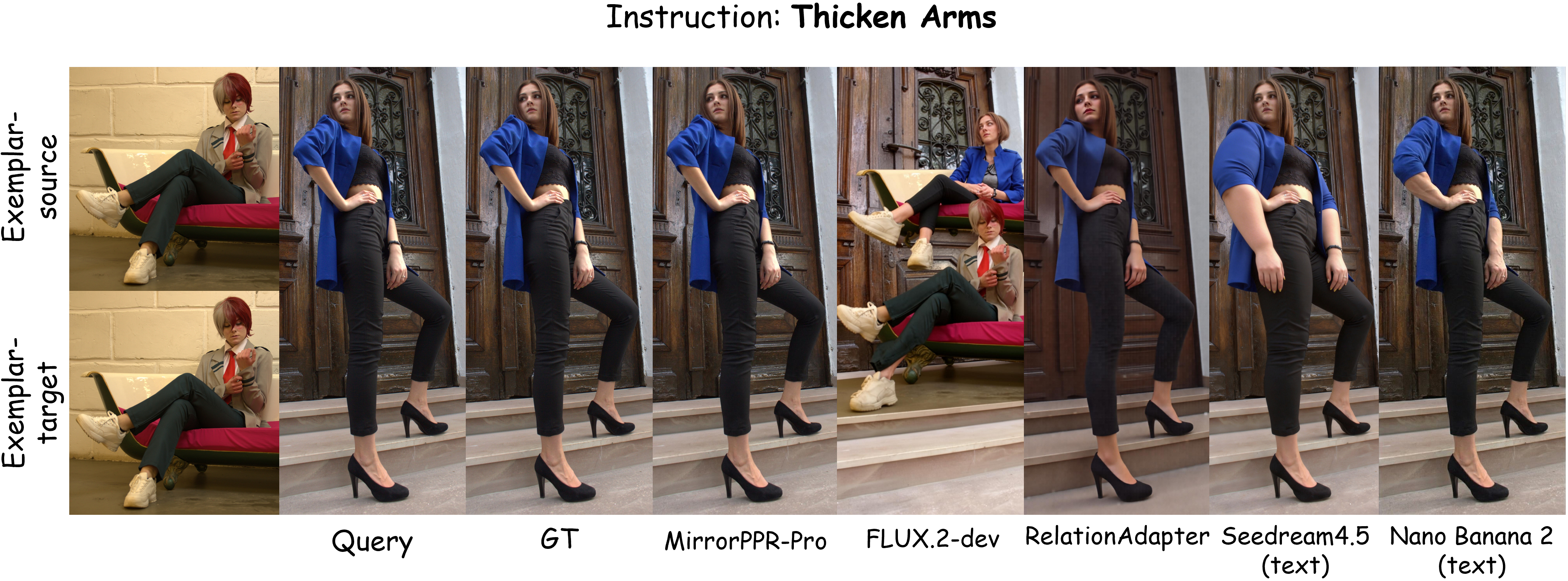
Figure 5: On ProPortrait-500, MirrorPPR-Pro preserves detailed features while executing complex, fine-grained professional edits.
Latent Space Diagnostics
t-SNE visualization of the learned operation embeddings confirms clear, operation-type-centric clustering while being agnostic to subject identity. The latent space exhibits robust additivity: edit vectors corresponding to different operations compose linearly, and vector addition enables accurate multi-operation synthesis, substantially outperforming prior approaches in both fidelity and identity consistency.
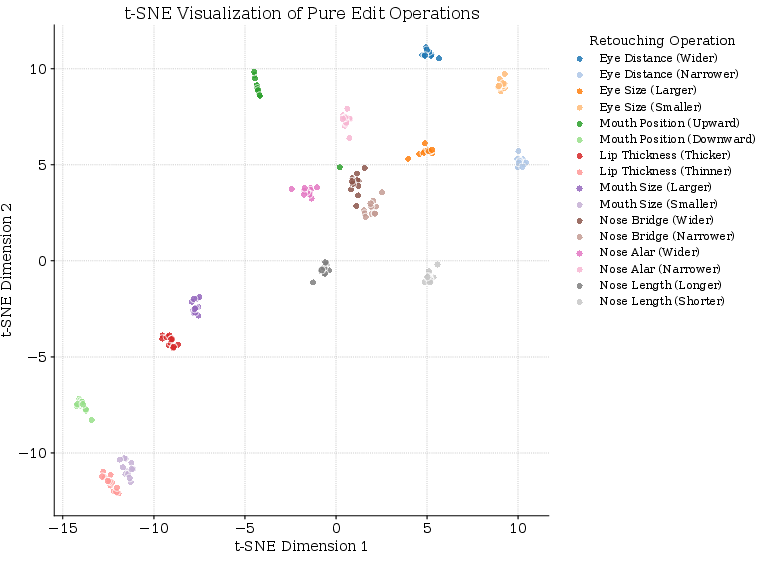
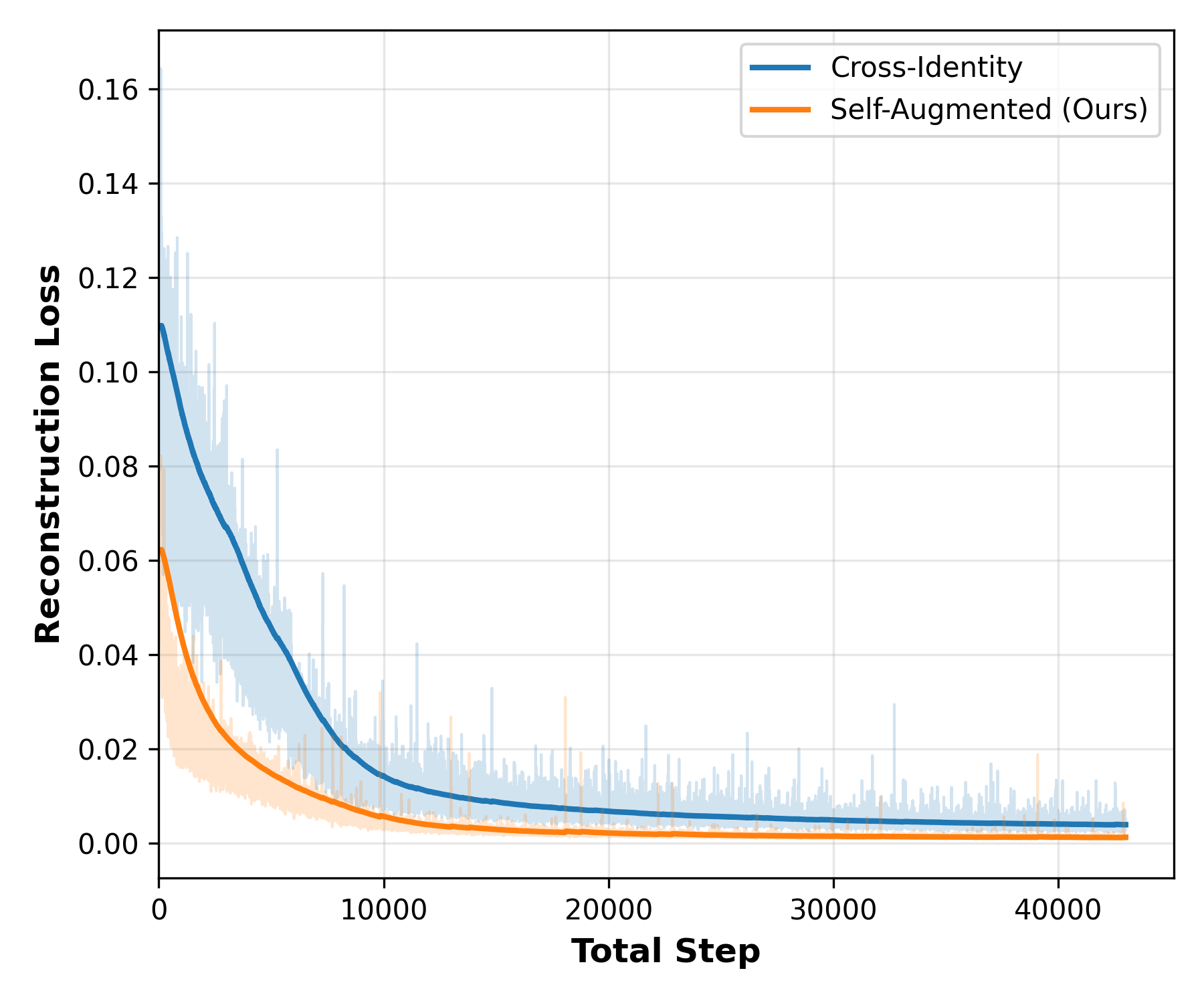
Figure 6: t-SNE plot confirms operation-consistent, identity-agnostic edit embedding clusters.
Ablation and Robustness Analysis
Ablations underscore the necessity and effectiveness of the self-augmentation protocol; naive self-pairing (identity with no augmentation) induces shortcut learning—models memorize spatial locations and fail on cross-identity generalization, as confirmed by overlayed error maps. In data regimes where operation alignment is highly unmanageable (professional subset), self-augmentation outperforms even carefully aligned cross-identity alternatives on all fidelity and biometric metrics. Additionally, self-augmentation speeds convergence.
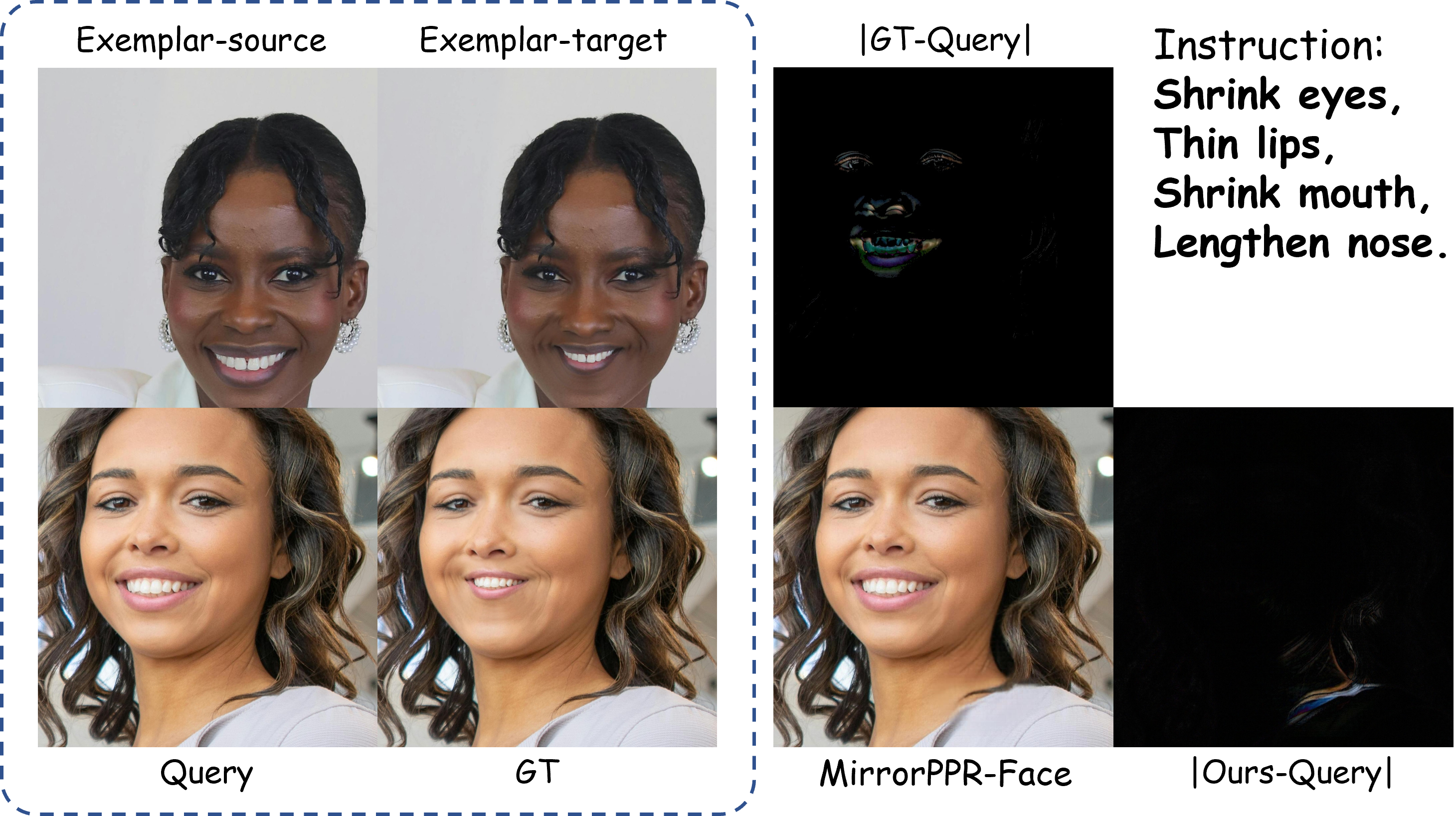
Figure 7: Shortcut learning and overfitting in the "Self w/o Aug" regime prevent accurate transfer of retouching operations.
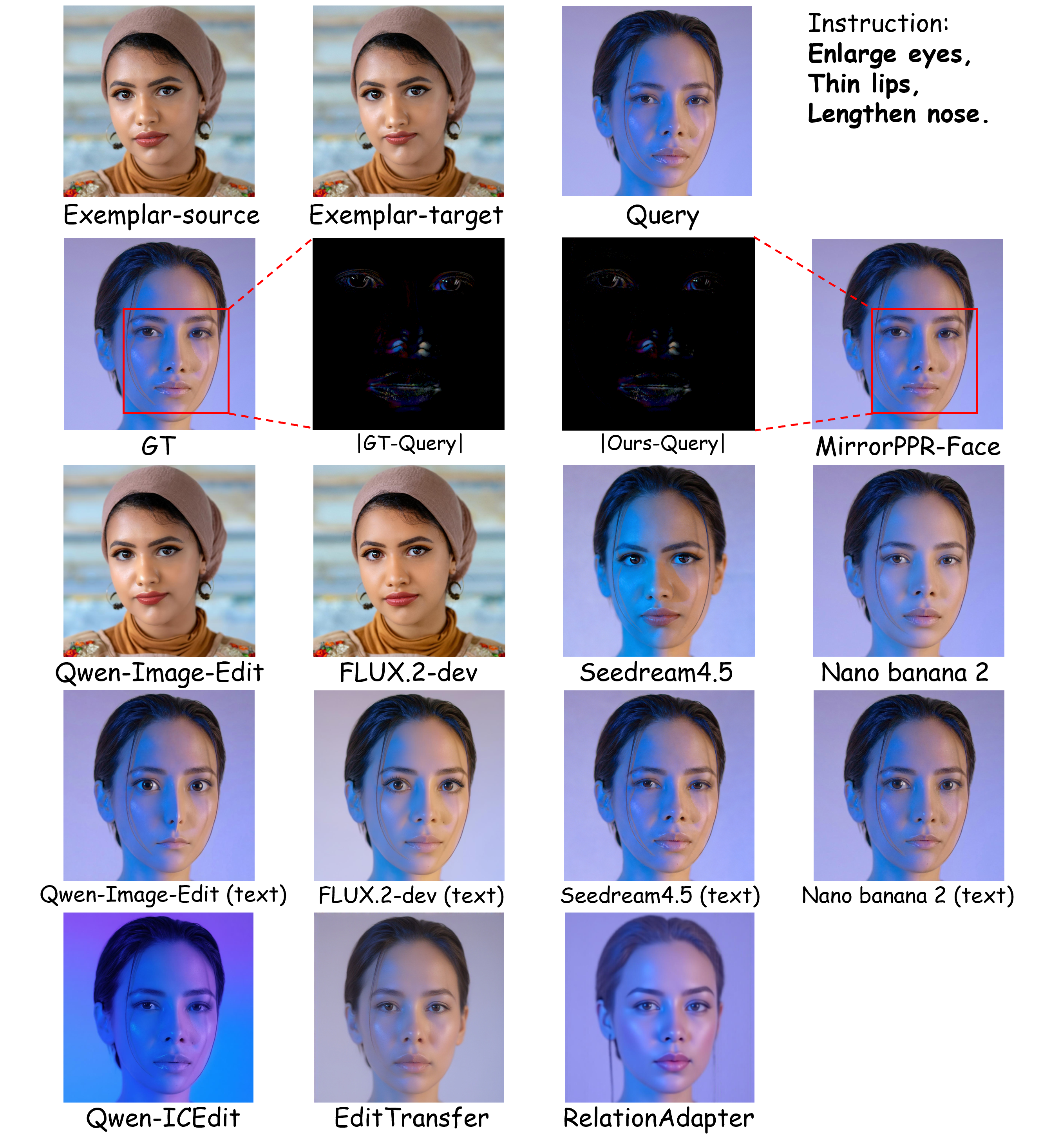
Figure 8: Qualitative comparison with baselines further demonstrates superior edit fidelity and transfer with MirrorPPR on SimFace-100.
User Study
A large-scale user study corroborates automated findings: MirrorPPR-Pro receives 79% preference, with participants consistently favoring its precise transfer of demonstrated retouching while preserving identity and avoiding unintended changes in unrelated regions.
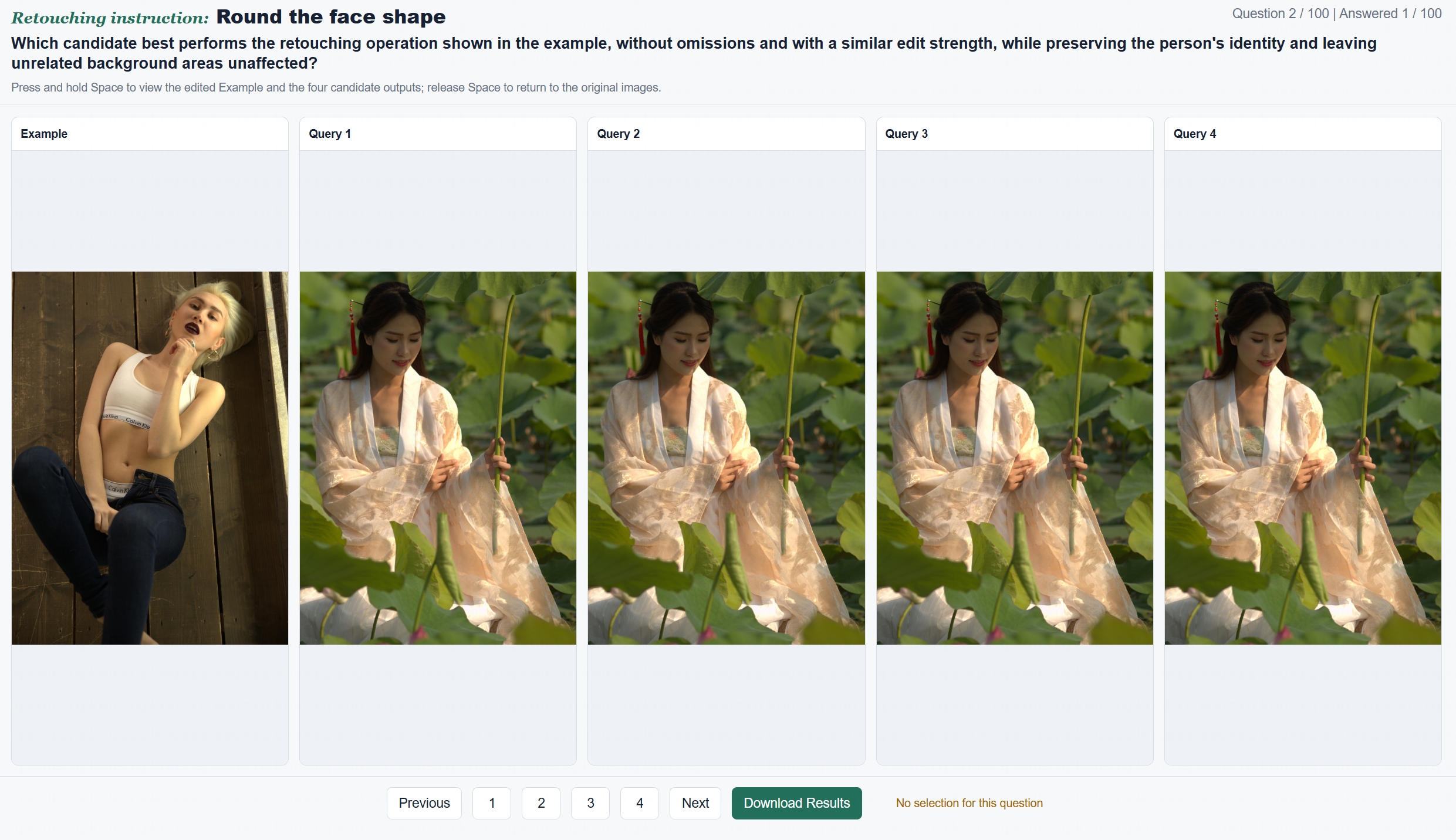
Figure 9: User study interface illustrates candidate anonymization and selection dynamics.
Implications and Future Directions
The ability to disentangle, represent, and conditionally inject fine-grained structural retouching operations has broad ramifications for conditional generative modeling, specialized biometric editing, high-fidelity avatar and identity transfer, and art-directed media synthesis. MirrorPPR's data self-augmentation paradigm and operation-factorized latent structure can be extended to other domains where large, perfectly aligned multi-modal training sets are infeasible. Future work could explore adaptive edit conditioning, zero-shot operation transfer, or explicit disentanglement for downstream editing applications.
Conclusion
MirrorPPR provides a robust, scalable solution for exemplar-based structural portrait retouching, overcoming the limitations of language-driven and naive data-pairing strategies. By integrating operation-focused feature extraction, targeted diffusion conditional adaptation, and massive, operation-aligned data, MirrorPPR sets a new standard for high-quality, identity-preserving portrait edit transfer, with immediate applications in computer vision, graphics, and creative industries (2606.29308).