Approaching the Quantum Limit of Optical Rotatory Dispersion: From First-Principles to Single-Photon Monochromators
Published 24 Jun 2026 in physics.optics | (2606.25776v1)
Abstract: Optical rotatory dispersion (ORD) in chiral media, classically demonstrated as the "sweet monochromator," provides a robust mechanism for liquid-tunable spectral filtering. However, the ultimate physical boundaries governing its spectral bandwidth remain fundamentally unexplored beyond classical electromagnetic theory. Here, we present a comprehensive framework bridging macroscopic optical filtering with the quantum electrodynamic (QED) limits of chiral light-matter interaction. Using time-dependent density functional theory (TD-DFT) combined with Boltzmann conformational averaging, we accurately compute the ORD curves of representative saccharide systems, revealing that the theoretical minimum bandwidth is intrinsically tied to the anomalous dispersion (Cotton effect) near the molecular absorption band. While our macroscopic experiments demonstrate a classical bandwidth limit of ~ 20 nm due to heterogeneous broadening and instrumental constraints, our first-principles calculations predict achievable sub-nanometer bandwidths utilizing visible-absorbing chiral molecules. Furthermore, we extrapolate this framework to the strict quantum limit, proposing a single-photon QED architecture operating at ultra-low temperatures (~ 10 mK). In this regime, the spectral purity is constrained solely by the natural lifetime of the molecular excited state, governed by the Heisenberg uncertainty principle. This work establishes the ultimate theoretical criteria for chiral optical filters and pioneers the concept of the "quantum monochromator" for ultrasensitive chiral spectroscopy and quantum information processing.
The paper demonstrates that ORD's minimum bandwidth is dictated by the Cotton effect near molecular absorption peaks using first-principles methods.
It employs TD-DFT computations and experimental data to show classical ORD devices achieve ~20 nm bandwidth, while quantum designs can reach sub-nanometer resolutions.
The research proposes a quantum monochromator architecture that leverages cavity QED for single-photon spectroscopy with nanohertz-level frequency resolution.
Quantum Limits of Optical Rotatory Dispersion: Bridging Classical Filtering and Quantum Metrology
Introduction and Motivation
The paper "Approaching the Quantum Limit of Optical Rotatory Dispersion: From First-Principles to Single-Photon Monochromators" (2606.25776) advances optical rotatory dispersion (ORD) by rigorously establishing its ultimate spectral bandwidth boundaries through a comprehensive physical and computational framework. Traditional ORD devices, such as the "sweet monochromator," exploit the wavelength-dependent polarization rotation in chiral media for tunable spectral filtering. However, previous analyses have largely been grounded in classical electromagnetic theory, omitting the quantum electrodynamic (QED) boundaries imposed by molecular absorption, lifetime, and photon shot noise.
This study unifies classical, semiclassical, and QED perspectives to describe macroscopic optical filtering and to extrapolate toward the quantum-limited regime. The authors demonstrate quantitatively, via time-dependent density functional theory (TD-DFT) and Boltzmann-weighted conformational averaging, that the narrowest filter bandwidth is governed by the Cotton effect near the molecular absorption band, that classical experiments achieve bandwidths ∼20 nm, and that quantum-limited systems with visible-absorbing chiral molecules could reach sub-nanometer or even nanohertz-level resolution. The work culminates in a self-consistent quantum monochromator architecture for single-photon-level spectroscopy and quantum information applications.
Theoretical Framework: Classical and Quantum Limitations
Optical rotation in chiral molecular media results from the difference in refractive indices for left- and right-circularly polarized photons. The classical bandwidth limit is linked to the steepness of the ORD curve, which is maximal near the anomalous dispersion (Cotton effect) adjacent to the molecular absorption band. The minimum spectral bandwidth is determined by the slope of the ORD, the natural linewidth of the absorption, and ultimately the Heisenberg energy-time uncertainty relation, Γτ∼ℏ.
TD-DFT calculations, incorporating explicit conformational populations via Boltzmann averaging, yield ORD curves for saccharides (sucrose, fructose) and visible-absorbing anthocyanins. These computations identify that:
The steepest ORD slopes and narrowest possible bandwidths are only attainable within the Cotton effect domain, necessitating operation near the molecular absorption peak.
For standard chiral sugars, the absorption peak lies deep in the UV, precluding ultra-narrow filtering in the visible; visible-absorbing chiral molecules are required for practical sub-nanometer bandwidths.
The computational methodology achieves predicted bandwidths in agreement with experimental values within 15–18% error.
Experimental Realization: Classical Regime and System Constraints
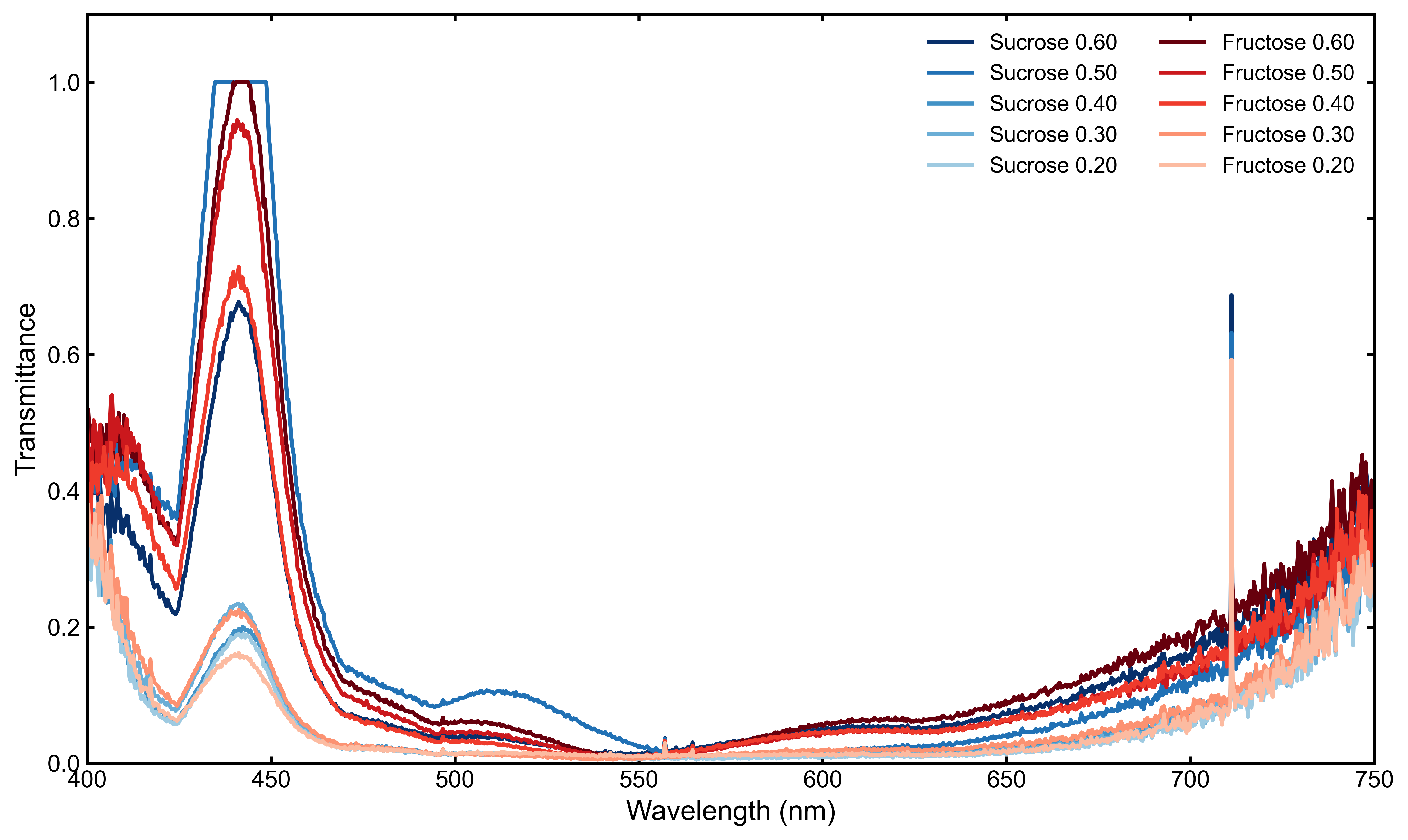
The authors constructed a coaxial monochromator with a halogen lamp, high-extinction polarizers, and a precision spectrometer, enabling systematic manipulation of concentration, optical path, and analyte chirality. Quantitative spectral characterization after normalization confirms the narrow-band filtering effect:
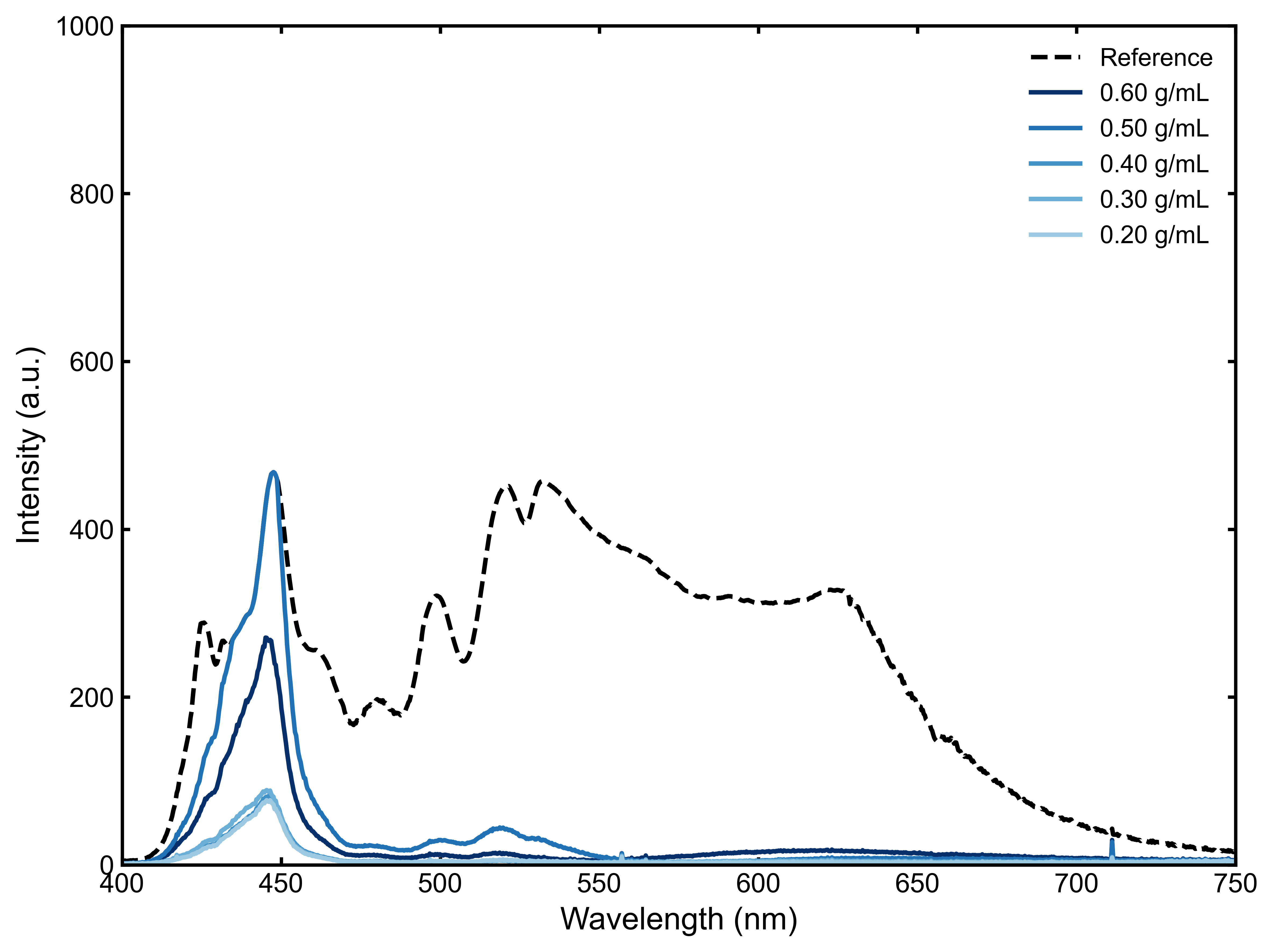
Classical bandwidths are limited to ∼20 nm due to heterogeneous broadening, instrumental leakage, and baseline emission artifacts.
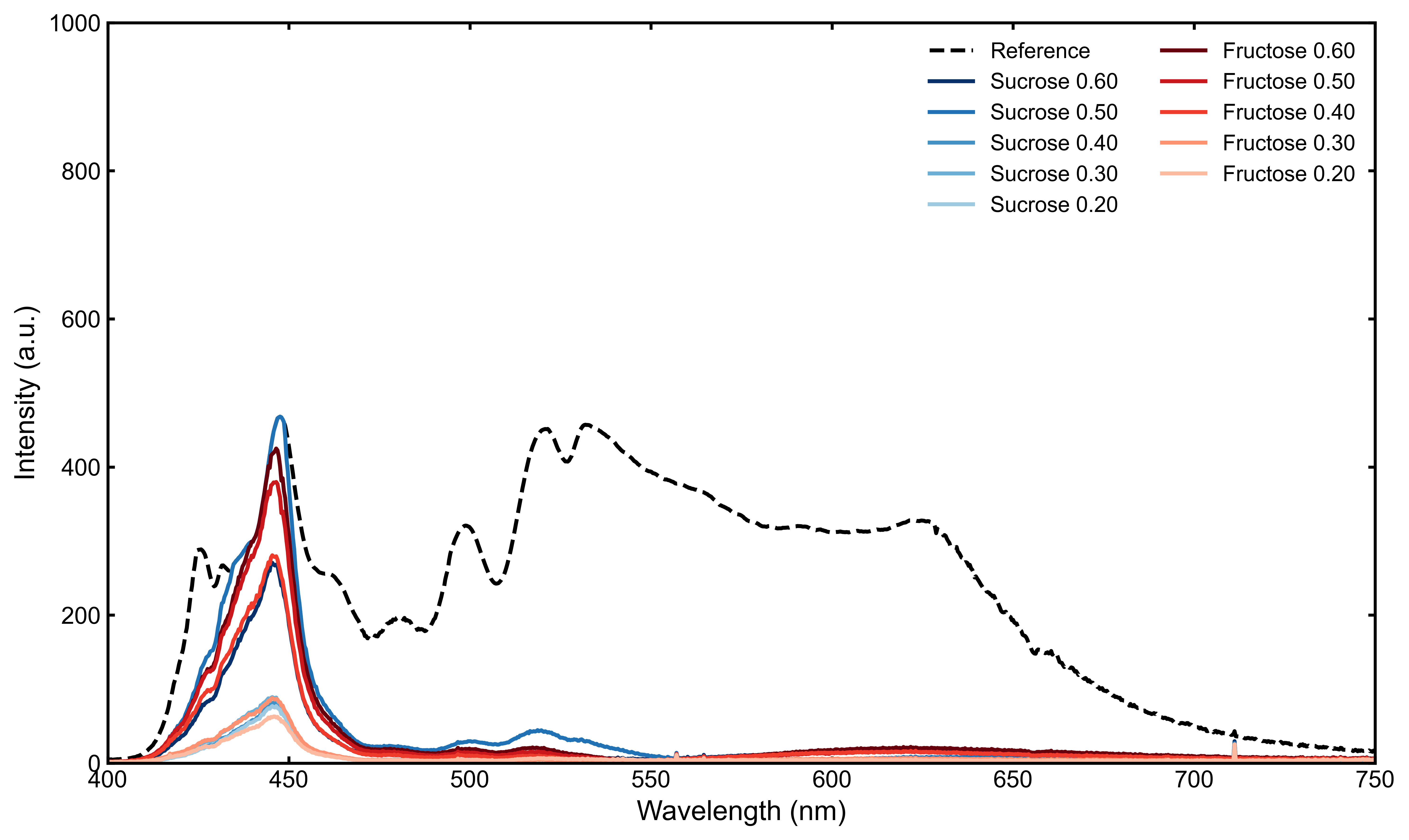
ORD sign reversal between sucrose and fructose results in opposite color cycles, validated visually and spectrally.
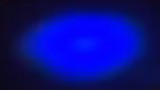
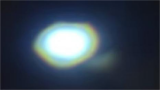
Figure 1: Visual observation of color cycles in sucrose demonstrating the wavelength-dependent polarization rotation induced by ORD.
Figure 2: Raw transmitted intensity reveals sharp transmission peaks distorted by lamp emission baselines, later corrected by normalization.
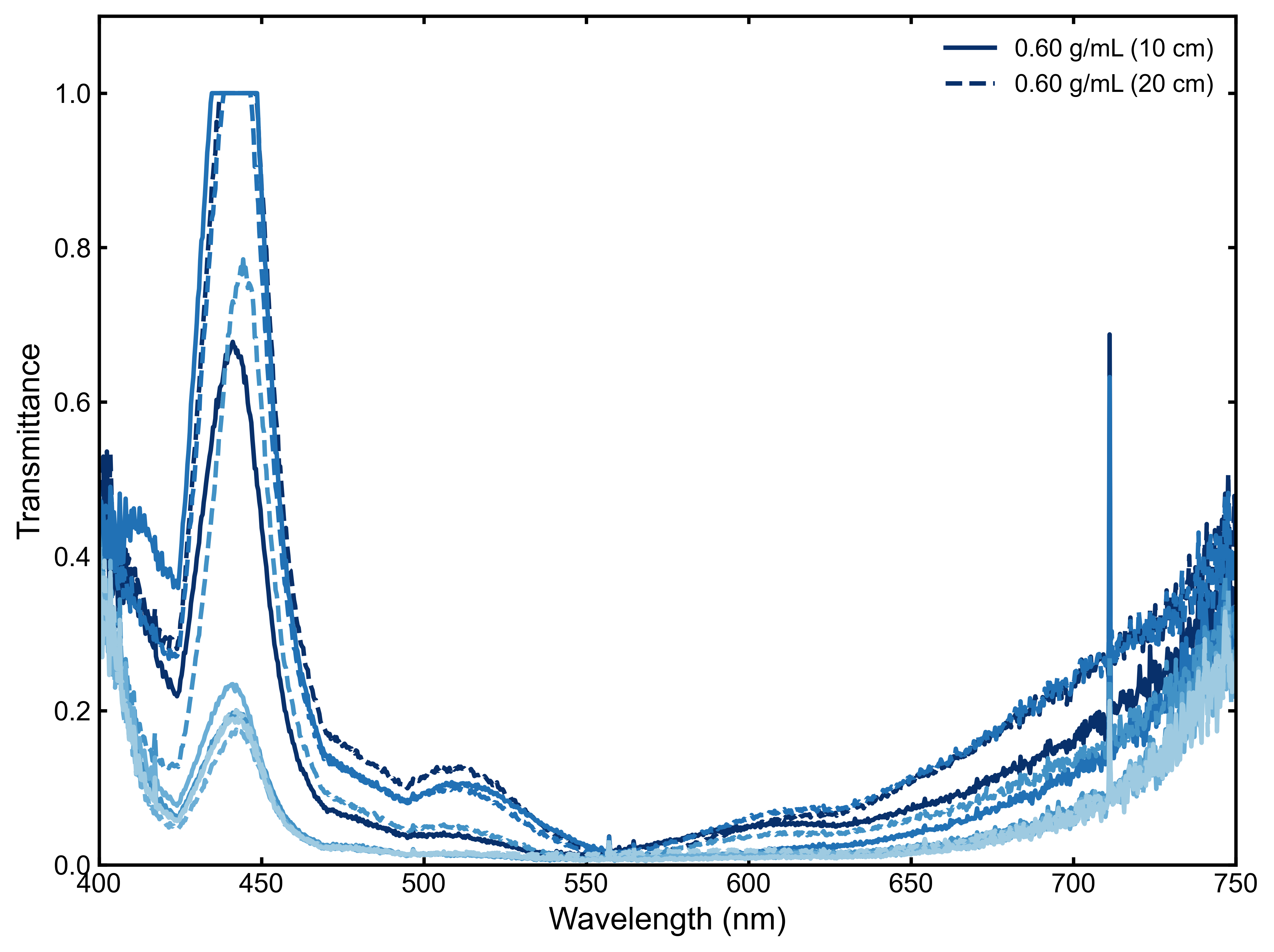
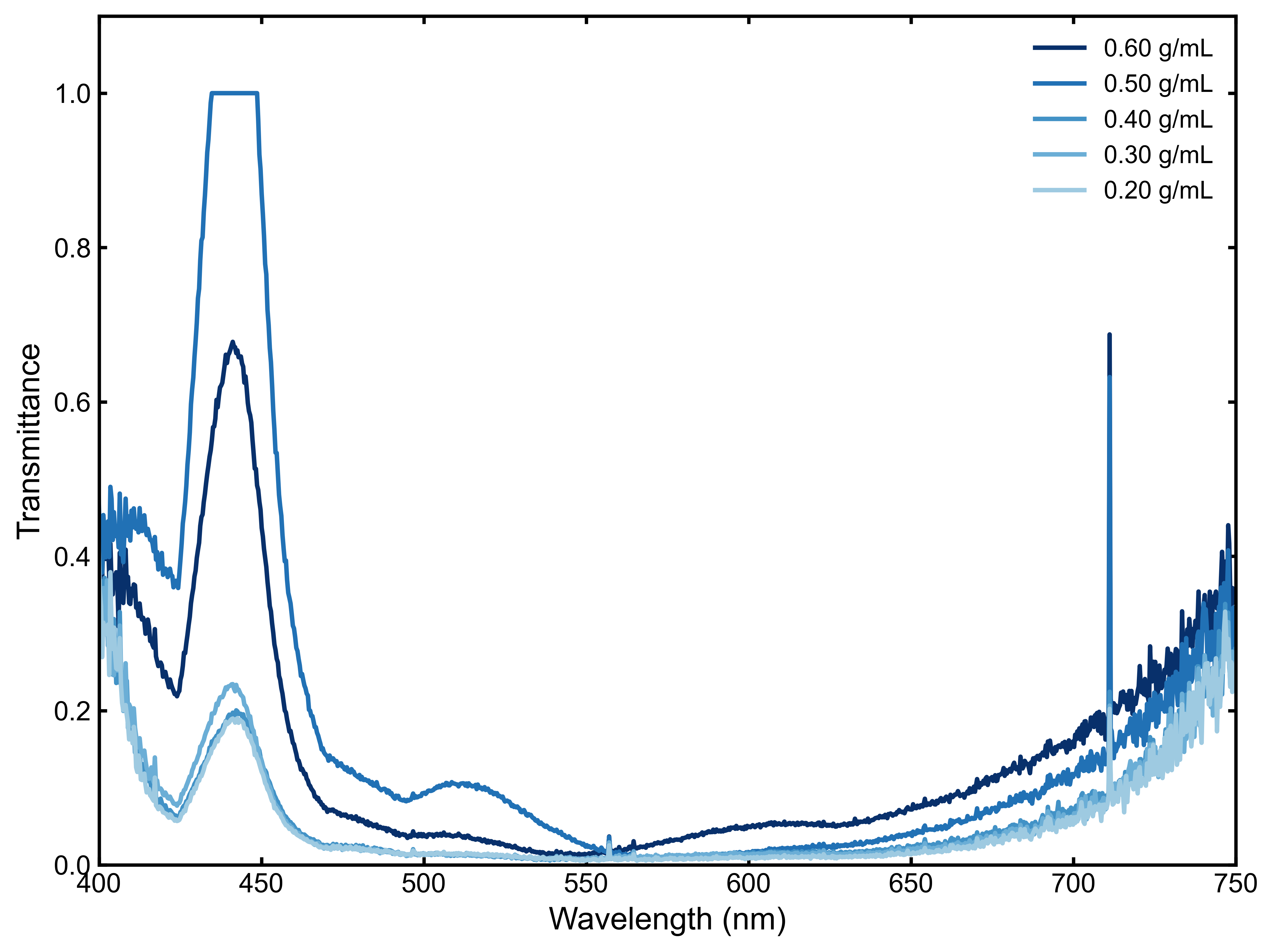
Figure 3: Concentration dependence illustrates monotonic tuning of the transmission envelope and bandwidth via analyte concentration gradients.
Further modulations via path length and chiral structural variation confirm theoretical predictions regarding bandwidth dependence on ORD slope and specific rotation constants. Error analysis points to computational limitations (e.g., DFT functional accuracy, implicit solvation) and experimental constraints (e.g., polarizer extinction, lamp spectral energy).
Quantum-Limited Regime: QED Architectures for Monochromators
The quantum limit is achieved at ultra-low temperatures (∼10 mK) where thermal decoherence and Doppler broadening are suppressed, and the homogeneous linewidth is limited exclusively by spontaneous emission and vacuum fluctuations. The macroscopic and microscopic analyses converge as follows:
Macroscopic Model: The quantum Fisher information and Cramér-Rao bound relate photon number, optical depth, and ORD slope, with resolution scaling logarithmically with available photon flux. Extreme filtering power is hampered by cryogenic cooling limitations.
Strong coupling and Rabi splitting optimally exploit the balance between group delay and transmission, surpassing classical devices.
These results highlight the importance of achieving strong light-matter coupling and minimizing environmental noise for practical quantum monochromator implementation in superconducting quantum circuits, particularly for high-fidelity, multiplexed syndrome measurements and error-correction protocols. Technical challenges include low-frequency charge noise, substrate instability, and precise frequency locking, for which advanced dynamical decoupling and negative-feedback stabilization are proposed.
Implications and Future Directions
This research provides rigorous first-principles criteria for the ultimate spectral performance of ORD-based filters and establishes a trajectory toward quantum-limited devices. The work has profound implications for quantum chiral spectroscopy, precision metrology, and quantum information processing, especially where ultra-narrowband frequency discrimination is required. The transition from classical to quantum regimes mandates coordinated advances in both computational chemistry and optical engineering, with hardware optimization focusing on strong-coupling cavity QED, robust environmental isolation, and ultra-sensitive single-photon detection.
Applications are envisioned in scalable superconducting quantum computing, quantum communications, and precision molecular spectroscopy, with the quantum monochromator serving as a pivotal tool for isolating fragile quantum states or resolving subtle spectroscopic signatures.
Conclusion
This paper establishes a unified theoretical and experimental foundation for optical rotatory monochromators, bridging classical electromagnetic filtering and quantum-limited metrology. The quantified minimum spectral bandwidth is dictated by the Cotton effect and the natural linewidth of molecular transitions, verifiable via TD-DFT and classical experiments. The extrapolated quantum limit enables nanohertz-level frequency resolution in single-photon architectures. These results provide essential guidelines for designing next-generation chiral optical filters and quantum measurement devices, integrating fundamental theory with practical constraints and hardware optimization.