- The paper introduces novel SCARA-style robotic positioners for MOSAIC, emphasizing precise optical relay and individual ADC integration at the ELT.
- The methodology combines miniaturized motor-actuated arms, dual-mode operation, and calibration strategies to manage the non-telecentric focal plane.
- First prototype tests validate manufacturability and performance, paving the way for scalable production and enhanced spectroscopic surveys.
Context and Motivation
The MOSAIC instrument represents the flagship multi-object spectrograph (MOS) for the Extremely Large Telescope (ELT), targeting near-infrared and visible wavelengths (390 nm–1800 nm) for simultaneous spectroscopy of up to 300 objects. The extraordinary scale of ELT—comprising a ∼10 m radius focal surface and a non-telecentric optical system—drives several unprecedented engineering requirements for MOSAIC's focal plane assembly, particularly for the robotic positioners tasked with light acquisition and relay.
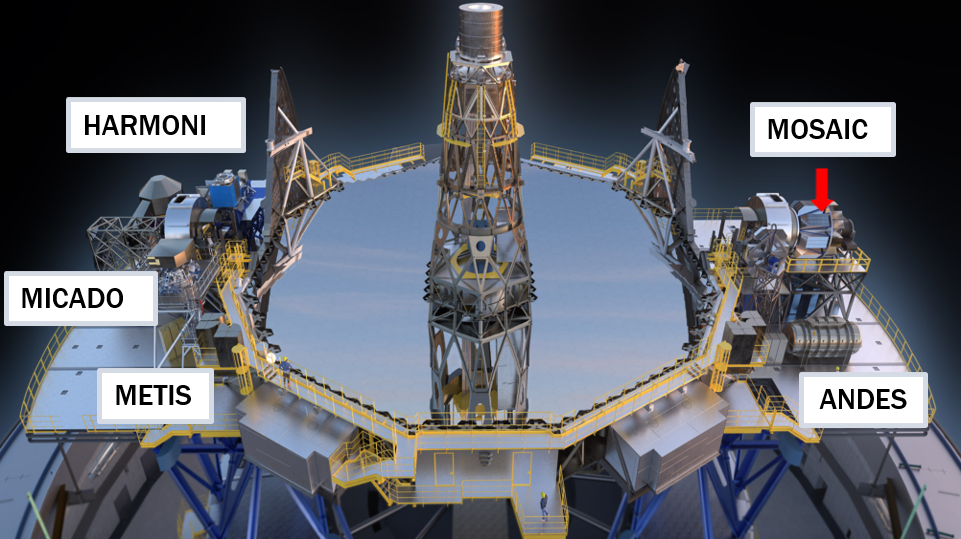
Figure 1: MOSAIC and other ELT instruments on the Nasmyth platform as envisaged in 2021. MOSAIC's focal plane positioners form the interface to the telescope.
Instrument Architecture and Positioner Requirements
The MOSAIC focal plane is implemented via a modular rotating barrel design, analogous to MOONS on the VLT, but scaled to ELT dimensions. Each robotic positioner must collect sky-light from the curved focal surface, re-image it through relay mirrors, and route the beam to either of two fixed fiber bundles (VIS or NIR), which reside $600$ mm behind the focal plane. The positioners also switch between a MOS mode (direct fiber coupling) and a mini-IFU (mIFU) mode through kinematic repositioning and optical path selection.
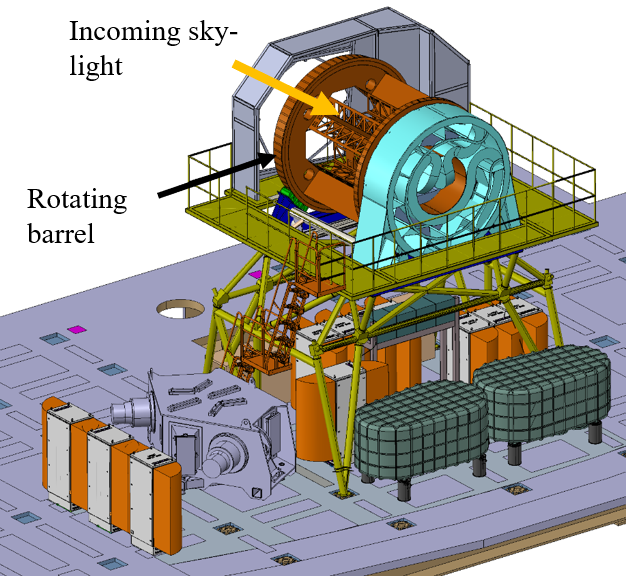
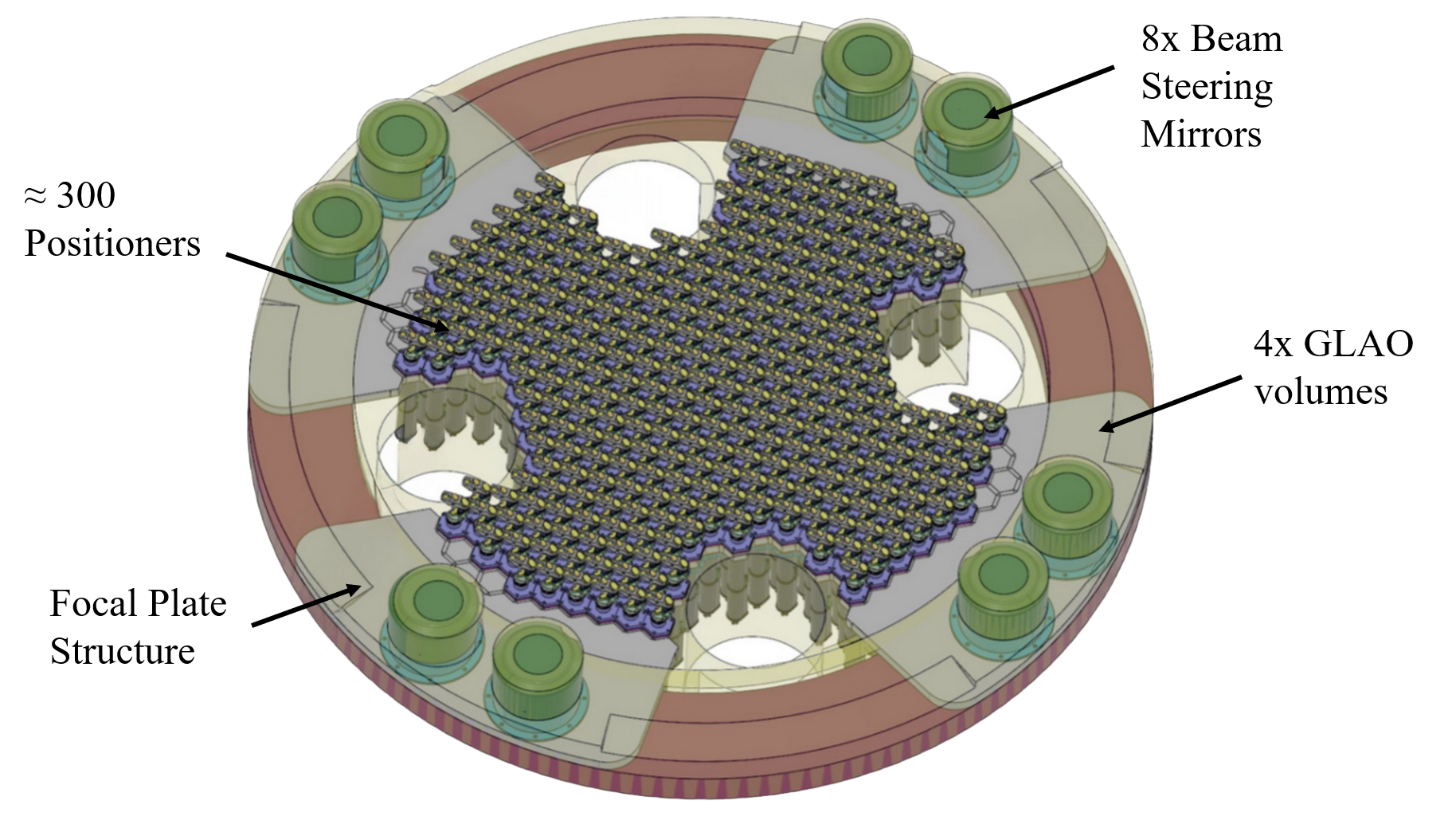
Figure 2: Preliminary CAD of MOSAIC, showing sky-light incidence and the integration of the rotating barrel and focal plane positioner assemblies.
The positioners are hexagonally packed, ensuring patrol area overlap and efficient target assignment, consistent with survey strategies for highly multiplexed spectroscopic instruments. Patrol zones are defined by actuator arm geometry—alpha and beta lengths—which are optimized for reach and overlap without excessive collision risk.
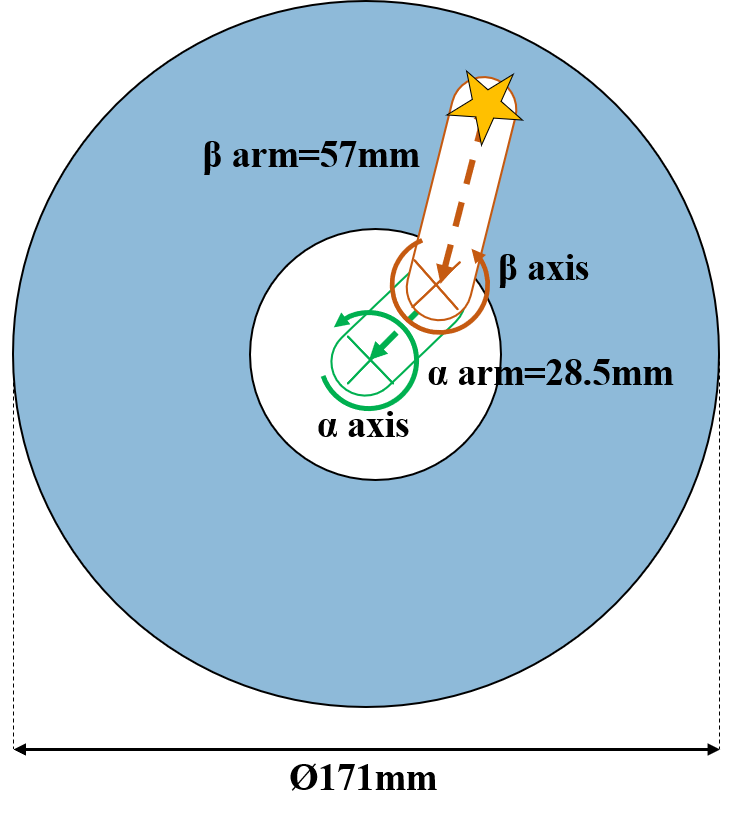
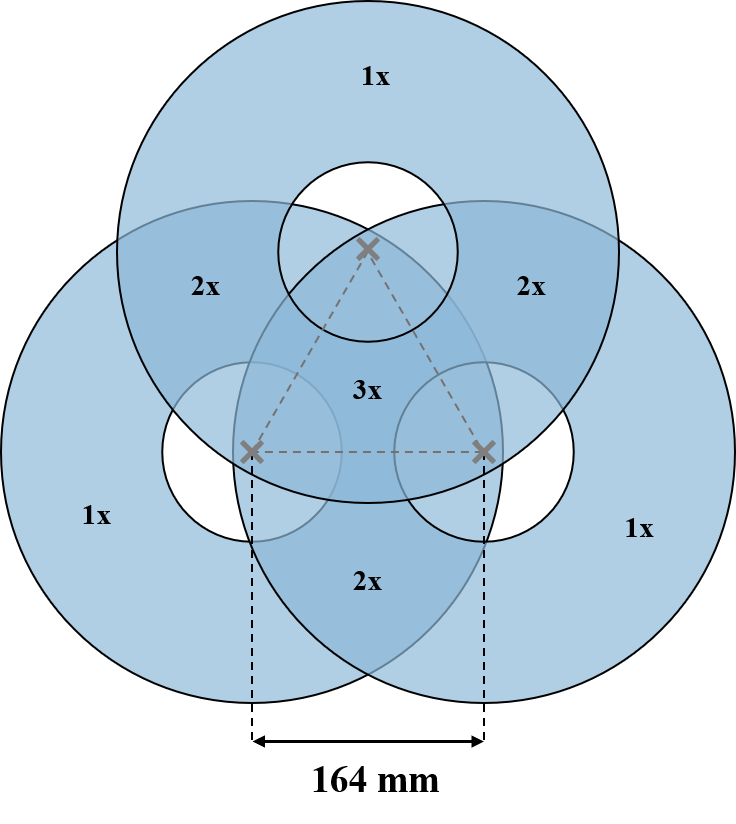
Figure 3: Schematic of SCARA arm dimensions and resultant patrol workspace; overlap zones facilitate target assignment flexibility.
Novel Positioner Architecture
Optical Design
MOSAIC's optical relay incorporates four identical relay mirrors, two symmetrical collimating/re-focusing lenses, and two triplet ADC prisms per positioner. The integration of the ADC at the positioner level is necessitated by the impracticality of constructing a facility-scale ADC for the full focal surface; the positioner ADCs (20.2 mm diameter, 48 mm length) individually correct atmospheric chromatic dispersion for each target.

Figure 4: Cross-section of the MOSAIC positioner, displaying relay mirrors, lenses, and triplet ADC prisms.
Mechanism Design
The central innovation is the SCARA-style (theta-phi, alpha-beta) robotic actuator system for each positioner, allowing independent, high-precision two-axis rotation with additional degrees for optical path selection and ADC rotation. Motor selection prioritizes reliability and manufacturability—Maxon ECXSP motors with high-ratio gearboxes and Hall sensors—allowing for non-backdrivable operation and stability under changing gravity vectors (during instrument rotation).
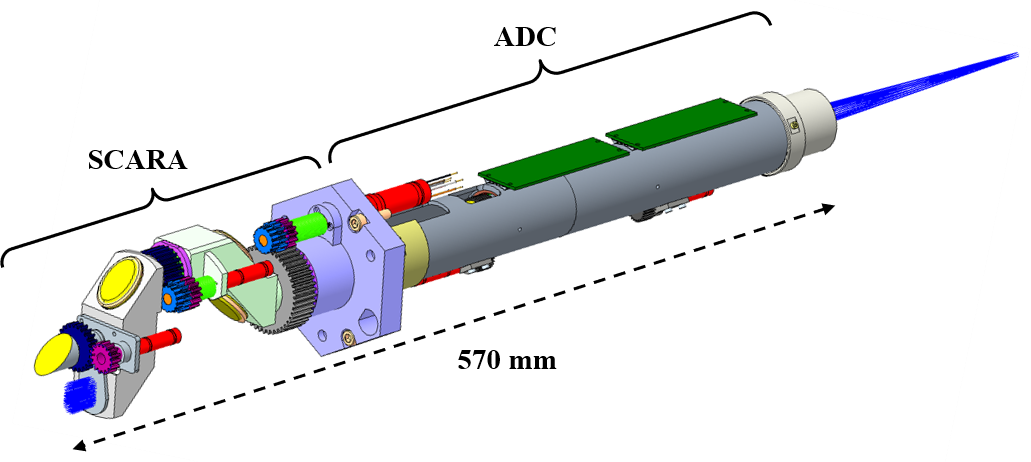
Figure 5: 3D model of the MOSAIC positioner, decomposed into SCARA and ADC subassemblies.
The positioner must maintain optimal telecentricity despite the ELT's non-telecentric focal plane. Each arm's rotation is calibrated to continually point to the ELT pupil center (37.868 m distant), resulting in minute but critical pointing corrections (≤0.09°) that challenge both mechanical tolerances and optical alignment. The tile arrangement sets local centers to the focal surface curvature but ensures optical axes point at the distant pupil center.
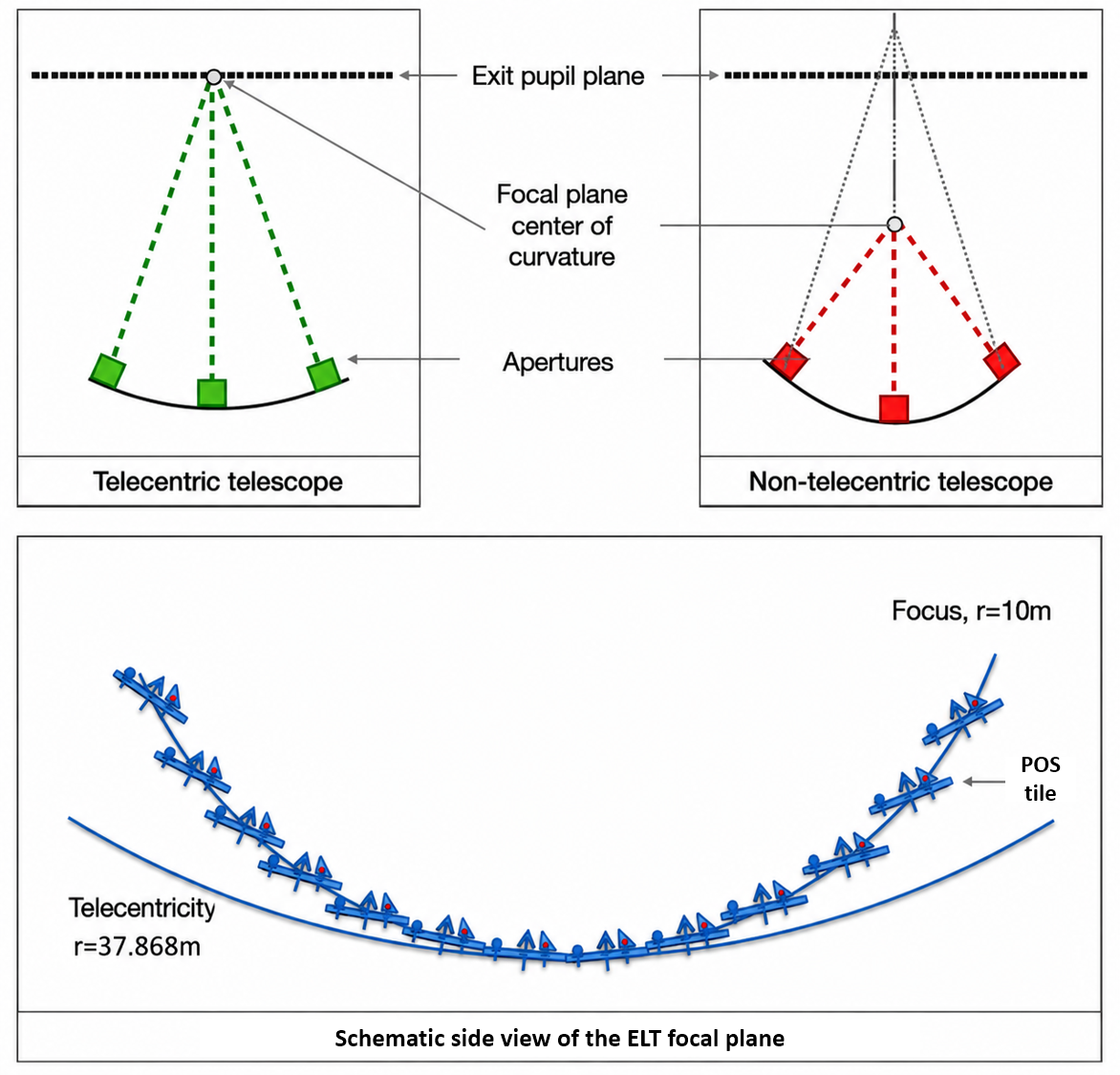
Figure 6: (Top) Comparison of telecentric and ELT non-telecentric focal planes. (Bottom) Positioners arranged to match the focal curvature while maintaining pupil pointing.
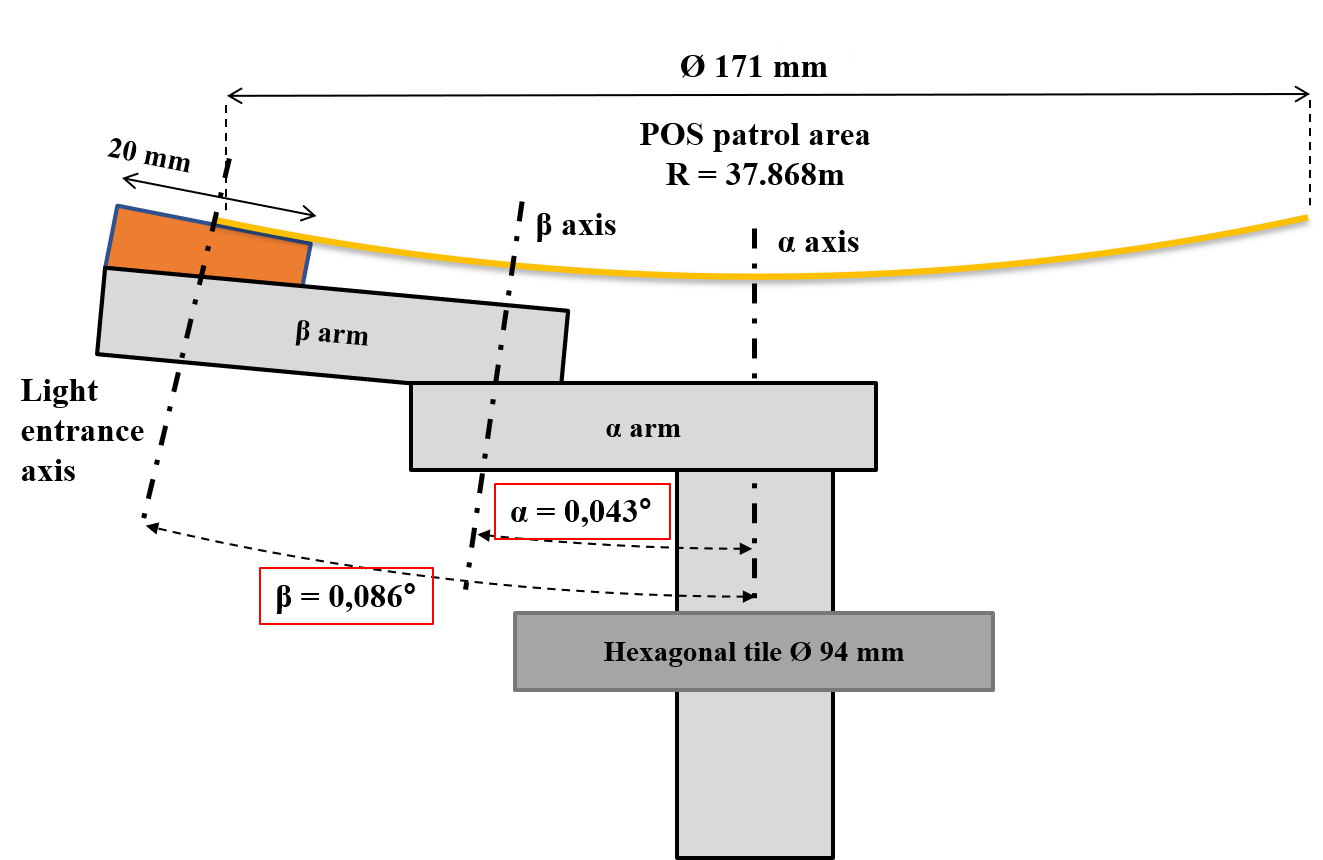
Figure 7: Schematic of internal SCARA axes rotations required for persistent pupil pointing irrespective of arm position.
Mechanical and Electronic Integration
Mechanical interfaces are designed for modularity and maintainability; the positioners can be removed independently, with fiber bundles remaining static for serviceability. Electronics must be miniaturized (13 mm height, 39 mm width, 200 mm length volume), requiring custom compact control boards for BLDC motor actuation. Prototype control boards are under joint development by EPFL and USP, targeting both functional validation and eventual tight-space integration.
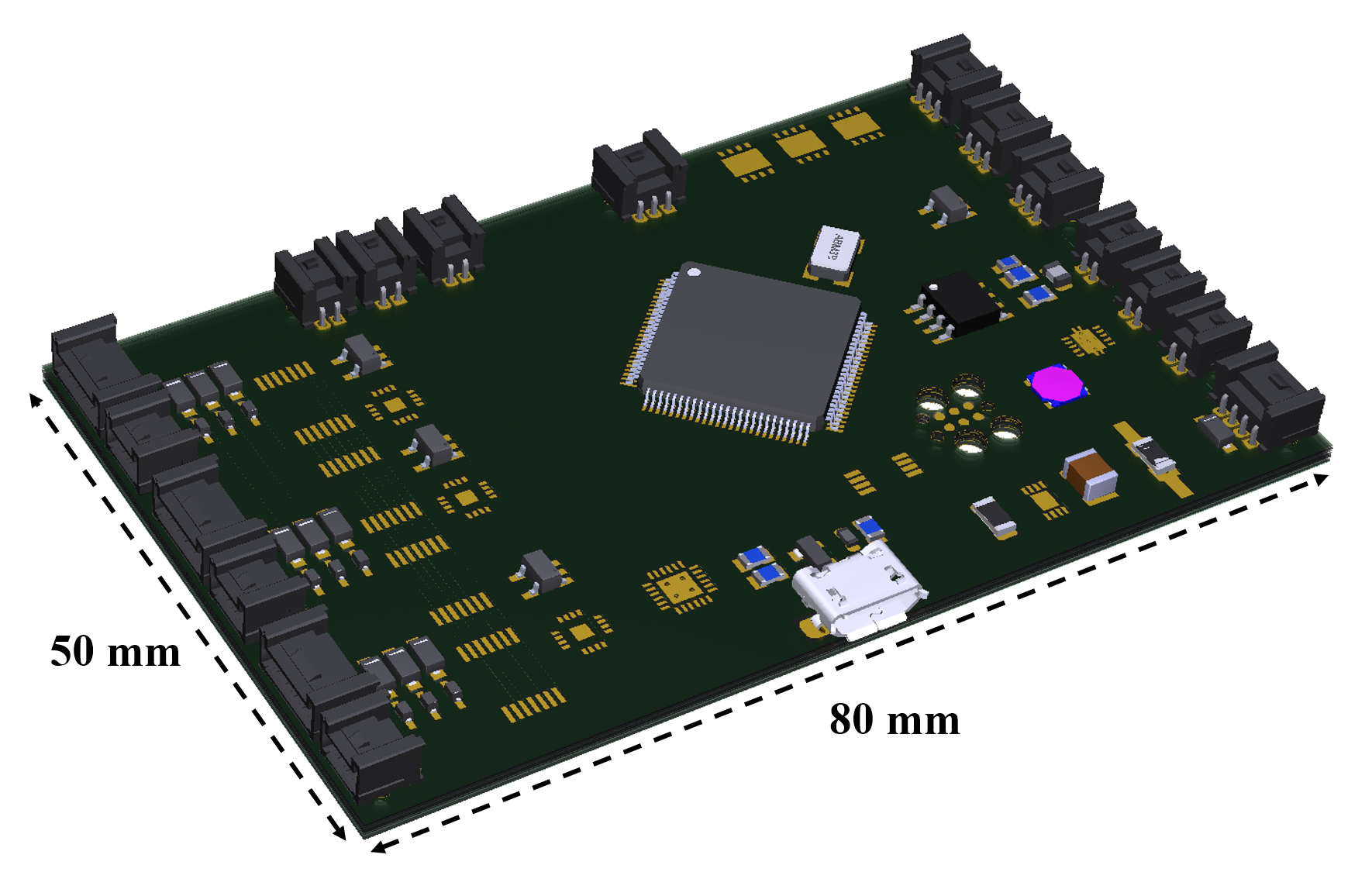
Figure 8: 3D model of MOSAIC POS Control Board V1, envisaged for tight-volume constraints.
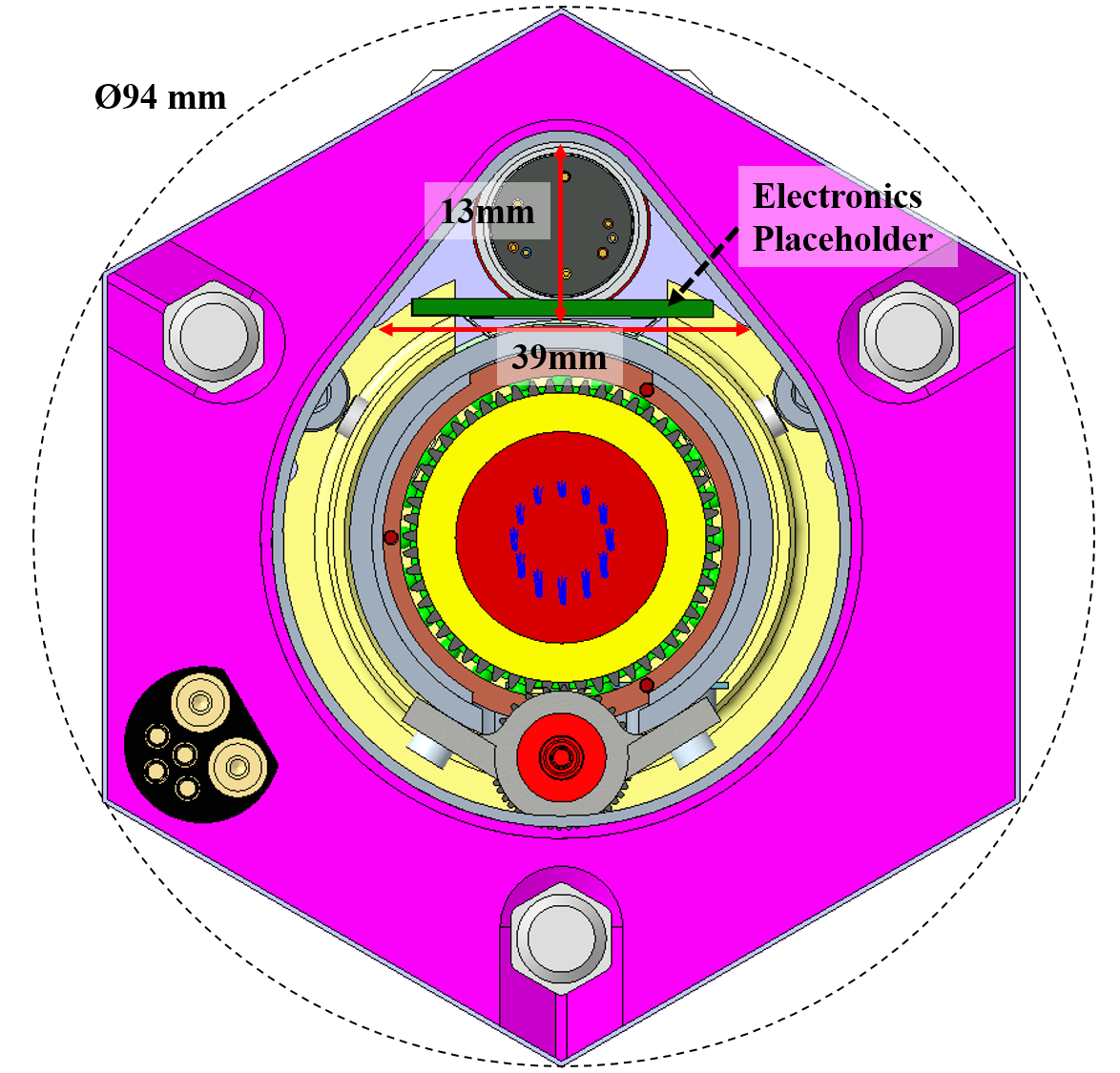
Figure 9: Cut view of POS/FIT assembly from the rear, illustrating spatial layout for optical elements and electronics.
V1 prototypes of the SCARA and ADC units have been manufactured and are undergoing evaluative testing for mechanical precision and assembly robustness. The SCARA prototype validates manufacturability of miniaturized yet precise theta-phi actuation, while the ADC prototype establishes feasibility of positioner-level atmospheric dispersion correction. These prototypes are foundational for scaling to full mass production (∼300 robots).
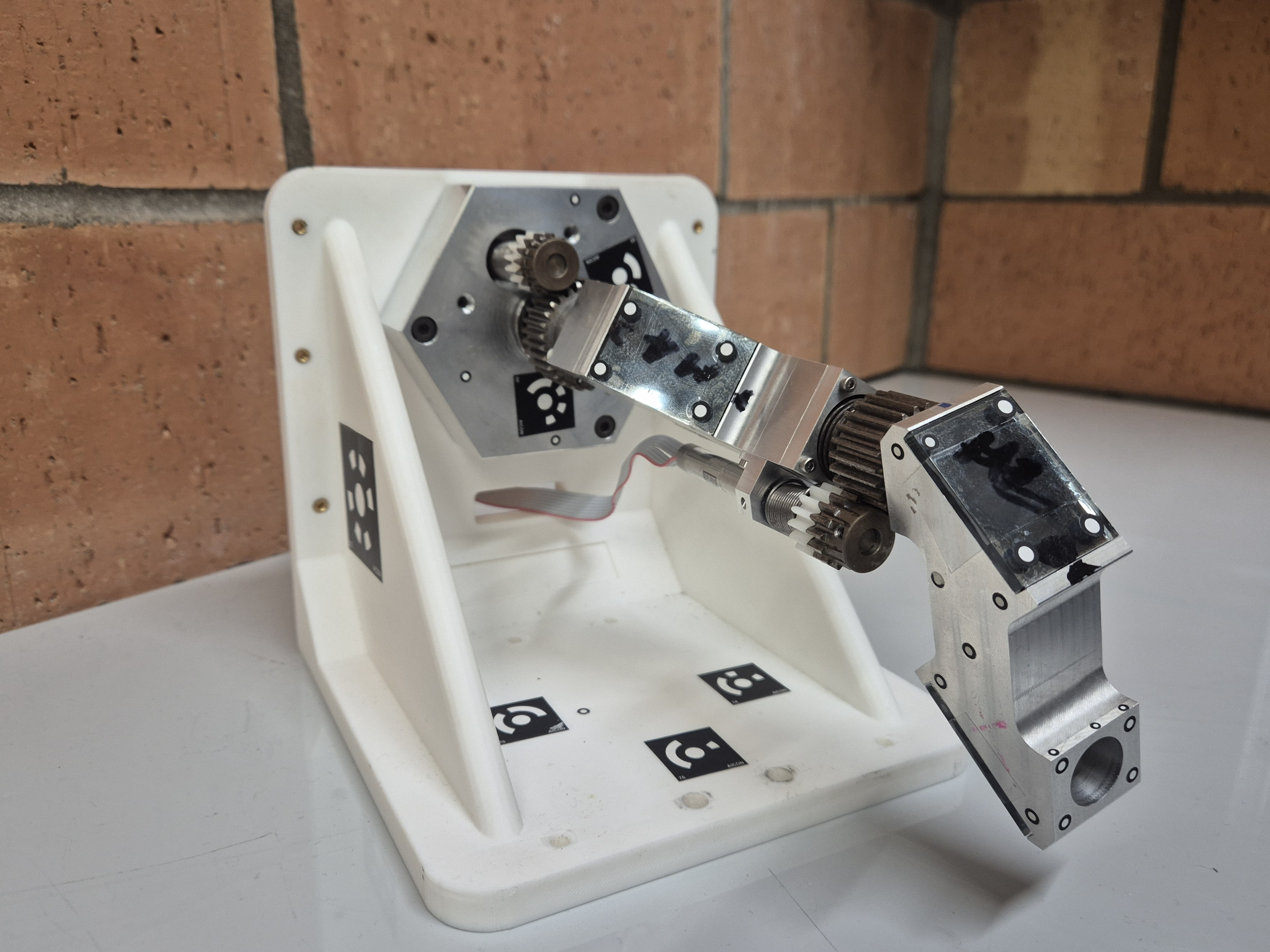
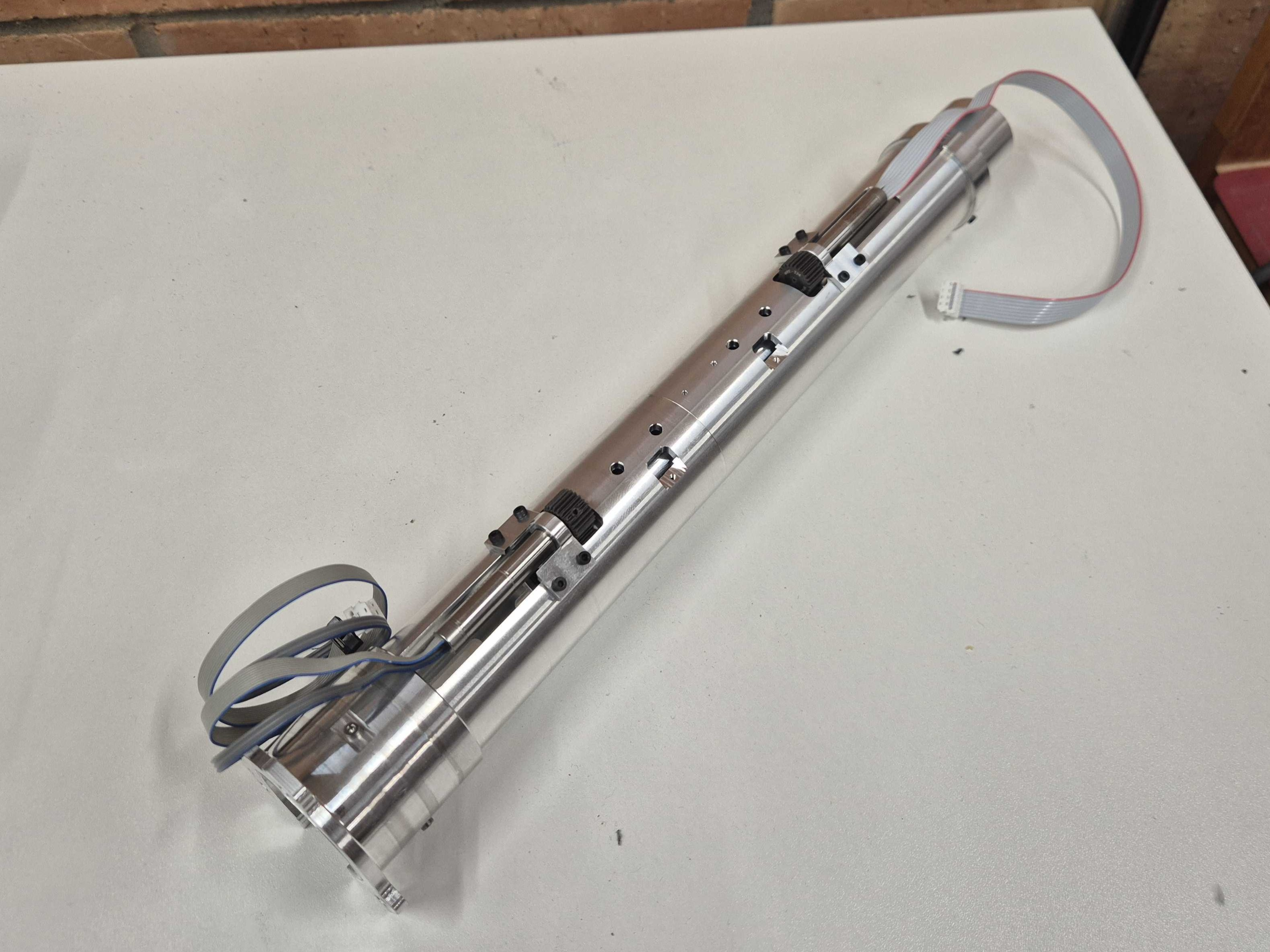
Figure 10: Assembled SCARA V1 prototype, demonstrating miniaturized articulated arm mechanics.
Implications and Future Directions
The MOSAIC positioner represents a paradigm shift in optical relay design for extremely large telescopes, tackling the unique challenges of non-telecentric focal geometry, relay optics routing, and positioner-level ADC. The modular approach and SCARA configuration underpin scalable manufacturing for large multiplexing instruments expected in cosmological Stage-V facilities ("MUST" (Cai et al., 11 May 2026), "MegaMapper" (Schlegel et al., 2022), and others). The distributed correction of atmospheric dispersion at the positioner level may define future practice for giant telescopes and adaptive spectrograph systems.
Practically, MOSAIC's architecture facilitates maintainability, robustness against gravity vector changes, and the flexibility to adopt multi-mode operation (MOS and IFU). Theoretical implications include enhanced efficiency in target assignment and patrol area overlap, supporting survey optimization algorithms ([morales_fibre_2012]) and throughput maximization.
Continued development will focus on full-scale integration, further miniaturization of electronics, and rigorous on-sky validation, with lessons potentially transferable to miniaturized positioners for high-density focal planes and next-generation multiplexed instruments ([silber_25000_2022], [galal_prototyping_2026]).
Conclusion
The MOSAIC positioner for ELT advances multi-object spectrograph capability in both optical/mechanical design and implementation. Integrating relay mirrors, positioner-level ADCs, and SCARA robotics enables robust acquisition and relay of light from a highly curved and non-telecentric focal surface. Early prototype results confirm manufacturability and assembly viability. This work establishes critical technologies and design paradigms for future ultra-multiplxed, high-throughput spectroscopic observatories.

