- The paper introduces a unified tool that leverages AI to auto-generate RML mappings for converting JSON data into ontology-grounded RDF.
- It integrates data import, semantic authoring, SPARQL querying, and interactive graph visualization within a single streamlined environment.
- Evaluation with chemical synthesis data demonstrates reduced technical overhead and effective human-in-the-loop correction for mapping accuracy.
Motivation and Context
Scientific research workflows generate extensive structured data, most commonly in formats like JSON due to their accessibility and ubiquity. While JSON Schema can validate data structure, it does not define relationships or semantics, limiting cross-system interpretability and integration. The Semantic Web, leveraging standards such as RDF, RDFS, and OWL, addresses these limitations by embedding explicit, machine-interpretable semantics and supporting federated, ontology-aligned data integration. Despite these advantages, practical adoption in experimental sciences remains low, predominantly due to the high friction in authoring, mapping, and maintaining RDF representations and ontologies. Existing tools fragment typical workflows, requiring users to work separately on mapping definitions (e.g., RML), triple authoring, SPARQL querying, and knowledge graph visualization.
System Design
The paper "MetaConfigurator: AI-Assisted RDF Authoring from JSON Data" (2606.07094) presents an extension of the MetaConfigurator platform—originally a comprehensive schema-based JSON data editor—into a fully integrated Semantic Web authoring environment. The new RDF Authoring View introduces a streamlined workflow that encompasses import, transformation, authoring, querying, and visualization of knowledge-graph-oriented data, all within a unified interface.
JSON-to-RDF via RML Mapping
The typical workflow begins with importing structured JSON (or YAML/CSV) datasets. When such data lack explicit Linked Data semantics, users invoke a dialog to define (or auto-generate via LLMs) RML mappings for transformation into ontology-grounded JSON-LD (RDF serialization). The RML dialog presents an interactive editor for mapping specification, supporting hints in natural language that guide the AI model toward target ontologies, identifier patterns, and semantic structures—reflecting the necessity for human-in-the-loop control.
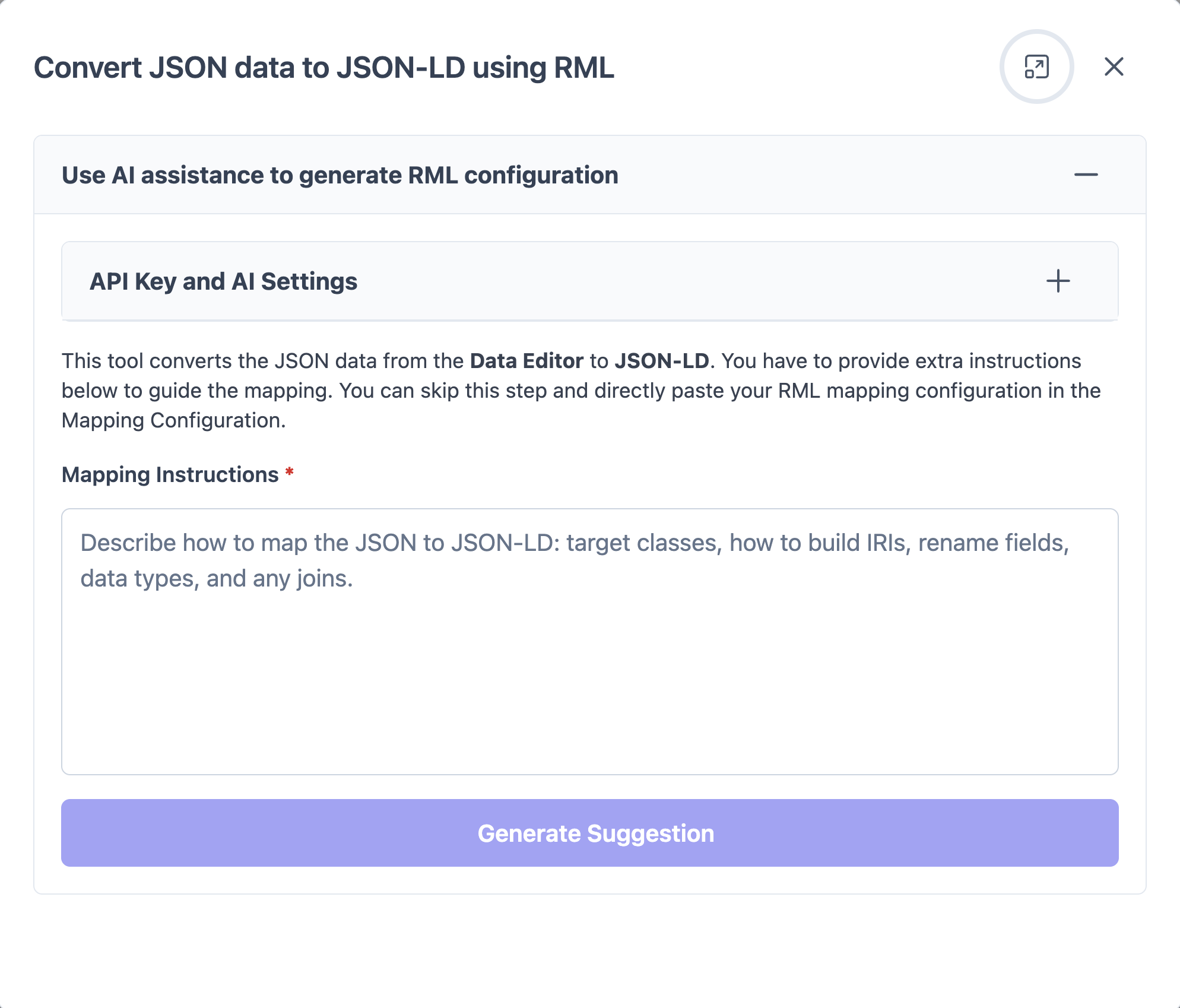
Figure 1: The RML mapping dialog for JSON-to-JSON-LD conversion.
RDF Authoring and Visualization Interface
Once transformed, the RDF Authoring View presents dedicated UI components for JSON-LD @context editing and RDF triple management.
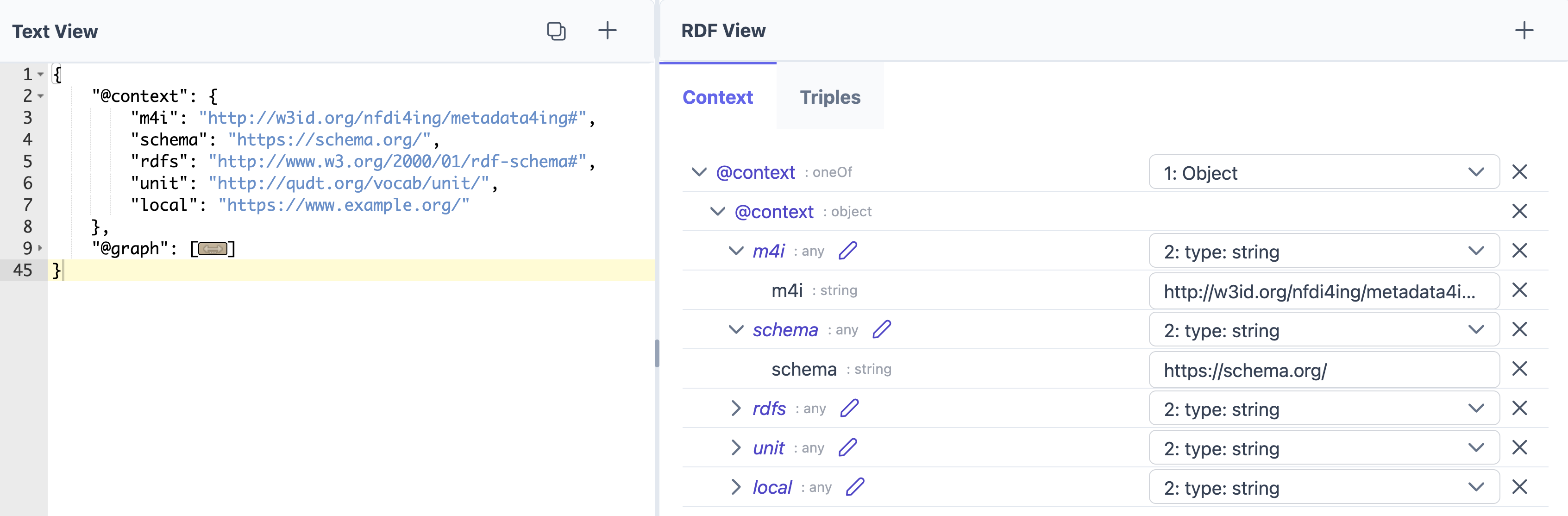
Figure 2: Context tab in the RDF Authoring View.
The triple-centric representation enables sorting, filtering, direct editing, and bidirectional synchronization with the underlying JSON-LD.
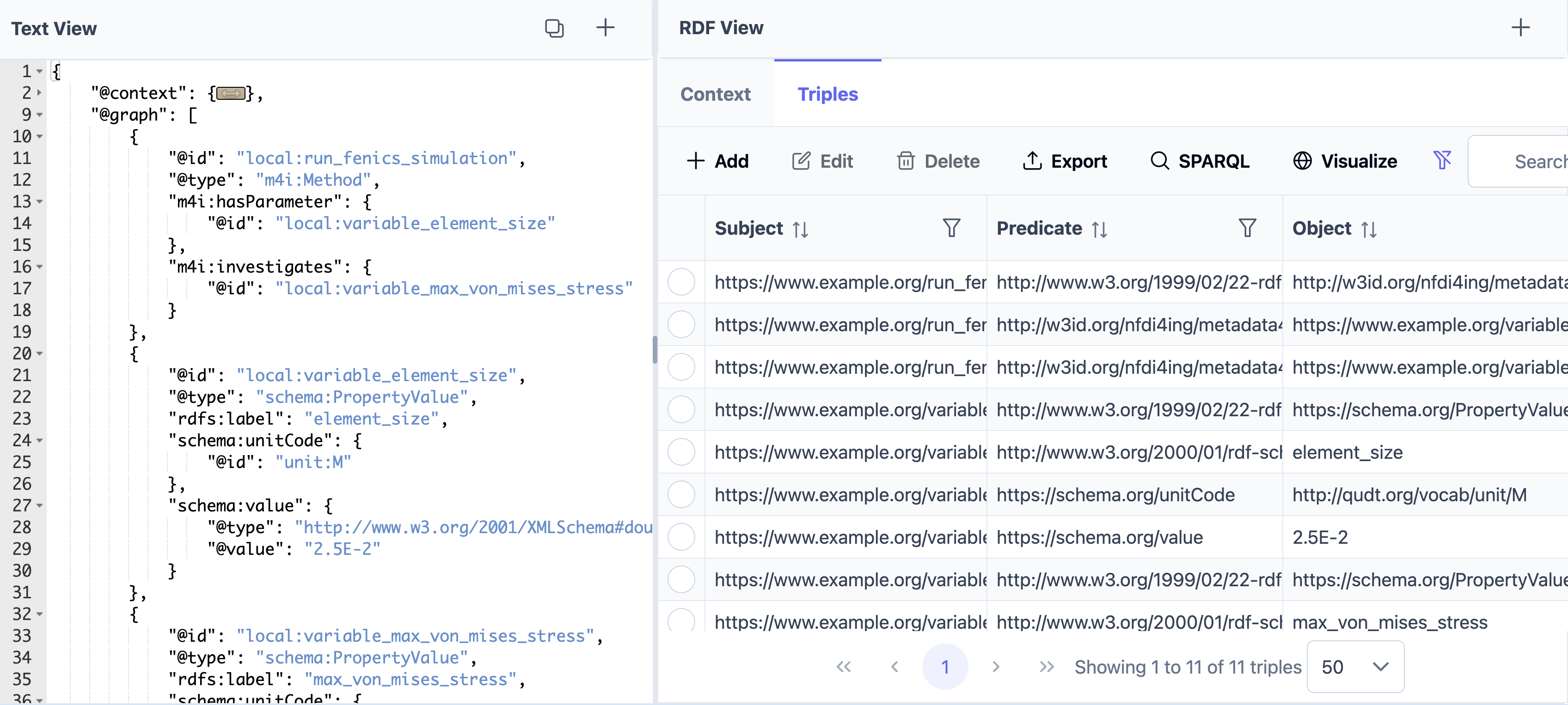
Figure 3: Triples tab in the RDF Authoring View.
Fine-grained editing of individual triples, including robust IRI reference management, is provided, with ontology-based auto-completion for predicates and objects.
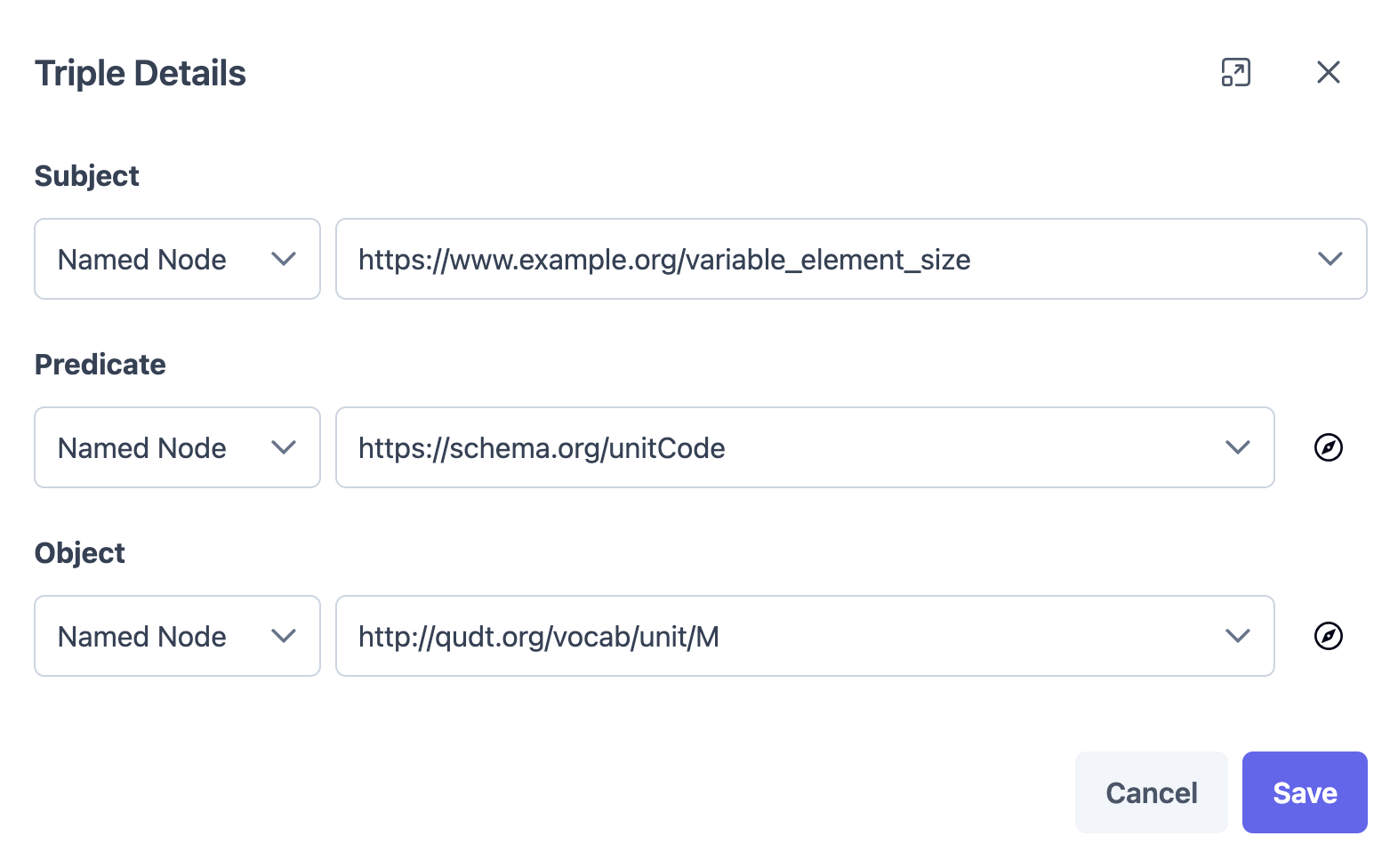
Figure 4: Edit modal for triple editing.
Ontology exploration and IRI assignment leverage the platform’s integrated explorer, parsing contexts and enabling scoped term suggestion.
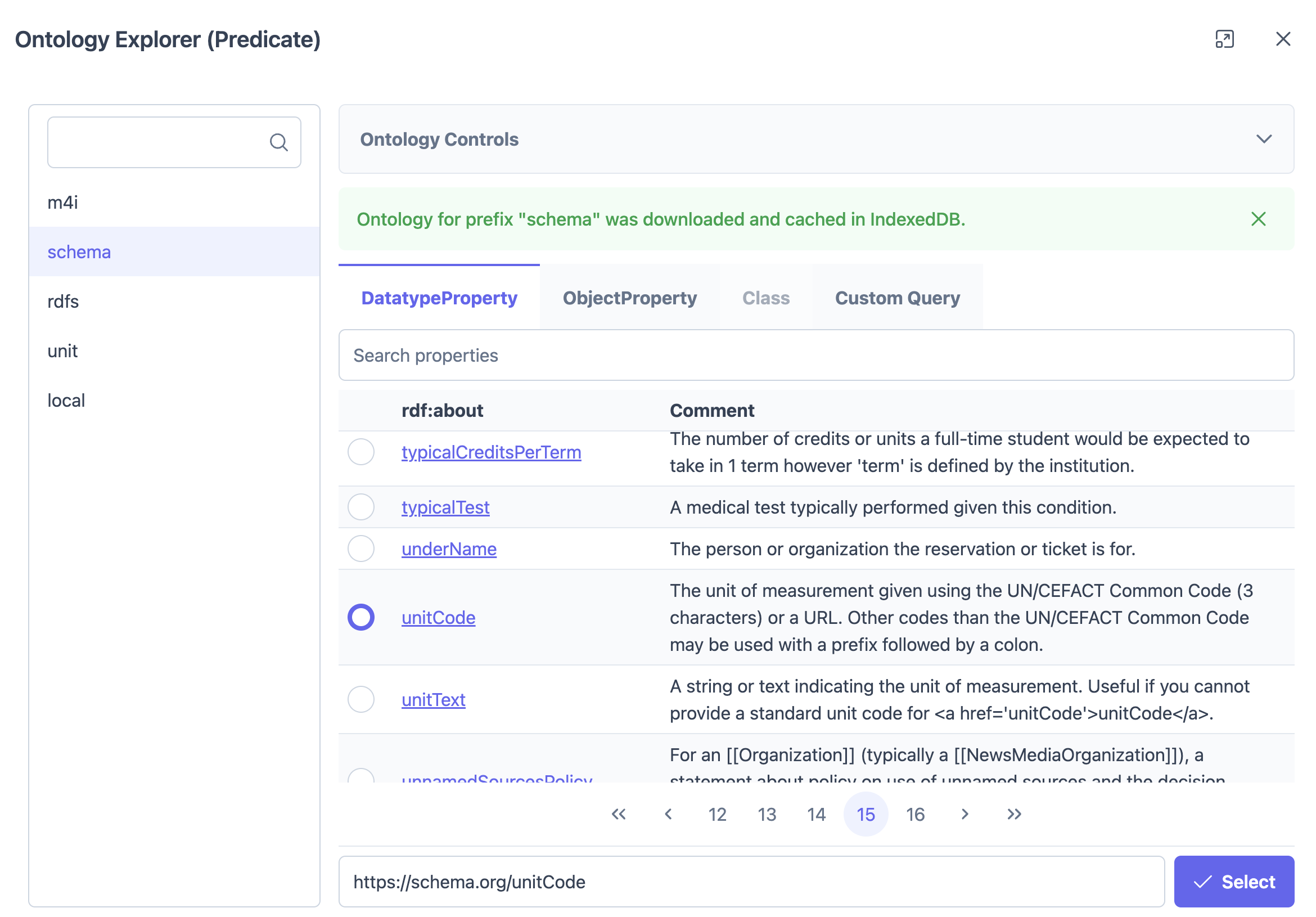
Figure 5: Ontology Explorer dialog.
SPARQL Querying and AI Assistance
Semantic exploration hinges on expressive querying. MetaConfigurator integrates an in-browser SPARQL 1.2 engine, exposing a multi-pane dialog for query composition, result inspection, and result visualization. Critically, the system enables AI-assisted SPARQL authoring: users describe queries in natural language, which the model translates—grounded in the loaded data and ontologies—into candidate SPARQL.
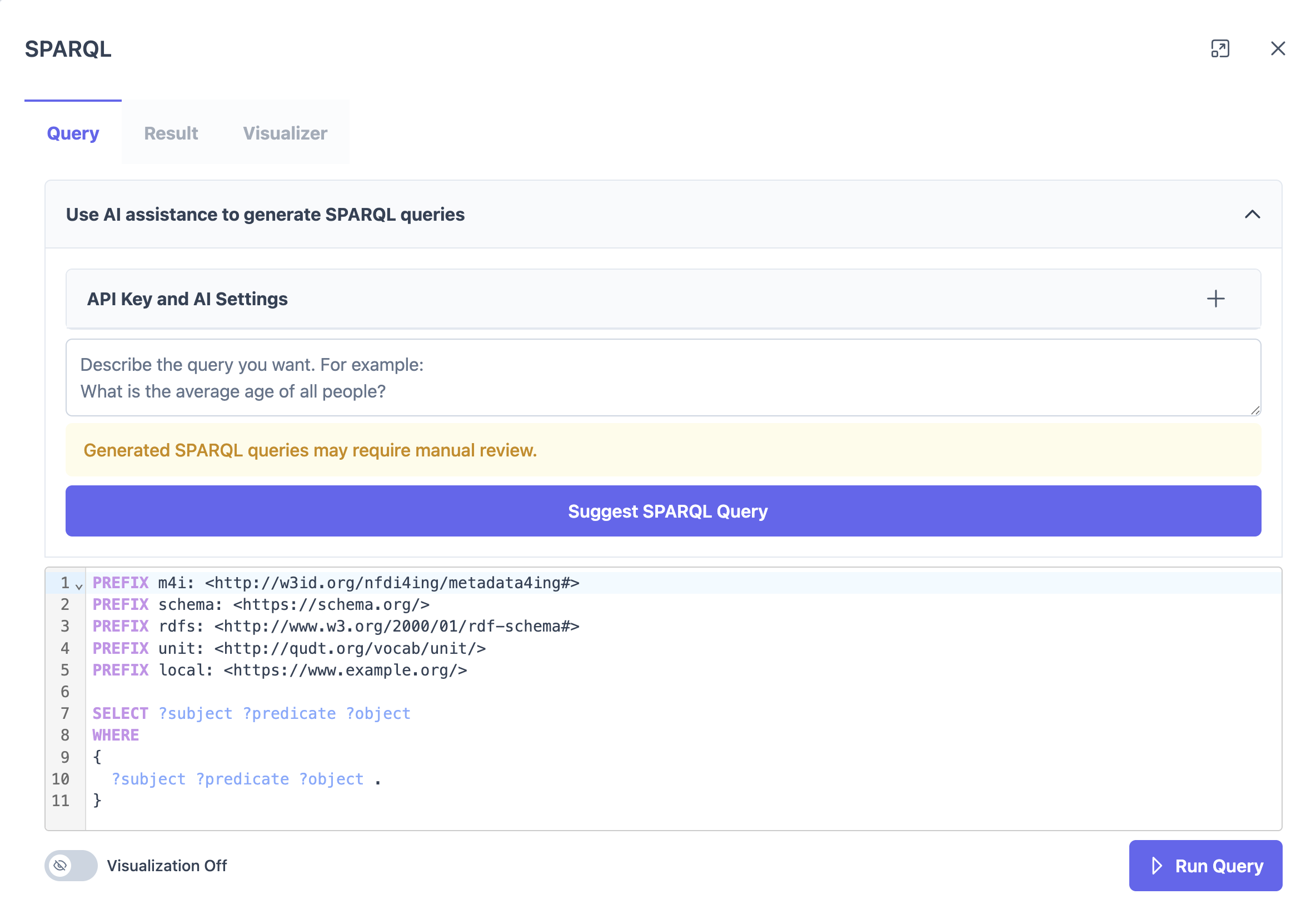
Figure 6: SPARQL query dialog, with AI-assisted query generation.
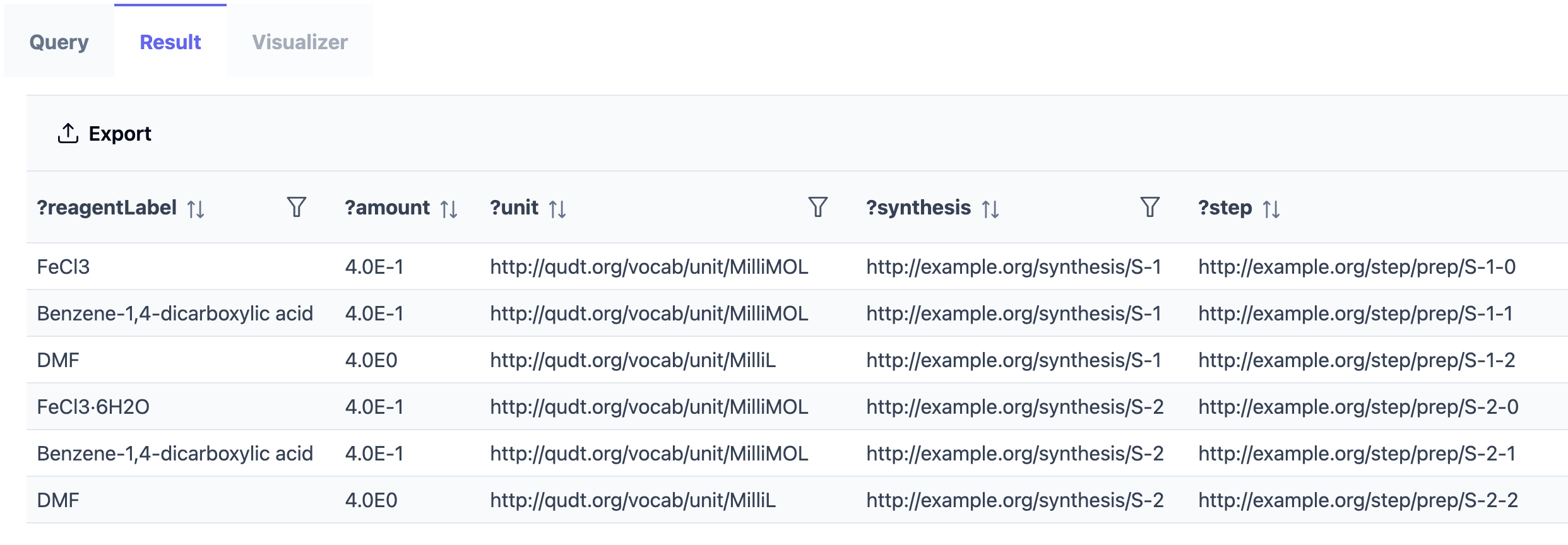
Figure 7: AI-assisted SPARQL workflow in the RDF Authoring View: a natural language hint is translated into a SPARQL query, which is then executed to produce the query result.
Generated queries are validated and editable by the user prior to execution, ensuring preservation of domain intent and correctness.
Knowledge Graph Visualization
Every RDF dataset can be explored as a graph, rendered interactively using Cytoscape.js. Entities are presented as nodes, relations as labeled edges, with semantic detail surfaced via contextual popups, IRI hyperlinks, and subgraph focusing/searching. Visualization can target the entire RDF dataset or be limited to SPARQL query results for scalability and analytic focus.
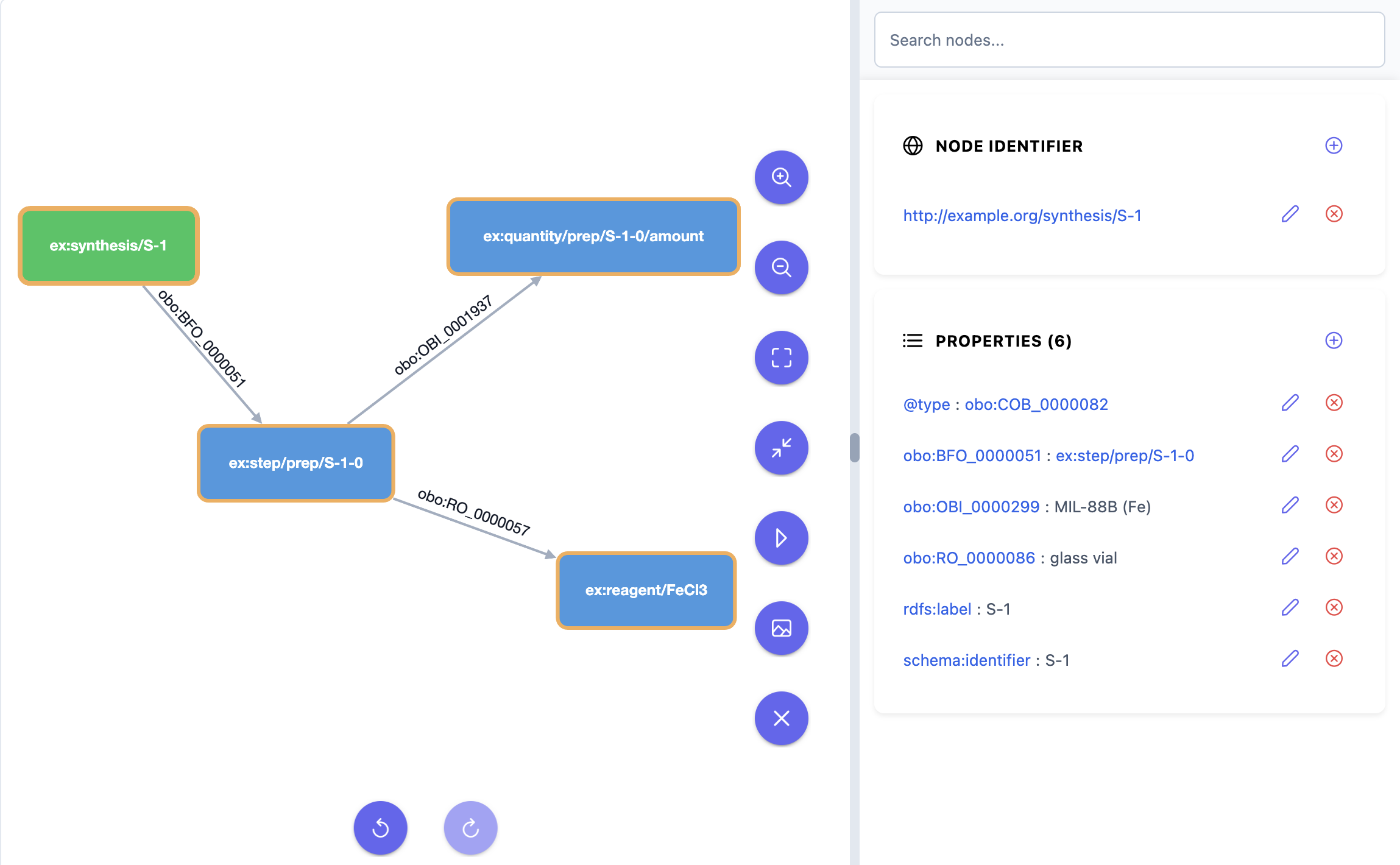
Figure 8: Visualization of the JSON-LD in Listing~\ref{lst:application_mof_jsonld_example_s_1}.
Application to Chemical Synthesis Data
The system’s capabilities are validated using datasets from metal–organic framework (MOF) synthesis, representing an area where protocol complexity, data heterogeneity, and interpretability are substantial pain points. The workflow begins with detailed JSON records encoding synthesis runs (listing hardware, metadata, procedural steps, reagents, etc.), as exemplified by the S-1 protocol. RML mappings are constructed—partly via AI assistance and partly via expert curation—to transform these records into ontology-grounded JSON-LD conforming to vocabulary such as OBO, QUDT, and domain-specific extensions.
Once ingested and mapped, the interface supports:
- Ontology-driven inspection and editing of entities (e.g., synthesis runs, steps, reagents),
- Automated or manual composition of SPARQL queries to extract structured knowledge such as “all preparation steps with associated reagents and quantities per synthesis,”
- Rapid conversion of natural language data queries into formal SPARQL with human review, substantially reducing the expertise barrier for non-ontology specialists,
- Knowledge graph visualization of procedural relationships, protocol modularity, and semantic links.
This demonstrates the workflow’s suitability for conforming laboratory data to FAIR and Linked Data principles, empowering integration and reuse across projects and domains.
Numerical Results and Claims
No large-scale quantitative benchmarks are presented, as the focus is demonstrative and system-oriented. However, the platform claims strong user-centric advantages: unified workflow, reduced friction for ontology alignment, significantly lower technical overhead in both mapping and querying, and robust round-tripping between data-centric and triple-centric views. The paper emphasizes that while AI-assisted mapping generation accelerates the authoring process, domain expert review is indispensable—AI suggestions can be semantically or structurally flawed. Similarly, the scalability limitations of browser-resident RDF processing are acknowledged, especially for large-scale graph rendering or reasoning tasks.
Practical and Theoretical Implications
From a practical standpoint, this platform provides a compressive environment for ontologizing legacy or domain datasets, thus lowering barriers to Linked Data publication and query. Researchers in experimental science domains can leverage semantic interoperability and advanced knowledge graph analytics without needing deep expertise in RML, RDF, or SPARQL syntax. Theoretically, this integration demonstrates that comprehensive, bidirectional semantic mapping and querying can be embedded within schema-centric data management tools—serving as a blueprint for expanding FAIR-compliant tooling.
AI assistance, anchored by user hints and grounded against partial schema or data context, is shown to be effective for bootstrapping semantic mappings and queries, strengthening the synergy between LLMs and structured semantic frameworks. However, the system design emphasizes essential human oversight, reflecting ongoing limitations in current AI models regarding precise ontology use and identifier management.
Future Directions
Potential research directions include:
- Scaling AI-assisted mapping and query generation to more complex, multi-ontology datasets,
- In-browser reasoning support, including SHACL validation and OWL DL inference,
- Improved active-learning workflows where expert corrections guide model fine-tuning,
- Collaborative authoring tools for ontology negotiation and semantic alignment,
- Backend integration for large-scale datasets and hybrid browser/server processing.
Conclusion
MetaConfigurator’s semantic extensions exemplify the convergence of schema-based data management, Linked Data principles, and AI-assisted authoring. By rendering RML mapping, RDF creation, SPARQL querying, and graph analytics accessible within a unified environment, the platform addresses several acute pain points in research data lifecycle management. While scaling and automation challenges remain, the system’s practical utility is demonstrated in the context of chemical synthesis data, underscoring its potential as a bridge between conventional and semantically enriched workflows for the experimental sciences.