- The paper introduces an optimization framework that leverages URBS parameterization and score-distillation loss to generate continuous single-line vector drawings.
- It employs a TSP-based initialization and LoRA-adapted diffusion guidance with multiple regularizers for enhanced semantic and aesthetic control.
- Empirical evaluations demonstrate superior performance in semantic alignment and aesthetic quality, enabling effective applications in digital fabrication.
Semantics-Driven Single-Line Drawing Generation via Direct Curve Optimization
This work addresses the generation of single-line vector drawings from user-specified semantic conditioning, either as text or reference image. Unlike multi-stroke line art, the single-line constraint demands that the drawing consists of a continuous, non-lifting path—an artistic style characterized by spatial abstraction, semantic faithfulness, and aesthetic economy. Existing generative pipelines, including feed-forward vision-LLMs and diffusion-based text-to-image synthesis, fail to guarantee the continuity and minimality that single-line drawing requires. Attempts to convert rasterized, multi-stroke outputs into single lines via vectorization and post-hoc path connection systematically introduce geometric artifacts and excessive or redundant strokes, as evidenced by qualitative failures.
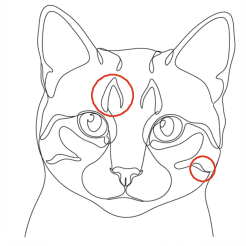
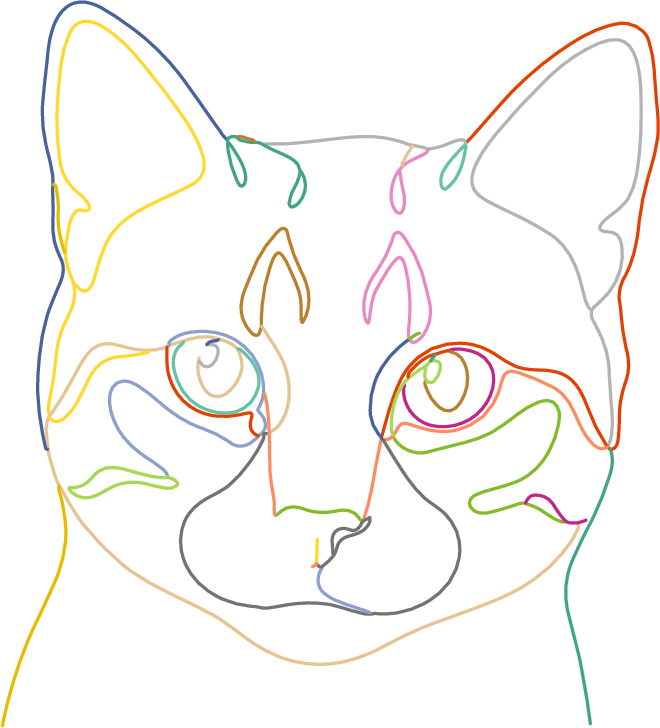
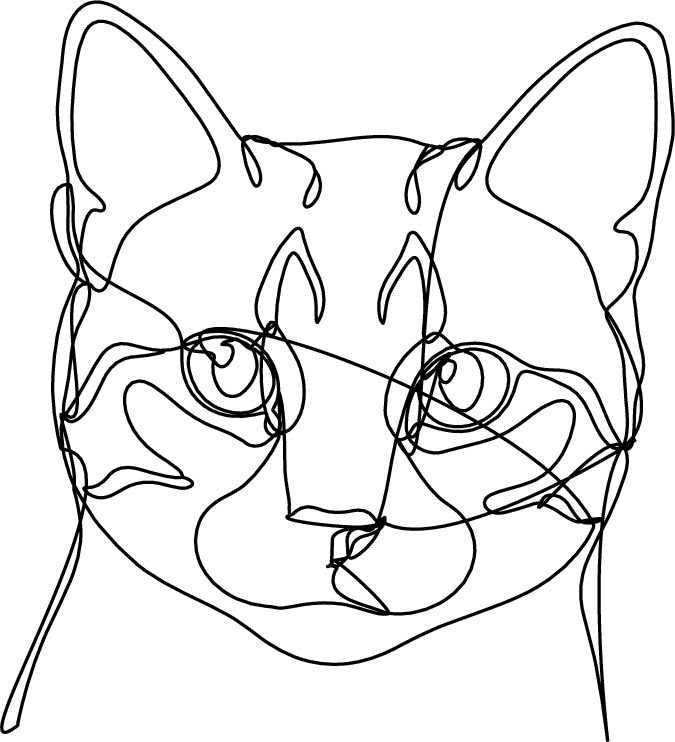
Figure 2: Vectorizing and connecting multiple raster curves from Gemini yields degenerate and unaesthetic single-line compositions.
ControlSketch [arar.etal2025] and related differentiable optimization approaches offer controllability over parameters but do not, as shown, suffice for single-line quality due to both suboptimal parameterizations and the absence of structured regularization.
Methodological Contributions
The authors propose an optimization-centric framework with three main innovations: (1) a curve parameterization intrinsically supporting adaptive complexity, (2) a score-distillation loss inheriting semantic guidance from large diffusion backbones, and (3) a suite of regularizers enforcing aesthetic, spatial, and practical constraints.
Curve Representation and Initialization
Rather than concatenated Bézier segments or fixed B-spline architectures, a single Uniform Rational B-Spline (URBS) is employed. This brings two decisive advantages: first, the rational weights associated with each control point offer continuous adaptability of local detail—non-distinct from topology changes, but expressing curve sparsity through weight pruning. Second, the URBS supports smoothness and local control, critical for the single-line aesthetic. Initialization of the curve is performed by segmenting the region of interest and solving a TSP over uniformly sampled interior points, facilitating rapid convergence and sufficient initial coverage.
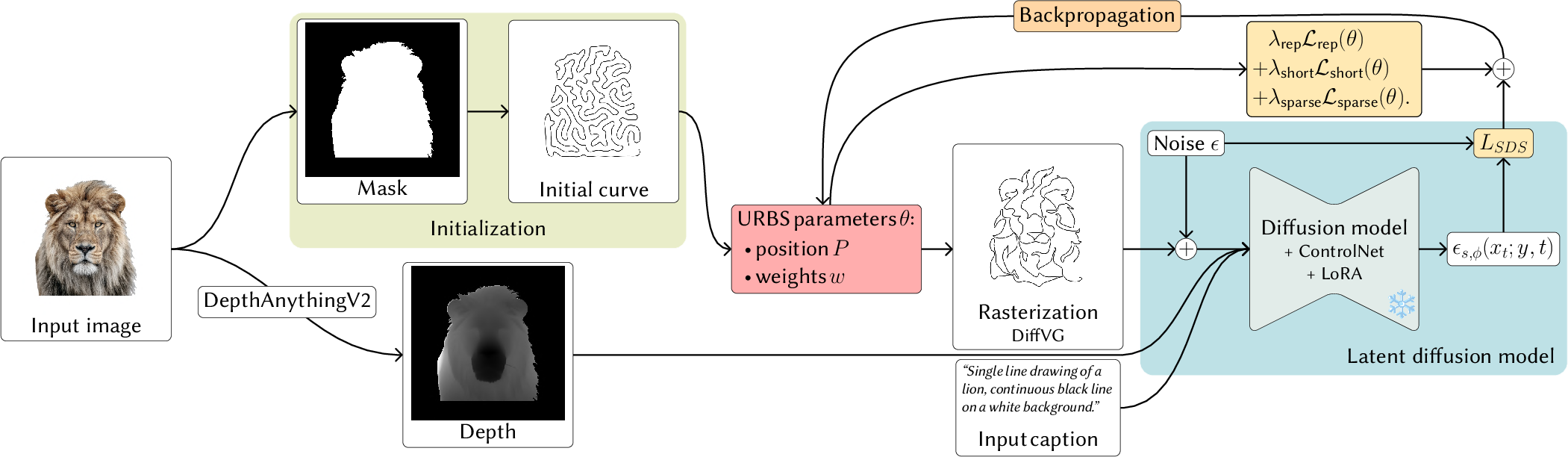
Figure 1: Generation pipeline overview: segmentation and TSP-based initialization followed by direct URBS optimization.
Semantics-Driven Optimization with SDS
At the core of the optimization is Score Distillation Sampling (SDS), wherein a differentiable rasterizer (DiffVG) renders the current curve estimate, and gradients are propagated from diffusion model guidance conditioned on either text or image. To further specialize the generative prior toward single-line aesthetics, a LoRA adapter is trained on a curated, small-scale corpus of true single-line artworks, moderately biasing the diffusion guidance without sacrificing semantic precision.
Regularization and Loss Design
The optimization objective consists of four terms:
- SDS Loss: Primary semantic alignment signal via diffusion model gradients.
- Repulsion Loss: Penalizes curve proximity/overdraw while permitting true intersections, critical for avoiding "clustering" artifacts.
- Length Shortening Loss: Keeps the path compact, suppressing superfluous spirals or elongations.
- Sparsity Loss: L1 norm over URBS weights to drive the elimination of redundant control points, achieving adaptive complexity.
Pruning of control points with weights below threshold is performed dynamically.
Diffusion Model Specialization
LoRA finetuning is demonstrated to strongly improve the semantic and stylistic fit of SDS-driven curve optimization to the single-line target domain, despite the limited size of the single-line corpus.
Empirical Evaluation
Comparative Assessment
The proposed method is evaluated against a comprehensive array of baselines—including TSP art, post-hoc conversion pipelines for top-performing text-to-image models, and vectorized sketch methods such as ControlSketch, 3D Wire Art, and CLIPasso extensions. Across benchmarks, the method produces outputs with higher semantic alignment, abstraction, and conformity to the single-line genre.
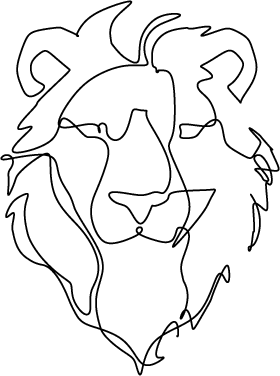
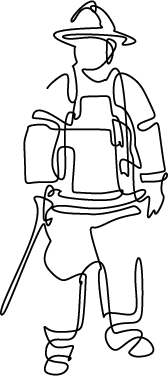
Figure 5: Cross-method qualitative comparisons: SDS with URBS yields superior single-line alignment and abstraction compared to text-to-image ensemble pipelines.
Quantitative Metrics
Performance is measured by CLIP-based text-image similarity, CLIP/DINO-based image-image similarity, aesthetic prediction models, and Fréchet Inception Distance (FID) to a dataset of artist-drawn single-line works. The method consistently attains the best or near-best performance among models producing true single-line outputs, with aesthetic and FID scores competitive even against unrestricted text-to-image models, despite the enforced geometric constraints.
Perceptual Study
User studies reveal a strong preference for outputs generated by the proposed method in terms of their adherence to the single-line style, validating the efficacy of the combined semantic and structural loss design.
Ablation and Analysis
Ablation experiments demonstrate that removal of any regularization—LoRA-driven SDS, sparsity, or length—leads to diminished abstraction, loss of aesthetic qualities, or uncontrolled path complexity.
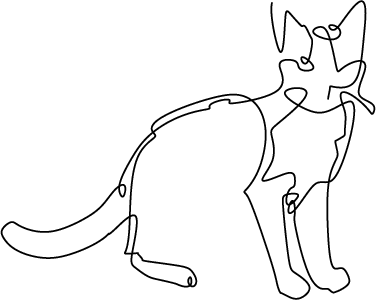
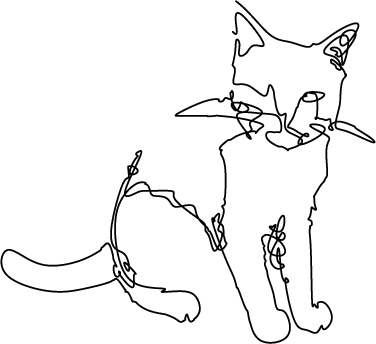
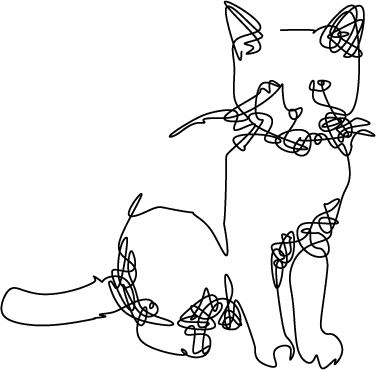
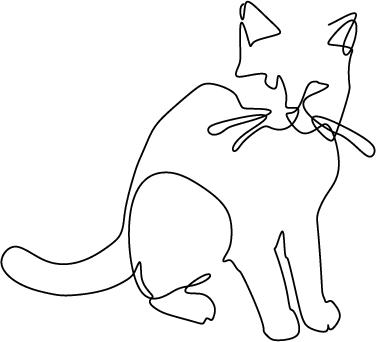
Figure 3: Visual ablation: each omitted loss term results in less pleasing, less abstract, or less semantically meaningful curves.
URBS-based parameterization further outperforms both fixed B-spline and Bézier alternatives. The initialization strategy is shown to drive substantially improved convergence and internal structure over naive or prior-based initializations.
Stylization, Fabrication, and Extensions
Explicit manipulation of repulsion and shortening loss weights enables stylization across a spectrum from minimalistic to dense, loop-rich outputs.



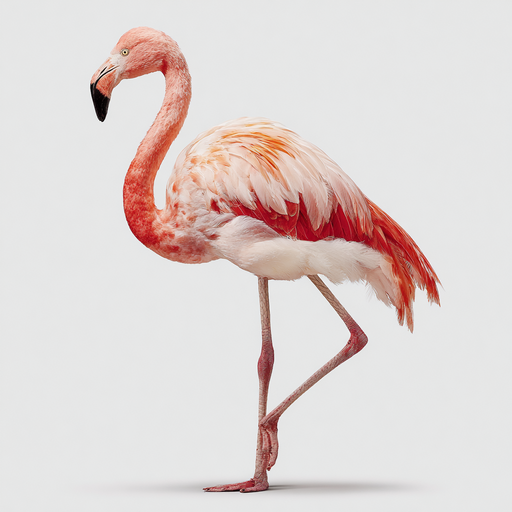
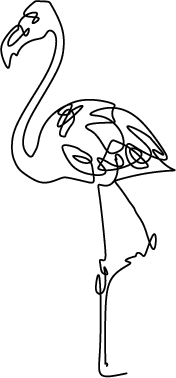
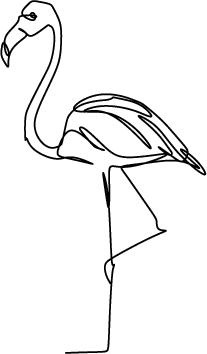
Figure 8: Repulsion loss modulates spatial density and crossing behavior.
The flexible vector output facilitates downstream fabrication: single-line laser engravings are realized with speed and quality advantages, while embroidery examples demonstrate robustness to variable stitching technologies due to the single-path design.
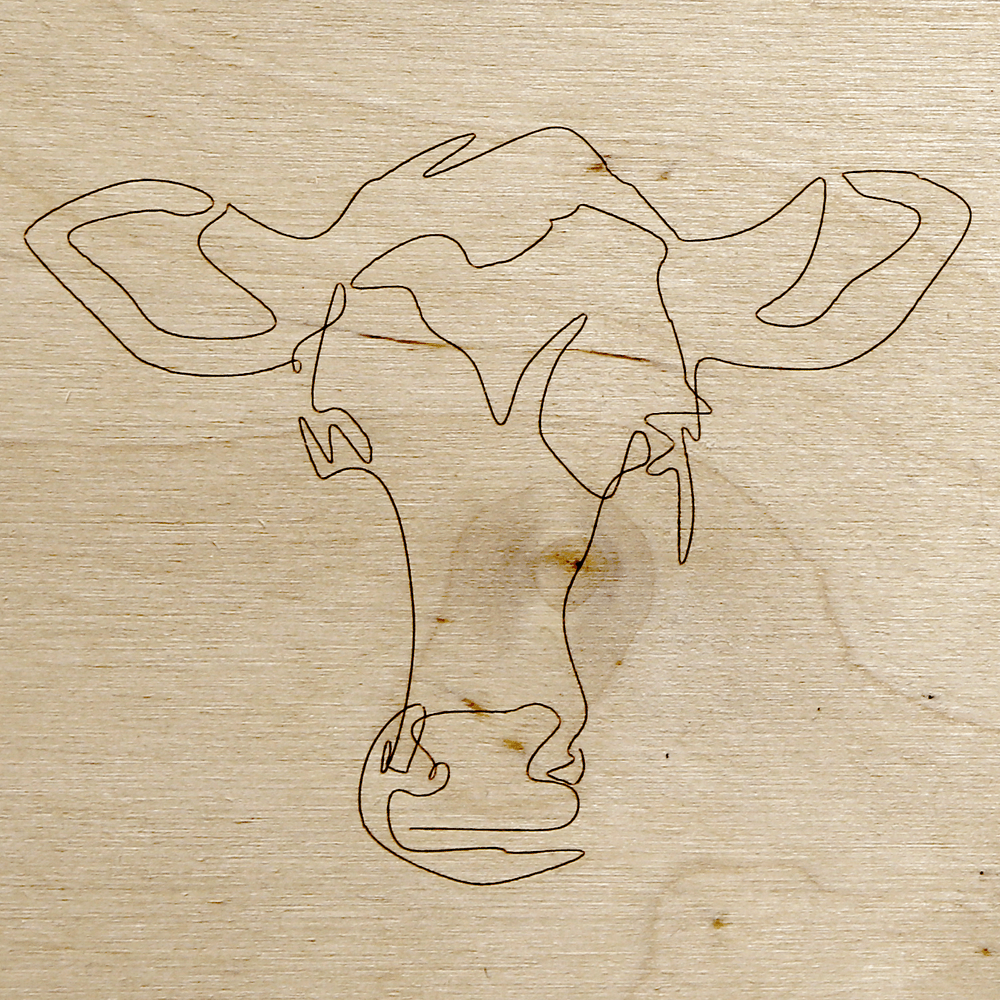
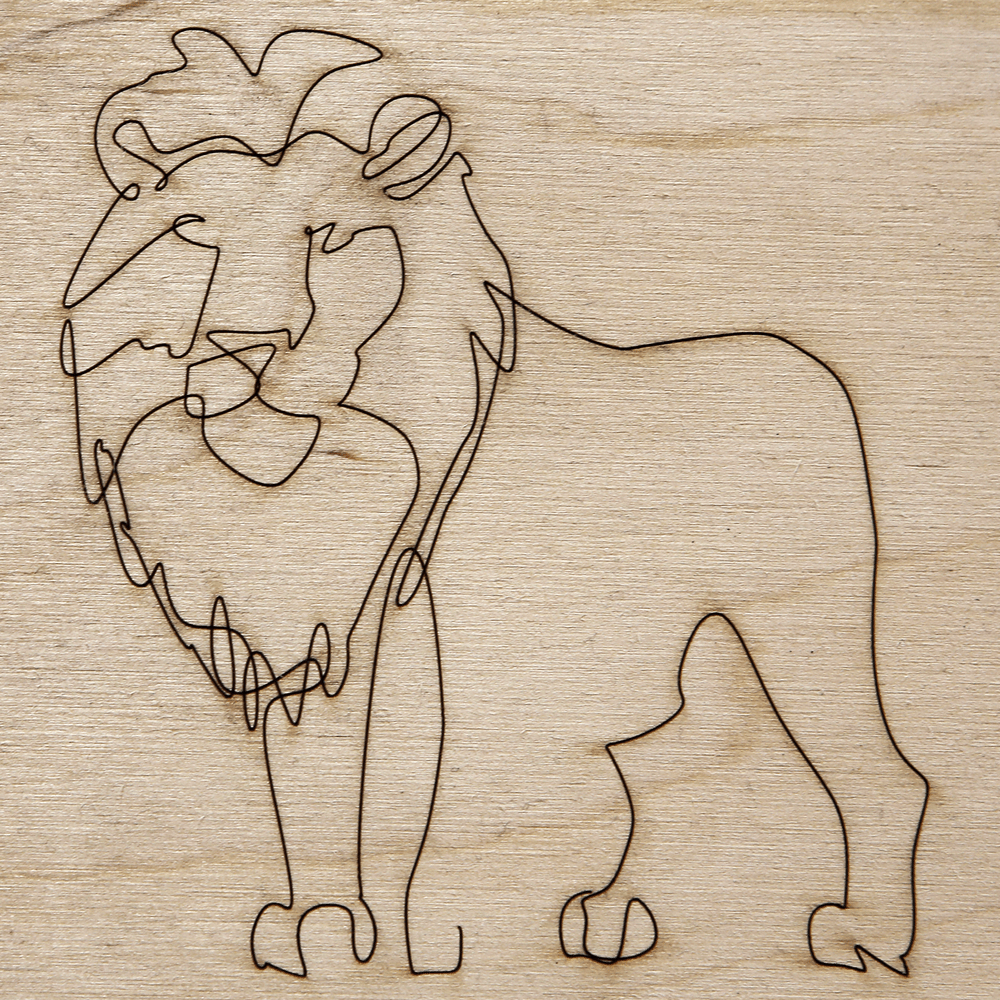
Figure 10: Wood laser engraving: continuous vector lines accelerate fabrication with high fidelity.
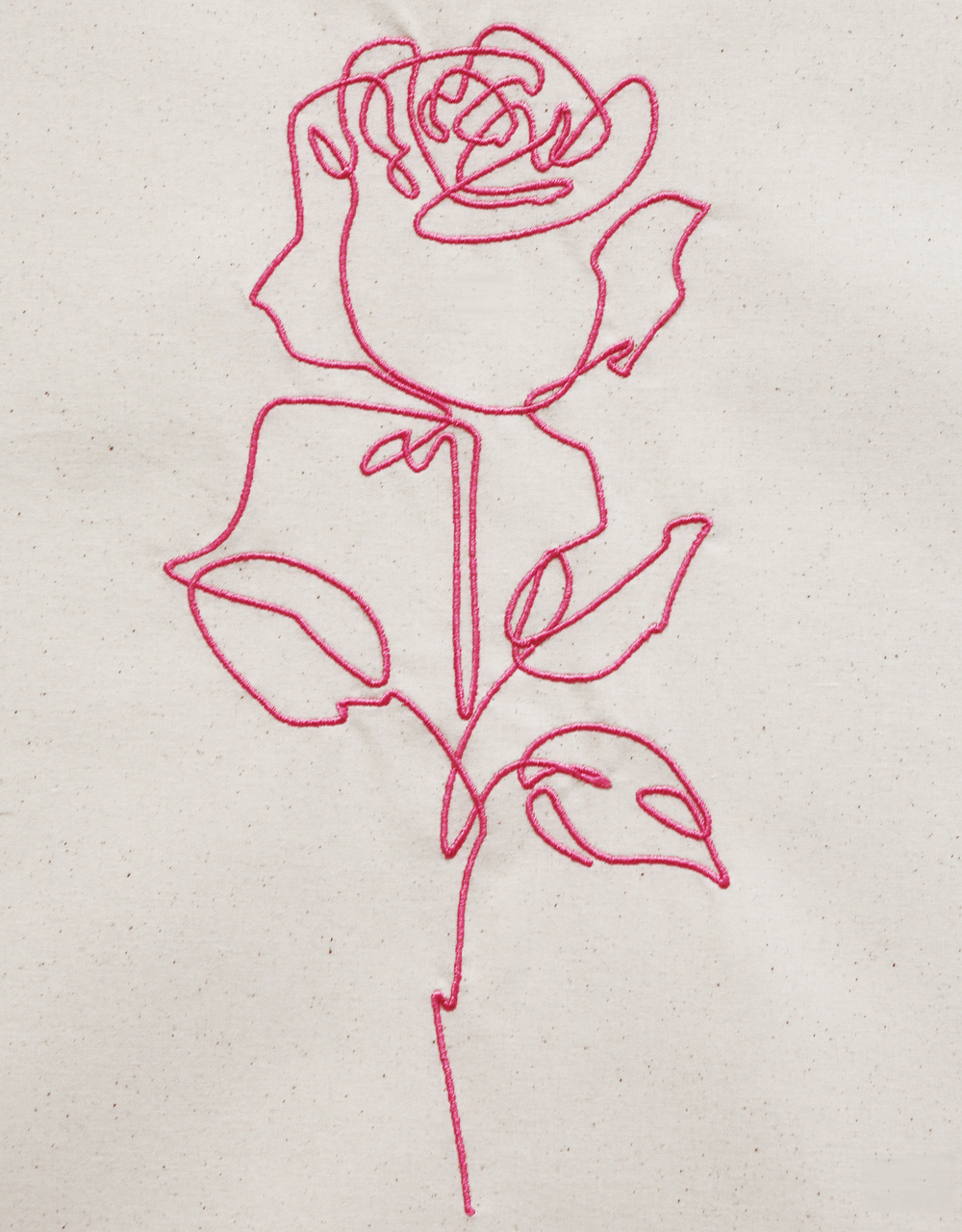
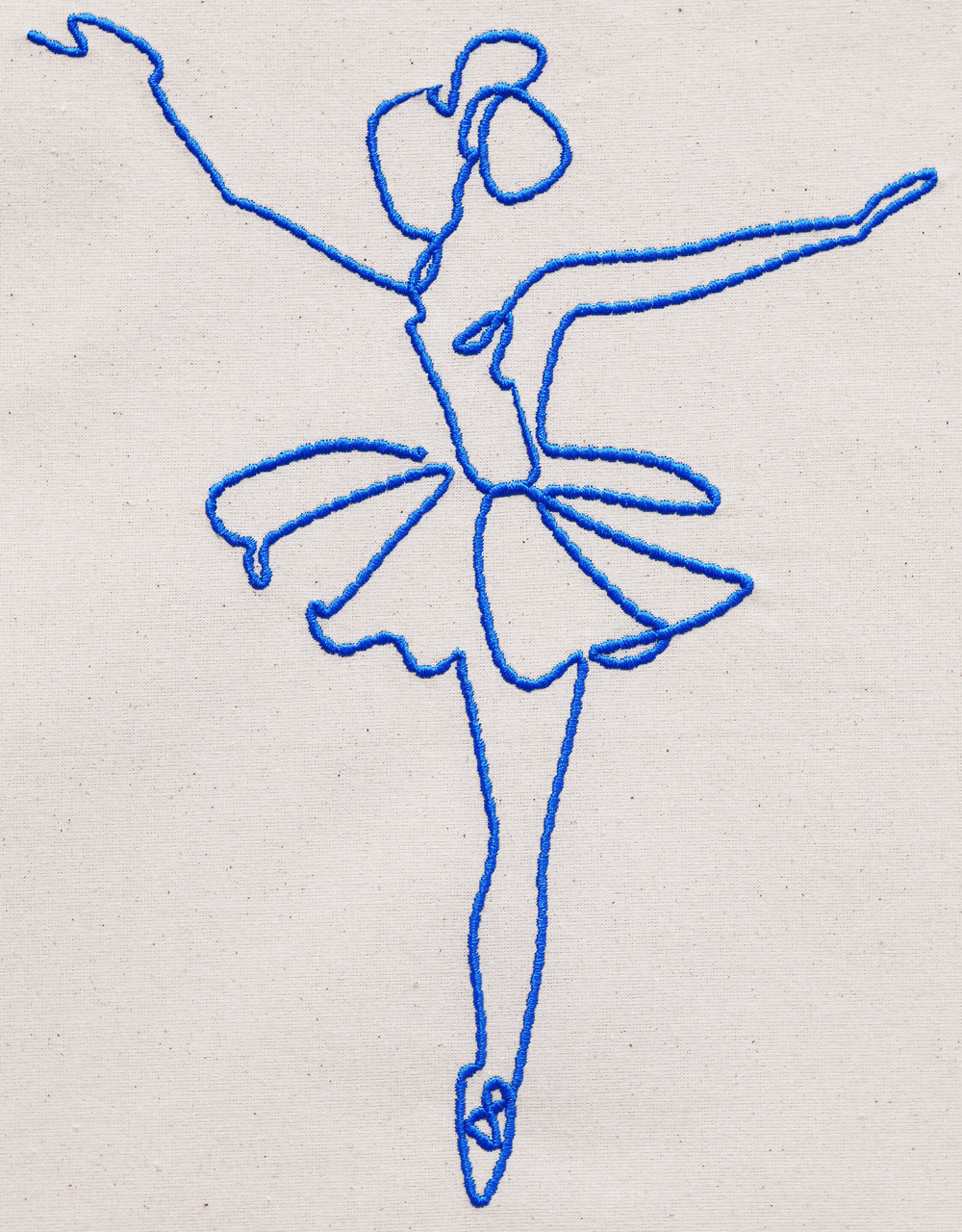
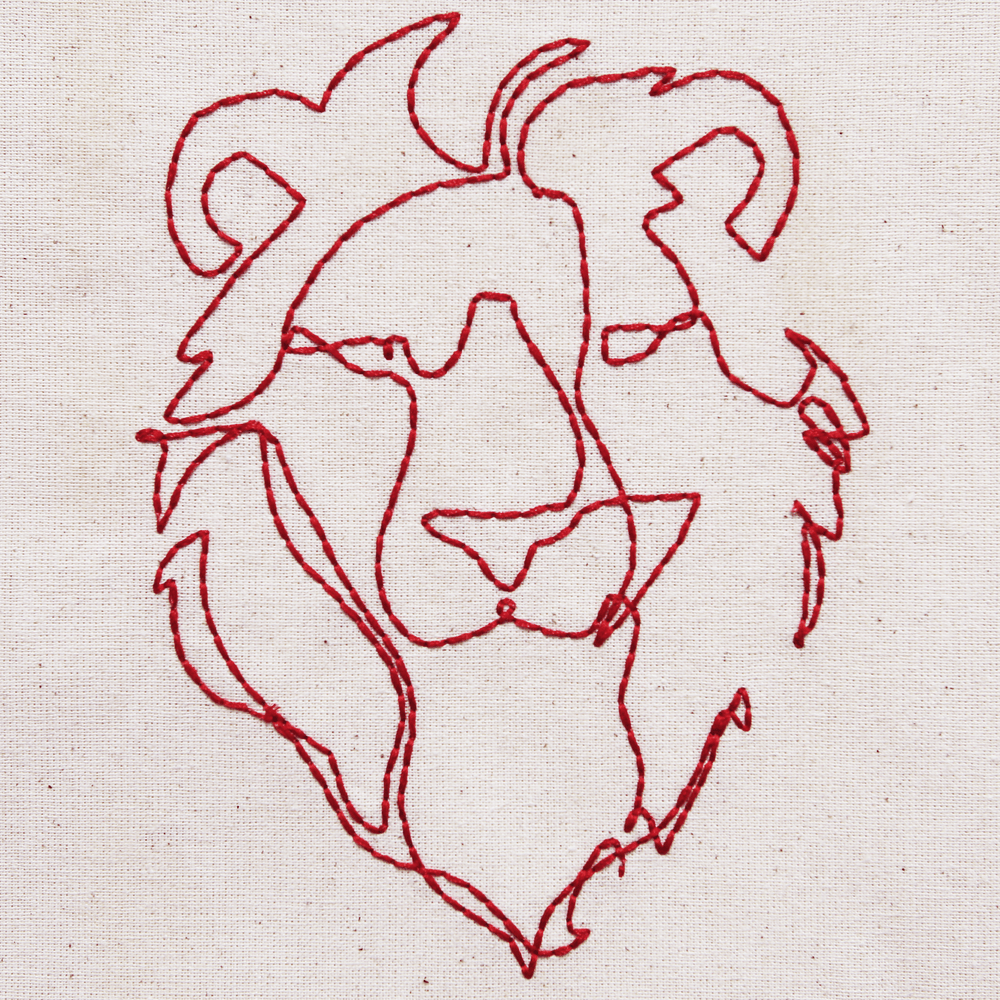
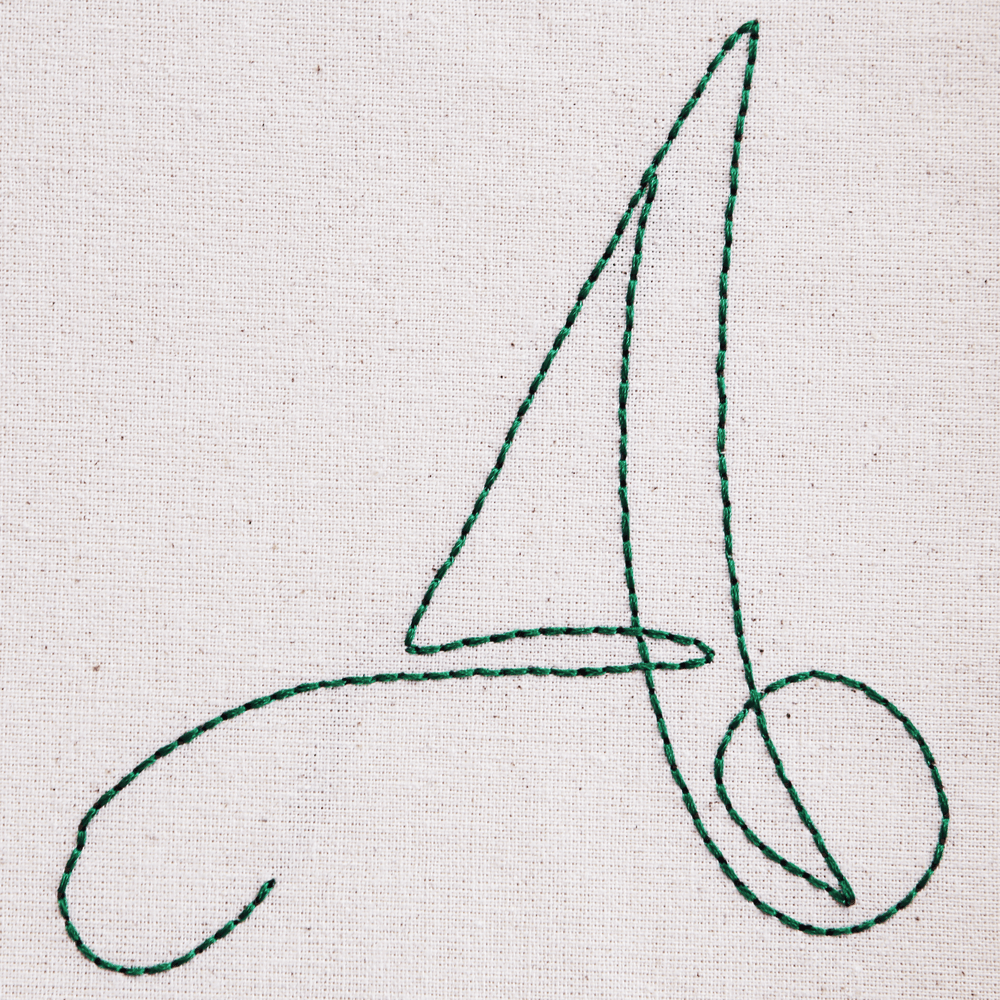
Figure 4: Embroidery: single vector paths yield diverse visual styles in textile fabrication.
Support for variable-width stylization is achieved by extending DiffVG rasterization to optimize per-control-point width parameters.
Limitations and Future Work
Although the framework inherits the strengths of the diffusion model used for SDS, its quality is bounded by the generative capabilities and training set of the backbone. For highly niche or underspecified prompts, failure to synthesize recognizable curves may result. Optimization time remains a bottleneck, but reductions via step count or model efficiency are plausible. Future directions include differentiable rasterizers tailored for URBS, adaptation to animated sketches, or extension to 3D line abstraction using similar principles.
Conclusion
This work introduces a semantics-driven, differentiable optimization approach for the generation of single-line, continuous vector drawings directly in URBS parameter space (2606.01910). By integrating strong semantic priors from pretrained diffusion models (with domain-constraining LoRA adaptation) and enforcing geometric and aesthetic regularization terms, the method robustly produces single-line artworks with high abstraction, semantic fidelity, and aesthetic value. The continuous vector output directly enables fabrication applications and precise downstream processing. The work marks a substantial methodological advancement for generative art systems subject to strong structural constraints and offers several avenues for further research in both optimization-based generative modeling and AI-driven computational fabrication.