- The paper introduces RP Flow, which uses conditional flow matching to transport samples from a Gaussian Process source to sparse target observations, enabling calibrated uncertainty quantification.
- It employs implicit neural representations enhanced with random Fourier features for precise spatial encoding, achieving state-of-the-art PSNR and SSIM in image and seismic reconstruction tasks.
- The approach preserves key statistical moments and process regularity via invertible ODE mapping, ensuring unbiased sampling and efficient multivariate random field reconstruction.
Random Process Flow Matching: Generative Implicit Representations of Multivariate Random Fields
Introduction
"Random Process Flow Matching: Generative Implicit Representations of Multivariate Random Fields" (2605.28625) establishes RP Flow, a generative modeling framework targeting spatial random fields. The design leverages Flow Matching to enable invertible transport between a Gaussian Process (GP)-modeled source and sparse observations of a complex target field. The approach is grounded in Implicit Neural Representations (INRs) augmented with Random Fourier Features (RFFs) for spatial encoding. Notably, RP Flow addresses the highly underdetermined regime: reconstruction and uncertainty quantification from a single observed field with limited spatial measurements. The framework differentiates from diffusion and score-based models by eliminating dataset dependency, facilitating transductive inference and calibrated uncertainty in the self-supervised setting. Integration of GP regression in the source space allows precise posterior conditioning, resulting in unbiased target process sampling.
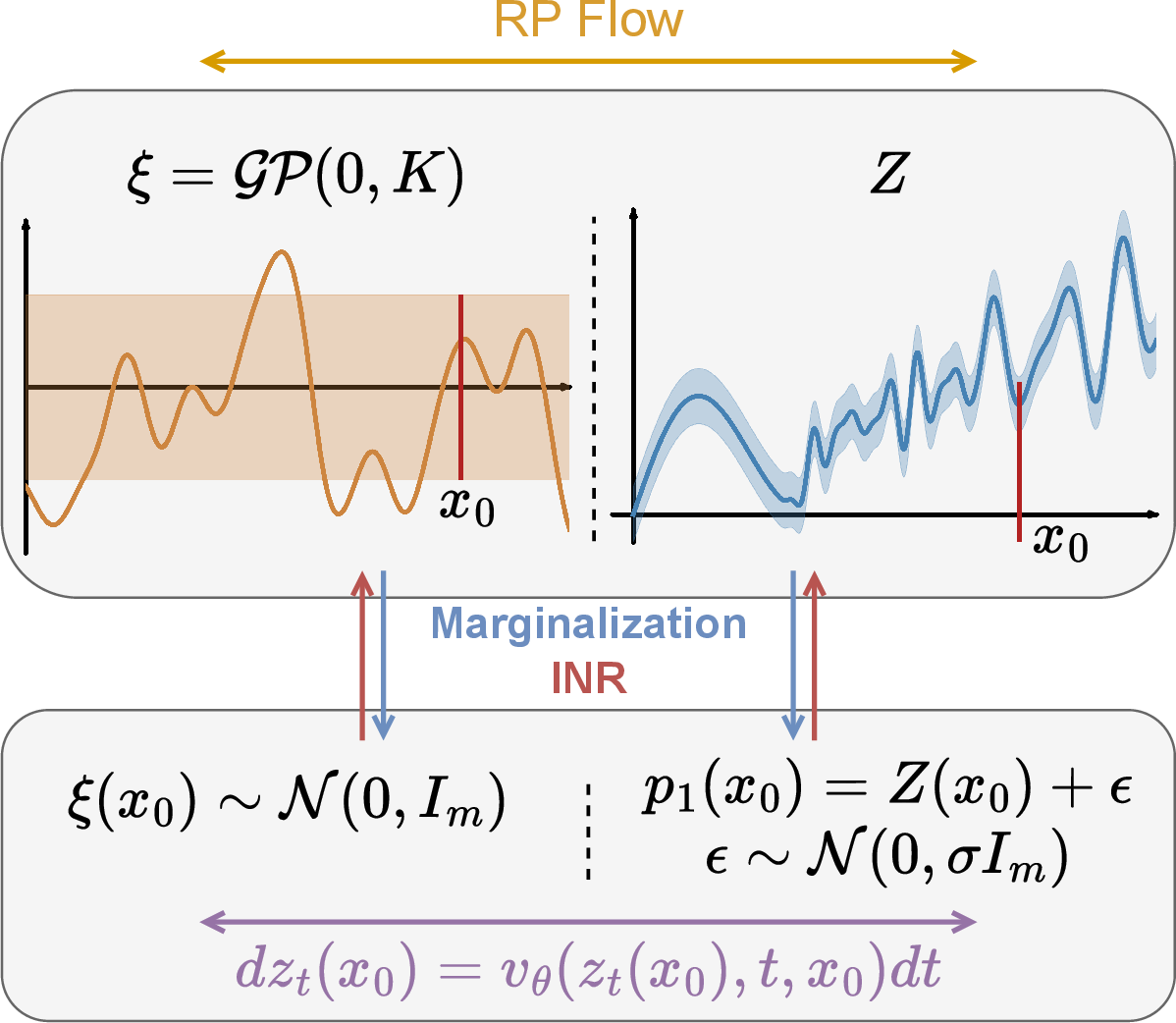
Figure 1: RP Flow framework illustrating position-conditioned Flow Matching transport between random processes and aleatoric uncertainty modeling.
Flow Matching as Generative Transport
RP Flow operationalizes Conditional Flow Matching (CFM) for spatial processes, parameterizing the transport map Tθ as a neural ODE. The source process ξ is defined as GP(0,K) with Gaussian covariance. The training objective is to approximate marginal distributions at each spatial location by learning ODE velocity fields for the linear interpolant between ξ(x) and noisy observations Z(x,ω0)+ϵ. The flow map Tθ is constructed to transport samples from the source to target marginals using a regression loss on the velocity field, sidestepping explicit density evaluation and enabling invertible mapping through ODE integration.
Spatial Encoding with RFFs
Spatial dependence is introduced via RFF embedding. The source GP's kernel is approximated through projection into a high-dimensional sinusoidal space γ(x), where frequencies are linked to the kernel's spectral density. Empirically, the method demonstrates convergence of Tθ−1(Z) toward GP samples with lengthscale controlled by RFF parameters.
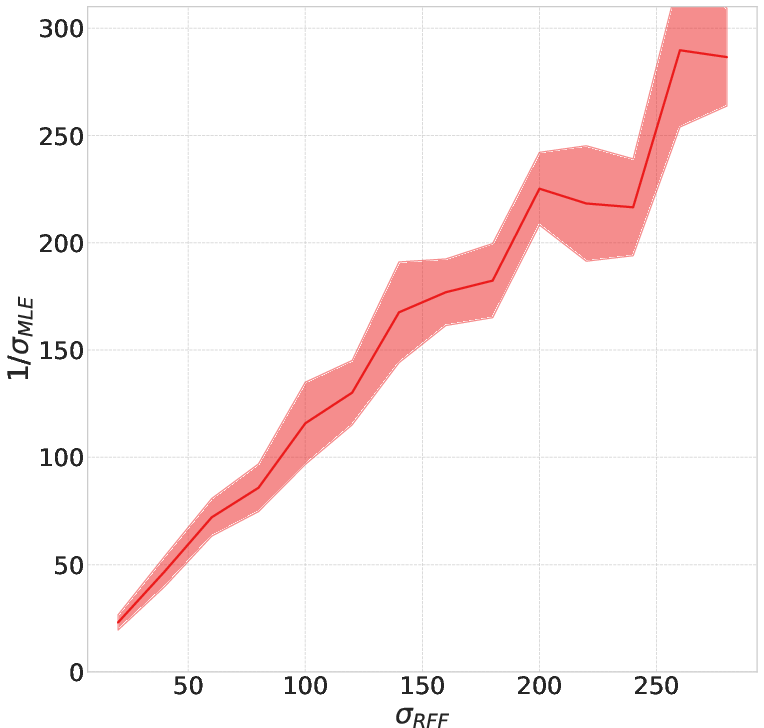
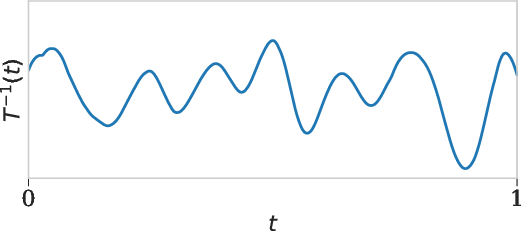
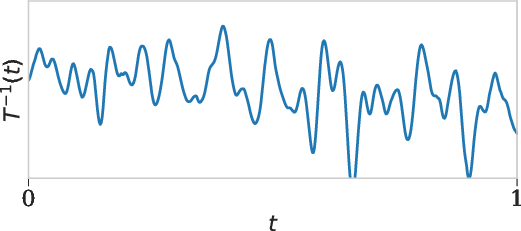
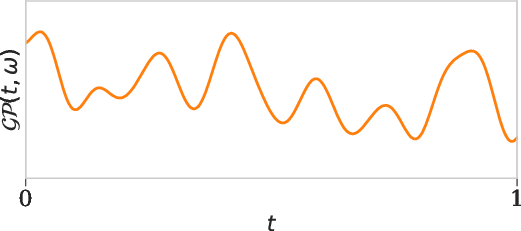
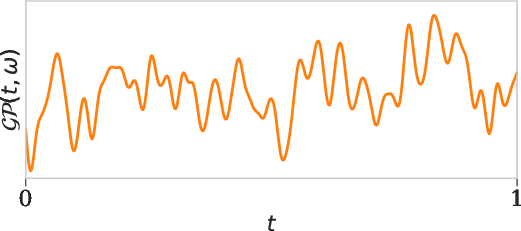
Figure 2: RP Flow source space converges to a sample from a GP with lengthscale matching RFF spectral parameter.
Posterior Conditioning and Sampling
Posterior inference proceeds by first mapping target observations into the source domain via reverse ODE integration, interpolating source values with GP regression, and then transporting posterior source samples forward through the learned flow. The construction ensures unbiasedness at conditioning points and scales efficiently in the multivariate case due to source variable independence.
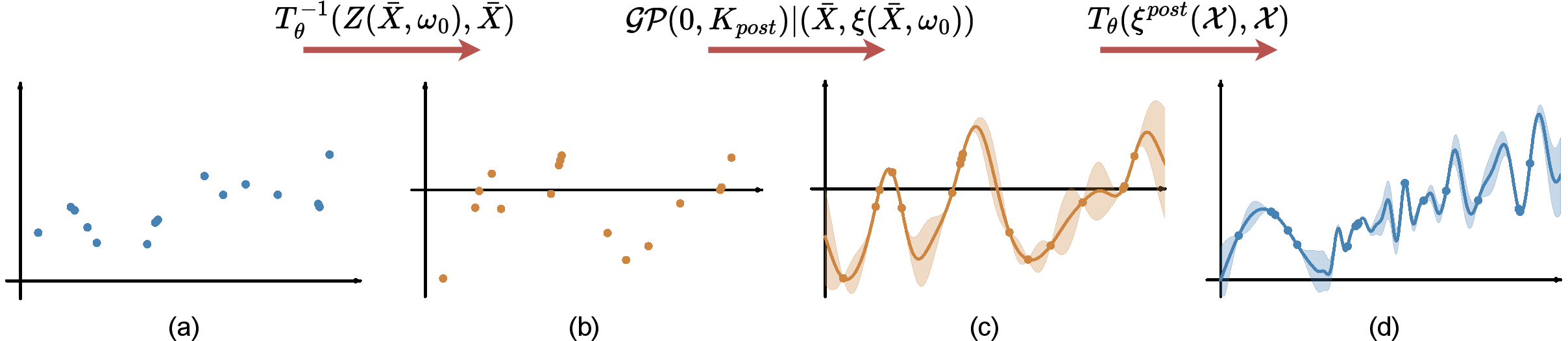
Figure 3: RP Flow posterior sampling pipeline from target observation to posterior test prediction via reverse-forward ODE integration and GP regression.
Theoretical Properties
The core theoretical results guarantee transport preservation of regularity and statistics. Transporting regularity, as shown, makes RP Flow applicable to both continuous and discontinuous target processes, unlike classical INRs which are limited to continuity:
- If the source process is almost surely continuous (or discontinuous), the target retains the same regularity post-transport.
- High-order statistical moments are preserved up to bounds given by the map's Lipschitz constant, supporting Monte Carlo estimator convergence.
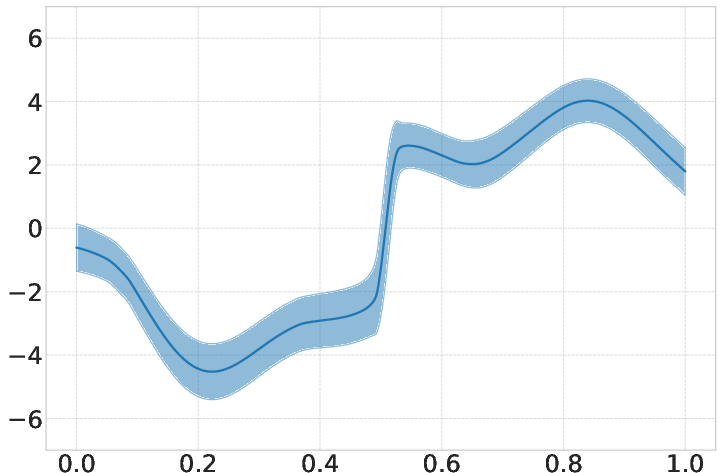
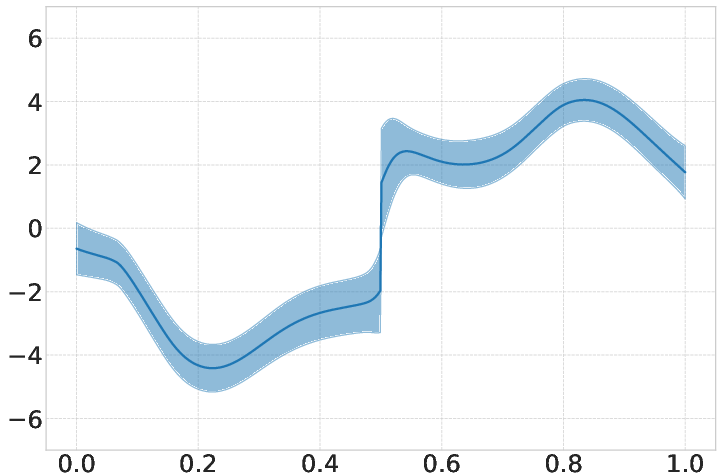
Figure 4: RP Flow regularity transport; discontinuous source yields discontinuous predicted field at x=0.5.
Experimental Results
Image Regression
RP Flow is evaluated on Div2K image upsampling and random pixel regression tasks. Training uses only partial pixel subsets. Reconstructions from RP Flow's posterior attain PSNR and SSIM commensurate with advanced INRs (e.g., RFF and SIREN networks), while ensembles from RP Flow model predictive uncertainty with PCE tightly calibrated against GP-kernel baselines.


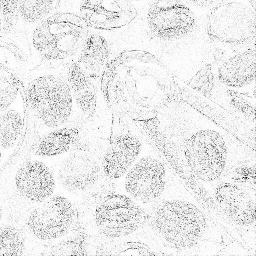
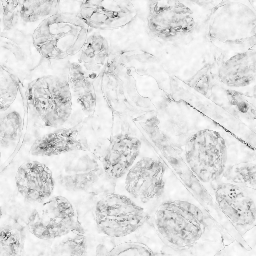


Figure 5: Ground truth for image regression.
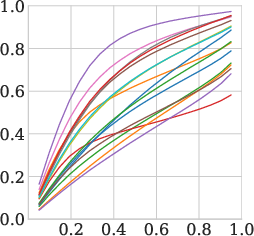
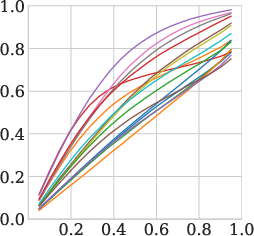
Figure 6: Calibrated GPR reliability diagram for confidence intervals.
Numerical results:
- RP Flow achieves PSNR 25.30±5.05 and SSIM ξ0 (upscaling), matching RFF networks.
- PCE (ξ1) outperforms deep GP and discriminative INR baselines, enabling reliable confidence intervals.




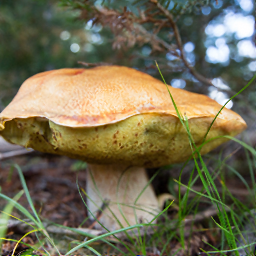



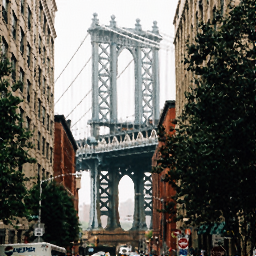


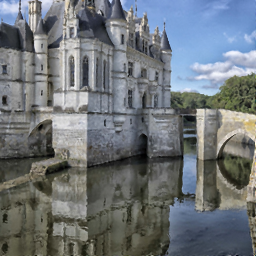


Figure 7: RP Flow posterior samples on test images for ξ2 upsampling.
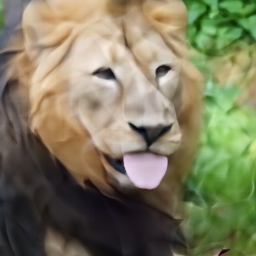



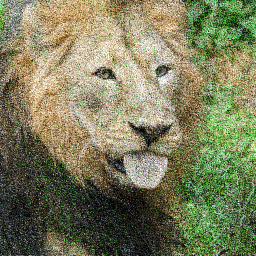



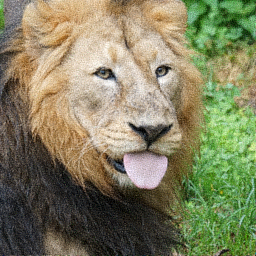
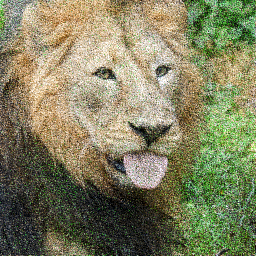
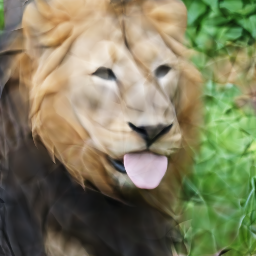



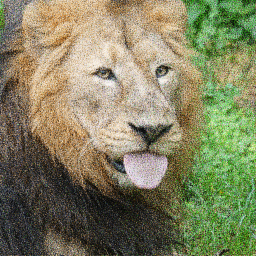
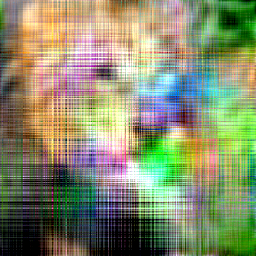


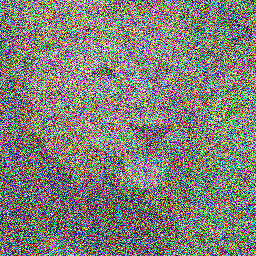

Figure 8: Model output as function of increasing lengthscale; higher frequency yields noise, optimal lengthscales produce smooth interpolations.
Seismic Interpolation
RP Flow is tested on both synthetic and real 3D seismic volumes. The task involves reconstructing dense volumes from highly sparse 2D sampled grids. RP Flow, conditioned via GP regression in the source space, vastly outperforms classical kriging (GPR), deep GP, and INR baselines across PSNR, SSIM, trace Wasserstein, and calibration metrics:
- RP Flow M (10M params): PSNR ξ3, SSIM ξ4 (synthetic); PSNR ξ5, SSIM ξ6 (real).
- PCE consistently ξ7, whereas GPR baselines degrade rapidly in sparse, high-dimensional regimes.
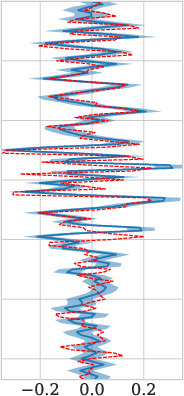
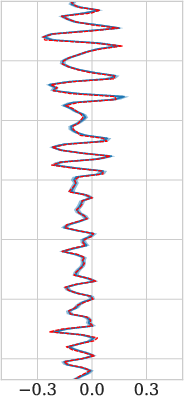
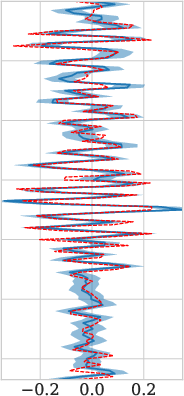
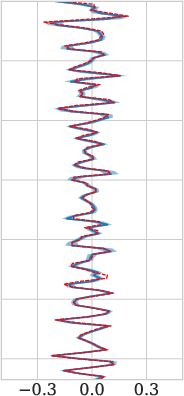
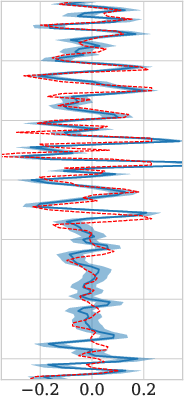
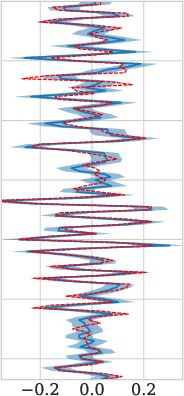
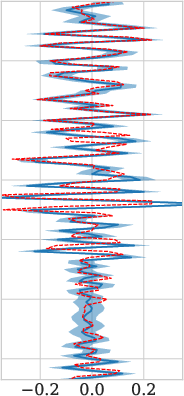
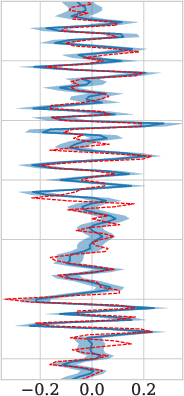
Figure 9: Predictive distribution for vertical seismic traces: RP Flow ensemble mean and uncertainty overlay on ground truth.
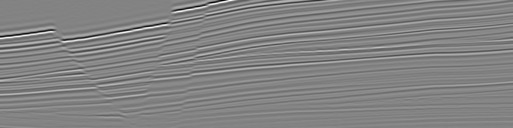
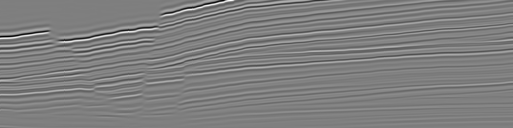
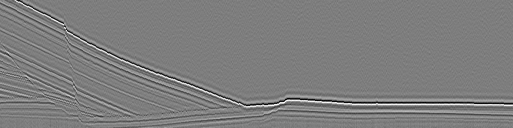

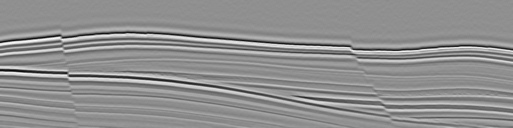
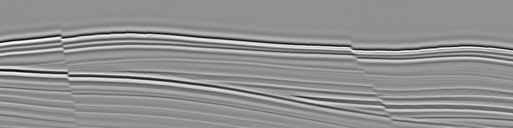
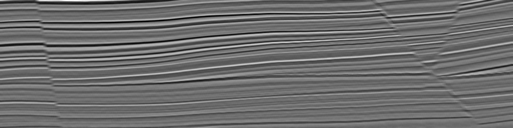
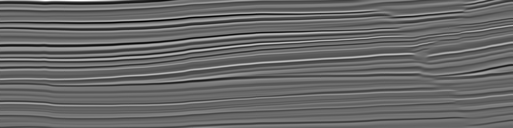
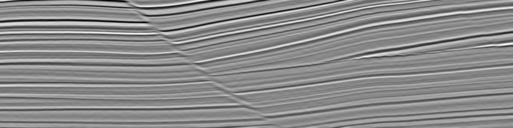
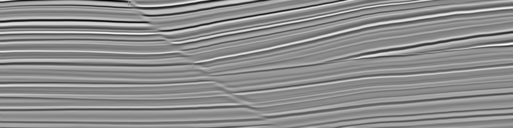
Figure 10: Vertical section comparison: RP Flow reconstructs unseen regions with high fidelity; training traces marked in red.
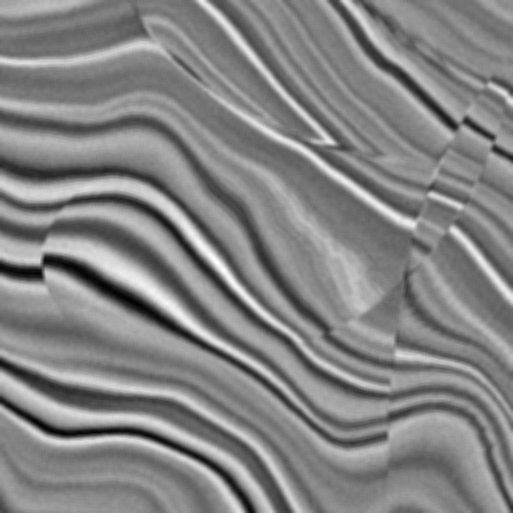
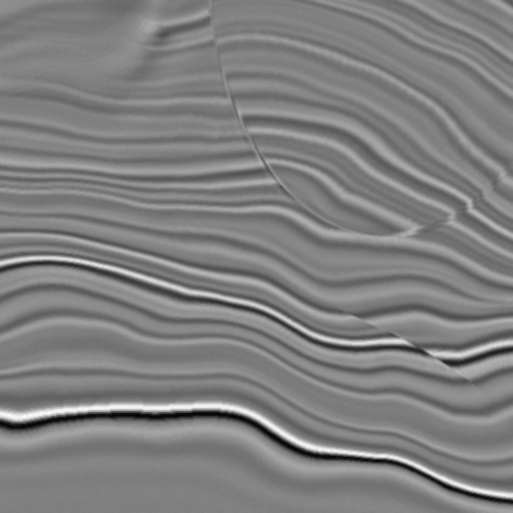
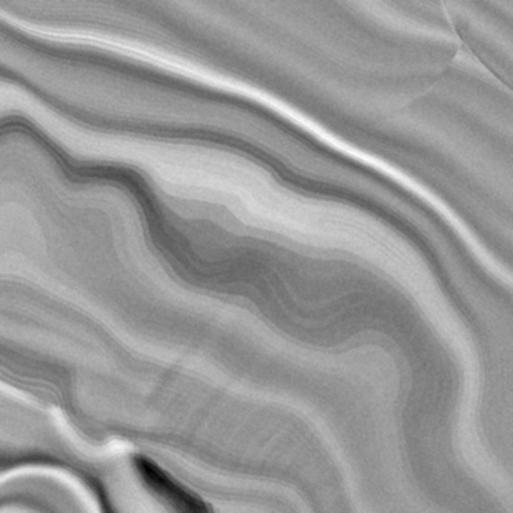
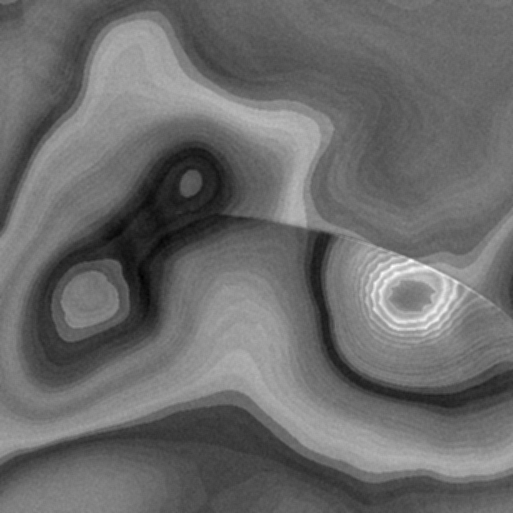
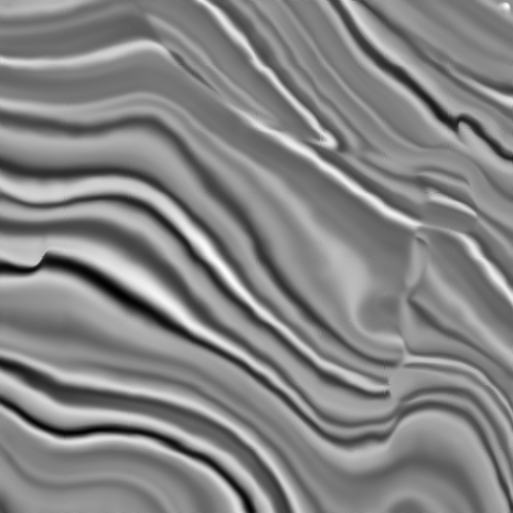
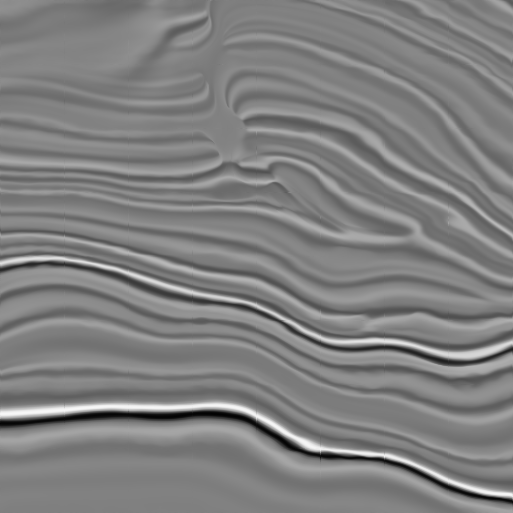
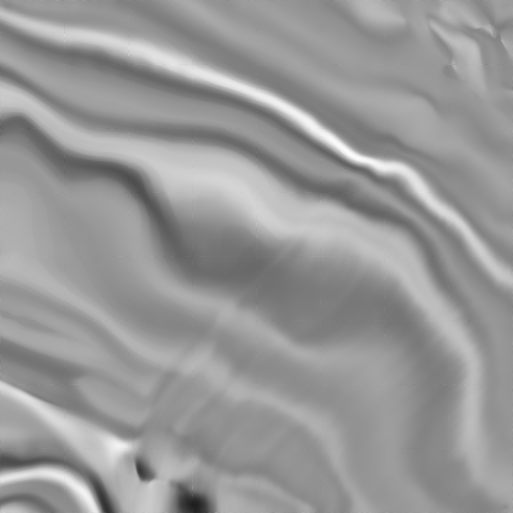
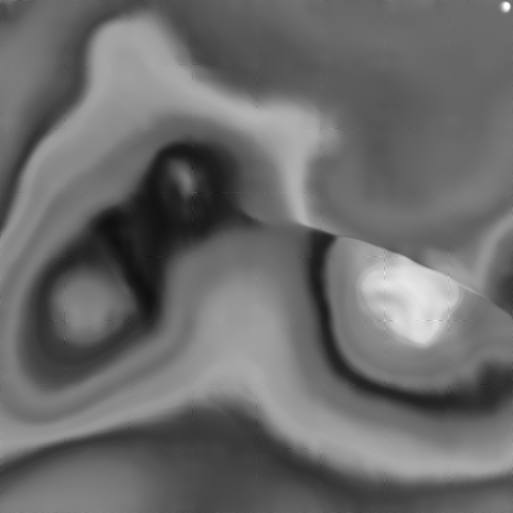
Figure 11: Horizontal slice comparison: RP Flow generalizes across spatial grid; high consistency with underlying structure.
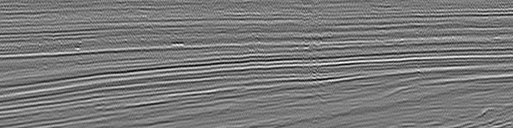
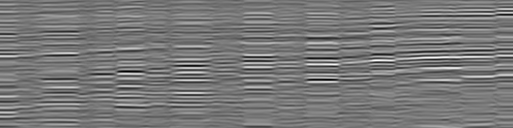
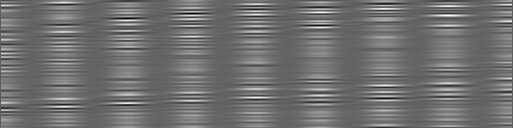
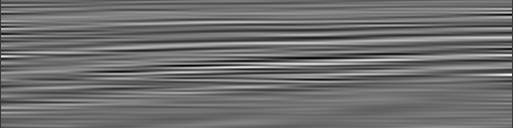
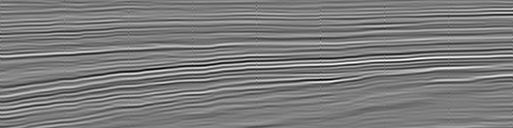
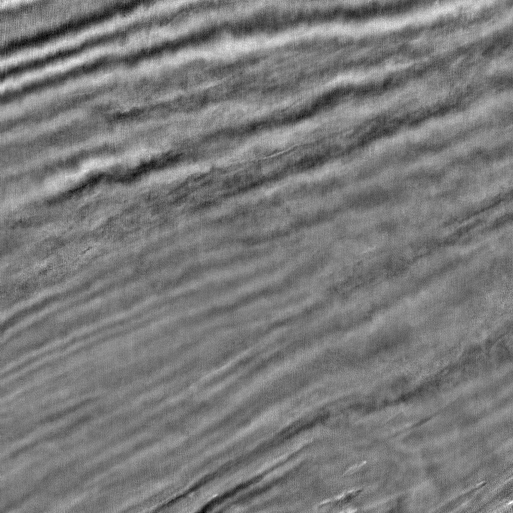
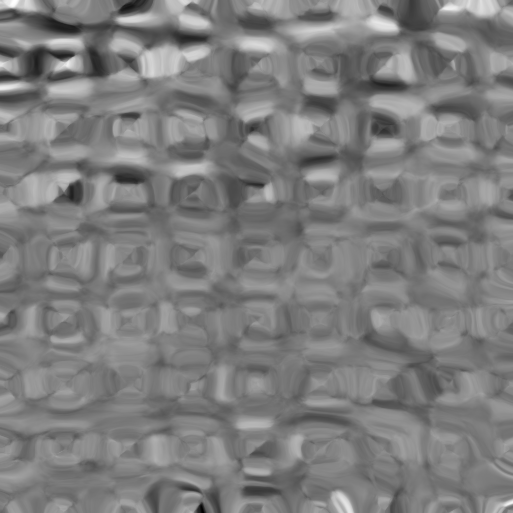
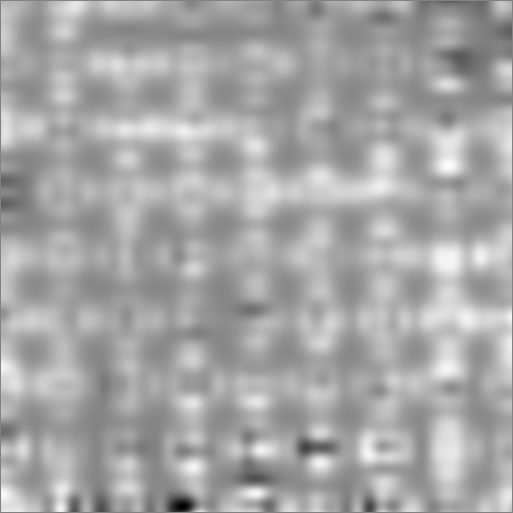

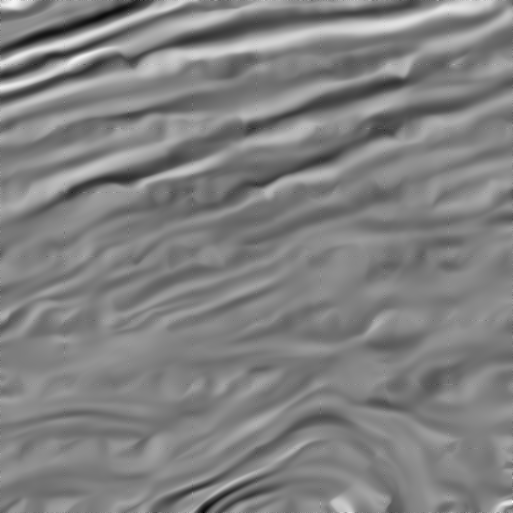
Figure 12: Volume reconstructions on real seismic; voxels seen during training highlighted.
Computational Aspects
The method incurs cubic scaling in spatial complexity for GP posterior construction but mitigates temporal complexity by variable-wise independence in the source space. Posterior sampling involves reverse-forward ODE solves and GP conditioning, comparable to standard GP regression but scalable for high-ξ8 multivariate domains.
Implications and Future Directions
The practical implication is robust spatial reconstruction and uncertainty quantification in scenarios where comprehensive datasets are unattainable (e.g., geosciences, medical imaging, remote sensing). The framework's flexibility extends to complex fields with strong spatial correlations and possibly nonstationary regularity, offering a route for scientific inference and data-driven modeling in high-impact domains.
Theoretical implications are the transport of structural properties and statistical moments from analytically tractable GPs to arbitrary targets via neural flow parametrization. The resultant ensemble approximations can be leveraged for Bayesian decision pipelines with calibrated uncertainty.
Future directions proposed include:
- Sparse GP approximation in the posterior to alleviate computational bottlenecks.
- Extension to indirect supervision (e.g., inverse problems), meta-learning across multiple RP Flows for prior adaptation, and broader applicability to other domains with similarly structured spatial data.
Conclusion
RP Flow constitutes a versatile, theoretically sound, and empirically validated mechanism for generative modeling of multivariate random fields under extreme data sparsity. It unifies the strengths of invertible transport, implicit representation, and Bayesian posterior conditioning. Experimental evidence demonstrates state-of-the-art reconstruction and calibration in both low- and high-dimensional, frequency-rich settings, asserting RP Flow as a significant advance in uncertainty-aware generative modeling in spatial domains.