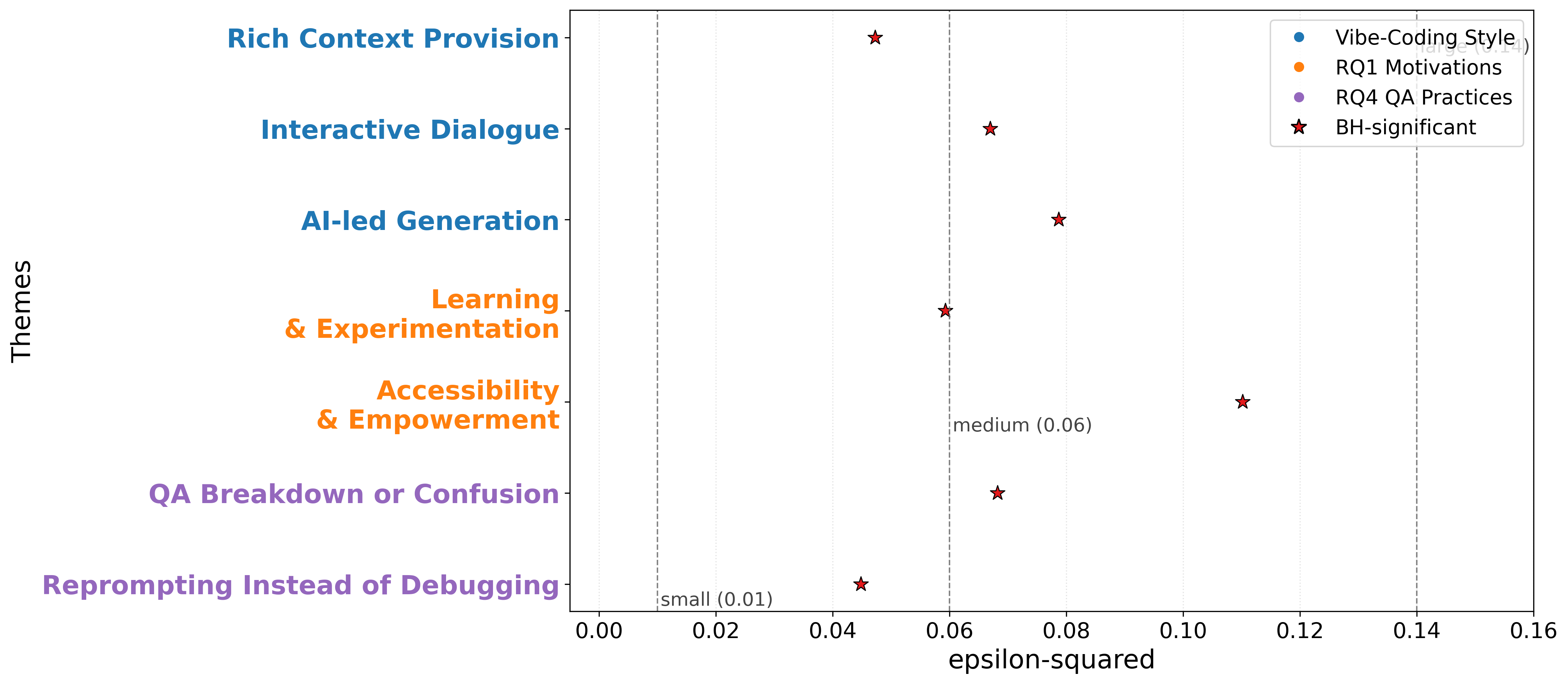
- The paper demonstrates that coding experience significantly shapes vibe coding practices, revealing a clear perception–action gap in quality assurance.
- Methodologically, it uses a quantitative survey across non-developers, novices, and professionals to compare interaction styles and QA behaviors.
- Implications stress the need for adaptive tool designs and targeted education to bridge the gap between awareness of code flaws and effective verification.
Introduction
The paper "From Prompting to Verification: How Experience Shapes Vibe Coding Practices" (2605.24521) rigorously addresses the influence of programming experience on the emerging paradigm of vibe coding, wherein software is constructed through natural-language prompts to AI code generation tools and evaluated predominantly by execution rather than systematic debugging. This work fills a notable gap in prior empirical research, which has typically focused on homogeneous populations—either professional developers or students—without systematically examining cross-experience behavioral phenomena. The authors operationalize vibe coding along four behavioral axes: motivations, experiences, perceived code quality, and quality assurance (QA) practices, leveraging a survey of 162 participants spanning non-coders, novices, and professional developers.
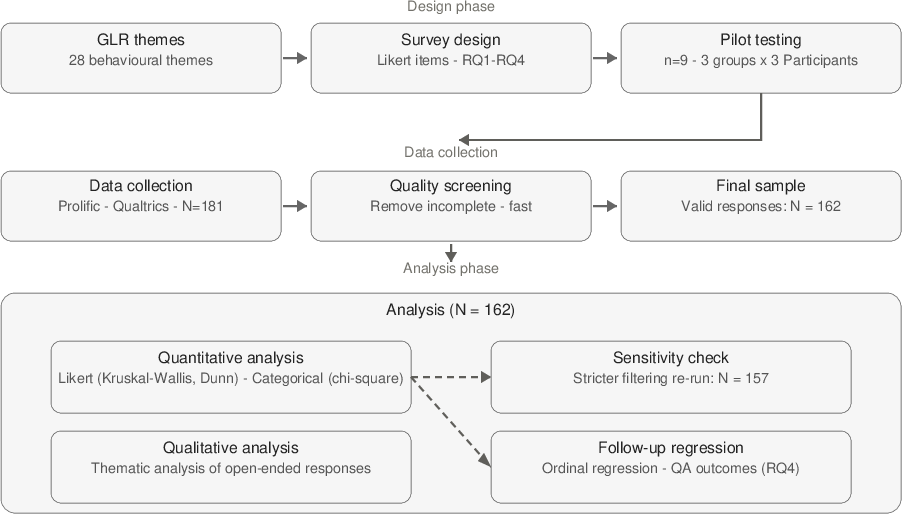
Figure 1: An overview of the questionnaire workflow.
Methodological Framework
The study design employs a quantitative cross-sectional methodology, structured around four explicit research questions addressing motivational, experiential, code quality, and QA dimensions of vibe coding. The survey instrument builds on behavioral themes synthesized from prior grey literature, mapped to Likert-scale items, and supplemented by optional qualitative responses to ensure construct coverage. Three user groups are delineated through self-reported experience:
- Non-developers: No formal programming background, relying entirely on AI tools.
- Novice developers: Limited experience, using vibe coding as an exploratory or learning modality.
- Professional developers: Formal academic or commercial coding experience.
Data quality is controlled via completion filtering, response time plausibility, invariant response pattern screening, and robust statistical sensitivity checks. Inferential analyses utilize Kruskal–Wallis tests with Benjamini–Hochberg correction, followed by Dunn’s post-hoc comparisons, while ordinal logistic regression decomposes QA practice effects into accumulated experience components.
Vibe Coding Engagement and Application Contexts
Analysis reveals widespread adoption of vibe coding across user groups, with distinct usage intensity and context. Professional developers display longer-term adoption and higher weekly engagement, whereas non-developers exhibit greater reliance on AI-driven workflows—often for hobby or creative exploration. Novices predominantly leverage vibe coding in educational contexts for assignments and learning activities.
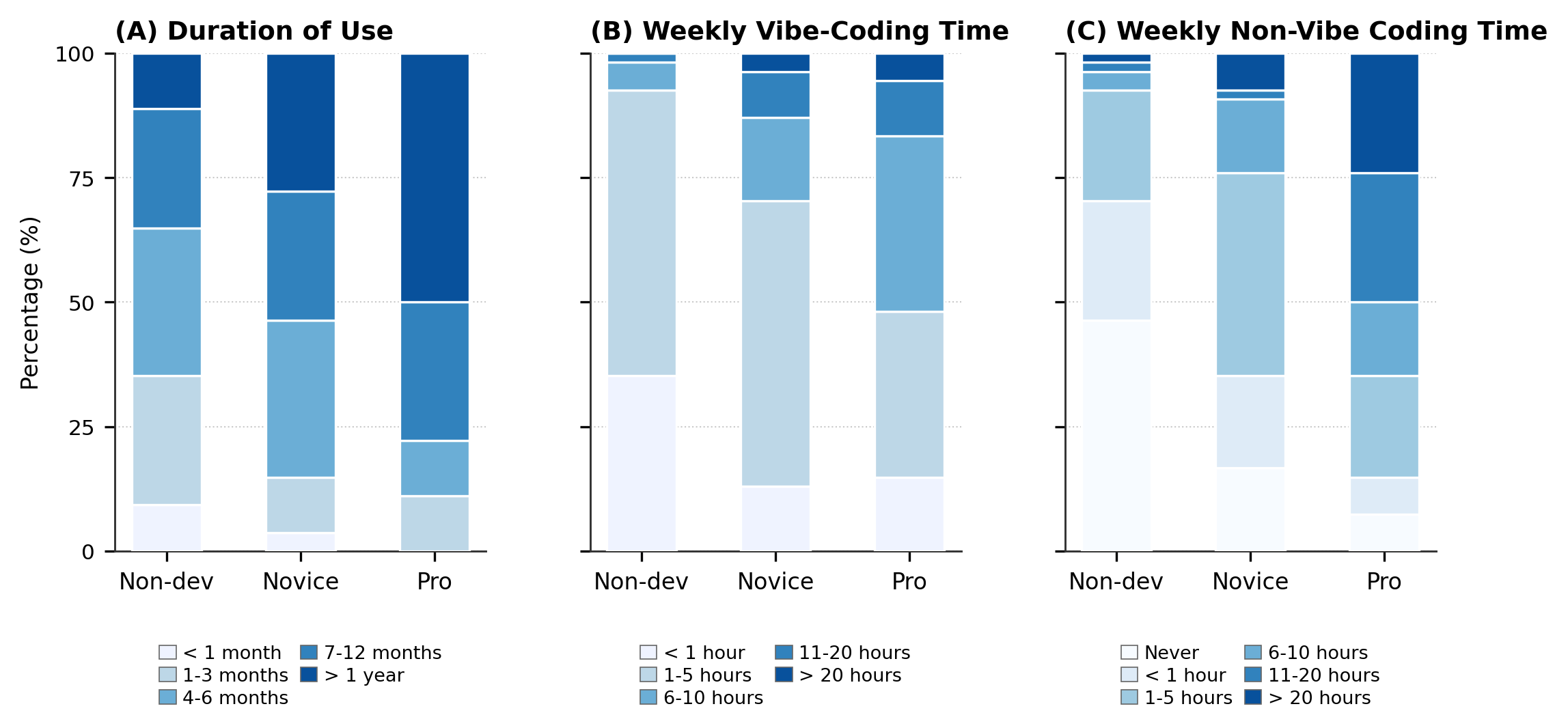
Figure 2: Vibe coding engagement across experience groups.
Interaction Styles and Motivations
Interaction modalities show pronounced variation driven by user experience. Non-developers preferentially delegate code generation to the AI, exhibiting a passive engagement pattern. Professionals, conversely, employ iterative dialogue, rich context provision, and structured planning. Motivational profiles differ significantly: non-developers are primarily motivated by accessibility and empowerment, whereas novices value learning and experimentation. Professionals orient their vibe coding toward work-related efficacy.
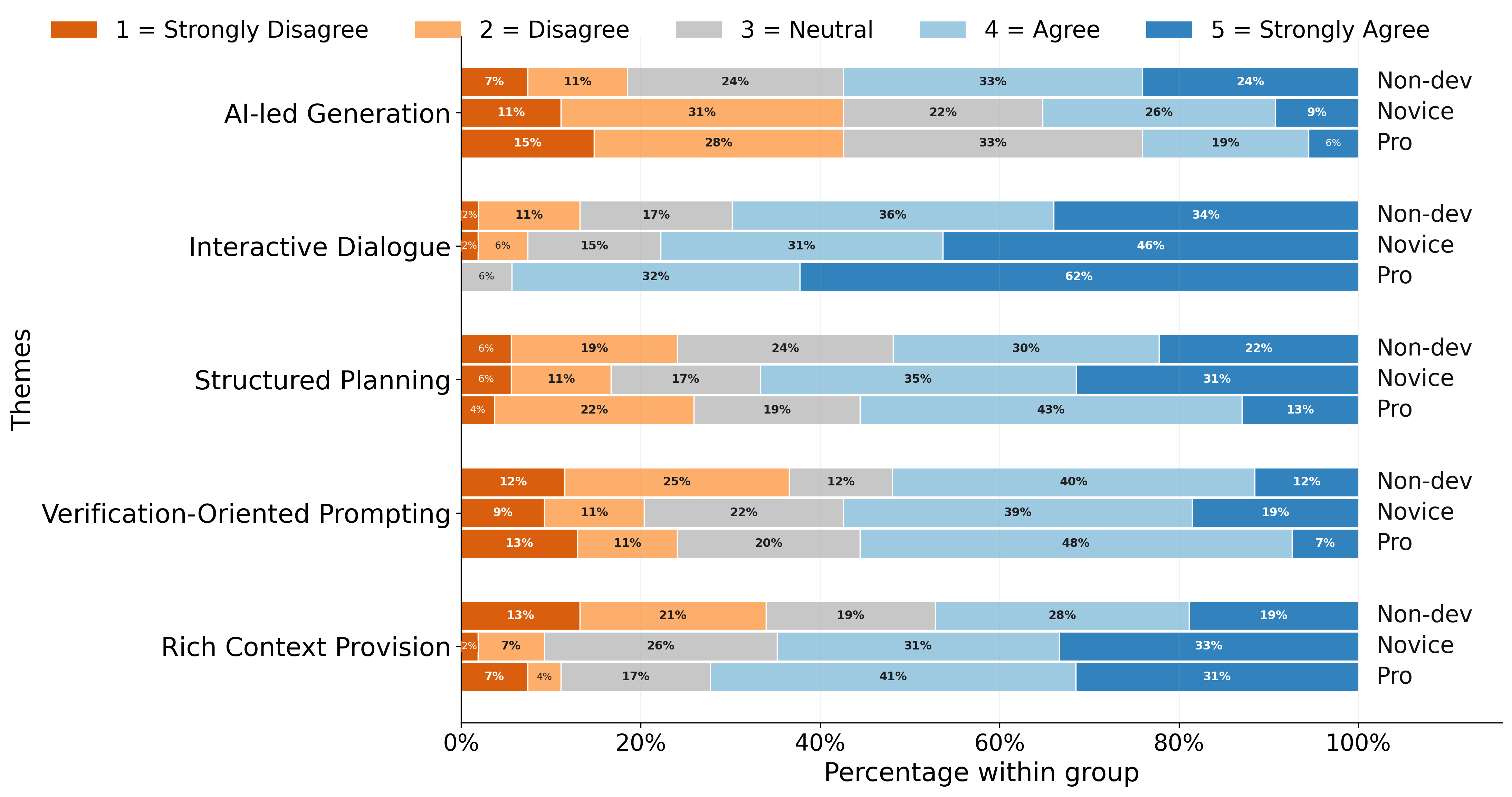
Figure 3: Distribution of vibe coding style responses across groups.
Experiential and Code Quality Perceptions
Experiential reports and code quality perceptions are remarkably stable across all groups. Participants consistently acknowledge both the strengths (e.g., rapid prototyping, occasional clean output) and limitations (e.g., fragility, production unsuitability) of vibe-coded artifacts. Awareness of hallucinations and flow states is uniform, indicating convergence of high-level perceptions regardless of prior programming experience.
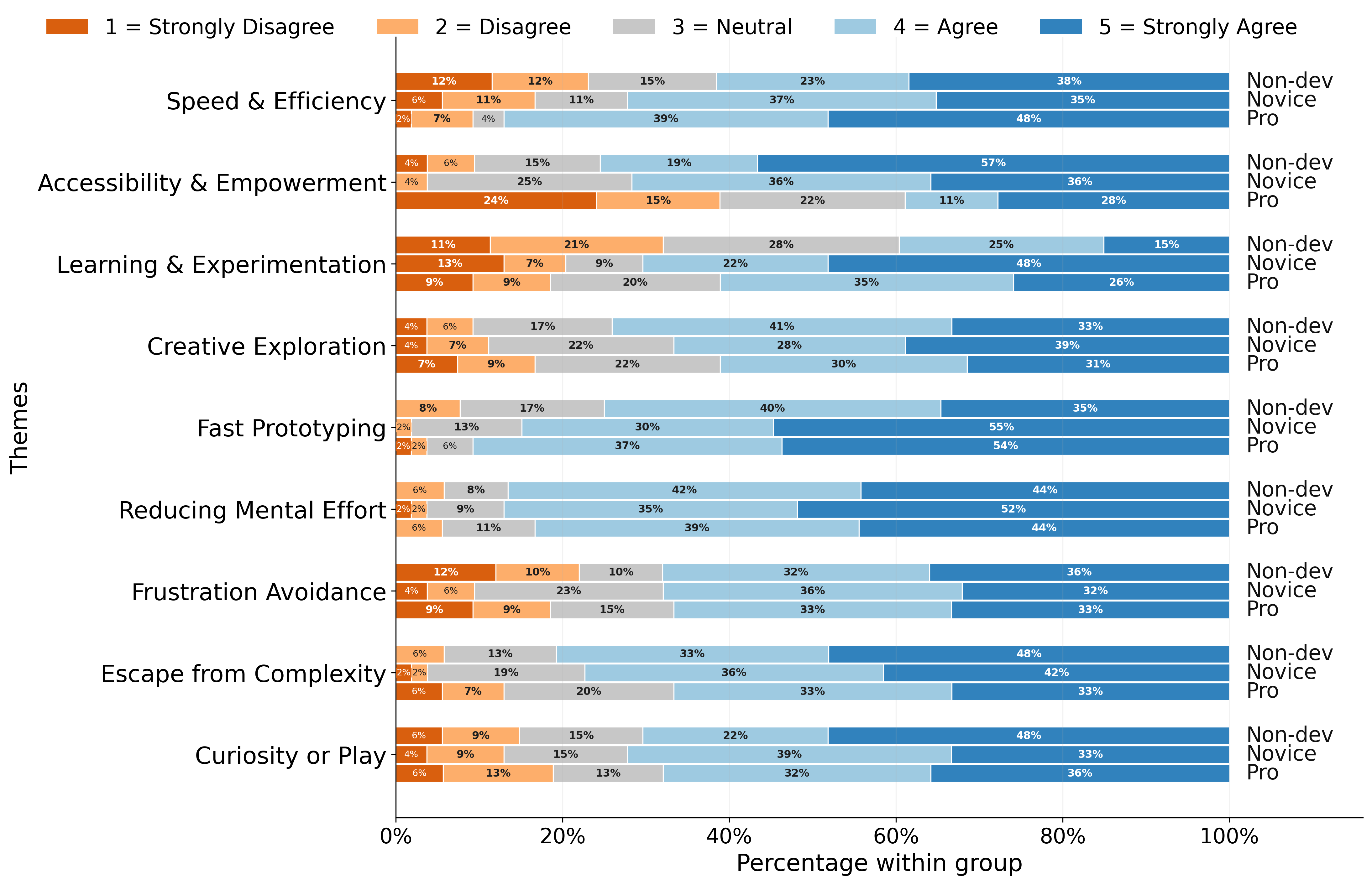
Figure 4: Distribution of motivation responses across experience groups. Diverging stacked bars show participant endorsement levels for each motivation theme.
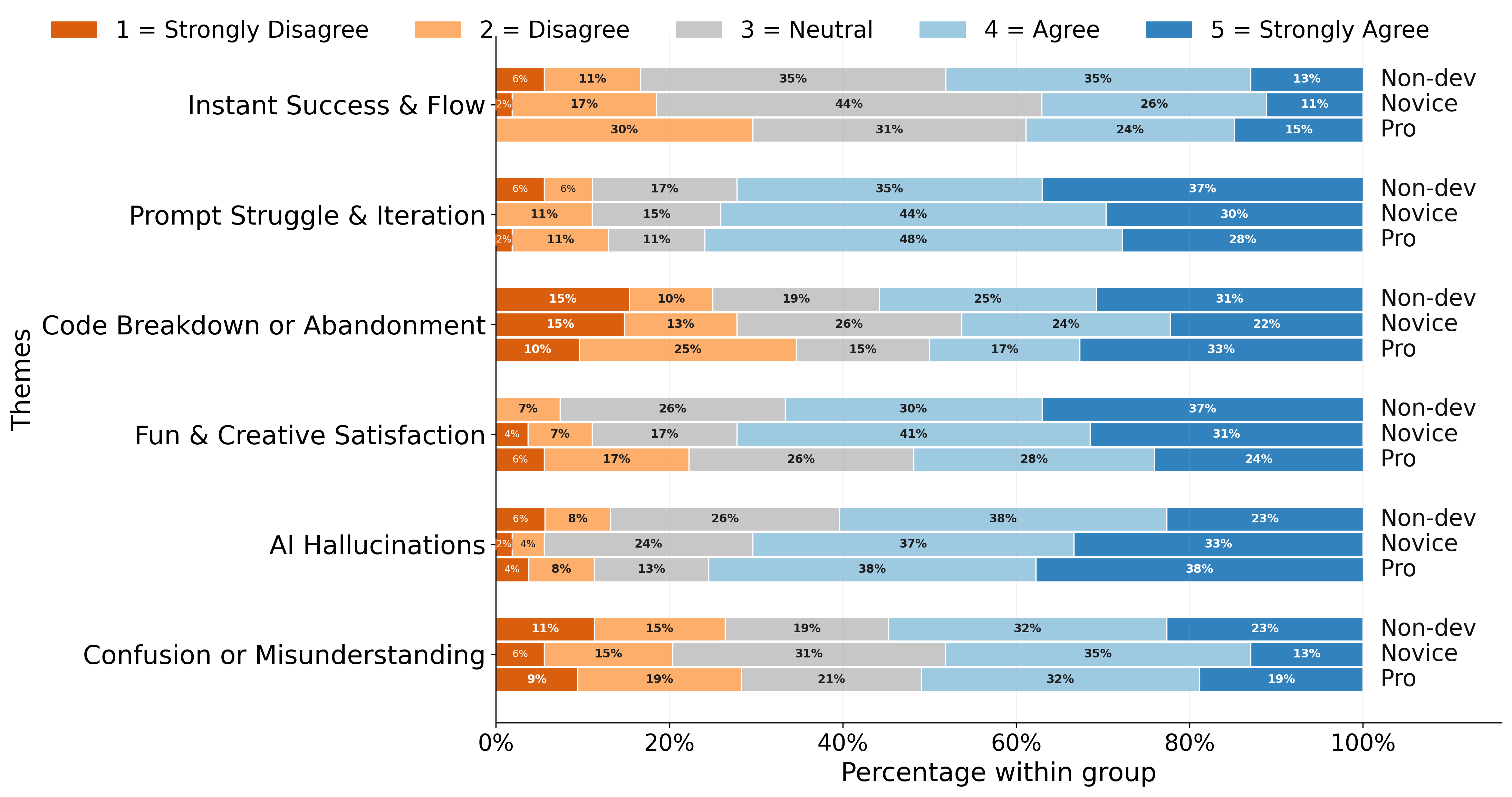
Figure 5: Distribution of experience responses across groups.
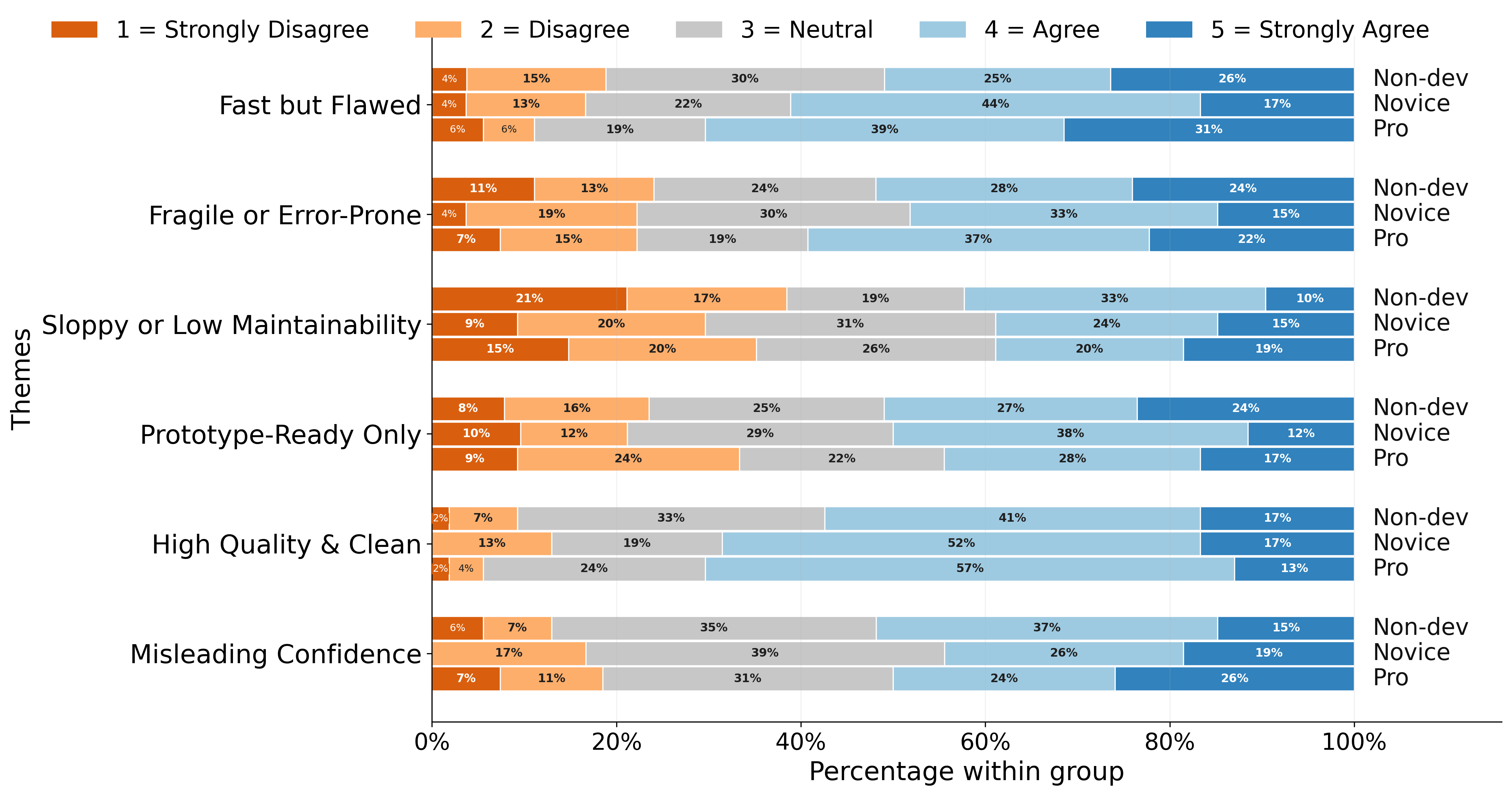
Figure 6: Distribution of perceived code quality responses across groups.
Quality Assurance Practices and the Perception–Action Gap
In stark contrast to the convergence seen in experiential and code quality perception, QA practices show statistically significant divergence. Non-developers disproportionately rely on reprompting and report frequent breakdowns when faced with incomprehensible AI-generated code, often abstaining from preliminary manual checks. Professionals demonstrate consistent verification behaviors, including manual inspection and higher frequency of checking outputs prior to use (≈45% always check), and experience less confusion during debugging.
Regression analysis further refines this finding, demonstrating that QA behavior is predicted not by categorical experience group membership, but by continuous measures of coding practice and tool exposure—suggesting that accumulated skill acquisition, rather than mere group assignment, drives effective QA.
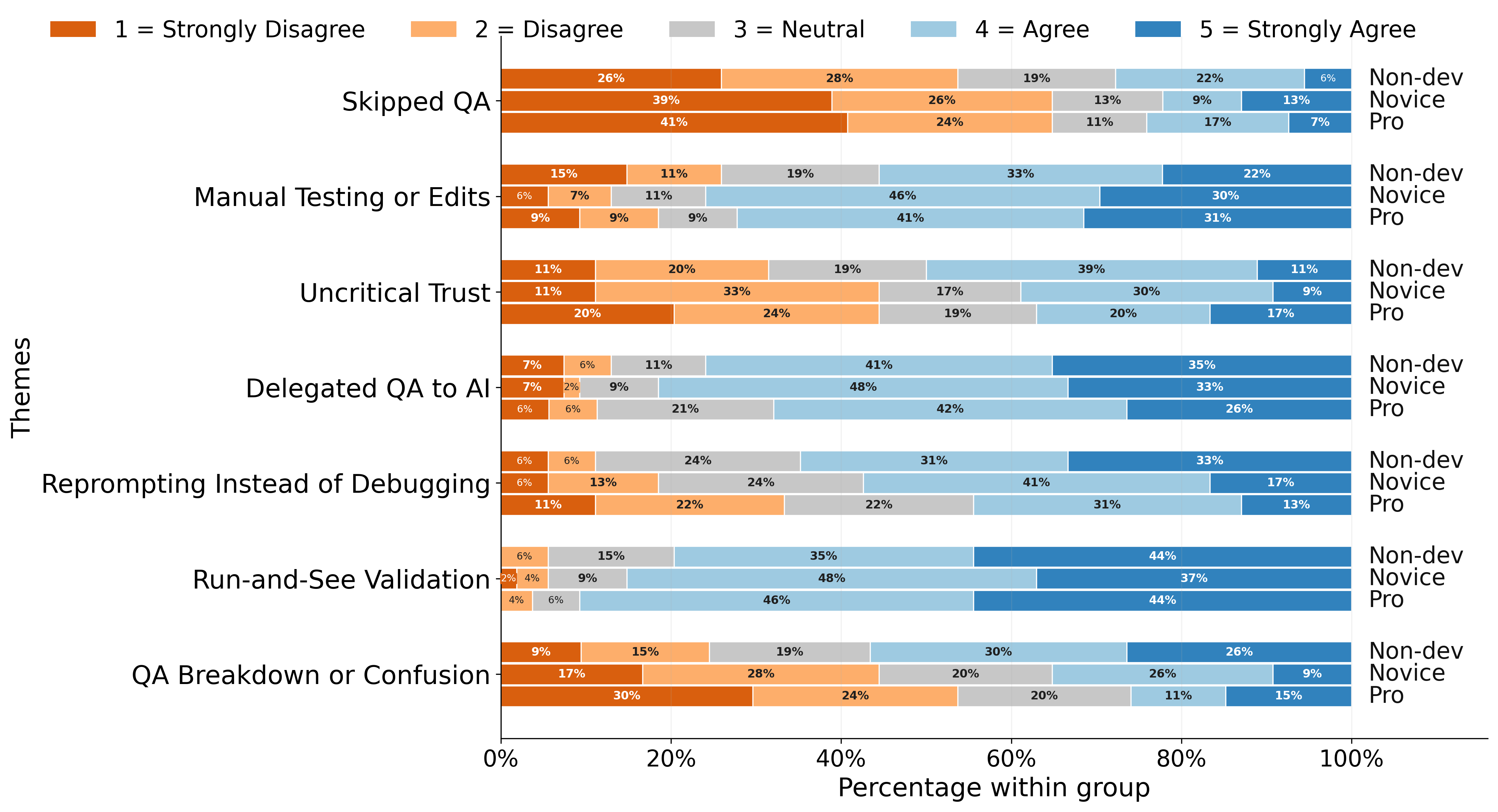
Figure 7: Distribution of QA practice responses across experience groups.
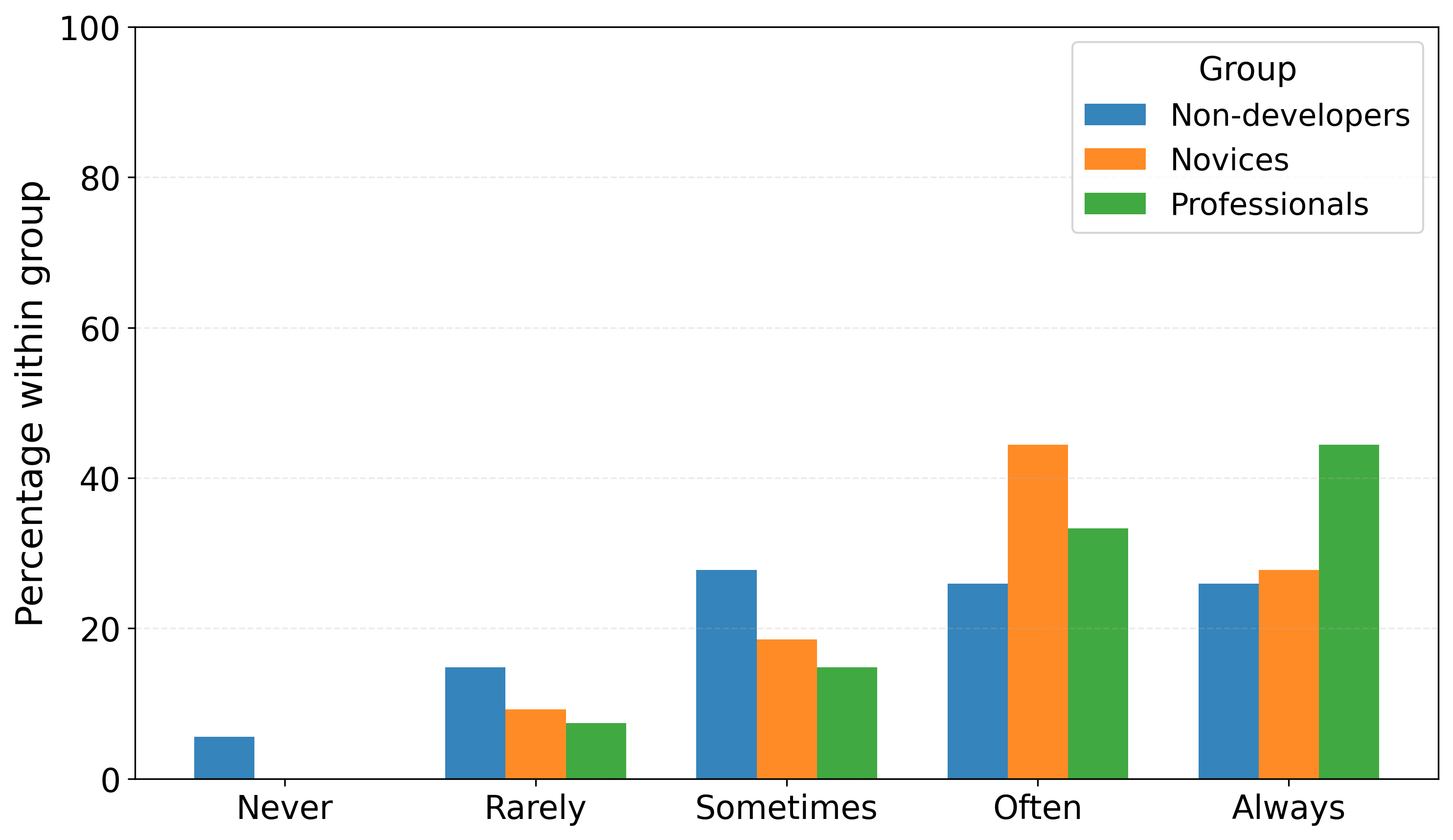
Figure 8: Frequency of checking AI-generated code across experience groups.
Interpretation and Implications
The findings reveal a selective influence of experience: behavioral practices (interaction modality, QA) diverge with skill, while high-level perceptions remain stable. This constitutes a perception–action gap, in which widespread awareness of the risks inherent to AI-generated code does not translate into equivalent capacity for systematic evaluation or verification. The democratizing potential of vibe coding is therefore partial—it expands access to code production but maintains inequalities in evaluative competence. This has acute implications for tool design, education, and organizational risk mitigation:
Limitations
Key threats to validity include common-method bias from self-reporting, potential misclassification in experience-group assignment, and limited sensitivity of general awareness measures. The authors mitigate these risks through robust sample screening, multi-item construct operationalization, and cross-validation of behavioral interpretation. Future work should triangulate these findings with observational studies and repository analyses.
Conclusion
This paper rigorously demonstrates that vibe coding, as mediated by AI code generation tools, selectively democratizes code production—broadening access but not equally distributing the capabilities required for verification and debugging. The perception–action gap is central: awareness of code quality issues is widespread, but the practical ability to act upon these perceptions remains experience-dependent, shaped by coding exposure and behavioral practice. As vibe coding permeates software creation, future research and tool development must address this gap, prioritizing the cultivation and support of evaluative expertise across all user groups.