- The paper demonstrates that structured variational ansätze yield near-kernel states that closely match reduced Thiemann coherent states, achieving fidelity > 0.998.
- It employs variational Monte Carlo and neural quantum state techniques to minimize constraint violations in the one-vertex model of quantum reduced loop gravity.
- The study reveals that emergent product states reflect semiclassical geometry, while correlated states occur only at low spin cutoffs.
Emergent Thiemann Coherent States in the Near-Kernel Sector of Quantum Reduced Loop Gravity
Introduction and Motivation
This paper investigates the structure of near-kernel states of the Hamiltonian constraint in the one-vertex model of quantum reduced loop gravity (QRLG). Utilizing variational Monte Carlo and neural quantum states, the study scrutinizes whether near-kernel sectors—states with vanishingly small constraint violations—align with semiclassical expectations, and particularly, whether these states manifest as product states of reduced Thiemann coherent states. The analysis aims to clarify the emergence of semiclassical structure within a background-independent quantum gravitational setting, leveraging scalable machine-learning-inspired numerics.
Quantum Reduced Loop Gravity and the One-Vertex Model
QRLG provides a sector of loop quantum gravity (LQG) tailored to cuboidal graphs and diagonal triads, preserving much of the operator framework of SU(2) LQG while simplifying the constraint action. The focus is on the one-vertex model: a single six-valent vertex with three orthogonal closed edges. The basis states are labeled by (jx,jy,jz) corresponding to spin representations on each edge. Operators—reduced flux, volume, and holonomy—act straightforwardly, with the primary dynamical object being a symmetric Hamiltonian constraint combining both Euclidean and Lorentzian terms.
Variational studies are performed in Hilbert spaces truncated by a spin cutoff jmax, leading to extremely high-dimensional, yet numerically manageable, subspaces for Monte Carlo-based optimization. The central task is minimization of the quadratic operator Q^=C^C^†, targeting states ∣Ψ⟩ that satisfy the constraint to high accuracy.
Variational Ansatz and Numerical Strategy
Two distinct variational architectures are employed:
- Multilayer Perceptron (MLP): Flexible, fully entangling, encoding arbitrary function dependencies among spins (jx,jy,jz).
- Structured Ansatz: Explicitly factorizes amplitude contributions into unary, pairwise, three-body, and nonlinear residual terms, making it inherently biased toward product structures (see the description in the appendix).
Both architectures achieve comparably small values of ⟨Q^⟩ across a broad range of cutoffs, supporting the robustness of the results across different inductive biases.
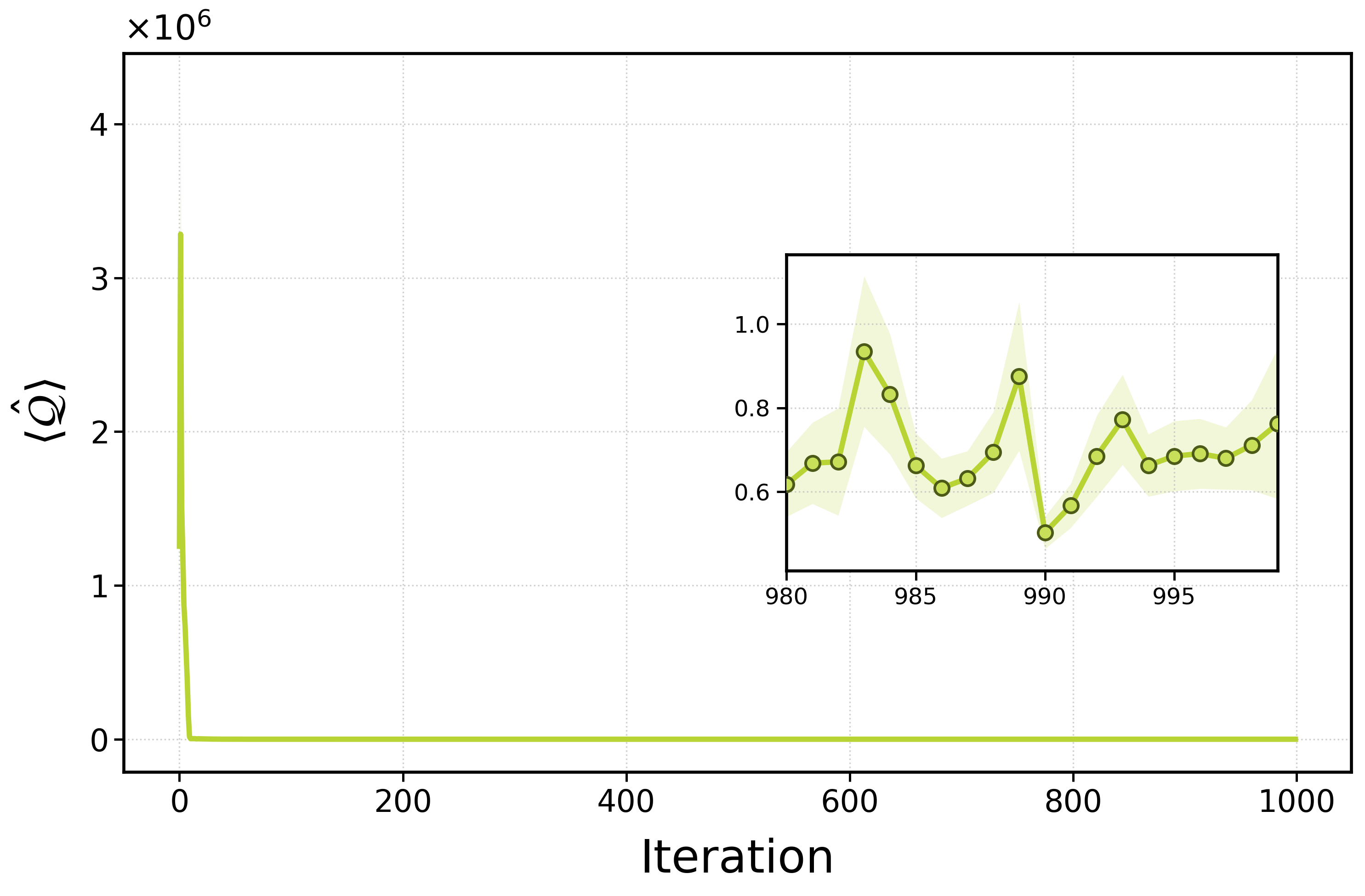
Figure 1: Representative convergence for the structured variational ansatz at jmax=1001, showing rapid and stable minimization of ⟨Q^⟩.
Factorization and Internal Structure of Near-Kernel States
Systematic factorization diagnostics—total variation, total correlation, pairwise mutual information, conditional means, reduced-state entropies, and fidelity with best product approximation—are used to characterize the quantum states. Key findings are:
- At large jmax, both variational ansätze yield states that are nearly perfect products over edges, with product fidelities exceeding $0.999$ for the structured ansatz and numerically indistinguishable from unity for the MLP, confirming near-separability for the dominant branches.
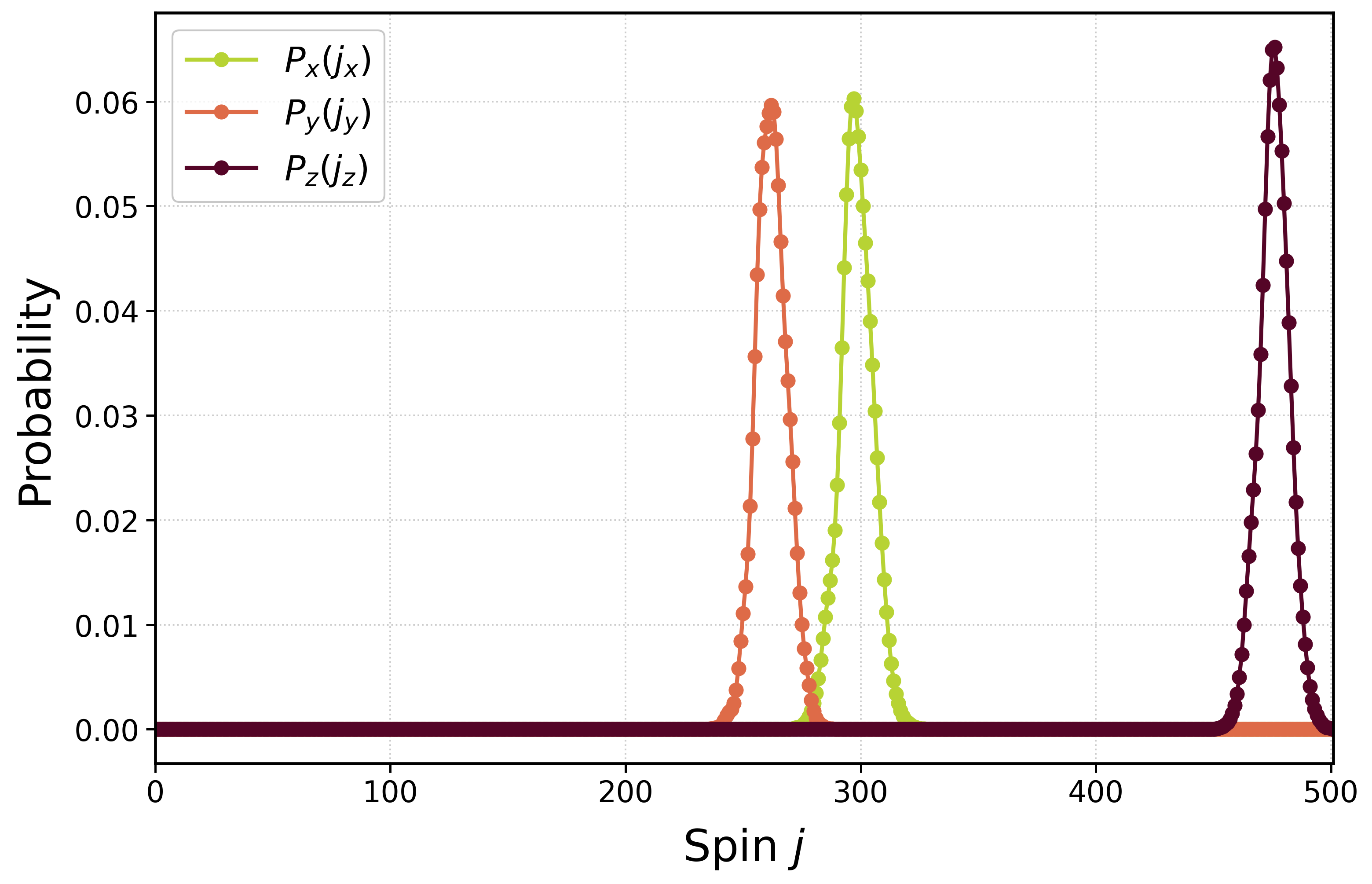
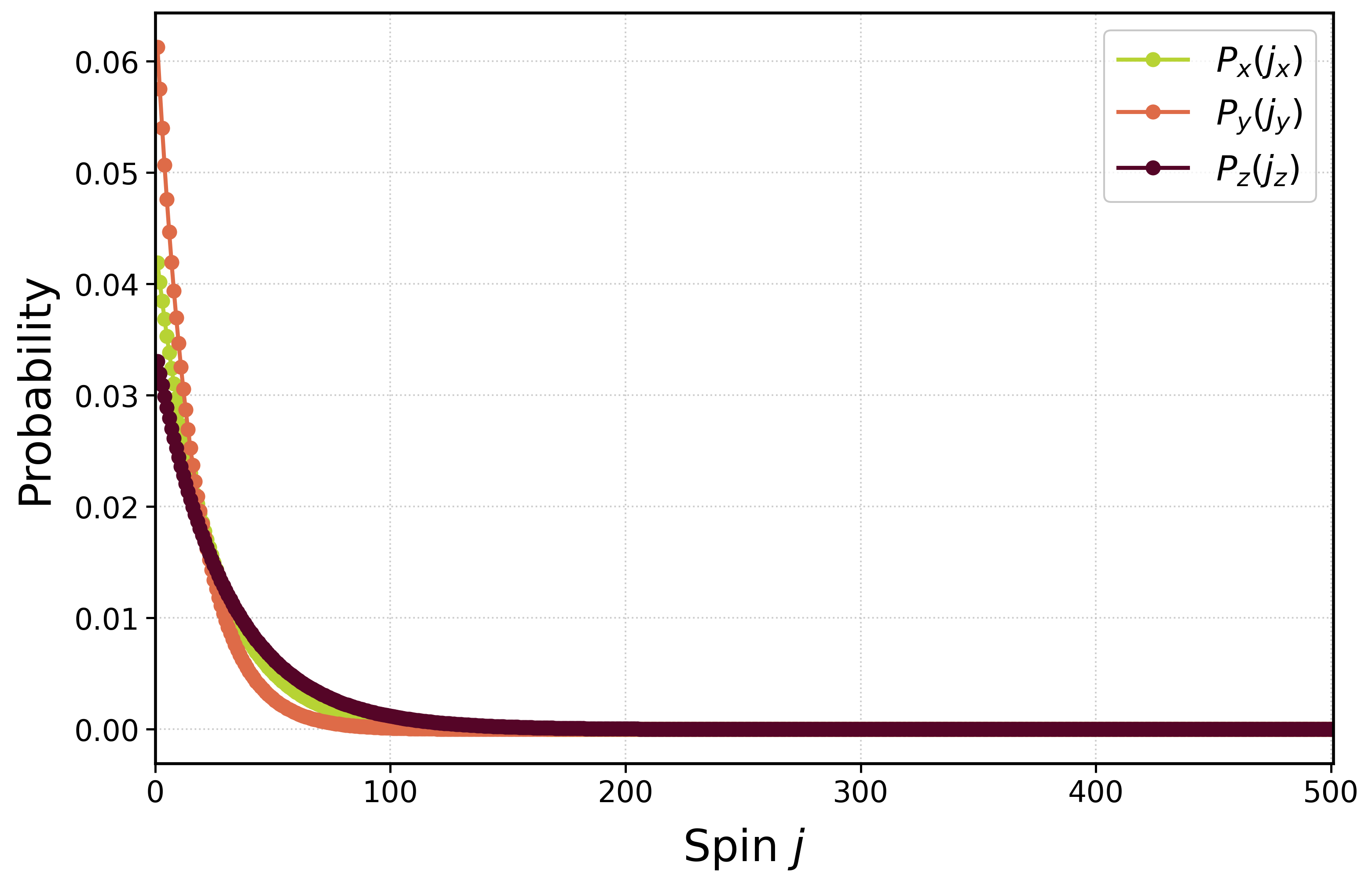
Figure 2: Structured ansatz: The architecture explicitly encodes different levels of factorization and interactions among edge degrees of freedom.
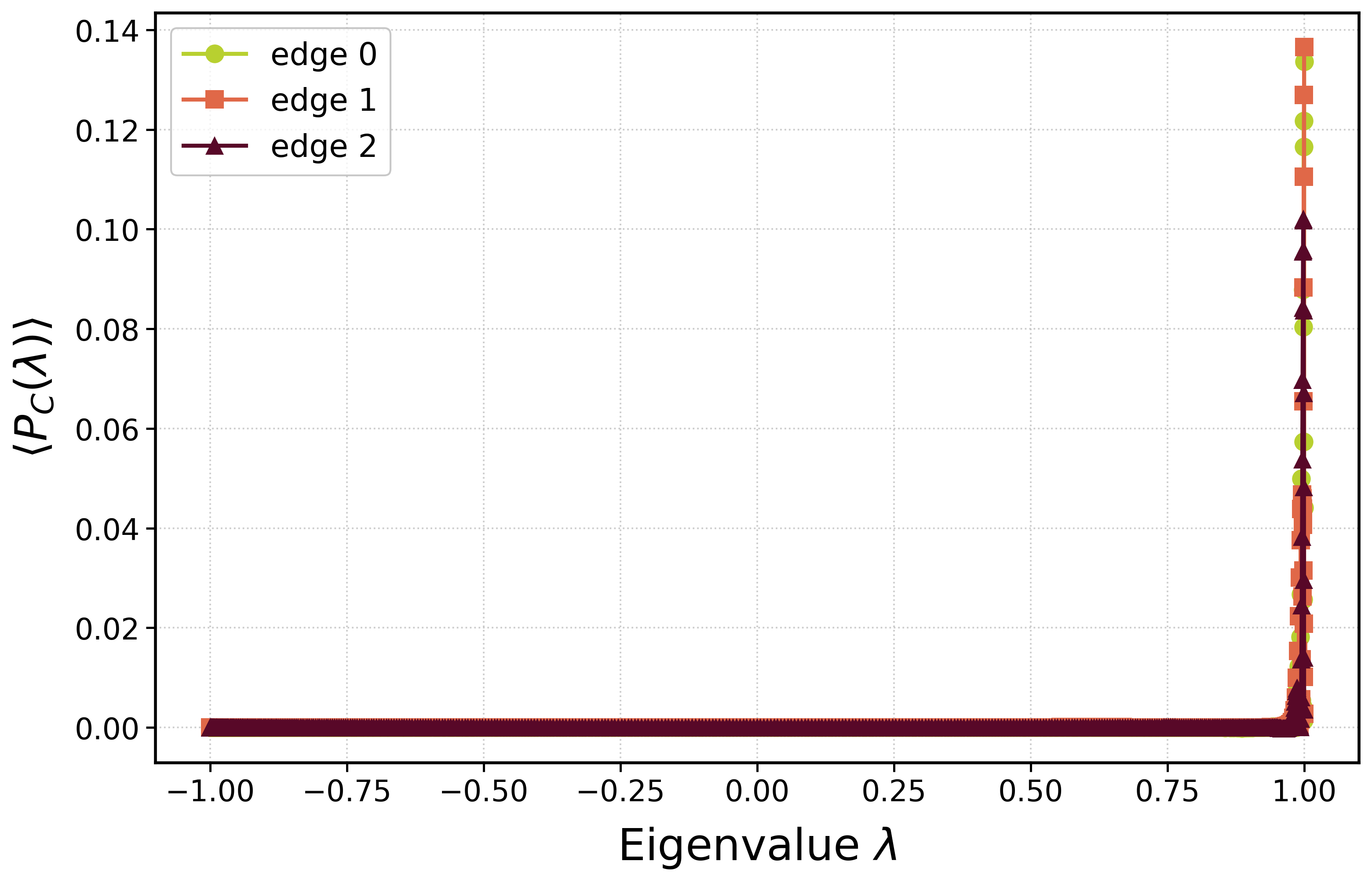
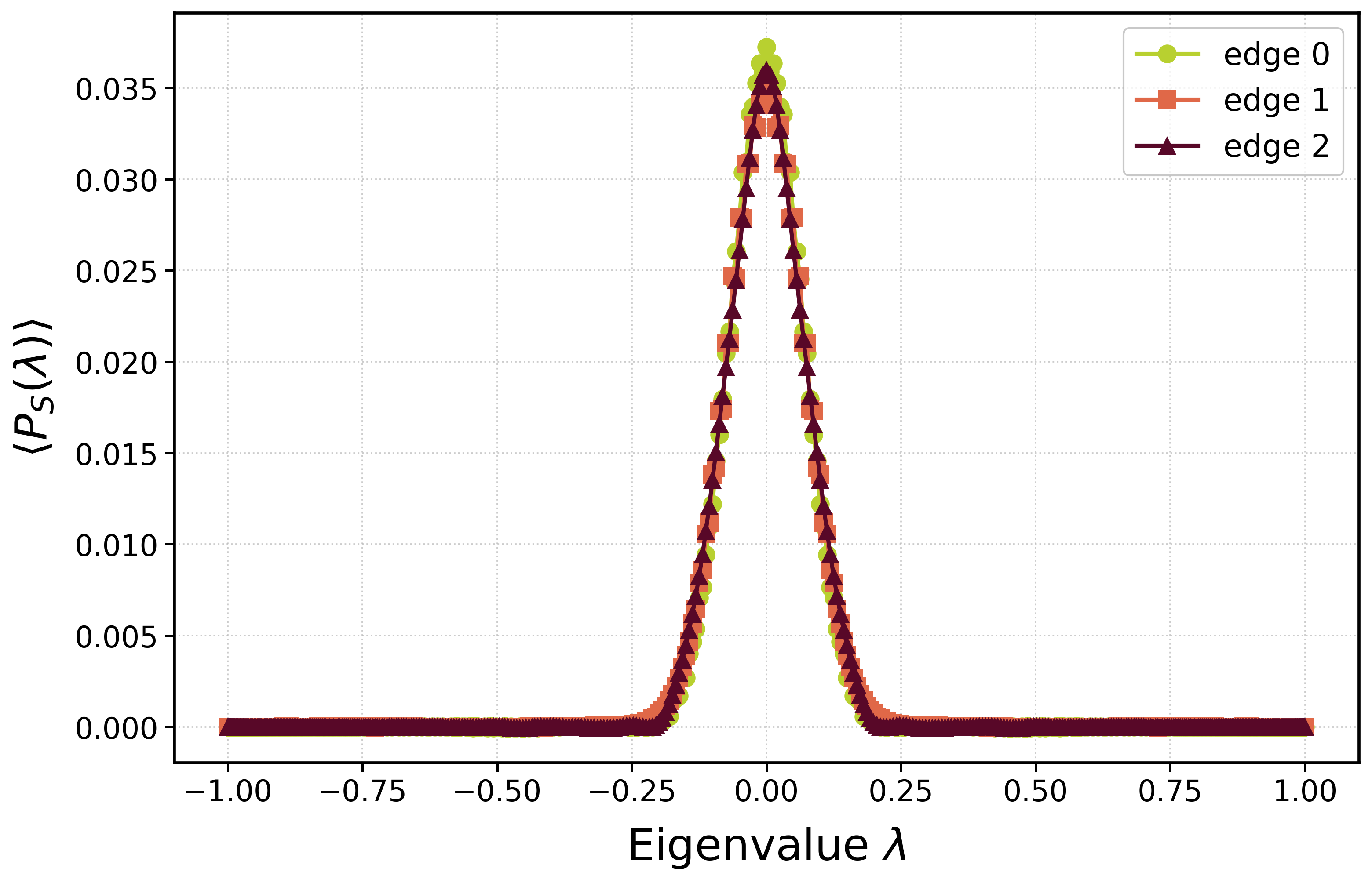
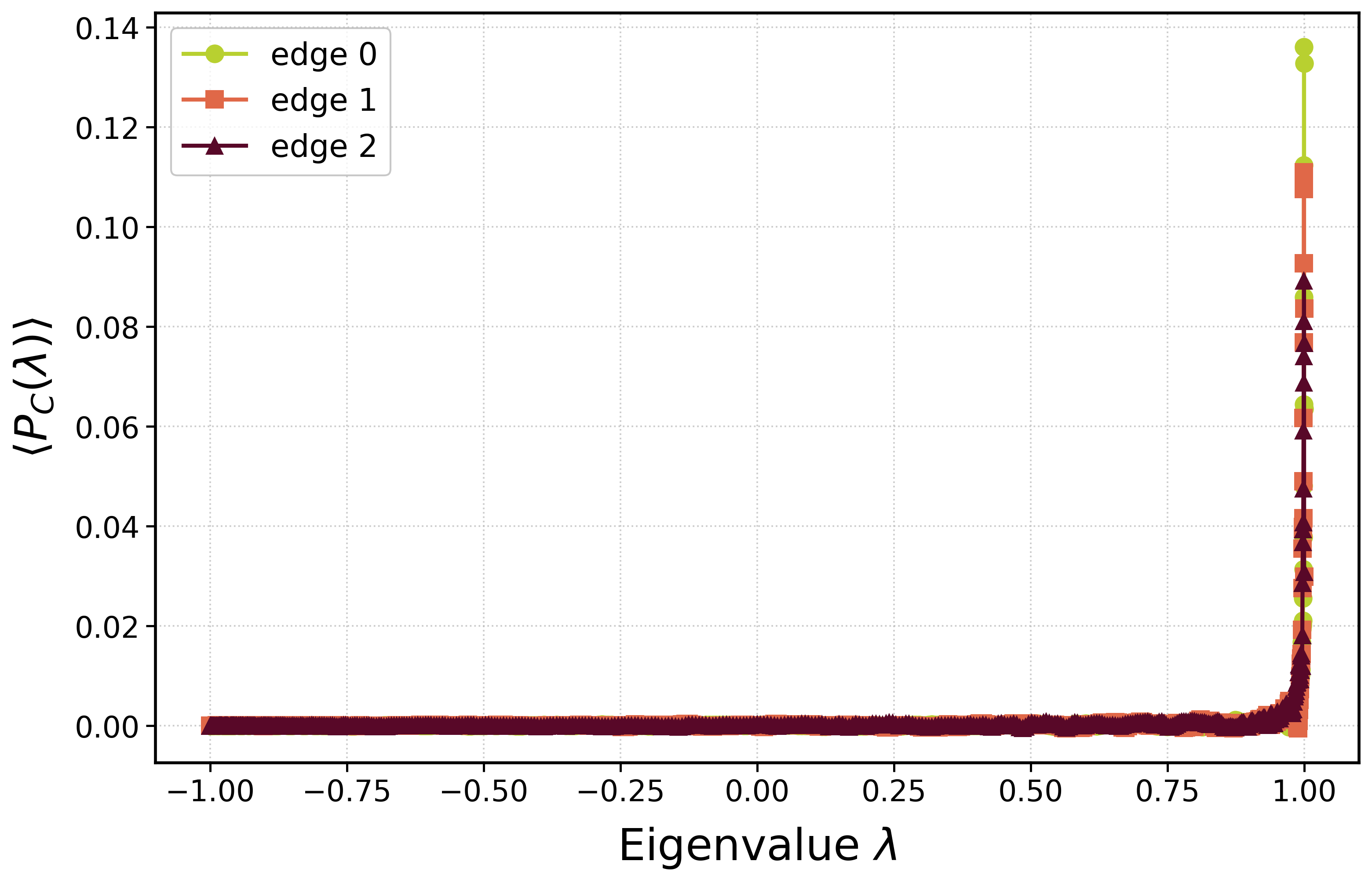
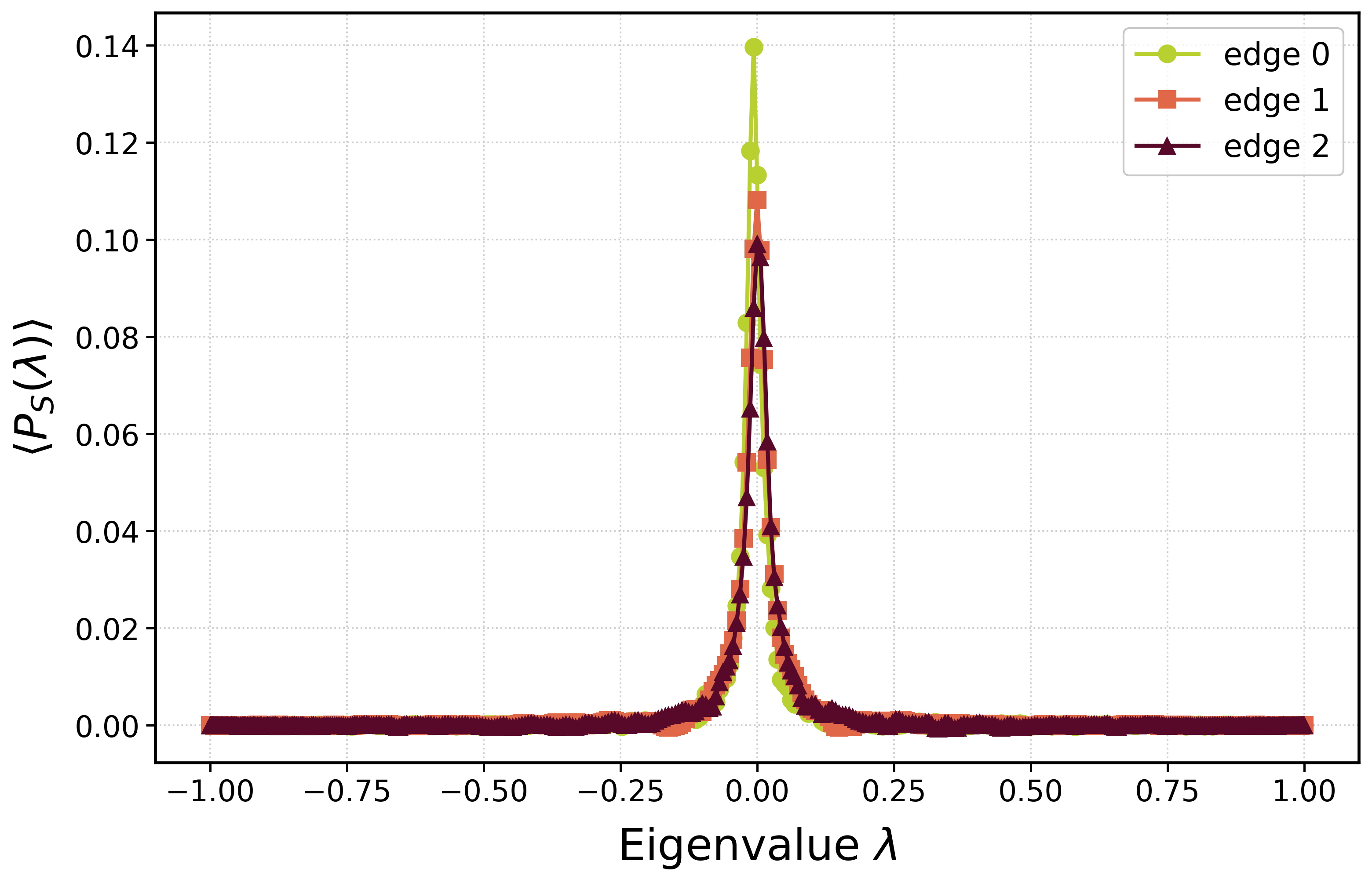
Figure 3: Structured ansatz, jmax0 profile: Local spectral properties as resolved by the reduced holonomy operator, confirming peakedness of the reduced Thiemann state.
- States obtained by the MLP ansatz are sharply localized near the smallest allowed spins, decaying rapidly with increasing spin. Structured ansatz states, by contrast, are peaked at much larger, edge-dependent spins, suggesting different semiclassical interpretations despite their separable nature.
- Information-theoretic measures confirm the absence of significant correlations for these dominant near-kernel states, while the geometric measure of entanglement is negligible.
Emergence of Thiemann Coherent States
A central result is that, for the structured ansatz, one-edge wavefunctions extracted from the product state are matched with extraordinary fidelity (jmax1) by reduced Thiemann coherent states—Gaussian-like packets parameterized as in Hall/Thiemann's heat-kernel construction for compact groups, projected to the U(1)-like structure of QRLG.
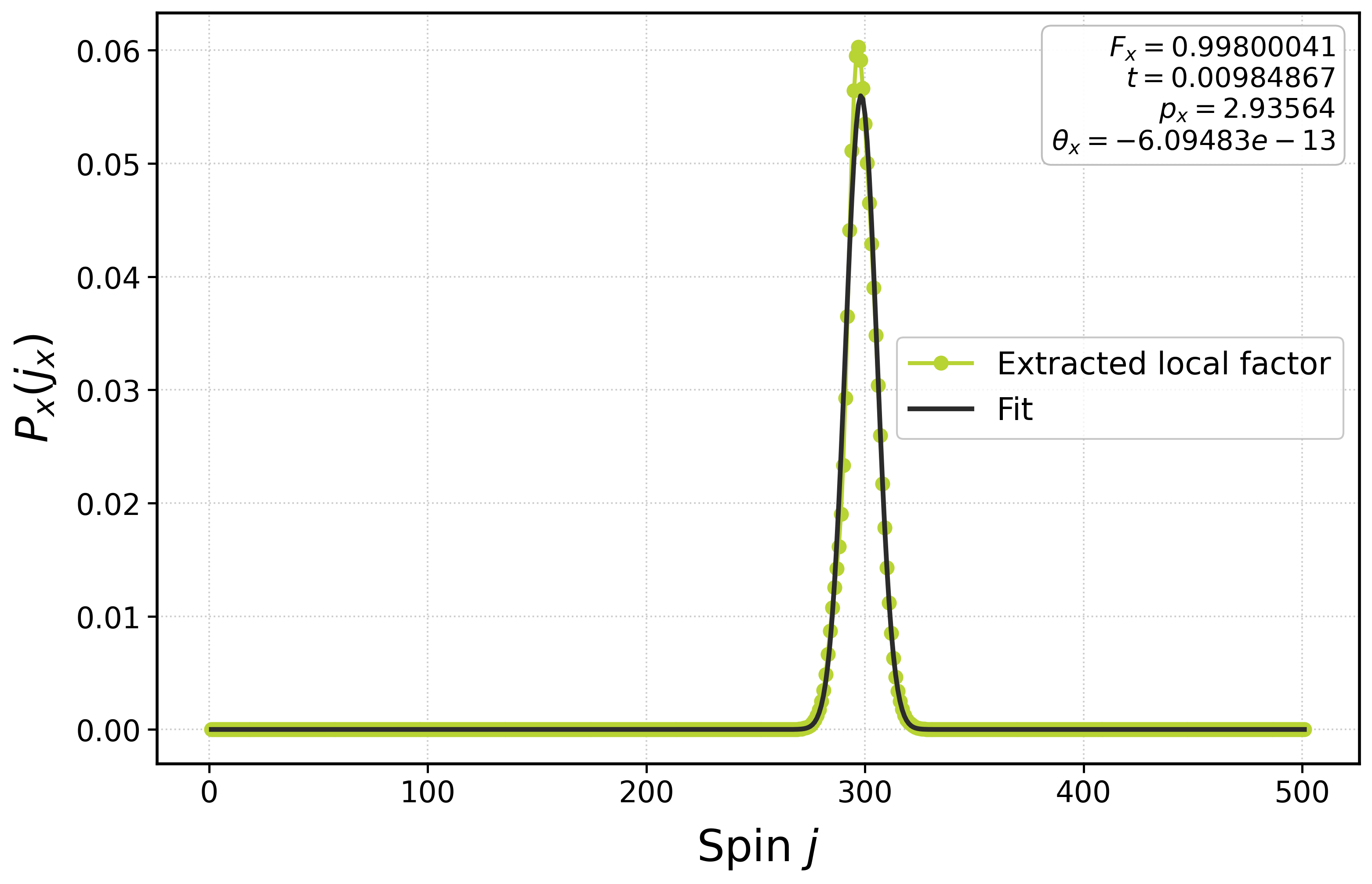
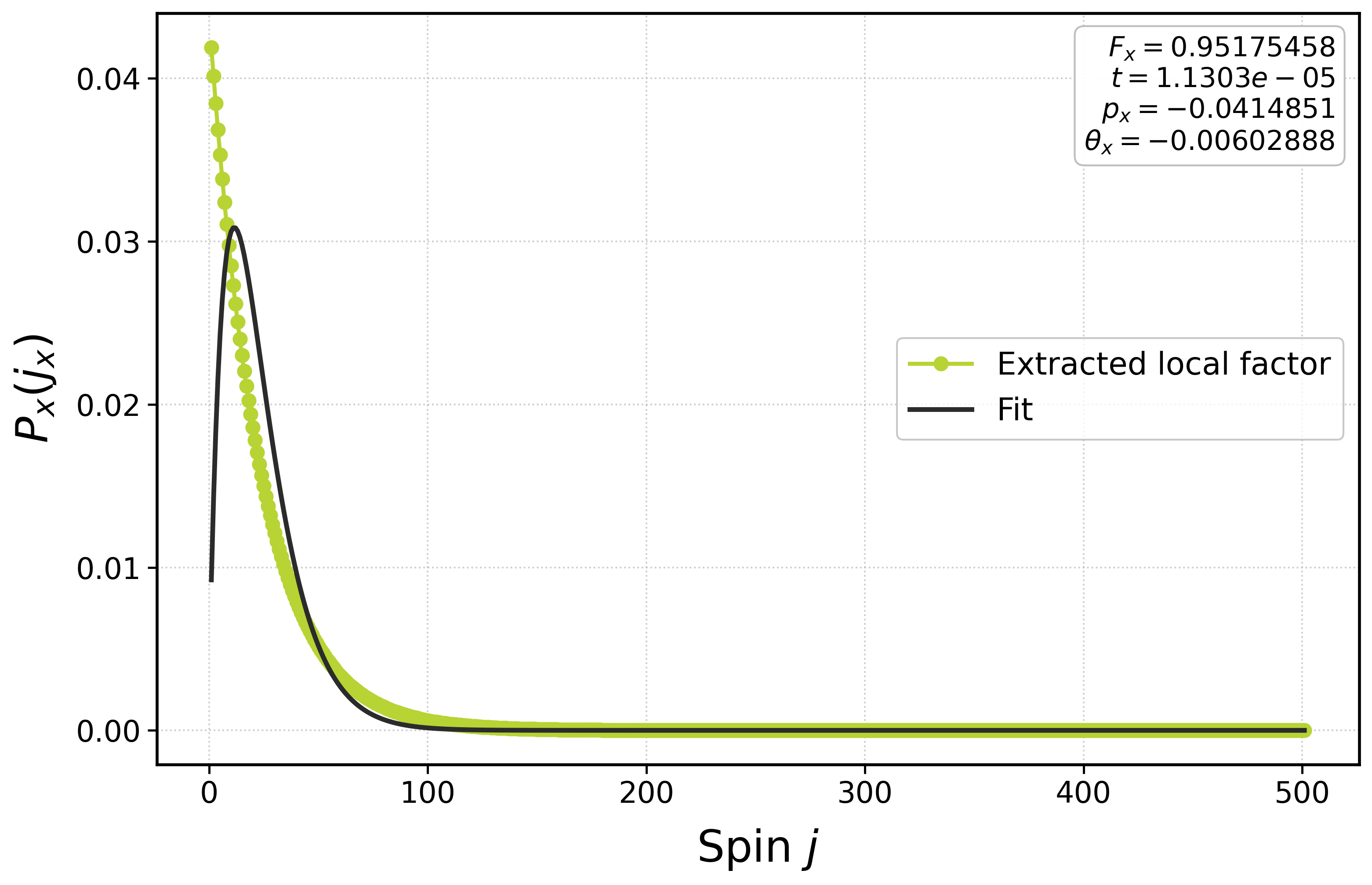
Figure 4: Representative one-edge fits of the extracted local factors to the reduced Thiemann coherent-state family at cutoff jmax2. Left: structured ansatz shows near-perfect overlap. Right: MLP shows substantial mismatch.
The agreement is not only in fidelity, but also in amplitude profile, mean, and phase. The MLP-generated states, while highly factorized, are not as well approximated by the Thiemann family, with significant mismatch in probability profiles, indicating that factorization alone does not suffice for semiclassicality; rather, precise coherent-state structure is required.
At small cutoffs (e.g., jmax3), additional classes of solutions emerge, dominated by genuine correlations among edges. Conditional mean plots display nontrivial dependencies, with observable contraction in one direction when another is fixed. Still, these states have negligible probability near the cutoff, indicating their physical admissibility despite finite truncation.
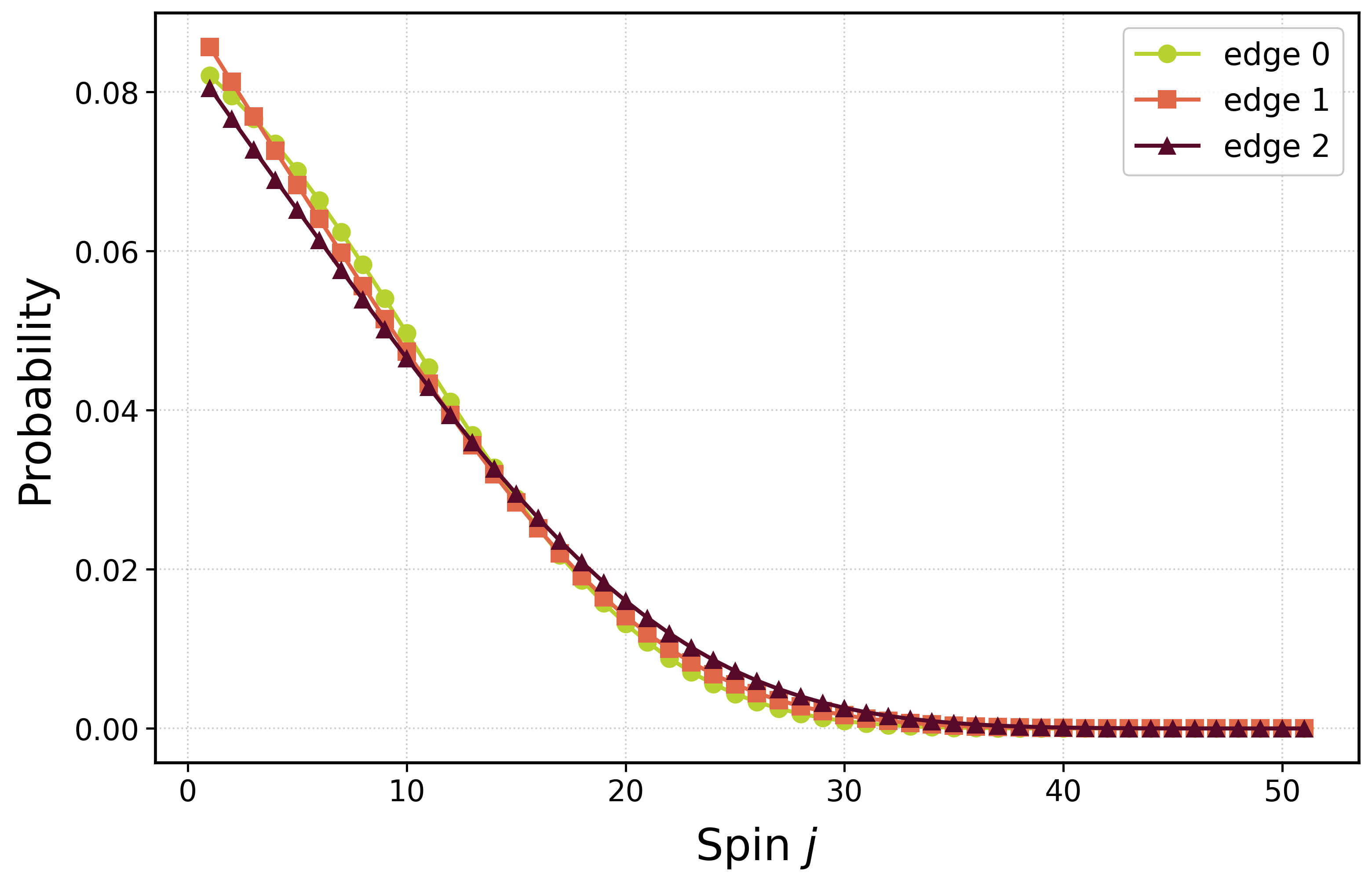
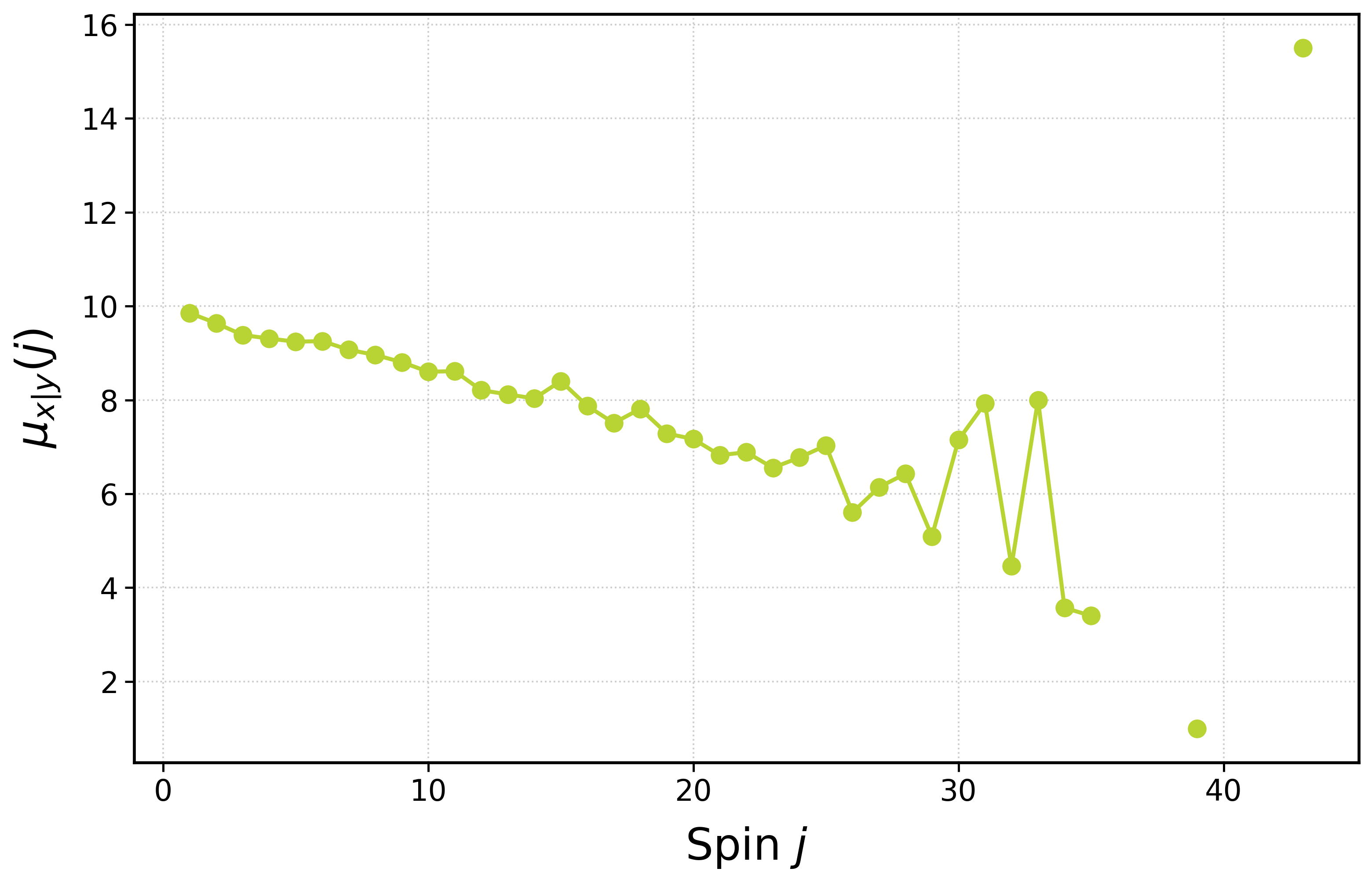
Figure 5: One-edge marginals (left) and the conditional mean jmax4 (right) for a correlated solution, highlighting significant inter-edge dependencies at low cutoff.
Implications and Future Directions
The numerical demonstration that near-kernel sectors at large spins are not only separable but correspond quantitatively to reduced Thiemann coherent states has direct implications for the semiclassical sector of loop quantum gravity. This emergent structure:
- Provides strong evidence that semiclassical geometry is encoded as expected in QRLG, at least at the level of a single vertex.
- Validates the efficacy of neural quantum state methods (variational Monte Carlo with scalable architectures) in extracting physically relevant information from highly complex, constraint-dominated quantum gravity systems.
- Suggests that, in the physically relevant large-spin regime, semiclassical dynamics is tightly associated with product-like coherent state organization.
The persistence of correlated, non-factorizable states at small cutoff—and their apparent disappearance at high jmax5—raises questions regarding the structure and stability of the constraint kernel deep in the quantum regime. It is not yet clear whether genuinely entangled semiclassical states exist at large spins or are simply missed by current variational searches.
Conclusion
The study robustly establishes, within the one-vertex model of QRLG, that variationally obtained near-kernel states self-organize into highly accurate products of reduced Thiemann coherent states when using structured ansätze, aligning with semiclassical expectations. Correlated solutions exist but are restricted to low cutoffs or require distinct parameterizations. These findings support the view that semiclassical geometry arises naturally from the full quantum constraint, and they illuminate practical directions for scaling up to more complex models or extracting dynamical properties relevant to quantum cosmology. The demonstrated synergy between loop quantum gravity, coherent state theory, and modern variational ML techniques is likely to play a central role in future investigations of the quantum-to-classical transition in background-independent quantum gravity.

