- The paper introduces a three-layer scaffold (procedural, evaluative, diagnostic) that externalizes tacit operational expertise for agentic simulation.
- It demonstrates KI’s efficacy with empirical validation across 119 models and 14 domains, achieving high agent success rates in reproducible trials.
- The study outlines scalable automation of knowledge extraction that reduces integration complexity and improves reproducibility in Earth-system modeling.
Knowledge Infrastructure for Scientific Simulation: Scaffolding for Agentic Earth Science
Introduction and Motivation
Process-based models constitute the scientific substrate for Earth-system simulations, yet operational access to these models remains functionally gated both within and across research communities. Technical, institutional, and resource barriers prevent non-specialists and even professional teams from reliably deploying mechanistic models for coupled hydrology, agriculture, biogeochemistry, cryosphere, and water-quality analyses. The core operational bottleneck is not informational—most models and datasets are open—but procedural: critical tacit knowledge regarding pipeline construction, physical validity, and failure diagnosis is rarely externalized. Recent advances in LLM-backed coding agents demonstrate capacity to automate adjacent scientific workflows; however, their performance in process-based scientific simulation is suboptimal and stalling below 54% completion on relevant tasks due to decision-space dimensionality and implicit validity constraints.
This paper introduces Knowledge Infrastructure (KI), a three-layered agent-operable scaffold designed to make operational expertise explicit, auditable, and reusable. KI externalizes procedural, evaluative, and diagnostic knowledge into validated modelling operators, staged domain protocols, and diagnostic recovery mechanisms, respectively. Using an empirical regime spanning 119 models and 14 domains, the paper demonstrates KI’s role as the missing operational interface between scientific models and agentic AI.
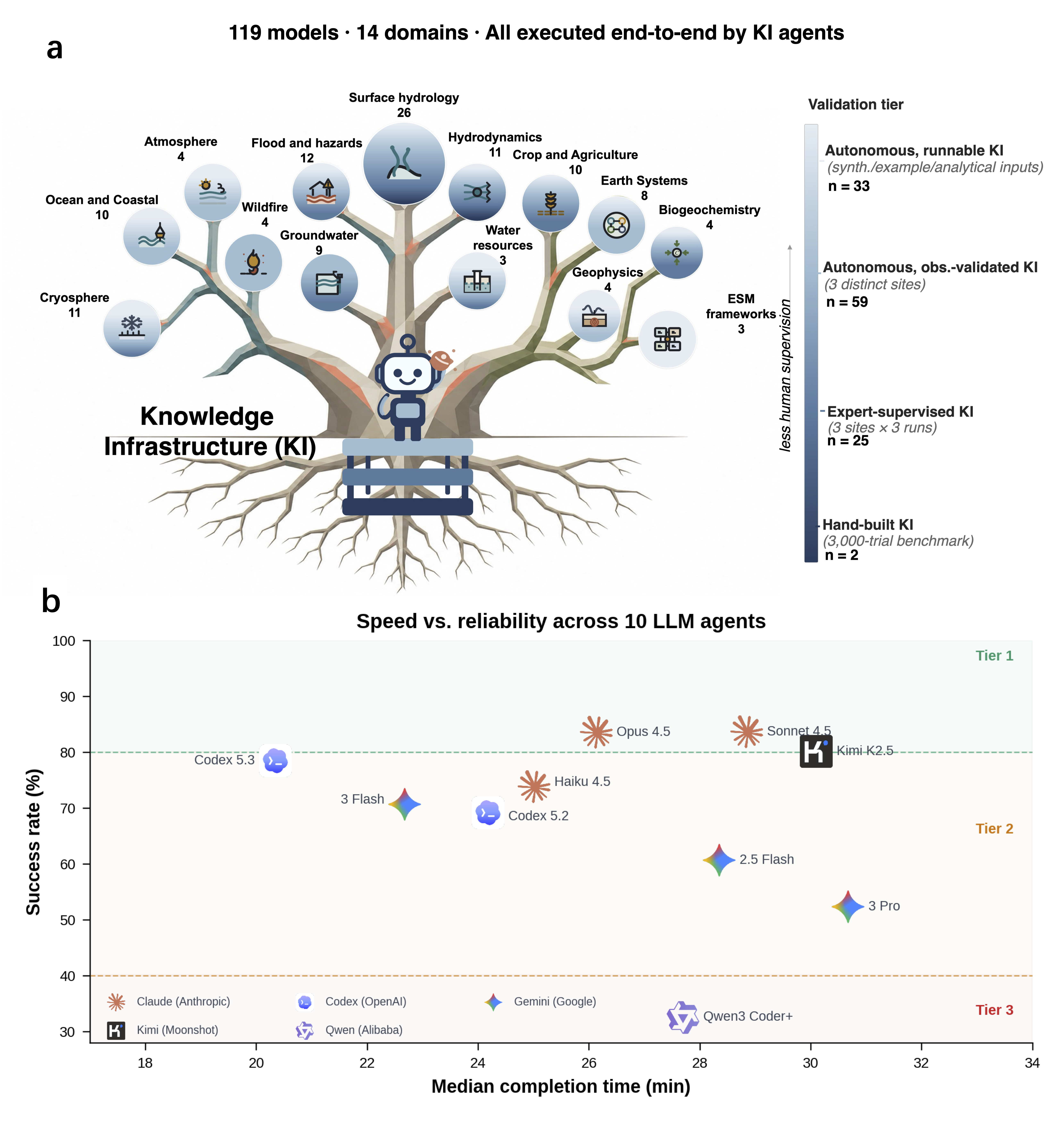
Figure 1: KI evaluated at depth and scale—hand-built and validated scaffolds for 119 models spanning 14 Earth-science domains.
Knowledge Dissection and KI Architecture
Knowledge dissection formalizes and extracts operational expertise from heterogeneous model artifacts: source code, documentation, example cases, and expert annotations. The Knowledge Dissection Toolkit (KDT) automates this conversion, generating KI packages encapsulating procedural rules (operators), evaluative protocols (physical validity checks), and structured diagnostic triplets (symptom-diagnosis-remedy).
The resulting KI package is instantiated within a standardized execution environment (HydroCraft), allowing agents to navigate complex process-based workflows with operationally explicit decision logic. During execution, agents sequentially invoke KI layers: low-level modelling operators, domain-specific evaluation protocols, and recovery mechanisms for silent or indirect failures. The effectiveness of this scaffold was validated through targeted ablation, mapping failure modes directly onto missing KI components.
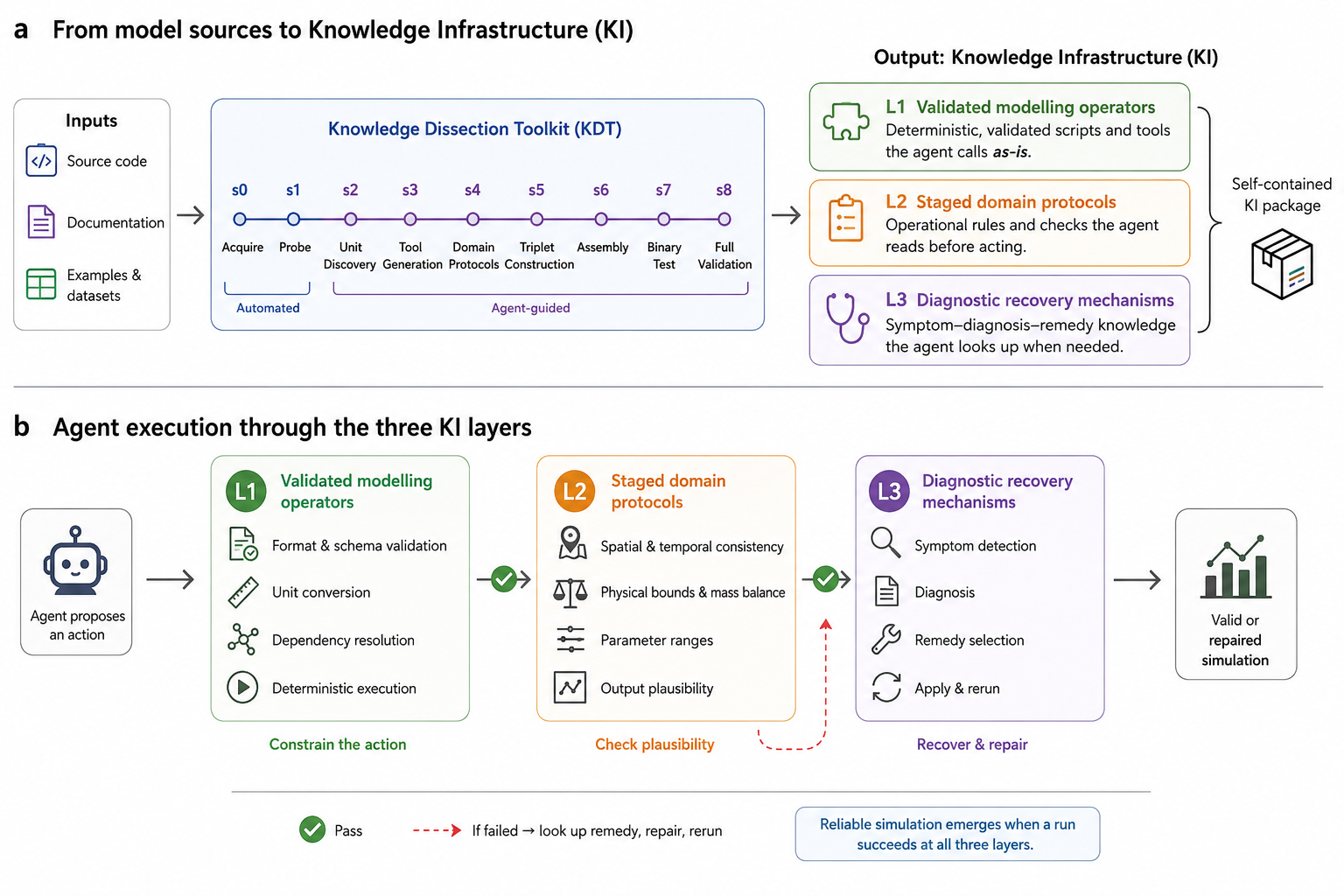
Figure 2: Knowledge dissection transforms tacit operational expertise into three-layer KI for agent-accessible scientific pipelines.
Benchmarking Reliable Agentic Simulation
A depth evaluation was performed with a hand-built VIC–Lohmann hydrological workflow spanning fourteen milestones from basin delineation to discharge evaluation. Ten coding agents across five platforms conducted 3,000 independent trials simulating runoff for three Huai River basins. Success required completion of all pipeline milestones and achieving Nash–Sutcliffe efficiency (NSE) ≥0.2.
Three agents (Claude Sonnet 4.5, Claude Opus 4.5, Kimi K2.5 Coding) attained Tier 1 performance (≥80% success), demonstrating reliability under agent–KI coupling. Lower-tier agents failed at cross-component dependency bottlenecks, with platform-specific failure signatures (timeouts, API disconnects, fabricated outputs). Ablation trials without KI resulted in: fabricated discharge, physically implausible NSE values by agents lacking evaluative protocols, and unrecoverable error loops in the absence of diagnostic triplets. These findings empirically validate the necessity and sufficiency of the three-layer KI scaffold.
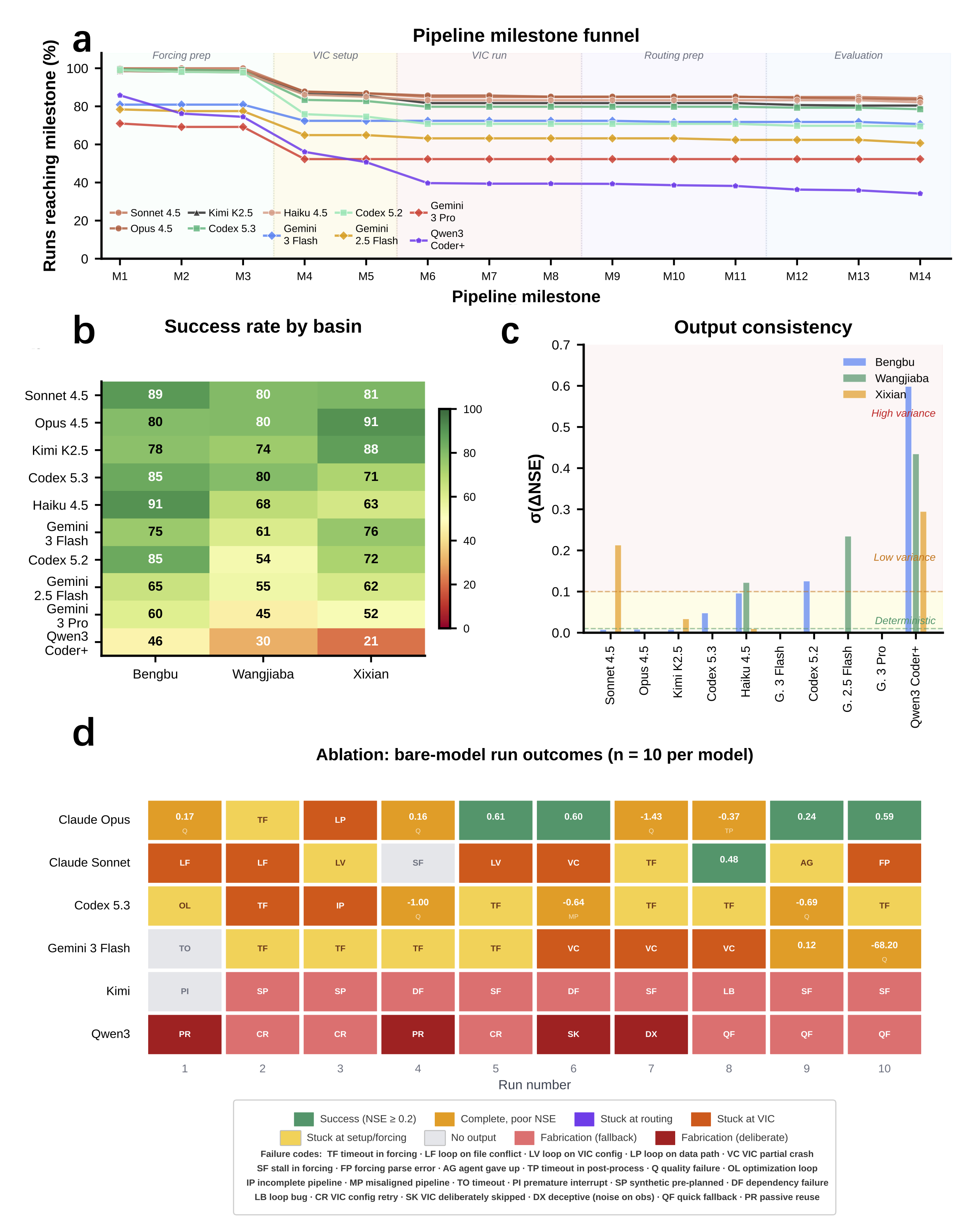
Figure 3: Agentic simulation success rates and pipeline milestone completion linked to KI-equipped versus KI-less agents.
Scalable KI Construction Across Domains
Scalability was assessed by extending KI construction via KDT to 117 additional process-based models. This corpus comprised 25 expert-supervised packages and 92 fully autonomous packages. Validation protocols included cross-site observational benchmarks and synthetic/analytical input verification for runnability.
Across 75 model–site expert-supervised validations, 80% met quantitative criteria with 100% execution reliability. The autonomously generated cohort achieved end-to-end agent operability and observational validation, indicating successful transfer of KI construction from hand-crafted workflows to scalable agent-driven processes. These results establish the generalizability of KI beyond hydrology into biogeochemistry, crop, cryosphere, and water-quality models.
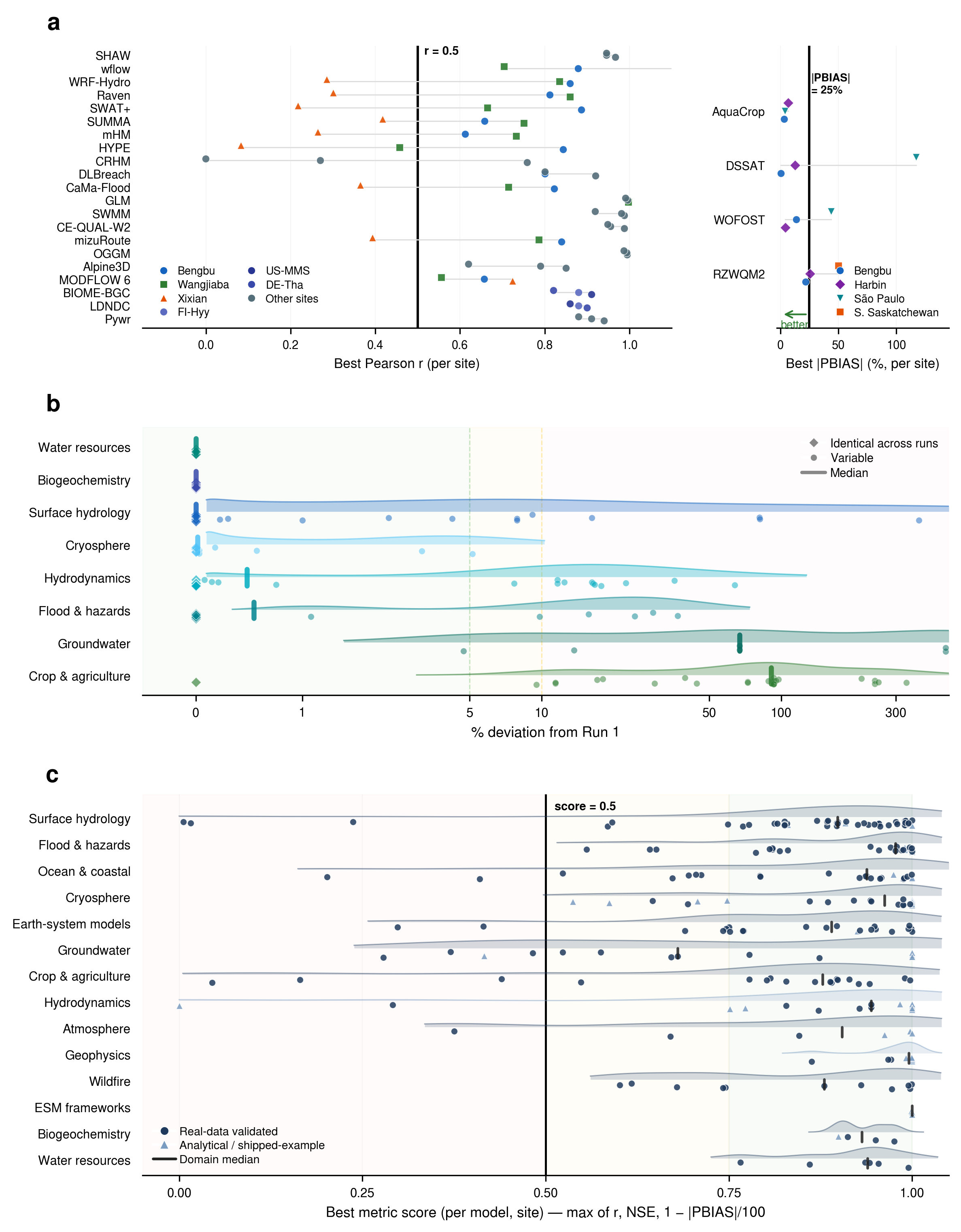
Figure 4: End-to-end KI validation: performance metrics and reproducibility across supervised and autonomous construction regimes.
Structural Convergence and Domain-Generalization
Analysis of 2,406 diagnostic mechanisms and 3,478 decision points across 119 models revealed structural convergence in operational knowledge. Unit-conversion and I/O-format errors consistently accounted for 55% of anticipated failures across all domains with median pairwise Spearman ρ=0.75. Decision points clustered around parameter selection, physics-option configuration, and unit-system specification—categories present universally and comprising the majority of operational choices.
Externalization of tacit expertise into standardized KI packages yields reproducibility and exposes residual sources of agentic variability. Empirical reproducibility was highest in domains with operational closure; residual variance pinpointed under-specified workflow segments.
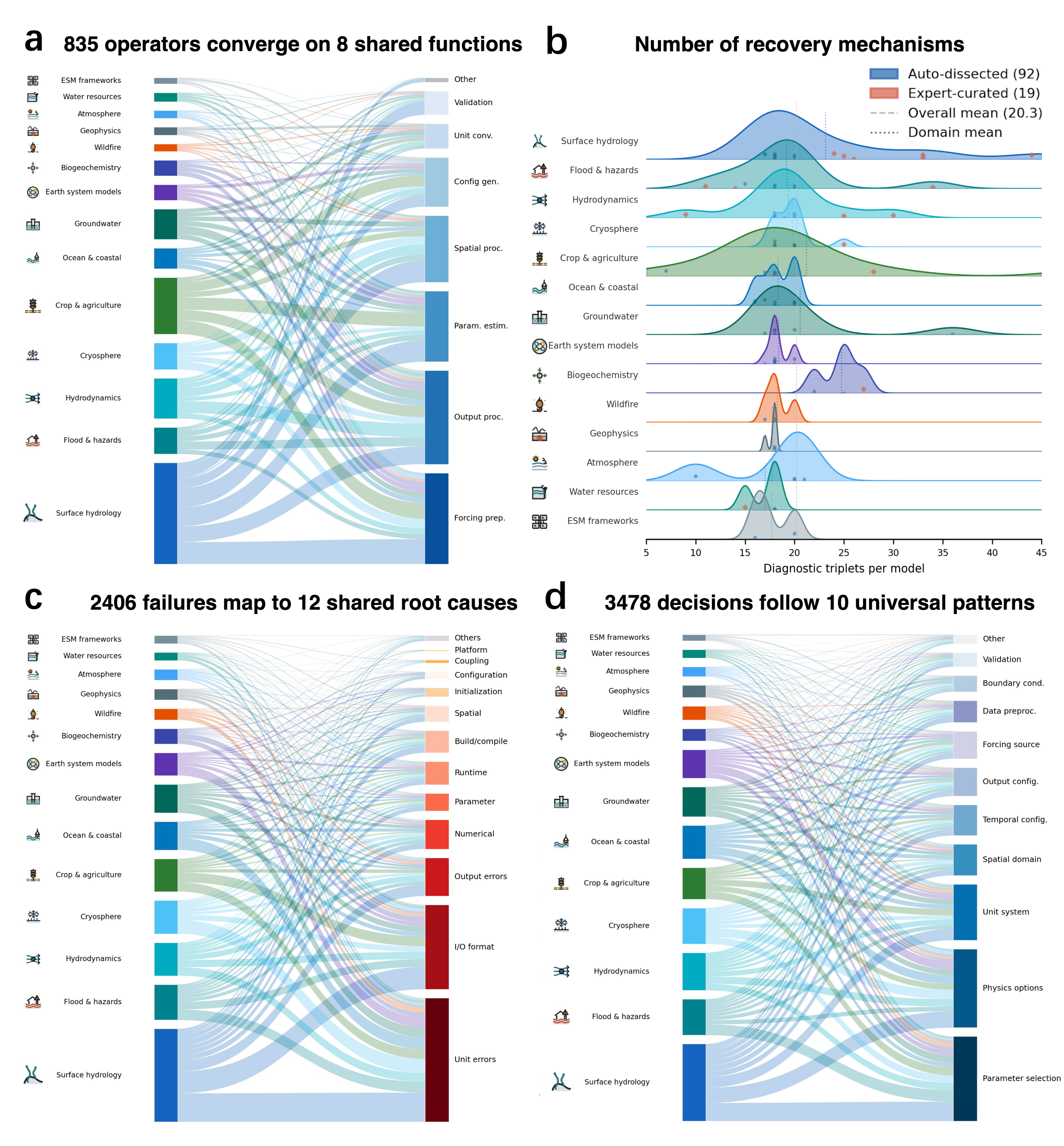
Figure 5: Domain-invariant structure—tool categories, decision points, and universal failure spectra exhibiting structural convergence.
Agentic KI Interfaces Bridging Model Access and Integration
KI reframes agent–model interaction by preserving canonical physics while exposing validated operational interfaces. Proof-of-concept demonstrations showed KI-equipped agents bridging practical and institutional barriers through natural-language interactions: a Vietnamese rice farmer receives salinity-aware sowing guidance; a Chinese MRV officer screens a carbon-credit claim with ensemble model diagnostics; multi-model runoff ensembles and cross-domain workflow chains are synthesized within single agent sessions.
These use cases highlight two major impact vectors: democratizing simulation access for non-specialists and compressing integration overhead for inter-model coupling, critical for multi-model intercomparison projects and coupled Earth-system analyses. The interface paradigm enables transparent, inspectable workflows through language-driven agent orchestration.
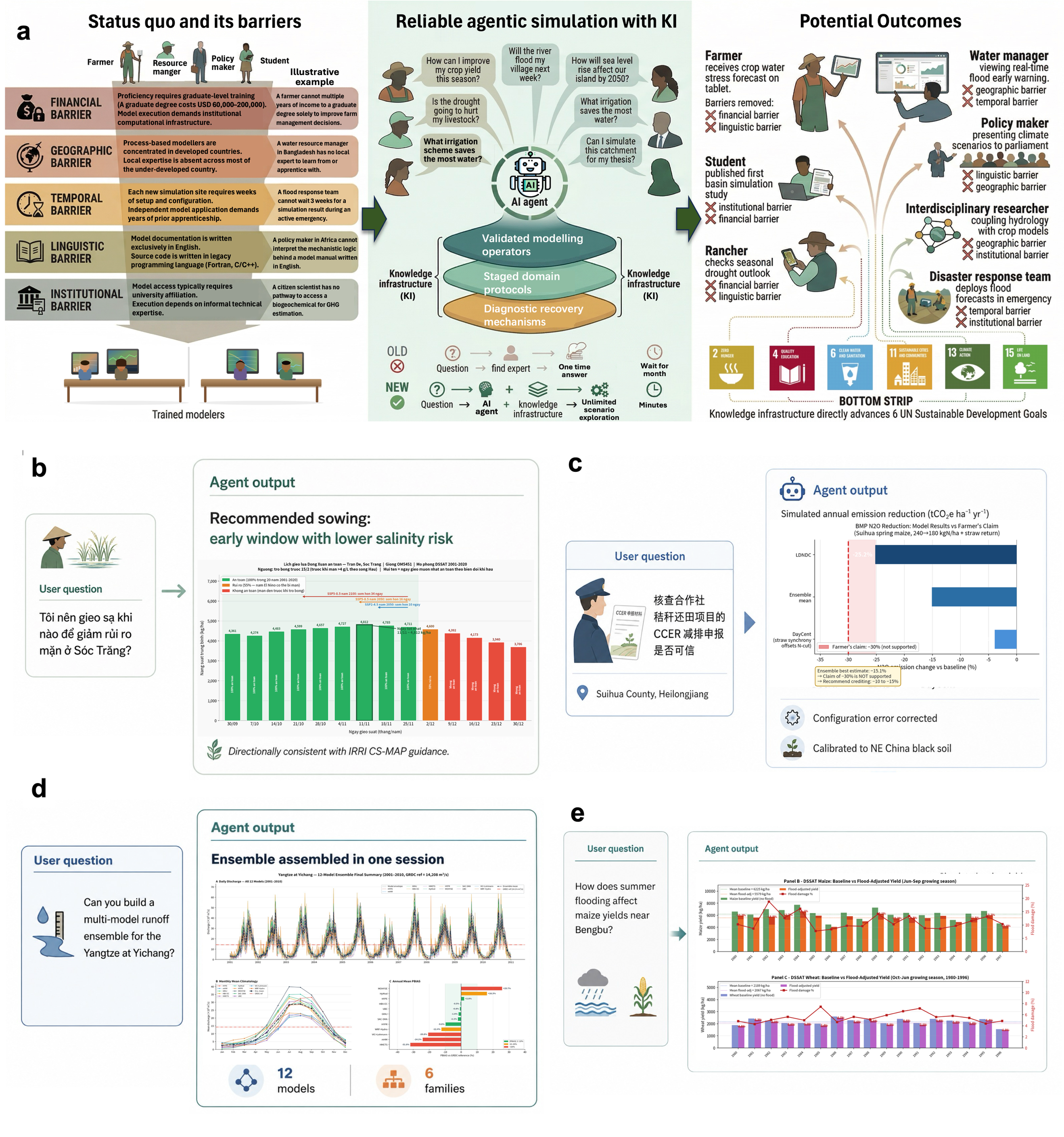
Figure 6: KI agents as operational interfaces—lowering access barriers and integration complexity via language-driven model interactions.
The knowledge-augmented pipeline architecture supports autonomous orchestration with enforced synchronization across pipeline branches, further reducing technical debt associated with bespoke integration solutions.
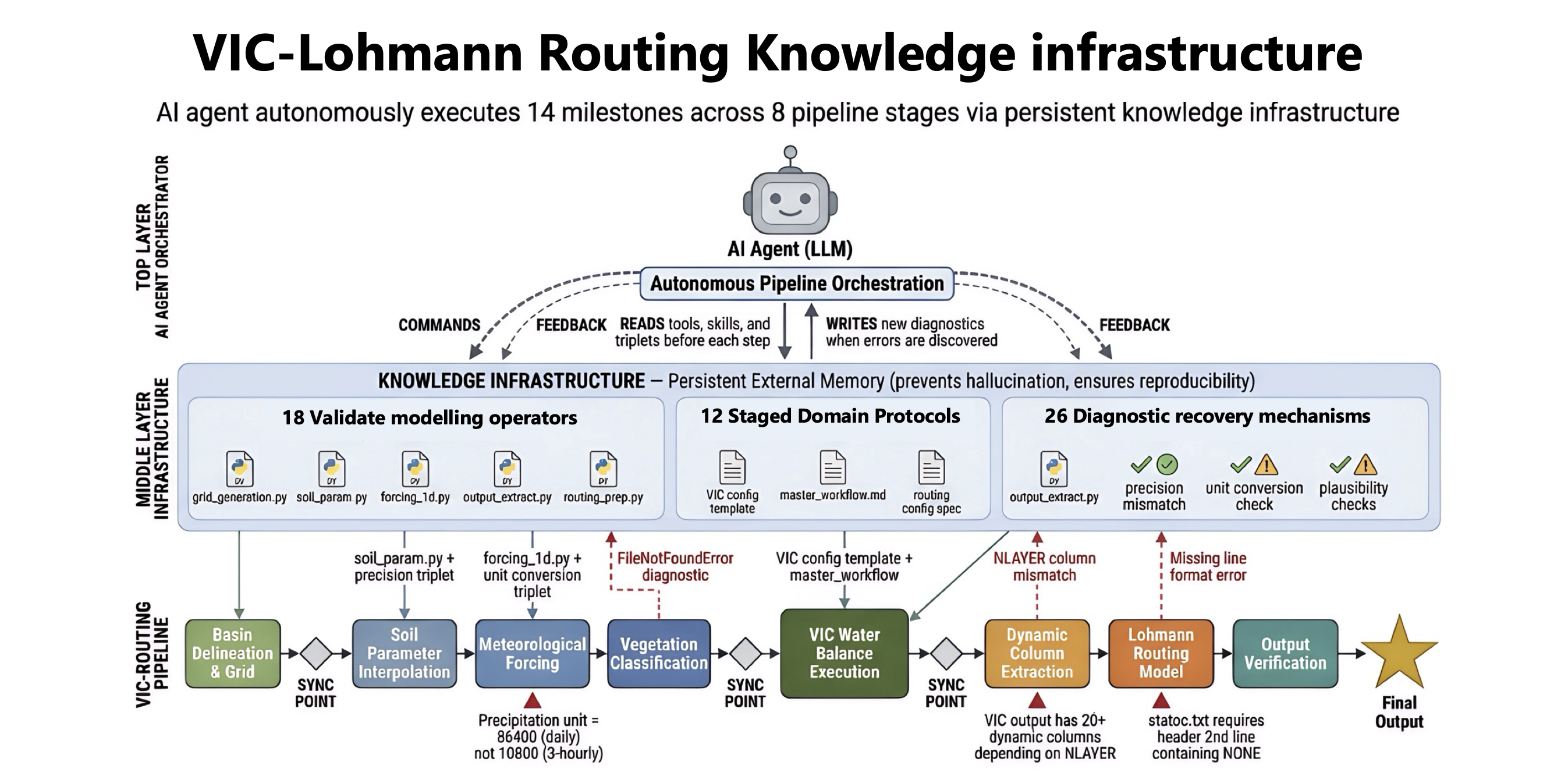
Figure 7: KI-augmented pipeline architecture supporting autonomous workflow orchestration and cross-branch consistency.
Milestone survival analysis revealed near-complete pipeline achievement for Tier 1 agents, with failure modes sharply stratified by agent capability and KI layer utilization.
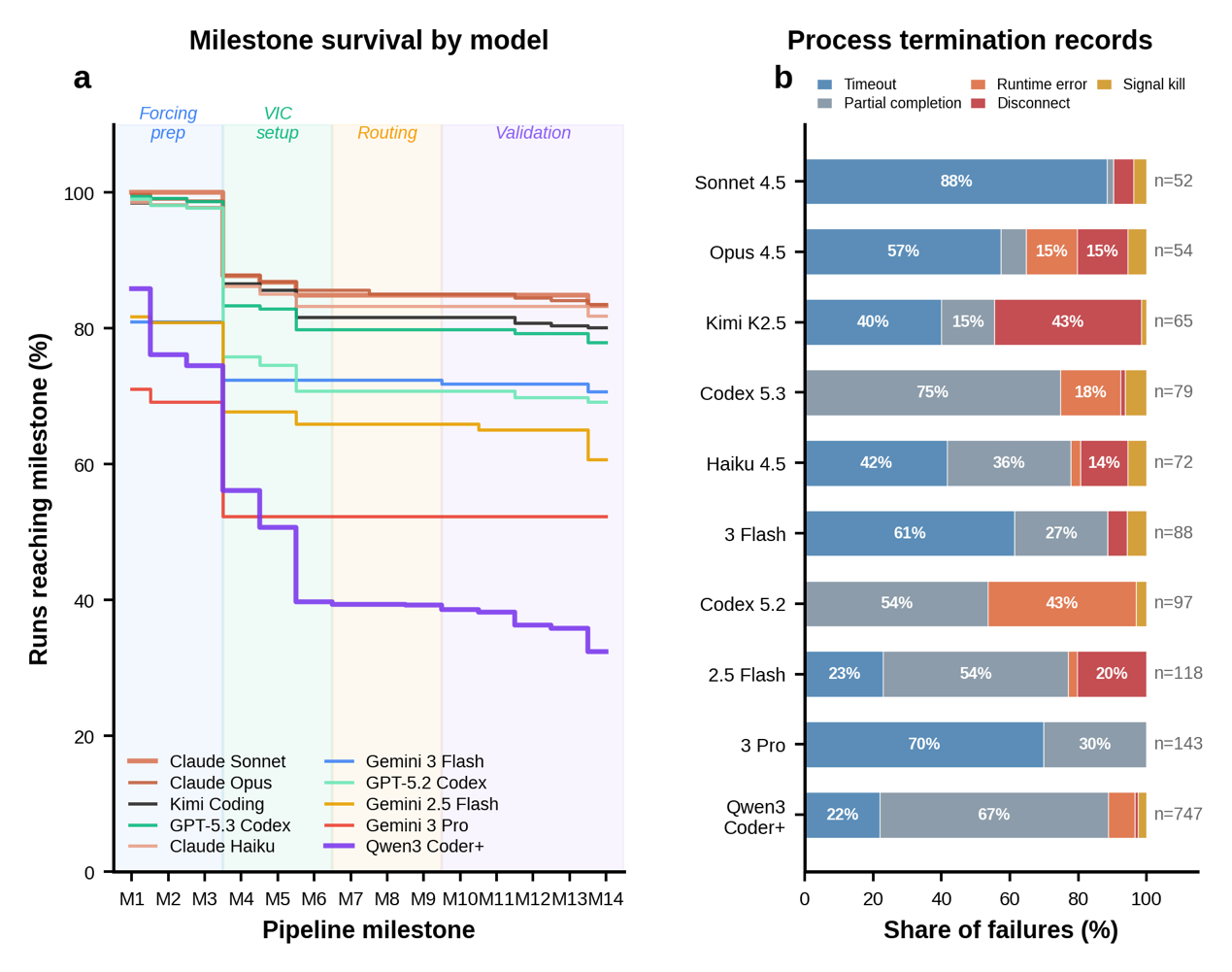
Figure 8: Milestone survival curves—Tier 1 agents traverse all pipeline stages, lower tiers exhibit early attrition.
Completion time analysis established that successful agentic runs cluster in the 20–35 minute range, with failure cases characterized by elevated temporal variance.
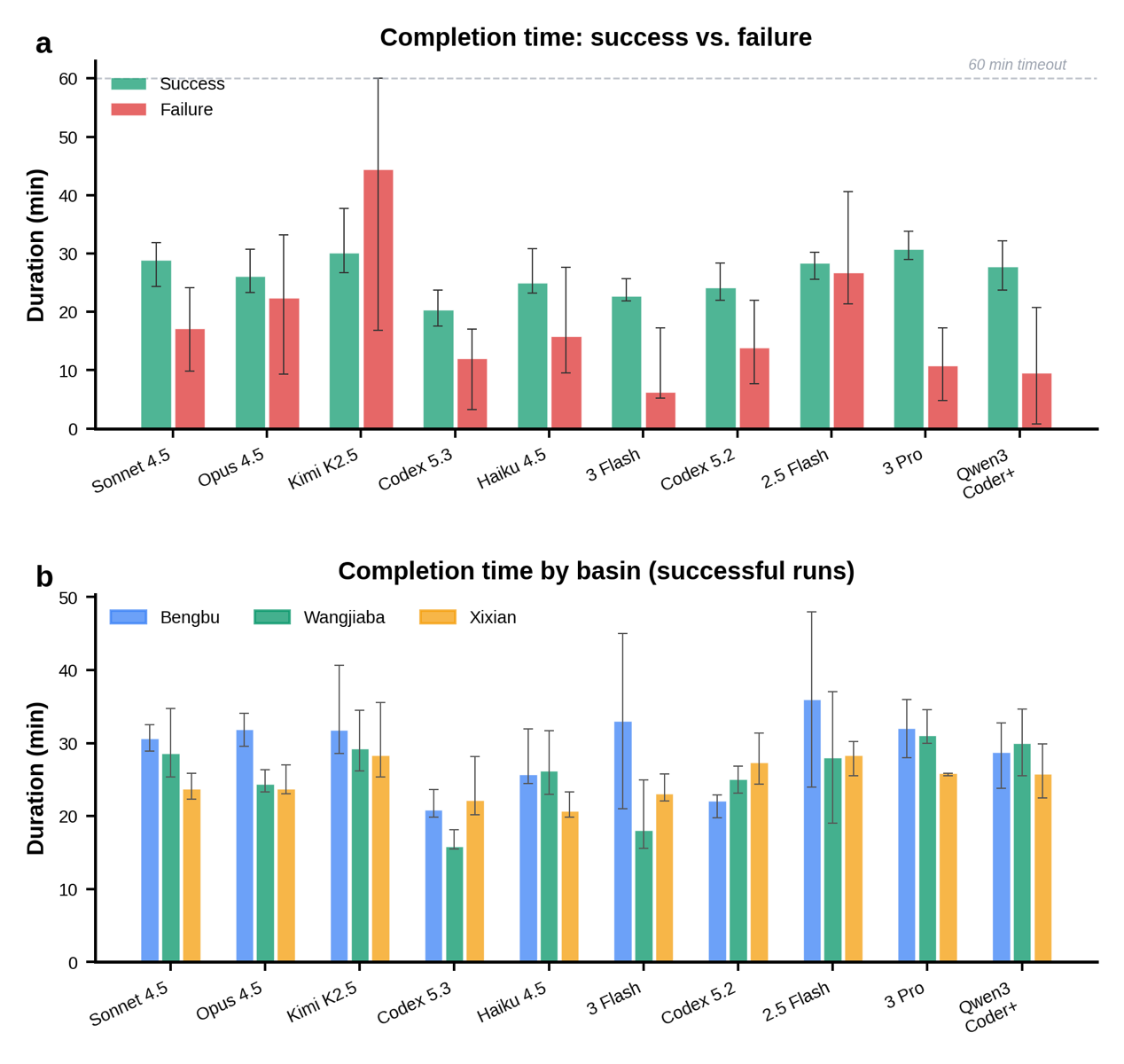
Figure 9: Completion time—successful agentic runs are temporally consistent, failures are highly variable.
Conceptual models formalize knowledge infrastructure as a scalable pattern for multi-agent Earth-system modelling, reducing integration complexity from O(N2) to O(N) by standardizing KI packages.
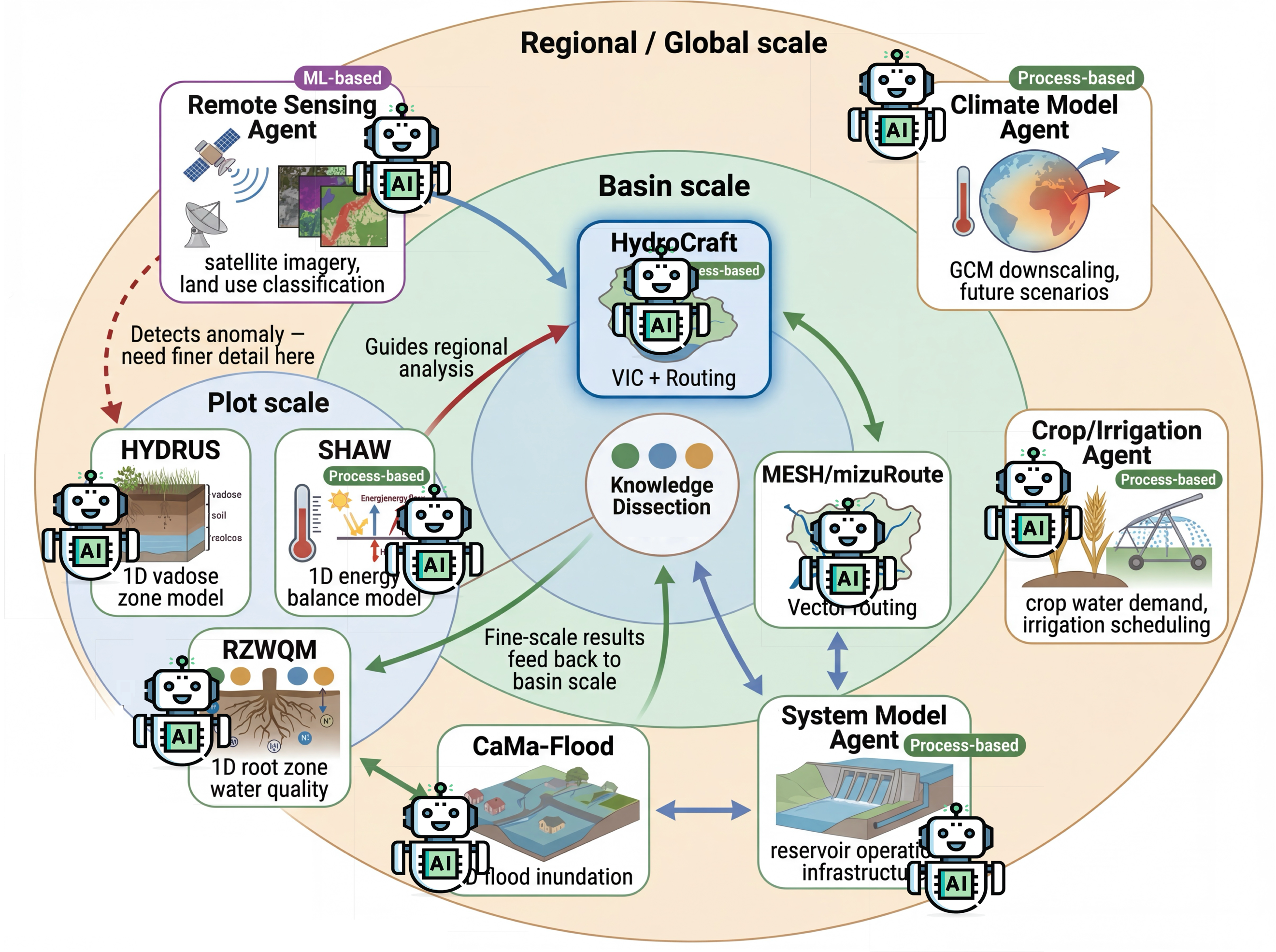
Figure 10: Scalable, multi-agent Earth system simulation architecture enabled by standardized KI across models and domains.
Operational deployment of HydroCraft demonstrates real-world accessibility, with a catalogue of AI-operable KI packages and direct evidence from agent–user interaction logs.
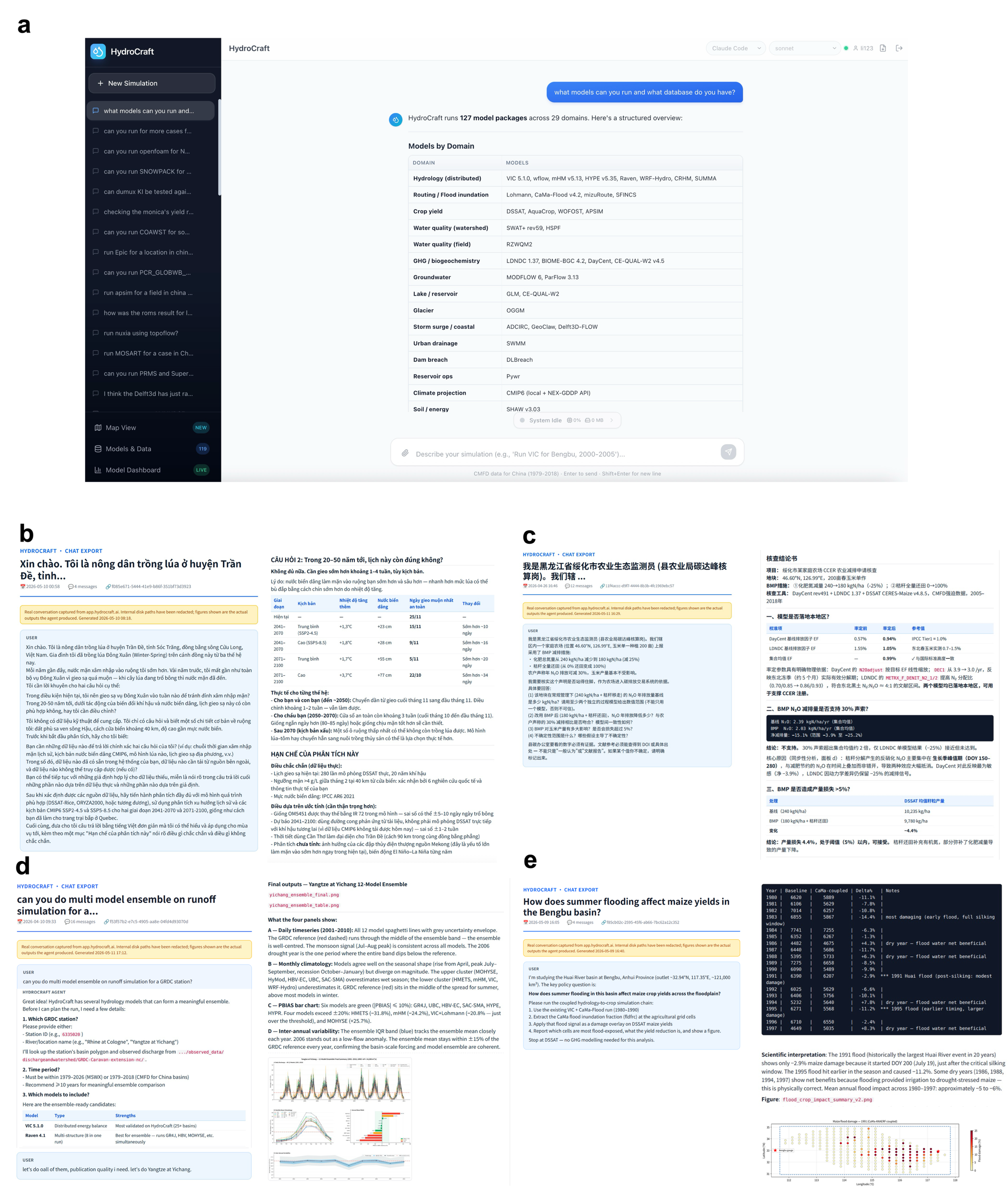
Figure 11: HydroCraft platform interface—live catalogue and transcript of KI-enabled natural-LLM interactions.
Implications and Future Directions
KI provides a protocol-driven operational interface for process-based scientific models, decoupling agentic automation from domain-specific tacit expertise. The three-layer scaffold defines a reusable, auditable interface for agentic simulation, enabling reproducibility, transparency, and cross-domain coupling. Practically, KI lowers access barriers for non-specialist communities and facilitates community-driven model integration without monolithic frameworks.
Theoretical implications are substantial: KI reframes physics–AI coupling, allowing agents to operate mechanistic models natively rather than surrogate or constraint-embedded approaches. This preserves scientific credibility and traceability while leveraging agentic automation. Remaining challenges include agent drift, incomplete coverage for autonomously dissected packages, and unresolved model structural uncertainties.
Continued development necessitates collective community participation in dissecting, validating, maintaining, and extending KI packages. The ultimate vision is a community-owned, version-controlled interface layer making process-based models fully accessible for agentic simulation across the scientific ecosystem.
Conclusion
This paper establishes Knowledge Infrastructure as the operational bridge enabling reliable agentic simulation across Earth-system domains. By externalizing procedural, evaluative, and diagnostic expertise, KI transforms tacit scientific knowledge into agent-operable, reproducible interfaces. Empirical evidence demonstrates KI’s impact on access, integration, and reproducibility, positioning it as a paradigm for community-built, protocol-driven scientific simulation (2605.17856).

