- The paper introduces a novel CFSPMNet framework that leverages Fourier-guided token reorganization and shared-private prototype matching to enhance cross-patient MI-EEG decoding in stroke patients.
- By integrating amplitude-phase context through Fourier transforms, the network aligns latent neural-state trajectories across patients, achieving significant accuracy gains over baseline models.
- Extensive ablation studies confirm that both Fourier context injection and calibrated pseudo-labeling are vital for robust adaptation, promising improved clinical rehabilitation outcomes.
CFSPMNet: Fourier-Guided Spatial-Patch Mamba Networks for Cross-Patient Post-Stroke MI-EEG Decoding
Introduction
The efficacy of motor imagery (MI) EEG-based brain-computer interfaces (BCIs) in facilitating post-stroke rehabilitation is well documented. However, cross-patient generalization remains a significant bottleneck due to individualized neural reorganization post-stroke, which manifests as disruptions in both task-related EEG dynamics and background aperiodic brain activity. Traditional approaches, whether based on CNNs, Transformers, or conventional domain adaptation, predominantly treat between-patient decoding as a challenge of distributional discrepancy or feature misalignment. However, these do not sufficiently model underlying latent neural-state reorganization specific to stroke pathology.
The paper introduces CFSPMNet, a targeted approach for cross-subject post-stroke MI-EEG decoding, explicitly modeling the latent organization of neural states. CFSPMNet integrates two primary modules: the Fourier-Reorganized State Mamba Network (FRSM) and Shared-Private Prototype Matching (SPPM). These are designed to capture and align latent neural-state trajectories across patients and provide robust calibration for pseudo-labels in the target domain.
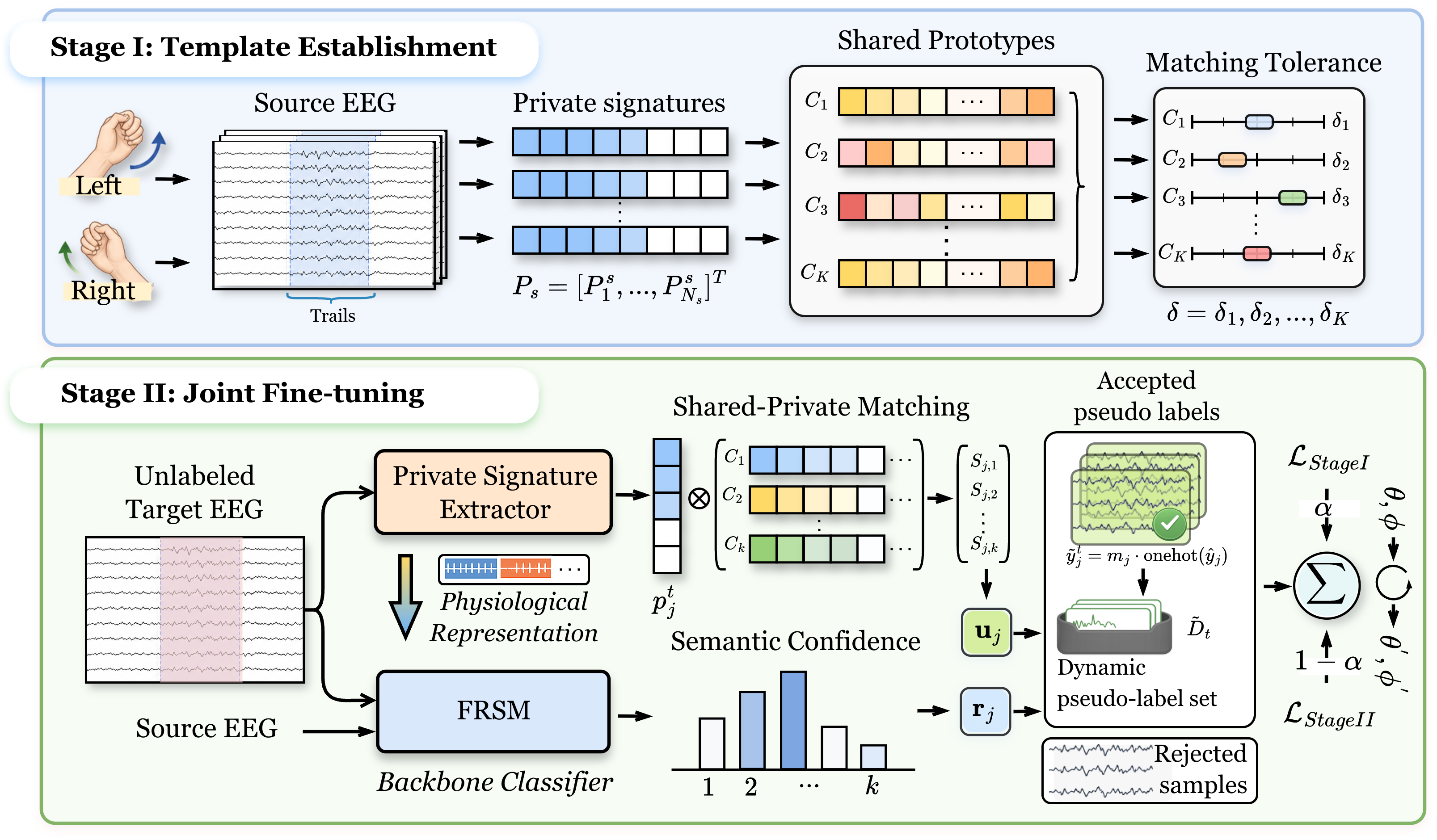
Figure 1: Overall framework of CFSPMNet for cross-patient post-stroke MI-EEG decoding.
Methodology
Given a set of labeled source-patient MI-EEG trials and unlabeled target-patient trials, the network is tasked with learning a function capable of decoding target-patient MI intentions without requiring target labels. Leave-one-subject-out (LOSO) evaluation ensures rigorous testing of cross-patient adaptation.
Fourier-Reorganized State Mamba Network (FRSM)
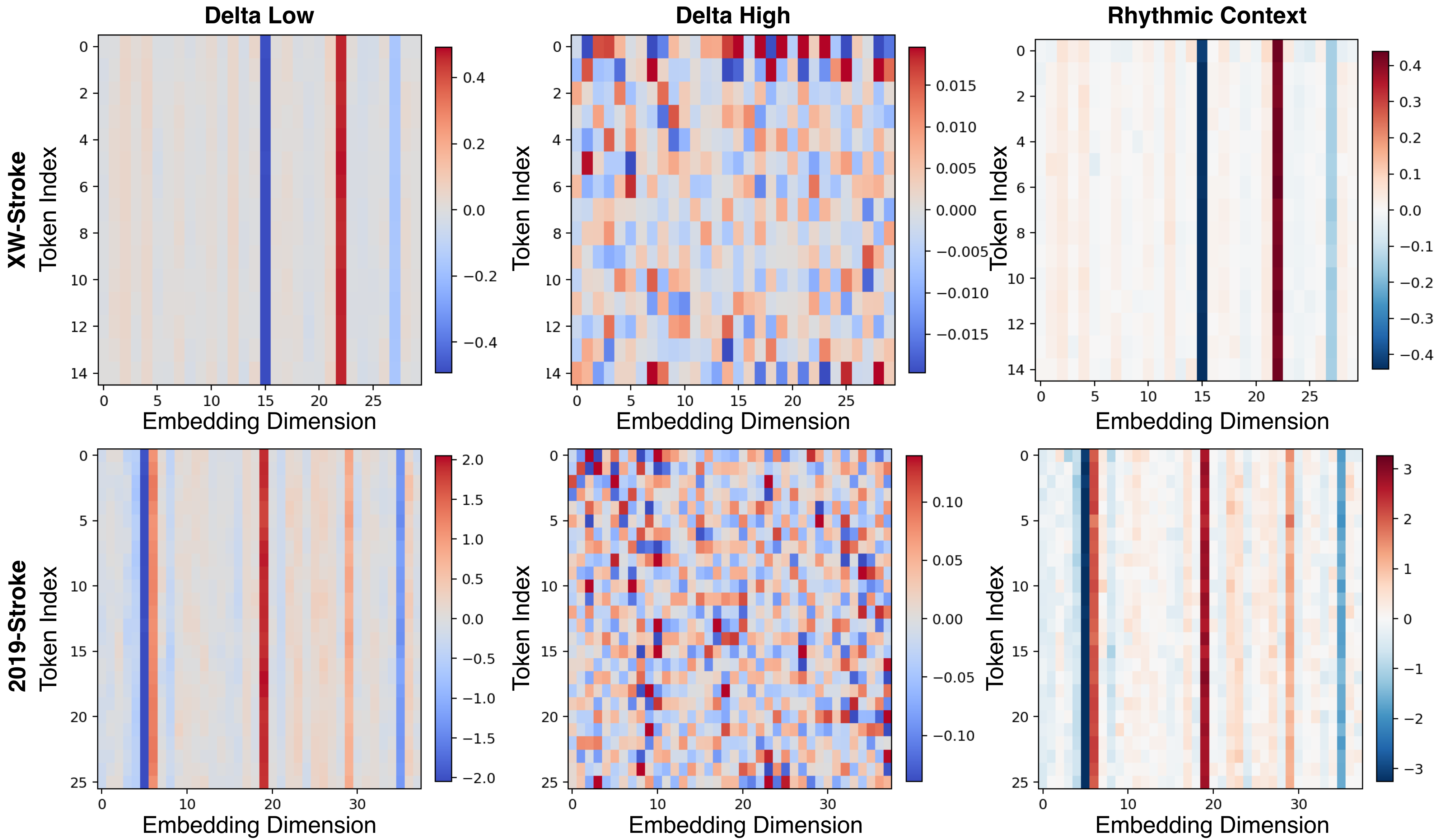
Each MI-EEG trial is represented as a sequence of latent physiological tokens, reflecting local neural states across spatial patches. The FRSM module orchestrates token reorganization in the Fourier domain and injects amplitude-phase context into the Mamba state-space propagation mechanism.
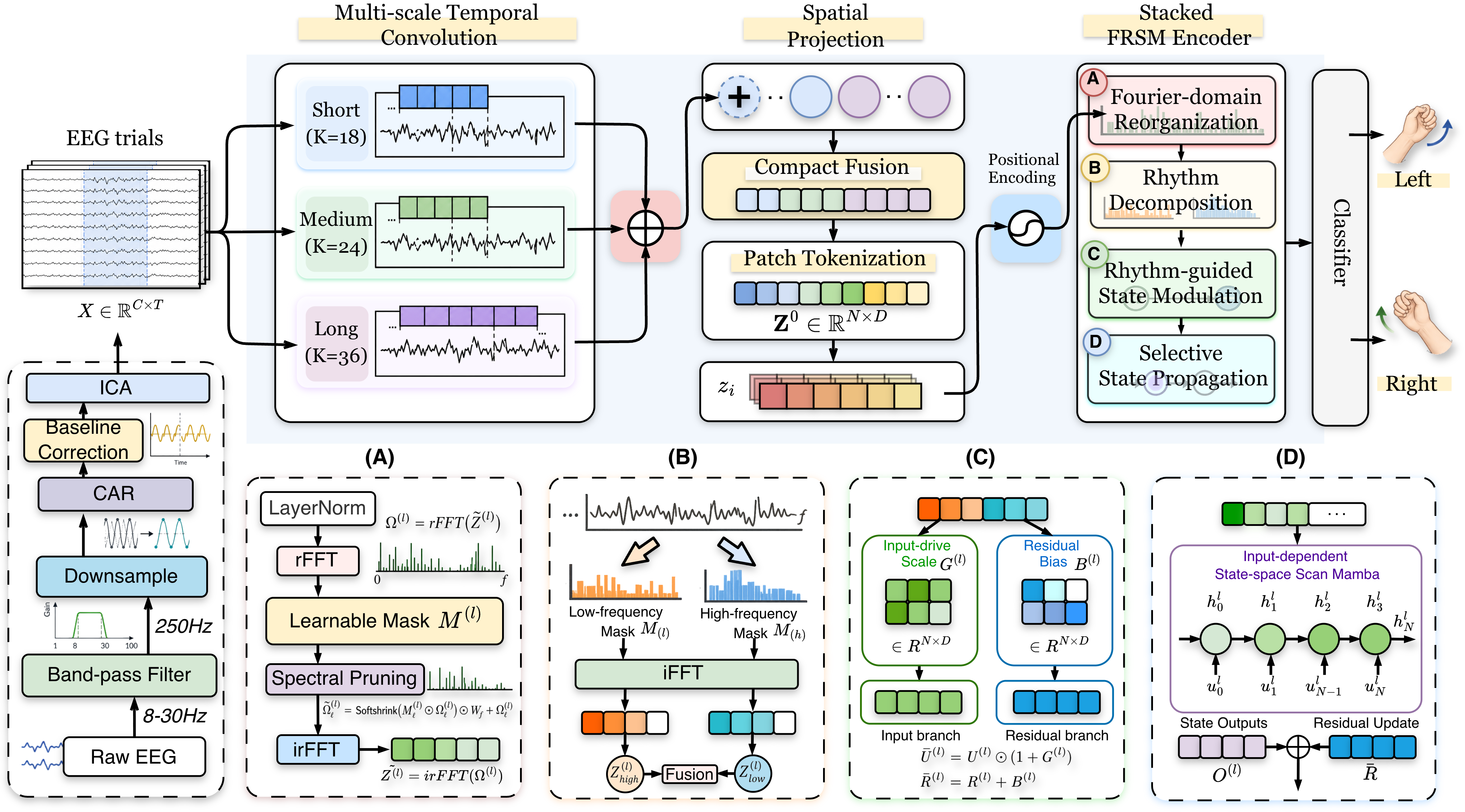
Figure 2: Architecture of the Fourier-Reorganized State Mamba Network.
Shared-Private Prototype Matching (SPPM)
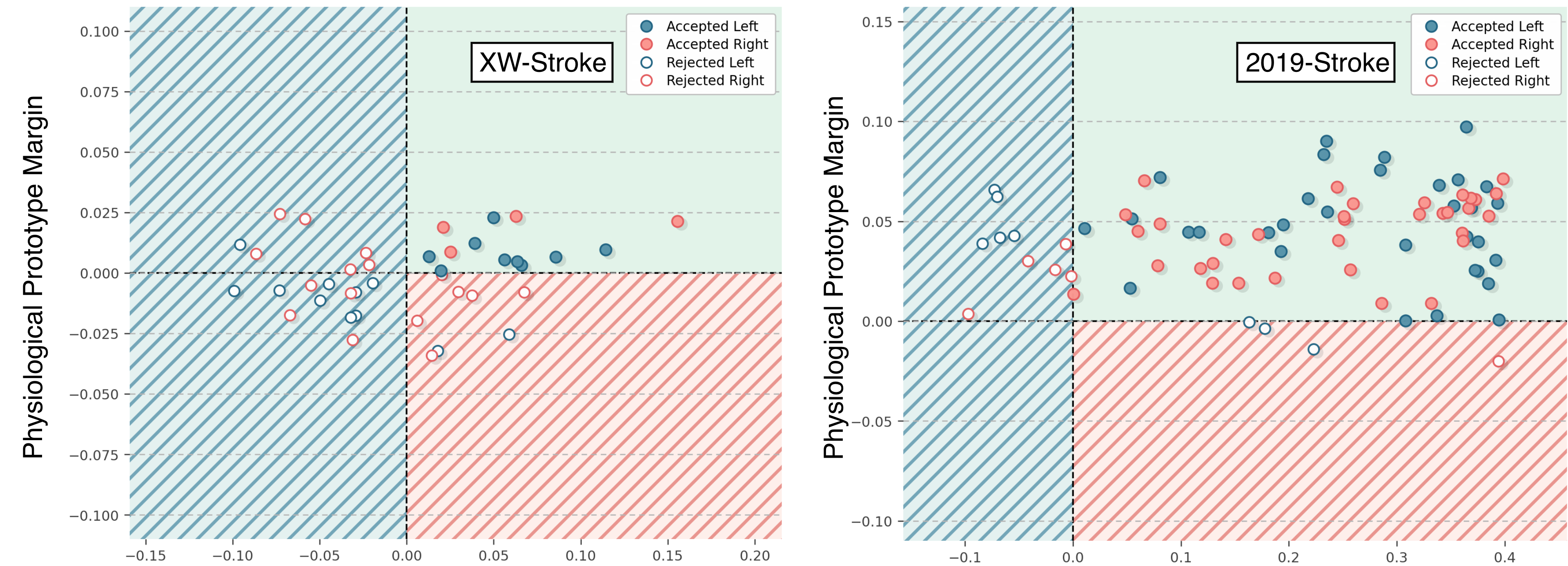
SPPM addresses the unreliability of conventional pseudo-labeling in pathological EEG datasets, where high classifier confidence does not guarantee physiological consistency.
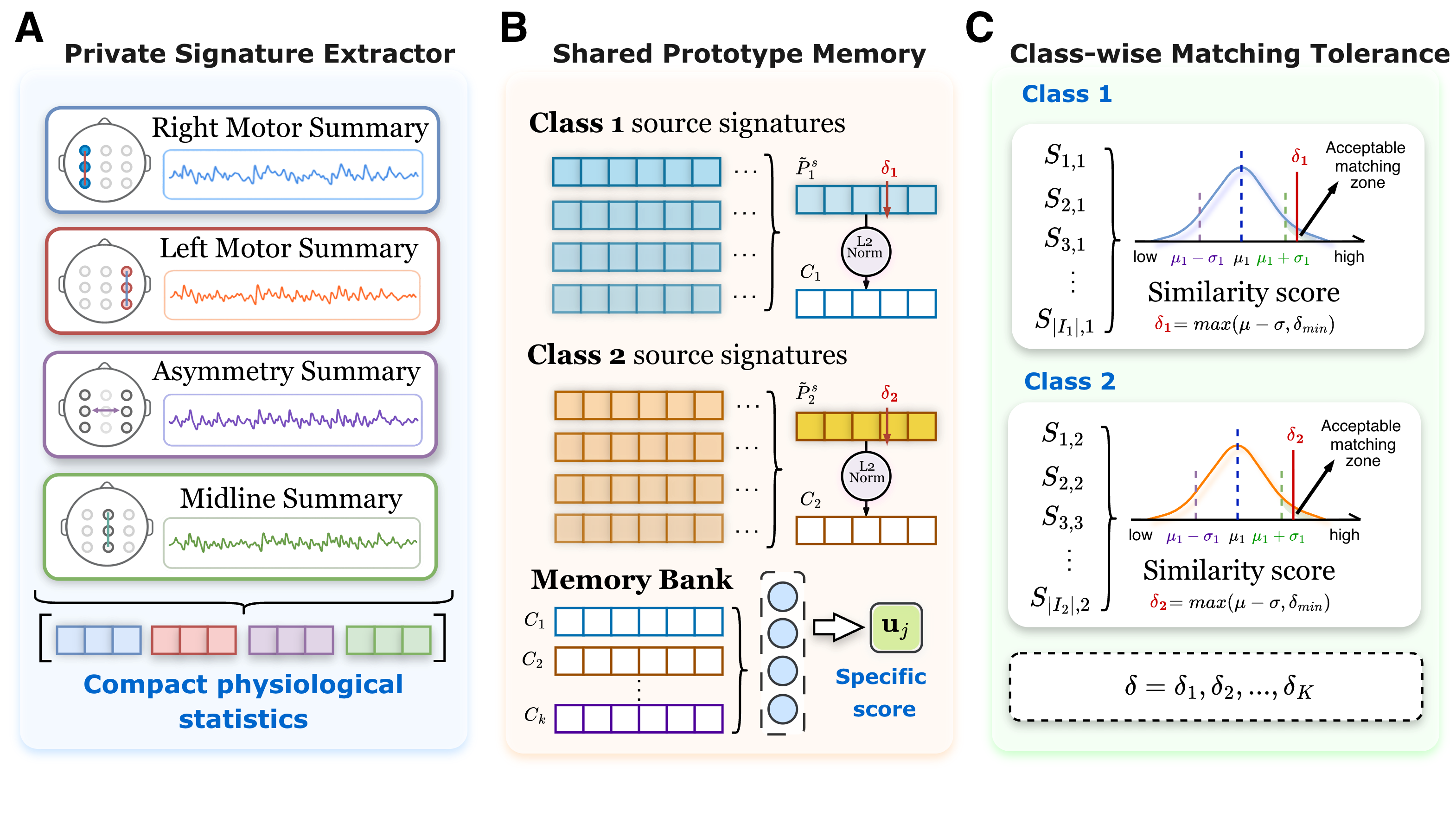
Figure 4: Shared-Private Prototype Matching for calibrated target pseudo-label updating.
Training Protocol
The optimization follows a two-stage schedule: (1) source-supervised encoder/classifier training with prototype construction, and (2) joint adaptation using source supervision and calibrated SPPM-based target pseudo-supervision.
Experimental Results and Analysis
CFSPMNet was evaluated on two post-stroke MI-EEG datasets—XW-Stroke and 2019-Stroke—using a strict LOSO protocol. Across both datasets, the network showed superior accuracy and balanced classwise discrimination, substantially outperforming state-of-the-art CNN-, Transformer-, Mamba-, and adaptation-based baselines. For XW-Stroke, an average accuracy of 68.23% represented a +5.63% absolute gain over the strongest baseline. On 2019-Stroke, the gain was +8.25%.
The improvement was particularly pronounced in F1 and kappa statistics, indicating both improved sensitivity and specificity as well as robust agreement in class assignments beyond chance.
Ablation Studies
Module ablations demonstrated that:
- Removing SPPM resulted in drops of up to 4.27% (XW-Stroke) and 2.33% (2019-Stroke) in accuracy, confirming the necessity of physiological consistency-based pseudo-label gating.
- Disabling the dynamic update mechanism or the Fourier context injection led to more severe degradation, highlighting these as critical to robust cross-subject transfer.
Hyperparameter Sensitivity
Empirical sensitivity analysis confirmed that representation capacity and Fourier reorganization parameters should be co-tuned to the intrinsic heterogeneity of each dataset (Figure 6).
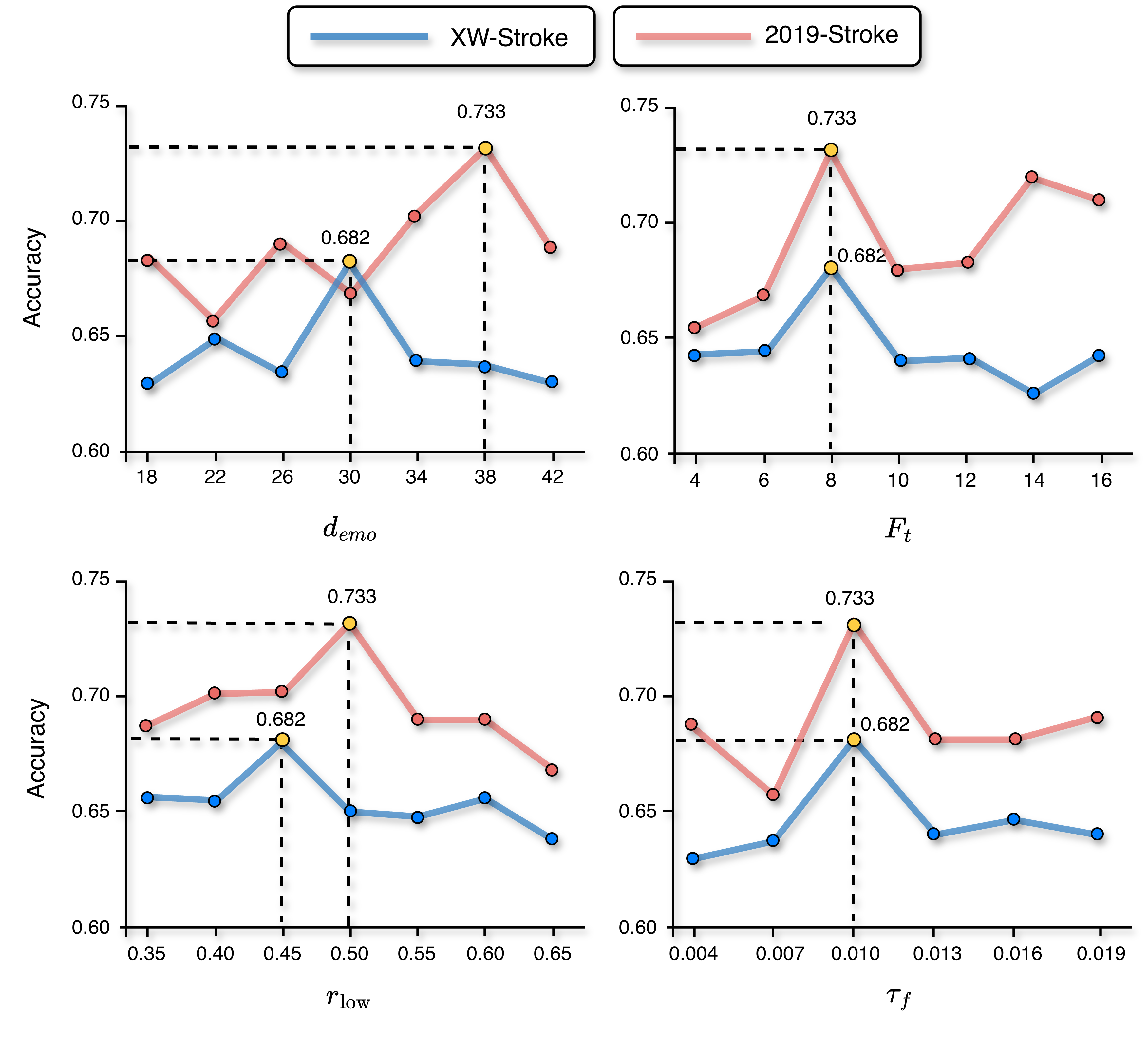
Figure 6: Hyperparameter sensitivity on XW-Stroke and 2019-Stroke.
Feature Alignment Visualization
t-SNE visualizations illustrated a clear class-wise separation and alignment between source and target trials in the learned embedding space, demonstrating effective transfer and suppression of pathologically inconsistent target alignments.
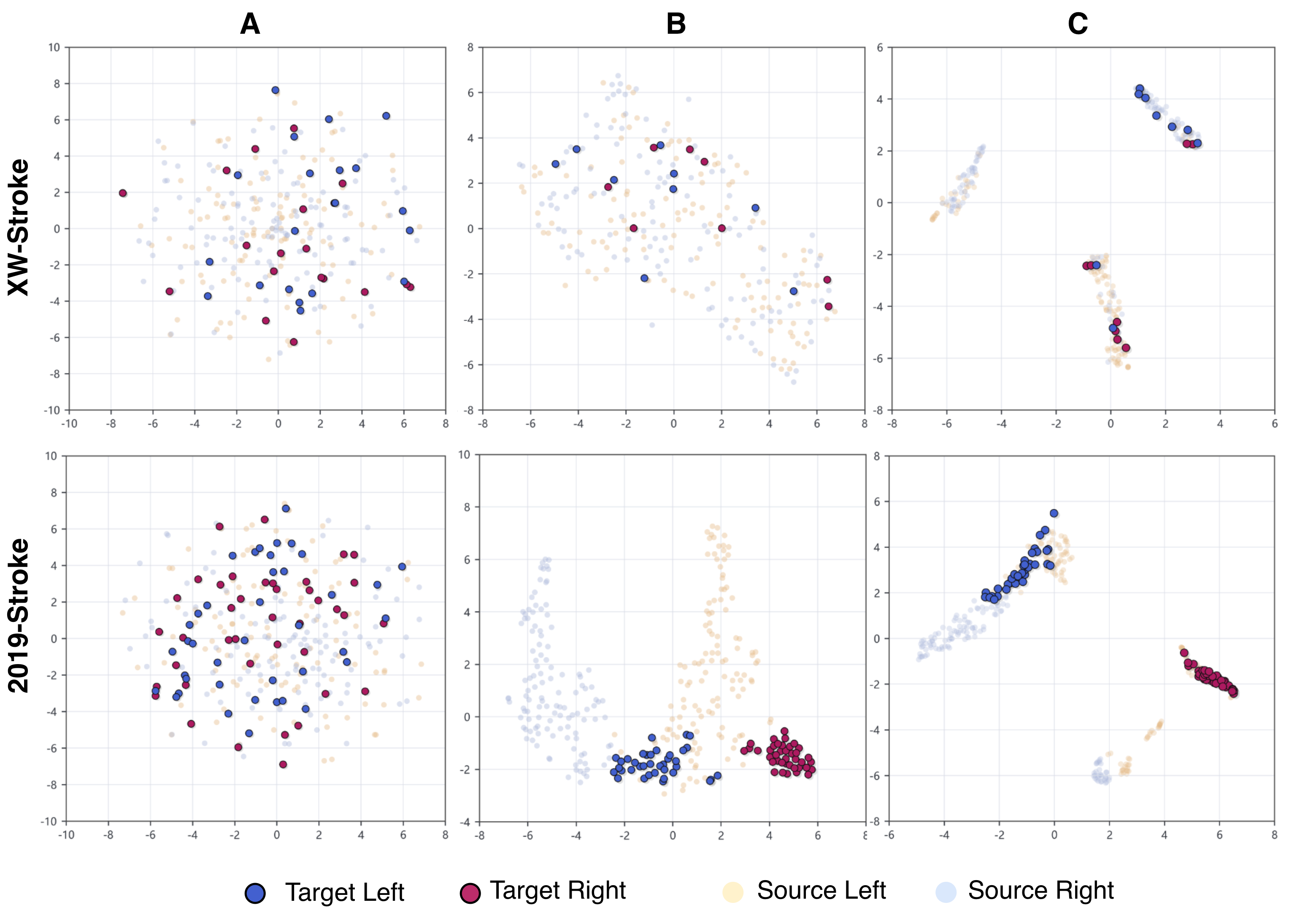
Figure 7: t-SNE feature distributions on XW-Stroke and 2019-Stroke.
Neurophysiological Interpretability
Spatial patterns in both learned weights and input gradients demonstrated organized, physiologically plausible sensitivity, indicating that CFSPMNet leverages distributed sensorimotor circuits for MI decoding rather than overfitting to individual channels.
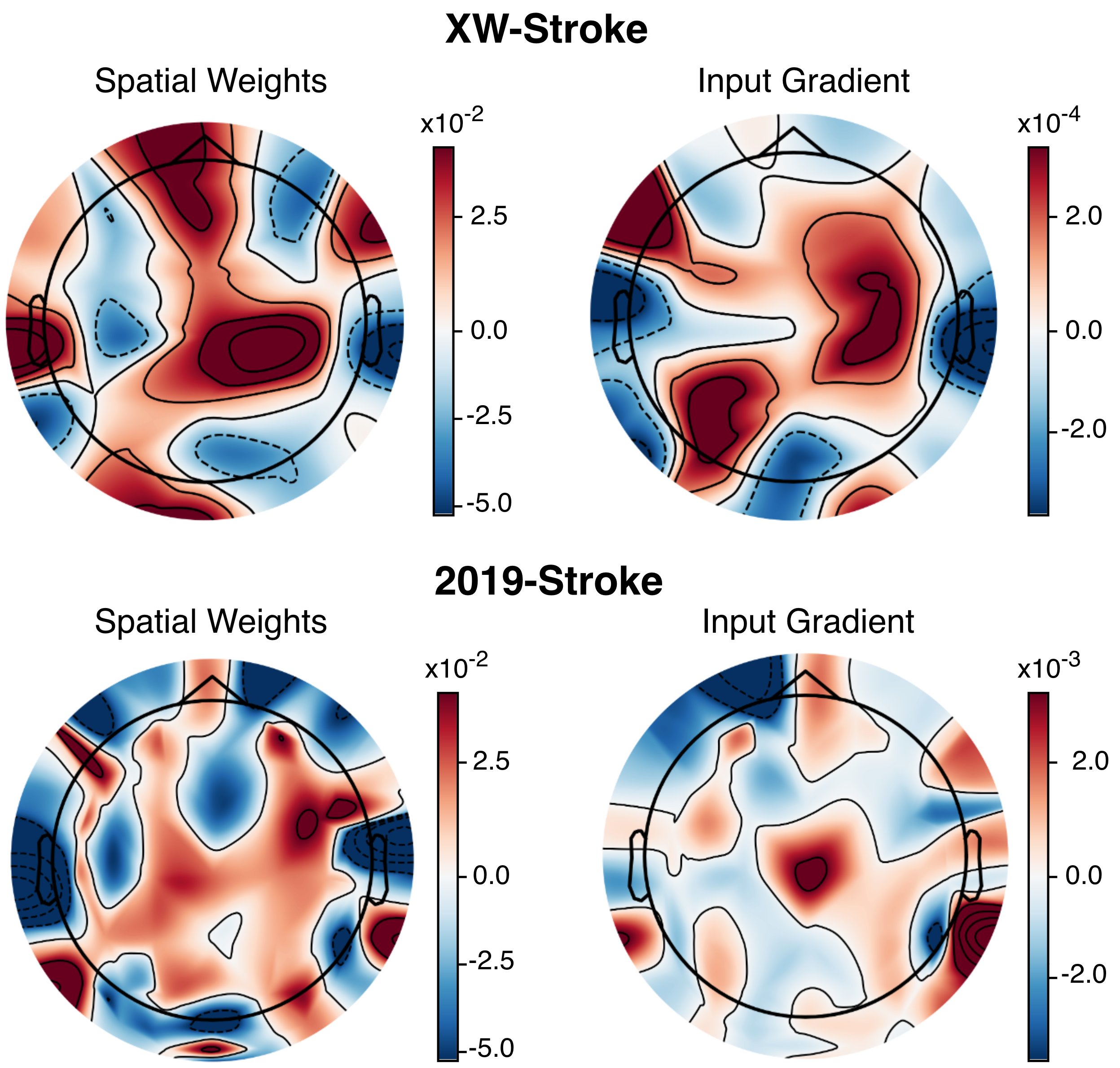
Figure 8: Spatial neurophysiological interpretability on XW-Stroke and 2019-Stroke.
Implications and Future Directions
Theoretical Implications
CFSPMNet reframes the cross-subject MI-EEG decoding challenge for stroke rehabilitation as a latent neural-state organization problem rather than a mere adaptation of statistical features. The explicit modeling of trial-specific amplitude-phase structure and aperiodic activity, and the context-dependent gating of adaptation signals, directly address the biological substrate of post-stroke EEG variability—namely, altered cortical excitability, disrupted state coordination, and the coexistence of periodic/aperiodic dynamics [Brake2024, Cross2025The, 10.1523/JNEUROSCI.1041-25.2025].
Practical Implications
For rehabilitation-oriented BCIs, robust cross-patient decoding minimizes per-patient calibration and enhances clinical viability. Critically, SPPM's calibrated pseudo-labeling may reduce the risk of maladaptive feedback in clinical closed-loop settings, which is crucial for maintaining patient trust and therapeutic effectiveness [10.1177/10538135261441843].
Directions for Future Work
Given the large inter-individual variance and the limited size of currently available clinical datasets, future research should:
- Expand validation to larger, more diverse multi-center cohorts with richer clinical and neuroimaging metadata to stratify model performance against lesion profiles, impairment severity, and rehabilitation stages.
- Incorporate structured clinical covariates into the adaptation process, potentially using clinical variables or imaging-derived descriptors to guide domain adaptation or subgroup selection.
- Pursue online adaptation and real-time feedback evaluation, emphasizing not only offline decoding accuracy but also stability of calibration, session-to-session adaptation, and reductions in erroneous feedback.
- Explore integration with multimodal signals for more robust and personalized neural-state modeling.
Conclusion
CFSPMNet advances post-stroke MI-EEG BCI by recasting inter-patient decoding as an issue of latent neural-state organization, rather than solely distributional alignment. By synthesizing Fourier-guided token-state reorganization and principled pseudo-label calibration, the model achieves substantial improvements over current baselines in both accuracy and physiological consistency. The framework is positioned to enable more reliable, patient-adaptive rehabilitation systems, and offers a promising foundation for future advances in cross-patient neural decoding in both research and clinical practice (2605.10111).