- The paper presents a multi-fidelity computational workflow that screens 56 HE-MBene compositions to identify three zero-overpotential candidates for CO₂ reduction.
- It employs spin-polarized DFT and a MACE machine-learned interatomic potential to evaluate stability, electronic properties, and CO₂ adsorption energetics.
- The study establishes design rules highlighting Hf/Zr donor roles and Cr active sites, breaking traditional scaling relations to optimize CO₂ electroreduction.
Multi-Fidelity Computational Screening of High-Entropy MBenes for CO2 Electroreduction
Introduction
This work presents a comprehensive computational investigation into the discovery of high-entropy MBenes (HE-MBenes) as candidates for the electroreduction of CO2 to CO. The study addresses two key limitations in current CO2 reduction electrocatalysts: the scaling relation constraints of single-metal surfaces and the surface passivation in conventional MXenes due to terminal oxygen groups. By systematically exploring the compositional landscape of HE-MBenes, the authors combine the electron-rich surface chemistry of MBenes with the disorder-driven catalytic versatility of high-entropy alloys (HEAs).
Methodology
Screening Workflow
The authors examined 56 equiatomic quinary HE-MBene compositions derived from the Ti, V, Cr, Mo, Nb, Ta, Zr, and Hf element pool. Disordered MBene structures were generated using Monte Carlo Special Quasirandom Structures (MCSQS) and structurally relaxed via spin-polarized DFT (PBE+D3) calculations. The screening funnel consisted of sequential gates: mechanical and thermodynamic stability, dynamical stability via phonon spectra, PDOS-guided site identification, high-throughput CO2 adsorption energy evaluation using a MACE machine-learned interatomic potential, and computational hydrogen electrode (CHE) free energy modeling of the CO2-to-CO pathway. Rapid thermal stability assessment was performed via ab initio molecular dynamics (AIMD) at 500 K.
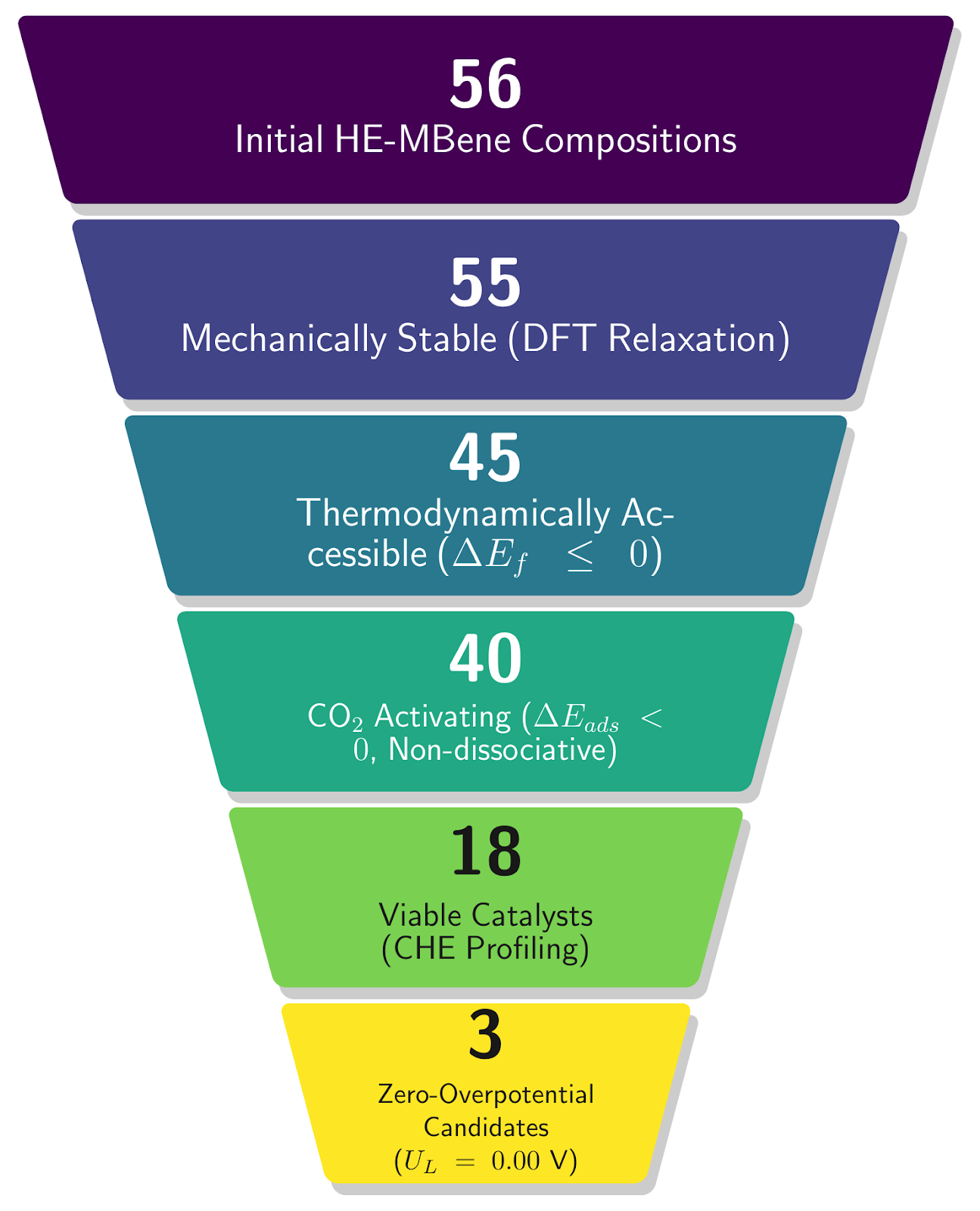
Figure 1: Multi-fidelity computational screening workflow demonstrating the progressive filtering of 56 initial equiatomic quinary HE-MBene compositions down to 3 zero-overpotential candidates.
Machine-Learned Interatomic Potential
A MACE architecture-based MLIP was fine-tuned on a DFT dataset (energy RMSE: 3.49 meV/atom, force RMSE: ∼38 meV/Å, R2=0.9991), enabling accurate, efficient sampling (1,375 adsorption configurations) and dynamical stability screening.
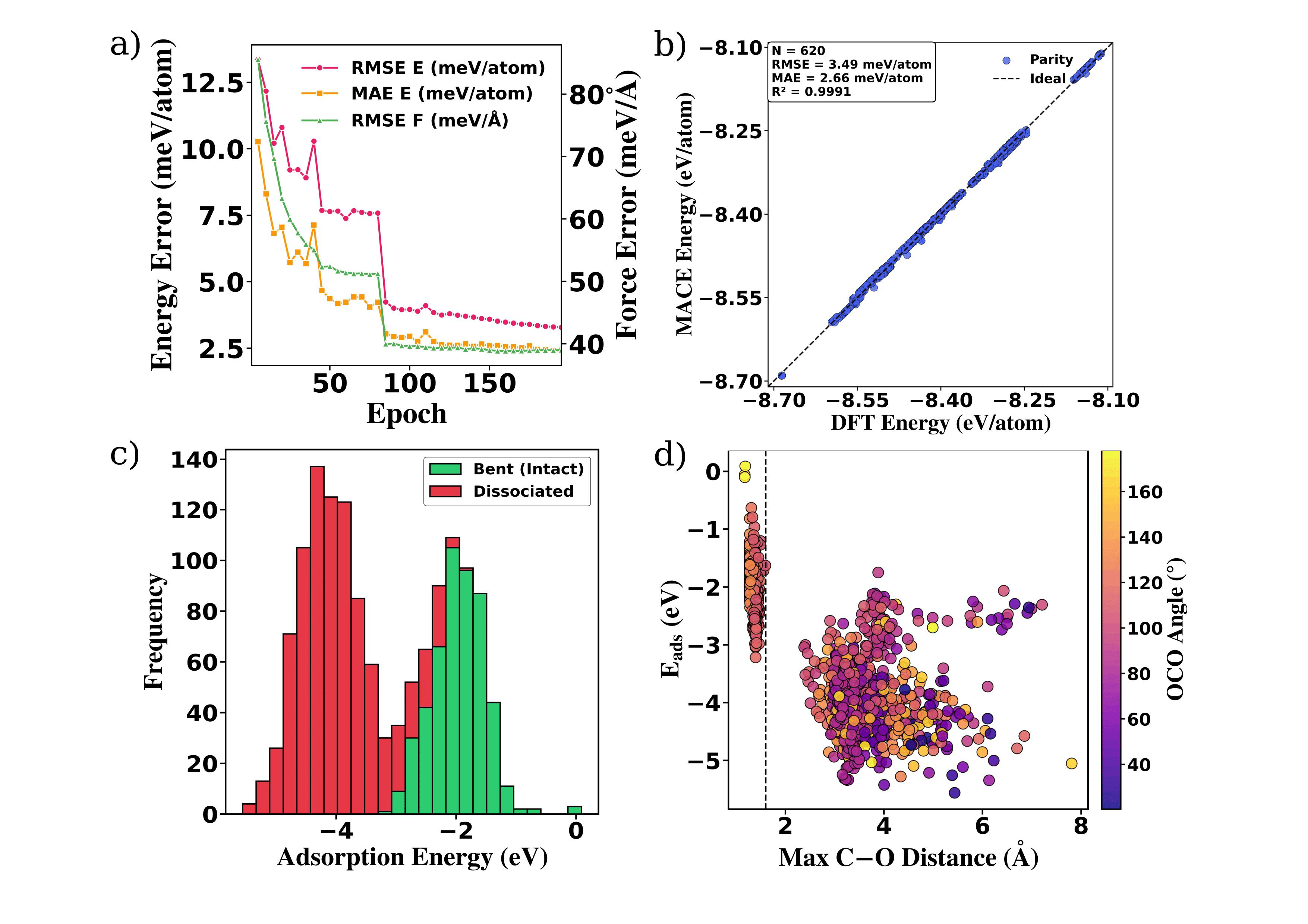
Figure 2: MACE MLIP training diagnostics and global CO2 adsorption statistics.
Electronic Structure and Compositional Space Analysis
DFT-derived property maps (energy, formation energy, d-band center, work function, Bader charge) capture the electronic effects of compositional mixing. Approximately 80% of the composition space exhibited negative formation energies, with thermodynamic stability favored in Zr- and Hf-rich compositions—a direct consequence of their charge-donating roles.
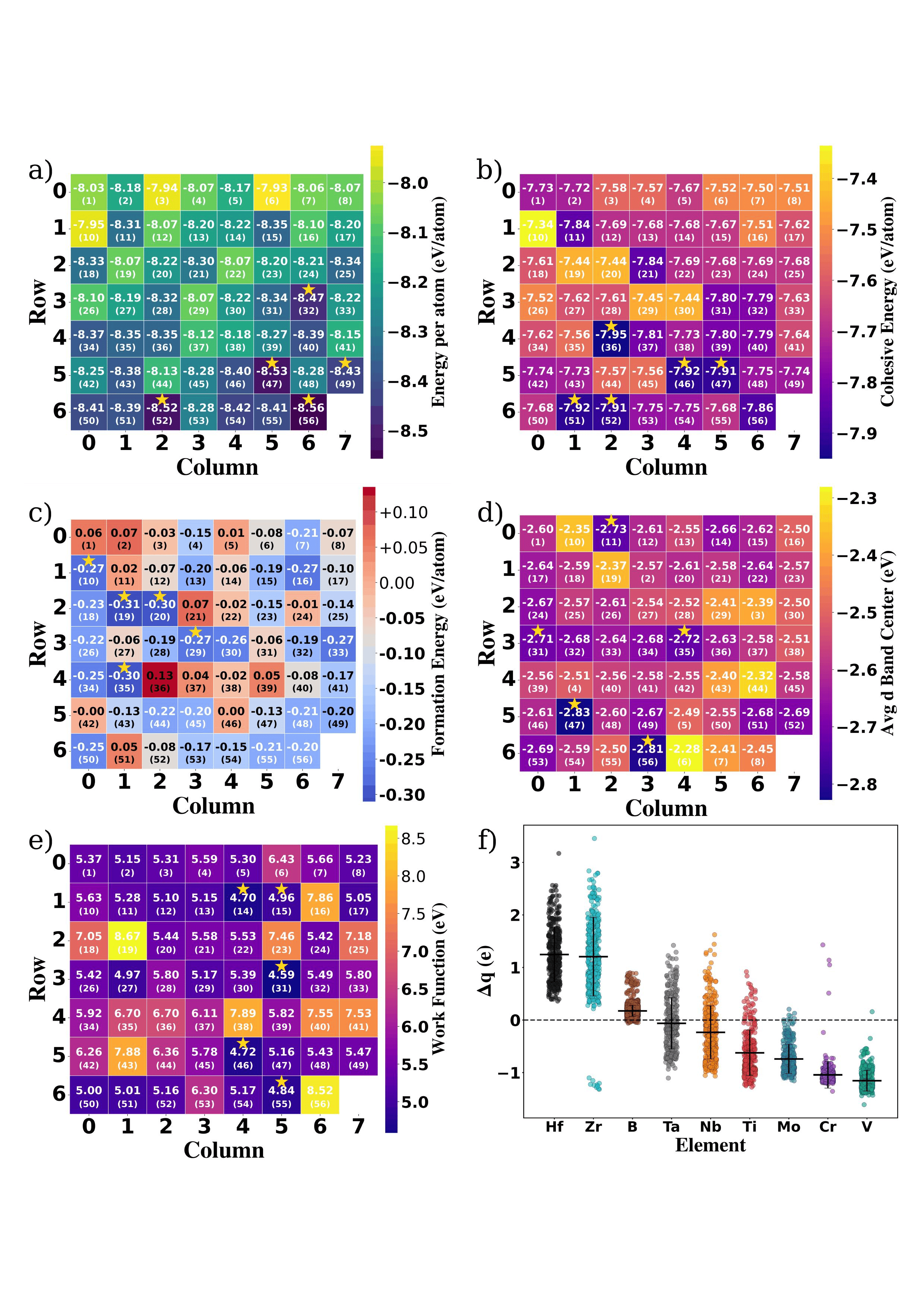
Figure 3: Compositional property maps for all 56 equiatomic quinary HE-MBene compositions computed from DFT.
The d-band center spanned a narrow range due to the high-entropy averaging, shifting more positive with increased Hf/Zr content. The work function displayed a tunable window spanning over 3 eV, directly impacting back-donation into the CO20 21 LUMO and, by extension, CO22 activation energetics.
Identification of Active Sites for CO23 Adsorption
PDOS analysis revealed that Cr consistently provides the dominant 24-state contribution at energies matching the CO25 26 orbital. Thus, in all leading candidates, the Cr site was targeted for CO27 adsorption, with adjacent Hf/Zr atoms maintaining an electron-rich environment that enhances back-donation to the adsorbate.
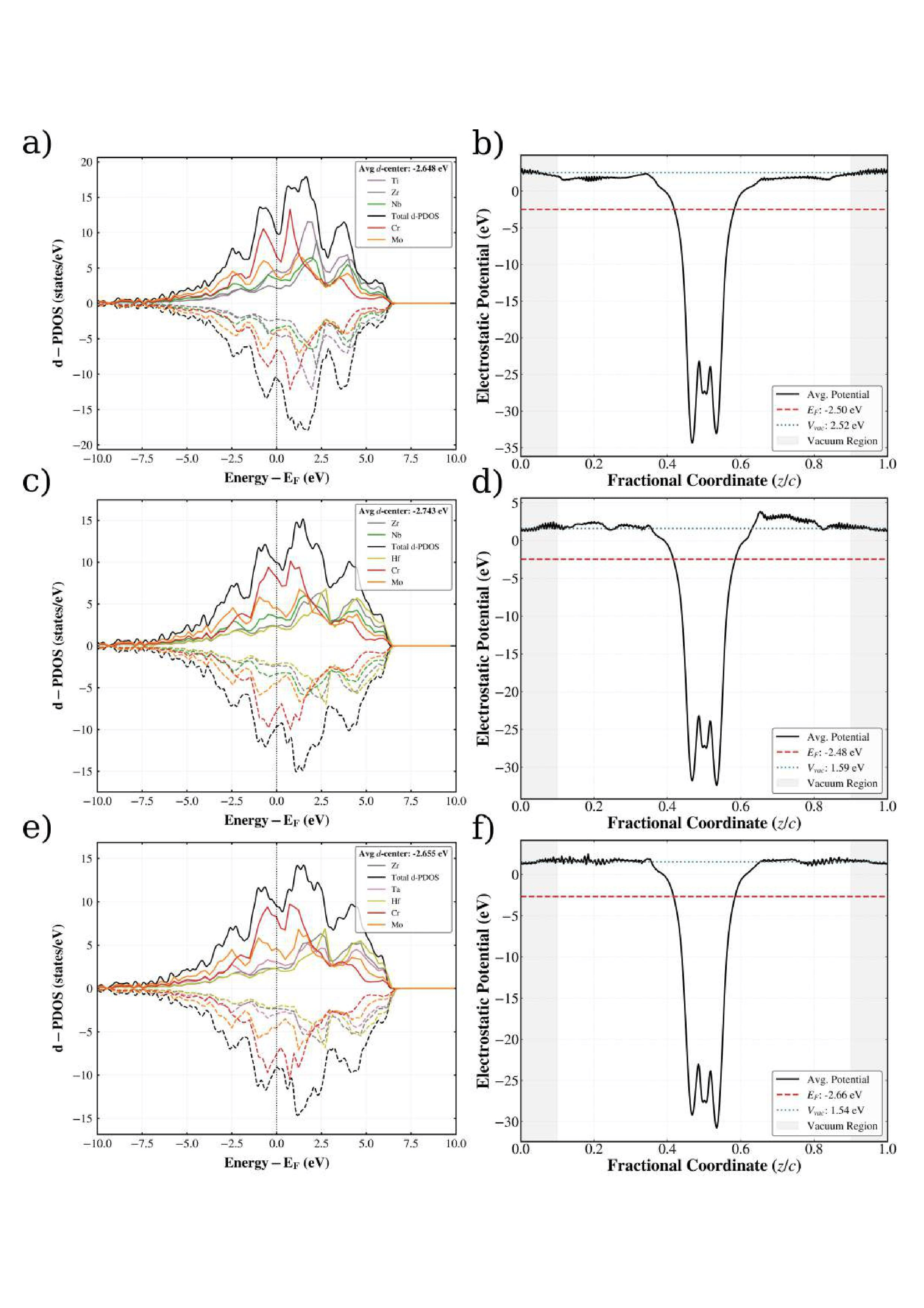
Figure 4: Element-resolved d-PDOS and planar-averaged electrostatic potential for the three zero-overpotential (within the CHE thermodynamic framework) HE-MBene candidates.
Adsorption Landscape and Dynamical Stability
DFT and MACE-MLIP data revealed a clear hierarchy of adsorption energetics: Ti-centered sites favored strong (often dissociative) binding, while Cr- and V-centered sites favored moderate, activation-optimal binding. The three zero-overpotential candidates exhibited CO28 adsorption energies (29 to 20 eV, Cr site), perfectly matching the Sabatier optimum for selective, stepwise CO21RR.
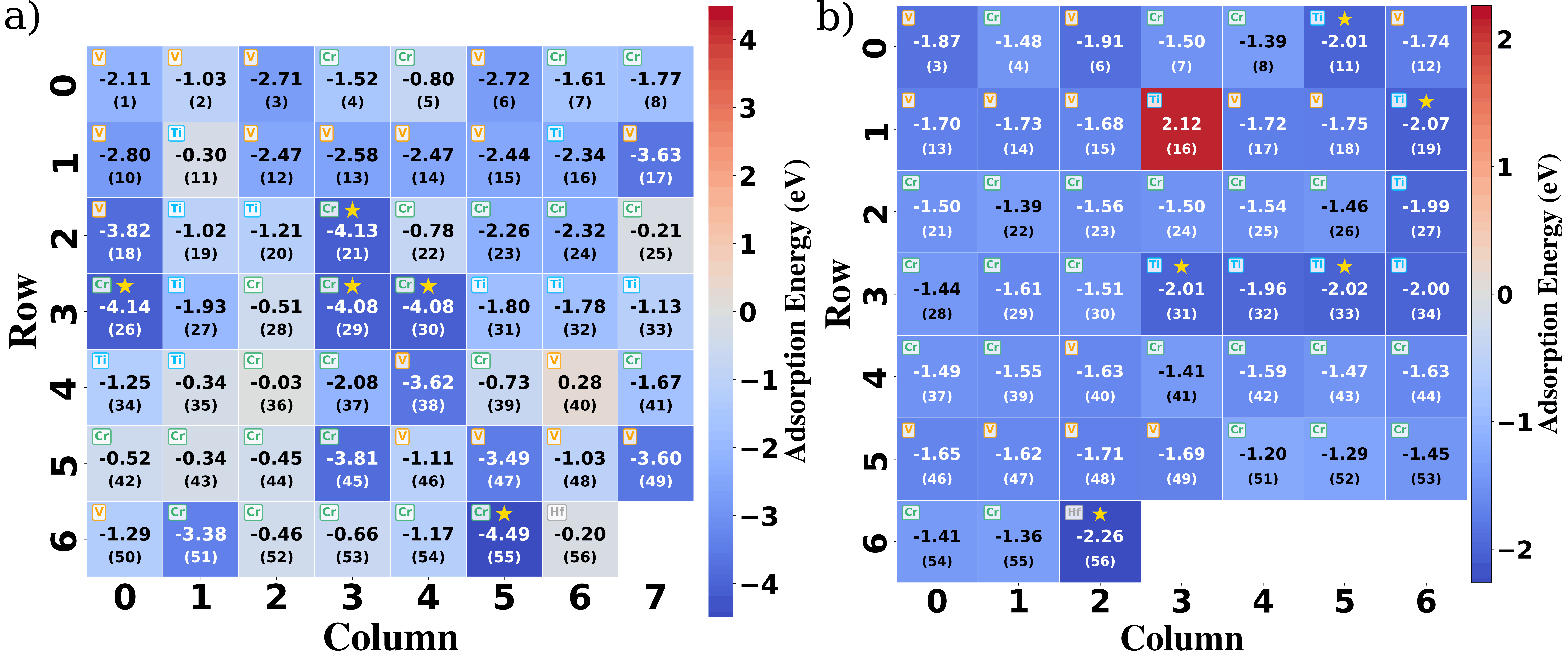
Figure 5: DFT CO22 adsorption energy maps across the HE-MBene compositional space.
Phonon spectra for the top candidates confirmed the absence of unstable imaginary modes, and AIMD simulations verified thermal stability (RMSD 23 0.2 Å at 500 K) with full lattice retention.
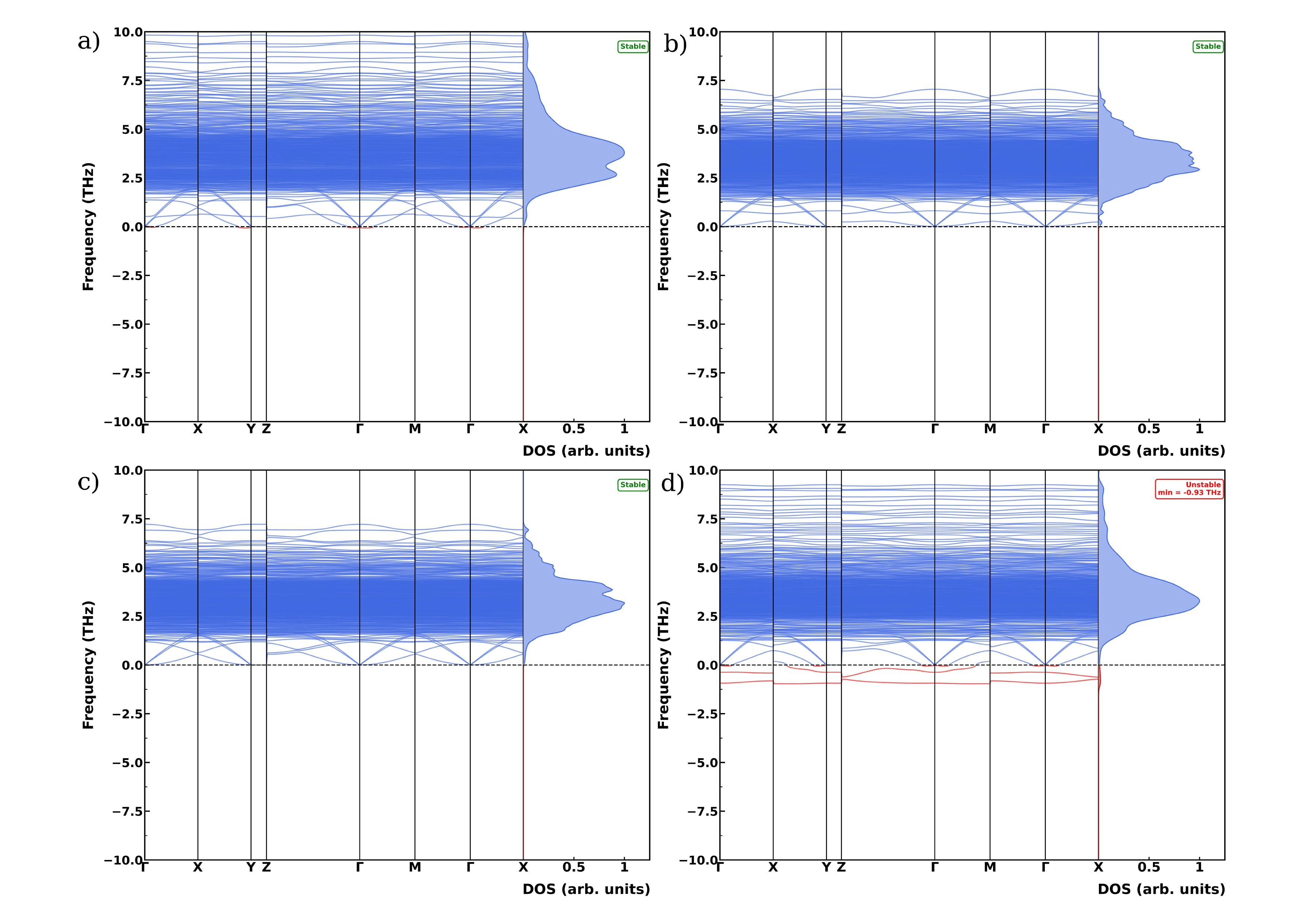
Figure 6: Representative MACE-computed phonon band structures and density of states for HE-MBene compositions.

Figure 7: AIMD thermal stability analysis at 500 K for five representative HE-MBene compositions.
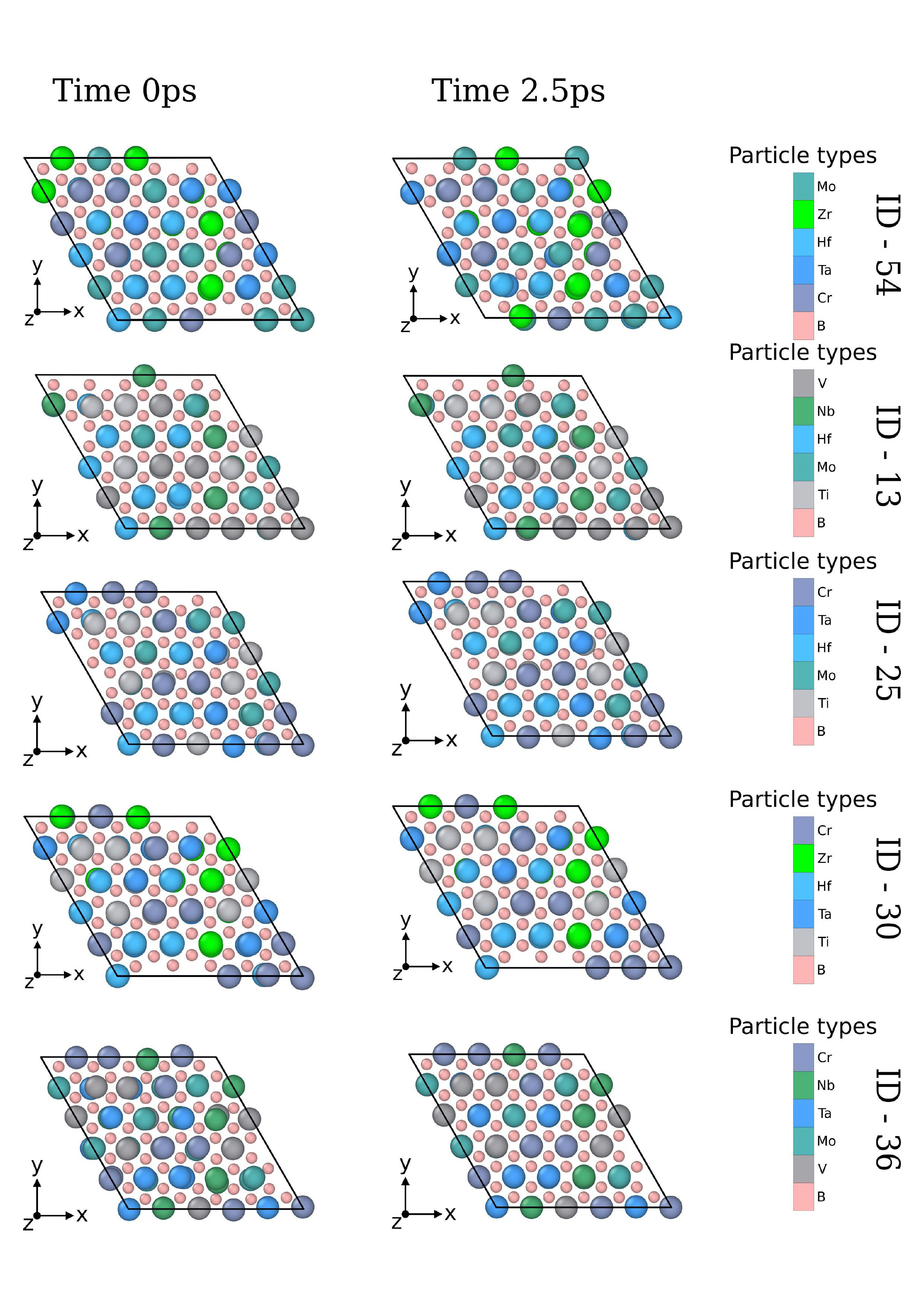
Figure 8: Atomic snapshots at the start and end of AIMD trajectories at 500 K confirming lattice preservation.
Thermodynamic Pathways for CO24 Electroreduction
CHE analysis of the two-electron CO25-to-CO pathway identified 18 viable compositions, of which three—CrNbZrMoTiB26 (ID-22), MoZrHfNbCrB27 (ID-53), and MoZrHfTaCrB28 (ID-54)—were uniquely zero-overpotential: all elementary steps, including the rate-determining COOH* hydrogenation, were exergonic at 29 V vs. RHE. These profiles are superior to all reported MBene/HEA benchmarks. COOH* stabilized at upright, monodentate Cr sites (20–21 Å), with Hf/Zr neighbors facilitating charge transfer. Selectivity over the hydrogen evolution reaction was consistently preserved across all candidates.
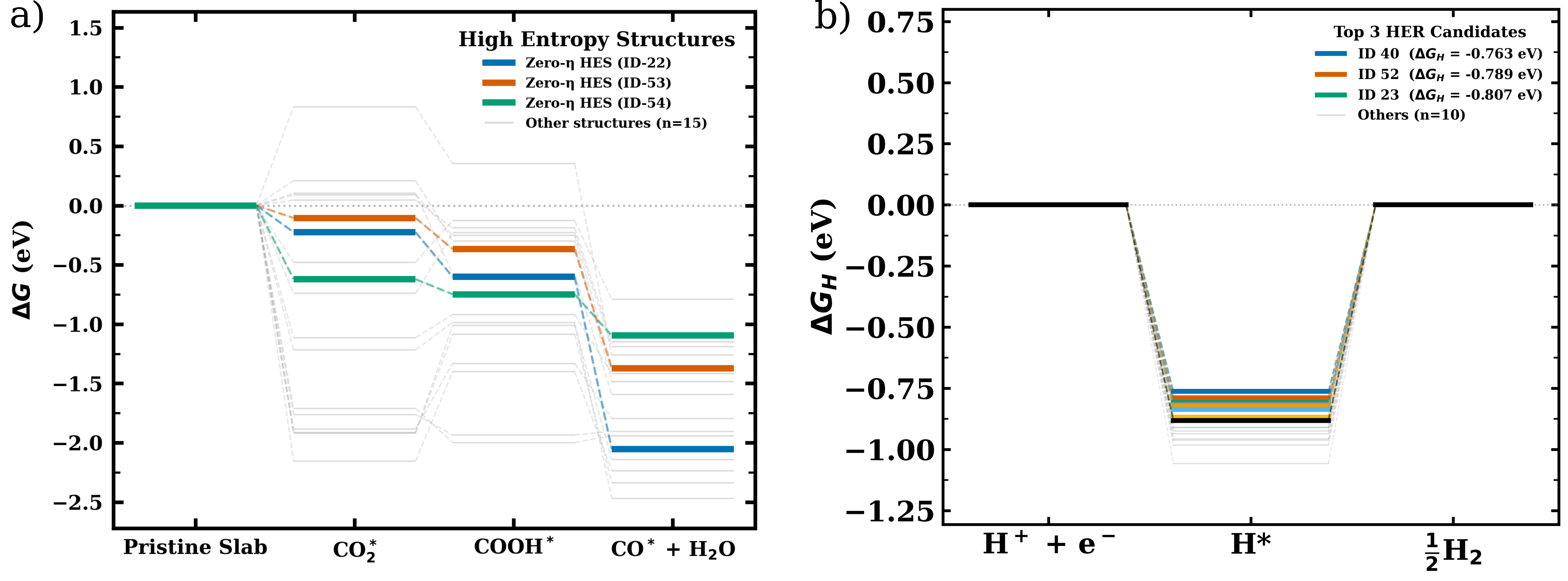
Figure 9: CHE free energy profiles for CO22RR and HER selectivity assessment at zero applied potential (U = 0 V vs. RHE).
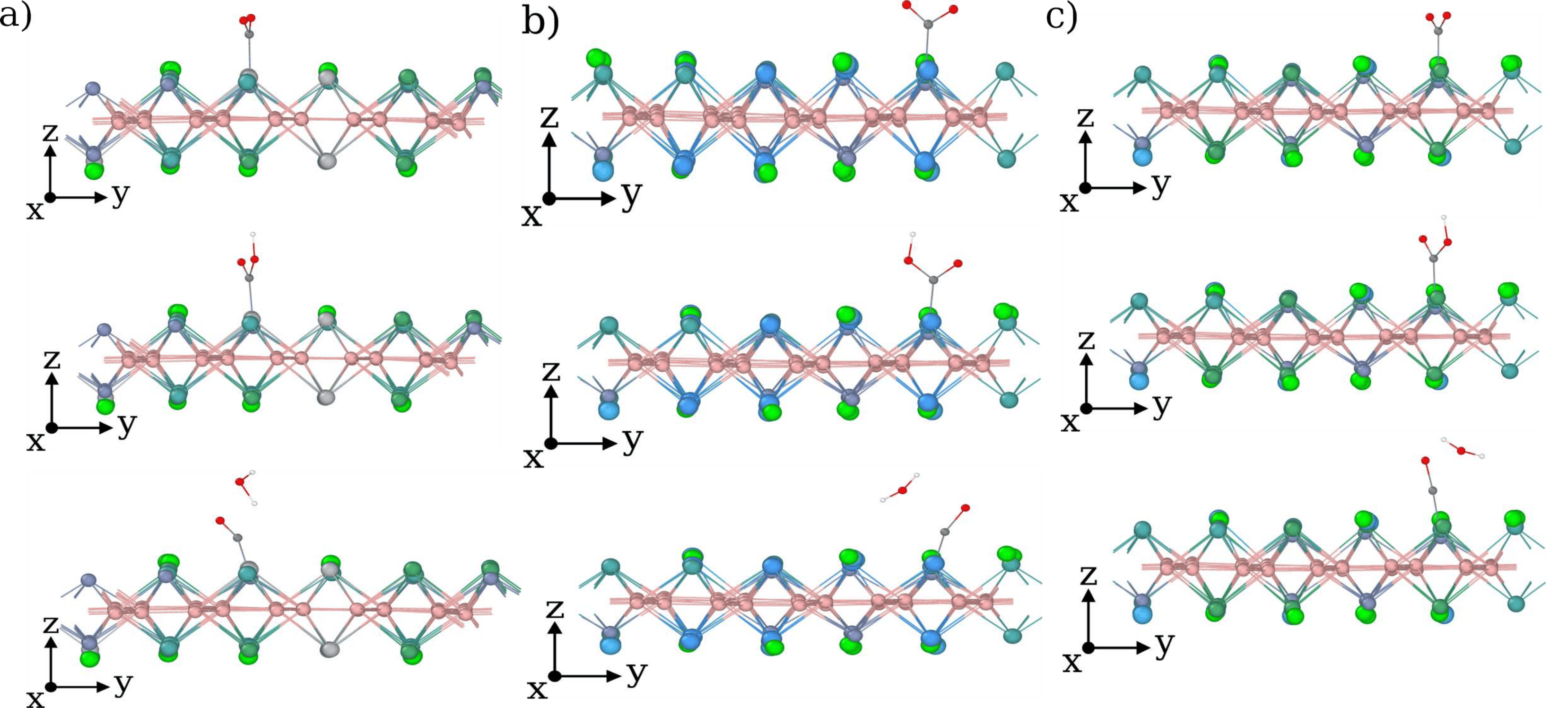
Figure 10: Atomic snapshots of the rate-determining COOH
intermediate on the three zero-overpotential HE-MBene catalysts.*
Compositional Principles and Structure-Property Relationships
Three design rules were established from the computational data:
- Electron-donor enrichment (Zr/Hf) is strictly required for both thermodynamic and kinetic stability. High local electron density enables facile 23 back-donation and optimal CO24 activation.
- Cr-centered active sites are necessary for achieving the electronic resonance conditions that place the PDOS maximum in the −2 to +1 eV window about 25.
- High-entropy mixing flexibly decouples intermediate adsorption scaling relations, breaking the traditional surface volcano limitation and enabling the independent optimization of all energetics in the reduction pathway.
Implications and Future Directions
The computational framework, integrating structure generation, DFT, advanced MLIP, phonon stability, and reaction energetics, enables systematic navigation of compositionally vast, disordered materials spaces. The identification of robust, zero-overpotential, selective HE-MBenes marks a significant theoretical advance in 2D materials catalysis and provides an actionable recipe for rational composition design: an Hf/Zr (donor)–Cr (active site) motif within a high-entropy Mo/Nb/Ta “matrix.” These findings indicate that strategic high-entropy mixing with targeted site engineering can circumvent fully coupled scaling laws, providing a pathway to catalytic performance unattainable in classical monometallic or binary systems.
Experimentally, this study motivates the synthesis of quinary MAB-phase boride precursors and subsequent exfoliation, as well as further in situ studies under operational electrochemical conditions. Extension to higher-order (senary, septenary) HE-MBene systems and to C1+ product selectivity engineering are logical next steps for both computation and synthesis. The present framework is generalizable to multi-product CO26RR and to other small-molecule activation reactions relevant in energy and environmental catalysis.
Conclusion
Through an integrated multi-fidelity workflow, this study establishes high-entropy MBenes as the leading computational candidates for zero-overpotential, selective electrochemical CO27-to-CO reduction. The combined application of compositional sampling, high-precision DFT, machine-learned potentials, and reaction thermodynamics elucidates the mechanisms by which configurational disorder can break activity/selectivity trade-offs in 2D electrocatalysts. These results set the stage for targeted experimental realization and for the broader application of high-entropy design in complex catalyst systems (2605.08728).

