- The paper demonstrates that unfair phoneme representations primarily result from increased variance in disadvantaged groups rather than systematic bias.
- It employs phoneme recognition probes and KNN distance metrics to quantify performance disparities across demographic groups in models like Wav2vec 2.0 and Whisper.
- Findings show that standard fairness interventions, such as adversarial training, fail to mitigate variance-driven errors, highlighting the need for novel embedding stabilization methods.
Identifying and Typifying Demographic Unfairness in Phoneme-Level Embeddings of Self-Supervised Speech Recognition Models
Introduction
The work titled "Identifying and typifying demographic unfairness in phoneme-level embeddings of self-supervised speech recognition models" (2604.22631) provides a rigorous analysis of how and why state-of-the-art self-supervised speech models (S3Ms) produce systematic disparities in phoneme embedding quality across demographic groups. The study centers on disentangling two sources of fairness impairment in latent representations—systematic bias ("embedding bias") versus random error (increased variance)—and elucidates their respective contributions to unequal performance for speaker groups (SGs) within modern Automatic Speech Recognition (ASR) systems.
Error Typology: Embedding Bias versus Variance
The paper formalizes a conceptual framework for fairness failures at the level of phoneme embeddings, distinguishing:
- Embedding Bias/Systematic Error: The model encodes phonemes from different SGs around distinct modes, potentially favoring better-represented SGs and yielding group-specific biases in the ASR output layer.
- High Variance/Random Error: All SGs' phonemes are mapped around the same mode, but with substantially higher scatter for underrepresented/disadvantaged SGs, increasing prediction error without a systematic mode shift.
This distinction is visually articulated in (Figure 1), which demonstrates the consequences of these error types for linear classifiers in latent space.
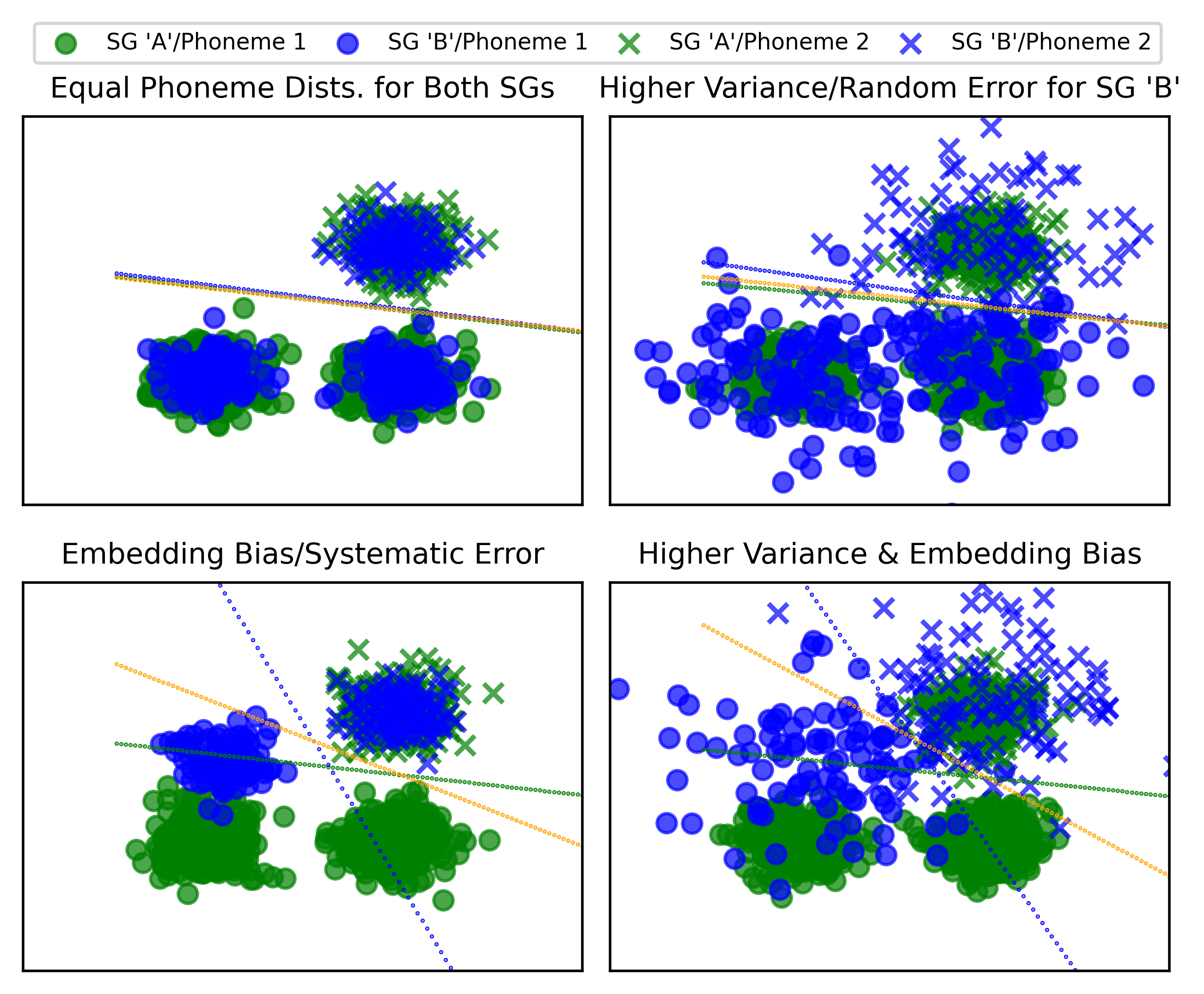
Figure 1: Toy visualization contrasting high variance and embedding bias across speaker groups in phoneme representations, and their effects on learned ASR heads.
Experimental Protocol
Analyses are conducted on Sonos Voice Control Bias Assessment Dataset, leveraging its precise demographic metadata (gender, age, dialect, ethnicity) and homogenous recording quality to minimize extraneous sources of error. S3Ms investigated include WavLM, Wav2vec 2.0, DeCoAR 2.0, and the Whisper encoder, with all models being both pretrained and ASR-finetuned under controlled protocol to isolate representation effects.
Probing analyses are conducted with two key methodologies:
- Phoneme recognition probes: Linear classifiers are trained either on a balanced dataset or on data restricted to a single SG. In-domain versus out-of-domain generalization is measured to quantify embedding bias.
- Variance quantification: Random error is estimated via intra-SG k-nearest-neighbor (KNN) distances in latent embedding space after PCA-based dimensionality reduction.
Phoneme-Level Fairness Results
Macro-Scale Trends
ASR-finetuned models show consistent trends: some phonemes are inherently more challenging, but relative group disparities mirror established biases, such as children, non-native speakers, or speakers from marginalized ethnic groups exhibiting increased error rates.
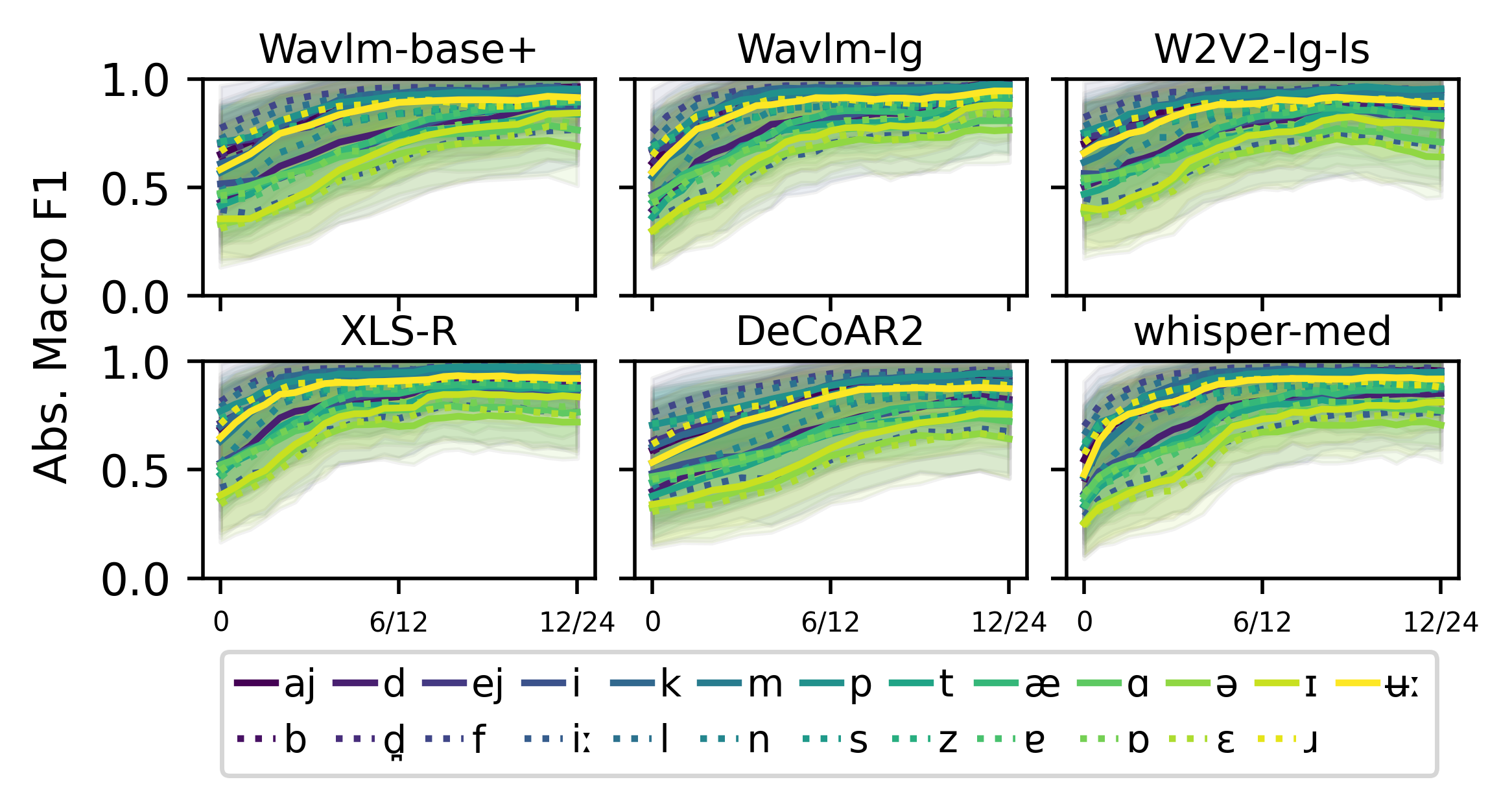
Figure 2: Absolute F1 scores for phoneme classification across layers, highlighting trends in phoneme and layer difficulty across models.
Systematic Bias: In-domain Probe Effects
Phoneme recognition probes trained on a single SG show statistically significant, but usually modest, in-domain performance increases for certain SGs/phonemes—especially in early or intermediate layers—indicative of embedding bias. However, in later (more task-specialized) layers, the benefit of in-domain training largely vanishes, and “pecking order” fairness gaps remain unchanged across probe training regimes. This is interpreted as evidence that high variance is a stronger determinant of systematic unfairness than mode-shifting bias.
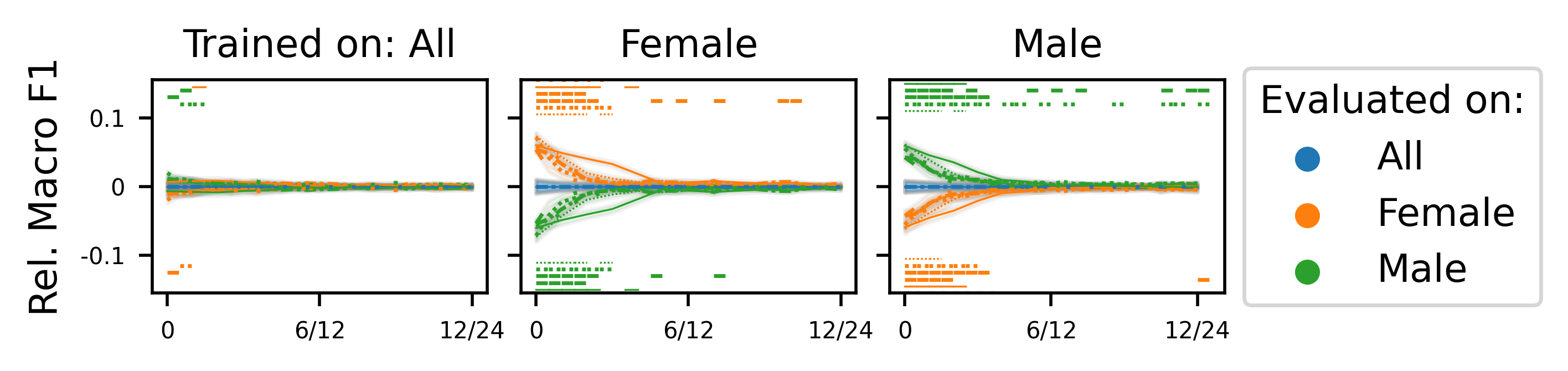
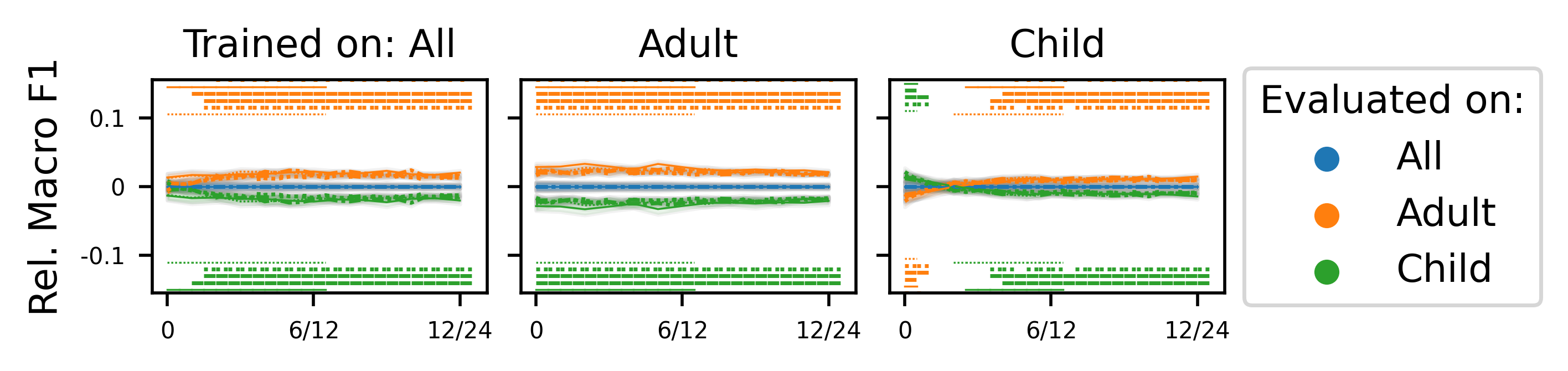
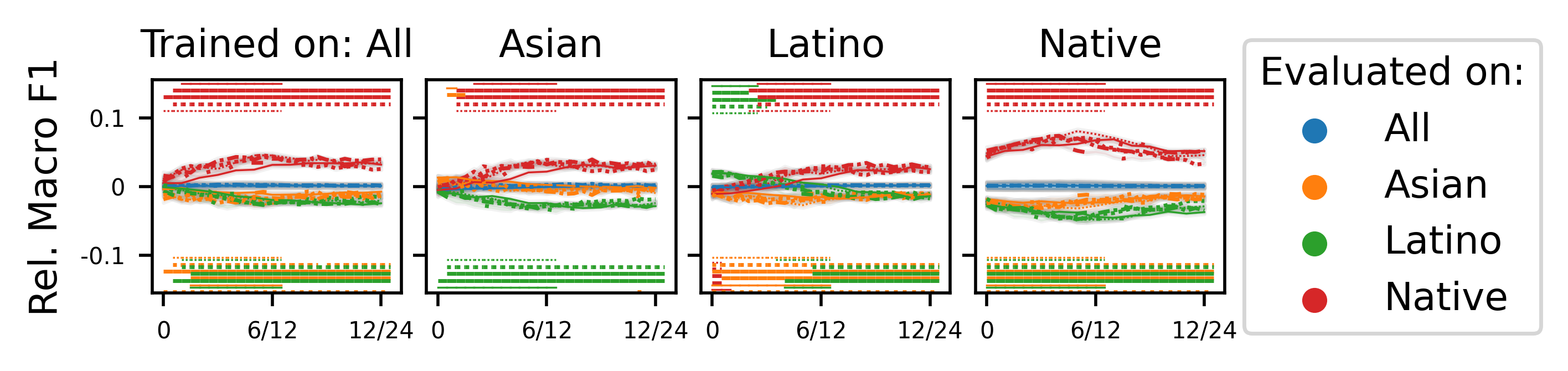
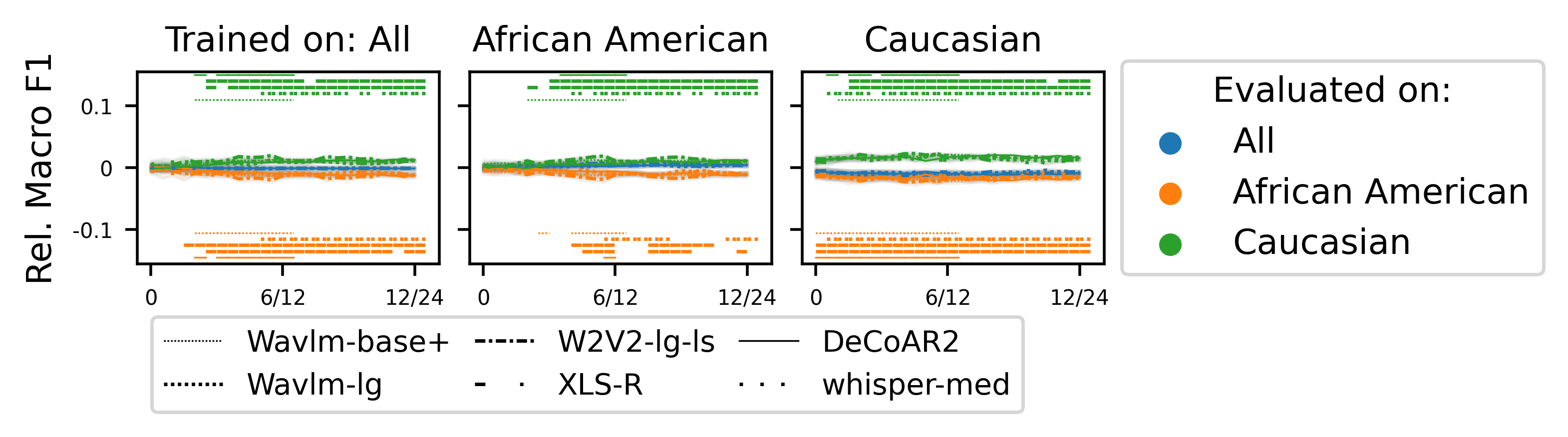
Figure 3: Macro F1 difference per SG relative to the mean, indicating which groups overperform or underperform after ASR finetuning.
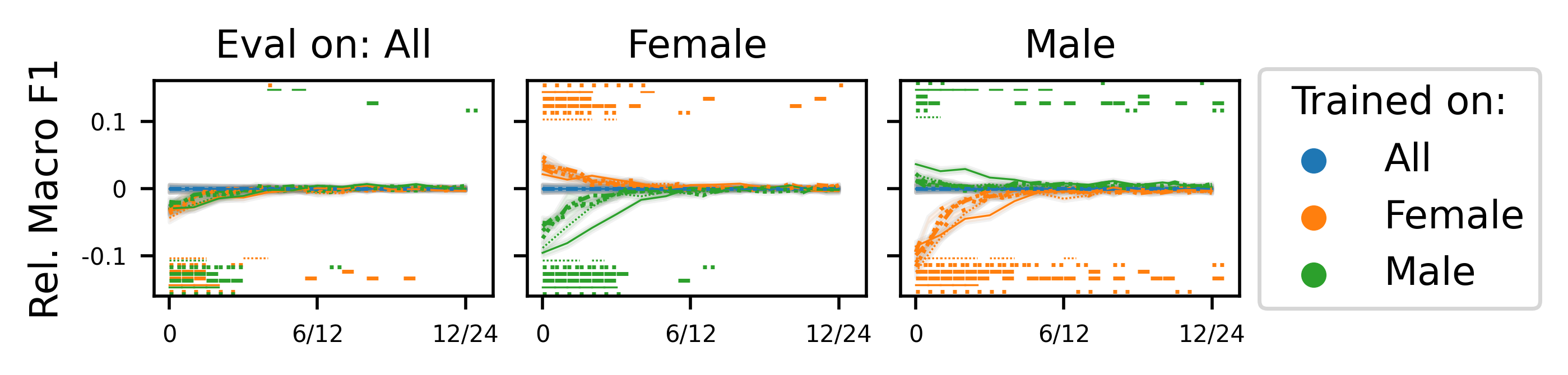
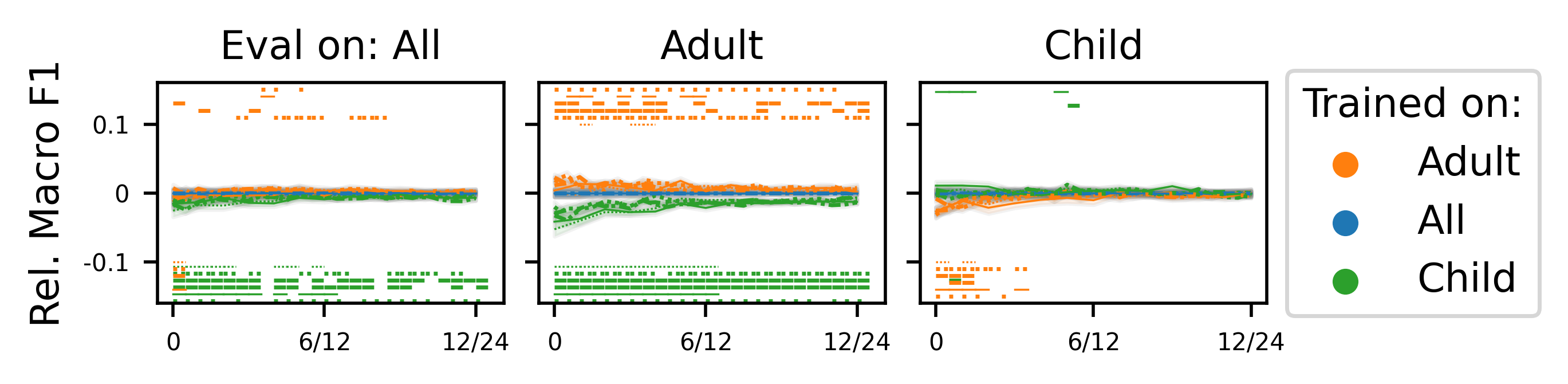
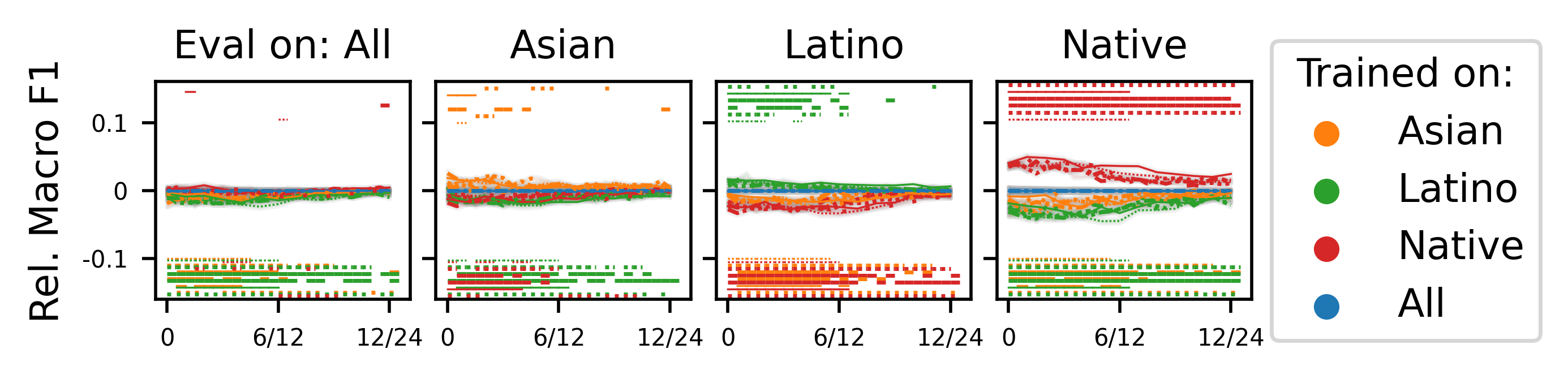
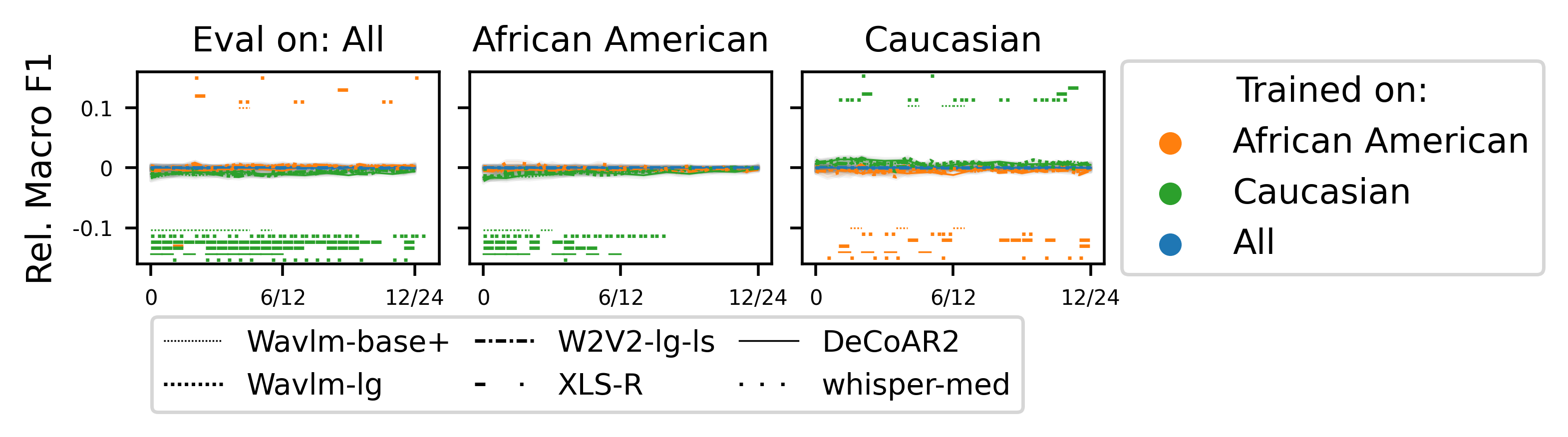
Figure 4: Relative macro F1 improvement per SG when phoneme classifiers are restricted to training on only that group versus balanced training.
Children and non-native/dialectal speakers exhibit consistently lower F1 and minimal benefit from in-domain probe training, suggesting dominant random error (variance). For some dialectal and ethnic distinctions, in-domain probe training offers moderate improvement, evidence for selective embedding bias.
Quantifying Random Error: Variance and KNN Distance
Direct KNN distance analysis reveals that speaker groups with reduced PR accuracy systematically possess higher latent variance (higher intra-SG KNN distances), and that this persists across layers and models. There is a strong, significant negative correlation (Pearson’s r, p<0.001) between KNN distance and phoneme classification accuracy, confirming that random scatter, not separable cluster bias, is the principal driver of group disadvantage.
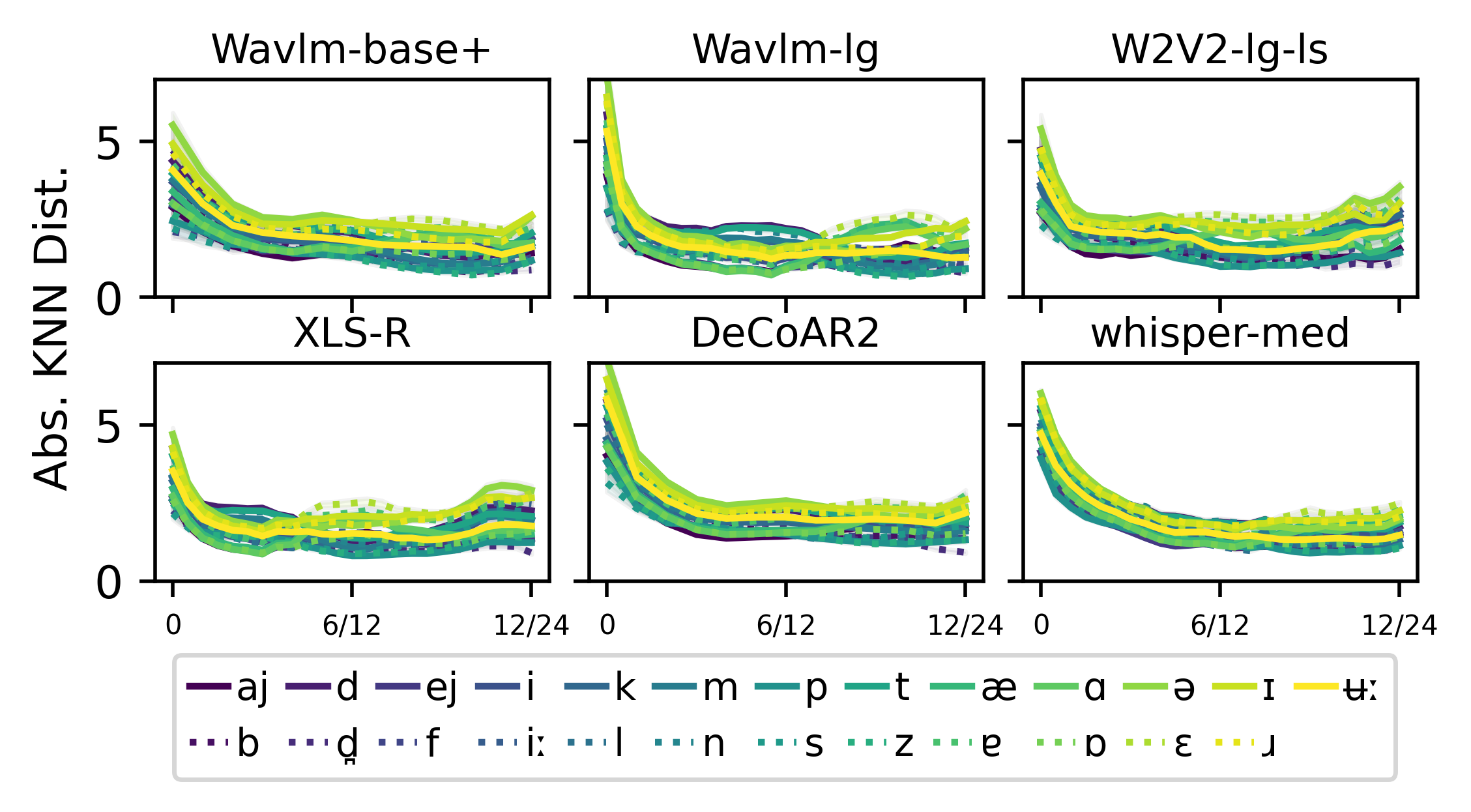
Figure 5: Absolute KNN distance per phoneme and layer, highlighting evolution of embedding tightness during model computation.
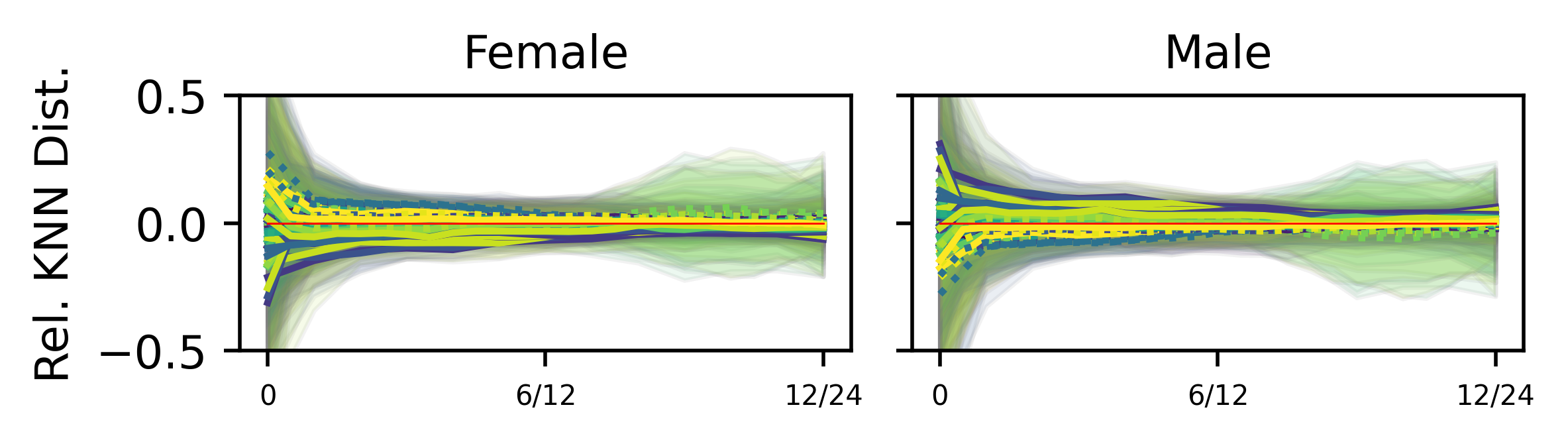
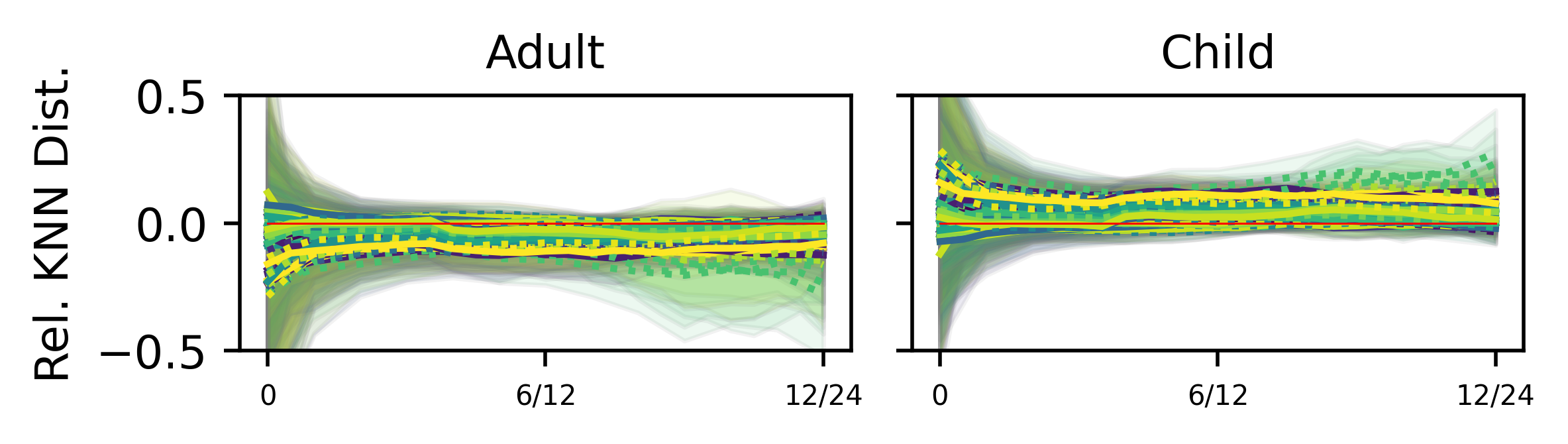
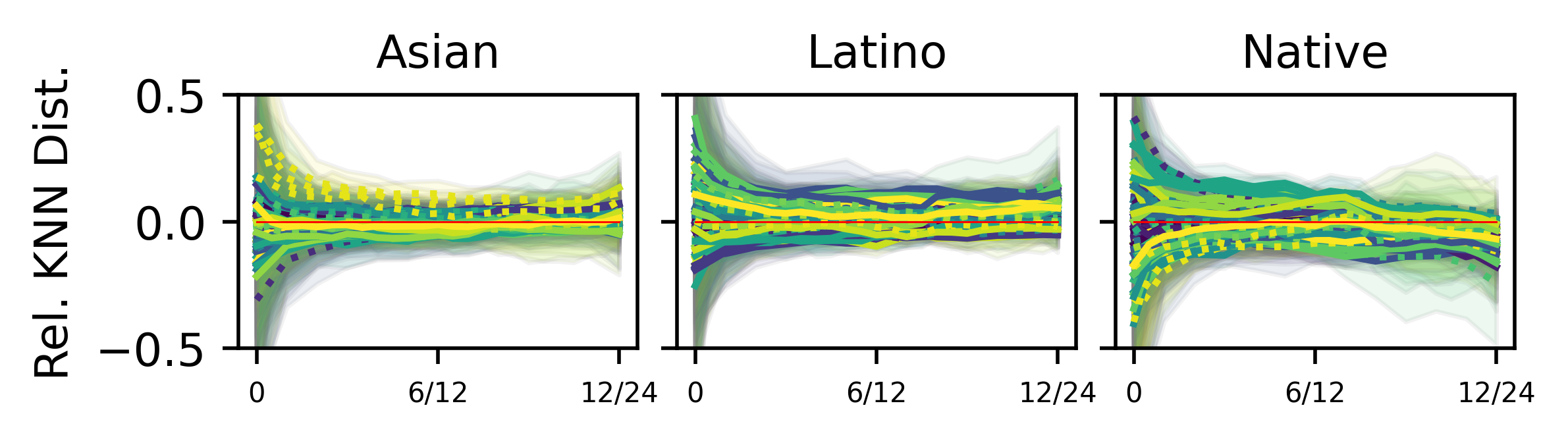
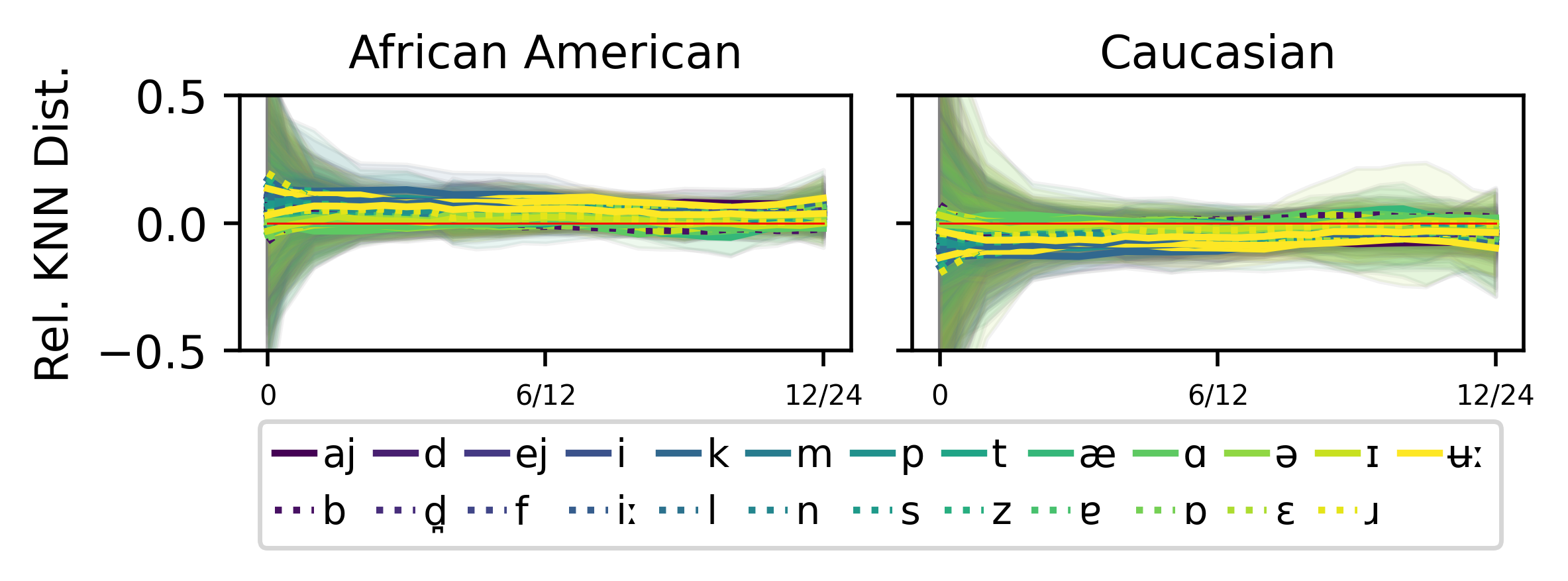
Figure 6: SG-wise KNN distance deviation from overall mean, with red line showing expected parity.
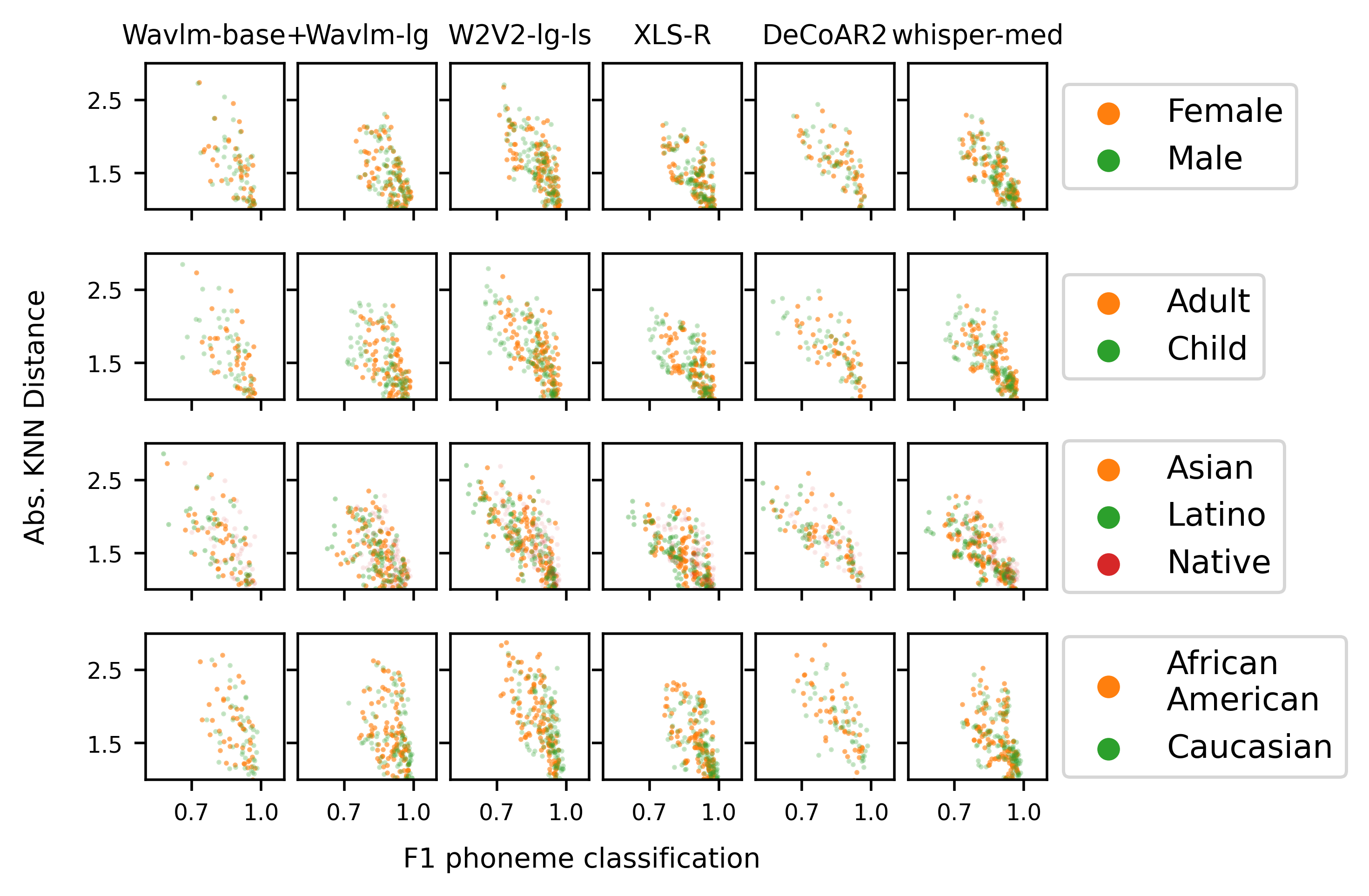
Figure 7: Scatter and correlation between KNN distance and phoneme classification rate on best-performing layers by probe and SG.
Fairness-Focused Interventions: Adversarial and Domain-Enhancing Training
The study further evaluates whether adversarial training (DET/DAT) to suppress speaker-specific information in the embedding space can ameliorate either bias or variance. Neither type of error is mitigated by CTC + DET/DAT finetuning: macro F1 disparities and KNN distances by SG remain effectively unchanged—contradicting claims that fairness improvisation via adversarial regularization meaningfully affects phoneme representation fairness at the geometric level.
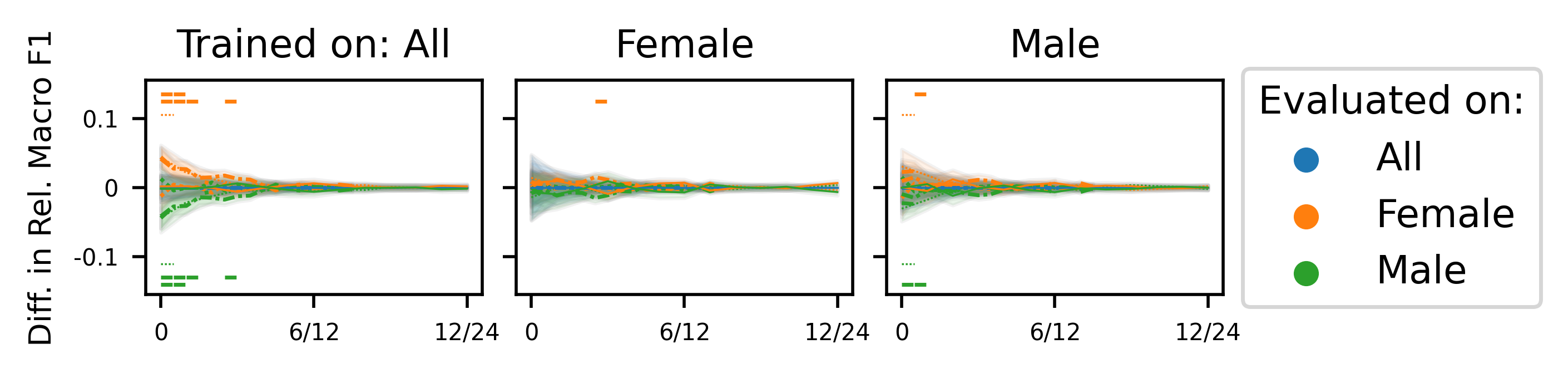
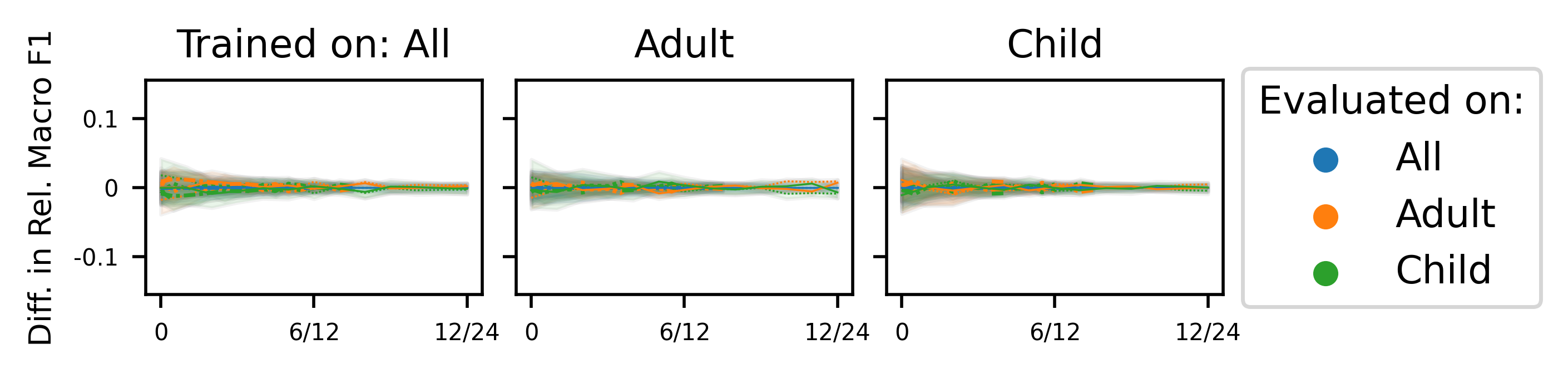
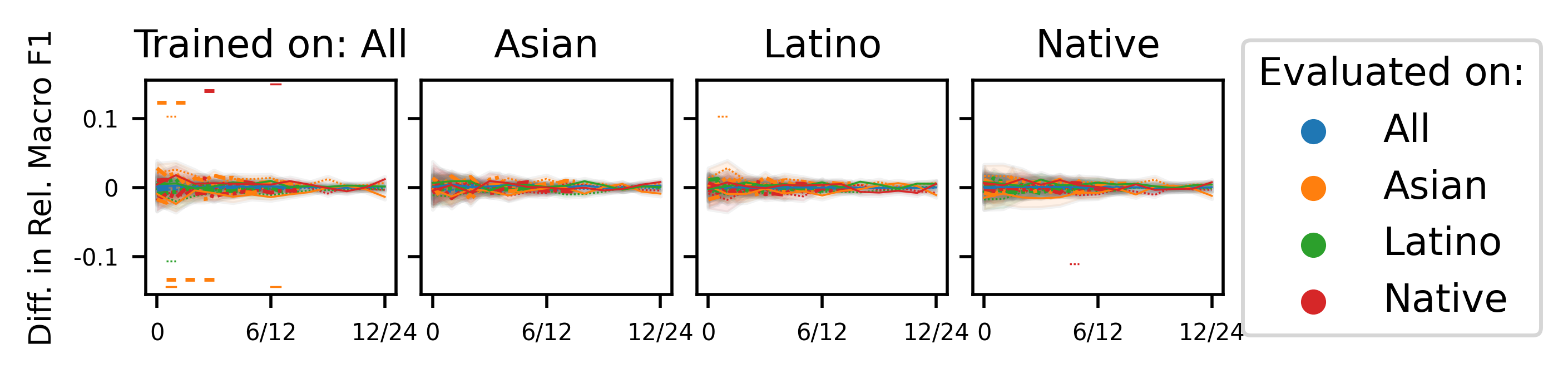
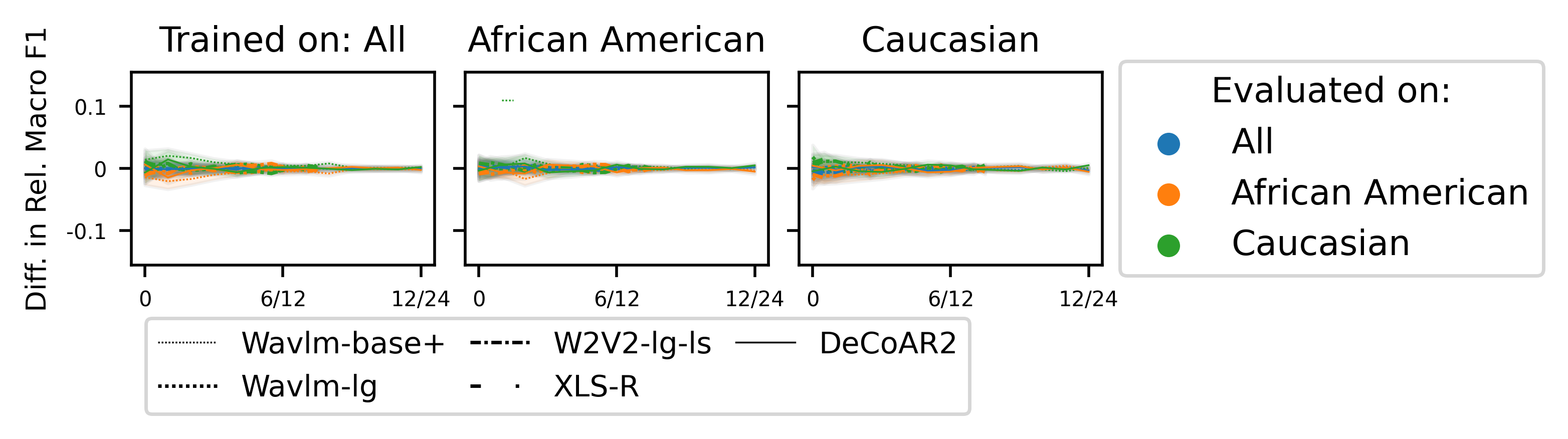
Figure 8: Effects of DET/DAT intervention on group macro F1, showing negligible change compared to standard ASR finetuning.
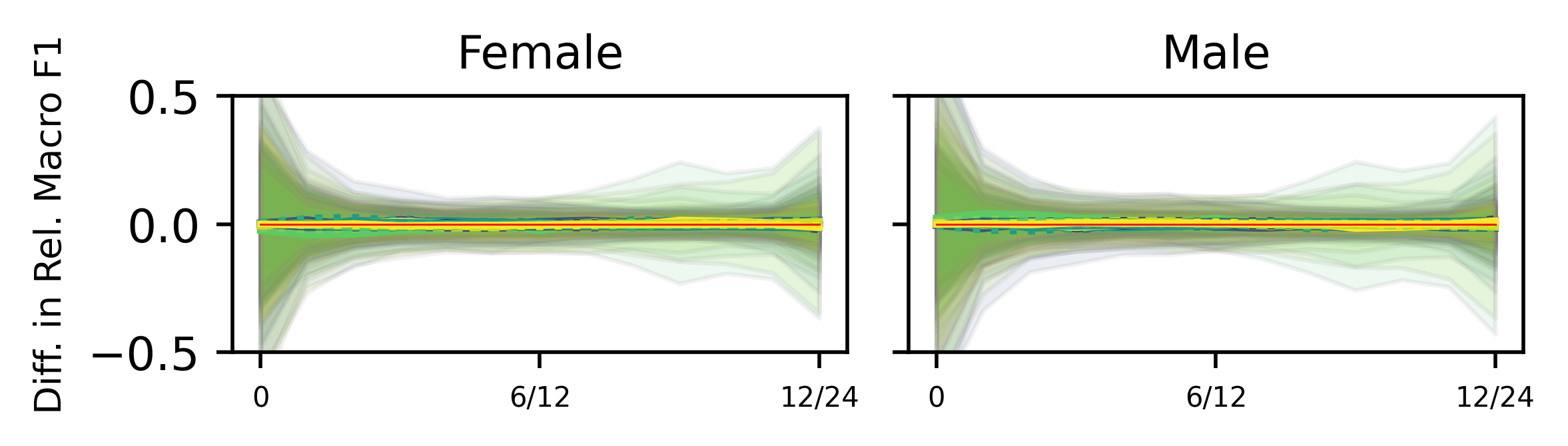
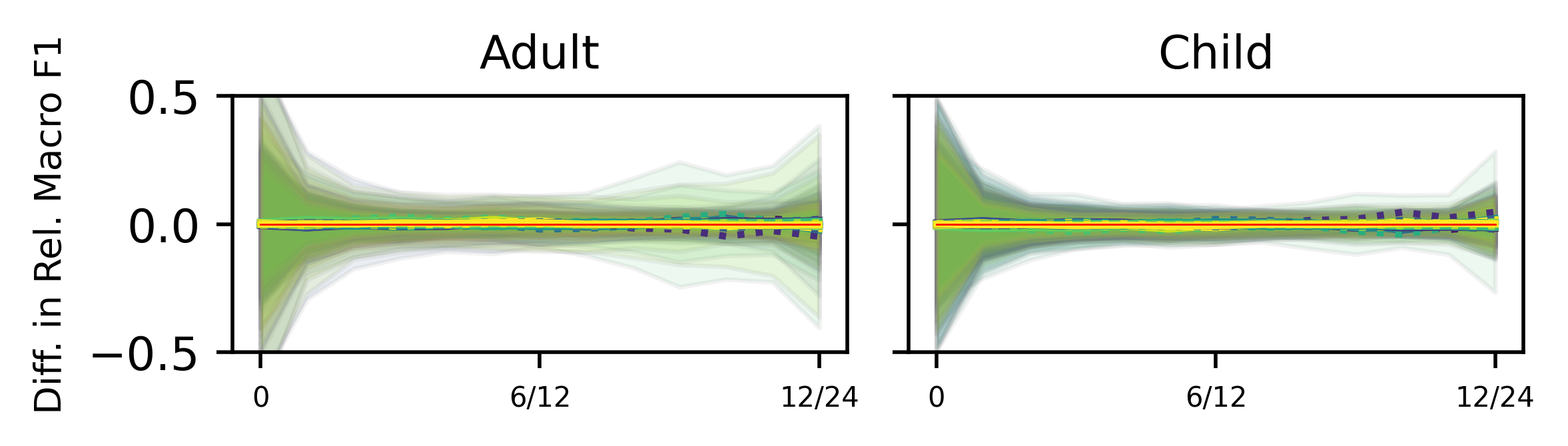
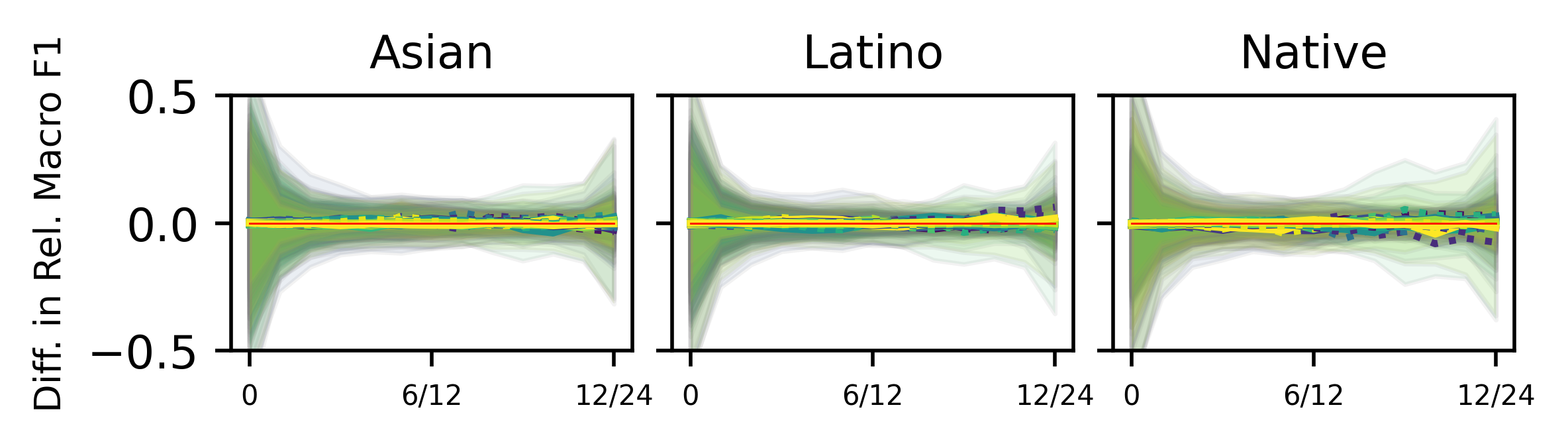
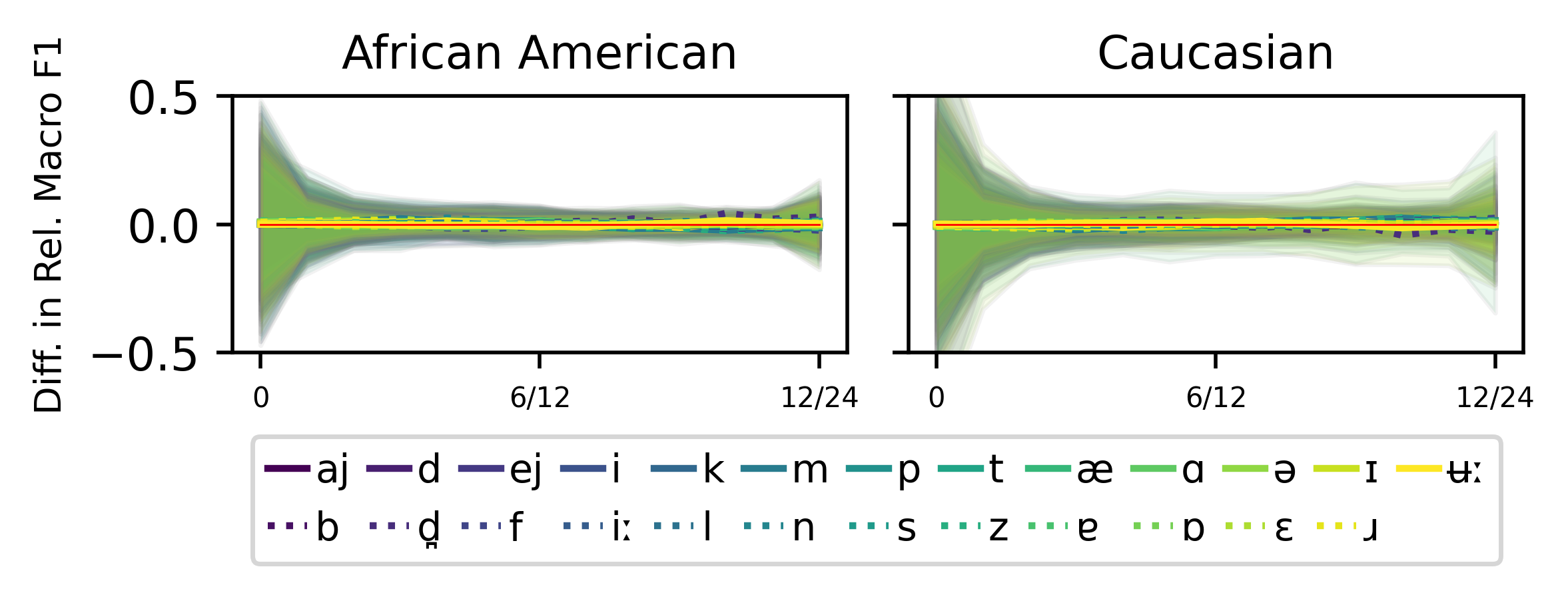
Figure 9: Change in relative KNN distance post-DET/DAT, again indicating marginal to no effect on group-level variance.
Discussion and Implications
The quantitative and geometric evidence establishes that phoneme-level demographic unfairness in S3Ms is predominantly due to variance increases for disadvantaged groups, not systematic embedding bias. Thus, most current fairness interventions—oversampling, adversarial regularization, re-weighting—are insufficient, as they target bias erasure or mode equalization, not variance stabilization.
Reconciling fair ASR output with equitable geometric structure in the embedding space requires novel approaches for embedding variance control. Potential research directions include contrastive, entropy-maximizing, or Siamese learning methods to enforce tight, SG-invariant clustering for phonemes. Furthermore, causal probe analysis and targeted generative data manipulations (via TTS or voice conversion) may be needed to identify and reduce the drivers of group-specific variance, as standard demographic annotations are neither always sufficient nor reliable.
These results also inform broader debates in ML fairness: metric parity on downstream error measures is insufficient if embedding space geometry for protected groups remains disparate.
Conclusion
This work systematically demonstrates that group-unfair error in phoneme-level S3M representations is rarely due to embedding bias but rather to increased variance for disadvantaged groups—a finding robust across model type, layer, and demographic axis. Interventions focused on erasing group information or rebalancing modes are ineffective if within-group embedding variance is not addressed. Future research should prioritize methods that explicitly target variance stabilization as a precondition for robust and fair speech technology.

