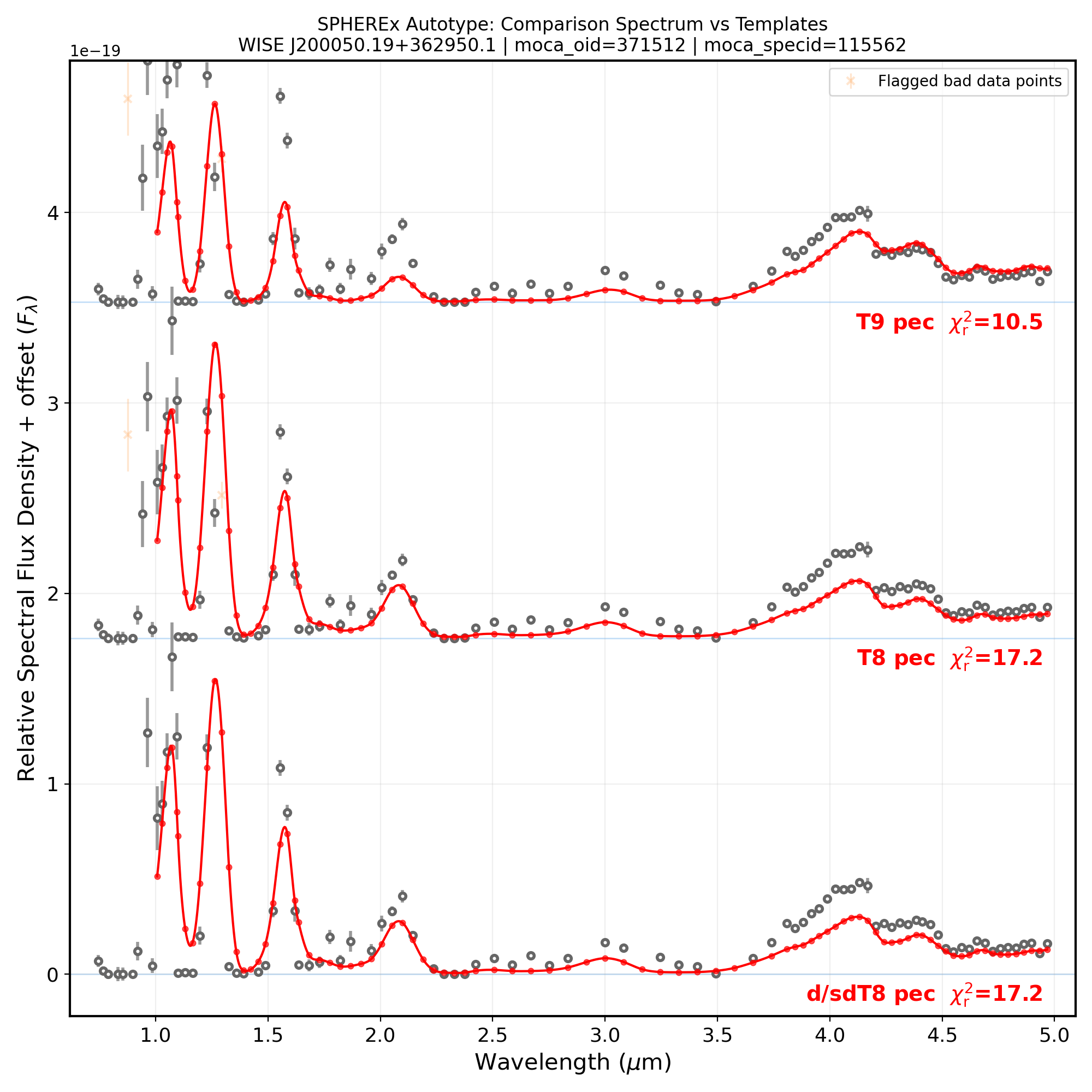
- The paper introduces the SPIFF pipeline that efficiently extracts low-resolution 0.75–5.0µm spectrophotometry for ultracool dwarfs.
- It validates the pipeline against JWST/NIRSpec standards, achieving median flux offsets of 2.2% and doubling the number of UCDs with spectra.
- The work develops hybrid spectral templates for robust spectral classification and flags peculiar substellar populations for follow-up studies.
A Comprehensive SPHEREx Pipeline and Infrared Spectral Library for Ultracool Dwarfs
Introduction
This work presents the development, validation, and deployment of the SPHEREx Photometry and Image Fitting Framework (SPIFF) pipeline for the extraction of low-resolution spectrophotometry (0.75–5.0μm, R∼50) from the SPHEREx mission's all-sky spectral survey, specifically optimized for fast-moving point sources such as nearby ultracool dwarfs (UCDs). The study leverages SPHEREx Quick Release 2 to construct the largest homogeneous spectral library of L0–Y1 UCDs, dramatically increasing, by more than a factor of two, the number of UCDs with spectroscopic coverage out to 5μm. This enables unprecedented large-scale studies of atmospheric chemistry, spectral classification, and the identification of peculiar substellar populations.
The SPIFF pipeline is motivated by the need to efficiently extract spectrophotometry for thousands of high-proper-motion substellar objects from large SPHEREx image products. Key differentiators include:
- Proper motion modeling: The pipeline ingests literature astrometry and propagates positions to each SPHEREx epoch.
- PSF handling: It allows the PSF centroid to vary in a mixed likelihood exploration combining deterministic optimization (scipy.optimize) and Bayesian nested sampling (ultranest), improving both accuracy and robustness to centering and background contamination.
- Data efficiency: SPIFF requests small FITS cutouts for each source at each epoch rather than full-frame downloads, dramatically reducing data transfer.
- Photometric modes: It returns both aperture and PSF-derived fluxes, though the Bayesian PSF fit (ultranest median) is preferred for minimizing systematic errors.
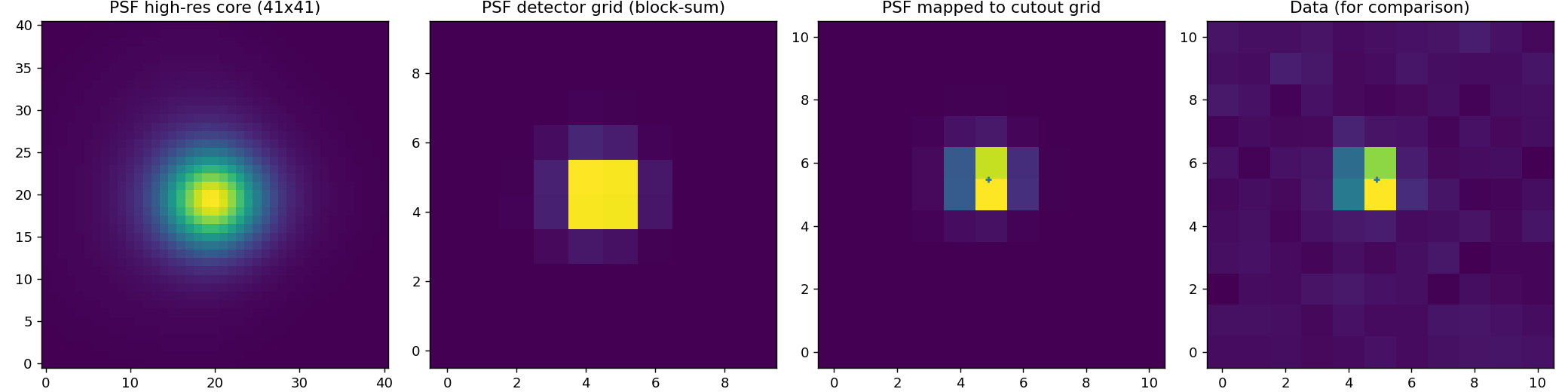
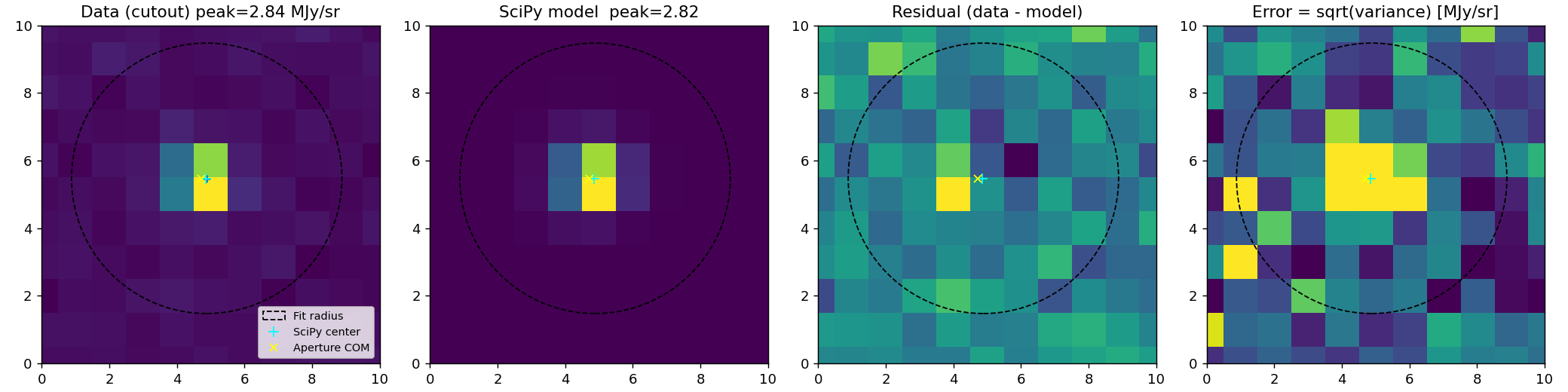
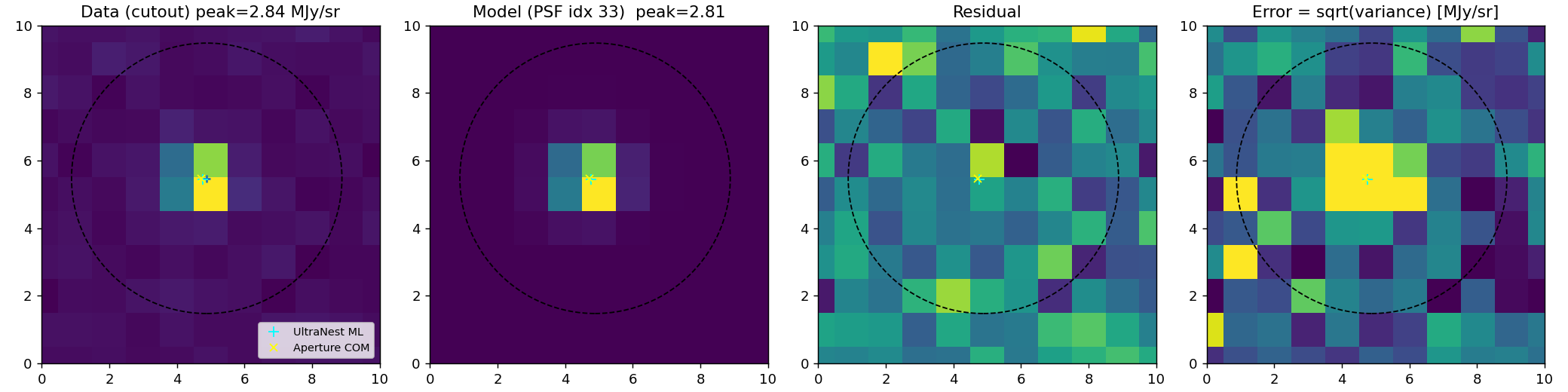
Figure 1: SPIFF pipeline PSF modeling and fit diagnostics, illustrating workflow from oversampled PSF to detector-mapped image to the Bayesian fit parameter extraction.
Pipeline validation employs the well-characterized T2.5 dwarf SIMP~J013656.5+093347.3, utilizing SPHEREx, IRSA's reference pipeline, and synthetic spectrophotometry derived from JWST/NIRSpec. SPIFF fluxes trace the JWST standard more closely (median offset 2.2% low, σMAD 7.6%) versus IRSA's 4.9% offset.
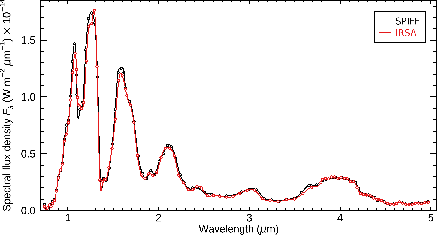
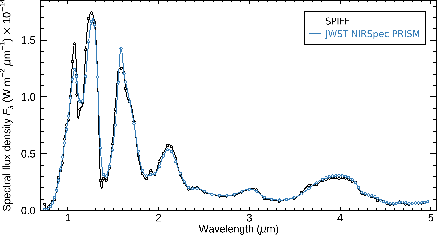
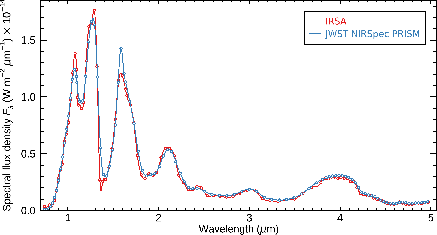
Figure 2: Differential comparison of SPIFF, IRSA, and JWST-based SPHEREx synthetic photometry for a T2.5 dwarf benchmark.
Sample Construction and Demographics
The sample encompasses 6003 UCDs: 2050 known from literature, 3008 photometric candidates, and 947 new SPHEREx-based identifications. The spectral type and W2 magnitude distribution is documented, showing a pronounced concentration of earlier L types and W2 ≲15 mag, consistent with detection limits of precursor wide-area mid-IR surveys.
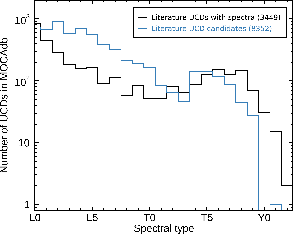
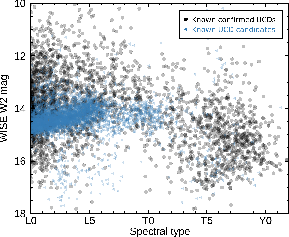
Figure 3: Left: distribution of literature and candidate UCD spectral types. Right: W2 vs. spectral type, highlighting observability and selection biases.
Automated Spectral Typing and Hybrid Templates
A novel hybrid template methodology is developed, combining empirical SPHEREx spectra with synthetic photometry from spectroscopic standards (blueward of 2.4μm). For mid-T and Y dwarfs, high-S/N JWST NIRSpec spectra are additionally integrated due to ground-based S/N limitations.
The spectral typing algorithm performs robust χ2 minimization, disregarding the worst 5 points per spectrum to mitigate outliers, and applies penalties to non-field templates to avoid spurious low-S/N classifications. Validation against the literature yields a median absolute deviation of 1.5 subtypes for high-quality spectra.
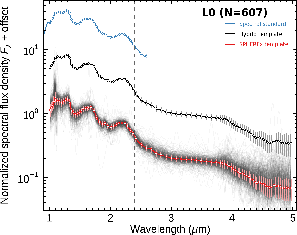
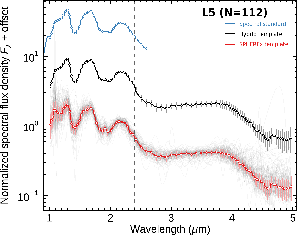
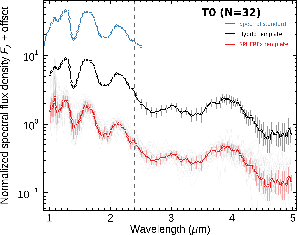
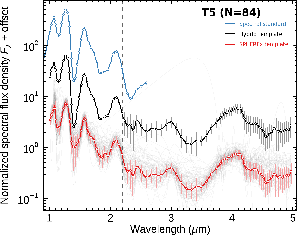
Figure 4: Construction of hybrid templates for canonical spectral classes (L0, L5, T0, T5) showing the boost in fidelity redward of ground-based coverage.
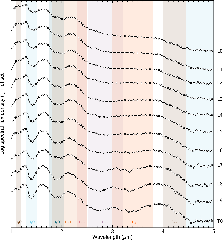
Figure 5: Sequence of field L-type hybrid templates, delineating spectral evolution across the L subdwarf regime and associated molecular opacity signatures.
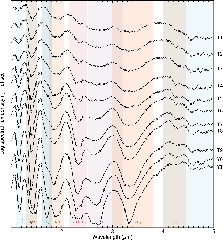
Figure 6: Sequence of T and Y-type field hybrid templates, including benchmark JWST-based extensions for the coolest types.
Signal-to-Noise, Failure Modes, and Quality Assessment
SPIFF routinely achieves S/N>10 per channel for targets with W2≲14, independent of ecliptic latitude due to minor variation in visit cadence. Major failure modes—contamination, low S/N, confusion/blending—are quantitatively assessed, with contamination from background sources the dominant systematic for fainter objects.
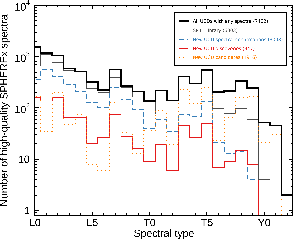
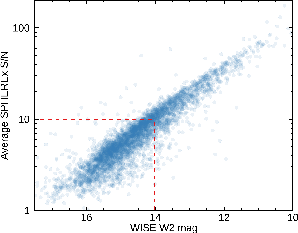
Figure 7: Distribution of high-quality spectrophotometry across the spectral range, and S/N dependence as a function of W2 magnitude.
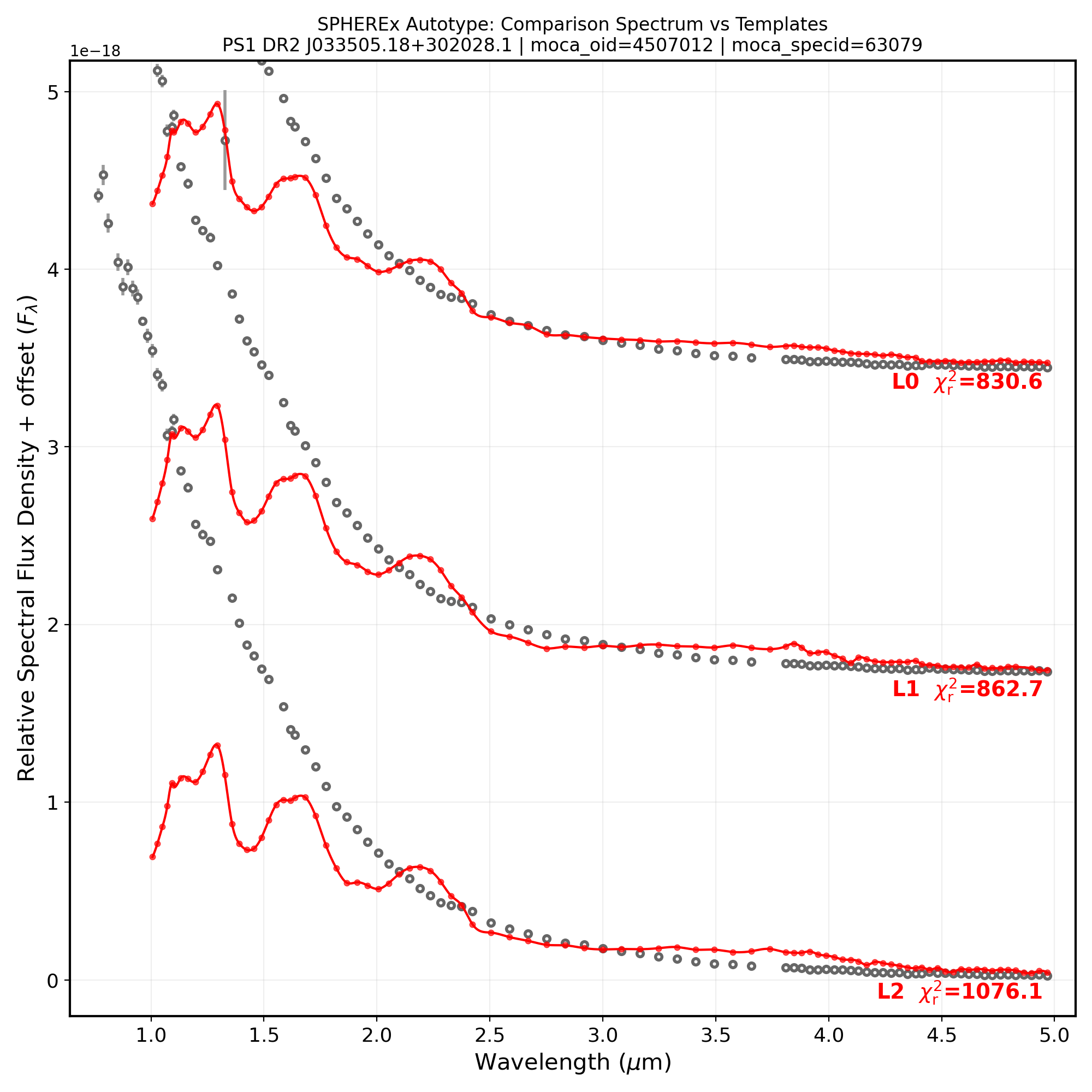
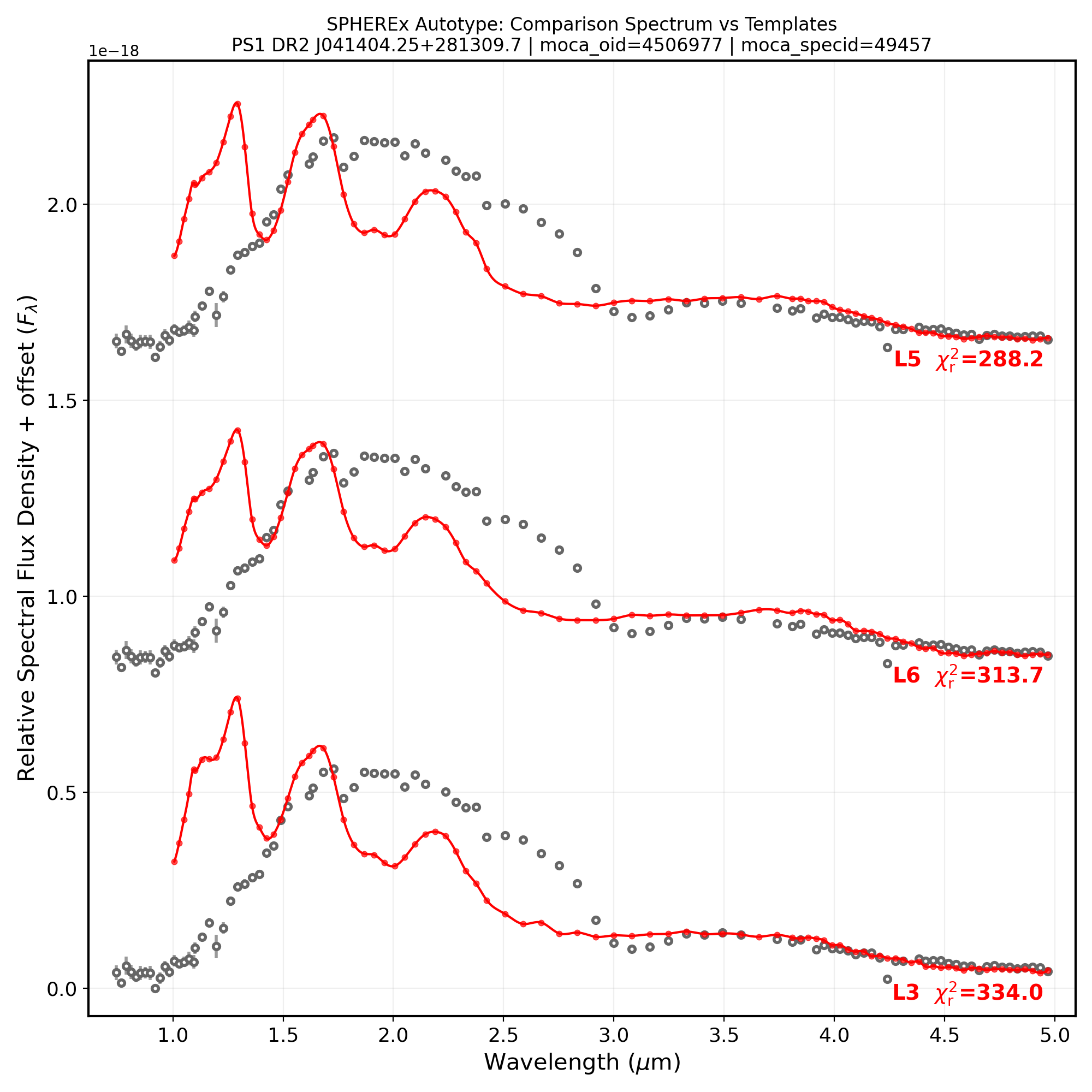
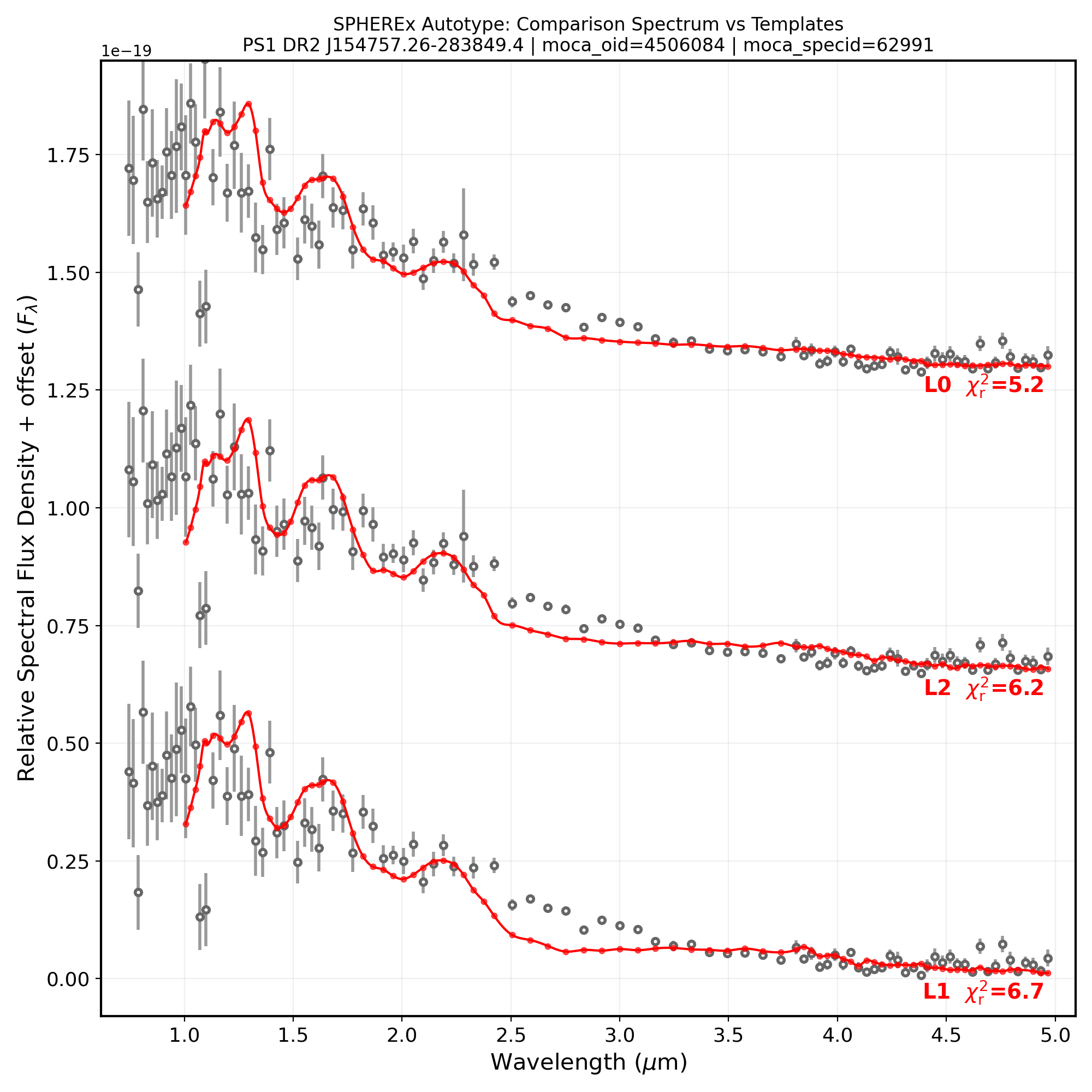
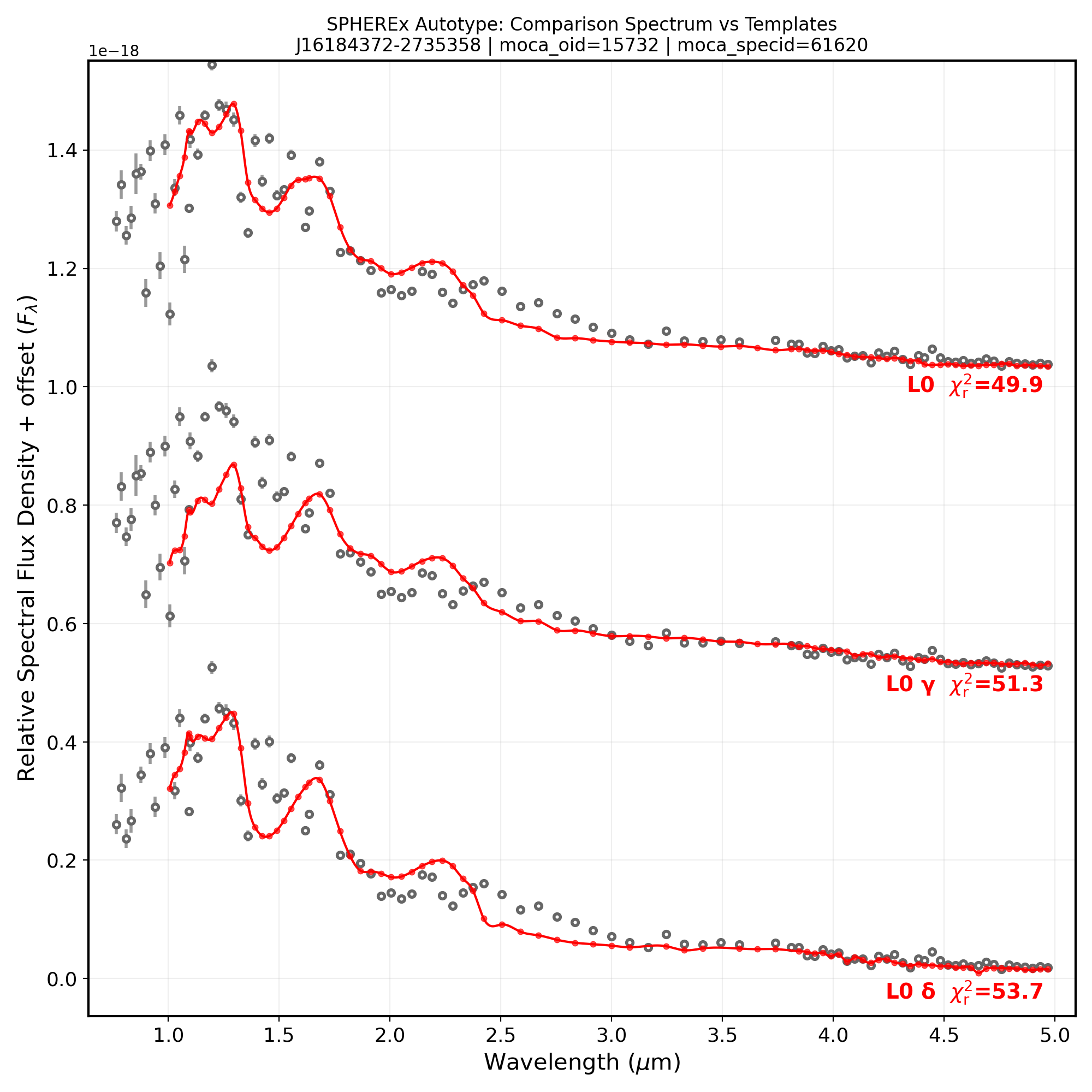
Figure 8: Representative examples of the four dominant SPIFF reduction failure modes, including unresolved contamination and low S/N ambiguity.
Catalog Expansion and UCD Confirmation
Careful application of the pipeline, coupled with manual vetting and hybrid template fitting, leads to the spectroscopic confirmation of 3953 previously candidate UCDs. A further 1916 are flagged as plausible but low-S/N candidates warranting follow-up. The total spectroscopically characterized UCD count is thus expanded from 3449 to 7402—more than doubling the extant population with continuous, homogeneous 0.75–5.0μm spectra.
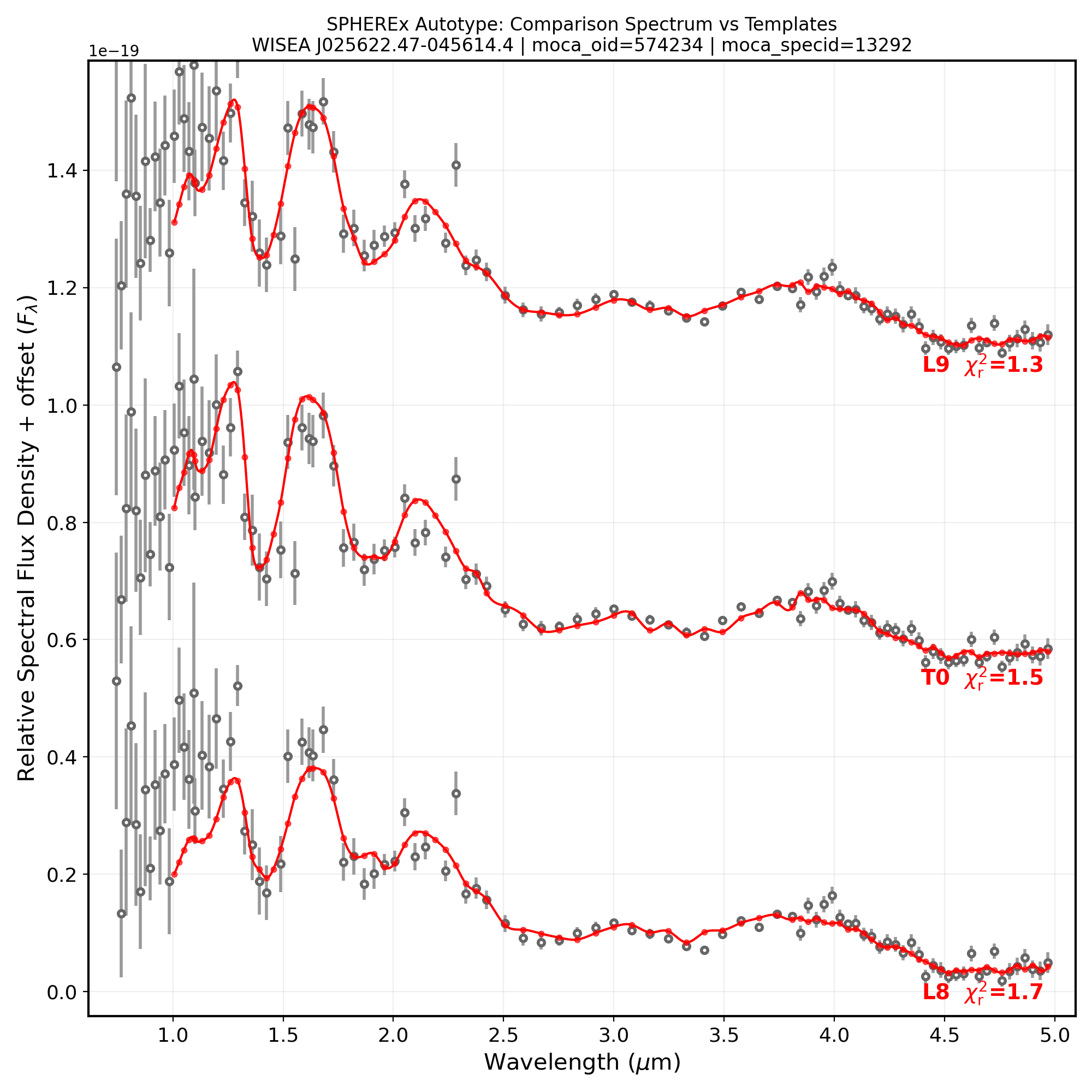
Figure 9: Example spectra from the newly confirmed candidate UCD population.
Identification of Peculiar Subdwarfs and Young Brown Dwarfs
Spectral fitting also enables the statistical flagging of peculiarity. In the compiled sample:
Implications and Future Prospects
This dataset unlocks a broad array of population-level and individual object studies:
- Accurate bolometric luminosity determination across the brown dwarf regime, including the first robust measurements for Y dwarfs in 2.4–5.0R∼502m.
- Systematic investigation of atmospheric chemistry (COR∼503, CHR∼504, NHR∼505, silane, phosphine) in the coldest atmospheres, crucial for understanding molecular equilibrium and non-equilibrium process in planetary analogs.
- Population synthesis, IMF estimation, and kinematic substructure mapping of field, young-association, and subdwarf populations.
- Factory-level identification of rare objects: subdwarfs, extremely young UCDs, and objects with chemical and photometric peculiarities.
- Temporal coverage and multi-epoch analysis for rotation, weather, and variability studies, building on the all-sky time-domain nature of SPHEREx.
The public release of these data products, with ongoing incremental updates, will support cross-mission synergy with JWST, Euclid, Vera Rubin LSST, and future IR missions.
Conclusion
The SPIFF pipeline and accompanying spectral library for UCDs provides a definitive, statistically rich, and homogeneous collection of low-resolution IR spectra for the faintest substellar regime. The rigorous validation, robust photometric extraction, and sophisticated template-driven spectral typing represent a significant methodological advance. The resulting expansion in confirmed UCDs, access to key molecular bands, and automated identification of population outliers directly impact the characterization of the bottom end of the IMF, the diversity of planetary atmospheres, and the search for substellar population extremes. Future advances in SPHEREx calibration, additional data releases, and integration with time-domain photometry will further amplify the impact and utility of the SPIFF methodology and library.
Reference: "A SPHEREx Pipeline and Spectral Library for Ultracool Dwarfs" (2604.22012)