- The paper introduces a constrained optimization framework that employs quasiconformal mapping to produce deployable Miura-ori patterns.
- The method integrates edge length, quasiconformality, and centering energies to enforce planarity and developability across diverse surfaces.
- Empirical ablation studies confirm that each energy term is crucial for avoiding mapping distortions and ensuring accurate surface approximation.
Introduction
The paper "Optimization of Constrained Quasiconformal Mapping for Origami Design" (2604.20137) presents a rigorous mathematical and computational framework for generating deployable Miura-ori origami patterns that closely approximate arbitrary surface geometries. By recasting the inverse origami design problem as a nonlinear constrained optimization over planar mappings equipped with quasiconformal regularization, the authors provide a comprehensive approach capable of synthesizing surface-aligned foldable structures while guaranteeing geometric and developability constraints at high numerical precision.
This essay details the mathematical formulation, numerical implementation, ablation analysis, and empirical validation of the proposed method. The discussion emphasizes its implications for computational origami, deployable mechanism design, and geometric modeling, and speculates on the method’s extensibility and utility in future AI-aided design workflows.
Miura-Ori Geometry and Constraints
The Miura-ori pattern forms a quadrilateral mesh that permits rigid foldability and has well-established planarity and developability constraints:
- Planarity imposes that each quadrilateral face remains strictly planar in the folded state, enforced by a coplanarity constraint using the triple scalar product over face vertices.
- Developability requires the sum of sector angles around each interior node to be exactly 2π, ensuring that the mesh can be flattened without stretching or tearing.
These constraints are collectively denoted as gplanarity=0 and gdevelop=0 on the mesh (V,Q) and are essential for realizing a physically valid Miura-ori folding mechanism.
The authors introduce a quasiconformal map f:R→R in the parameter domain as the core optimization variable. Quasiconformal regularity is characterized by the Beltrami coefficient μ satisfying the Beltrami equation with ∥μ∥∞<1, guaranteeing (local) bijectivity:
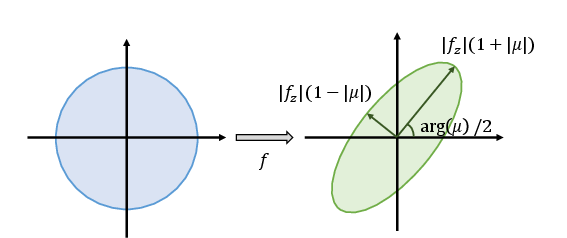
Figure 1: An illustration of quasiconformality.
This regularization enables control over angular distortion in the mapping and acts as a safeguard against self-intersections and extreme shearing, both of which invalidate the physical model.
Energy Functionals and Objective
The optimization objective aggregates three energies:
- Edge Length Energy (El): Penalizes edge length deviations from the initial pattern, preserving geometric fidelity.
- Quasiconformality Energy (Eμ): Minimizes the squared norm of Beltrami coefficients across mesh triangles, promoting low distortion.
- Centering Energy (Ec): Discourages global translation or drift by penalizing the centroidal offset of the pattern.
The total energy is thus:
gplanarity=00
with user-chosen positive weights.
The optimization seeks gplanarity=01, subject to the nonlinear feasibility constraints noted above.
Numerical Implementation
Initialization and Pattern Construction
The initial guess is a regular skewed grid partitioned into upper and lower node sets. Each quadrilateral is split Delaunay-wise for triangle-based Beltrami computation. The initial mapping of the blue (gplanarity=02) and red (gplanarity=03) points to the constructed offset surfaces is visualized below.
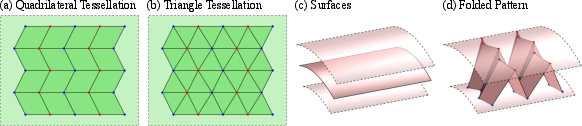
Figure 2: Initial pattern construction, parameter space, and mapping to upper/lower surfaces.
Optimization Algorithm
The authors utilize Lagrangian multipliers and Newton's method for the solution of the equality-constrained minimization, resulting in a sparse Lagrangian KKT system involving the full Hessian and constraint Jacobian at each iteration. Iterations proceed until the planarity/developability constraints are satisfied to a specified tolerance.
Computation of discrete Beltrami coefficients gplanarity=04 on a mesh follows the locally linear map approach, and the energies and gradients are efficiently evaluated with respect to the mesh.
Empirical Analysis
Ablation Studies
Ablation experiments systematically exclude individual energy terms to expose their necessity:
- No edge length energy: Severe shrinkage and incorrect surface approximation, as shown below.
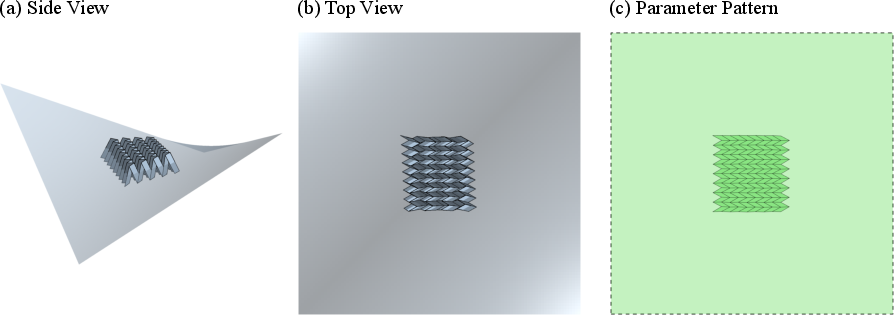
Figure 3: Omission of edge length term results in central pattern shrinkage.
- No quasiconformal energy: Prevalence of parameter regions with gplanarity=05, inducing mapping non-bijectivity and self-intersections in the folded configuration.
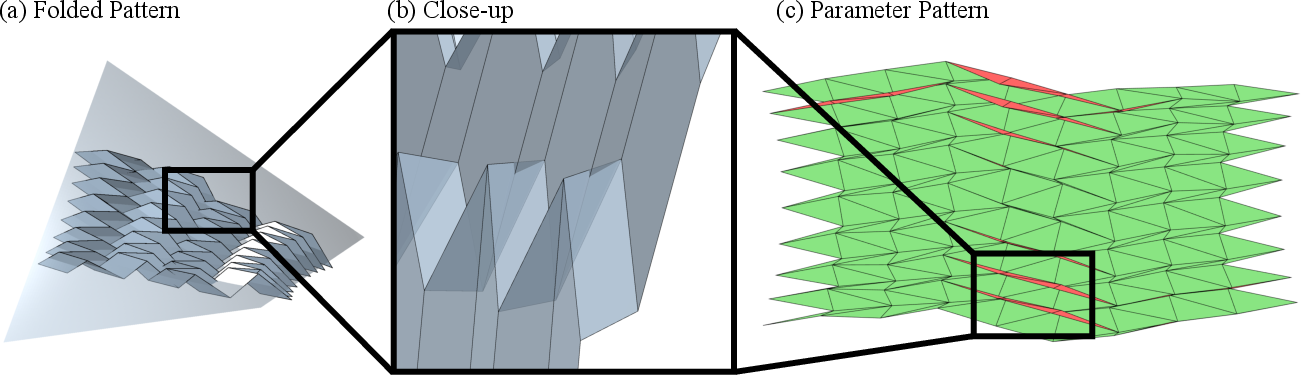
Figure 4: Dropping the Beltrami energy leads to self-intersections and gplanarity=06 domains.
- No centering energy: Pattern exhibits significant off-centering, drifting toward low-energy trivial states.
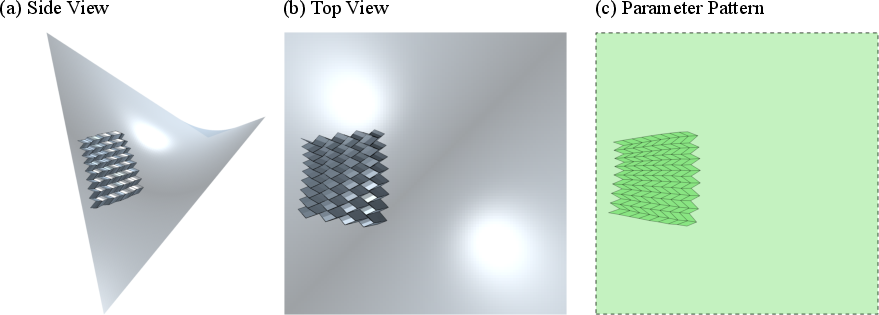
Figure 5: Lack of centering regularization causes global drift of the pattern.
The above clarify that each regularizer serves an essential role in the structural viability and positional fidelity of the solution.
Surface Approximation and Feasibility
The framework is tested on five canonical surfaces: tunnel, saddle, bowl, helicoid, and wave. For each, the optimized parameter patterns, unfolded designs, and folded configurations are presented.
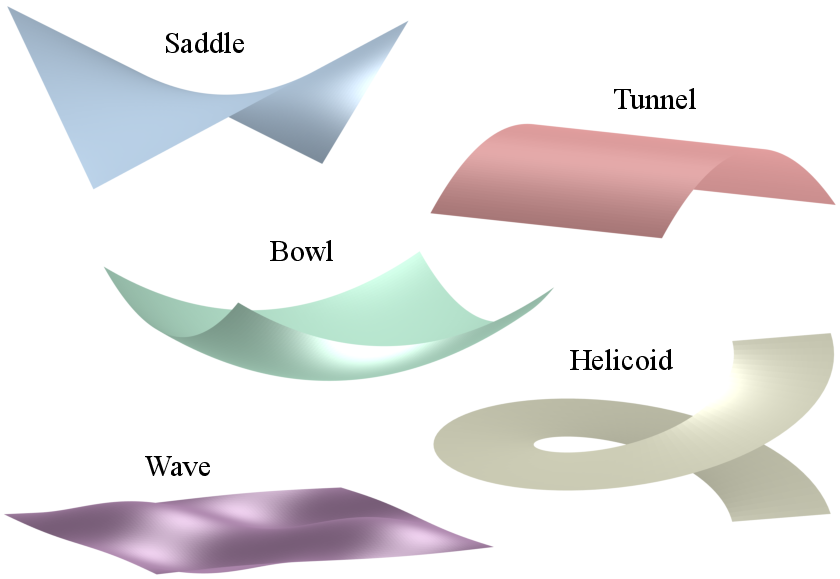
Figure 6: Target surfaces comprising tunnel, saddle, bowl, helicoid, and wave.
Selected results:
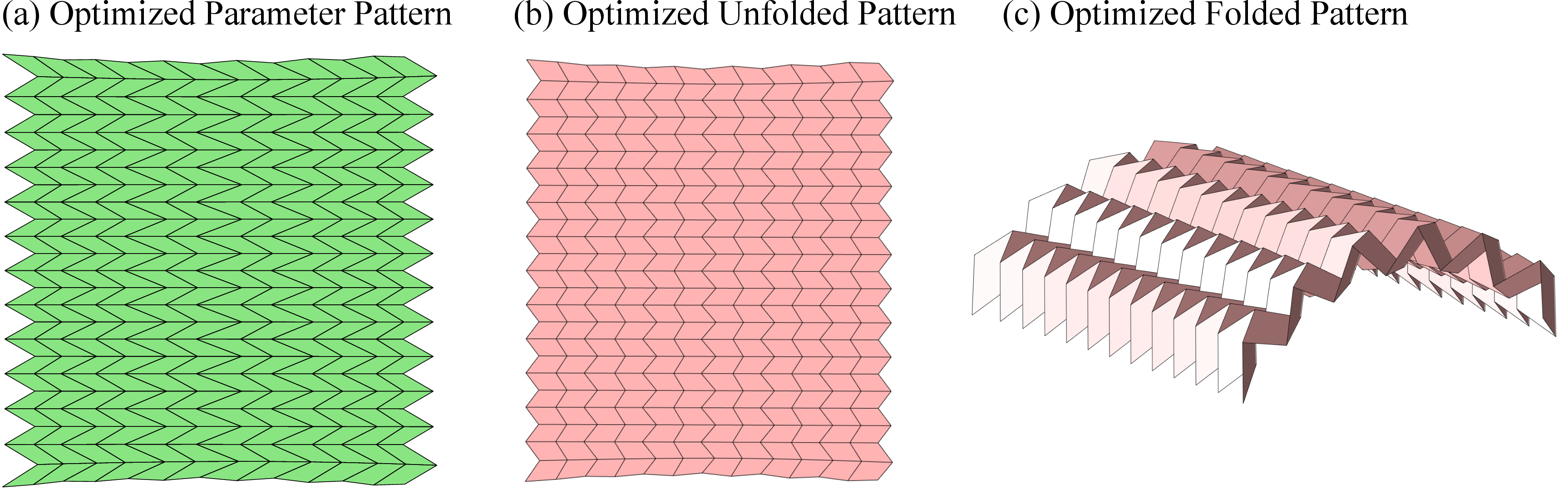
Figure 7: Optimized planar, unfolded, and folded Miura-ori for tunnel.
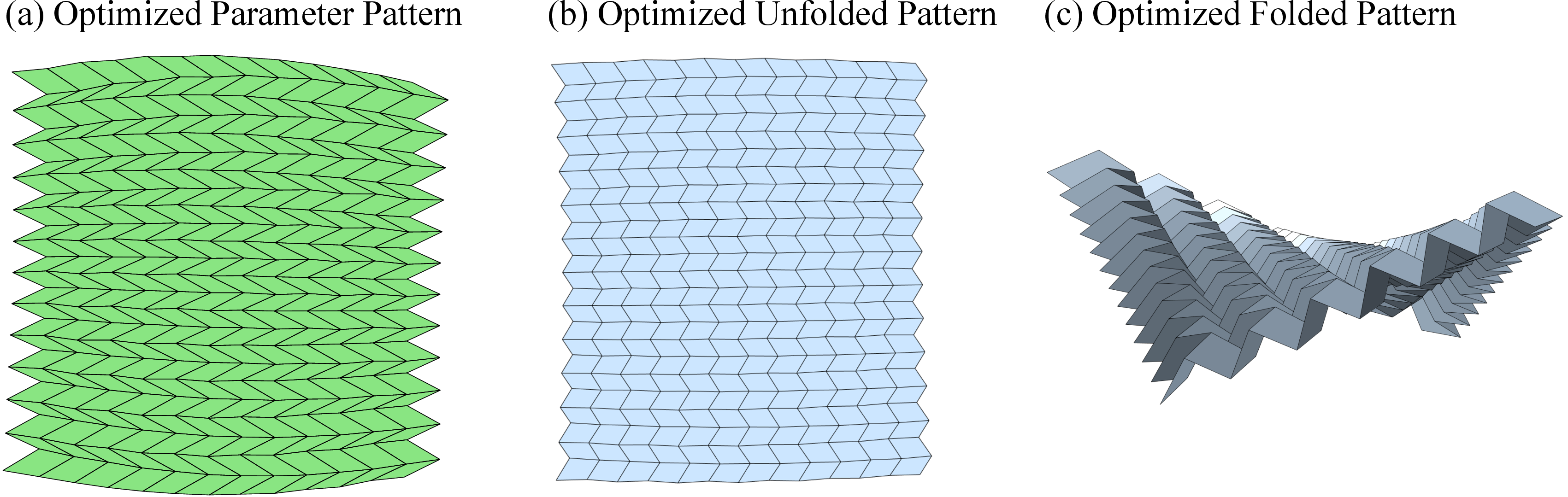
Figure 8: Results for saddle surface, high planarity and developability accuracy.
For all cases, feasibility errors (planarity, developability) are observed at or below gplanarity=07, with low mean Beltrami coefficients (see Table 1 in the paper), confirming the strict satisfaction of origami constraints. Notably, surfaces with higher curvature (e.g., bowl, wave) induce elevated parameter distortion, reflected in higher gplanarity=08 values.
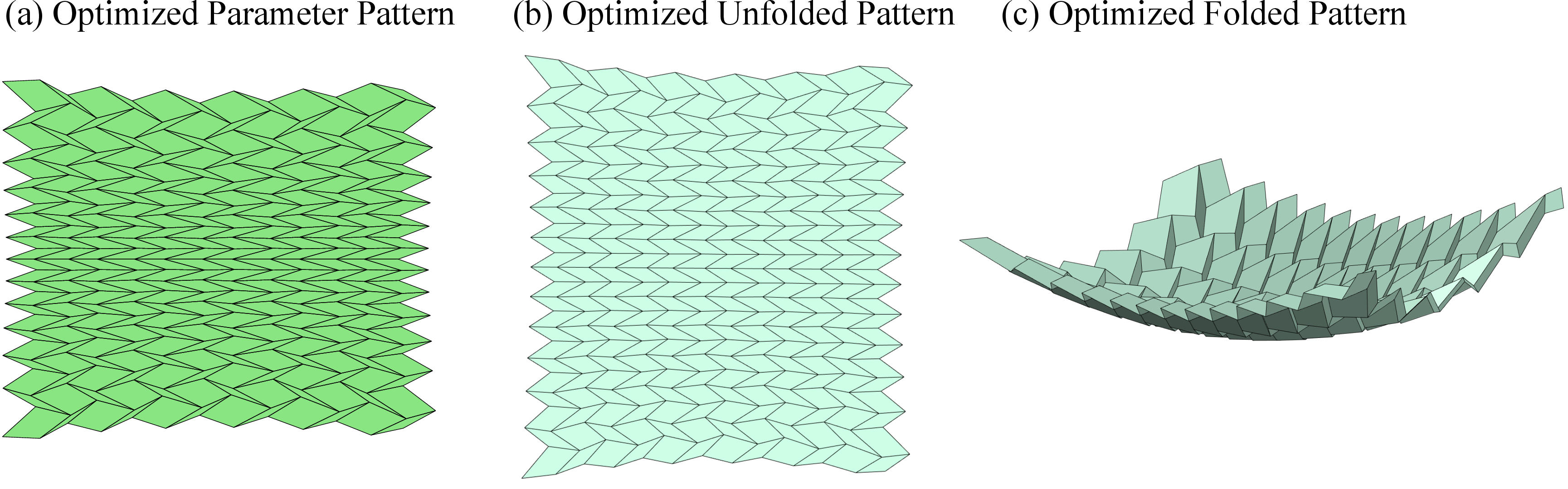
Figure 9: Optimized Miura-ori patterns for the bowl surface; increased geometric distortion evident.
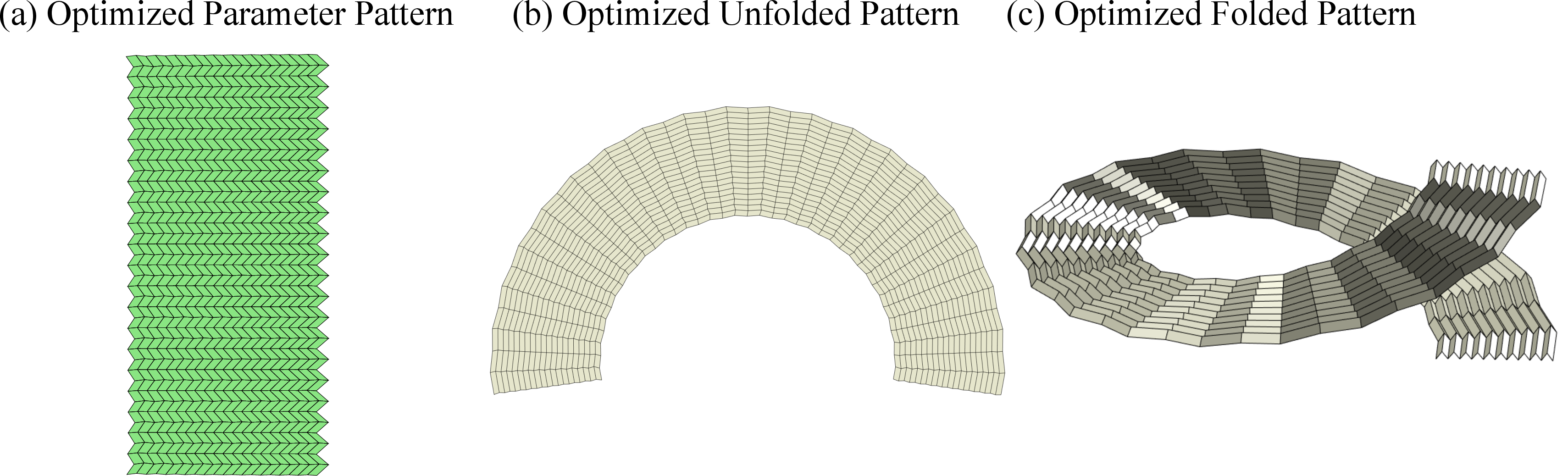
Figure 10: Helicoid optimization result.
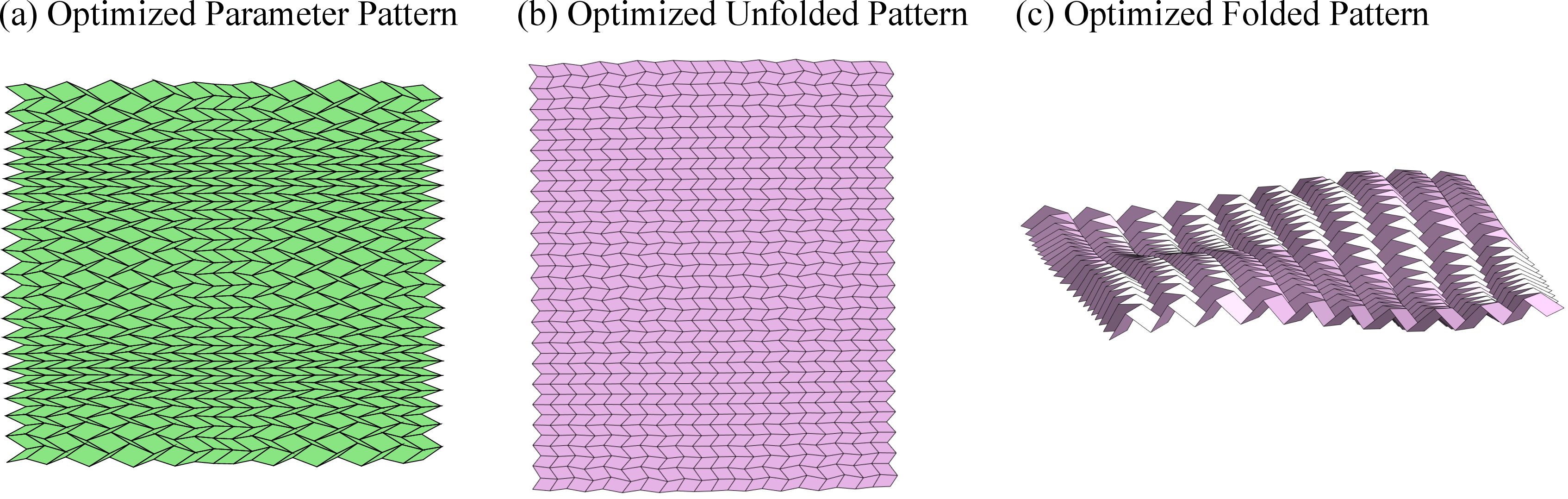
Figure 11: Wave surface optimization result; high-fidelity surface alignment.
Structure Parameter Influence
Systematic experiments on thickness (gplanarity=09) and mesh resolution gdevelop=00 reveal:
- Smaller gdevelop=01 produces folded patterns that hew closely to the target surface at the cost of increased optimization difficulty and local geometric distortion.
- Increased mesh resolution yields higher accuracy and lower distortion but with increased computational burden and practical folding complexity.
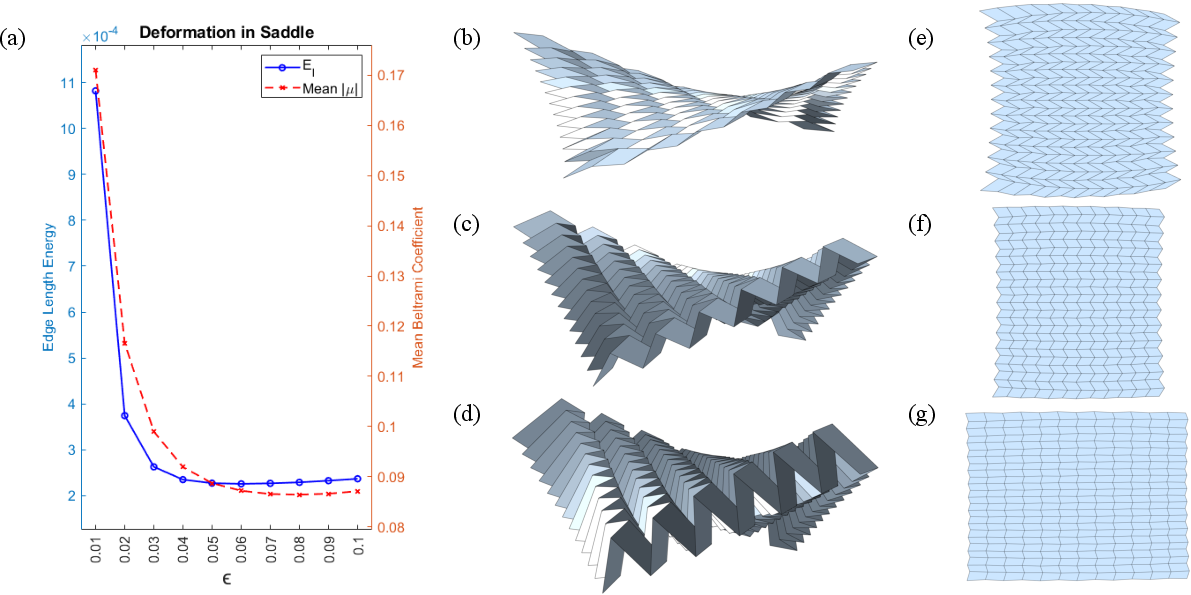
Figure 12: Effects of varying pattern thickness on saddle surface approximation and distortion metrics.
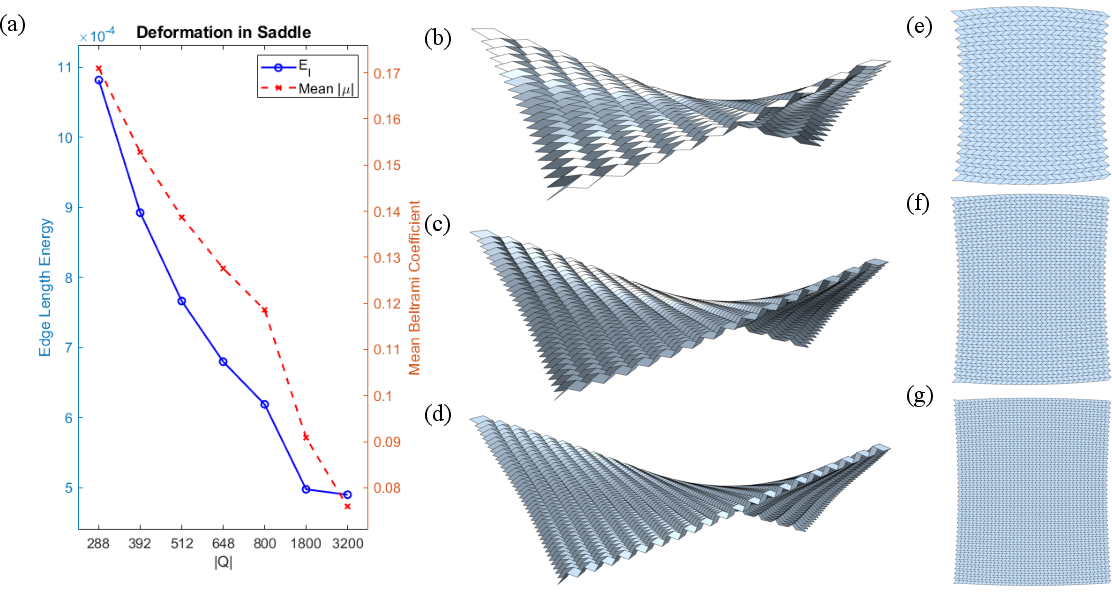
Figure 13: Higher mesh resolution yields improved geometric fidelity and lower distortion (lower gdevelop=02).
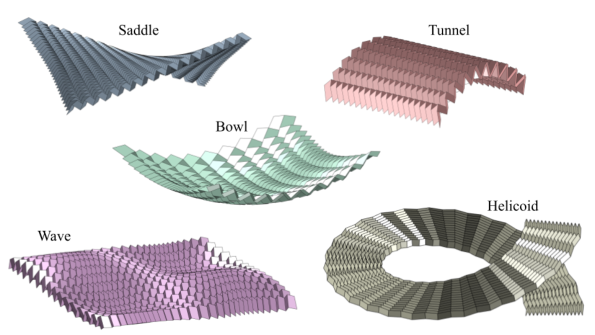
Figure 14: High-resolution folded Miura-ori for all five test surfaces.
Implications and Outlook
Theoretical and Practical Relevance
The formulation augments the Miura-ori design space via the inclusion of quasiconformal theory, which is uncommon in origami design yet highly theoretically justified for preserving mapping bijectivity and controlling distortion. The unified constrained framework provides globally consistent solutions in the presence of nonlinear developability and planarity conditions.
Practically, the method enables systematic synthesis of origami-based deployable structures with guaranteed geometric and mechanical properties. Applications include engineered metamaterials, programmable morphologies, stent and medical device surfaces, and shape-morphing architectural elements.
Limitations and Future Directions
Computational cost increases notably with mesh resolution due to the dense KKT system in Newton’s method, which could be ameliorated by scalable optimization algorithms (e.g., matrix-free or reduced-space methods). The approach is currently limited to simply-connected topologies, but may be generalizable using advances in quasiconformal theory for multiply connected domains.
Opportunities exist for augmenting the energy with additional mechanical or physical regularizers, or via coupling with physics-based simulation for dynamic folding behavior. Incorporation of deep learning surrogates for fast energy/preconditioner evaluation is also a viable direction. Finally, the extension to kirigami (cut origami) and multi-material design, or integration with robotics, would broaden the practical design frontier.
Conclusion
Through a rigorous mathematical and algorithmic framework, the paper establishes an optimization-based approach for the synthesis of constrained, surface-aligned Miura-ori patterns leveraging quasiconformal mapping regularization. The method achieves high-fidelity surface approximation under strict Miura-ori constraints across diverse geometries, while ablation studies underscore the indispensability of each energy term. Future work should target algorithmic scalability, incorporation of richer constraints, and further integration with computational design and AI-driven workflow for advanced origami-based functional material systems.

