- The paper presents a self-supervised SR framework using a composite loss based on SURE and Equivariant Imaging to bypass the need for HR ground-truth.
- It leverages sensor-aware degradation, band-specific noise modeling, and novel DSC-based Unet architectures to enhance spatial details in hyperspectral data.
- Experimental results demonstrate that the SSL method produces physically plausible, high-resolution reconstructions, validated through cross-sensor comparisons with EMIT data.
Self-Supervised Super-Resolution for Sentinel-5P Hyperspectral Images: Technical Analysis
Introduction and Motivation
The Sentinel-5P (S5P) mission, launched by ESA in 2017, provides daily global hyperspectral observations crucial for atmospheric monitoring, particularly of trace gases like NO₂, CH₄, and CO. Despite high spectral resolution and extensive coverage, its coarse spatial resolution (3.5×5.5km2) limits fine-scale emissions mapping and environmental assessment. Existing super-resolution (SR) methods for S5P are predominantly supervised, relying on synthetic low-resolution/high-resolution (LR/HR) pairs, which undermines real-world applicability, as true HR for S5P does not exist.
This work introduces a sensor-aware, self-supervised learning (SSL) SR framework for S5P that eschews the need for HR ground-truth. Key innovations comprise: (i) a composite self-supervised loss leveraging Stein’s Unbiased Risk Estimator (SURE) and an Equivariant Imaging (EI) regularization, incorporating an explicit degradation operator and band-wise noise statistics; (ii) new depthwise separable convolution (DSC) Unet architectures with high parameter efficiency; and (iii) comprehensive evaluation across S5P bands in realistic GT-absent (GT-SHR) as well as synthetic reference settings (LR-HR).
Methodological Framework
Sensor-Aware Degradation and Noise Modeling
The SR problem is formalized as inversion of the degradation process: for HR x, LR y=A(x)+n, where A is the band-dependent sensor blur and downsampling, and n, additive Gaussian noise. Sensor SNR metadata allow rigorous, band-specific noise estimation, resulting in σ=SNRlinearμ, suitably adjusting the SSL objective per band (see Figure 1).
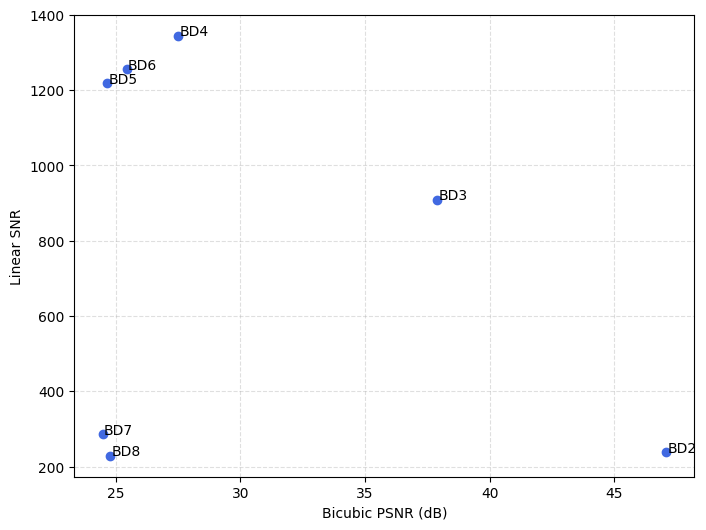
Figure 1: Relationship between SNR and bicubic PSNR across S5P bands; bands with higher SNR or bicubic PSNR are easier for SR, but spatial structure remains a critical factor.
Self-Supervised Loss Function
Traditional SL minimizes MSE between fθ(y) and HR x. SSL instead leverages SURE, yielding an unbiased risk estimator for measurement fidelity:
LSURE=∥A(fθ(y))−y∥22−Nσ2+2σ2divy(A(fθ(y)))
where divergence is approximated via Monte Carlo sampling. An additional EI loss enforces scale-consistency: reconstructions under scale transforms should remain consistent after re-applying A. Total loss is x0.
Network Architectures
Novel Unet-S5P architectures are proposed: multi-level encoder-decoder Unets with inverted channel configuration and pervasive DSC (depthwise + pointwise convolutions). Two variants (Unet-S5P-800k and Unet-S5P-1M) balance efficiency and representational depth. Alternatives adapted from [ali2025depth] include recursive DSC (S5-DSCR, S5-DSCR-S) with higher/lower parameter counts.
All models use pre-upsampling residual learning: the LR input is bicubically upsampled and a residual is predicted to refine high-frequency details. Models are trained and evaluated band-wise, with channel-specific normalization proven superior to global normalization.
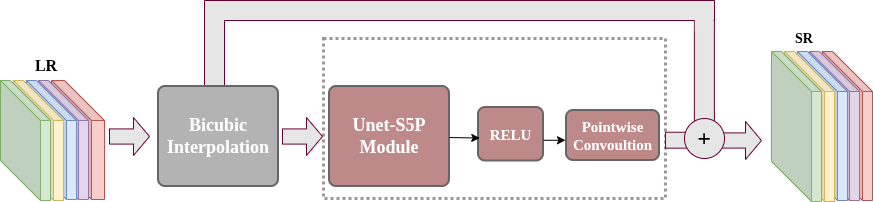
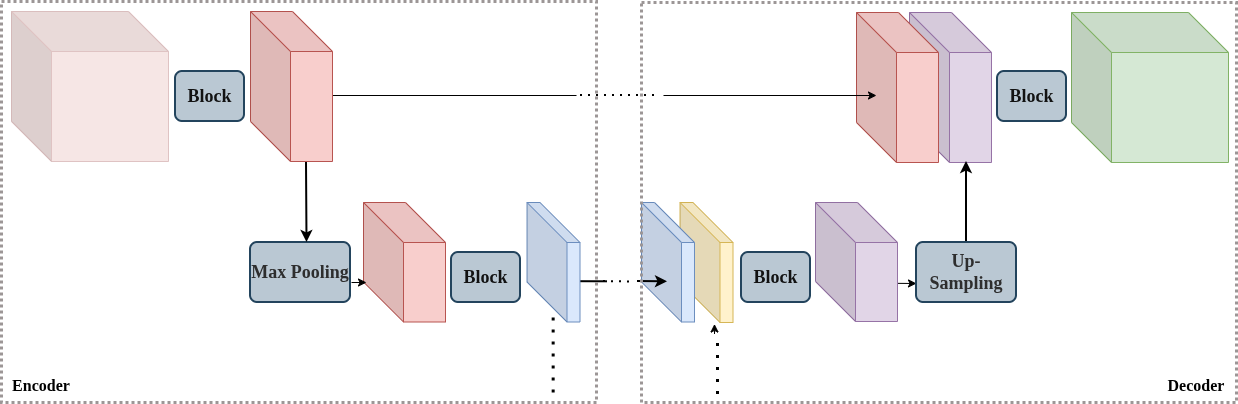
Figure 2: Overview of the proposed Unet-S5P architecture and its building blocks, illustrating the residual learning strategy for refining the interpolated input.
Experimental Evaluation
LR-HR Setting (With GT)
In the synthetic LR-HR setting, models trained via SSL attain performance comparable to SL with only moderate, band-dependent degradation. Across all S5P bands, proposed Unet-S5P-1M/800k SSL results match or exceed previous S5Net performance, especially in bands with favorable SNR or spatial structure (BD2–BD6). Both measurement consistency (fidelity under x1) and structural sharpness confirm that spatial refinement does not introduce implausible artifacts, and SSL often achieves higher measurement consistency than SL.
Intrinsic Band Dependence and Ablation
Performance is highly dependent on both SNR and intrinsic spatial structure (e.g., BD2, despite low SNR, is easier to reconstruct than BD7/BD8 due to spatial regularity). Extensive ablations confirm that SSL's small denoising bias (from SURE) is negligible for S5P's low noise levels; key limiting factors are inherent data quality and spatial complexity rather than architectural or optimization choices.
GT-SHR Setting (No GT)
In real-use GT-SHR scenarios, SSL models generate spatially enhanced reconstructions beyond native S5P resolution. Visually, SHR results reveal finer spatial details and sharper boundaries compared to bicubic interpolation. Crucially, applying x2 to SHR images yields observations near-indistinguishable from the original, demonstrating strict adherence to the sensor process and absence of hallucinated structures.
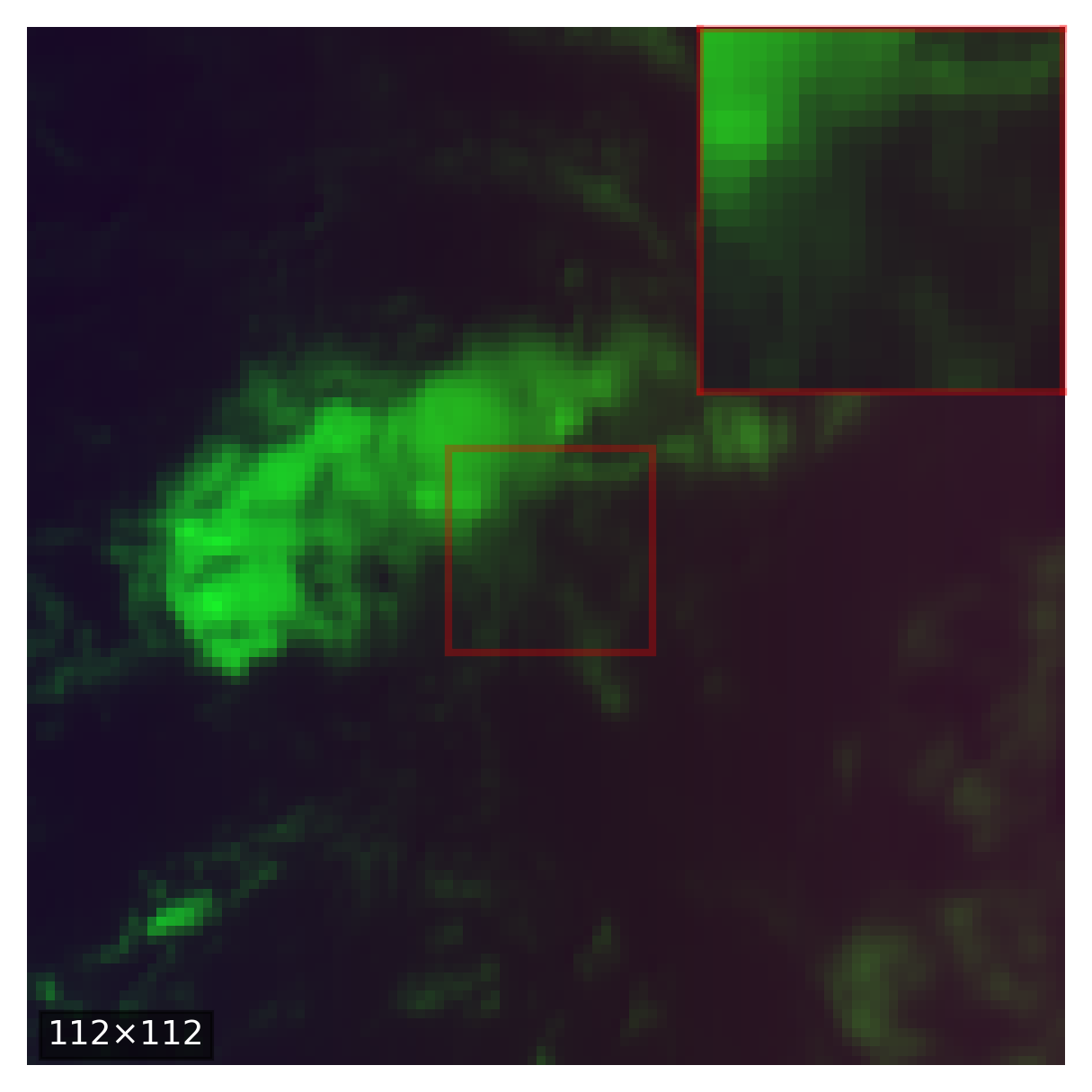
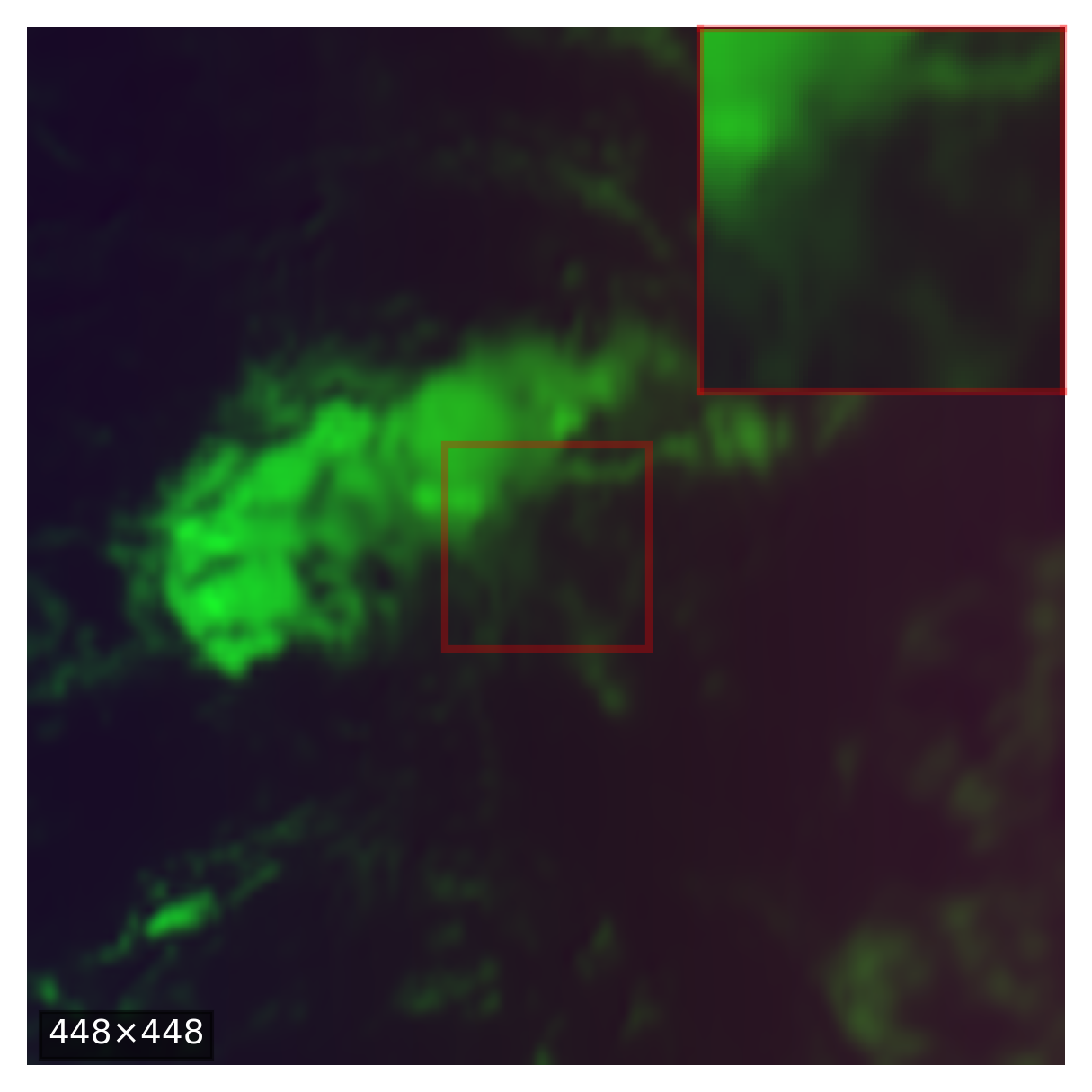
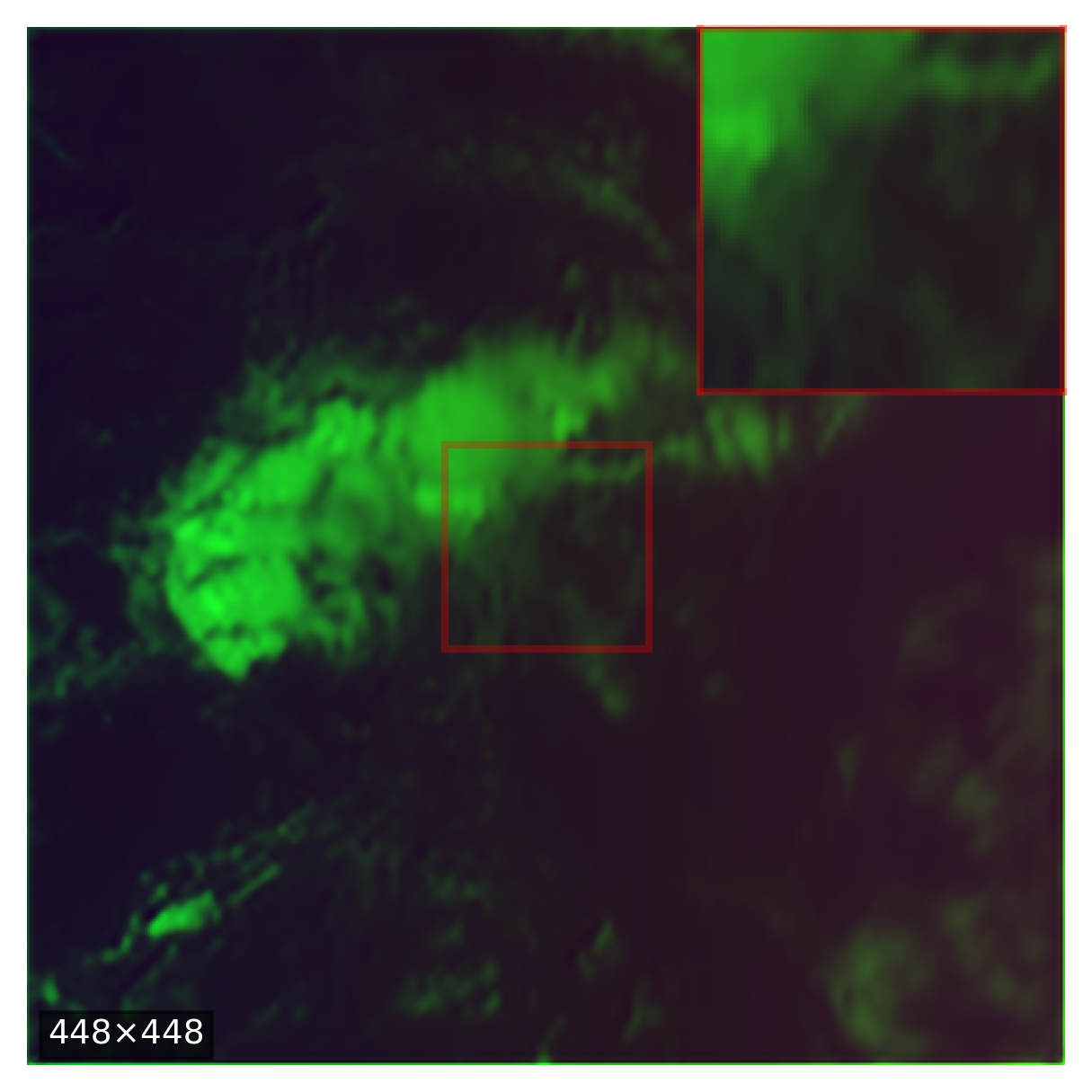
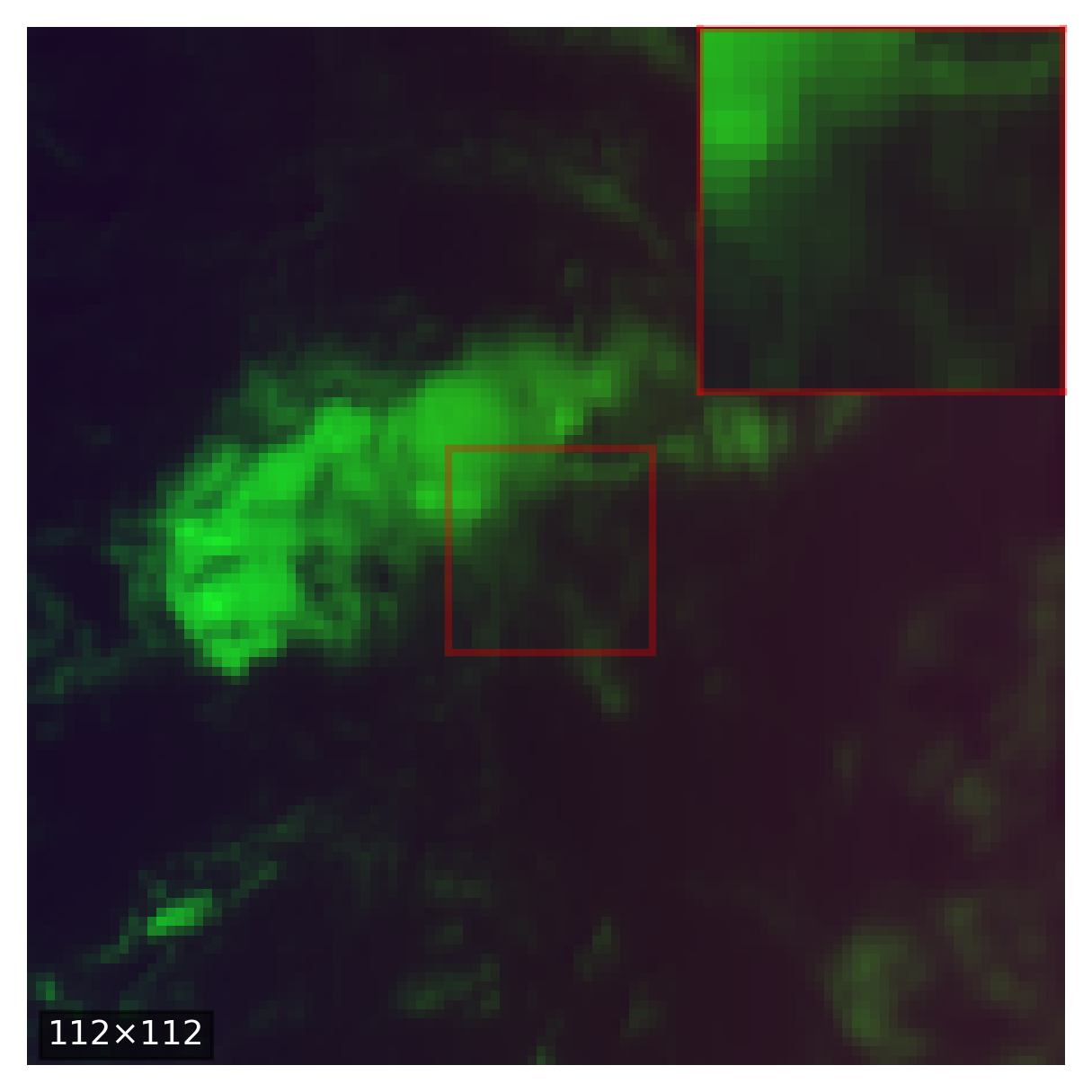
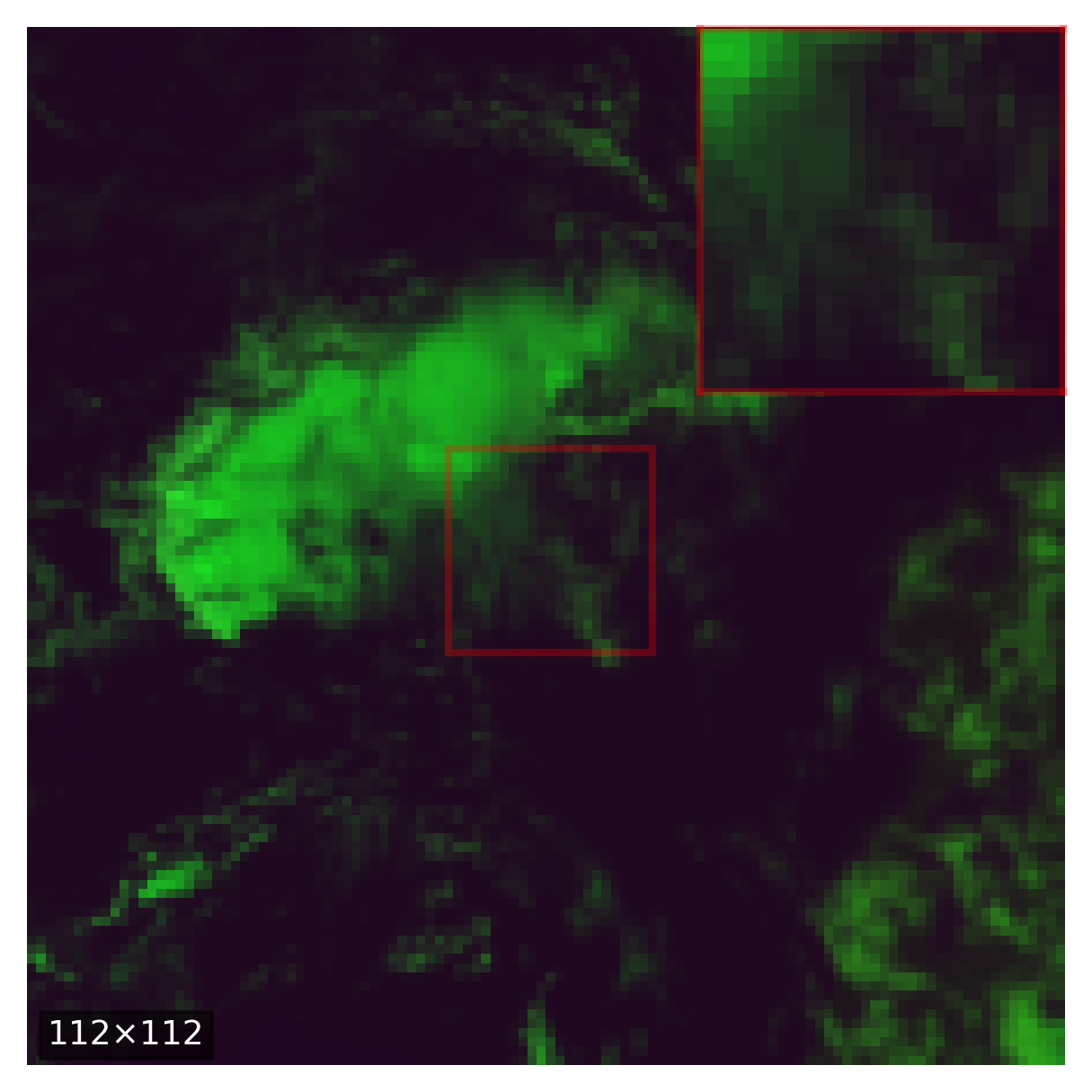
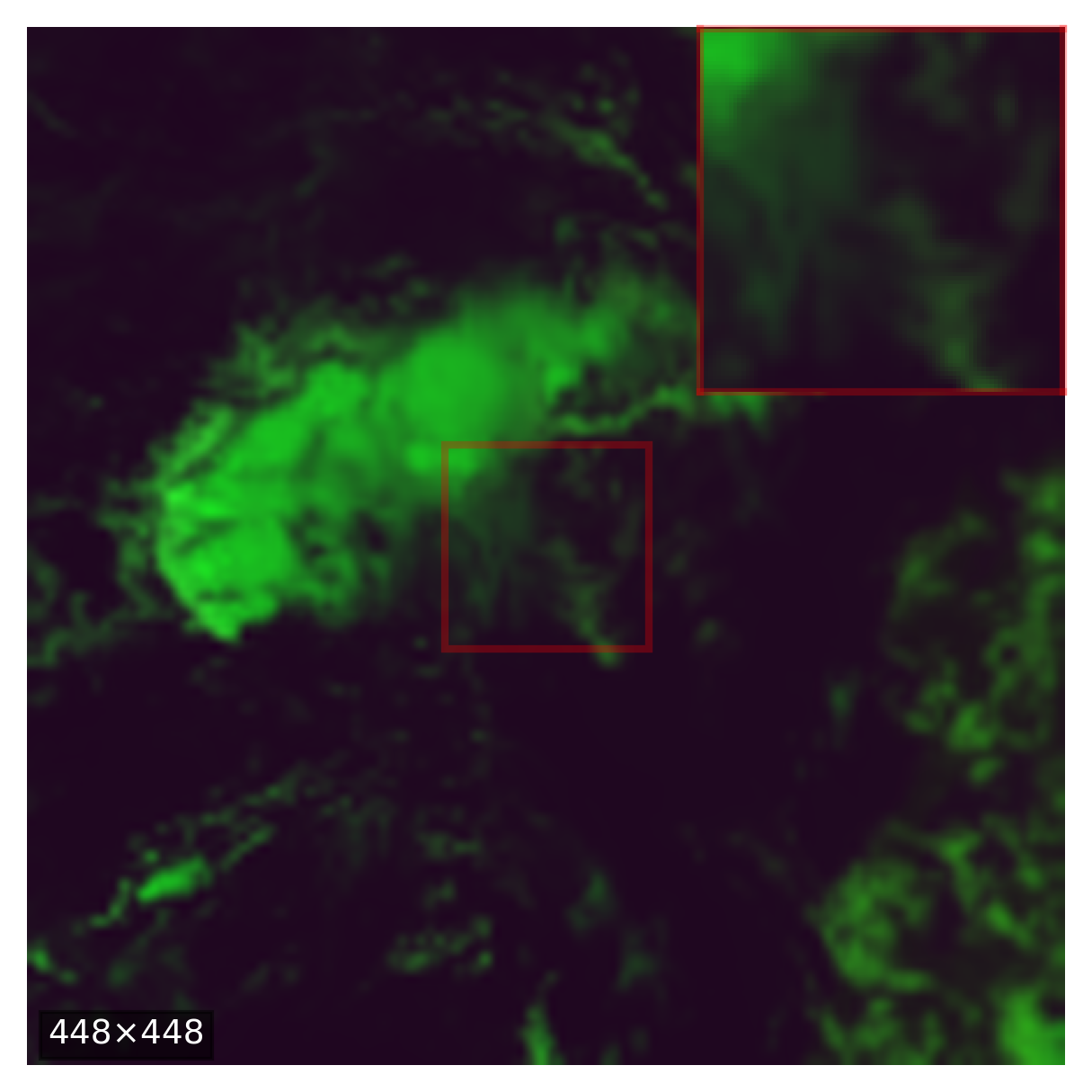
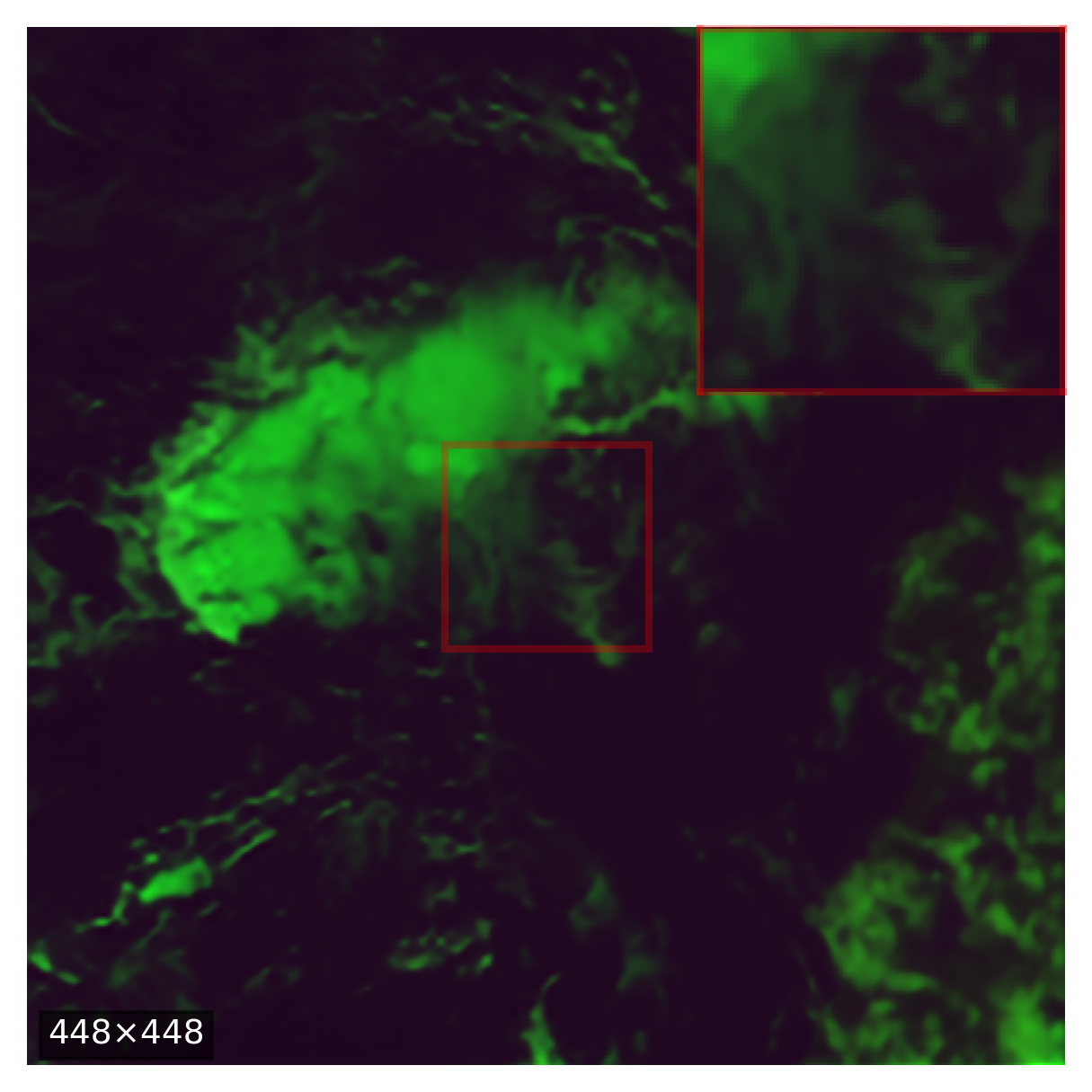
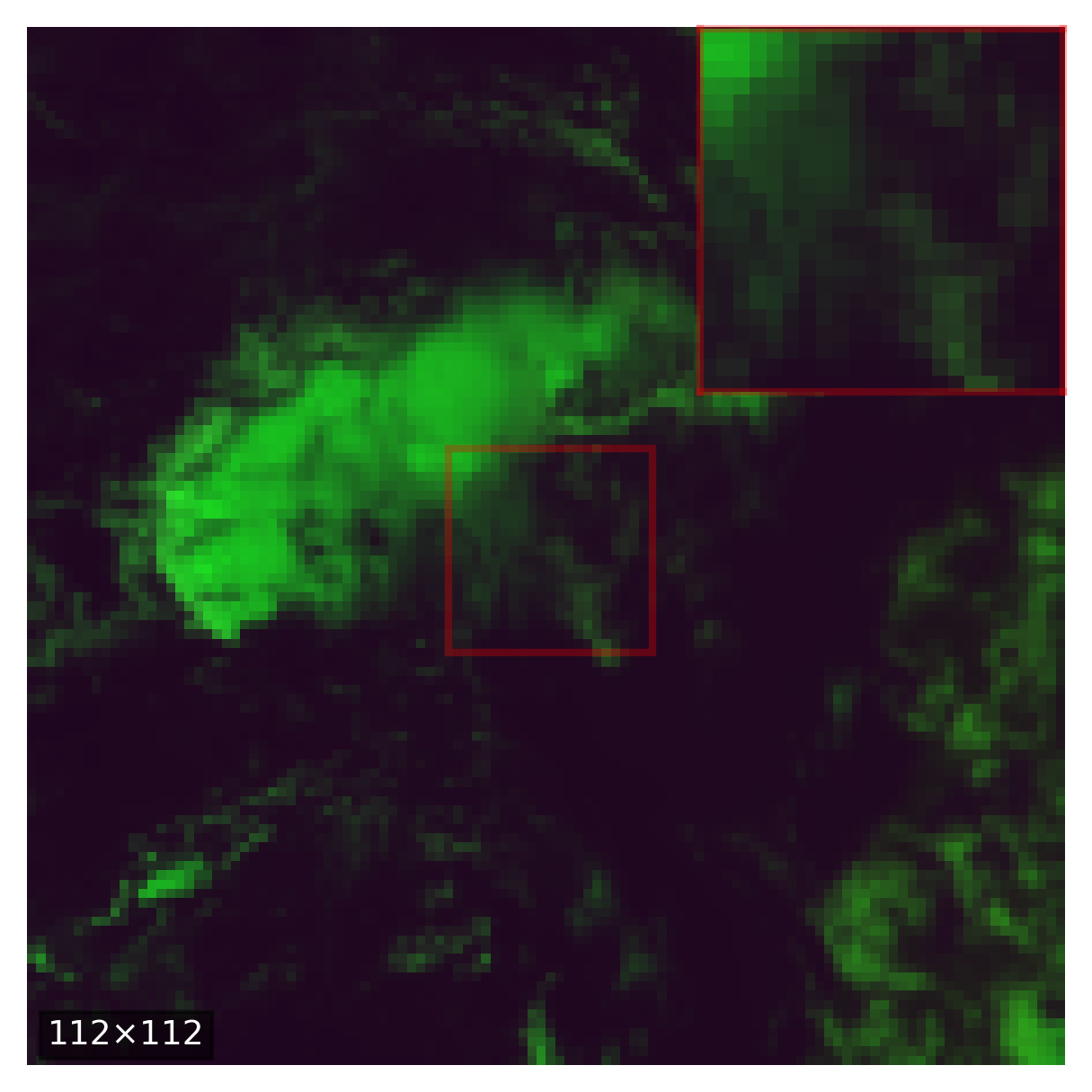
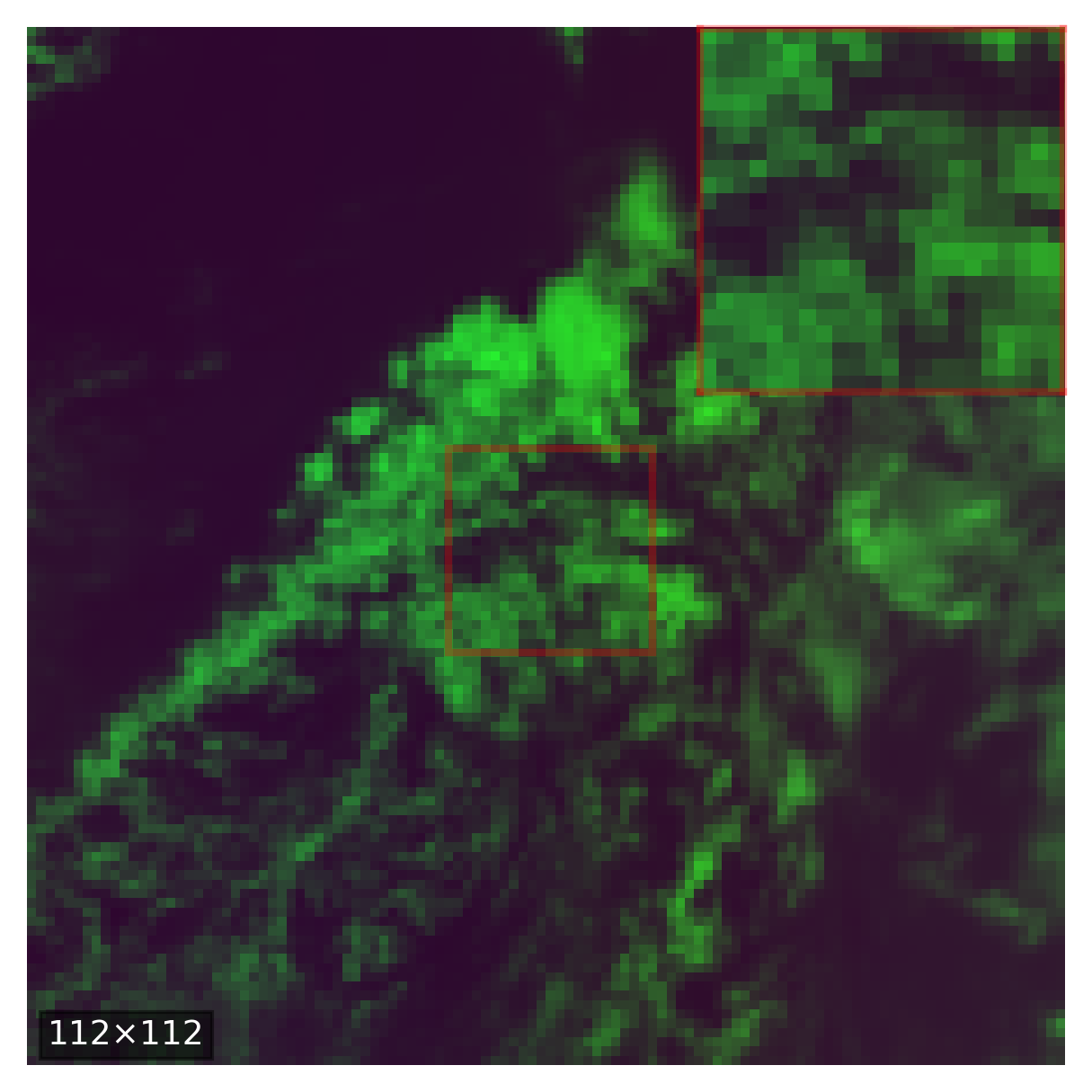
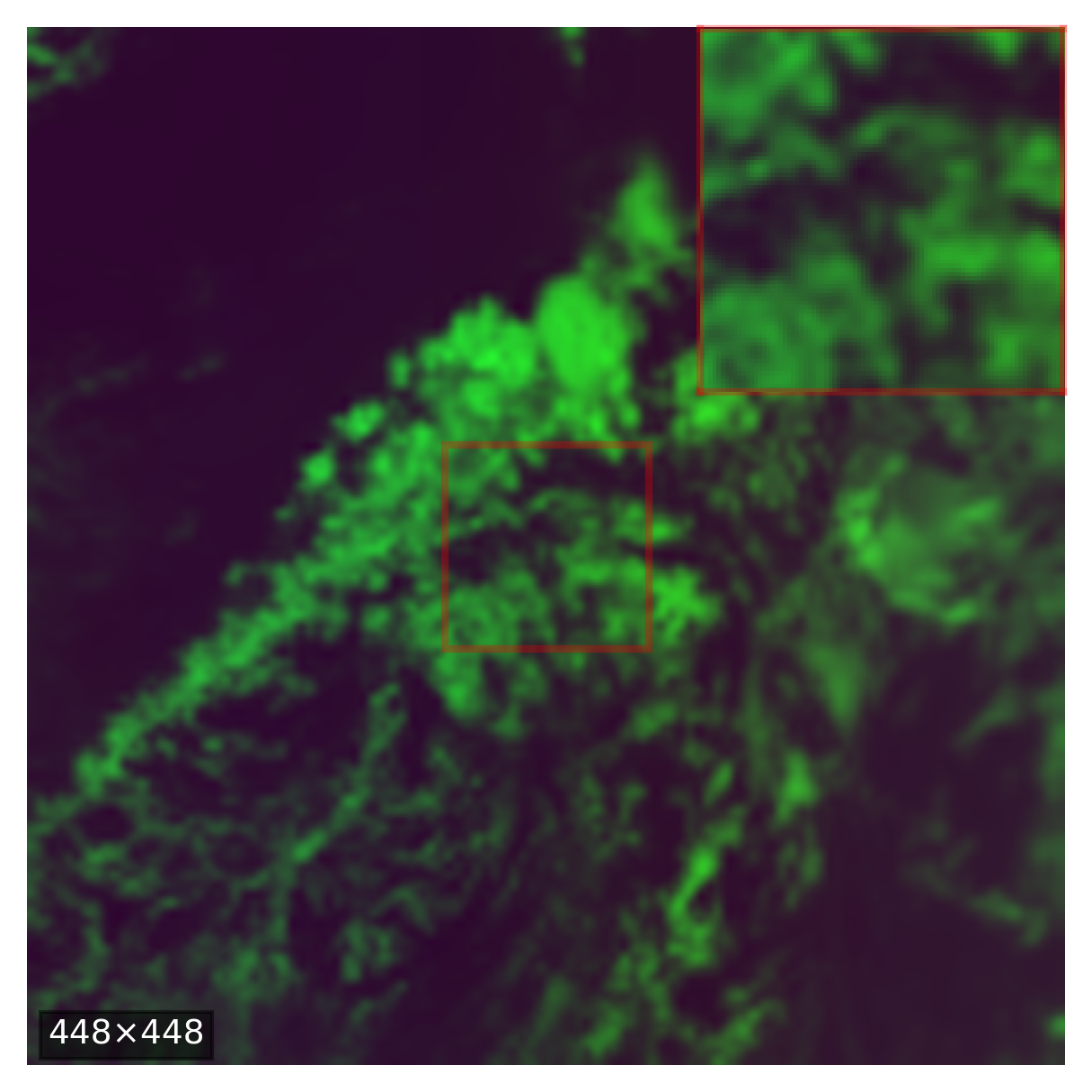
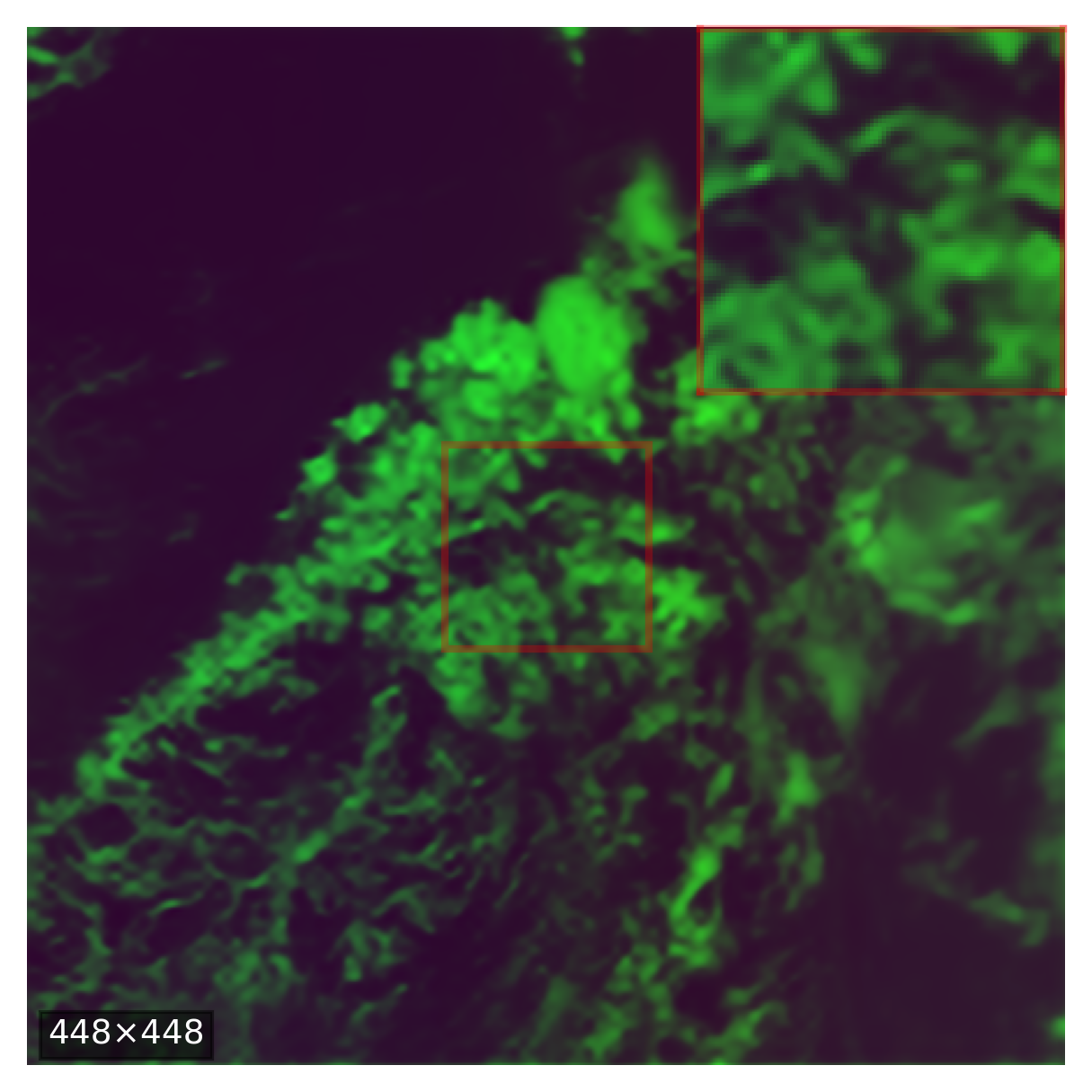
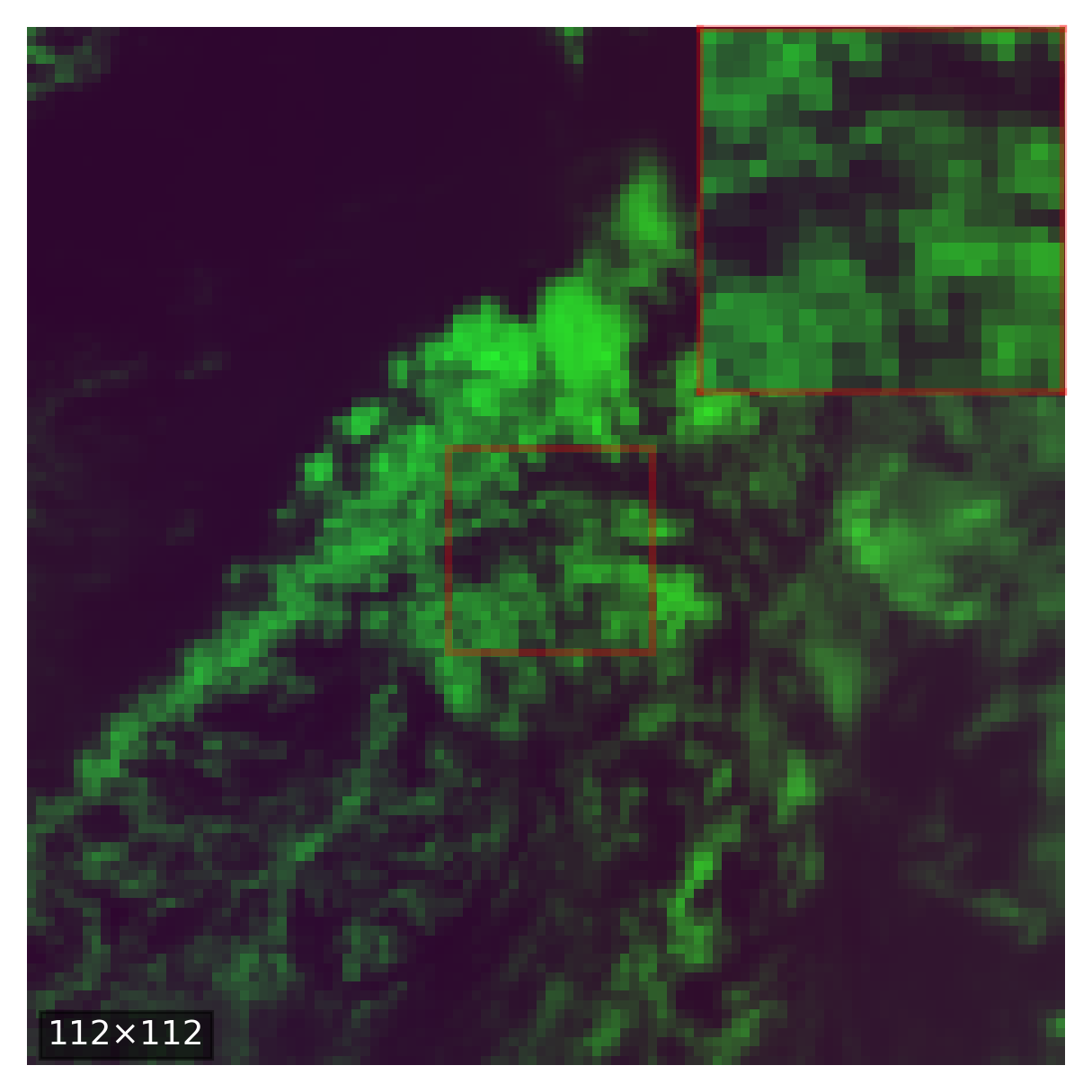
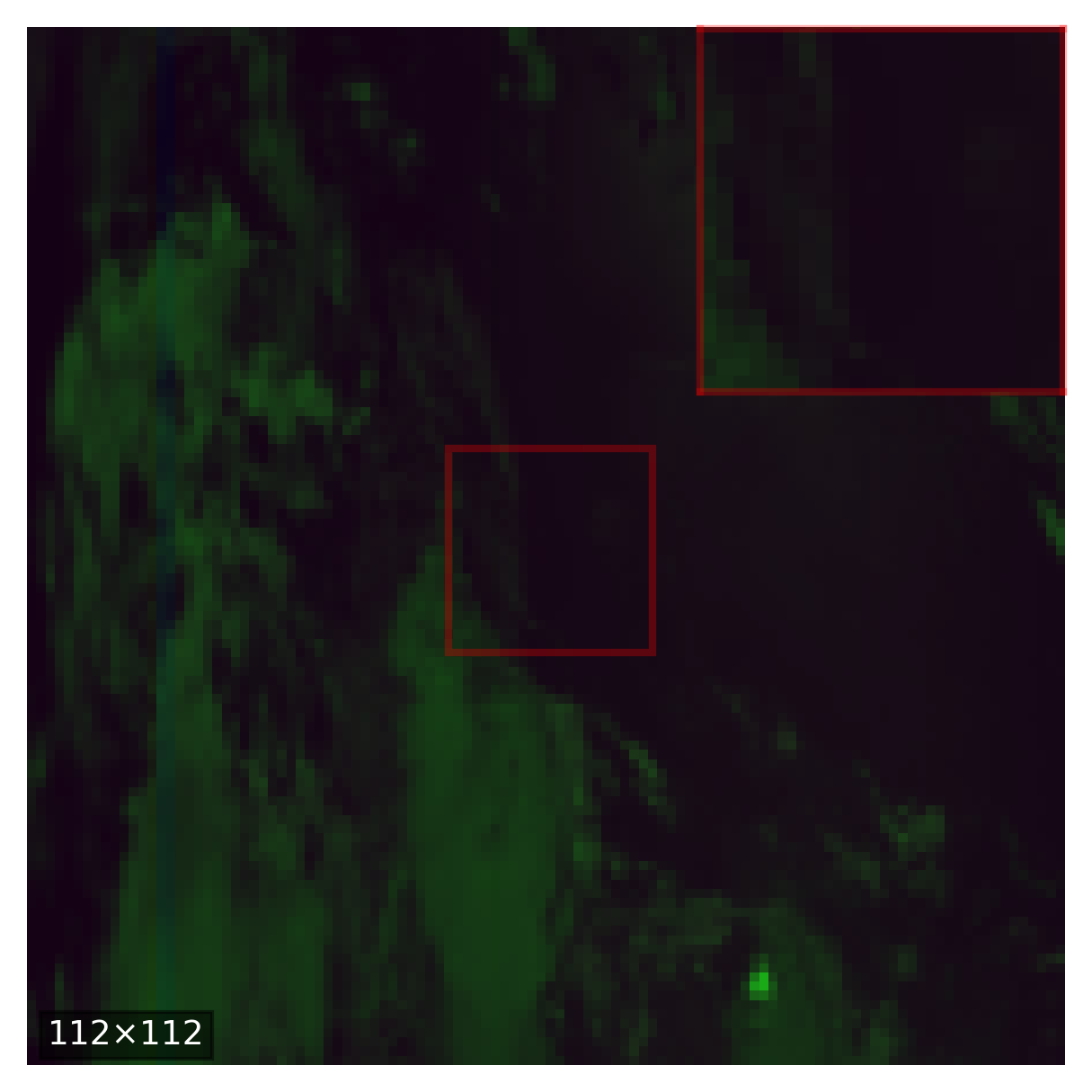
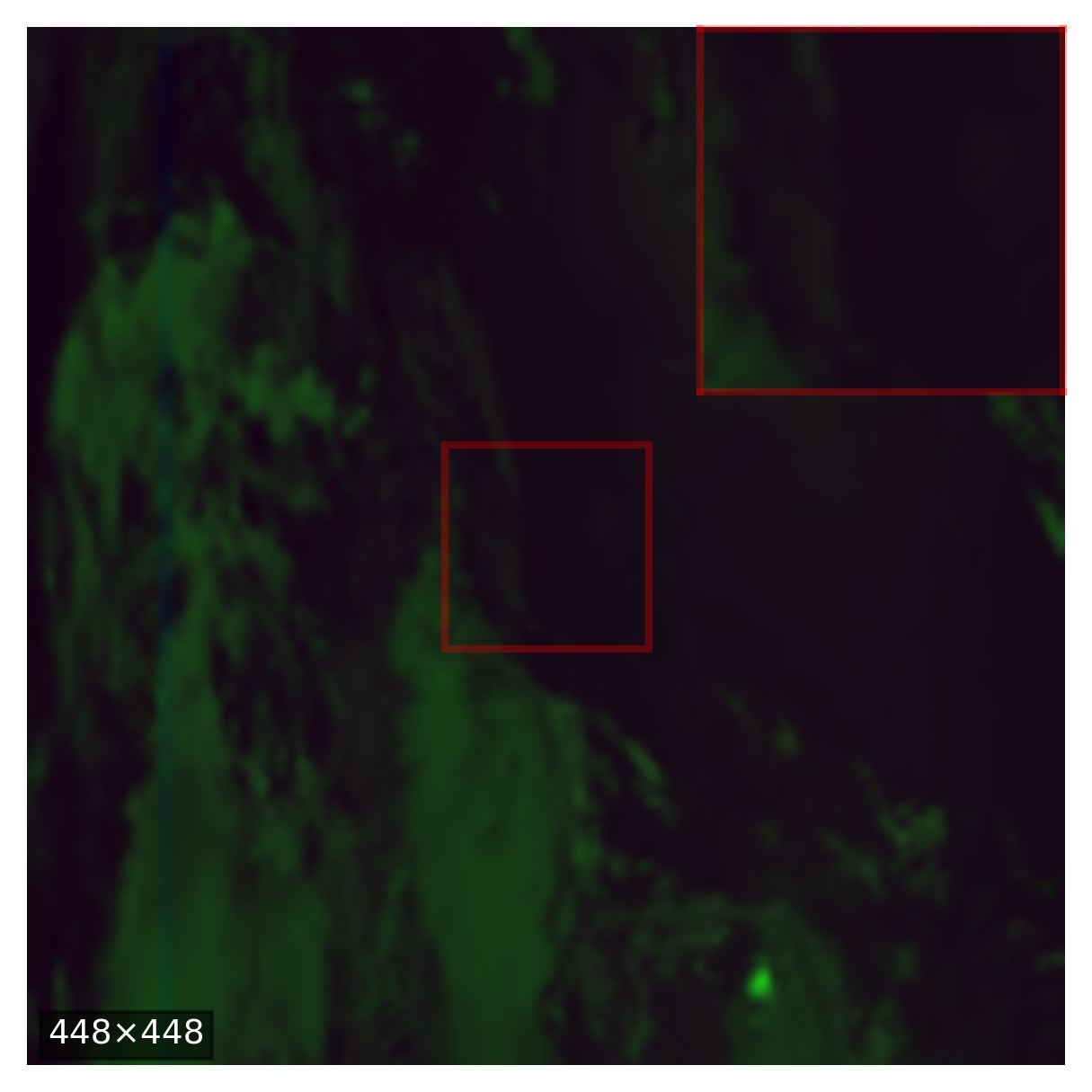
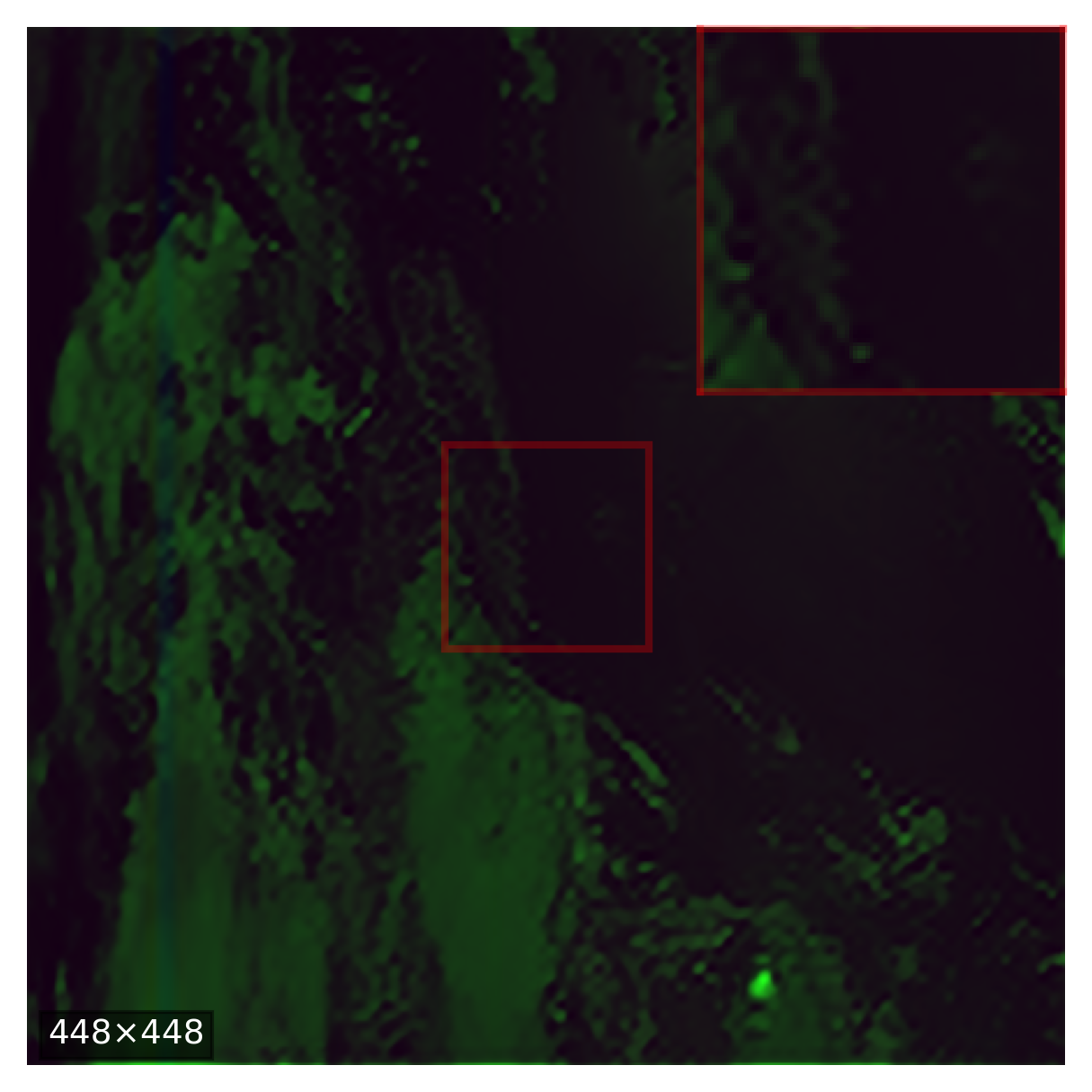
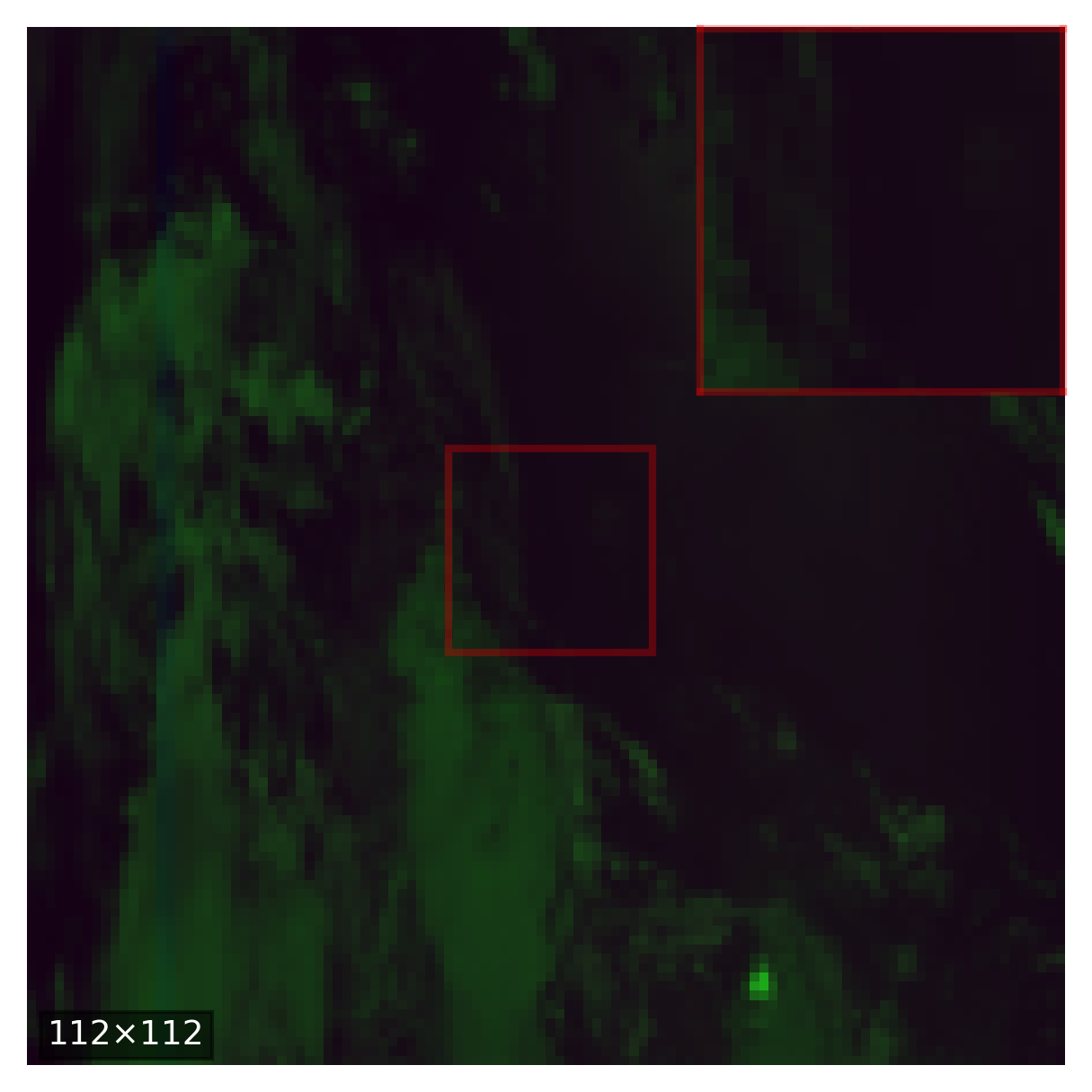
Figure 3: GT-SHR qualitative evaluation, showing consistent reconstruction of sharp spatial details across spectral bands with Unet-S5P-1M.
Band-wise consistency of recovered features across independently trained bands further supports the physical plausibility of fine-scale reconstructs. Quantitative non-reference metrics (consistency, sharpness) are uniformly improved over upsampling, reinforcing these findings.
Cross-Sensor Validation with EMIT
To probe the realism of super-resolved structures, the SSL output for an S5P observation coincident with high-resolution EMIT data is qualitatively compared. The SSL-generated SHR matches the spatial sharpness and distinct features observable in EMIT data, particularly in high-frequency regions such as coastlines, while bicubic and native S5P lack such detail. Downscaling EMIT to S5P scale confirms the SSL-recovered features are physically plausible.
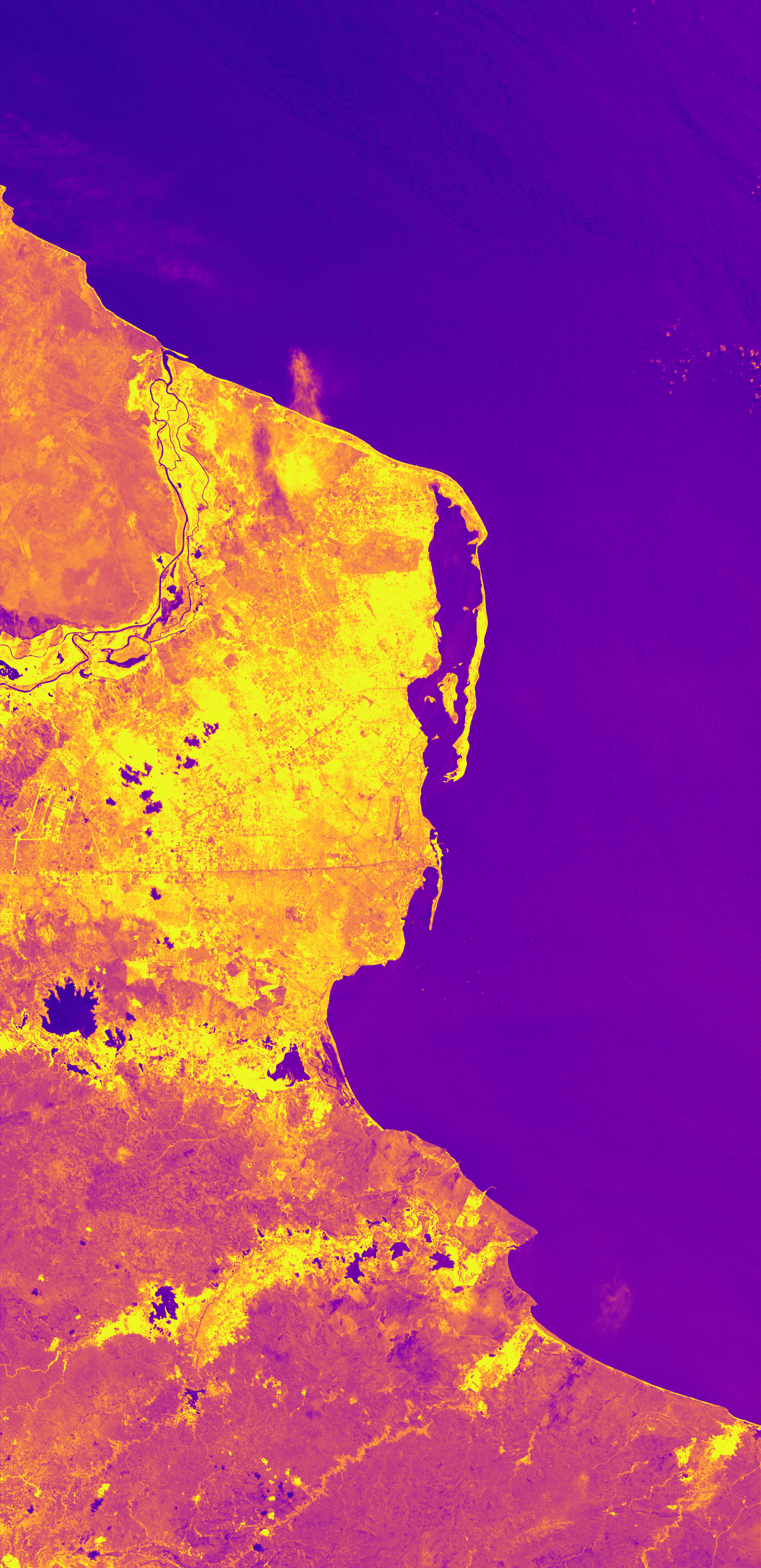
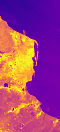

Figure 4: Qualitative cross-sensor comparison between EMIT and S5P for BD6, visualized by averaging radiance across spectral channels; SSL-SHR results show much sharper land/water boundaries in line with true high-resolution observations.
Implications and Future Directions
This work demonstrates that carefully constructed SSL frameworks, equipped with physically accurate degradation models and sensor-informed noise priors, can overcome the lack of HR data in remote sensing SR tasks. The approach achieves spatial enhancement beyond sensor limits with physical consistency, enabling practical deployment in broad monitoring applications where HR is inherently unavailable.
Theoretical implications include expanding the range of feasible SSL imaging problems in Earth observation, as well as motivating further study of the interplay between spatial and spectral structure in SR. Practically, deployment on real S5P data is trivial, opening avenues for enhanced pollution mapping and local analysis. Limitations include the specificity of the loss function to current sensor models and persistent challenges in low-SNR, spatially complex bands.
Future work may generalize the degradation process to new missions, incorporate uncertainty-aware or Bayesian formulations for increased robustness, or explore SSL under physically realistic cross-sensor constraints, potentially leveraging auxiliary data such as EMIT or other high-resolution platforms.
Conclusion
The presented self-supervised SR framework for Sentinel-5P achieves high-fidelity spatial enhancement across all spectral bands without HR ground-truth, utilizing band-specific sensor degradation and noise priors within a composite self-supervised loss and efficient DSC-based Unet architectures. Comprehensive synthetic, practical, and cross-sensor validation evidences that the framework generates physically meaningful, artifact-free reconstructions, marking a substantive advance in hyperspectral SR and enabling new practical workflows for large-scale Earth observation (2604.17652).