- The paper demonstrates that increased halo parameters (rₛ and ρₛ) amplify gravitational attraction, expanding the orbital scale and shifting the ISCO outward.
- Rigorous geodesic and Hamiltonian analyses map the energy-angular momentum space, delineating the parameter regime for stable bound orbits.
- Simulated gravitational waveforms and light curves reveal distinct, testable multi-messenger signatures that can diagnose dark matter halo properties.
Gravitational Emissions and Light Curves of Quasi-Periodic Orbits in Schwarzschild Spacetime Embedded in a Dehnen-Type Dark Matter Halo
Physical Framework and Geodesic Structure
This paper analyzes strictly closed timelike orbits in Schwarzschild spacetime incorporating a Dehnen-type (1,4,0) dark matter halo. The Dehnen profile's analytical flexibility—parametrized via scale radius (rs), scale density (ρs), and shape parameters (α,β,γ)—enables detailed modeling of halo-induced metric deformations. The modified Schwarzschild metric function is governed non-trivially by both rs and ρs. The canonical geodesic analysis employs Hamilton equations within geometric units. The resulting effective potential exhibits dependencies on angular momentum, energy, and halo parameters, driving the existence and stability of bound orbits.
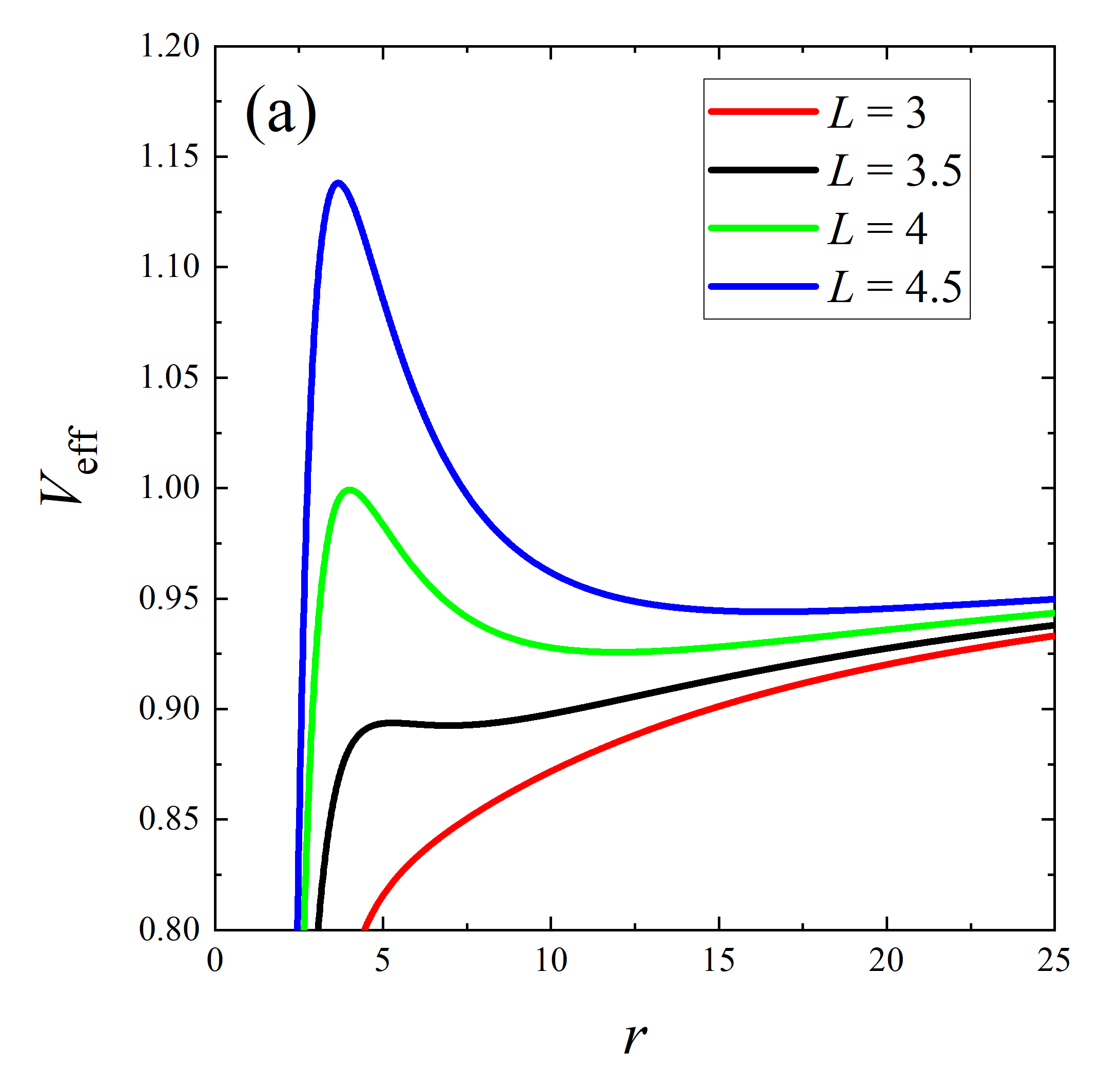
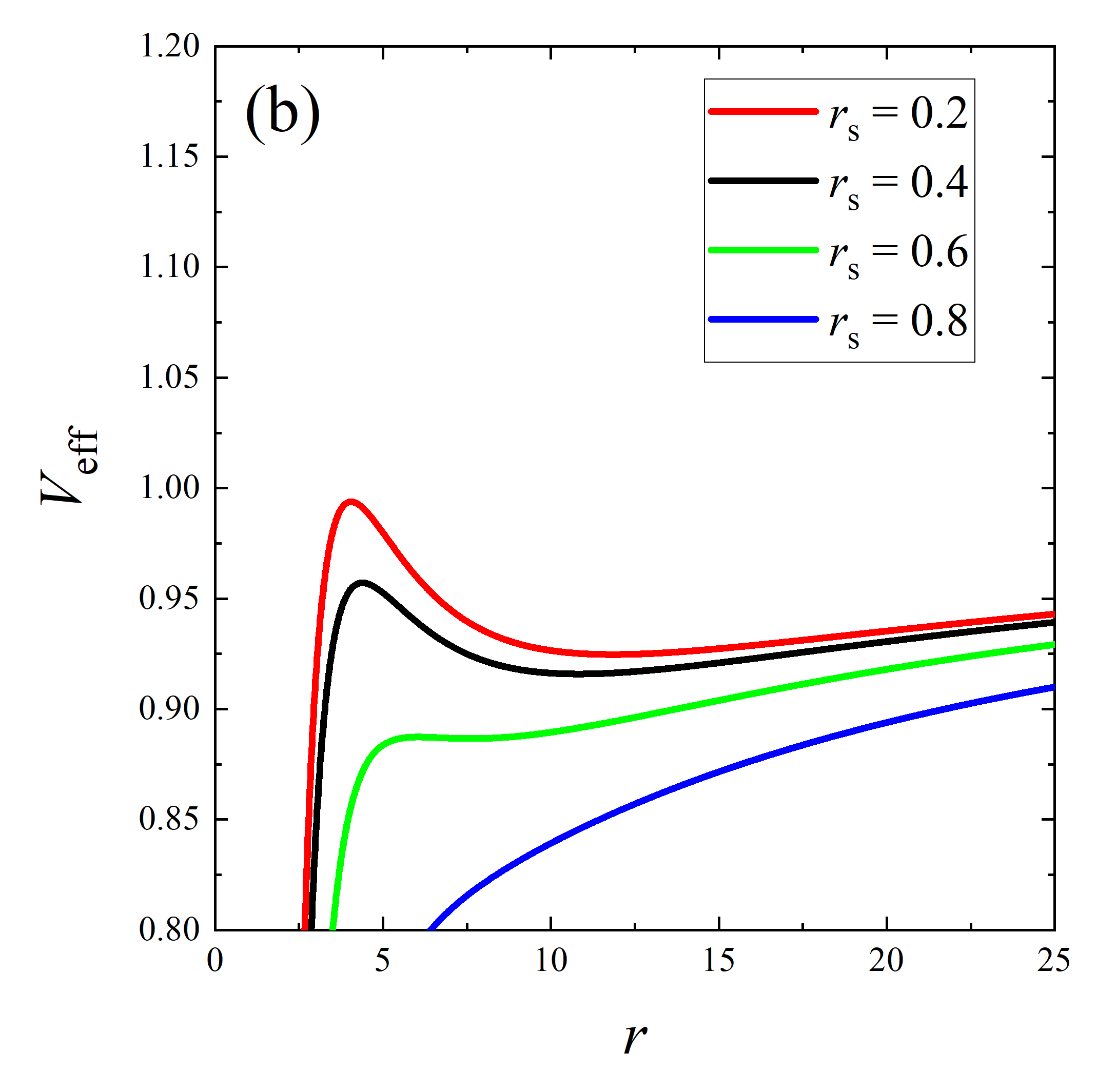
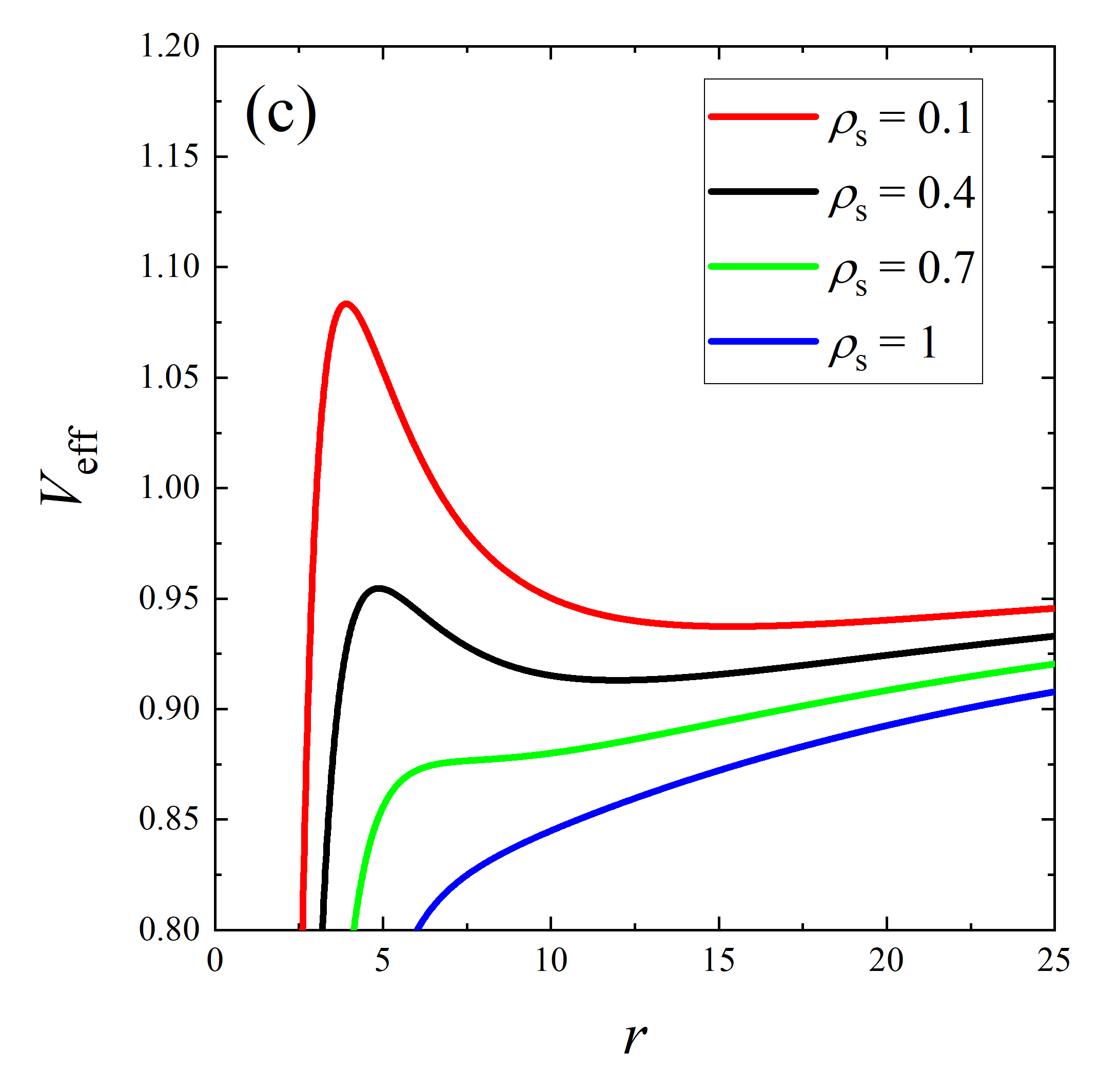
Figure 1: Evolution of the effective potential Veff(r), highlighting the distinct expansion/shrinkage of bound regions as L, rs, and ρs are varied.
Notably, increasing L expands the potential well and pushes stable circular orbits outward, while increasing ρs0 or ρs1 lowers the well and moves orbits inward—a marked amplification of gravitational attraction. The innermost stable circular orbit (ISCO) radius ρs2 is determined by simultaneous extremal conditions on ρs3, and increases with both ρs4 and ρs5, with ρs6 exerting greater influence.
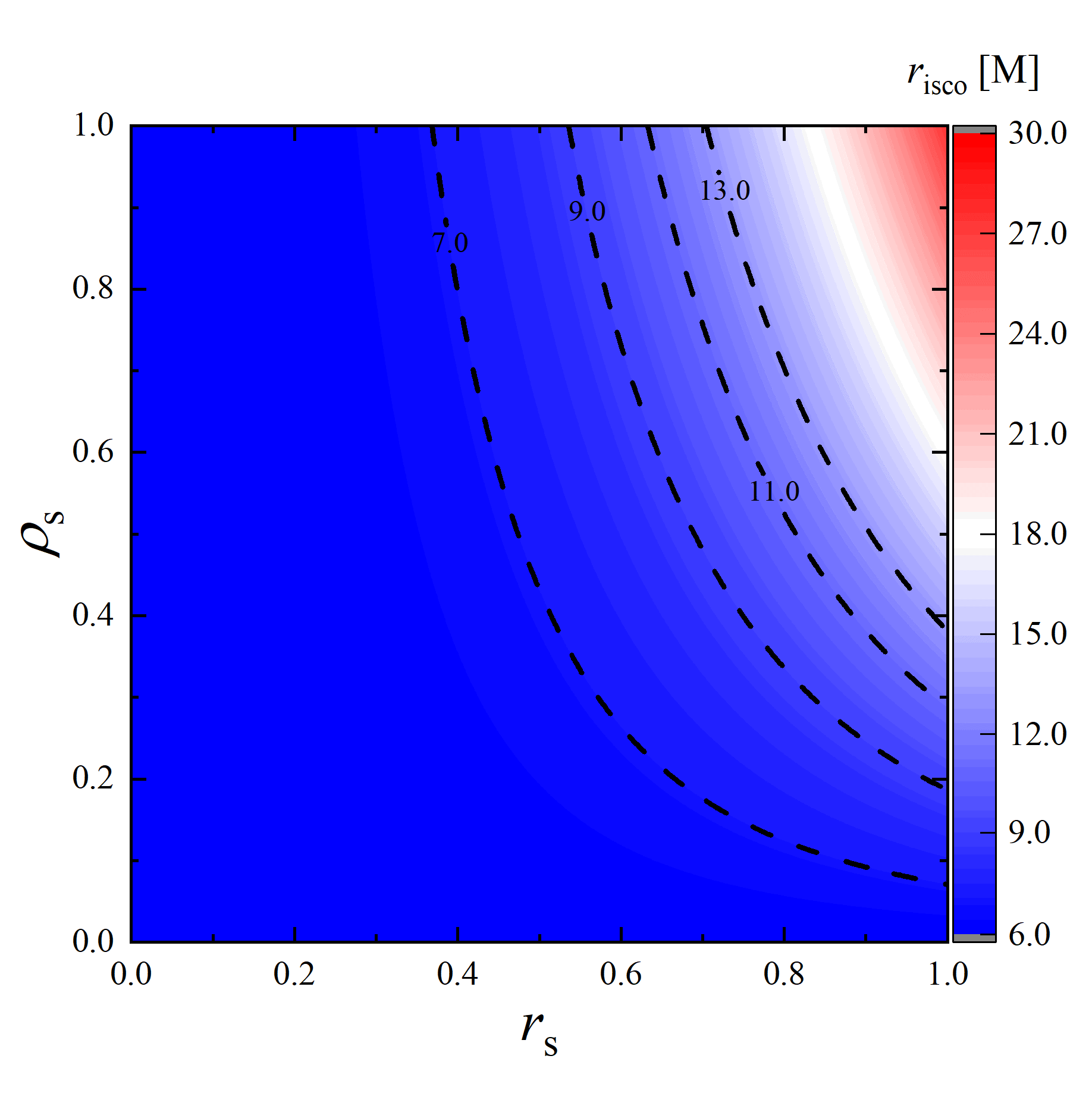
Figure 2: Distribution of ρs7 as a function of halo parameters; the ISCO expansion is directly correlated with increasing ρs8 and ρs9.
Energy-Angular Momentum Parameter Space and Bound Orbits
The work establishes a systematic regime for bound orbit existence via detailed exploration of (α,β,γ)0 behavior. Three intersection points with (α,β,γ)1 demarcate physically relevant periastron and apastron. Increasing the specific energy or halo parameters elevates (α,β,γ)2, allowing the creation of stable bound orbits even where vacuum Schwarzschild would not. The angular momentum-energy ((α,β,γ)3, (α,β,γ)4) parameter space for bound orbits is mapped, demonstrating contraction of the allowed region as either dark matter parameter is increased.
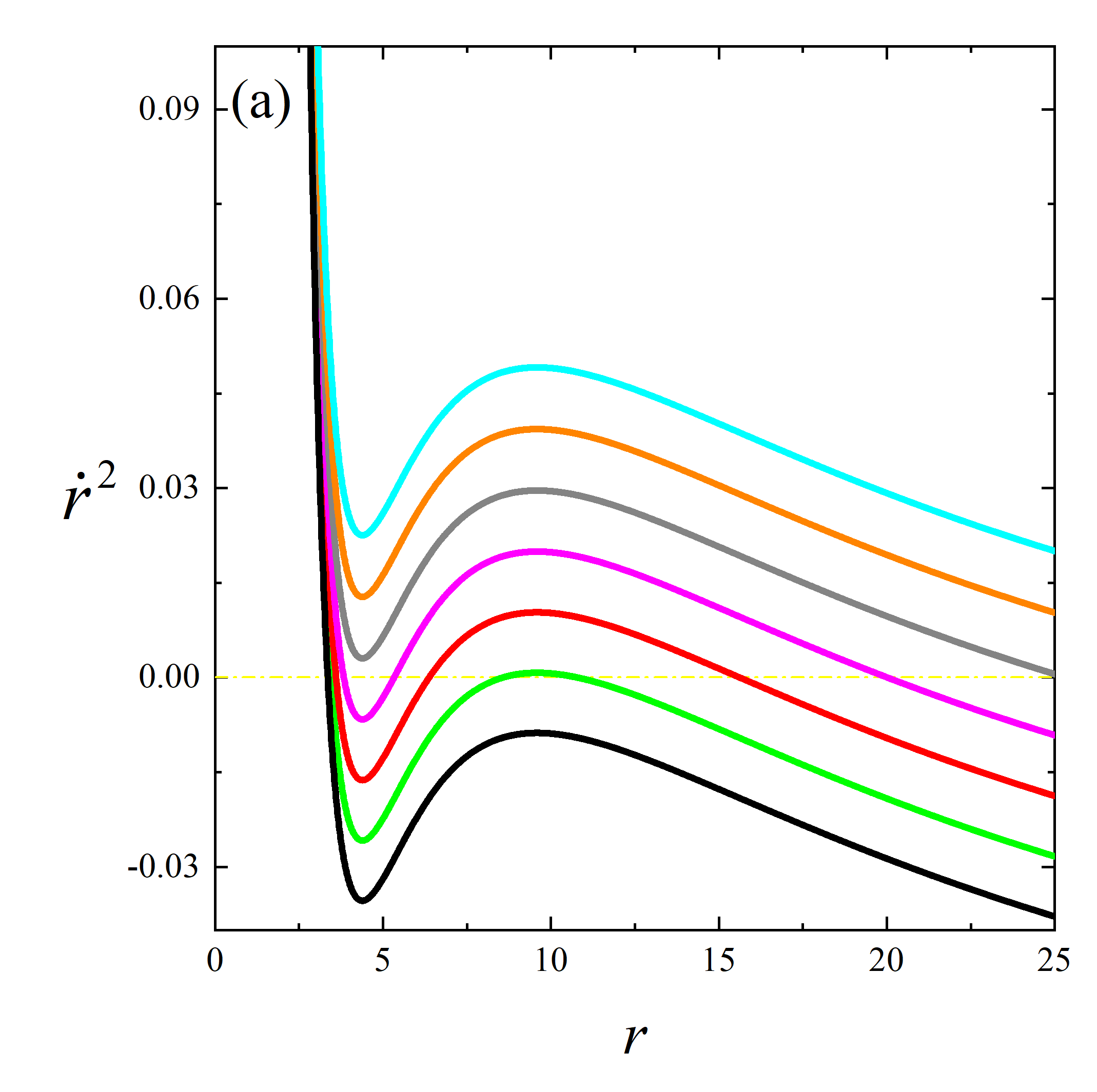
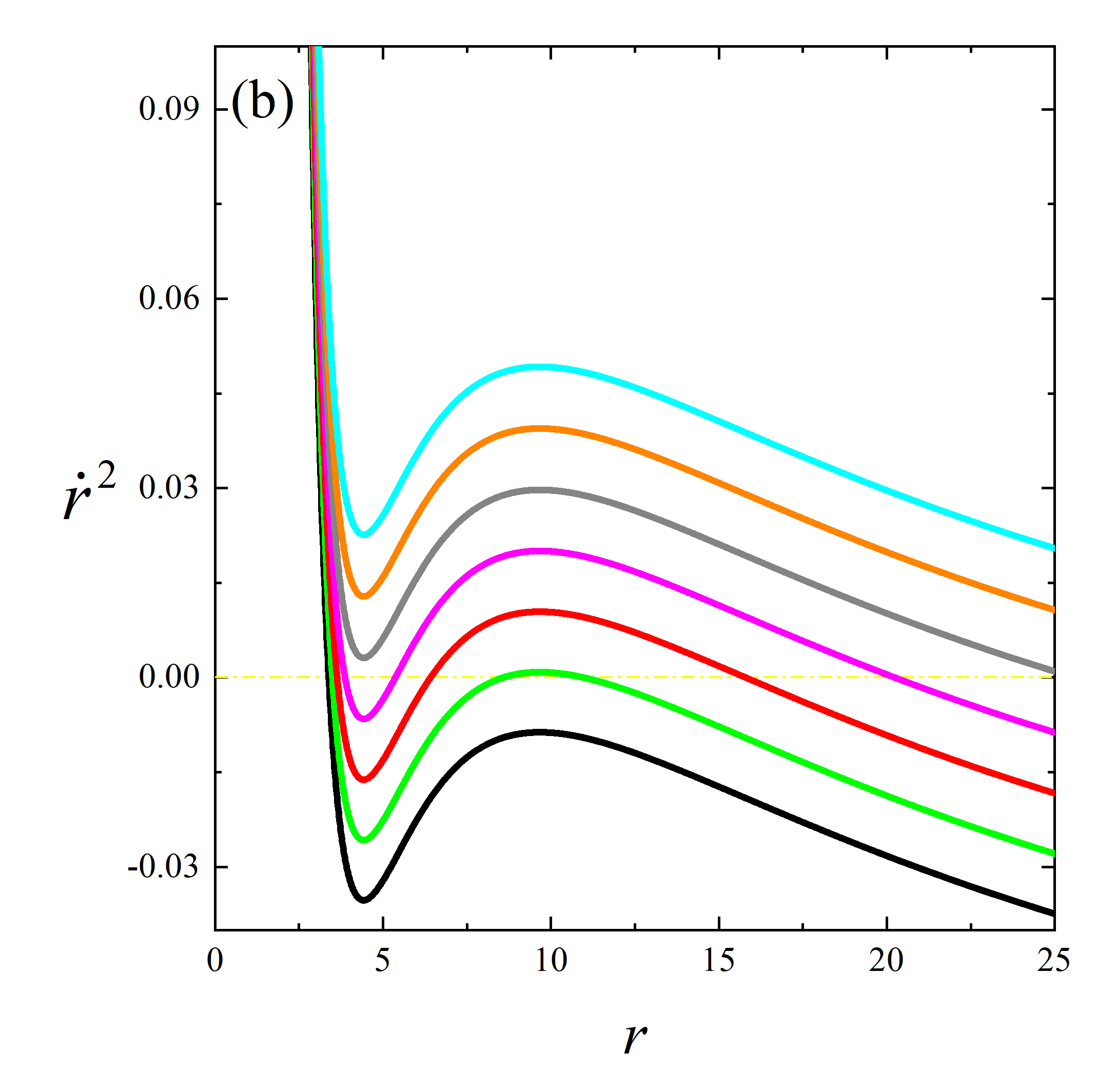
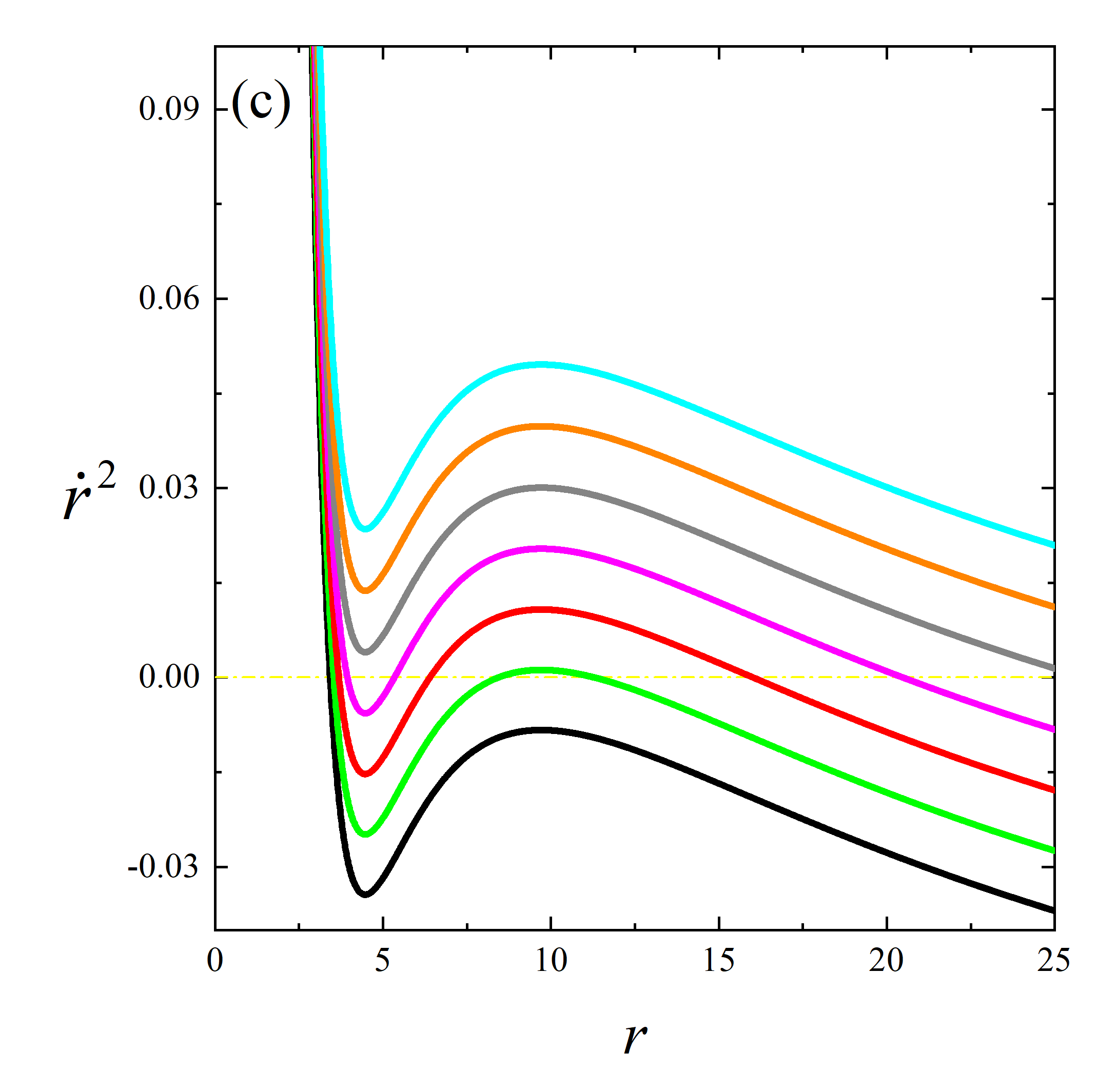
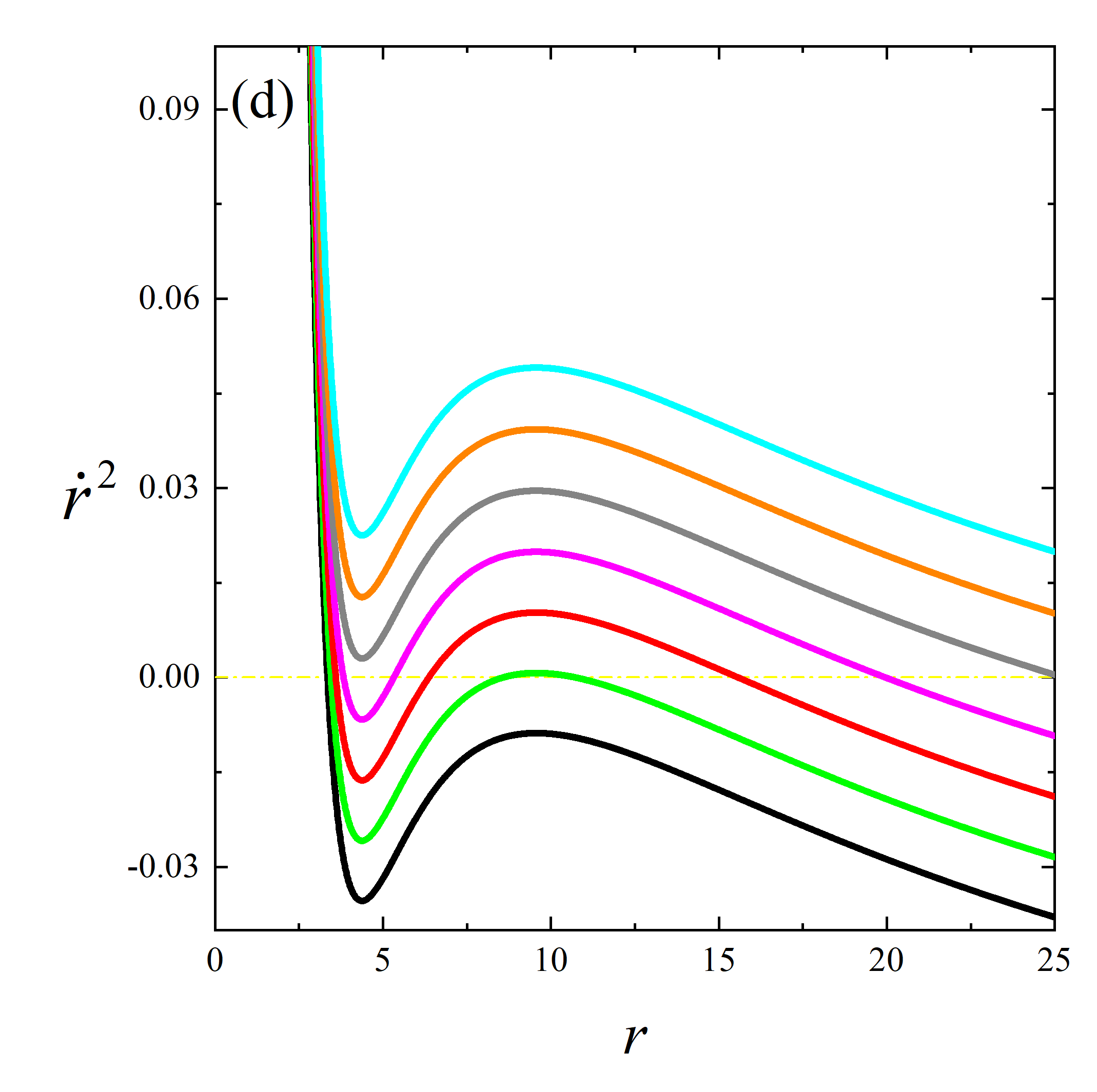
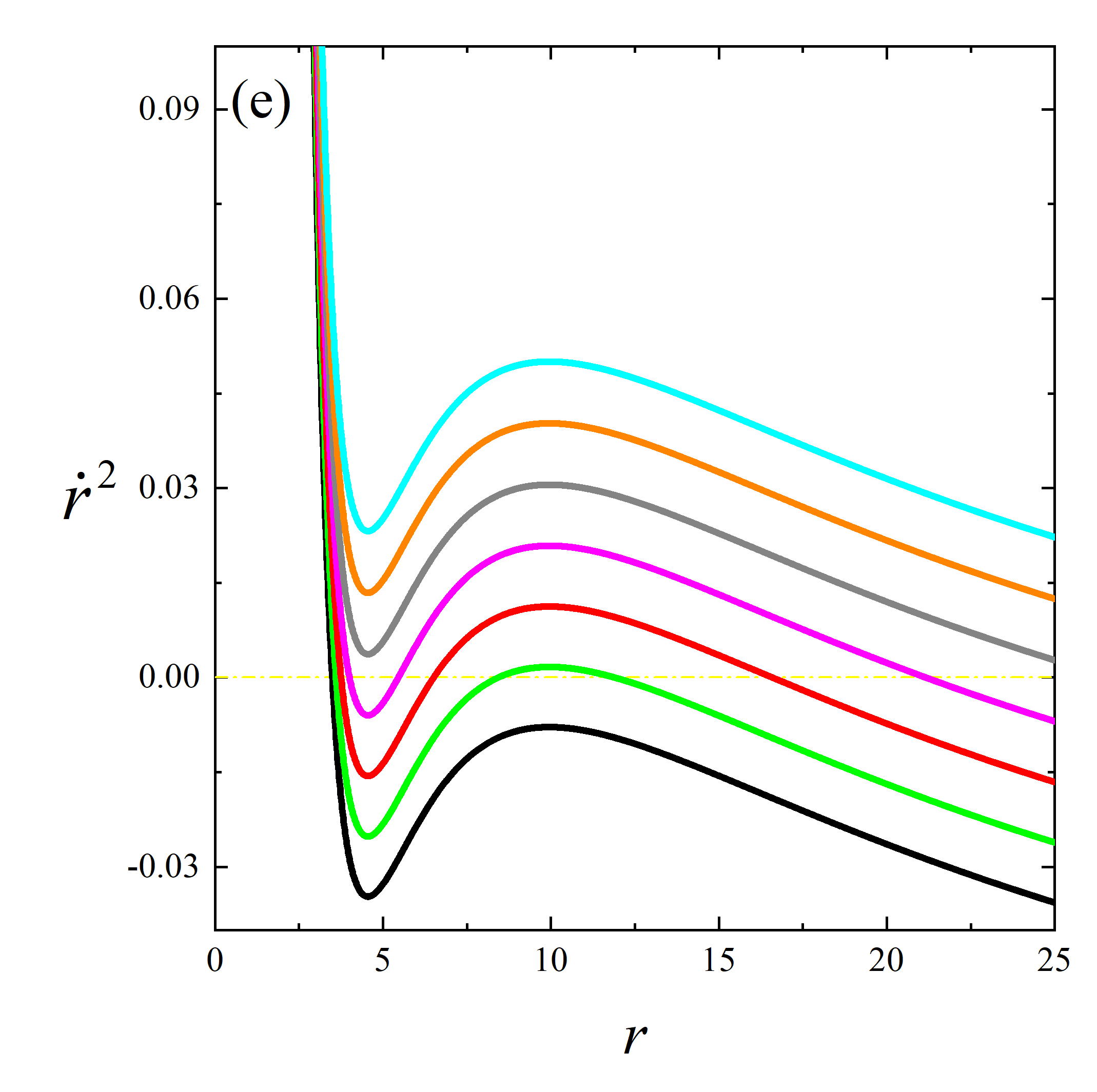
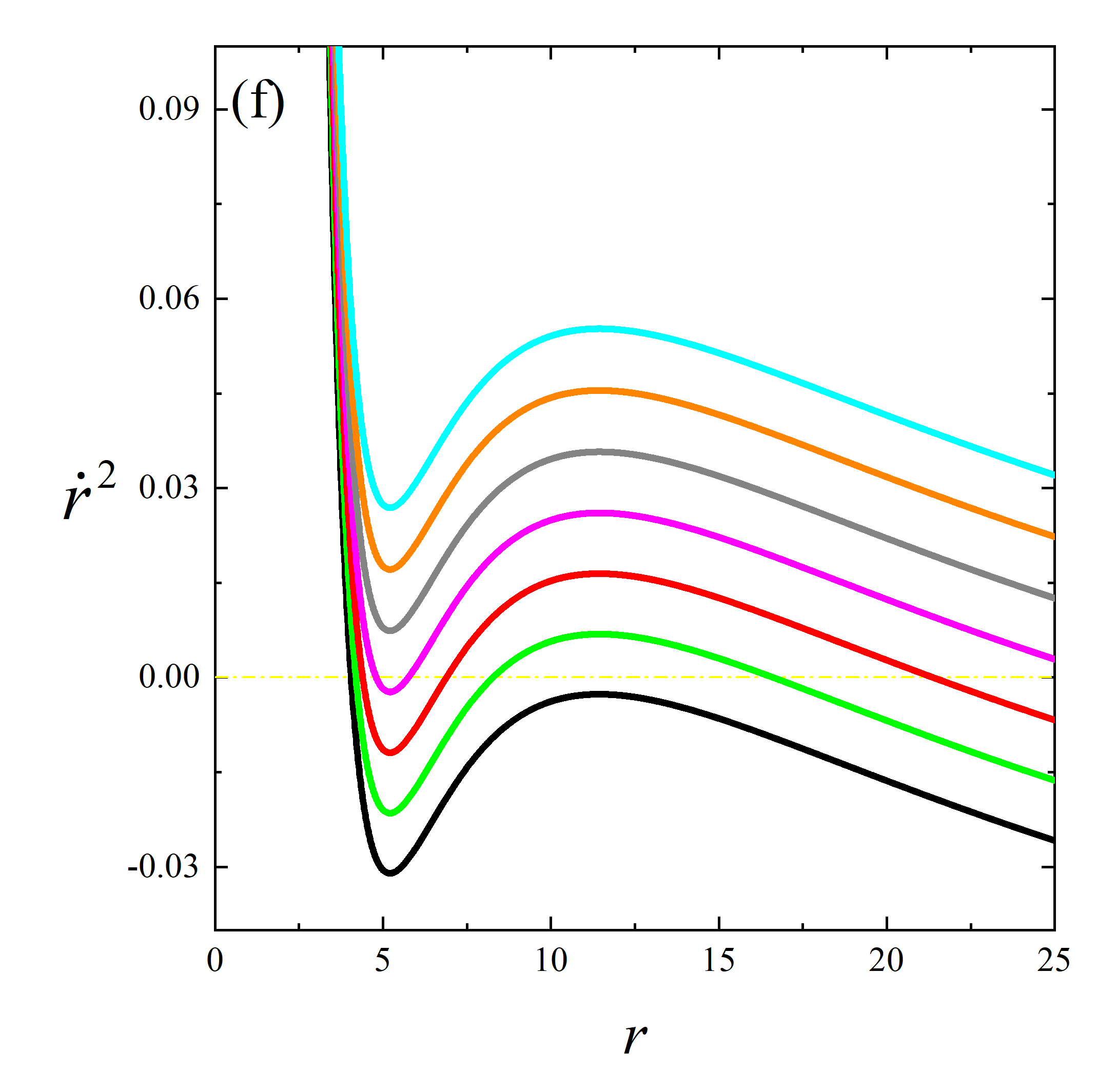
Figure 3: Evolution of (α,β,γ)5 versus (α,β,γ)6, showing the expansion/contraction of stable bound regions under variations in (α,β,γ)7, (α,β,γ)8, and (α,β,γ)9.
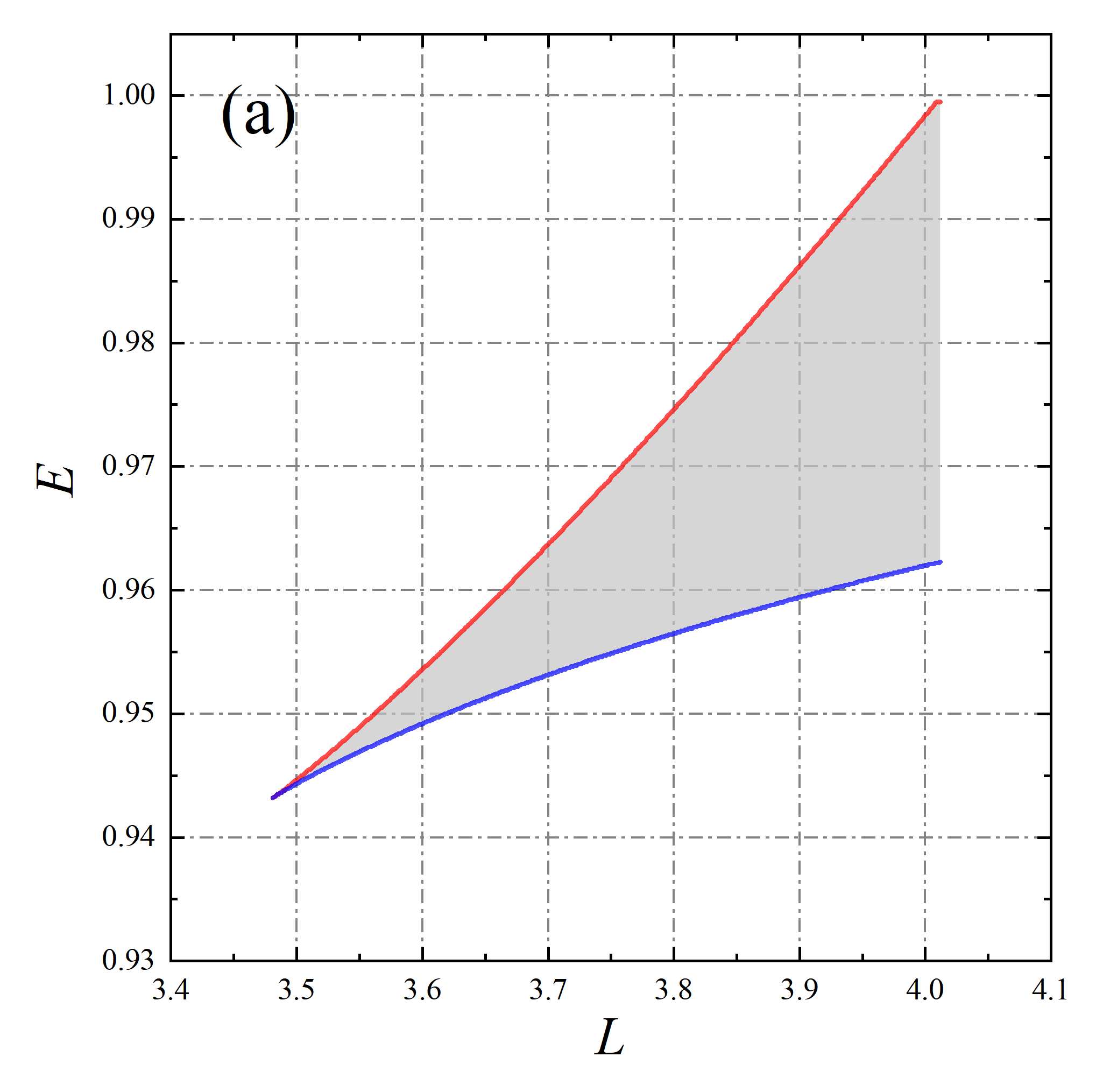
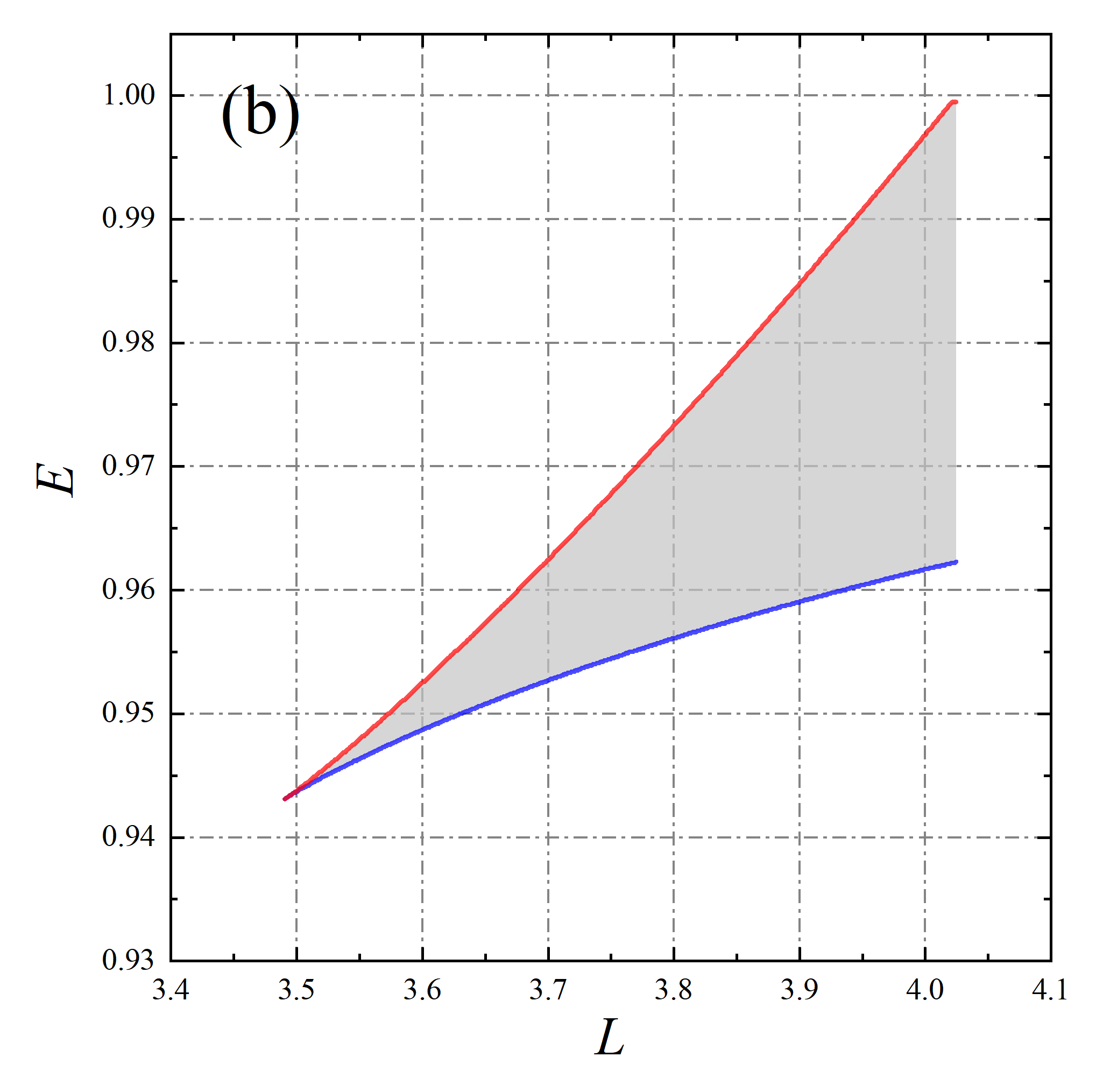
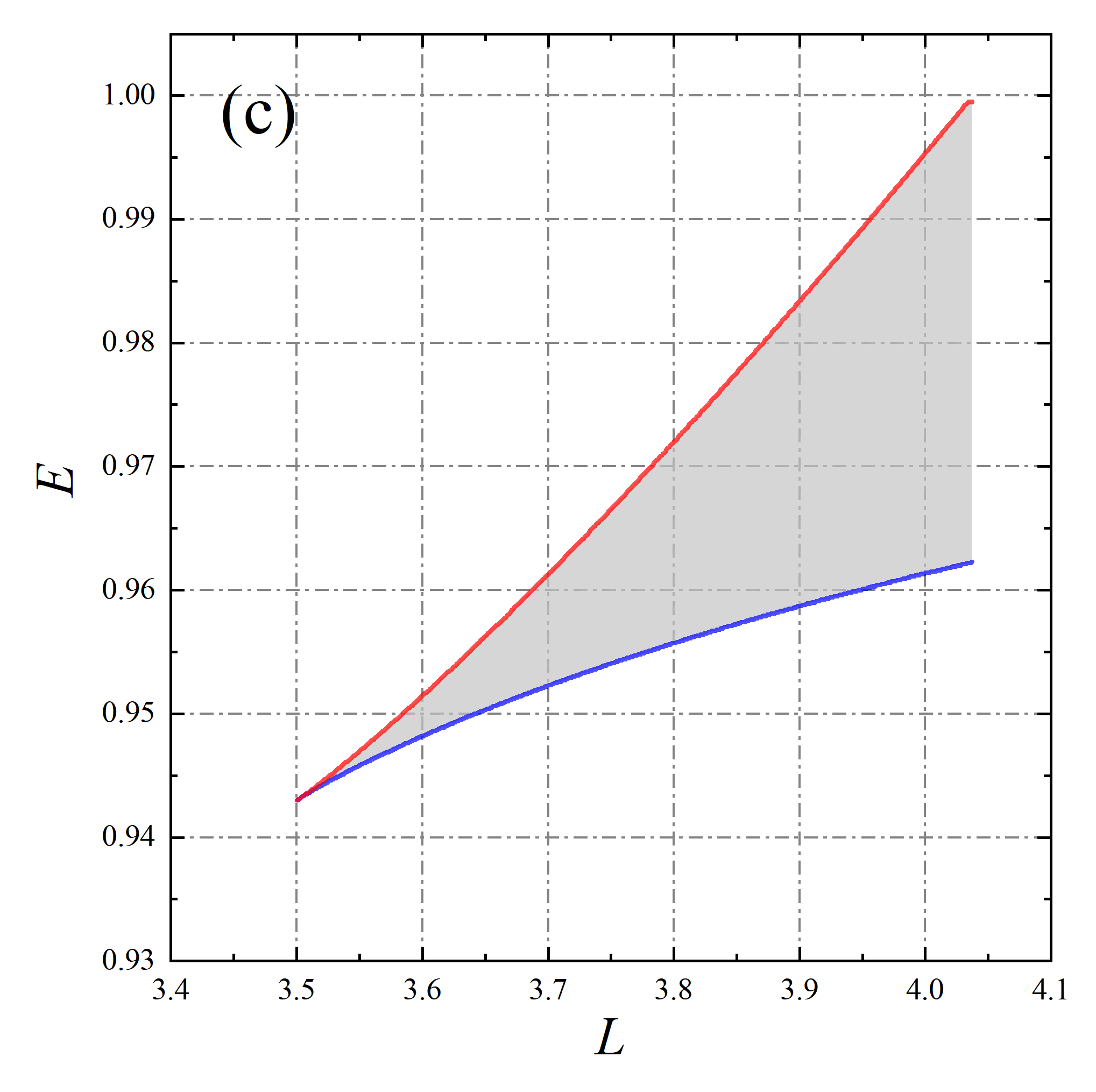
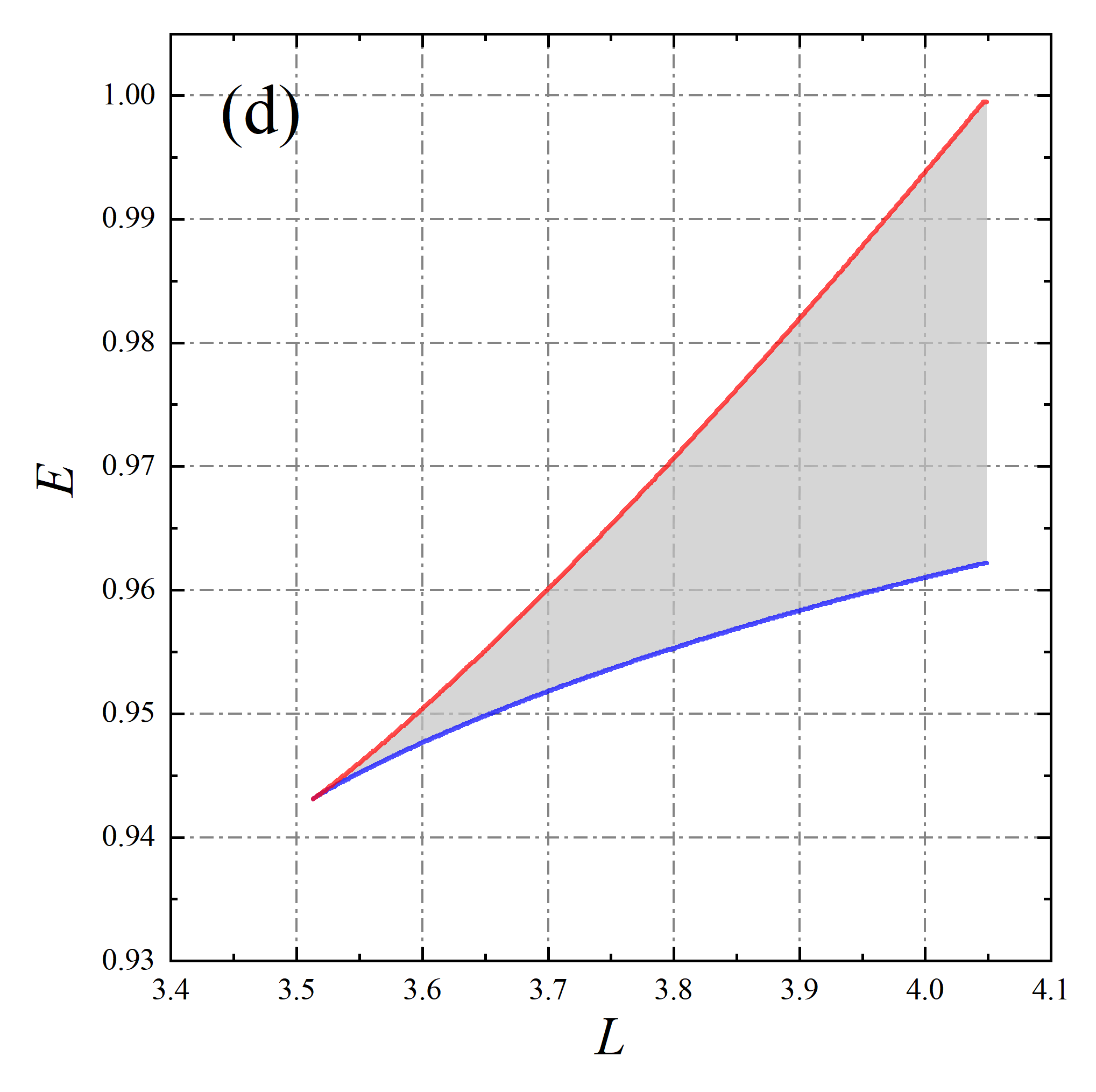
Figure 4: Relationship between the allowed energy range and angular momentum for bound orbits as rs0 is varied—exhibit shifts toward higher rs1 and contraction in rs2 range.
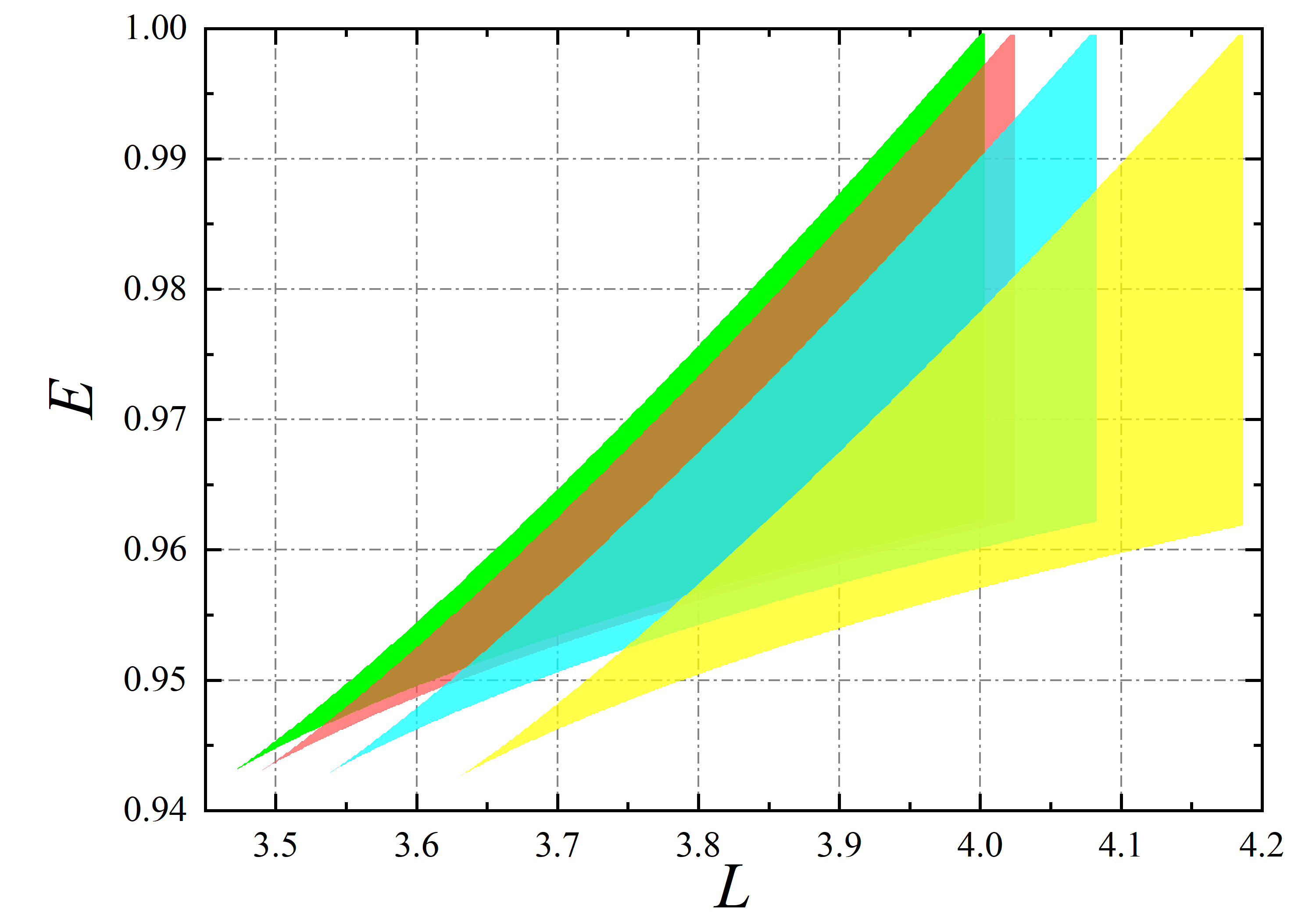
Figure 5: Similar dependency for varying rs3; the shift and contraction are amplified compared to density parameter effects.
Closed Orbit Topology: Rational Number Characterization
Closed orbits are classified via the rational number rs4, encoding commensurability between azimuthal and radial frequencies. Here, rs5 is whirl count, rs6 is leaf (petal) number, and rs7 designates vertex index. The allowed rs8 values, mapped versus energy and momentum, reflect topological richness and system parameter sensitivity. Increased rs9 shifts the ρs0 range and enables configurations with ρs1, i.e., multi-leaf orbits.
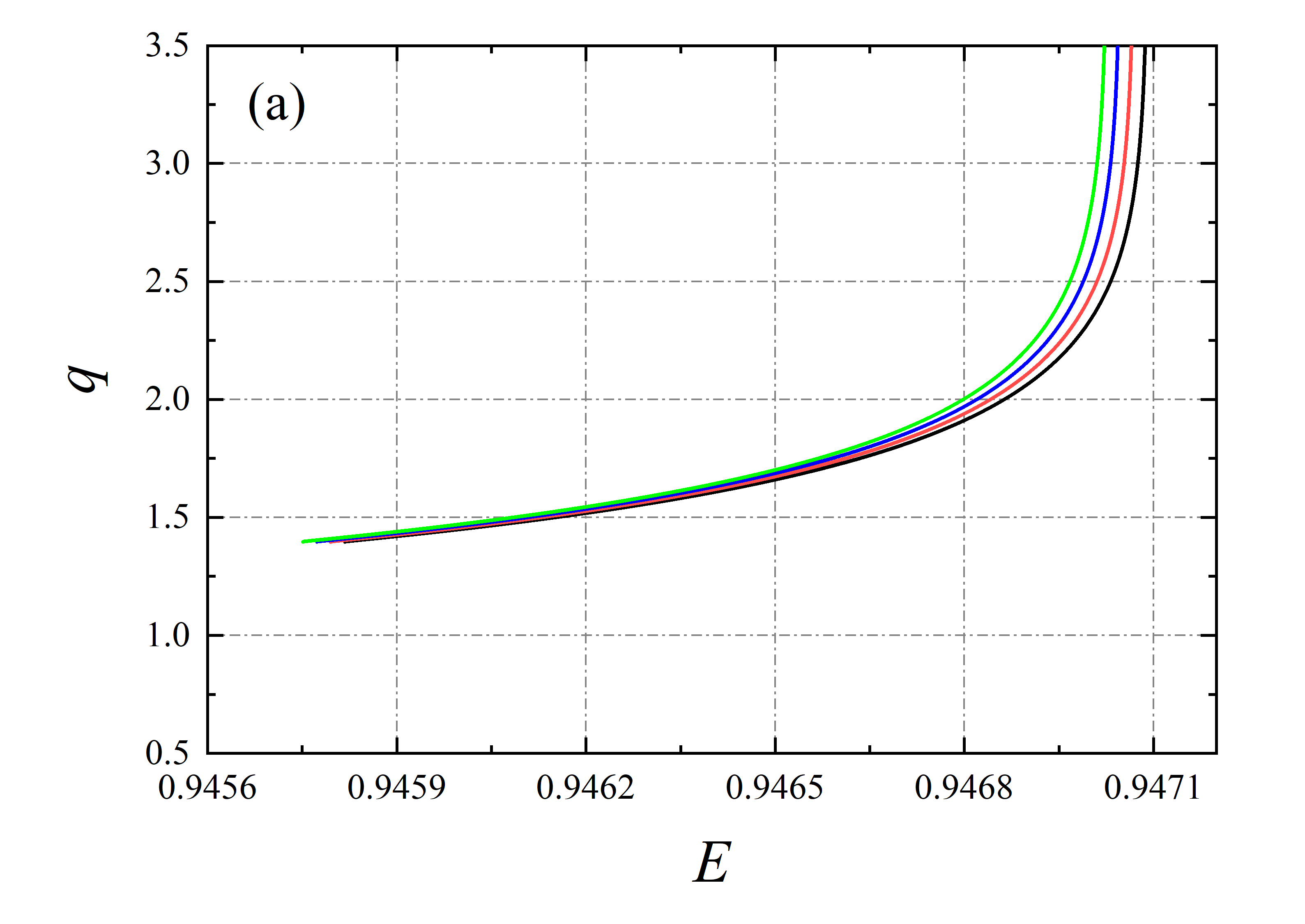
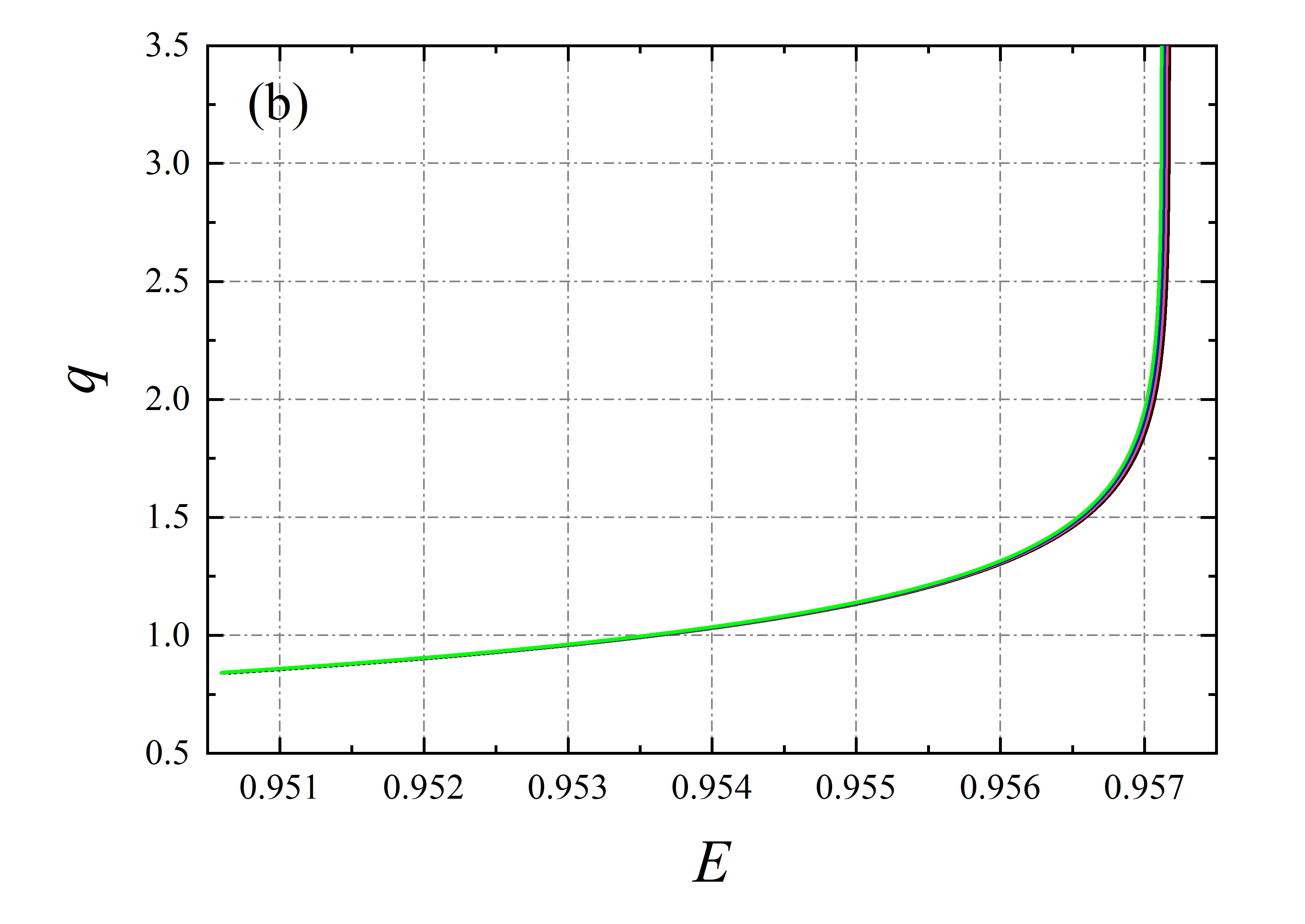
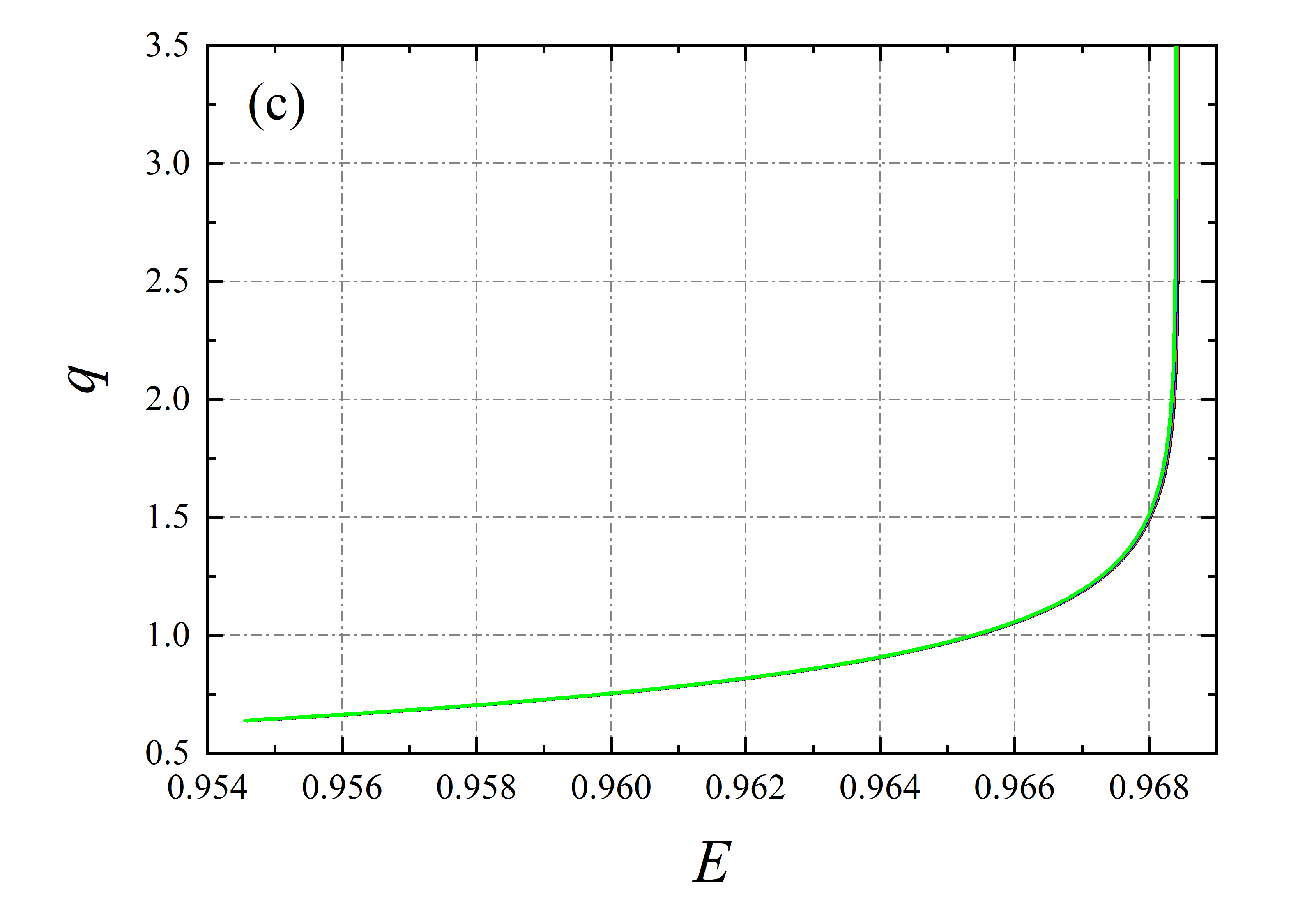
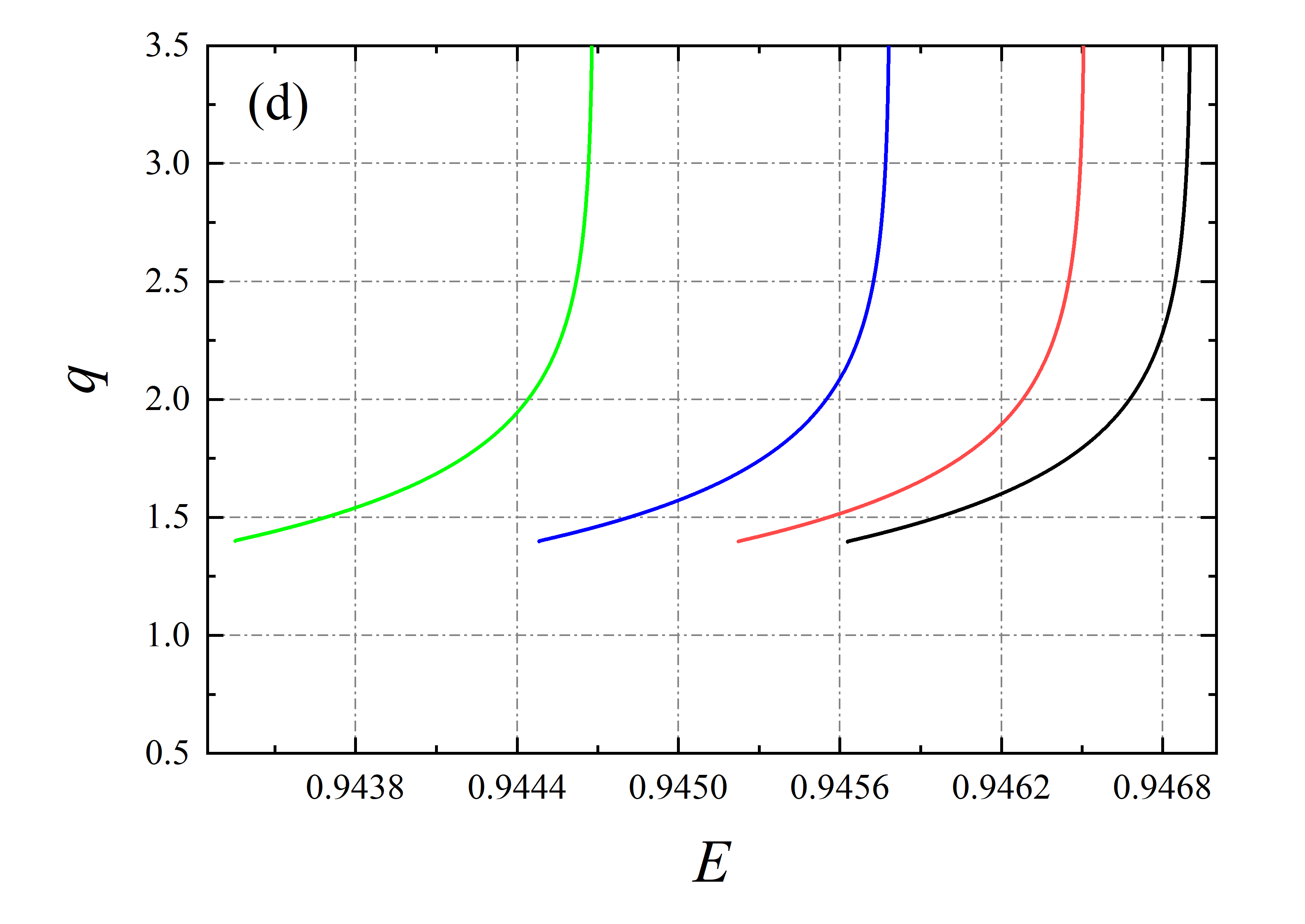
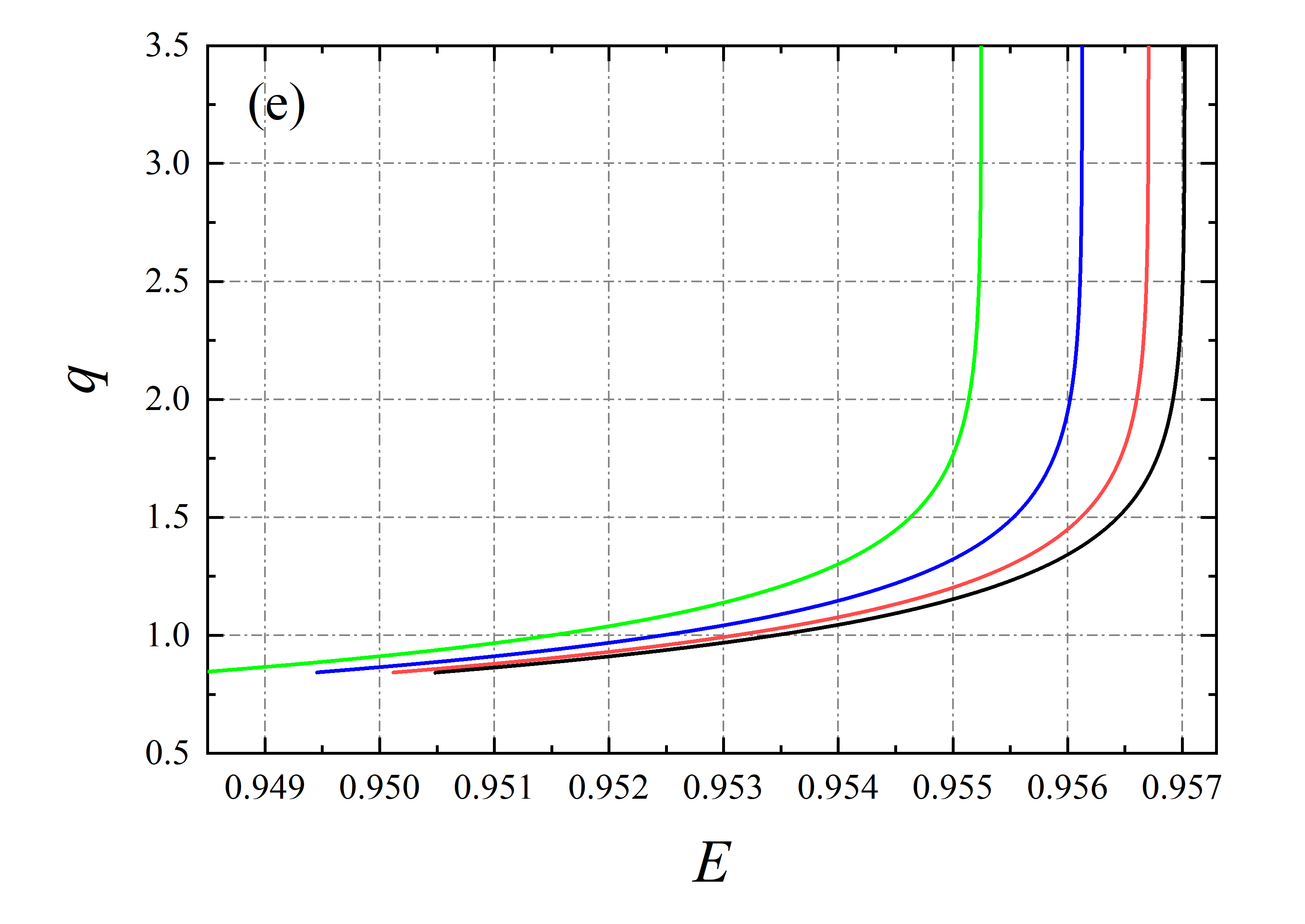
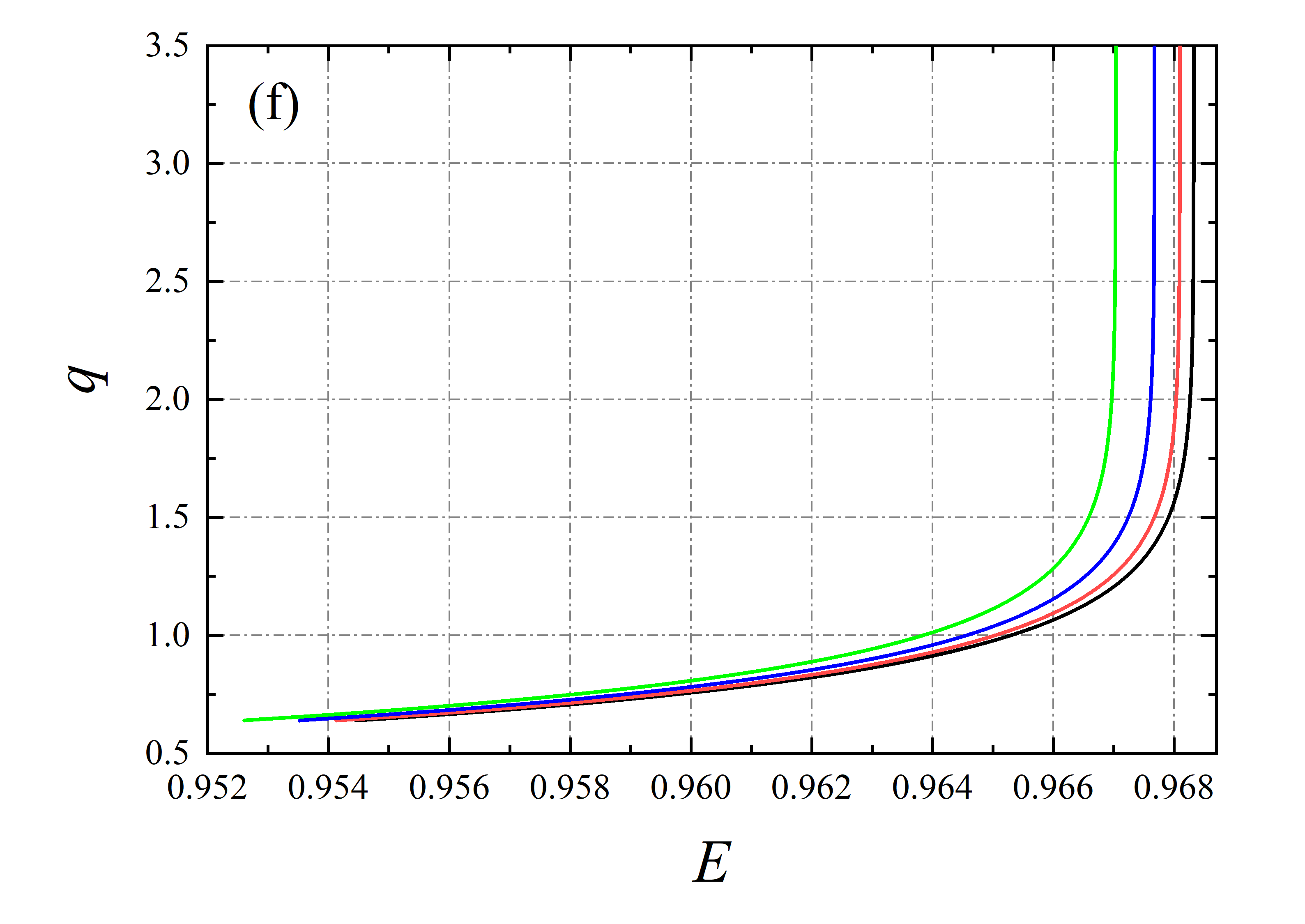
Figure 6: Distribution of rational ρs2 as function of ρs3 for different ρs4 and dark matter parameters, sharply tracing orbital topology evolution.
Orbital Morphology and Multi-Messenger Signatures
Numerical integration using high-order RK within the OCTOPUS framework yields precise closed and precessing orbit morphologies for various ρs5 and halo parameters. The orbital scale is strongly amplified by increasing ρs6 but the effect on configuration (leaf count, precession rate) is dominantly controlled by ρs7 and angular momentum. Perturbations to ρs8 generate precessing, non-closed orbits whose envelopes approach circularity with sufficient evolution.
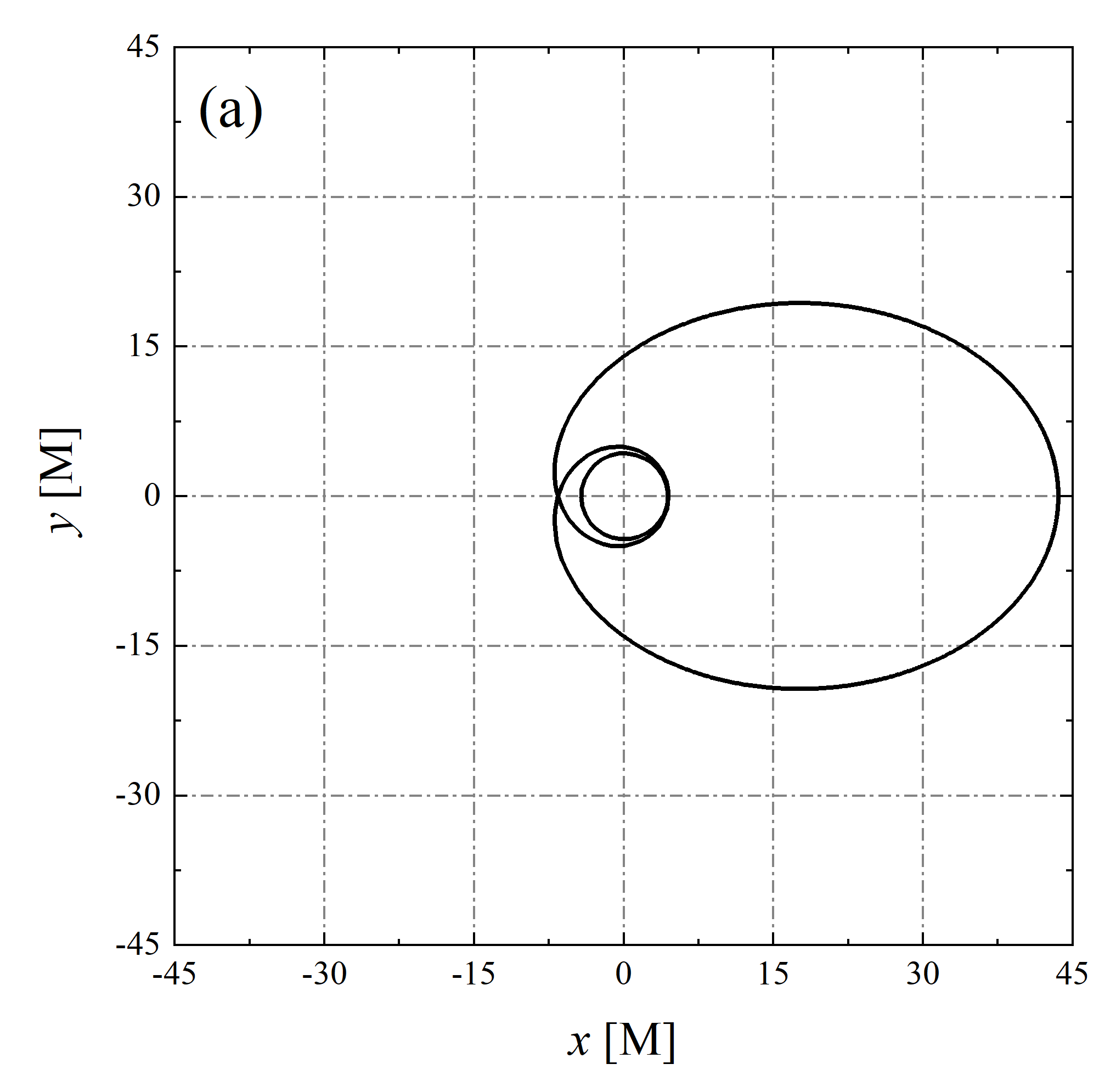
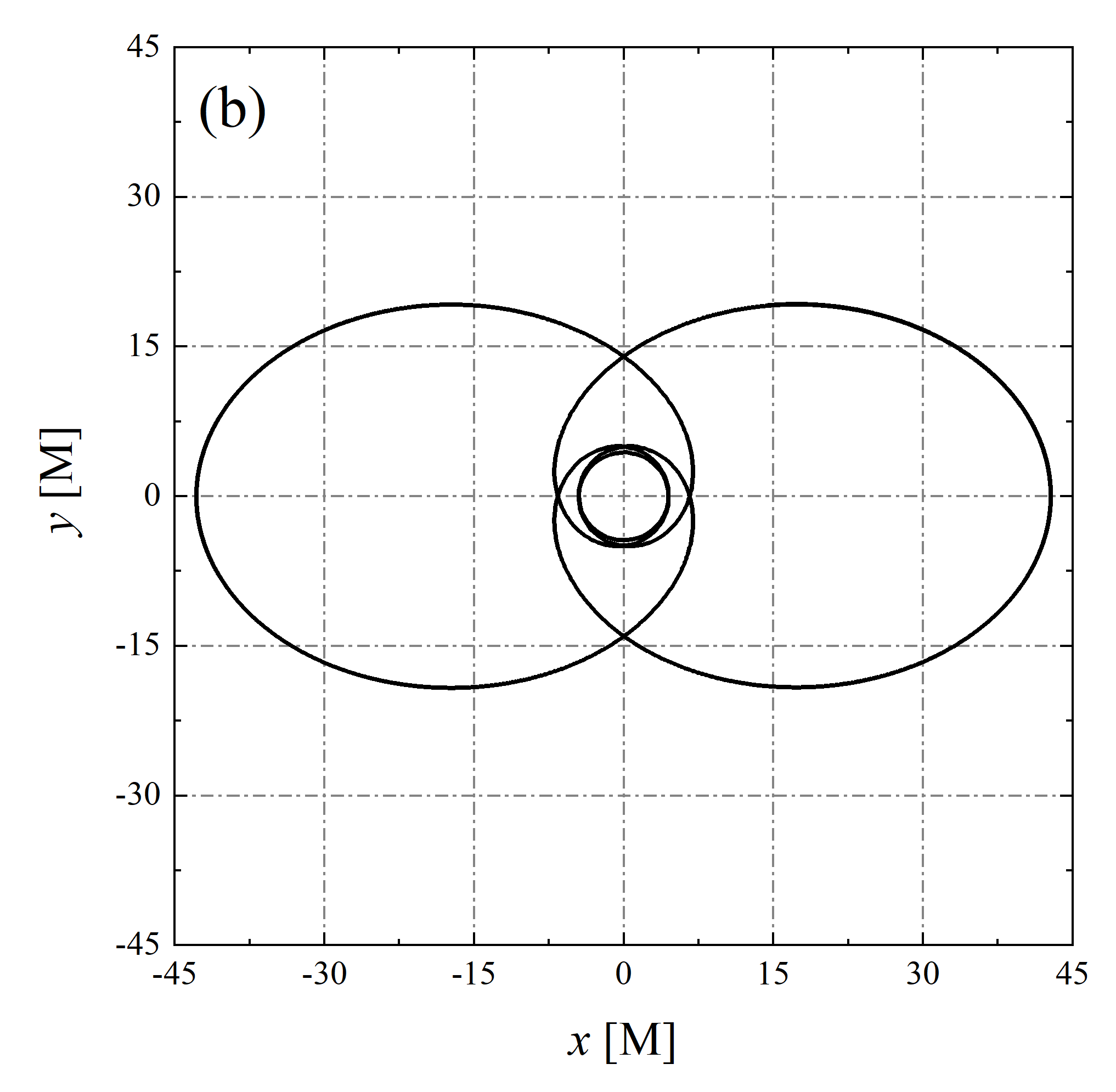
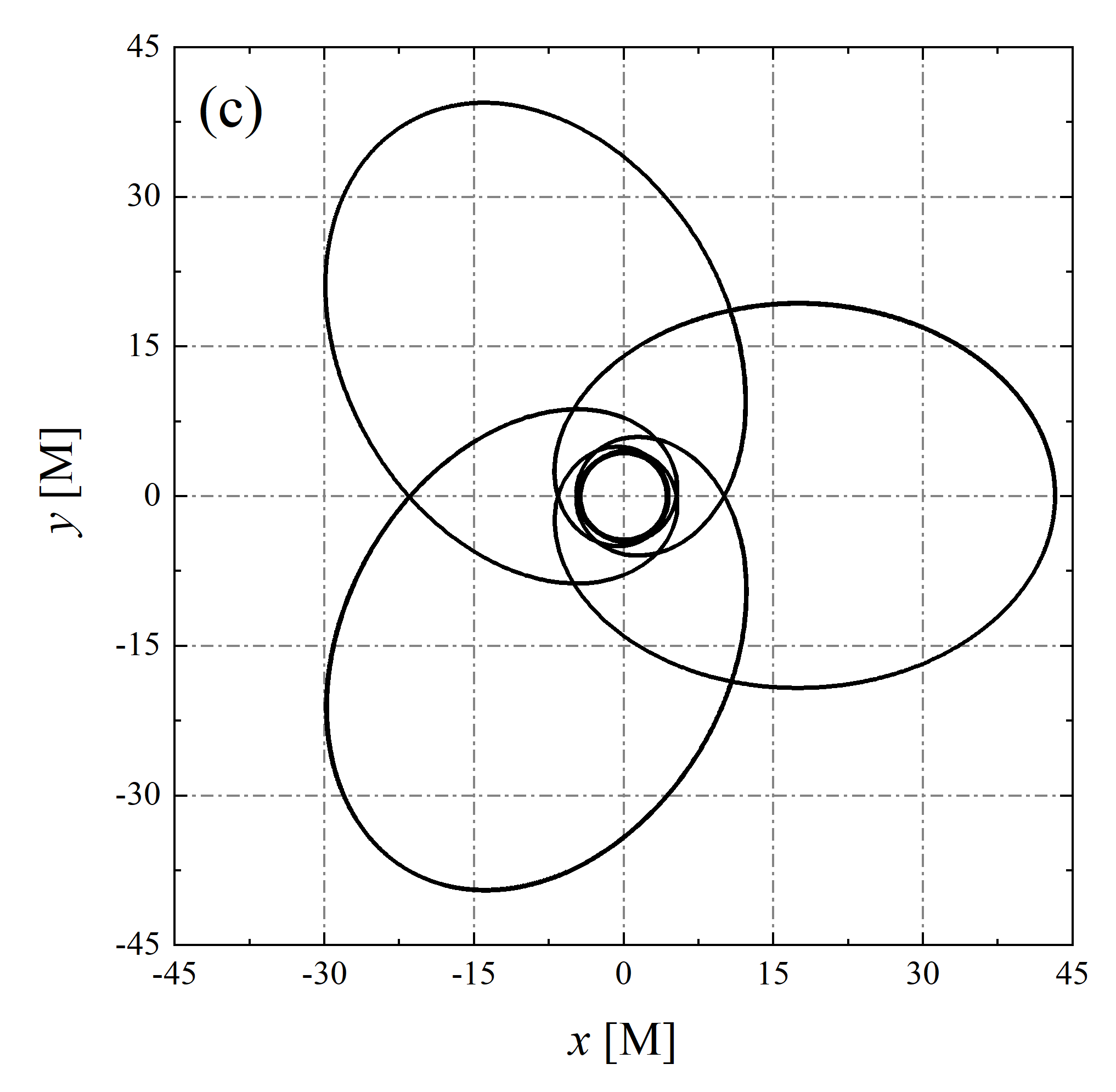
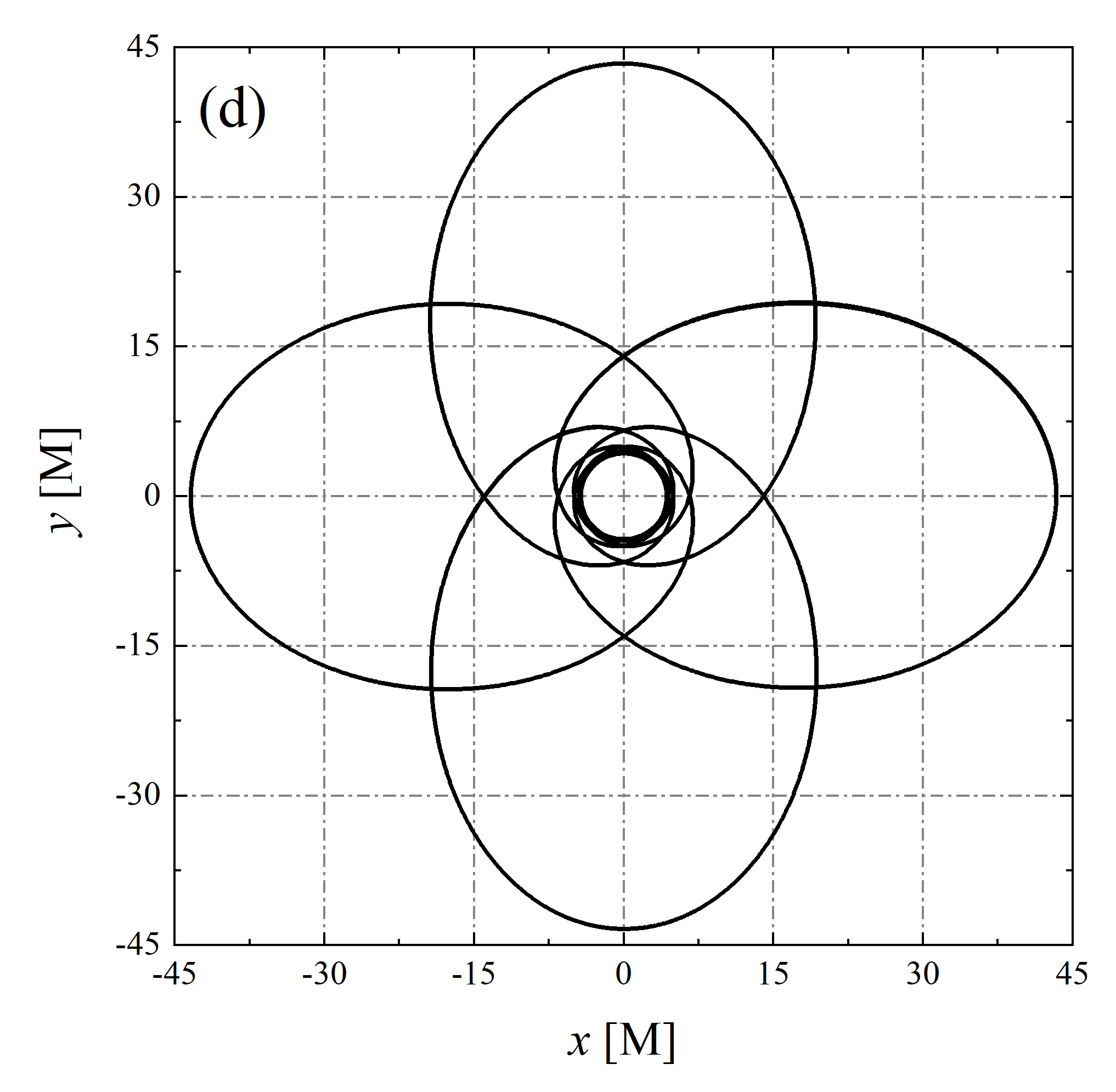
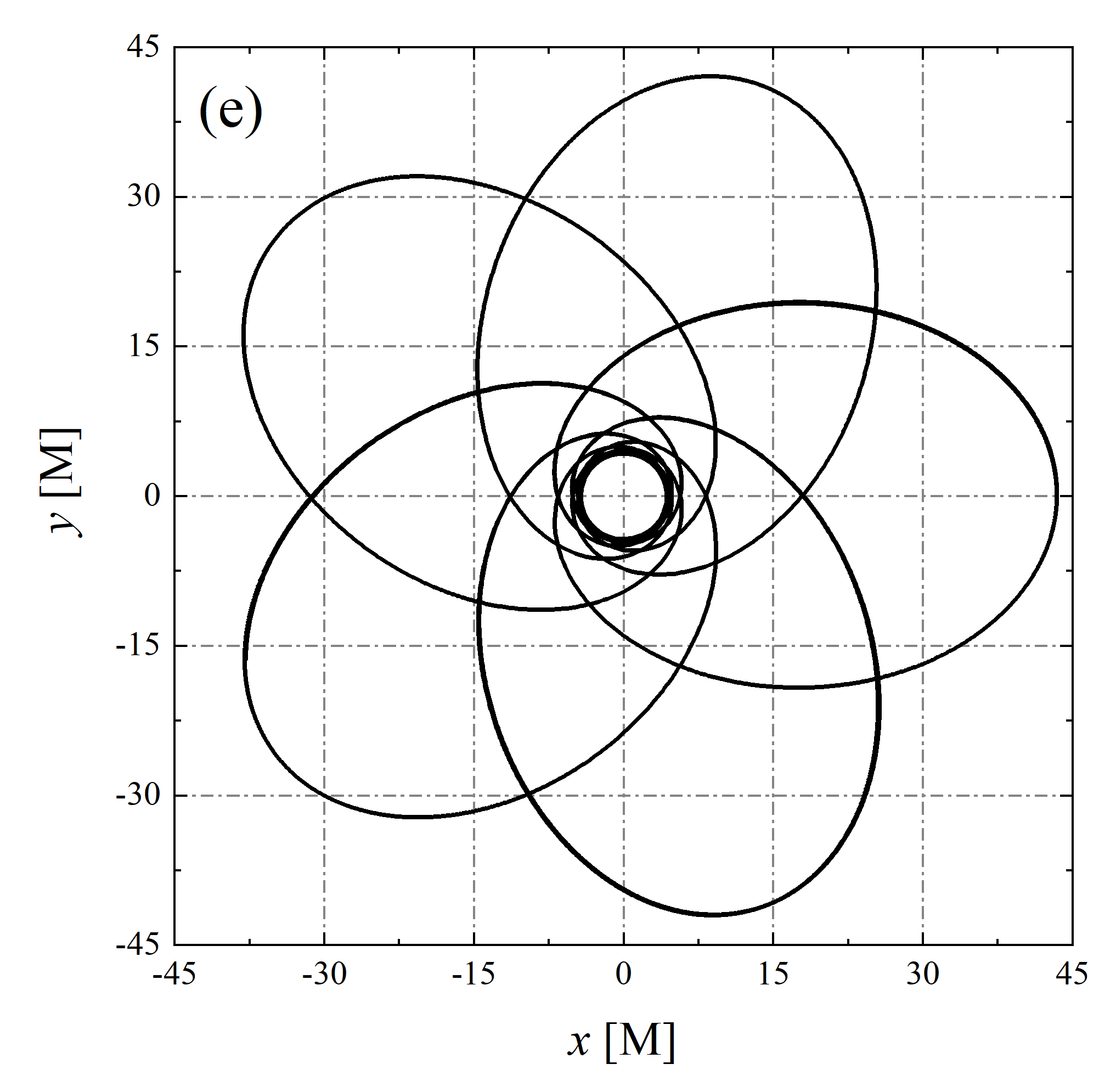
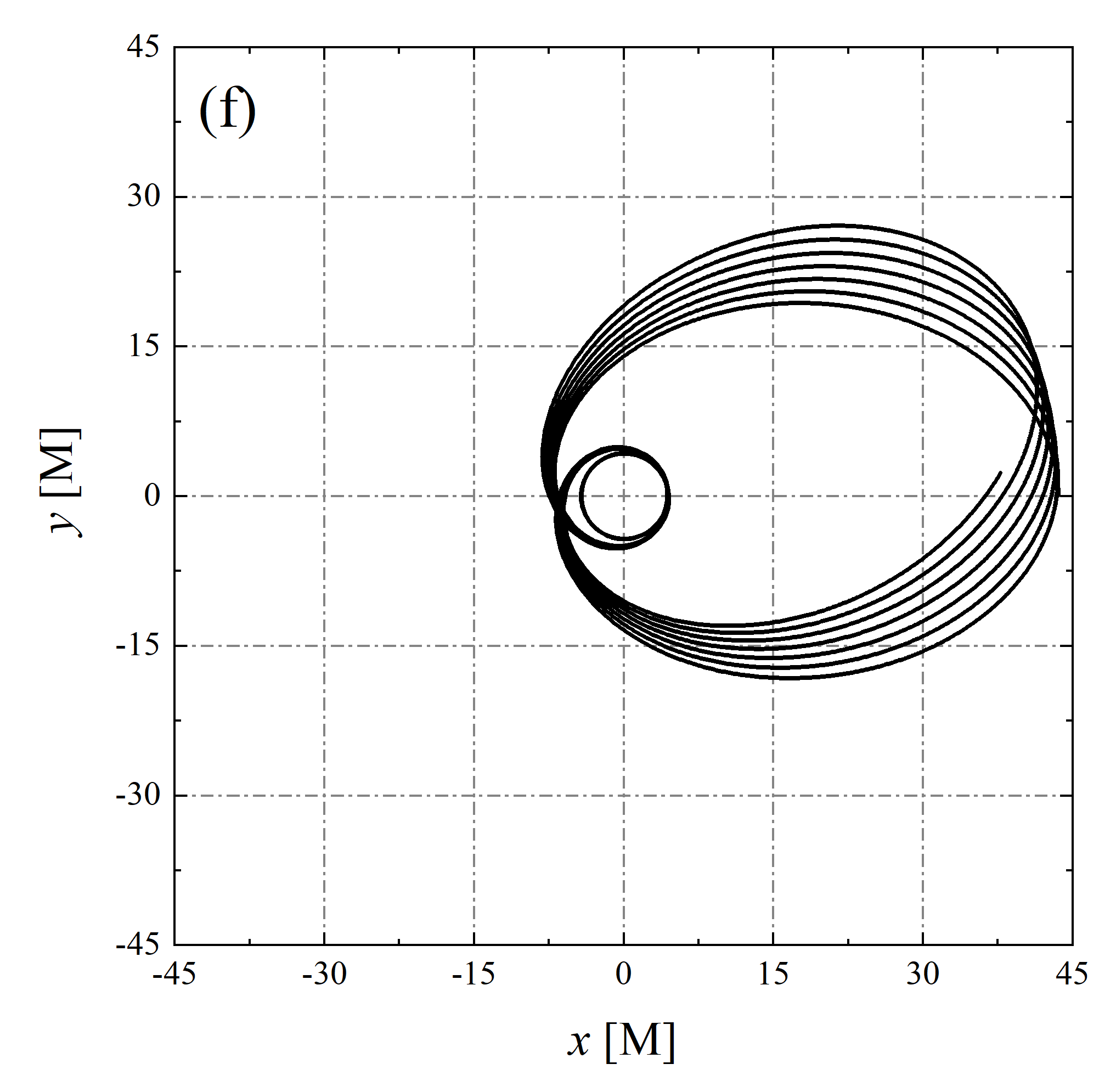
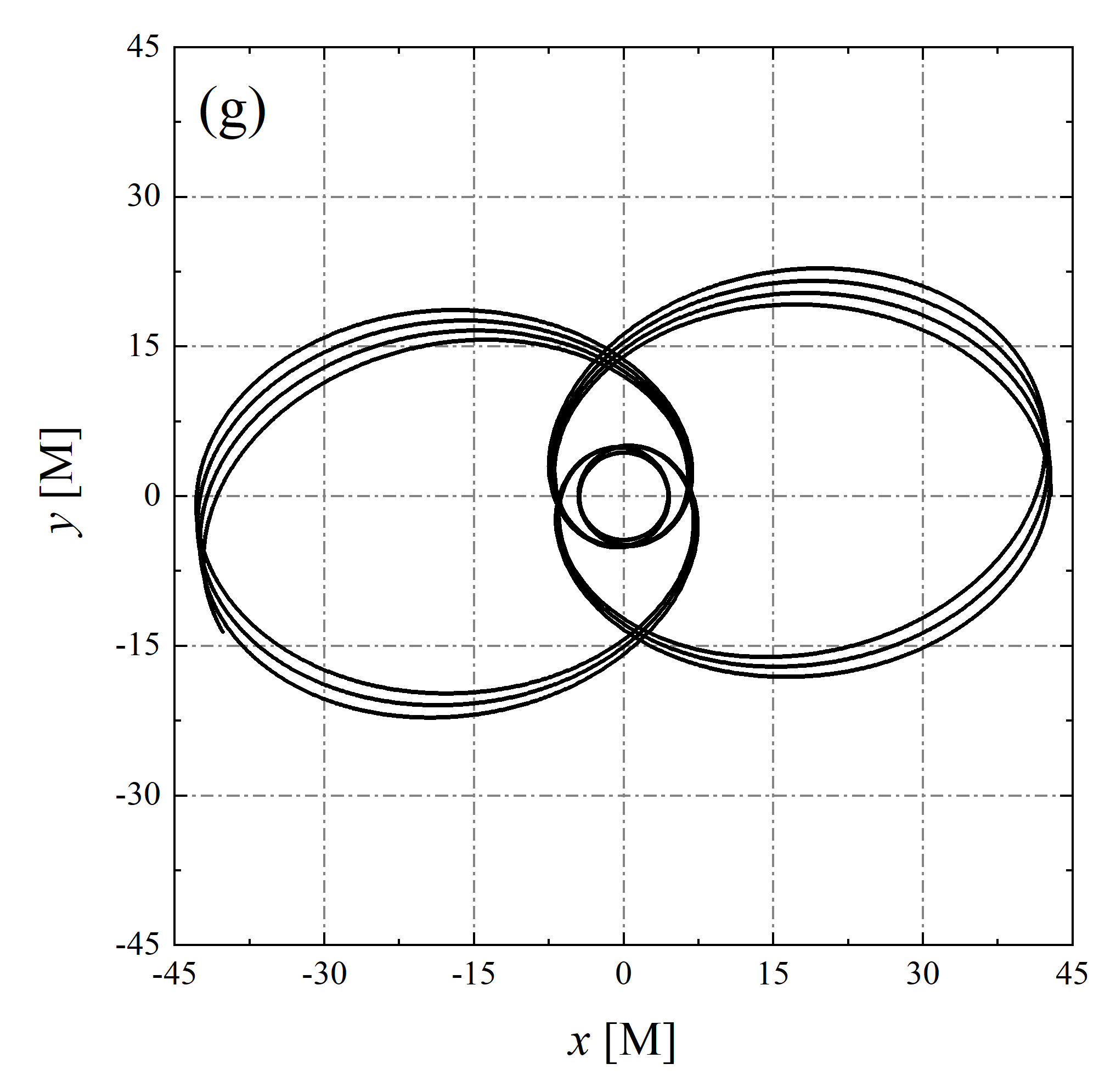
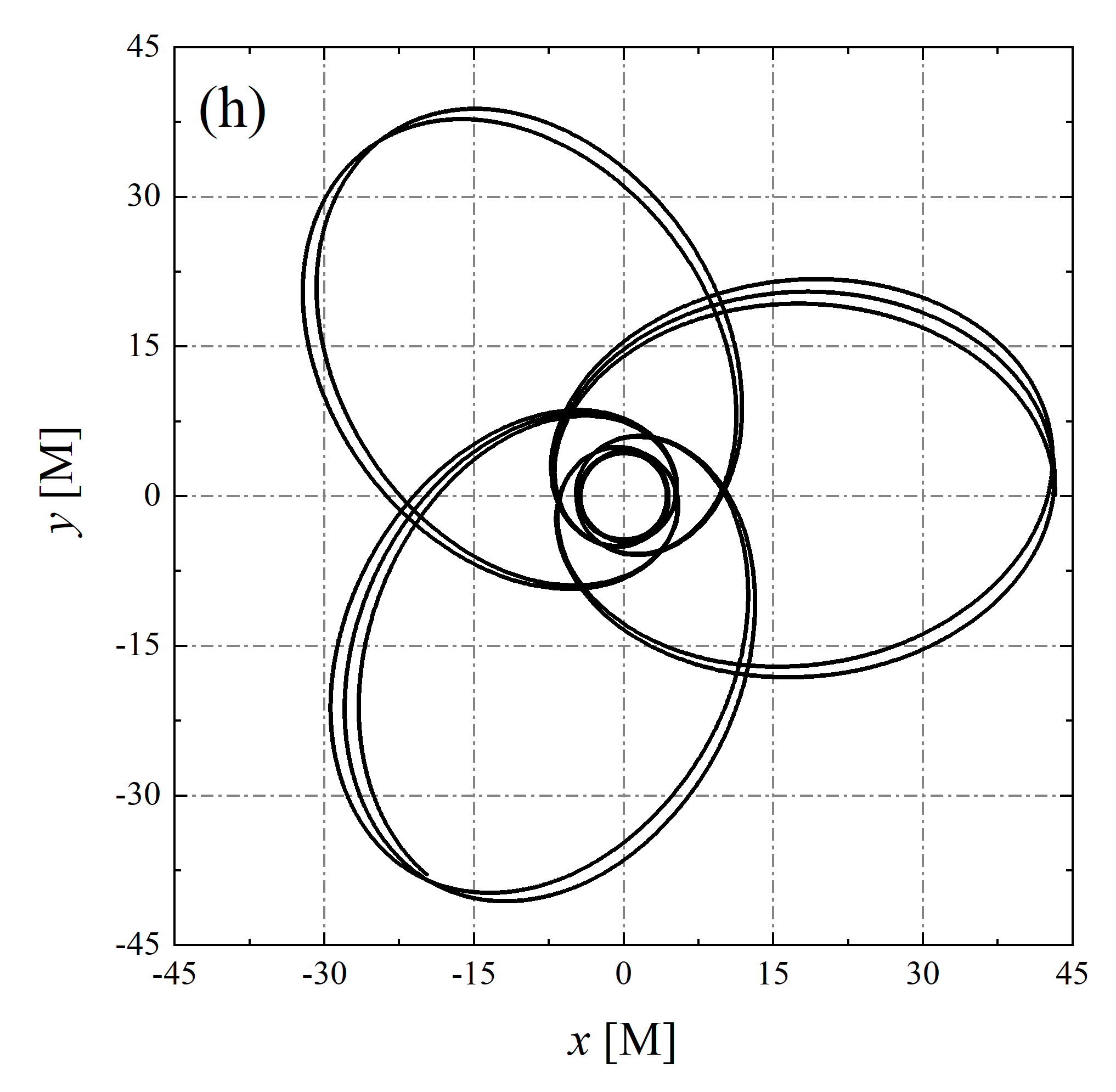
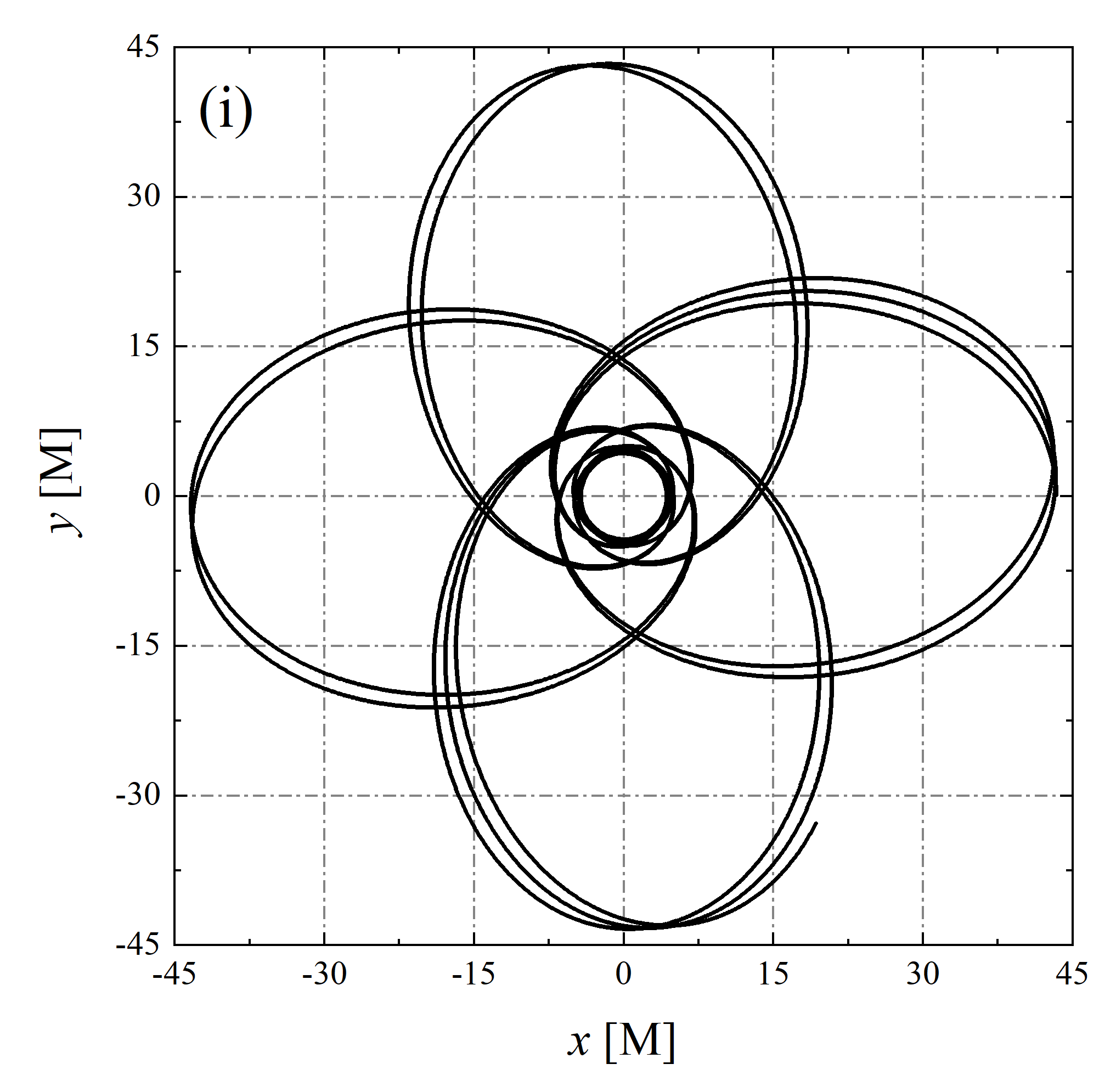
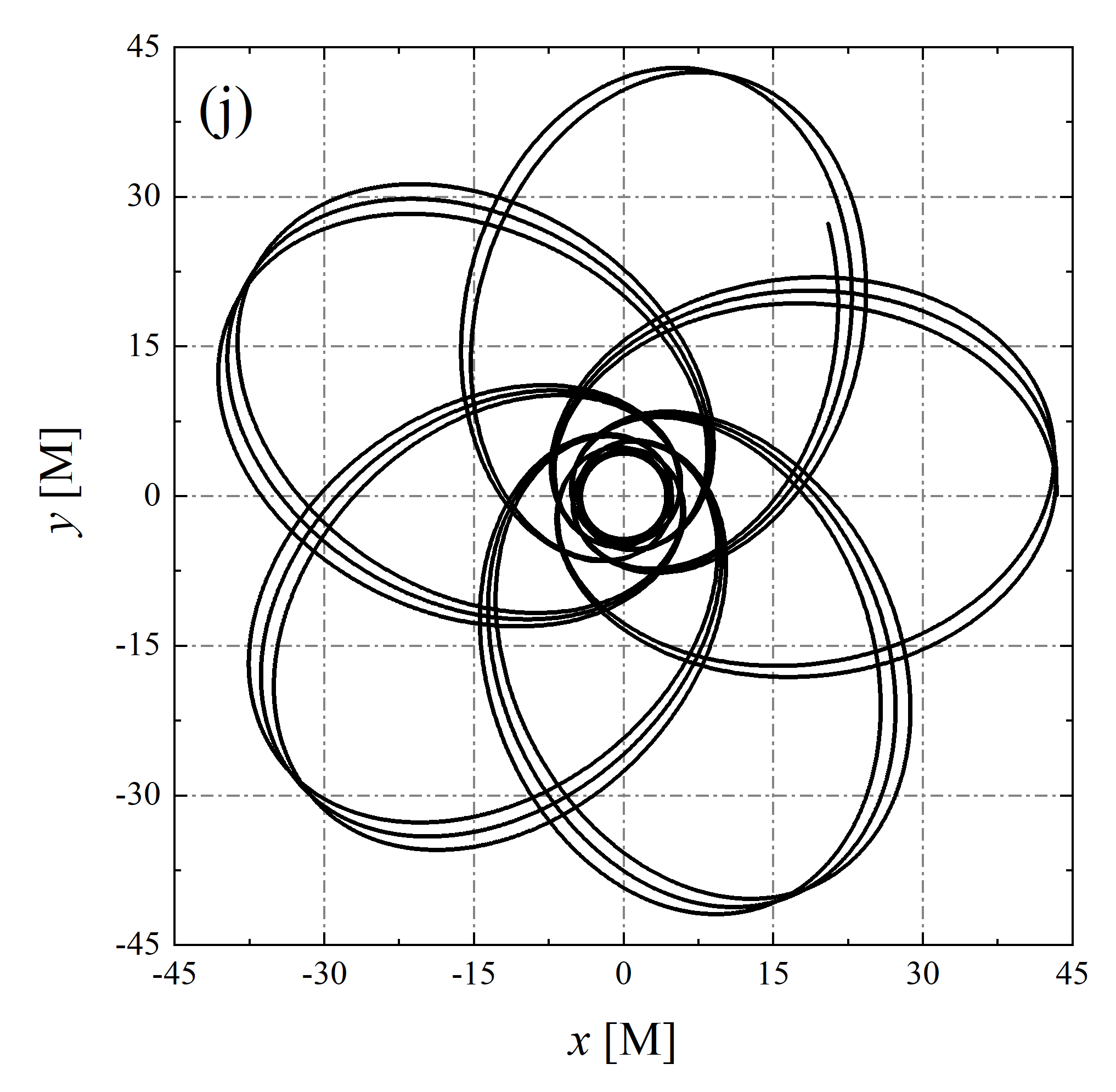
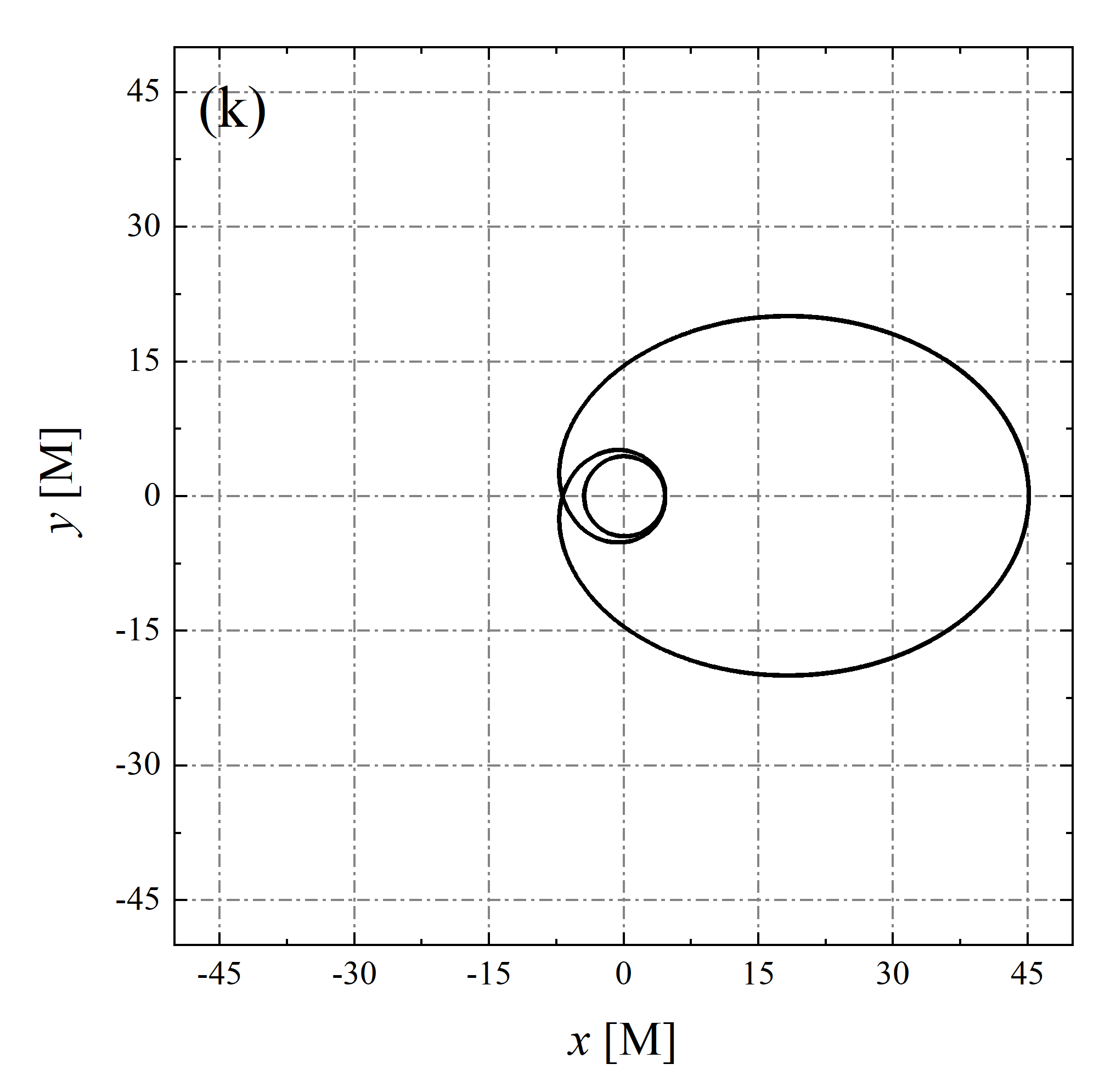
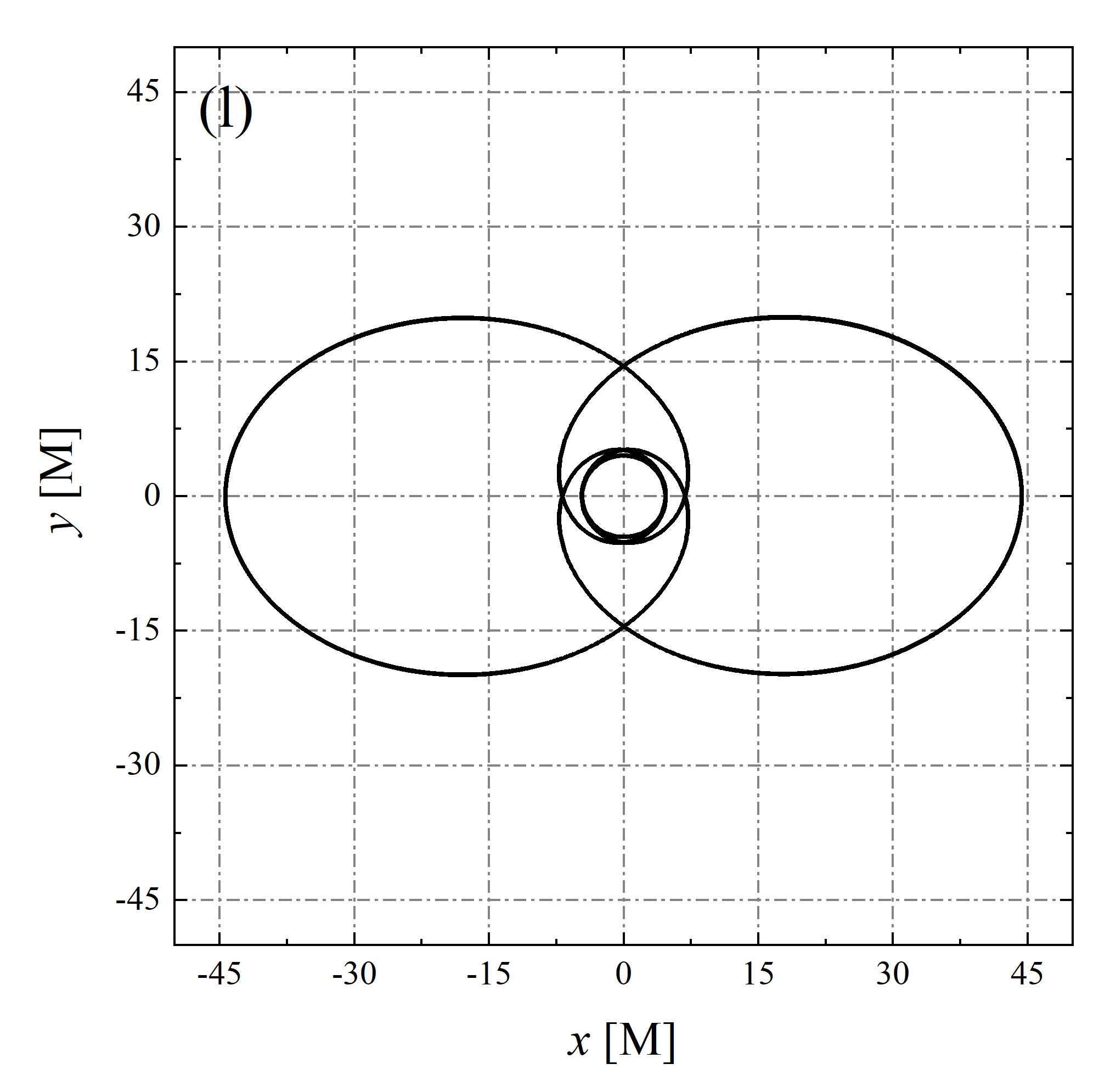
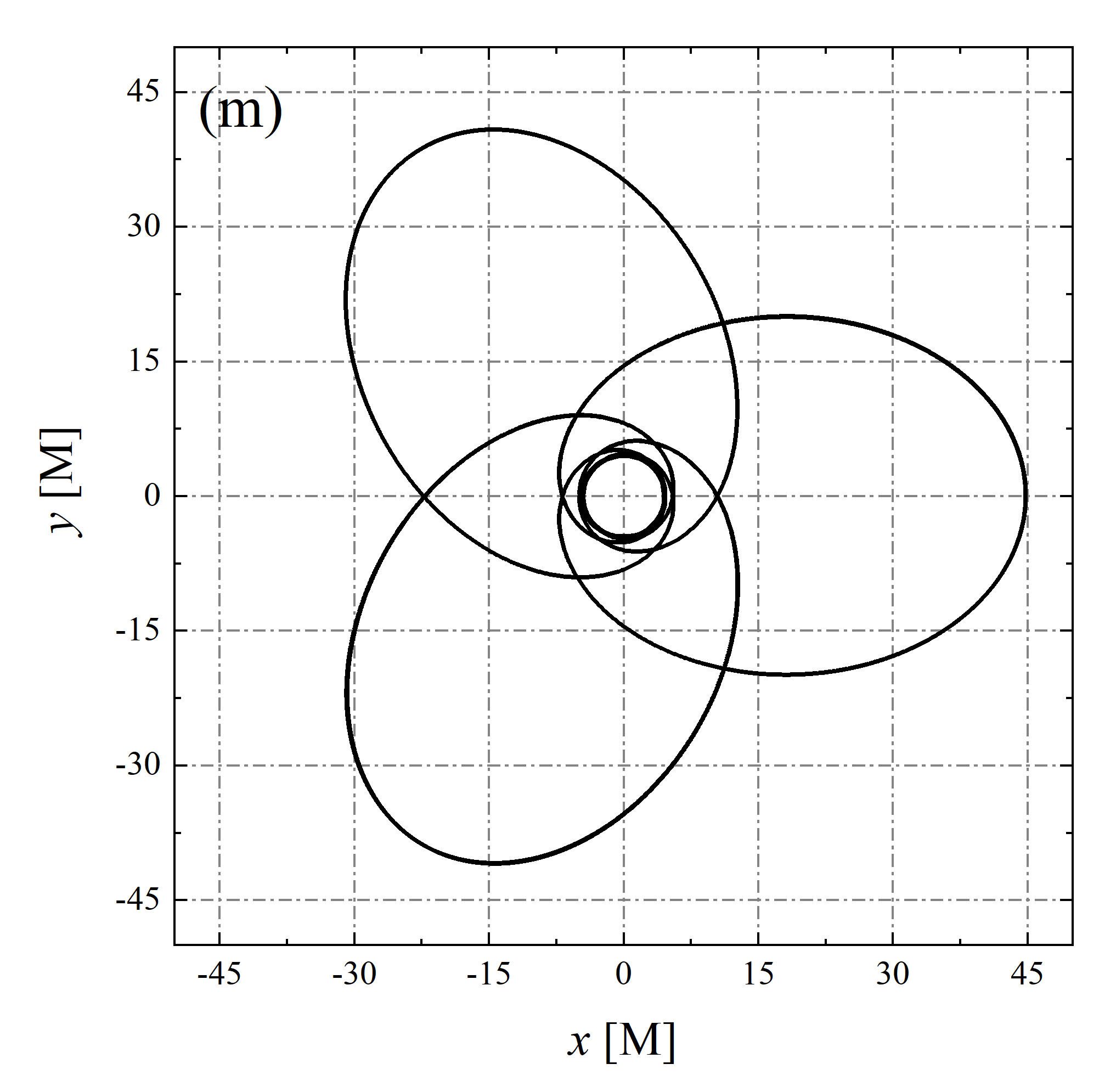
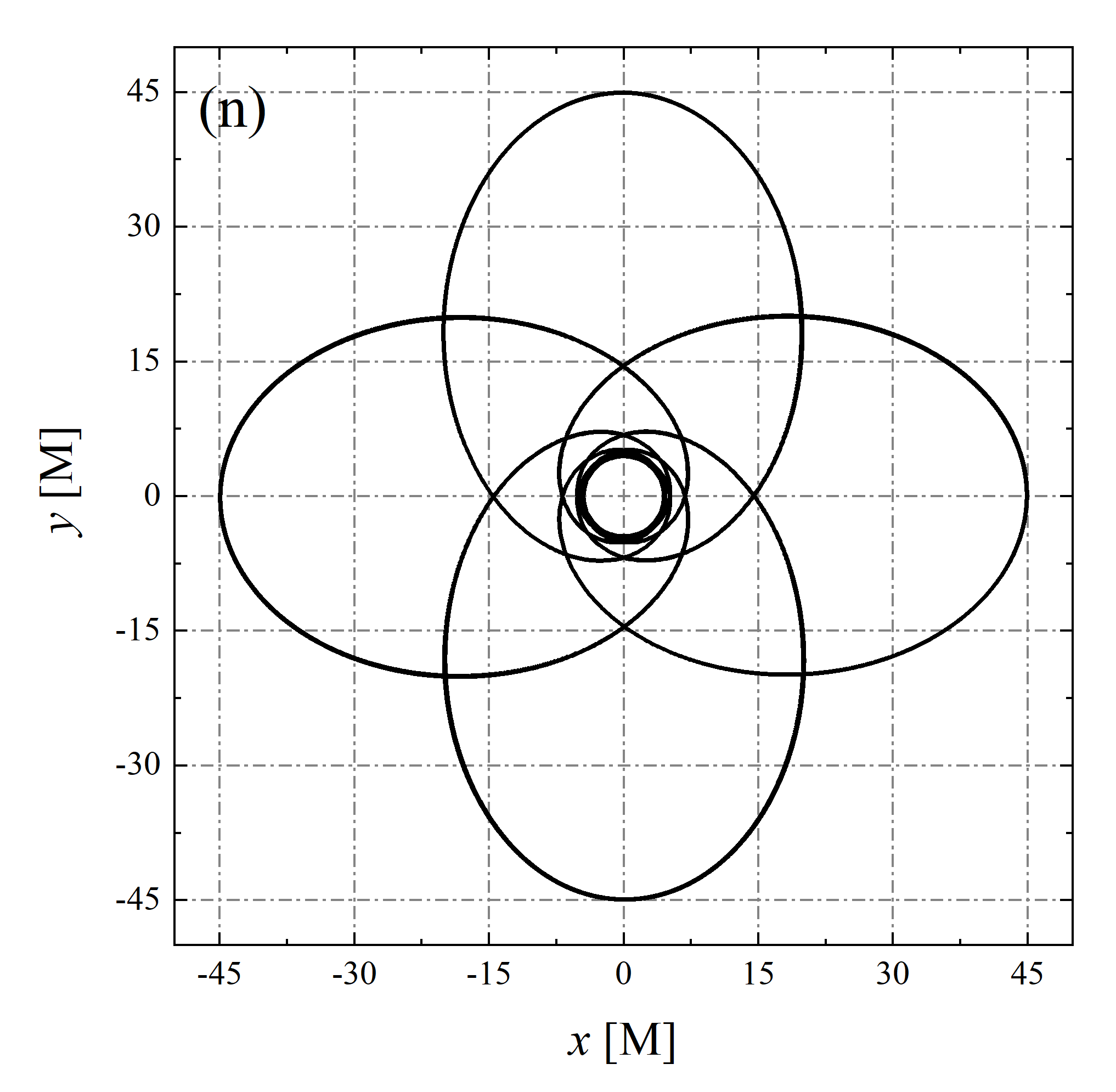
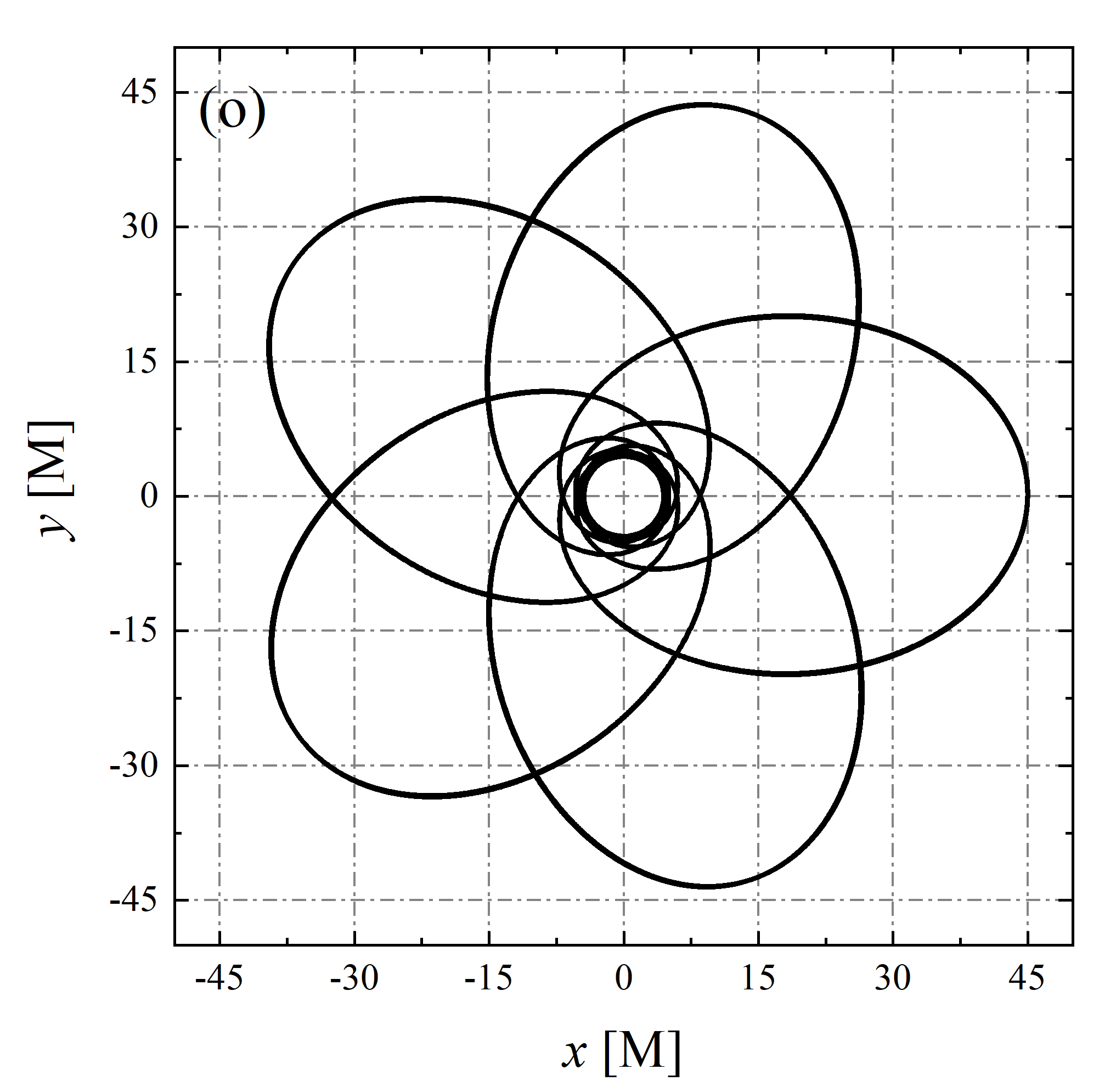
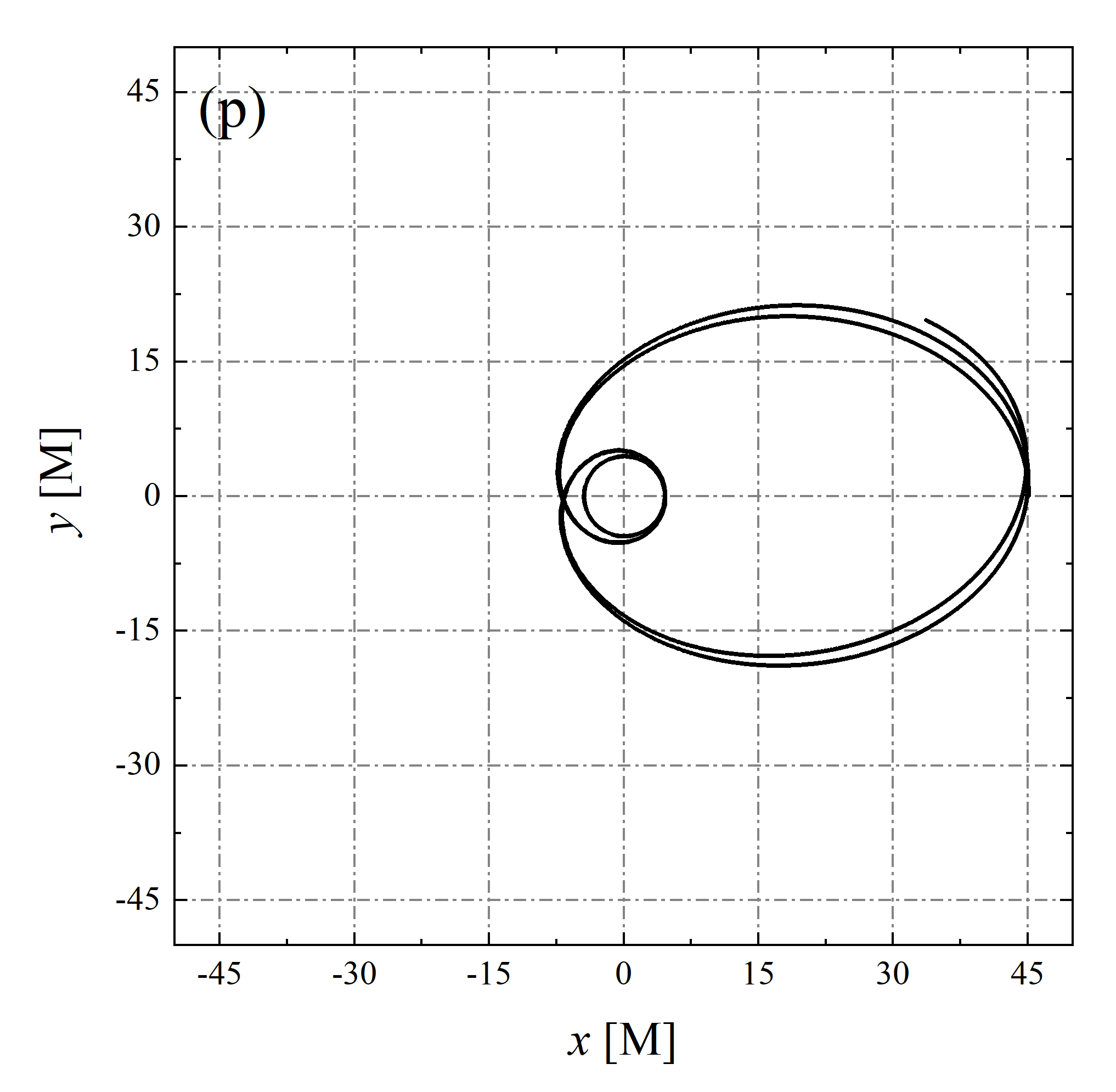
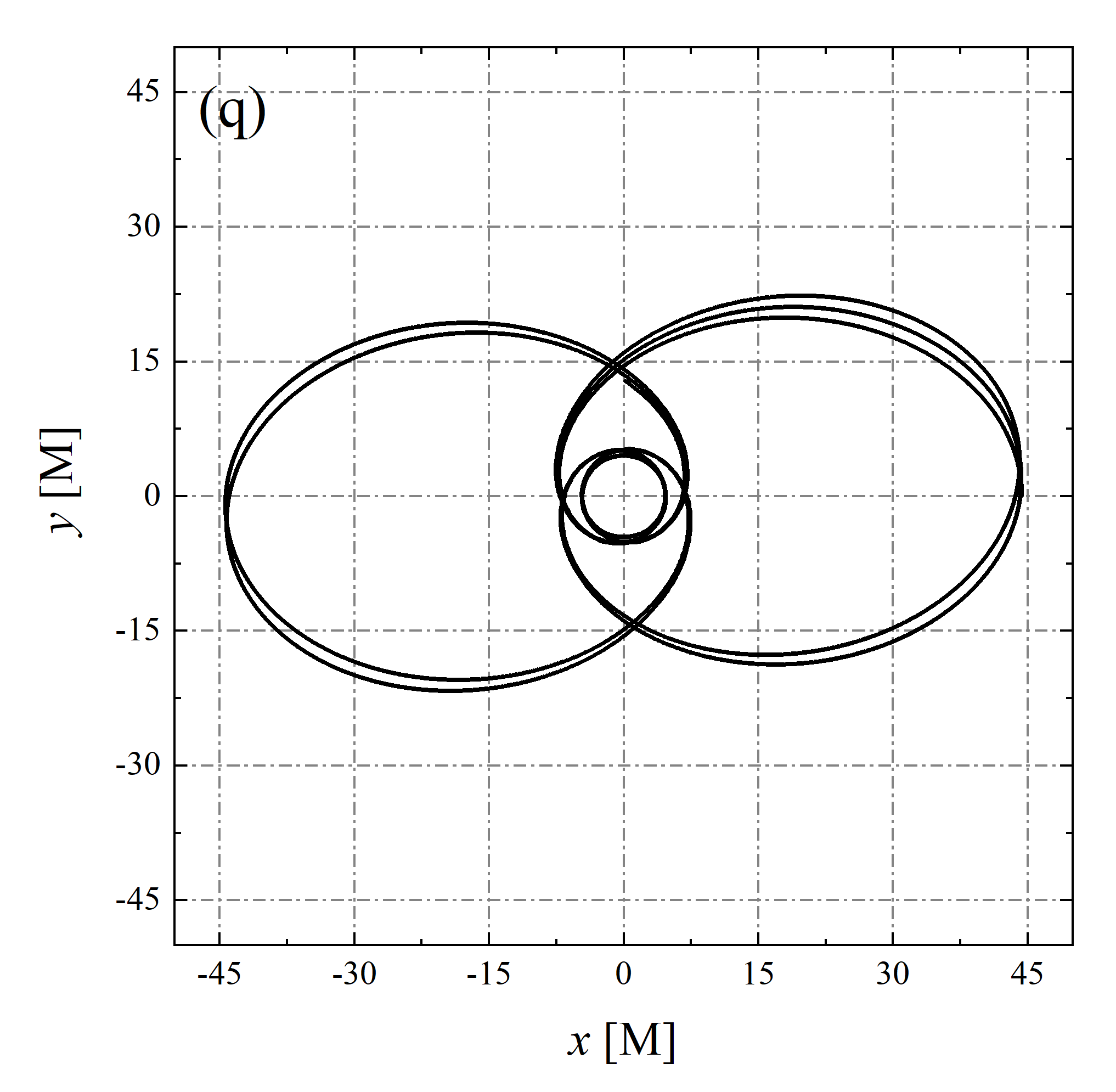
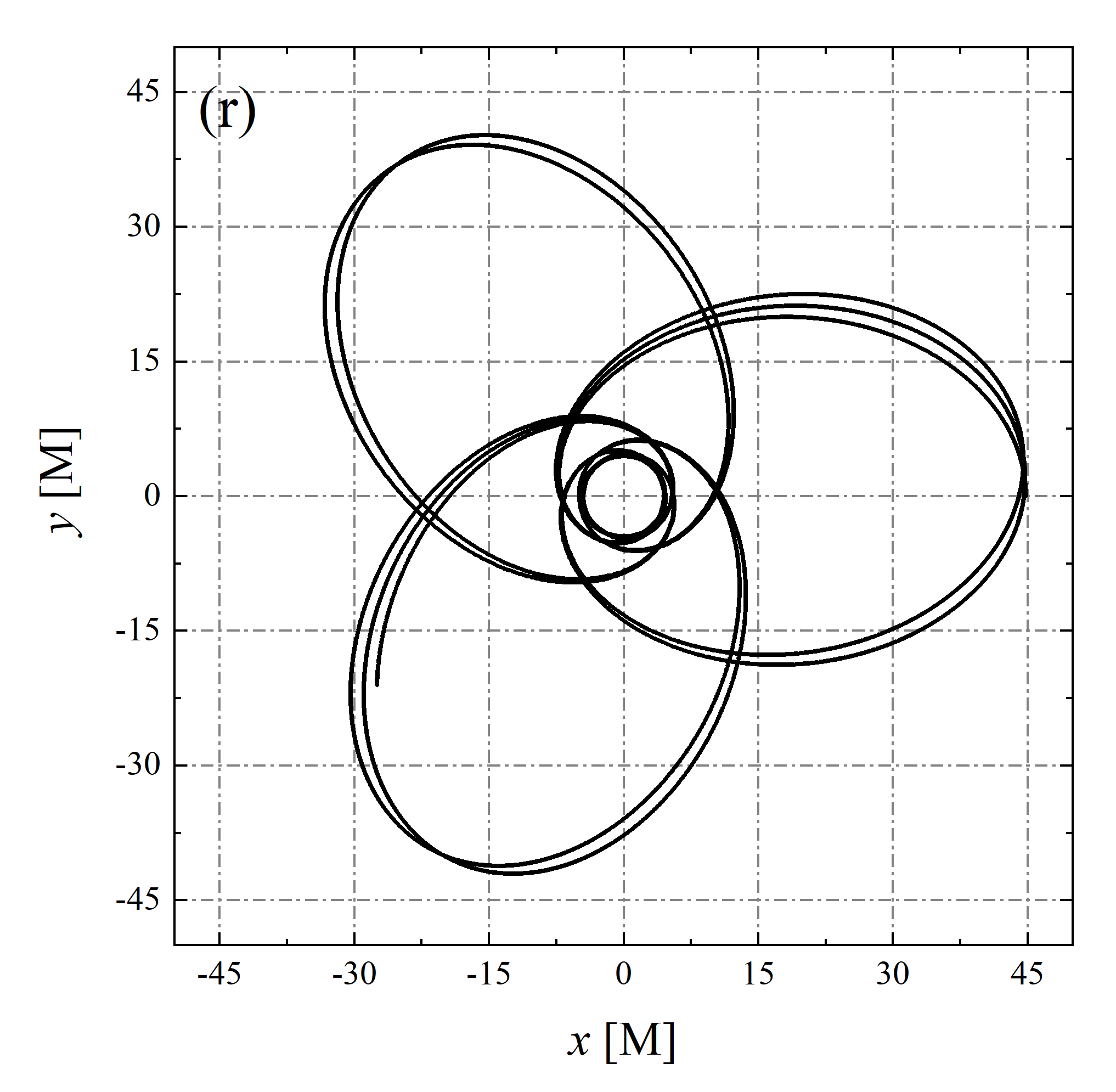
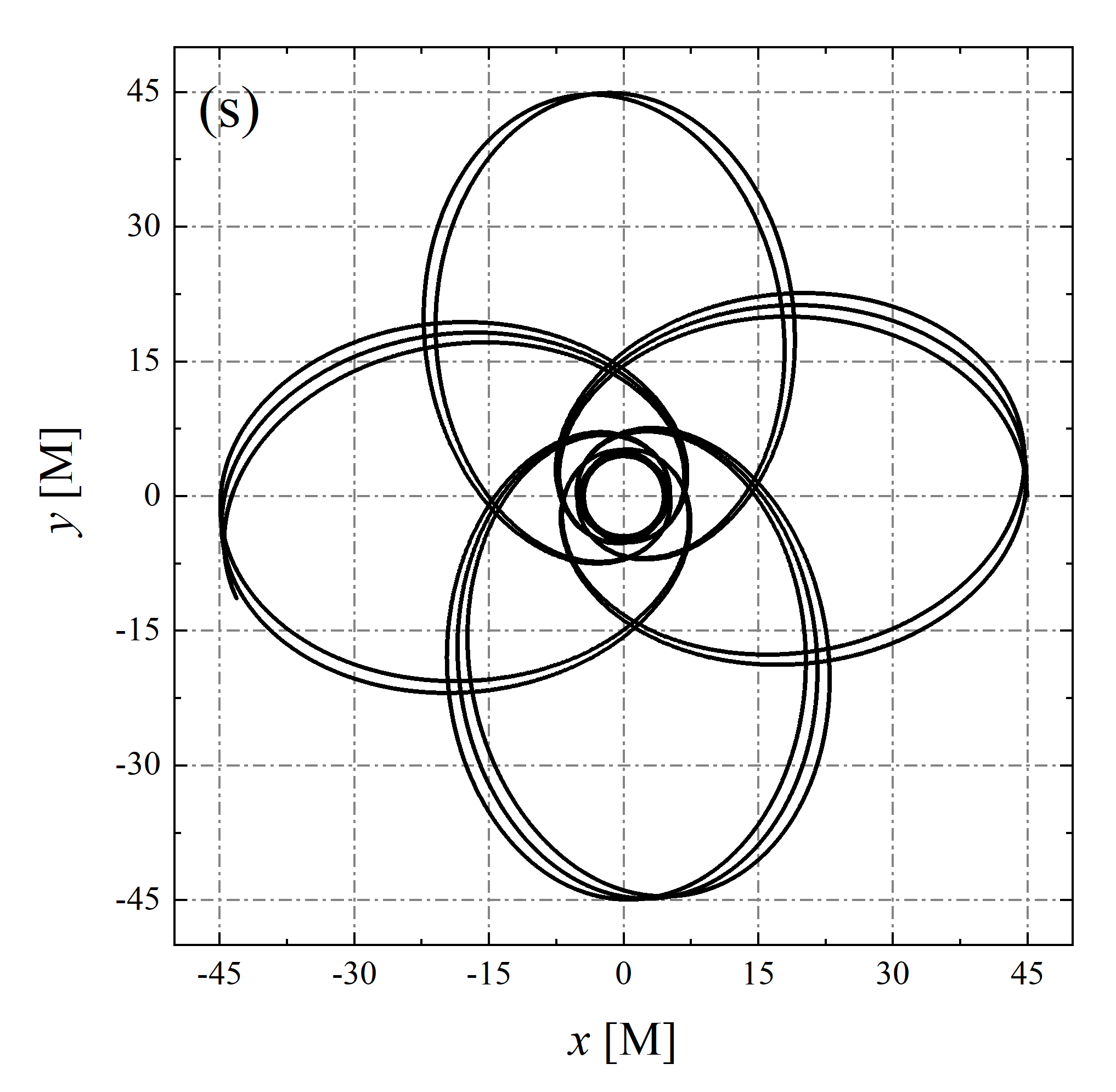
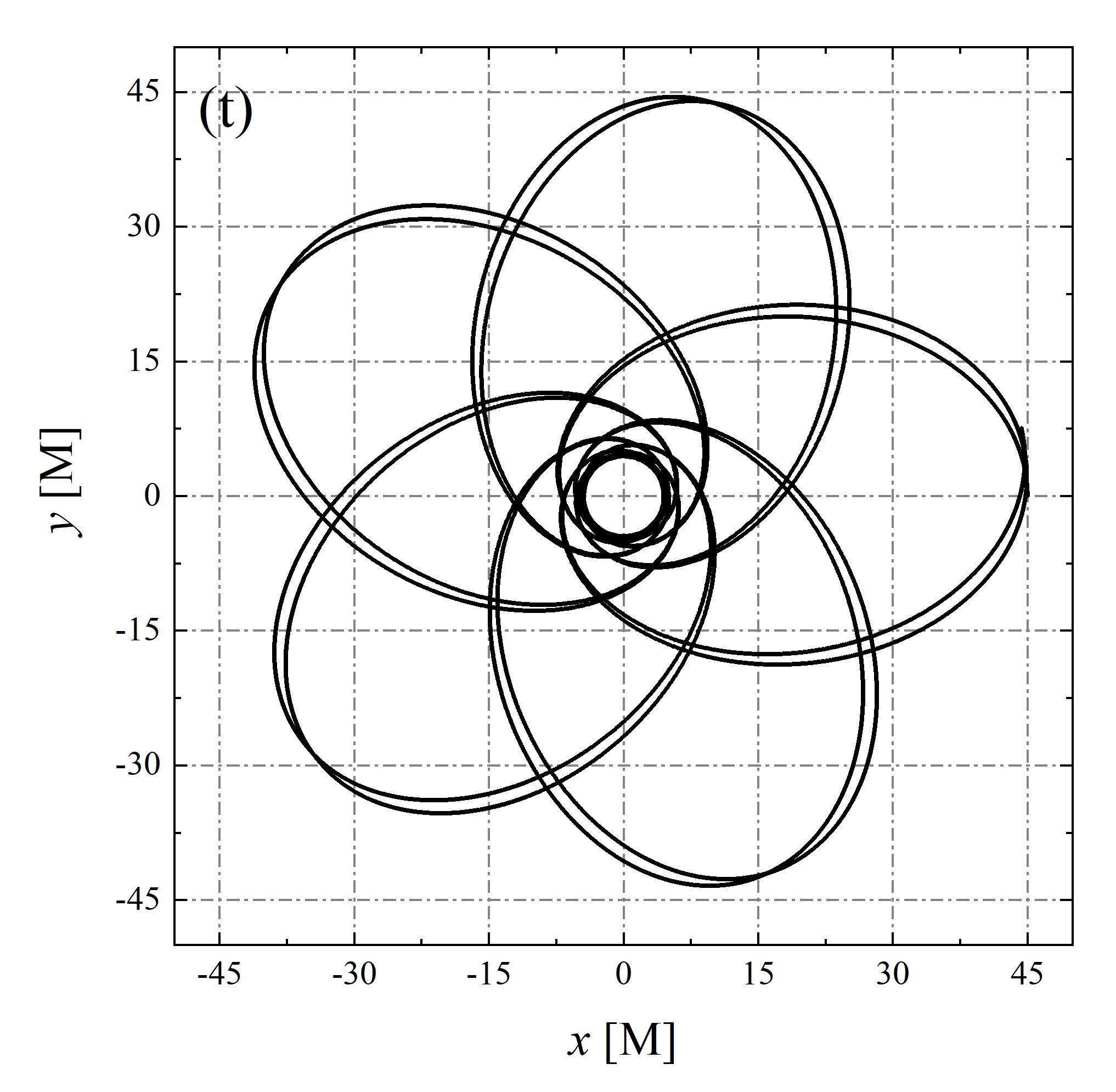
Figure 7: Closed orbits with ρs9–Veff(r)0 and their precessing counterparts for different halo parameters, showing configuration invariance with scale amplification.
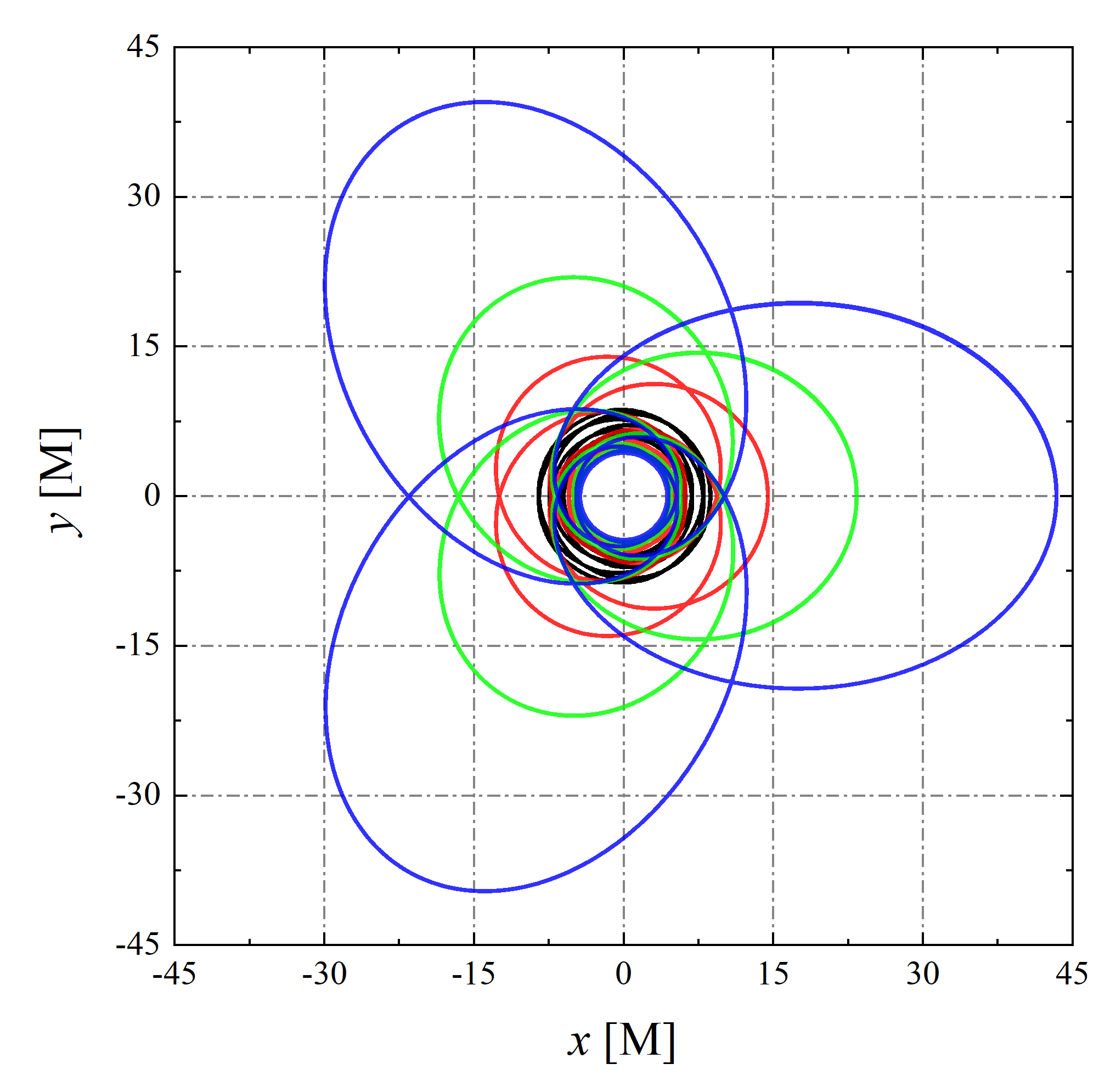
Figure 8: Influence of angular momentum parameter Veff(r)1—higher Veff(r)2 yields pronounced orbital expansion while maintaining underlying topology.
Gravitational Wave and Light Curve Diagnostics
Closed orbits yield gravitational waveforms via analytic kludge models, with periastron producing high-frequency, large-amplitude bursts and apastron yielding smooth, broad waveform components. While waveform morphology is weakly sensitive to leaf number, phase delays induced by dark matter parameters are pronounced and scalable. The phase lag provides a robust diagnostic of halo properties.
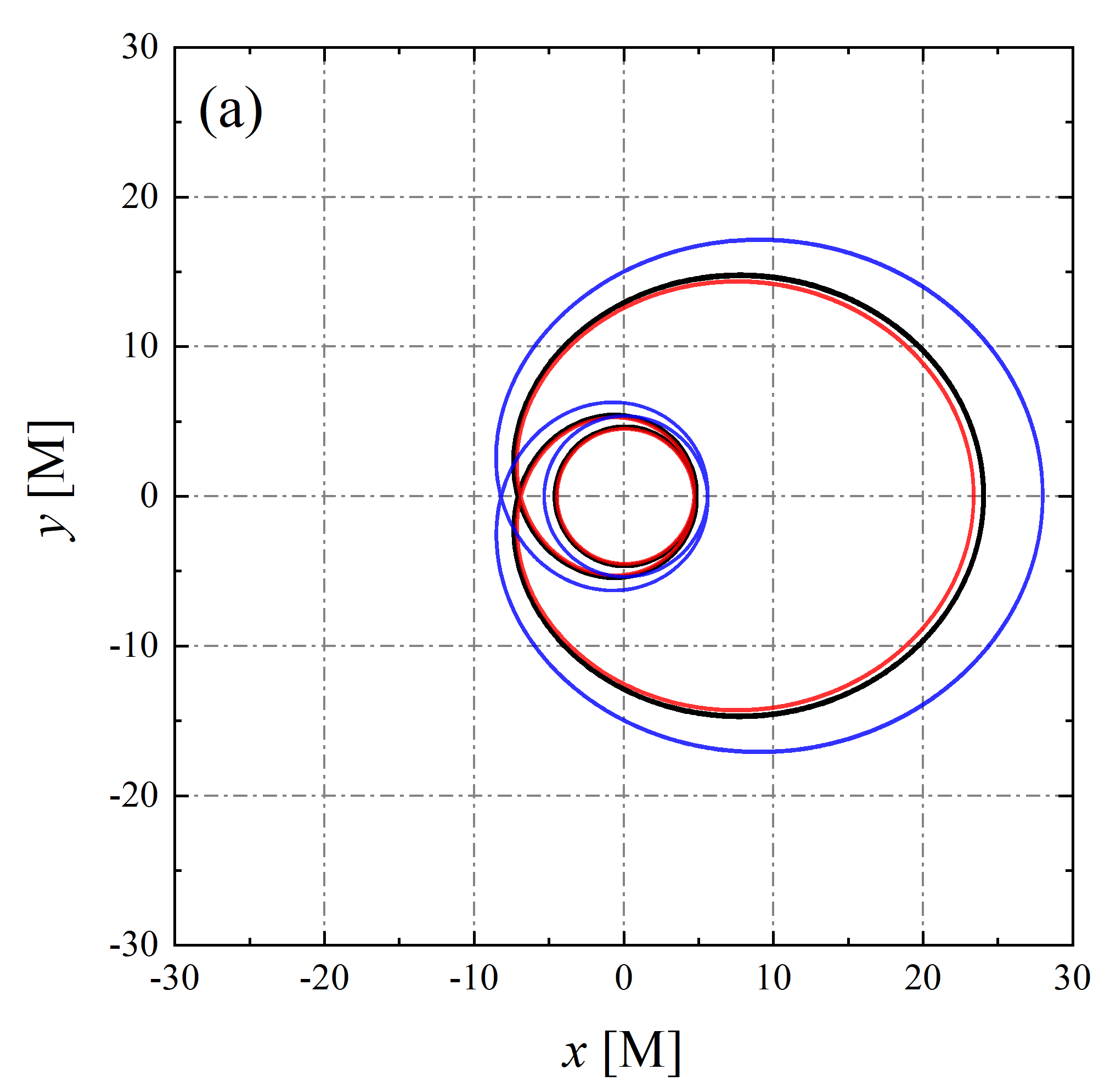
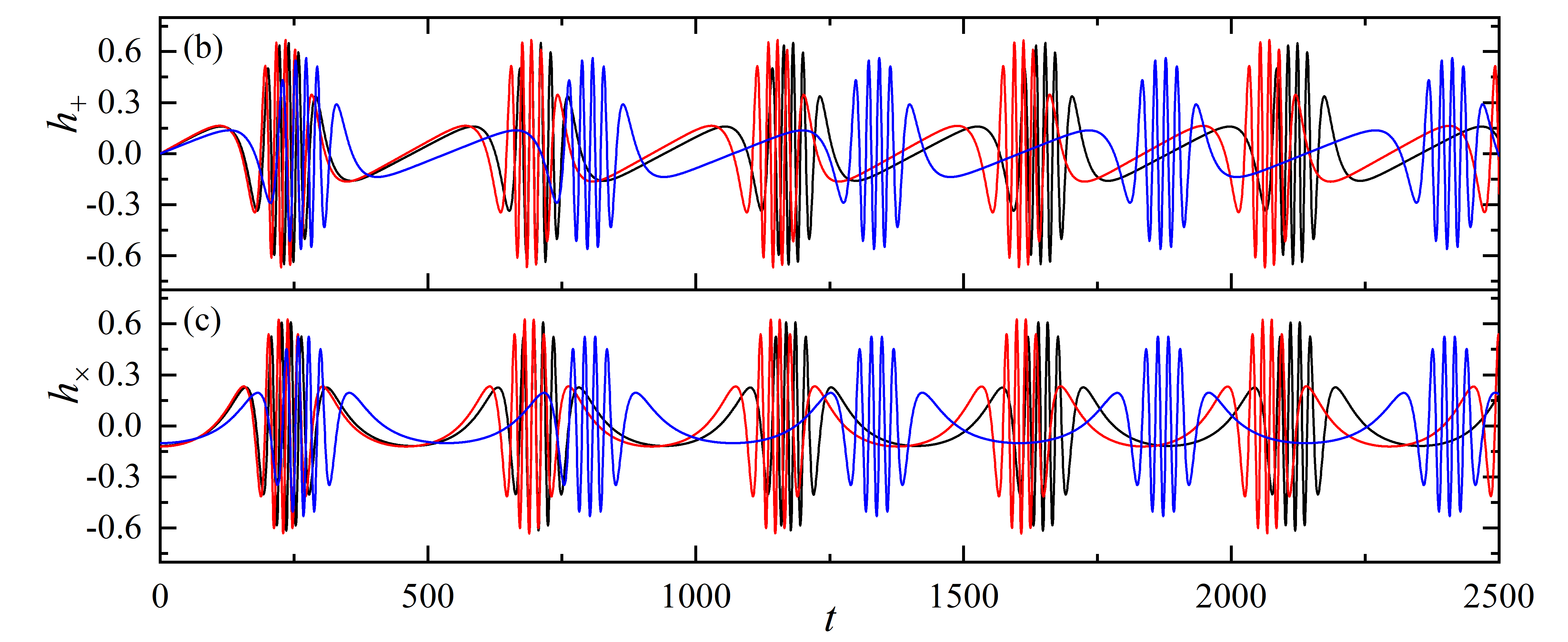
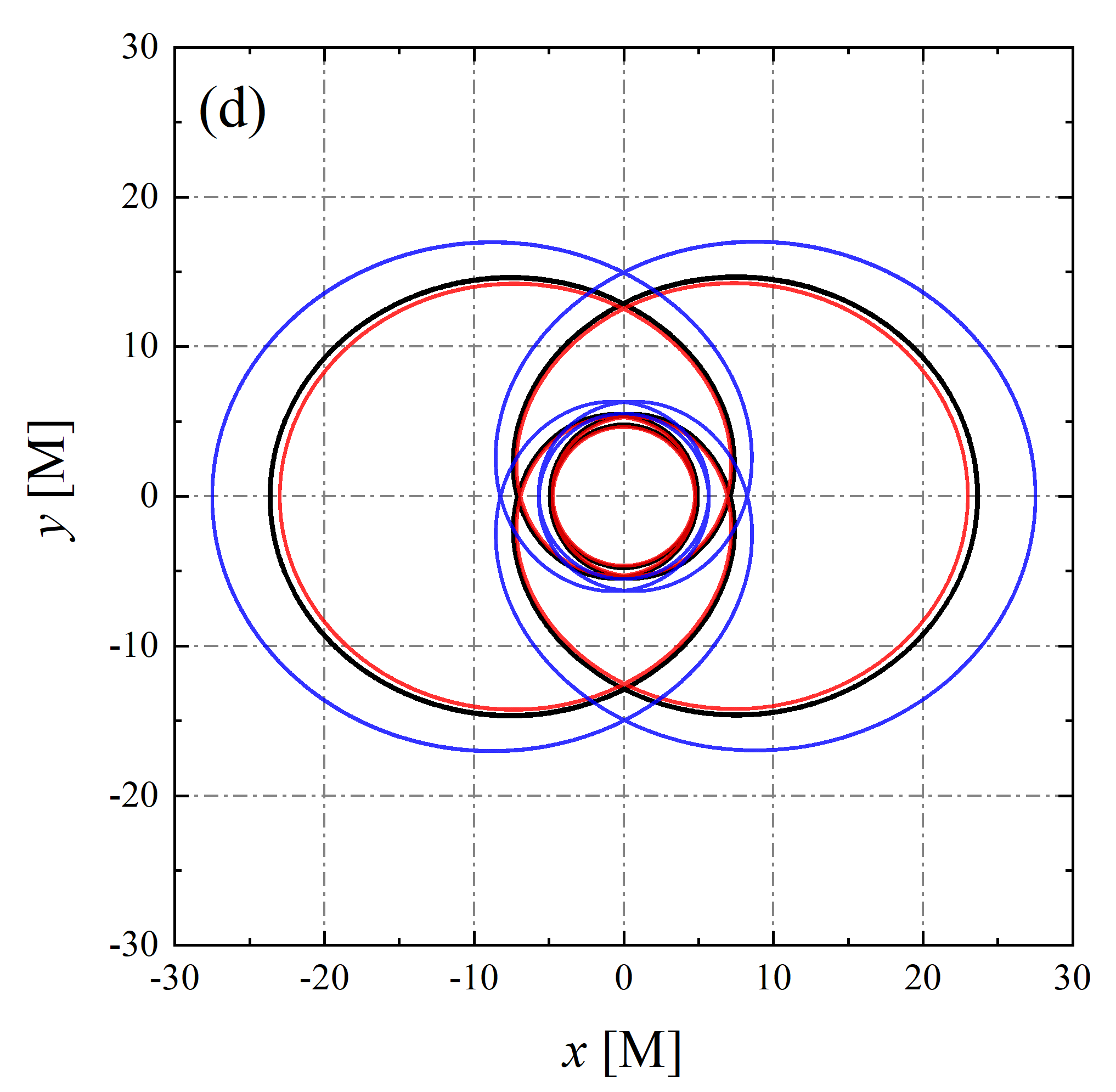
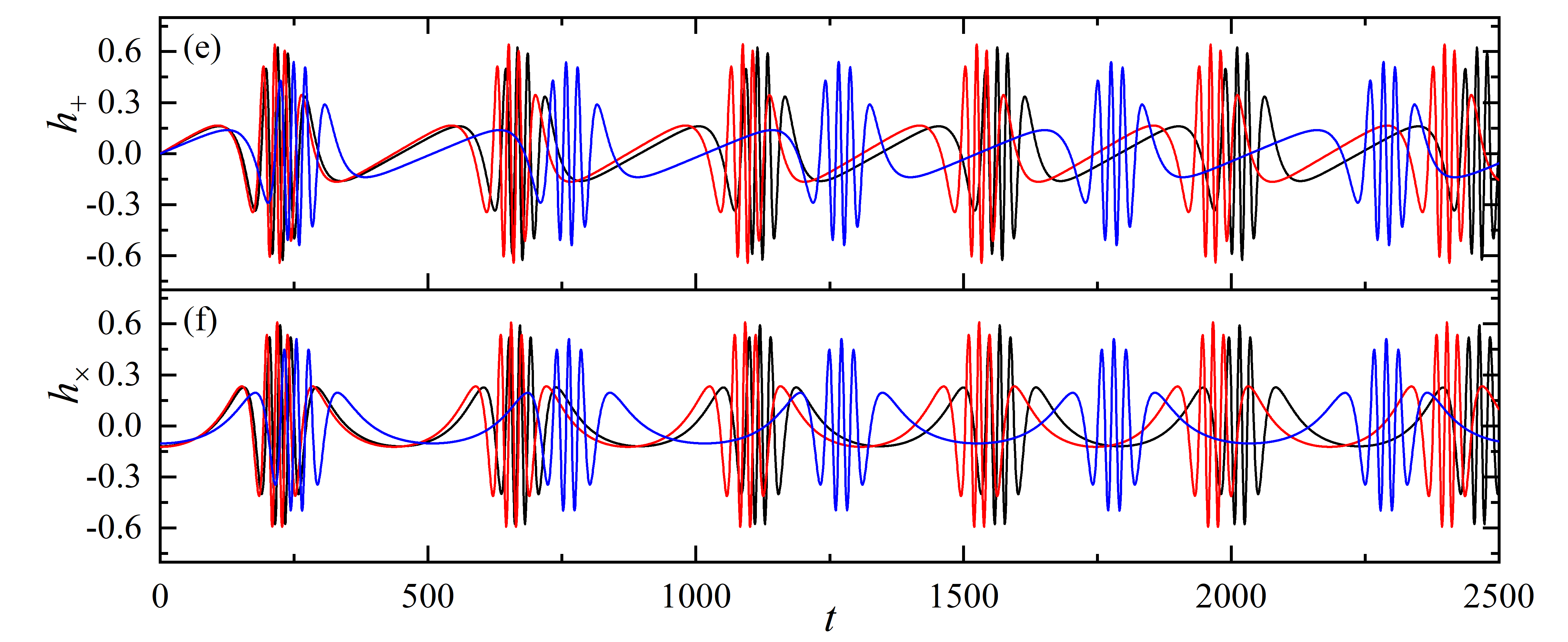
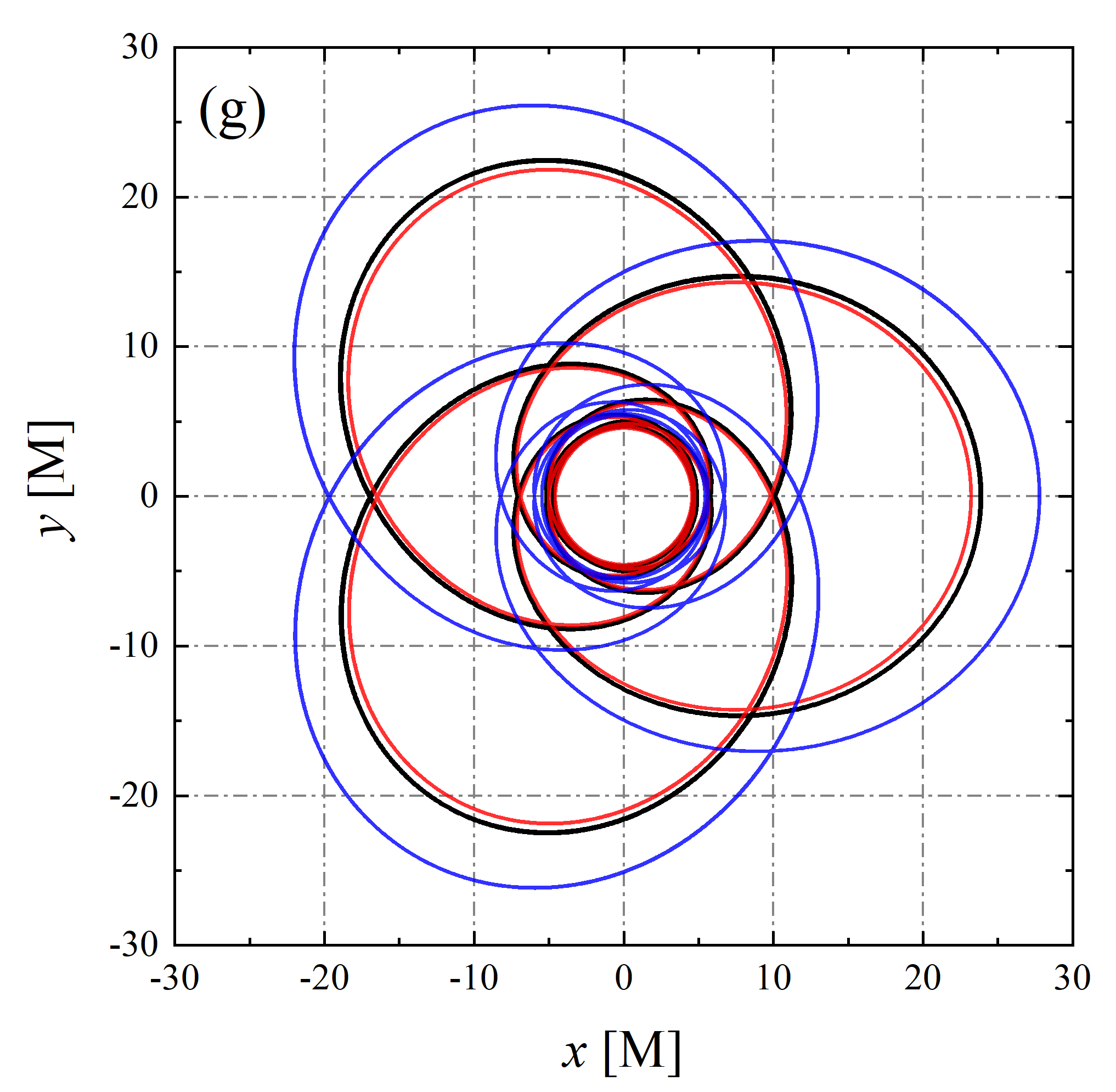
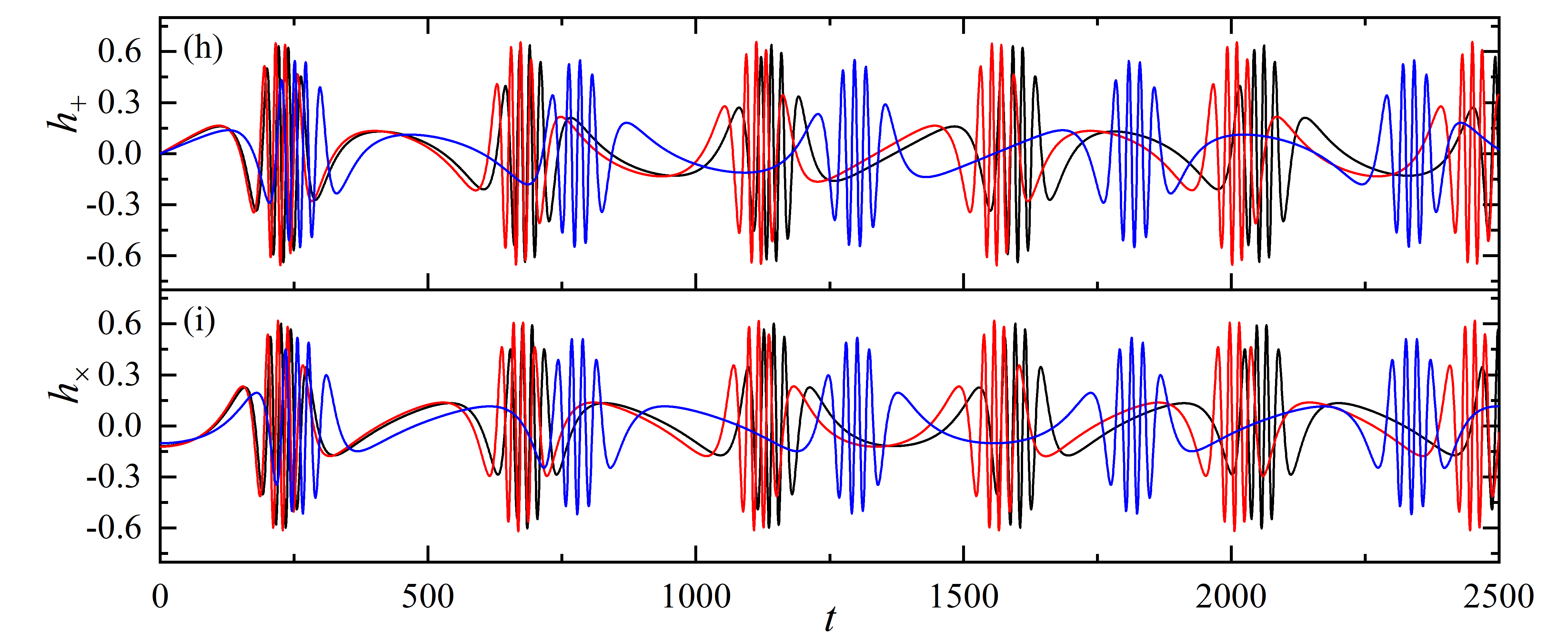
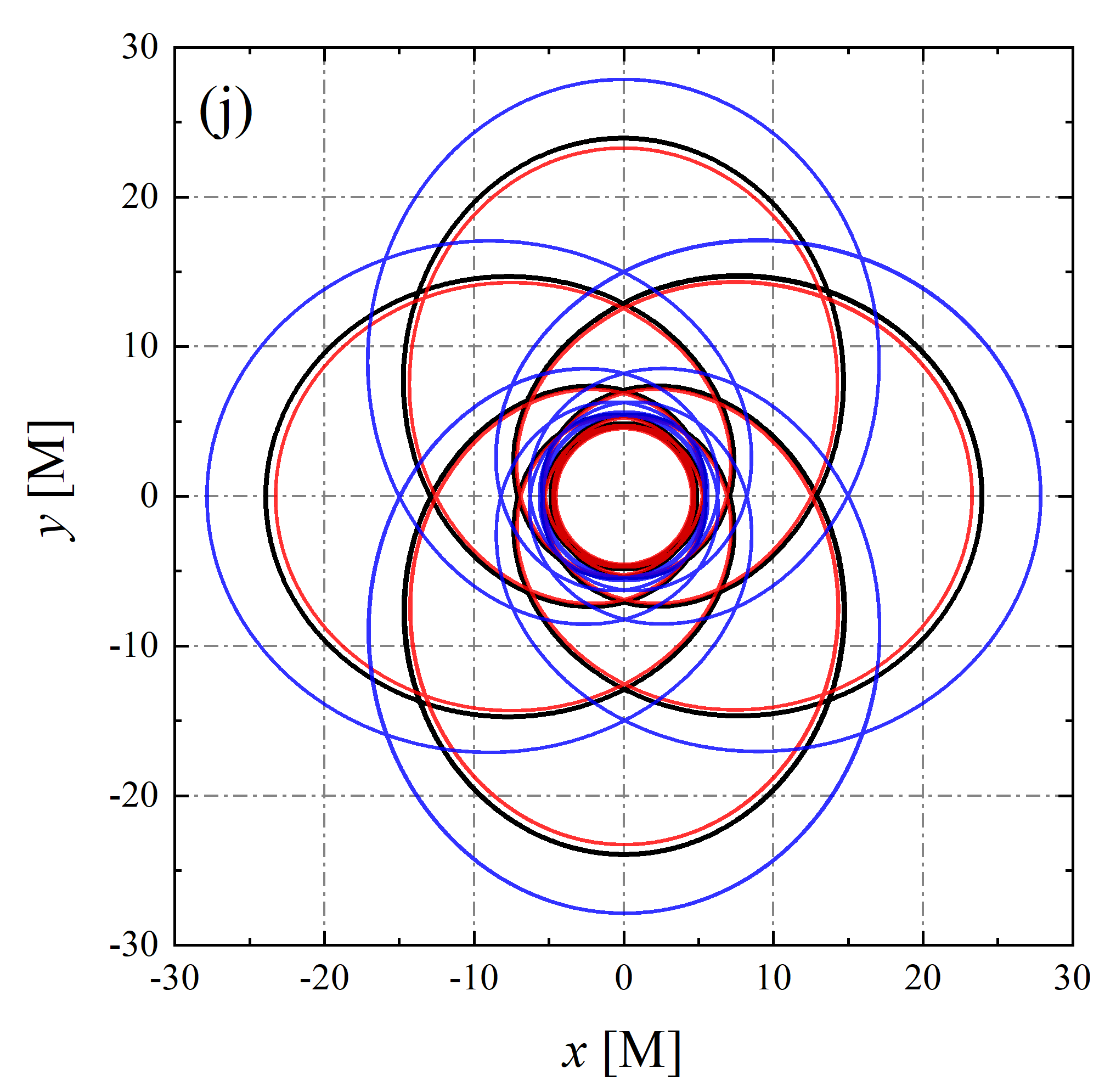
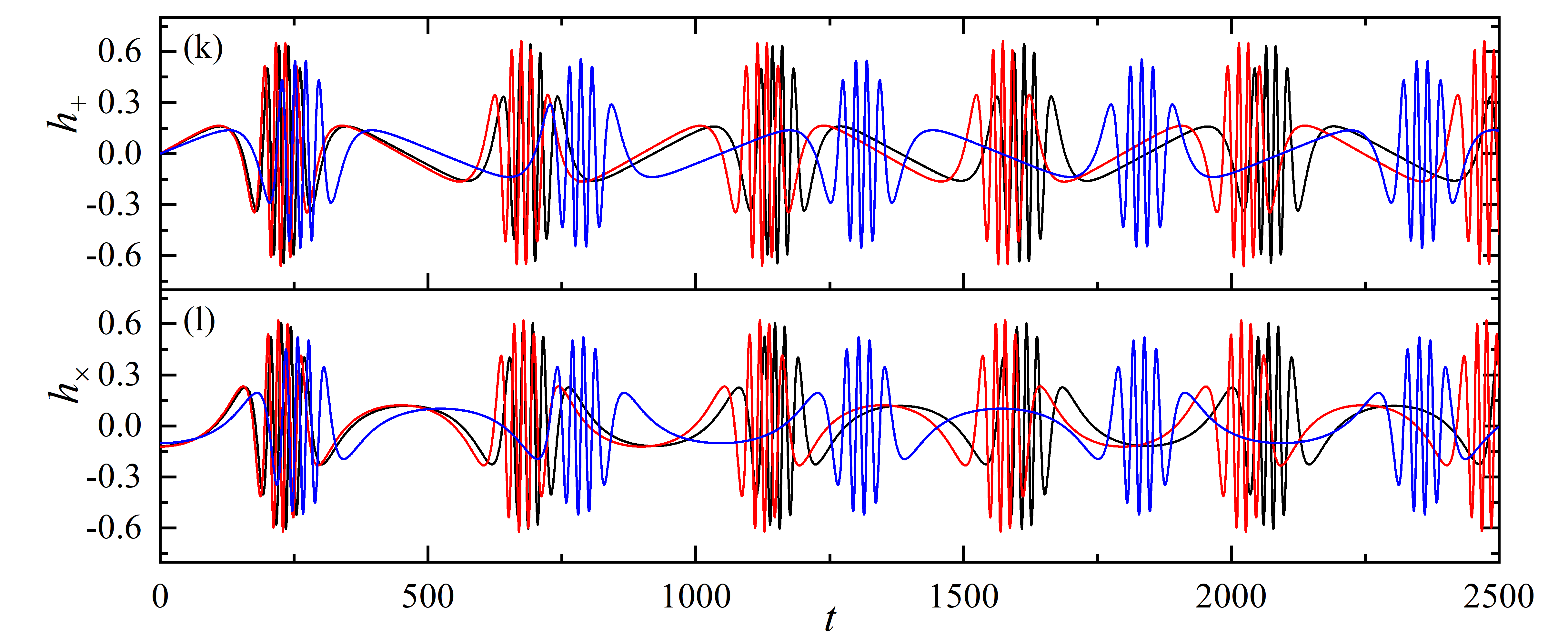
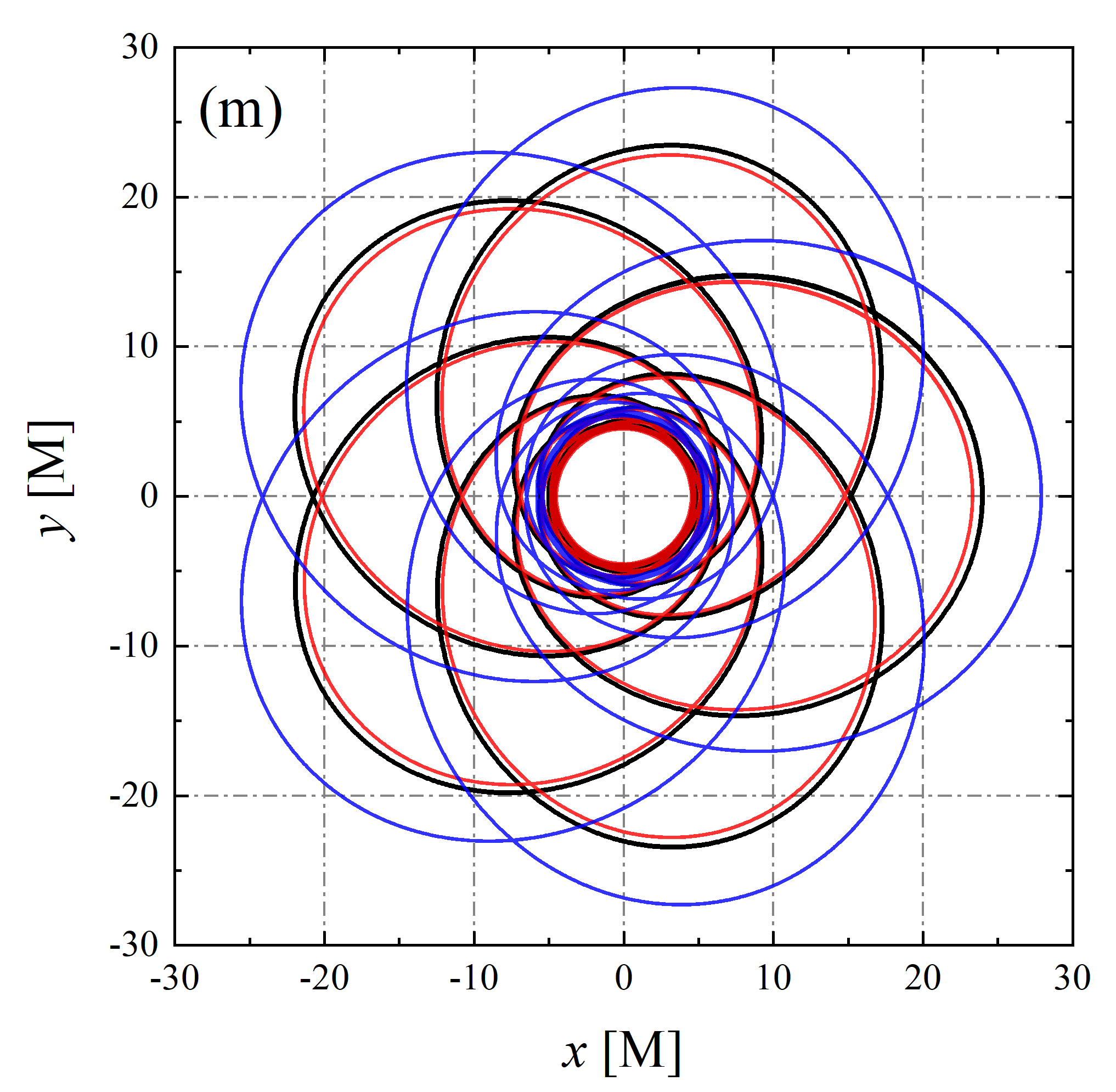
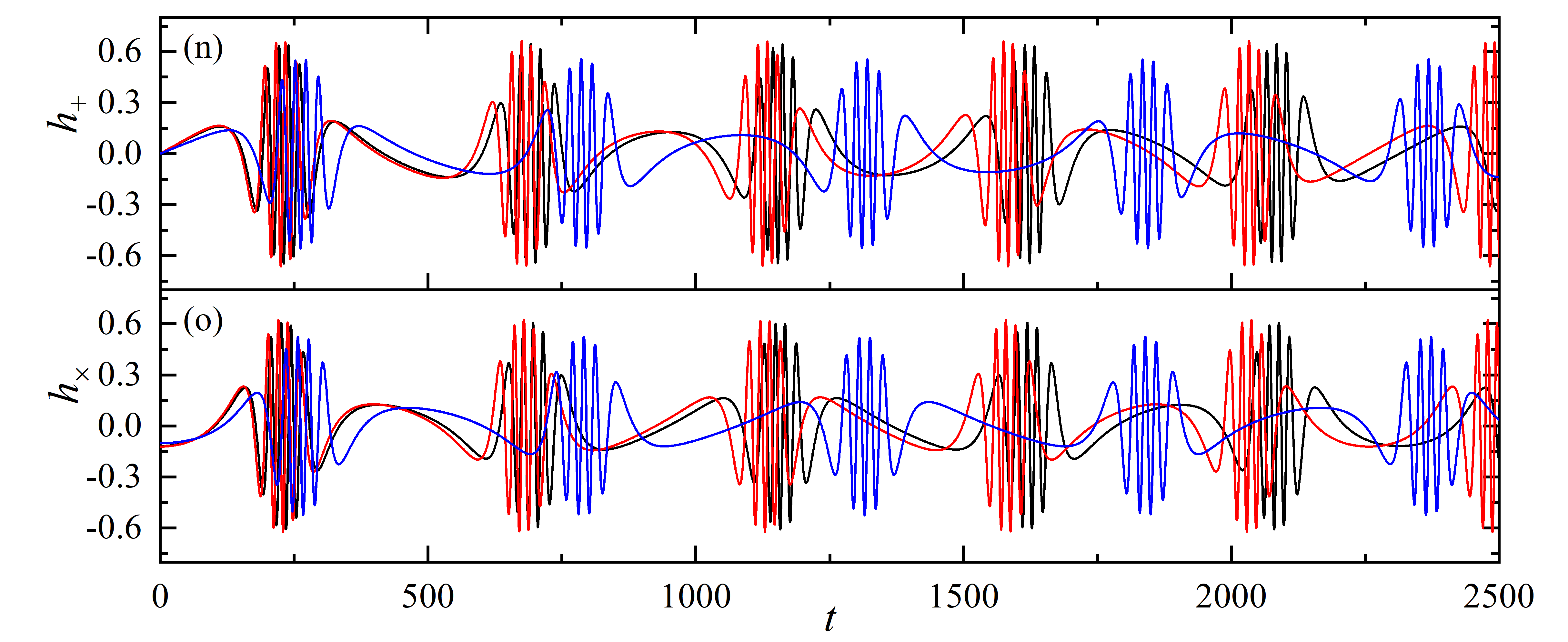
Figure 9: Closed orbits (left) and corresponding gravitational waveforms (right) across halo parameter regimes; phase delay is directly tied to dark matter amplification.
Simulated light curves, computed for variable inclination angles, show enhanced gravitational lensing effects at higher inclinations. The number of orbital leaves is encoded in the arrangement and symmetry of peaks within each light curve period. At low inclination, curves are indistinguishable; near edge-on, peak multiplicity and distribution directly reflect leaf topology.
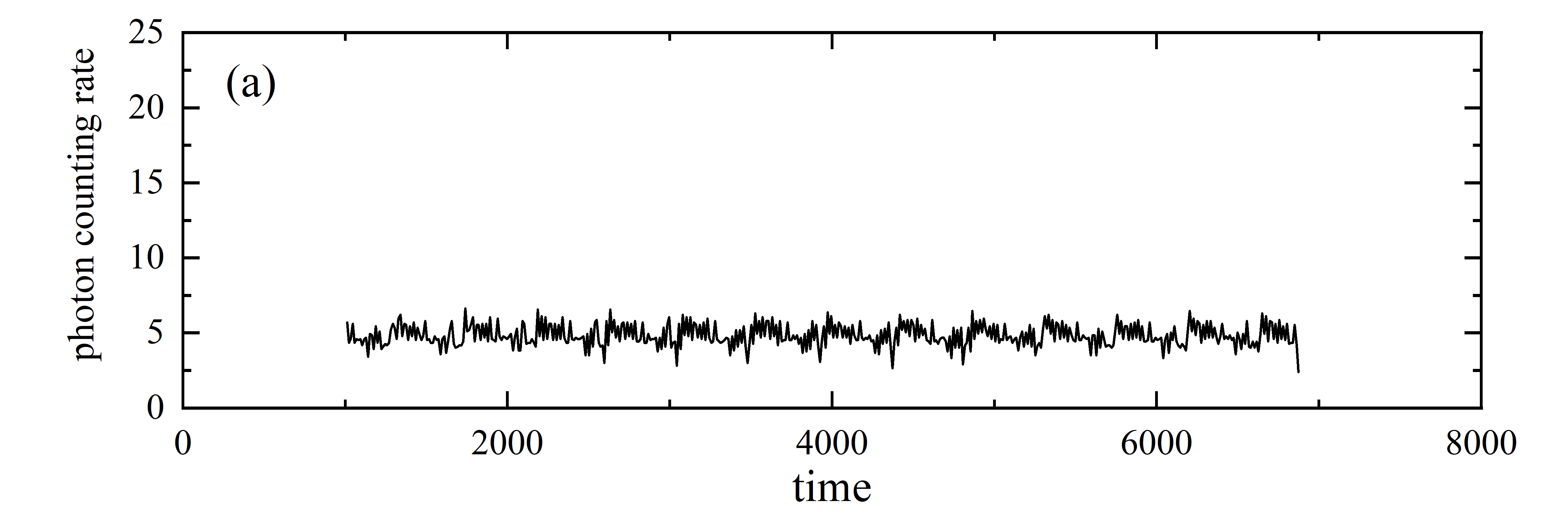
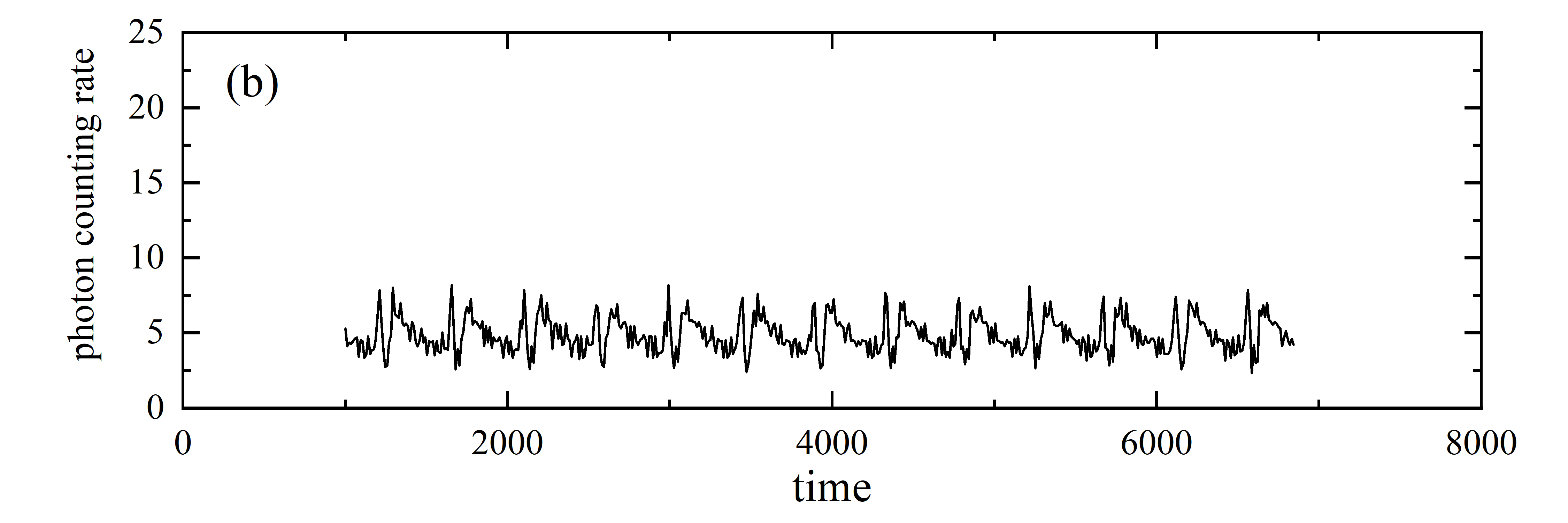
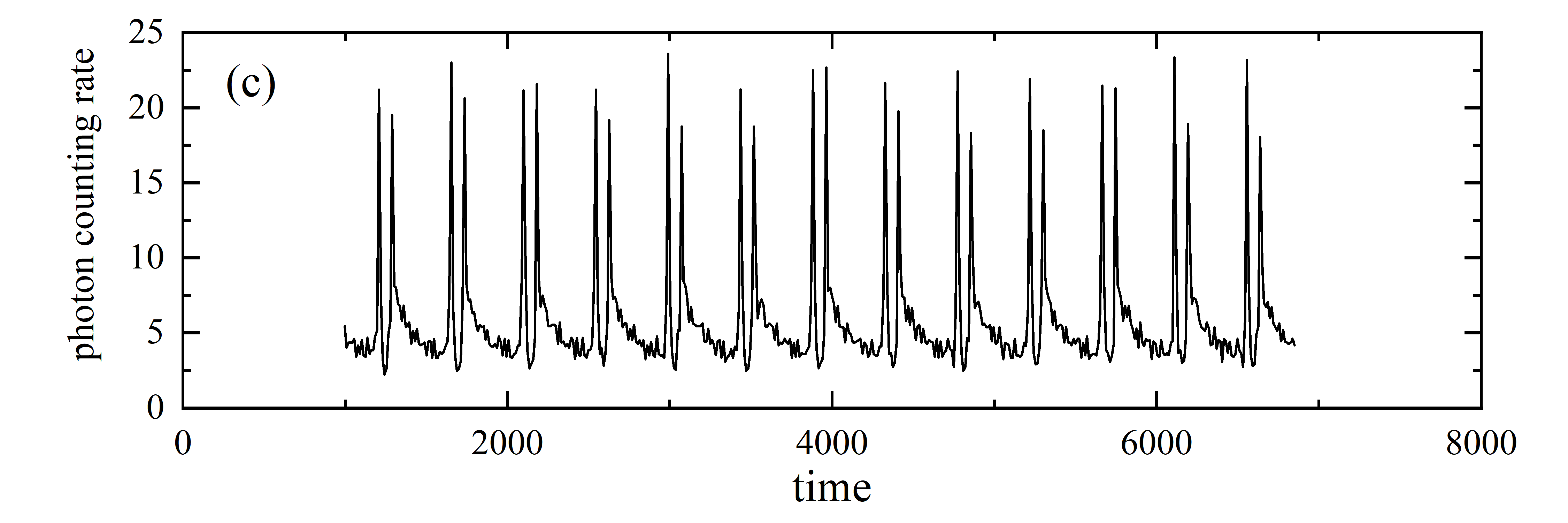
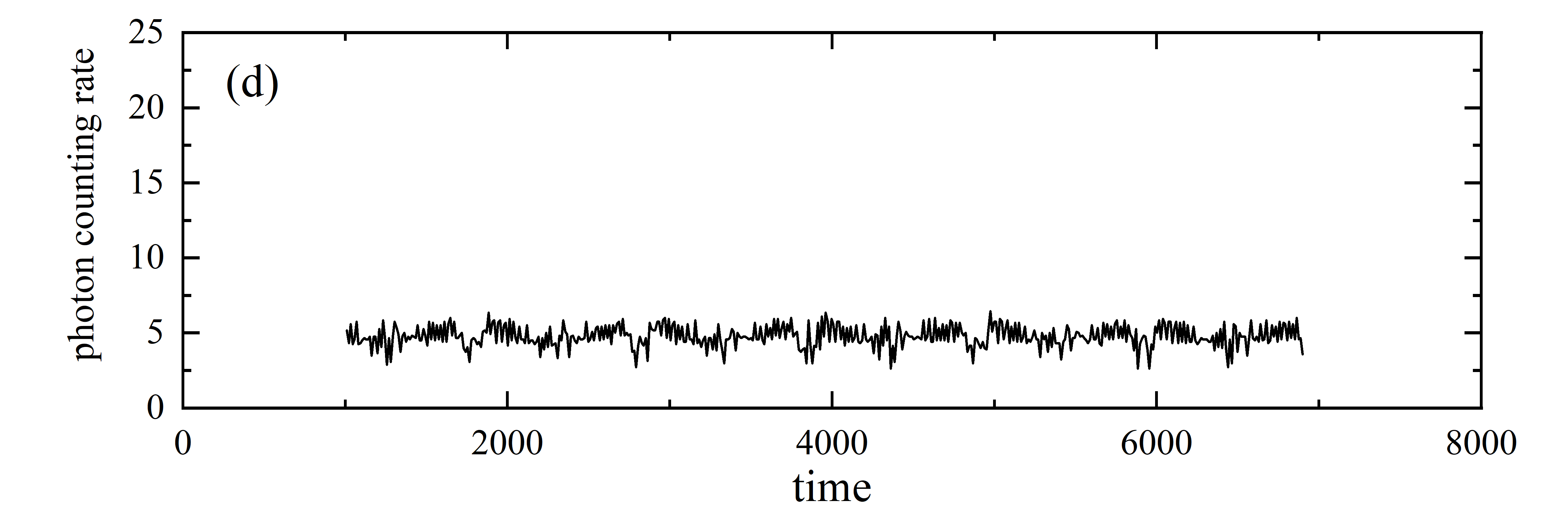
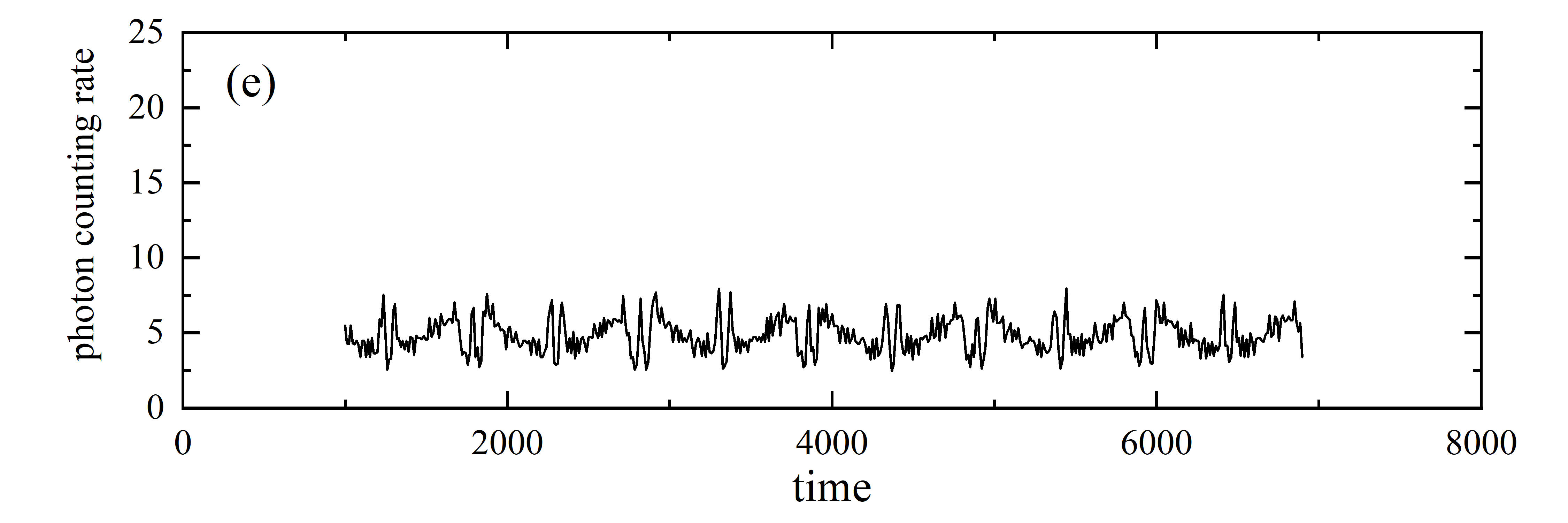
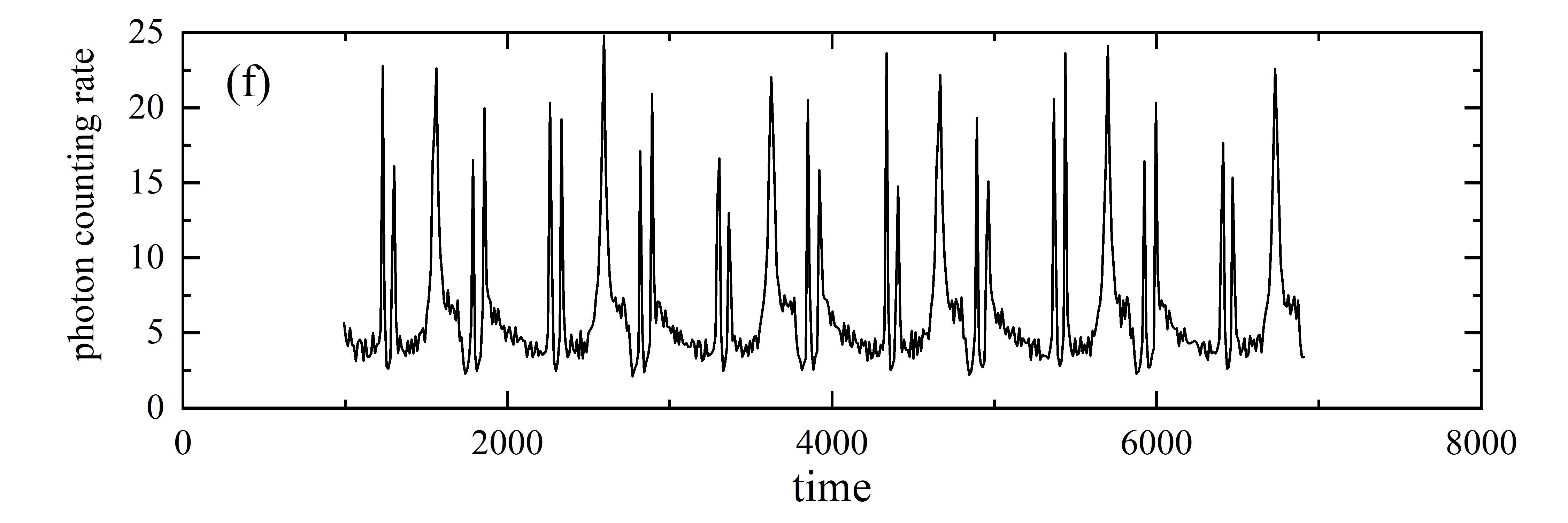
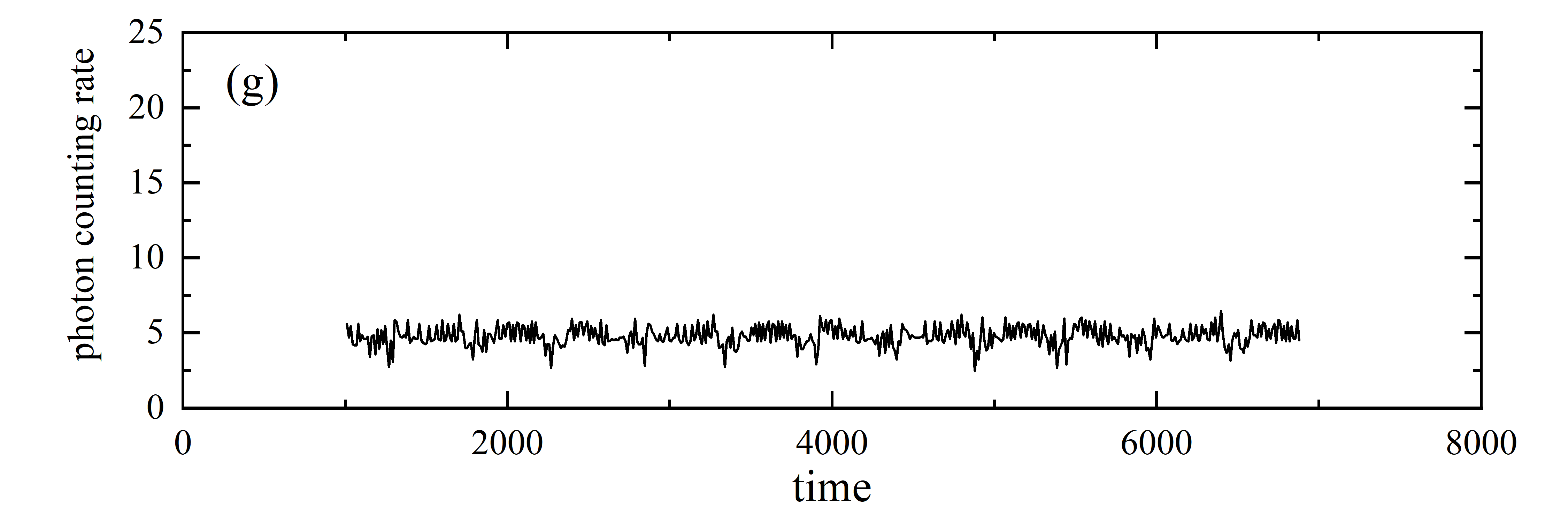
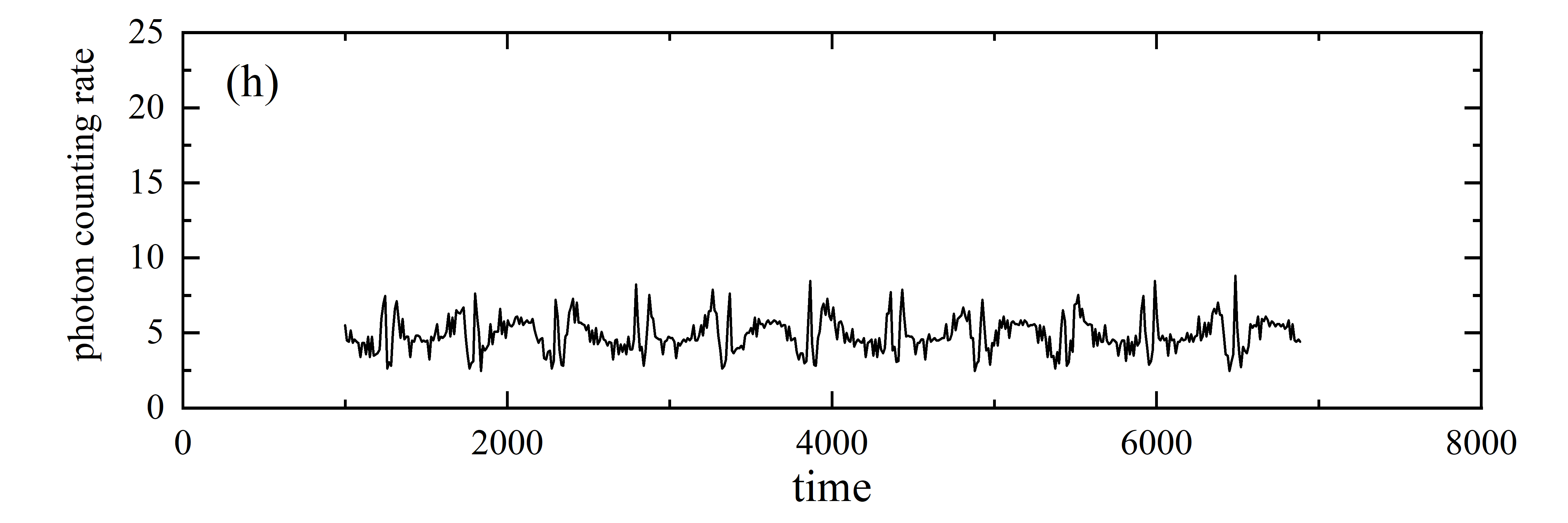
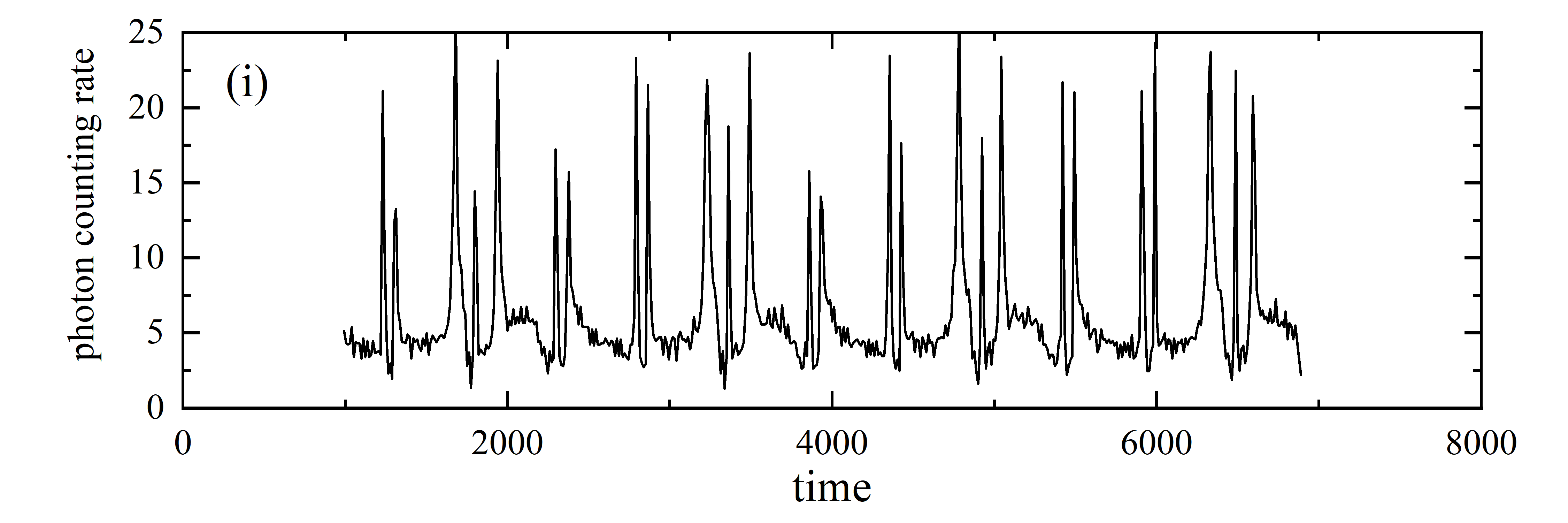
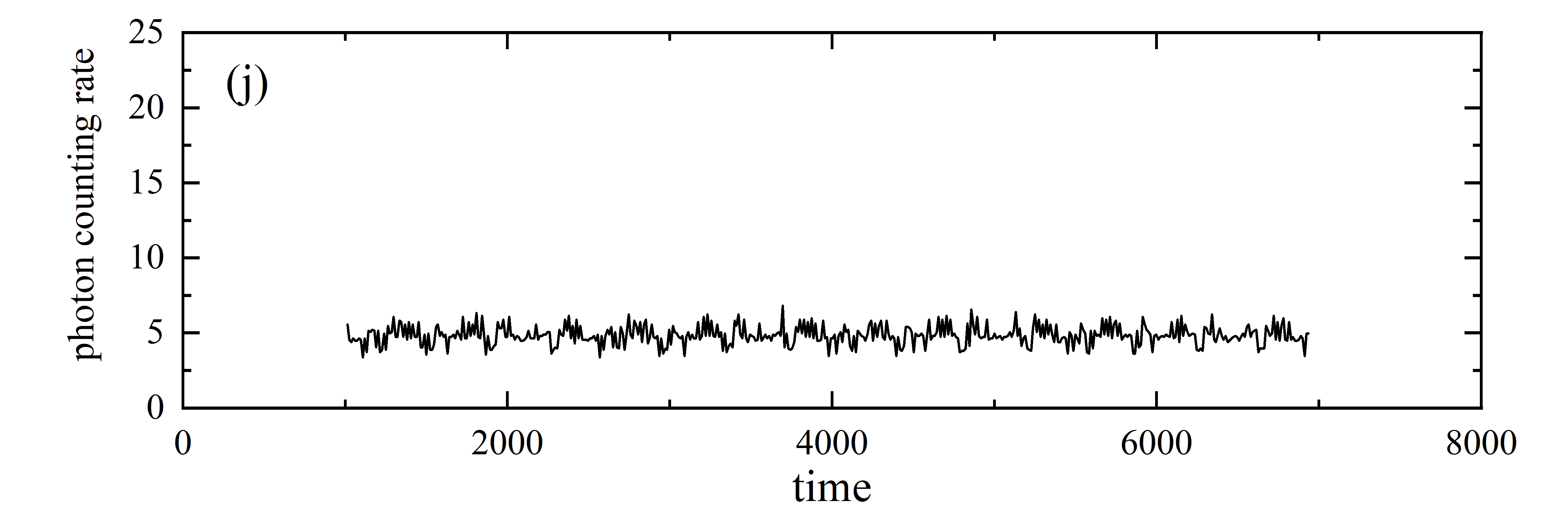
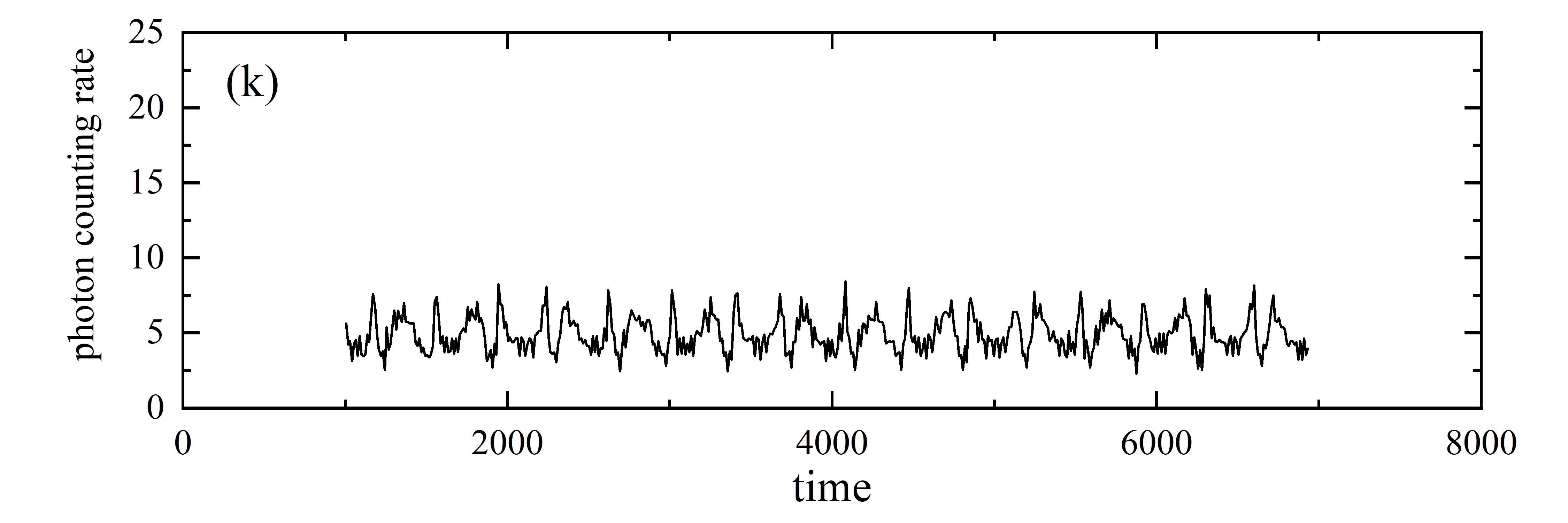
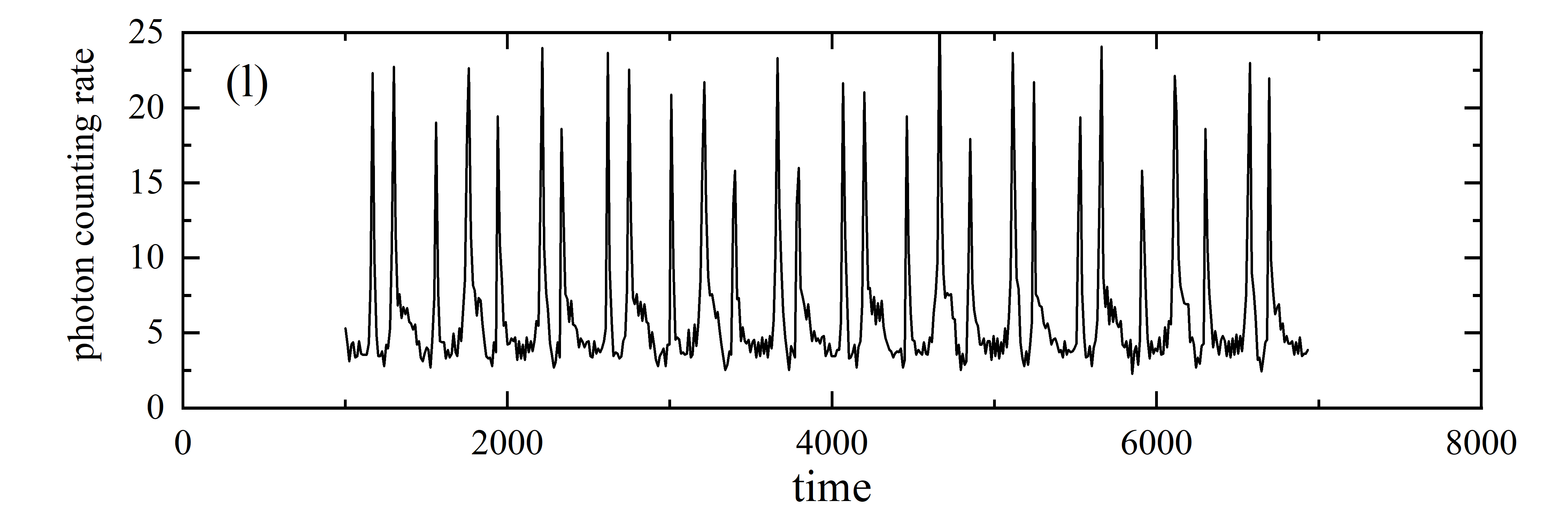
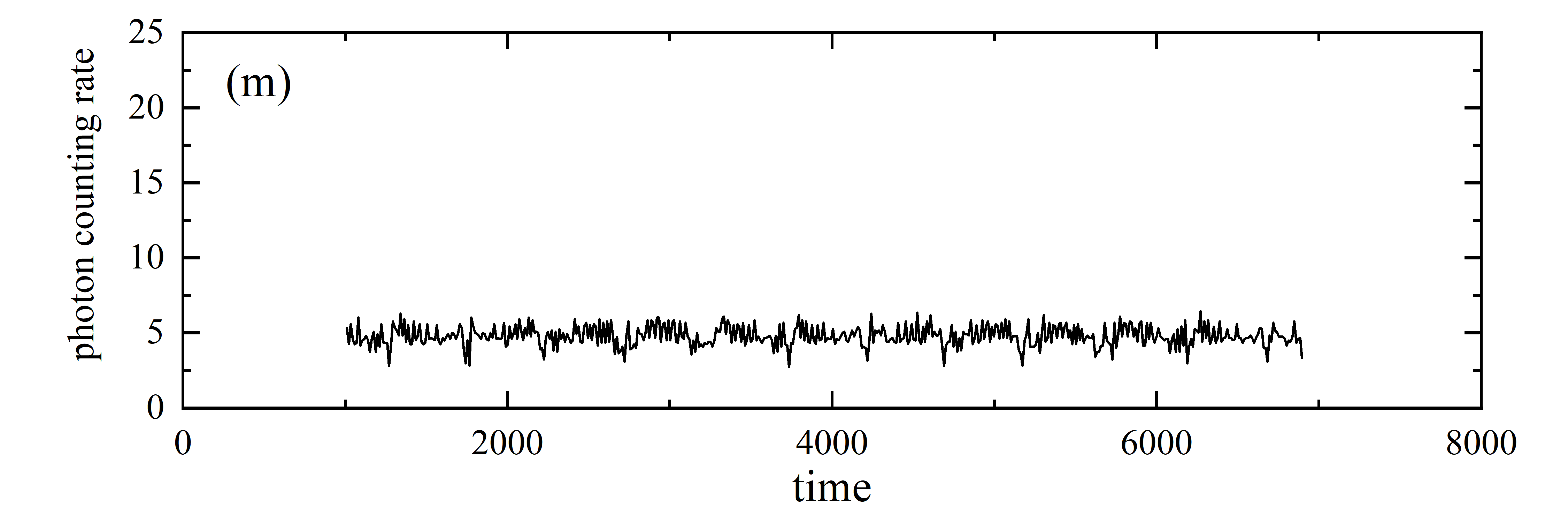
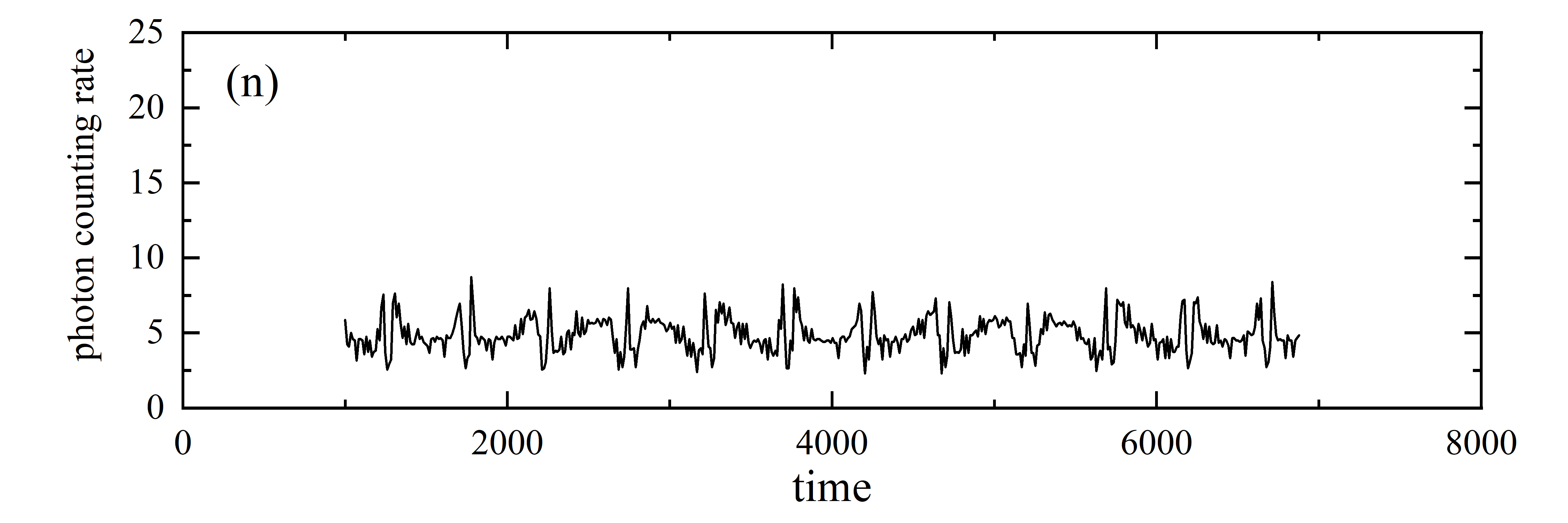
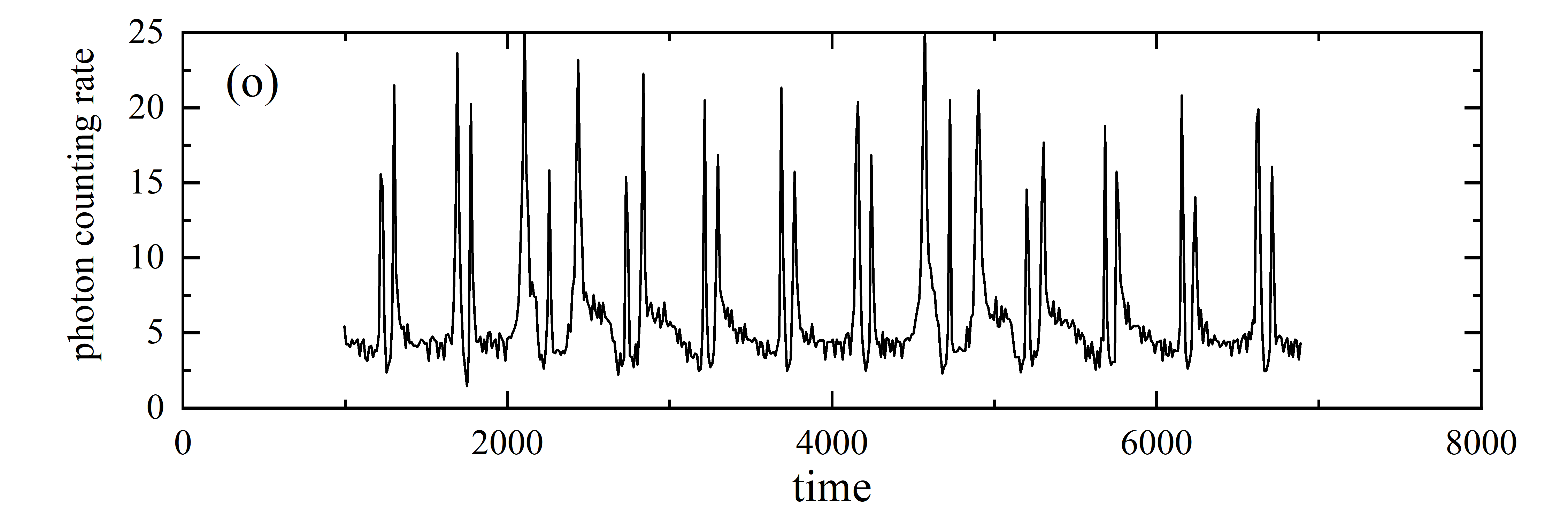
Figure 10: Light curves for Veff(r)3–Veff(r)4, showing progressive peak structure evolution as inclination approaches orbital plane; leaf number is directly imprinted in peak count and symmetry.
Implications and Future Directions
The paper demonstrates that dark matter halos, modeled by the Dehnen profile, exert quantifiable, non-trivial modifications to the geodesic structure, orbital parameter space, and observable signals of timelike orbits in Schwarzschild geometry. Key results include:
- Amplification of orbital scale and ISCO radius with increased Veff(r)5 and Veff(r)6.
- Contraction of bound orbit parameter regimes under halo influence.
- Robust phase delays in gravitational waveforms strongly correlated to halo parameters.
- Direct imprint of orbital leaf number in light curves for high-inclination observers.
These findings support the multi-messenger methodology: gravitational and electromagnetic signatures together enable extraction of spacetime and halo parameters, with light curves offering complementary diagnostics that are less accessible via gravitational waves alone. Theoretical implications underscore the degeneracy-breaking afforded by quasi-periodic orbit analysis for halo characterization and potential constraints on galactic dark matter profiles. Prospective developments could target parameter estimation pipelines for EMRI sources in LISA-era GW astronomy, correlating with high-resolution multi-wavelength imaging to resolve leaf-count-induced features.
Conclusion
The investigation rigorously maps the orbital, gravitational, and electromagnetic consequences of embedding Schwarzschild black holes in Dehnen-type dark matter halos. The quantification of orbital expansion, phase delays, and characteristic light curve peak arrangements offers a suite of testable signatures for halo detection and parameter extraction. The approach paves the way for multi-modal characterization of spacetime environments, with broad applicability to EMRI-driven gravitational wave astrophysics and high-precision lensing analyses in the search for dark matter.

