- The paper demonstrates that a multidomain backreaction model reconciles reionization optical depth estimates with Planck observations.
- It employs the Buchert formalism with Gaussian parameterization of underdense and overdense domains to analyze reionization history and H0 tension.
- Bayesian MCMC analysis using PantheonPlus+SH0ES data constrains model parameters, showing compatibility with Planck results and moderating the Hubble tension.
Optical Depth to Reionization in a Universe with Multiple Inhomogeneous Domains
Introduction
The paper "Optical depth to reionization in a Universe with multiple inhomogeneous domains" (2604.13718) addresses the impact of large-scale cosmic inhomogeneities on the optical depth to reionization (τreion) and cosmological parameter estimation, notably the Hubble constant (H0). The authors use the Buchert formalism to systematically incorporate the backreaction effects arising from matter inhomogeneities, developing a multidomain spacetime model characterized by parameters describing both underdense and overdense cosmological regions. Their approach critically challenges the assumptions underpinning the standard ΛCDM cosmological model, which is based on an idealized homogeneous and isotropic Universe, and investigates whether inhomogeneity-induced backreaction can account for observed discrepancies such as the Hubble tension. The focus is on constraining the optical depth to reionization using observational supernova datasets and comparing these results with ΛCDM predictions and Planck constraints.
Multidomain Backreaction Model and Methodologies
The cornerstone of the analysis is the multidomain backreaction model constructed within the Buchert averaging framework. The Universe is modeled as comprising numerous underdense (void-like) and overdense (structure-rich) subregions, with their volume fractions and deceleration parameters distributed according to Gaussian profiles. The model is parameterized by (μu,σu,μo,σo,h,n), where μ and σ represent the mean and standard deviation of deceleration parameters in underdense/overdense domains, h is the dimensionless Hubble parameter, and n is the total number of subregions of each type. In the computations, n=100 and H00 are typically used unless otherwise stated.
The Buchert formalism provides averaged cosmological evolution equations, enabling the authors to derive effective scale factors, density, and expansion rates across all subregions. The adopted covariant scheme relates these theoretical constructs to observational quantities (redshift and distance modulus) via standard cosmological relations, facilitating direct comparison with datasets such as PantheonPlus+SH0ES Type Ia supernova measurements.
The optical depth to reionization, H01, is calculated as the integral of electron density times the Thomson cross-section over redshift, capturing the free-electron opacity to CMB photons. The reionization history is parameterized using the canonical H02 model:
H03
where the ionization fraction H04 depends on the redshift of reionization H05 and a transition width H06.
The H07 integral is evaluated using either the standard H08CDM expansion history or the backreaction-model-derived Hubble parameter H09, coherently interfacing cosmological and reionization sectors. Planck 2018/PR3 results provide the fiducial reference (Λ0), and comparison is made to both direct Planck estimates and Λ1CDM/backreaction calculations, with Λ2 constrained by recent supernova datasets.
Parameter Sensitivity and Influence Analysis
Systematic exploration of parameter space reveals that underdense region characteristics, particularly Λ3, exert the strongest influence over Λ4. This arises from the dominance of underdense domains in cosmic volume, as illustrated by sensitivity plots and contour maps (Figure 1, Figure 2, Figure 3):
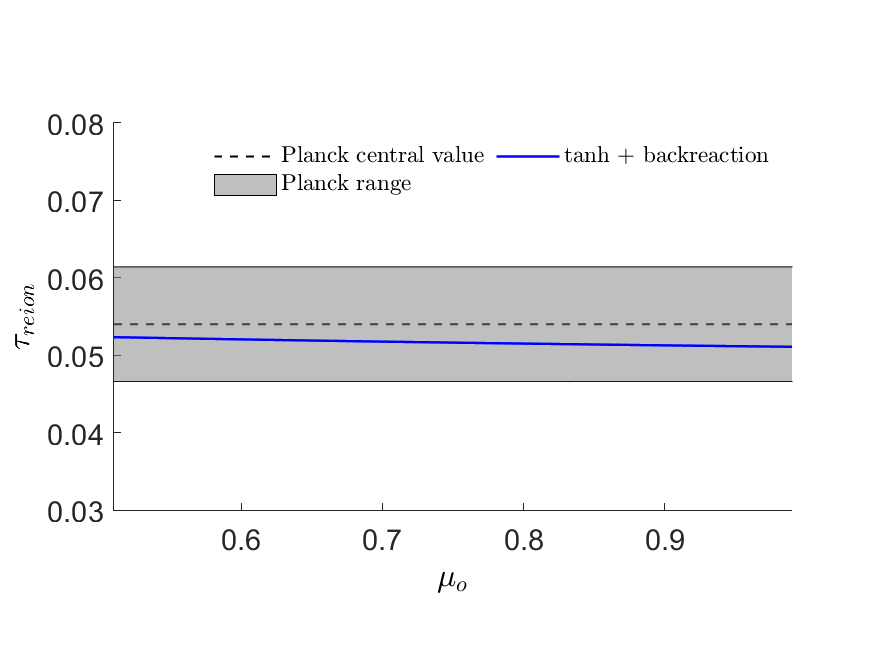
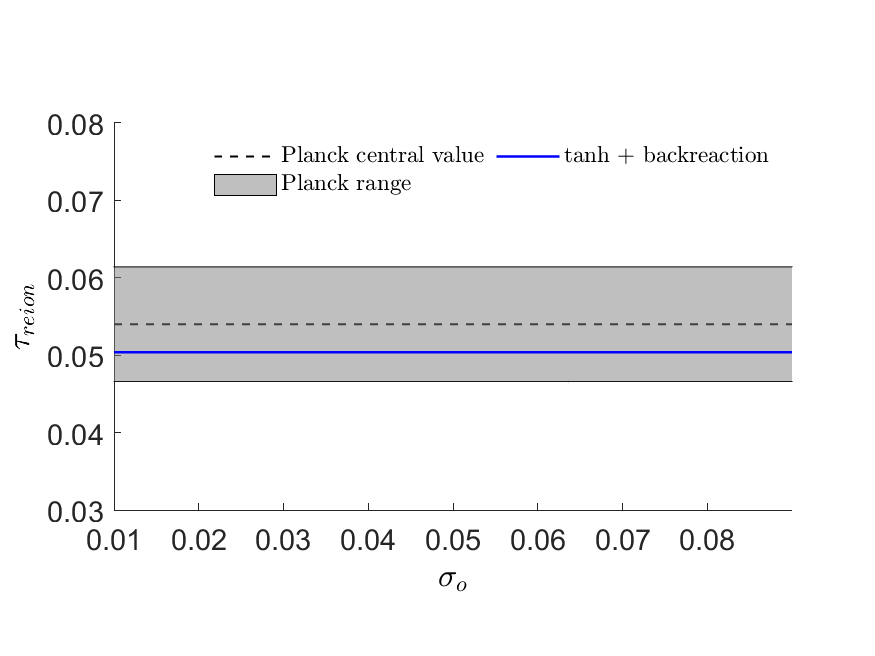
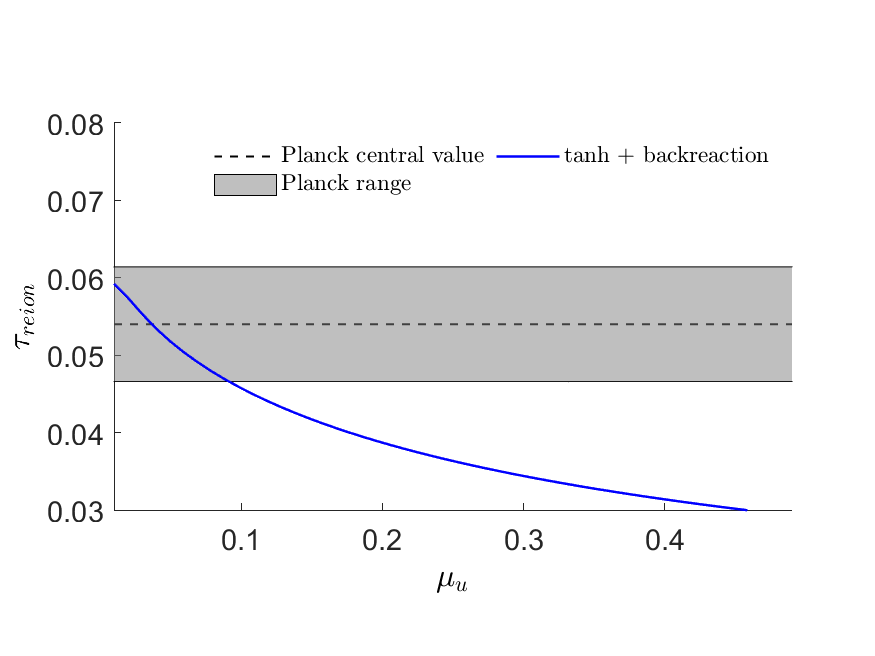
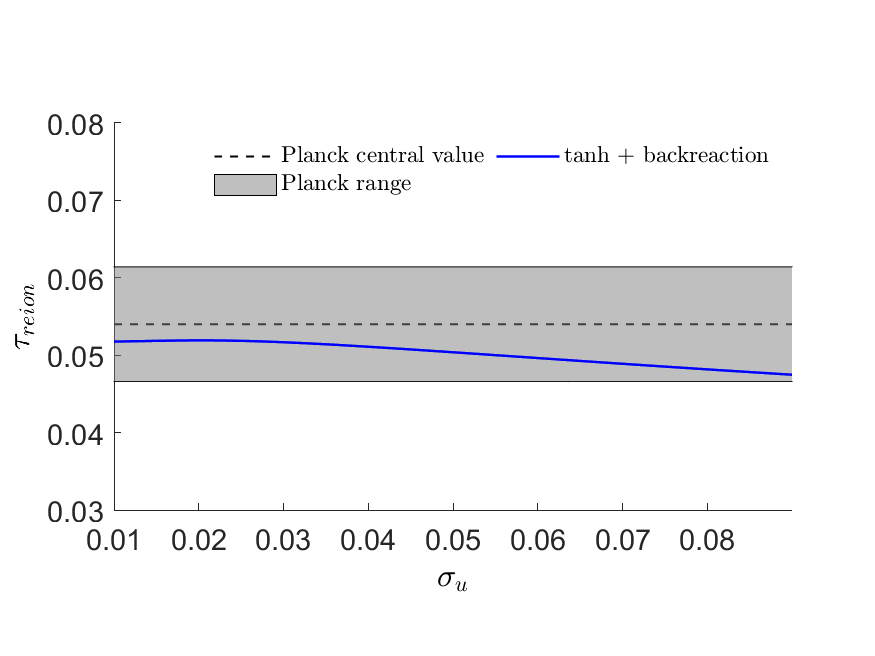
Figure 1: Λ5 dependence on backreaction model parameters, highlighting the effect of inhomogeneity distributions.
The overdense region parameters (Λ6, Λ7) show negligible impact when underdense parameters are fixed, as further demonstrated by the correlation plots in Figures 3 and 4. Variation of Λ8 (dimensionless Hubble constant) affects Λ9 in both models, but backreaction enables alignment with Planck values across a narrower Λ0 range.
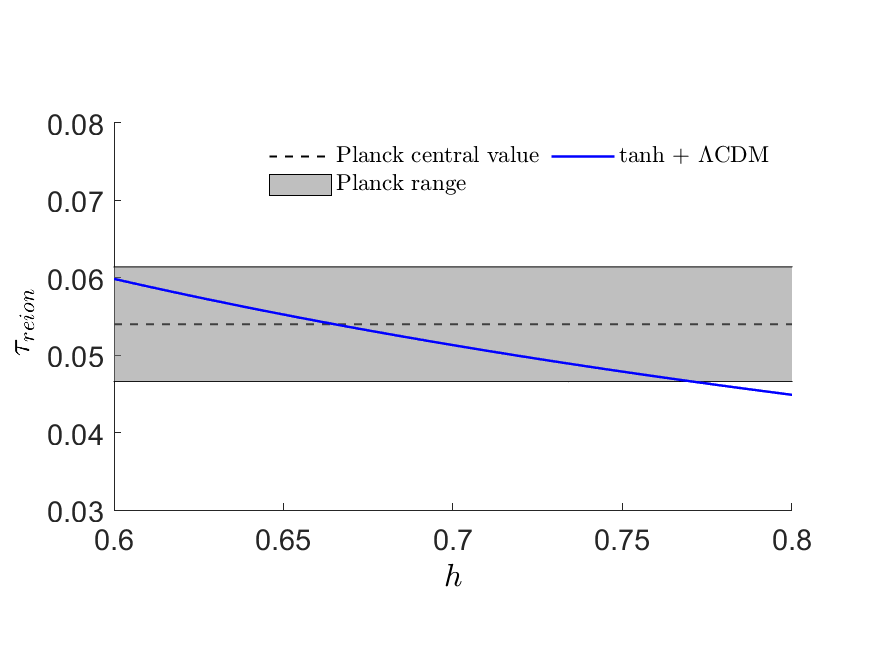
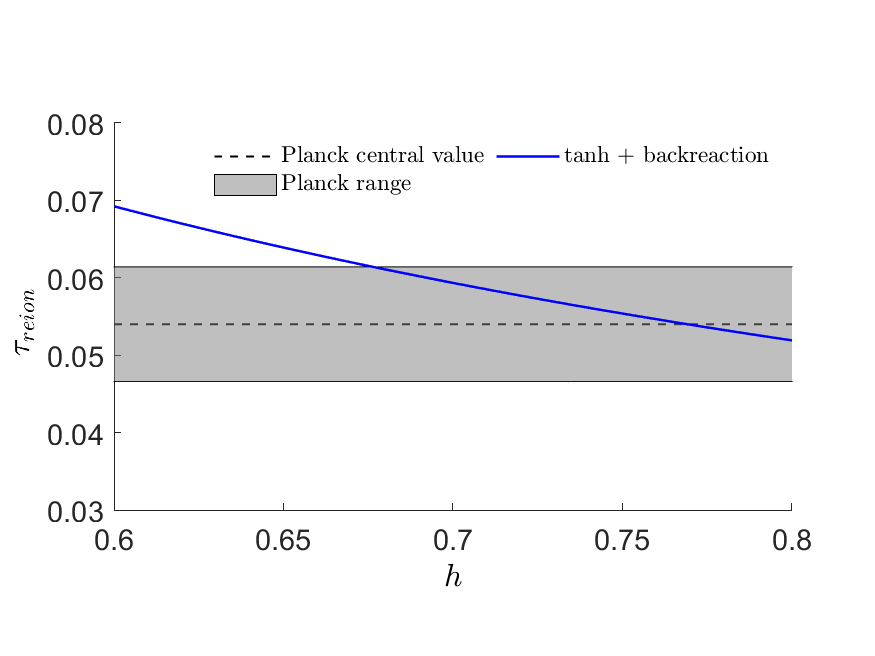
Figure 4: Λ1 dependence on Λ2 for Λ3CDM and backreaction models.
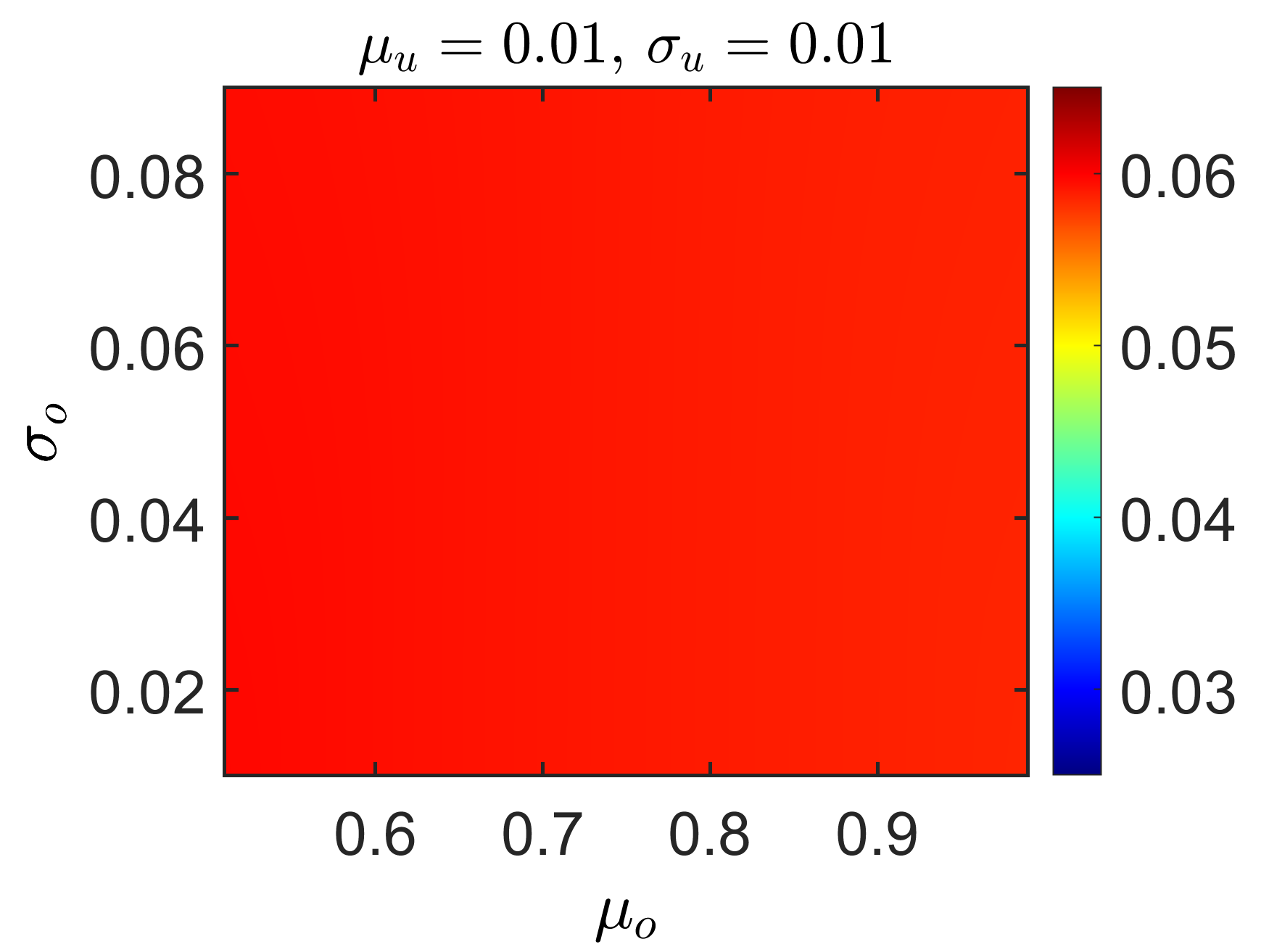
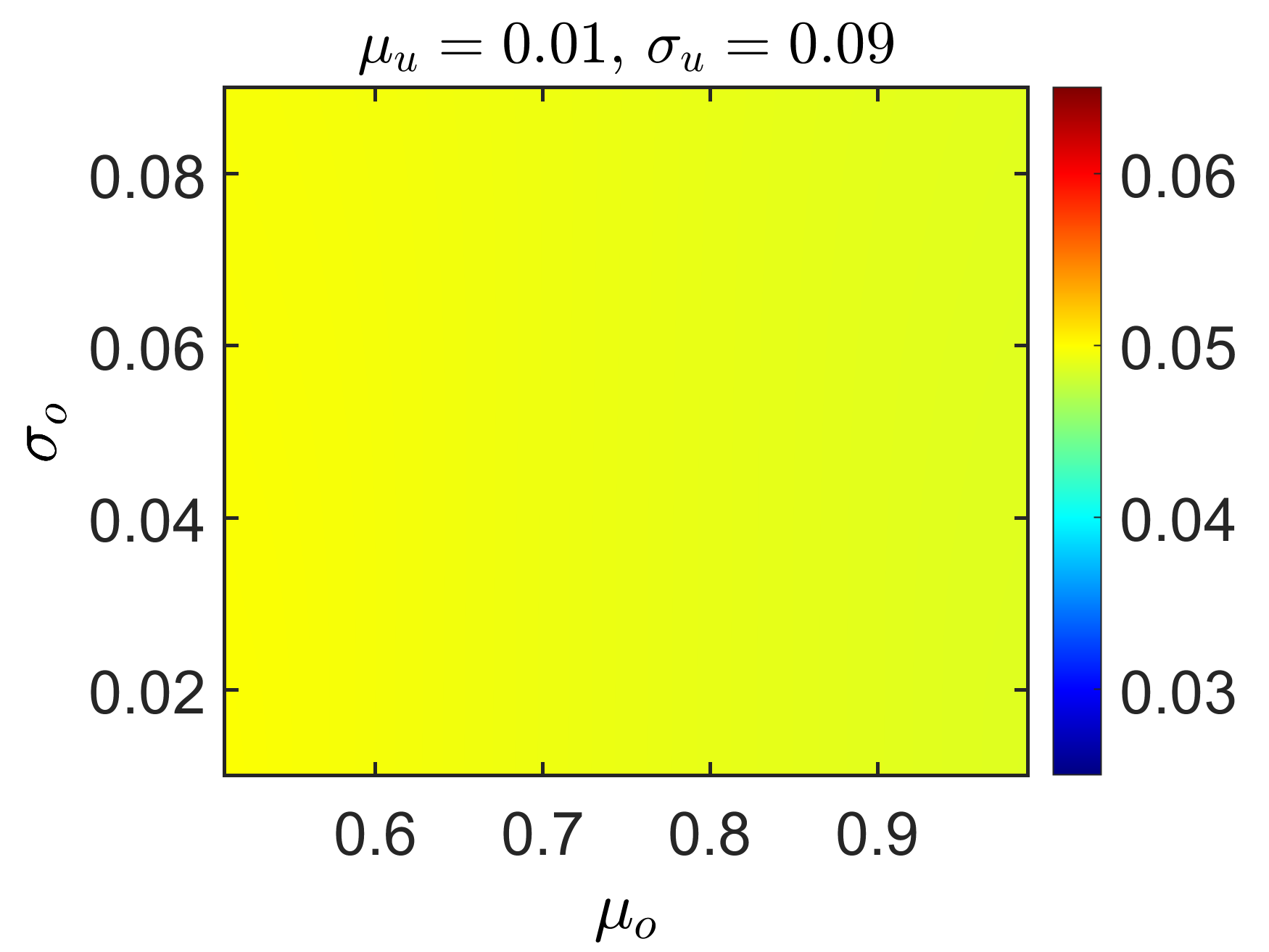
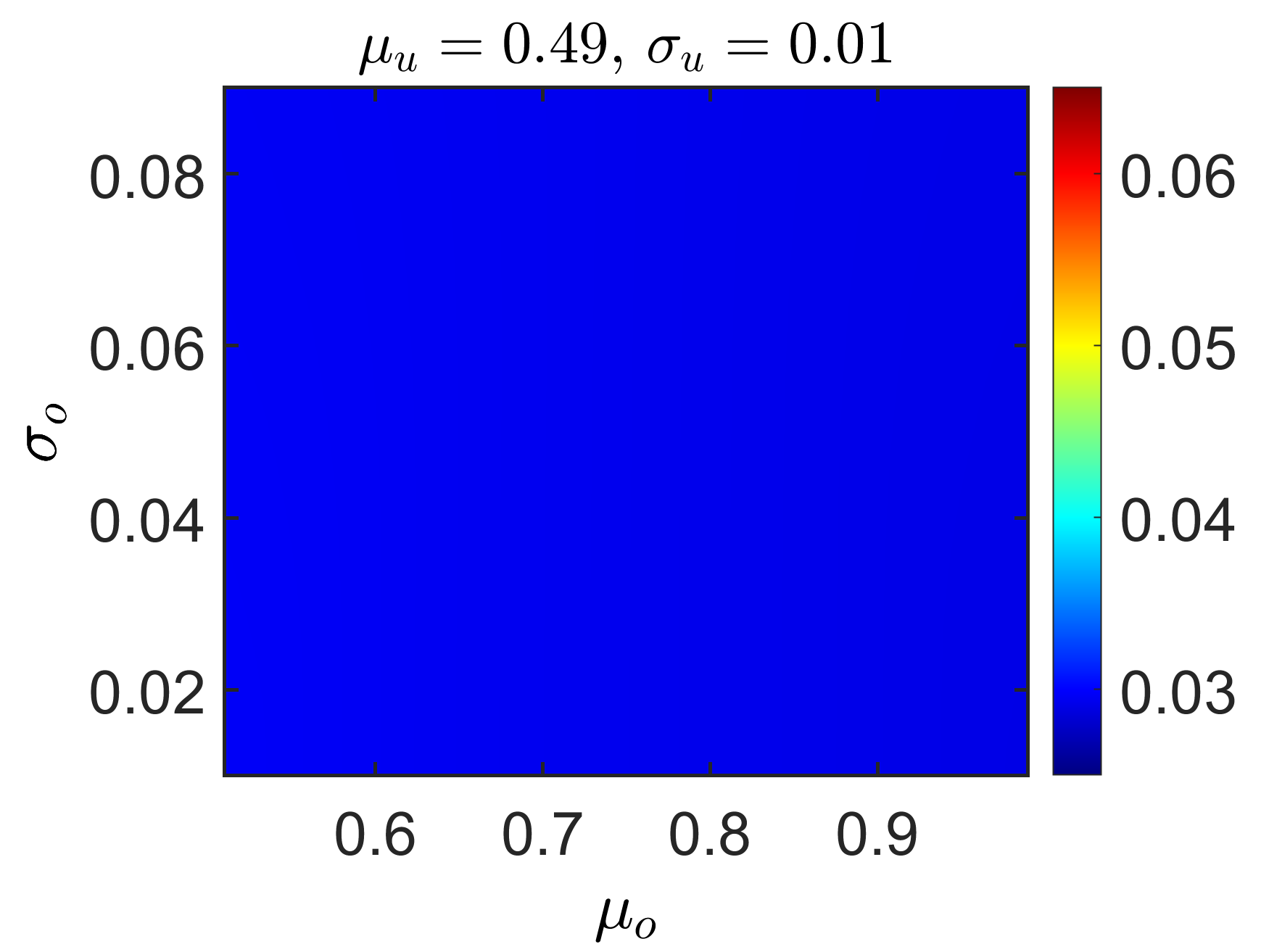
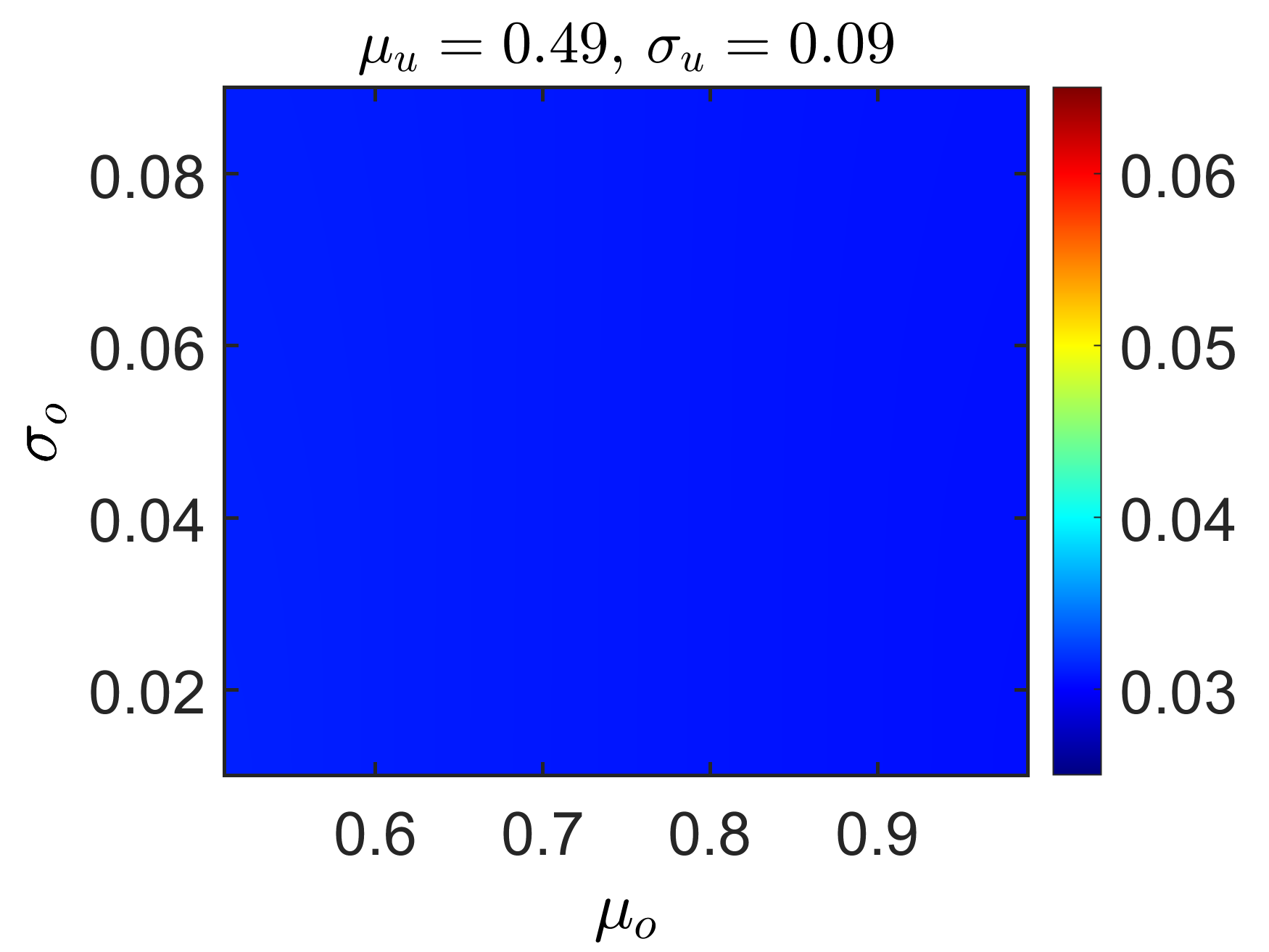
Figure 2: Color-coded contour representation of Λ4 in the Λ5–Λ6 parameter plane, illustrating minimal sensitivity to overdense region parameters.
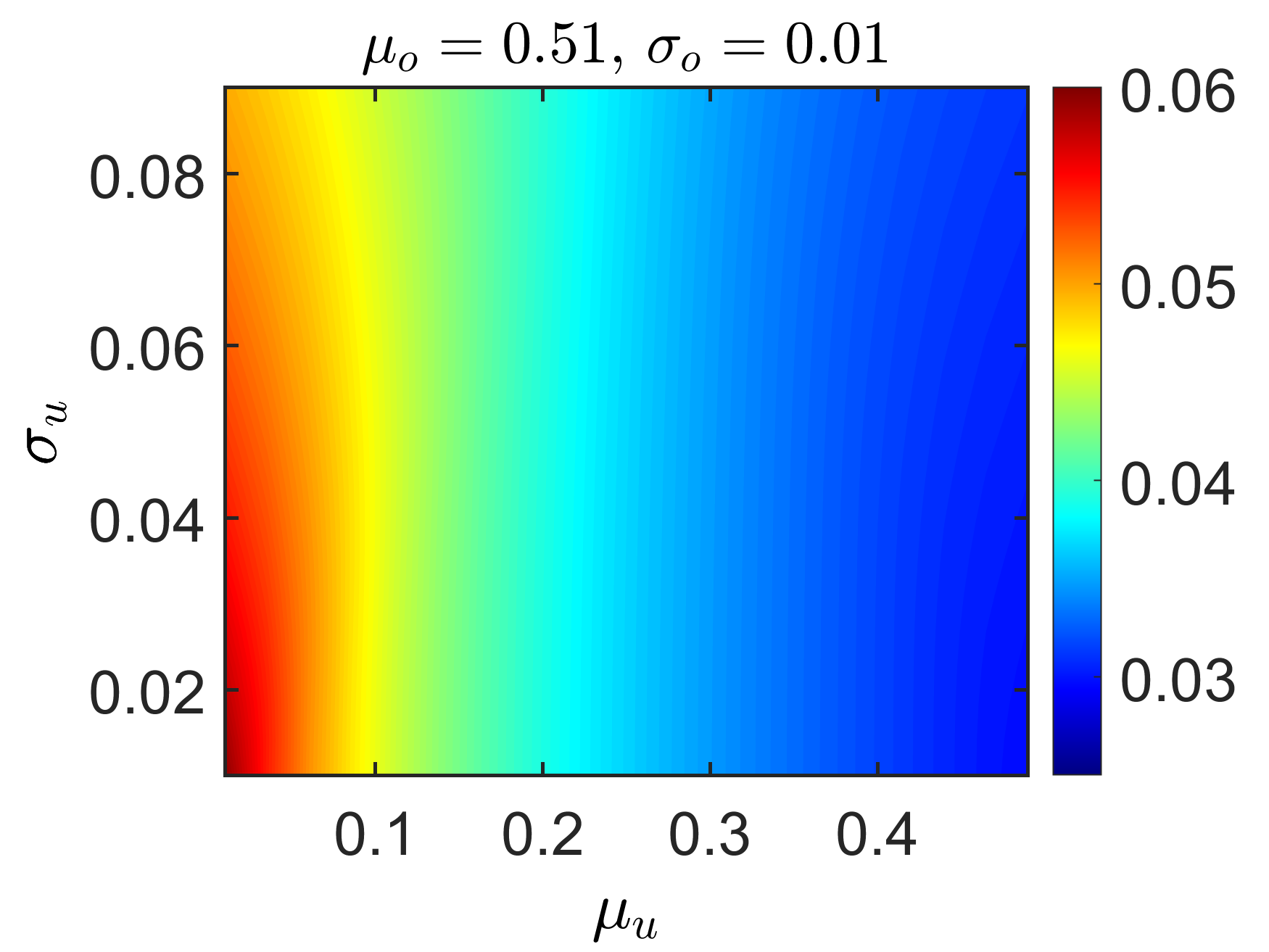
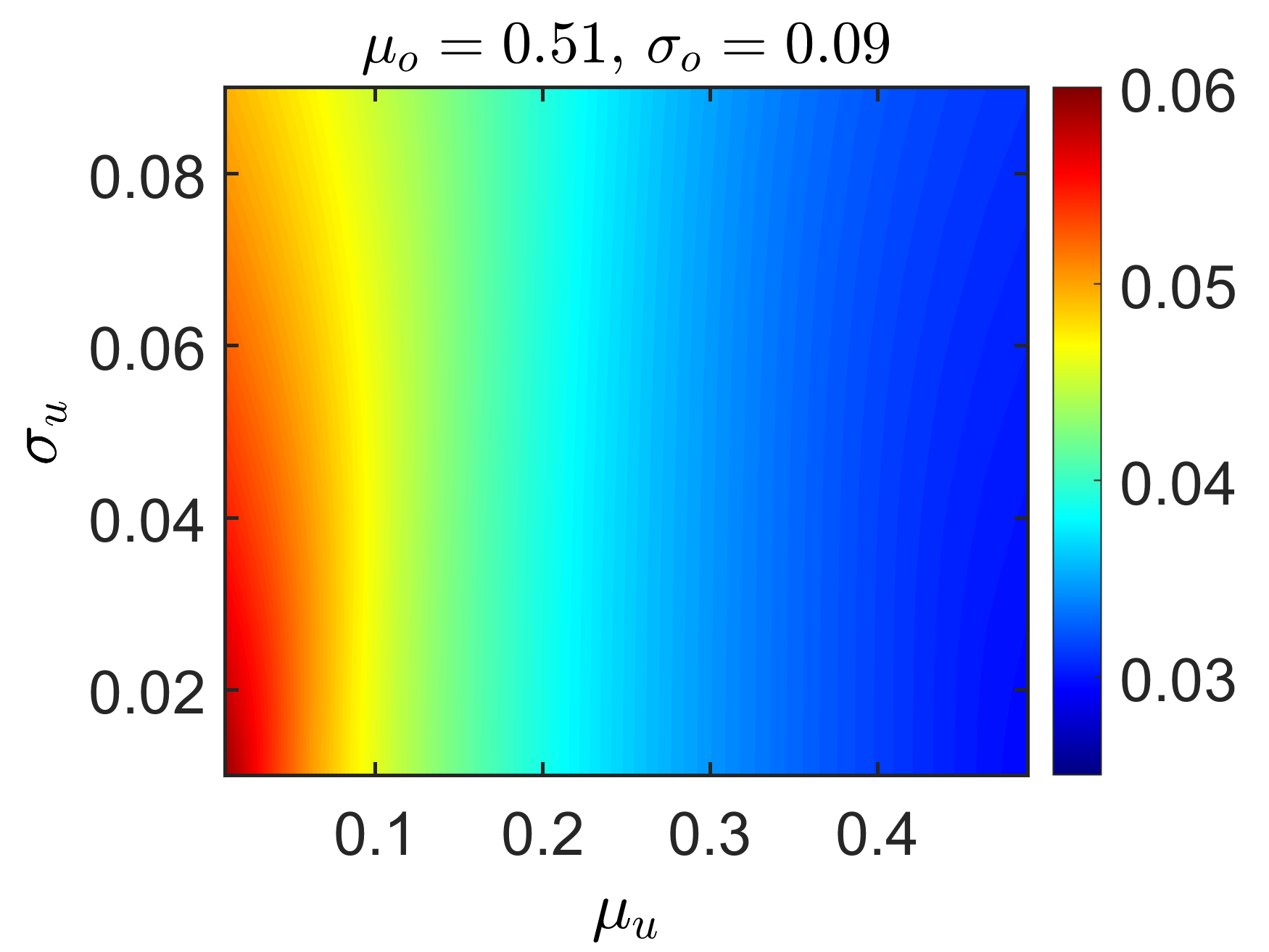
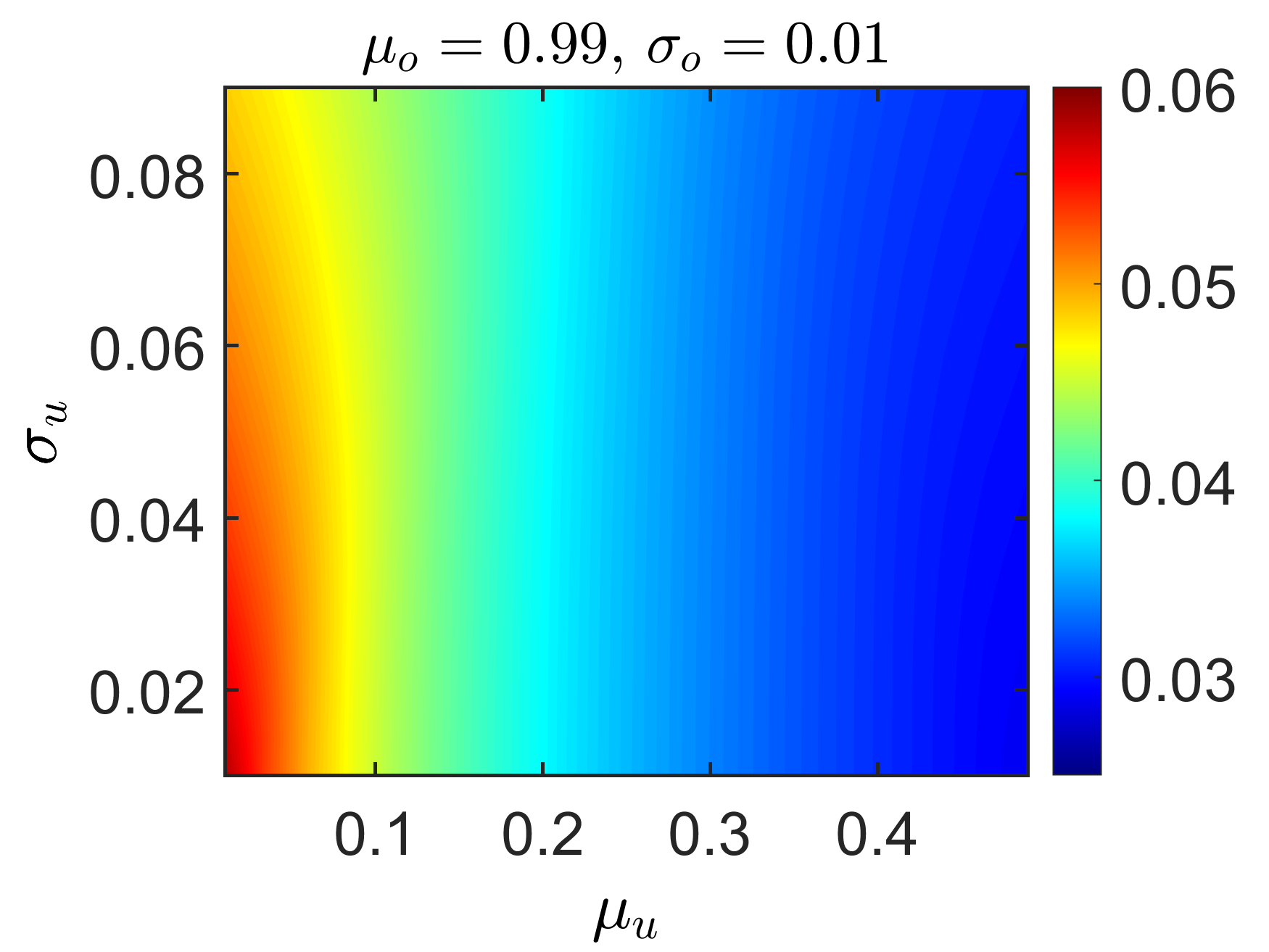
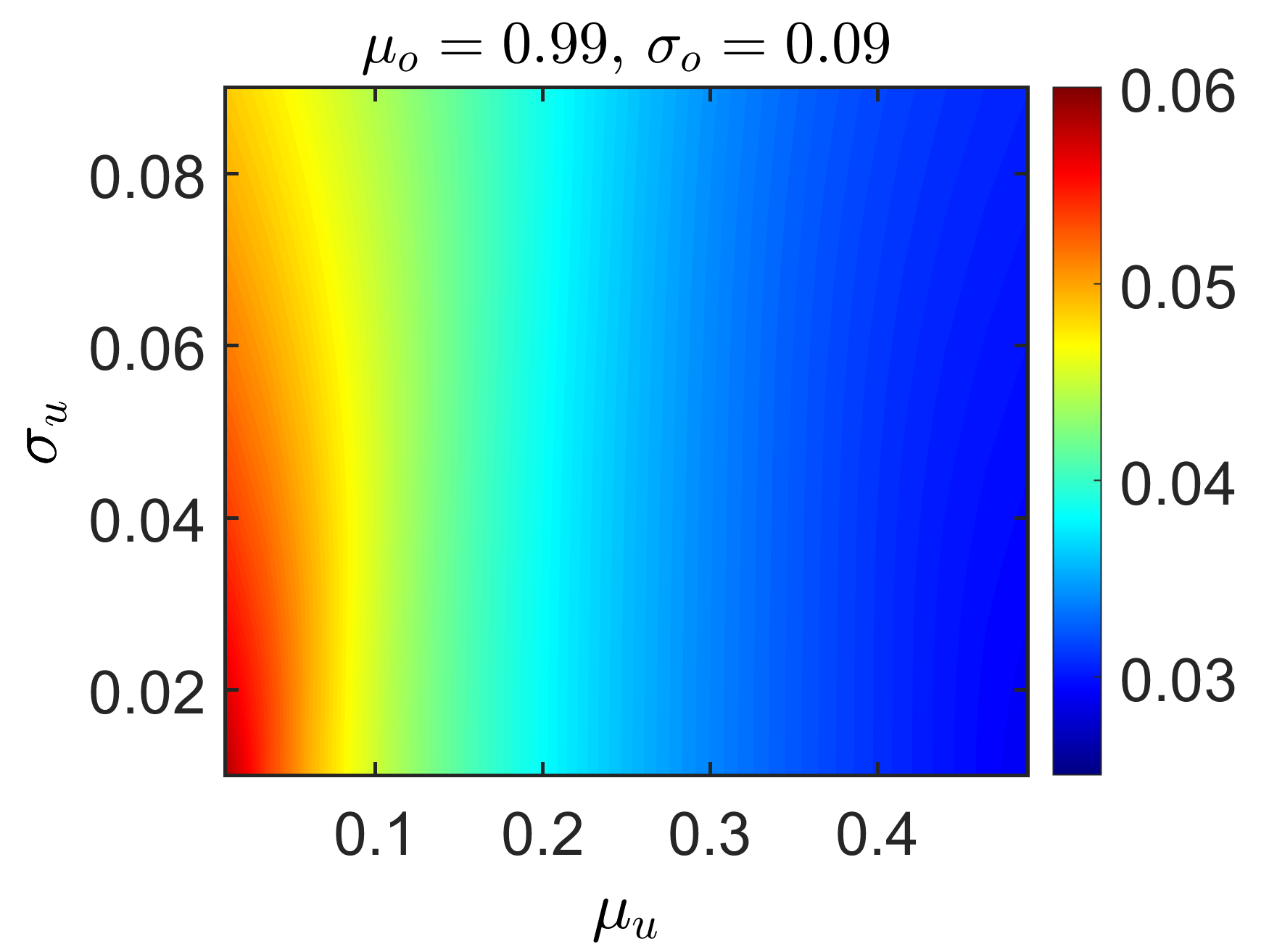
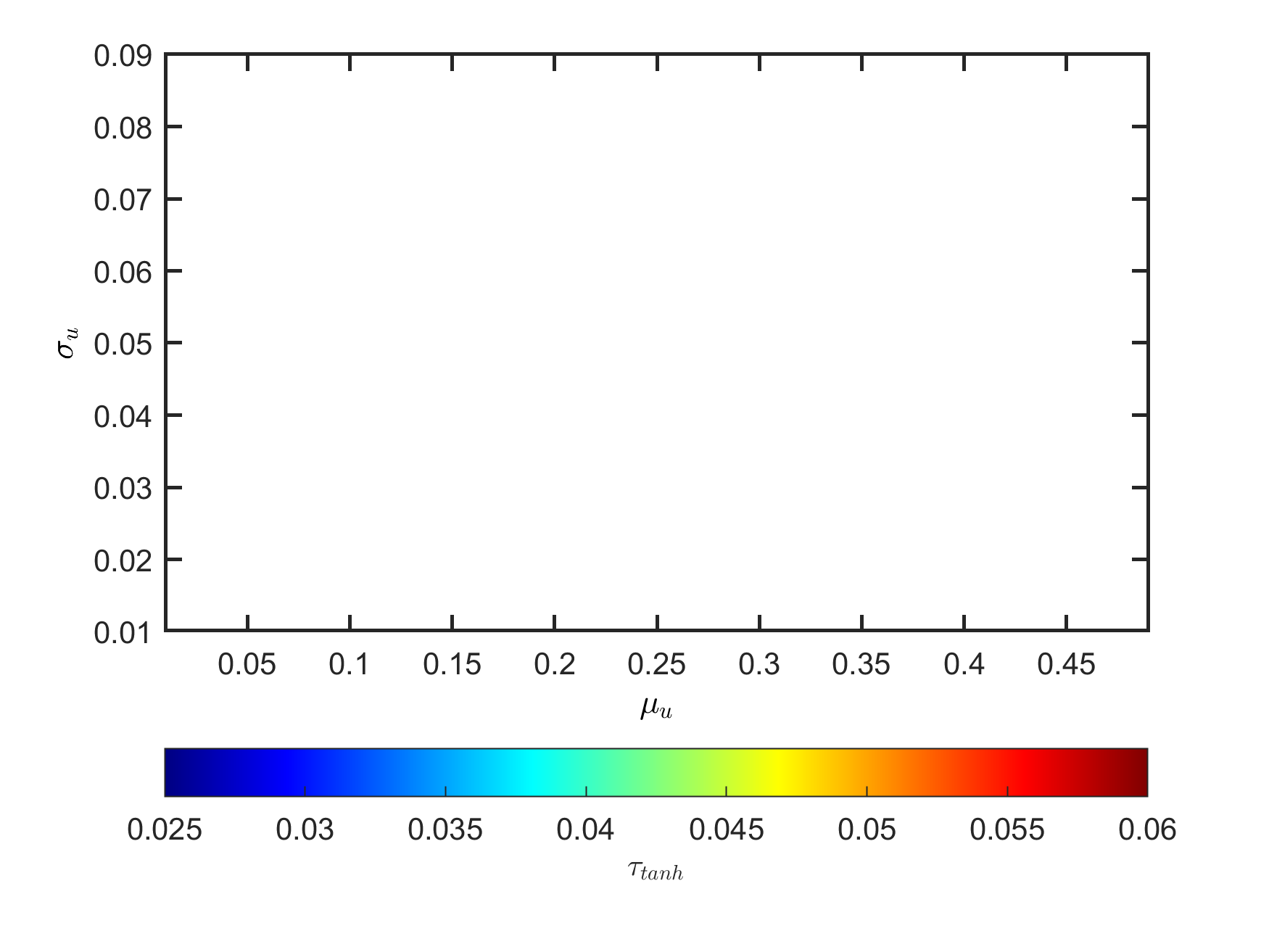
Figure 3: Color-coded contour representation of Λ7 in the Λ8–Λ9 parameter plane, demonstrating dominant sensitivity to underdense parameters.
Observational Constraints, MCMC Analysis, and Numerical Results
Bayesian inference (Markov Chain Monte Carlo) is performed using PantheonPlus+SH0ES data to constrain the parameters of the backreaction model, with distance modulus calculations interfaced via the covariant scheme. The posterior distributions and parameter correlations are illustrated in Figure 5.
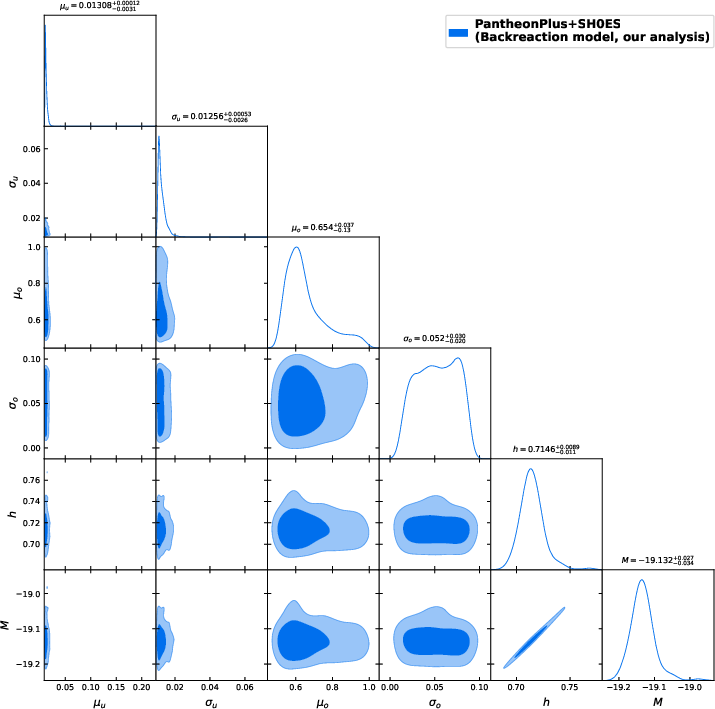
Figure 5: Corner plot of MCMC analysis for the backreaction model, showing marginalized posterior distributions for each parameter (including (μu,σu,μo,σo,h,n)0 and SN Ia magnitude (μu,σu,μo,σo,h,n)1).
Derived parameter distributions indicate:
- (μu,σu,μo,σo,h,n)2 (68% confidence interval)
- (μu,σu,μo,σo,h,n)3 km s(μu,σu,μo,σo,h,n)4 Mpc(μu,σu,μo,σo,h,n)5
These values are more compatible with Planck 2018/PR3 estimates and show a modest reduction in the Hubble tension compared to (μu,σu,μo,σo,h,n)6CDM model constraints from the same dataset. Figure 6 provides a visual comparison of (μu,σu,μo,σo,h,n)7 distributions across models and datasets.

Figure 7: Posterior (μu,σu,μo,σo,h,n)8 distributions for backreaction and (μu,σu,μo,σo,h,n)9CDM models, constrained by PantheonPlus+SH0ES and Planck datasets.
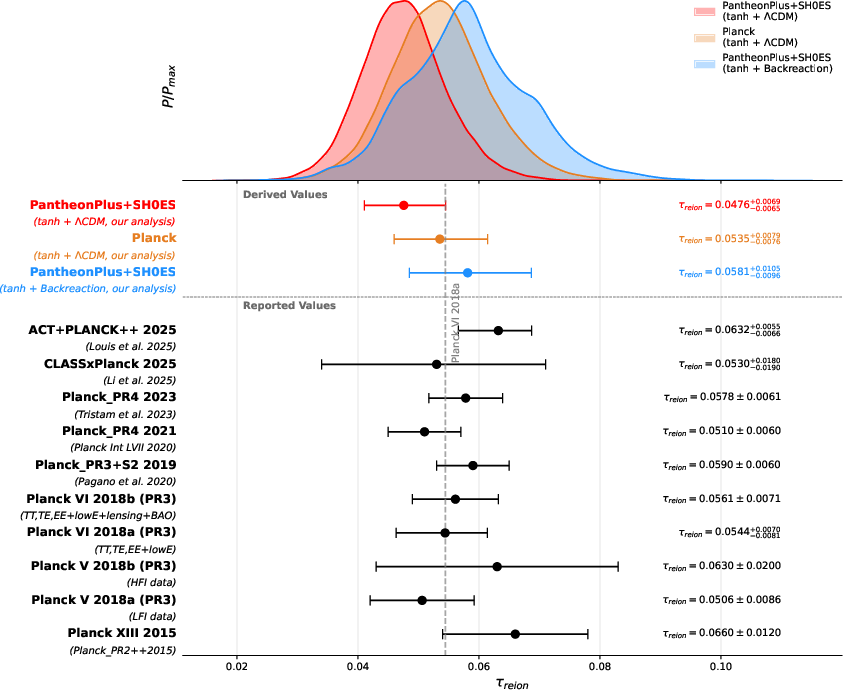
Figure 6: Summary of μ0 estimates from various datasets and models, highlighting compatibility of the backreaction result with Planck and recent observational estimates.
Similarly, Figure 8 indicates improved alignment between the backreaction-inferred μ1 and the Planck value, reducing the tension originated by the standard model.
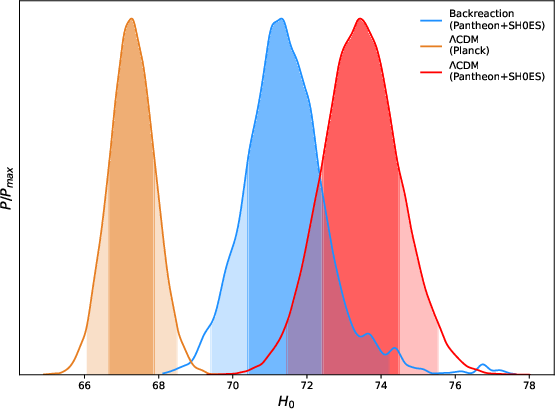
Figure 8: Comparison of μ2 distributions for Planck, PantheonPlus+SH0ES (μ3CDM), and PantheonPlus+SH0ES (backreaction), showing reduced tension in the backreaction framework.
Theoretical and Practical Implications
The results strongly suggest that cosmological inhomogeneities and their backreaction may play a substantial role in reconciling discrepancies between early and late Universe parameter estimates—specifically, the optical depth to reionization and the Hubble constant. The multidomain backreaction model, when properly constrained by low-redshift supernova data, yields μ4 values that fall within the Planck confidence interval, outperforming standard μ5CDM predictions made with the same data. This is achieved without resorting to exotic dark energy, modified gravity, or non-standard physics. The numerical results indicate that the Hubble tension is moderately alleviated, providing a compelling argument for further exploration of inhomogeneity-aware cosmological models.
The analysis further demonstrates that the dominant effect on μ6 arises from underdense domain parameters, suggesting that cosmic voids and low-density regions significantly affect the interpretation of global cosmological quantities.
Speculation on Future Developments
Future work should extend parameter constraint analyses to BAO, DESI, H0LiCOW, ACT, and lensing datasets, integrating full cosmological likelihoods for tighter bounds and systematic error control. The multidomain backreaction approach presents a promising avenue for refining models of cosmic expansion, reionization, and structure formation in light of persistent tensions. The formalism may also be adapted to probe other observables such as μ7, gravitational wave propagation, and 21-cm signals, expanding its scope within both astrophysics and cosmology.
Conclusion
This paper rigorously demonstrates that a multidomain backreaction model incorporating large-scale matter inhomogeneities yields optical depth to reionization values and Hubble constant estimates that are compatible with Planck results and reduce the Hubble tension relative to μ8CDM, all without resorting to exotic physics. The formalism and methodology offer a robust framework for integrating cosmic structures into global parameter estimation and motivate expanded observational and model-based studies to further elucidate the impact of inhomogeneities on cosmology.

