- The paper identifies 62 robust IR-excess white dwarf candidates from DESI EDR, expanding knowledge of circumstellar environments via detailed SED analysis.
- The study uses multi-wavelength photometry and a two-stage SED fitting protocol to distinguish between debris disks and low-mass companions.
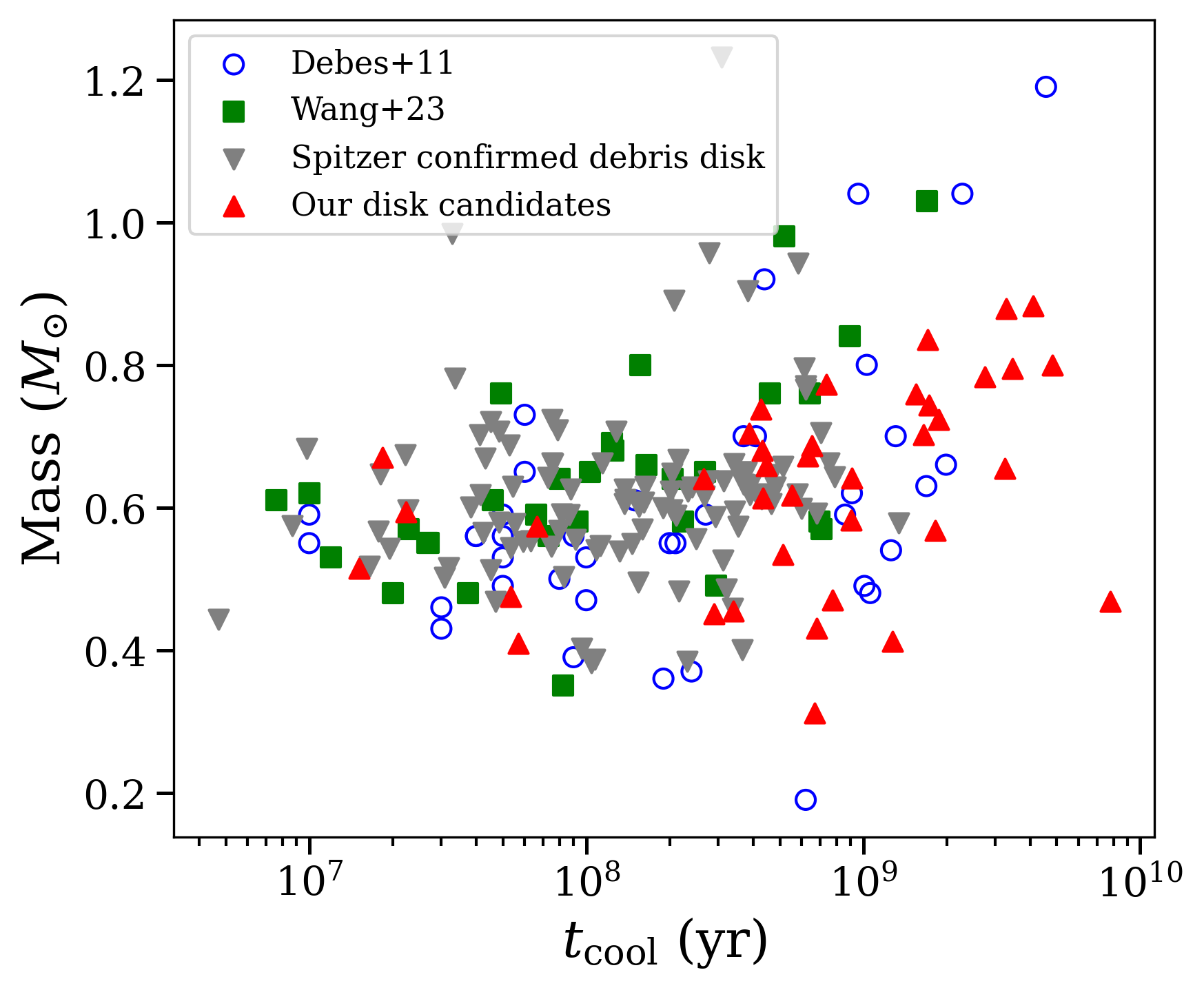
- Findings indicate that dust disk candidates, representing up to 12% of the sample, span a broader cooling age range, affecting models of post-main sequence evolution.
White Dwarfs with Infrared Excess from DESI EDR: Survey, Candidate Classification, and Implications
Introduction
This work presents a comprehensive search and characterization of white dwarfs (WDs) exhibiting infrared (IR) excess in the DESI Early Data Release (EDR) sample. IR excess in WDs—interpreted as emission above the photospheric predictions—is a critical diagnostic of circumstellar environments, including debris disks from disrupted planetary remnants and the presence of unresolved low-mass companions such as M dwarfs or brown dwarfs (BDs). The robustness of this analysis is supported by spectroscopic WD confirmation and extensive multi-wavelength photometry, enabling stringent contamination checks and systematic two-component SED modeling.
Data and Methodology
The analysis initiates with a parent sample of 2706 spectroscopically confirmed WDs from DESI EDR, applying strict cross-matching procedures using multiband optical and IR surveys: SDSS, Pan-STARRS, UKIDSS, 2MASS, and WISE. Only objects with reliable photometry and Pwd>0.75 in the Gaia WD candidate catalog are retained, resulting in 2670 WDs for IR analysis.
The core SED fitting employs VOSA with Koester WD atmosphere models, correcting for extinction. IR excess identification is determined by conservative, uncertainty-inflated significance thresholds (combining photometric, model, and calibration errors). The result is 72 initial IR-excess candidates with statistically significant flux deviations at IR wavelengths.
To mitigate false positives, imaging-based contamination assessments are performed within a $6''$ radius using high-resolution optical and near-IR datasets. This step excludes 10 sources affected by blending or confusion, leaving a final robust sample of 62 IR excess WD candidates.
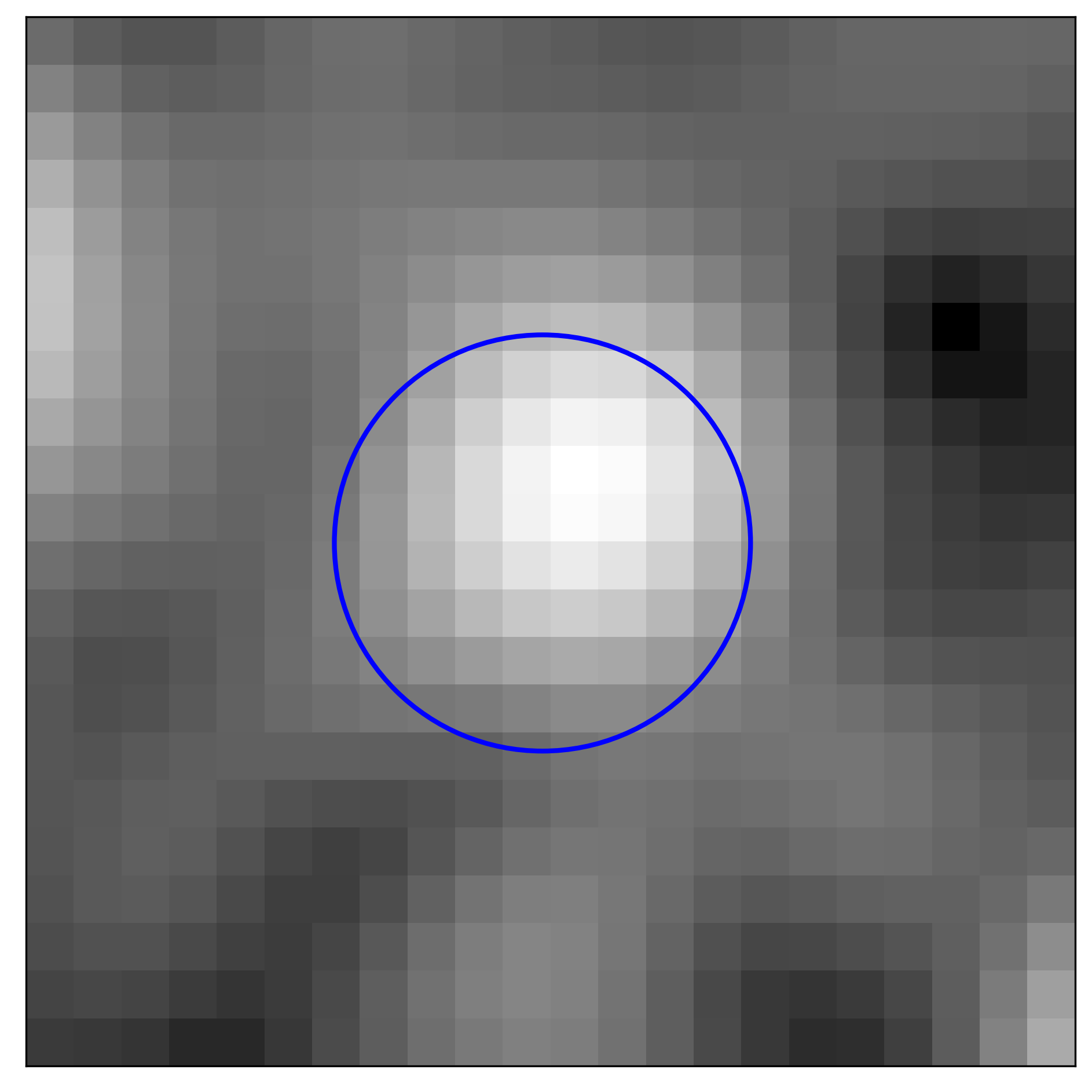
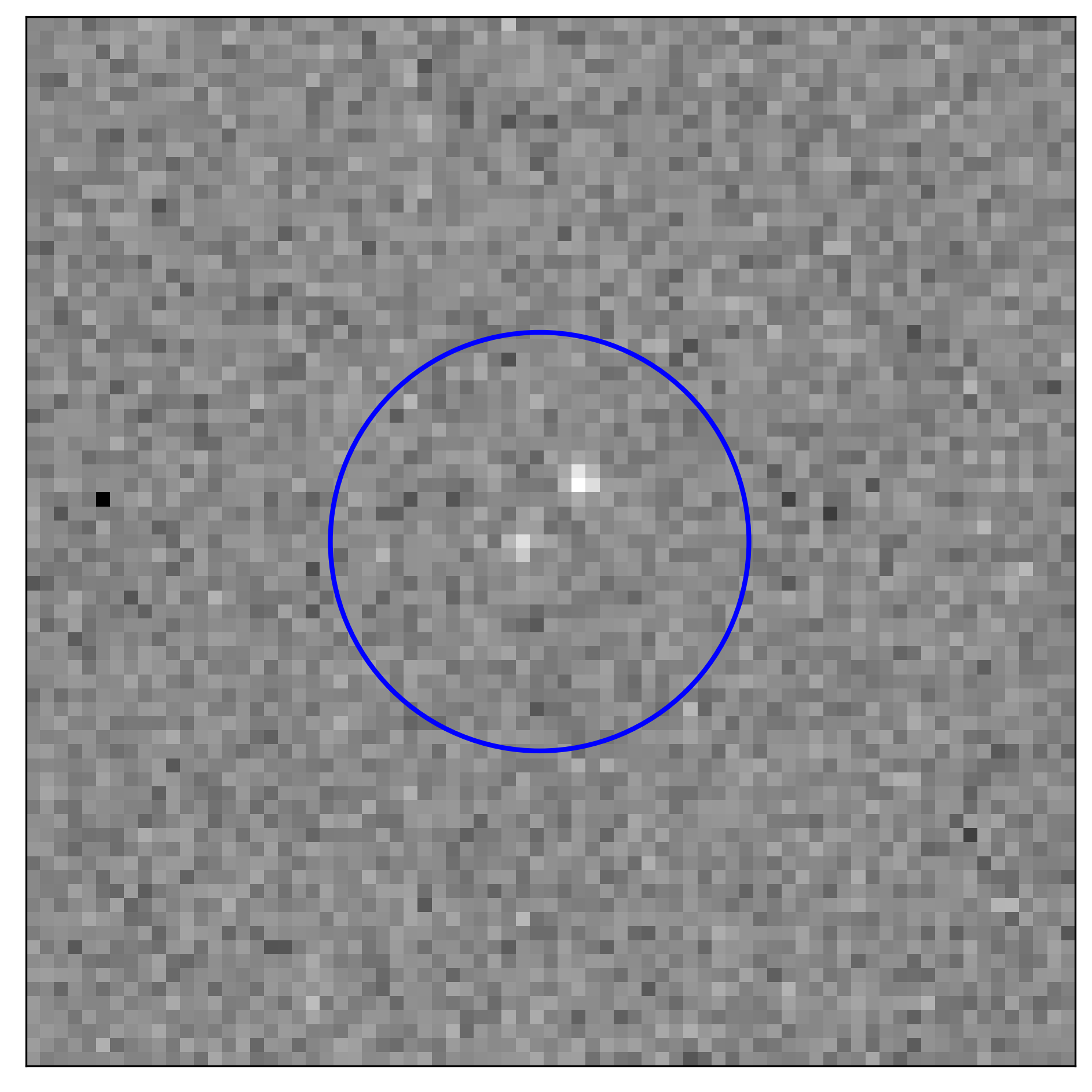
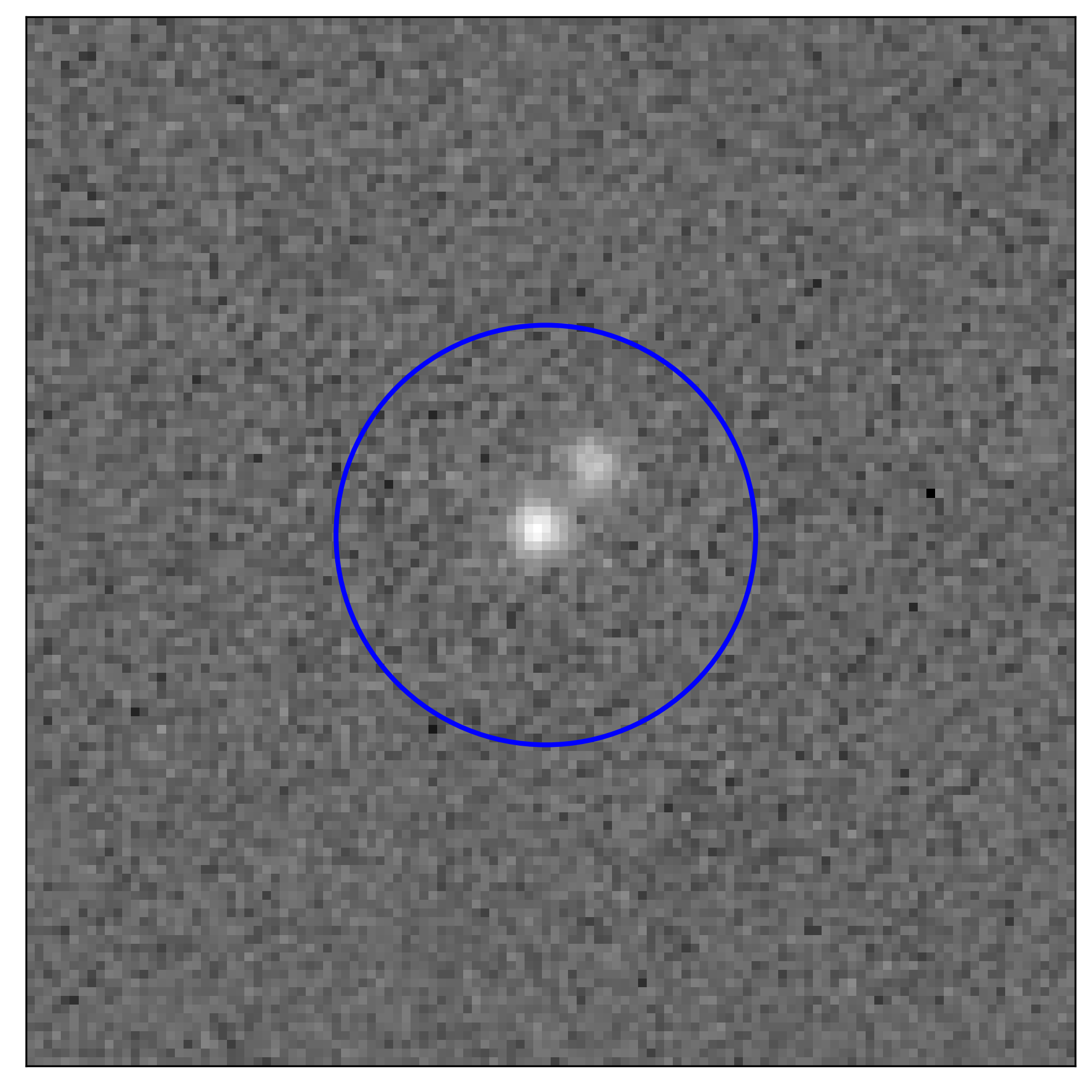
Figure 1: WDs frequently appear as isolated sources in WISE, but higher resolution UKIDSS and Pan-STARRS imaging reveal contaminating neighbors within $6''$, highlighting the necessity for multi-band, multi-resolution vetting.
Classification of IR-Excess Systems
A two-stage SED fitting and classification protocol is applied:
- For all candidates, SEDs are fit with the sum of a WD model and either a single-temperature blackbody (disk hypothesis) or BT-Settl companion atmosphere.
- The best-fit blackbody temperature guides the initial assignment: TBB>2100K (companion), TBB<1200K (disk), and 1200K≤TBB≤2100K (ambiguous).
- For companion/disk-ambiguous systems, BT-Settl fits are performed; TBT<2500K are classified as BD candidates, and higher as M-dwarf candidates.
The final categorization is:
- 3 WD+M dwarf binaries (2 new)
- 5 WD+BD binaries (all new)
- 38 WD+dust disk candidates (28 new)
- 16 ambiguous WD+BD/disk systems (15 new)
The combination of photometric SED modeling and imaging-based screening ensures a minimized contamination rate.
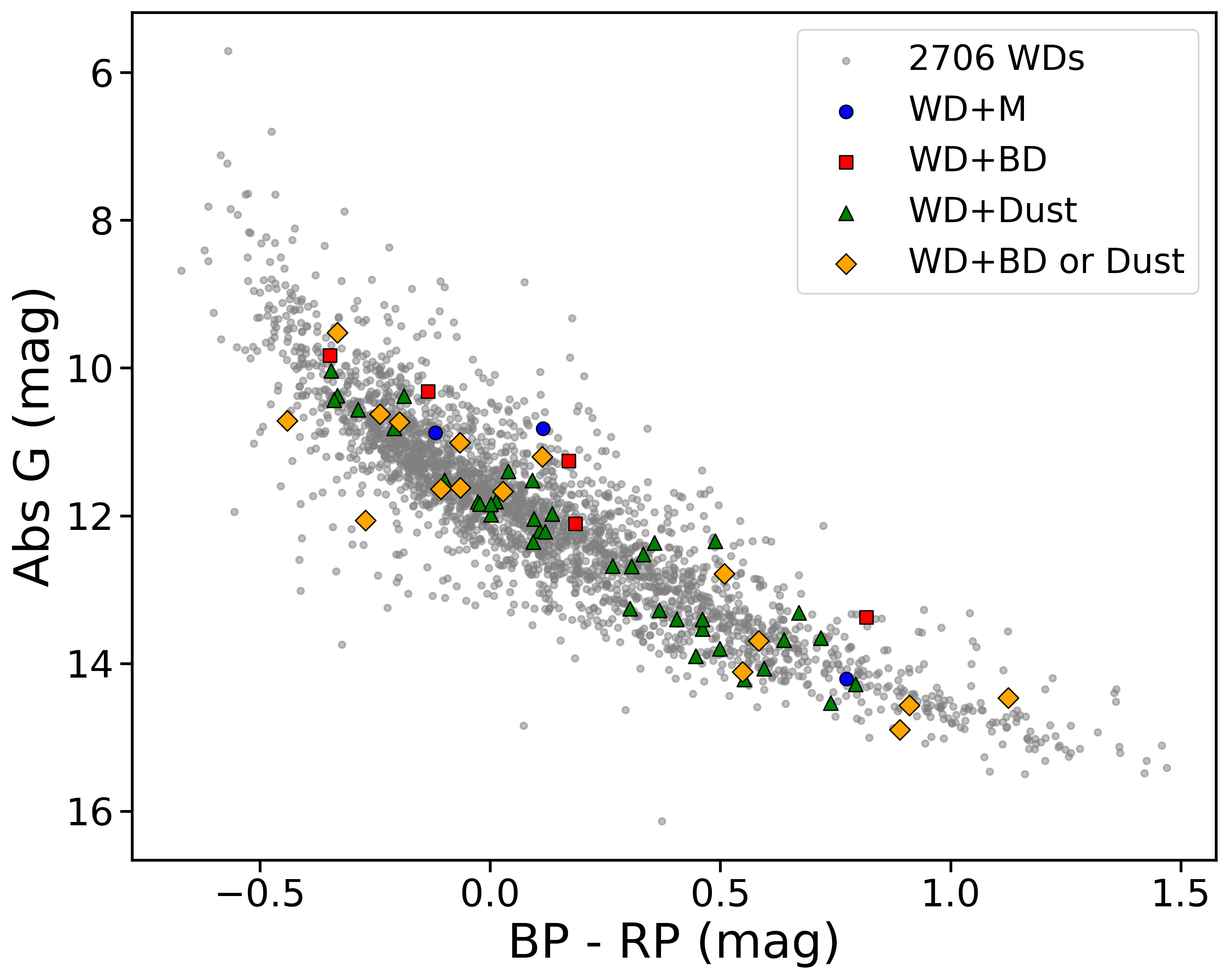
Figure 2: The Gaia HR diagram situates the IR-excess WDs (highlighted) relative to the full DESI EDR sample, revealing their location across the WD cooling track.
System Properties and SED Morphologies
WD+M Dwarf Binaries:
IR excess arises in the NIR onward, with optical passbands dominated by the WD (Figure 3). The M dwarf contribution becomes apparent only in the NIR, consistent with expectations for cool, low-luminosity companions.
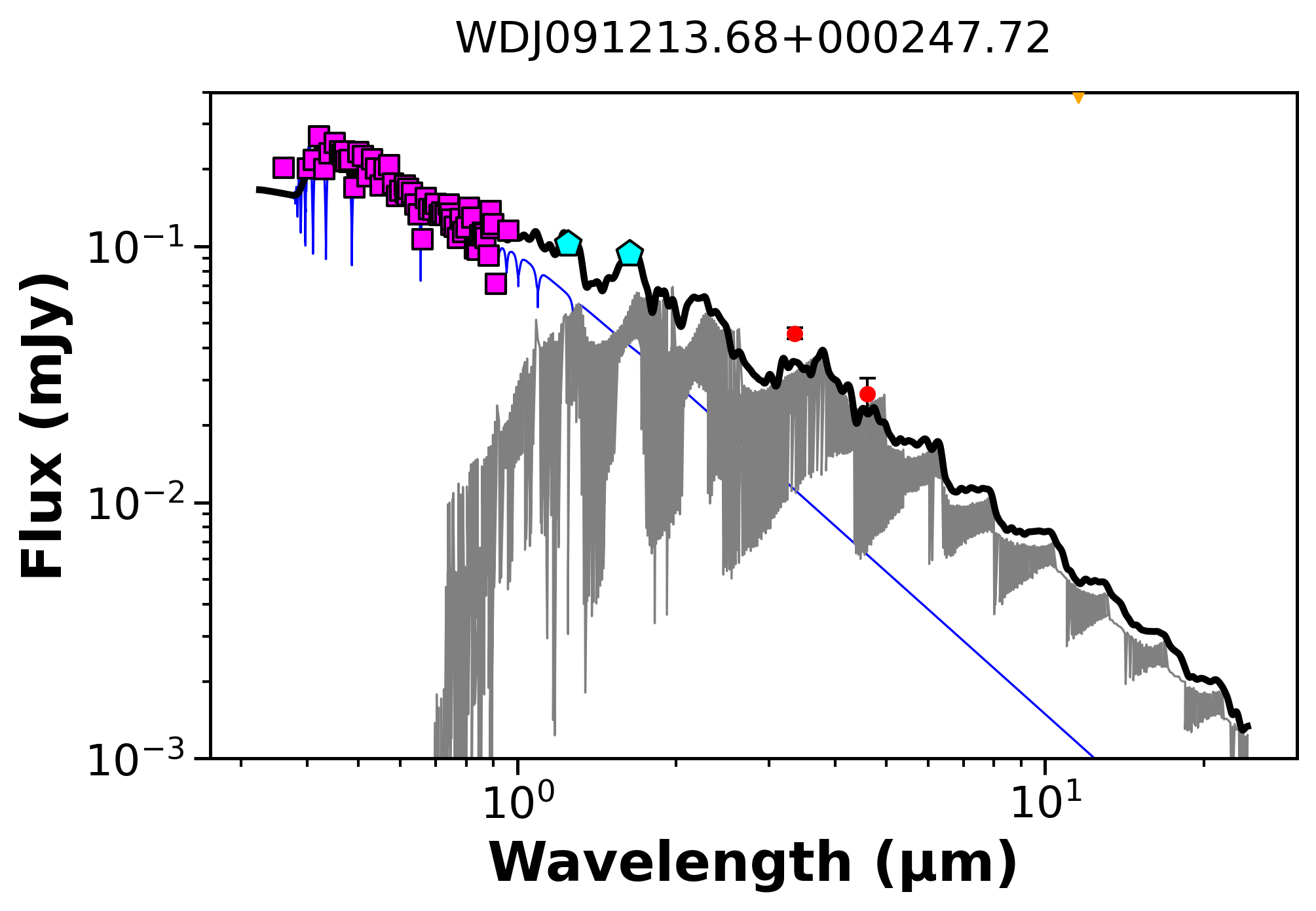
Figure 3: Example SED fitting for a WD+M dwarf system demonstrates clear excess above the WD model at NIR and longer wavelengths, accurately matched by the composite SED.
WD+BD Binaries:
These objects exhibit rising IR excess with less distinct turnover compared to dusty disks, reflecting the very low effective temperatures of BDs (Figure 4).
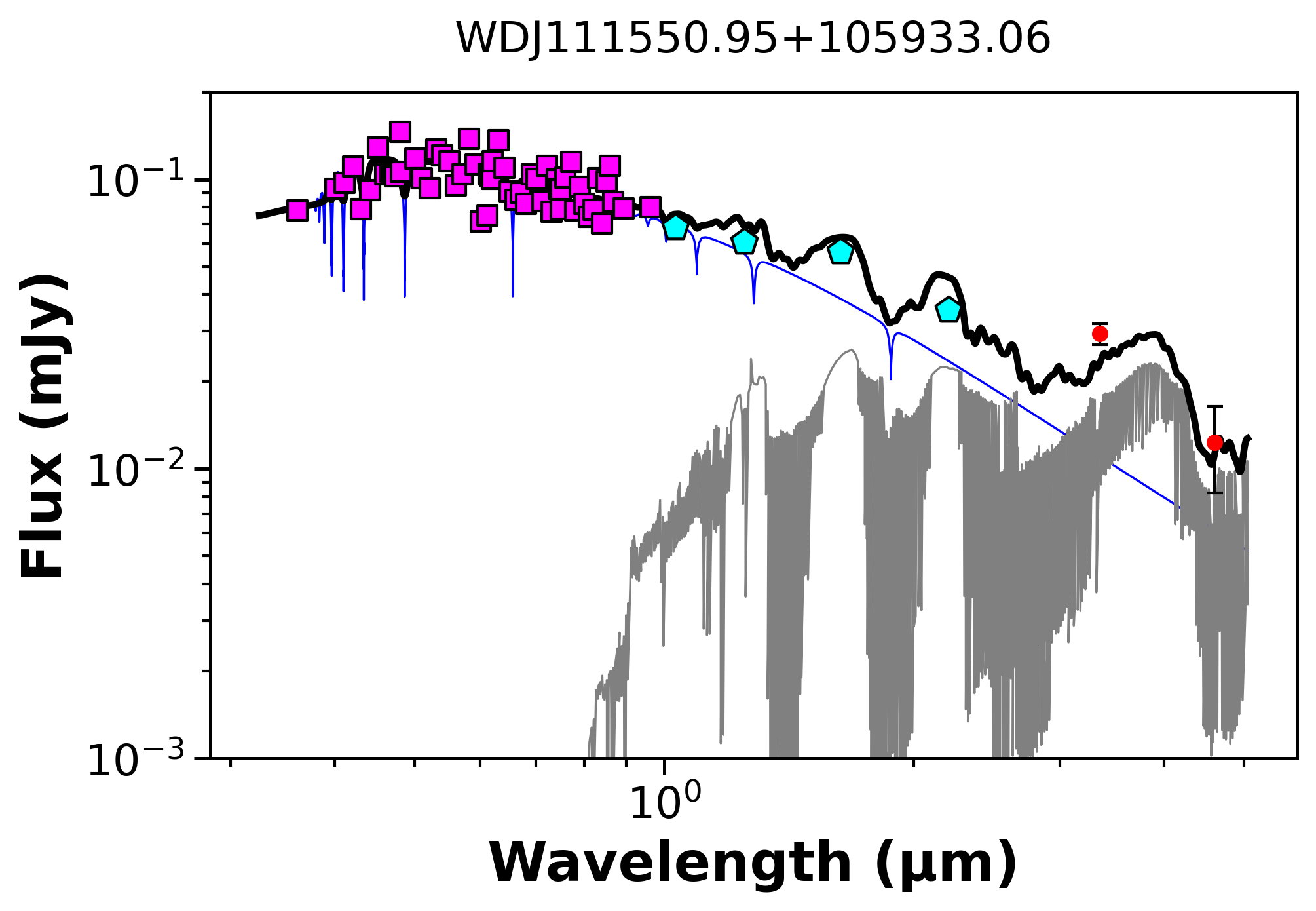
Figure 4: WD+BD candidates show a gradual IR continuum increase suitable for both a BD companion or disk scenario under limited photometric constraints.
Ambiguous WD+BD or Dust Disk Systems:
Cases where both two-component models provide statistically equivalent χ2 fits, leaving ambiguity unless higher-resolution IR photometry or spectroscopy is obtained (Figure 5).
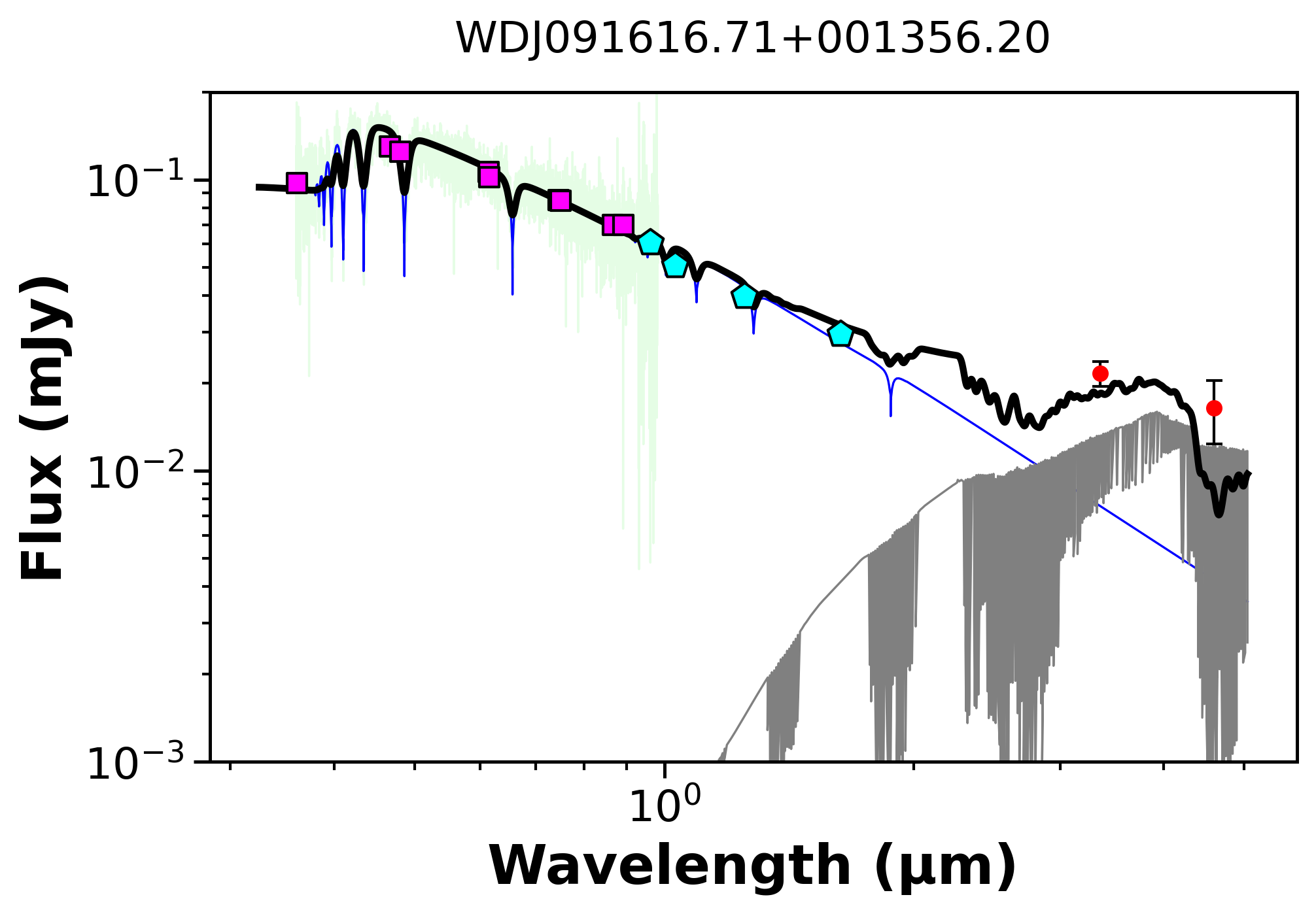
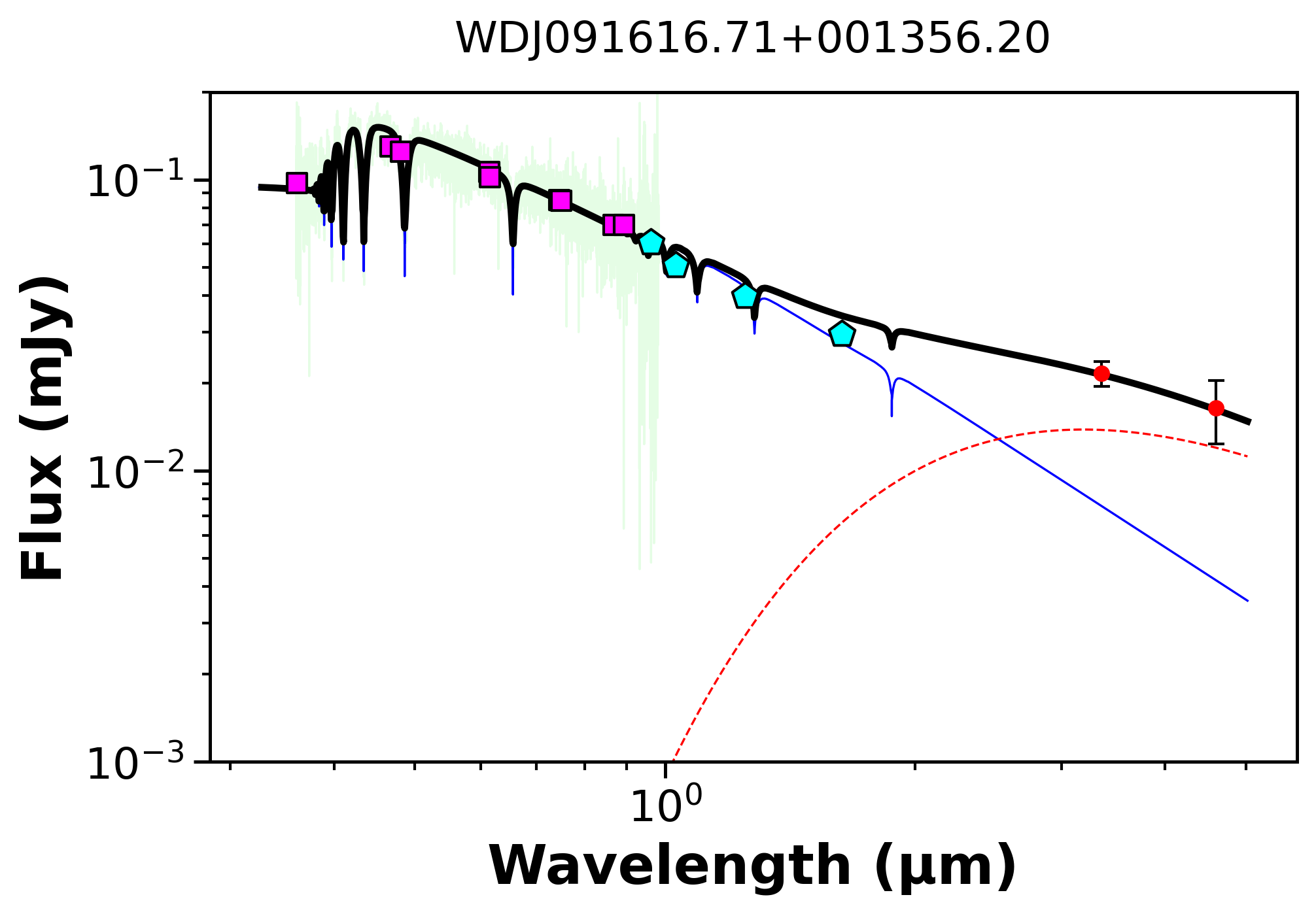
Figure 5: Degeneracy in SED fits between WD+companion and WD+dust disk models is evident in multiple bands; only follow-up can break this degeneracy.
WD+Dust Disk Candidates:
Most candidates show negligible NIR excess with strong deviations only at WISE wavelengths, best-fit by a blackbody with characteristic temperatures of $400$–$1200$ K (Figure 6).
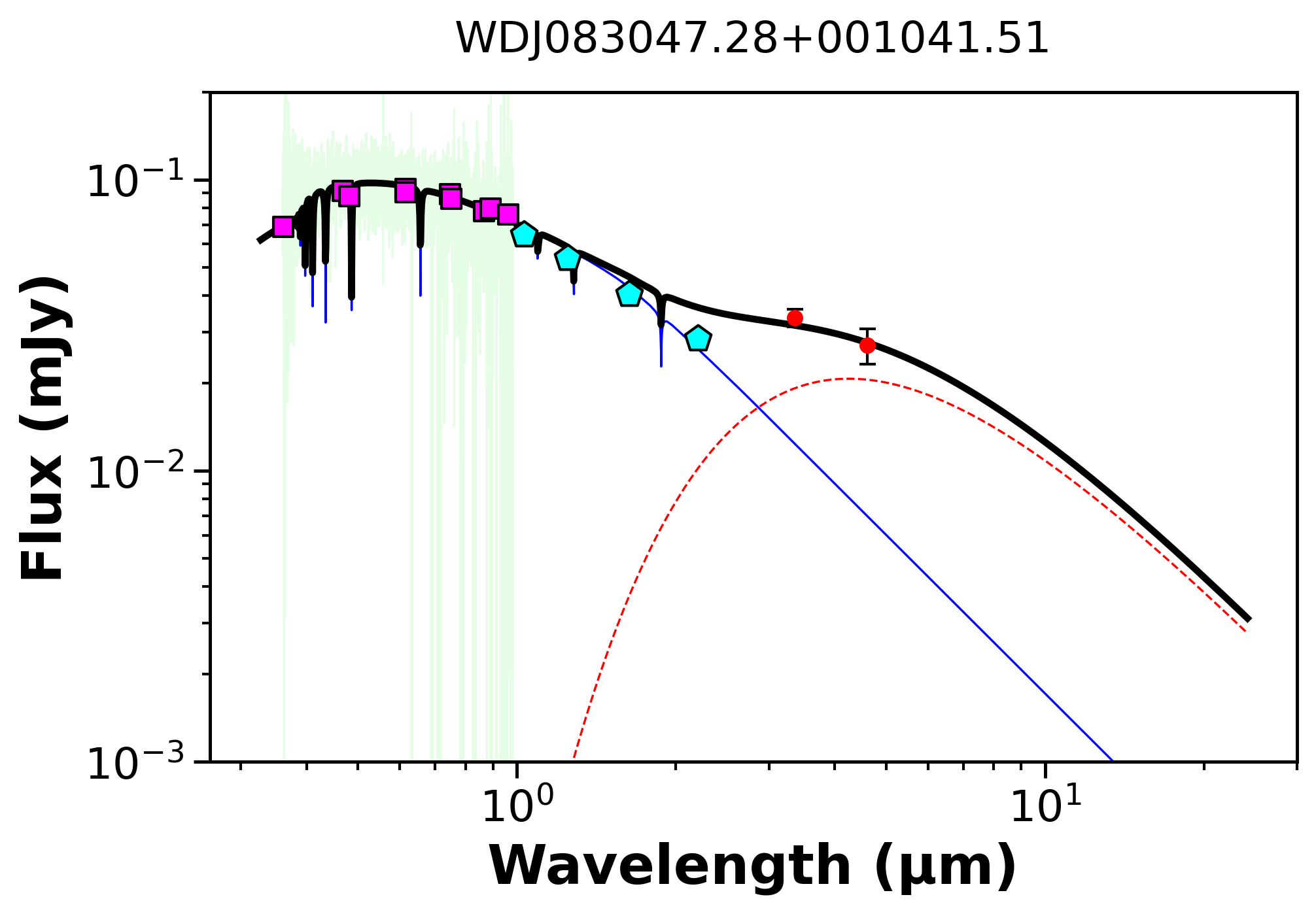
Figure 6: Excess emission at IR wavelengths is well described by thermal dust emission, with the disk SED rising steeply in W1/W2 bands and negligible NIR excess.
Statistical Properties and Evolutionary Implications
Limitations and Future Prospects
The dominant uncertainty in IR-excess WD studies remains confirmation of candidate systems, particularly for ambiguous or weak IR excesses and for sources at low Galactic latitude or in crowded fields. WISE spatial resolution and SED degeneracy between low-mass companions and disks imply that only targeted JWST-class imaging and IR spectroscopy (probing spectral features unique to dust or substellar atmospheres) can definitively resolve physical scenarios for individual systems.
Expanded samples from future DESI data releases, combined with improved IR photometric coverage and high-fidelity imaging, will refine the incidence and evolutionary landscape of both circumstellar disks and post-main sequence binary survival. Statistical inference regarding the frequency, dynamics, and grain properties of debris disks—and the mass spectrum and separation distributions of substellar and stellar WD companions—will inform models of planetary system disruption and binary interaction physics in late stellar evolution.
Conclusion
The systematic survey and classification of IR-excess WDs in DESI EDR elucidate the diversity of post-main sequence WD environments, revealing new candidates across binary and disk categories, and expanding parameter space in mass, cooling age, and system architecture. The robust methodological approach exemplifies state-of-the-art techniques in sample assembly, SED fitting, and contamination assessment. However, interpretation of WD IR excess remains limited by moderate-resolution all-sky IR surveys, and definitive physical classification requires high-resolution and spectroscopic follow-up, underscoring the necessity and promise of next-generation facilities to resolve outstanding ambiguities in WD system evolution and circumstellar disk dynamics.
Reference: "White Dwarfs with Infrared Excess from DESI EDR" (2604.11175)