- The paper presents a novel bi-objective formulation that optimizes profit and minimizes probabilistic knapsack occupation under stochastic dynamic constraints.
- It employs a compact solution encoding and adaptive mutation strategy to quickly recover feasibility after dynamic capacity perturbations.
- Empirical results demonstrate that MOEA/D outperforms dominance-based MOEAs, achieving lower offline error and superior scalability in complex instances.
Bi-Objective Evolutionary Optimization for Stochastic Multiple Knapsack with Dynamic Constraints
The paper addresses the stochastic and dynamic multiple knapsack problem (MKP) under chance constraints. In this setting, each item weight is modeled as an independent normal random variable, and during optimization, knapsack capacities are subject to discrete dynamic changes. This extension captures two significant features observed in practical applications: uncertainty (stochastic data) and time-varying system constraints (dynamics), relevant for domains such as logistics, mining, or energy management.
The model introduces a chance-constrained formulation, where each knapsack’s capacity constraint must be satisfied with at least a fixed probability α, transforming the hard deterministic constraint into a probabilistic one. By assuming normality and independence of item weights, the capacity constraint can be exactly reformulated by combining mean and variance terms via the corresponding quantile function, enabling efficient constraint satisfaction evaluation.
The resulting combinatorial problem is formulated as a bi-objective optimization, maximizing profit while minimizing aggregated probabilistic knapsack occupation, facilitating trade-off exploration between risk-taking (profit) and constraint satisfaction robustness.
Algorithmic Approach: MOEA Frameworks and Dynamic Adaptation
The study provides a detailed empirical comparison of four established Multi-Objective Evolutionary Algorithms (MOEAs):
- MOEA/D: Decomposition-based, using Tchebycheff aggregation.
- NSGA-II/III: Fast non-dominated ranking and crowding/reference point-based niching.
- SPEA2: Strength Pareto with archive-based elitism and density estimation.
A compact integer-based solution encoding is adopted to reduce decision variable dimensionality and ensure reserve satisfaction. Dynamics are implemented by triggering perturbations of a subset of knapsack capacities every τ generations, with multiplicative random factors drawn from a specified range. To recover feasible solutions quickly after disruptive changes, a dynamic adaptive mutation rate (DAMRS) is used, conditional on the feasibility rate in the active population.
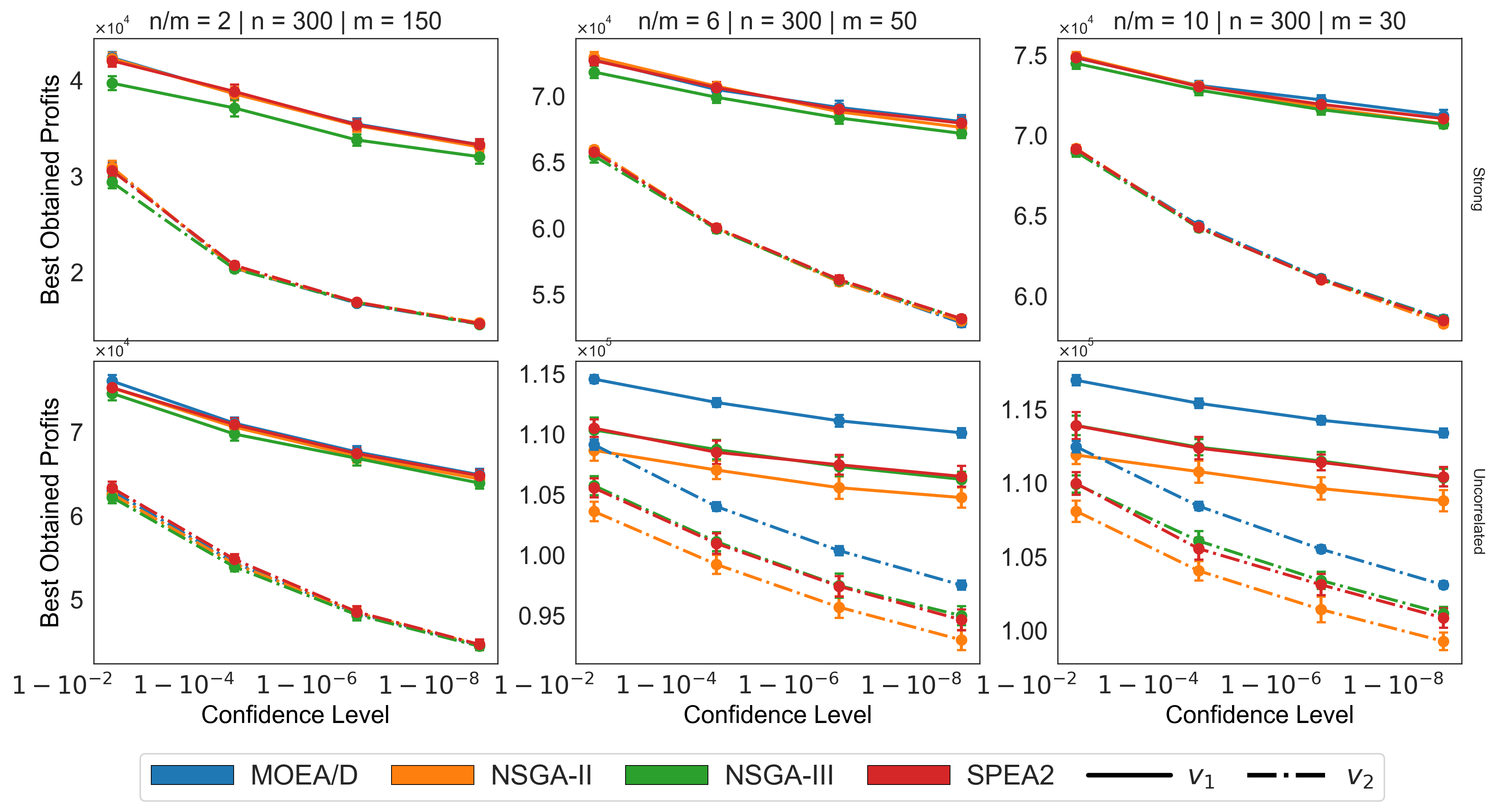
Figure 1: Mean and standard deviation of the best obtained profits for CC-MKP instances with n=300 and varying m at different confidence levels and uncertainty.
Experimental Setup
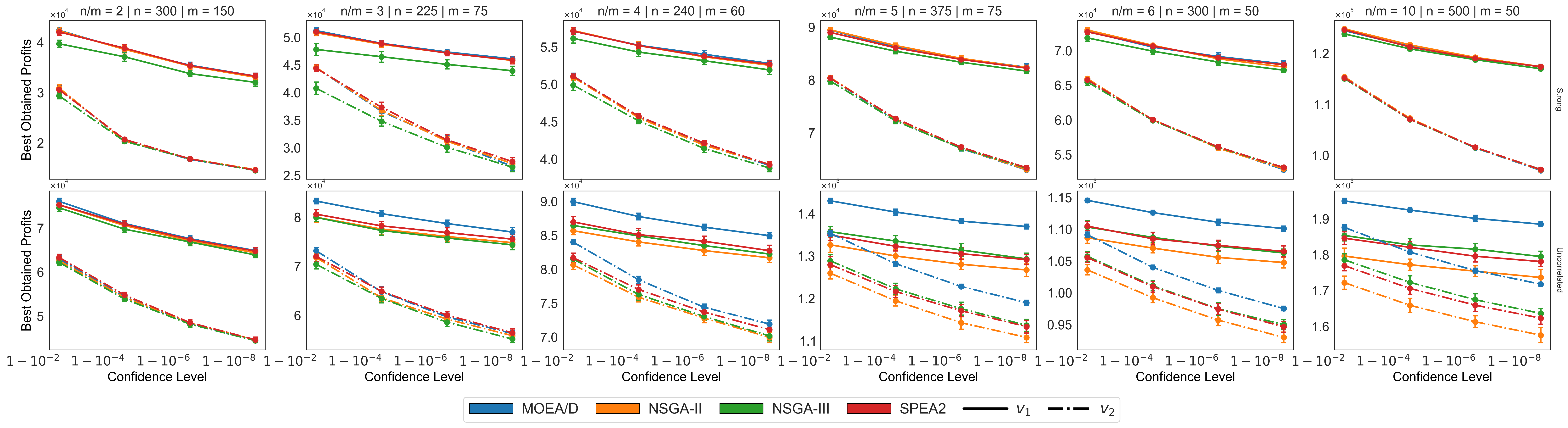
Performance evaluation is conducted on a collection of benchmark sets (FK1, FK3, FK4) with various item-to-knapsack ratios, correlation classes (strong/uncorrelated), and problem scales, utilizing established instance generators. Two levels of weight variance are considered to model different uncertainty strengths, and several confidence thresholds (α) are imposed to modulate the strictness of chance constraints.
For the dynamic problem, capacity modifications are carried out with three different change frequencies and a fixed magnitude. Metrics include the best profit across 30 runs (static) and the average offline error to the static optimal profit (dynamic).
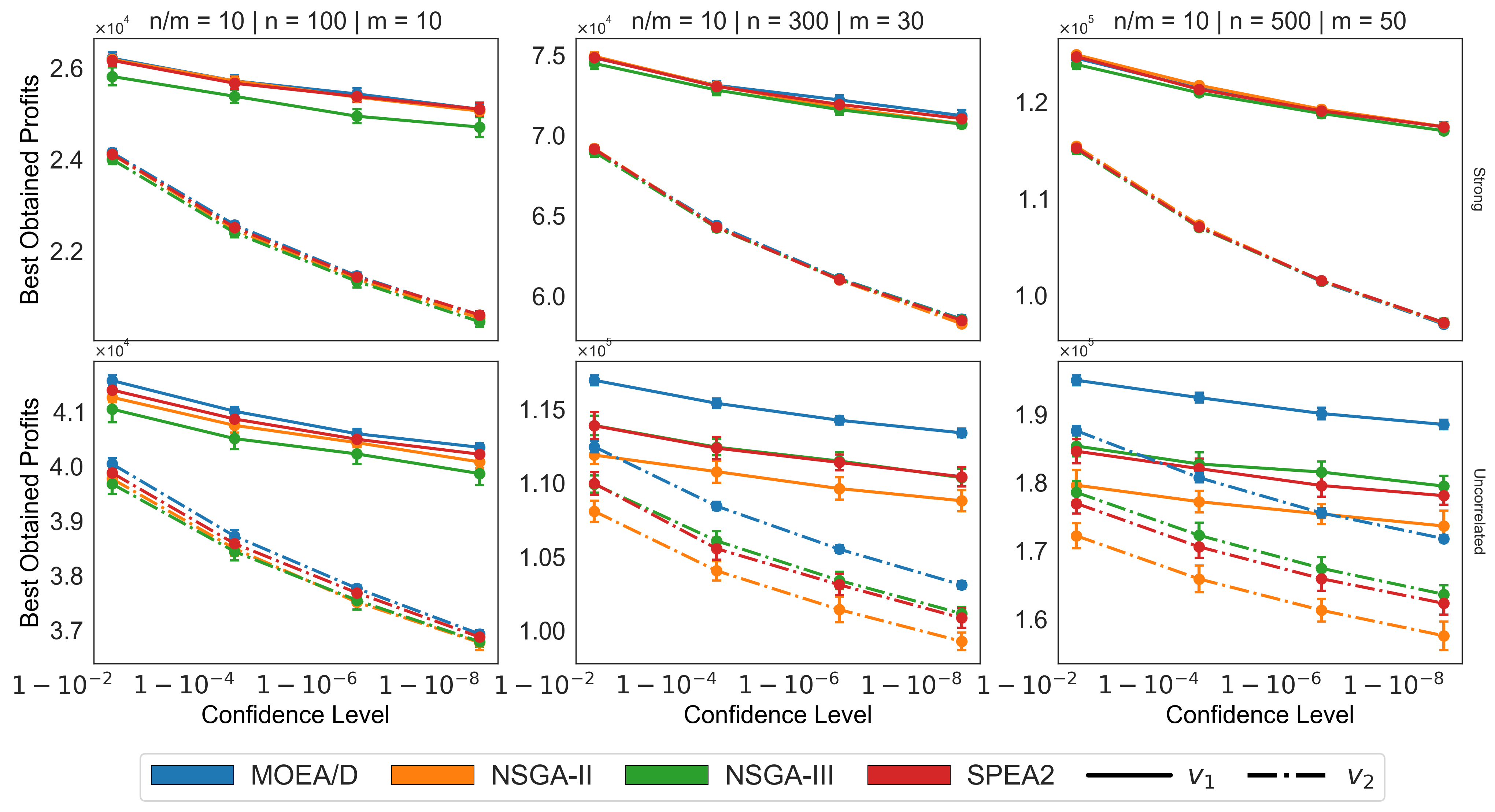
Figure 2: Mean and standard deviation of the best obtained profits for CC-MKP instances with fixed ratio n/m=10 and increasing scale.
Key Numerical Results and Observed Trends
Static Stochastic Setting
Dynamic Setting
- As change frequency increases, offline error grows, emphasizing the adaptation challenge.
- MOEA/D displays significantly lower offline error than dominance-based MOEAs with increasing n/m, change frequency, and instance scale. The decomposition-neighborhood paradigm facilitates rapid adjustment following environmental changes.
- For strongly correlated or low τ0 instances, all methods perform similarly, but differences become magnified with combinatorial complexity.
- Adaptive mutation is effective in regaining feasibility after disruptions but does not close the performance gap between MOEA families when problem complexity rises.
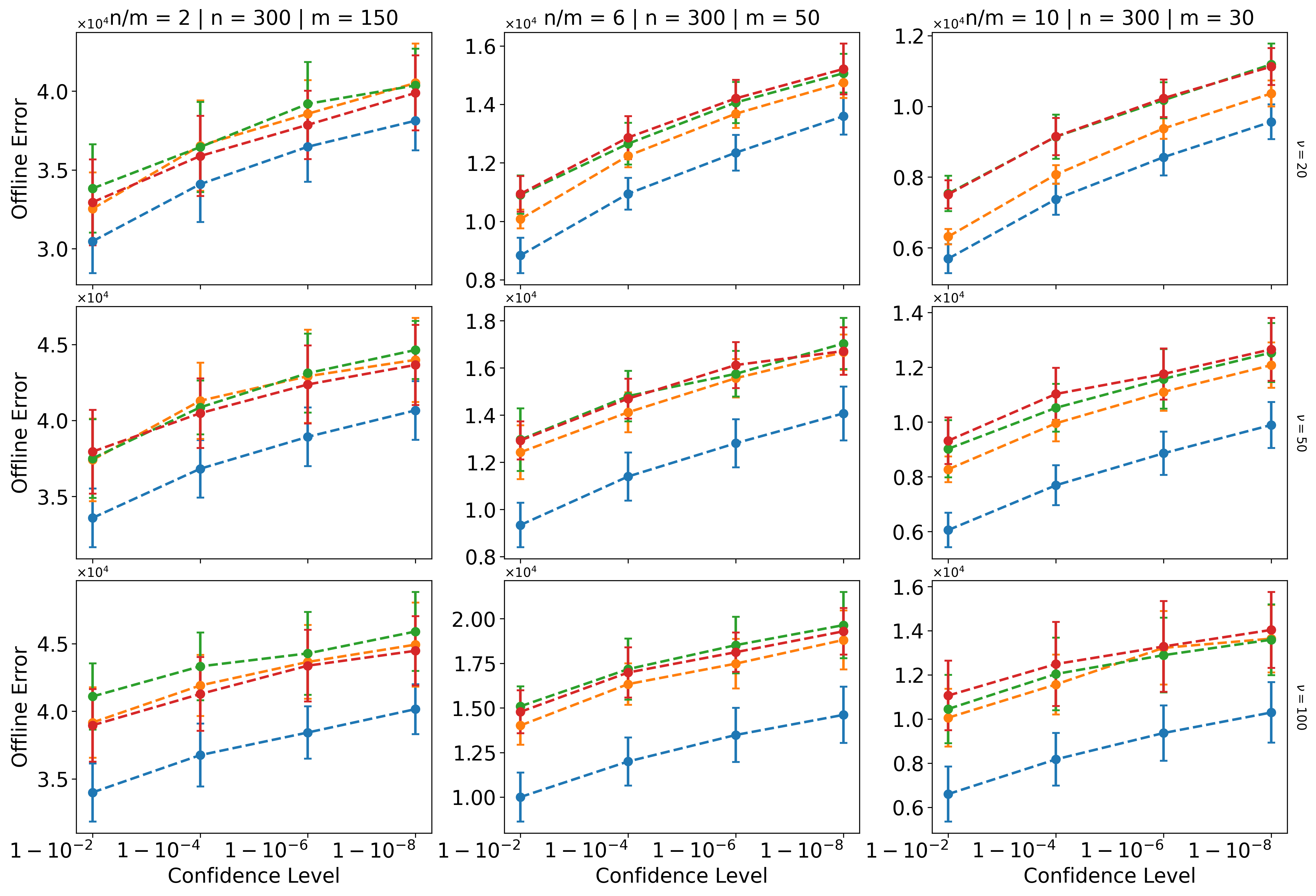
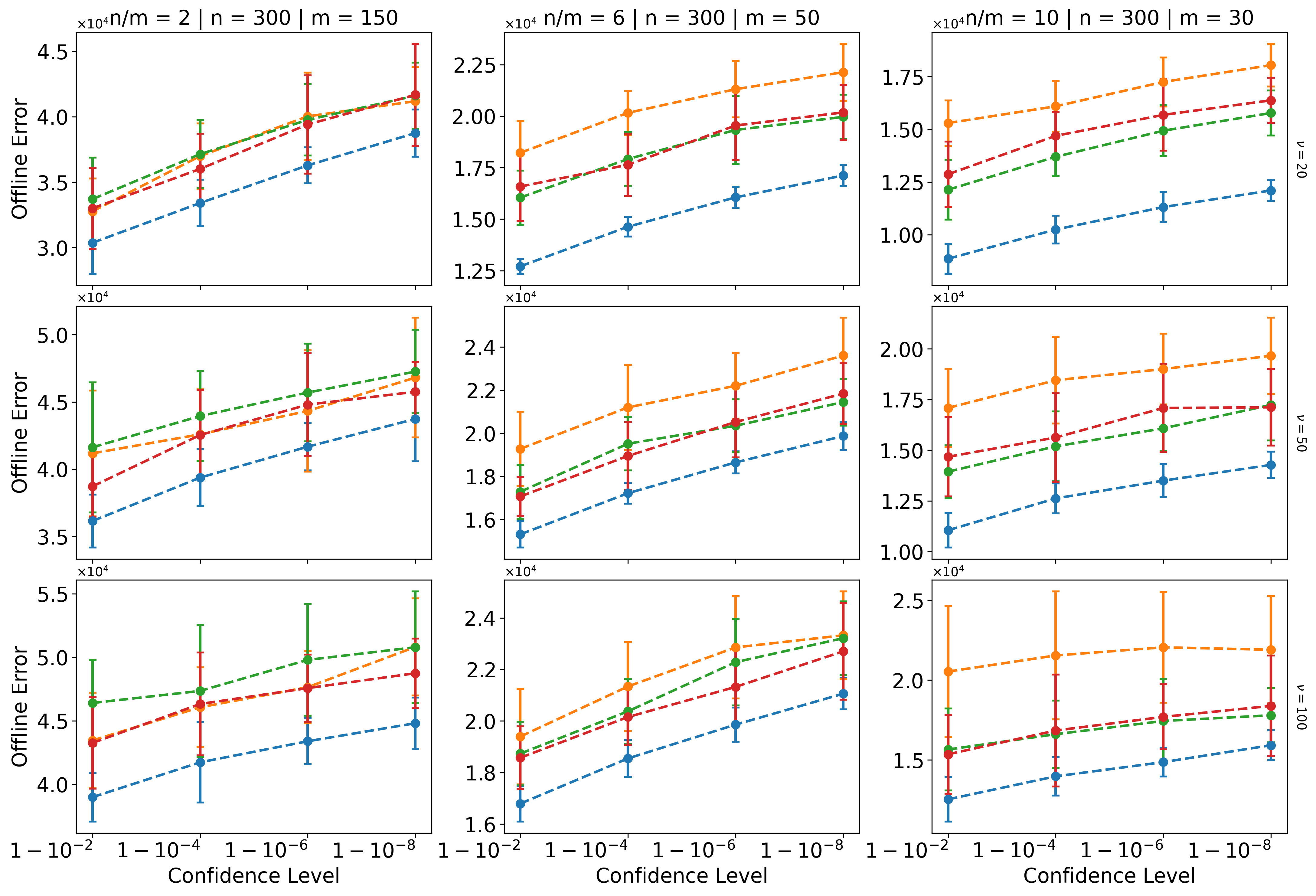

Figure 4: Mean and standard deviation of offline error (lower is better) under dynamic capacity with τ1, strongly correlated instances, as a function of change frequency and τ2.
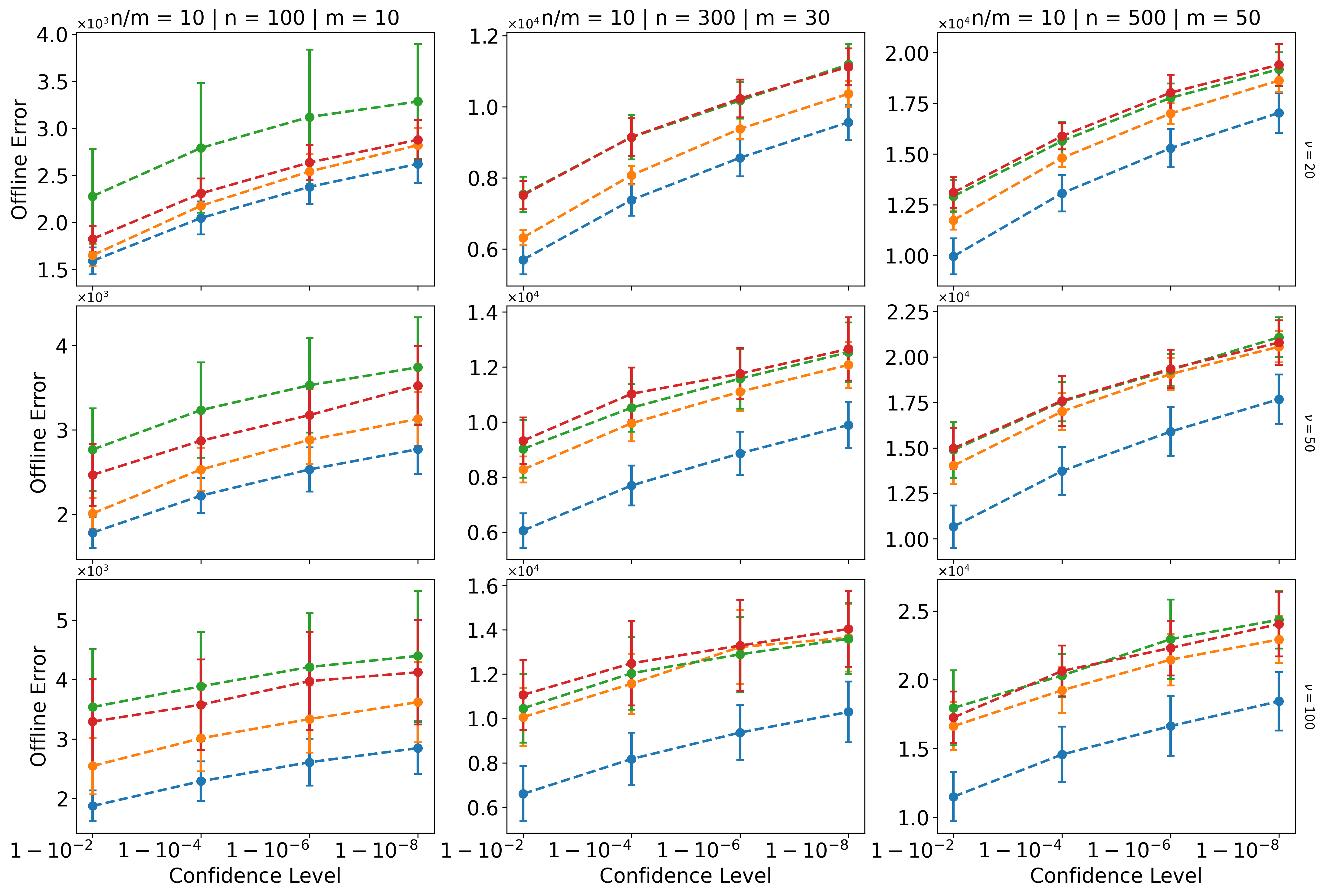
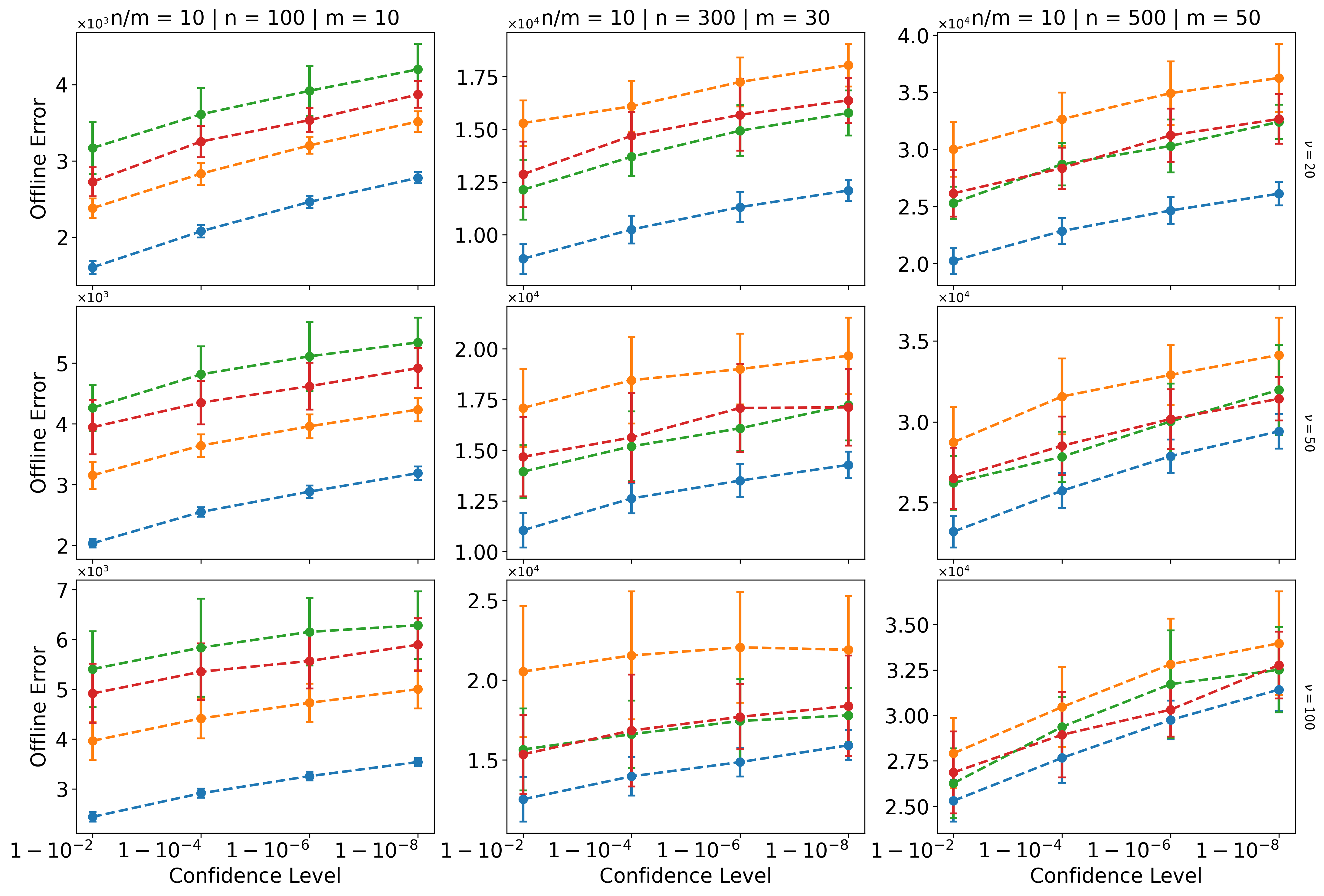
Figure 5: Offline error under dynamic capacity, τ3, for uncorrelated instances; MOEA/D maintains best adaptation across all settings.
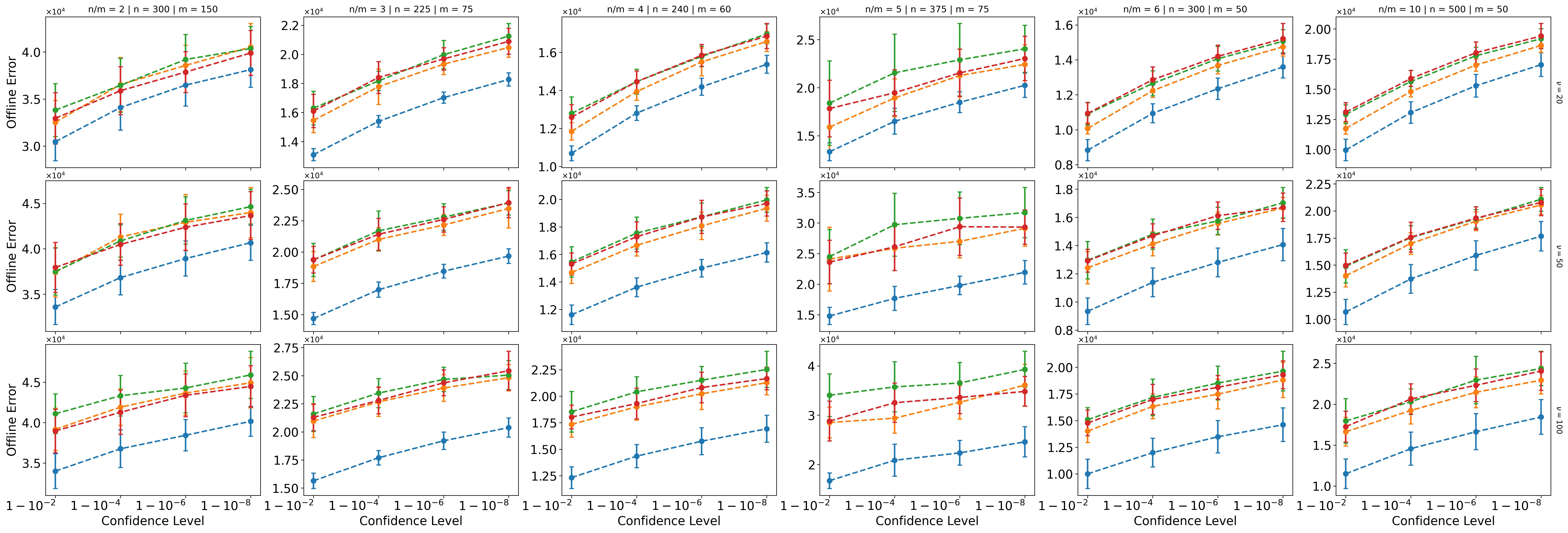
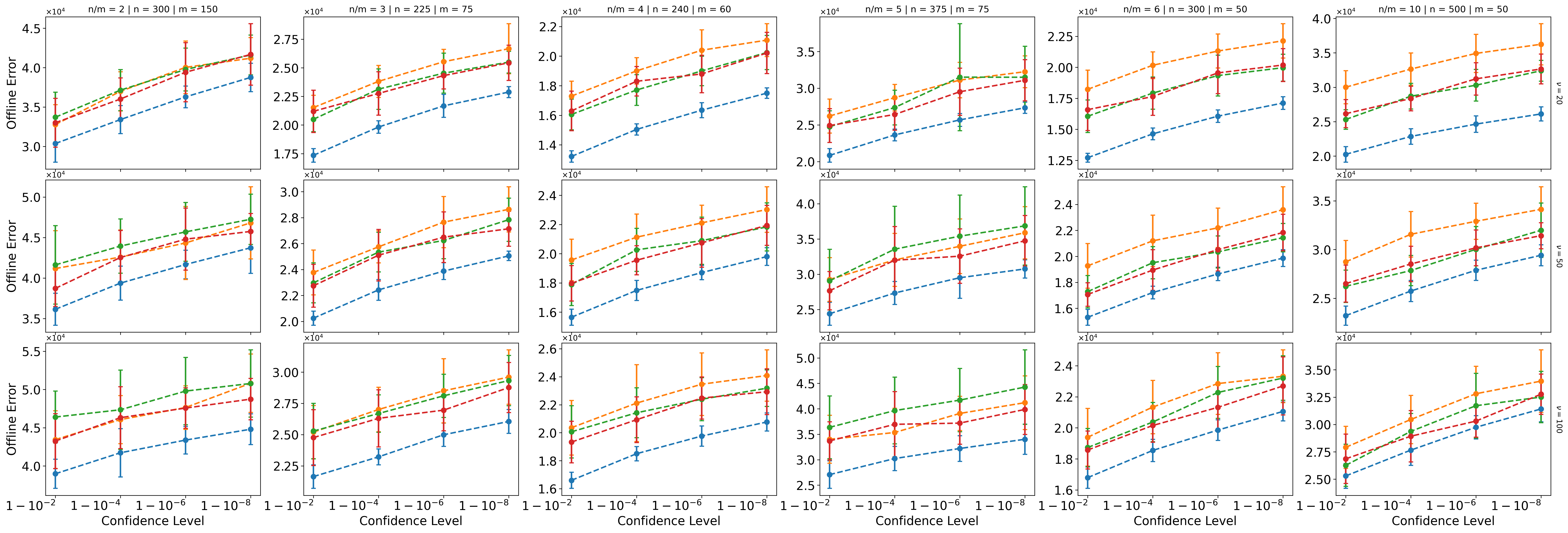
Figure 6: Mean and standard deviation of offline error for FK4 DCC-MKP under dynamic changes across τ4 ratios and change frequencies.
Implications and Forward Directions
This work substantiates the superiority of decomposition-based multi-objective evolutionary search (MOEA/D) over dominance-based alternatives for large-scale, dynamically constrained stochastic MKP, especially when constraint structure is weakly informative (uncorrelated) and combinatorial complexity is high. The use of an exact probability-driven constraint reformulation, enabled by the normality assumption, removes the need for approximations and thus ensures rigorous constraint evaluation even in high noise regimes.
The combination of adaptive mutation and efficient encoding aids dynamic search, but core MOEA strategy emerges as the decisive factor for scalability and recovery.
Practically, these insights advocate for MOEA/D-aligned heuristics in real-world, resource allocation scenarios (e.g., energy, distributed scheduling, mining), particularly when data uncertainty and operational variability are inherent and where runtime adaptation is crucial.
Theoretically, the results underscore the importance of matching MOEA search strategy to problem structure and call for further exploration of hybrid or self-adaptive frameworks that can further accelerate recovery in dynamic, noisy environments, possibly by leveraging episodic memory or meta-learning.
Future research should target non-Gaussian uncertainty, more complex dynamic regimes, integration of runtime optimality guarantees, and application-specific customization for industrial deployment.
Conclusion
The paper systematically demonstrates, through rigorous empirical evaluation, that bi-objective decomposition-based MOEAs are markedly superior for the stochastic dynamic MKP under tight probabilistic constraints, particularly as combinatorial and dynamic complexity grows. The findings establish a robust methodological foundation and benchmark for future developments in stochastic combinatorial optimization under uncertainty and time-variation, with wide applicability to operational AI and optimization in dynamic real-world systems (2604.10930).