- The paper introduces Continuous Interpretive Steering (CIS) as a novel method to manipulate LLM activations for graded scalar implicature analysis.
- The methodology involves crafting a pragmatic direction in activation space and systematically varying steering strength to preserve scalar diversity.
- Results highlight that graded steering recovers item-level pragmatic nuances and aligns model interpretations with human judgments more effectively than uniform interventions.
Continuous Interpretive Steering for Scalar Diversity: Technical Overview and Implications
Introduction
The paper "Continuous Interpretive Steering for Scalar Diversity" (2604.07006) introduces a principled framework for probing graded pragmatic inference in LLMs, specifically targeting scalar implicature and scalar diversity. Through direct interventions in internal activation space—rather than relying on prompt-level manipulations—this work implements Continuous Interpretive Steering (CIS), which treats steering strength as a continuous variable to examine the latent gradedness of pragmatic interpretation. Complementarily, a novel dataset, GraSD, is constructed to provide broad and granular coverage of scalar diversity, enabling rigorous evaluation across lexical items.
Background: Scalar Diversity and Activation Interventions
Scalar implicature represents the canonical pragmatic phenomenon where weaker scalar terms (e.g., "some") invite inferences that negate stronger alternatives ("not all"). The empirical literature demonstrates that this implicature effect is inherently graded and item-dependent—known as scalar diversity—with some scalar items reliably supporting implicature (e.g., "some/all"), while others are less conducive (e.g., "warm/hot") (Figure 1).
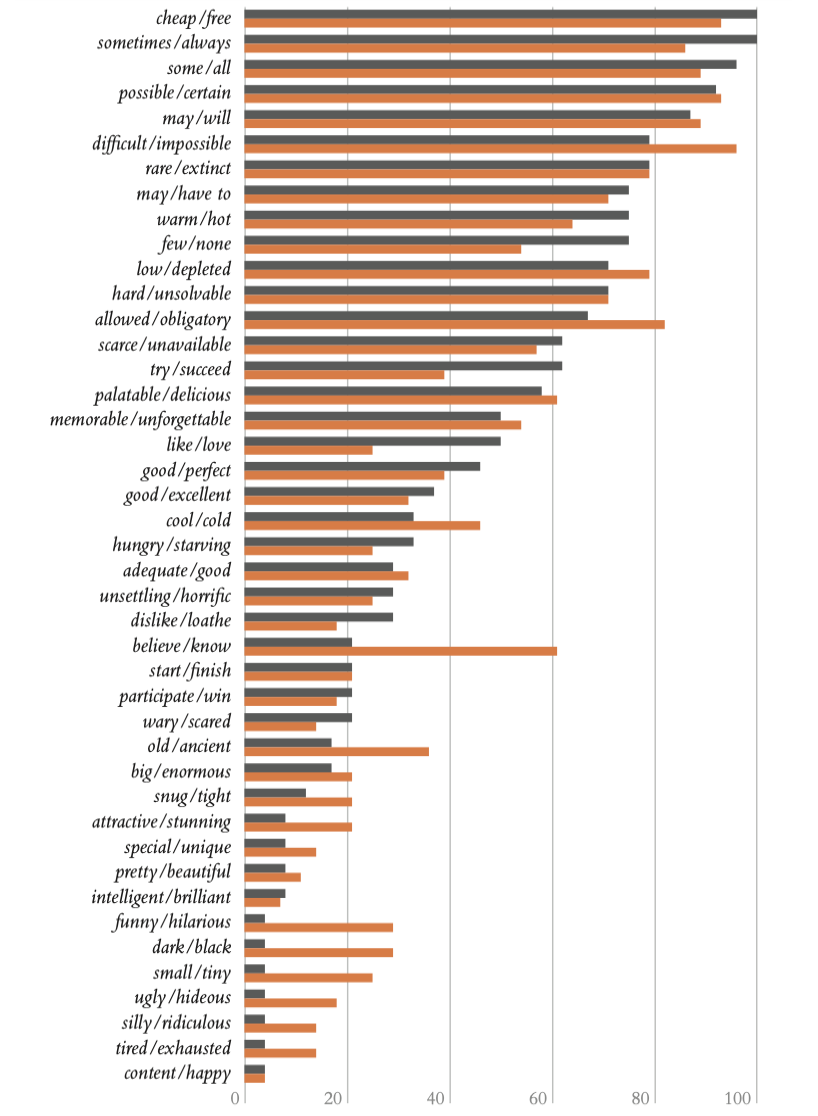
Figure 1: Graded scalar diversity observed in human judgments, demonstrating systematic variation in implicature strength across scalar items.
Prior LLM evaluations often focus on prompt-level control of pragmatic enrichment, which is inherently indirect and prompt-sensitive. In contrast, activation-level steering methods, as explored in recent literature, enable direct manipulation of internal model representations without parameter updates. Most steering approaches optimize for downstream task performance with fixed intervention vectors, lacking systematic exploration of graded interpretive shifts. The CIS framework addresses this gap by making steering strength a controlled experimental variable.
GraSD Dataset Construction
GraSD consolidates 121 unique <weak, strong> scalar item pairs sourced from four major scalar diversity studies and generates 121,000 contextualized sentence instances via constraint-driven augmentation. Each item pair yields anchor (weak scalar), logical (strong scalar), and pragmatic (negation-of-strong) sentence variants (Figures 12, 13, 14), facilitating fine-grained analysis of interpretive preference.
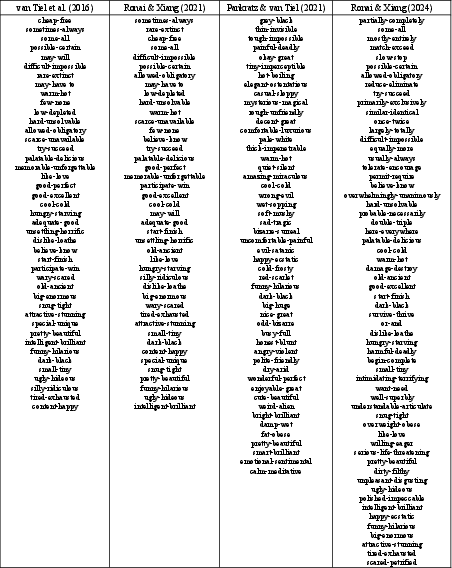
Figure 2: Source scalar item pairs included in the GraSD dataset from prior experiments.
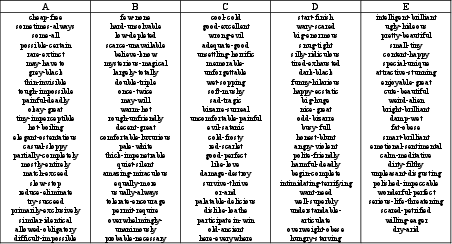
Figure 3: Distribution of items across graded scalar diversity levels (A–E) in GraSD.
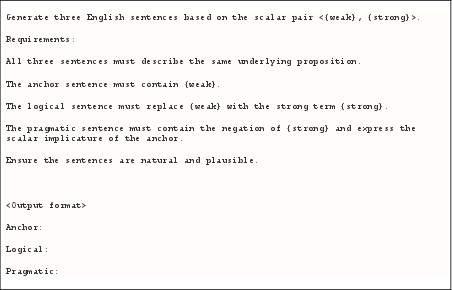
Figure 4: Data augmentation prompt ensuring theoretically constrained contexts for scalar implicature.
CIS Framework and Activation Steering Methodology
CIS exploits inference-time interventions by defining a direction vector in multi-layer activation space, typically derived as the difference between pragmatic and logical representations. For each anchor sentence, steering is operationalized as:
h′(x)=h(x)+αv
where h(x) is the anchor's multi-layer representation and v is a model-wide pragmatic direction vector. The scalar α governs intervention strength; CIS systematically varies α to probe graded interpretive sensitivity. The intervention direction is fixed across all items, disentangling steering magnitude from lexical properties.
Experimental Paradigms and Analytical Strategies
Experiments are conducted on four open-weight transformer LLMs: LLaMA3, Qwen2, Gemma2, OLMo. Two steering regimes are implemented:
- Uniform Activation Steering: Fixed-magnitude intervention across all items.
- Graded Activation Steering: Steering magnitude stratified by item grade (A–E), aligned with scalar diversity.
Interpretive preference is quantified via cosine similarity between steered anchor, logical, and pragmatic sentence representations. Statistical analysis leverages Wilcoxon signed-rank tests for global shifts and Spearman rank correlation for item-level gradedness.
Results
Aggregate Interpretive Shift
A global increase in pragmatic interpretations is observed when steering is applied, with graded steering yielding lower rates compared to uniform but substantially higher than baseline (Figure 5).
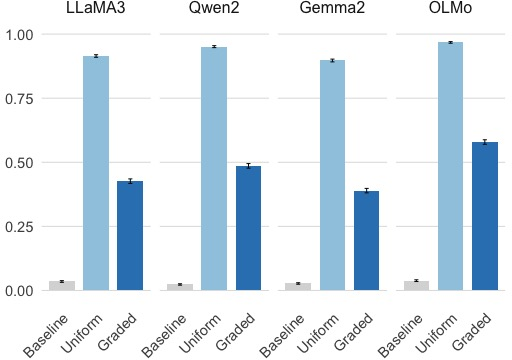
Figure 5: Model-agnostic proportions of pragmatic interpretations across baseline, uniform, and graded activation steering.
Uniform steering reliably induces pragmatic enrichment but collapses item-level distinctions, as demonstrated by negligible Spearman rank correlations across baseline and steered interpretive preferences. The scatter distributions for baseline and uniform steering illustrate the homogenizing effect (Figures 4, 5).
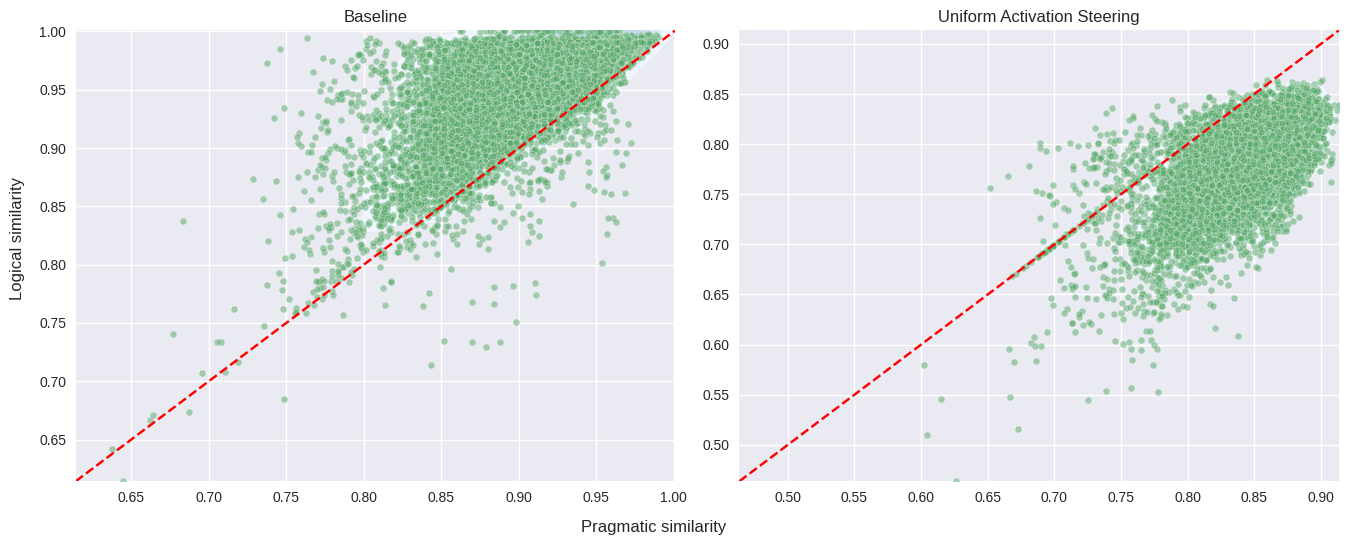
Figure 6: OLMo pragmatic versus logical similarity, baseline vs uniform steering.
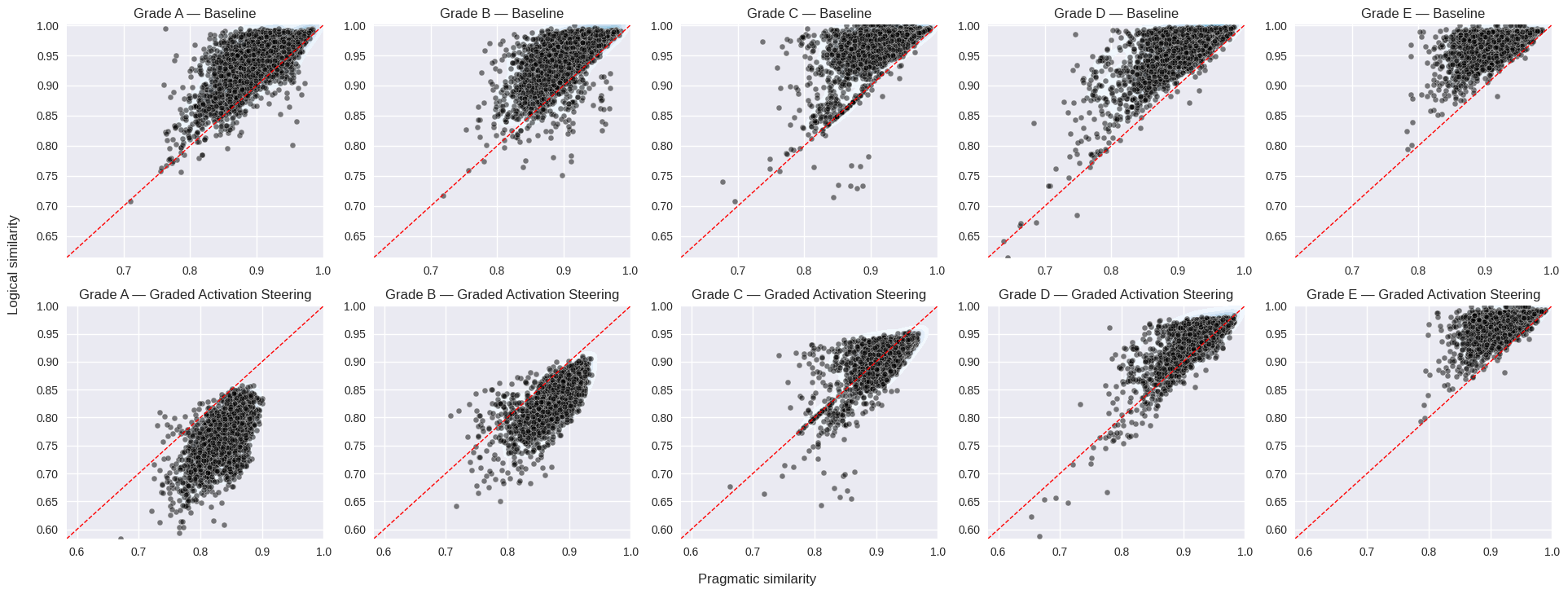
Figure 7: Extended scatter plot visualizations for OLMo under baseline and uniform steering conditions.
Corresponding plots for LLaMA3, Qwen2, Gemma2 validate this pattern (Figures 8, 9, 10).
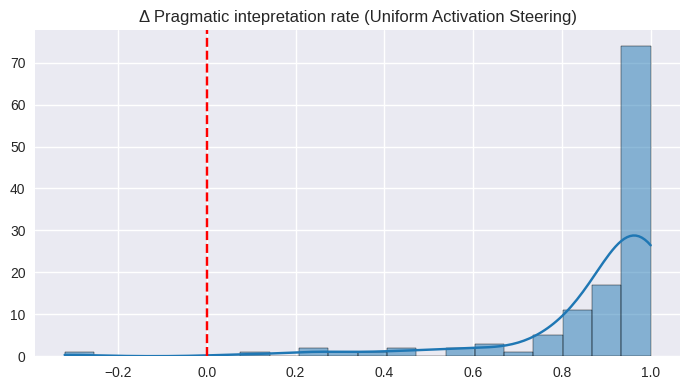
Figure 8: LLaMA3 pragmatic/logical similarity scatter distributions, baseline vs uniform steering.
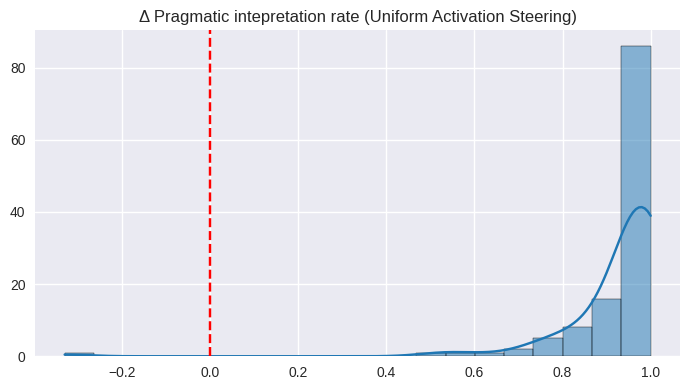
Figure 9: Qwen2 pragmatic/logical similarity scatter distributions, baseline vs uniform steering.
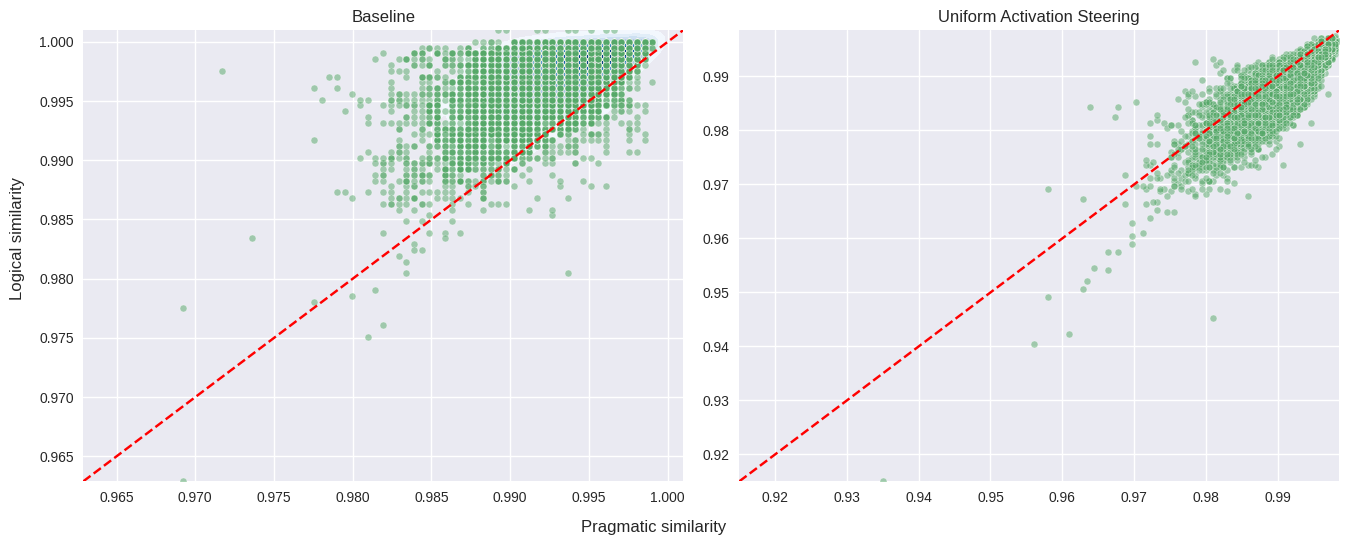
Figure 10: Gemma2 pragmatic/logical similarity scatter distributions, baseline vs uniform steering.
Graded Steering: Recovery of Scalar Diversity
In contrast, graded steering produces differentiated item-level responses aligned with the scalar grade hierarchy. Moderate and significant Spearman correlations indicate preservation of item-level pragmatic sensitivity. Scatter plots for baseline and graded steering confirm this structural alignment across models (Figures 19–22).
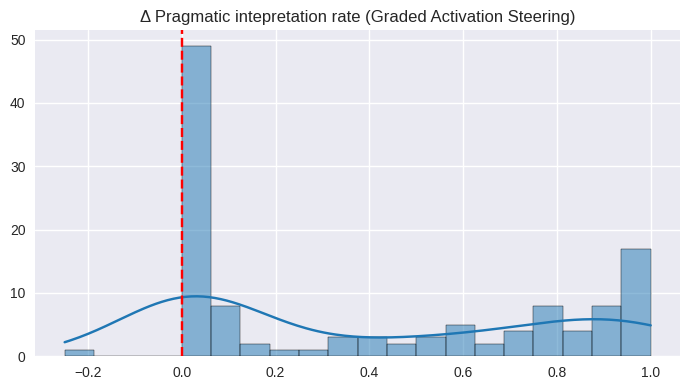
Figure 11: LLaMA3 scatter plots for baseline and graded steering (graded item set).
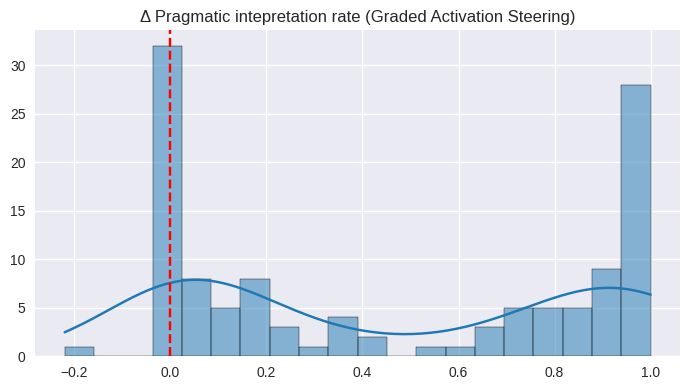
Figure 12: Qwen2 scatter plots for baseline and graded steering (graded item set).
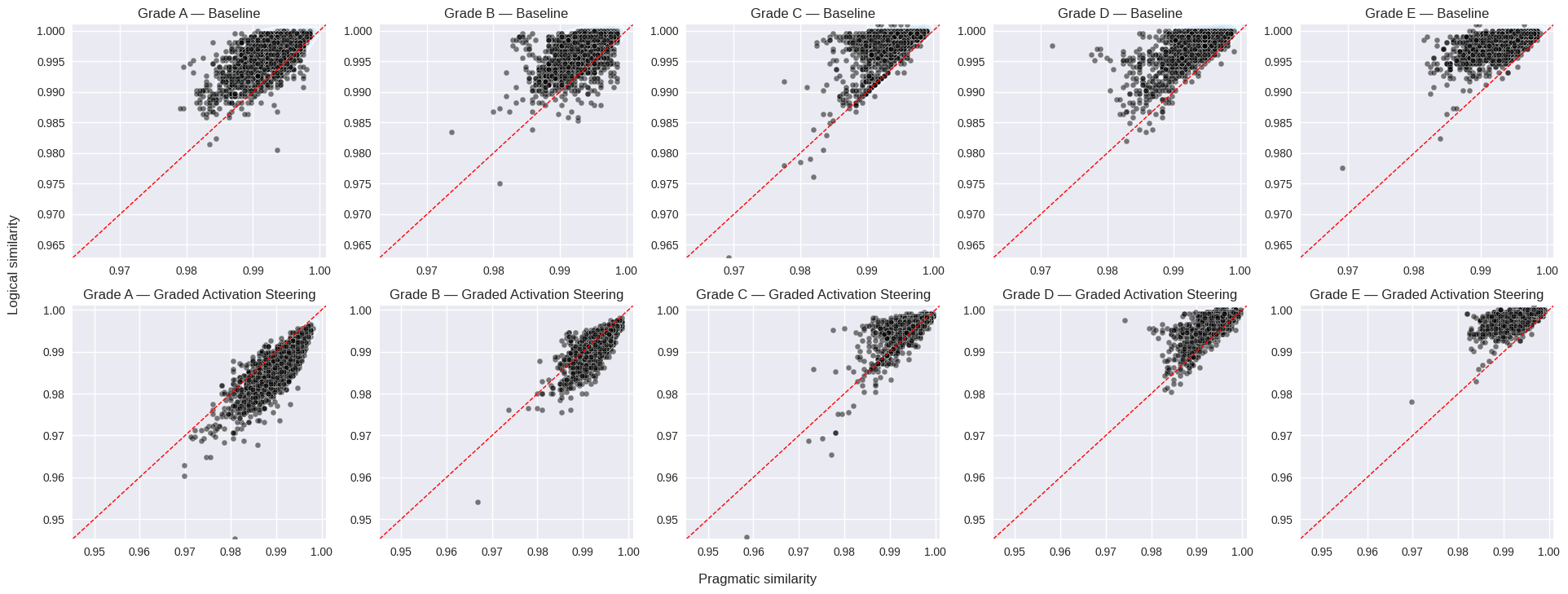
Figure 13: Gemma2 scatter plots for baseline and graded steering (graded item set).
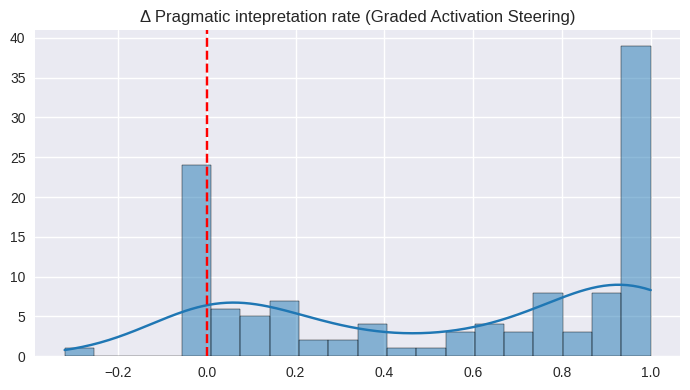
Figure 14: OLMo scatter plots for baseline and graded steering (graded item set).
Distributional and Item-level Analyses
Item-level pragmatic proportions illustrate how graded steering preserves heterogeneity (Figures 15–18). Graded steering produces a dispersed distribution of interpretive shifts, while uniform steering pulls the distribution toward large positive changes (Figures 24, 25; Figure 15).
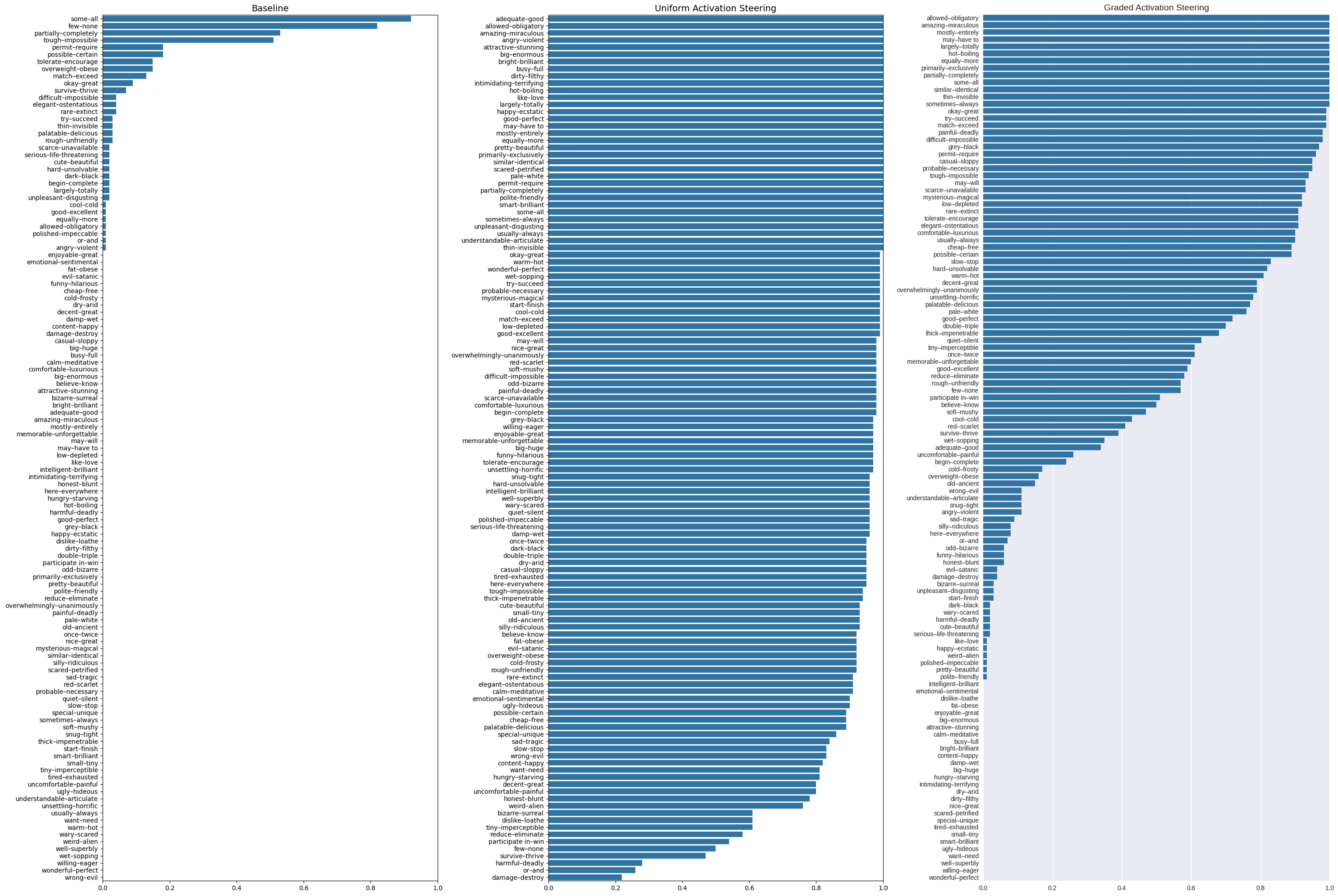
Figure 16: LLaMA3 item-level pragmatic interpretation rates under three steering regimes.
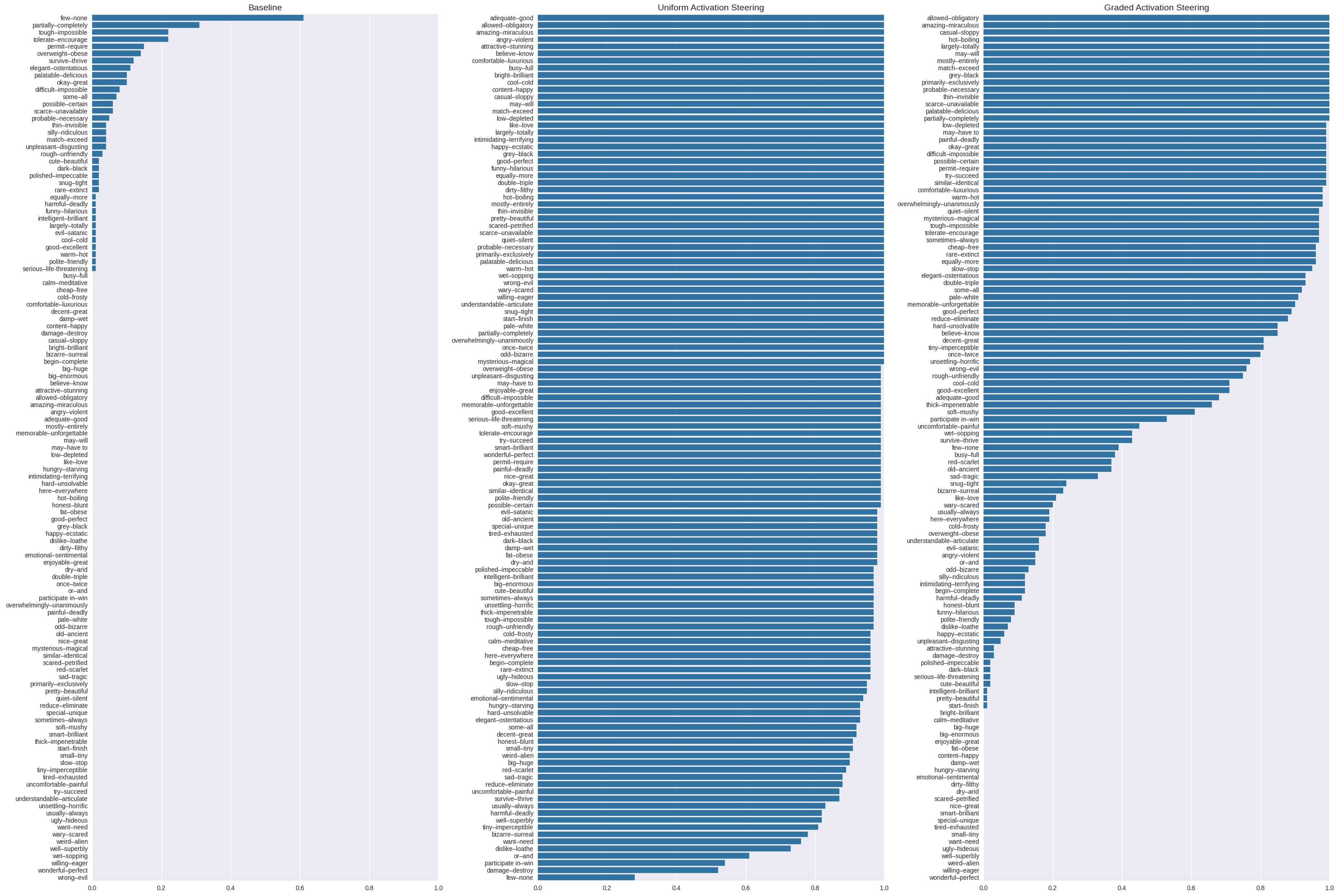
Figure 17: Qwen2 item-level pragmatic interpretation rates under three steering regimes.
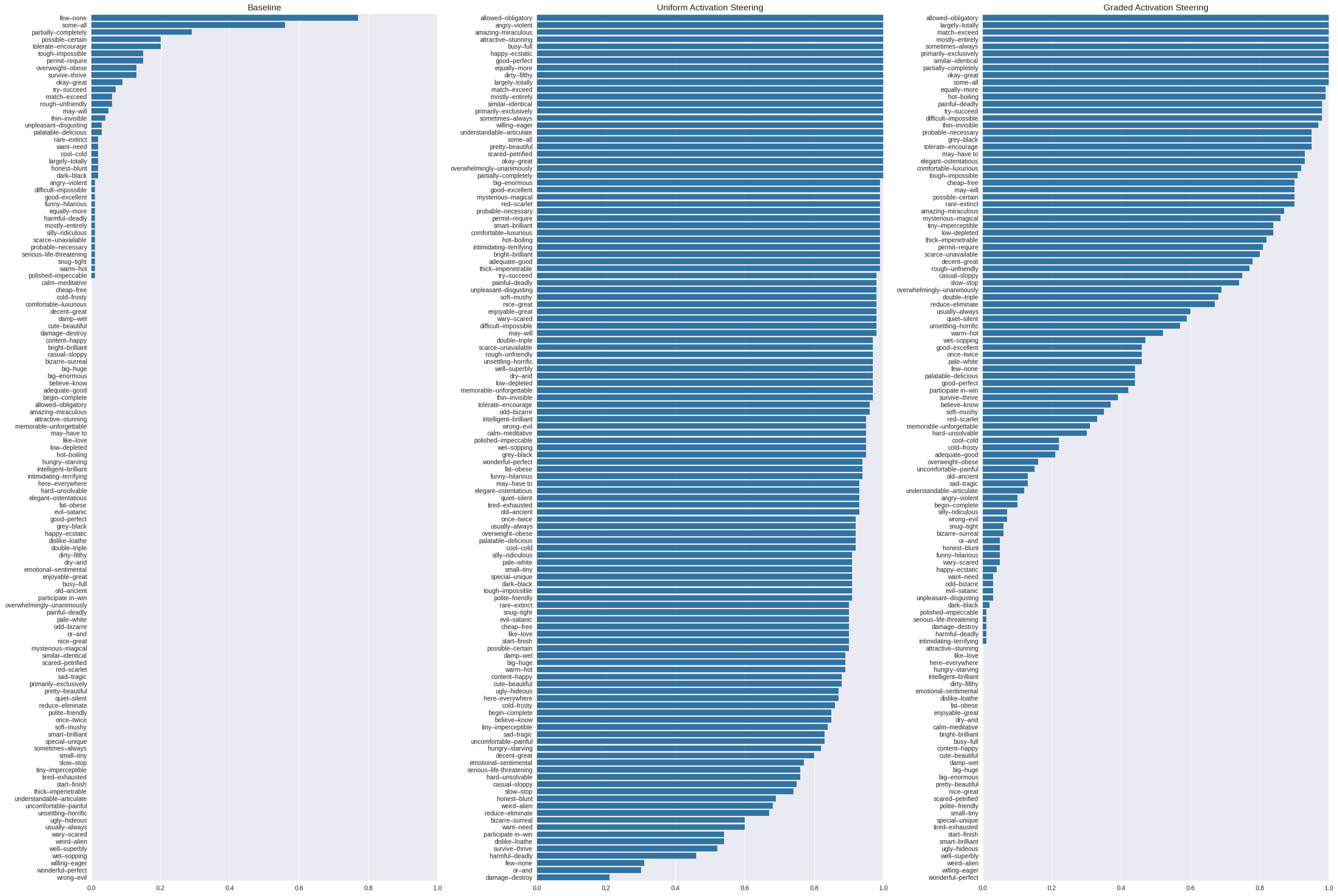
Figure 18: Gemma2 item-level pragmatic interpretation rates under three steering regimes.
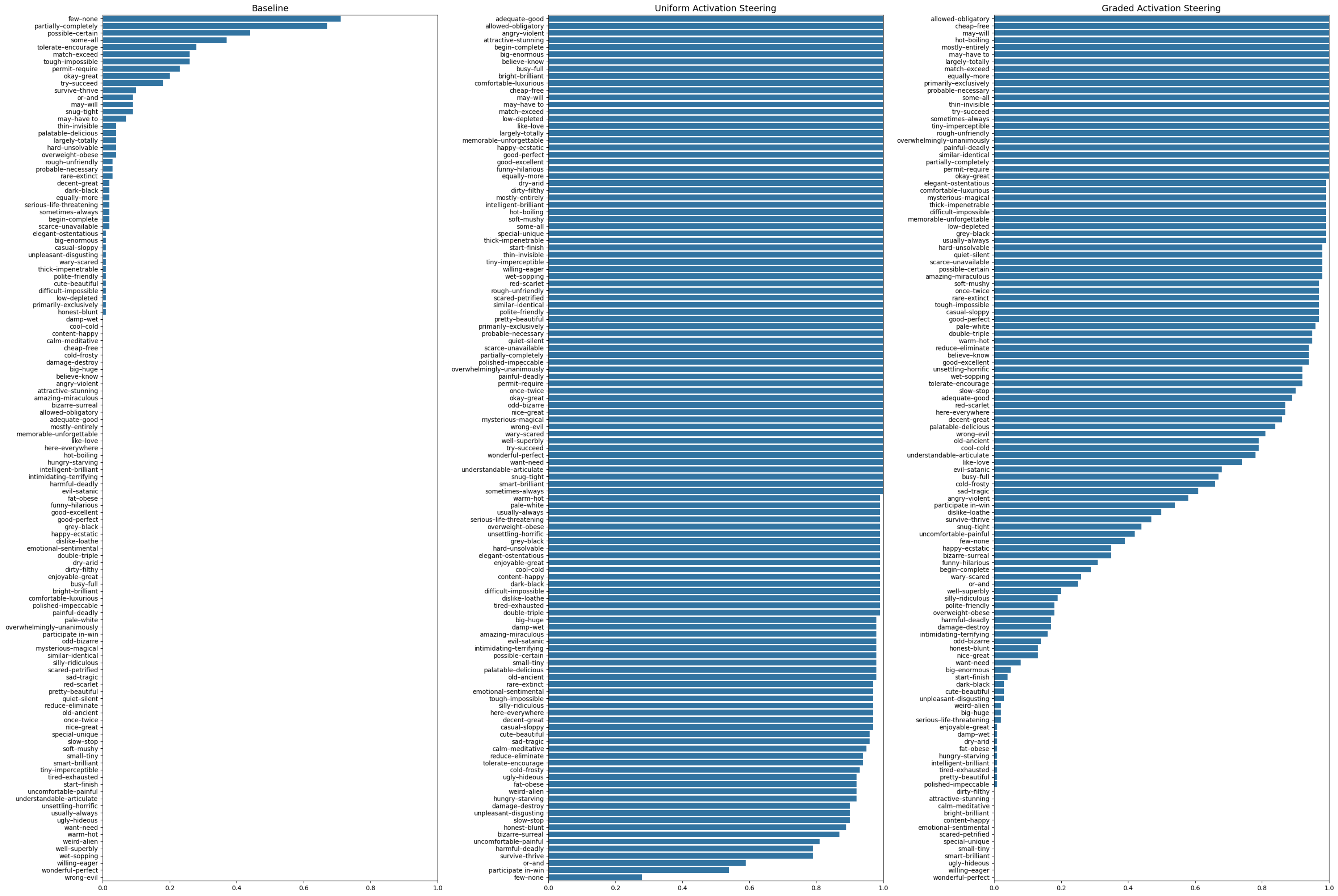
Figure 19: OLMo item-level pragmatic interpretation rates under three steering regimes.
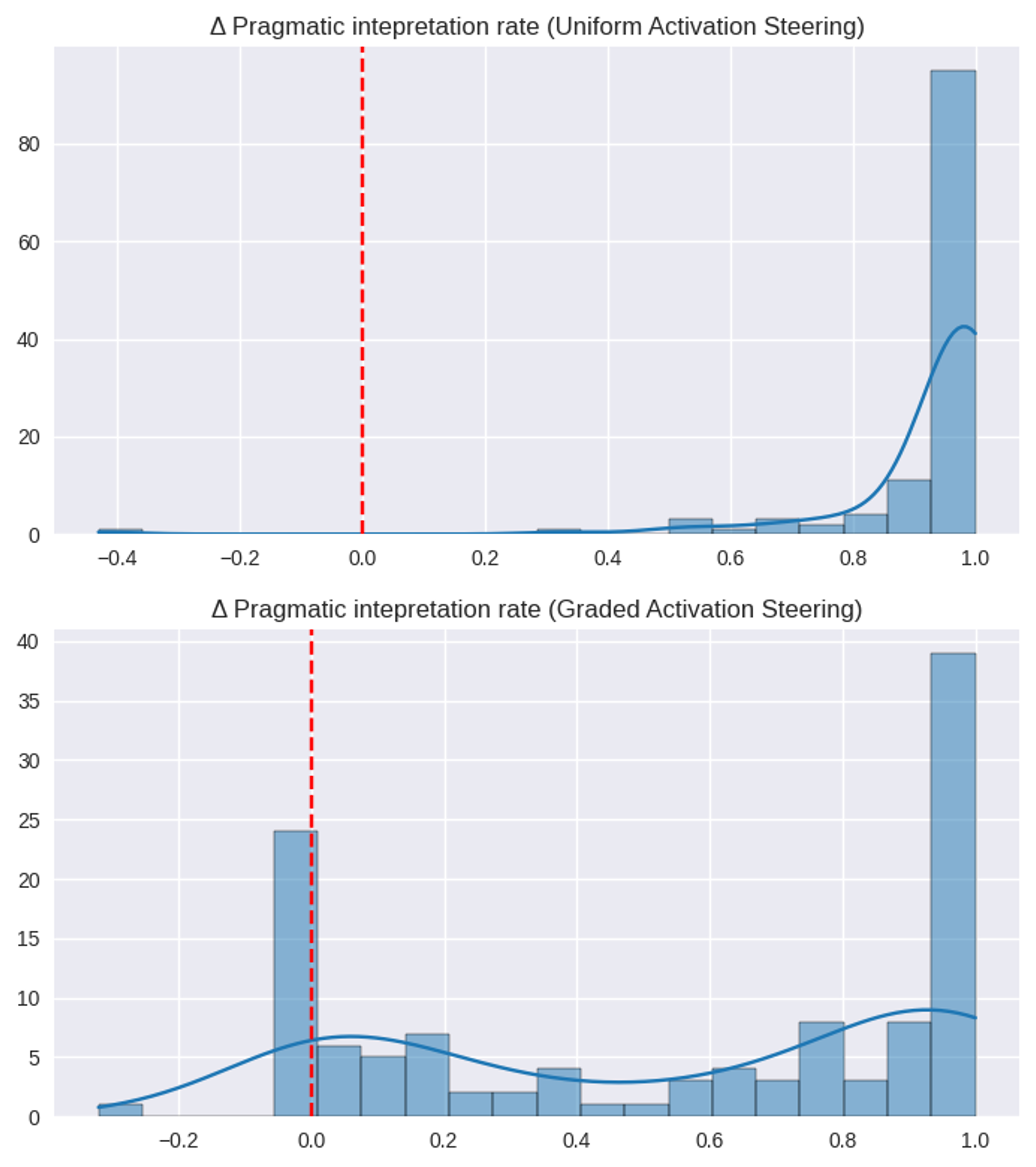
Figure 15: OLMo histograms of item-level pragmatic interpretation change: uniform vs graded steering.
Implications and Future Directions
The paper demonstrates that models encode latent graded pragmatic sensitivity, recoverable via CIS. Uniform steering induces global pragmatic enrichment but eliminates scalar diversity; graded steering reconstitutes nuanced interpretive shifts consistent with human judgment, as observed in psycholinguistic studies. The GraSD dataset offers a scalable resource for cross-model evaluation, enabling item-level mechanistic analysis beyond aggregate behavioral metrics. This approach establishes CIS as a robust probe for internal pragmatic structure, applicable to broader pragmatic phenomena beyond scalar implicature.
Practical implications include more transparent model diagnostics and targeted intervention strategies for applications requiring nuanced contextual sensitivity. Theoretically, CIS offers a mechanism to chart the geometry of pragmatic inference, supporting advances in representation engineering, interpretability, and diagnostic model probing.
Future work should extend CIS to other pragmatic phenomena, explore dynamic estimation of steering directions, and combine representational probing with behavioral evaluation. The approach may facilitate diagnostic audits of model interpretive competence, advance controllable generation paradigms, and inform architecture or training interventions aimed at improving LLM contextuality.
Conclusion
Continuous Interpretive Steering constitutes a rigorous framework for probing and manipulating graded pragmatic inference within LLMs. By operationalizing steering as a continuous experimental variable, CIS reveals structured scalar diversity comparable to human judgment and exposes limitations of prompt- and aggregate-level evaluations. The methodology, validated across multiple open LLMs and supported by the GraSD dataset, advances interpretability and analytical depth in the study of pragmatic competence in large-scale neural LLMs.

