- The paper introduces a novel framework that leverages normal-aligned 3D odeco tensors to yield integrable frame fields for anisotropic quad meshing.
- The methodology jointly optimizes integrability, orthogonality, and distortion energies via finite element discretization and spherical harmonics.
- The approach automatically places singularities and achieves reduced skewness and improved feature alignment compared to state-of-the-art methods.
Surface Quadrilateral Meshing from Integrable Odeco Fields
Introduction and Motivation
The generation of anisotropic quadrilateral meshes on curved surfaces is a foundational problem in computational geometry, computer graphics, and simulation. Applications range from finite element analysis on structured grids to architectural geometry and high-fidelity textile modeling. The paper "Surface Quadrilateral Meshing from Integrable Odeco Fields" (2604.03889) introduces a framework leveraging normal-aligned 3D orthogonally decomposable (odeco) tensors to produce integrable, orthogonal frame fields suitable for parameterization-based quad meshing. The approach supports explicit user control over feature alignment, element sizing, and accommodates geometry with significant anisotropy and complex feature sets.
Method Overview
Classical pipelines for quad meshing separate frame field generation from parameterization and mesh extraction. However, joint optimization of field integrability and singularity placement remains a challenging and largely unsolved problem, especially when variable sizing and feature constraints are required. This paper extends previous 2D planar odeco tensor formulations to general curved surfaces via normal-aligned 3D odeco tensors. The proposed energies—integrability, area/angle distortion, and odeco constraints—are discretized on mesh vertices using a finite element assembly with spherical harmonics representation of tensors, enabling efficient and robust nonlinear optimization.
Key innovations include:
- A 3D intrinsic curl-based integrability energy adapted for odeco fields, avoiding the need for input singularity placements.
- Algebraic relaxation of the odeco condition, enabling singularities to arise naturally in a globally optimal fashion.
- Separation of orthogonality enforcement (odeco energy) from distortion control, providing strict orthogonality while supporting anisotropic parameterization.
- Efficient treatment of feature and sizing alignment through affine constraints in the spherical harmonics basis, applicable to feature curves or surface normals in arbitrary directions.
Odeco Tensors and Frame Field Integrability
An odeco tensor of order 4, $\vb{T} = \sum_{m=1}^n \lambda_m \vb{u}_m^{\otimes 4}$, encodes an orthogonal frame up to permutation and sign. Spherical harmonics parameterize these tensors, allowing efficient evaluation and manipulation, including alignment and sizing constraints.
The critical methodological advance is the derivation of an integrability energy for odeco field Jacobians based on intrinsic surface curl, formulated entirely in tensor coefficients and their derivatives. This energy vanishes if and only if the local parameterization is integrable—a condition necessary for globally valid quad meshing. The relaxation of odeco constraints (i.e., allowing the solution to deviate from the odeco variety near singularities), enables the framework to insert and optimally place singularities as required by parameterization topology and sizing transitions.
Optimization and Discretization
The optimization variables are the spherical harmonic coefficients of the odeco tensors, discretized at mesh vertices. Energies are evaluated using element-wise Gaussian quadrature, with constraints enforced via projected L-BFGS. The total objective combines integrability, normalized odeco penalty, and optional area or angle distortion terms, the latter controlling mesh anisotropy or promoting conformal elements.
After convergence, face-wise frames are recovered via projection of interpolated tensors onto the odeco variety. The integer-grid map and mesh extraction follow established pipelines, ensuring local injectivity and integer quantization.
Empirical Evaluation and Results
Natural Feature Alignment and Principal Directions
The method achieves robust feature and normal alignment even without explicit alignment constraints. In high-curvature regions, extrinsic tensor alignment ensures frame fields robustly follow principal curvature directions and sharp creases, as depicted in results on MAMBO dataset models.
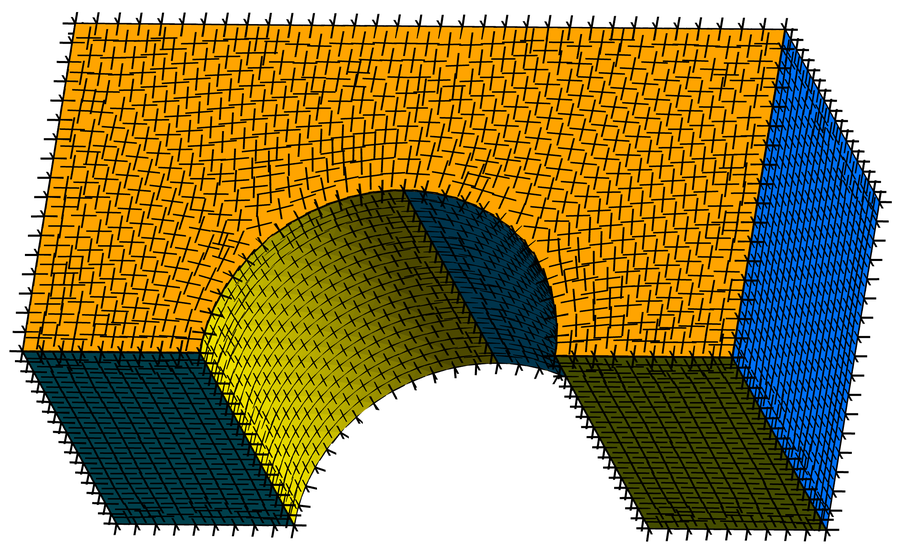
Figure 1: The optimization framework achieves feature and crease alignment even without explicit alignment constraints, capturing sharp principal curvature directions on CAD models.
Distortion Control and Singularity Placement
The choice of distortion energy—area versus angle—significantly influences quad element anisotropy and singularity placement. The area-preserving energy produces highly anisotropic meshes with domain-wide singularity placement tailored to accommodate sizing constraints. The angle distortion energy (which minimizes anisotropy) yields more isotropic, conformal meshes.
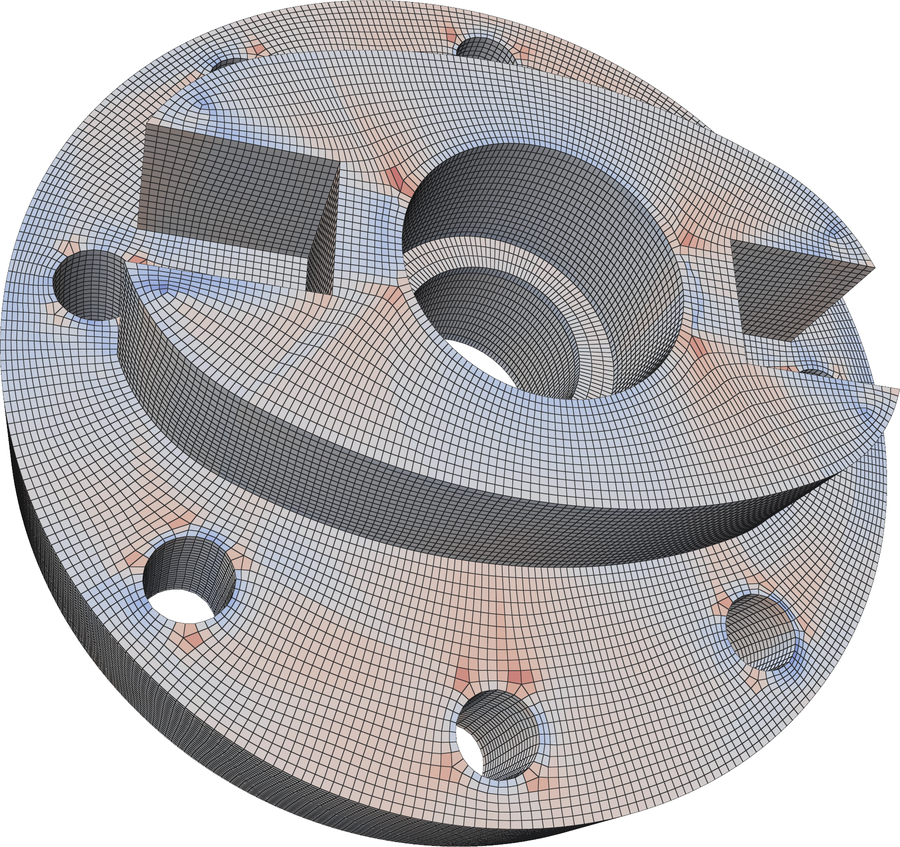
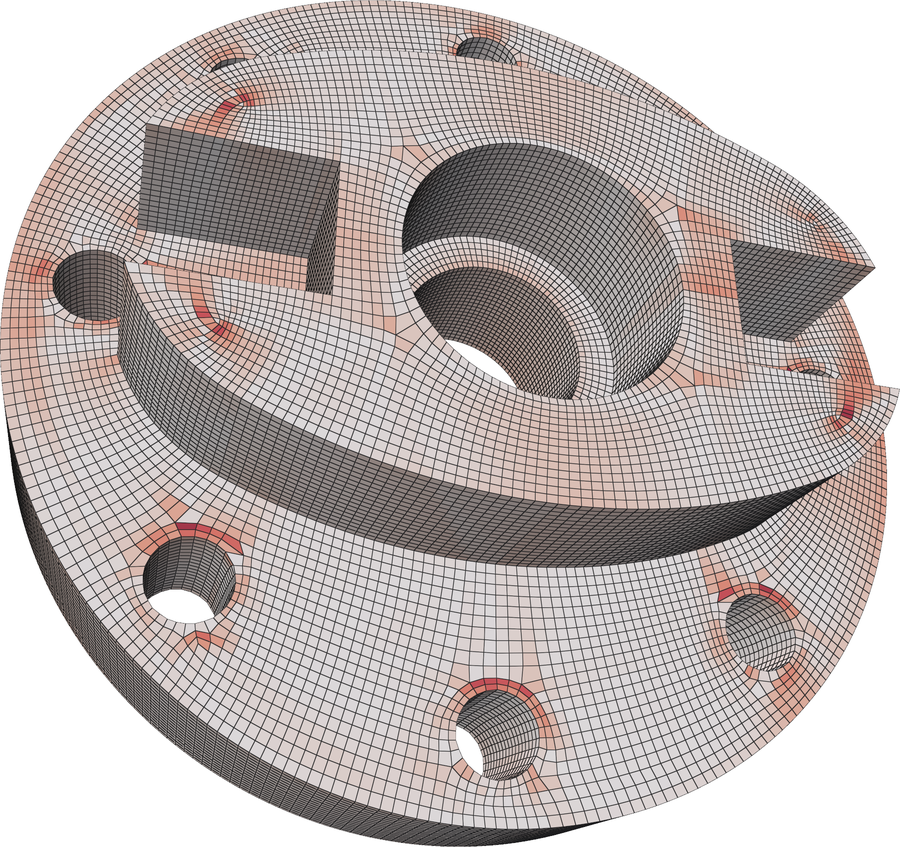
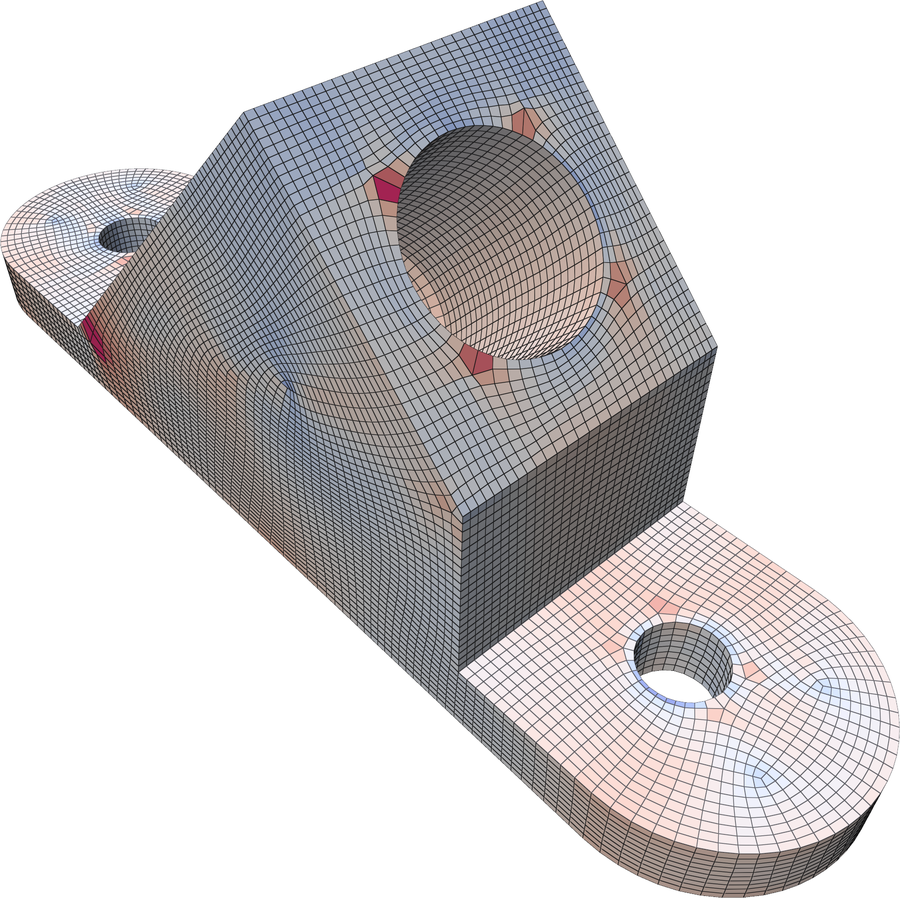
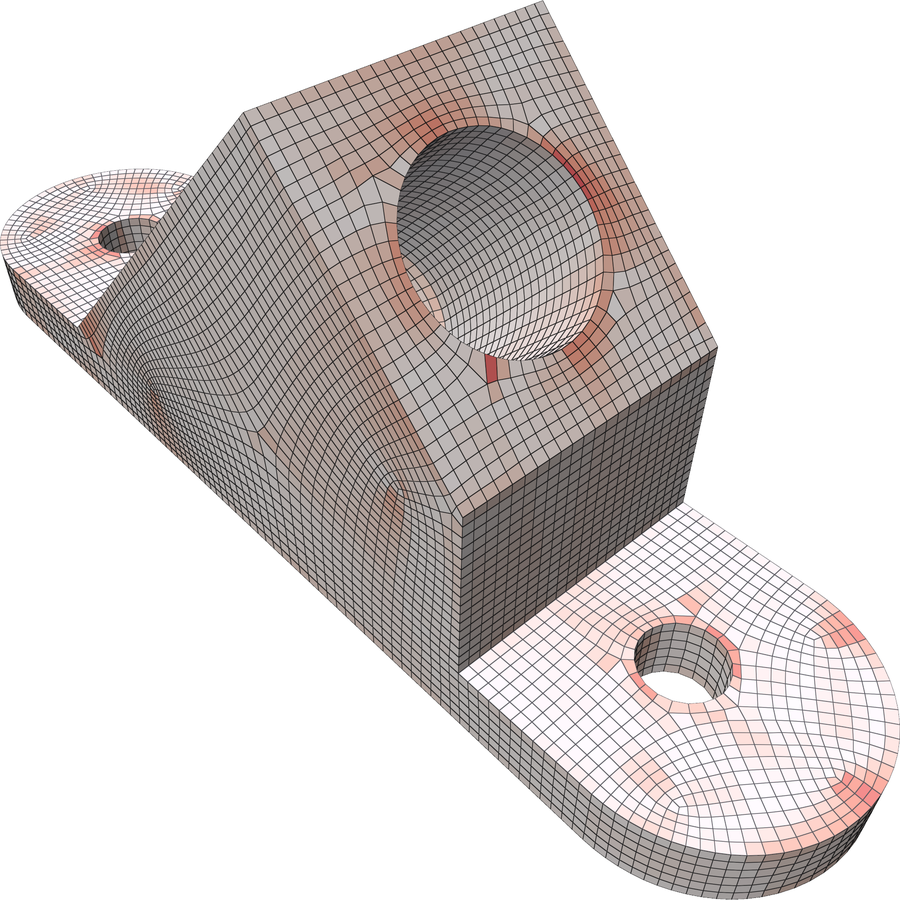
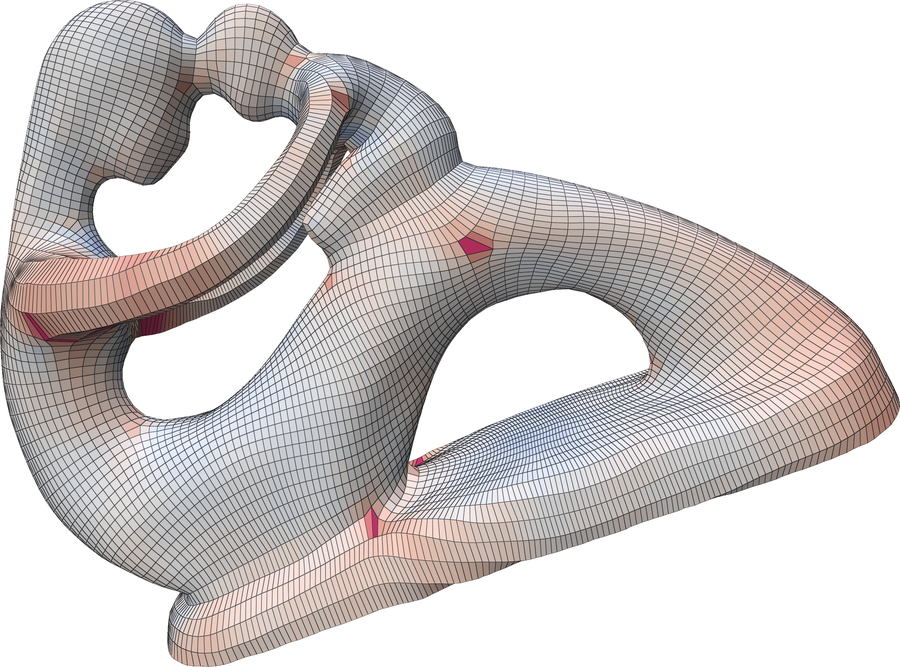
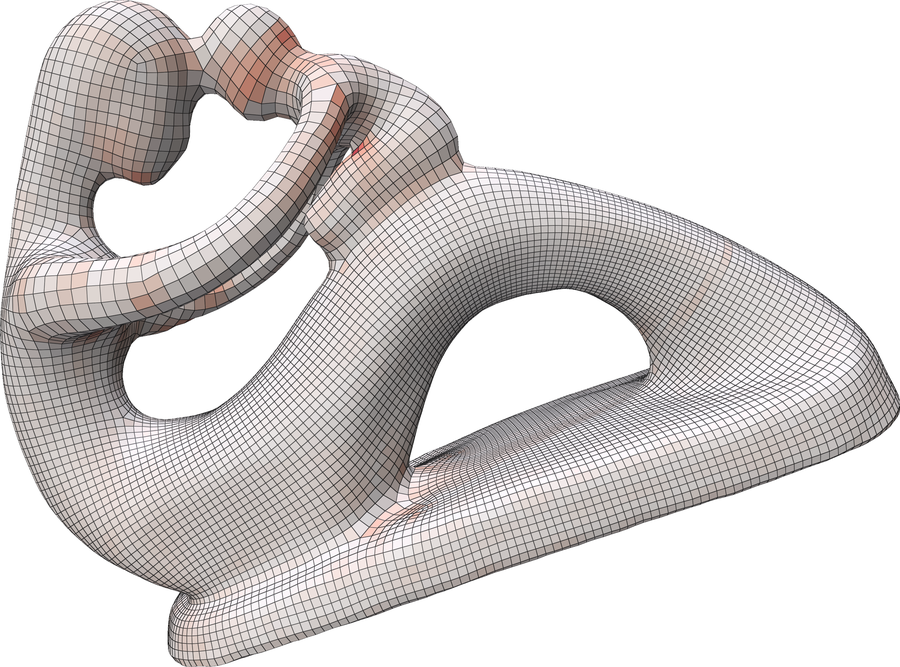
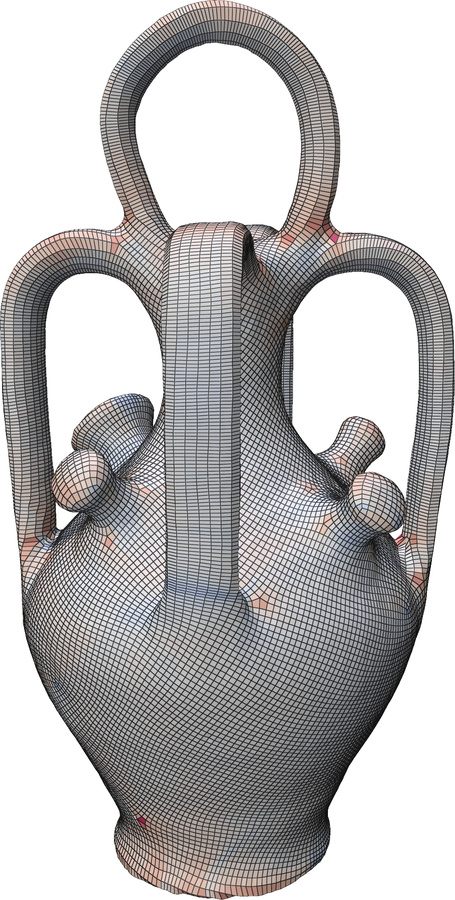
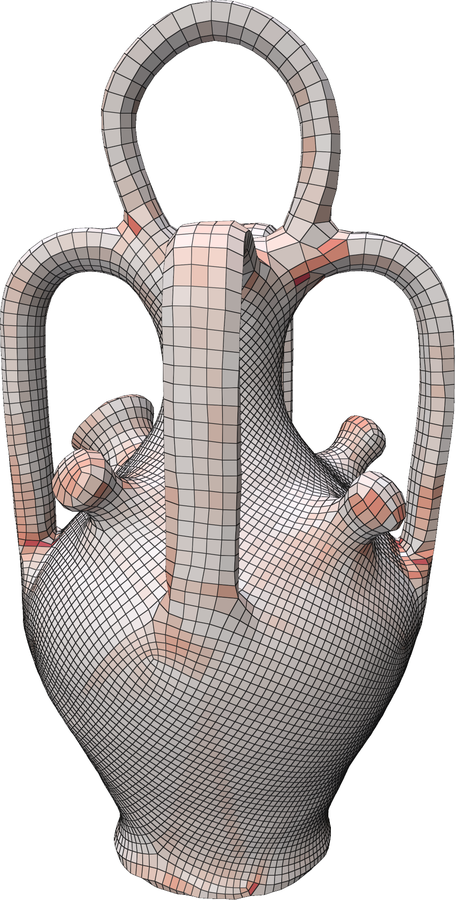
Figure 2: Quad meshing results on CAD and smooth models under area- and angle-distortion energies demonstrate global singularity placement and anisotropy modulation.
Notably, the joint optimization can produce and place singularities (both valence 3 and 5) adaptively, a capability absent in most previous approaches, which often rely on heuristic or user-specified singularity input.
Polynomial Visualization and Odeco Relaxation
Visualization of tensor polynomials demonstrates the manifestation of anisotropy and the behavior near non-odeco configurations, highlighting the expressive capacity of the spherical harmonics basis for interpreting frame field orientation and symmetry.
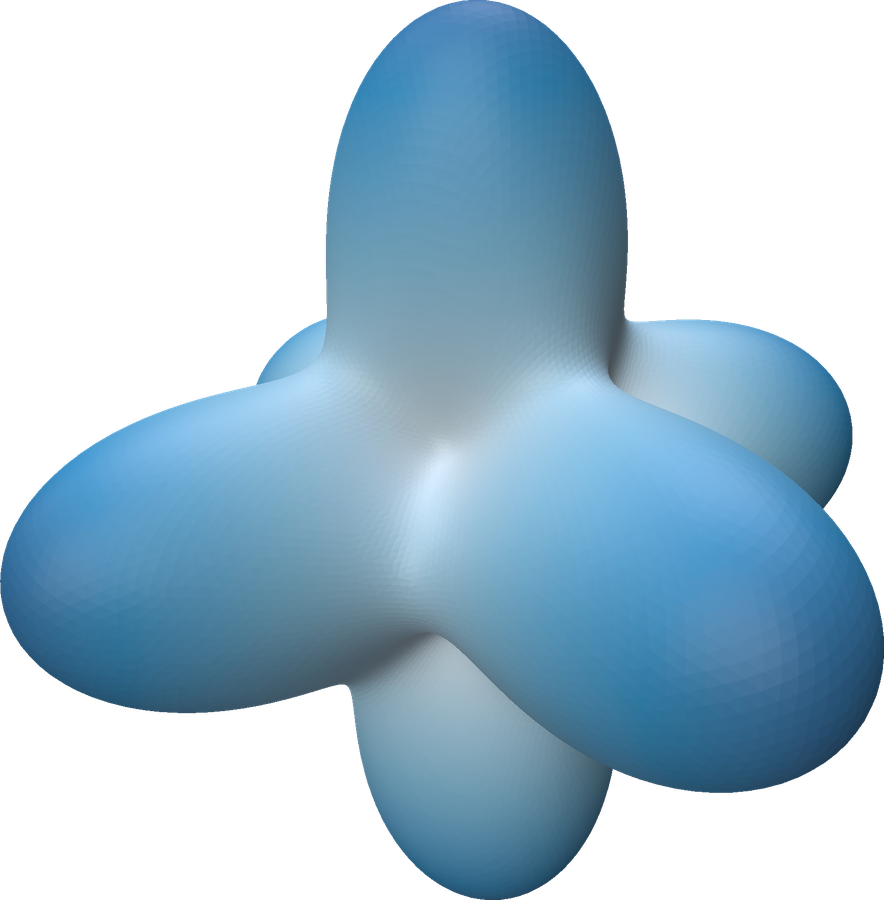
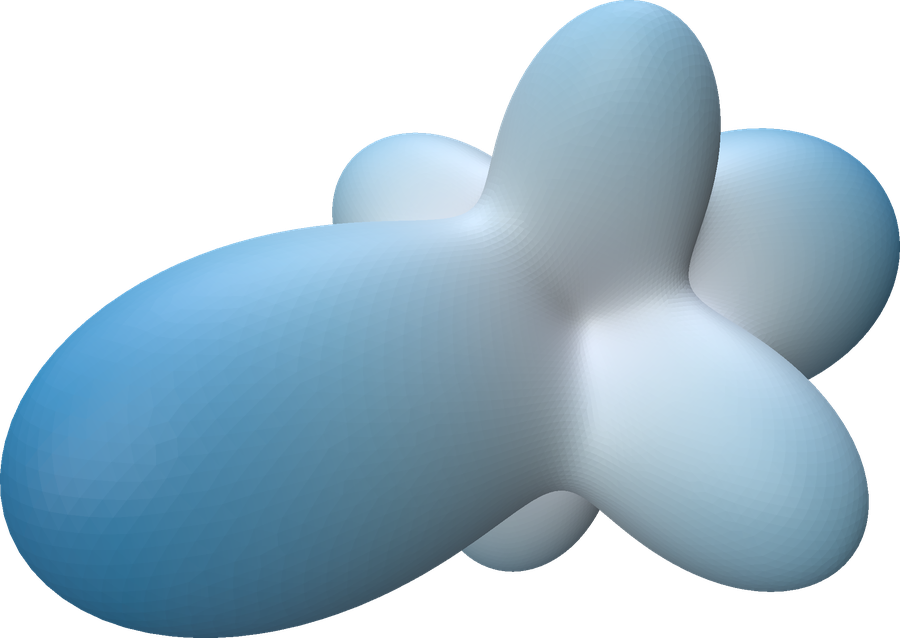
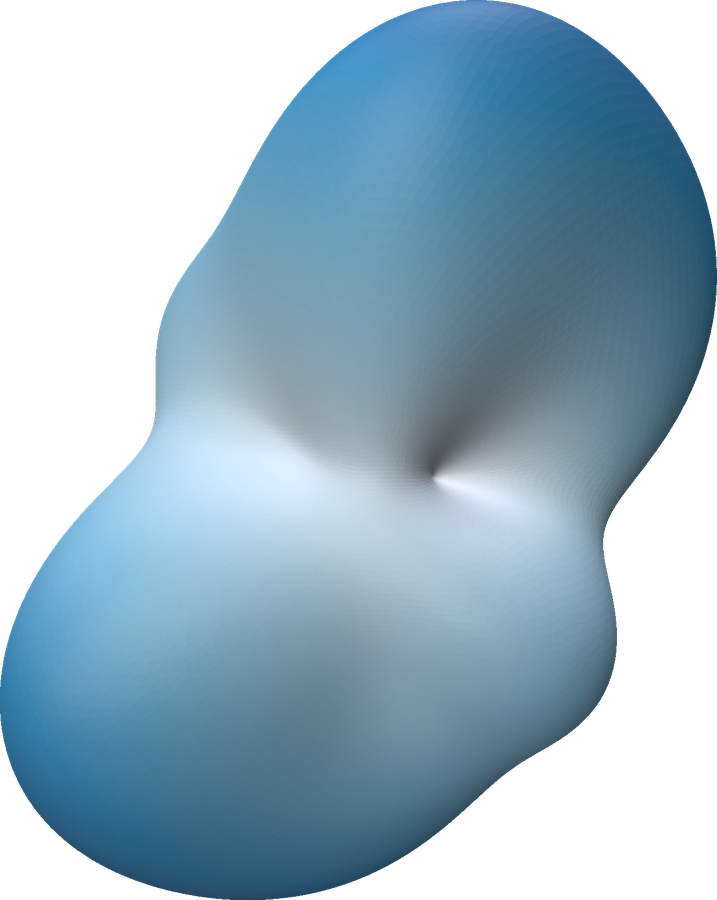
Figure 3: Visualization of tensor polynomials showing isotropic, anisotropic, and non-odeco tensors in the spherical harmonics basis.
Mesh Quality and Comparison to State-of-the-Art
Quantitative comparisons are provided against Integrable PolyVector Fields (IPV) [Diamanti et al., 2015] and Rectangular Surface Parameterization (RSP) [Corman et al., 2025], the only alternate methods supporting joint optimization of integrability and singularity placement. The method demonstrates reduced mean skewness (3.05° versus 5.07° in IPV) and improved symmetry and distortion metrics compared to both baselines, as well as a higher success rate in challenging CAD scenarios. Superior mesh element symmetry and singularity balancing are observed in scenarios with automatic iterative placement.

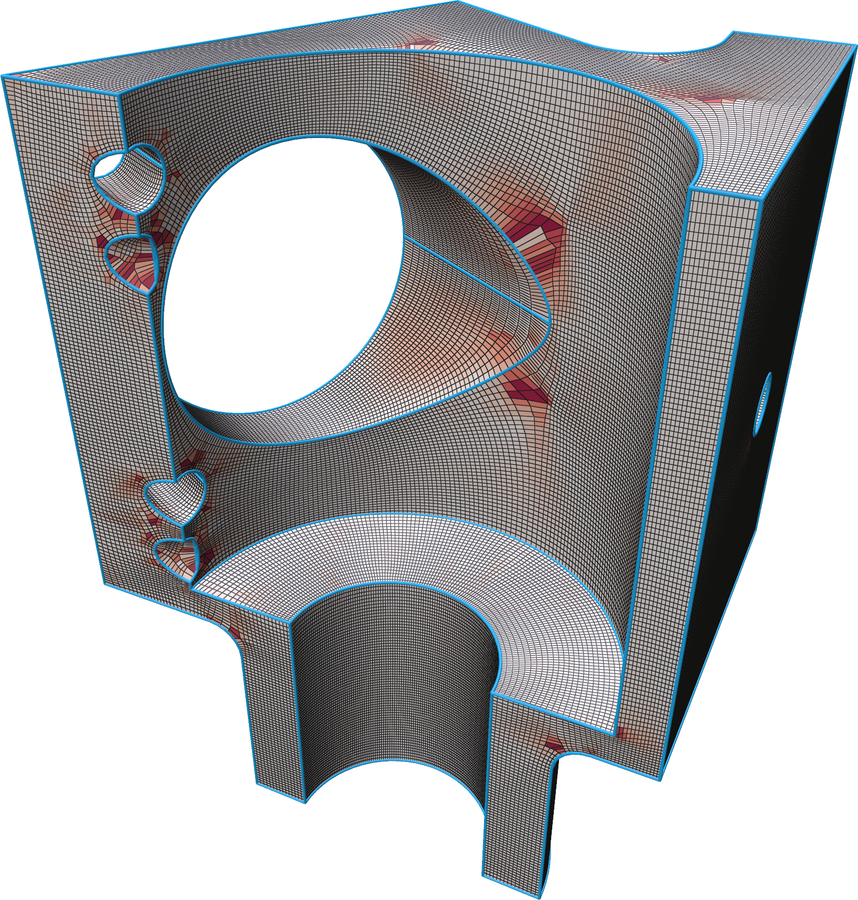
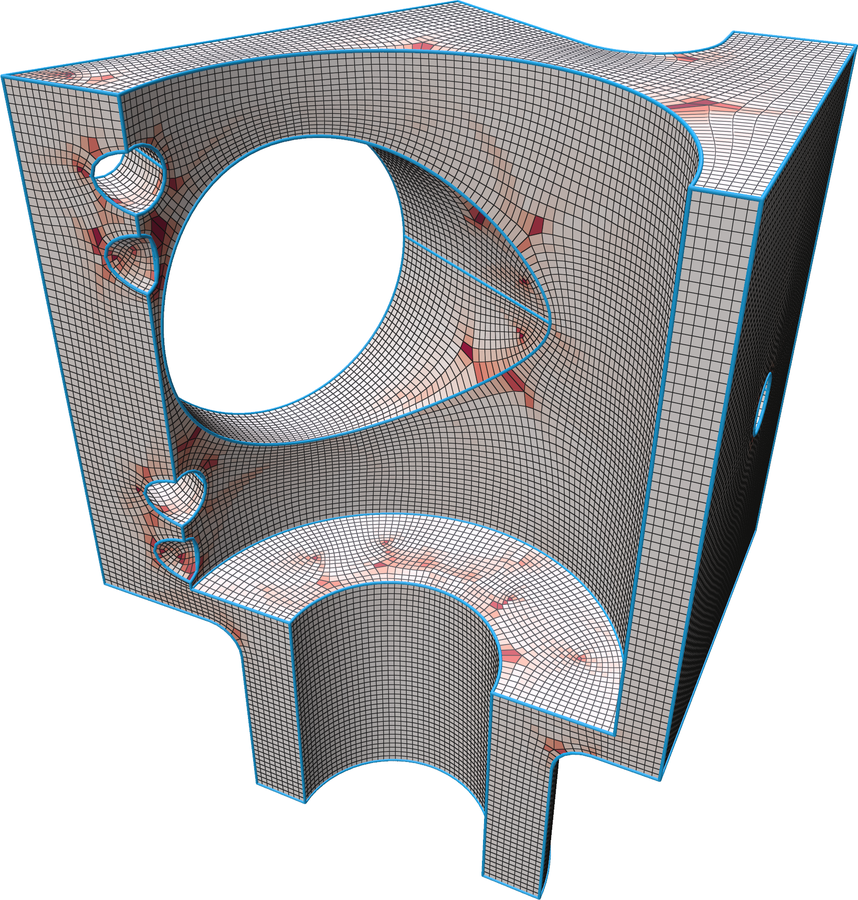
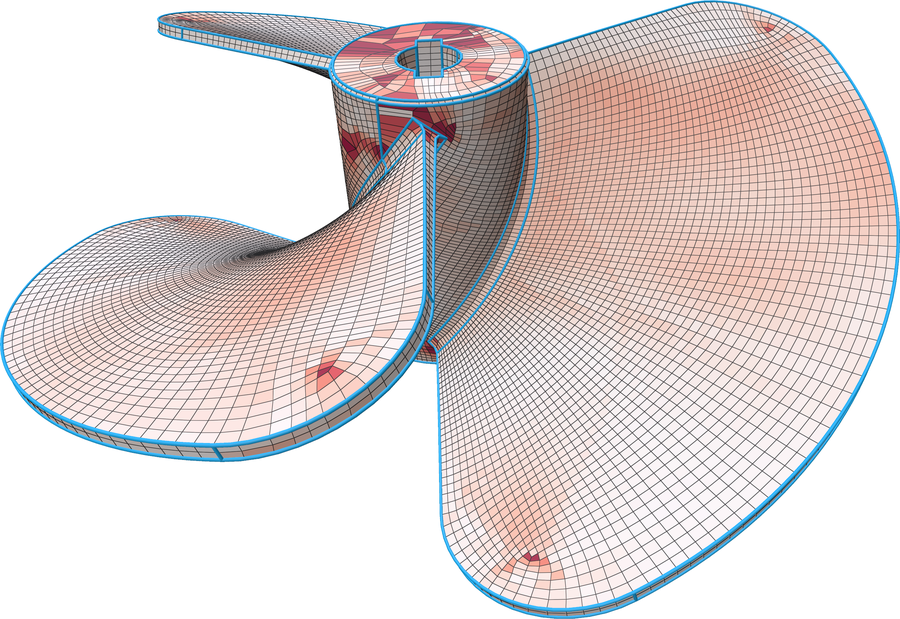
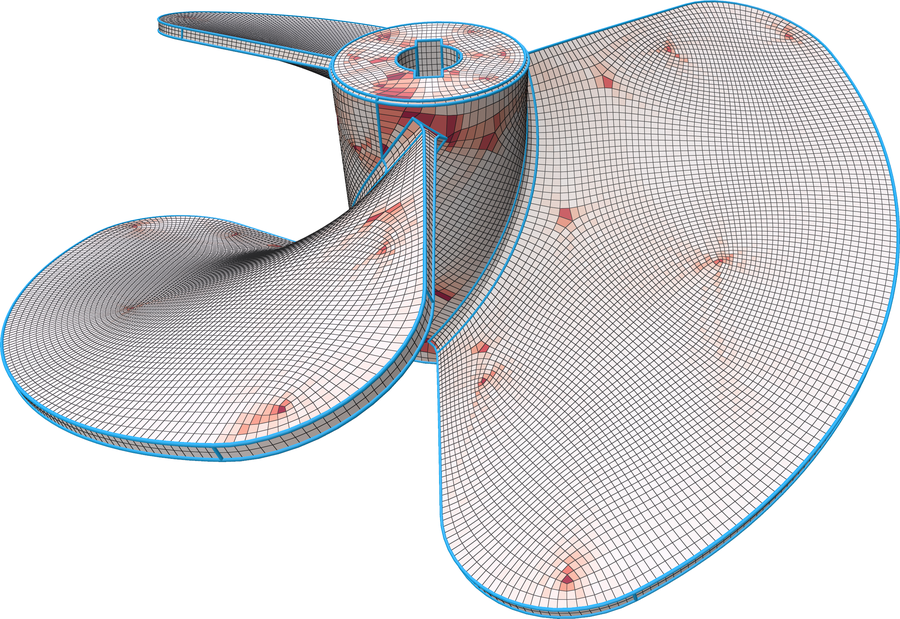
Figure 4: Comparison of quad mesh skewness between the proposed method and IPV, indicating superior orthogonality and sizing compliance.
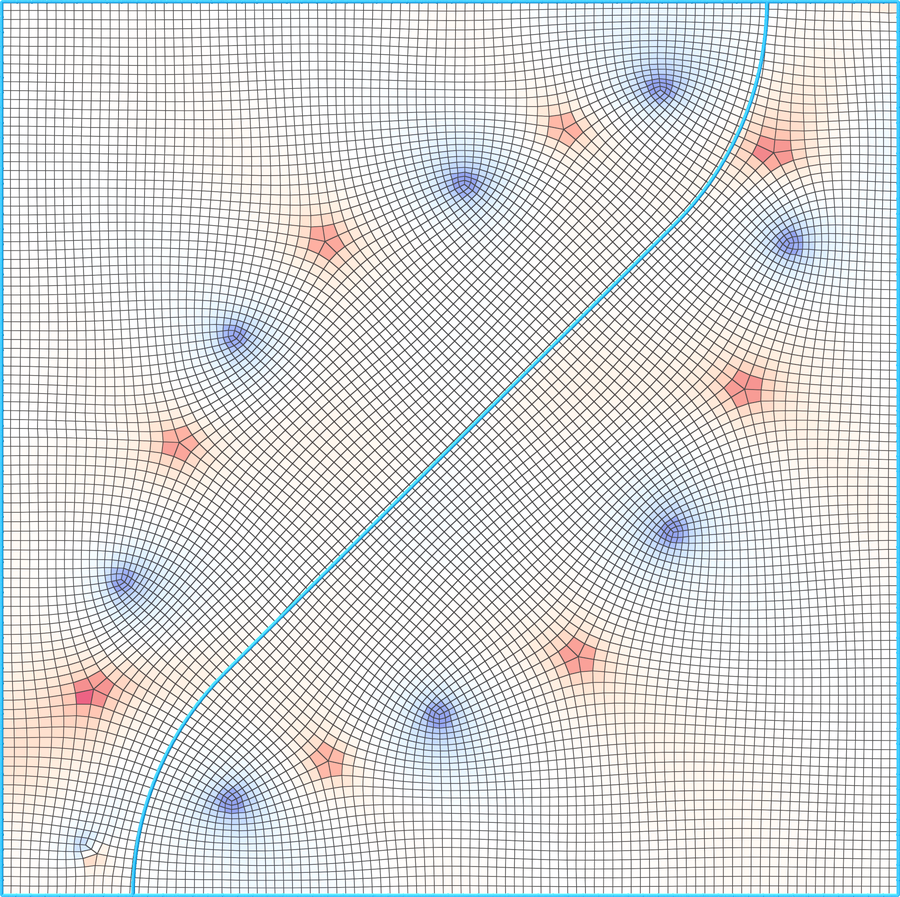
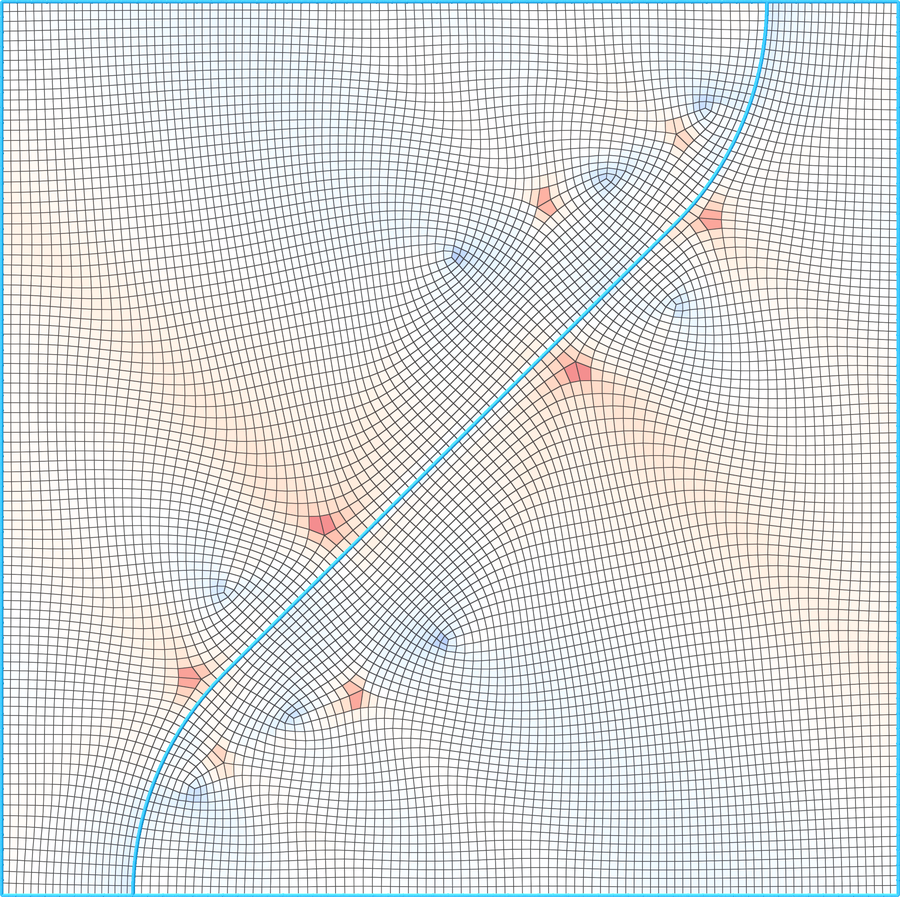
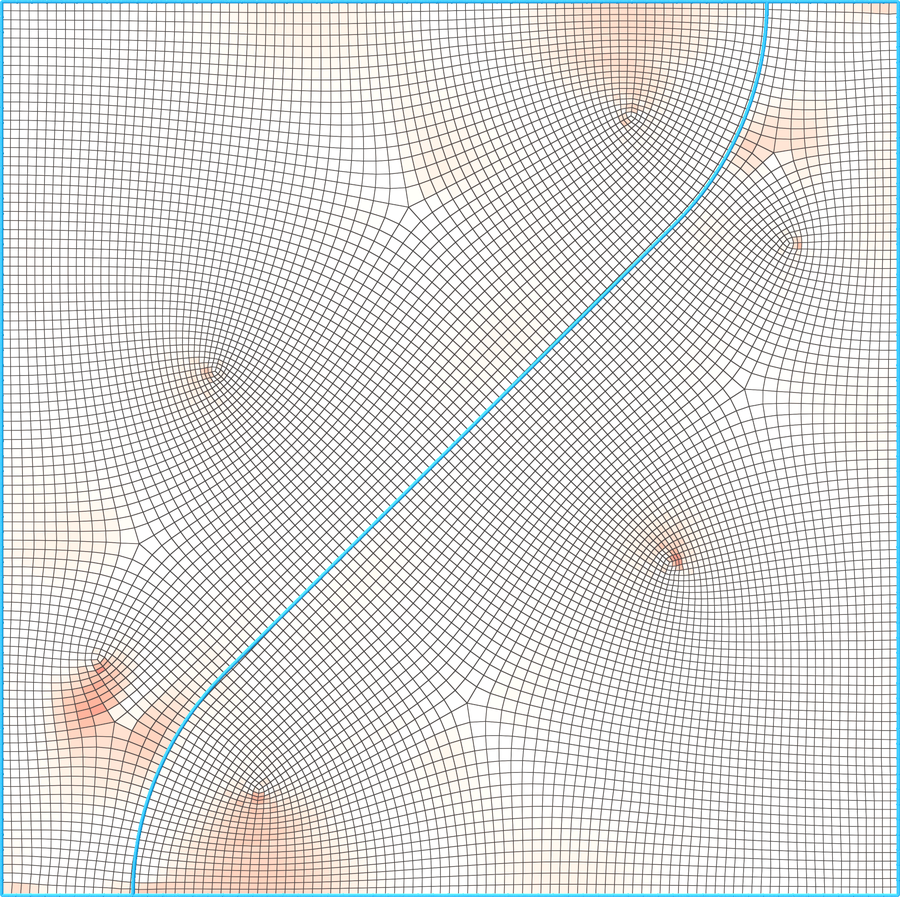
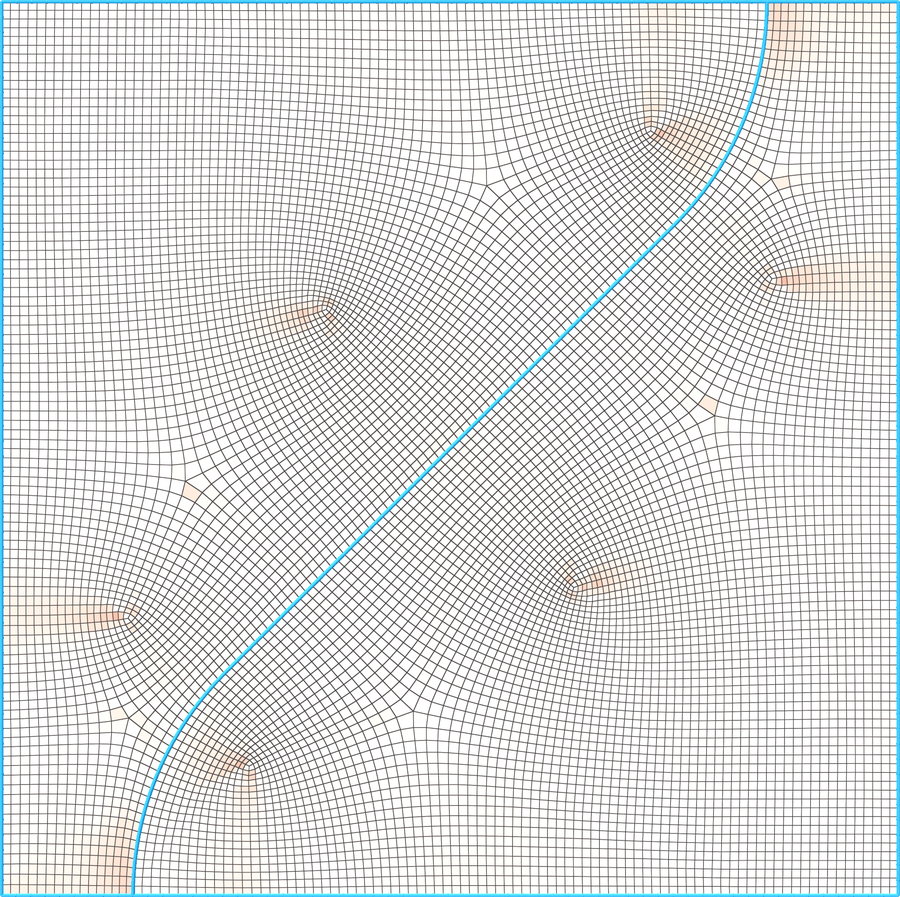
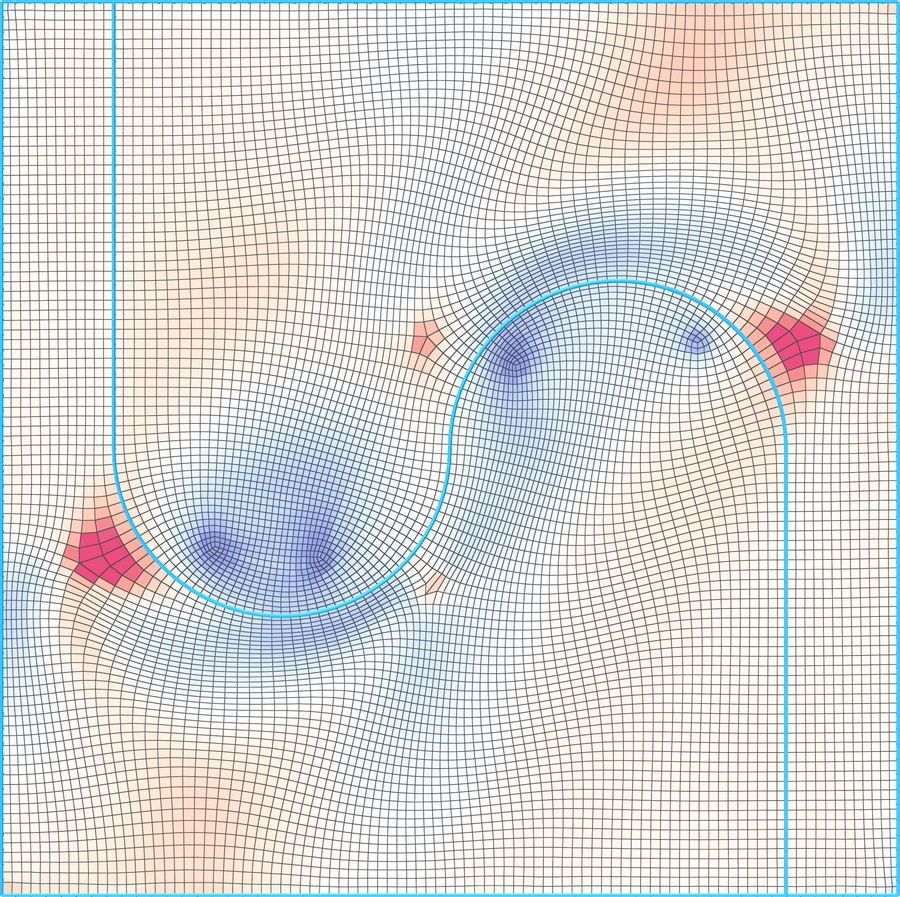
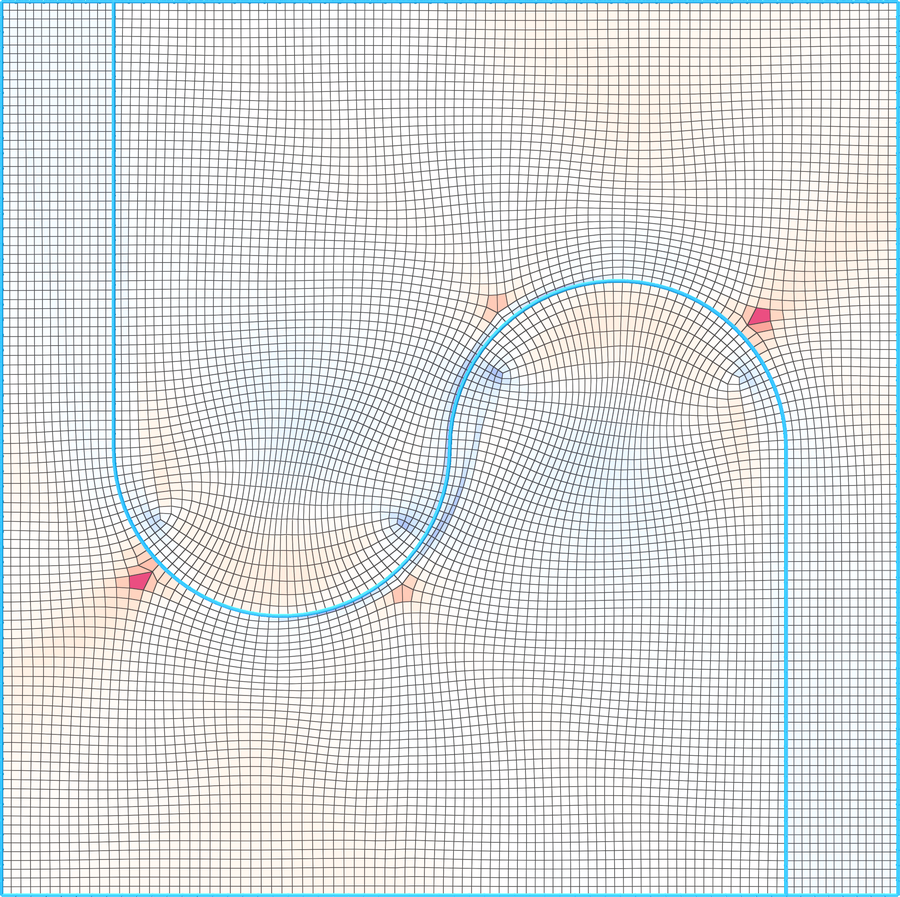
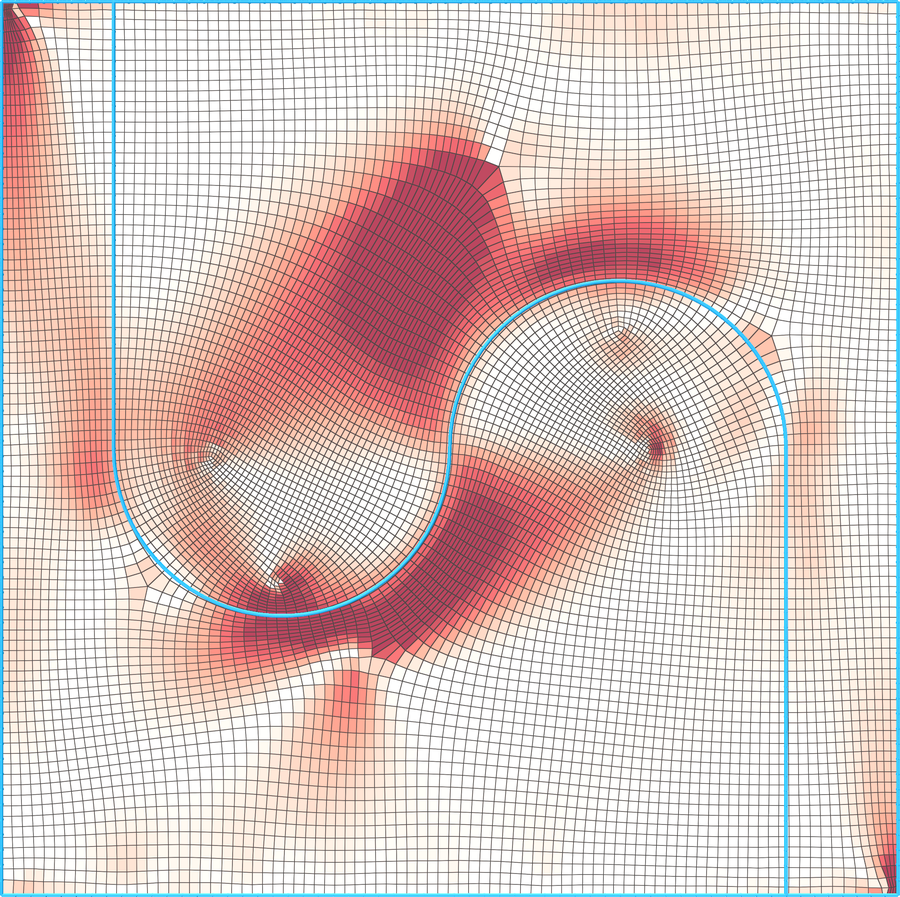
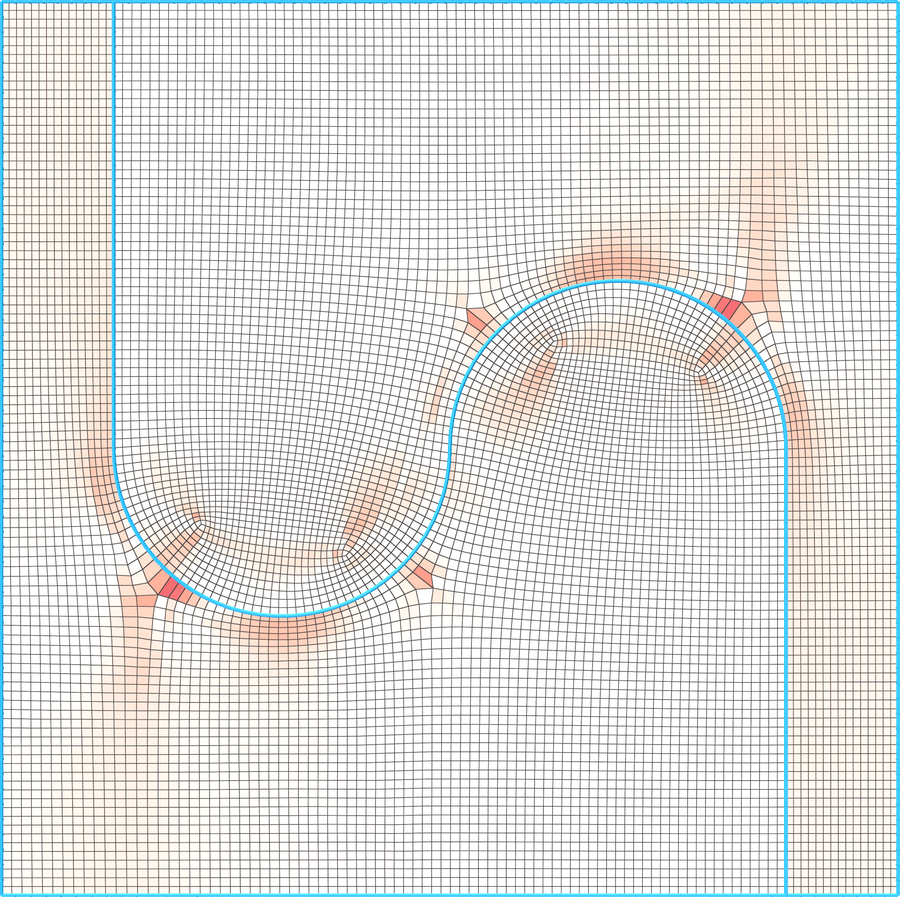
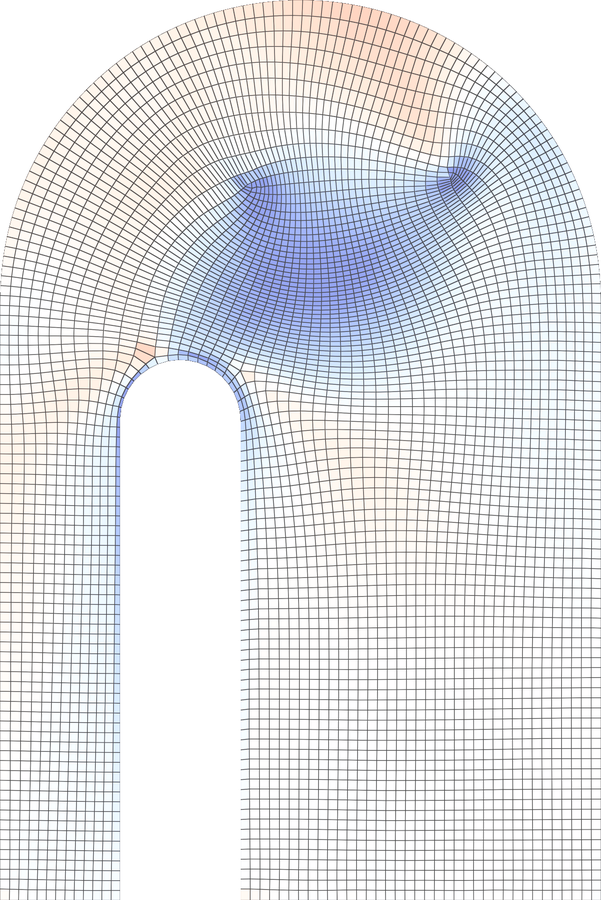
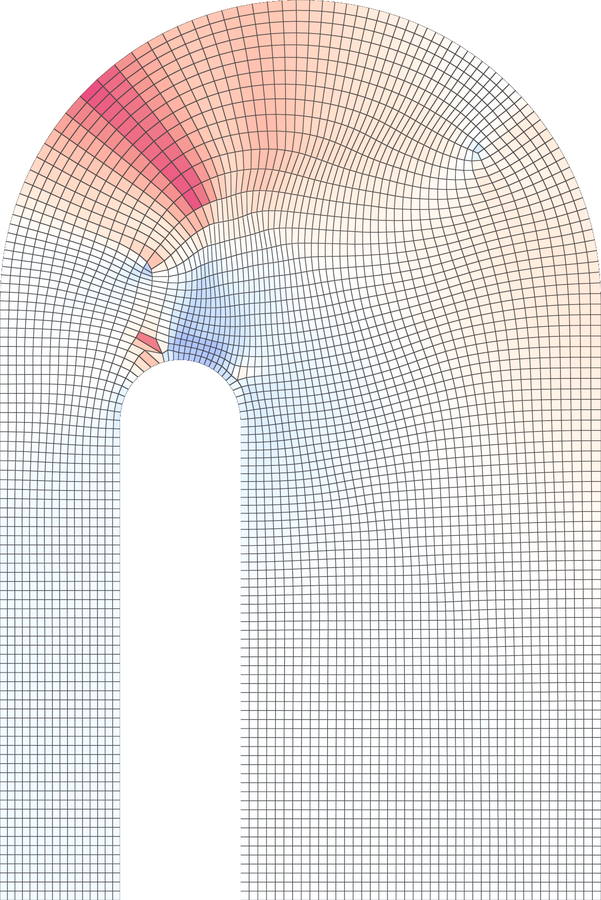
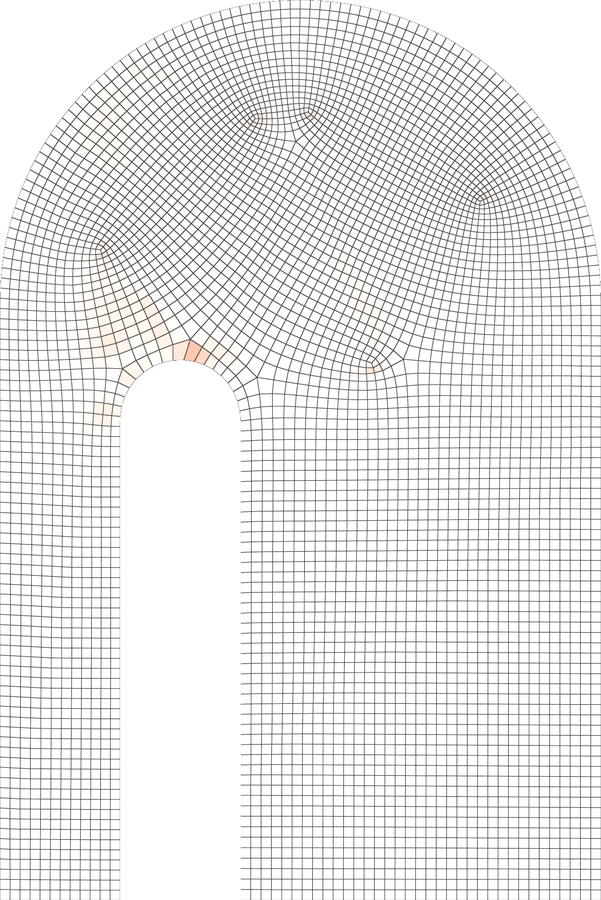
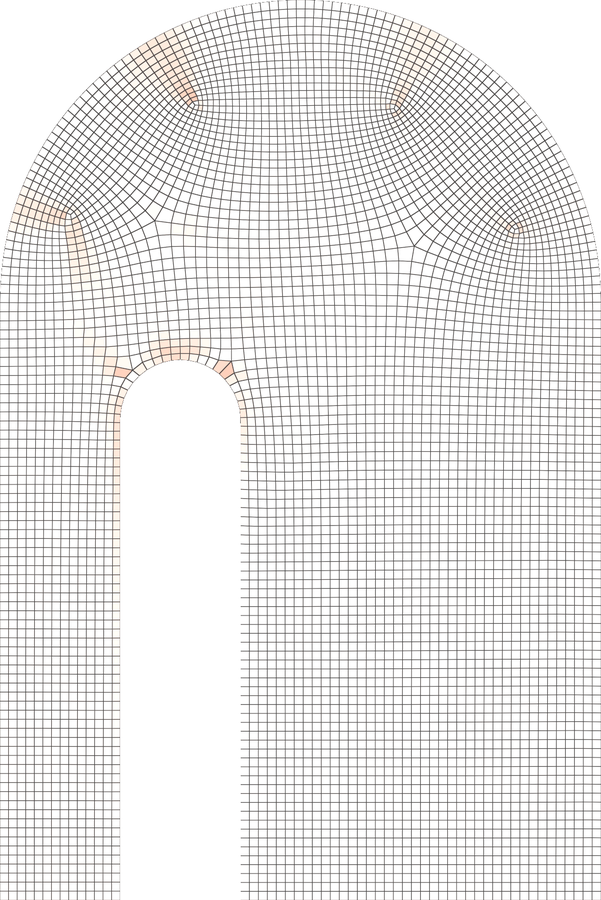
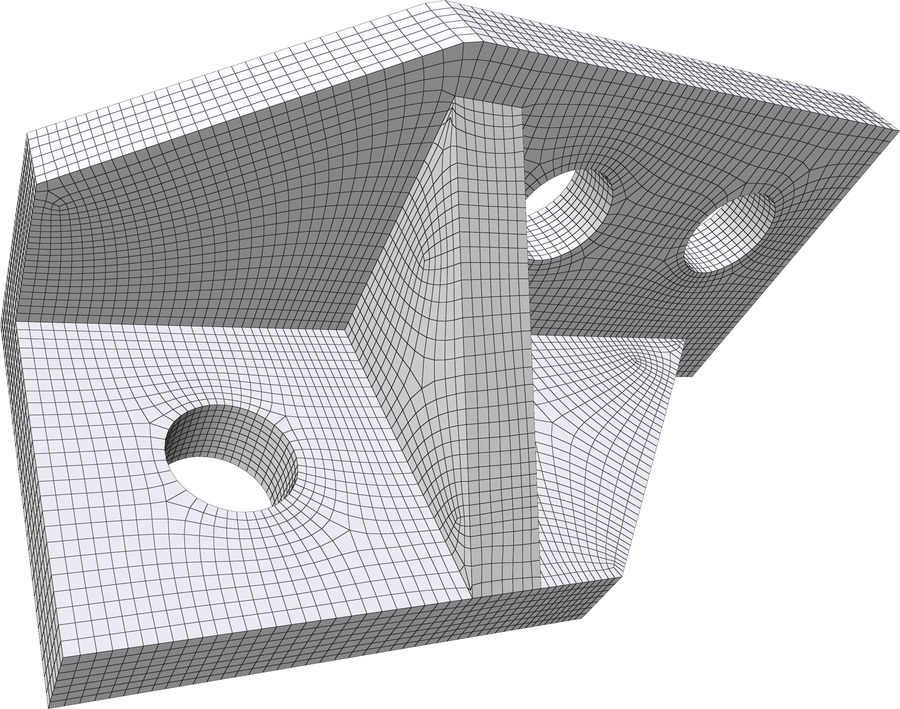
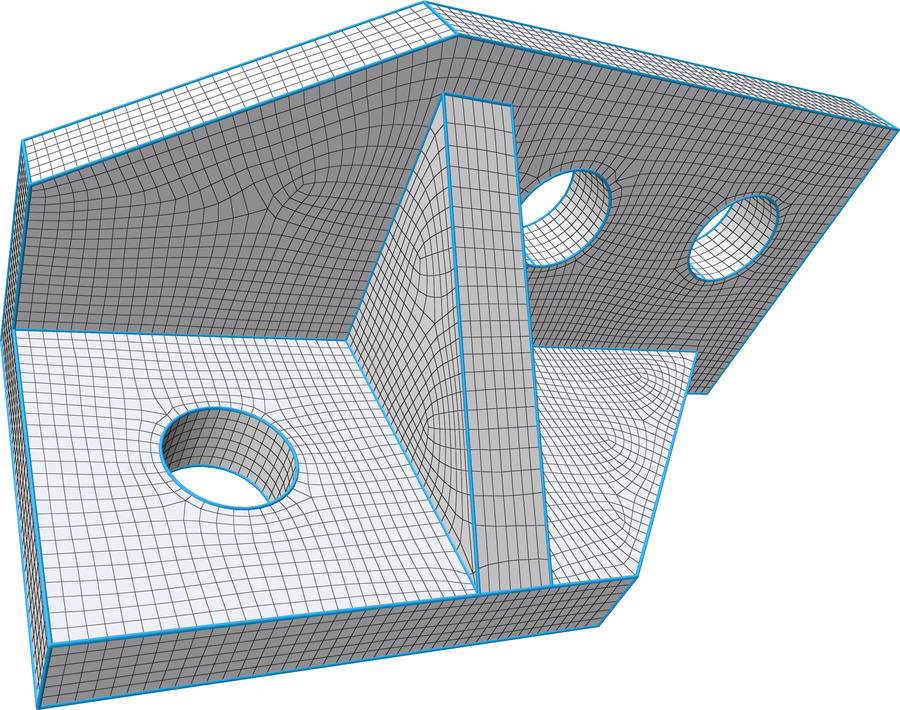
Figure 5: Distortion-minimized quad meshing on planar and CAD scenarios, yielding superior symmetry and area/angle performance at comparable singularity counts to RSP.
Handling of Meshing Pathologies
Despite robustness, configurations with highly acute CAD corners may lead to non-meshable singularity configurations, a limitation discussed and illustrated in the results. The extrinsic alignment of tensors, however, generally aids in handling challenging geometries by correctly aligning frame fields with geometric features.
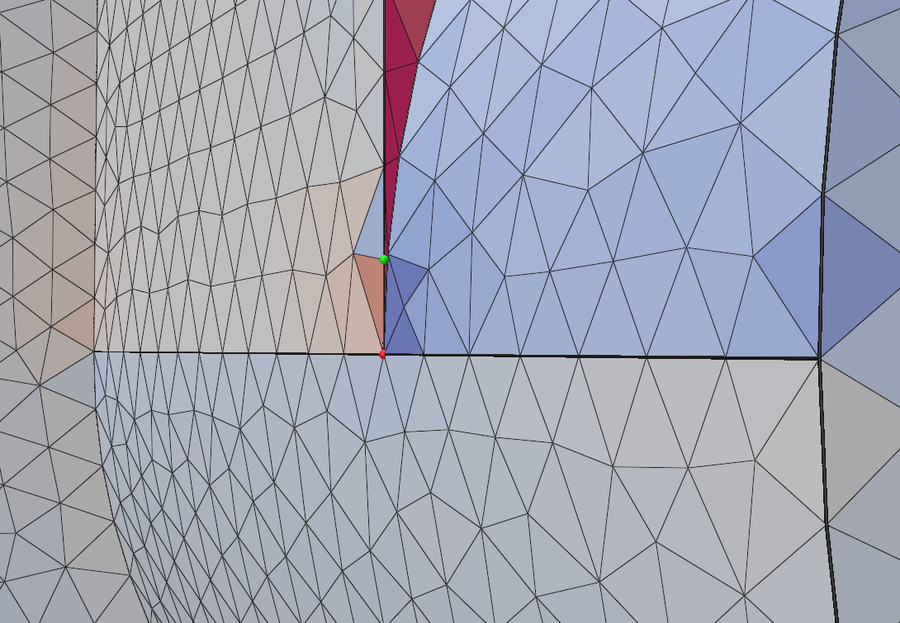
Figure 6: Pathological CAD corners can produce non-meshable singularity patterns, highlighting current limitations.
Theoretical and Practical Implications
The extrinsic odeco tensor formulation generalizes far beyond prior 2D or planar integrability energies, providing a unified algebraic treatment suitable for complex 3D surfaces. The algebraic relaxation is theoretically significant, as it circumvents the need for user-prescribed or greedy singularity injection, instead casting the problem as one of global optimization with automatic singularity creation, sizing, and alignment. Practically, the approach enables parameterization-based quad mesh generation on challenging CAD and smooth models subject to feature and sizing constraints.
Speed remains a challenge, with optimization runtimes up to 2–3× longer than the fastest alternatives, primarily due to the high dimensionality and nonconvexity of the odeco constraints (aggregated as 27 quadrics per mesh vertex). However, the improvements in mesh quality and robustness, and the flexibility regarding feature and sizing prescription, are substantial.
Speculation on Future Directions
Potential research directions include adaptation to intrinsic tensor representations to reduce variable counts, with possible losses in extrinsic alignment fidelity, and generalizing the integrability analysis to support non-odeco (non-orthogonal) frame fields. The methodology is a natural fit for extension to volumetric (hexahedral) meshing, where intrinsic curl-based integrability energies in 3D would enable analogously robust hex mesh parameterization. Additional improvements may include GPU acceleration, intrinsic discretizations, and integration with robust injectivity-preserving parameterization techniques. User prescription of singularity loci remains an open but tractable area within the current framework.
Conclusion
The framework established in this paper fundamentally advances surface quadrilateral meshing with rigorous, algebraic treatment of frame field integrability and natural singularity placement via integrable odeco tensor fields. The methodology delivers superior orthogonality and distortion metrics relative to state-of-the-art, all while granting practical, interpretable control over alignment, sizing, and feature tracking on complex, engineering-relevant models. Continued development in computational methods for higher-dimensional and non-orthogonal frame fields, as well as optimization efficiency, promises further practical utility in simulation, design, and geometric processing domains.